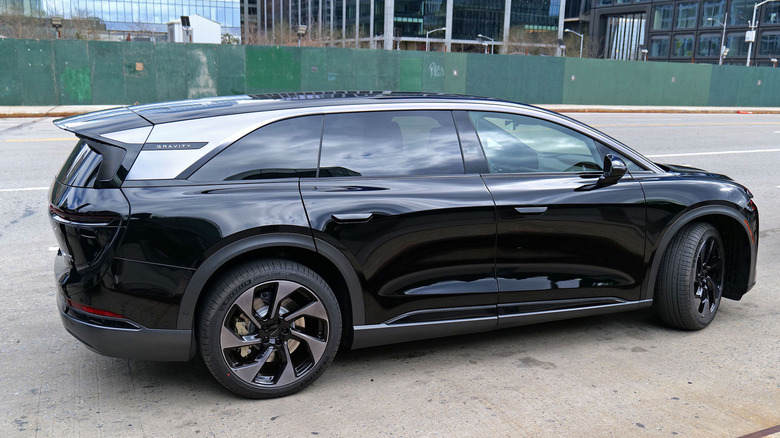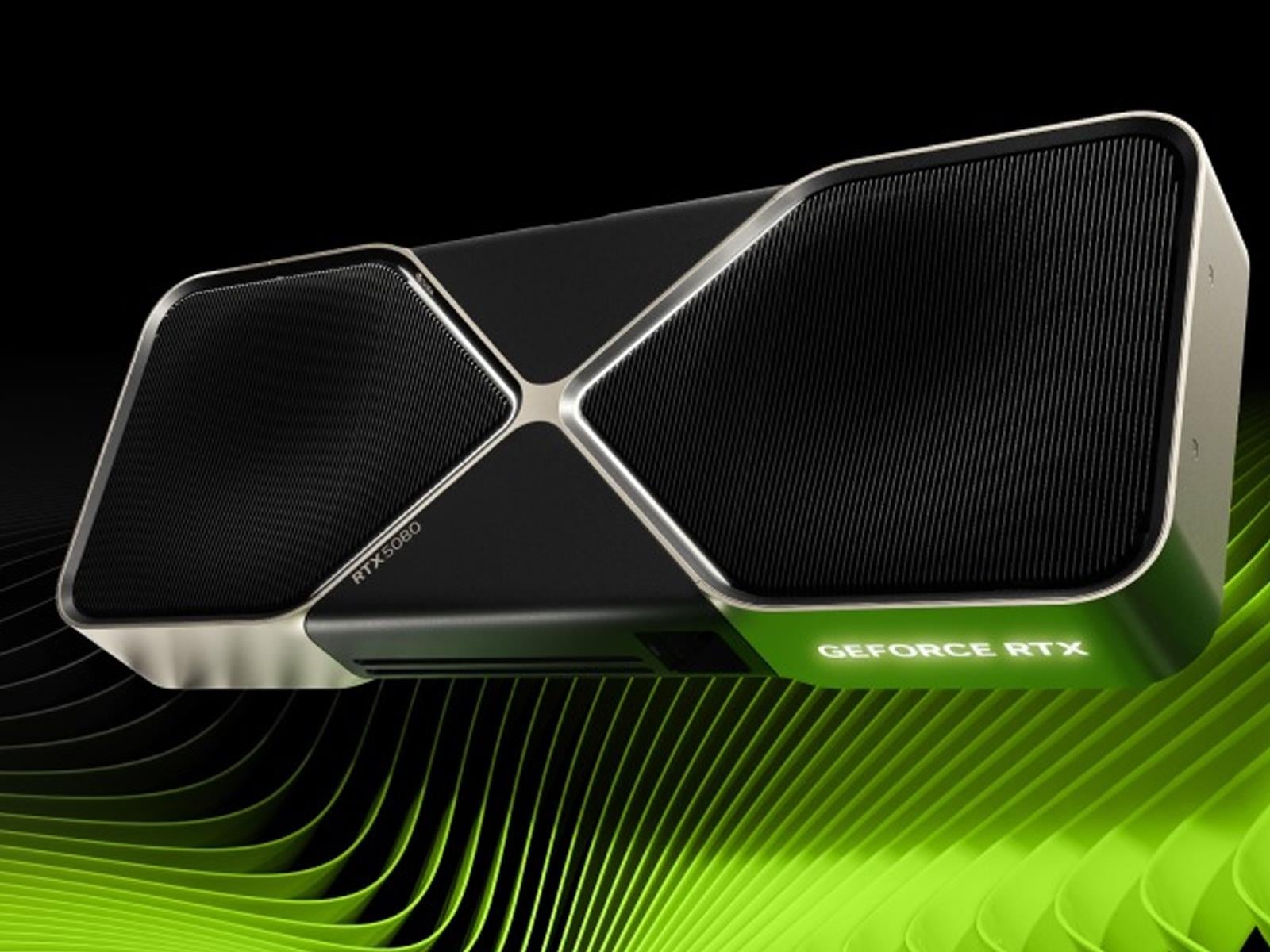
It is starting to look like we will never see a refreshed GeForce RTX 5080 with more VRAM. While rumors of a GeForce RTX 50 Super series refresh have persisted, nothing has materialized as of yet, and the latest unofficial chatter suggests that

The
Node.js project recently had a
security vulnerability that
affected its
Brotli decoder. The bug
was a buffer overflow,
but the particular way that official Node.js binaries are built for Linux meant that one of the
main protections against turning a buffer overflow into remote code execution,
address space layout randomization (ASLR) could not be turned on. If ASLR had been
enabled, the bug would still be exploitable in theory, but much more difficult
to exploit in practice. In response, the GNU C Library (glibc) is
considering a new set of
tunable settings to allow administrators to forbid programs that do not
support ASLR. The new settings, while a welcome hardening measure, may not
address the root problem.
We may earn a commission from links on this page.
Last year, Aura released the Aura Ink, its first digital photo frame using an e-ink display rather than the LCD screens common to the other devices that made them the major player in the market (Aura customers have already uploaded more than one billion photos this year alone). When I reviewed the original 13-inch Aura Ink last year, I recommended it, with a few major reservations. Today, Aura announced its second-generation 10-inch Ink frame, and while I wouldn’t exactly say they’ve solved every one of my issues, the new device is significantly improved—and much cheaper.
Most digital photo frames will remind you of an iPad with a decorative border around it. They’re great for displaying hundreds of your photos with vibrant color, but not everyone loves the look, or the fact that these frames always need to be plugged in. An e-ink frame, on the other hand, uses a variant of the sort of low-power screen you’d find in a Kindle Colorsoft—less bright, but more paperlike, and much closer to the look of a traditionally printed photo.
The Aura Ink is a great choice if you want a digital frame that looks more like a “real” photo and doesn’t need to be plugged in and doesn’t light up like a tablet (though it does have a light, it’s really to make up for the fact that color e-ink screens don’t reflect light very well, and thus can make your pictures look way too dark without an additional boost). You’ll still get all the benefits of an LCD frame like the Aura Aspen, including the ability to load photos from anywhere using the versatile Aura app (you can now even text them directly to the frame), but you’ll only need to charge it once every few months.
Now for the downsides: Where most digital frames allow you to flick between photos with a swipe, the Aura Ink is much more sluggish—switching from one photo to another takes about 45 seconds. While an LCD can match the colors in your photo exactly, e-ink uses a “dithering algorithm” to blend tiny pixels together to create the illusion of different hues (“millions” of them, according to Aura). In practice, this means up close, your pictures will look rather grainy, and the colors won’t be nearly as bright as what you see on your phone screen.
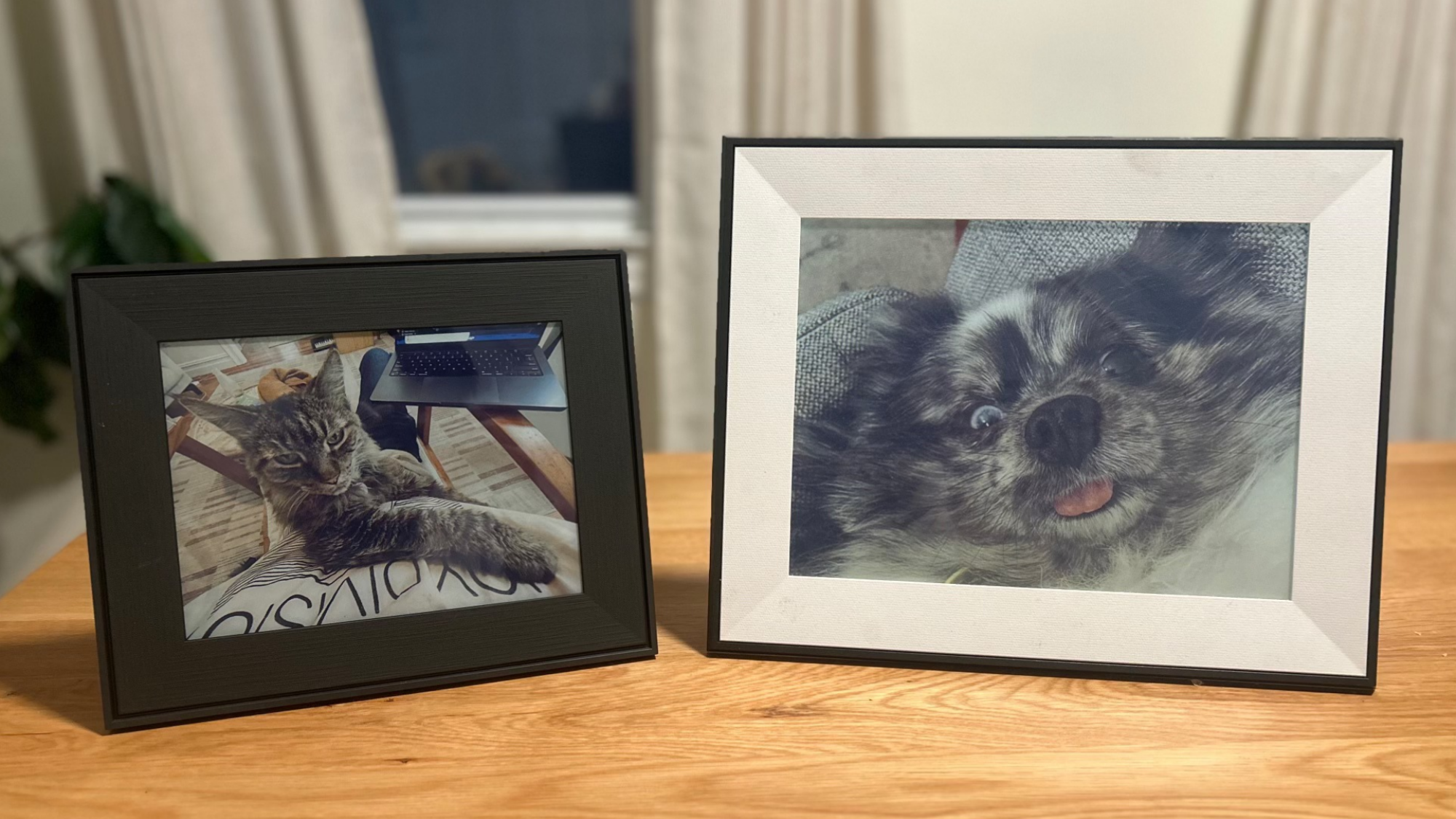
All of that said, the Aura Ink is a great product, provided you know what you’re buying, and the new 10-inch model offers some big upgrades over the 13-inch original released in 2025:
Resolution has been bumped up from 150 ppi to 200 ppi, so your images look more detailed and less grainy. (Though the difference is hard to capture in a photo, I can definitely see the improvement when comparing them side-by-side.)
Instead of the six base colors available on the older frame, the 10-inch Aura Ink blends nine different hues to approximate the colors in your images, offering greater color accuracy and improved contrast.
The transition effect when you move between photos has been updated to look more intentional—like waves of color moving across the screen versus a series of increasingly intense flashes.
It’s a heck of a lot cheaper: $349, versus $499 for the 13-inch model—though that’s still significantly pricier than Aura’s most popular offering, the 10.1-inch Aura Carver, which starts around $200 less.
I write a lot about e-ink devices, from e-readers to tablets, and my common refrain, especially with color devices, is that they’re great at what they do, but you should understand what they do before you plunk down your money. The Aura Ink will never look as bright and colorful as an LCD frame, and if you want a frame that can switch between images every few minutes or even play video, you’ll need to look elsewhere (to maximize battery life, Aura recommends swapping photos on the Aura Ink no more than 12 times per day).
But if you want to display photos that look more like the ones that hung on the walls of your childhood home, in a frame that doesn’t need to be plugged in all the time, you’ll probably dig it, provided you can stomach the $350 price tag.

Google DeepMind researchers used agentic AI to mathematically prove, or “formally verify,” a number of the Signal protocol’s key cryptographic guarantees—a landmark development for the widely used cryptography and AI itself.
Conducted as a sort of proof-of-concept project in just four weeks, the work is significant in two ways. It serves as further independent validation of the cryptography that protects massive quantities of the world’s communications on platforms like the Signal app, Google Messages, and WhatsApp. And it demonstrates Google DeepMind’s formal verification capabilities using a new AI framework called AlphaProof Code.
More broadly, AI-aided formal verification is having a moment, but it is unclear how practical it will be for widespread use and how effective it can be at securing large amounts of code. Proponents of formal verification have long referred to it as a sort of holy grail in software security, because it uses math to check and validate that software is functioning as intended—in other words, that it doesn’t have critical vulnerabilities.
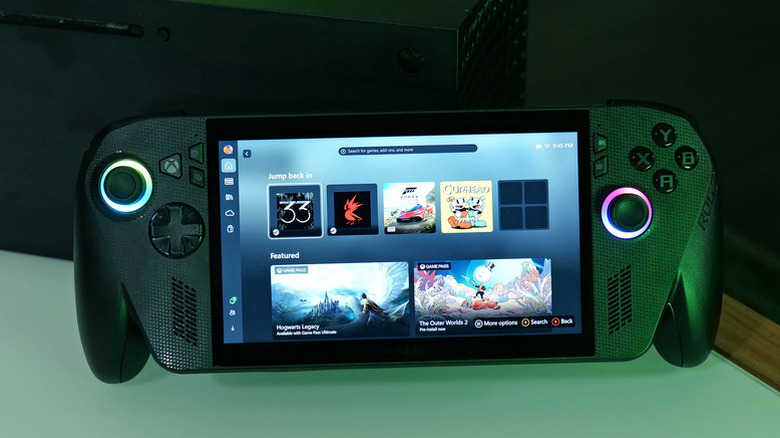

Somnium Space, the adult-only social VR platform, was delisted from Steam during Valve’s crypto games purge in 2021. Now, the platform is slated to return to Steam next month.
We first learned that Somnium Space was eyeing a Steam re-launch earlier this summer, as the company promised it would launch on SteamVR (incl. Steam Frame) and Steam Deck, and also eventually Apple Vision Pro too.
Now, Somnium Space’s Steam page notes it’s coming to Steam Early Access in December 2026.
The company is hosting its Somnium Connect event on November 28th, where we hope to learn more about just what’s changing, although this ostensibly means Somnium Space will be complying with Steam’s blanket ban on cryptocurrency and NFTs.
The platform was heavily involved with both starting in October 2019, when virtual land was auctioned off, and a year later when its cryptocurrency CUBE was released. Then, in 2021, Valve purged all crypto/NFT-centric games, which also meant Somnium Space would essentially attract players by funneling them to their own launcher.
Notably, Somium Space says the Steam release is slated to include the company’s signature user ID system, which ensures all users are verified as being over 18.
“Our goal is to keep the core Somnium experience accessible to everyone who meets the platform’s 18+ age requirement and completes the mandatory free age verification. We do not plan to lock core platform features behind a purchase price,” the Steam page reads, noting it’s aiming to stay in early access for the next 1-2 years.
Unlike VRChat, which is primarily built around user-created avatars and worlds, Somnium Space was founded as a persistent virtual world with a more monolithic structure. After its v3.1.6 update in July however, users can now host paid and/or private instances, allowing for things like concerts, classrooms, meetings, paid events, and moderated gatherings.
The post Social VR Platform ‘Somnium Space’ Returns to Steam Next Month Following Crypto Purge appeared first on Road to VR.


“If you ordered a physical copy of GTA 6, games will begin arriving at retailers and shipping to buyers on November 12. You can use the code in your box to preload your copy of the game.”


Read more of this story at Slashdot.