NVIDIA just delivered another monster quarter as its AI money continues to fire on all cylinders even as the company navigates a sudden leadership shakeup. In its first earnings release since Jensen Huang abruptly resigned as CEO, NVIDIA reported

We may earn a commission from links on this page. Deal pricing and availability subject to change after time of publication.
Amazon is running early Black Friday deals on its Fire TV streaming devices, with the Fire TV Stick HD down to $15.99 and the Fire TV Cube at $89.99, $110 off its current list price. The discounts follow an August price increase across the Fire TV lineup. For more editor-vetted tech deals, check out the rest of our Black Friday coverage.
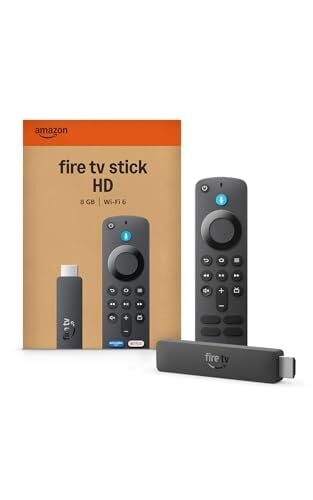
The newest Fire TV Stick HD is $15.99, down from $39.99. This 2026 version of Amazon’s entry-level stick is about 30% slimmer than before and able to run off a TV’s USB port. It streams in 1080p with HDR10+ over Wi-Fi 6 and adds Alexa+ for more conversational voice search. That said, with the 4K Select costing $2 more and the new Stick 4K $5 more, the HD makes the most sense for TVs that top out at 1080p. This PCMag review has more on its performance.
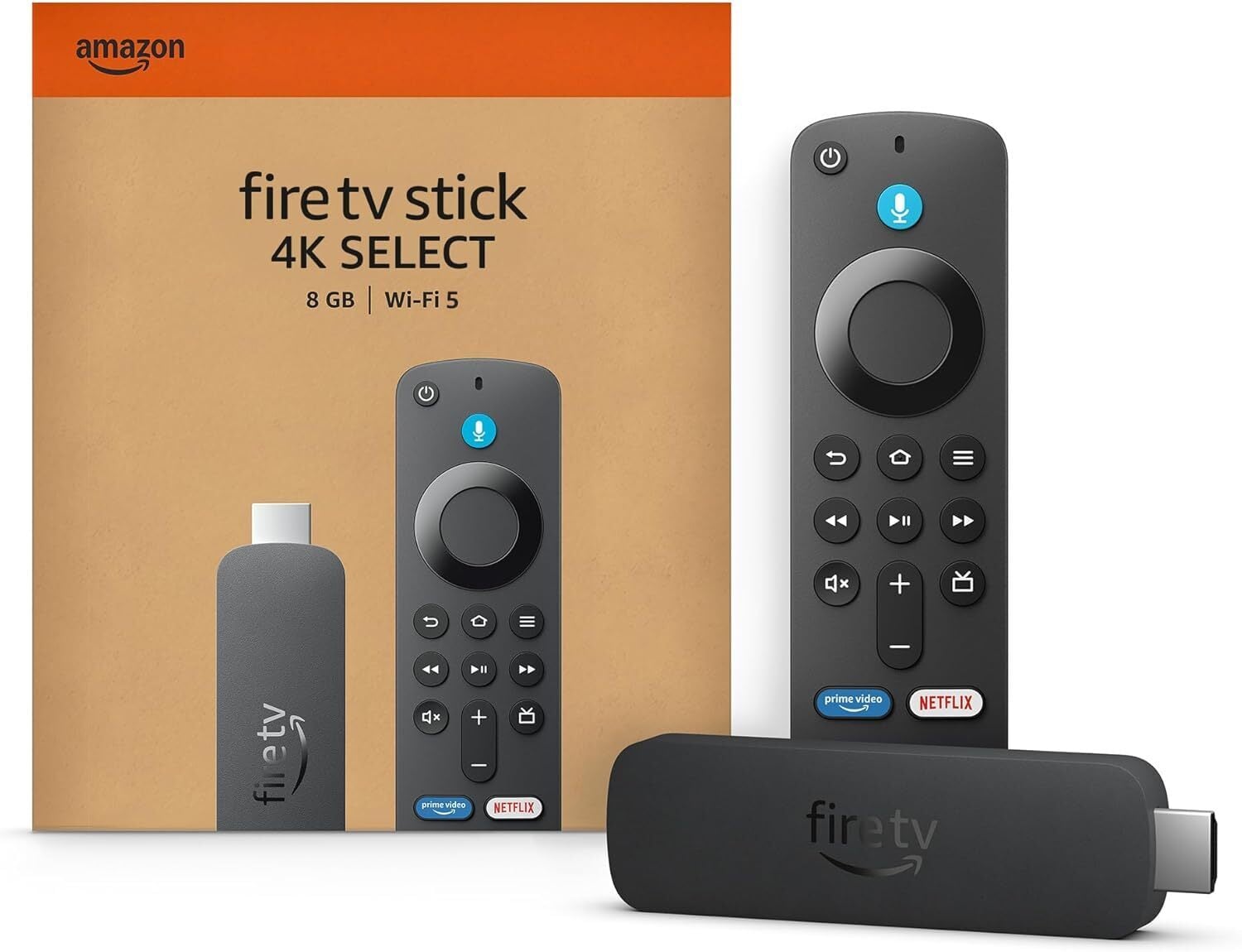
Fire TV Stick 4K Select is $17.99, down from $49.99, and brings 4K HDR10+ streaming and Alexa+ to Amazon’s lowest-priced 4K stick. It launched in October 2025 as the first Fire TV stick to run Vega OS, and it skips Dolby Vision, Dolby Atmos, and Wi-Fi 6, using Wi-Fi 5 instead.
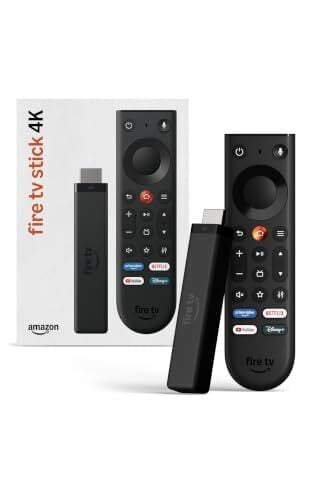
The latest Fire TV Stick 4K is down to $19.99 from $59.99 and is the version Amazon released in September with a quad-core processor, Wi-Fi 6, and Vega OS. According to Amazon, apps launch over 35% faster than on the previous model, while the ability to draw power directly from your TV’s USB port makes setup a little easier. The redesigned remote also has buttons that are easier to identify by touch, and you get support for HDR10, HDR10+, and HLG content at up to 4K and 60fps. Check out PCMag’s review for a closer look at its performance and features.
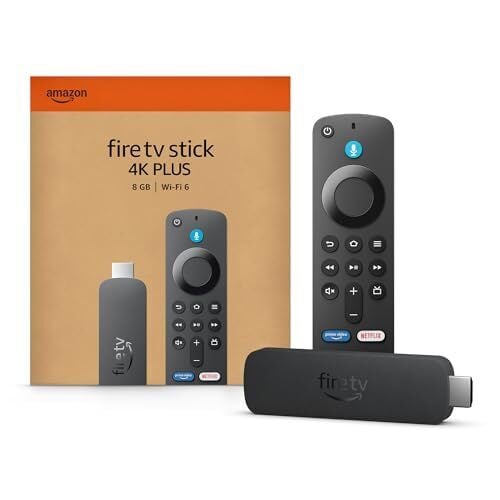
The Fire TV Stick 4K Plus with AI-powered Fire TV search is $29.99, down from $69.99, and is built on the second-generation Fire TV Stick 4K hardware that PCMag reviewed in 2023, now paired with AI-powered search that finds titles by actor, plot, or a remembered quote. It supports Dolby Vision and Dolby Atmos, which the 4K Select lacks, and it runs Fire OS rather than Vega OS, so sideloading still works.
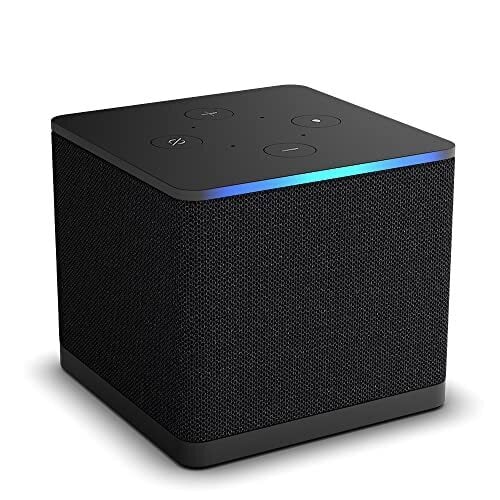
Fire TV Cube is $89.99, down from $199.99, the largest discount in this roundup and $30 below its 2022 launch price. It’s Amazon’s fastest streaming device, with an octa-core processor, Wi-Fi 6E, a built-in Ethernet port, and far-field microphones for hands-free Alexa. Its HDMI input and IR blaster also let it connect to and control a cable box. For more on its performance, check out this PCMag review.
Yes, Amazon has Black Friday sales, and we vet our deals to make sure they’re the best ones. You can also refer to guides like our live blog that have already done all of the vetting for you. And if you have an Amazon Prime membership, make the most of it.
Black Friday sales officially begin Friday, Nov. 27, 2026, and run throughout “Cyber Week,” the five-day period that runs from Thanksgiving through Cyber Monday, Nov. 30, 2026. But Black Friday and Cyber Monday dates have expanded as retailers compete for customers. You can get the same Black Friday sales early, and we expect sales to wind down by Dec. 2, 2026.
No. If you find the product you’re looking for with a major discount right now, get it. It’s not likely to drop any lower, but it could always run out of stock. Take advantage of price matching or guarantees instead of waiting. Remember, you can always return products later if you change your mind. For the majority of products, the deal from Black Friday will be the same one on Cyber Monday.
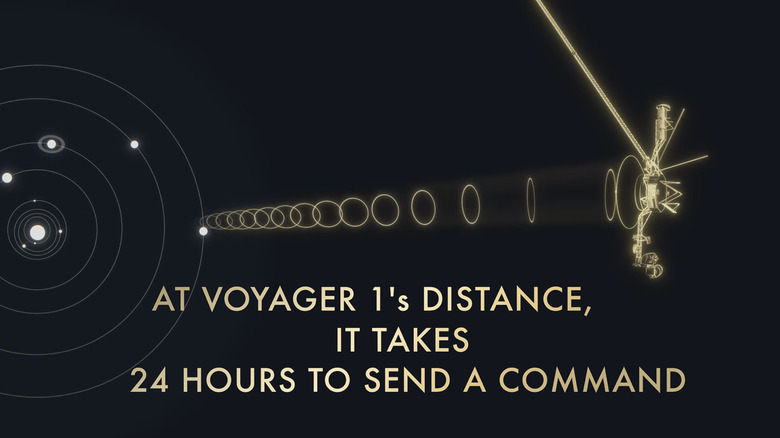
In the one light-day that humanity’s most distant object has now traveled from Earth, there has been enough time for details about its creation—and what it left behind—to be discovered again.
Voyager 1, which left Earth in 1977 on an initial mission to fly by Jupiter and Saturn (as well as the latter’s moon Titan), crossed into interstellar space in 2012. Like its twin (Voyager 2), Voyager 1 carries a “commemorative phonograph record,” in part as a nod to the 100th anniversary of the recording medium and as a message from humanity to whomever (or whatever) encounters the spacecraft on its journey through outer space.
About those forgotten bits, ask Glen Swanson. While researching the history of the Golden Record, he uncovered the discs’ overlooked second set of operating directions and located the duplicates that were made and distributed almost five decades ago.
[…] At any rate, these fast speeds allowed both spacecraft not only to go fast, but to eventually reach interstellar space in 2012 (Voyager 1) and 2018 (Voyager 2), respectively. With the light-day milestone now reached by Voyager 1, it is anticipated the spacecraft could work into the 2030s, as long as their nuclear power sources can last.
NASA’s Jet Propulsion Laboratory, which manages the mission, has been carefully turning off instruments as required, and recently did a “Big Bang” procedure on both spacecraft to redistribute power supplies as best as possible. The idea is to maximize science return on both spacecraft, the only interstellar messengers we have, for as long as possible.


Read more of this story at Slashdot.
Just a minute ago, I was shooting my way out of a cocaine deal gone wrong, darting behind furniture for cover. Now I’m sitting on the floor of my home, working through the instructions to construct an Ikea-style coffee table with my partner. A tiny heart with a plus sign pops up, showing that our relationship is stronger for this quotidian domestic effort.
This is the contrast at the heart of Grand Theft Auto VI, a game that seems to revel in both action movie bombast and the mundanities of everyday life for an up-and-coming young criminal couple.
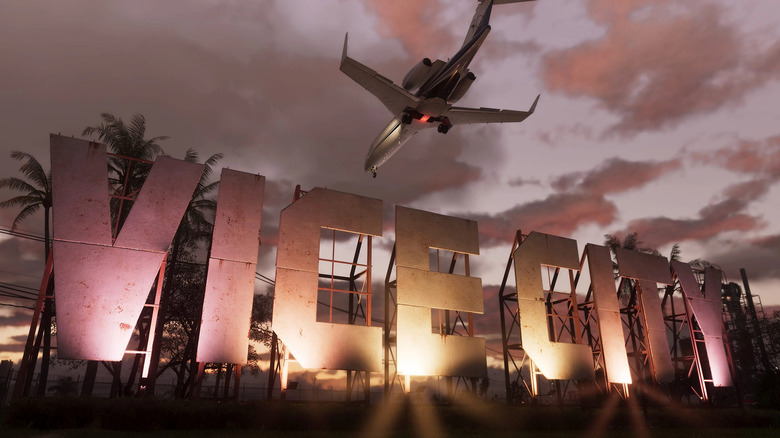
The reimagined and expanded Vice City is still the grand, crude, satirical criminal playground you’d expect after 25 years of 3D Grand Theft Auto games. And that world is as full, detailed, technically impressive, and polished as you would expect after this latest installment received a reported billion-dollar budget and roughly a decade of development work involving thousands of Rockstar staffers.