
Fixes for the CVE-2026-98432 Linux kernel vulnerability are available for Ubuntu.
Monthly Archives: November 2026
GIMP 3.2.8 Speeds Up Preferences, Improves Text Tool
GIMP 3.2.8 delivers a faster Preferences dialog, improved RTL text editing, restored Offset filtering, and multiple bug fixes.
Six Fitness ‘Rules’ That Don’t Actually Matter
I’ve learned a lot in my many years in the gym, and beginner-me would be shocked and appalled by the things present-me does during workouts. With the benefit of experience, I now do exercises I used to think one should “never” do, and I’ve broken pretty much every other rule besides.
I’ve already explained a bunch of things you can stop worrying about as a beginner, but I’d like to expand on that list with a few more rules that even intermediate-level exercisers can ditch without consequence.
“You need to go to failure on every set.”
If you can theoretically do 13 bicep curls with a certain weight, how many curls should you actually do? One common misconception is that if you don’t do all 13, you’re leaving gains on the table. The rule kind of makes sense if you have truly no clue where to start; if you go until you can’t do a single rep more, then at least you know you’re not slacking off.
But the downside is that going to failure for every set of every lift is just going to make you exhausted. On bicep curls, maybe not so much, but once you’re squatting pretty heavy weights, you’re going to feel spent if you do every single set to failure, and that fatigue will get in the way of getting a good workout in consistently. What’s better is to follow a program that advises you on when to hold back and when it’s a good time to really push your limits. You’ll find that most of the time, you stop a set at least 2-3 reps shy of failure, and sometimes even more.
“Muscles need at least a day’s rest before strength training again.”
Rest days are a convenient tool for making sure you’re not overworking yourself, but that’s all. Organizations like the American College of Sports Medicine recommend leaving 48 hours between intense strength-training sessions for a given muscle, but if you look at where they get that number, it’s meant to be a general recommendation for beginners and for people who are exercising just to stay healthy. Once you’re talking about athletes or enthusiasts, the ACSM acknowledges that training most days of the week is fine if your program manages fatigue effectively. That may mean alternating between heavier and lighter days, rather than taking complete rest days.
“Increase your running mileage by no more than 10% each week.”
The “10% rule” is a not-terrible guideline for figuring out how quickly to ramp up your training. But like many of these other myths, it’s a suggestion, not a commandment to be strictly obeyed.
As running coach Jason Fitzgerald told Lifehacker, “While the adage is to only increase weekly mileage by 10%, this may be either too conservative or even too aggressive depending on where you start from.” When you’re coming back from a short layoff, you can probably increase mileage a lot faster. Same goes if you’re a beginner and your mileage is overall very low; if you took the rule literally, you wouldn’t be able to increase from zero to any other number.
Meanwhile, serious running programs—once again, a program is a wonderful thing—may give you a bigger increase for a few weeks in a row, then cut back and decrease your mileage temporarily before ramping up again. Or they may keep you at the same mileage for weeks at a time before venturing a larger increase. If you were to stick to the 10% rule, you would miss out on the advantages of programs that work this way.
“You should lift before you do cardio.”
There are pros and cons to lifting before cardio, and to doing cardio before lifting. It’s more of an “it depends” than a rule. So here are some of the ways to decide which makes sense.
Lift before cardio if:
-
Lifting is your top priority
-
Your lifts tend to suffer when you’re fatigued, and doing them fresh is important to you
-
You just prefer this order
Do cardio before lifting if:
-
Cardio is your top priority, and you want to have more energy for it
-
Your lifts are the kind of thing that can get done even when you’re fatigued
-
You just prefer this order
-
Or you only intend to do a small amount of cardio before lifting
So a cyclist may prefer to do a strength workout after hopping off the bike, but a powerlifter would probably rather get their conditioning in after finishing squats for the day. Either is fine if you don’t care, or if you prefer to mix it up.
“You need to take supplements.”
There are a few supplements that can help you in your fitness journey, but none of them are necessary. Creatine is one of the best-known muscle-building supplements. It’s understood to be effective, but here’s the thing: Just because it does something for most people doesn’t mean it does very much. If you decide it’s too expensive or just that you would rather not have another thing to remember to take every day, you’re not missing out on any substantial amount of gains.
Likewise, protein powder is a helpful way to get more protein in your diet, but you don’t need to use a supplement; you can just eat more protein-containing foods.
And finally, pre-workout drinks can give you more energy in the gym (it’s mostly caffeine), but the idea that you need it is a very recent development. Even ten years ago, it wasn’t really a thing. People showed up to the gym with a coffee or a coke or with no caffeine at all in their stomach, and worked out just fine.
“Nothing counts unless you track it.”
Look, people have been exercising successfully for millennia, but all of our apps and devices weren’t even a thing until the 2000s. Tracking every minute, every step, or every mile of your routine is not actually necessary. You’re still a runner even if you don’t have an app that knows how many miles you ran. You don’t even have to track your sets and reps in your lifting journal if you don’t want to. Your body is what knows how much work you put in, even if your phone were to get wiped overnight.
BYD Sold More EVs Last Month Than the US Did All Quarter
An anonymous reader quotes a report from Electrek: The world’s leading EV maker is showing no signs of slowing down. BYD sold 490,168 new energy vehicles (NEVs) in October, up 11% from the prior year and the company’s highest monthly total in 2026. BYD’s battery electric vehicles drove the growth, with a record 305,743 units sold, up 37% year over year and marking the first time its EV sales have crossed the 300,000 mark. To put that into perspective, just over 262,500 EVs were sold in the US in the entire third quarter combined, according to Kelley Blue Book estimates. By the end of the year, BYD expects overseas shipments to reach about 2 million vehicles. “In 2027, that number is expected to rise to more than 2.5 million vehicles,” adds Electrek.


Read more of this story at Slashdot.
Linux Mint is ‘bringing back’ hibernation to laptops
Linux Mint’s next release will offer a hibernation mode, so you can close your laptop mid-session and not worry about returning to a drained battery. A new Sleep Modes page in the System Administration tool will make it easy to enable hibernation, and ensure it get setup the way you need. Over a few days, a laptop may sleep for a few days, but continues to use some power. If the battery runs out…
aerynOS 2026.11 Is Out with GNOME 51, KDE Plasma 6.8, COSMIC 1.11, and Budgie 10.10
The aerynOS project has informed 9to5linux.com today about the release and general availability of aerynOS 2026.11 as the latest ISO snapshot of this independent Linux distro previously known as Serpent OS.
Is it actually safe to charge your iPhone at airport USB ports?
Using a random USB charger can be unsafe, even though the risk is minimal. Thankfully, you have ways to protect your devices.
This Chinese Android phone brand has launched a Harry Potter collab
Everything about this latest collectible Android phone is designed to evoke the popular franchise, from its magical packaging to its themed accessories.

Intel Brings RPL-M/RPL-P SoundWire To Upstream Linux For Raptor Lake Powered Automobiles
Intel today posted a set of patches for bringing SoundWire support in the upstream Intel AVS driver for Raptor Lake. While Intel SoundWire activities are not new, I was curious to see them focusing on Raptor Lake improvements in 2026 for what will then go into a 2027 Linux kernel version…
aerynOS 2026.11 ISO Adds Budgie Desktop, New Installer, and Revamped Moss CLI
aerynOS 2026.11 ISO adds Budgie Desktop, an experimental installer with Btrfs support, and a redesigned Moss package manager CLI.
The reason why some iPhone calls don’t have a decline option, and others do
Sometimes your iPhone lets you decline a call and sometimes it doesn’t. Here’s why that happens, and a few easy ways to handle the calls you’d rather skip.
Snap Reaches Settlement In Social Media Addiction Lawsuit Ahead of Trial
Snap has settled a lawsuit brought by two teenagers who alleged Snapchat was deliberately designed to be addictive and contributed to their mental health problems, avoiding a trial that was scheduled to begin this week. Snap was the last defendant to settle after Meta, Alphabet and TikTok resolved claims in the same case. CBS News reports: The teenage plaintiffs, identified in court documents as S.J. and K.D.B., had alleged in the suit that Snapchat was designed to be addictive and that using the platform from a young age contributed to their mental health issues. “We are glad to reach resolution for our clients,” Mark Lanier, founder of The Lanier Law Firm and lead counsel for the plaintiffs, said in a statement to CBS News. “We believe this jury would have found the companies’ conduct reprehensible.”


Snap was the last social media company named in the lawsuit to settle the case, which was set for opening arguments this week. Meta resolved claims last week, while Alphabet and TikTok, the other defendants, each also resolved the allegations. Terms of the Snap settlement were undisclosed […].
Earlier this year, a jury found Meta and Google-owned YouTube liable in a landmark social media addiction lawsuit, awarding $6 million in damages to a young woman who alleged the platforms’ addictive features harmed her mental health. In August, Meta also agreed to pay up to $18 billion in settlements and introduce new child-safety measures to resolve claims from dozens of U.S. states that it deliberately designed Facebook and Instagram to addict children while misleading the public about their risks.
Read more of this story at Slashdot.
“At Home in Space” opens, caps Air and Space Museum renovation
After seven years of work and nearly $1 billion, the Smithsonian has completed the renovation of the National Air and Space Museum’s flagship building in Washington, DC.
On October 30, the museum debuted its last-to-open spaceflight exhibition, returning “home” with a gallery devoted to establishing a spacefaring civilization.
“Welcome to ‘At Home in Space’!” said curator Jennifer Levasseur, who guided us through a virtual tour of the gallery. “This is the story of long-duration spaceflight in the last few decades. We generally call it ‘reaching orbit.'”
Why large dogs age faster than small ones, and other October research highlights
It’s a regrettable reality that there is never enough time to cover all the interesting scientific stories we come across. So every month, we highlight a handful of the best stories that nearly slipped through the cracks. October’s list includes an epigenetic mechanism for why large dogs age faster than smaller ones; physicists who trapped a single particle of antimatter for months; and invisible tattoo inks that only show up under UV light.
Why large dogs age faster
In many mammalian species, larger creatures tend to have longer lifespans. Mice, for instance, live an average of just two years, while some whales can last for as long as 200 years. Dogs, however, buck this pattern; larger dogs tend to age faster and die younger than smaller ones, which makes canines an ideal model for biologists to study to learn more about aging in general. Arizona State University scientists report that these lifespan differences seem to be due to so-called “jumping genes,” according to a paper published in the journal Science.
The authors used data from 864 dogs collected in the Dog Aging Project to map patterns of DNA methylation (which influences how much certain genes are turned on or off) across the entire genome. It’s part of the epigenome, whose markers can change over time in response to stress and other environmental factors. Genetic sequences, by contrast, are largely fixed. So DNA methylation is a good chemical indicator of aging and DNA regulation.
AerynOS 2026.11 Released With New Installer Option, Other Improvements
AerynOS 2026.11 was released today along with a lengthy blog post highlighting the recent development work on this original Linux distribution…
Meta Is Winding Down Quest 2 & Quest Pro Support Next Year
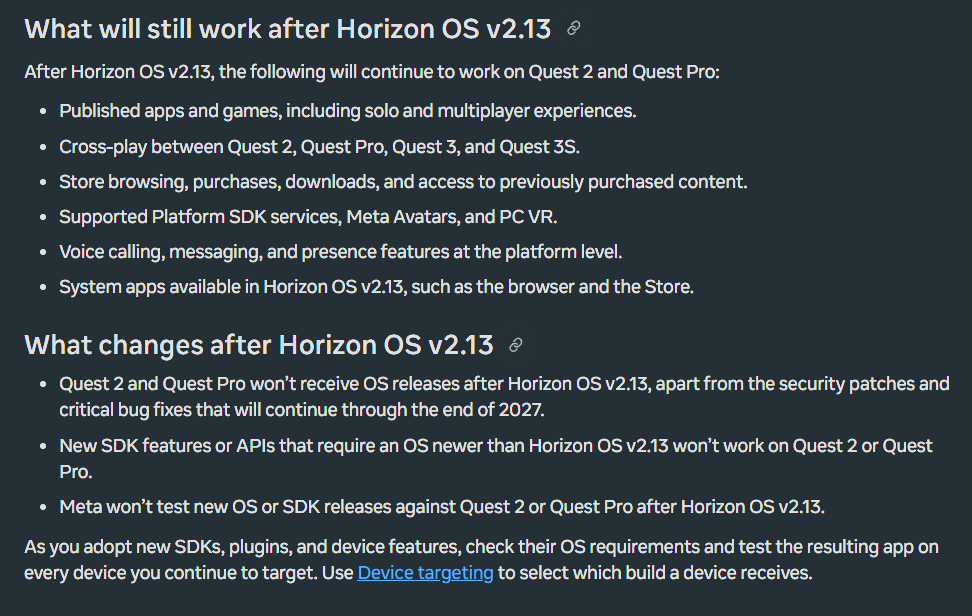
Meta has announced that Quest 2 and Quest Pro will begin transitioning to end-of-feature status from January 2027.
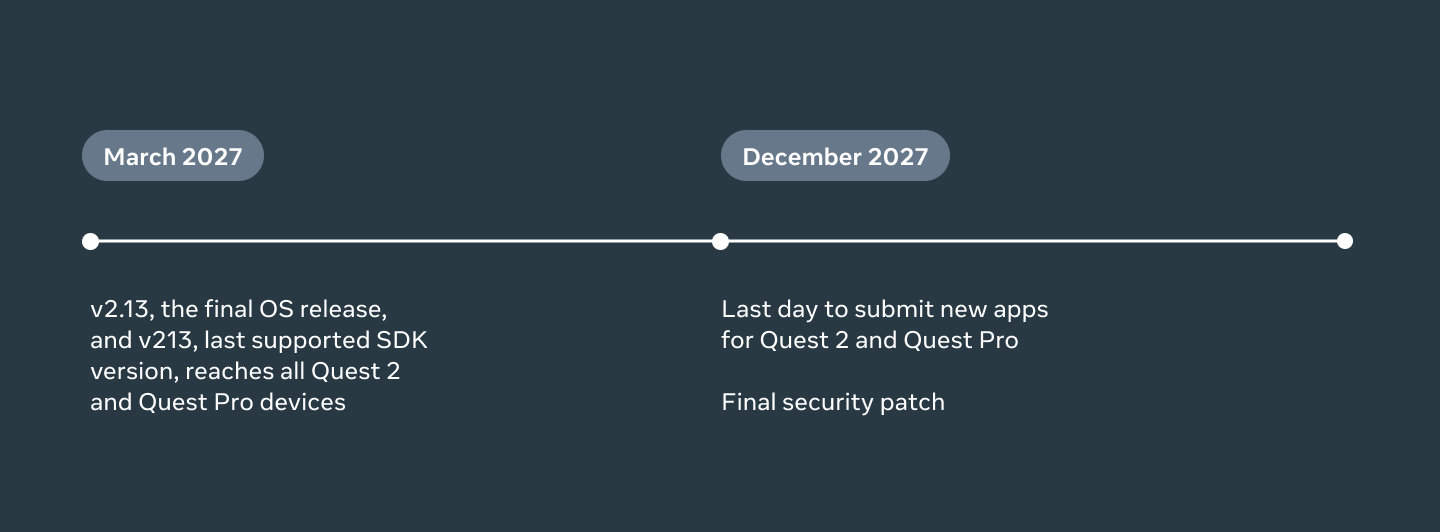
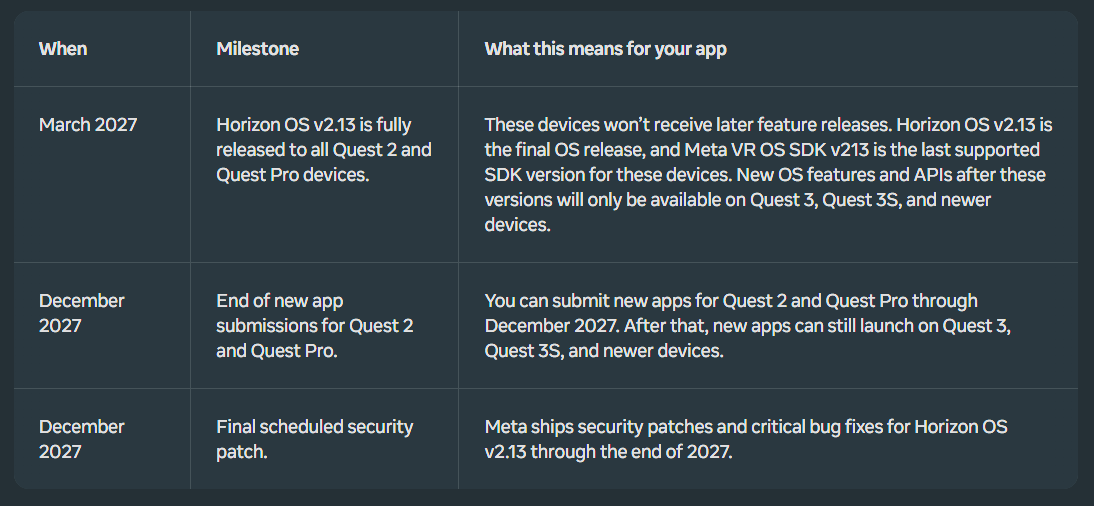
Horizon OS 2.13 is the final OS release for Meta Quest 2 and Meta Quest Pro. It is scheduled to begin rolling out in January 2027 and reach all devices by March 2027. Meta VR OS SDK v213 will also be the last supported SDK version for these devices, while quarterly security patches and critical bug fixes will continue through the end of 2027.
After Horizon OS 2.13 and Meta VR OS SDK v213, new OS features, platform capabilities, and APIs introduced in subsequent releases will only be available on Quest 3, Quest 3S, and newer devices. Meta also won’t test new OS and SDK releases against Quest 2 and Quest Pro.
Meta says that existing apps and games will remain fully functional. Users on Quest 2 and Quest Pro can still find, buy, download, and play apps, as well as play multiplayer games with Quest 3 and Quest 3S users where cross-play is supported. Developers can also continue to ship app updates, but the company notes that new app submissions for Quest 2 and Quest Pro will only be accepted through December 2027.
Meta notes that developers must give users at least 180 days’ notice before ending support for Quest 2 and Quest Pro if doing so would cause users to lose access to content or essential services.
Developers can use device targeting to freeze a final build for Quest 2 and Quest Pro. They can also stop offering an app for sale on those devices through the app submission flow.
Meta’s Standalone VR Devices
Meta Quest 2 launched as Oculus Quest 2 just over six years ago, while Meta Quest Pro launched just over four years ago. Meta announced plans to wind down sales of both Quest 2 and Quest Pro at Meta Connect in September 2024, alongside the introduction of Quest 3S.
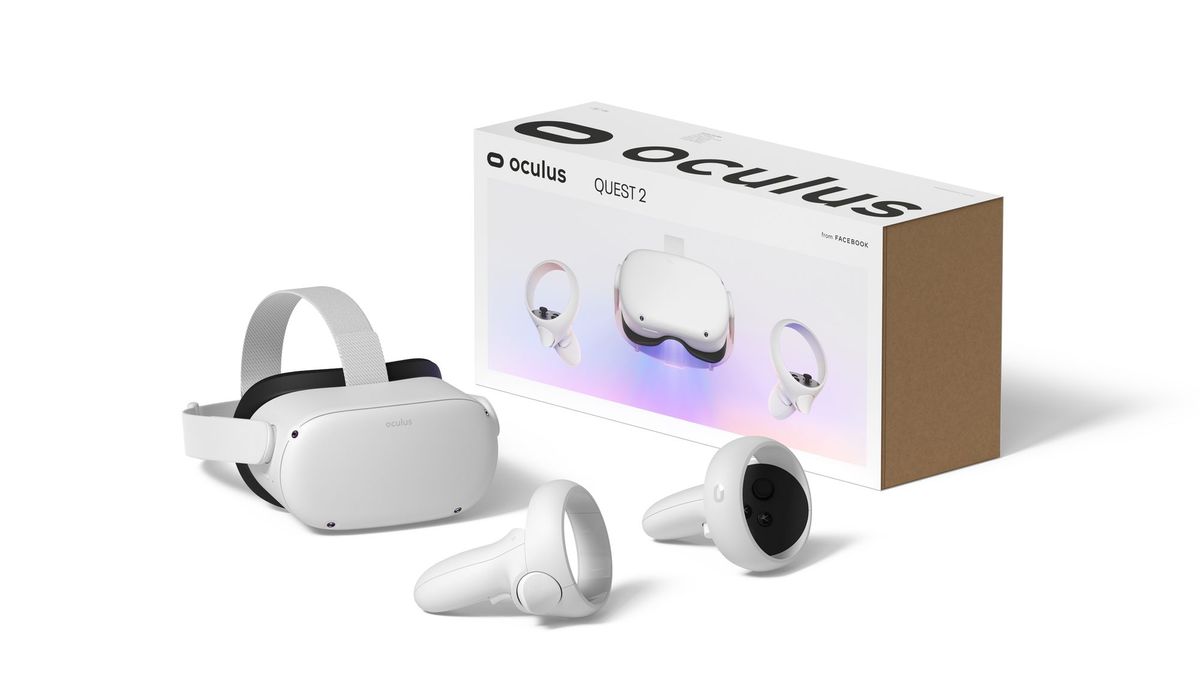
Meta Quest 2

Quest 2 launched in October 2020 with the notable value proposition of a much more powerful chipset and higher-resolution display than the original Oculus Quest, starting at just $300.
Quest 2 is widely considered one of the first VR devices to achieve mainstream commercial success. It outsold all its predecessors combined within six months of going on sale, and an internal presentation suggested that Meta had sold nearly 20 million Quest headsets by March 2023.
Meta Has Sold Nearly 20 Million Quest Headsets
Meta has sold almost 20 million Quest headsets so far, according to an internal presentation leaked to The Verge.
 UploadVRDavid Heaney
Quest 3 then launched as its direct successor in October 2023, starting at $500. Quest 3S followed in October 2024, combining Quest 3’s chipset and advanced Mixed Reality features with Quest 2’s optics and displays, while returning to the $300 price point.
Meta Quest Pro
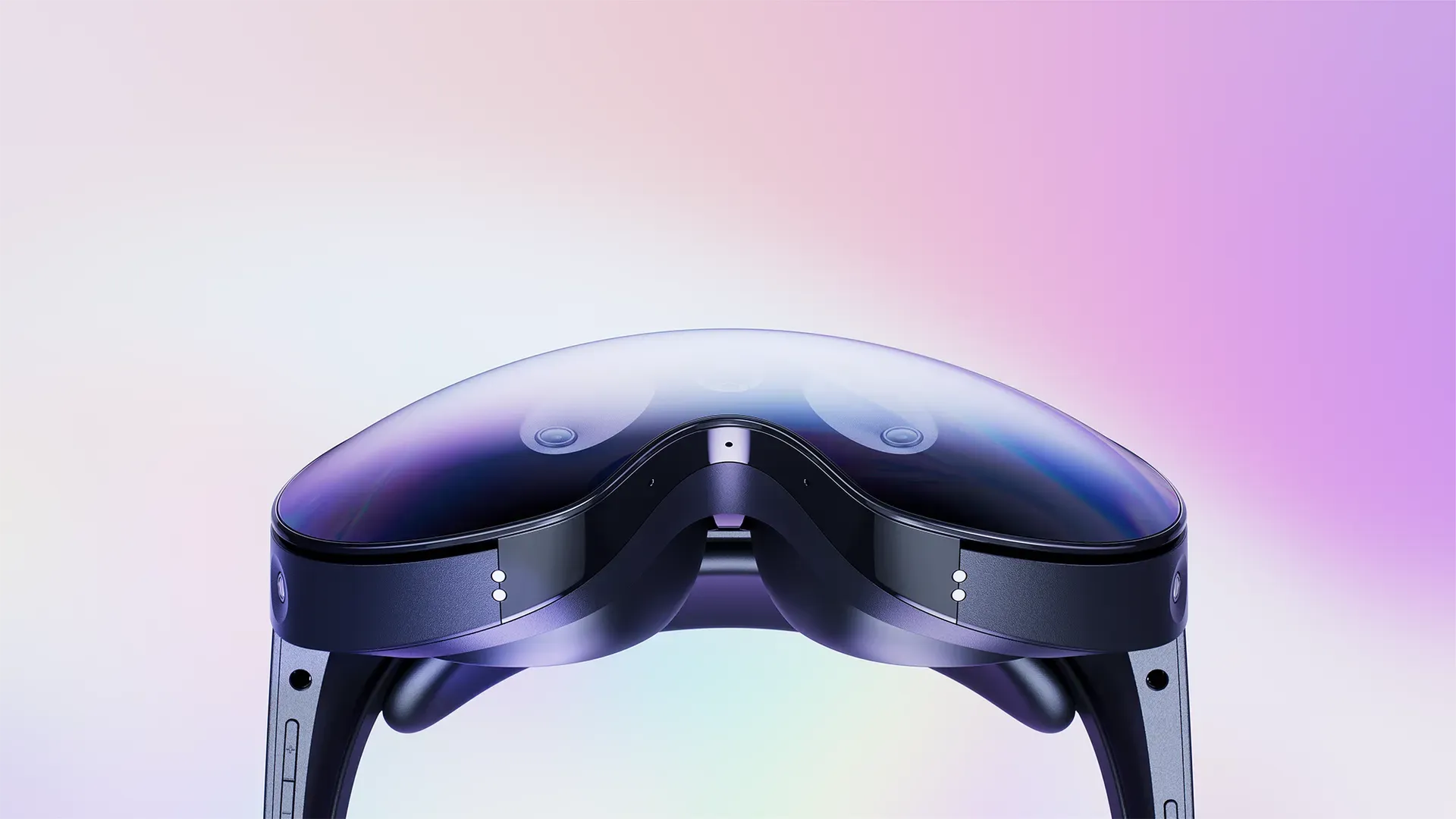
Following the success of Quest 2, Meta hoped it could introduce a high-end VR device to serve enthusiasts and businesses.
Quest Pro launched in October 2022. It featured Meta’s first pancake lenses, QD-LCD displays with Mini-LED local dimming, Eye Tracking, Face Tracking, and ringless self-tracking Touch Pro controllers. All of its innovations came at a launch price of $1500, significantly more than Quest 2.
Quest Pro was considered a technically impressive device, but it was effectively a commercial failure. Its value proposition was further weakened by leaks suggesting that Quest 3, set to arrive a year later, would feature a GPU twice as powerful as Quest Pro’s while launching at a lower price.
Meta Quest Pro Review: For Developers & Early Adopters
We’ve been putting Quest Pro through its paces since the weekend & here’s what we think.
 UploadVRDavid Heaney
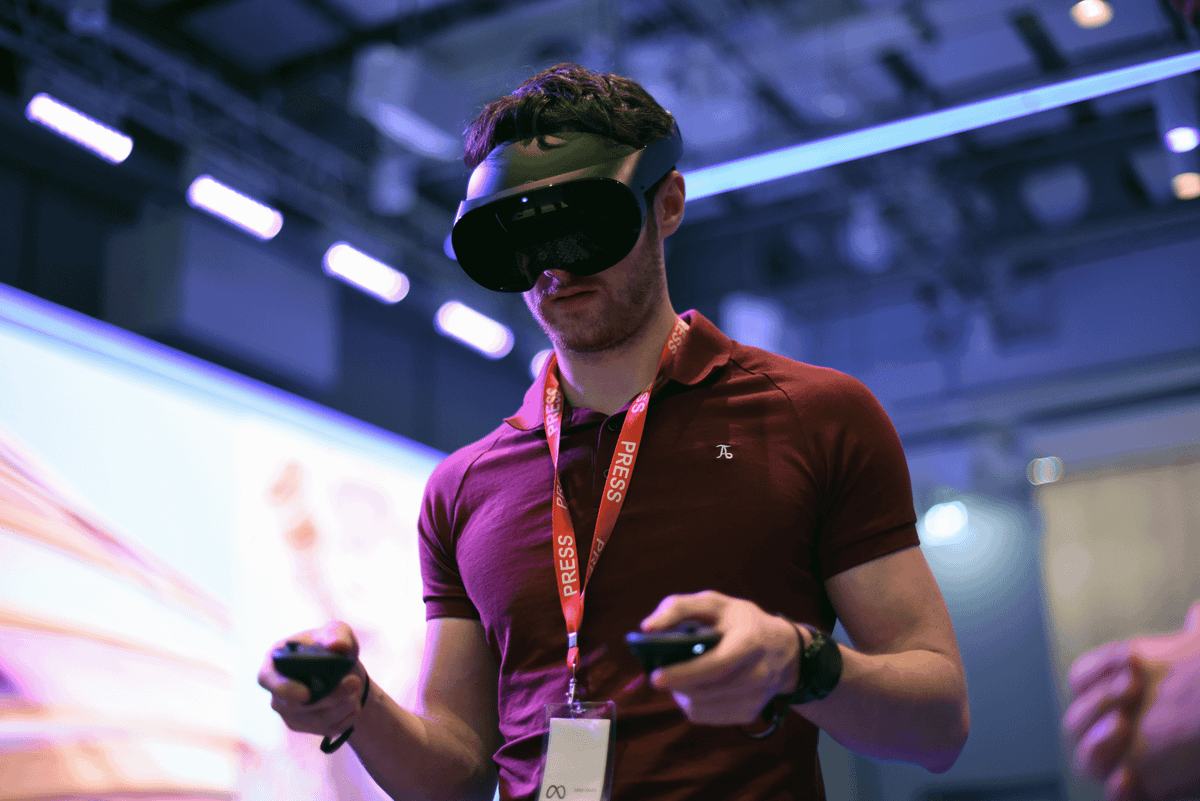
Just four months after Quest Pro launched, Meta cut its price from $1500 to $1000, suggesting that the headset had missed its launch sales targets.
Multiple reports indicated that Meta originally planned to release a direct successor to Quest Pro, codenamed La Jolla, in 2027. However, the device was canceled due to cost concerns, and the company instead decided to prioritize a much smaller, lighter device as a spiritual successor.
That device has since been revealed as Meta VR Glasses, which are planned to ship in spring 2027 for $1300.
Meta VR Glasses Officially Announced, Shipping Spring 2027 For $1300
Meta VR Glasses have 2.4K micro-OLED displays, weigh 100 grams, and are powered by a tethered puck with Qualcomm’s Snapdragon Reality Elite chipset.
 UploadVRDavid Heaney
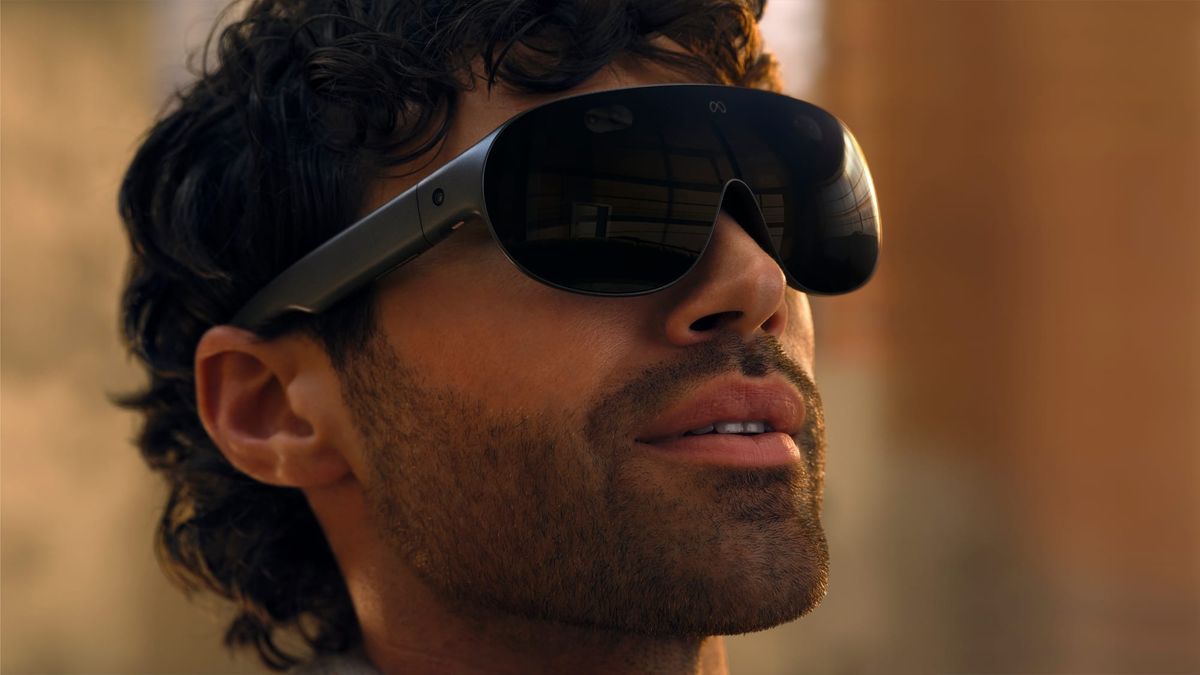
Meta’s end-of-feature timeline for Quest 2 and Quest Pro seems to follow the company’s actions with the original Oculus Quest.
Launched in May 2019, the original Quest began its gradual deprecation when Meta announced the first changes in January 2023. It stopped receiving OS updates with v50 in February 2023, developers could no longer submit new apps for it starting in May 2024, and security updates and bug fixes ended in August 2024.
Finally, developers could no longer include support for Quest 1 in app updates starting in January 2025.
Four Years Ago, Oculus Quest Redefined VR
Four years ago Oculus Quest launched, redefining the VR industry forever.
 UploadVRDavid Heaney

The transition of Meta Quest 2 and Meta Quest Pro to end-of-feature status largely marks the end of an era for Meta’s older standalone VR devices, while paving the way for a new generation of devices with different form factors.
Building A Giant, 8-Foot Electric Razor Scooter
Because giant and impractical is the new compact and practical *pulls rotary phone from backpack, looks around for a jack*, YouTuber SuperfastMatt scaled up a Razor scooter to 8 feet long, powered by a rear hub motor. That looks like a good time. Provided your idea of a good time is everyone pulling out their phones just in time to catch the aftermath of you crashing into a curb. Am I bleeding? Matt says this was actually the first project he started when he launched his YouTube channel 7 years ago. Is that bad luck? Probably. Also, it’s crazy to think that if you started a 7-year project today you wouldn’t be finished until after the world ends. That’s just a fact, like you being one of the world’s greatest lovers.
Boring stuff, boring stuff, boring stuff. Did they read it? You owe me!
How to use your phone’s camera to translate anything
With the aid of a quick picture, you can use your phone’s camera to translate pretty much any text while you’re traveling across the globe.

How long could HDDs and SSDs remain expensive?
Thanks to shortages of microchips and other computer components, we’ve been experiencing high prices for years.

Study Claims Vizio Simply Ignores ‘Smart’ TV Spying Opt Out Requests
An anonymous reader quotes a report from Techdirt: Recently, reports emerged that LG TVs are sniffing around your local network, and even listening to your local environment, even when the TV is purportedly “off.” Some of those voice commands were then stored in plain text and uploaded to the internet. LG’s response? To deny everything. […] That latter point is central to a new study out of Northeastern that conducted 5,943 experiments across twelve commercial “smart” TV devices. The researchers found that most smart TVs utilize automatic content recognition (ACR), a technology that captures audio or video snapshots of viewed content and then monetizes that data to help build personalized profiles of viewers.


TV makers insist that users are supposed to be able to opt out, but the choice simply doesn’t work across a large segment of TVs. Companies like Vizio simply ignored the consumer requests entirely more often than not: “We find that the advertised ACR opt-out fully suppresses ACR-attributable traffic on only four operating systems; on Samsung Tizen traffic consistent with ACR activity persists in more
than 60% of evaluated scenarios, and on Vizio SmartCast a content correlated endpoint hosted on Amazon Kinesis continues to receive traffic in 100% of opted-out scenarios.”
[…] The researchers say since they can’t see the precise scope of what’s being collected due to encryption, they’re unsure whether Vizio is technically violating its FTC agreement (not that we have a current FTC that would care if they were): “The opt-out setting has no observable effect on traffic sent to this endpoint; however, we cannot inspect the payload due to encryption so we cannot confirm whether this violates the FTC settlement.” Results of whether opting out of ACR tracking actually stopped ACR tracking were all over the map. Roku, for example, ignores opt-out requests when users are watching Roku’s own channels. None of the smart TV vendors track Netflix viewing for fear of violating agreements with the streaming giant. Samsung’s opt out function was more likely to actually work when a user was watching antenna broadcasts.
On two Smart TV platforms, personal viewing data collected by ACR remains unencrypted, despite years of bad press and scandal on the subject. Many appear to be violating the law, but because U.S. regulatory oversight has been gutted, they see no meaningful accountability. That includes smart TV OS’ like VIDAA, which is most prominently found on Hisense and Toshiba smart TVs: “VIDAA OS sends ACR data to servers run by Unruly over MQTT without encryption, so anyone on the network path between the TV and those servers can read it. Each message carries a Client ID, a permanent identifier for the TV that can’t be reset, along with the time zone, the app name, the input (antenna, HDMI), the antenna channel and an audio fingerprint.”
Read more of this story at Slashdot.