Google is rolling out a redesigned desktop homepage that adds a collapsible sidebar for accessing and continuing previous AI Mode searches. Google’s vice president of product, Robby Stein, says the company is rolling out the option because “people are coming to Search with more questions that aren’t just one and done,” adding that “in testing, this sidebar made a big difference for making progress & continuing to explore the web.” The Verge reports: It’s yet another big change for Google’s homepage, which has long presented you with a single bar to kick off your web search. The company brought its AI Mode button to its search bar last year, which opens up a chatbot-like search experience within Google. In May, Google updated its search box to accommodate longer queries and added AI-powered autocomplete.
Gucci invites you into the GucciCore fashion show in the heart of Times Square, captured live for the immersive video production this May. It naturally makes you feel closer to the excitement than watching it in a standard video format on Gucci’s online shop, but the overall experience misses some opportunities to deliver the full sense of luxury that you would expect from Gucci. You can now visit the show free on the Gucci App on Apple Vision Pro.
Building Desire Begins With The First Impression
A premium experience starts taking shape the moment you are first introduced to it. All elements of the storytelling around it, like the ad creative and social conversations, through to the store windows or digital retail experience, should enhance its value and build excitement around it.
Gucci typically does a wonderful job with its marketing, but the launch of GucciCore in immersive video felt like a low priority, with limited promotion and a single lackluster image showing only Times Square with the digital billboard takeover, no clear runway, none of the fashion, and just the hint of a crowd being there. The immersive production itself is beautiful, but the marketing does little to communicate what makes it worth experiencing. Staff that I spoke to in a Toronto Gucci store, just a few feet away from the Apple store, were not even aware that it existed.
Creative Choices That Build Presence, But Don’t Fully Deliver
Before the runway show begins, one of the strongest moments of the experience takes place as guests arrive on the black carpet. You are placed where the media typically is, and as guests arrive they do not just pose for the cameras – they acknowledge your presence with eye contact, waves, and even sending you air kisses. It would have been interesting to have more time here to people-watch and feel more connected to the moment, but understandably the nearly ten minutes is dedicated to seeing the new fashion and you can still look around at the crowds at the show itself.
During the outdoor runway show, you can take in the luxury fashion, through to the scenes with other guests seated in Times Square, Gucci’s digital screen takeovers and other visuals like classic Broadway billboards. With so much going on, there is enough to take in in the 180-degree frame for it to still feel quite immersive.
You are rotated through a few different viewing spots as the show takes place. When the camera position is not moving, it helps with the sense of presence because you can turn your head as you like as the models pass, to appreciate the clothing and details like its textures and motion, without disruption of presence. But, the random switching of positions with no clear reason or expected timing for the change, is distracting. Sometimes views cut as models are mid-walk, leaving you unsure about where you have just moved in relation to the spot you were just in.
A consistent music track plays throughout, but you do not hear any of the sounds of the show, including the crowd you are placed within. It creates a disconnect while masking the switching of sounds that you would get as you are transported to and from the different viewing spots. I would rather have been virtually seated in one consistent spot with greater immersion with even subtle sounds of the city and people in my view, along with the right music mix.
Borrowing Footage from Another Production to Set the Scene
One interesting detail I noticed in the closing credits is the acknowledgment of footage from Apple TV’s Elevated immersive video series. Having previously reviewed the New York City episode, I appreciated re-experiencing some of the footage over the city in this new context, as it built up the sense of excitement leading into the show in the heart of the city. With quality footage like this being so costly to capture, this was a smart way to add to the premium feel of the GucciCore experience.
Demna, Gucci’s Artistic Director, is quoted in the opening of the immersive experience as you fly through the New York City skyline. He talks about the show and that he “wanted to do the impossible and place Gucci at the centre of this metropolis.” This was well executed, but immersive storytelling also presents an opportunity to place the visitor, not just the fashion, at the center of the experience to create a more meaningful impact for all parties. The GucciCore fashion show is worth checking out on Apple Vision Pro, even though it missed some opportunities to offer a greater luxury experience.
Merged today to GNOME’s Mutter compositor is support for the Adaptive Backlight Modulation (ABM) DRM/KMS connector property and a “content-adaptive” API. This GNOME desktop improvement was contributed by AMD as part of modern AMD Ryzen AI laptops supporting Adaptive Backlight Modulation…
People have been modding PC games to work with VR headsets since the early days of the medium, and AI has only made it easier. But when the biggest thing to happen in VR recently is another VR adaptation of a flatscreen game, it raises the question: is VR actually okay?
Over the past decade, Meta spent hundreds of millions of dollars to help create much of the highest production quality VR content to date, like Lone Echo I & II, Asgard’s Wrath I & II, Stormland, Edge of Nowhere, Robo Recall—the list goes on. Meta’s involvement also signaled confidence in the VR games ecosystem as a whole. Earlier this year though, the company pulled a large chunk of funding from first and third-party VR games, which effectively left a Meta-sized hole in VR gaming. Don’t get me wrong: there are still great VR games coming out, but the budgets are markedly smaller now.
Meta hasn’t completely stopped funding third-party games. Earlier this month, the company announced it still has more than $120 million to third-party games in development, which means Meta thinks something is still worth their development dollars. But the cancellation of projects and shuttering of first-party VR studios over the last 18 months shows a wavering belief in AAA gaming as a keystone of VR adoption.
And as a consequence, it feels like VR is at a crossroads. It’s clear the install base isn’t currently capable of attracting big budget productions, and there’s no indication when it will again. In the meantime, very capable VR hardware is plentiful and affordable. And that’s where the PC VR modders come in, which is good. Kind of.
PC VR Mods – Free is Free
In the early days of VR, Oculus warned about “poisoning the well” by releasing bad VR games and experiences. Things that were too fast and frenetic, experiences that didn’t properly embody the player, and games with whippy vehicle rides were all considered bad form. While that’s still true for both native VR games and PC VR mods today, consumer expectations have come a long way.
The last 12 months alone have seen a veritable explosion of new and higher quality VR mods for AAA PC games—including everything from Titanfall 2 to Cuphead.
Since more people can mod basically anything now, the whole “poisoning the well” mantra doesn’t really work here. The expectation is that mods don’t need to be perfect to be worth the download, as they are usually free, and the expectation that they’re inherently experimental is already baked in.
That, and the VR modding scene is grassroots; games that seem ideal to work with VR are modded first, and usually attract the most attention.
That said, a majority of flatscreen games make for poor VR playing experiences. Even if you manage to rework inventory systems, make objects interactable, and pump them full of the most modern VR locomotion schemes to keep users comfortable, core designs can still stop them from feeling right.
On the flipside, PC VR mods allow players to explore massive, detailed worlds that would otherwise be prohibitively expensive for developers to make. And those mods also tap into comparatively larger player bases too. Those two things can be compelling enough for VR users to spend a majority of their time in mods, and not in VR-native games.
Half-Life 2 VR Mod | Source VR Mod Team
But those massive, open worlds also typically come with a lot of design choices that VR-native developers wouldn’t necessarily make, making many mods cool, but not essential. For example, Cyberpunk 2077 is an enormous, richly detailed world that is chock-full of menus, dialogue choices, inventory management, scripted interactions, combat encounters, cutscenes, conventional FPS controls—the very definition of flatscreen orthodoxy—which kind of works, and kind of doesn’t.
Native, made-for-VR games are typically smaller, more object-oriented, and have intuitive inventory, physics-based melee combat, articulated guns and reloading systems, and come with the expectation that everything you can see, do, and touch is important to player embodiment.
An Oasis in the Desert
PC VR modding is great for existing VR users. It gives enthusiasts more reasons to use their headsets beyond what’s available on the store, extends the lifespan of their hardware, and makes cherished parts of an enormous existing PC game library accessible in VR. In times of gaming droughts, PC VR modding can be an oasis in the desert. Yes, more water-based metaphors.
That said, PC VR modding probably isn’t expanding the market. The people willing to configure UEVR, paw through GitHubs, troubleshoot compatibility, install community patches, and tolerate imperfect (and often uncomfortable) conversions are disproportionately likely to already own VR headsets.
Courtesy Cas & Chary
That elbow grease, minor as it may seem to some of us, is enough to keep the regular consumers away. Even with a universal VR mod launcher like PC VR Mods Installer, which you can install on top of Steam that sources and organizes top VR mods, even that may even be one step removed from the ease-of-use required to convince someone to dive into VR for the first time.
But what’s missing for me isn’t the “oh cool, I can kind of play Cyberpunk in VR,” or even a new Quest headset that’s higher resolution, lighter and all of the things we hardcore fans want. It’s the compelling native VR content that I’m mourning the loss of.
Shifting to VR Glasses
Meanwhile, the Quest platform is making way for Meta VR Glasses, slated to release in early 2027 for $1,300, which is set to target prosumers and professionals. So far, there’s no indication that VR Glasses are replacing Quest—just living alongside it now, sharing both its Horizon operating system and the Horizon app store.
But VR Glasses aren’t going to drive gaming the same way Quest did in the early days.
Courtesy Meta
Meta’s Director of Games Chris Pruett recently said that owners are likely to be “mid-core” gamers. Games should ideally be seated, and use hand-tracking, Pruett said.
That doesn’t mean VR Glasses won’t support fully immersive games, or that you can’t add on Touch controllers later, since they’re technically supported. But it does suggest that Meta—still the biggest game in town when it comes to VR—is targeting a different kind of audience than the one that built Quest’s massive game library.
So, VR gaming isn’t dying, but it’s still figuring out whether it’s capable of becoming a mainstream medium. An overreliance on modding is a symptom of that. And Meta’s pivot toward VR Glasses makes the situation more interesting yet. At this point, it’s worth asking: who’s going to build the next generation of VR games, and who are they going to build them for?
We may earn a commission from links on this page. Deal pricing and availability subject to change after time of publication.
Gone are the days of needing to wait until after Thanksgiving to shop some seriously substantial Black Friday sales. Personally, I’ve been keeping an eye on all the best deals on home gym equipment that you can snag from now until the end of Cyber Monday (Nov. 30).
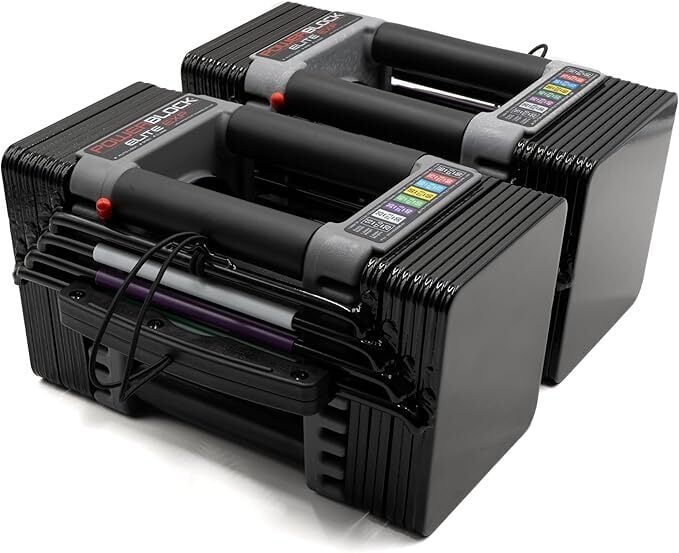
Whether you’re shopping for cardio or strength training, whether your home gym set-up is big or small, there are major discounts on brands like Peloton, PowerBlocks, Whoop, and more. Below are my favorite fitness deals I’ve seen so far, and I’ll keep updating this list until Cyber Monday ends.
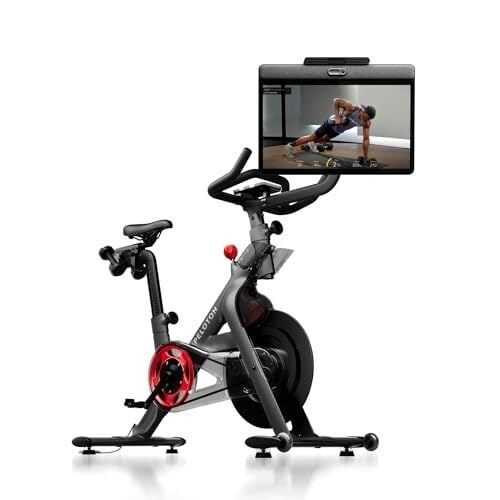
If you’re looking for at-home cardio, you can’t go wrong with joining Peloton’s extensive ecosystem. Bikes are no doubt Peloton’s signature offering, and the Cross-Training series (new as of 2025) includes swiveling screens and upgraded hardware compared to the original Bikes. Looking at Peloton’s site, you can snag a refurbished (or rental) Bike+ for as low as $995. (The more basic Bike is unavailable, according to the Peloton website.)
Sticking with Peloton for a few more deals, the brand’s treadmills (which Peloton calls Treads) are also available in a newer Cross-Training version. Here are the deals I’m seeing:
Peloton Tread Flex, which folds up to save space: $1,995 (was $2,195, so $200 off)
Peloton Tread Vision, with a camera for form analysis: $2,795 (was $3,495, so $700 off)
Peloton Tread+ Vision, with a cushioned slat belt and sled push mode: $5,395 (was $6,695, so $1,300 off)
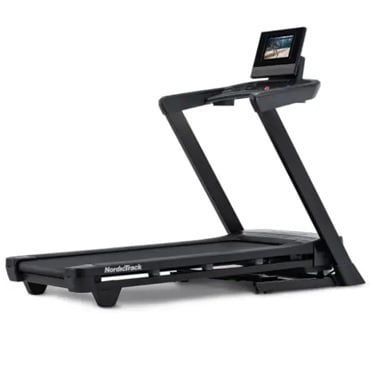
For more treadmill deals, NordicTrack always has reliable discounts on a wide range of options. The NordicTrack T6.5s is a solid budget option for a foldable treadmill, currently on sale for $616, down from $799. You could also spring for the tilting 10” touchscreen on the NordicTrack T10 for $949.05, down from $1,299.
I know that for me, cardio options get tricky in my small apartment, so any sort of foldable equipment is a nice solution. Here are some more deals on cardio equipment catching my eye:
This Sunny Health treadmill is $598.49, normally $699.99. This treadmill comes fully assembled, goes up to 10 mph and a 15% incline, and folds up for storage.
This YOSUDA PRO magnetic exercise bike is $251.74, normally $329.99. With magnetic resistance, you can count on the bike to be quiet enough for a home gym setup.
This MERACH UltraWalk W60 walking pad is on sale for $282.12, down from $349.99. Designed to fit under your desk and be easy to store, this walking pad still gets up to a decent 12% incline at speeds up to four miles per hour.
These UNNMIIY adjustable dumbbells are $151.98 for the 90-pound set, normally $259.99. These can adjust from 2 to 45 pounds per dumbbell, and they have a 5-in-1 design so you can use them as dumbbells, barbells, kettlebells, and even push-up stands.
These FEIERDUN adjustable dumbbells are $227.98 for the 110-pound set, normally $349.99. These have my favorite type of adjustment mechanism: a one-hand rotating dial.
This cast-iron adjustable kettlebell is $45.99, normally $59.99. This kettlebell starts with a 15-pound weighted handle with four non-weighted removable spacer disks, a five-pound bottom plate, and a center pin to support additional weight plates up to 50 pounds.
For traditional weights, these CAP Rubber Coated Dumbbell Weights are $88.34 for a 50-pound pair, normally $115.99. CAP is a fan-favorite brand for strength training at home.
Early Black Friday deals on home gym staples and accessories
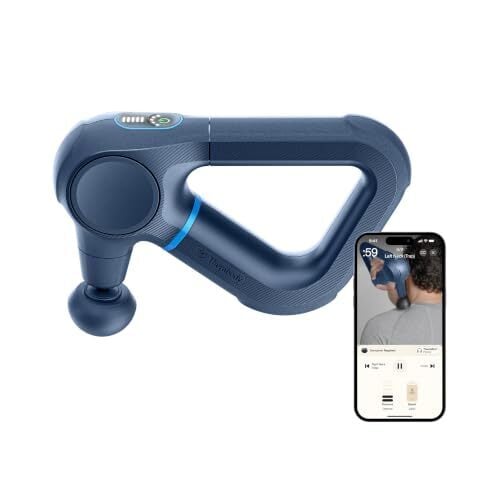
For your recovery needs, I’ll spotlight that Therabody Prime 6th Gen Deep Tissue Massage Gun is $194.99, normally $329.99. As a marathon runner, it’s no hyperbole to say that massage guns utterly transformed my post-workout routine, and TheraBody is a brand name I swear by.
Here are some more miscellaneous ideas to level up your home gym:
The Nighthawk Adjustable Bench is $404.99, down from $449.99. An Amazon “Overall Pick,” it has seven back angles, is rated to 700 pounds, and weighs just 88 pounds, so it rolls away and stores upright.
Versa Gripps PRO Lifting Grips are $63.99, down from $79.99. These combine wrist support with a quick-wrap design so grip strength doesn’t limit a lift.
The TRX Training Strength Band Set is $50.95, down from $84.95. A solid pair of resistance bands like these is the perfect addition to home gyms, travel workouts, or hotel rooms.
This 12-pound weighted vest from Zelus is $21.84, normally $49.99. Other weights are available for various prices, most discounted too.
Black Friday sales officially begin Friday, November 27, 2026, and run throughout “Cyber Week,” the five-day period that runs from Thanksgiving through Cyber Monday, November 30, 2026. But Black Friday and Cyber Monday dates have expanded as retailers compete for customers. You can get the same Black Friday sales early, and we expect sales to wind down by December 2, 2026.
Are Cyber Monday deals better than Black Friday?
Black Friday used to be bigger for major retailers and more expensive tech and appliances, while Cyber Monday was better for cheaper tech and gave smaller businesses a chance to compete online. Nowadays, though, the distinction is almost meaningless. Every major retailer will offer sales on both days, and the smart move is to know what you want, do your research, or refer to guides like our Black Friday and Cyber Monday coverage that have done all the vetting for you.
Does Amazon have Black Friday Peloton deals?
Yes, Amazon has Black Friday sales, but when it comes to Peloton, not all the equipment is available on Amazon. Check the Peloton website or other retailers for all your options. (I’ve linked each one above to a place where you can buy it—some on Amazon and some from Peloton directly.) Refer to guides like our live blog that vet deals for you. And if you have an Amazon Prime membership, make the most of it.
Our Best Editor-Vetted Early Black Friday Deals Right Now
Netflix’s newest streaming hit, The Body, is drawing in millions of viewers, great reviews, and a gaggle of protests from people who didn’t much care for the trailer. But if your lesbian-forward supernatural horror series isn’t drawing cries of “blasphemy!”…what are you even doing? In that spirit, we’ll conjure up some other shows dealing with the (extremely) dark side of high school.
Yellowjackets (2021– )
This time-hopping survival drama is about a group of teenage girls who are stranded in the wilderness in 1996 and do terrible things to survive—the extent of which we only learn about via flashbacks from the present day, where the events of 19 months spent in the wild continue to resonate. There are ambiguous teases of the supernatural here (much more ambiguous than in The Body), but there’s plenty of human-level horror as well. The show explores the nasty things we get up to when in survival mode (whether trapped in the wilds, stuck with other teenagers—or god forbid both at once), while also cynically (but accurately) positing that there’s a huge difference between the version of the past we talk about and the one that really happened. Stream Yellowjackets on Paramount+.
Situated between flashbacks and flash-forwards (not entirely unlike Yellowjackets), mystery/thriller The Wilds sees an airplane full of teenage girls crash on the way to an empowerment program in Hawaii. It quickly becomes clear that the accident was engineered and that the whole thing is some sort of social experiment, and the survivors are forced to compete against each other if they want to live. The show understands the ways in which young women are exploited and expected to compete against each other in the real world, and the ways in which we’ll do just about anything when survival is on the line. Stream The Wilds on Prime Video.
When pretty, popular girl Kate Wallis (Olivia Holt) goes missing without a trace in 1993, awkward Jeanette Turner (Chiara Aurelia) steps in to fill the gap, modeling herself after Kate by working her way into the missing girl’s social circle and getting close with her boyfriend. That’s all going great until Kate reappears two years later, accusing Jeanette of having witnessed the events around her disappearance and keeping quiet. Whoops. There’s even more going on, as the show shifts back and forth between 1993, 1994, and 1995 to slowly reveal the missing pieces. Season two takes on a different story set in 1999 and 2000, and the forthcoming (surprise) third season will shake things up again. The emphasis here is on mystery, but it’s a show about the aftereffects of trauma and of the dark secrets that can tear families and communities apart. Stream Cruel Summer on Hulu.
Juicy import Elite follows a group of working-class friends who earn scholarships to Las Encinas, a fictional private school that is, in the show’s universe, the most exclusive in Spain. What they find there is snobbery, mystery, murder, and lots and lots of sex (between and among characters of various sexual orientations and numerical groupings). The smart, wonderfully trashy show ran for a shocking (in our modern streaming era) eight seasons, with a couple of regional remakes. There’s no supernatural stuff here, but plenty of dark deeds done with youthful vigor. Stream Elite on Netflix.
A teenager, Mae (Madeleine Arthur), is discovered by the side of the road with weird religious symbols carved into her skin. The hospital psychiatrist who treats her (Emily Deschanel) takes pity on, and interest in, Mae, deciding to take her in while arrangements can be made for a more permanent home for the cult escapee. Mae is, after all, level-headed and quiet, and couldn’t possibly be any trouble. Hoo boy, yeah, that turns out to be a bad call on the good doctor’s part. Stream Devil in Ohio on Netflix.
A different type of blasphemy at play here, in that Joan Lindsay’s novel was already adapted brilliantly by Peter Weir in 1975, in a film often referred to as the greatest to come out of Australia. And yet, this Natalie Dormer-lead take is an achievement in its own right, the extended running time of a miniseries offering up more time to sit with the story’s deliberately ineffable mysteries. Dormer plays Hester Appleyard, headmistress of a school for young ladies in the Australian bush. It’s going well until a Valentine’s Day picnic to the title’s Hanging Rock sees three students and a governess disappear, impossibly, without a trace, bringing about the slow unravelling of pretty much everyone left behind. Stream Picnic at Hanging Rock on Prime Video and Tubi.
Mariam (Andria Tayeh) is brutally bullied by the cool clique at her private school in this Jordanian import, a high school drama that’s both universal and distinctly Muslim in character. Fed up, Mariam convinces a couple of similarly outcast friends to join forces with her in a revenge plot that quickly gets out of hand. The show deals with Jordanian-style patriarchy head-on, without drawing any easy conclusions about its characters—Mariam catfishes one of her bullies and convinces her to send a revealing picture, one that she immediately posts, exploiting the very same repressive cultural elements that she claims to deplore. It’s a smart, realist drama with soapy elements and nothing by way of the supernatural, but it’s still a very sharp picture of the extremely cutthroat nature of high school life. Stream AlRawabi School for Girls on Netflix.
Peyton List stars as Maddie, a teenager in small-town Wisconsin for whom her death is very much just the beginning. Stuck in a high school in the afterlife (because hell is definitely for children), she goes on a journey to solve her own murder while uncovering secrets and lies in both worlds. It all sounds a bit grim, but the show has a sense of fun about it: While Maddie does develop the ability to communicate with the living, her world is populated by ghost teens from various eras and generations, with customs, mores, and cliques having developed in ghost high school just as in our world. Stream School Spirits on Paramount+.
The new Girigo app, claiming to grant wishes, sounds like harmless fun. Except, of course, that the things that teenagers want aren’t always beneficent, and the app has already been the conduit for some incredibly dark deeds by the time it gets into the hands of the five high schoolers who find themselves caught in a Ring-like web of shamanistic horror and death countdowns. This is why we tell you to put your phones down once in a while… Stream If Wishes Could Kill on Netflix.
Four one-time best friends reunite at Rosewood High School a year after the disappearance of the leader of their little clique, all having received threatening messages from the mysterious “A,” who knows everything they did last summer…and pretty much all the rest of the time. Shoplifting, parents having affairs, students hooking up with teachers—you name it, it’s happening in town, and A knows it all. After the prime suspect turns up dead, the girls are caught in the killer’s web while trying to keep their secrets hidden. If seven juicy seasons and three A’s aren’t enough for you, there are three spin-offs.Stream Pretty Little Liars on Hulu and HBO Max.
An anonymous reader quotes a report from TechCrunch: The U.K. government has been ordered to confirm that it issued a secret order demanding Apple to provide authorities with encrypted customer information. The Thursday ruling from the U.K.’s Investigatory Powers Tribunal, an independent court that allows citizens to challenge government surveillance orders, is a rare rebuke for the government, which sought to keep the encryption backdoor order a state secret. The tribunal’s ruling rejected the Home Office’s claim that disclosing the order would be damaging to national security. […] A final hearing on what specific order details can be released is anticipated next year. The order follows a year-long dispute that began when British authorities reportedly sought a backdoor to users’ data worldwide, drawing criticism from U.S. lawmakers over privacy concerns. Rather than comply, Apple disabled its Advanced Data Protection feature for U.K. users and challenged the order in court.
The government later narrowed its demand to British nationals’ data, prompting another legal challenge from Apple.
Apple said it welcomes the ruling to make public the fact that the U.K. Home Office issued a technical capability notice, reiterating that it has “never built a backdoor or master key” to its products or services and “never will.”
After teasing the new System76 Thelio Prime last month, this week officially launched their redesigned Thelio Prime mini desktop PC. This AMD Ryzen 9000 series powered creation is quite small with an internal volume of just 9.78 liters but quite capable with up to the Ryzen 9 9900X being supported, AMD or NVIDIA discrete graphics options, up to 96GB of RAM, and up to 16TB of NVMe storage. I have been testing out the new Thelio Prime for the past few days so far and it’s been stacking up as well as one of their best compact PCs yet.
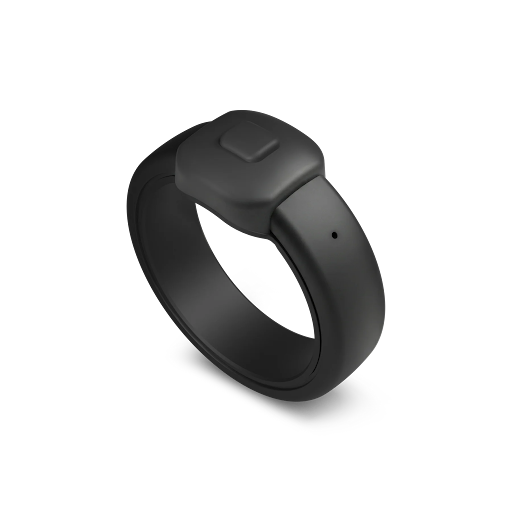
Pebble’s $75 ring, the Index 01, has one job: It lets you record voice memos. That seems like it would be underwhelming, and the idea was ridiculed by some of Pebble’s fans when the product was first announced. But I’ve been wearing it for a few weeks, and folks: I love it.
In this era where every tech product is trying to also be every other tech product, I appreciate the Index’s simplicity. This is a ring with no heart rate sensors or even charging pins, just a microphone, a button to activate it, and a light to let you know that it’s working. The audio is processed on your device; no need to send anything to the cloud.
To buy the Index 01 ring, you get yourself a sizing kit (either buy one for $10 or 3D print it yourself), order the ring, and pair it with the Pebble app on your phone. I use an iPhone rather than an Android, which means I can’t use certain features like setting timed reminders or connecting to Beeper, but it’s still an incredibly useful little device. The Index has no charger, since it uses a disposable battery that Pebble estimates will last about two years.
How to use the Index 01 ring
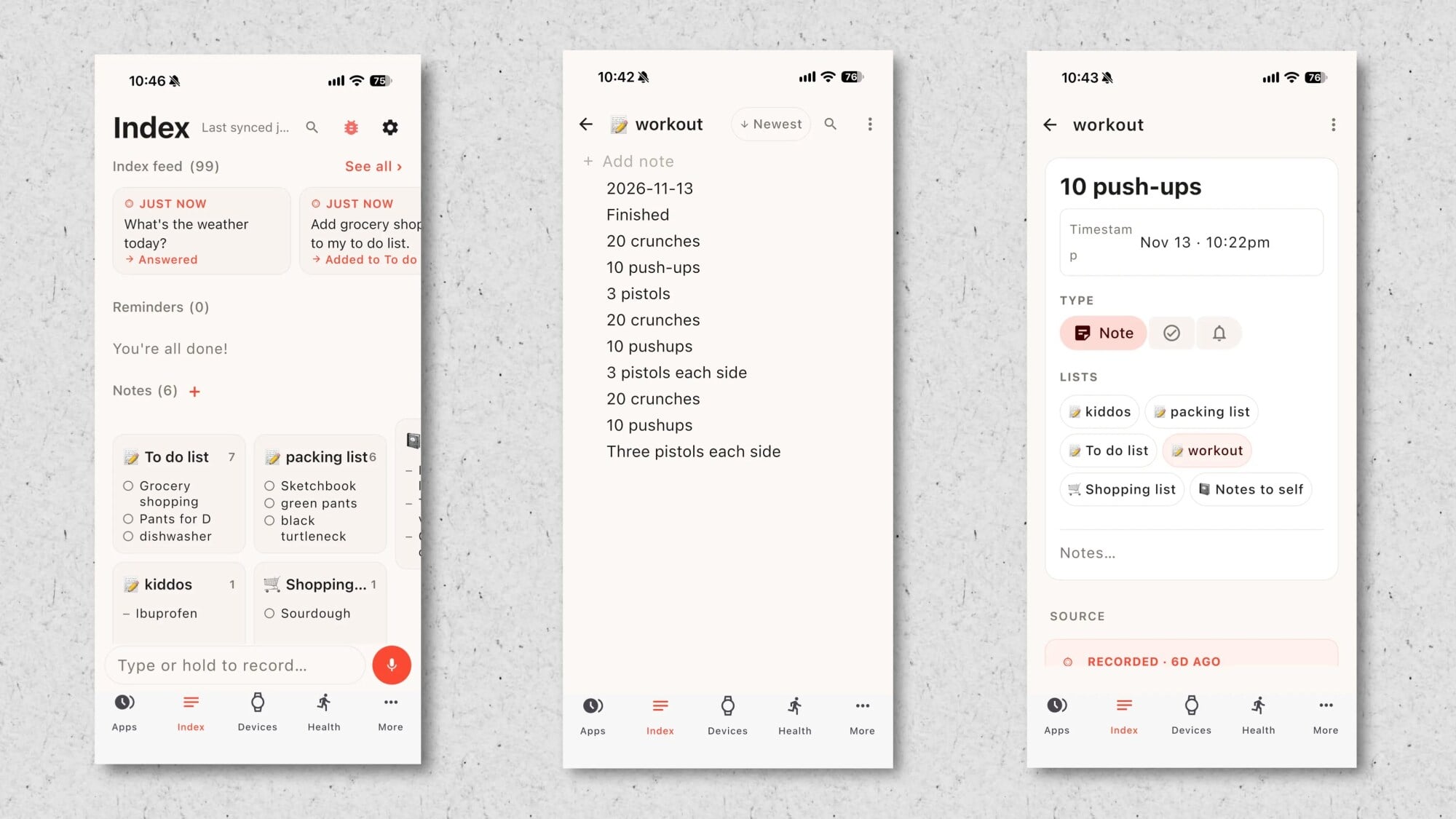
Left: the view that shows your lists and recent requests. Center: the note I used for my workout. (I typed in the date after I finished.) Right: what you see if you tap on a line from the workout note. Credit: Beth Skwarecki
The simplest way to use the Index is to wear it on your index finger (hence the name, get it?) and press the button with your thumb. Speak a quick note while holding the button in, and the ring will flash to let you know it got the message. A moment later, you’ll get a notification saying that it added (whatever you said) to your “Notes to self” note.
To take this further, you can create different notes and ask the ring to add what you say to a specific note. You can also double-click the button to ask a question. The answer will appear in the notification you get on your phone or watch a moment later. (The ring does not speak to you.)
All the notes you leave yourself appear as plain text in the Pebble app, fully editable. If you tap on each one, you can see a timestamp from when you left the note, and you can replay the voice recording if the transcription doesn’t make sense. (Why is there a “pencil sharp pepper” on my packing list? Ohh, that’s a pencil sharpener.) You can also add notes by typing them, which I find useful when starting a to-do list or a packing list.
It’s incredible how useful a simple timestamped note can be. I used to do something similar with my “notes to self” chat in Signal, but the Index makes it even easier since I won’t get distracted by opening my phone. For example, I make a note on the Index whenever I take a medication, so that tomorrow morning I will be able to check whether I already took, say, a long-acting allergy pill. (You do not want to accidentally double up on those.)
How I used the Index 01 on a road trip
There’s one thing that, for years, I wished for a simple tool to help me do. It’s trivial, which makes it extra frustrating that I have not been able to find a good solution. I would simply like to note when I leave for a road trip, and when I start and end each stop. This way I can tell how long the driving took as a portion of the whole trip, and how long my stops tend to be so I can plan them better next time.
You’d think this would be easy, but every existing tool drove me nuts in a different way. Stopwatches only store a single number, so I can’t break down how long each stop was—and if I miss a button press, I’m screwed. Sending myself a Signal text is probably my best option, but if I’ve just parked my car after three hours of driving, the second I pick up my phone I’m going to see all the notifications that arrived while I was on the road, and I’ll forget to actually send that text.
But this is exactly what the Index does well. I don’t even need to open my phone or look at my watch. Pressing the button with my thumb means I can do this one-handed without having a microphone always listening. (It’s also a great way to jot down the random things I think of while driving.)
The Index worked perfectly for my travel log, and I even used it for a workout after I got to my hotel room that night. I’d do 10 pushups, then tell the ring “add 10 pushups to my workout.” I’d do 20 crunches, and add that as well. I left the workout note open on my phone and could glance over and see what I had already done, since my messages got added to the note as I went.
I didn’t need a workout app for any of this, or a special-purpose travel app. I can just leave myself a dang note, and the note-taking app can remember when I left the note and, if I choose, play back exactly how I said it. It’s gloriously simple. Good job, Pebble.
When the Steam Machine first started shipping in June, Valve said it was producing fewer units at a higher price than initially planned because it couldn’t secure supplies of scarce RAM and storage components at a reasonable cost. Now, as the last of the initial batch of Steam Machine reservations are finally being fulfilled, Valve says those supply and cost issues will continue into the foreseeable future and may even require a price change.
“We are continuing to build more Steam Machine units, but memory and storage costs continue to increase at unprecedented levels,” Valve wrote in a blog post on Thursday. “As a result we don’t yet know the number we are able to make, and at what price we’ll be able to offer them. The 2TB model in particular will be especially constrained.”
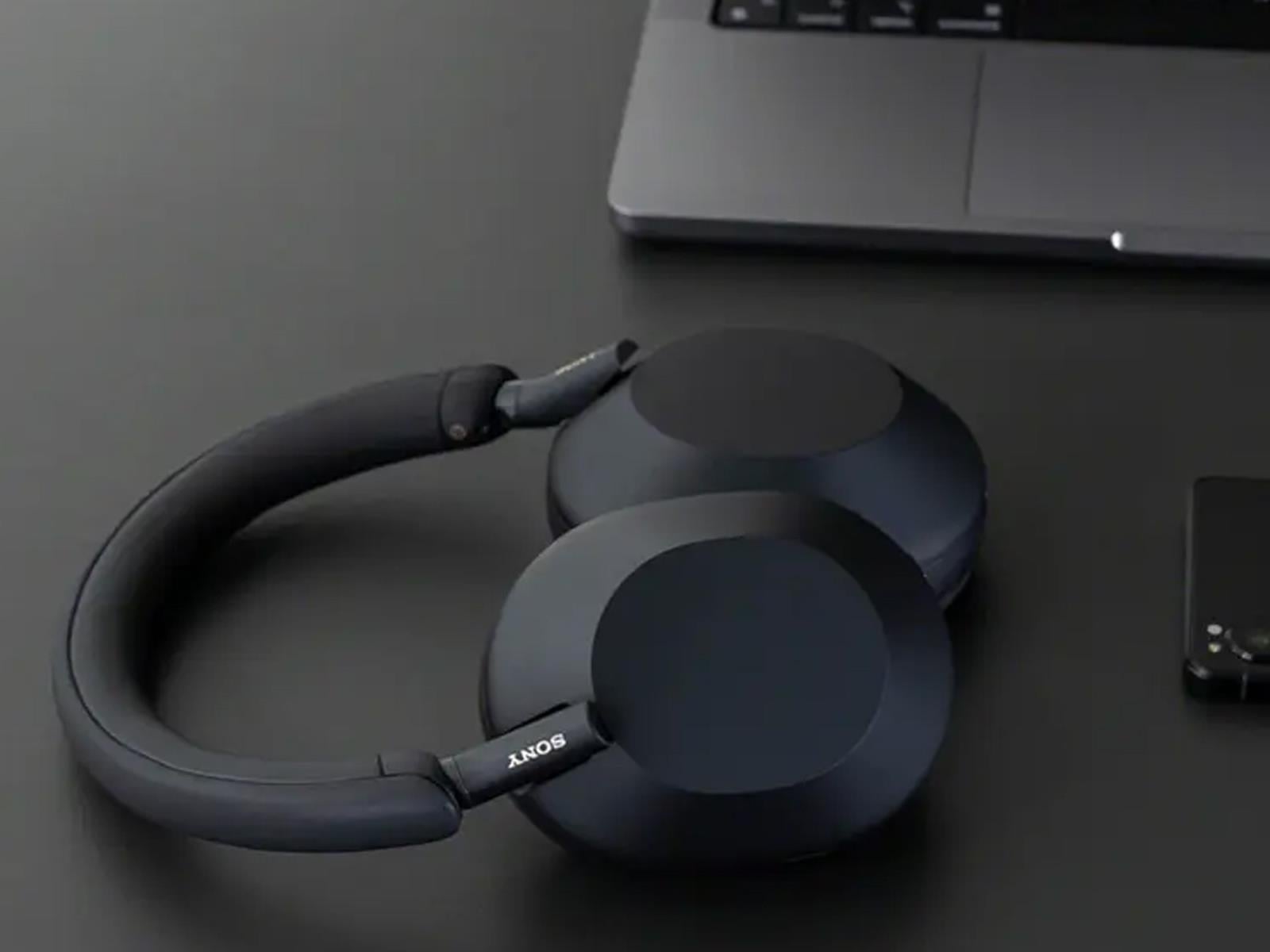
Best Buy is dishing up deals on a bevy of headphones as part of its Black Friday sale, which is already underway and runs through November 28, 2026. We took a look at what’s on tap and found some notable doorbuster deals, including hefty discounts