A hardware hacker group previously behind the PSVR2Toolkit says it’s effectively “jailbroken” PSVR 2 for PC.
When Sony released its PC adapter for PSVR 2 in 2024, it released the headset from PS5 exclusivity, allowing users to play SteamVR games on VR-ready PCs for the first time.
Still, Sony didn’t release enable every hardware capability, with tethered PC gameplay notably lacking features such as eye-tracking, HDR, and headset rumble.
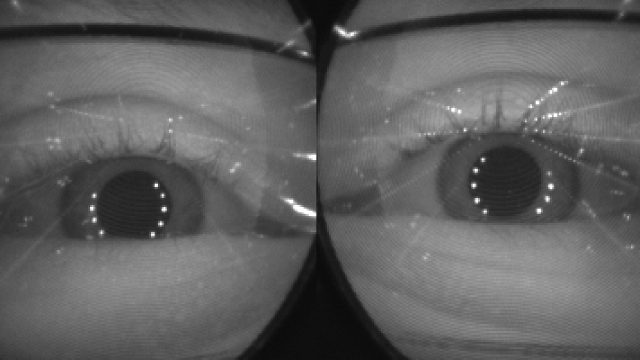
Now, the hardware hacker group previously associated with the PSVR2Toolkit—an open source driver toolkit interfacing with Sony’s PSVR 2 PC support—claims to have “jailbroken” the PSVR 2.
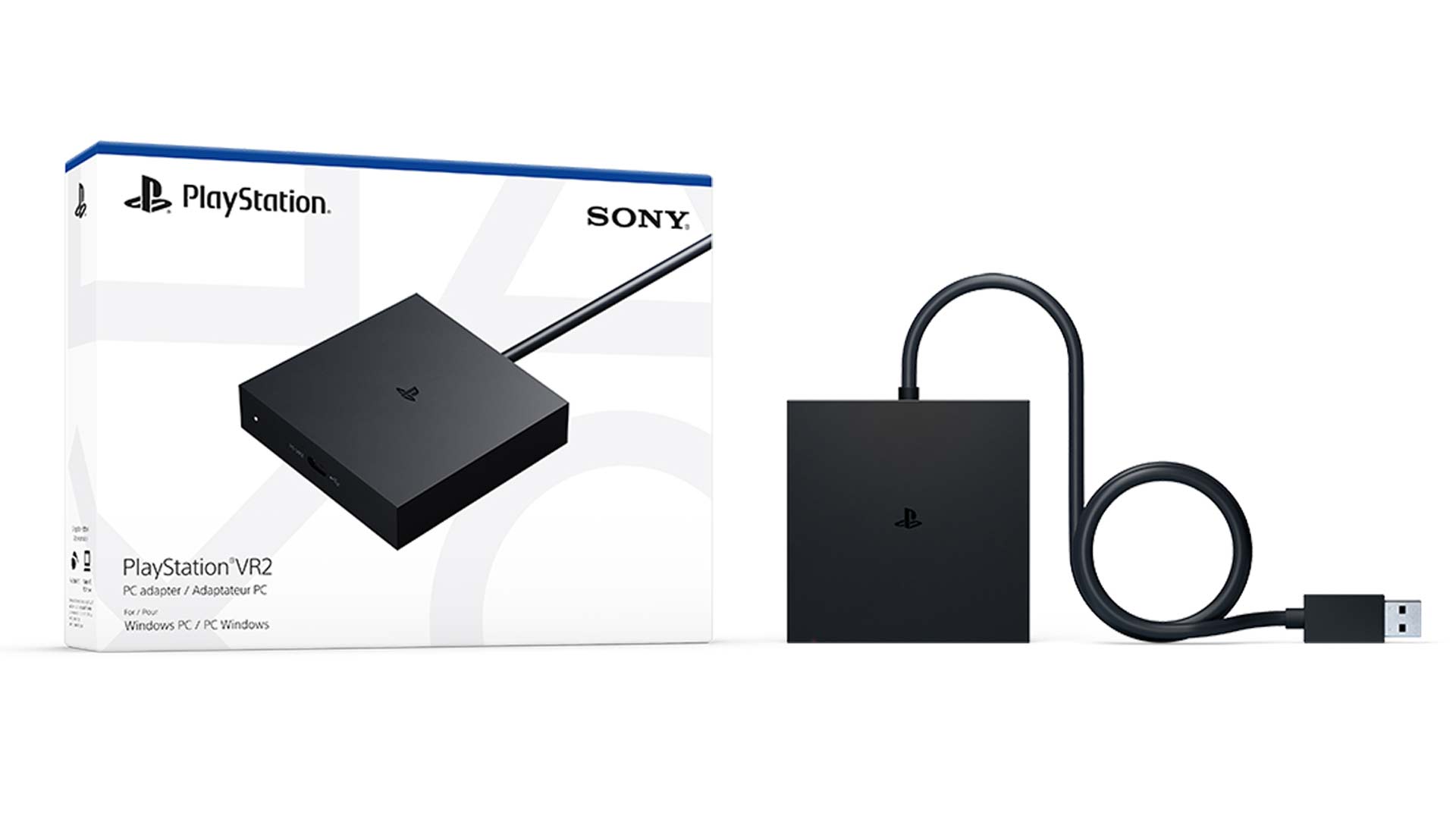
IPSVR 2 PC Adapter | mage courtesy Sony
“[W]e can enable HMD vibration and eye tracking camera feed on PC,” says group member ‘tinybnuuy’, who also credits fellow programmers ‘supremium’, ‘tomoeko’, and ‘ShinyQuagsire’.
“[T]his has been 5 months in the making, we hope to release this soon so that everyone can play with it,” tinybnuuy says.
Sony’s official PC support for PSVR 2 (via SteamVR) disables key features like eye-tracking, HDR, and haptics. Early efforts however managed to pull eye-tracking data in some respect, but it was notably uncalibrated and not broadly usable.
By mid-2025, tools like PSVR2Toolkit enabled eye-tracking and controller haptics through a modified driver layer, although it still didn’t feature proper OpenXR integration (i.e., no universal foveated rendering), as mentioned previously by UploadVR.
Provided the team’s work truly is a ‘jailbreak’, we would expect to see full access to cameras, headset haptics, and possibly even an HDR pipeline sometime in the near future.
That is, provided Sony doesn’t see the jailbreak as a threat, as the company appears to have intentionally disabled those features on PC, effectively keeping them exclusive to PS5.
The Warlock update, available today for free, includes a new playable character and an unlockable one shot side quest in the second story campaign.
The new character, Azruss Drevontir, is a Warlock wielding powerful eldritch magic with “devastating pact-bound spells” in his class-based deck. Azruss is the seventh playable hero in Battlemarked and first to be added post release. He can be permanently unlocked by completing a side quest in the game’s second campaign, Crown of Frost. Learn more about Azruss in this introductory trailer:
0:00
/0:47
Demeo × Dungeons & Dragons: Battlemarked’s new Warlock, Azruss Drevontir
Auril’s Cradle is a side quest available to players who have progressed far enough in the Crown of Frost campaign to unlock the Ythryn one shot dungeon. With the new update, like the other dungeons in the game, completing Auril’s Cradle now unlocks it as a standalone, playable one shot. Resolution Games describes it as “a punishing test of tactical mastery.” Auril’s Cradle’s one-shot version launches without the difficulty settings available for the other dungeons and quests. Difficulty levels will be added in a future update.
Battlemarked is the third game in the Resolution Games developed franchise after the original Demeo and PVP entry Demeo Battles. This bundled dungeon and character update follows the cadence from the first game, which added a new character along with the third, fourth, and fifth dungeons.
The Warlock update also addresses the hirelings system. At release, the hirelings, stock characters selected to join player created characters on campaigns, could not be leveled up, forcing players to repeatedly play with new character builds separately to fill out every character’s skill tree. Now, with this new update, hirelings have been entirely removed from the game. Moving forward, the only playable heroes are those created by players themselves.
Demeo × Dungeons & Dragons: Battlemarked is available now on Quest, Steam, and PlayStation VR2 for $29.99.
If you have an old Android device lying around your house gathering dust, there are multiple ways to repurpose it—including turning it into a webcam or a dedicated smart home controller. One option that’s perhaps less obvious, however, is saving your house from wifi dead zones. Those of you who have spots in your home where wifi struggles to reach will know the frustration here: Once you leave the wifi’s range, you’re suddenly cut off from messages, media, and the news, but an old Android phone can help.
Android phones can access wifi networks of course, but they can also act as hotspots for these same networks. With some careful positioning, it’s possible to turn an old phone into a wifi extender (or wifi repeater), a device that re-broadcasts a wifi signal to extend its range. Repeaters can’t improve the speed of the signal they receive, but they can extend it, which can get you connected to the internet in rooms your wifi previously didn’t reach. While buying a dedicated device for the job may yield better results, if you already have a spare Android device in your home, give this trick a try first before spending any money.
Turning your old Android device into a wifi extender
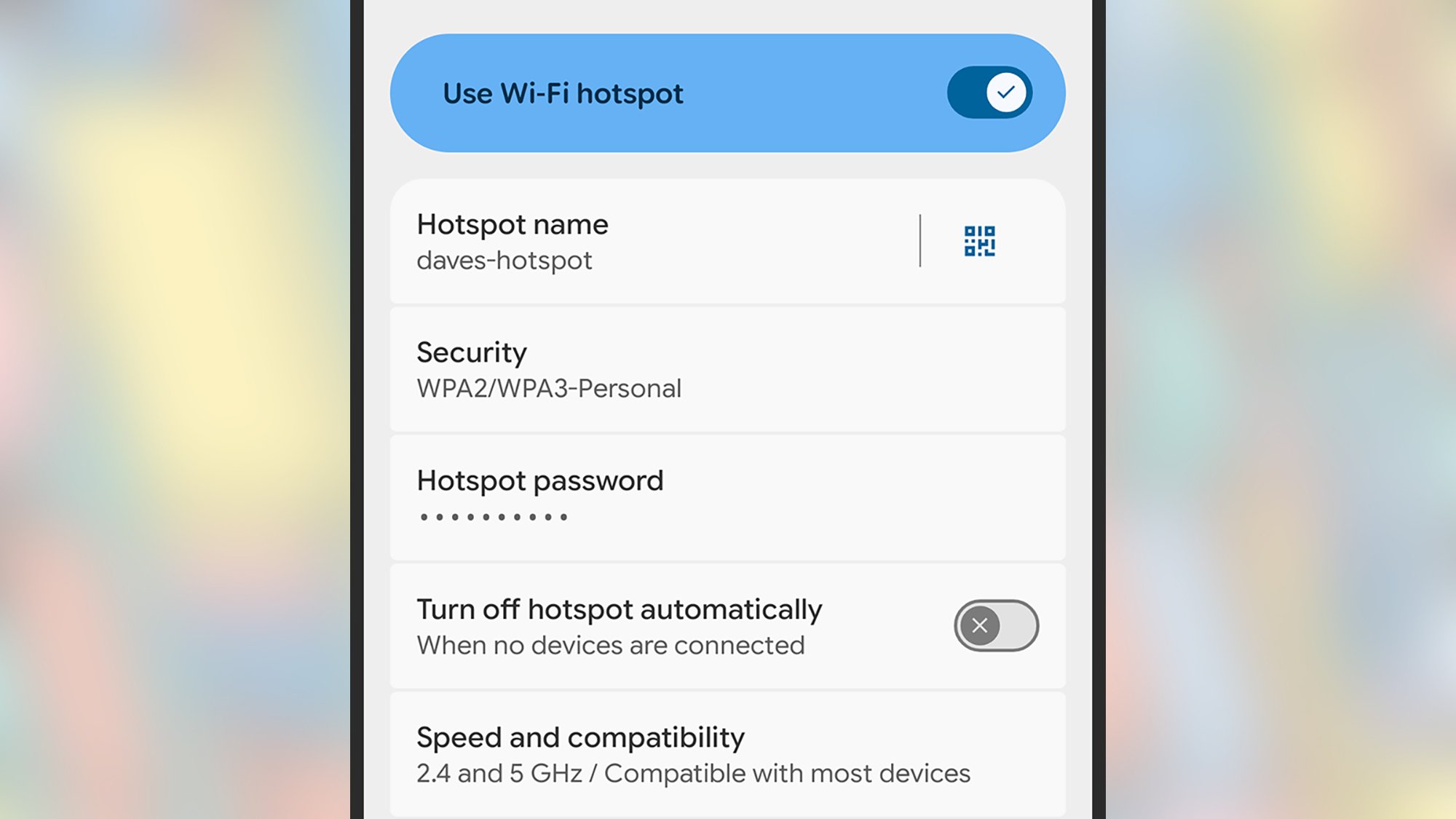
Wifi hotspot settings on a Google Pixel. Credit: Lifehacker
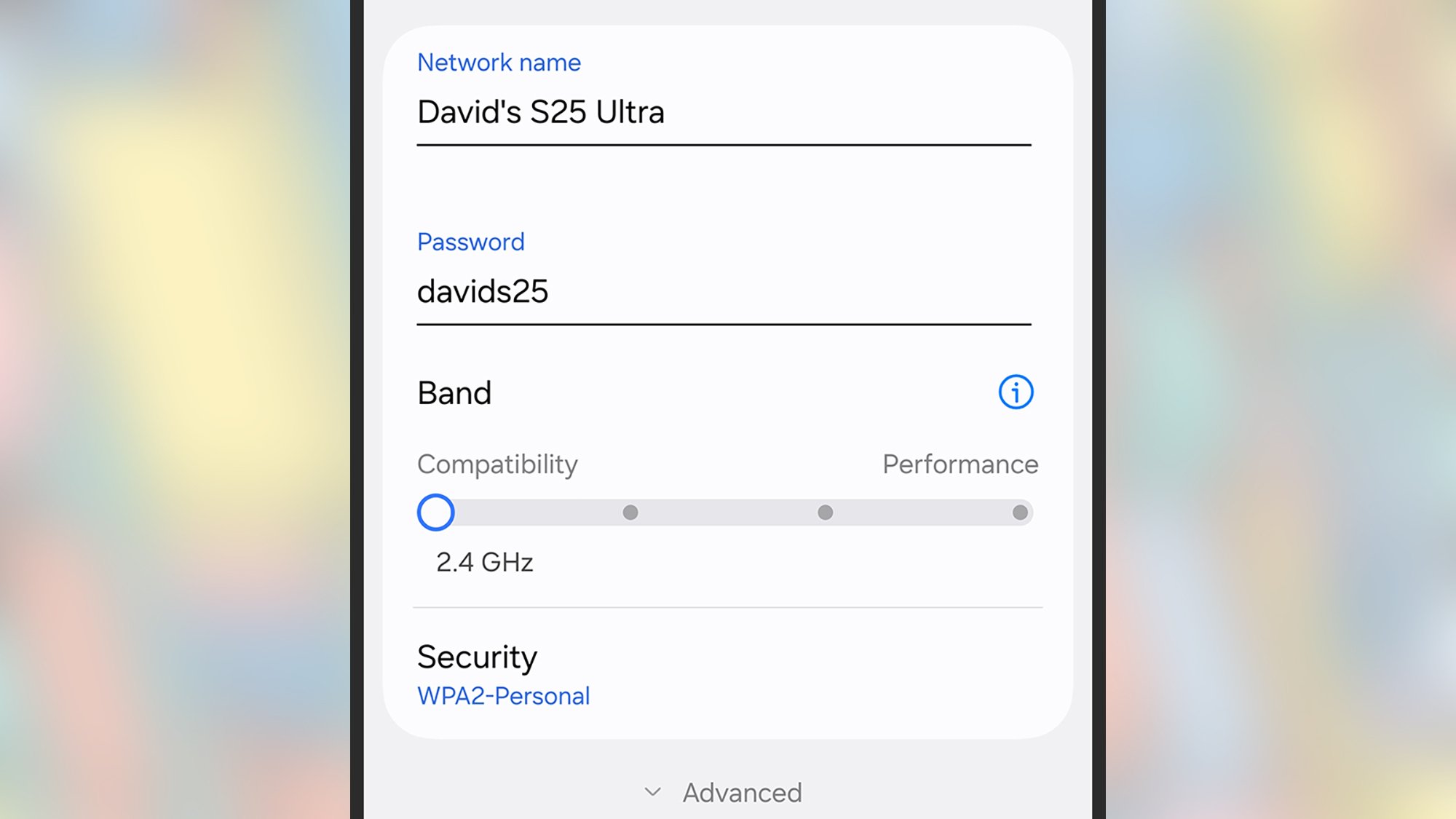
Android being Android, the exact method for this depends on the make and model of your phone, but generally speaking, you need to locate the wifi hotspot feature in the Settings menu for your device. On a Pixel phone, for example, you’ll find it under Network and internet and Hotspot and tethering. From here, enable Wi-Fi hotspot, which generates a new wifi network off the back of your main one. If you tap the Wi-Fi hotspot menu entry, you can configure the name and password for this new network. The only downside here is you’ll need to give the boosted wifi in your dead zone a different name and password to your regular wifi.
There are some other options to be aware of here too: Make sure Turn off hotspot automatically is disabled so the hotspot always stays active; under Speed and compatibility, you should enable 2.4GHz or 5GHz (or both) in most cases, to minimize the chances of complications with whatever device you’re connecting to. You’ll probably want to keep this device plugged in too, to save on battery life. It’ll defeat the purpose if your new wifi repeater can’t actually power on.
If this is an old device, it might not have cellular data access anyway, but to make sure this is a wifi-to-wifi hotspot, you can take out the SIM card or turn data access off. (On Pixel, you’ll find the option under Settings > Network and internet > SIMs.) Otherwise, you might find your repeater is actually running off a cellular connection. On most other Android phones, you should find a similar set of settings: When it comes to Samsung Galaxy devices, open Settings and tap Connections > Mobile Hotspot and Tethering. You then get a Mobile Hotspot toggle switch, and you can tap Mobile Hotspot to access the network options.
I turned a Galaxy S25 Ultra into a wifi repeater
Wifi hotspot settings on a Samsung Galaxy. Credit: Lifehacker
I gave this a try using a Galaxy S25 Ultra, and it worked exactly as advertised. Given the power of the components inside a smartphone, this is never going to rival something like a mesh network, but for small-scale access where upload and download speeds aren’t of paramount importance, it can be useful—and, of course, free, if you already have a redundant Android device you’re not otherwise using.
I did have to experiment a bit to get the phone in the right spot between my router and the laptop I was trying to get online with, but you should be able to figure it out with a bit of trial and error. In the case of a Galaxy S25 Ultra at least, the phone doesn’t have to be in the same room as the connecting device, but it helps. My broadband connection at home averages around the 300 Mbps mark, and I put the Galaxy S25 Ultra in an upstairs room to act as a hotspot. With my laptop in the same room, connected to the phone, I was getting download speeds of 60 Mbps or so—much reduced, but still fine for streaming high-resolution video.
When moving the laptop further away, I could still tether to the Galaxy S25 Ultra, but speeds dropped to 12 Mbps or so. That’s a big reduction from the maximum possible speed, but the connection was still absolutely usable for checking emails, browsing the web, and writing up this article in Google Docs. Your mileage will vary depending on the phone you’re using, your internet speed, and the layout of your home, but you should be able to get this working with many Android devices. Bear in mind that phones of a certain age may not support this, however: According to the Reddit hive mind, this is a trick that works on most recent Pixel devices, but not the Google Pixel 7a for example.
Apple and Nike are at it again. But this time, their collaboration doesn’t involve Apple Watch bands or a shoe-tracking iPod. Instead, the companies are launching a new color option for Beats’ fitness-focused earphones. Meet the Powerbeats Pro 2 – Nike Special Edition.
“This isn’t just a new colorway,” Beats CMI Chris Thorne wrote in a press release. “It’s a collision of two brands that define performance, culture and sports — the attributes of today’s athlete.”
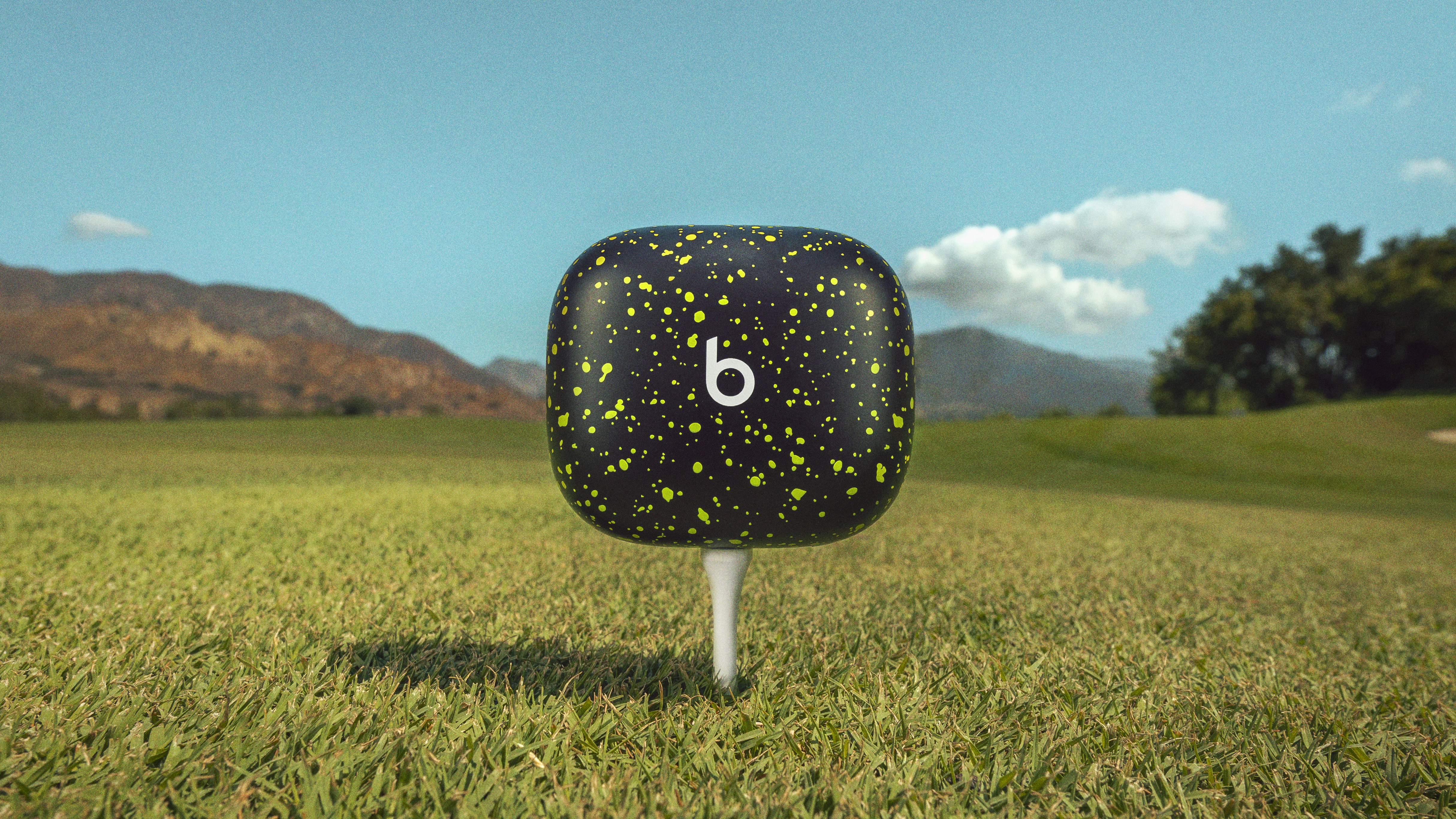
Okay, cool, but marketing-speak aside, this is, in fact, just a new colorway. However, depending on your taste, it might be one you’re into. Nike’s “Volt” palette takes center stage, with its love-it-or-hate-it electric yellow-green motif. The two companies share logo duties, with the Beats “b” on the left bud and Nike’s swoosh on the right. Meanwhile, the charging case takes you to Speckle City, looking like something Jackson Pollock flung a can of leftover shoe paint onto.
Apple / Nike
Otherwise, these are the same Powerbeats Pro 2 earphones that launched last year. You get heart-rate tracking, decent ANC and Spatial Audio. You can revisit Billy Steele’s review for more details on the earphones.
To help move the product, Beats and Nike called upon an athlete they both sponsor: a little-known hooper named LeBron James. The Lakers vet stars in a new ad, where he uses the Nike Powerbeats to tune out the noise with a little help from Lionel Ritchie.
You can watch the commercial below — and order the new colorway from Apple’s and Nike’s respective websites on March 20. The Nike Special Edition Powerbeats Pro costs the same $250 as the standard version. However, this is a limited-edition variant, so there’s no guarantee it will be around for long.
This article originally appeared on Engadget at https://www.engadget.com/audio/headphones/apple-and-nike-team-up-for-a-new-powerbeats-pro-2-colorway-140000882.html?src=rss
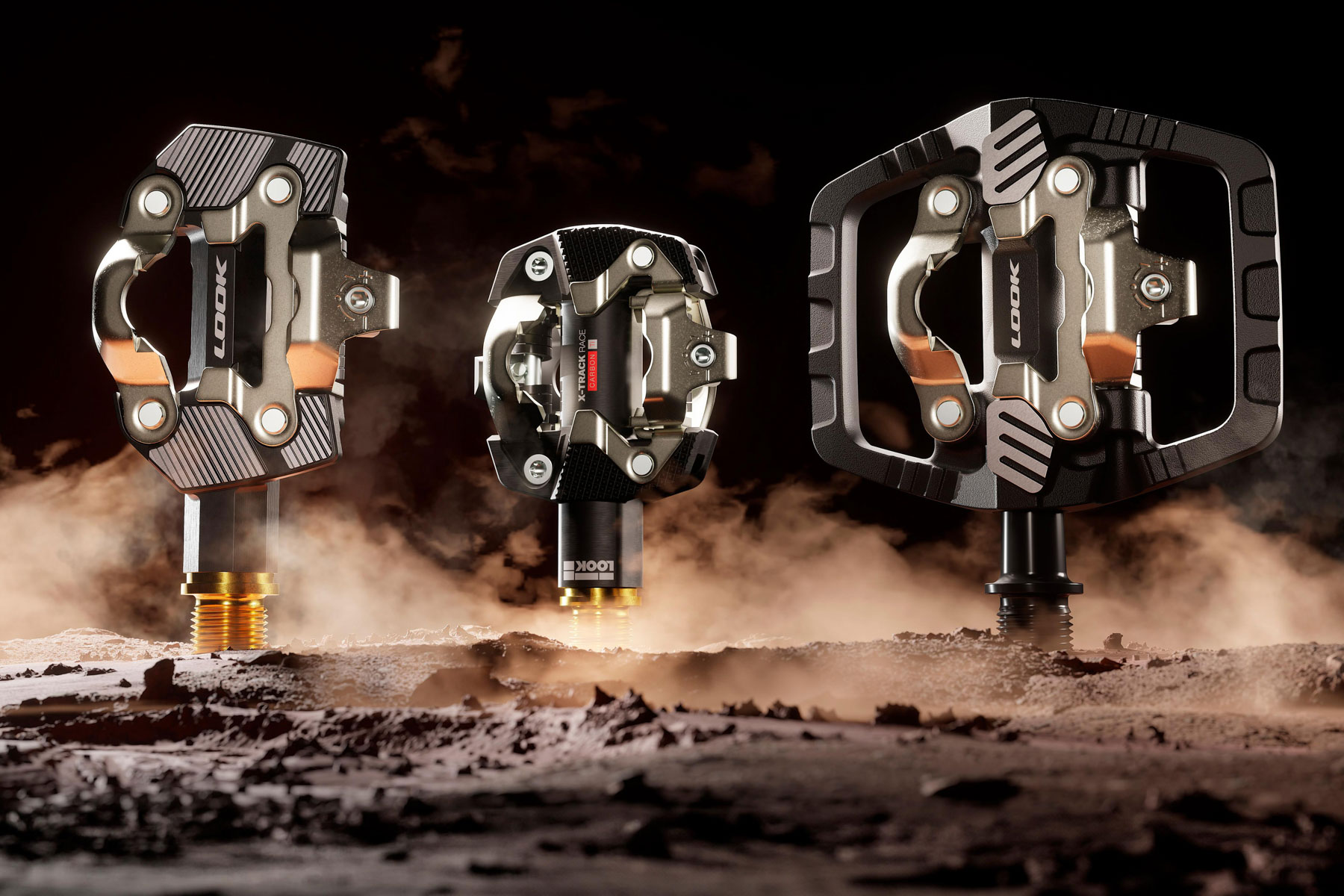
Look’s X-Track pedal has been in its clipless line-up for nearly 10 years, and now it’s joined by two new designs aimed to meet the needs of the wide spectrum of gravel riders.
The two new pedals are the X-One-G, a new ultra-lightweight option aimed squarely at racers, and the X-Venture+, intended for adventure riders and bikepackers.
Look’s product manager, Alexandre Lavaud, explains: “When we quizzed a wide range of gravel racers, including some of our own sponsored riders, we found many that used road pedals when race conditions allowed.
“They are looking for those marginal gains, lighter weight, the solid connected feel a road pedal gives, and improved power transfer.
“The major downside of using road pedals off-road is the wear and stresses on pedals. The grit and grime cause premature wear to cleats, seals and platforms.”
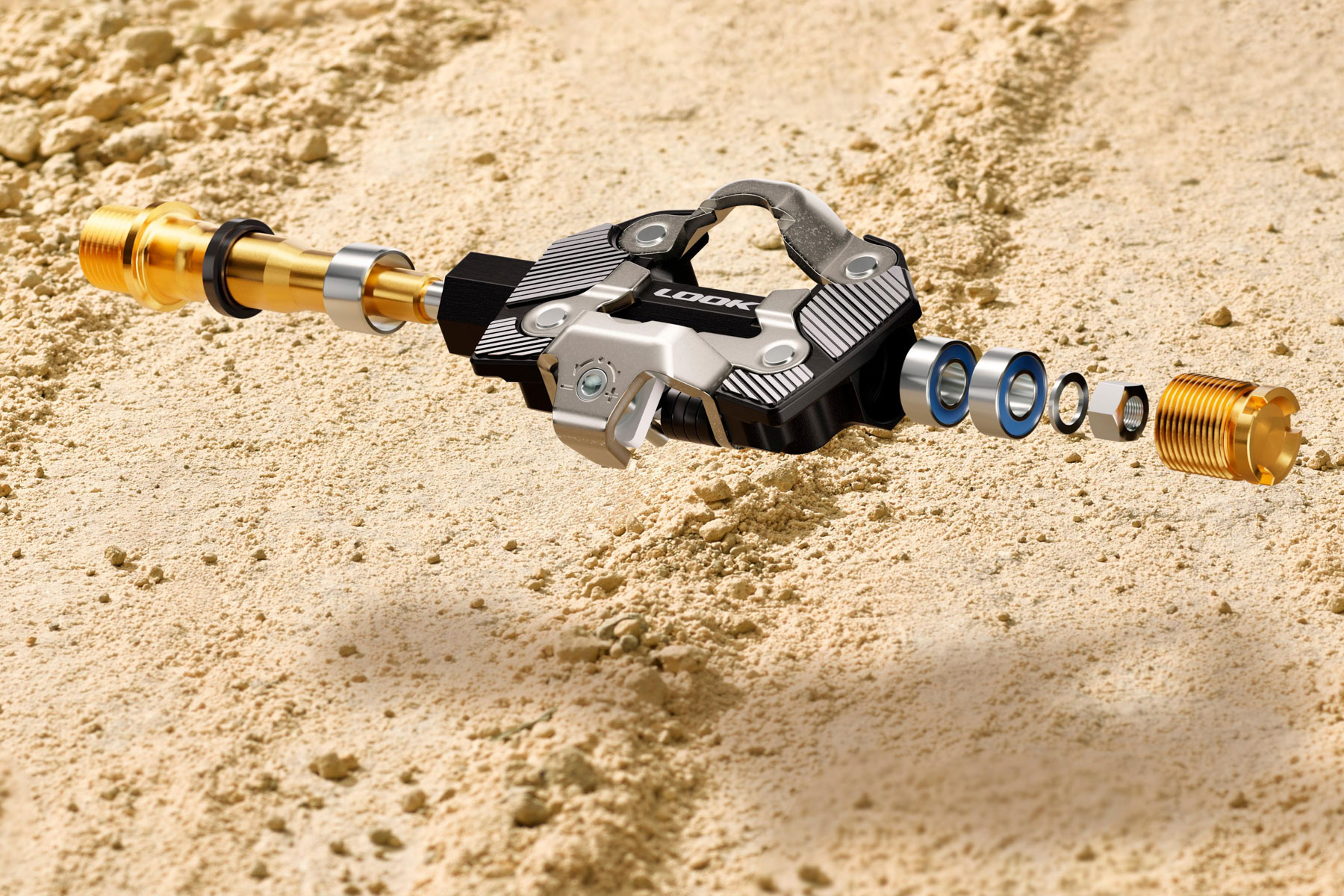
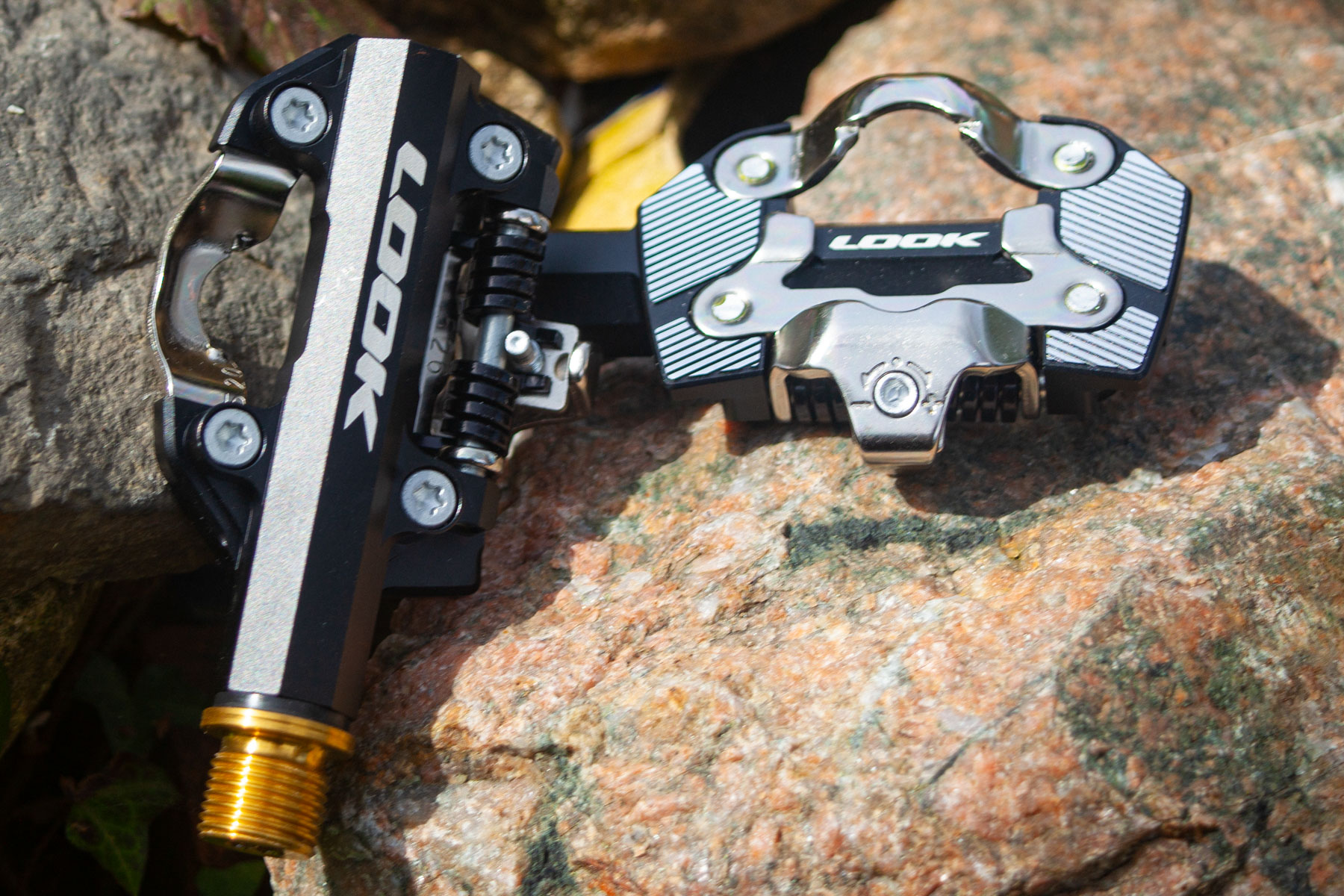
The X-One-G Ti is fully serviceable and rebuildable. Look
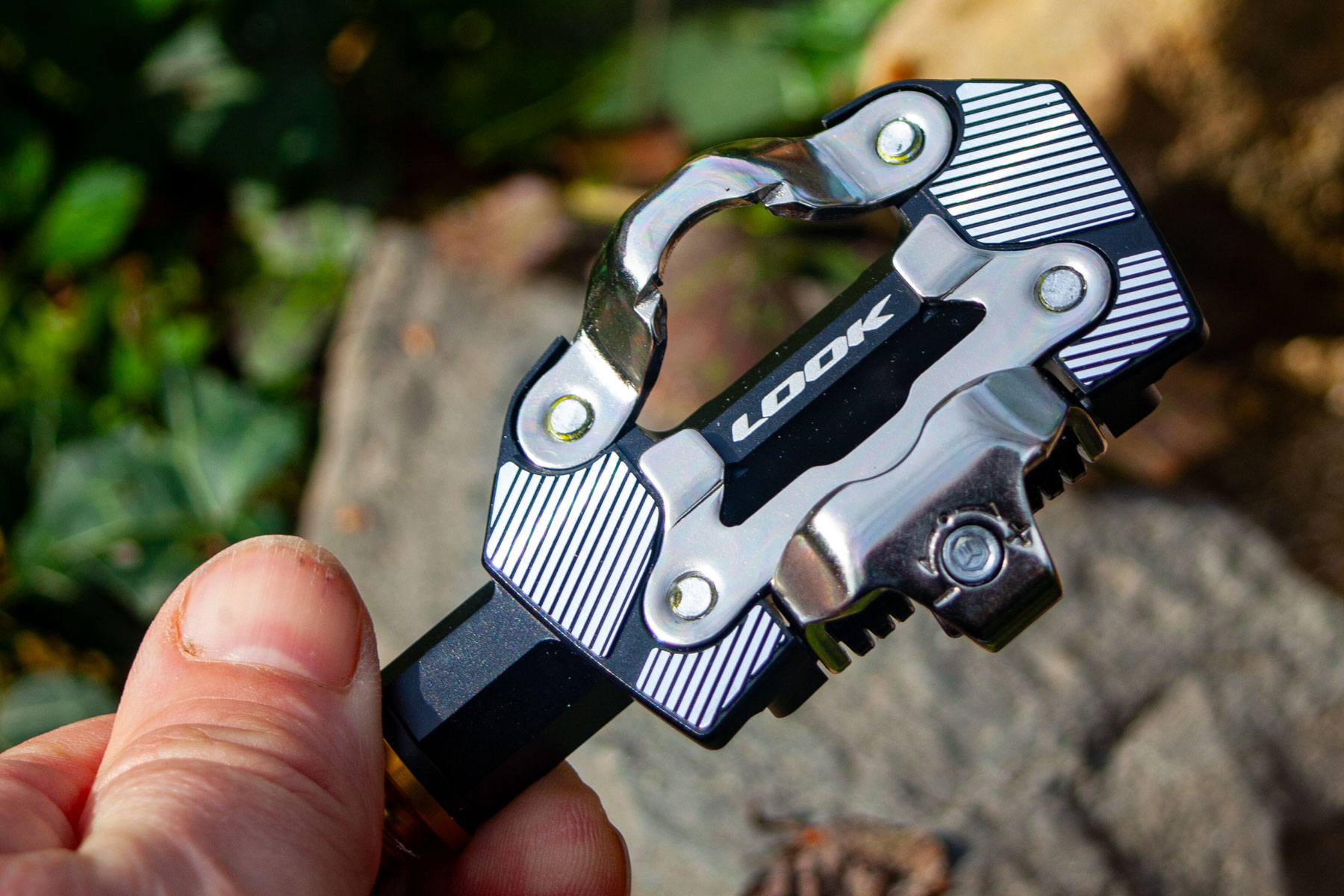
With a year of development behind the new X-One-G, Look has arrived at a single-sided SPD-compatible pedal with the largest surface area yet seen on a lightweight off-road clipless pedal.
Lavaud explains: “The target for the X-One-G was to create a gravel pedal with the durability of an off-road pedal but the feel and performance of a road pedal.”
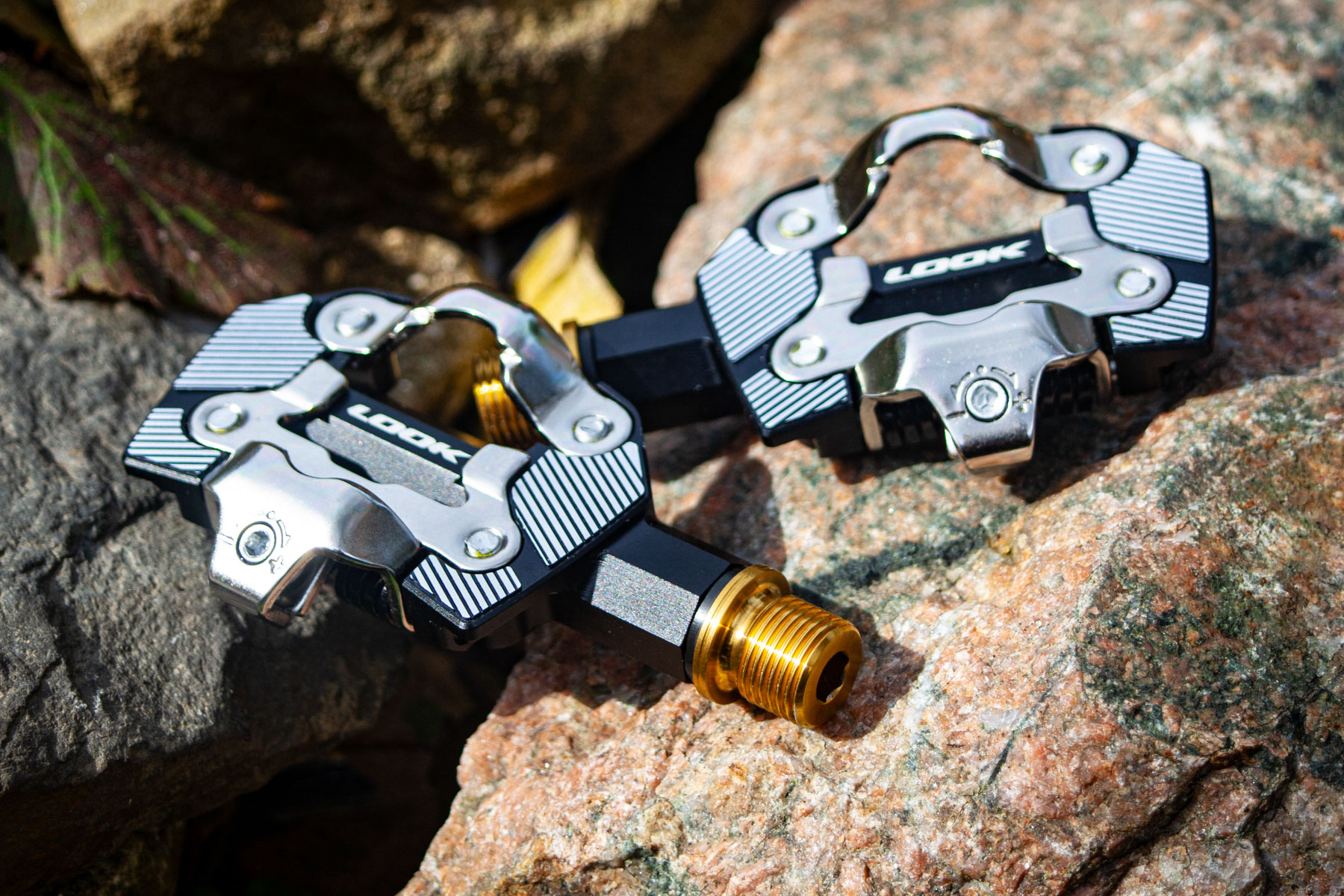
The Look X-One-G Ti is a lightweight single-sided gravel pedal aimed at racers. Warren Rossiter / Ourmedia
The 650mm² surface area is in fact 30% greater than that found on Look’s own pro road-race Keo 2 Max pedal. It’s also significantly larger than the X-Track at 515 mm².
The 650mm² platform is larger than Look’s road-going Keo. Warren Rossiter / Ourmedia
The range-topping X-One-G Ti weighs in at an impressively light 240g, with the cro-mo axle Max version tipping the scales at a claimed 290g a pair.
Compared to current lightweight clipless pedals, the new Look pedals are competitively light. Crankbrothers’ Eggbeater 11 pedals weigh 179g a pair, Time’s ATAC XC12s weigh in at 244g and Shimano’s top-of-the-range XTRs are 310g.
At only 120g each, the Look X-One-G Ti pedals are very light. Warren Rossiter / Ourmedia
The X-One-G has a 53mm Q-factor and a stack height of 10.7mm. That’s the same as the X-Track. The pedal and cleat combined have a stack height of 16mm.
While there is no word yet from Look on adding a power meter pedal to the gravel range, Lavaud hasn’t ruled out the development of such a product.
X-Venture+
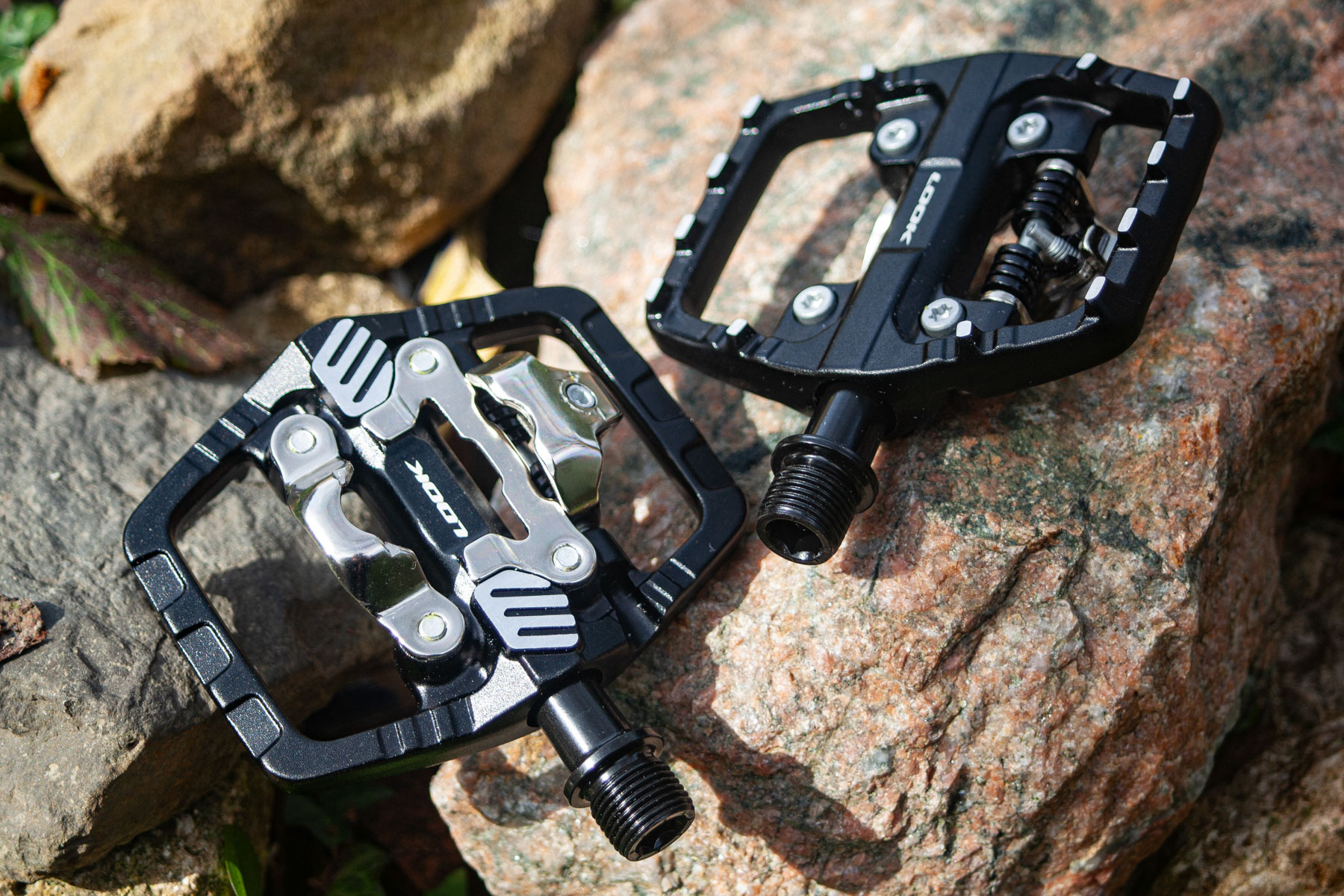
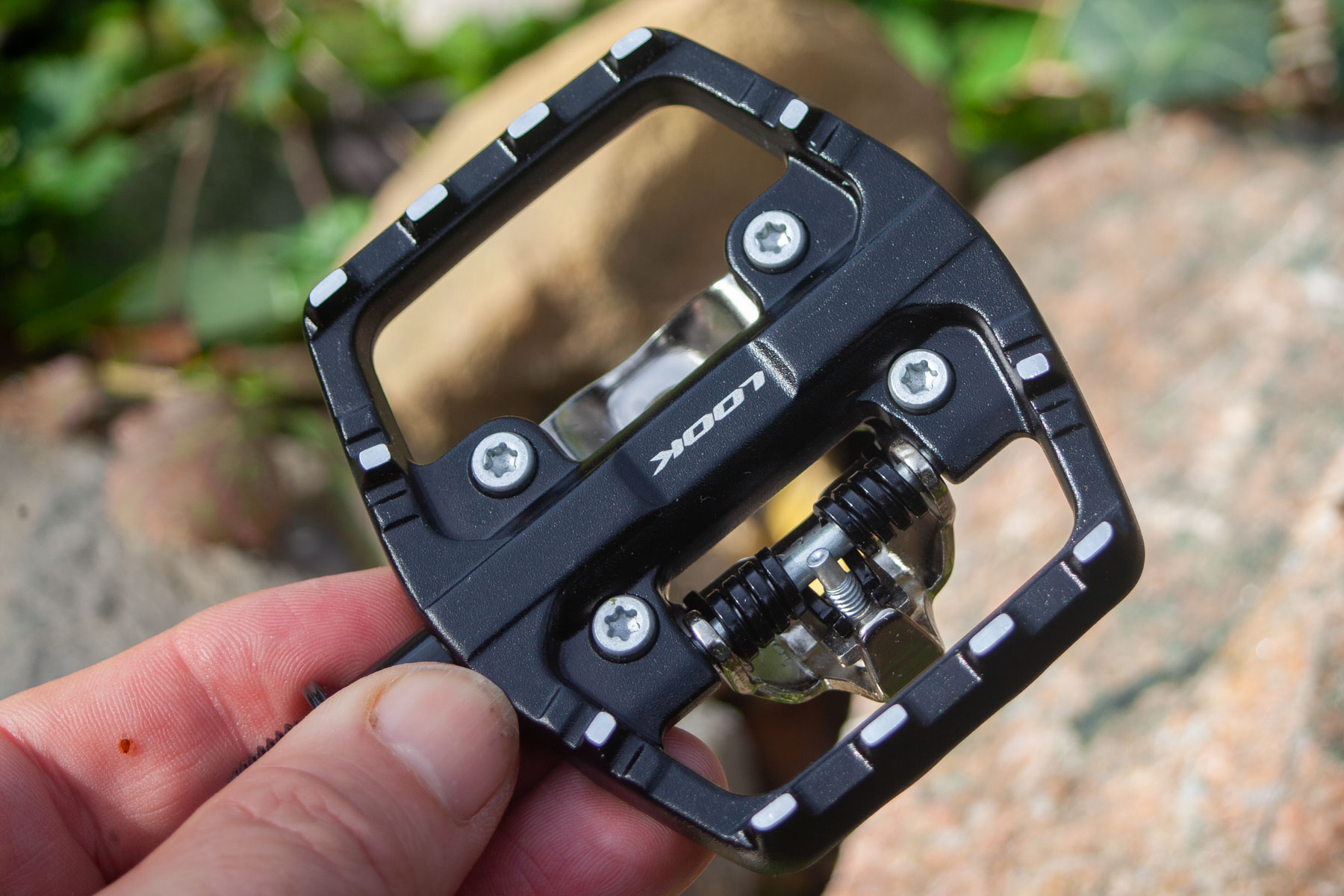
The Look X-Venture+ offers clipless and platform in one. Warren Rossiter / Ourmedia
The X-Venture+ provides an option for the other extreme of gravel riding, a pedal designed for adventure riders and bikepackers, who seek out more extreme trails and technical terrain.
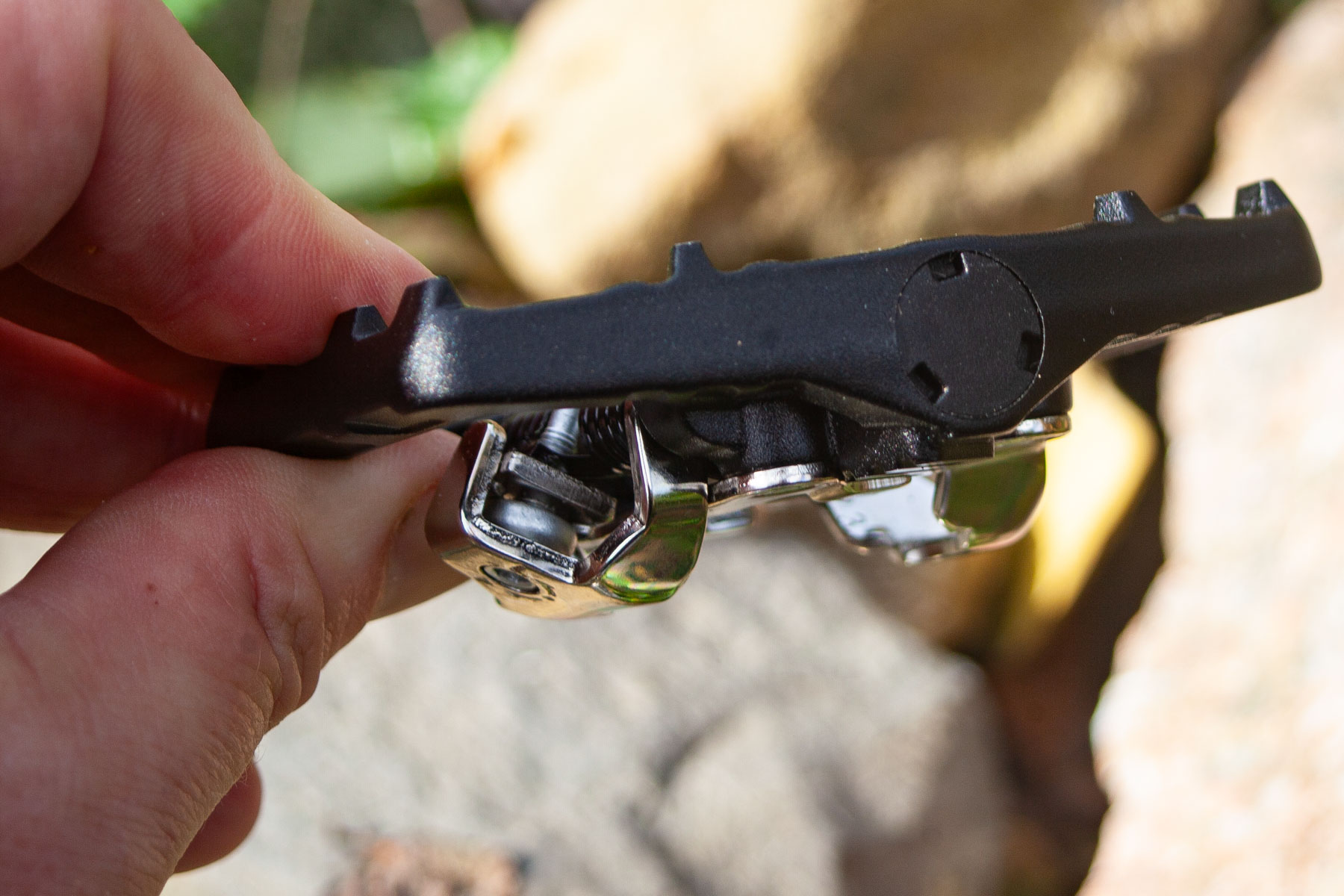
The pronounced pins on the non-clipless side offer plenty of grip, while keeping the pedal low-profile. Warren Rossiter / Ourmedia
Like the X-One-G, the X-Venture+ shares a single-sided SPD design. However, here the flipside to the retention mechanism is a wide mountain-bike style platform replete with moulded pins.
The platform side offers a practical alternative for when you don’t want to use clipless shoes. Warren Rossiter / Ourmedia
At 380g, the X-One-G is light for a pedal with a platform. In comparison, Shimano’s XTR enduro pedals weigh in at around 435g a pair. Look’s own range-topping enduro pedal, the X-Track En-Rage, weighs in at 450g a pair.
The X-Venture+ is compatible with Look’s Easy Cleat (multi-directional release). Alongside the premium X-Venture+ is the X-Venture, with a resin platform, weighing in at 400g a pair.
The X-Venture comes with a resin platform. Look
New Look gravel pedals range and price information
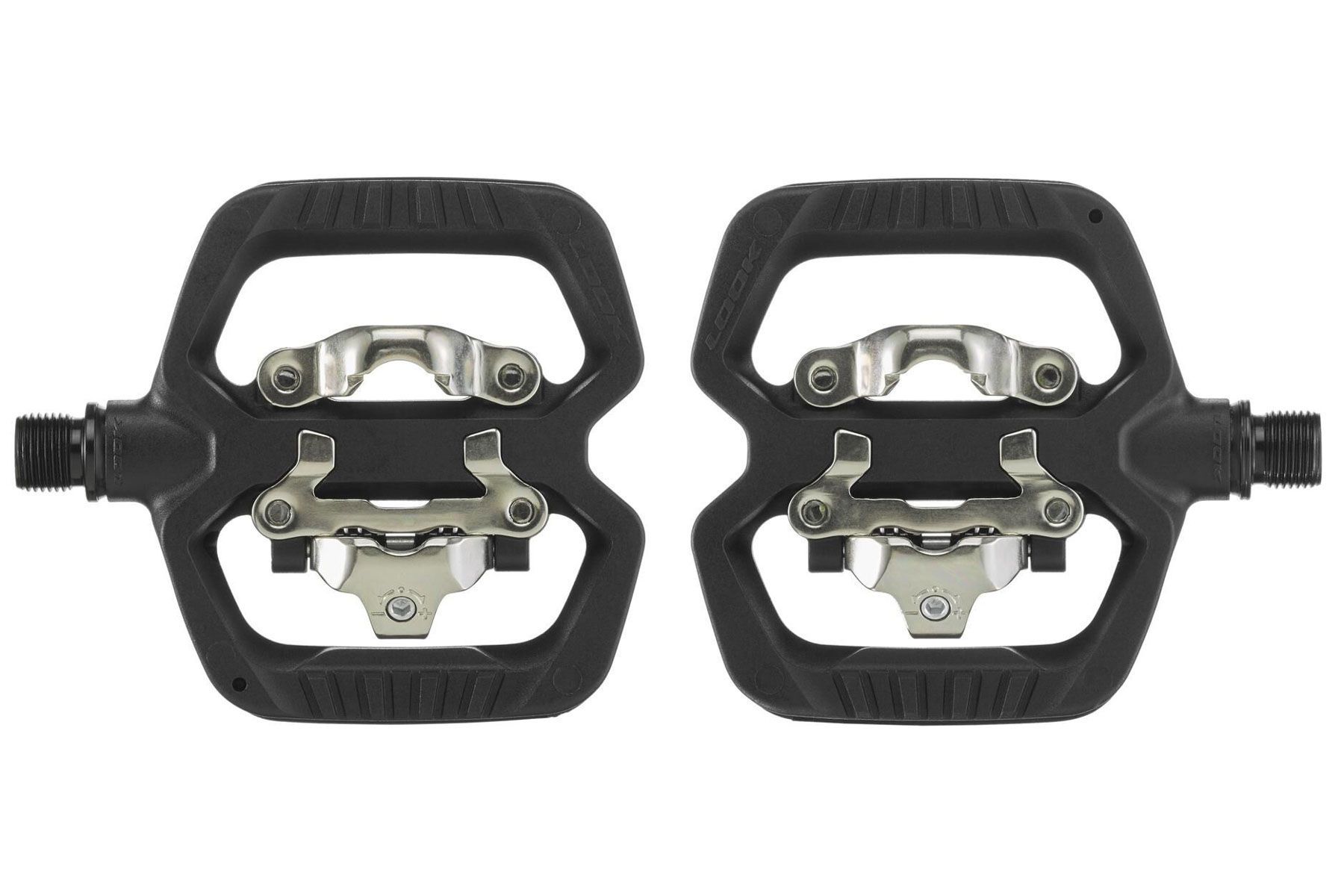
Look’s gravel line-up: the X-One, X-Track and X-Venture. Look
Linux hardware vendor TUXEDO Computers launched today the AMD variant of the TUXEDO Gemini 17 Gen4 Linux laptop with an AMD Ryzen 9 9955HX CPU and other upgrades.
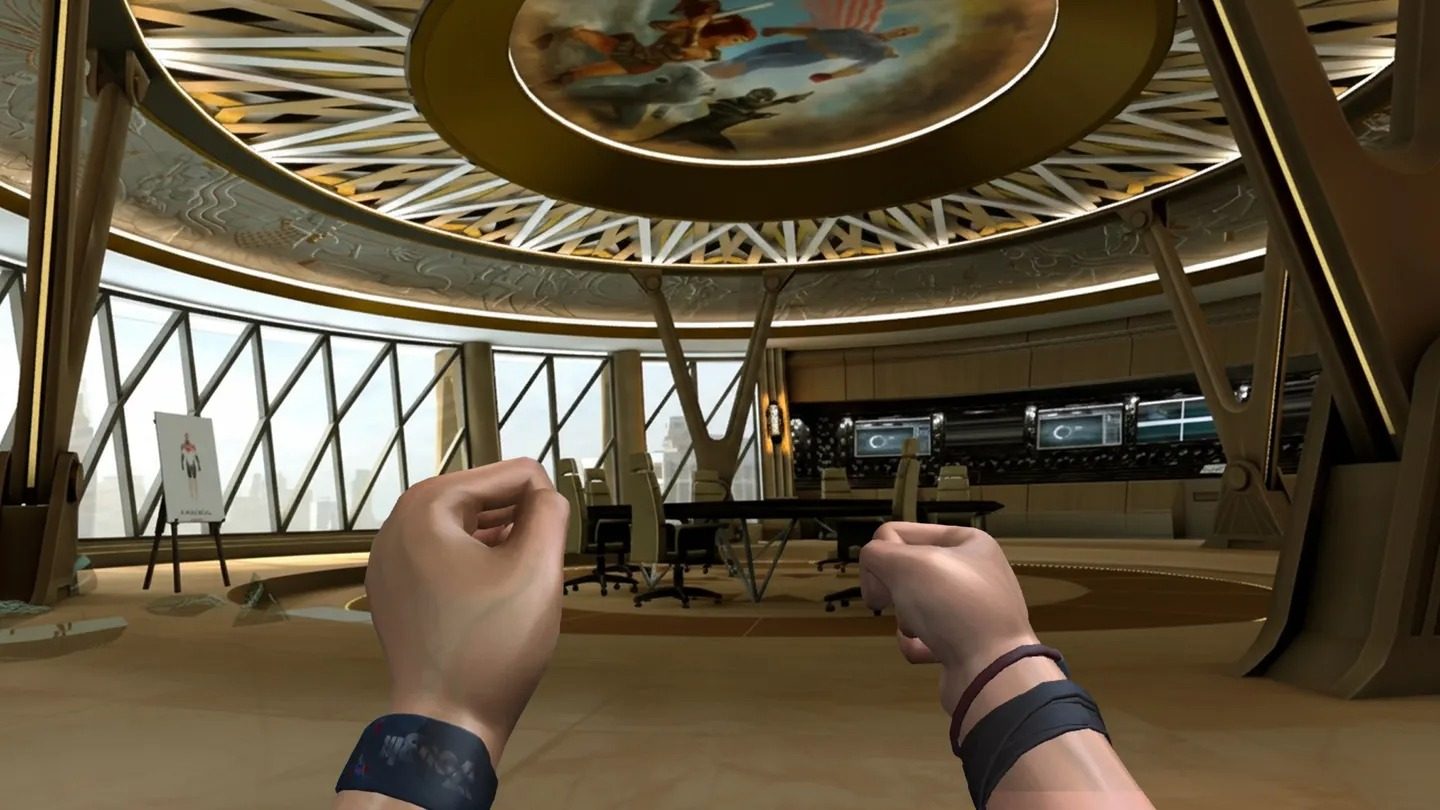
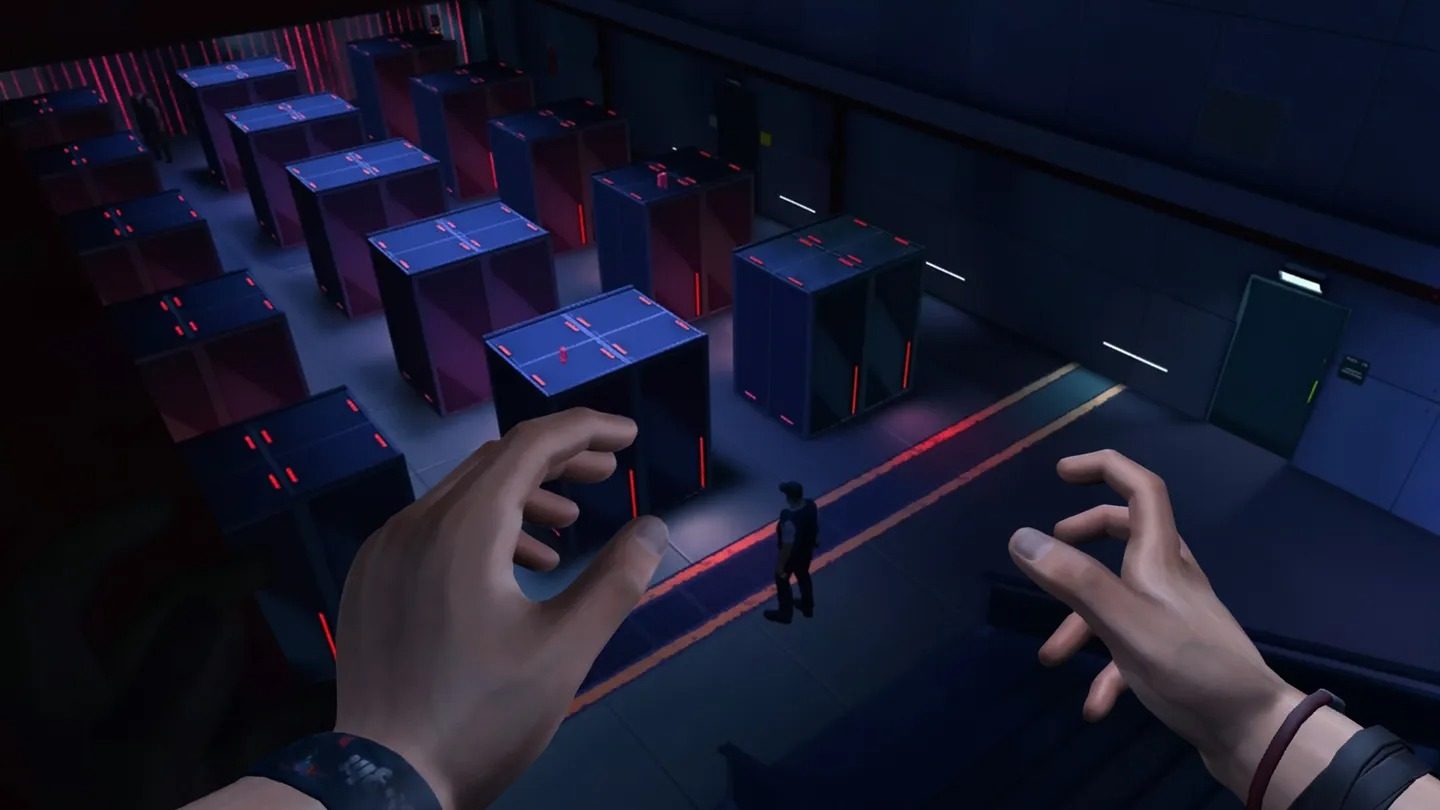
Amazon’s hit TV series ‘The Boys’ is coming to VR in an immersive adventure called The Boys: Trigger Warning, which is now slated to release next week.
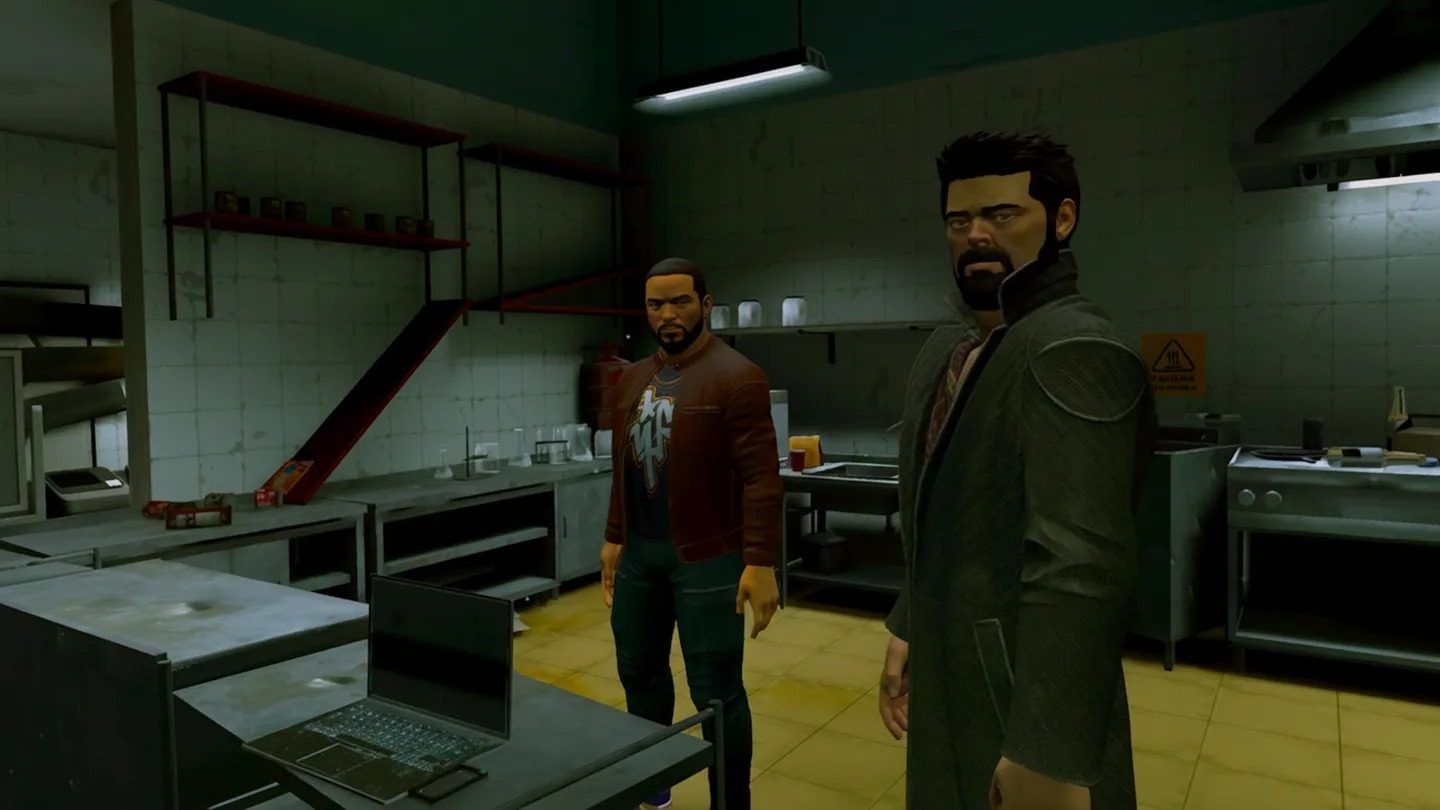
Developers ARVORE and Sony Pictures Virtual Reality announced The Boys: Trigger Warning is officially set to launch on March 26th on Quest and PSVR 2, which comes alongside a new trailer showing off some of the game’s head-popping superpowers.
In it, you can expect to take on missions either in stealth or full chaos-mode, as you “reach, grab, break, pull, crush and fling enemies using telekinesis” thanks to constant injections of Temp V, which give you a range of other superpowers.
1 of 5
Image courtesy ARVORE, Sony Pictures Virtual Reality
Image courtesy ARVORE, Sony Pictures Virtual Reality
Image courtesy ARVORE, Sony Pictures Virtual Reality
Image courtesy ARVORE, Sony Pictures Virtual Reality
Image courtesy ARVORE, Sony Pictures Virtual Reality
Here’s how the studio describes the game’s narrative:
Step into a brand-new story set in the world of The Boys. Lucas Costa’s life detonates when the Armstrongs, a washed-up but still lethal family of Vought Superheroes, turn a family outing into carnage.
The Boys drag Lucas back from the brink, juice him with powers, and throw him headfirst into their underground fight against Vought and its Supes.
You can also expect a bevy of familiar voices, as the series’ cast are lending their voices to the game, including Laz Alonso (Mother’s Milk), Jensen Ackles (Soldier Boy), Colby Minifie (Ashley Barrett), and P.J. Byrne (Adam Bourke).
You can pre-order The Boys: Trigger Warning on the Horizon Store for Quest, priced at $24, and wishlist the game on the PlayStation Store for PSVR 2.
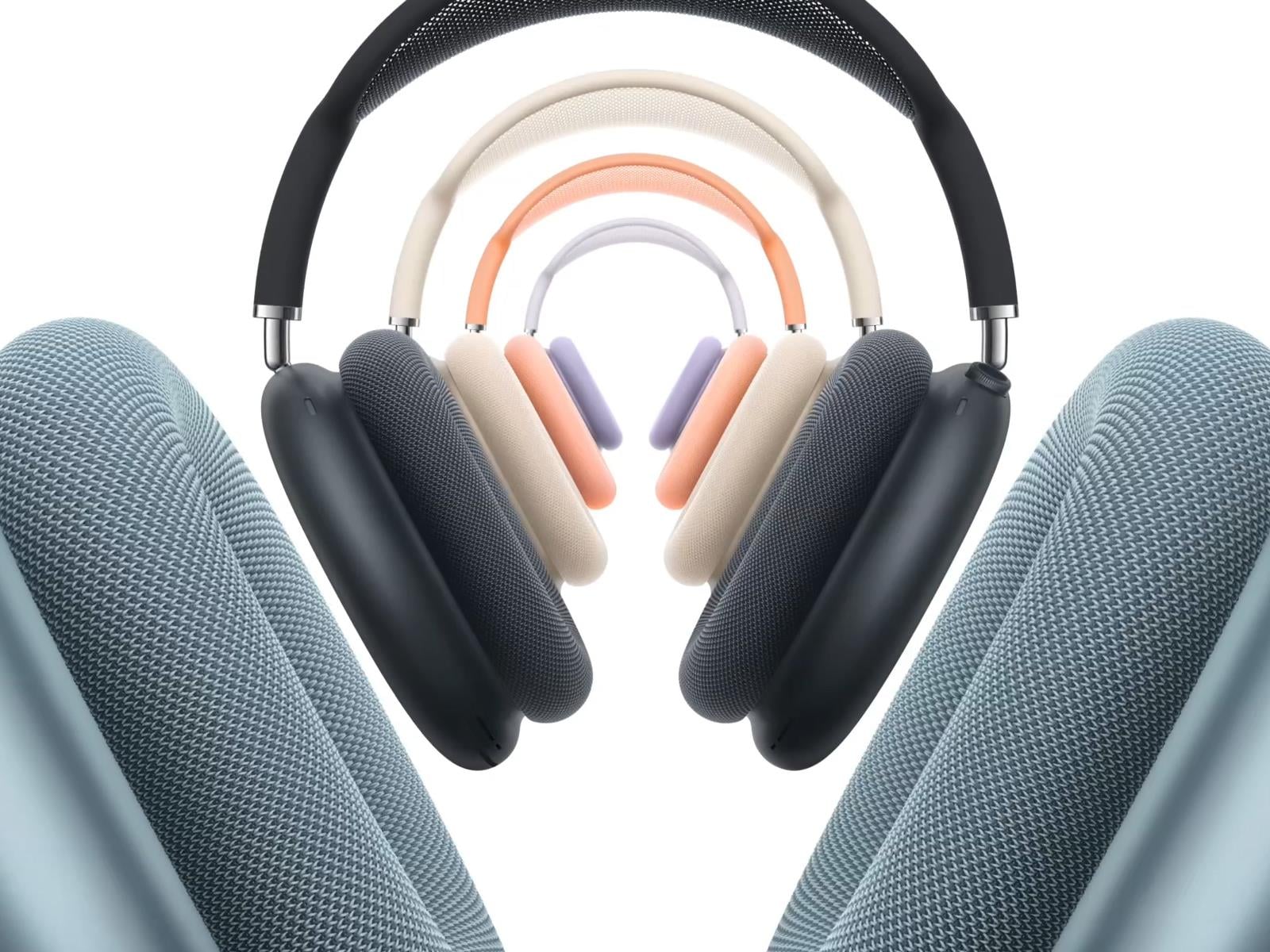
Your AirPods Max headphones are now officially obsolete and you might as well throw them in the garbage. We’re just kidding, of course! Don’t do that; they’re still capable, though they have been replaced by Apple’s new flagship headphones, the AirPods Max 2 powered by the same H2 chip as found in its flagship AirPods Pro 3 earbuds introduced
Fedora Project Leader (FPL) Jef Spaleta has issued
a “modest proposal” for a technology-innovation-lifecycle process
that would provide more formal structure for adopting technologies in
Fedora. The idea is to spur innovation in the project without having an adverse
impact on stability or the release process. Spaleta’s proposal is
somewhat light on details, particularly as far as specific examples of
which projects would benefit; however, the reception so far is mostly
positive and some think that it could make Fedora more “competitive” by being the
place where open-source projects come to grow.
I’m posting this on March 17,St. Patrick’s Day, the day we celebrate the patron saint of Ireland, and Irishness in general, by dancing to accordion-and-fiddle-based music, dyeing a river green, and enjoying a wee drink or three. But there’s a lot people get wrong about the holiday, so allow me to clear up some myths.
St. Patrick’s Day wasn’t always a day for partying
The association between boozing it up and March 17 is relatively recent. St. Patrick’s Day was observed in Ireland as early as the ninth century but it was largely a somber remembrance, not a celebration—it marks the anniversary of St. Patrick’s death, after all. It was a day when the dietary restrictions of Lent were lifted, which must have been a relief, but it wasn’t about drinking and having fun. It was about going to Mass. Pubs were closed by law on March 17 in Ireland up until the 20th century, and drinking was unofficially discouraged on that day until as late as the 1970s.
St. Patrick’s Day, as we know it now, was arguably born in New York in 1762, when a group of Irish soldiers in the British army marched through Manhattan to a local tavern. In 1848, New York’s Irish Aid societies held the first official St. Patrick’s Day parade (which was also the world’s first civilian parade of any kind) and from there, the “drinking, dancing, and having fun” aspect of the holiday grew.
Ireland, by the way, was the last nation to get the memo. In a 2001 New York Times article, Irish novelist Maeve Binchy recalls a childhood spent watching every other country cut loose on March 17, while “Dublin was the dullest place on earth to spend St. Patrick’s Day.” By the 1990s, though, Ireland realized that people would rather have fun than remember dead saints, and now there are festivals and parades all over the country, including a huge one in Dublin.
Corned beef is not an Irish dish
The Irish are well-known for their story-telling and dance styles, but they are not known for their cuisine. The one exception is corned beef and cabbage, a meal many think of as Irish, except it really isn’t. Ireland has a complicated history with cows, but in general, pigs have been the real Irish protein, particularly after the 1800s. Things were different in the U.S., though. Irish immigrants in New York City were lacking Irish bacon, so they supposedly substituted corned beef, which they bought from their Jewish neighbors.
If you want legit Irish food, try boxty or Irish soda bread. Boxty is a potato-based pancake. Irish soda bread was invented during the potato famine and is made with sour milk and leavened with baking soda by people too poor to afford yeast. Soda bread was born of a nation’s misery, but if you add raisins and slap some salted butter on it, it’s delicious with coffee.
Saint Patrick wasn’t Irish
Unlike that other famous holiday-saint, St. Nicholas, St. Patrick wrote an autobiography, so we know something about his life. He was born in the late fourth century in Roman-occupied Britain, probably in Scotland or Wales, so he was Roman by citizenship, and could have been British, Italian, or Celtic. When he was around 15, Patrick was kidnapped by raiders and taken to Ireland, where he was forced to shepherd. After six years of captivity, Paddy escaped back to Scotland or Wales, spent 15 to 20 years in religious study, became ordained as a bishop, then returned to Ireland to convert the pagans to Catholicism. He was obviously successful in his mission, although I doubt pagans thought so. Here’s how the druids supposedly described St. Patrick:
Across the sea will come Adze-head, crazed in the head, his cloak with hole for the head, his stick bent in the head. He will chant impieties from a table in the front of his house; all his people will answer: “so be it, so be it.”
“Adze-head” refers to the tonsure, the haircut monks used to have, so it’s a quality insult.
Saint Patrick did not drive the snakes from Ireland
Like all good saints, Patrick’s actual deeds were overshadowed by imaginary ones written down in the centuries after his death. In his own writings, Patrick only cops to one, very minor, miracle: When returning to Ireland, his party ran out of food, and Patrick said, “God will give us some” Then they found some wild boar. The miracles attributed to Patrick in hagiographies written about him are way more exciting. Here is only some of what St. Patrick was said to have done:
Battled druids and pagans in wizard duels, where the magical powers of the pagans were defeated by Patrick’s faith
Confronted the devil stone idol of Cromm Crúaich by striking it with his crosier and banishing the demon within it to hell
Banished demonic birds by ringing his bell
Raised 33 people from the dead
Was guided by Jesus himself to “St. Patrick’s Purgatory,” a cave in Lough Derg where sinners could be purged of their sins if they spent a day and a night there in penance
Left a walking stick behind that sprouted into a tree
Accidentally drove his staff through the foot of King Aengus, then later prayed and healed the wound
Drove the snakes out of Ireland
It’s that last one that people remember. Supposedly, St. Patrick was in the middle of a 40-day fast atop Croagh Patrick when he was attacked by serpents. He waved his magical staff, and ordered all the snakes to depart the Emerald Isle. And it’s true there are no snakes in Ireland, but it’s not because of St. Patrick—it’s because there never were snakes in Ireland.
A Bay Area startup that manufactures drones to tackle wildfires has just signed its first customer, the Aspen Fire Protection District.
The company, Seneca, recently announced that its fleet of five drones (dubbed a “strike team”) would be coming to the famed Colorado ski town this summer, making Aspen the first wildfire agency in America to add these types of aircraft to its arsenal.
Each drone is designed to carry enough water “to create over 50 gallons of finished foam suppressant,” which can reduce the speed at which a wildfire consumes fuel. The drones are designed to be able to reach and extinguish a small fire before humans can.
Oppo is back with another high-spec foldable phone you may never see outside a tech journalist’s hands. The Find N6 is its new, sub-9mm device that is headed to Asian markets and, for now, not many other places. That means no US or European availability. So why write about it? With its build quality, hardware specs and camera array, not only is it a very good phone, but it’s also proof that another device maker can go toe-to-toe with Samsung’s dominance in flagship foldable phones.
Hardware
Image by Mat Smith for Engadget
Oppo is obsessed with the foldable crease. More than me, more than most of you, more than it should, probably. A focus of its presentation last month in London detailed all the effort put into its “zero-feel crease.” The idea is that you can’t really feel where the device folds, with 3D liquid printing and laser scanning used to fill the hinge’s surface precisely. The company says this reduces hinge height variance from 0.2mm to only 0.05mm.
Oppo has improved the glass used on the foldable display, and according to TÜV Rheinland testing (again), the Find N6 reduces long-term crease formation by up to 82 percent compared to last year’s Oppo model. It apparently takes a lot of engineering to make a foldable that looks pristine for longer. It’s definitely still early days, but after a few weeks of use, the crease does seem perceptibly shallower than that of other devices, especially the older Find N5. However, there is still a crease. You might not feel it as much, but you can see it.
Despite that particular obsession, it’s another incredibly thin foldable, measuring 8.93mm (0.35 inches) thick. That means, folded, it seems roughly equivalent to most typical smartphone form factors. For reference, the iPhone 17 Pro is 8.75mm (0.34 inches) thick. Even with its slim profile, it also offers improved protection with IP59 certification against dust and water. The new foldable also picks up a new custom hardware button, like the Find X9, which can be assigned to launch the camera, switch sound profiles and other quick action settings.
The screens are the same size and resolution as its predecessor: a 6.62-inch front display and an 8.12-inch inner screen. There have been notable improvements here, too. Peak brightness has been punched up to 3,500 nits on the front screen and 2,500 nits on the foldable screen, making them brighter than on Oppo’s last foldable, but behind Motorola’s latest, most luminous foldable.
The Find N6 also has another custom 7-core Snapdragon 8 Elite Gen 5 processor — the flagship processor of the moment. The more impressive spec may be the battery: a huge 6,000mAh Silicon-Carbon power pack. That’s 400mAh more than the Find N5 and 1,600mAh more than the ZFold 7. And it goes and goes: Doing a battery rundown test on the front display playing non-stop video lasted just shy of 30 hours, while using the bigger internal screen still hit 24 hours.
Another area where it bests Samsung is in charge speeds, supporting up to 80W SUPERVOOC wired charging through Oppo’s proprietary adapter and up to 55W with other high-wattage chargers. There’s also 50W AIRVOOC wireless charging — again, only if you have Oppo’s particular flavor of wireless charger, which I do not. Sadly, there are no Qi2/PixelSnap/MagSafe docking magnets.
The cameras
Image by Mat Smith for Engadget
Oppo has made major improvements to the cameras with several features showcased on the Find X9, now making their way to its foldables. There’s a new 200-megapixel main camera with an f/1.8 lens and a new 50MP ultrawide camera that lets in 50 percent more light. The telephoto camera captures 50MP images, with 3X periscope optical zoom and telemacro focus up to 10cm away. All three cameras also support 4K 60 fps Dolby Vision video capture, with the main sensor also capable of 120 fps recording.
Image by Mat Smith for Engadget
Oppo’s new foldable has cameras that rival those of Samsung’s Galaxy Z Fold series. The addition of the high-resolution 200MP main sensor adds more detail to images and more versatility, too. The company continues to collaborate with Hasselblad on camera hardware and software. A new Hi-Res mode that captures stills using the full pixel count of each sensor, while other shooting modes from previous devices are still here. That includes the Hasselblad Master Mode, with full control over the camera settings and the iconic XPAN mode for 65:24 panoramic stills and video.
While I was already impressed by Oppo’s recent Find X9, the Find N6 still surprised me. It’s versatile, consistent, and it’s almost the best foldable camera phone — if only its telephoto matched the Pixel 10 Pro Fold’s 5x zoom.
Software
Image by Mat Smith for Engadget
When it comes to multitasking, the Find N6 really wants to deliver, even if the end result is a little messy. You can run a full-screen app, while three Free-Flow Windows each run a different app or web page, all concurrently. Every window is interactive and it almost immediately gave me a stress headache. Oppo has baked in a system of swipes and pinches to aid navigation, but I’d argue that even an 8.1-inch screen isn’t enough for all those windows. Still, for the true power user, there is a lot to tap into. If you’re the kind of person who bounces between work chats in Slack, your calendar and umpteen Chrome tabs — this phone is aimed at you.
Oppo wasn’t done with the productivity bonafides. It’s added a new stylus to its foldable series, which comes with its own holster/case that attaches to the back of the Find N6. In most instances, this would make a chunky foldable too bulky, but the base phone is so slim that it’s passable. The case also serves as a charging cradle that can recharge the stylus via reverse wireless charging. I’m not a huge stylus user, but for those who miss the S Pen, this is an option if you live in a country where it’s being sold.
The stylus, officially called the Oppo AI Pen (hate that name), has a button to summon an onscreen palette of tools and features. Double-pressing the button switches between writing and erasing, which is pretty handy. Screen-off note-taking will apparently arrive in a later software update.
Oppo is also continuing to bridge ecosystems with iPhone Connect, which adds AirDrop-style file sharing to Apple phones. Remote PC control is still a cute feature, making the Find N6 into a tiny pocketable PC, if you’re willing to work on your laptop through a tiny screen.
Wrap-up
Image by Mat Smith for Engadget
It’s another impressive foldable from Oppo, one that sadly most folks will never be able to buy. What’s stopping Oppo from testing the waters outside of Asia? The Find N6 is an incredibly powerful, technically impressive device. What is Oppo afraid of?
The foldable will arrive in both silver and orange, although the latter is a little more muted than I’d hoped. For now, Oppo is launching the Find N6 on March 20 in China, Japan, Malaysia, Thailand and other Asian territories. The company just announced that prices will start at ¥9999 in China (approximately $1,450), with 12GB of RAM and 256GB of storage.
This article originally appeared on Engadget at https://www.engadget.com/mobile/smartphones/oppos-find-n6-might-be-the-foldable-of-your-dreams-131036055.html?src=rss
Way back in 2019 when Kia introduced the first-generation Telluride, both the media and the car-buying public went nuts for it. Dealers struggled to keep the Telluride on their lots, and that’s before the insanity brought on by the COVID-19 pandemic a year later. Now, fast-forward six years, and there’s a new Telluride for the 2027 model year, and once again, Kia seems to have knocked it out of the park.
The 2027 Kia Telluride follows the same formula as the old one, but it has grown in every direction except engine cylinder count, and it looks a whole lot like the folks at Kia’s US design studio had “Greatest Hits of Range Rover” on repeat, which is a very good thing. Oh, and there’s finally a hybrid version.
Under the hood
The second-generation Telluride has fully ditched its old 3.8 L six-cylinder engine. In its place, it is now offering either a turbocharged 2.5 L four-cylinder gasoline engine that produces 274 hp (204 kW) and 311 lb-ft (422 Nm) of torque, or that same engine with a dual-motor hybrid system. The hybrid version produces a combined 329 hp (245 kW) and 339 lb-ft (460 Nm) while returning a claimed 35 mpg (6.7 L/100 km) combined.
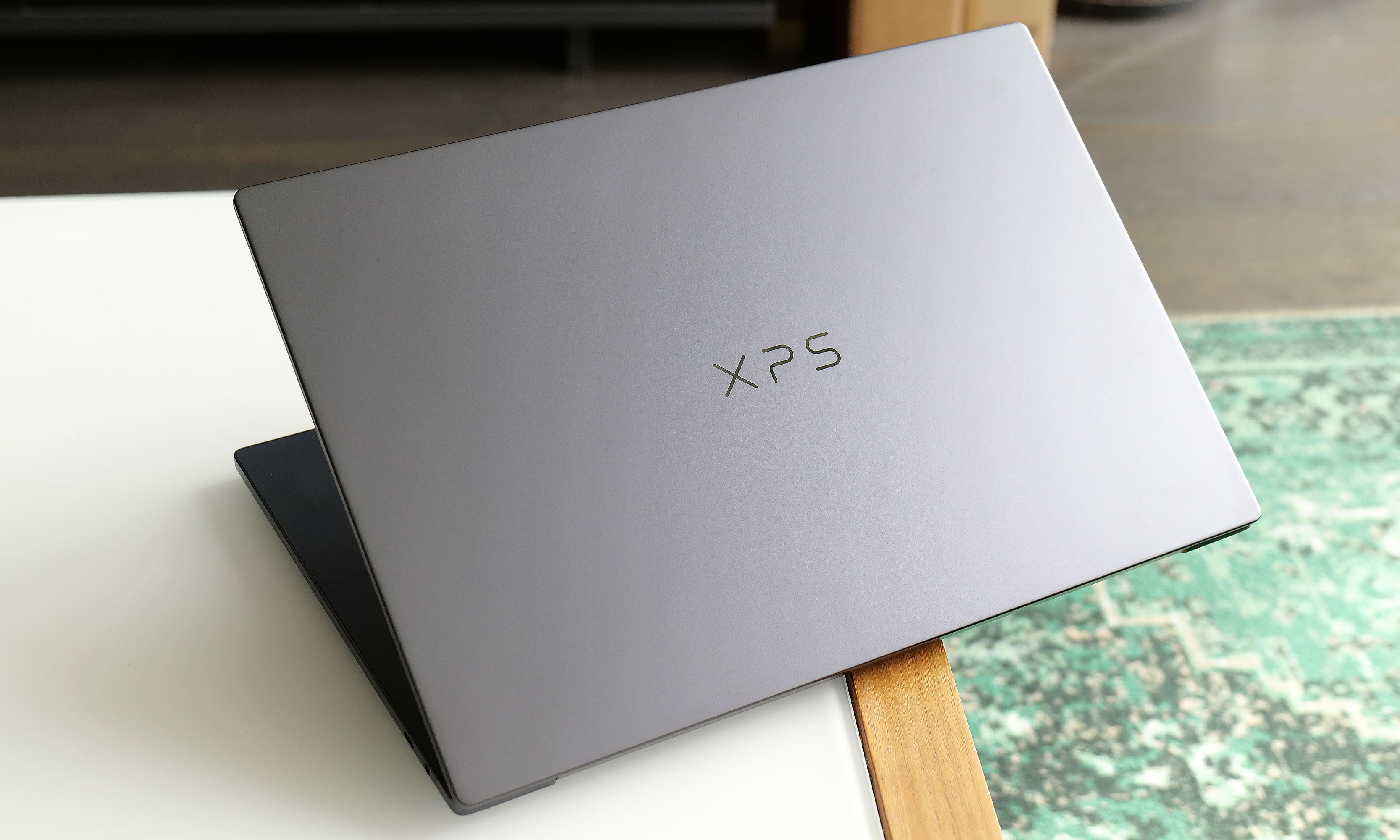
Last year, Dell came this close to abdicating its throne as the maker of the best premium Windows laptops when it announced it was killing off the XPS brand. Thankfully, the company regained its wits, admitted its mistake and doubled down on its flagship notebook line by revealing a full redesign for 2026 with super sleek builds, improved performance and helpful tweaks to nearly everything else we loved about its predecessors. The one blemish to Dell’s crown jewel is some keyboard issues on early units. But make no mistake, the king of laptops is back.
Design and display
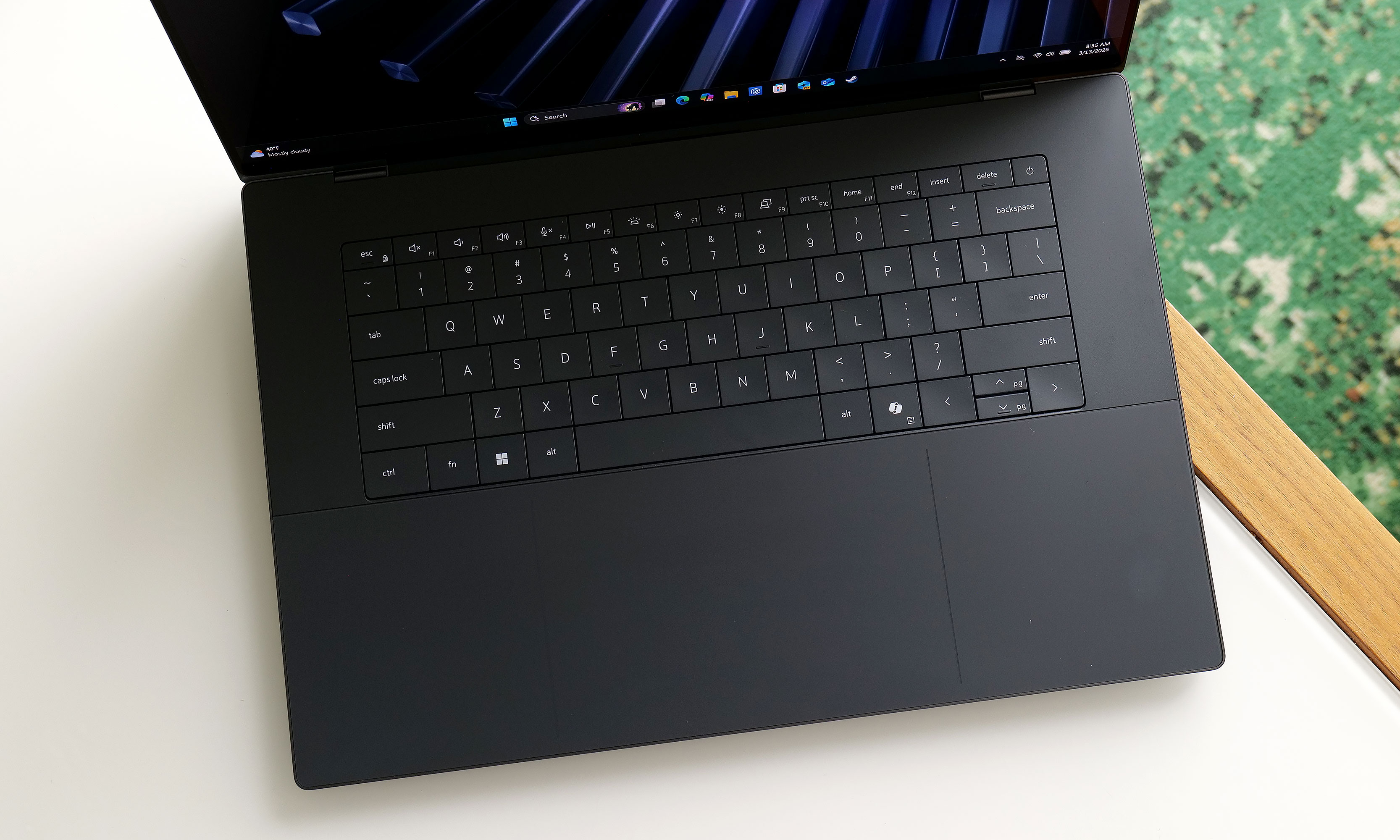
For this revamp, Dell didn’t stray away from the XPS line’s typical mix of glass and aluminum. However, this time around, the company streamlined pretty much everything. The XPS 16 now weighs just 3.65 pounds (or 3.85 if you opt for the heavier LCD display), which is almost a full pound lighter than its predecessor (4.56 pounds). That’s a massive drop and it makes this system closer in heft to a 15-inch MacBook Air (3.3 pounds) than a 16-inch MacBook Pro (4.7 pounds), despite the latter being XPS’s usual rival. It’s also noticeably thinner at 0.58 to 0.6 inches (depending on the exact configuration), which is once again a sizable decrease from the previous model (0.75 inches). Honestly, this laptop needs to be held to be truly appreciated. Even after using it for a while, it still feels impossibly sleek every time I pick it up.
The optional 3.2K OLED display available on the XPS 16 is simply gorgeous.
Sam Rutherford for Engadget
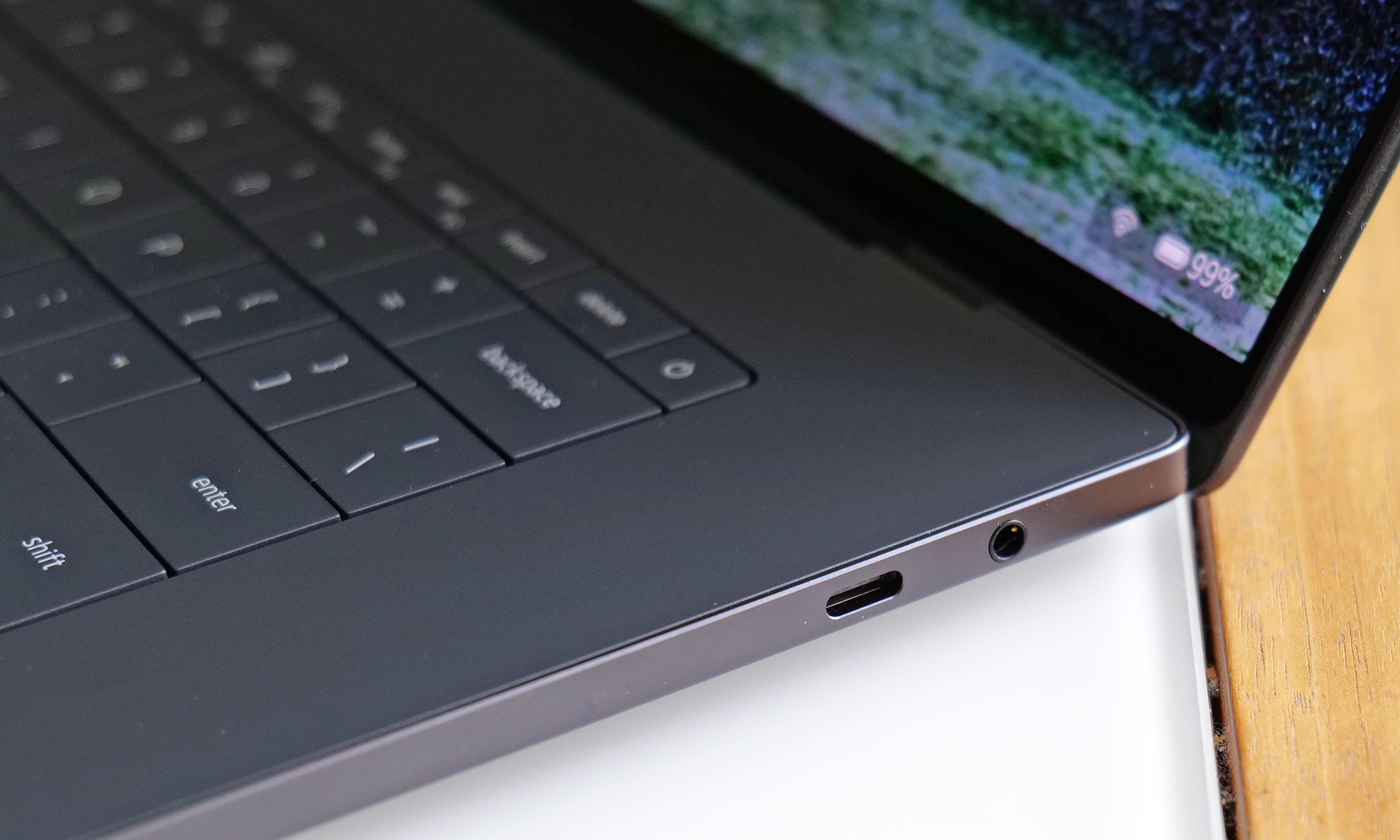
Elsewhere, Dell kept important features like the XPS line’s up-firing stereo speakers (which sound great), along with a decent mix of ports, including three USB-C jacks that support Thunderbolt 4, DisplayPort 2.1 and power delivery. The one thing I wish Dell had included though, is some sort of SD card reader. With the XPS 16 being the largest member of the family, it’s often a prime option for people who like to edit photos and videos on the go, so having an easy way to transfer media from a camera to the laptop would be really nice.
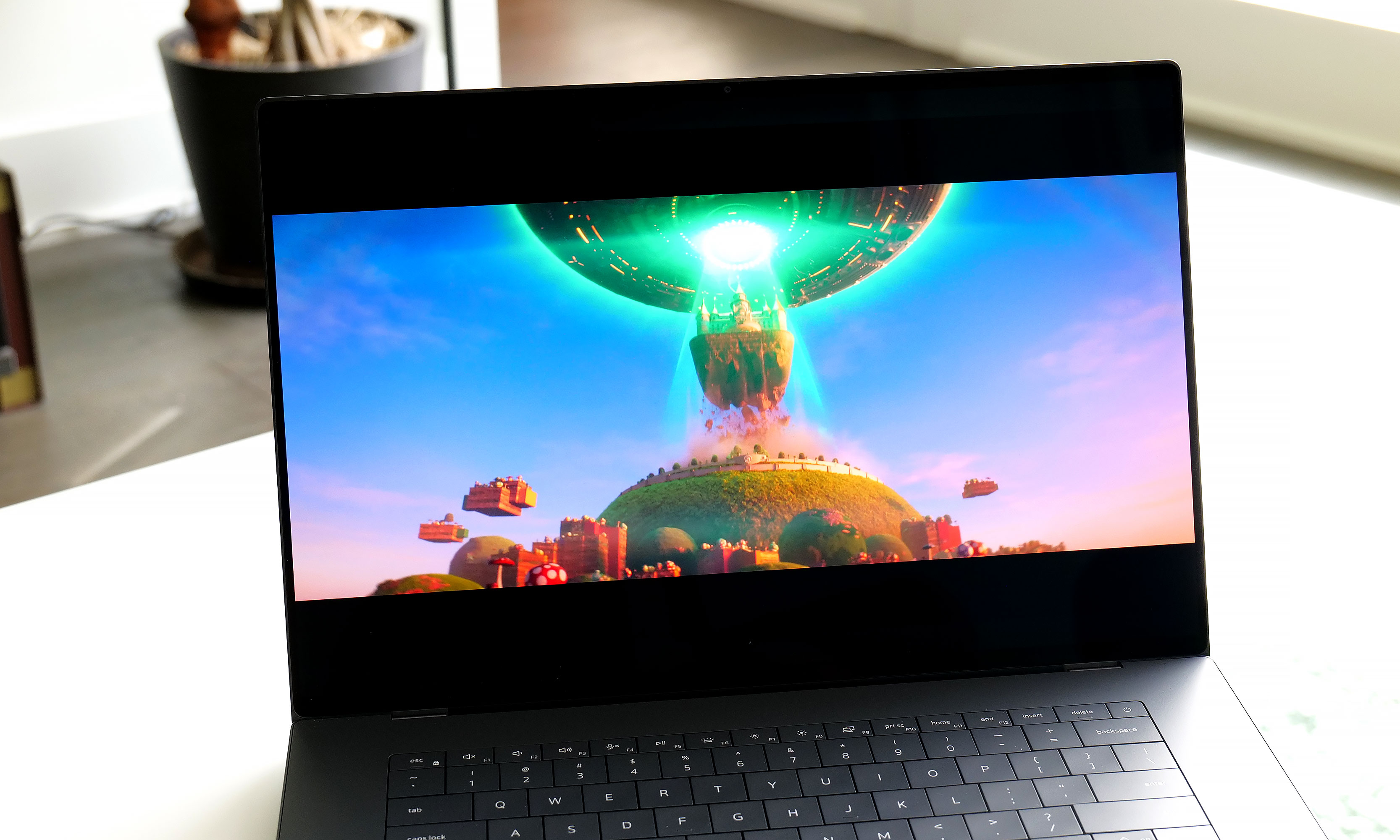
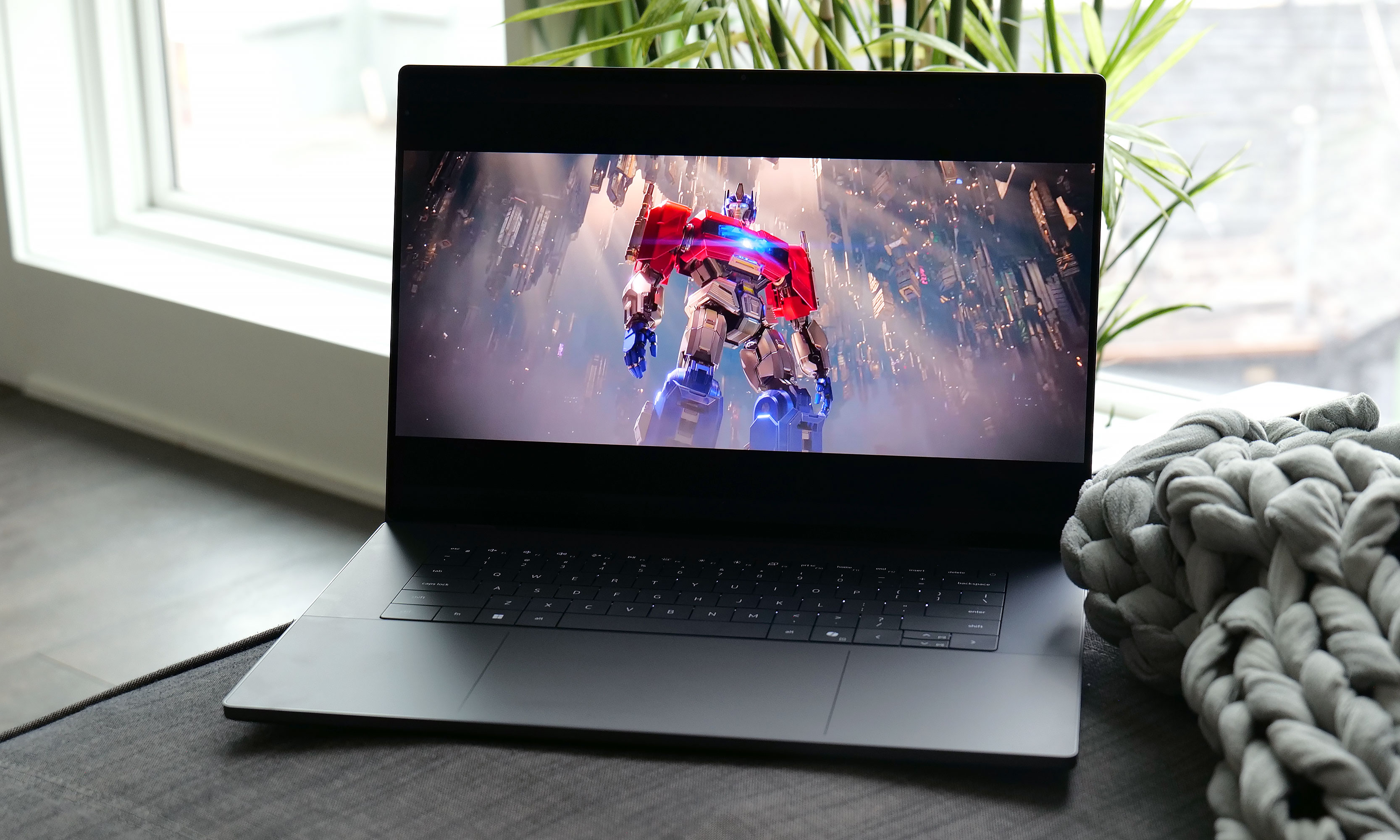
As for its display, Dell’s optional 3.2K tandem OLED panel like the one on our review unit reinforces the laptop’s role as a mobile editing platform. It produces vibrant hues and features a variable refresh rate that can go between 20 and 120Hz depending on what’s on the screen. Despite having a nominal peak brightness of 400 nits, it looks much brighter in person, so you’re getting an excellent viewing experience.
Keyboard and touchpad
The XPS 16’s keyboard looks great, but the lack of an anti-ghosting feature and somewhat shallow key travel aren’t ideal.
Sam Rutherford for Engadget
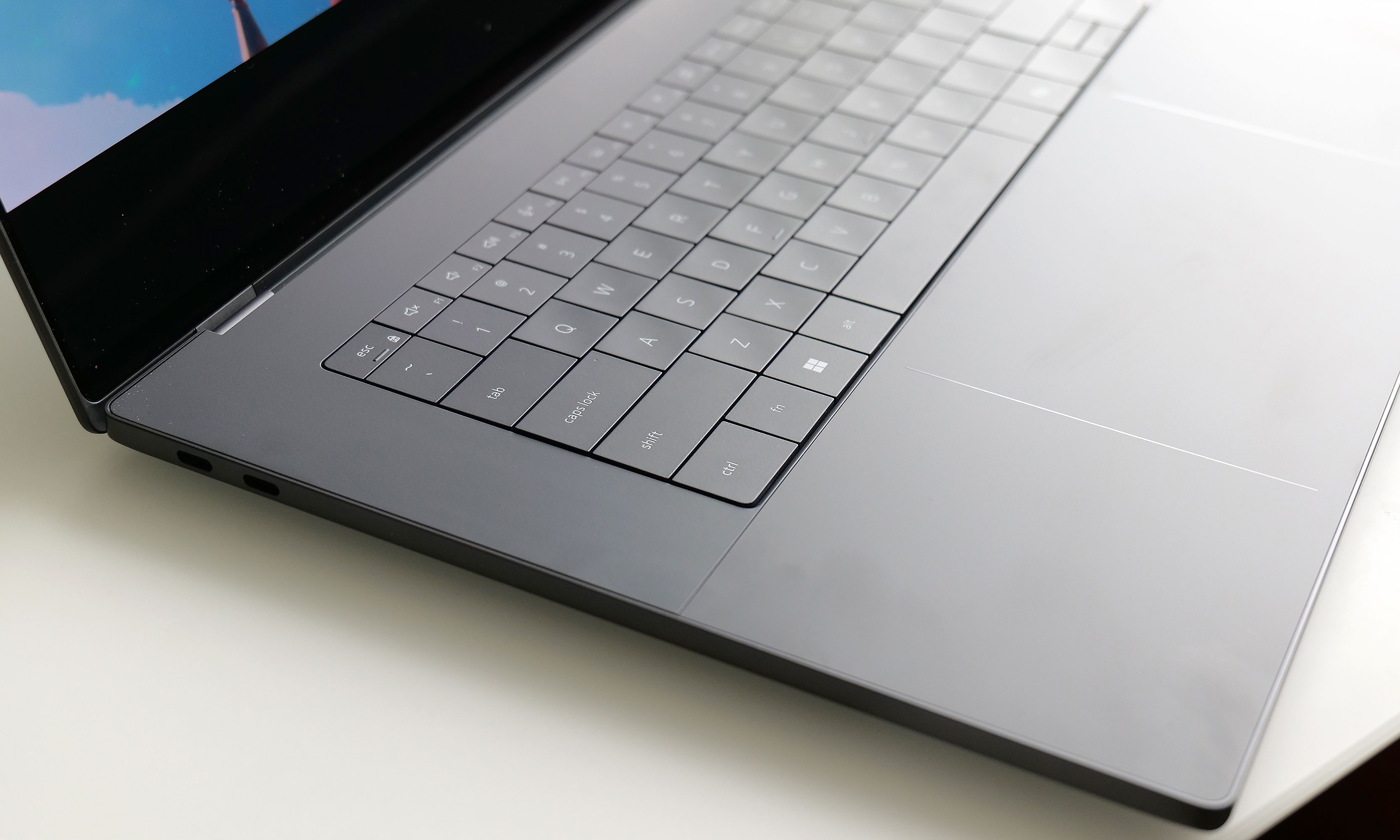
Perhaps the biggest change to the XPS line is its reworked keyboard and touchpad, which brings some ups and downs. Dell kept the glass deck and seamless touchpad used on previous models, except now there’s a faint line going around its perimeter, so you never have to guess where it is. The company also replaced the row of capacitive touch function and media controls from its predecessor with regular keys. As a fan of physical buttons, this is just great.
The issue is that for discerning typists, the keyboard seems to be missing anti-ghosting or N-key rollover tech. This means that if you press two keys very quickly one after another, the second press actually gets registered first, which can result in erroneous inputs. We ran into the same problem when testing the XPS 14. Dell claims this issue only impacts the first batch of systems off the line and that units on sale today have had this issue patched already. Furthermore, the company says it will release an update to address the issue on the remaining units, which should be out sometime in March. Though at the time of publication, I haven’t received anything yet.
The XPS 16 also features punchy up-firing stereo speakers that don’t leave much to complain about.
Sam Rutherford for Engadget
There is another nitpick about the keyboard. While I don’t mind that Dell retained its zero-gap layout instead of going with a more traditional chiclet-style design, the more I type on it the more I wish Dell would offer something with a bit more key travel and heavier actuation. For reasons out of my control, my company-assigned work machine is a Dell Precision 5680 from 2023. I don’t like it very much aside from its keyboard, which is significantly bouncier and just generally nicer to use than the one on the XPS 16.
Performance
A big reason why Dell was able to make the XPS 16 so thin and light is that the company didn’t leave room for discrete graphics. That means you can only choose between a handful of Intel’s latest Series 3 Core Ultra chips, ranging from the Ultra 5 325 to the Ultra X7 358H, with the latter being the one I tested here. That’s not a bad thing though, as the laptop easily handled all the various productivity tasks I threw at it. And even without a proper GPU, the XPS 16 still pumped out 62 fps in Cyberpunk 2077 at 1920 x 1080, using Ultra settings and Intel’s XeSS set to Quality. Those kinds of numbers aren’t going to make anyone toss out their dedicated gaming rig, but once again, that’s not too shabby for a notebook this easy to carry around.
Battery life
The XPS 16 comes with three USB-C port with Thunderbolt 4 which is nice, but sadly it lacks an SD card reader for quickly transferring media from a camera.
Sam Rutherford for Engadget
Thanks to a larger 99.5Whr battery, the XPS 16 fared better on our rundown test than its smaller sibling. This could be a deciding factor for anyone trying to choose between the two. In PCMark 10’s Modern Office battery benchmark, the XPS 16 lasted just shy of 12 hours (11:53), which is more than an hour and a half longer than what we got from the XPS 14 (10:21). As long as you’re not going to be gone for more than a day or you’re really pushing it, you should be able to leave its power brick at home.
Wrap-up
Instead of killing the XPS name for good, Dell wisely reconsidered and then doubled down. The result is fantastic new version of the XPS 16.
Sam Rutherford for Engadget
When Dell decided to bring back the XPS name, COO Jeff Clake said the company was going to get back to its roots. That’s the kind of messaging that’s easy to stay on a stage, but after testing out the reborn XPS 16, I can confirm it isn’t just flimsy rhetoric.
This laptop is a shining example of a premium ultraportable Windows laptop done well. It features a super sleek aluminum chassis, strong performance, solid battery life and an excellent display, particularly if you upgrade to the 3.2K OLED option. The connection to the iconic award-winning systems isn’t just skin deep. This thing is just as much an XPS as the ones we loved a decade ago and Dell is driving that point home by letting the XPS logo sit front and center on its lid instead of the company’s usual branding.
At just 3.65 pounds, the 2026 XPS 16 is basically a full pound lighter than its predecessor.
Sam Rutherford for Engadget
My one complaint is that I wish Dell would bring back the chiclet-style keyboards we got on models from the early 2020s. Though as long as the company can release updated software to fix the ghosting issues I’ve encountered, what’s on there now is more than good enough. Granted, at $2,349 for our review unit, the XPS 16 is a bit pricey, but that’s the going rate for a high-end notebook these days. If you snag a discount similar to the one Dell is currently running , suddenly, you’re looking at an even more enticing package at $1,900.
The biggest reason someone might want to hold off for now is if you do need more powerful graphics, as I’m expecting Dell to release an alternate version of the XPS 16 with room for a discrete GPU (and hopefully an SD card reader) sometime before the end of the year. Despite Dell nearly tossing decades of pedigree in the trash just months ago, the XPS 16 has returned to reclaim its spot at the top.
This article originally appeared on Engadget at https://www.engadget.com/computing/laptops/dell-xps-16-2026-review-return-of-the-king-130000906.html?src=rss
We may earn a commission from links on this page. Deal pricing and availability subject to change after time of publication.
A refurbished Nintendo Switch OLED (Mario Kart 8 Deluxe) bundle is currently selling for $269.99 on Woot, a noticeable drop from the $447 price for a new unit on Amazon and below the $299 typical price for a “like-new” refurb. This unit is listed as “Grade A” refurbished, meaning it has passed diagnostic testing and should only show minimal cosmetic wear that you likely won’t notice during normal use. Along with the console and standard accessories, you also get a download code for Mario Kart 8 Deluxe and a 12-month Nintendo Switch Online membership. That means you can start playing immediately without having to buy a game or subscription separately. Shipping is free for Prime members, while others pay $6, and the deal is expected to run for two weeks or until it sells out. Shipping is limited to the contiguous U.S.
The seven-inch OLED display is the main reason to pick this version. Colors appear more vibrant, and darker scenes look deeper and more defined when you’re playing in handheld mode. That difference is easy to notice in bright games like Mario Kart or platformers with colorful environments. Nintendo also replaced the small plastic kickstand from the older Switch with a wide, adjustable stand, which reportedly makes tabletop play more stable when you’re using detached Joy-Cons. Storage is 64GB out of the box (though you’ll still want a microSD card if you download a lot of games), and the dock includes a wired Ethernet port for more reliable online play, notes this PCMag review. None of this changes raw performance—games run the same as they do on the base Switch, so you are not getting higher frame rates or better graphics beyond the screen itself.
The bigger consideration now is how this compares to the latest Switch 2. Nintendo’s newer console introduces more powerful hardware and improved graphics, so players looking for the most future-proof option may lean in that direction. The counterargument is the price and the library. The original Switch already has years of games available, and most of Nintendo’s biggest titles were designed specifically around this hardware. And at $270 with a major game and a year of online access included, this bundle lowers the cost of entry considerably compared with buying new or moving to the newer console.
Intel is adding a couple of Plus models to its Core Ultra 200HX series lineup for laptops, and while the press release doesn’t explicitly designate the new CPUs as Arrow Lake Refresh, terminology it used for its desktop-bound Core Ultra 200S Plus models introduced last week, that’s essentially what these new parts are. And like their desktop
For the last three years, the technology industry has been held captive by a single narrative: the unstoppable rise of the AI data center. NVIDIA, through a combination of visionary leadership and a near-monopoly on high-end GPUs, has turned the “data center into the computer.” They have successfully convinced the world that AI is something that happens “out there”—in massive, power-hungry clusters that serve intelligence to us over a straw.
Last Friday, March 13, 2026, AMD formally challenged that consensus. With the announcement of their “Agent Computer” initiative, AMD isn’t just launching new chips; they are attempting a classic strategic flanking maneuver. While NVIDIA is focused on the training of foundational models, AMD is betting that the real value—and the real volume—lies in the local inference of autonomous agents.
It is a bold bet that the PC is not just a terminal for the cloud, but a sovereign server for a personal digital workforce.
The Graveyard of Early Assistants
AMD’s vision isn’t entirely new; the industry has been chasing the “digital agent” for decades. However, the path is littered with the corpses of high-profile failures. Before we can understand why AMD might succeed, we must look at why others failed.
We often point to Microsoft’s Cortana as the primary example of an agent that over-promised and under-delivered, but she was hardly alone. Apple’s Siri and Amazon’s Alexa suffered from the same fundamental flaw: they were “command-and-control” interfaces, not autonomous agents. They were built on rigid intent-matching systems that couldn’t handle multi-step reasoning.
More recently, specialized AI hardware like the Humane AI Pin and the Rabbit r1 attempted to create dedicated agentic devices. They failed primarily because they were “thin clients” tethered to the cloud. They suffered from high latency, privacy concerns, and a lack of local compute power. When your “agent” has to ask a server three states away for permission to summarize an email, the illusion of agency shatters.
AMD is arguing that these efforts underperformed because they lacked the local “muscle”—the combination of high-bandwidth memory and dedicated NPU silicon—to run complex models without a cloud umbilical cord.
The Flanking Maneuver: Client Inference vs. Cloud Training
NVIDIA’s dominance is rooted in the H100 and B200 ecosystems. They own the training market. AMD, realizing that catching up in the data center is a multi-year slog, is instead shifting the battlefield to the client.
By launching the Ryzen AI Max+ series with support for 128GB of unified memory, AMD is providing the specific hardware necessary to run massive, 100B+ parameter models locally. This is a direct shot at NVIDIA’s “Inference in the Cloud” model.
If a professional can run a Qwen 3.5 (122B) model locally on an AMD workstation with near-zero latency and total data privacy, the economic and security argument for NVIDIA’s cloud-based inference begins to crumble. AMD is banking on the idea that corporations will prefer “Sovereign AI”—agents that live within the corporate firewall—over sending sensitive data to a third-party data center.
The Roadmap to Success: What AMD Must Do
Announcing a vision is easy; executing it in a market dominated by NVIDIA’s CUDA software moat is the hard part. For the Agent Computer to hit critical mass, AMD needs to execute on three fronts:
Software Parity (ROCm): AMD must continue to aggressively fund and stabilize ROCm (Radeon Open Compute). Developers will only build for the Agent Computer if the software stack is as “invisible” and reliable as NVIDIA’s.
Open Standards: AMD’s support for OpenClaw is a great start. By embracing open-source agentic frameworks, they allow a community of developers to bypass proprietary ecosystems.
The OEM Push: AMD needs Lenovo, HP, and Dell to market these not as “faster PCs,” but as “Agent Workstations.” This requires a shift in how PCs are sold—focusing on outcomes (e.g., “This computer manages your supply chain”) rather than specs (e.g., “This computer has 5.0GHz”).
Life with Your Own Agent Computer
When this shift hits critical mass, likely around 2028, your relationship with technology changes from “operator” to “manager.”
Imagine starting your morning not by checking 50 unread emails, but by reviewing a three-paragraph summary from your Executive Agent. It has already cross-referenced your calendar, flagged a conflict in your 2:00 PM meeting, and drafted three potential responses to a client inquiry based on your past writing style.
This isn’t a chatbot you “talk” to; it’s a background process that has “agency.” You might tell it, “I need to plan the quarterly review,” and the computer—locally—spins up a Research Agent to pull data, a Design Agent to create the slides, and a Logistics Agent to invite the stakeholders. Your life changes from a series of manual micro-tasks to a series of high-level approvals.
Wrapping Up
AMD’s “Agent Computer” initiative is more than a product launch; it is a declaration of independence from the cloud-centric AI model pioneered by NVIDIA. By focusing on local, massive-memory inference and autonomous agentic frameworks like OpenClaw, AMD is attempting to redefine the PC as a local intelligence server.
To succeed, AMD must solve its historical software hurdles and convince a skeptical enterprise market that “Sovereign AI” is worth the investment. If they do, they won’t just be competing with NVIDIA; they will be leading the charge into the most significant computing shift since the graphical user interface. The age of the computer as a tool is ending; the age of the computer as a colleague has begun.
Smart home company Aqara has launched what it says is the first camera certified for Matter, the open source standard that enables interoperability across brands, like Google and Amazon. The Aqara G350 is an indoor security cam that also functions as a Zigbee and Matter hub in the Aqara Home app, which means the camera will enable you to control various devices across smart home protocols from different brands within one location.
The camera itself comes with a 4K wide-angle and a 2.5K telephoto lens, providing both panoramic and closeup views. It also has 9x hybrid zoom and a pan-tilt mechanism that can give you 360-degree coverage of the room it’s in. The camera uses AI-powered tracking to keep people and pets in frame, as well as to determine which events and sounds are truly meaningful before sending you an alert. The Camera Hub G350 is now available via Aqara’s website, Amazon and other retailers for $140.
Aqara has also introduced the G400 wired doorbell camera that can connect to the internet either via Ethernet or dual-band Wi-Fi 6. It has a lens with 2K resolution and 165-degree ultra-wide field of view, so that it can capture visitors even when they’re standing close. The camera has on-device detection capabilities to recognize people and motion even without being connected to the internet. Connected, its cloud-based AI features enable it to identify faces, packages, vehicles and animals. You can connect the Aqara G400 doorbell camera to major smart home platforms, such as Apple Home with Homekit, Amazon Alexa, Google Home and Samsung SmartThings. It’s now available for sale on Aqara’s website, Amazon and other retails for $100.
This article originally appeared on Engadget at https://www.engadget.com/home/smart-home/aqaras-matter-compatible-camera-promises-easier-smart-home-integration-124500865.html?src=rss