The unsealing of a federal indictment has exposed a multi-billion dollar shadow pipeline designed to funnel restricted NVIDIA AI chips into China. At the center of the controversy is Wally Liaw Yih-Shyan, the 71-year-old co-founder and Senior Vice President of Super Micro Computer, who now faces serious criminal charges for allegedly orchestrating
Meta announced it’s tapped six external teams to receive a research grant in order to advance work on its surface electromyography (sEMG) based wristband controller.
Meta revealed in a blog post it’s launched a research funding initiative focused on improving how users learn and interact with sEMG systems, having chosen six universities out of 70 global submissions.
Each research group is set to receive $150,000 in funding, which includes teams at the University of Central Florida, University of South Florida, University of California, Davis, Newcastle University, University of British Columbia, and Northwestern University.
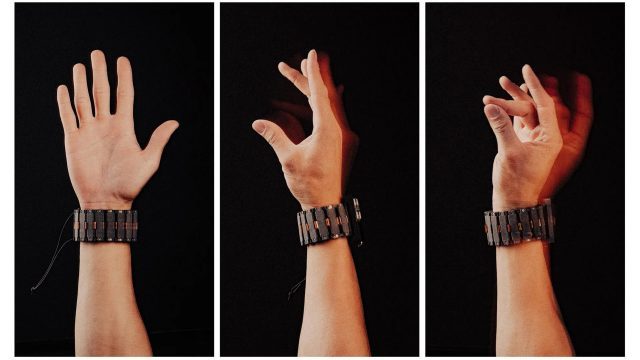
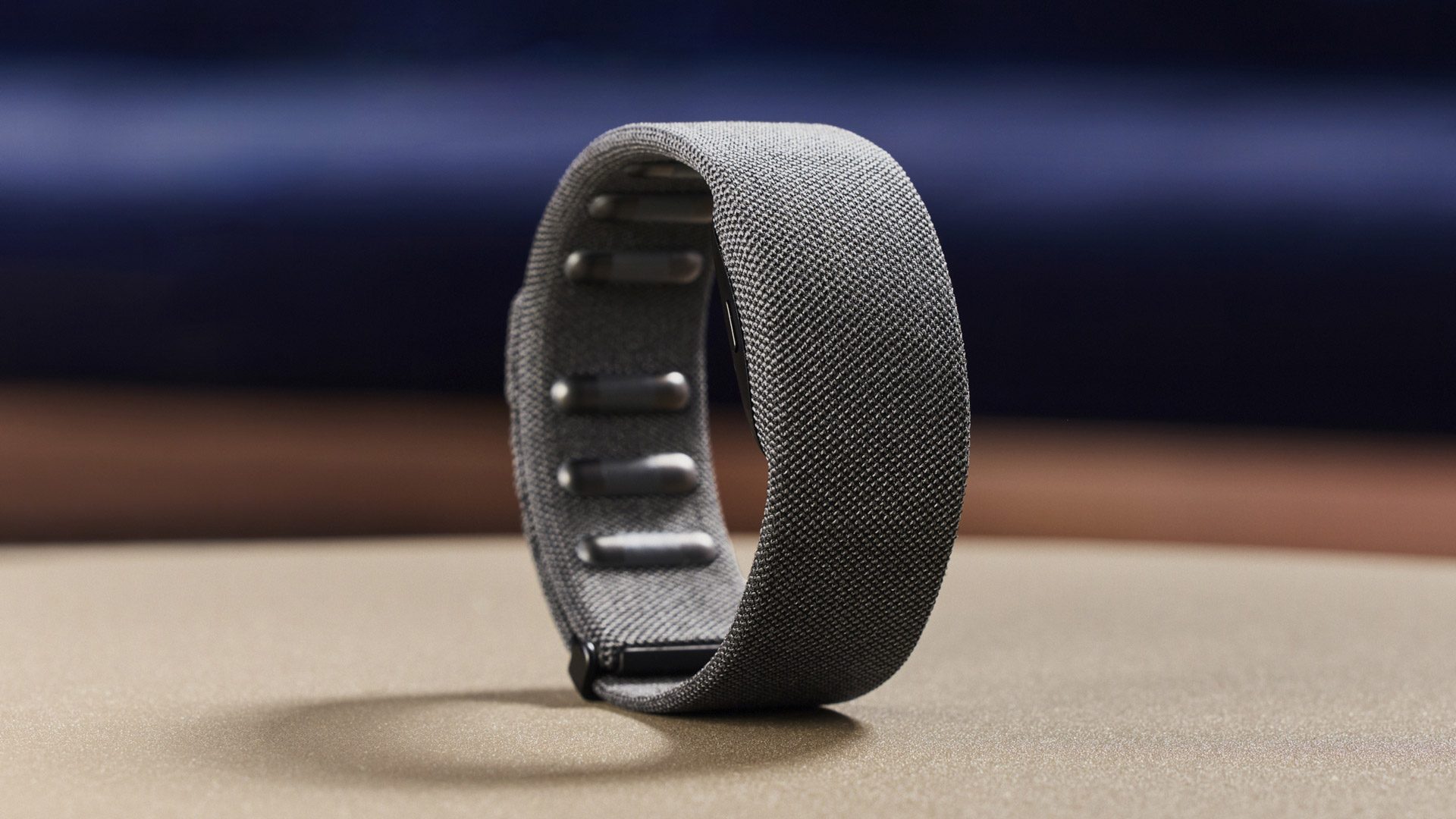
Meta’s wrist-worn neural interface relies on sEMG, which detects electrical activity in the wrist and hand and translates it into digital commands. As Meta Ray-Ban Display’s main input device, the company hopes to answer a few questions with the studies, namely: how do people learn new sEMG-based controls, and how can onboarding be streamlined?
Wrist-worn XR Controller seen with Orion | Image courtesy Meta
The funded projects explore a range of challenges. Some focus on improving learning methods, such as comparing gamified training with step-by-step instruction, or developing systems that adapt to individual users over time.
Others aim to expand what sEMG can do, like enabling silent speech generation by translating muscle signals into synthesized voice, or increasing the ‘bandwidth’ of communication so users can issue more complex commands without disrupting natural hand movement.
A number of the proposed research topics include assistive applications, such as helping stroke survivors regain muscle control, or improving prosthetic limb operation through co-adaptive systems that learn alongside the user. You can see more about each study here.
This follows the release of Meta Ray-Ban Display last September, the company’s first pair of smart glasses with a built-in display. Priced at $800 and only available in the US for now, the smart glasses make use of the same input scheme first paired with Meta’s Orion AR prototype, which was revealed in late 2024.
This ostensibly shows Meta is pretty confident in the control scheme, viewing it as reliable enough for future (likely AR) devices. We’re looking forward to learning more as the research projects progress. Typically, we see papers either highlighted or released during SIGGRAPH, which is taking place in Los Angeles, California this year on July 19th – 23rd.
You can be forgiven for having forgotten all about Amazon’s ill-fated Fire Phone. It released a long time ago and despite an initial flurry of sales, it wasn’t all that long after launch that Amazon held a fire sale of its Fire Phone due to underwhelming demand, and vowed there would not be a sequel. Never say never, though, as Amazon is evidently
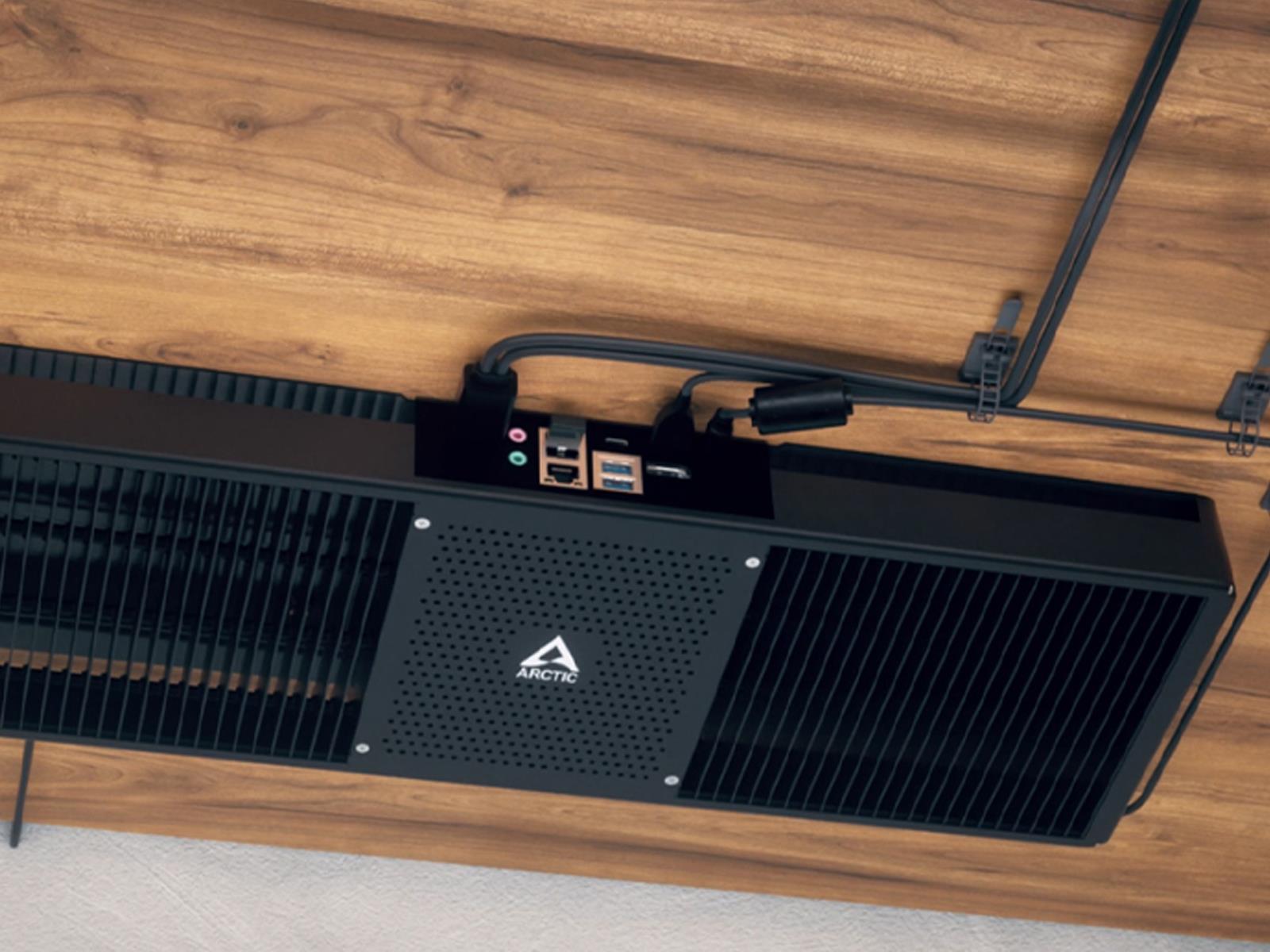
Mini PCs have grown in popularity over the last several years, even with Intel handing off the reins of its NUC to ASUS. These days, we’re seeing a bunch of AMD-powered mini PCs. They’ve sort of become a dime a dozen, though Arctic has found a way to stand out from the crowd with its Senza AI 370, a fanless mini PC that you can mount sight
Asahi Linux developers have been working for a while now on porting Asahi Linux to the Apple M3 hardware that launched back in 2023. Sent out today to the Linux kernel mailing list were finally Device Tree files for booting Linux on Apple M3 hardware but it’s far from functional for end-users…
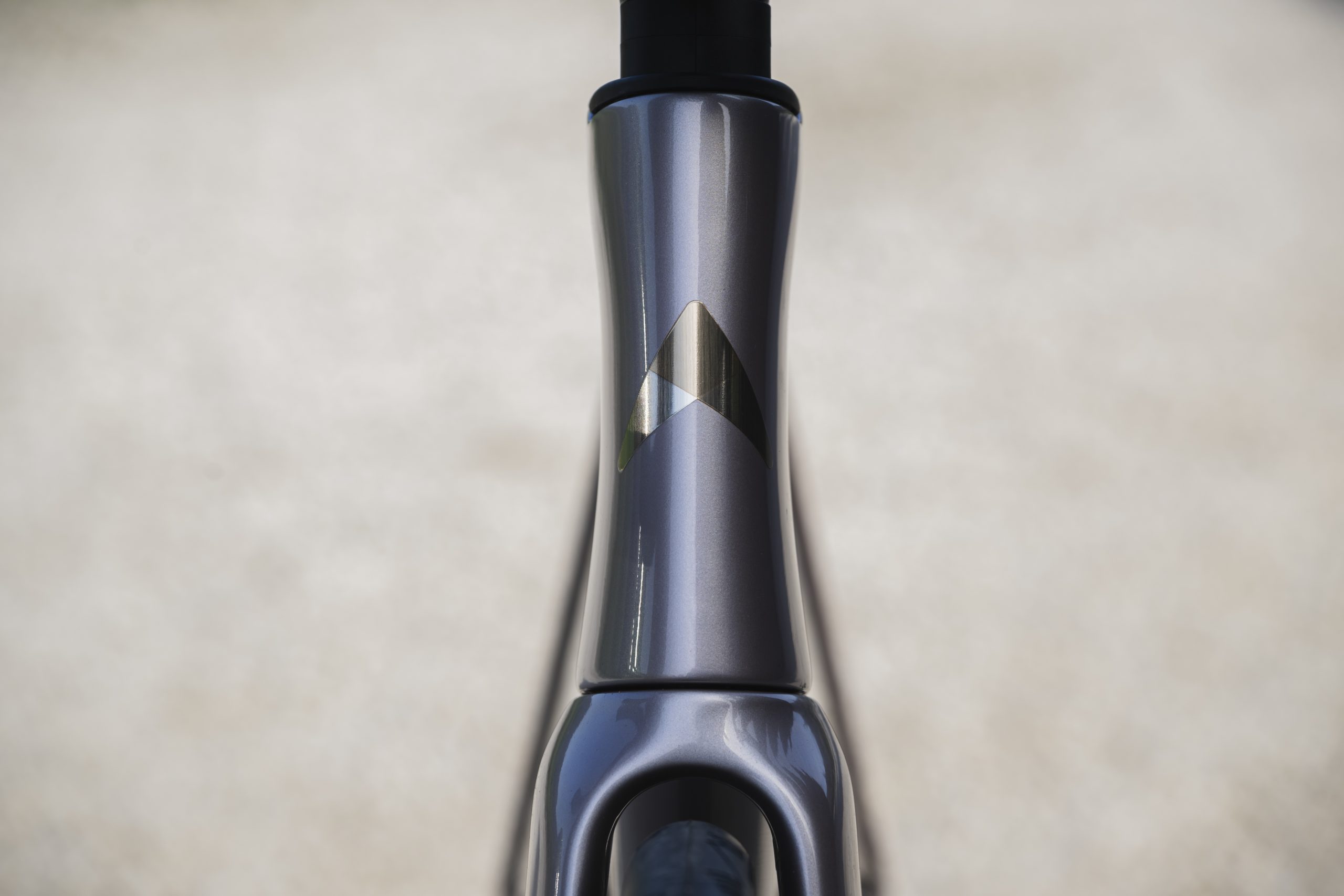
Avona has launched the Velum SUB6, a new flagship-spec road bike that slips under the 6kg weight barrier.
Built around a Shimano Dura-Ace R9200 groupset and a carefully selected components package, the Velum SUB6 tipped our scales at 5.92kg in a size medium without pedals.
The Avona Velum is pitched as the ultimate performance road bike. Road Bike Connection Spring – Rupert Fowler
Rather than chasing headline aero gains, Avona says it developed the Velum focusing on reducing rolling resistance, drivetrain losses and overall system weight.
It says these factors are more impactful on speed and riding efficiency, assuming the same rider aerodynamics are at play on the entire system.
Jonas Müller, Avona’s co-founder, says the brand analysed hundreds of real-world ride files to understand where riders spend time and produce power, concluding that climbing and variable terrain play a bigger role in overall performance than often assumed.
Aerodynamics play a part in the performance mix, but Avona’s co-founder says other factors make a larger difference to ride performance for most riders. Road Bike Connection Spring – Rupert Fowler
Speaking to BikeRadar about the development of the Velum SUB6, Müller says: “We measure performance using normalised power, time above critical power, and anaerobic work done.
“We then introduce hypothetical scenarios – where we save weight from the assumed system, and then an aero drag reduction, a rolling resistance reduction, and drivetrain efficiency.”
The frame is made of high-modulus carbon, helping it to achieve a 798g claimed weight in a size 54cm, painted. Road Bike Connection Spring – Rupert Fowler
Müller claims that improvements in the bike’s aerodynamic drag aren’t as impactful on performance as those other factors.
That said, aerodynamically, Müller says the Velum matches “benchmark race bikes” in wind-tunnel testing, despite accommodating wider tyres, reflecting a design brief that avoids sacrificing ride quality or rolling efficiency for marginal drag reductions.
The Velum SUB6 in detail
A QO Race SL carbon crankset supplements the Shimano Dura-Ace Di2 R9200 groupset. Road Bike Connection Spring – Rupert Fowler
The Velum’s frame weight is a claimed 798g (painted, in a size 54cm), but key to achieving the SUB6’s 5.92kg weight are the new Faserwerk Bergreif SL wheels, which come in at a claimed 987g for the pair.
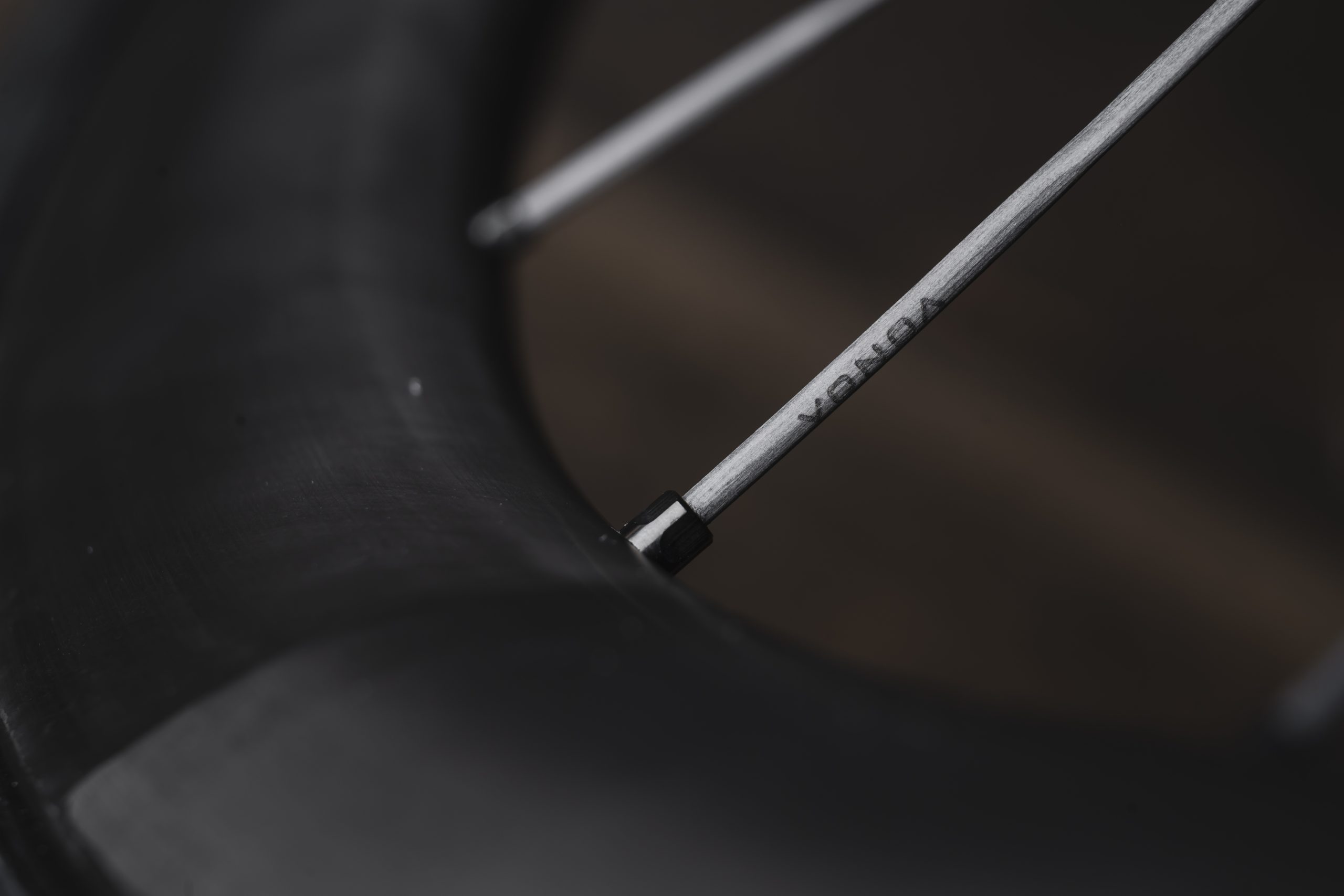
These feature straight-pull Vonoa carbon spokes laced to lightweight NonPlus Primaro hubs, with a 35mm rim depth.
These ultra-light wheels are central to the build’s philosophy, with Avona arguing weight savings can deliver greater benefits than deeper aero profiles in many real-world scenarios – particularly on climbs where riders spend more time at higher-power outputs.
Vonoa spokes are a current favourite among brands building lightweight road wheels. Road Bike Connection Spring – Rupert Fowler
Tyres also play a major role, with the SUB6 specced with Tufo Comtura Prima TT tyres, which Müller says were chosen specifically for their low weight and rolling resistance, offering efficiency gains across all terrain and rider speeds.
The Shimano Dura-Ace drivetrain is supplemented by a QO Race SL carbon crankset, while the Repente Quasar CR2.0 saddle is intended to deliver long-ride comfort. Müller says this choice is reflective of the Velum’s broader emphasis on holistic performance, rather than saving a few grams at the expense of comfort.
Beyond outright weight, the Velum platform also incorporates details aimed at improving real-world usability and speed.
Despite being lightweight by most standards, the Velum SUB6 still sports an aerodynamic one-piece cockpit. Road Bike Connection Spring – Rupert Fowler
This includes an aerodynamically optimised one-piece integrated cockpit, clearance for up to 35mm-wide tyres (measured), and offering tubeless setups as standard, which Müller says is most efficient in terms of rolling resistance.
The Velum SUB6 is also supplied with a waxed chain to reduce friction losses.
Müller says Avona’s testing shows waxing to be the most efficient chain treatment, and reasons that “it’s much easier to switch to oil-based lubes than to take an oiled chain and switch it to wax”.
The Avona Velum SUB6 costs €9,999 direct from Avona, with prices in the UK and US subject to customs duties and local taxes.
We may earn a commission from links on this page. Deal pricing and availability subject to change after time of publication.
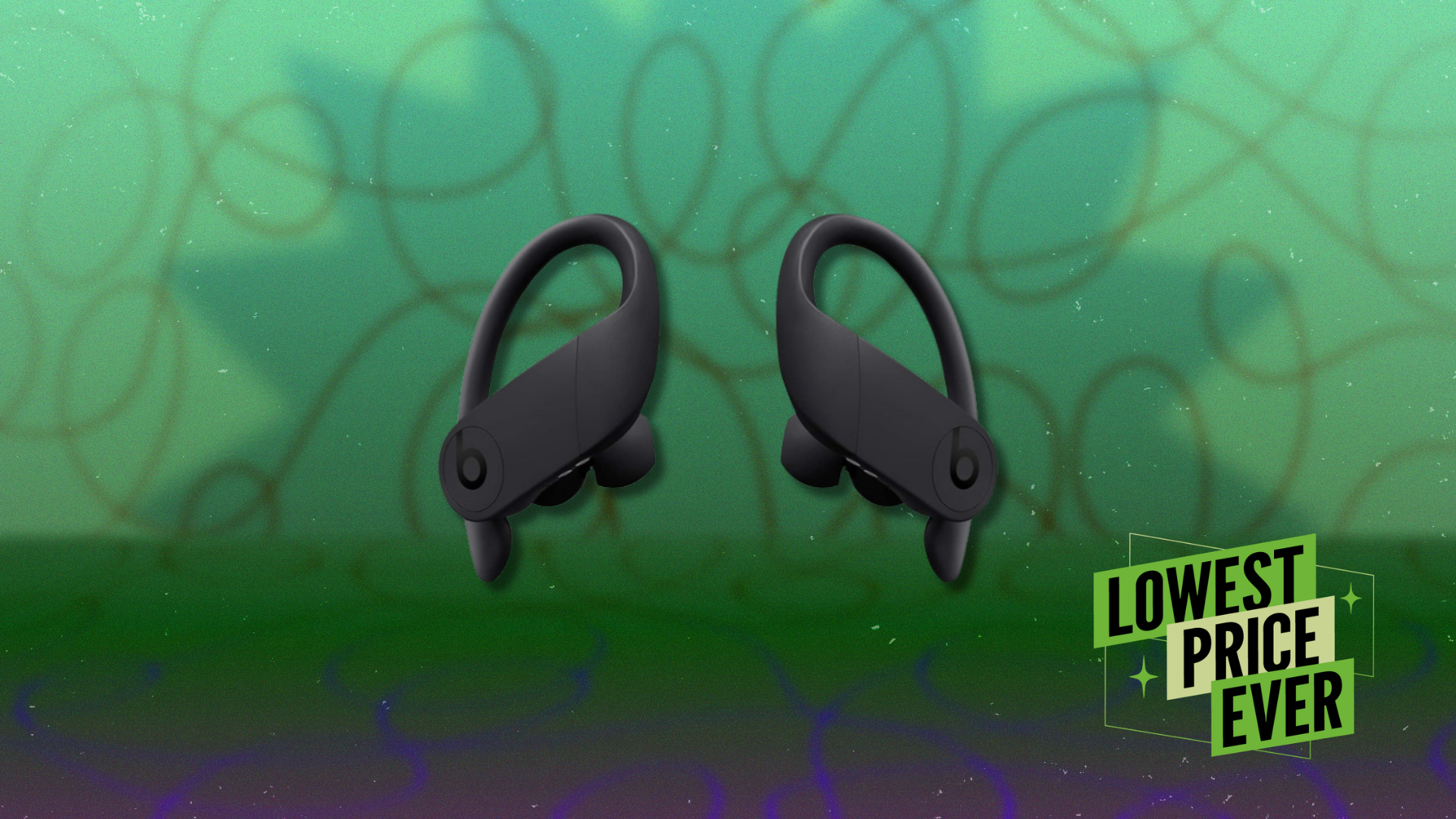
The Beats Powerbeats Pro 2 launched in February 2025 at $249.99, putting them in direct competition with the AirPods Pro 2. They’re currently down to $99.99 on Woot—a $150 drop, or about 60% off—and the lowest price recorded so far, according to price trackers. The deal is expected to last three days or until the stock runs out. Shipping is free for Prime members (or $6 otherwise), but Woot does not deliver to Alaska, Hawaii, or P.O. box addresses.
These are built for workouts first, and you can feel that in the design. The nickel-titanium alloy ear hooks curve around your ears and stay put, whether you’re running, lifting, or just moving around a lot, without that rigid, over-tight feeling some sports earbuds have. Plus, you get four ear tip sizes, which help create a proper seal for active noise cancellation and better sound. There’s also a transparency mode, which is useful if you run outdoors and need to hear traffic. As for the controls, the Powerbeats 2 Pro have physical buttons on each earbud, which makes them easier to use mid-workout when your hands are sweaty. They’re rated IPX4, so sweat or a bit of rain isn’t going to be an issue.
Getting them up and running is straightforward, and if you want a step-by-step walkthrough, Lifehacker has a detailed guide that covers how to set up and fine-tune every feature on the Powerbeats Pro 2. Sound-wise, they lean toward a punchier, bass-forward profile, which works well if your playlists are heavy on hip-hop or electronic music, but might feel a little too thumpy if you prefer something flatter. And since there’s no equalizer, you’re stuck with the default tuning.
The heart rate tracking sounds like a nice bonus, but it doesn’t always stay consistent, especially if your phone is juggling music and workout apps at the same time, according to our senior health editor, Beth Skwarecki. On the plus side, you get around eight to 10 hours on a single charge, and the case stretches that to roughly 45 hours, so you’re not constantly thinking about battery life.
GParted Live 1.8.1, a bootable Linux system for disk partitioning, is out with Linux kernel 6.19, Debian Sid updates, and the stable GParted 1.8.1 release.
Following discussions first reported on earlier this year, ByteDance has agreed to sell its games unit Moonton to Savvy Games Group for $6 billion. Moonton is known for mobile titles popular in Asia like Mobile Legends: Bang Bang, which has been downloaded 1.5 billion times. The transaction is set to be finalized in the “near future,” according to an internal memo from Moonton’s CEO seen by Bloomberg.
ByteDance has been winding down its gaming arm and shopping Moonton since 2023, just two years after it first acquired the developer. Around that same period, the TikTok parent was shuttering its Nuverse gaming arm, which published notable titles like Marvel Snap and Ragnarok X: Next Generation. The company has since shifted its focus to AI, competing with Chinese rivals to develop chatbots and foundational models.
Savvy Games, which is owned by Saudi Arabia’s Public Investment Fund (PIF), has been going in the opposite direction. Last year the company (via its subsidiary Scopely) acquired Pokémon Go developer Niantic for $3.5 billion. PIF was also among the key investors that purchased Electronic Arts in a blockbuster $55 billion deal last year. The Saudi fund holds a 7.5 percent stake in Nintendo as well.
The sale is the latest chapter in the recent gaming industry consolidation that saw around 45,000 jobs lost in a brutal three-year period between 2022 and 2025. According to a recent GDC study, one-third of US video game industry workers were laid off over the last two years.
This article originally appeared on Engadget at https://www.engadget.com/gaming/bytedance-is-selling-its-moonton-game-unit-to-savvy-games-for-a-cool-6-billion-124131595.html?src=rss
Maid of Sker VR just launched on major VR platforms after originally being slated for a November launch. How does this conversion fare?
Virtual reality remains the most transformative medium for immersive horror. Whether it is frantically shooting at zombies in Resident Evil 4 VR or reacting to the unexpected jumpscares in MADiSON VR, compared to the flatscreen versions of these experiences, it feels more vivid. The sense of presence, either crouching, holding items, or listening to footsteps of incoming danger, is undeniable. Maid of Sker VR is the latest video game to get the VR treatment to varying degrees of success. While it retains the eerie atmosphere of the original, it lacks the implementation of made-for-VR features that end up delivering a middle-of-the-road tale.
The Facts
What is it?: A Welsh folklore survival horror VR conversion. Platforms: Steam, Quest, PlayStation VR 2 (Reviewed on PS VR2) Release Date: Out now Developer/Publisher: Wales Interactive Price: $24.99
Playing as Thomas Evans, this Welsh folklore-inspired narrative takes you to Hotel Sker, an abandoned hotel. Your estranged beloved, Elisabeth Williams, is presumably imprisoned in it according to a letter she sent. Walking through an idyllic forest turning darker as you arrive at the manor, it can be said that Maid of Sker VR is indeed a horror game. But it is decidedly less scary than its counterparts, such as Trenches VR or Exorcism of the Legion. Regardless, what stands out in this VR conversion is how well translated the setting is, immersing the mind in this 1898-set spine-chiller.
The run-down, abandoned Sker Hotel is quite eerie.
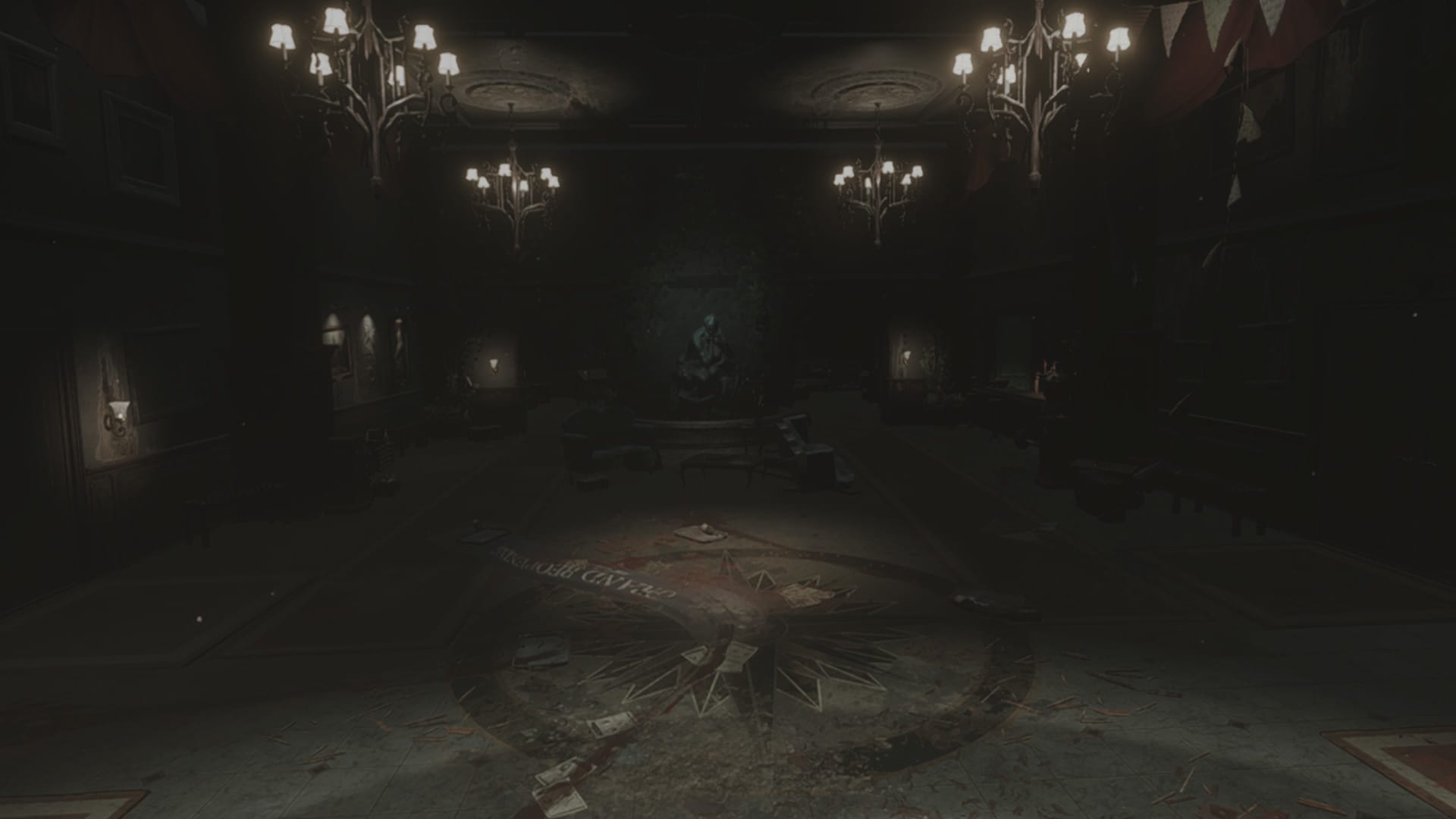
Developer Wales Interactive honed in on the gritty, down-to-earth art style juxtaposed with the more sinister themes as the story progresses. Looking at the haunted hotel, with rotten flowers scattered across the marble floor, gives an impression of melancholy as soon as you enter it. Blood stains, creaking floorboards, and misplaced furniture complete the scene to instill fear in the player. Something went very wrong here. And that is all before the possessed corpses start rummaging around the foyer.
The structure of Maid of Sker VR will be familiar to survival horror fans. Particularly of the Resident Evil type. Fundamentally a game of cat and mouse, the goal is to find four cylinders hidden across Sker Hotel to reach one of the two possible endings. What the game’s progression does well to not simply let you roam free to find the items on your own is to guide you through several story beats before doing so. Exploring the hotel’s courtyard, gardens, cemetery, and catacombs informs the player of the sinister underdealings as they sneak through.
Puzzles abound to introduce friction to the gameplay. Not too complex, some require finding a key or stealthily powering two doors’ locks to access a new area. This is where the main issues of Maid of Sker VR arise. To use a key, for instance, you must go to the main menu, click with a pointer across tabs, make the gesture to grab it, and leave the main menu again so it spawns in the world. If this sounds clumsy, in motion it is even more so. Plenty of VR games utilize a backpack to quickly access any item by “grabbing” it from their right or left shoulder, and that seems more intuitive than whatever this is.
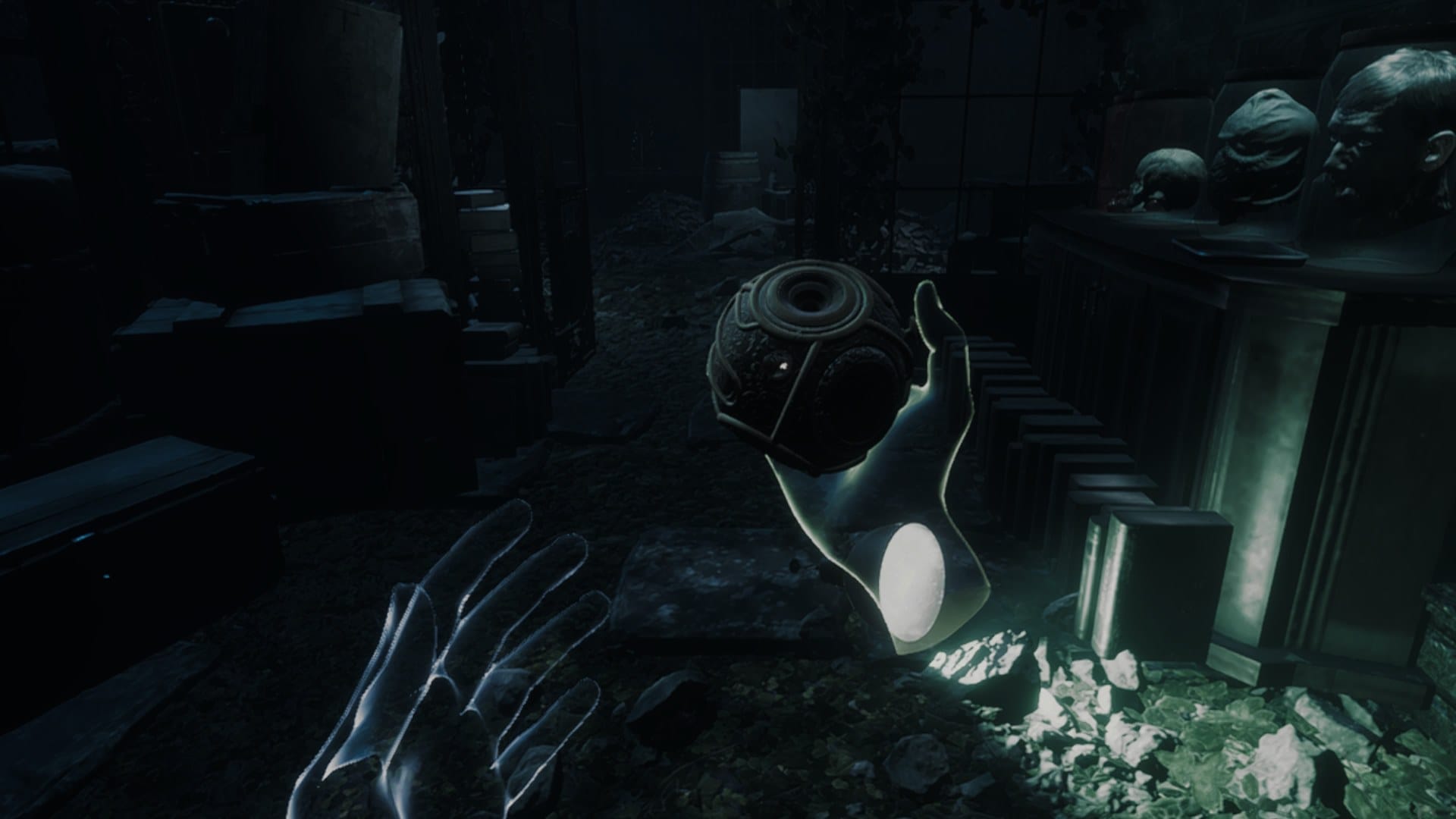
The phonic modulator stuns enemies, providing a brief window to escape them.
Not only that, but the two easy-to-use tools to make things easier, a health tonic and a “phonic modulator” to briefly stun enemies, are at all times awkwardly floating around you. At the time of writing, there is no way to adjust the position of these items. On the other hand, because stealth is such an important part of the game, having to stay silent or to stop coughing from smoke or spores by holding both hands close to your mouth is thrilling.
Another noticeable issue is the way dialogue choices are done. Although not a dealbreaker considering they are so sporadic, certain sequences when speaking with Elisabeth on the phone will have you choosing between several dialogue options. Instead of picking these on the same screen where you are looking at your surroundings, the game shows a black screen to click your decision from. Paired with the brief cutscenes that are shown in-game seen through a rectangular screen, the uneven VR implementation is palpable.
0:00
/0:41
Making the gesture to hold down your breath is a tense, clever addition.
All of this could be forgiven if the game itself did not look so blurry, at least on PlayStation VR2. There is no dynamic foveated rendering to speak of that would help make the image sharper, and it shows. Random blinding lights in some areas can quite literally blind your character for a moment, rendering your goggles with a damaging white screen. This may seem like the complaints amount to much, but the truth is that some of these details could be ironed out for a memorable experience. As it stands, though, it leaves something to be desired.
Comfort
There is a concerted effort to make Maid of Sker VR accessible to most players. Beyond the expected Snap or Smooth Turn mode with precise angles and speeds, respectively, there are various locomotion options. To move continuously guided by your head or hand, or teleport by shifting or blinking, is possible.
A seated or standing option is available. The Adaptive Triggers and Headset Haptics, both of which are prominent and enhance the terror, can be turned off as well. Lastly, for less horror-inclined players, a safe difficulty mode with no enemies to speak of allows them to soak in the game’s dreary environment stress-free.
Maid of Sker VR’s tense moments, like hiding from violent brutes while holding both your hands to stop breathing, are actions you cannot emulate elsewhere. It elevates what made the original mystery lasting. Sadly, it does not fully utilize all the richness that the medium has to offer. Clumsy menus and blurry graphics put a significant stain on an otherwise compelling thriller.
UploadVR uses a 5-Star rating system for our game reviews – you can read a breakdown of each star rating in our review guidelines.
We may earn a commission from links on this page. Deal pricing and availability subject to change after time of publication.
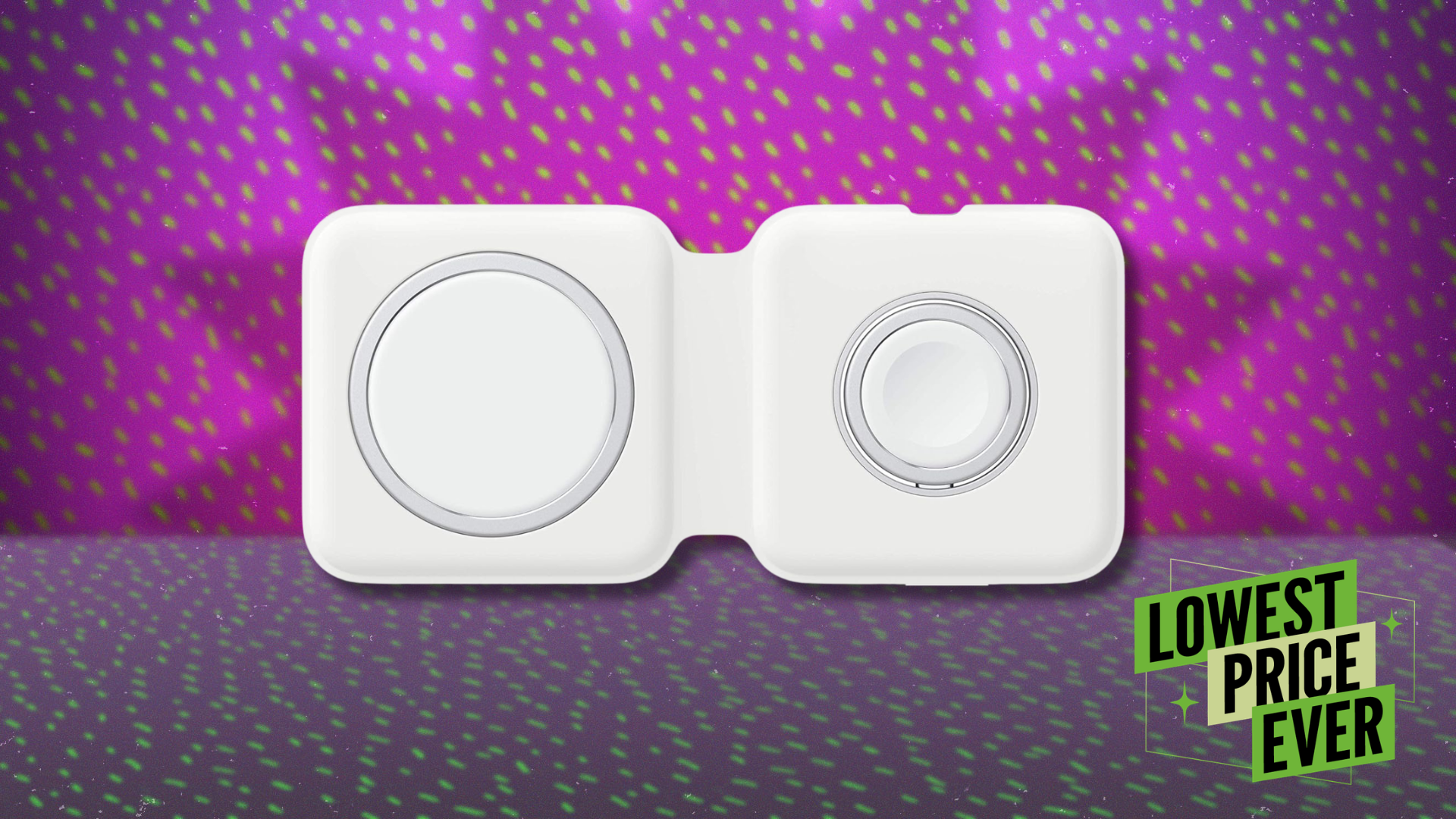
Apple’s MagSafe Duo Charger has always been a bit of a specific-use accessory, but this drop to $79 makes it easier to justify if you live inside Apple’s ecosystem. That price is the lowest tracked so far (according to online price trackers), down from its usual $129 on Amazon and below its previous low of $89. The deal is live on Woot for the next three days or until it sells out. Shipping is free for Prime members; otherwise, it’s a $6 fee, and Woot won’t ship to Alaska, Hawaii, or P.O. boxes.
The charger is split into two pads joined by a hinge. One side snaps your iPhone into place with MagSafe, saving you from fiddling to find the right position, especially on a bedside table where you might reach for your phone half-asleep and want it to line up again without fuss. The other side handles your Apple Watch and can double as a flat pad for AirPods or any Qi-compatible device. It’s the kind of setup that works best at the end of a long day. You drop your phone and watch on it, and you’re done. The whole thing folds into a small square, so it’s easy to carry if you travel or just don’t want cables everywhere, notes this PCMag review.
That said, this is not a full charging kit—Apple includes a USB-C to Lightning cable in the box, but you’ll need to buy a 20W USB-C power adapter separately to get the intended charging speeds. Charging is also slower than plugging your phone in, so this is more of an overnight solution than something you rely on during the day. You also have space for only two devices, which feels limiting if you’re trying to charge multiple items at once. And unlike newer charging stands, this doesn’t prop your phone up for notifications or standby mode.
Autodesk VRED now has an immersive mode that streams to Apple Vision Pro via Nvidia’s CloudXR, and automotive companies are already using it.
Autodesk VRED is an automotive 3D visualization and virtual prototyping application for high-end Windows or Linux workstations and cloud PCs.
With the just-released visionOS 26.4, Apple Vision Pro headsets now support PC VR foveated streaming, and Nvidia’s CloudXR SDK already supports the feature. As well as bringing official Vision Pro support to sim games like X-Plane and iRacing, CloudXR foveated streaming is also being used for high-fidelity enterprise 3D visualization.
It’s not that Apple Vision Pro couldn’t do this already. In September, Porsche showed off how it was using the headset standalone for colocated visualization of its drivetrain inside visionOS. The problem is that, even now with the new M5 Vision Pro, the onboard mobile processing power is significantly inferior to a high-end workstation GPU that draws hundreds of watts.
That’s where CloudXR and foveated streaming come in. The main Autodesk VRED application continues to run on the workstation or cloud PC, and the headset wearer’s view of the 3D asset is streamed in real-time to a visionOS immersive client. The “foveated” part refers to how the compressed video stream quality is prioritized to the area of the display you’re currently looking at. It’s the same approach Valve is using to make wireless PC VR great on Steam Frame.
0:00
/0:12
Footage of Kia’s usage of Autodesk VRED immersive mode for Apple Vision Pro.
Because the main application is running on the PC, changes made to the 3D asset are instantly reflected in the headset, allowing for real-time collaborative design.
The software also supports colocated XR, with multiple Vision Pro wearers in the same space seeing the model together and able to draw and annotate in 3D space.
Screenshot of Kia’s usage of Autodesk VRED immersive mode for Apple Vision Pro.
“Integrating immersive spatial computing into our workflow with NVIDIA CloudXR for visionOS allows us to evaluate our designs at full size with greater clarity and speed on Apple Vision Pro,” Karim Habib, executive vice president and head of Kia Global Design said in a prepared statement. “We can experience proportions, surfaces, colors and materials together in a shared real-world environment and collaborate in real time across our global teams. Through these collaborations, we can continually refine our process, maximize efficiency and remain focused on the creative intent behind every decision.”
Huawei engineer Chen Jinghuang posted the latest request for comments (RFC) patches for stealing tasks from overloaded CPUs in the same last level cache (LLC) in order to improve overall CPU utilization with today’s large core count servers…
NVIDIA started an online firestorm this week when it announced DLSS 5 at its GTC conference. The company claims it’s meant to deliver “photorealistic” lighting and materials in games by using neural processing. But it differs considerably from previous versions of DLSS, which were focused on using machine learning to upscale lower resolutions and generate additional frames, and gamers online aren’t too happy. To help us break this down, Anshel Sag, VP and principal analyst at Moor Insights and Strategy joins us to discuss his experience with NVIDIA’s DLSS 5 demos. Also, we dive into what’s next for Xbox with Project Helix.
NVIDIA announced DLSS 5, the disgust was immediate (with Anshel Sag from Moor Insights & Strategy) – 0:51
Arizona attorney general sues Kalshi for operating an illegal gambling business – 36:22
Polymarket users threaten the life of a reporter at The Times of Israel over accurate reporting – 36:59
Apple announces AirPods Max 2 with improved noise cancellation – 44:33
Elon Musk’s xAI faces class action suit over facilitating CSAM dsitribution – 47:38
Samsung stops selling Galaxy Z TriFold after 3 months because components got too expensive – 51:22
Around Engadget: Apple Studio XDR review, Dell XPS 16 review – 53:49.346
Listener Mail: Stick with iPhone on Linux? And are there any good Android tablets? – 55:41
Pop culture picks – 58:46
Credits
Hosts: Devindra Hardawar Guest: Anshel Sag Producer: Ben Ellman Music: Dale North and Terrence O’Brien
This article originally appeared on Engadget at https://www.engadget.com/computing/laptops/engadget-podcast-why-does-everyone-hate-nvidias-dlss-5-ai-upscaling-121335918.html?src=rss
The Zwift Big Spin kicked off this week with some big pelotons, so it’s my top pick for the weekend. But we’ve also got a Fuego Flats world record attempt, an FRR race series kickoff, and two fun group rides. See details below!
Zwift Big Spin, Stage 1
Popular Prizes Cowboy Hats
Zwift’s annual Big Spin series launched this week, with stage 1 on Watopia’s Flat Out Fast route (22.3km, 49m). Join the fun and unlock the in-game cowboy hat!
On Sunday, WOW and VTO are joining forces in attempting to break the world record of the ‘Fuego Flats Reverse Sprint’ segment in Watopia. Everyone will be riding the fastest bike in game (CADEX Tri frame with the latest DT Swiss Disc wheels) in draft mode.
This is a 40km event on Watopia’s Tempus Fugit route. The first 1.5 laps are basically a warmup, with the last half of lap 2 being all out! The current record is 7:39.
This is the first race of FRR’s new Weekend Warrior series, where riders race separate events on Friday, Saturday, and Sunday. The Classica Italia consists of:
i’ultimo sforzo Scratch Race on Waisted 8 (21km, 144m)
I love stumbling across popular rides hosted by groups I know nothing about. Here’s this week’s! Hosted by ZABI, it’s a 120-minute banded ride on Watopia’s Three Step Sisters (38.1km, 586m). As a bonus, this route is a Zwift Games stage, so if you’re looking to finish all the Games routes, this may help ya.
This beginner-friendly banded ride is 60 minutes long and on Watopia’s Flat Out Fast, a Zwift Games route, which means you’ll get the prize spinner at the end.
Ride at whatever pace you’d like. As long as you keep pedaling, you’ll stay with the group!
We choose each weekend’s Notable Events based on a variety of factors including:
Is the event unique/innovative in some way?
Are celebrities (pro riders, etc) attending/leading?
Are signup counts already high, meaning the event is extra-popular?
Does the ride include desirable unlocks or prizes?
Does the event appeal to ladies on Zwift? (We like to support this under-represented group!)
Is it for a good cause?
Is it just plain crazy (extra long races, world record attempts, etc)?
Is it a long-running, popular weekly event with a dedicated leader who deserves a shout out?
In the end, we want to call attention to events that are extra-special and therefore extra-appealing to Zwifters. If you think your event qualifies, comment below with a link/details and we may just include it in an upcoming post!
Blue Origin has revealed its plans for an orbital AI data center system in a new filing with the Federal Communications Commission. The company has asked the agency for permission to deploy 51,600 satellites, as reported by the Wall Street Journaland SpaceNews. Called Project Sunrise, the initiative aims to launch and operate a constellation of satellites that can deliver computing capacity for artificial intelligence uses.
Project Sunrise’s satellites will be placed in sun-synchronous orbits at altitudes between 311 and 1,118 miles. Each layer in the constellation will have between 300 to 1,000 satellites and will be approximately 3 to 6 miles apart. In its filing, Blue Origin said the constellation would complement terrestrial data centers.
The satellites will, of course, will be fitted with solar panels to be able to gather energy from the sun. Blue Origin explained that the orbital AI data center will lower the “marginal cost of compute capacity compared to terrestrial alternatives,” because the satellites will be powered by the sun, won’t need land and won’t need grid infrastructure. Project Sunrise will “enable US companies developing and using AI to flourish, accelerating breakthroughs in machine learning, autonomous systems and predictive analytics,” Blue Origin added.
By filing its request with the FCC, Blue Origin has officially joined SpaceX in the list of companies looking to build an AI data center in space. In January, SpaceX asked the FCC for permission to deploy 1 million satellites for its constellation. The company justified at the time that “orbital data centers are the most efficient way to meet the accelerating demand for AI computing power.”
This article originally appeared on Engadget at https://www.engadget.com/science/space/blue-origin-also-wants-to-put-ai-data-centers-in-space-115614142.html?src=rss
Welcome to Edition 8.34 of the Rocket Report! The most important significant news this week, I believe, is the decision by Canada to make a serious investment in launch infrastructure at a spaceport in Nova Scotia. Tensions have risen between the United States and Canada of late (for reasons which are baffling to this author, who has always had an affinity for the nation to our north), and as a result Canada is seeking launch independence. This is an important start, but it will require a sustained, long-term commitment to really develop a flourishing launch industry.
As always, we welcome reader submissions, and if you don’t want to miss an issue, please subscribe using the box below (the form will not appear on AMP-enabled versions of the site). Each report will include information on small-, medium-, and heavy-lift rockets as well as a quick look ahead at the next three launches on the calendar.
Canada makes major commitment to space launch. The country’s leading minister of national defense, David J. McGuinty, announced on Monday a $200 million investment in “core infrastructure” for a spaceport in Nova Scotia. The investment is a 10‑year, $200 million agreement to lease a dedicated space‑launch pad that will serve as the central foundation for a multi-user spaceport near Canso, Nova Scotia. The facility is operated by Maritime Launch Services.














 Zwift Big Spin, Stage 1
 Popular
 FRR Classica Italia