All About the New Cannondale SuperX LAB71 Gravel Frame on Zwift

Zwift’s latest update includes a new gravel frame from Cannondale, the company’s first gravel frame in game. Named the “Cannondale SuperX Lab71”, the frame in this colorway is currently only available as a standalone frameset from Cannondale:
On Zwift, you’ll need to be updated to game version 1.110+ to see this bike in the Drop Shop. You’ll also need to be at level 28+ with 1,000,000 Drops to buy it. Here’s how it’s described in the Drop Shop:

“Made to absolutely smash gravel races. Simple as that. This is full-gas road race performance engineered for the full thrash world of gravel. Elbows out, head down, get off the front and don’t look back. SuperX only has one destination – the top step.”

See our master list of all frames in Zwift >

It’s rated 2 stars for aero, 3 stars for weight, and before this week’s update, only one gravel bike (the Cervelo Aspero) had such high ratings. One would expect this bike to perform well against existing in-game gravel bikes, but since Zwift’s 4-star system isn’t the most granular of performance measurements, we ran this frame through our precise tests to measure performance at nerd-level detail. Let’s dive in!

Note: test results below are from a 75kg, 183cm rider holding 300W steady using Zwift’s stock gravel wheelset on the un-upgraded version of the frame.

Aero (Flat/Rolling) Performance

Cannondale’s SuperX Lab71 turns in a strong performance on the flats, beating all existing gravel bikes on tarmac. It’s even a bit faster than the new Canyon Grail SLX which was also released this week!

For comparison, the stock Zwift Gravel frame loses 145.4 seconds to our baseline Zwift Carbon frame across an hour of flat tarmac, while the (former) fastest gravel bike, the Cervelo Aspero, loses 115.2 seconds. The SuperX Lab71 only loses 112.4 seconds.

Climb Performance

The Cannondale SuperX Lab71 is a strong climber compared to the game’s older gravel frames, and also beats the new Canyon Grail SLX.

The stock Zwift Gravel frame loses 161.8 seconds to our baseline Zwift Carbon frame across an hour of Alpe du Zwift climbing, while the (former) fastest climbing gravel bike, the Specialized Crux, loses 122 seconds. The SuperX Lab71 only loses 118.7 seconds.

Jungle (Dirt) Performance

Of course, nobody really cares about how well a gravel frame performs on pavement, which is where we do our aero and climb testing (above). While those flat and climb tests help us tease out a frame’s aerodynamic capabilities and weight, when it comes to gravel bikes, people really want to know how fast they are on Zwift’s virtual dirt!

In that regard, the SuperX Lab71 performs quite nicely.

In fact, the Cannondale SuperX Lab71 is the new “king of the jungle” in our tests, putting 5.2 seconds into the previous leader, the Cervelo Aspero, across 1 hour of Jungle Circuit riding.

Upgrading Your Cannondale SuperX Lab71
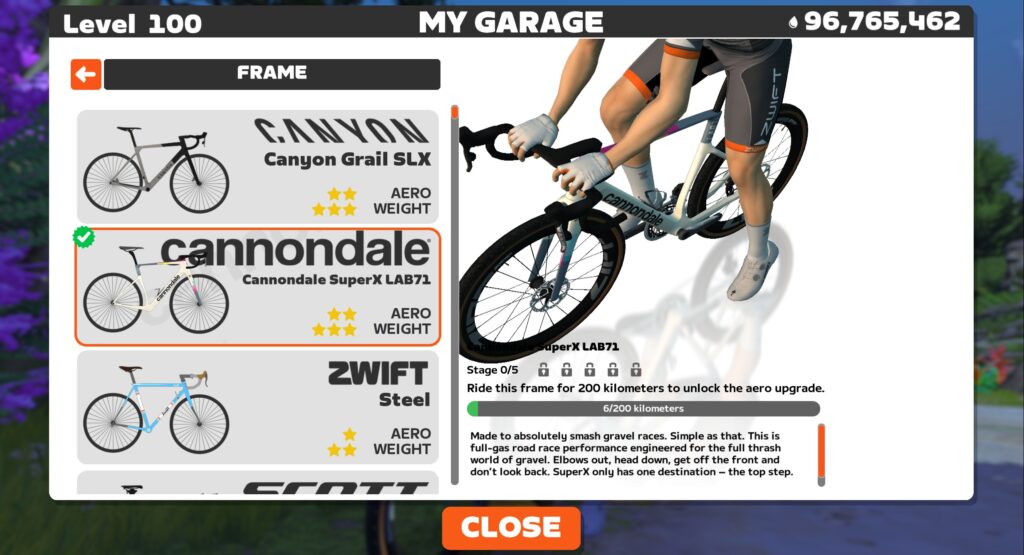
Like all frames in Zwift, Cannondale’s SuperX Lab71 can be upgraded in five stages. As a high-end race bike, each of the five stages results in a performance improvement. The SuperX Lab71 upgrade stages are as follows:

  1. Ride 200km, pay 100,000 Drops for an aero upgrade
  2. Ride 260km, pay 200,000 Drops for a weight reduction
  3. Ride 320km, pay 350,000 Drops for a drivetrain efficiency improvement
  4. Ride 380km, pay 500,000 Drops for an aero upgrade
  5. Ride 440km, pay 750,000 Drops for a weight reduction

You can expect a fully-upgraded Cannondale SuperX Lab71 to be approximately 28 seconds faster on a flat hour and 36 seconds faster on an hour-long climb vs the “stock” Cannondale SuperX Lab71.

Conclusions

Cannondale’s SuperX Lab71 beats every other gravel bike in Zwift, making it the new go-to frame for races involving a significant amount of dirt.

Where gravel riders formerly had to choose between the Cervelo Aspero (more aero) and the Specialized Crux (lighter weight), the SuperX Lab71 is king on flats and climbs, making the choice an easy one.

Should you rush to the Drop Shop and buy the SuperX today? Maybe. I might do it myself, because it looks pretty sweet. But with rumors of fresh dirt roads coming to Zwift, my guess is we’ll see more gravel frames and wheels added to the game shortly. So it may make sense to wait, if you don’t have a key gravel race coming up.

We’ll be adding this bike to the following posts soon:

Questions or comments?

What do you think of Cannondale’s first gravel frame in Zwift? Share below…

Important note: this post contains speed test results for Zwift frames or wheels. These results may change over time, and a bike’s performance relative to others may also change. We don’t always revise posts when performance rankings change, but we do keep current, master versions of our speed test results which are always available. See the frame charts, wheel charts, and Tron vs Top Performers for current performance data.


Samsung Galaxy A37 and A57 hands-on: The cheaper phone might be a winner

Late last year, Samsung launched its newest generation of affordable A-series phones, starting with the entry-level A17. Following the arrival of the flagship Galaxy S26 line, the company has returned to flesh out the rest of its midrange portfolio. The more affordable Galaxy A37 and Galaxy A57 sport some interesting upgrades, even when compared to some of their pricier siblings.

Core specs and features

Before we dive into my hands-on impressions, I want to do a quick rundown of each phone’s specs as that should help set up (or temper) expectations. As you’d expect based on their numbering, the A37 is the more affordable of the two with a base price of $450 for 6GB of RAM and 128GB of storage. You can also choose 8GB RAM and 256GB of storage for $540. Notably, when compared to the A17, the A37 features a much more recent and more powerful Exynos 1480 chip that brings a big jump in NPU performance and helps unlock much of the phone’s newfound AI capabilities. It also comes with a large 6.7-inch AMOLED display, a 5,000mAh battery and three rear cameras. However, two of those will likely get more use than the other as the A37 packs a 50-megapixel main camera and an 8MP ultra-wide, along with a 5MP macro shooter. 

The Galaxy A37 will be available in four colors: charcoal, white, lavender and graygreen. However, the middle two are Samsung.com exclusives and the last one is only available from Best Buy.
Sam Rutherford for Engadget

Meanwhile, the Galaxy A57 is a bit more expensive, starting at $550 for 8GB of RAM and 128GB of storage, or $610 for the 8GB/256GB version. It also features a slightly more powerful Exynos 1680 processor and a higher-res 12MP sensor for its ultra-wide lens, but aside from that, it has the same general camera setup as A37 and the same size battery. One small difference is that the A57 has Bluetooth 6 connectivity and Wi-Fi 6E, but the A37 is still stuck with BT 5.3 and basic Wi-Fi 6.

For some reason, the A57 is only available in one color: navy.
Sam Rutherford for Engadget

Both phones come with IP68 ratings for dust and water resistance (which is an upgrade from IP67 on the A36) and 120Hz refresh rates. However, the most important shared trait is that while neither supports wireless charging, they can both take wired power at up to 45 watts, which is actually faster than a base Galaxy S26’s limit of just 25 watts. Finally, in addition to six years of OS and security updates, the A37 and A57 are getting some trickle-down AI features from its flagship siblings. Those include improved support for Google’s Circle to Search, Object Eraser and better transcription and translation capabilities in the Samsung Voice Recorder app.

Galaxy A37 impressions

Both phones have nearly identical designs, right down to the same screen size and number of cameras. That said, one area where Samsung cut corners on A37 is that it features a plastic frame instead of the A57’s aluminum. But even when you hold them side by side, it’s rather difficult to discern between the two. There’s no obvious difference in appearance or button layout, so the main way to tell the two apart is by feeling for the cooler touch you typically get from a metal chassis. Alternatively, if you look closely, you’ll notice that the A37 has slightly thicker bezels around the outside of its screen. 

Here’s a closer look at the A37’s color options.
Sam Rutherford for Engadget

Compared to the Galaxy A17, the A37’s Exynos 1480 felt significantly snappier and much better equipped for multitasking or AI-based tasks like removing unwanted objects from photos. Regardless, as the less expensive of Samsung’s new midrange phone options, the company did a really good job disguising the major differences between the two new models. 

Galaxy A57 impressions

To be honest, the A57 wasn’t quite as appealing as the A37 due to its higher price and no additional features. The main tool it has that isn’t available on its more affordable sibling is Samsung’s Best Face camera tool, which allows the phone to analyze people’s expressions so you can select your favorite reaction and put it in the photo you want. On paper, its Exynos 1680 chip should be a bit faster, but in normal use, it’s really hard to tell. And unlike the A37, which comes in four colors (white, charcoal, lavender and gray/green, depending on the retailer), the A57 is only available in navy. 

Early thoughts

While they look the same, the A57 features an aluminum chassis instead of plastic like on the A37, which should be better for long term durability.
Sam Rutherford for Engadget

As a more powerful and more premium alternative to the $200 A17, the A37 feels like a worthy upgrade for the money. It offers noticeably smoother performance along with a more elegant hole-punch selfie cam (instead of a waterdrop) and stereo speakers (instead of mono). Starting at $450, the A37 can also undercut the Pixel 10a while offering a larger 6.7-inch AMOLED display (versus 6.3 inches for the Pixel) and a smattering of equivalent AI features. And in some ways, the wider selection of colors just reinforces that Samsung is probably placing bigger bets on the A37’s market prospects. If I were looking for an affordable Android phone with a big screen, I’d give more consideration to this new middle child in Samsung’s A-series lineup.

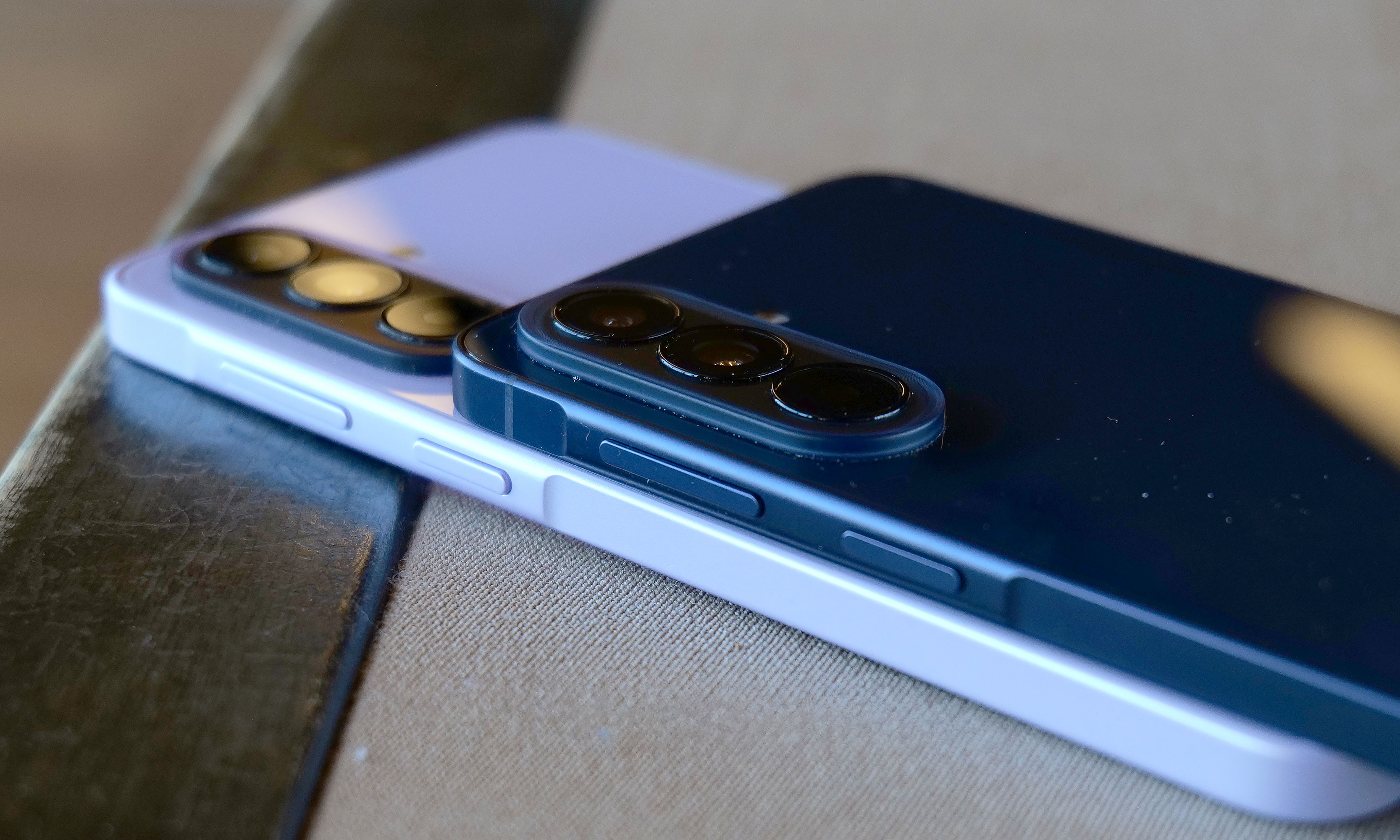
Aside from bezels that are a tiny bit bigger, the Galaxy A37 (left) looks almost exactly the same as the more expensive Galaxy A57 (right).
Sam Rutherford for Engadget

As for the A57, it’s certainly not a bad phone, but starting at $550, it suffers from being in a much more competitive price bracket. For those who prefer smaller devices, the $500 Pixel 10a is cheaper while offering even better AI tools, a cleaner UI, wireless charging, a slightly larger battery and unmatched photo quality. However, the A57’s biggest rival is arguably another Samsung phone: the Galaxy S25 FE. Aside from slower wired charging, it has an even nicer design, an extra year of software and security updates (seven total) and a proper telephoto camera instead of a macro lens. And while its MSRP is a bit higher at $650, it’s regularly on sale for under $600 (or less), which effectively sidesteps the A57’s biggest advantage. 

That said, no matter which one you prefer, more options for affordable gadgets are always welcome — especially with the price of smartphones and PCs increasing due to the global RAM shortage.

The Galaxy A37 and A57 will officially go on sale April 9. 

This article originally appeared on Engadget at https://www.engadget.com/mobile/smartphones/samsung-galaxy-a37-and-a57-hands-on-the-cheaper-phone-might-be-a-winner-120000965.html?src=rss

Apple introduces age verification for iCloud accounts in the UK

Apple has introduced more than just new features, like an AI playlist generator, with iOS 26.4 in the UK. The company now requires users in the region to verify their ages and to prove they’re 18 years old or above before they can access “certain services or features, or take certain actions on their account.” Users can verify their ages in Settings by linking a credit card to their account or scanning an ID. For people who’ve had an Apple account for a while, the company will check if they already have a payment method on file that can prove they’re of age.

The company says it will automatically switch on its Web Content Filter and Communication Safety features for everyone under 18 and for those who haven’t verified their ages. These tools are integrated into Apple’s operating systems and can restrict users from accessing specific websites on Safari and third-party browsers, as well as warn users when they’re receiving or sending images and videos containing nudity.

Ofcom, the UK’s communications regulator, praised Apple for the decision, especially since it’s not required to implement age verification for the iOS or its App Store under the region’s Online Safety Act. “Apple’s decision that the UK will be one of the first countries in the world to receive new child safety protections on devices is a real win for children and families,” the regulator said. “Our rules are flexible and designed to encourage innovation, particularly in age assurance. We’ve worked closely with Apple and other services to ensure they can be applied in a variety of contexts in order to ensure users are protected. This will build on the strong foundations of the Online Safety Act, from widespread age checks that keep young people away from harmful content, to blocking high-risk sites and stepping up action against child sexual abuse material.”

This article originally appeared on Engadget at https://www.engadget.com/big-tech/apple-introduces-age-verification-for-icloud-accounts-in-the-uk-115340237.html?src=rss

This wild steel gearbox enduro bike could convince me to drop the derailleur

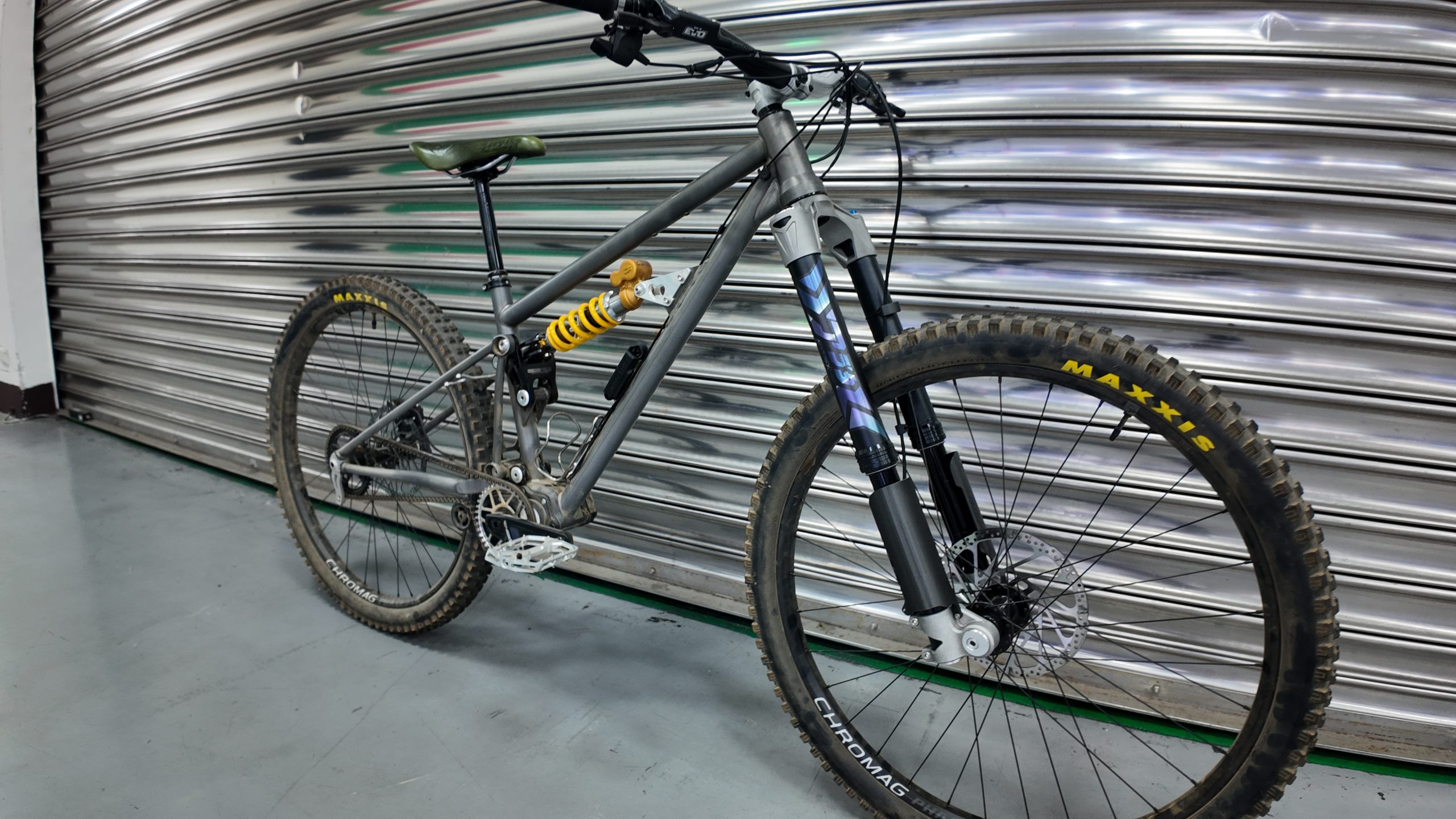
After 14 years of trawling bike trade show floors, it takes something special to catch my eye – and this Tripping Balls prototype from Blues Bikes was one such machine, spotted at the Taipei International Cycle Show today.

It’s a steel enduro bike, with a rarely seen suspension linkage, adjustable travel and a Pinion gearbox drivetrain.

It looks totally wild.

Fresh out of the blocks

Tripping Balls enduro bike
The Tripping Balls is a steel enduro bike I could happily sling a leg over. Tom Marvin / OurMedia

The Tripping Balls has 142mm of travel at the back and features a 160mm fork at the front. However, with a longer-stroke shock (and a longer Gates belt), it can be adjusted to 160mm.

While I saw it in 29er form, it can also be set up to run as a mullet – 29in at the front and 27.5in at the back.

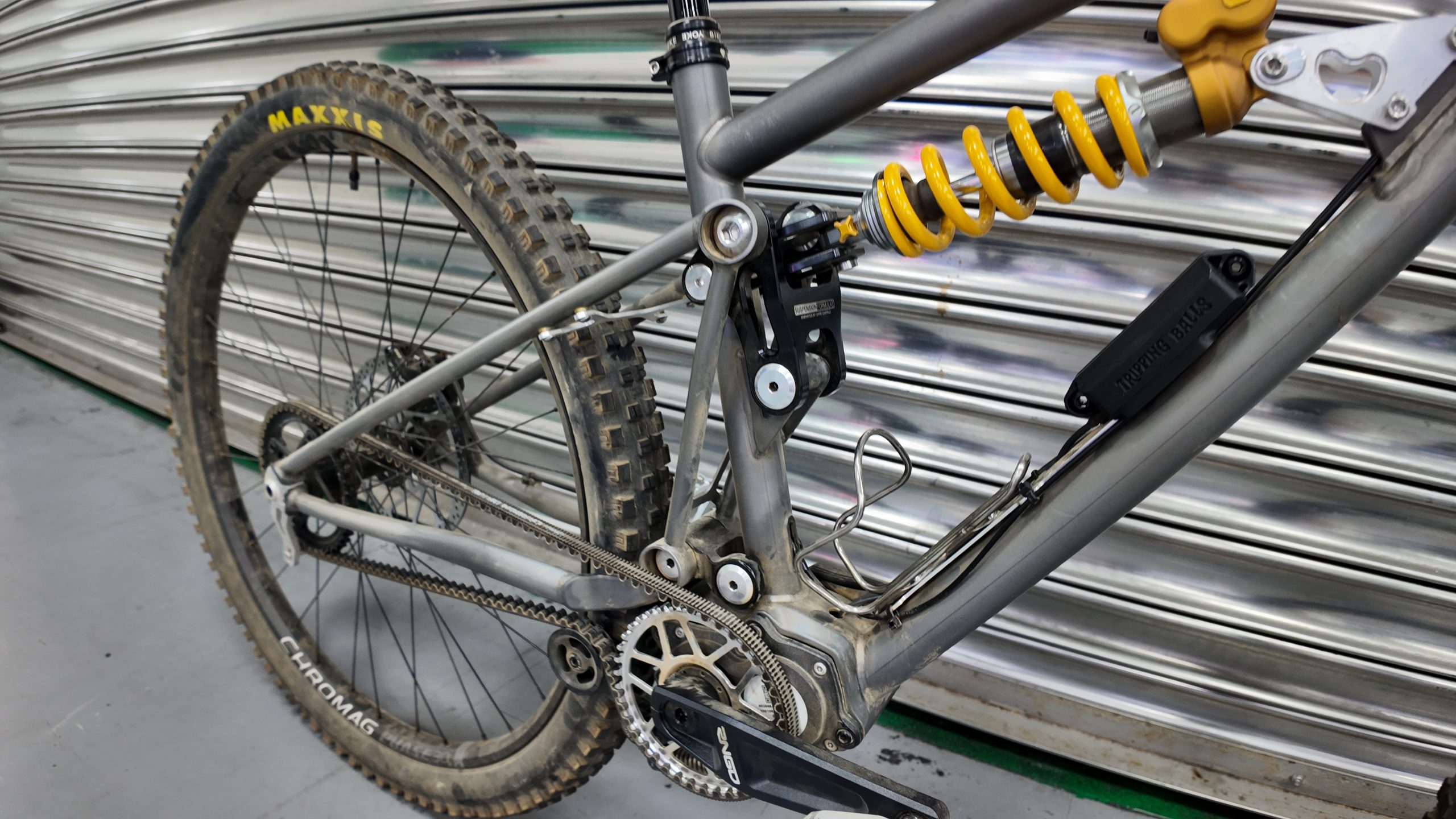
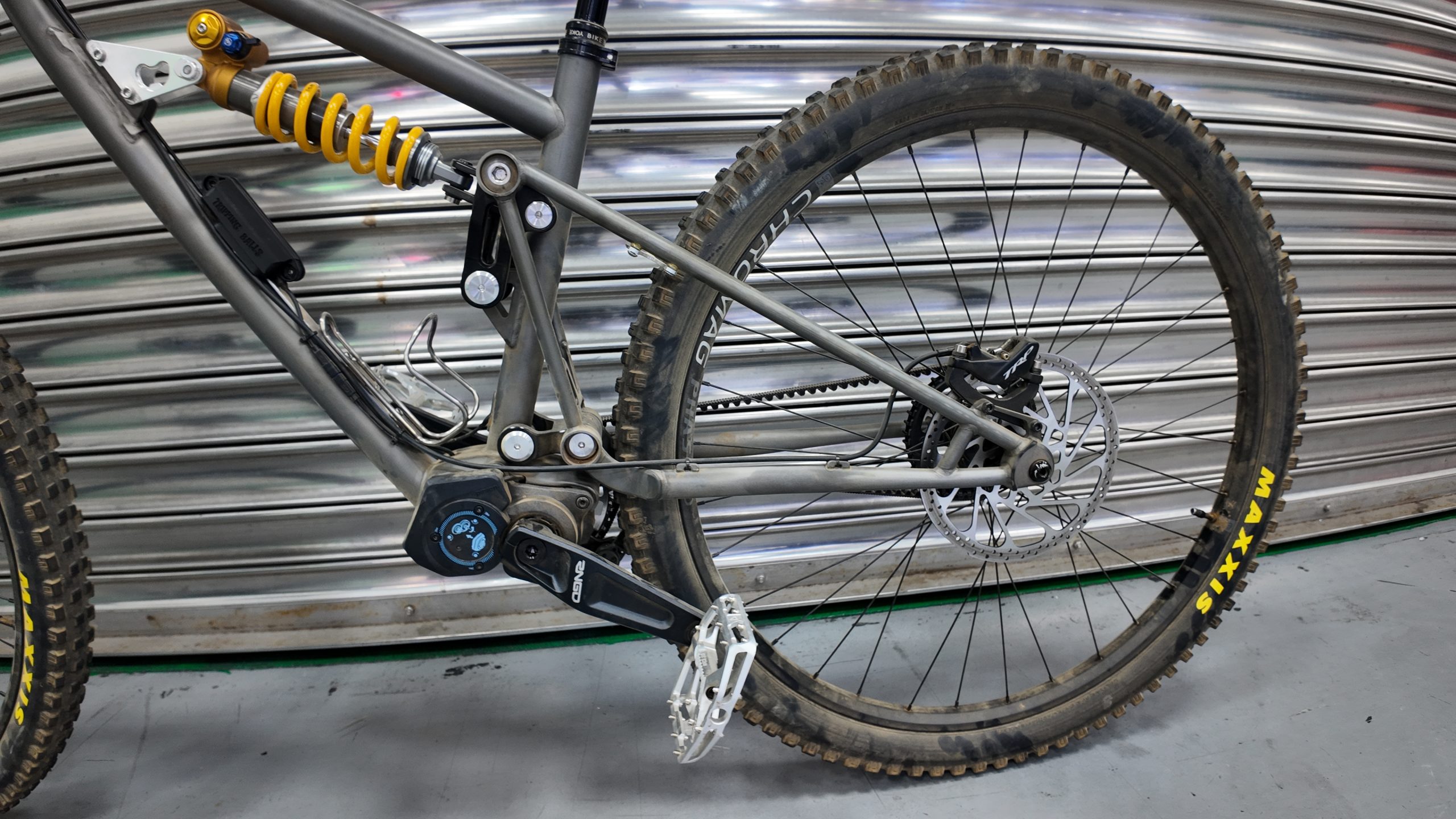
The rarely seen linkage was designed by Chris Canfield (of Canfield Bikes fame) and is a multi-link VPP system. It’s currently set up with a coil shock, so I’d assume there’s ample progressivity through the suspension’s stroke to cope with the more linear spring.

Chris Canfield linkage
Chris Canfield’s linkage delivers the suspension goods. Tom Marvin / OurMedia

Blues Bikes built this first frame from double-butted 4031 Chromoly steel, leaving it raw and ready to rust in order to give it a time-worn patina.

Cables run externally to make maintenance easier, and there’s a removable seatstay bridge, which needs removing if the bike is run in its longer-travel mode.

At the heart of the bike is a Pinion C1.12 gearbox, shifted electronically from the bar.

Tripping Balls rear triangle
The rear-suspension linkage is a VPP design. Tom Marvin / OurMedia

This 12-speed gearbox might weigh more than a traditional derailleur-based drivetrain, but with its internals in an oil bath, fully encased in metal, and with the weight low and central in the frame, it’s a solution many harder-riding MTBers may be eyeing up.

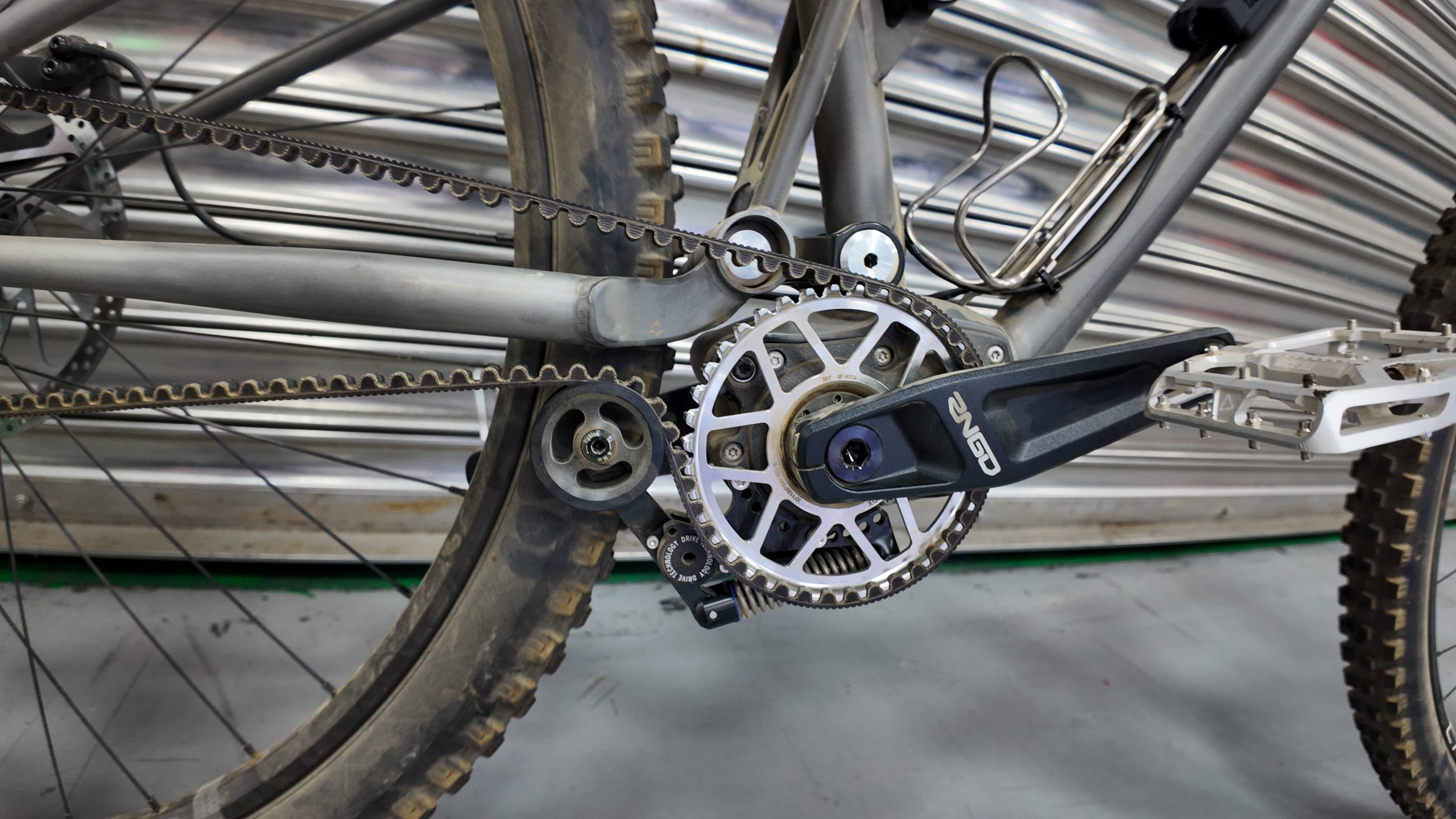
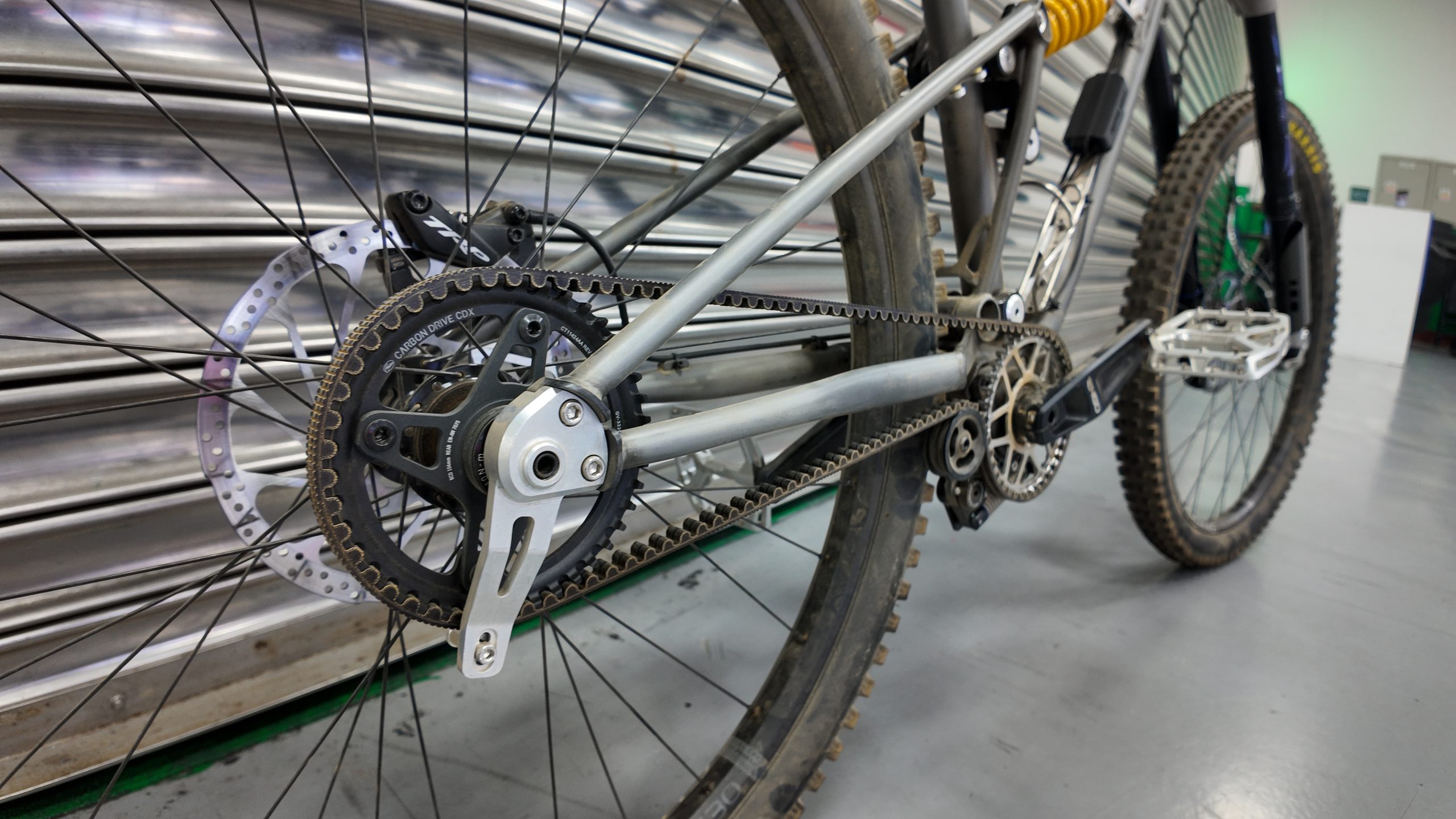
To drive the bike forward, there’s a Gates Carbon Drive belt – no chain here.

These require a strongly sprung tensioner, which is nestled near the gearbox, to prevent the system slipping, but means that weight is not concentrated towards the rear of the bike.

Gates belt tensioner
You need a heavy-duty spring to keep the belt tensioned. Tom Marvin / OurMedia

Given a belt can’t be joined as a chain can – they come in one fixed loop – the rear driveside triangle needs to be split.

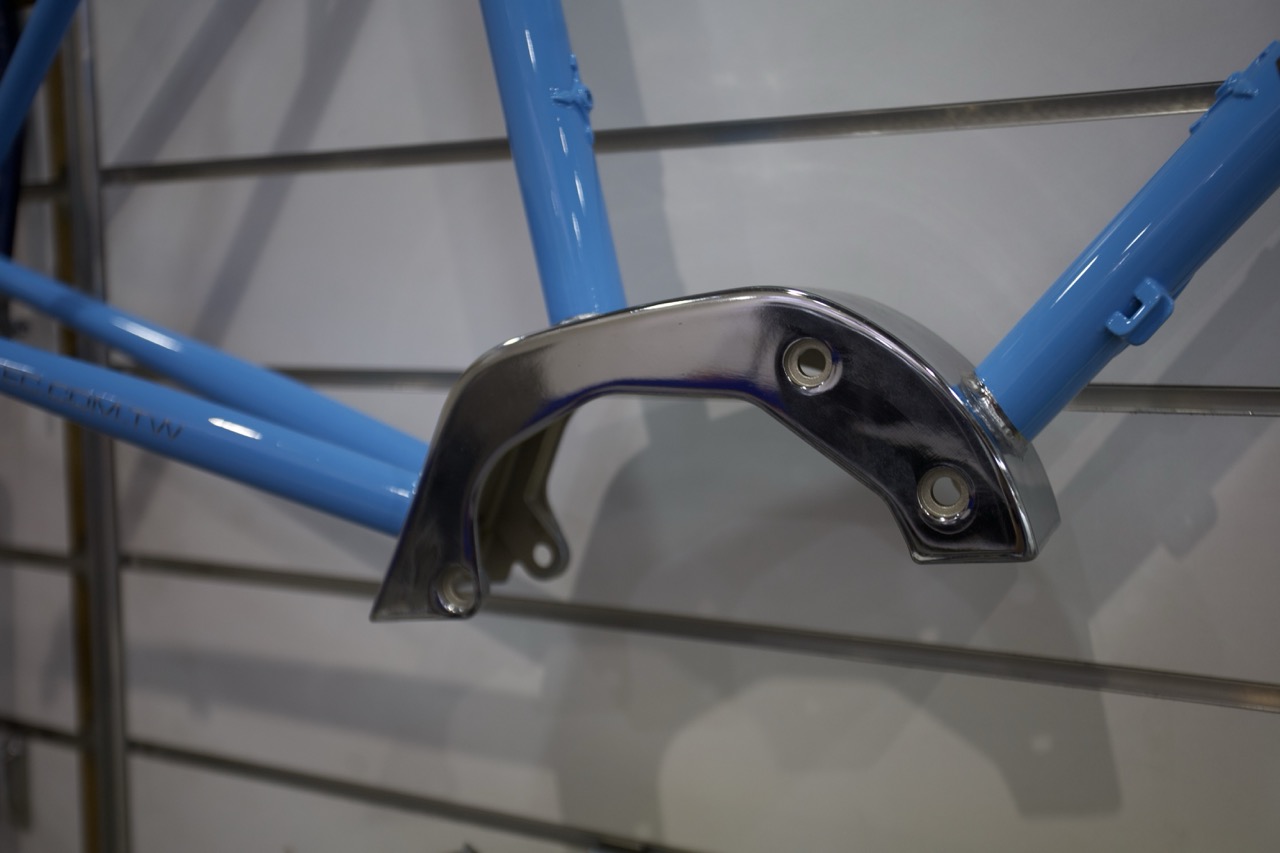
Rather than cut a structurally important tube in half and give it a coupler, Blues Bikes has created a modular dropout that bolts the seatstays and chainstays together. Remove the dropout and the belt can be threaded into the rear triangle.

Split belt drive dropout
The split dropout enables the belt to be fitted. Tom Marvin / OurMedia

While I don’t have a full geo chart, I’m told the Medium-sized prototype has a 450mm reach, 445mm chainstays, 64-degree head angle and 77-degree seat angle.

There’s a plan to bring the bike to market, possibly by the end of the year, once the next set of prototypes have been built and put through more testing.

Here’s hoping they make it to a trail near me soon, because I for one will be asking for a go.

Chandra Resolves Why Black Holes Hit the Brakes On Growth

alternative_right shares a report from Phys.org: Astronomers have an answer for a long-running mystery in astrophysics: why is the growth of supermassive black holes so much lower today than in the past? A study using NASA’s Chandra X-ray Observatory and other X-ray telescopes found that supermassive black holes are unable to consume material as rapidly as they did in the distant past. The results appeared in the December 2025 issue of The Astrophysical Journal.

[…] The team ran tests of the three main possible scenarios currently being considered for the slowdown of black hole growth. These options were: could the decline in black hole growth be caused by less efficient rates of consumption, or by smaller typical black hole masses, or by fewer actively growing black holes? Their analysis of the data, extending over billions of years of cosmic history, led them to the conclusion that black holes are indeed consuming material less rapidly the later they are found after the Big Bang. The researchers expect this trend of slower-growing black holes to continue into the future.


Read more of this story at Slashdot.

DVO returns after post-COVID slump with more tuneable luxuriously smooth fork and shocks

During the post-COVID downturn in the bike industry, DVO knuckled down and invested in developing and updating its suspension product lines.

That work has resulted in a new fork, the Diamond 36 Prime SL, and a new Opal XL air shock – both unveiled at the Taipei International Cycle Show.

The brand has not only investeded in new R&D machinery, but also in engineering resources, with a few engineers moving to DVO from the world of motocross racing, with a focus on dialling down damping performance and friction losses.

New forks incoming

DVO Diamond
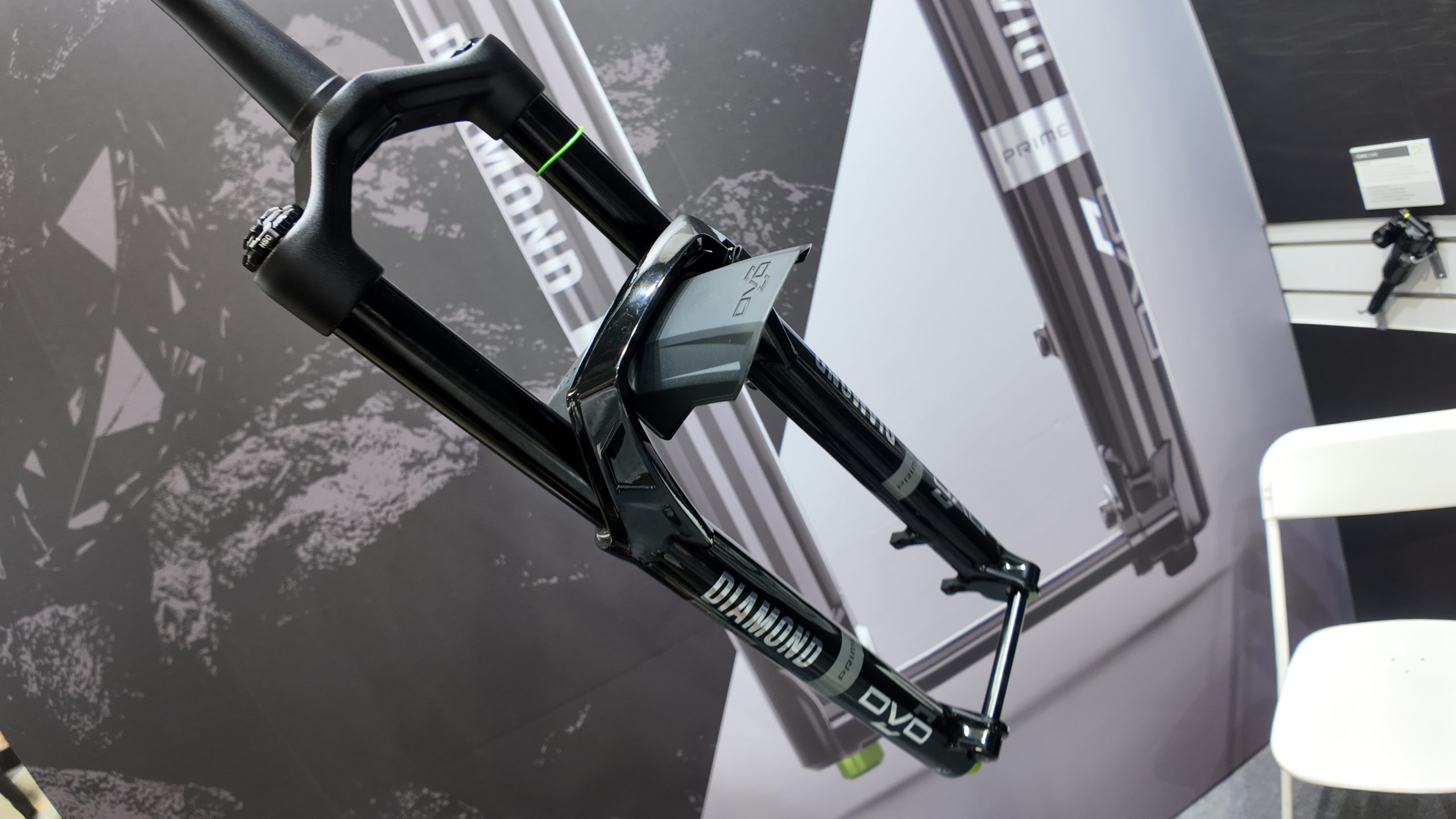
The Diamond is the long-travel trail, or lighter-weight enduro fork from DVO. Tom Marvin / OurMedia

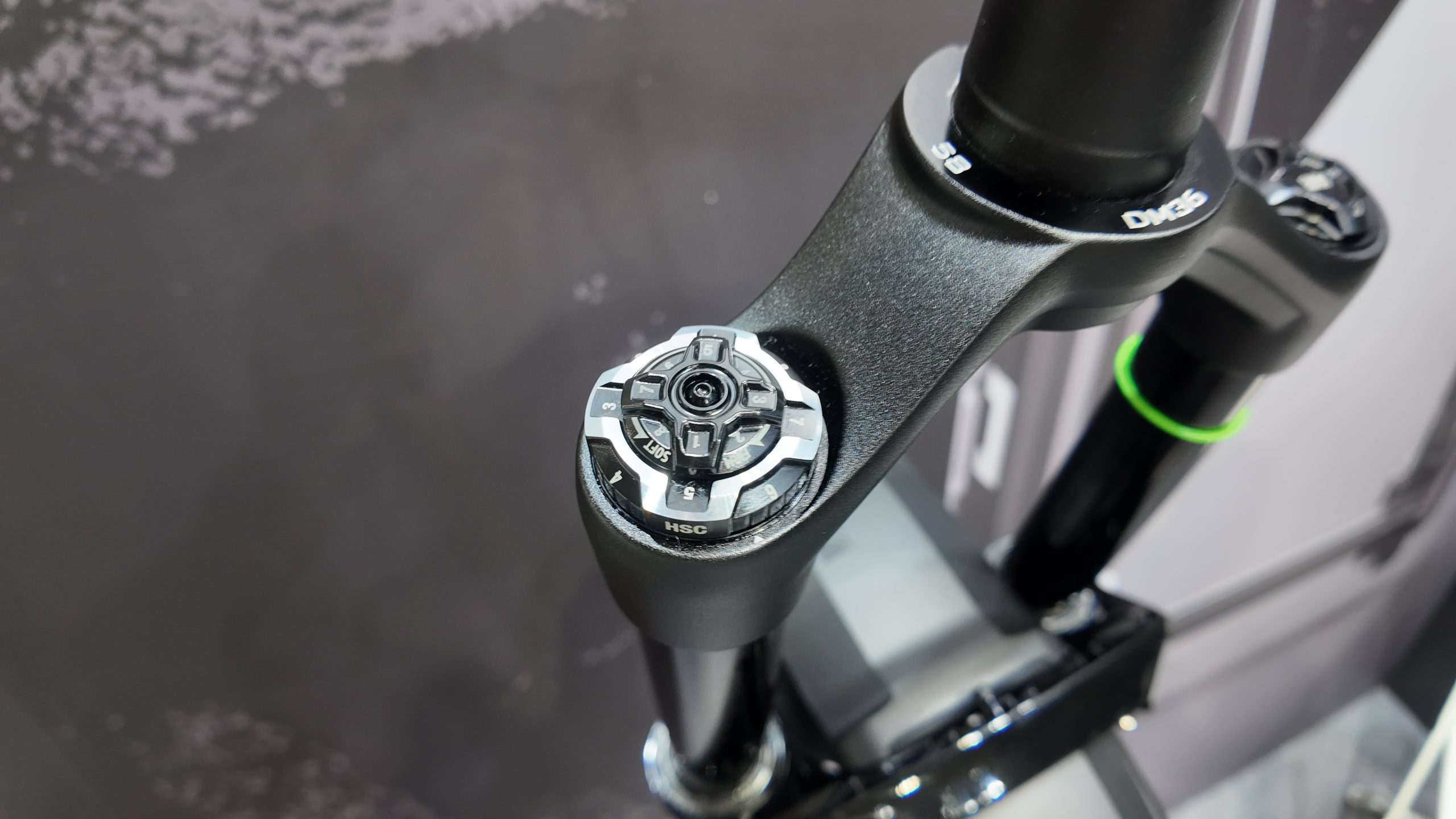
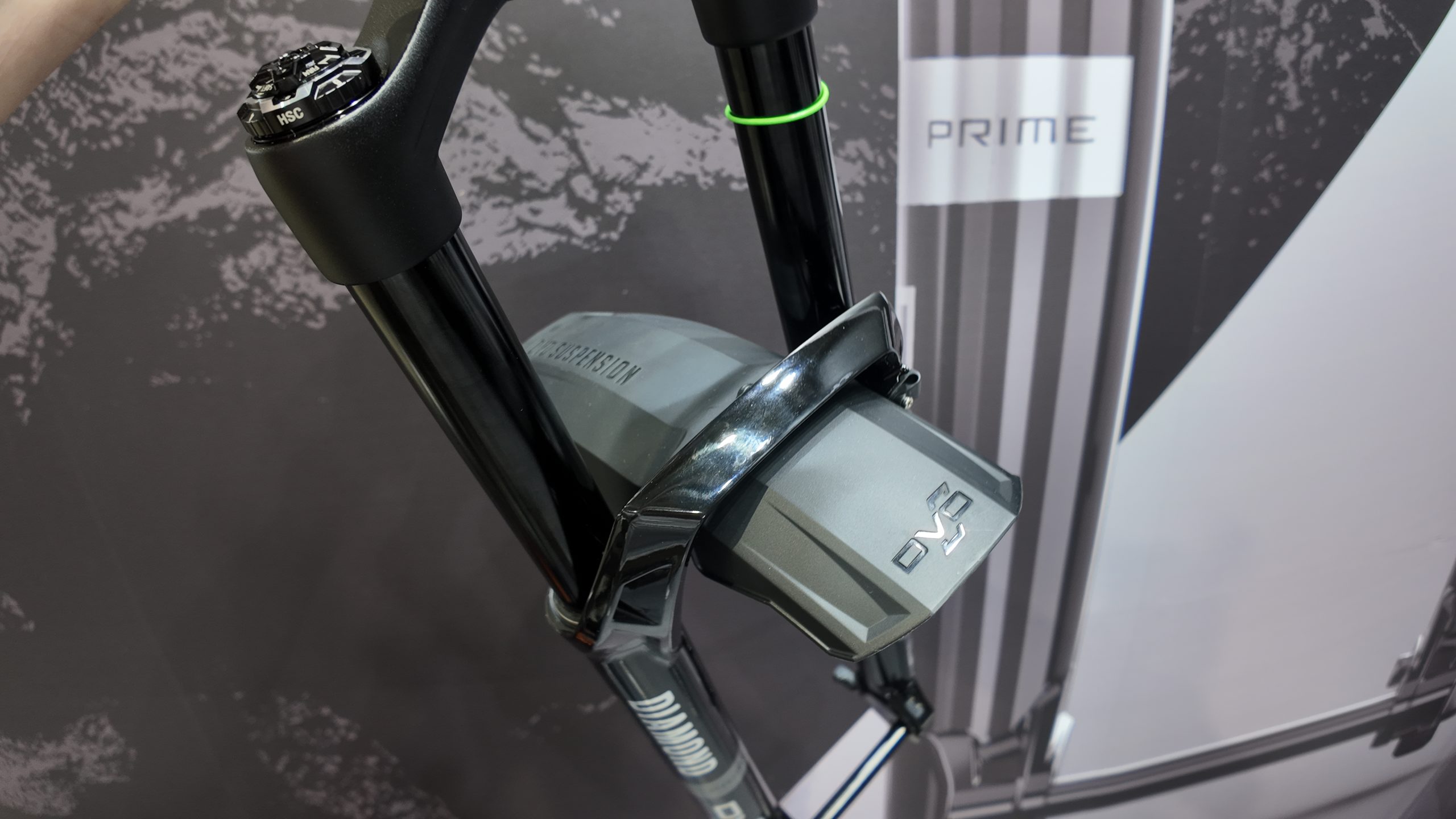
The Diamond 36 Prime SL is a 140-170mm enduro fork with a 36mm-stanchion chassis. It features the new Prime damper, which offers eight clicks of high- and low-speed compression damping, along with 22 clicks of rebound-damping adjustment.

DVO has moved away from a bladder-based damper to one with a spring-backed IFP, which it says gives the fork more support and improved tuning capabilities.

DVO Prime damper
The Prime damper offers high- and low-speed compression damping. Tom Marvin / OurMedia

The new damper has a higher-flow piston, which adds complexity, but also aids performance according to DVO.

While specific tools will be required, the damper’s internals should be reachable by consumers, for those who like to tinker with their suspension.

In addition to the new damper, the brand has been working heavily on reducing the internal friction of the fork, by updating the surface finishes.

Friction is a killer when it comes to the feel of a fork, and so on paper, these should feel luxuriously smooth.

DVO pressure relief
A bit of pressure relief? Yes please. Tom Marvin / OurMedia

With the new damper offering more support, and with influence from the motocross engineers, the new fork is designed to run with much lower air pressures.

Bryson, the DVO engineer we chatted to, weighs around 180lb and runs 50psi in his fork. Even with damping turned right on, Bryson told us there’s little to no spiking when hitting bumps, ensuring stability and comfort on the bike.

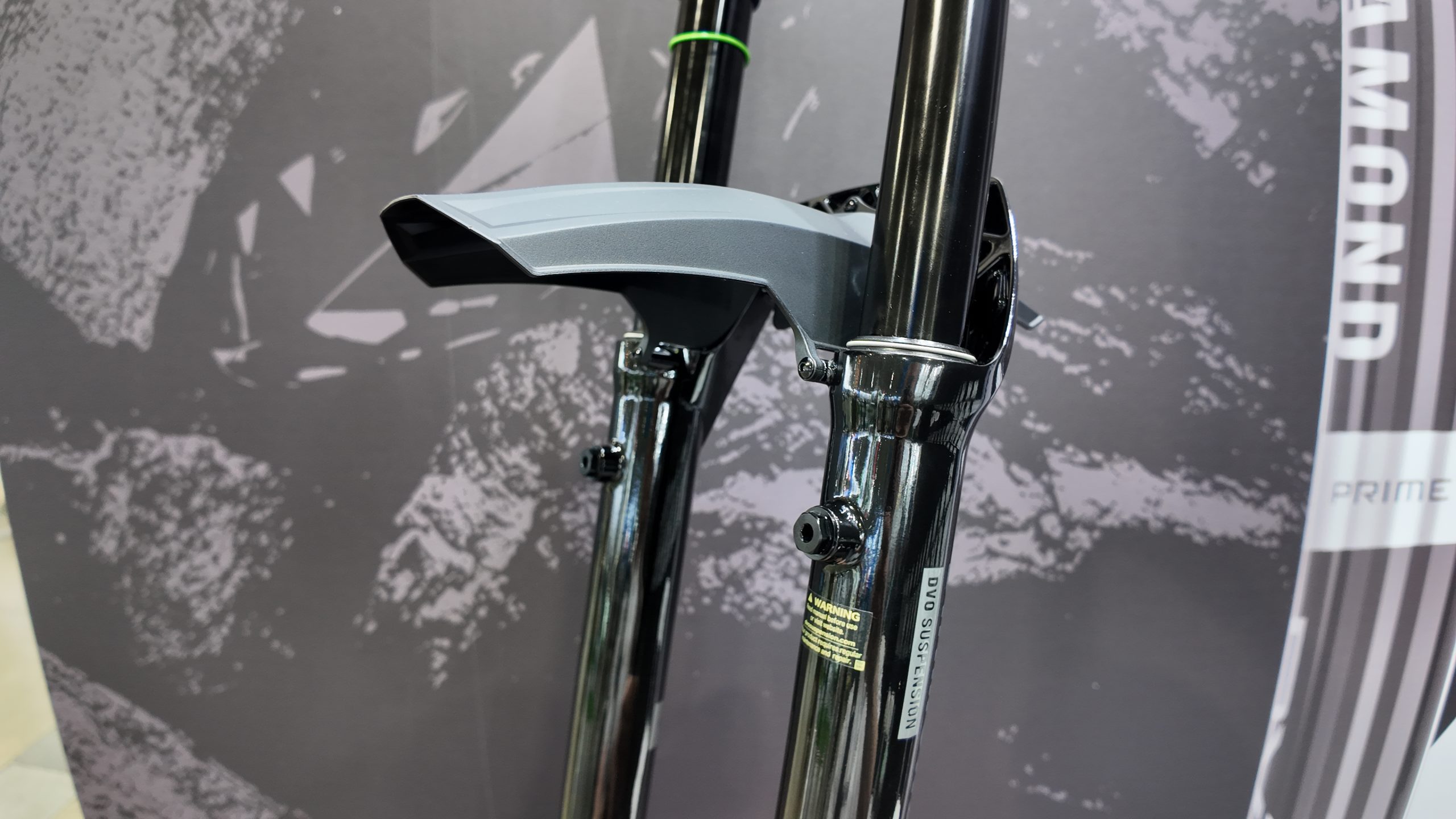
DVO fender
There’s a new stiffer and longer fender on offer, too. Tom Marvin / OurMedia

We also saw an updated Onyx 38 Prime SL. This longer-travel fork also features the new damper. Those who have an existing Onyx 38 fork will be able to retrofit the damper in their fork.

Further back

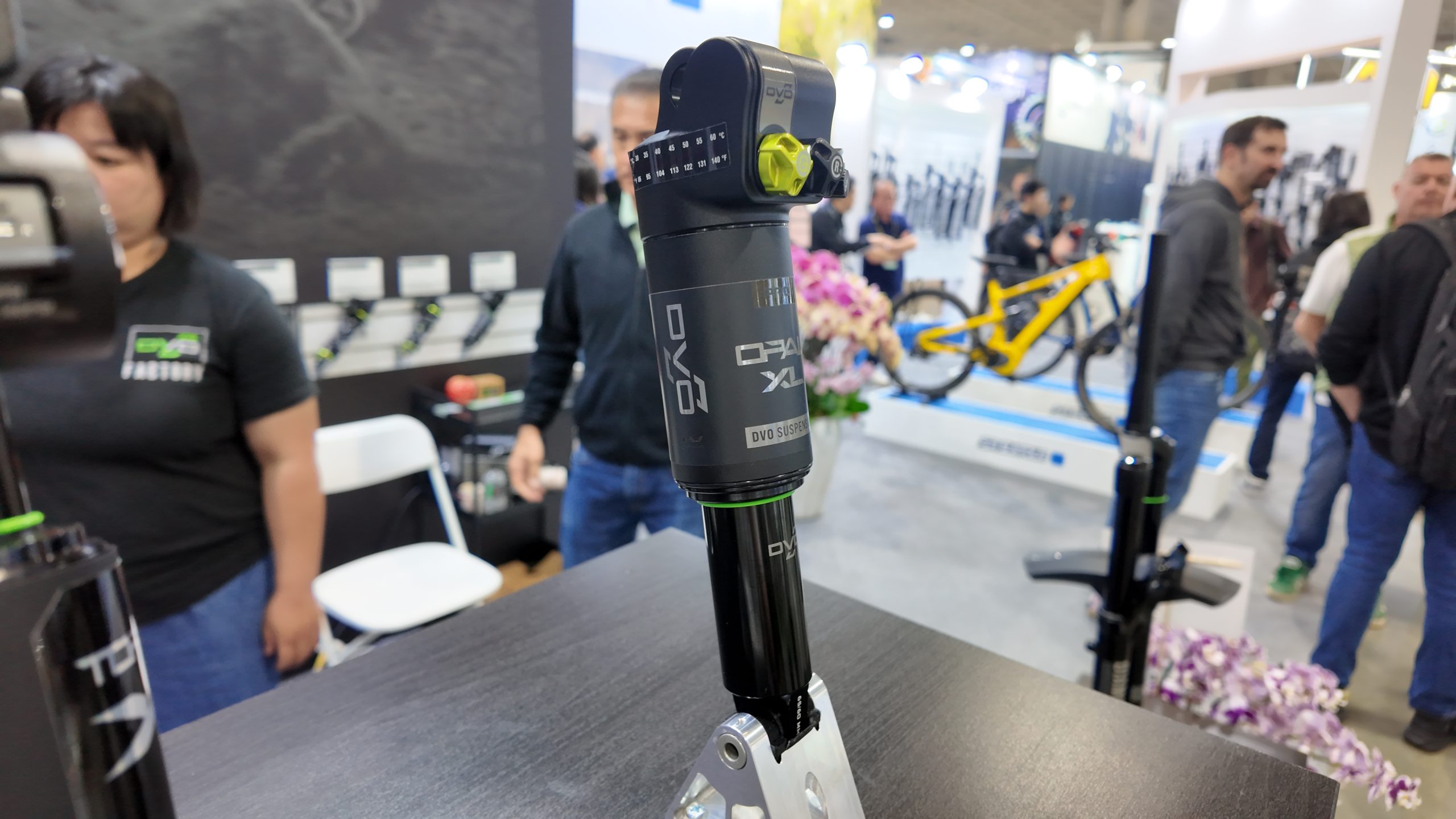
DVO Opal XL 1
The new Opal XL shock from DVO Tom Marvin / OurMedia

The new Opal XL shock is designed to bridge the gap between inline and piggyback shocks.

Inline shocks need to hide their damping circuits inside the main shock body, while piggyback shocks have them externally.

Those piggyback shocks, therefore, tend to have larger oil volumes and can perform more consistently on longer runs.

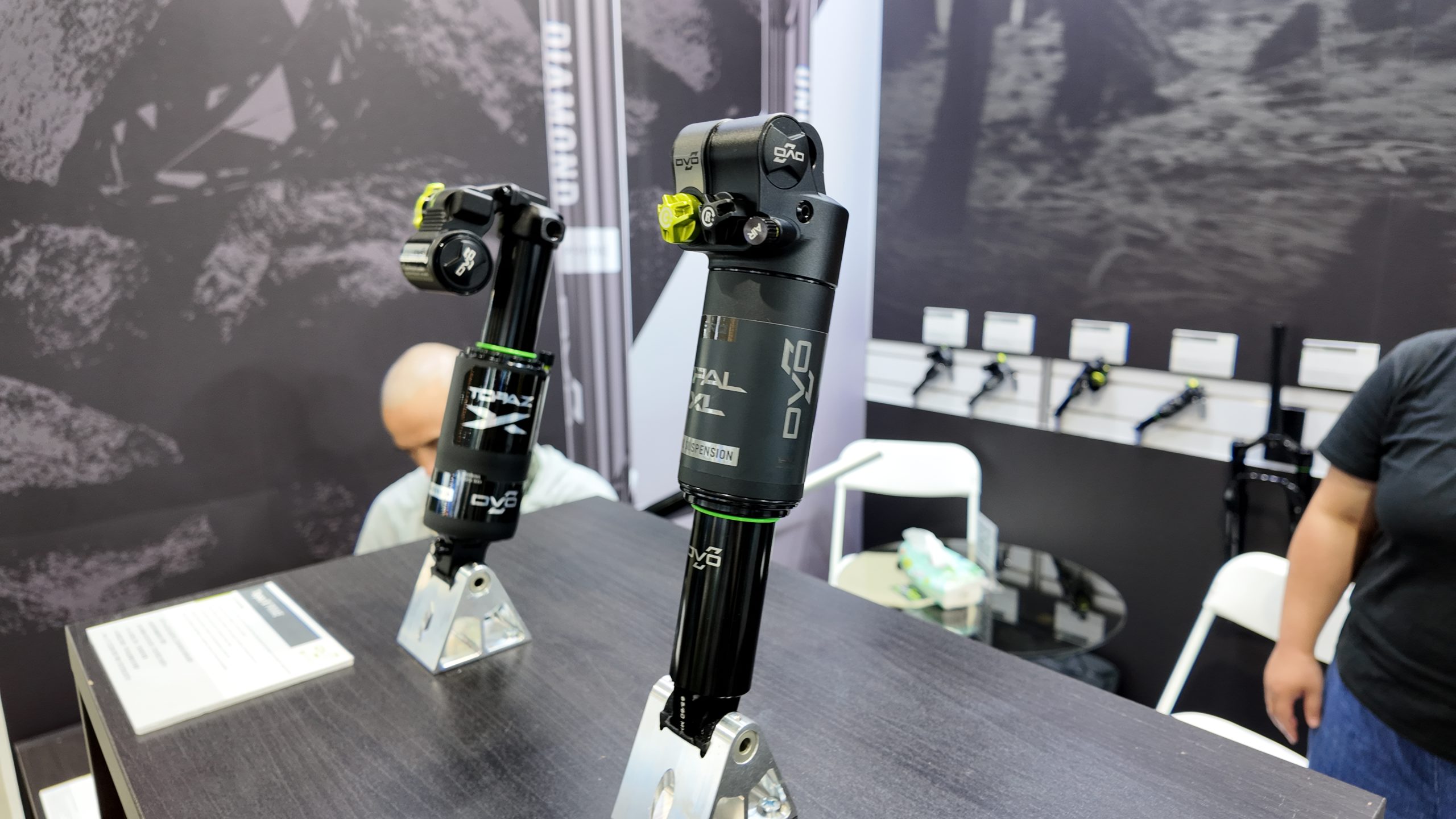
DVO Opal XL
The DVO Opal XL shock bridges the gap between inline and piggyback shocks. Tom Marvin / OurMedia

The Opal XL has a small piggyback structure merged into the top of the inline shock, bringing it out from the inside of the shock’s body, but avoiding the bulk of a traditional piggyback shock.

DVO says this gives the Opal XL near-piggyback levels of performance without the bulk, making it ideal for frames with limited space inside the main triangle. That’ll be handy on eMTBs where you want to squeeze a bottle in the frame.

Lemonade 10.0.1 Improves Setup Process For Using AMD Ryzen AI NPUs On Linux

Earlier this month with the release of the Lemonade SDK 10.0 and FastFlowLM 0.9.35, using AMD Ryzen AI NPUs for running LLMs on Linux finally became feasible. AMD XDNA 2 NPUs can now run on Linux well for LLM workloads! Released on Tuesday was Lemonade 10.0.1 with a few improvements for the setup process of this local LLM open-source solution on Linux…

Steel tubes, lugs… and an electric motor?! This could be the perfect retro e-bike

Chasing down the weird and the wonderful at any bike show is always good fun, but the Taipei International Cycle Show is in a league of its own.

Finding myself towards the end of an aisle, I spotted this classically styled electric bike, complete with lugs that would make Ernesto Colnago proud.

Allotec retro electric bike
The motor portion isn’t lugged like the rest of the frame.

Made by Allotec, the bike can be equipped with a choice of electric bike motors, including those from Shimano and Bosch, with the battery supposedly fitted externally to the frame.

Allotec retro electric bike
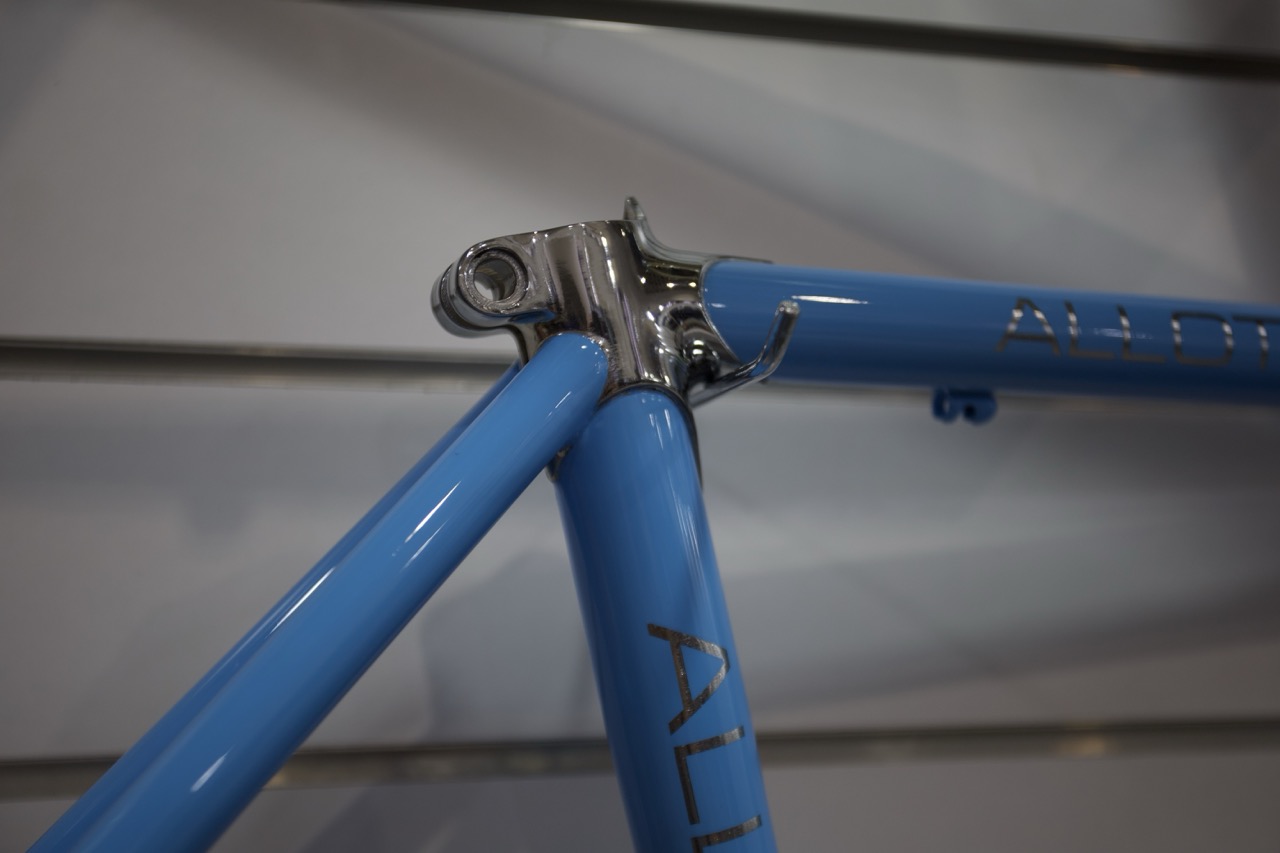
The seat collar leaves space for a pin. Nick Clark / Our Media

You can select this retro-inspired electric road bike in an array of colours, and there’s even external cable routing to keep things easy to work on.

Allotec retro electric bike
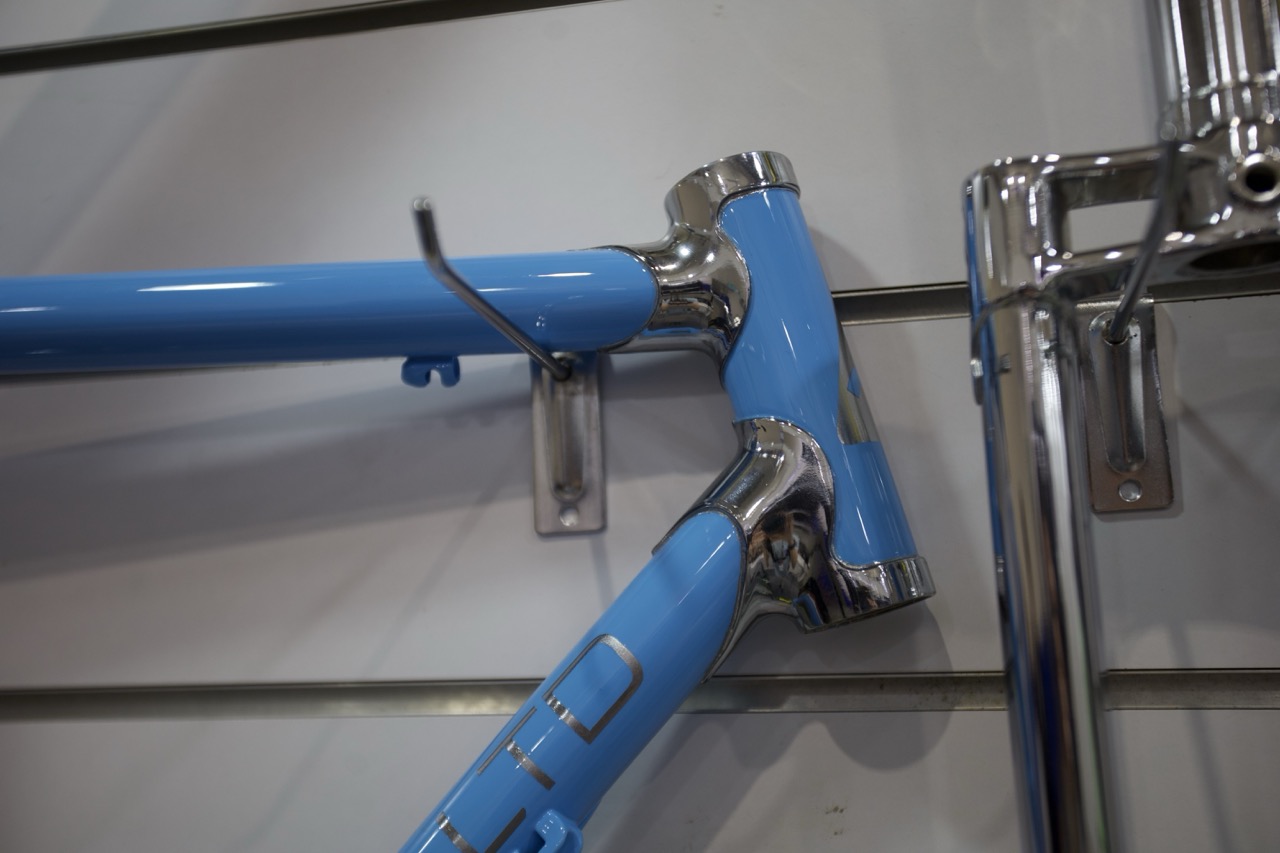
The head tube has Colnago Master vibes. Nick Clark / Our Media

While certainly niche, the Allotec doesn’t sit alone as being a lugged electric bike, with Atherton’s upcoming S.170E also using the technique, admittedly with some modernisation.

Away from the novelty factor of the Allotec, the construction is very neat, and it’s nice to see a bike take inspiration from times gone by.

X-Fusion’s E-Manic 2 electronic dropper post looks to be everything we wanted from the original

While we were given a glimpse of the new 32in forks from X-Fusion at the Taipei International Cycle Show, we were also treated to a preview of the brand’s latest electronic dropper post.

The E-Manic 2 has been given a significant redesign over the original and takes on a look similar to the KS Lev Circuit and the first-generation RockShox Reverb AXS.

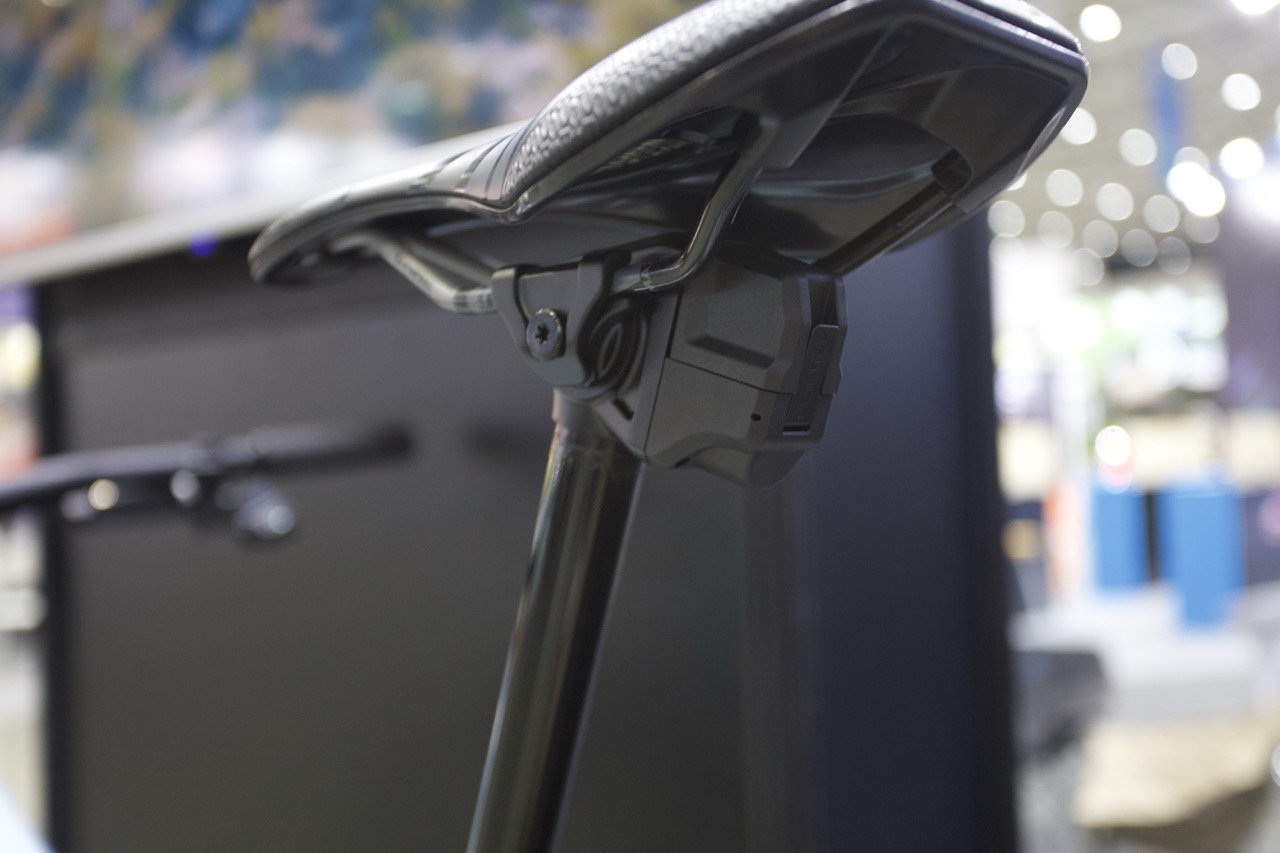
A plastic body on the top of the seatpost encapsulates the battery, and there’s a single bolt for changing the saddle angle.

X-Fusion E-Manic 2
The X-Fusion E-Manic 2 was on show at the Taipei International Cycle Show. Nick Clark / Our Media

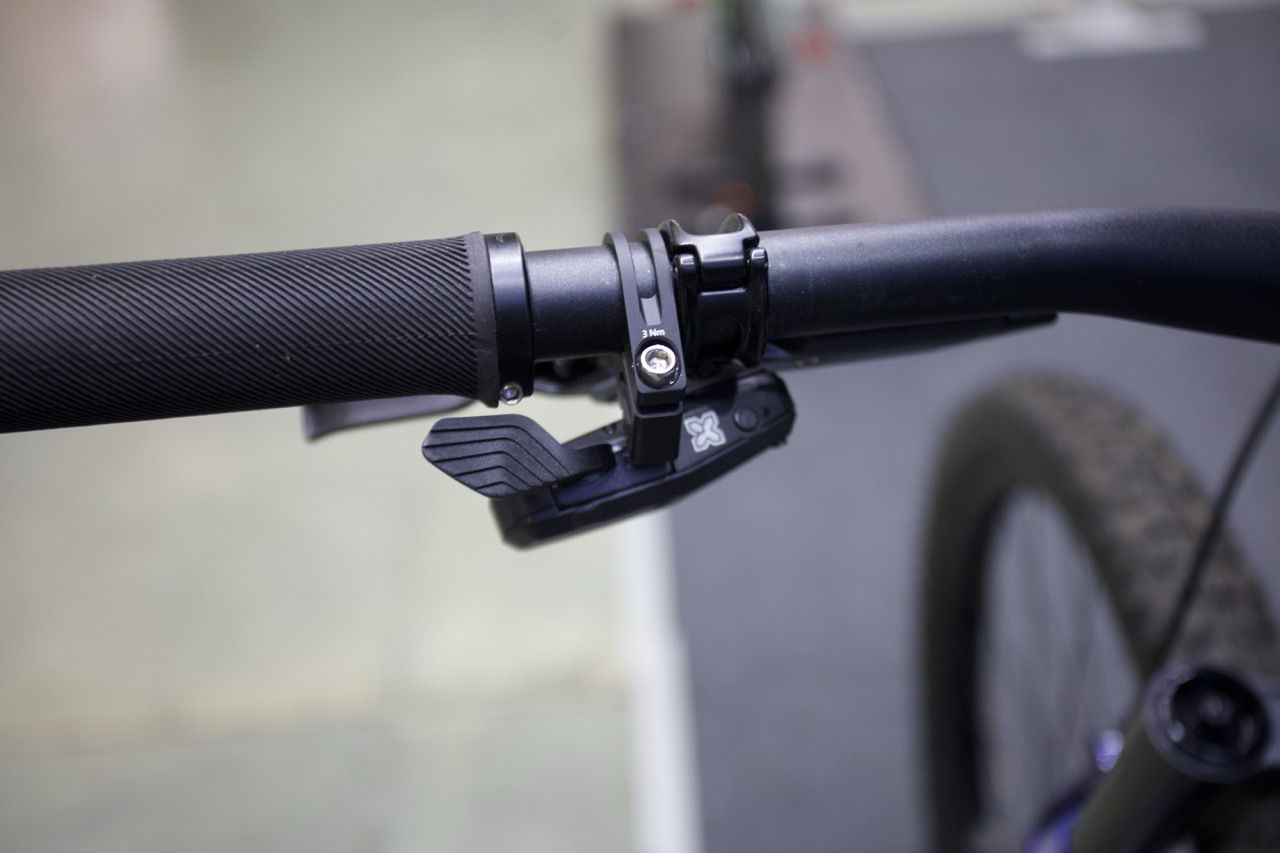
The remote is wireless and connects to the post via X-Fusion’s own XRSC Remote Bluetooth 5.0 protocol.

X-Fusion E-Manic 2
X-Fusion says the remote ergonomics were developed alongside TRP. Nick Clark / Our Media

There are five travel options: 100mm, 125mm, 150mm, 170mm and 200mm, although unlike the brand’s cable-actuated model, this is not adjustable.

X-Fusion also offers three diameter options: 30.9mm, 31.6mm and 34.9mm, meaning you should be able to find one for your frame without needing a shim.

X-Fusion E-Manic 2
There’s no word on the water resistance, but this design looks up to the task. Nick Clark / Our Media

Weights for the post vary depending on the travel and diameter, with the lightest being the 30.9mm/100mm at 700g. For example, the 30.9mm/100mm comes in 100g heavier.

X-Fusion E-Manic 2
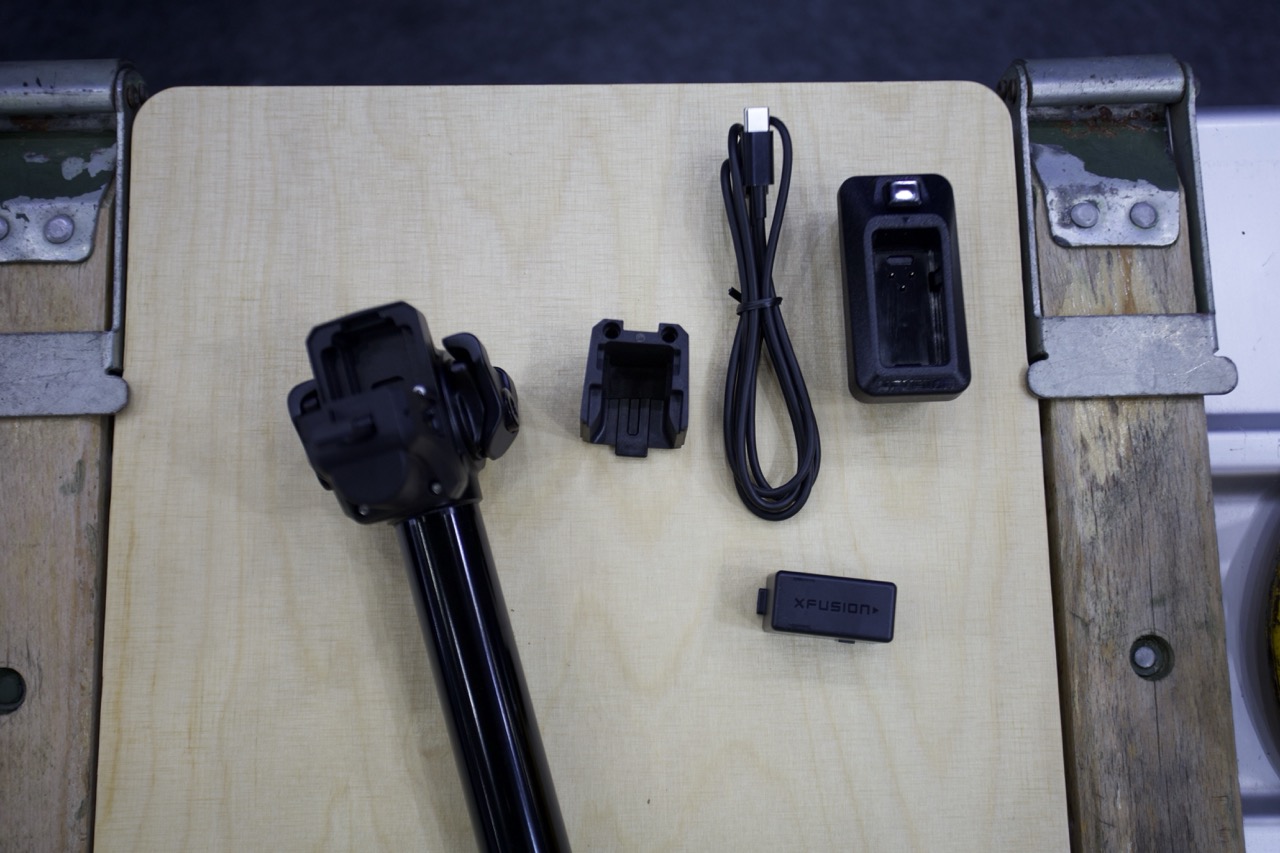
The post comes with a USB-C charger. Nick Clark / Our Media

X-Fusion says the post is still in testing and won’t be released until later this year.

Sony and Honda kill its Afeela EVs

Sony Honda Mobility, the automotive venture from two of Japan’s most storied companies, has swung the axe on its EV project. In a statement, it said it would “discontinue the development and launch” of the Afeela 1 and 2, its long-in-development electric cars. The company added it would review its “business direction,” and announce its future plans “at the earliest possible opportunity.” Which, if we’re honest, probably means the whole thing is going to be shut down, or scaled back so much it’s no longer worth talking about.

2026 has not been a great year for Honda. On March 12, it posted an up-to $15.7 billion loss as it wrote off a big chunk of its investment in EVs. The US’ pivot toward fossil fuels, removal of federal EV tax credits and the imposition of tariffs has hit its business pretty hard. Not to mention the high-profile embarrassment of its current F1 engine project with Aston Martin, which promised so much and has delivered less than nothing. 

Sony’s journey into the automotive world began six years ago with the announcement of the Vision-S, the car which would eventually be re-christened Afeela. But while the product looked good on trade show stands, it stood still while the rest of the car world sprinted ahead. In January, Tim Stevens said Afeela 1 looked a little dated, and a little lacking in emotion, and a lot more expensive than comparable models from rivals. It’s also worth noting Sony and Honda’s vision of a smart device on wheels is hardly a novel concept these days.

Not to mention that Afeela 1 is a sedan, being sold to a world that’s increasingly fallen out of love with the type in favor of higher-riding SUVs. In Sony’s statement, however, the SUV-aping Afeela 2 didn’t even get a mention by name, which hints that it was as much an afterthought for the company as we might have guessed when it was announced. 

This article originally appeared on Engadget at https://www.engadget.com/transportation/evs/sony-and-honda-kill-its-afeela-evs-100426852.html?src=rss

So long, farewell: Saying goodbye to Audi’s best car, the 2026 RS6 Avant

By the time you read this, the Audi RS6 Avant is dead. Production at the factory in Neckarsulm, Germany, has already switched over to new models; any unsold wagons at dealerships will be the last of their kind. Time moves on, leaving the unelectrified 2026 RS6 Avant Performance as a relic from a bygone age where people didn’t care quite so much about melting glaciers. In this regard progress is good and climate catastrophe is bad, but there are other things to like about the RS6 Avant, and much that Audi could and should bring to its other cars.

The car was always something of a unicorn here in the US. As the SUV became ascendant, the station wagon suffered a corresponding decline with the general public, and automakers like Audi responded by not importing them anymore. The economics, we were told, didn’t add up: wagon sales would just cannibalize SUV sales but at too small a rate to make the imported wagons profitable. But with smaller volumes, the math made more sense, which is why in 2019 the car maker buckled to pressure and said fine, we’ll import the RS6 Avant. And with a starting price of $130,700, you can understand why this is a low-volume model.

Subtly swollen

A look down its flanks reveals wheel arches that bulge to accommodate larger wheels, part of Audi Sport’s RS transformation applied to the sedate A6 starting point. Larger wheels provide clearance for larger brakes, which in turn help stop it from prodigious velocities—if you have a long enough runway or the right stretch of German Autobahn, top speed for this version, the Performance, tops out at 190 mph (305 km/h). Under the hood, hidden from view by plastic paneling, lies a twin-turbocharged 4.0 L V8 engine, which generates 621 hp (463 kW) and 627 lb-ft (850 Nm), sending power to all four wheels via an eight-speed ZF automatic transmission.

Read full article

Comments

Unvanquished 0.56 Released With More Renderer Improvements, OpenMP Added To Engine

Unvanquished 0.56 is out today as the latest major update to this prominent open-source, community-driven shooter game. Unvanquished continues progressing after more than a decade in development for this open-source game and with today’s v0.56 release features improved visuals, OpenMP for CPU-based rendering of skeletal models, and other enhancements…

This new ebike conversion kit offers 51km range, weighs only 3.8kg and will fit in your backpack

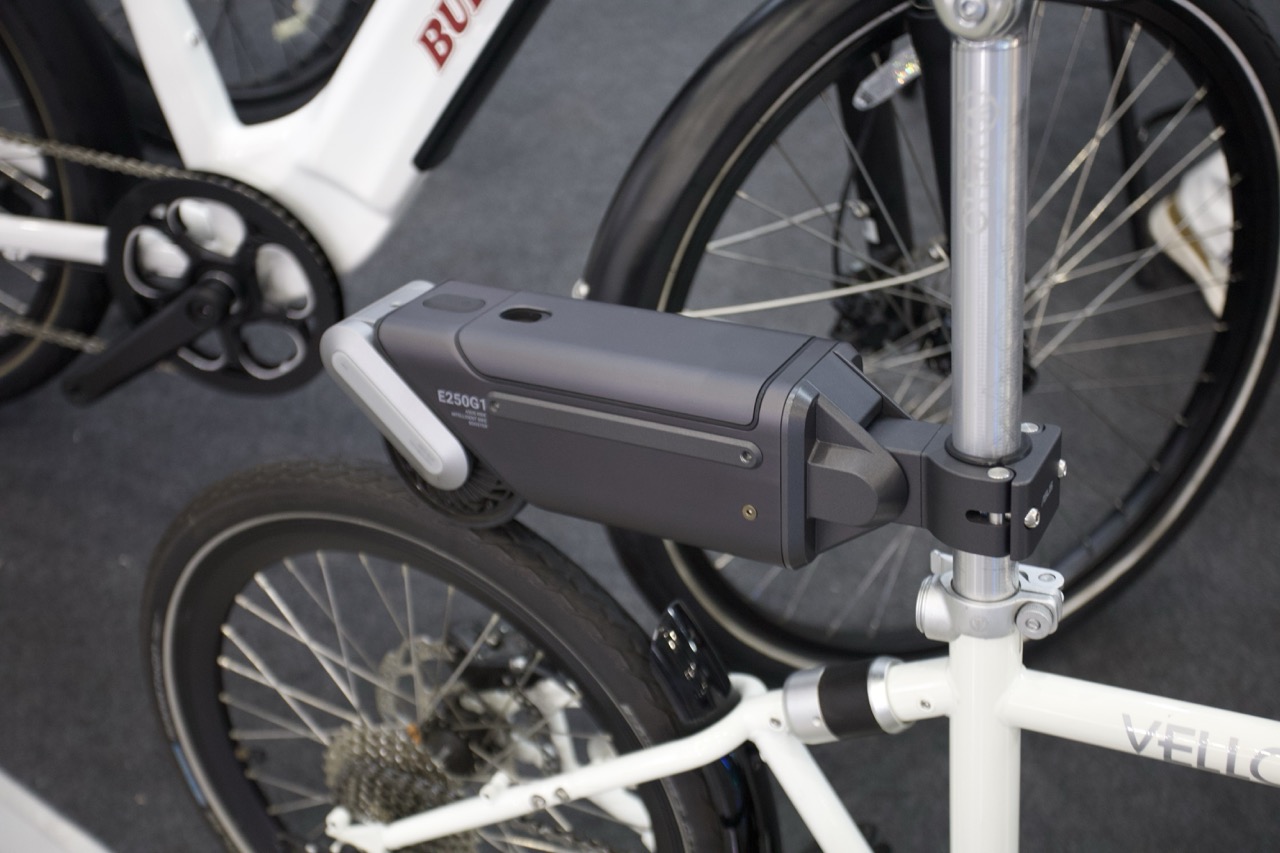
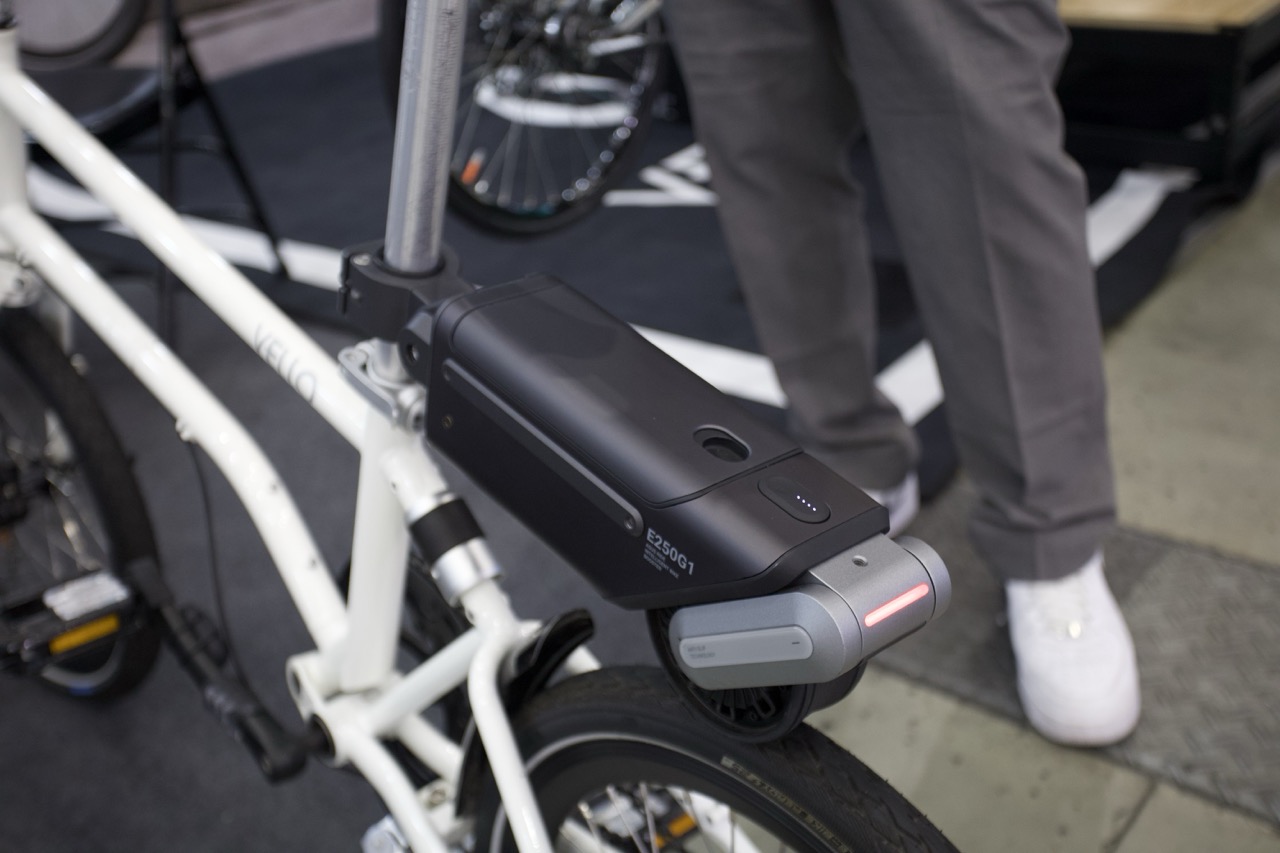
Another contender has emerged in the ebike conversion kit market, with Asus launching the E250G1 Intelligent Bike Booster at the Taipei International Cycle Show.

The device clips onto any conventional bike and uses a friction-drive system to transfer power to the rear wheel, similar to the Livall PikaBoost.

Asus says the device enables you to enjoy up to 51km of range thanks to a removable 159Wh battery.

There are three ride modes: Eco, Normal and Sport, with the latter offering the most grunt at the cost of range.

Asus E250G1 Intelligent Bike Booster
The device works on a variety of wheel sizes. Nick Clark / Our Media

The system itself is said to weigh in at around 3.8kg and is compatible with bike wheels from 16in to 29in, including 700c.

Asus E250G1 Intelligent Bike Booster
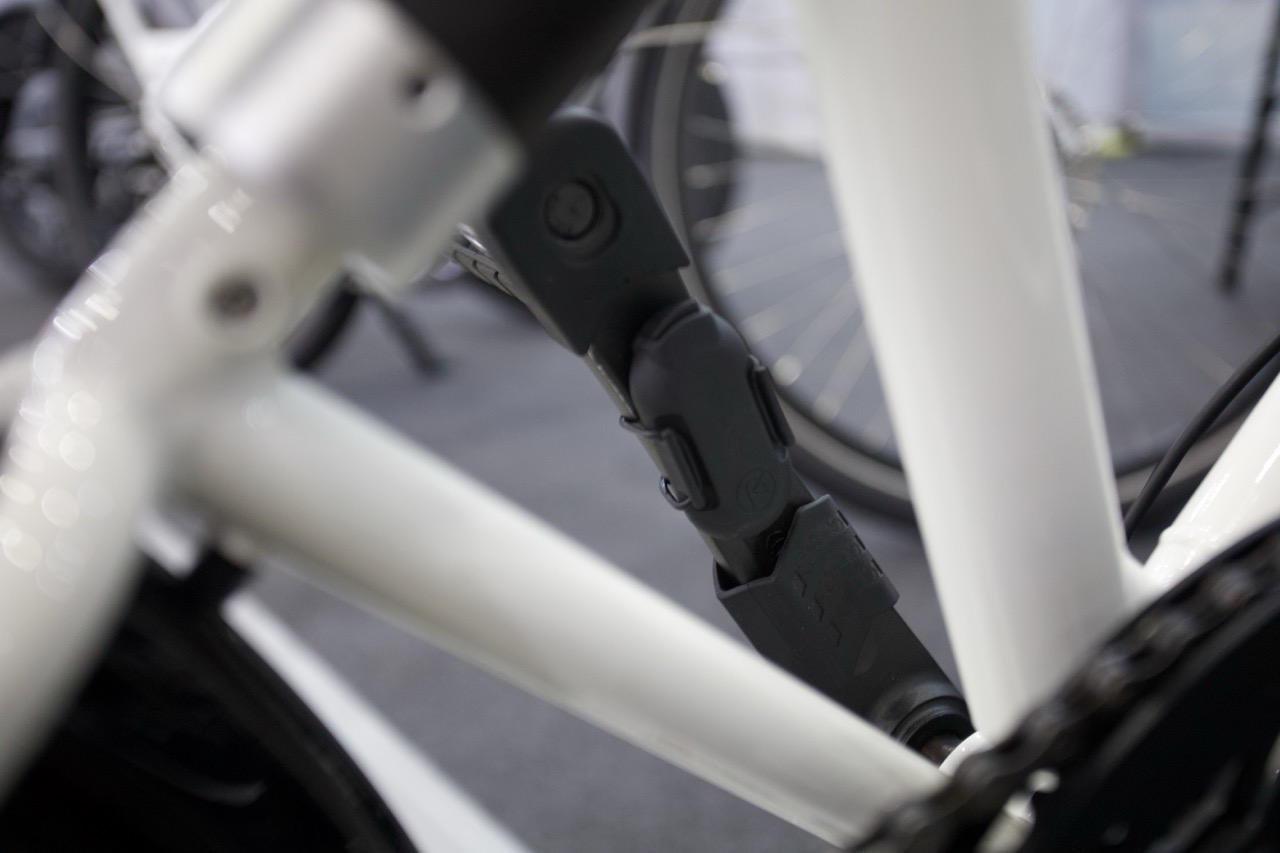
The cadence sensor is neat and removes the need for cables. Nick Clark / Our Media

A swingarm in the device presses down into the tyre to ensure there is slip-free power transfer, and the cadence sensor on the cranks is wireless.

Asus E250G1 Intelligent Bike Booster
The device is small enough that you could stash it in a backpack when you’re done using it. Nick Clark / Our Media

There’s a rear light built into the device, too, which has a braking detection system that alerts other road users when you’re slowing down.

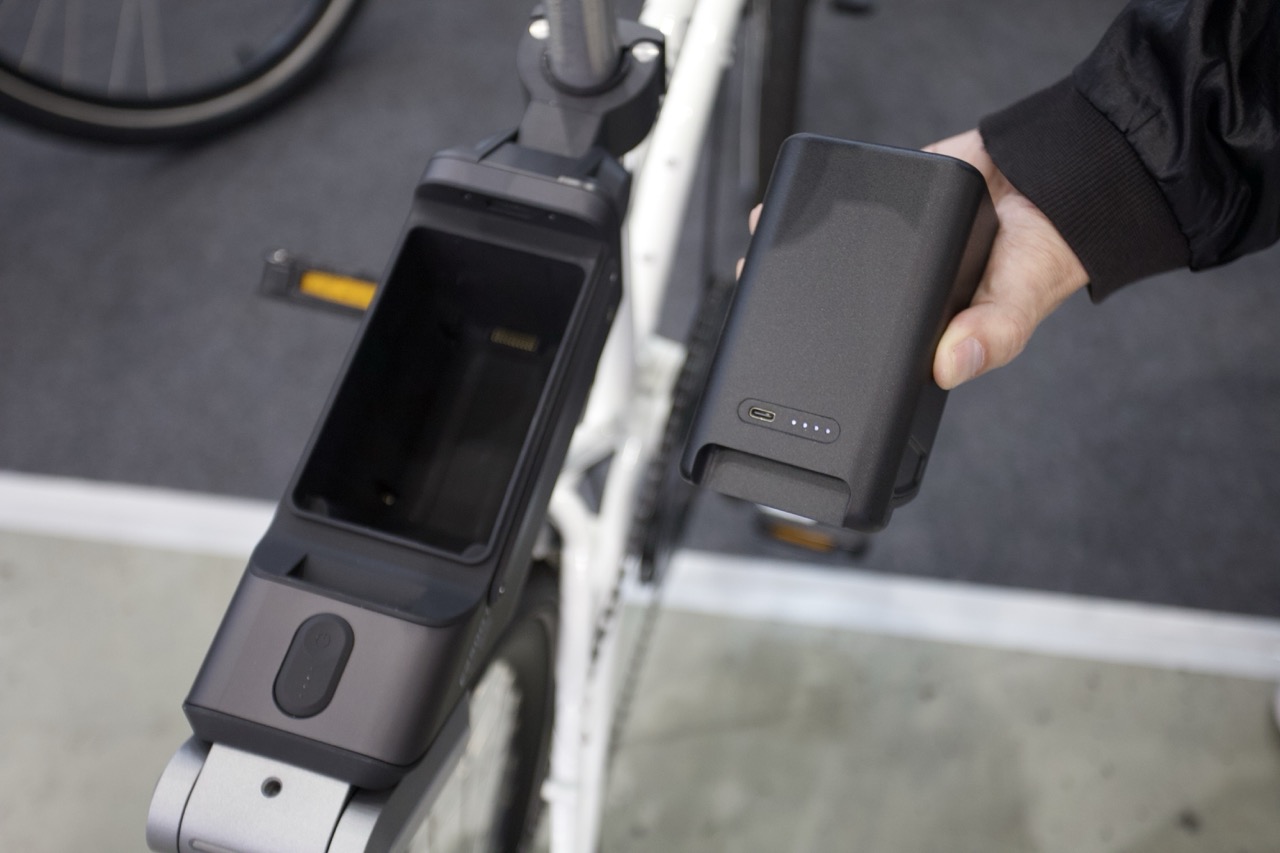
Asus E250G1 Intelligent Bike Booster
The battery is removable, meaning you could easily extend the range with another battery. Nick Clark / Our Media

The battery charges via USB-C and takes around two hours to charge fully using a 100W PD charger.

Asus says the device is IPX5 waterproof-rated, and there is an Android and iOS companion app.

I gave the device a quick try in the exhibition hall, and the sensitivity was impressive.

Whether we’ll see the Intelligent Bike Booster make it to the UK market is unknown, but it’s a neat little device.

X-Fusion’s new 32in Rezza XC fork has up to 130mm travel – and there’s a gravel version

32in wheels have been a big talking point over the past year, with interest seemingly increasing by the week.

Nowhere is that attention more centred than at the Taipei International Cycle Show, where the OEMs will decide on cycling’s future wheel size.

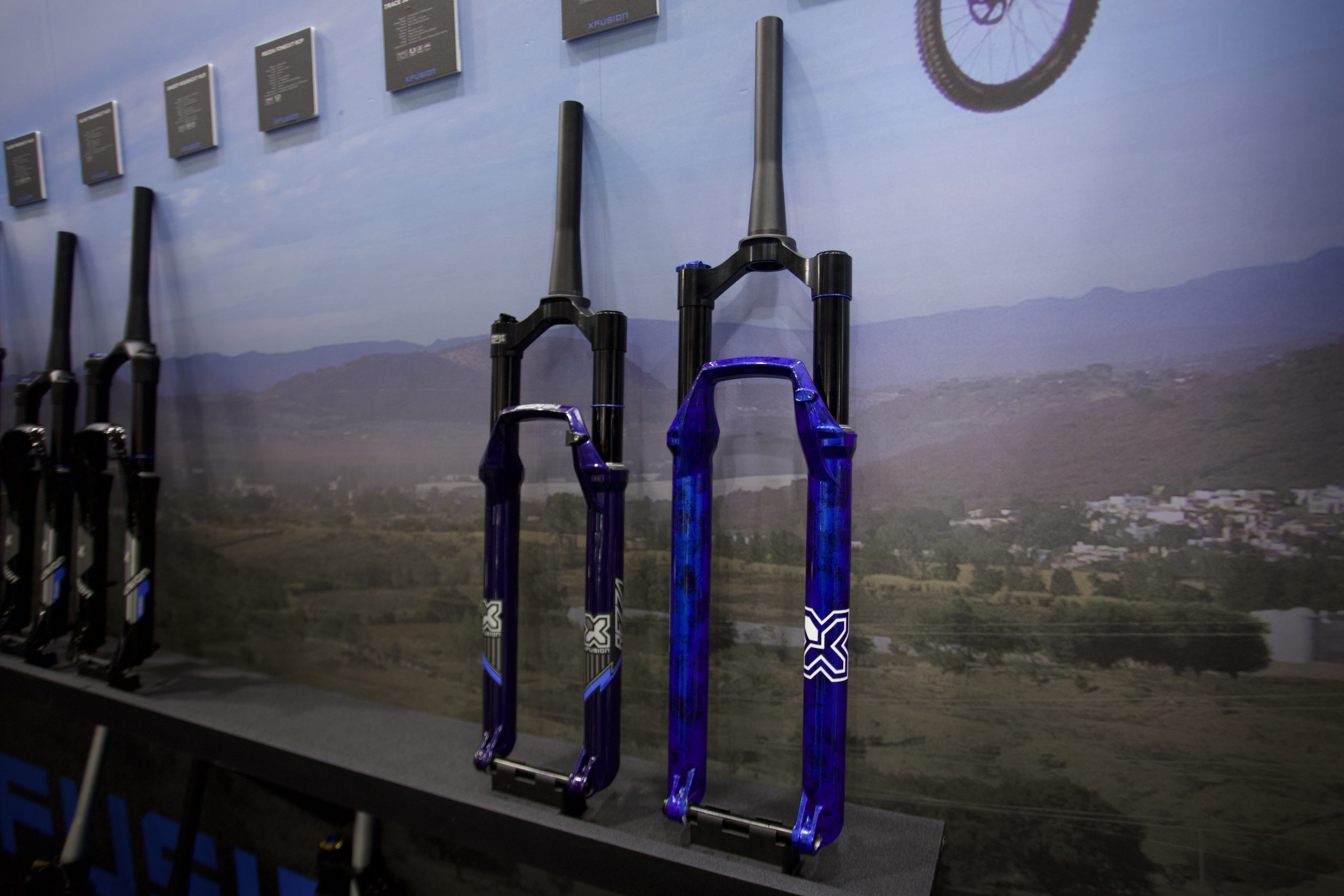
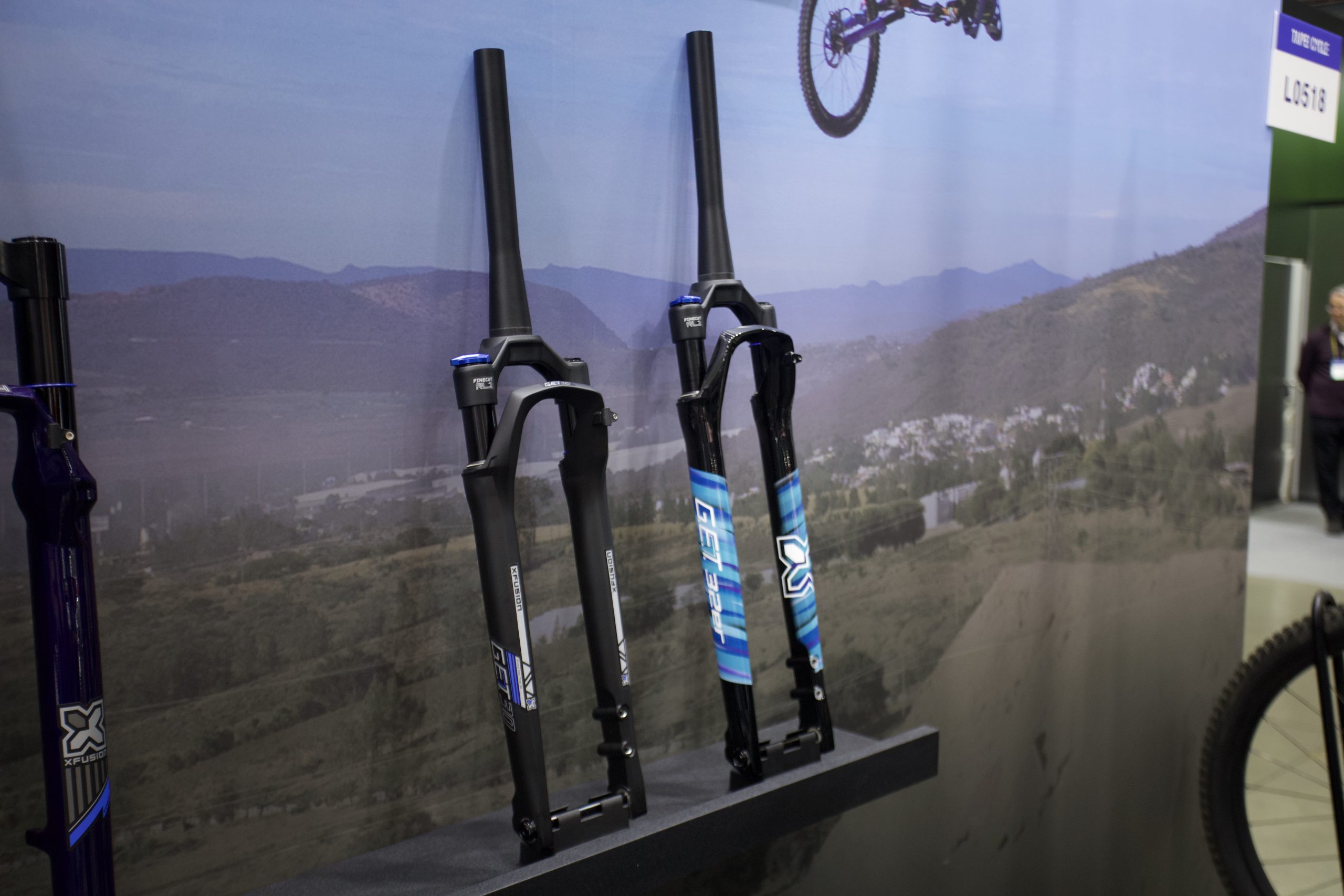
While many brands have new forks on display in Taipei, X-Fusion went behind the curtain and pulled out its unreleased Rezza 32er and G.E.T. 32er for us to see.

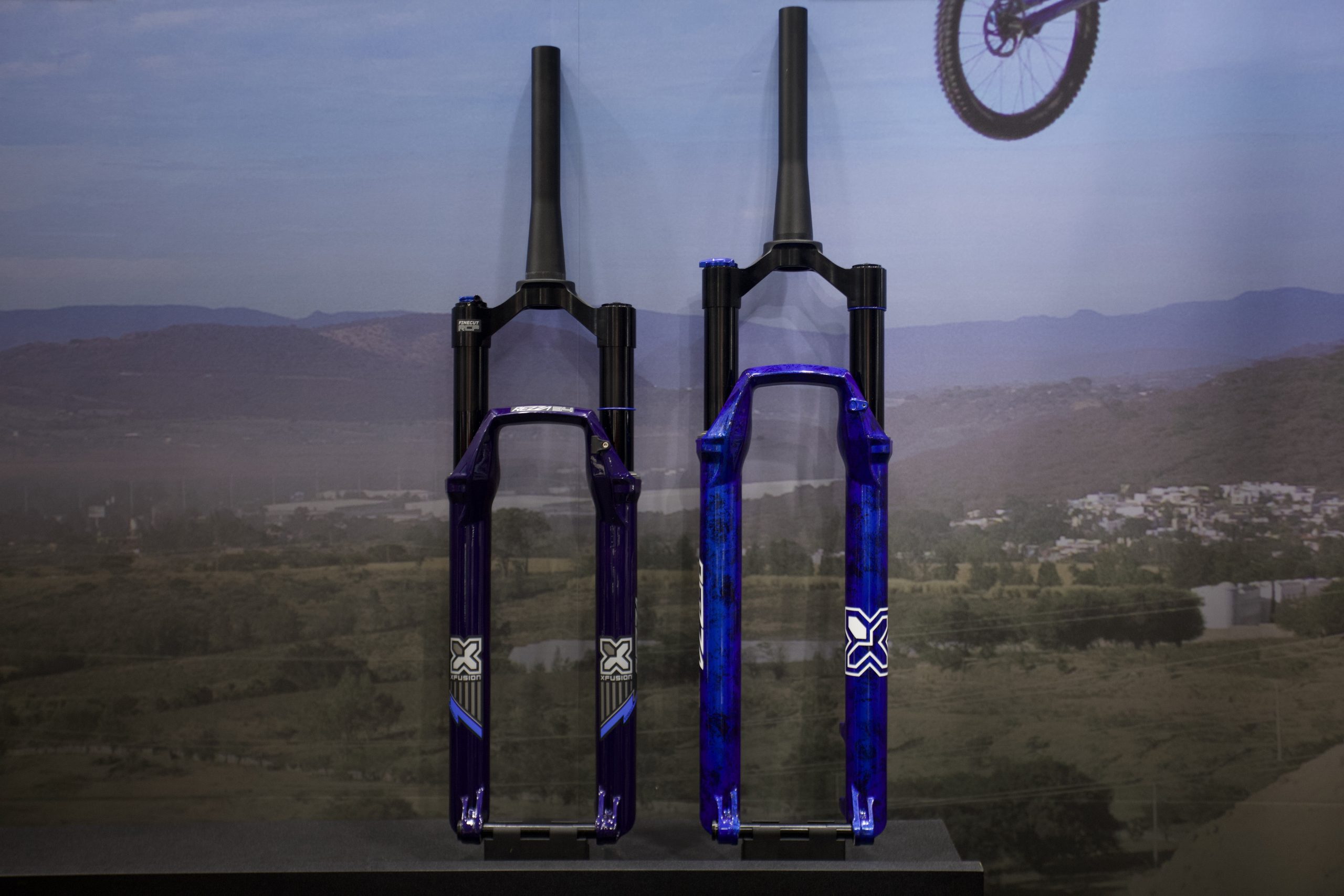
X-Fusion Rezza 32er 32in XC fork
We got a glimpse of the the X-Fusion Rezza 32er at the Taipei International Cycle Show. Nick Clark / Our Media

The Rezza 32er is an XC fork that is said to have up to 130mm of travel and, when viewed side-by-side, looks to dwarf the 29in version.

X-Fusion Rezza 32er 32in XC fork
The Rezza is aimed at cross-country racing. Nick Clark / Our Media

With its focus being cross-country racing, it could be a hint that we’ll see a further push towards longer-travel bikes in the future, increasing from 120mm to 130mm.

X-Fusion Rezza 32er 32in XC fork
The new fork employs 34mm stanchions. Nick Clark / Our Media

It uses 34mm stanchions, the same as the 29in fork, and it looks to share similar architecture.

It features compression adjust and a lockout on the crown, but we couldn’t squeeze any more information out of X-Fusion at the stand in Taipei.

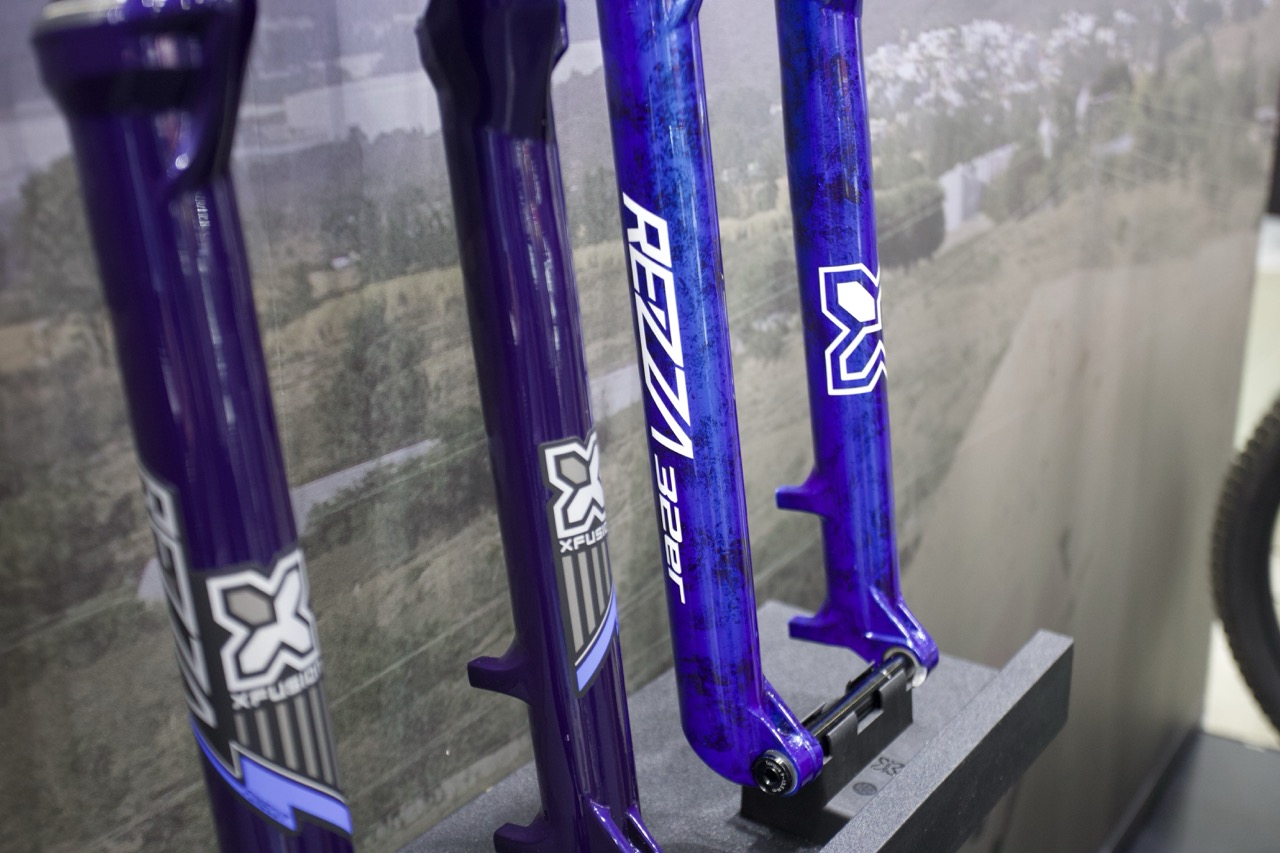
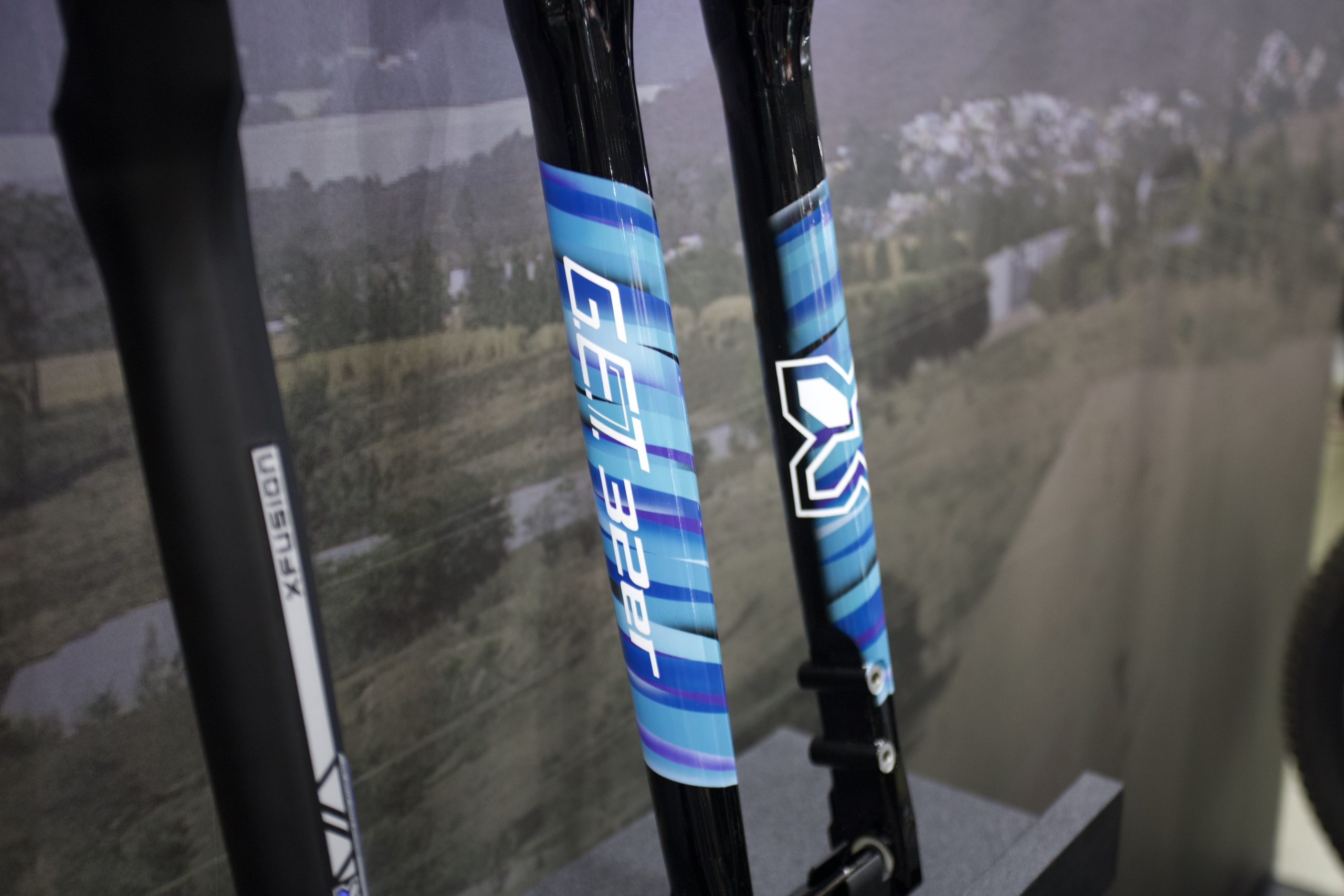
X-Fusion GET 32er 32in gravel fork
G.E.T. stands for Grand Epic Trail. Nick Clark / Our Media

The G.E.T. 32er is a gravel fork, and looks similarly large when compared to the 700c option.

Like the Rezza, it shares a similar architecture to the 29in fork, uses 30mm stanchions and has up to 50mm of travel.

X-Fusion GET 32er 32in gravel fork
Like the birth of 29in, these bad boys are called 32ers. Nick Clark / Our Media

It looks as though X-Fusion has hedged its bets on 32in wheels, but only time will see which direction the industry takes.

X is changing its revenue-sharing policy to deter users pretending to be Americans

X is updating its revenue-sharing incentives to give more weight to engagement from a user’s home region, Nikita Bier, the company’s Head of Product has announced. Bier said the change in policy was to “encourage content that resonates with people in [the user’s] country, in neighboring countries and people who speak [their] language.”

Bier continued that while X appreciates everyone’s opinion on US politics, the company is hoping the new policy can “disincentivize gaming the attention of US or Japanese accounts.” The US and Japan have the largest number of users on X. Bier didn’t mention it outright, but dozens of popular accounts tweeting pro-Trump sentiments and commentaries focusing on US politics in general were revealed to be based outside the US late last year, when X rolled out a transparency feature that exposed users’ locations. Those accounts, which pretended to be from the US and garnered millions of likes, views and reposts, turned out to be based in countries like India, Kenya and Nigeria.

“X will be a much richer community when there’s relevant posts for people in all parts of the world,” Bier said. When one user responded to his post that some countries barely have any users, making it hard to earn money from the website, Bier just suggested that they should write about their day-to-day experiences. “Of course, you’re welcome to continue chiming in on America politics. We just won’t send money overseas for that content,” he said. X’s new policy will start taking effect on Thursday, March 26.

We’ve love to hear your thoughts about living in Portugal. I’m sure you have plenty of great stories about your day to day experience there.

Of course, you’re welcome to continue chiming in on America politics. We just won’t send money overseas for that content.

— Nikita Bier (@nikitabier) March 25, 2026

This article originally appeared on Engadget at https://www.engadget.com/social-media/x-is-changing-its-revenue-sharing-policy-to-deter-users-pretending-to-be-americans-090701729.html?src=rss

How chemists turned bourbon waste into supercapacitors

Bourbon is a multi-billion-dollar market, but the American barrel-aged whiskey also produces a lot of wasted grain at distilleries. Chemists at the University of Kentucky developed a method to transform that stillage into electrodes and used those electrodes to build supercapacitors with energy storage capacity on par with existing commercial devices. They presented their work at a meeting of the American Chemical Society in  Atlanta, Georgia.

US distillers began making bourbon in the 18th century, particularly in Kentucky, but it really took off commercially, in terms of consumption and exports, after World War II. Legally, a whiskey can only be sold as bourbon if its mash is comprised of at least 51 percent corn, with any other cereal grain (usually rye and barley) making up the remainder.

The grain is ground up and mixed with water, and mash from a previous distillation is added to create a sour mash. The addition of yeast launches fermentation, after which the mash is distilled to a clear spirit called “white dog.” That spirit is poured into charred new oak barrels for aging of at least two years. It’s the caramelized sugars and vanillin in the charred wood that give bourbon its distinctive dark color and flavor. The barrels are never reused for bourbon, typically being recycled for making barrel-aged beer, wine, and even barbecue and hot sauces.

Read full article

Comments