The Supreme Court ruled unanimously on March 25 that Cox Communications is not liable for copyright infringement committed by its subscribers, reversing a 2024 appeals court decision that had upheld the ISP’s liability.
Sony Music Entertainment and other major labels sued Cox in 2018, arguing the company failed to terminate internet service for subscribers repeatedly flagged for pirating copyrighted music. A jury awarded $1 billion in statutory damages after finding Cox willfully infringed all 10,017 copyrighted works at issue, though this was overturned on appeal and a new trial was ordered.
Writing for the court, Justice Clarence Thomas said a provider is not liable “for merely providing a service to the general public with knowledge that it will be used by some to infringe copyrights.” A provider is liable only if it intended or actively encouraged the infringement, Thomas wrote. The decision applies the same framework the court used in 2005 when it found file-sharing service Grokster liable for promoting piracy.
Cox serves approximately six million subscribers and contractually prohibits them from using their connections to distribute copyrighted content. A firm enlisted by the labels to track piracy sent Cox 163,148 infringement notices over a roughly two-year period. Cox terminated just 32 subscribers for copyright infringement during that span.
This article originally appeared on Engadget at https://www.engadget.com/entertainment/streaming/supreme-court-rules-isps-arent-liable-for-subscribers-music-piracy-163412791.html?src=rss
We may earn a commission from links on this page. Deal pricing and availability subject to change after time of publication.
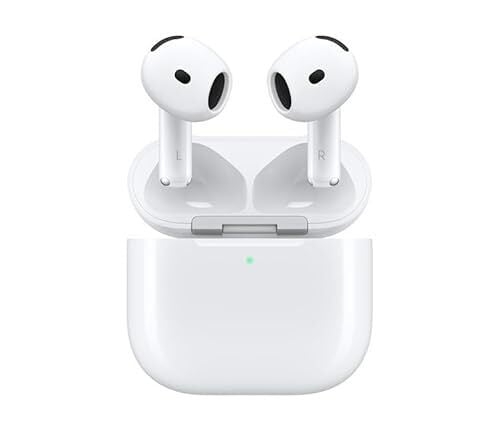
Apple’s AirPods Pro might be its most premium, expensive earbuds, but that doesn’t mean they’re hogging all the features. While they have the interchangeable ear tips, heart rate sensor, and the ability to be used as hearing aids, there are plenty of features you might assume to be “pro” that you can get on Apple’s standard earbuds. Case in point: noise cancellation. If all you need is a pair of earbuds that can block out the sound around you (without spending $249), consider the AirPods 4 with Active Noise Cancellation, which are currently on sale for Amazon’s Big Spring Sale.
AirPods 4 are “one size fits all,” and, as such, don’t ship with ear tips of different sizes. However, if you’ve found that Apple’s earbuds have fit your ears in the past, these should fit all the same. There’s a surprising amount of overlap in terms of features between the AirPods 4 and the AirPods Pro, too: They both support noise cancellation (though the Pros are up to four times better at it, according to Apple); Transparency Mode, which pumps in external sounds so you don’t have to take out your earbuds hear what’s going on; Conversation Awareness, which automatically lowers the volume when you’re speaking and raises it when you’re done; Live Translation, which translates conversations in real-time through your AirPods; and Personalized Spatial Audio, which can track your head movements to adjust the sound reproduction on the fly.
Apple says the AirPods 4 with Active Noise Cancellation have up to five hours of listening time on a single care, and up to 30 hours when you take the charging case into consideration. These are IP54 resistant to dust, sweat, and water, slightly lower than the Pro’s IP57 rating. Overall, if you want a pair of AirPods that can work well on an airplane without breaking the bank, the AirPods 4 with Active Noise Cancellation are a good bet. (Be careful if you need noise cancellation though, as Apple does sell a pair without the feature at a slightly lower price.)
The only caveat here is that these are not brand-new AirPods 4; rather, Amazon is selling “Renewed Premium” models. According to the company, “Renewed” products are “inspected, tested, and refurbished” by “Amazon-qualified suppliers.” In order to qualify as “Premium Renewed,” these products need to have no visible cosmetic damage when held 12 inches away. The battery needs to be at least 90% of its original capacity, and Amazon sells these products with generic or original accessories or packaging. When it comes to AirPods, my guess is that Amazon is taking open-box items (items that were opened but not used) and reselling them under this label—but there is a chance someone else used these AirPods before you bought them. While the company says all Premium Renewed products are professionally cleaned, I wouldn’t blame anyone for being a bit wary here. In that case, you can pick up a brand new pair for $148.99, which is 17% off the list price of $179.
Our Best Editor-Vetted Amazon Big Spring Sale Deals Right Now
Building off the release of ROCm 7.2 from January, ROCm 7.2.1 is now available with Ubuntu 24.04.4 LTS support as well as various bug fixes to this open-source AMD Radeon/Instinct GPU compute stack…
Netflix’s April lineup is packed with something for everyone. There are new installments of reality series Million Dollar Secret (April 15), Netflix’s answer to NBC’s The Traitors, and Temptation Island (April 10). Comedy series Running Point (April 23) also returns for a second season, with Kate Hudson starring as the president of her family’s pro basketball franchise.
Big Mistakes (April 9) is a new crime comedy series created by Dan Levy, who stars alongside Taylor Ortega as one of a pair of siblings who get blackmailed into participating in organized crime. And Kevin Hart has a new comedy competition series: Funny AF with Kevin Hart (April 20) incorporates real-time audience voting to find the next stand-up comedy star.
The new film Apex (April 24) is an action thriller starring Charlize Theron as a grieving woman in the Australian wilderness being hunted down by Taron Egerton. Finally, the April documentary slate is long: there’s This is a Gardening Show (April 22), narrated by Zach Galifianakis, and A Gorilla Story: Told by David Attenborough (April 17), as well as the musical docs Noah Kahan: Out of Body (April 13) and Lainey Wilson: Keepin’ Country Cool (April 22). Trust Me: The False Prophet (April 8) is a true crime series that looks at Warren Jeffs’s FLDS sect in Utah. Netflix is also dropping a handful of episodes of its Untold sports docuseries.
Here’s everything else coming to Netflix in April, and everything that’s leaving.
Low-quality, mass-produced AI songs have been flooding music streaming platforms like Spotify for a couple of years now. This is annoying, but relatively easy for fans to avoid. However, it leads to real problems for artists. There’s so much slop coming in that some gets falsely attributed to actual musicians on these platforms.
This messes with brand identity and audience retention, but Spotify is testing a new tool to help real artists exercise more control over their profiles. The platform’s Artist Profile Protection feature lets musicians review releases before they go live and become associated with their profiles.
Spotify
This should prevent AI slop from creeping in, as the actual artist will have final say when 100 new songs show up out of the blue that sort of sound like them but with all of that pesky soul removed. It’s in beta right now and if an artist denies a track, it won’t be associated with their profile, won’t contribute to stats and won’t show up in user recommendations. This looks to be a simple and potentially effective solution to an ongoing problem.
“Music has been landing on the wrong artist pages across streaming services, and the rise of easy-to-produce AI tracks has made the problem worse,” Spotify wrote in a blog post. “We know how frustrating this can be for both artists and fans alike.”
This comes just a week after Sony requested the removal of more than 135,000 AI-generated songs from Spotify after it was discovered the tracks were impersonating real artists. This even happens to bands that have opted out of Spotify entirely. King Gizzard & the Lizard Wizard left the platform last year, to protest CEO Daniel Ek’s investment in a weapons manufacturing company, but a deepfake artist quickly filled the vacuum.
Some of this isn’t malicious. It’s a numbers game for the “creators” of these tracks. Statistics vary, but it’s been estimated that around 50,000 AI-generated songs get uploaded to Spotify each and every day. The platform deleted 75 million of these tracks last year. With this many uploads, it’s easy for tracks to accidentally end up on the wrong artist’s profile. Bad actors looking to attach their slop to a known quantity compounds the issue.
In any event, it’s good that Spotify is doing something about this. We don’t know when the tool will exit the beta phase and become available for all artists on the platform. That day can’t come soon enough.
This article originally appeared on Engadget at https://www.engadget.com/ai/spotify-is-testing-a-tool-to-help-real-artists-deal-with-ai-slop-on-their-profiles-161013653.html?src=rss
Reddit CEO Steve Huffman has detailed the company’s latest plan to fight bots and it means that some accounts will need to “verify humanness,” though the company is stopping short of widespread identity verification. In an update, Huffman said that in “rare” cases accounts that seem “fishy” will be prompted for additional verification.
Such prompts “will not apply to most users,” according to Huffman, but will apply to accounts where Reddit detects signs of automated posting or bot-like behavior. If the account doesn’t pass the verification test, it may be “restricted” from the platform. For now, verification will take the form of on-device methods, including FaceID and passkeys. But the company is considering alternative methods, including World ID, the face-scanning orb company run by Sam Altman. “I think the internet needs verification solutions like this, where your account information, usage data, and identity never mix,” Huffman writes.
As part of the new policy, Reddit is also adding an “[APP]” label to existing “good” bots on the platform and making it easier for users to report suspected “bad” bots. The company is also grappling with a growing number of age verification laws. Reddit is “exploring” ways to “comply with these regulations without compromising user privacy,” Huffmans said.
The company is clearly trying to walk a careful line in how it approaches verification. Huffman notes that Reddit intends to “confirm humanness” rather than verify users’ actual identities, which would erode the anonymity that Reddit is known for. But the rise of agentic AI has meant that Reddit is contending with the same sorts of bot-driven spam that took down the short-lived reboot of Digg.
Of course, Reddit is also filled with AI-generated material that’s shared by actual humans but may be considered spammy by other users. The company has no plans to crack down on such content, at least for now, according to Huffman. “For better or worse, using AI to write is part of how people will communicate in the future (albeit annoying), so our current focus is to ensure there is a real, live human behind the accounts you’re seeing.”
This article originally appeared on Engadget at https://www.engadget.com/social-media/reddit-will-prompt-some-accounts-to-verify-humanness-in-latest-bot-crackdown-161000181.html?src=rss
Sony just revealed the upcoming Bravia 3 II mid-range LED TV. It’ll be available in sizes all the way up to 100 inches, for those in need of a home theater centerpiece. It’s considered a mid-range device, but is still outfitted with plenty of tech typically reserved for the company’s high-end displays.
First of all, these TVs ship with Sony’s XR processor. This grants access to the company’s proprietary Clear Image algorithm, auto HDR tone mapping and more. It’s nice to see these features expand beyond flagship products.
The 4K LED display supports Dolby Vision, Atmos and DTS:X, with refresh rates up to 120Hz. It also features four HDMI 2.1 ports, so you can hook up a Switch 2, a PS5 and an Xbox Series X all at the same time with a port to spare.
The software here is integrated with Google Gemini, allowing for all kinds of voice commands. Finally, the TVs ship with Sony’s new Inclusive Remote Control, which has been designed for accessibility.
The Bravia 3 II line will start showing up at retailers this spring. Prices start at $600 for a 43-inch model and go all the way up to $3,100 for that 100-inch monstrosity.
This article originally appeared on Engadget at https://www.engadget.com/home/home-theater/sonys-upcoming-bravia-3-ii-is-a-mid-range-led-tv-available-in-sizes-up-to-100-inches-160002697.html?src=rss
We may earn a commission from links on this page. Deal pricing and availability subject to change after time of publication.
Invariably, the best time to buy one of Amazon’s devices, from Blink video doorbells to Echo smart speakers, is during one of the mega-retailer’s semi-annual sale events, and the ongoing Big Spring Sale is no exception. That means, of course, that it’s a great time to be in the market for a Kindle e-reader. While these aren’t the lowest prices these devices are likely to hit in 2026, this is your best chance at scoring a decent discount without waiting for Prime Day this summer or Black Friday in the fall.
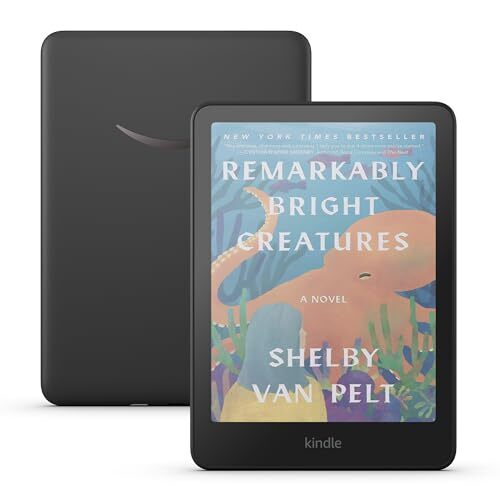
While most Kindles are seeing discounts of at least 15% (including the Kindle Paperwhite with ads and the Kindle Kids), this year Amazon is offering the biggest discounts on its more premium models. For an extra $25 over the cost of the standard Paperwhite, you can splurge on the Signature Edition and get double the storage, an auto-adjusting front light, and wireless charging—or spend an extra $10 and get the Kindle Colorsoft, the better to enjoy your comics, cookbooks, and other image-heavy texts.
Here are the best deals on Kindle devices during the Big Spring Sale.
Kindle Paperwhite Signature Edition
$159.99 at Amazon
$199.99 Save $40.00
$159.99 at Amazon
$199.99 Save $40.00
Kindle Colorsoft 16GB
$169.99 at Amazon
$249.99 Save $80.00
$169.99 at Amazon
$249.99 Save $80.00
Kindle Scribe 16GB (2024)
$249.99 at Amazon
$399.99 Save $150.00
$249.99 at Amazon
$399.99 Save $150.00
Amazon Kindle 16GB
$94.99 at Amazon
$109.99 Save $15.00
$94.99 at Amazon
$109.99 Save $15.00
Amazon Kindle Paperwhite (2024)
$134.99 at Amazon
$159.99 Save $25.00
$134.99 at Amazon
$159.99 Save $25.00
Kindle Kids 16GB Bundle
$109.99 at Amazon
$129.99 Save $20.00
$109.99 at Amazon
$129.99 Save $20.00
The 16GB entry level Kindle is 14% off
The entry-level, ad-supported Kindle is still a great e-reader, with a crisp 300 ppi screen and a front light so you can read anywhere. It’s $95 right now, down from the usual $110.
The Kindle Kids bundle is 15% off
If you’ve got little ones—or even if you don’t—the Kindle Kids bundle is a good option. It’s the same device as the entry-level Kindle, minus ads, and it comes with a cute cover and a promise from Amazon to replace it if it breaks. It’s $110 right now, down $20 from the usual price.
The Kindle Paperwhite is 16% off
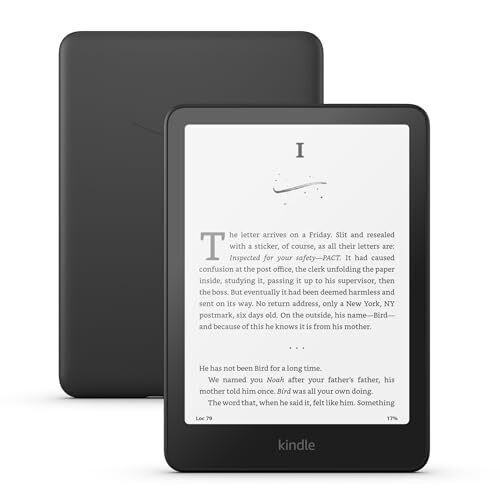
This ad-supported Kindle Paperwhite offers 16GB of storage, a temperature adjustable front light, and up to 12 weeks of battery life. It’s $135, down from the $160 you’d normally pay.
The Kindle Paperwhite Signature Edition is 20% off
Upgrade to the Paperwhite Signature Edition and you’ll get 32GB of storage, wireless charging, a sensor that can automatically adjust the lighting for you, and, oh yeah, no lock screen ads. You can choose from black, pink, or green for $160, down from the usual $200.
The Kindle Colorsoft is only $10 more
If you read a lot of comics or books with photos, or even if you just like seeing your covers in color, the Kindle Colorsoft has the best color e-ink screen you can buy. Right now, it’s only $10 more than the Signature Edition, offering 16GB of storage, temperature adjustable lighting, and no ads for $170.
The previous generation Kindle Scribe is $150 off
If you are looking for a serviceable digital notebook to take notes or write in your books, the Kindle Scribe is a decent pick, especially if you’re all-in on the Amazon ecosystem. Right now, the 2024 edition with the upgraded Premium Pen and 16GB of storage is $250, 38% off the usual $400 asking price.
Sony already has a robust collection of soundbars in its Bravia Theater lineup. Today, the company is adding two more, as well as new rear speakers and three new subwoofers. The Bar 7 will sit in Sony’s premium tier, alongside the existing (and larger) Bar 8 and Bar 9 models, while the Bar 5 will offer a more compact and more affordable solution just below the current Bar 6.
The Bravia Theater Bar 7 utilizes nine total drivers to produce Dolby Atmos, DTS:X and IMAX Enhanced sound. More specifically, that arrangement includes three woofers, two tweeters, two up-firing units and two side-firing drivers, in addition to four passive radiators. Compare that to the Bar 8 and Bar 9 which house 11 speakers and 13 speakers respectively. Sony says the Bar 7 has new two-way front speakers and the center, up-firing and side-firing drivers all have the company’s oval-shaped X-Balanced design. In terms of features, you get Sony’s 360 Spatial Sound Mapping and Sound Field Optimization for more immersive audio performance.
The Bar 7 will come bundled with Sony’s new Bravia Theater Sub 7 for $870, but you can also purchase it without the subwoofer (pricing TBA). For a more robust system, the Bar 7 can be paired with the company’s Bravia Theater Rear speakers.
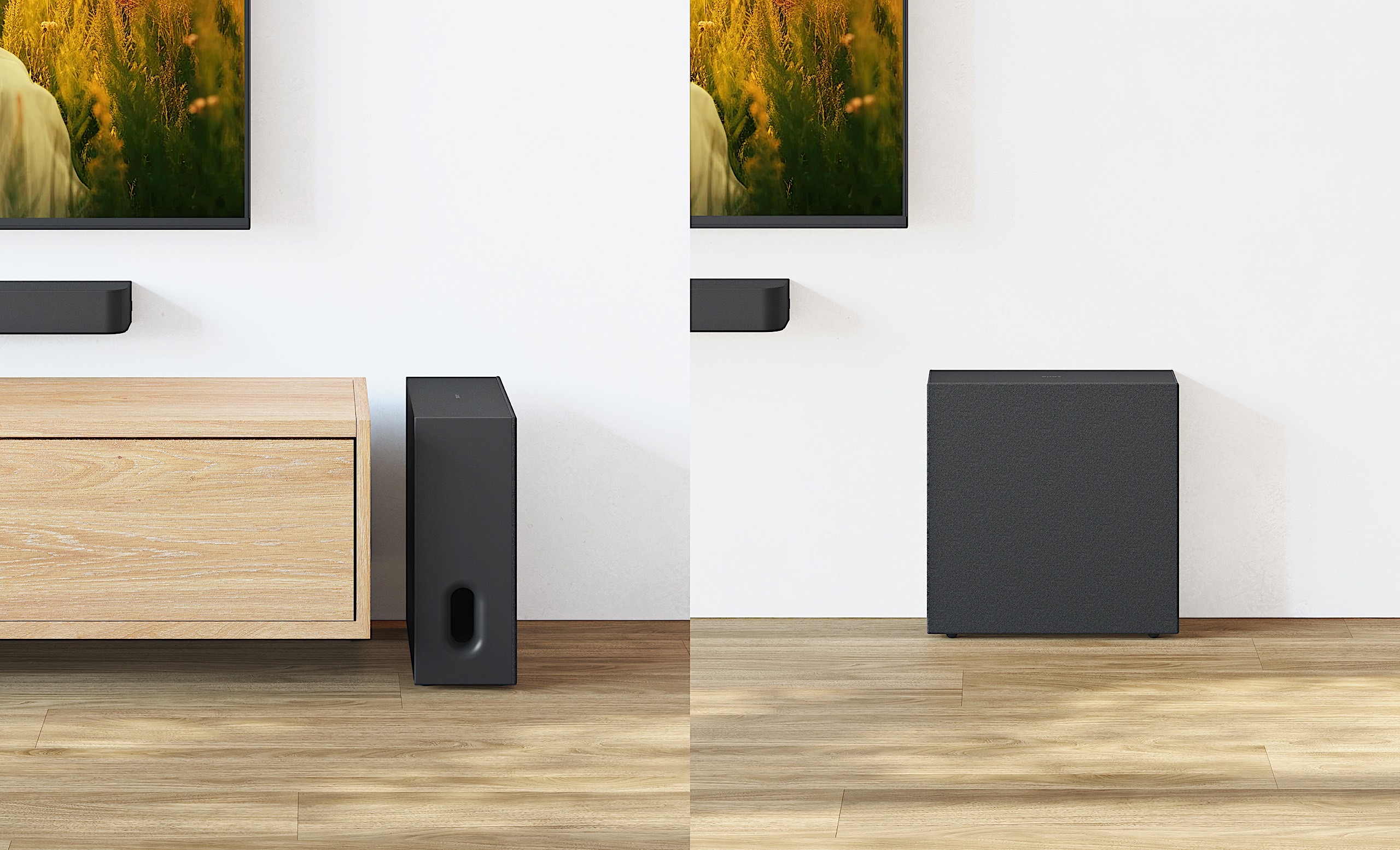
Sony Bravia Theater Sub 7
Sony
Speaking of subwoofers, Sony debuted three new models today. The aforementioned Sub 7 is the smallest, employing a 5.1-inch driver for the low-end tone. Move up to the new Sub 8 and you get a 7.9-inch driver for “enhanced atmosphere, clearer bass,” according to the company. The largest of the new options is the Sub 9 which has two opposing 7.9-inch drivers for “powerful, clean bass.” Unfortunately, these add-ons don’t come cheap: the Sub 7 is $330, the Sub 8 is $500 and the Sub 9 is $900.
Sony also touts dual subwoofer connectivity as part of the refreshed Bravia Theater lineup. All three of the new subs can be used as a pair, so long as you have a Theater Bar 7, Theater Bar 8 or Theater Bar 9. You can also use two subwoofers with some of Sony’s receivers (STR-AZ7000ES, STR-AZ5000ES, STR-AZ3000ES, STR-AZ1000ES and STR-AN1000). The company explains that opting for two subs provides “stronger, more balanced bass,” obviously, that fills the room for a more “cinematic effect.” Sony also says two subwoofers enable “richer, fuller bass” at lower volumes.
Rear speakers are something you’ll need if you truly want immersive audio, and the new Theater Rear 9 units are a big upgrade over the current Rear 8s. Most notably, you get an up-firing driver for enhanced overhead sounds along with two passive radiators, in addition to a tweeter and a woofer. The drivers all have aluminum diaphragms instead of paper, and the Rear 9s come with a swivel wall mounts that enable 60-degree movement. A pair of Theater Rear 9 speakers will set you back $750.
Sony Bravia Theater Bar 5
Sony
If all of that sounds too expensive for your living room, Sony has something more affordable in the midrange area. The Bravia Theater Bar 5 is just $350 and still offers Dolby Atmos and DTS:X audio. It doesn’t have up-firing drivers, it’s a 3.1-channel setup, so any overhead effects will be simulated. Still, that’s probably okay if you have a smaller space or live in an apartment as the upmixing tech (S-Force Pro Front Surround and Vertical Sound Engine) should provide ample immersion. The Bar 5 does come with a subwoofer though, and you can employ Sony’s Voice Zoom 3 feature for enhanced dialogue.
The Bravia Theater Bar 7, all three of the new subwoofers and the Rear 9 will be available for pre-order later this spring. The Bar 5 is up for pre-order starting today.
This article originally appeared on Engadget at https://www.engadget.com/audio/speakers/sony-adds-the-bravia-theater-bar-5-and-bar-7-to-its-soundbar-lineup-160000680.html?src=rss
An anonymous reader quotes a report from Vanity Fair: Focus Features is releasing The AI Doc: Or How I Became an Apocaloptimist in theaters on March 27. If you’re even slightly interested in what’s going on with AI, it’s required viewing: The film touches on all aspects of the technology, from how it’s currently being used to how it will be used in the near future, when we potentially reach the age of artificial general intelligence, or AGI. AGI is a theoretical form of AI that supposedly would be able to perform complex tasks without each step being prompted by a human user — the point at which machines become autonomous, like Skynet in the Terminator franchise. […]
[Director Daniel Roher] interviews nearly all the major players in the AI space: Sam Altman of OpenAI; the Amodei siblings of Anthropic; Demis Hassabis of DeepMind (Google’s AI arm); theorists and reporters covering the subject. Notably absent are Elon Musk and Mark Zuckerberg. “Have you seen that guy speak? He’s like a lizard man,” Roher says regarding Zuckerberg. “Musk said yes initially, but it was right when he was doing all the stuff with Trump, and we just got ghosted after a while,” adds [codirector Charlie Tyrell]. Altman, arguably AI’s greatest mascot, is prominently featured in the documentary. But Roher wasn’t buying it. “That guy doesn’t know what genuine means,” he says. “Every single thing he says and does is calculated. He is a machine. He’s like AI, and it’s in the service of growth, growth, growth. You can be disingenuous and media savvy.” […]
How, exactly, is Roher an apocaloptimist? “We are preaching a worldview,” he says, “in a world that’s asking you to either see this as the apocalypse or embrace it with this unbridled optimism.” He and his film are taking a stance that rests between those two poles. “It’s both at the same time. We have to try and embrace a middle ground so this technology doesn’t consume us, so we can stay in the driver’s seat,” says Roher — meaning, it’s up to all of us to chart the course. “You have to speak up,” says Tyrell. “Things like AI should disclose themselves. If your doctor’s office is using an AI bot, you have to say, I don’t like that.” The driving message behind the film is that resistance starts with the people. That position is shared by The AI Doc producer Daniel Kwan, who won an Oscar for directing Everything Everywhere All at Once and has been at the forefront of discussions about AI in the entertainment industry. […]
Roher and Tyrell both use AI in their everyday lives and openly admit to it being a helpful tool. They also agree that this technology can make daily tasks easier for the average consumer. But at the end of our conversation, we get into the economics of AI and how Wall Street is propping up the industry through huge evaluations of these companies — and Roher gets going yet again. “This is all smoke and mirrors. The entire economy of AI is being propped up by a Ponzi scheme. The hype of this technology is unlike any hype we’ve seen,” he says. “I feel like I could announce in a press release that Academy Award winner Daniel Roher is starting an AI film company, and I could sell it the next day for $20 million. It’s fucking crazy.” […] “These people are prospectors, and they are going up to the Yukon because it’s the gold rush.”
I’m continually amazed by how comparatively big and cheap today’s TVs have become versus the early days. Heck, I remember 55 inches being on the bigger side for a flat screen, and expensive to boot. My, how times have changed! The latest evidence of this can be seen in Best Buy’s deal of the day, a 70-inch smart TV for a penny shy of three
Google is dramatically shortening its deadline readiness for the arrival of Q Day, the point at which existing quantum computers can break public-key cryptography algorithms that secure decades’ worth of secrets belonging to militaries, banks, governments, and nearly every individual on earth.
In a post published on Wednesday, Google said it is giving itself until 2029 to prepare for this event. The post went on to warn that the rest of the world needs to follow suit by adopting PQC—short for post-quantum cryptography—algorithms to augment or replace elliptic curves and RSA, both of which will be broken.
The end is nigh
“As a pioneer in both quantum and PQC, it’s our responsibility to lead by example and share an ambitious timeline,” wrote Heather Adkins, Google’s VP of security engineering, and Sophie Schmieg, a senior cryptography engineer. “By doing this, we hope to provide the clarity and urgency needed to accelerate digital transitions not only for Google, but also across the industry.”
Scientists at the University of Kentucky have found a way to turn the soggy, grain-filled leftovers of bourbon production, a.k.a. stillage, into high-performance electrodes for supercapacitors, potentially turning Kentucky’s 95% share of the world’s bourbon market into a major player in the green energy grid.
We may earn a commission from links on this page. Deal pricing and availability subject to change after time of publication.
If you’re looking for an Apple Watch for extreme sports, or you just want the one with the biggest display and battery life, you should focus your sights on the Ultra. Apple packs as many features and perks into this watch as it can, and, as such, it’s the best option for people who need to push their wearables to the max. But those advantages come at a cost: The latest Apple Watch Ultra 3 costs $799, making it one of the most expensive watch options the company sells.
But you don’t need to spend as much on an Apple Watch Ultra as an iPhone 17 in order to get many of these perks. If you’re willing to move one generation early, and lose a few new features, you can save some serious money, especially during discounts and sales. As it happens, this “Premium Renewed” Apple Watch Ultra 2 is currently $399.49 on Amazon during its Big Spring Sale. That’s its cheapest price on the site in at least the past three months, according to Keepa.
The features list of the Apple Watch Ultra 2 are quite long. Off the bat, you get a 49mm display that can reach a whopping 3,000 nits of brightness. The heart rate monitor can look out for signs of hypertension, alert you when your heart rate is too high or too low, and let you know when you have an irregular heart rhythm. You can also use the Blood Oxygen app to monitor your SpO2 levels.
Like all Apple Watches, the Ultra 2 can track your sleep, including giving you a sleep score each night, but it can also let you know if you show signs of sleep apnea. It’ll track your vitals, body temperature, cycles (if applicable), and can connect to cellular if you pay for a plan. This watch comes with Apple’s S9 chip, the same as you’ll find in the Series 9 line, and supports Apple’s double-tap gesture, as well as Precision Finding, in case your watch goes missing.
But since this is the Ultra 2, there are some nontraditional features here, like water resistance up to 100 meters, and support for snorkeling, scubaing, and high-speed water sports. There’s a depth gauge up to 40m if you do any diving, and the watch even comes with a siren in case you need others to know where you are. This isn’t an exhaustive list of features, so check out the listing for the full rundown.
The caveat for this particular sale, however, is that this is a “Premium Renewed” product. According to Amazon, all “Renewed” products are fully functional, and come with original or generic accessories. To be “Premium,” the renewed product must not have any cosmetic damage visible from 12 inches away, no scratches on the screen, and a battery capacity 90% or higher. I wouldn’t be surprised if these Apple Watch Ultra 2 models were simply open box, rather than previously used, but before you invest, know that there is a chance someone else used this watch.
If you’re curious about the latest model, the Ultra 3, here’s what you get if you spring for the extra cost: a slightly larger, higher-quality OLED display with LTPO3 (versus LTPO2 on the Ultra 2); Emergency SOS via satellite; 5G connectivity (if you spring for the cellular plan); the S10 chip; battery life that lasts 42 hours, versus 36 hours on the Ultra 2; and 12 hours of use with 15 minutes of charging. Both the Ultra 2 and Ultra 3 support fast charging up to 80%, but the Ultra 3 can do it in 45 minutes, while the Ultra 2 takes about an hour. Those advantages might be worth the added cost, depending on your needs.
Our Best Editor-Vetted Amazon Big Spring Sale Deals Right Now
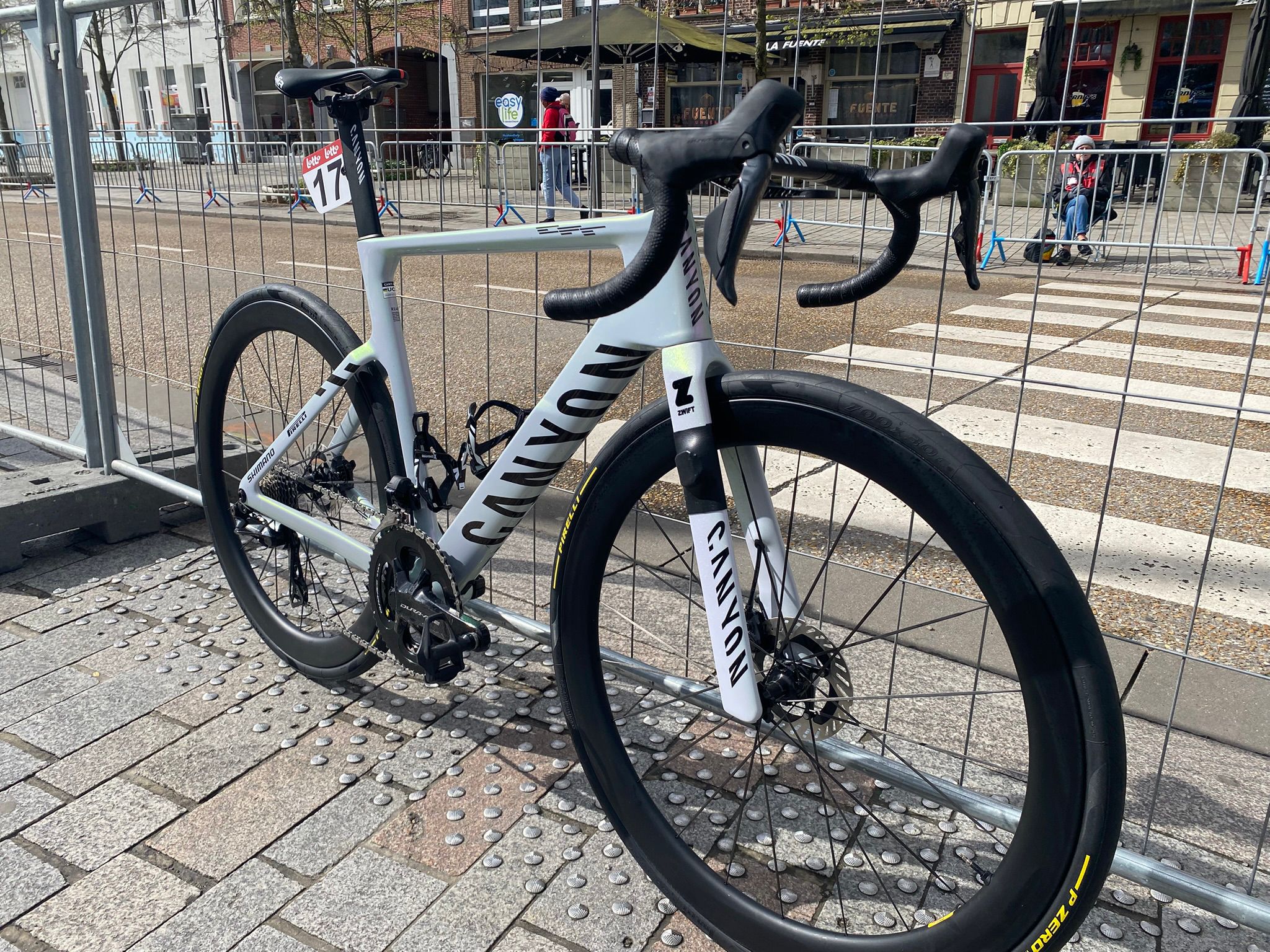
An unreleased, aero-optimised Canyon Endurace CFR has broken cover at the Tour of Bruges, in Belgium.
Spotted by Daniel Benson, the bike is being ridden by Alpecin-Premier Tech’s Florian Sénéchal and several of his teammates.
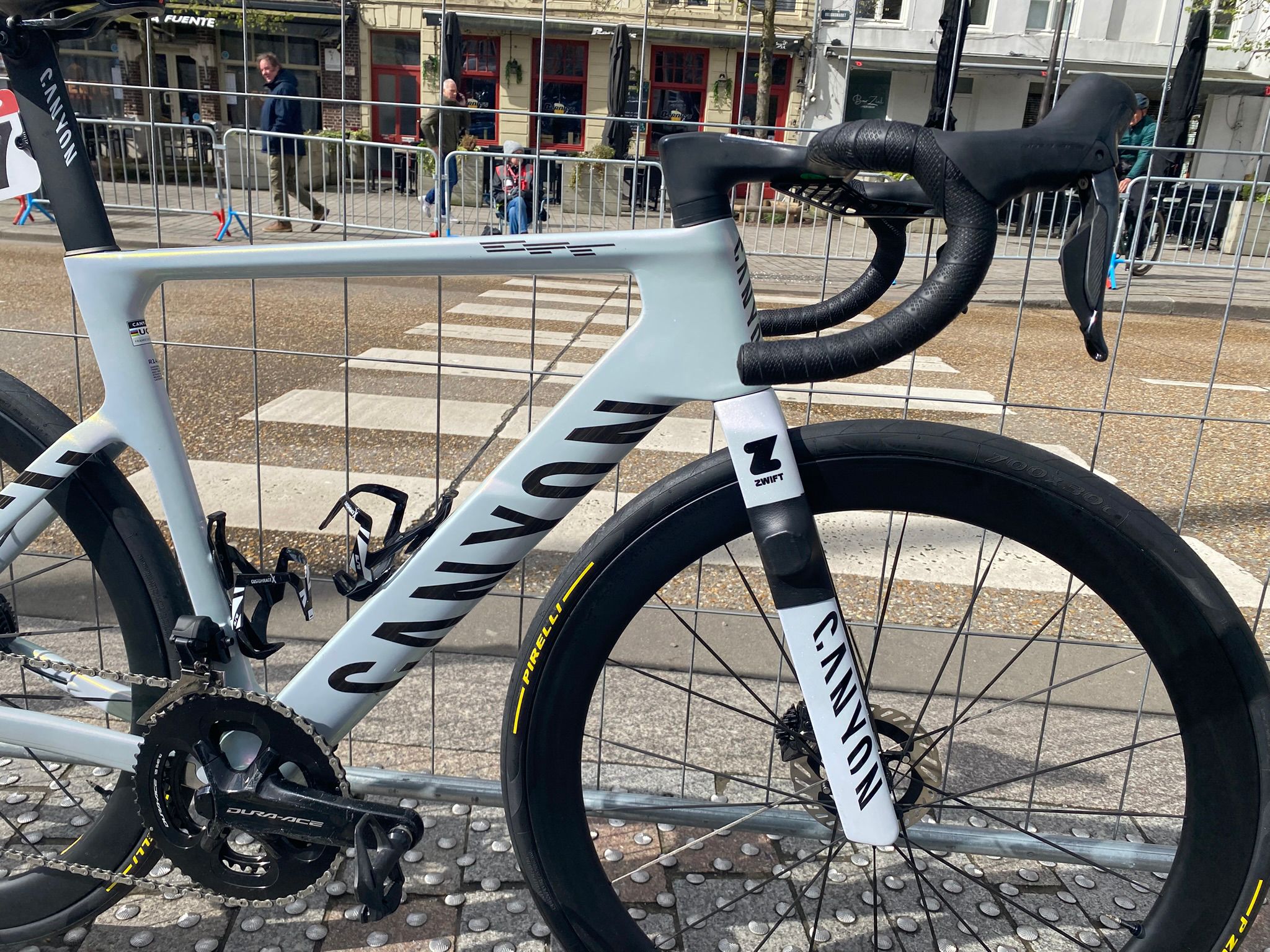
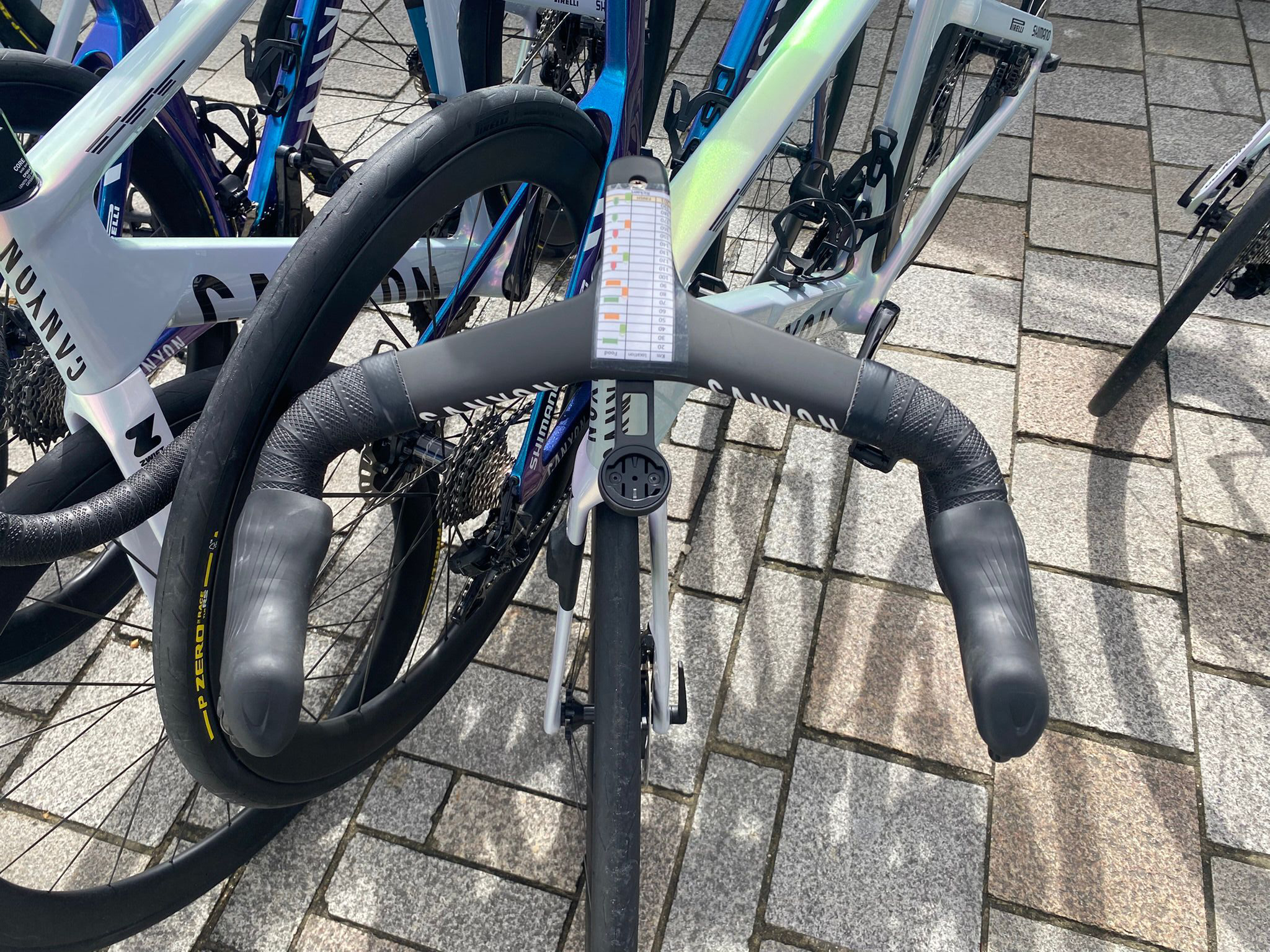
The new endurance bike appears to take heavy inspiration from the German brand’s aero road bike, the Aeroad CFR, with truncated aerofoil tubing, dropped seatstays and an integrated cockpit.
Compared to the existing Endurance CFR, this new bike is therefore far more race-optimised, with fewer obvious concessions to comfort.
According to Benson, team staff confirmed this is the bike that star rider Mathieu van der Poel will race at this year’s Paris-Roubaix.
Daniel Benson is a pro-cycling veteran, having covered 14 editions of the Tour de France as editor-in-chief of Cyclingnews and Velo, and now runs his own Substack newsletter.
The Endurace goes aero
Mathieu van der Poel will race this new bike at Paris-Roubaix, according to team staff at the Tour of Bruges. Daniel Benson
While Canyon has long had two road-racing bikes, the Ultimate and Aeroad, the Endurace has always been a more comfort-oriented platform.
That all looks set to change, however, because this bike appears to be effectively an Aeroad CFR with souped-up tyre clearance.
Although we’ve not seen any numbers yet, a short head tube and a pro-worthy amount of saddle-to-bar drop would indicate Canyon will also be making the geometry racy.
A short head tube suggests a racy geometry. Daniel Benson
Just like on the Aeroad, the new Endurace looks to be made from carbon fibre and gets a full suite of truncated aerofoil tubes.
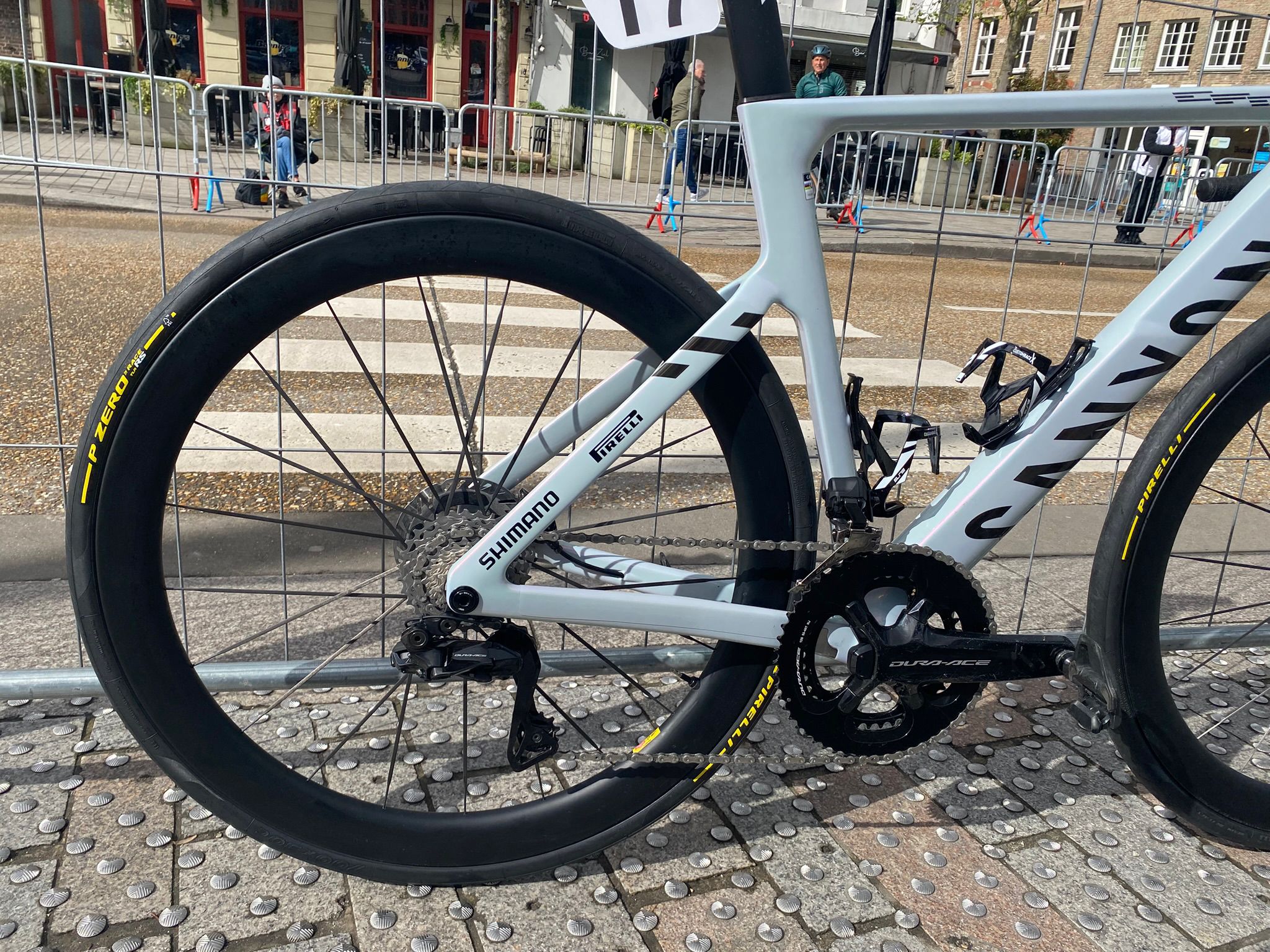
A deep-bladed fork sits up front, while the seatstays are heavily dropped below the seat tube and top tube junction. It also appears that the deep-section aero seatpost from the Aeroad has been ported over to this new bike.
The seat tube features a slim section below the seatstays, likely to improve comfort. Daniel Benson
One area where the new bike diverges from the current Aeroad is at the seat tube, with a cut-out area beneath the seatstays. On the Aeroad, this area of the bike hugs the rear wheel more closely, for improved aerodynamic performance.
We’d guess this change on the new Endurace is designed to improve rear-end comfort, because a thinner tube should flex more over rough roads.
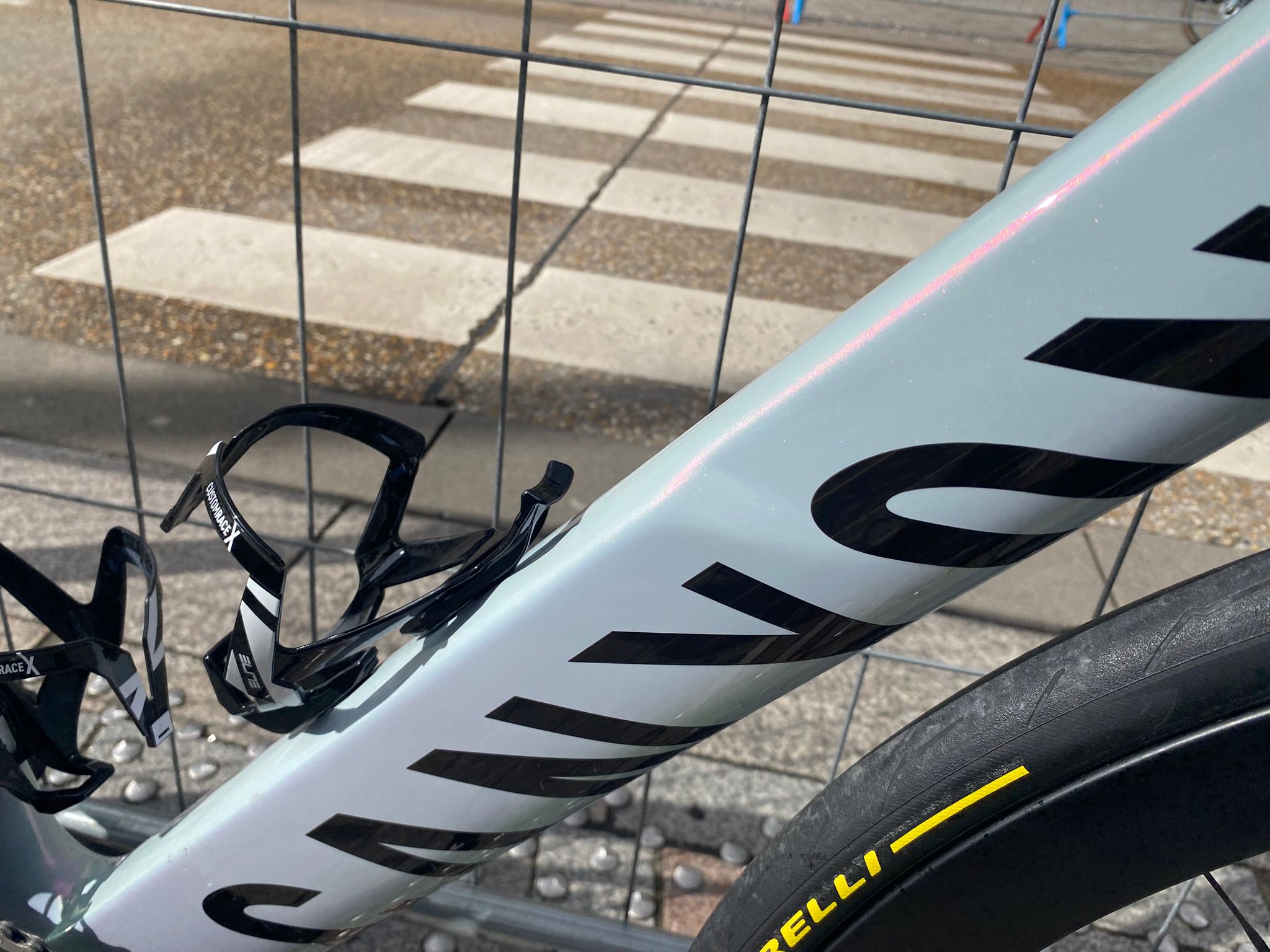
The down tube on this new bike also flares out to shield the water bottle cages from the wind.
The down tube flares out just above the bottle cages. Daniel Benson
The extra room around the bike’s 30c Pirelli P Zero TLR RS tyres (which are wrapped around the unreleased Dura-Ace R9300 wheels we spotted at Omloop het Nieuwsblad last month) also suggests tyre clearance has been upped compared to the Aeroad.
The current Endurace features 35mm of tyre clearance, compared to 32mm on the Aeroad, so it will be interesting to see if this new, racier bike lands in this regard.
Given we’ve seen a rash of new extra-large road bike tyres from major manufacturers such as Pirelli and Continental in recent years, this could be a sign that road-race bikes are finally catching up to this trend.
Pirelli, for example, offers the P Zero Race TLR RS in up to a size 35c, so we could now see van der Poel or his teammates running those at this year’s Roubaix.
A new cockpit
The new cockpit is notably different from existing Canyon options. Daniel Benson
One of the most striking features of this new bike is the integrated cockpit.
It looks to have the same stem design as the Aeroad CFR’s integrated cockpit, but sees the handlebar tops sweep forward dramatically, rather than straight out at a 90-degree angle.
The flattened tops look to be aero-profiled, for further drag reductions, but the bar ends are notably straight.
Canyon moved to offering two distinct drop shapes for its Aeroad CFR in 2024 – straight and flared.
If this new bar uses the same interchangeable drops, then perhaps flared drops will be an option here too.
With the ‘Hell of the North’ right around the corner, we expect to learn more about this new bike soon. Daniel Benson
As for why the bar sweeps forward, it could provide a little more compliance compared to more traditionally shaped handlebars, or it could simply be to increase knee clearance when putting out the kind of watts riders such as van der Poel and Jasper Philipsen do in a sprint.
Either way, given the 2026 Paris–Roubaix is a little less than two weeks away, we may not have to wait long to find out more about this new bike.
We may earn a commission from links on this page. Deal pricing and availability subject to change after time of publication.
Peloton equipment is discounted for Amazon’s Big Spring Sale, which means we’re seeing some of the lowest-ever prices for the new “Cross-Training” line of equipment. The regular Bike is $400 off, the Bike+ is $600 off, and the Tread is also $600 off.
The new Cross-Training line launched in the fall of 2025, so it’s still pretty new. We have a breakdown here showing where the Cross-Training equipment improves upon the older models, and where it’s the same. A few differences worth nothing:
The Cross-Training Bike has the same size of screen and the same main features as the original Bike, but adds a swivel mount to the screen, a more comfortable seat, and upgraded internals: better quality audio, a faster processor, and better wifi and Bluetooth connections. It’s normally $1,695 and is now $1,295.
The Cross-Training Bike+ has similarly upgraded internals compared to the regular Bike+. It adds a movement-tracking camera for AI-based form coaching in strength workouts, and can take voice commands. It also has a fan and a phone tray. (It has a swivel mount, too, but that’s not new for the Bike+.) It’s normally $2,695 and is now $2,095.
The Cross-Training Tread, like the Cross-Training Bike, adds a swivel mount and upgraded internals. It’s normally $3,295 and is now $2,695.
The older models are no longer available new, although they are available from Peloton as refurbished and rental models. There’s also a robust market for used Pelotons, although you’d have to pay a $95 activation fee to set up the used Bike you buy. All of the devices I’ve mentioned require a $49.99/month subscription. This gets you the streaming content, but also most of the software features of the device, such as syncing rides to your Peloton account.
Our Best Editor-Vetted Amazon Big Spring Sale Deals Right Now










![Apple Watch Ultra 2 [GPS + Cellular, 49mm] - Titanium Case With White Ocean Band, One Size (Renewed Premium)](https://www.prime-wow.com/wp-content/uploads/2026/03/hero-imagefillsize_autoxautov1774449867.jpg)