Get Resident Evil 7, Village, and Requiem for just $90

Get Resident Evil 7, Village, and Requiem for just $90
Nintendo has scheduled an Indie World Showcase livestream for tomorrow, March 3, at 9AM ET. The company says this event will include “roughly 15 minutes of news and updates on indie games coming to Nintendo Switch 2 and Nintendo Switch.” That’s not a whole lot of time, but indie trailers tend to be on the shorter side.
We really don’t know anything about what Nintendo and its partners could reveal tomorrow. It’s entirely possible we’ll see something big, like the previously announced Sea of Sorrow DLC for Silksong. More than likely, however, we’ll get trailers and updates regarding a spate of unexpected indie games.
The previous Indie World Showcase took place in August and it gave us trailers and announcements for stuff like the excellent Ball x Pit and the upcoming Mina the Hollower. To that last one, Yacht Club Games said it would be launching the title for consoles this spring so we could get a release date announcement tomorrow.
Scott Pilgrim EX will be available for download tomorrow, so a launch trailer is almost certain. This is a new side-scrolling fighter with four-player co-op and music by Anamanaguchi. My personal white whale is Witchbrook, the long-gestating life-sim set in a magical school. It’s being published by Chucklefish, the company that originally published Stardew Valley.
There’s some stuff we absolutely shouldn’t expect. This is an Indie World Showcase, and not a Nintendo Direct. There will likely be no appearances by Mario or Zelda, unless a character pops up in an indie game as DLC or something. The stream is also unlikely to spotlight Pokémon Pokopia, despite the life-sim launching on March 5.
This article originally appeared on Engadget at https://www.engadget.com/gaming/nintendo/nintendo-just-announced-an-indie-world-showcase-for-tomorrow-at-9am-et-164706666.html?src=rss
Paramount Skydance plans to combine Paramount+ and HBO Max into a single streaming service following the completion of its merger with Warner Bros. Discovery. CEO David Ellison confirmed the plan on an investor call Monday, saying the combined platform would serve over 200 million subscribers and position the company to compete with the biggest players in the streaming space.
“We think the combined offering, and given the amount of content and what we can do from the tech side, really will put us in a position to be able to compete with the most scaled players in DTC,” Ellison said. It’s not yet clear whether the app’s two libraries will be fully integrated, or whether one will exist as a standalone service within the other. Ellison signaled that the HBO brand will “operate with independence” during the call.
Also unclear is what the newly combined app would cost subscribers. The last year has seen nearly across-the-board increases in the cost of streaming services, including HBO Max.
The planned merger would unite Paramount’s CBS, MTV, Comedy Central and BET with Warner’s CNN, HBO, TNT and Food Network, along with franchises including Game of Thrones, Mission: Impossible, the DC Universe and SpongeBob SquarePants under one roof. The combined entity is expected to carry roughly $79 billion in net debt, according to Reuters, and could be considered the largest leveraged buyout in history. The deal is expected to close in the back half of 2026, pending regulatory approval.
This article originally appeared on Engadget at https://www.engadget.com/entertainment/streaming/paramount-and-hbo-max-could-be-merging-into-a-single-streaming-service-163439653.html?src=rss

Pokémon Pokopia has surpassed Pokémon Y to become the most highly recommended Pokémon game ever, according to the aggregator
The 281st installment of the 9to5Linux Weekly Roundup is here for the week ending March 1st, 2026, keeping you updated on the most important developments in the Linux world.
Android users are now able to share their live, real-time location in Google Messages, so you can easily see where your friends and family members are and are moving to over a period of time. This makes it easier to coordinate meeting up or share your whereabouts for safety reasons.
Real-time location sharing was previously available in Find Hub but is now being integrated directly into Messages. Until this change, location sharing in Messages was limited to a static Google Maps link. Similar functionality exists in other messaging apps like WhatsApp and Messages on iPhone.
When using real-time location sharing, Google allows you to set a custom duration (up to 24 hours), or you can choose to share for an hour, until the end of the current day, or indefinitely until you manually stop sharing. Note that while your messages are encrypted end-to-end and visible only to the users in your conversations, this feature is powered by Maps, which processes your location.
If you don’t see the update yet, it’s likely coming soon, as Google has published a support article detailing the feature.
To share your location in Google Messages, you need to be signed into your Google Account—you’ll be prompted to do so if you aren’t already. Open a conversation in Google Messages and tap Attachment > Real-time location. (The first time you share, you’ll need to tap I accept to confirm the updates to Location Sharing settings.) Choose the duration and tap Send.
If you want to share your location with someone who has already shared theirs with you, select the message with the contact’s location, tap Share next to your name, set the duration, and hit Send. You can stop real-time location sharing by selecting the message with your location and tapping Stop > Stop sharing next to your name.
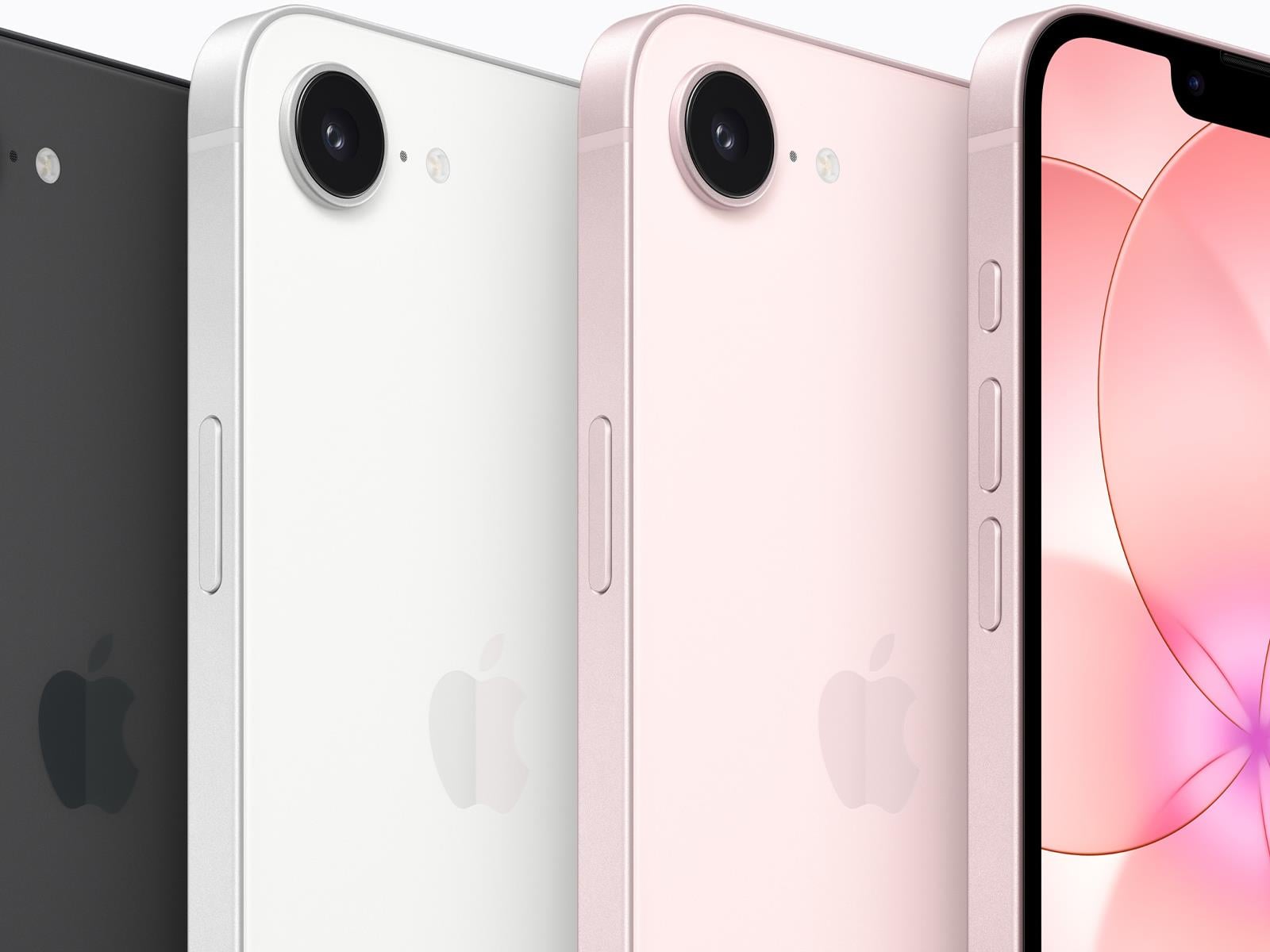
Apple’s most affordable iPhone just got an upgrade, but how does the new iPhone 17e compare to the iPhone 16e? Well, thankfully the price remains the same at $599, which is good news in our current economic climate. An immediate difference you might notice is that one of them now comes in a third color: pink. That’s at least one win for me because I am all for putting more color into tech.
There are a few differences under the hood as well, namely that the iPhone 17e is arriving with the A19 chip and double the storage. We’ve already seen what’s possible with an A19 chip in the standard iPhone 17 — it’s not a super exciting upgrade, but it is a boost nonetheless.
Pre-orders start at 9:15AM ET on March 4, and while we work on a full review, let’s take a deeper dive into what has changed on this year’s model and what that might mean in the real world.
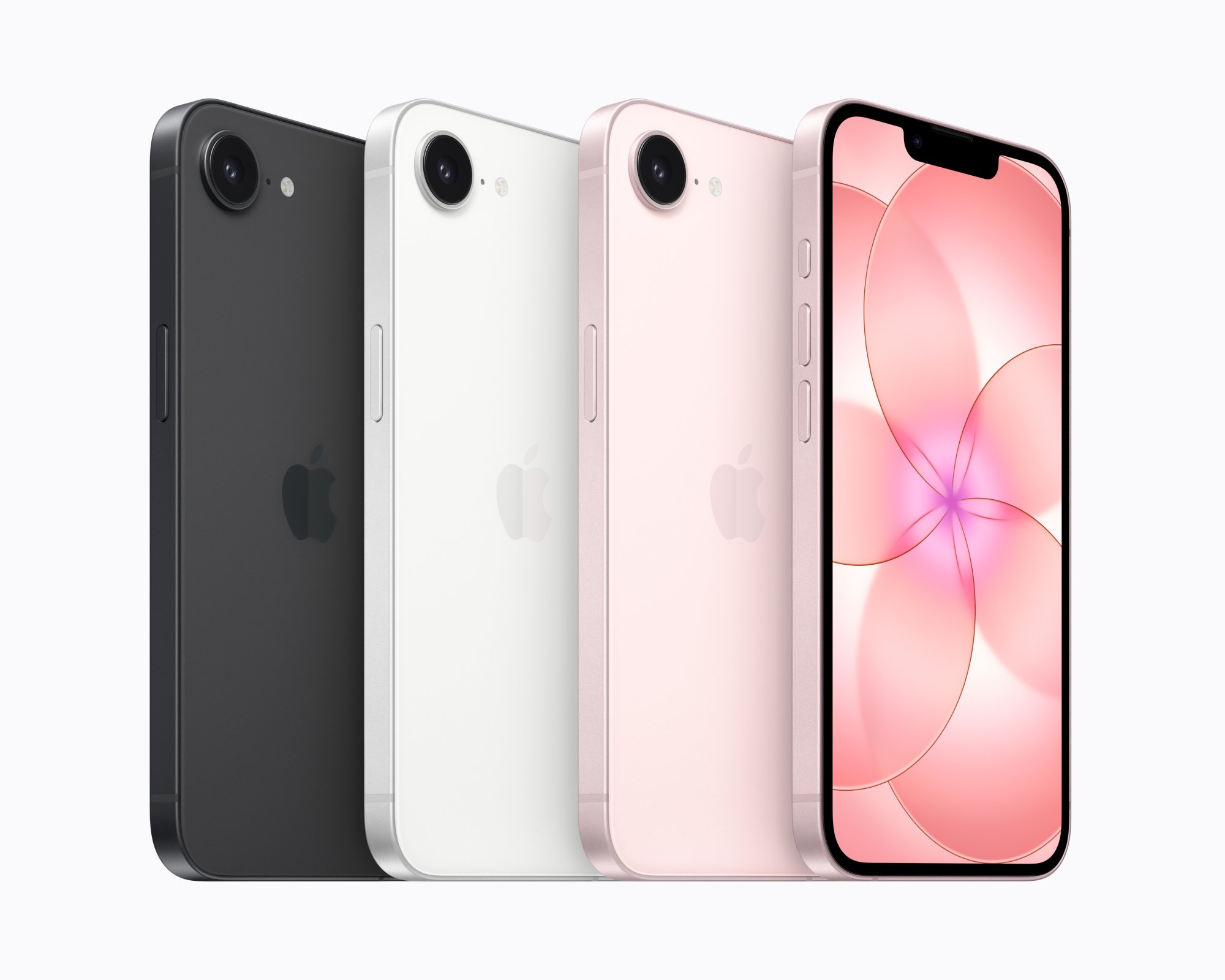
Of course, the biggest difference in the design for the iPhone 17e is the shiny new pink color. I’ve long complained about how many major tech companies stick to the safety of black, white or gray colorways. Thankfully, the iPhone 17e’s pink hue is a departure from that approach. It’s also an understated shade that’s elegant, compared to the typically brighter and louder tones reserved for cheap(er) phones.
Both the iPhone 17e and iPhone 16e measure 5.78 x 2.82 x 0.31 inches. However, the iPhone 17e did get a bit heavier at 5.96 ounces compared to the iPhone 16e’s 5.88 ounces. It’s very unlikely you’ll notice the 0.08 ounce difference, though. (And if you do, you have a gift.)
In terms of durability, the iPhone 17e is outfitted with Ceramic Shield 2, which is a glass face that Apple said is three times more scratch-resistant than the iPhone 16e’s original Ceramic Shield. Ideally, it’ll survive falls to the ground (within reason) and spare you a scratched up display from casual wear and tear.
There doesn’t seem to be any change in the display — whether that be in its brightness or color rendering capability — but that isn’t too shocking. Both the iPhone 17e and iPhone 16e feature a 6.1-inch Super Retina XDR OLED panel with a 1,200-nit peak brightness. That’s bright enough to combat the ambient glare from the sun, so you should be able to read it outside relatively easily. They’re also specced out with a 2,532 x 1,170 resolution at 460 ppi — meaning text and lines will be clean and sharp.
I didn’t expect a huge bump in camera technology, especially if Apple intended to keep the price the same. We’ve got upgrades in other categories for sure, but it would’ve been nice to see an extra camera on the back. Like the iPhone 16e, the iPhone 17e is kitted out with Apple’s 48-megapixel Fusion 2-in-1 camera with a 12MP 2x Telephoto setting. You also get digital zoom up to 10x. Take a look at our iPhone 16e review to see exactly what that looks like in practice, but to sum up our experience: it’s solid.
There’s a great level of detail and vibrancy, but like I said, it’s limited. Without a potential ultrawide camera, you cannot capture as much of your surroundings because you’re not getting that 0.5x zoom option.
One major upgrade, however, is that the iPhone 17e is now capable of recognizing dogs and cats in Portrait mode. It also saves depth information so you can turn regularly captured photos into portraits after the fact. This might be a noteworthy upgrade, considering the iPhone 16e struggled in Portrait mode, incapable of capturing non-human faces and objects.
There’s also the 12MP TrueDepth camera on the front, which we didn’t have many complaints about, and don’t expect to disappoint on the iPhone 17e.
Apart from the color, the biggest differences between the iPhone 17e and iPhone 16e is their starting storage and overall performance. The new iPhone is packed with an A19 chip, while the latter comes with an A18 chip.
Yes, you’re getting a performance bump with the A19 chip, but casual users are unlikely to feel the difference. If you’re a power user trying to get the most out of an affordable iPhone and want to get crunchy about it, there’s roughly a 5 percent difference in CPU speed and over 10 percent in GPU performance (according to CPU Monkey).
Despite that bump, the battery life hasn’t changed. With both devices, Apple says you’re getting up to 26 hours of video playback and up to 21 hours streamed. The company doesn’t typically share specifics on battery sizes, but GSMArena is reporting that both models come with a 4,005mAh battery. What has changed, however, is being able to receive double the wattage from wireless charging. The iPhone 17e can now take up to 15W for Qi2 fast wireless charging — compared to 7.5W from the Qi support on the iPhone 16e.
At a glance, there does not seem to be any difference in what the iPhone 16e and iPhone 17e offer in terms of iOS and Apple Intelligence capability. However, it’s relevant to note that you will likely get better performance out of the iPhone 17e with regards to AI features because of its superior A19 chip.
In case you wanted to do the numbers comparison yourself, we’ve compiled a nifty table here so you can eyeball them with ease. But for a sense of how the iPhone 17e holds up in the real world and whether it’s worth the money, stay tuned for our full review.
|
Spec |
iPhone 17e |
iPhone 16e |
|
Price |
$599 |
$599 |
|
Processor |
A19 chip |
A18 chip |
|
Display |
Super Retina XDR, 6.1‑inch, 2,532 x 1,170, OLED display at 460 ppi |
Super Retina XDR, 6.1‑inch, 2,532 x 1,170, OLED display at 460 ppi |
|
RAM |
8GB |
8GB |
|
Storage |
256GB, 512GB |
128GB, 256GB, 512GB |
|
Wireless charging |
Up to 15W |
Up to 7.5W |
|
Rear camera |
2-in-1 camera — 48MP Fusion main, 12MP 2x Telephoto, digital zoom up to 10x |
2-in-1 camera — 48MP Fusion main, 12MP 2x Telephoto, digital zoom up to 10x |
|
Front camera |
12MP selfie cam |
12MP selfie cam |
|
SIM |
Dual SIM (two active eSIMs) |
Dual SIM (two active eSIMs) |
|
Connectivity |
Wi-Fi 6E, Bluetooth v5.3, NFC |
Wi-Fi 6E, Bluetooth v5.3, NFC |
|
OS |
Launched with iOS 26 |
Launched with iOS 18 |
This article originally appeared on Engadget at https://www.engadget.com/mobile/iphone-17e-vs-iphone-16e-whats-new-on-apples-latest-599-handset-162009364.html?src=rss

There’s more than a t-Virus infection on his hand in Requiem
We may earn a commission from links on this page.
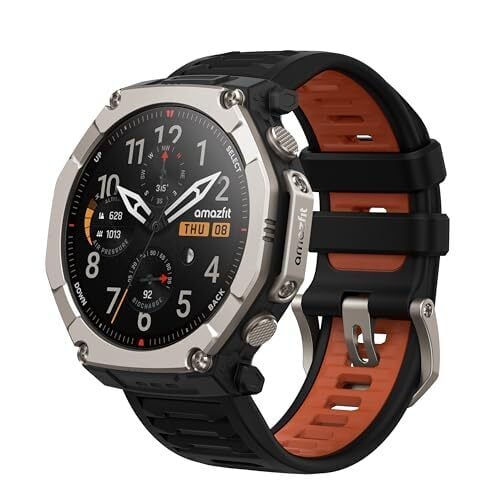
Amazfit’s T‑Rex Ultra 2 has landed—a bigger, brighter, tougher, and significantly more expensive outdoors watch. At $549, this is Amazfit’s priciest smartwatch ever, a rugged multi-sport device clearly targeting adventure‑watch heavyweights. While my full in‑depth review is still underway (testing has been a challenge, due to some blizzard conditions), several features have already stood out in a big way.
So far, the headline for this watch is its battery life. Amazfit claims of up to 30 days of smartwatch use—a roughly 25% jump over the previous model—and up to 50 hours of GPS tracking. So far, battery drain has been impressively slow, even during my cold‑weather workouts (where lithium cells typically suffer).
If you spend long stretches off the grid, or simply hate bringing a charger everywhere, this single upgrade alone may justify the Ultra 2’s substantial size and price hike.
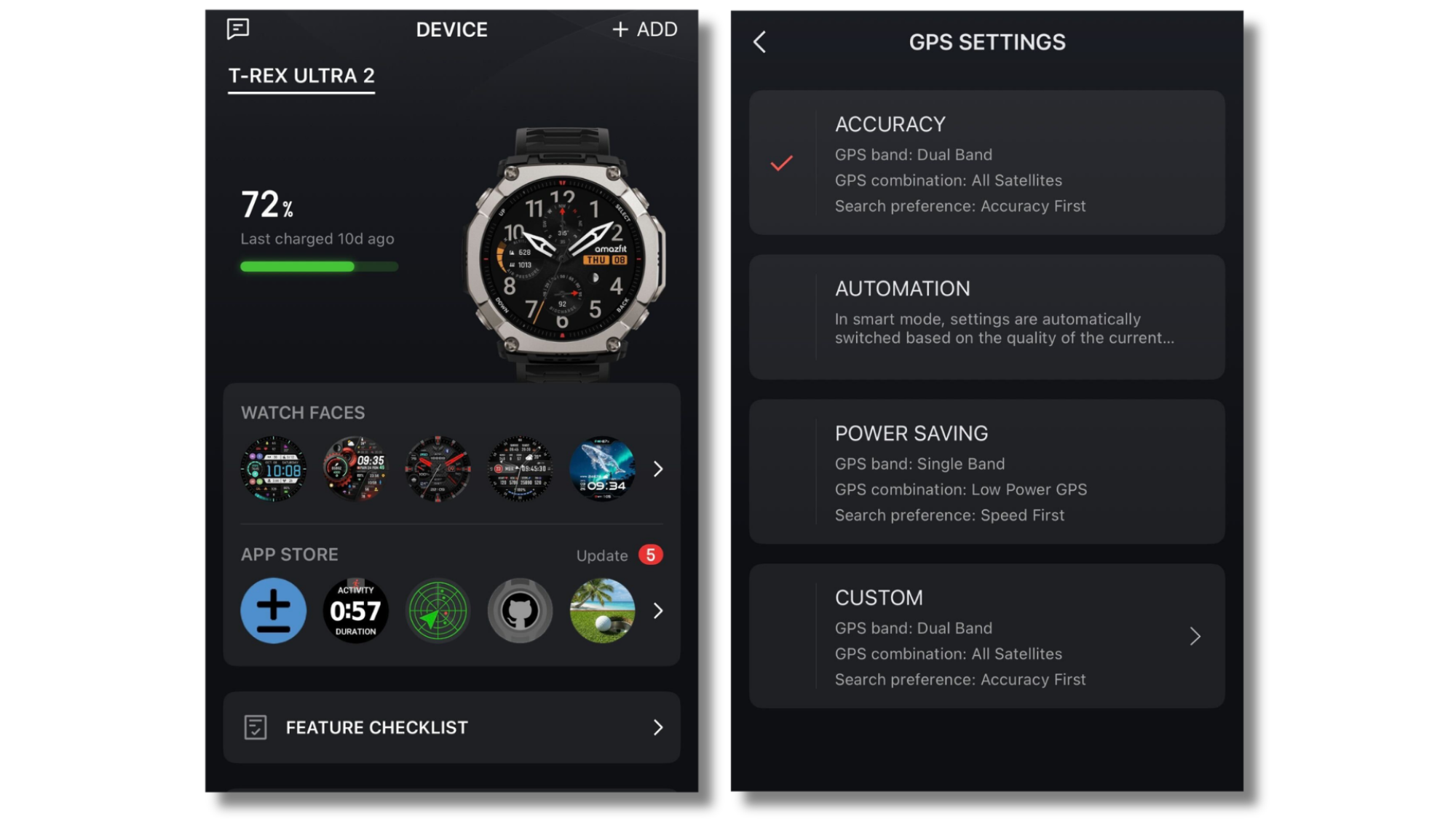
The most anticipated day‑to‑day improvement is the new preloaded offline maps and generally more robust mapping experience. For the first time in the T‑Rex lineup, you can load full‑color global maps straight from the Zepp app, then use them on your wrist without a phone or cell service needed.
Here are the biggest highlights I’ve seen myself—and other online reviewers have confirmed:
Map data is great at distinguishing trails vs. roads.
Offline route planning now supports up to 100 km.
GPS accuracy is consistently strong with six‑system satellite support.
Faster rerouting and improved elevation profiles.
POI (point of interest) search is fantastic, showing all sorts of water, shelter, trailheads, and emergency points nearby.
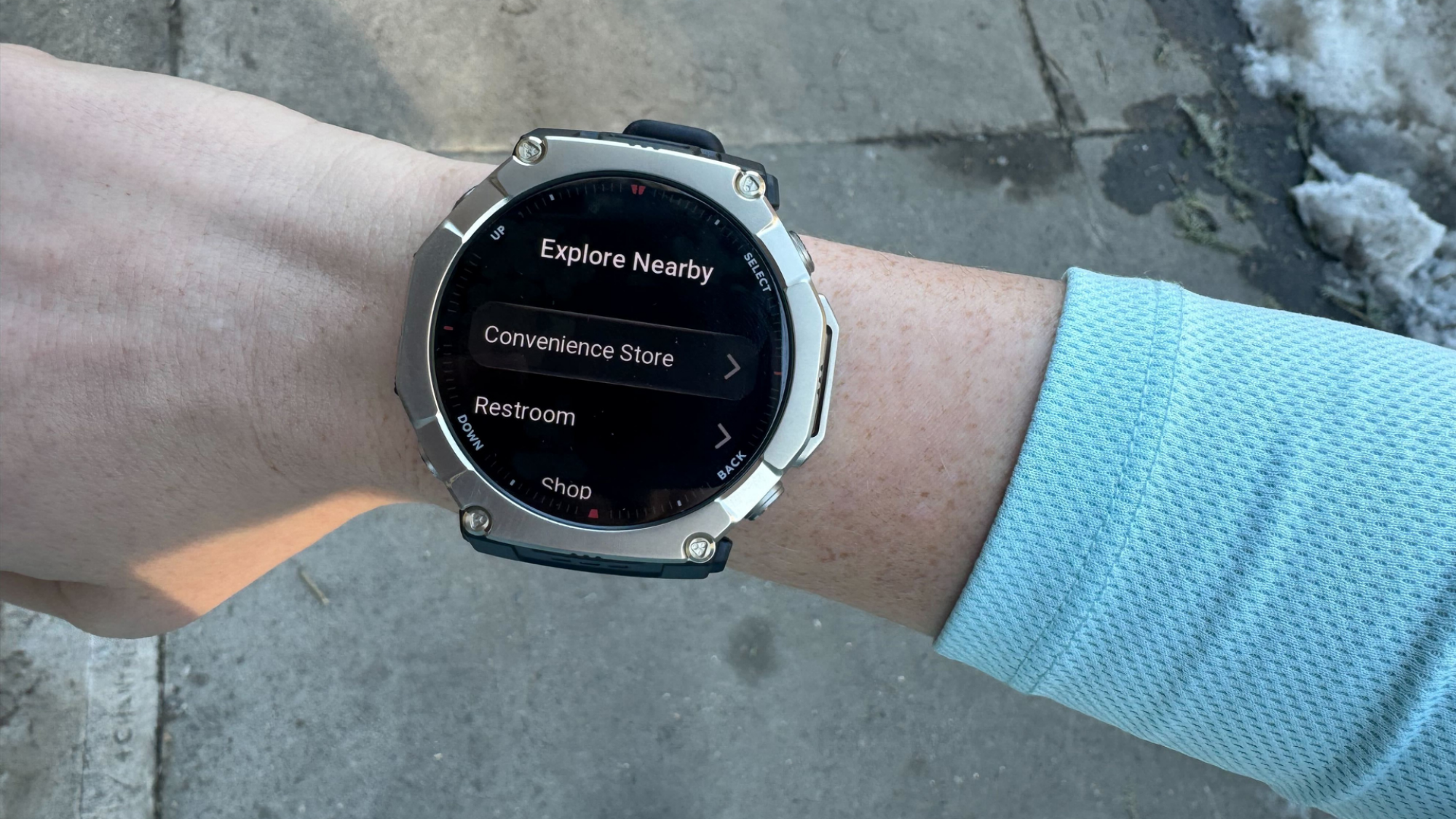
In practice, this has already proven helpful. When heavy snow blocked my usual running route, I hopped into live navigation, zoomed around the map, and found the nearest patch of green space. It felt intuitive and fun. During a standard city run, it was a neat reminder that navigation isn’t exclusively a rugged survival feature.
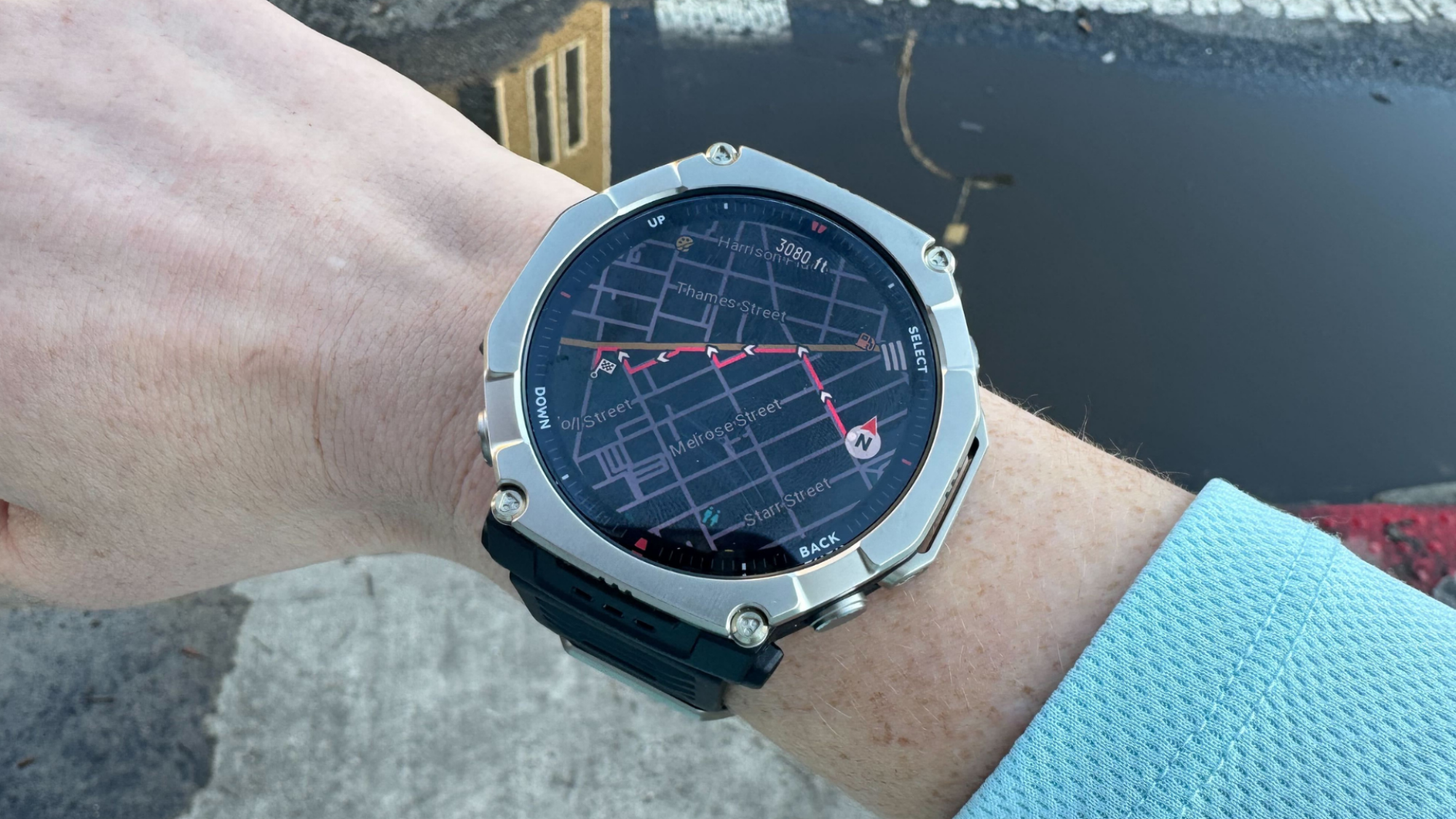
A note: Route creation in the Zepp app could still be smoother. You can’t drag‑adjust between points, meaning you want to place your route carefully. But the on-watch implementation is strong, and things like Explore Nearby work well once you’re in open space (which my NYC apartment is decidedly not).
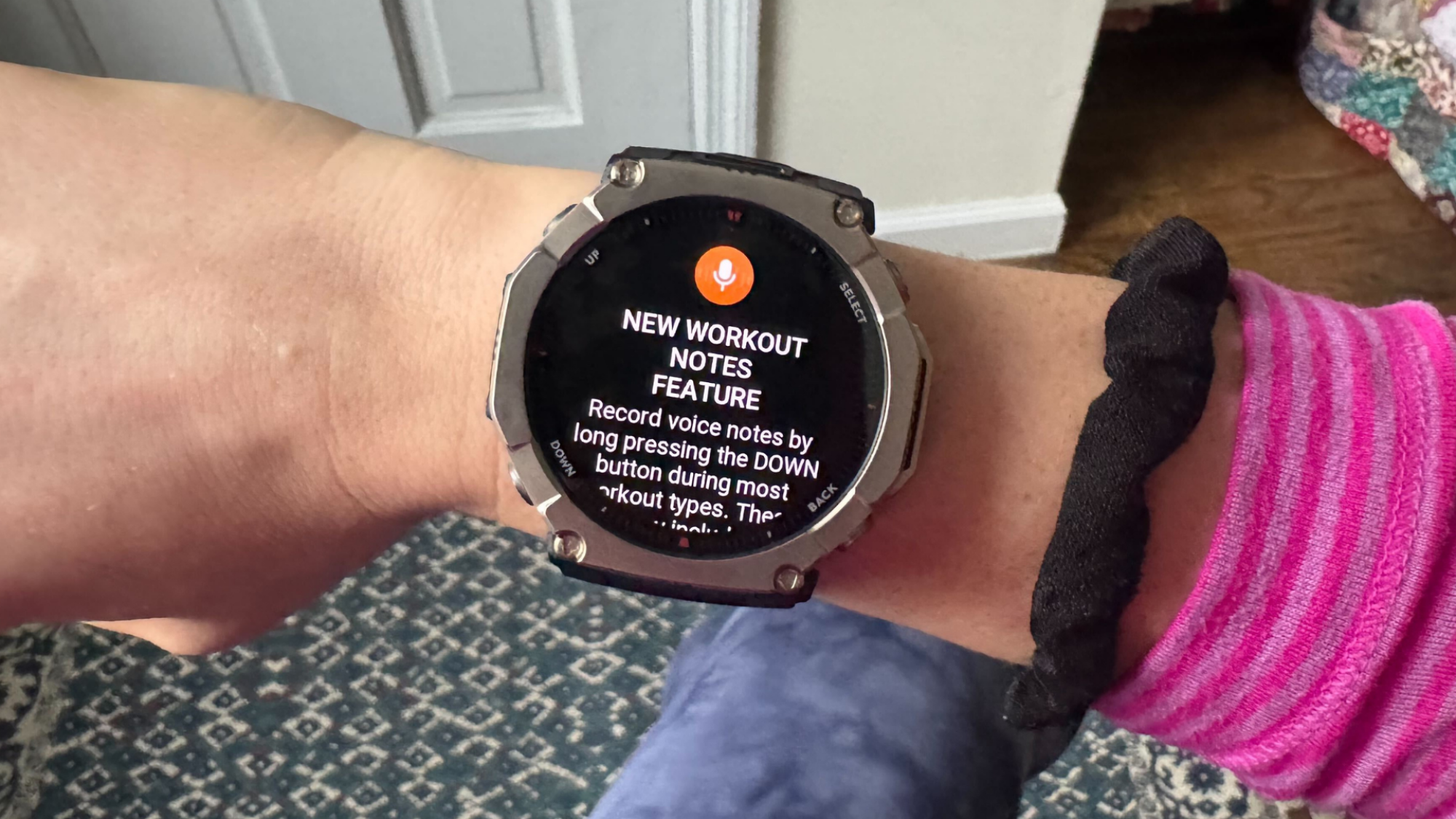
Press and hold the bottom-left button during a workout and you can record a quick voice memo, automatically geotagged. Did a training thought bubble up you don’t want to lose? Is there a trail detail you want to remember? “Don’t run that icy corner again?” It’s a major improvement to be able to record as you go, and a seriously delightful addition that immediately became part of my routine.
For strength workouts, too, this provides a far more intuitive way to track things like reps and weights, all without breaking your flow. Once synced to the Zepp App, your notes are timestamped, transcribed, and saved with playback, making it easy to review exactly what you recorded and when.
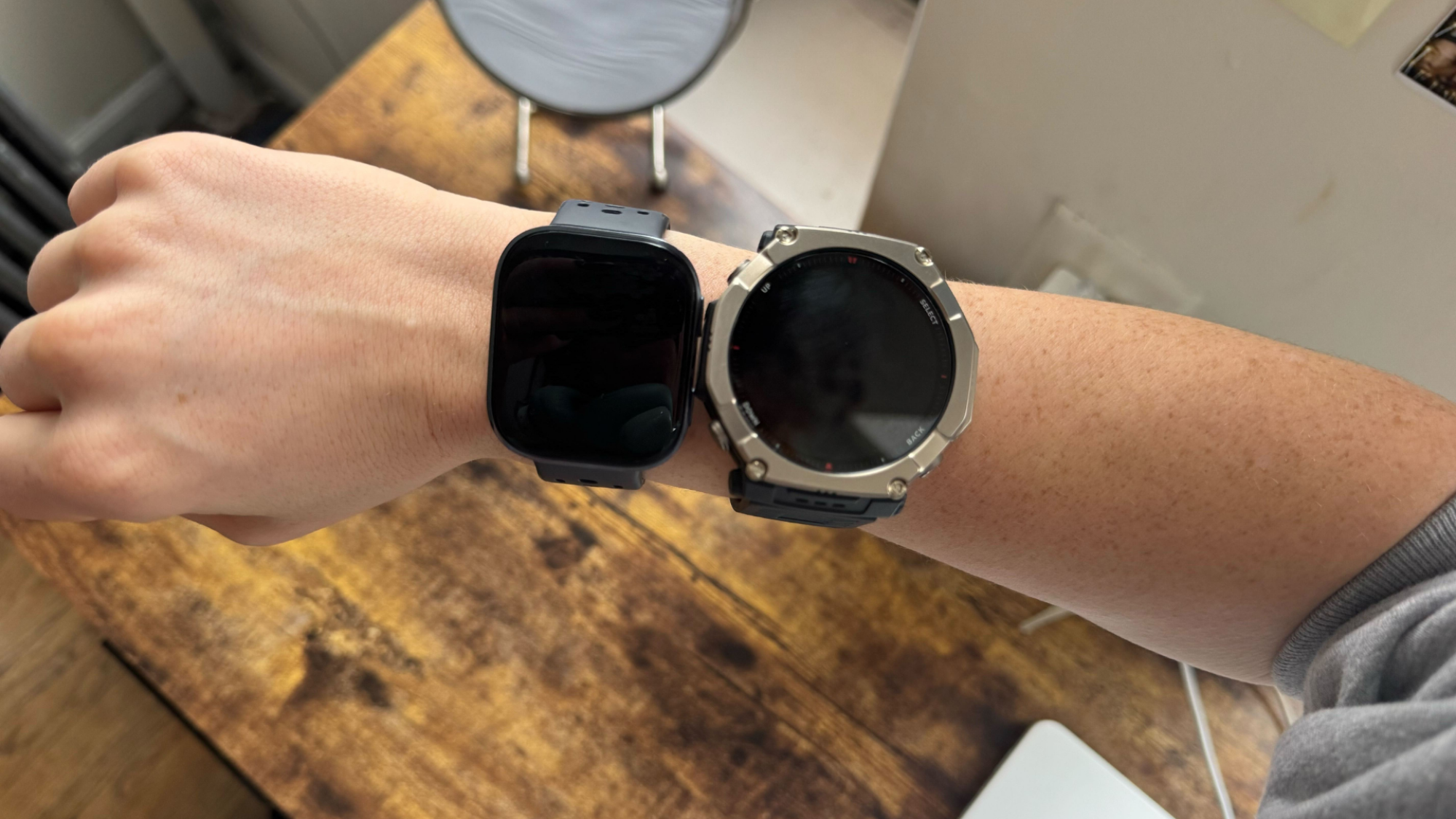
Amazfit clearly wants the Ultra 2 to compete with the toughest adventure watches on the market. The hardware reflects that ambition:
1.5-inch AMOLED touchscreen
Scratch-resistant sapphire crystal
Grade 5 titanium bezel and case back
10 ATM water resistance
Dual diving certification
64 GB storage for maps, music, and activity data
The new 3,000‑nit display is a monster—allegedly triple the brightness of the original Ultra. It’s crisp, extremely visible in full sunlight (or sun-reflecting-off-snow, as I’ve learned recently).
Amazfit swapped last year’s red LED for a greener secondary option. The flashlight now sits at the 12:00 position, and the controls are intuitive:
• Press and hold the Up button to turn it on.
• Tap the onscreen icon to toggle.
• Press Up or Down five times to switch brightness or activate green mode.
It’s a small thing, but it reinforces the idea of this being an outdoors-first watch. I’ve yet to test this during night runs, camping, or emergency situations, but I can say that it works fine in a dark city apartment!
Amazfit packed more than 180 sports modes into the Ultra 2—including extremely niche ones like spearfishing, free diving, parkour, and snorkeling.
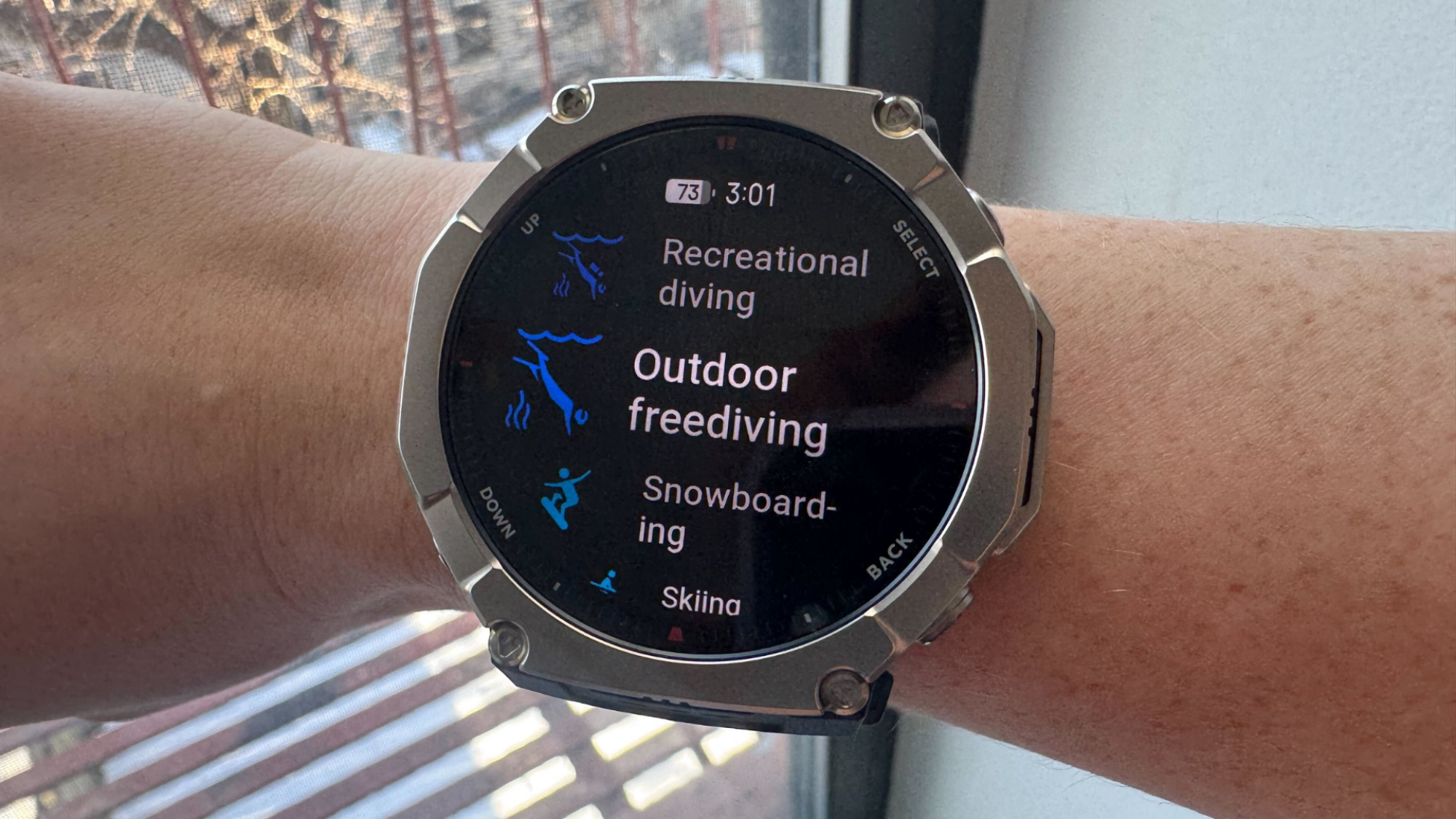
In this same arena of sport modes, the watch also includes:
Grade-adjusted pace for runners
Improved climb segmentation
Onboard speaker and mic for Bluetooth calls and audible alerts
Smooth integration with the Zepp app for fitness, recovery, sleep, and nutrition insights
The early experience here is promising. Even if some newly advertised software features aren’t fully polished yet, Amazfit’s ambition is on full display.
There’s still a lot of testing ahead before I can answer the big question: Is the Amazfit T‑Rex Ultra 2 worth $549—especially when Garmin already dominates the rugged-adventure landscape? That said, there are already clear, meaningful upgrades that impress me—offline mapping that feels complete, the best‑ever battery life for an Amazfit watch, a surprisingly delightful voice‑memo tool, and hardware that feels built for the apocalypse.
South Korean tax authorities lost millions in seized cryptocurrency after publishing high-res photos of Ledger hardware wallets that clearly displayed the wallets’ seed phrases, allowing an unknown party to drain the funds. Gizmodo reports: South Korea’s National Tax Service seized crypto assets during recent enforcement actions against 124 high-value tax evaders, but now, a large chunk of that crypto cash has been lost. The operation originally resulted in the confiscation of crypto holdings worth about 8.1 billion won, or roughly $5.6 million. However, officials later issued a press release to showcase these efforts in recovering delinquent taxes, and the release included photographs of Ledger hardware wallets taken into custody along with handwritten notes that displayed the wallet seed phrases.
Those images attached to the press release turned out to be the critical error. High-resolution photos clearly showed the mnemonic recovery phrases, which serve as the master key for accessing the wallets. This exposure eliminated any protection provided by the offline cold storage on the Ledger devices. Possession of the seed phrase allows complete control, and anyone who knows the phrase can import it into software or another hardware wallet and initiate transfers without the original device.
In this case, an unknown individual who saw the photos published by law enforcement first added a small amount of ether to one of the addresses to cover Ethereum network gas fees necessary for outbound transactions. From there, they executed three transfers to move approximately 4 million Pre-Retogeum, or PRTG, tokens. At the time, those tokens carried a value of $4.8 million, but reporting from The Block indicates liquidating that much value from the holdings would have proven difficult due to market dynamics.


Read more of this story at Slashdot.
Apple has promised a “big week” for the company, which includes an in-person event for press and creators on March 4. But it didn’t exactly wait until Wednesday to get things started. The news started on Monday with the announcements of the iPhone 17e and M4-powered iPad Air.
We’ll be updating this roundup throughout the week as we learn exactly what Apple has in store for everyone (though we have a decent idea of what to expect, such as new MacBooks). For now, though, here’s our recap of everything Apple announced on Monday:
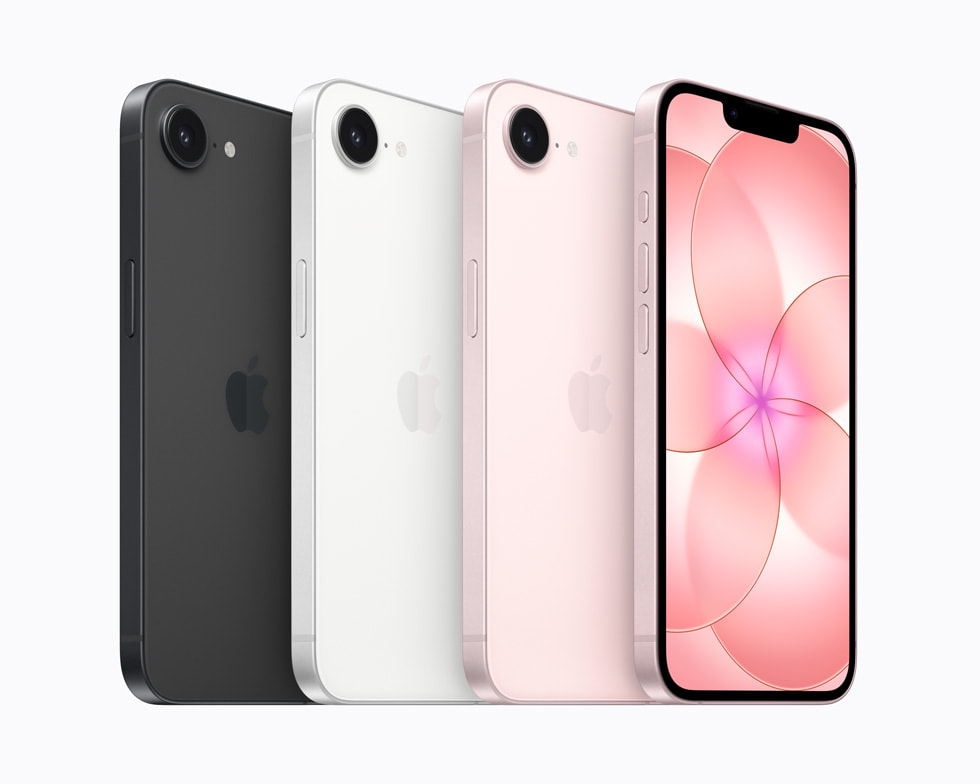
Apple has spruced up this year’s entry-level iPhone with some pretty solid upgrades, though it’s keeping the starting price at $599. The iPhone 17e has double the base storage of the iPhone 16e at 256GB. It also has MagSafe support with Qi2 wireless charging speeds of up to 15W, double that of the iPhone 16e.
Design-wise, Apple hasn’t exactly rocked the boat. The iPhone 17e looks pretty much identical to its predecessor. It appears that Apple is sticking with the same 48MP Fusion camera system as it used in the iPhone 16e too.
That said, the 6.1-inch Super Retina display has Ceramic Shield 2. According to Apple, this provides “3x better scratch resistance than the previous generation and reduced glare.” The company slotted its C1X cellular modem into the iPhone 17e as well. It says this is up to two times faster than the C1 that was in the iPhone 16e. The device has the same A19 chip as the iPhone 17, so it supports Apple Intelligence AI tools, and it runs iOS 26.
In addition, the iPhone 17e has an IP68 rating for water and dust resistance, as well as the promise of “all-day battery life.” It also supports satellite-powered features including Emergency SOS, Roadside Assistance, Messages and Find My.
Pre-orders for the iPhone 17e open on March 4 and it will be available in black, white and soft pink. The device will hit shelves in more than 70 countries and regions on March 11.
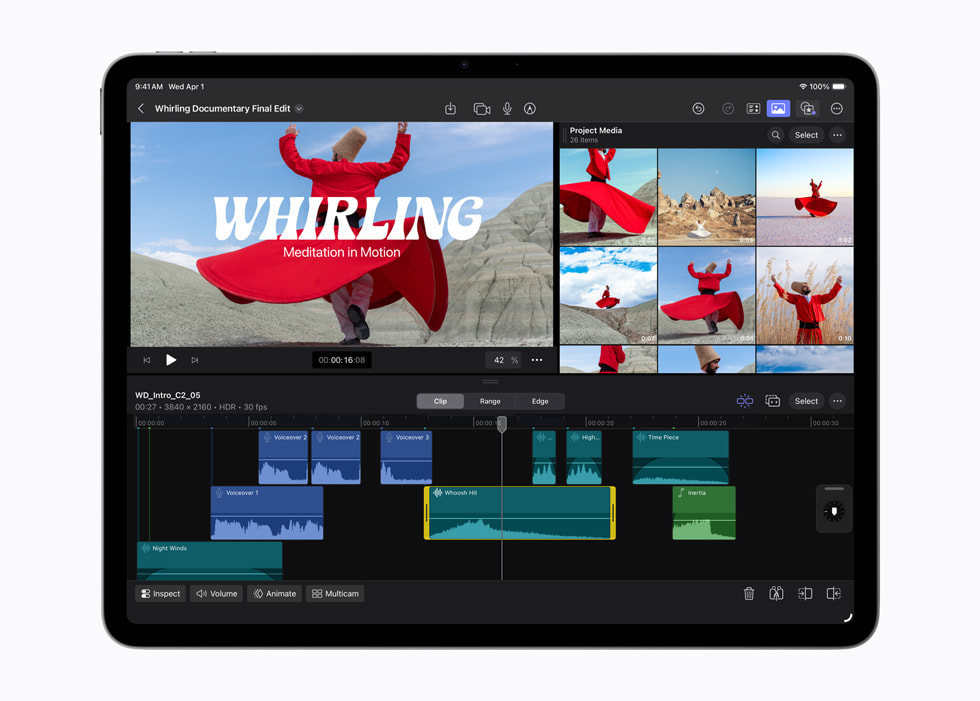
The latest iPad Air boasts Apple’s M4 chip. That means the mid-range iPad is effectively remaining a year behind the iPad Pro. The M4 is almost two years old at this point, while the top-end model has the newer M5 chip. Still, if you only use an iPad for casual tasks like watching shows, web browsing, email and so on, the M4 will be more than powerful enough. It will be more adept at handling resource-intensive tasks like video editing than previous iPad Air models too.
Apple has also bumped up the RAM from 8GB from the last-gen model to 12GB. Given the sharp increase in RAM prices in recent months, it’s slightly surprising that Apple is sticking to the same prices for the iPad Air. The 11-inch M4 iPad Air starts at $599 while the 13-inch version starts at $799, each with 128GB of storage. There’s a $50 discount for those buying it for educational use.
Apple claims the M4 delivers up to 2.3 times faster performance compared with the M1 iPad Air and “over 4x faster 3D pro rendering with ray tracing performance.” Of course, the new iPad Air runs iPadOS 26.
Apple gave the iPad Air other internal upgrades by including its N1 and C1X connectivity chips. As such, this is the first iPad Air with Wi-Fi 7 support. As you might expect, 5G cellular connectivity is available as well.
The design of the M4 iPad Air doesn’t seem to have changed, as it appears to have the same LCD display Apple used in the last two iterations of the tablet. The company has stuck with the same rear-facing camera and dual-speaker setup as well.
As with the iPhone 17e, pre-orders for the M4 iPad Air open on March 4. The tablet will hit retailers in 35 countries and regions on March 11. It will be available in blue, purple, starlight and space gray.
This article originally appeared on Engadget at https://www.engadget.com/computing/laptops/everything-apple-announced-today-iphone-17e-and-m4-ipad-air-155617174.html?src=rss
For
We may earn a commission from links on this page. Deal pricing and availability subject to change after time of publication.
Five years can feel like a commitment, but not for a quality VPN this cheap. Right now, you can get an iProVPN five-year subscription on sale for just $19.99 at StackSocial, down from its $360 list price. Instead of paying month to month or even annually, you’re effectively paying about $4 per year. At that price, the money isn’t as much a concern as whether the service fits how you actually use the internet. So let’s focus on that.
iProVPN positions itself as a general-purpose VPN, not a niche privacy tool meant for power users. In day-to-day use, iProVPN covers most of what people expect from a modern VPN: It runs on Windows, macOS, iOS, Android, browsers, routers, and even consoles and streaming devices. You can connect up to 10 devices at once, which is enough to cover a laptop, phone, tablet, and a few shared household devices. The service uses AES 256-bit encryption and includes a kill switch, so your connection shuts off if the VPN drops instead of leaking data. There’s also a Smart Connect option that automatically picks the fastest server, which matters if you don’t want to manually test locations. Speaking of, it has a reasonable geographic spread with over 250 servers across more than 45 countries. Streaming access is supported for services like Netflix, Prime Video, and BBC iPlayer, and speeds are generally stable thanks to WireGuard and OpenVPN support, plus 10 Gbps servers in some locations.
While iProVPN advertises a strict no-logs policy and added features like malware blocking and split tunneling, it doesn’t have the long public track record or independent audits that some higher-priced competitors do. Advanced users who want continuous server expansion or access to niche locations may find the network a bit limited. You also need to activate the plan within 30 days of purchase. Still, for casual streaming, basic privacy on public wifi, torrenting with P2P-friendly servers, and general everyday use, this subscription makes sense on cost alone.

March opens with some neat indie games and big console releases
PALO, Iowa—There are two restaurants in Palo, not counting the chicken wings and pizza sold at the only gas station in town.
All three establishments, including the gas station, stand on the same half-mile stretch of First Street, an artery that divides the marshy floodplain of the Cedar River to the east from hundreds of acres of cornfields on the west.
During historic flooding in 2008, the Cedar River surged 10 feet above its previous record, cresting at 31 feet and wiping out homes and businesses well outside the floodplain.
Anthropic has made switching to its Claude AI chatbot easier than ever. The company announced a new memory import tool that can extract all of a competing AI chatbot’s memories and context of you into a text prompt that can be fed into Claude.
With Anthropic’s prompt, you can then copy and paste the output into Claude’s memories, and the AI chatbot will pick up where you left off with another AI chatbot, whether it’s ChatGPT, Gemini or Copilot. Anthropic said it’ll take about 24 hours for Claude to assimilate the new context, but you’ll be able to see the change by clicking on the “See what Claude learned about you” button. Claude users can even tweak what the AI chatbot remembers in the “Manage memory” section in the app’s settings. Anthropic pointed out that Claude is meant to focus on “work-related topics to enhance its effectiveness as a collaborator,” adding that it might not remember personal details that are unrelated to work.
Anthropic’s timing doesn’t seem to be just a coincidence. Claude recently jumped to the number one spot in the App Store’s free apps charts, dethroning ChatGPT in the process. The rise in popularity likely stems from its recent dispute with the Department of Defense, where Anthropic refused to budge on AI guardrails related to mass domestic surveillance and fully autonomous weapons. On the other hand, OpenAI will be taking Anthropic’s vacated role with the Department of Defense, leading to a trend of users boycotting ChatGPT and canceling their subscriptions.
This article originally appeared on Engadget at https://www.engadget.com/ai/anthropics-claude-can-now-absorb-your-past-conversations-with-other-ai-chatbots-153201656.html?src=rss
If you’re in the market for a new iPhone, good news: Apple just announced one. Despite the company’s big event planned for Wednesday, it decided to drop some product news early, including its newest “affordable” phone, the iPhone 17e. While affordable certainly doesn’t mean “cheap,” the “e-series” offers most of what you’d expect in an iPhone with a price tag lot lower than $1,000.
At first glance, the new iPhone 17e looks remarkably like the iPhone 16e. That’s because the phones are functionally the same in design. You’ll still get the same 6.1-inch display with 800 nits of brightness (1200 nits for HDR); the same overall dimensions, minus an extra .08 ounces; the same IP68 water and dust resistance; a single camera on the back that supports 4K Dolby Vision video; and the same battery life (Apple says 26 hours of video playback). But though there are many similarities, that doesn’t mean these are the same iPhones. In fact, there are a number of upgrades that make the iPhone 17e an interesting choice, especially for the price.
The big hardware upgrade here is the A19 chip: If you take a look at the Geekbench scores for the iPhone 17 (A19) and the iPhone 16e (A18), you’ll see the advantage. The iPhone 17 scored 3627 in single-core, and 9249 in multi-core, with a GPU score of 37146. The 16e scored 3242 in single-core, 7976 in multi-core, and 23888. These are all numbers on paper, and we’ll need to see how the A19 runs on the 17e itself, but there’s a real leap here, especially in multi-core and GPU performance. That means even if you’re coming from last year’s iPhone, you should see improvements in intense games and professional workflows, though not as much for simpler tasks. (I don’t think anyone is writing home about how fast Notes opens on an A19 iPhone.)
That’s not to say the A19 alone is reason enough to upgrade from an iPhone 16e. It’s true there are performance jumps, but they’re not making the A18 obsolete, nor the A17 for that matter. In fact, Apple press release compares the speed of the iPhone 17e to the iPhone 11, which shows you how good the iPhones in between still are, even in 2026. Still, we have to acknowledge the hardware gains here: The A19 is a 3nm chip, with a four-core GPU featuring “Neural Accelerators,” which Apple says gives games a boost.
The 17e also gets the C1X, Apple’s in-house modem. The company says this hardware is up to two times faster than the C1 modem in the iPhone 16e, and uses 30% less energy than the modem in the iPhone 16 Pro. That may help increase battery life when out and about, while maintaining speeds when connected to cellular networks.
While the 17e still has one rear camera, Apple says it benefits from some improvements—namely, it’s now a “48MP Fusion” camera, with “optical-quality 2x Telephoto.” Optical-quality is not optical, as this lens won’t actually “zoom,” but Apple seems to say the larger sensor can mimic the quality of a 2x camera. While the iPhone 16e supports Portrait mode with depth control, Apple says the 17e supports “next-generation portraits” with depth and focus control.
One small upgrade that actually will make a big difference is Ceramic Shield 2. This is the display tech that the rest of the iPhone 17 series comes with, and, surprisingly, is one of my favorite features of my 17 Pro Max. Apple says the new glass has three times the scratch resistance, and while I can’t speak to those numbers exactly, I haven’t seen a single scratch on my screen since buying my phone (knock on wood).
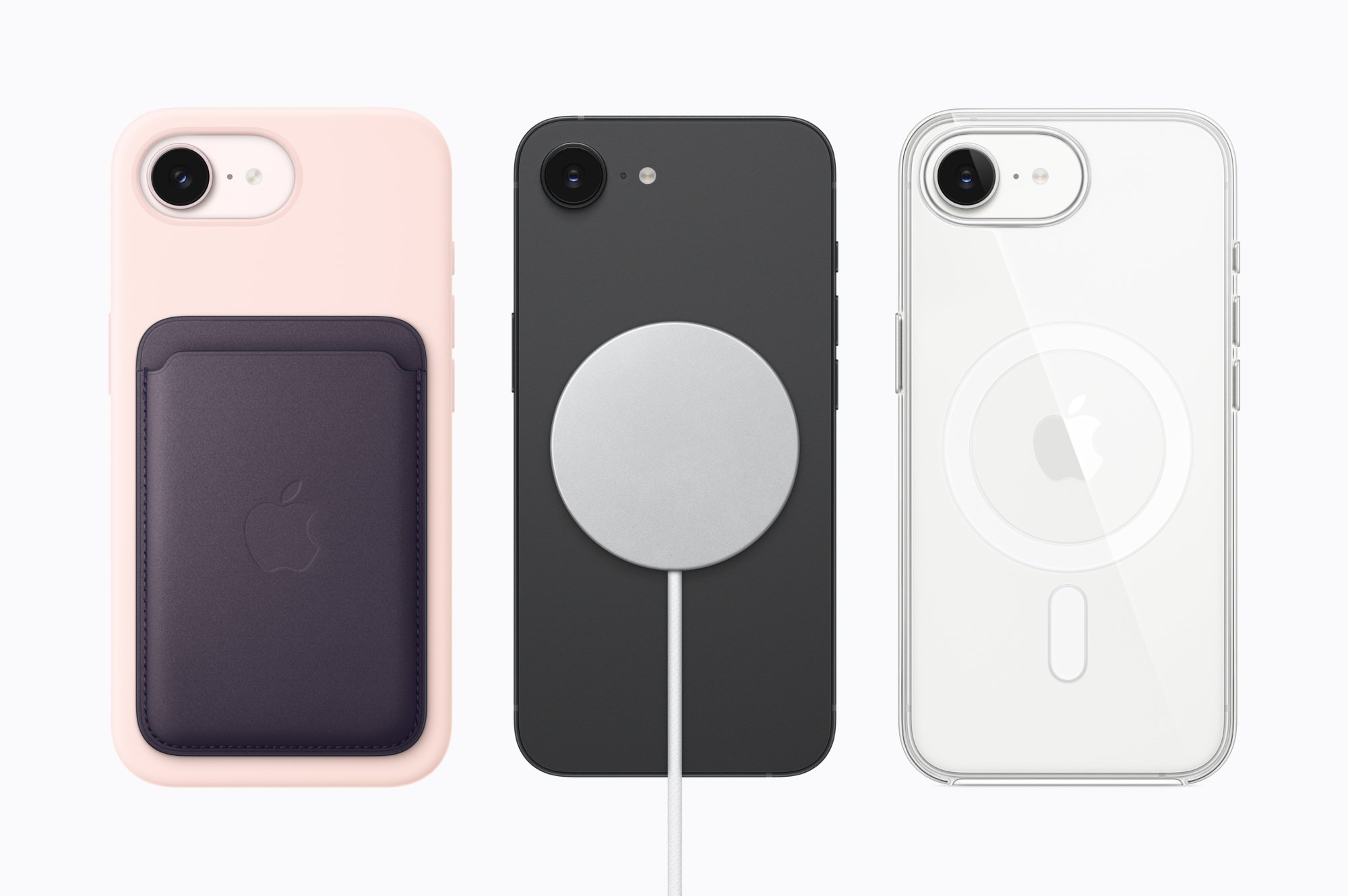
The iPhone 17e also supports MagSafe, something the iPhone 16e was missing. That means the new iPhone supports first and third-party MagSafe accessories, but also Apple’s faster Qi2 wireless charging, with a 15W or 20W adapter or higher.
The iPhone 17e starts at $599 for 256GB of storage—double the amount the 16e starts with. (That’s effectively a price cut right there.) You can also choose to upgrade to 512GB for $799. It’s available in black, white, or soft pink.
Apple says the iPhone 17e will be available to preorder starting March 4, likely after its big keynote presentation, and will be available to buy starting March 11. Curiously, that’s the same day Samsung is launching the Galaxy S26 series.
The free and open-source software (FOSS) movements have always been
about giving freedom and power to individuals and organizations;
throughout that history, though, there have also been actors trying
to exploit FOSS to their own advantage. At Configuration Management
Camp (CfgMgmtCamp) 2026 in Ghent, Belgium, Richard Fontana described
the “exploitation paradox
” of open source: the recurring
pattern of crises when actors exploit loopholes to restrict freedoms
or gain the upper hand over others in the community. He also talked
about the attempts to close those loopholes as well as the need to
look beyond licenses as a means of keeping freedom alive.