Switch Overtakes DS As Nintendo’s Best Selling Console, Switch 2 Bundles Still In Stock

Switch Overtakes DS As Nintendo's Best Selling Console, Switch 2 Bundles Still In Stock
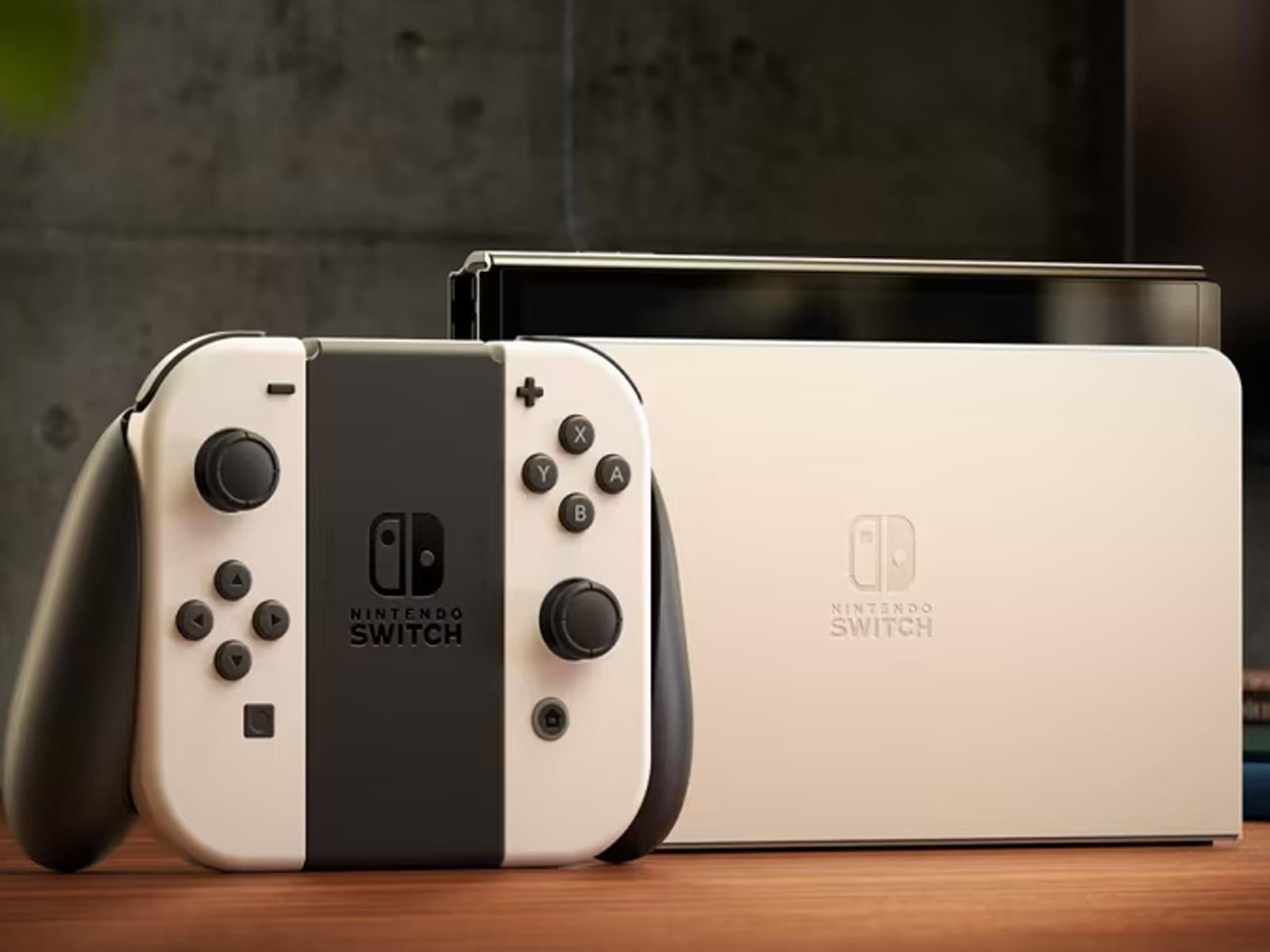
For well over a decade, the DS ranked as Nintendo’s top-selling console of all time, with lifetime sales now sitting at a little over 154 million units. Now there is a new king of Nintendo consoles, and it’s name is Switch. The first-generation Switch console rode a holiday sales surge to claim the top spot with lifetime sales at 155.37 million

Garmin launches brightest Varia radar rear light yet with wider radar view and smarter car tracking

Garmin has released the Varia RearVue 820, featuring increased visibility and vehicle detection.

The rearview radar bike light is the brand’s brightest model yet, claiming visibility up to 2km and boasting a wider field of view.

The brand says the new radar can track vehicles up to 175m away and now features advanced vehicle tracking that detects a vehicle’s size and side-to-side movement, and categorises threat levels as it approaches.

The Varia RearVue 820 is priced at £239.99 / $299.99 / €279.99

Brighter and broader

Garmin Varia RearVue 820 on bike at night
The Varia RearVue 820 is Garmin’s brightest rear light yet. Garmin

Garmin says the new Varia RearVue 820 increases visibility to 2km, with Day Flash rising to 100 lumens from 63 lumens on the Varia RTL515.

The light continues to have four running modes: Solid, Peloton, Night Flash and Day Flash, with a separate radar-only option.

Battery life ranges from 10 hours in Solid beam mode to 24 hours in Day Flash, with radar-only lasting 30 hours.

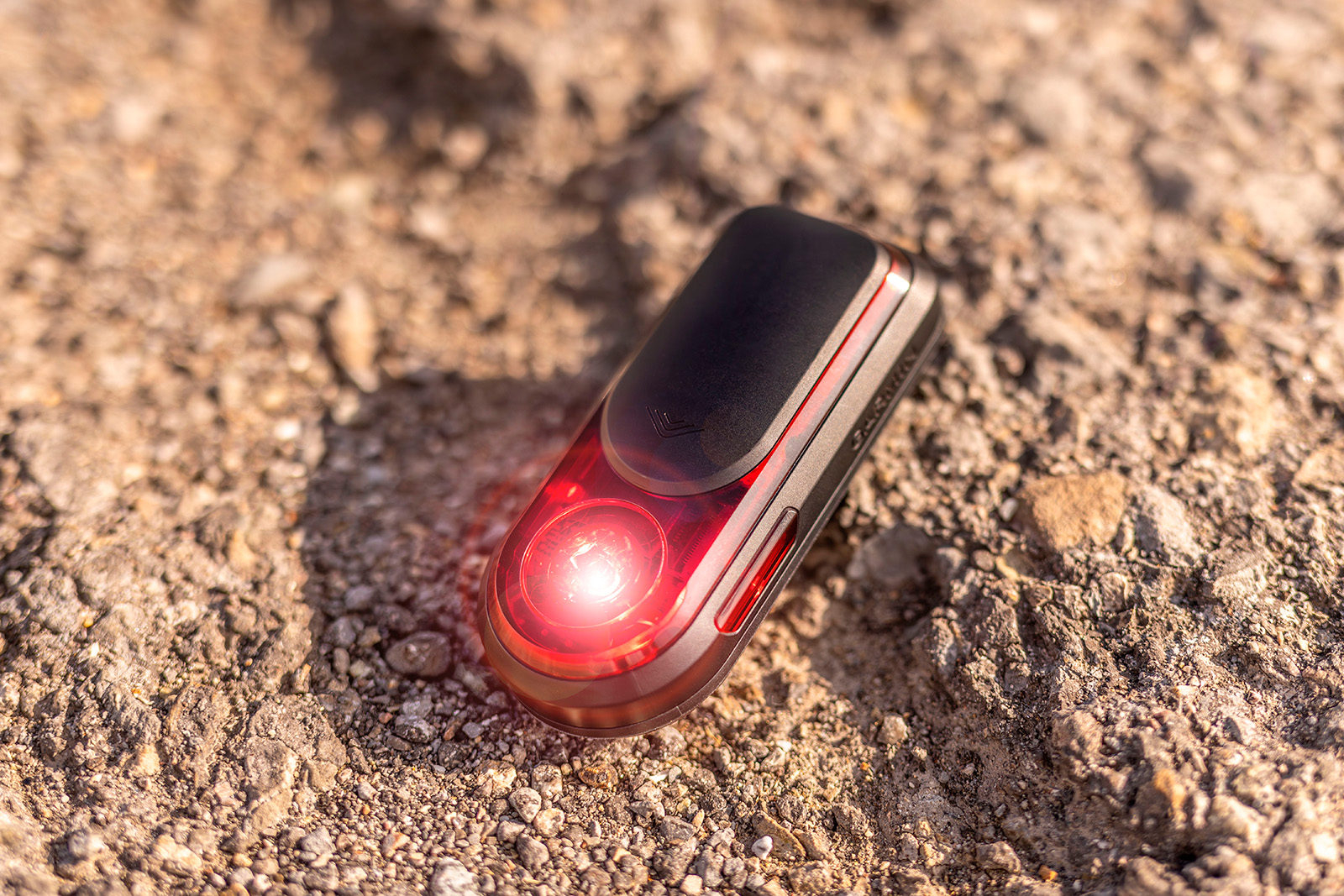
Garmin Varia RearVue 820 on rock
The light incorporates new smart tech. Garmin

The unit also operates as a brake light when it senses you slowing or stopping, alerting other road users of your presence.

You can also create custom light patterns in the Varia app based on the needs of your ride, including brightness level and duration of flash.

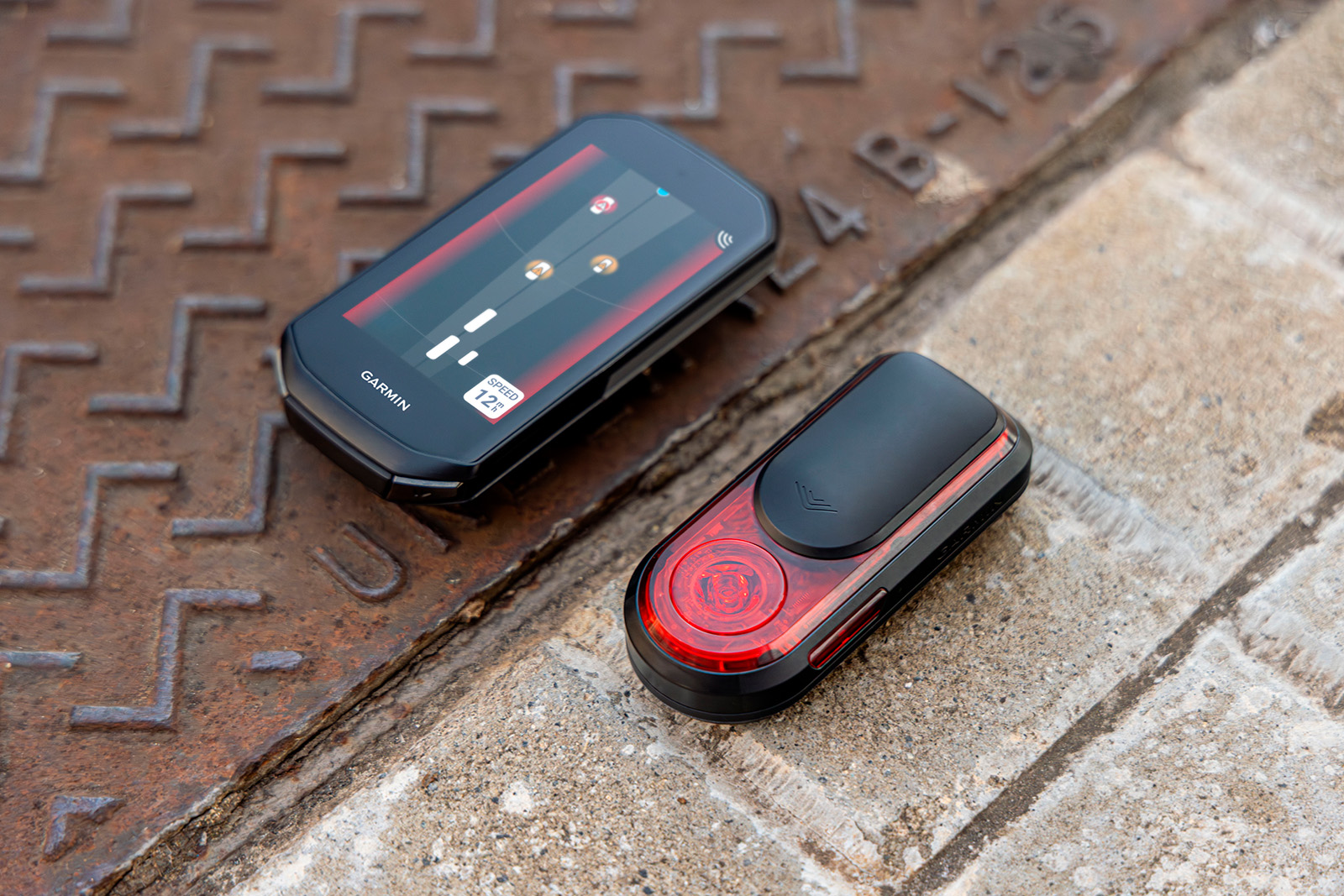
Garmin Varia RearVue 820 with Edge 1050
The Varia RearVue 820 displays what the radar sees on your bike computer. Garmin

Garmin says the radar has its widest field of view at 60 degrees – 10 degrees more than the Varia RTL515 and has increased detection range by 35m, up to 175m.

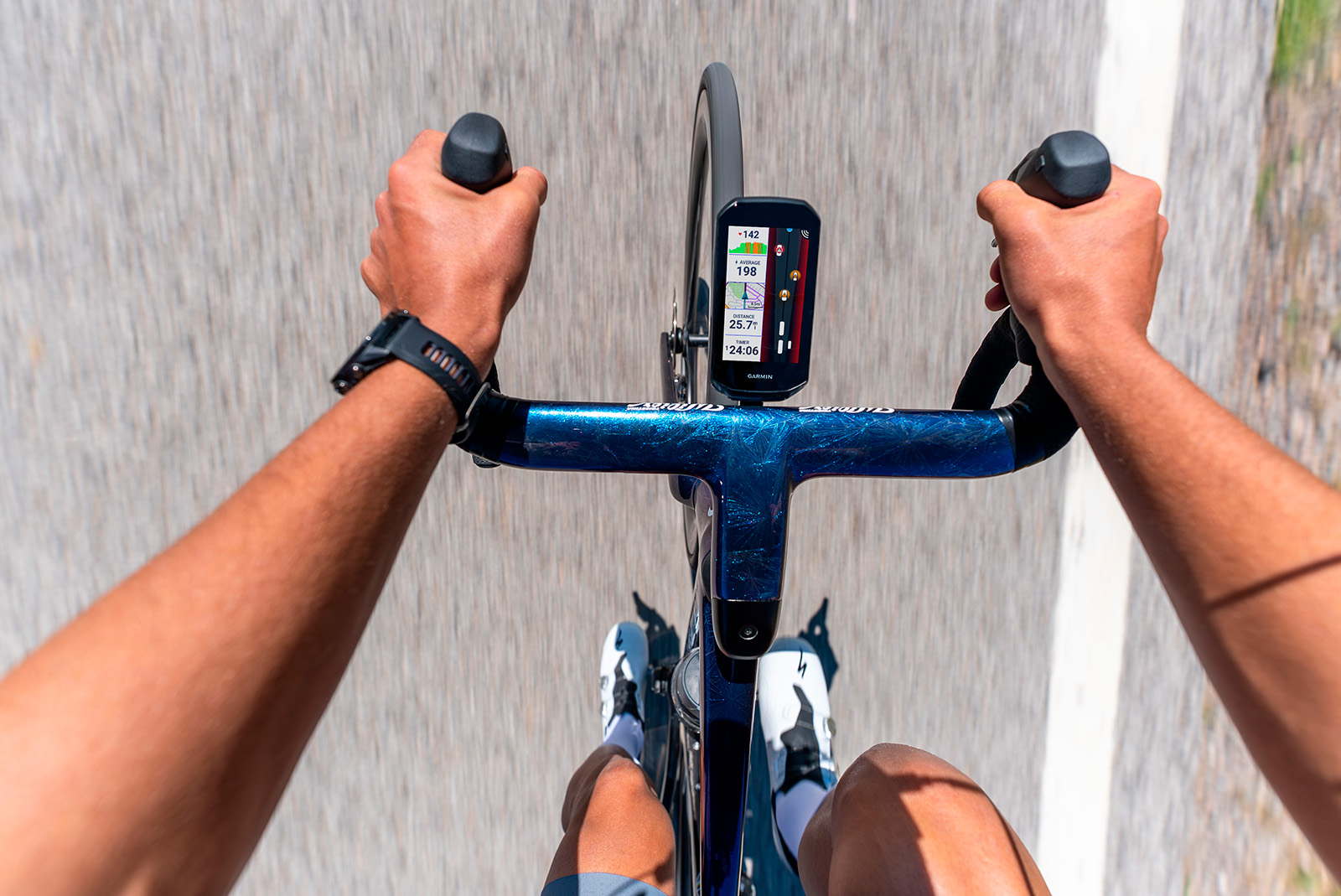
Garmin Varia RearVue 820 display on Edge computer
You can see behind you while keeping an eye on key data metrics. Garmin

The new radar also features Same Speed Tracking, notifying riders about vehicles that are following behind at the same speed or are waiting to pass.

Garmin Varia RearVue 820 with watch alert
Your Garmin watch will alert you to vehicles behind. Garmin

As well as connecting to supported bike computers, the Varia RearVue 820 also connects to Garmin smartwatches, which can give voice alerts for approaching vehicles.

The device charges by USB-C, an upgrade over the Micro-USB on the Varia RTL515, and comes with a new seatpost mount.

Senior staff departing OpenAI as firm prioritizes ChatGPT development

OpenAI is prioritizing the advancement of ChatGPT over more long-term research, prompting the departure of senior staff as the $500 billion company adapts to stiff competition from rivals such as Google and Anthropic.

The San Francisco-based start-up has reallocated resources for experimental work in favor of advances to the large language models that power its flagship chatbot, according to 10 current and former employees.

Among those to leave OpenAI in recent months over the strategic shift are vice-president of research Jerry Tworek, model policy researcher Andrea Vallone, and economist Tom Cunningham.

Read full article

Comments

The Nintendo Switch 2 Can Handle AAA Games Better Than People Think

When the Nintendo Switch 2 came out, I was a bit skeptical that such a thin and light device could handle AAA, blockbuster games. But when I actually got it in my hands and reviewed it, I was impressed to see that it was capable of running demanding games like Cyberpunk 2077 just as well as my Steam Deck could. Since then, it’s continued to prove itself by capably running other beefy games like Star Wars Outlaws and, more recently, Final Fantasy VIII Remake. The catch? All these games were all a few years old, and with the exception of Star Wars Outlaws, they all had versions for last-generation systems.

As we started moving into 2026, I was still left wondering how well the Switch 2 will be able to keep up with brand new AAA titles as they come out. Based on some hands-on time I’ve had with two upcoming technical showpieces, the answer is “very well.”

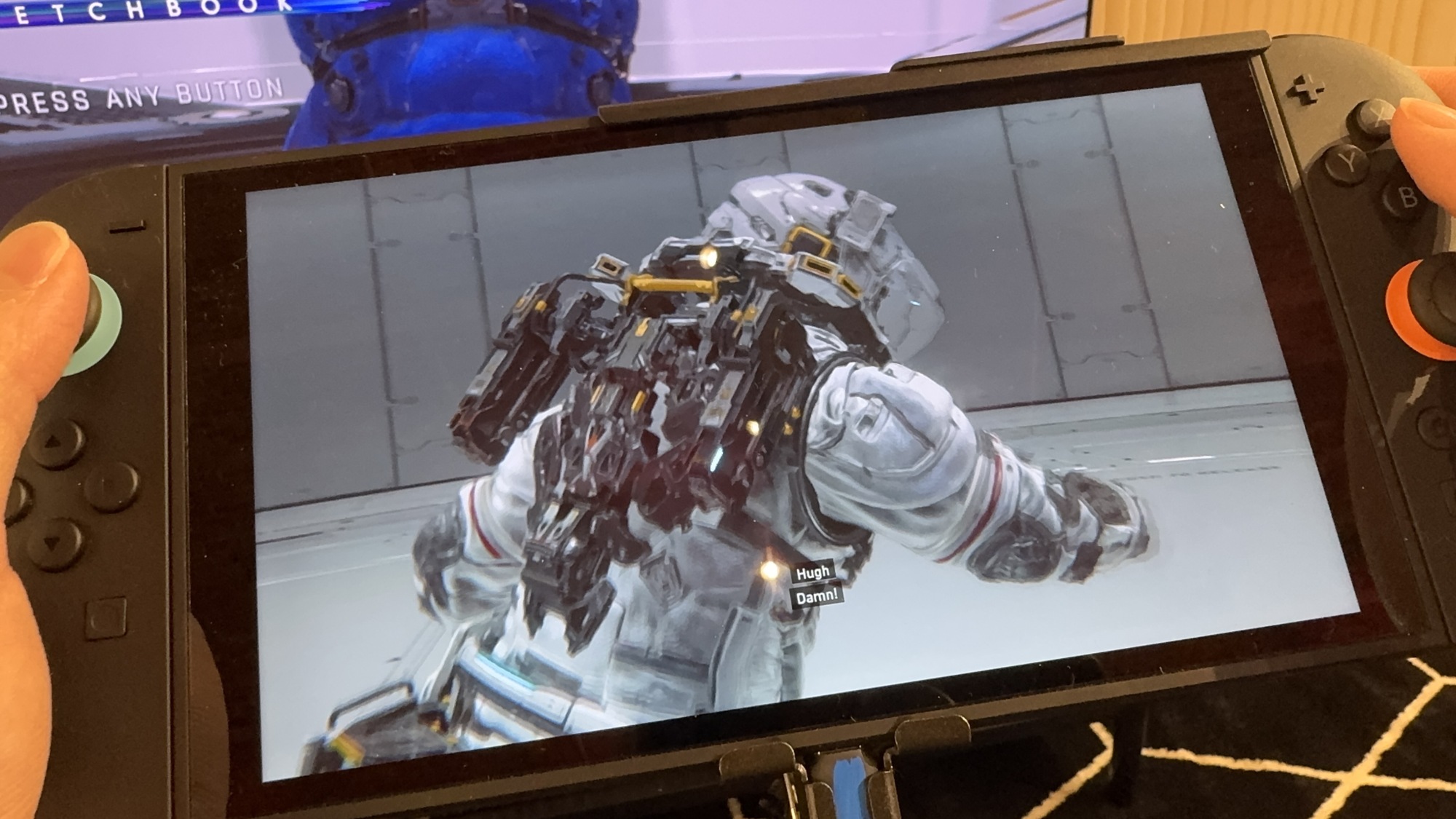
Playing Pragmata on the Nintendo Switch 2

Last week, I attended a preview event hosted by Nintendo where I got to play the Switch 2 editions for Super Mario Bros. Wonder and Animal Crossing: New Horizons, as well as the brand new game, Mario Tennis Fever. All of these looked great, but they didn’t really push any kind of graphical boundaries. My real interest was in the two third-party titles at the event, both of which were being shown off by Capcom.

The first was Pragmata, an upcoming sci-fi shooter that, most importantly for our purposes, uses the notoriously performance-hungry RE Engine. When it works, this engine is great for fidelity in particular lighting, but optimizing for the thing has been a nightmare on even powerful systems, as evidenced by frame rate-wrecking bugs continually popping up in games like Monster Hunter Wilds. While that’s an open-world game, meaning it has to render a lot at once, Pragamata itself is no slouch, and I figured it would make a perfect test case for whether the Switch 2 can handle not just older AAA releases, but new ones, too.

The verdict? If you had told me this thing were running on a PS5, I’d believe you. I played the game in both handheld and docked mode, and on the TV, it was easy to forget everything but the gameplay and just sink right into the experience. Textures were smooth, the resolution seemed to be at least a solid 1080p, if not higher, and I would say the frame rate was actually above 30 fps. I don’t have any specific numbers—I wasn’t able to test these settings at the event, and Capcom couldn’t tell me any details—but my thought is that even if the graphics had compromises to run on the Switch 2, they weren’t noticeable and didn’t hamper my experience. Hardware snobs who absolutely need a 4K resolution and at least 60 fps might want to stick to PC, but results like this aren’t too far behind what the other home consoles can do with the newest games and are a noticeable improvement on how the original Switch handled AAA games.

There, blockbuster games were often either pixelated and slow, or ran on the cloud and required an internet connection. Compromises like these were understandable there, but it sometimes meant you were focusing so much on the game’s technical issues that it was difficult to get immersed in the gameplay, assuming developers even bothered to port a game to Switch in the first place.

None of these were problems when I was playing Pragmata on the Nintendo Switch 2. Controls were snappy, environments were easy to parse, and most impressively, the hair was on point! OK, that might sound a bit odd, but hear me out: It’s actually super impressive.

Naturalistic long hair has been a nightmare for video games to render until very recently, which is why if you’ve ever played a video game with a customizable character, the hair options often cap out at medium length, or are very stylized. Pragmata, meanwhile, makes a point of having a companion character at your side at all times who has messy, frizzy, unkempt hair almost down to her waist. And each individual strand of that hair has physics on it, so it moves realistically rather than as one big blob.

That takes a lot of processing power to simulate, and is clearly meant to be a bit of a technical brag for Capcom. But while the devs’ work optimizing the game to handle this hair is definitely to be commended, it’s also reassuring that the Nintendo Switch 2 didn’t buckle at all while doing this. In fact, it seemed like it still had horsepower to spare, based on how consistent the gameplay was. I encountered no frame rate dips, which was a lifesaver in pitched battles.

Pragmata on Nintendo Switch 2 handheld mode

Credit: Michelle Ehrhardt

The only noticeable quality loss was when I played in handheld mode, which seemed to reduce the resolution to about 720p. Here, the game looked a bit pixelated, but given that the PS5 and Xbox don’t even have an option to go portable, it’s a compromise I’m willing to accept. In a fair, TV-to-TV comparison, I’m happy to report that Pragmata on the Switch 2 is a more than acceptable way to experience the game, even right down to that folicular fidelity.

Playing Resident Evil Requiem on the Nintendo Switch 2

Pragmata is a pretty game, no doubt, but the real technical showpiece at the preview event was Resident Evil Requiem. Also using the RE Engine, if Pragmata is a strong indicator for how the Switch 2 simulates physics, then Resident Evil does the same for lighting.

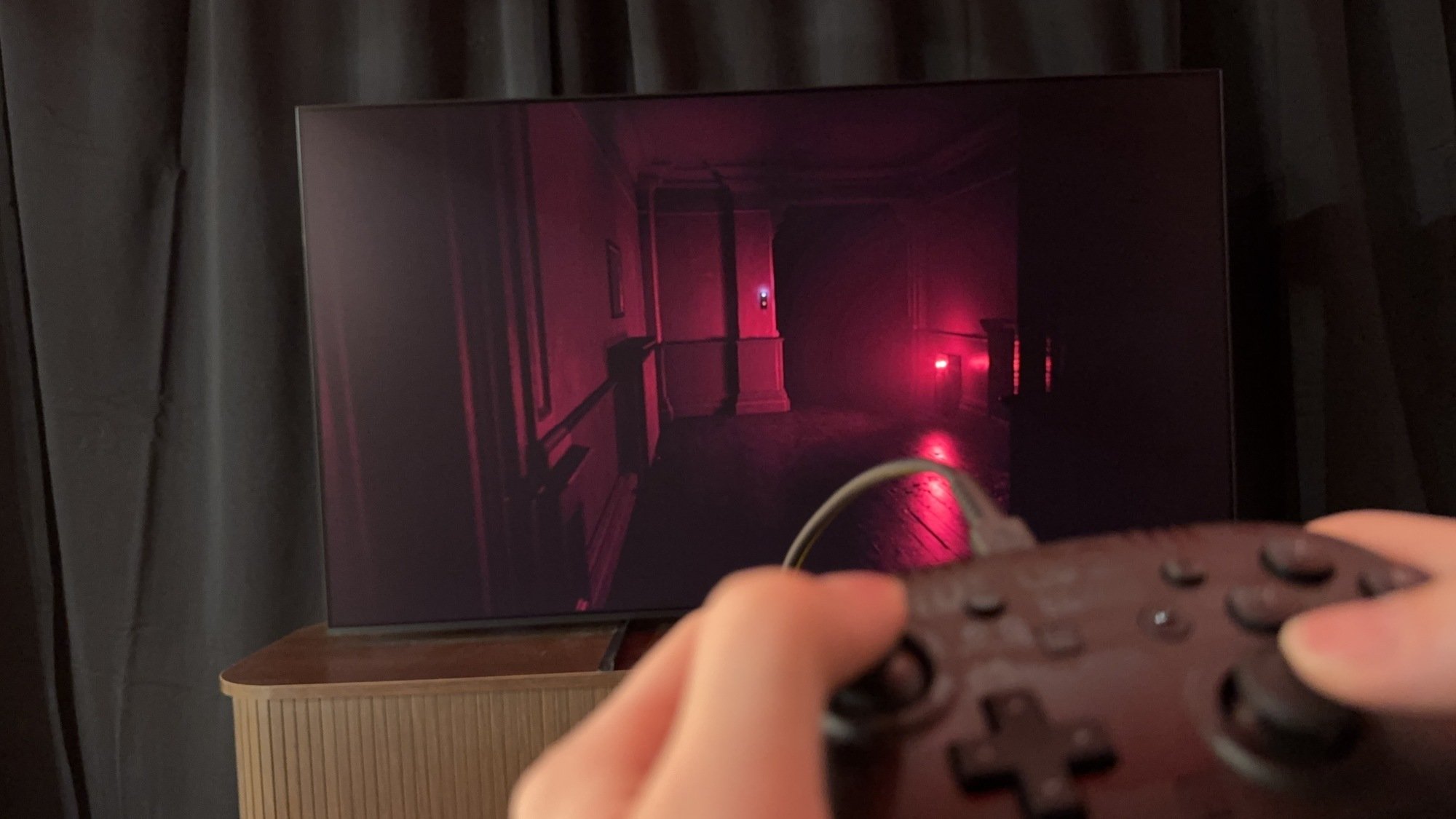
Resident Evil Requiem on Nintendo Switch 2

Credit: Michelle Ehrhardt

Again, performance is smooth, but I’d say the resolution here is more definitively closer to 1080p while the frame rate seems a little lower than Pragmata‘s. Still, character models are detailed, and animations play out without any weird jitters. Resident Evil has made a name for itself on both of these fronts with its recent titles, so it’s great to see these qualities preserved.

Based on my experience with Pragmata, though, I expected this. What I didn’t expect was just how realistic the lighting would be. Like the hair in Pragmata, realistic lighting is a bit of a performance challenge for games, especially now that many games are using ray tracing for their lighting, which means that lighting is calculated in real time using realistic pathing for each ray of light, rather than being “baked” into scenes ahead of time. This makes it easier for lighting to change on the fly and fall where a player might naturally expect it to, something that’s important for Resident Evil, since the title uses it for gameplay. But it also puts a lot of strain on the system.

I was a bit worried going into this demo, because while I knew the Switch 2 was supposed to be able to handle ray tracing, I wasn’t ready to believe it until I saw it, especially when it was being used for more than set dressing. In the demo I played, there’s a monster that can’t follow you into the light, and poor lighting might make it unclear where safe zones were. But like with Pragmata, my technical skepticism quickly drained away, and I instead just sat and quietly played, immersed in the game like I would be on any other console.

Here’s the biggest bit of technical praise I can offer the Switch 2: Even in just a half hour of playing, Resident Evil Requiem on the Switch 2 still managed to scare the crap out of me. I left the event unsure of walking out into the dark night outside. If that doesn’t tell you how bought in I was in just playing the game, instead of nitpicking pixelated character models or a wonky frame rate, I don’t know what will.

What this means for Nintendo Switch 2 owners

I may not have been allowed to capture detailed performance data at this event, but I left pretty optimistic about the Switch 2’s ability to handle AAA games. For years now, gamers have come to accept that multiplatform AAA titles will come out on Xbox and PlayStation, but will usually either skip Nintendo or come out for it years down the line. That’s because the Wii was much less powerful than the Xbox 360 and PS3, the Wii U was less powerful than the Xbox One and PS4, and the Switch was less powerful than the PS5 and Xbox Series consoles. After the GameCube, Nintendo has always been at least a generation behind when it comes to performance.

Now, it can finally stand toe-to-toe with its competitors again, just like when you had Nintendo’s purple lunchbox in your living room. It may not be at the zenith of performance, but it’s more than acceptable. I don’t know how long this status quo will last—the next console generation is rumored to be facing delays right now. But for now, Nintendo owners can finally play the newest blockbuster games day-and-date with their Sony and Microsoft-owning friends, without needing to own a second system. That’s great for developers and gamers, and should put anyone who just dropped $450 on Nintendo’s latest at ease. You can finally pay attention to new AAA games as they come out again, and plus, you still have that handheld mode party trick.

I Tried Nintendo’s New Virtual Boy Accessory for the Switch, and It Turned Me Into a Believer

We may earn a commission from links on this page.

When Nintendo’s Virtual Boy launched in 1995, I thought it was the coolest thing in the world. 3D games with a giant, personal screen? Portable 32-bit power in the same year that the original PlayStation came out in the U.S.? “Who cares if you need to prop the thing up on a stand and stare through an obnoxious red filter to use it,” I thought, “that’s awesome.”

Fast forward to 2026, and I was pretty glad I never got one. The console has become famous over the years as one of Nintendo’s most notorious flops, with poor sales, an extremely limited library, and reports of severe discomfort from players who did actually get one.

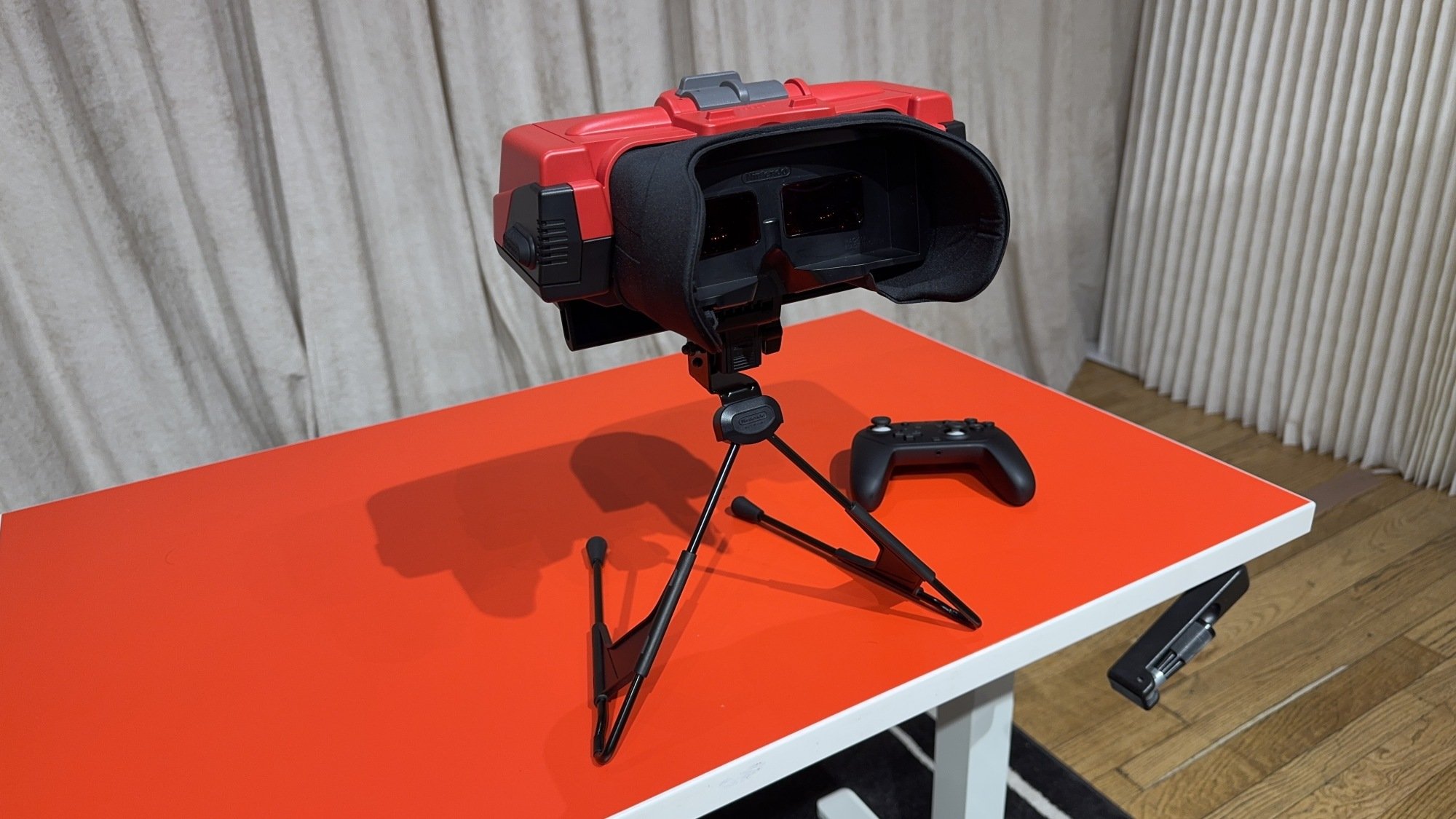
Nintendo’s bringing it back anyway. Last September, the company announced that it was creating a Virtual Boy accessory for the Nintendo Switch and Switch 2, which you can use to play Virtual Boy games in full 3D through a wonky headset-on-a-stand, just like Virtual Boy creator Gunpei Yokoi intended. And now that I’ve actually been able to go hands-on with it at a preview event, I’m starting to think that maybe my elementary-school self was right, actually.

Turns out the Virtual Boy was actually ahead of its time

Before I tried the Virtual Boy Switch accessory, I had never actually played a real Virtual Boy. I had seen footage of games, which looked like a nightmare to play in YouTube videos, but actual hardware was too rare to get my hands on. Now, though, the Switch accessory has allowed me to actually play Virtual Boy games for myself, instead of just watching other people playing them. And they’re a lot harder to scoff at when you go hands-on.

The first thing I noticed is that the 3D effect on this thing is incredible. It’s the most convincing 3D I’ve ever experienced on a Nintendo system, and that includes the 3DS. Characters pop from the background, and stages in games are laid out to use the depth to actually help with gameplay.

Take Red Alarm, for example. The wireframe graphics look like a mess to navigate in flat videos, with your ship constantly blending into the background. But seeing the game in actual stereoscopic 3D suddenly makes everything click. It’s still not the most complicated game, but for 1995, having a portable-ish (the Virtual Boy is massive) space shooter with a fully explorable 3D environment seemed like witchcraft. Now that I’ve tried it, I can say that it works, and I can really appreciate how the developers used stereoscopic 3D to make the simple graphics the console was capable of rendering actually work for a playable 3D space. It all felt so ambitious, and I feel so vindicated in my childhood hype to know the effect wasn’t just marketing.

Granted, the 32-bit power here is still a bit misleading. The original Virtual Boy put out a resolution of 384 x 224 per eye and a max frame rate of 50 fps, so it was less like a portable PS1 and more like a souped-up Game Boy. Don’t expect to play anything on the level of Final Fantasy VII or Tony Hawk’s Pro Skater here. Still, Red Alarm is a type of game that, in 1995, I would have been shocked to find on anything other than Sony’s machine.

Does that mean any of these games are going to make your game of the year list for 2026? Well, probably not. But they’re decidedly not bad, and they’re a novel piece of gaming history that are definitely worth trying, especially if you’ve been mocking them all these years like I used to. Despite the low resolution, they look crisp on the Nintendo Switch’s screen, and they play way better than I thought they would. They also clearly innovated on design tropes that Nintendo would later use in games like Super Mario 3D Land, where the 3DS’ (worse, to be honest) 3D effect was also used for gameplay. I can still see why the system flopped, but I feel confident now saying that it was indeed ahead of its time, and I probably would have been happy with it in the ’90s if I listened to my gut and got this thing all those years ago. Granted, I wouldn’t have been spending my own money back then.

The new Virtual Boy accessory is authentic to a fault

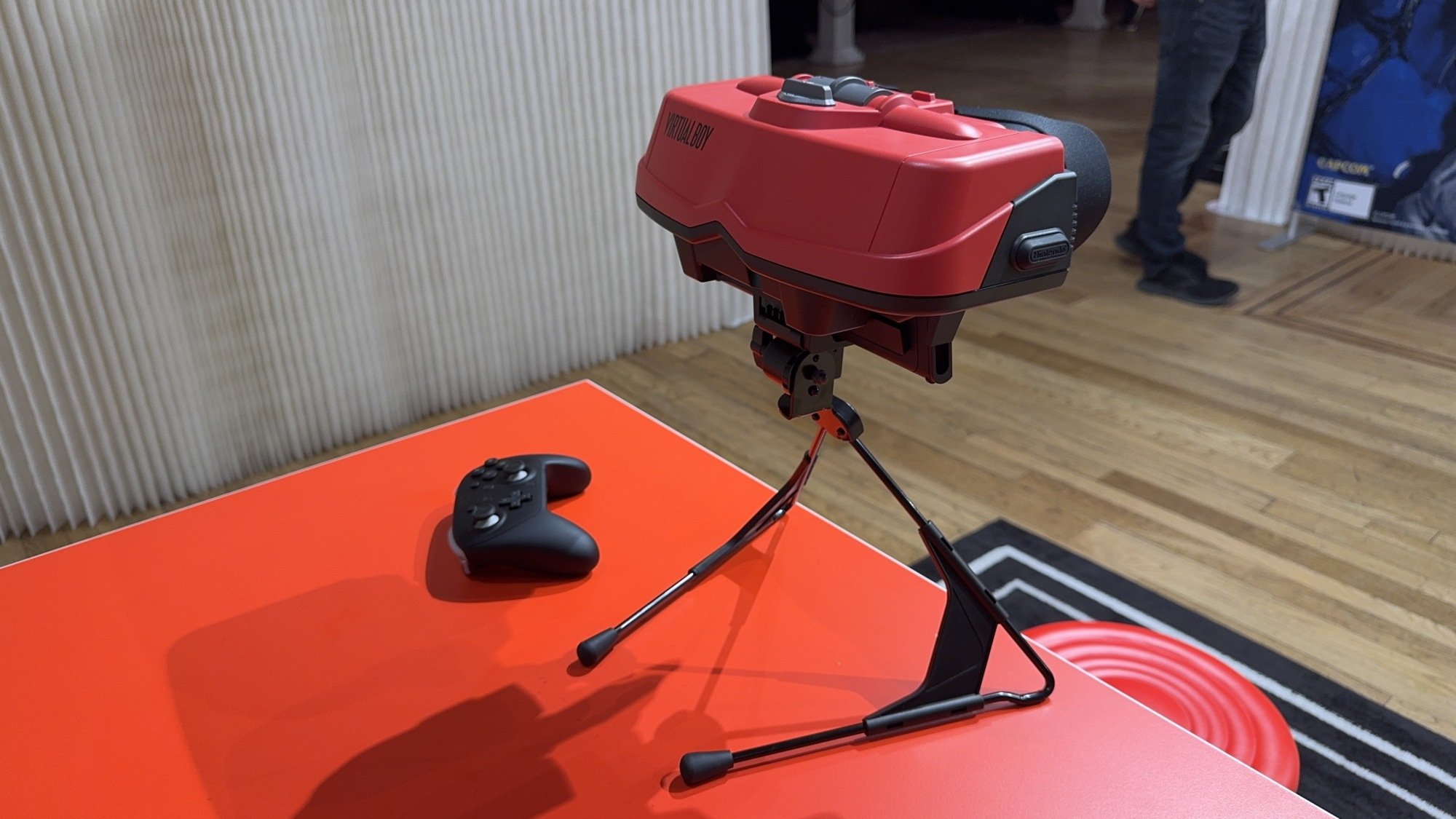
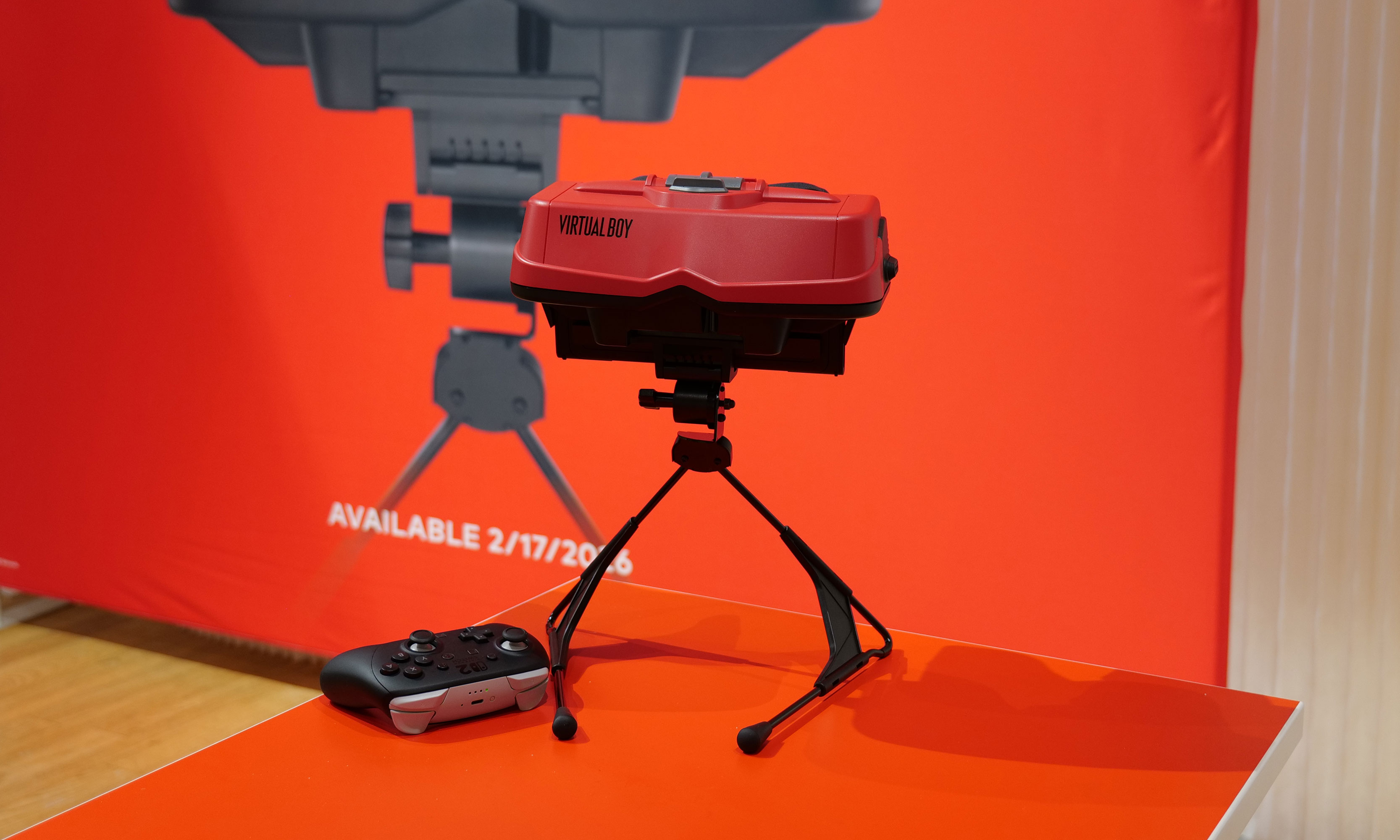
Virtual Boy Switch accessory

Credit: Michelle Ehrhardt

“But Michelle,” I can sense you typing. “You didn’t actually play a Virtual Boy! You played a Nintendo Switch 2 emulating a Virtual Boy!” That’s true, but I feel confident saying that the experience I got is probably pretty identical to the one I would have had 31 years ago on the real thing. And that’s because Nintendo has really gone all-in on accuracy with its Virtual Boy accessory. That’s probably the correct choice—again, the games are mostly interesting for their place in gaming history rather than in their own right—but there are some caveats to be aware of.

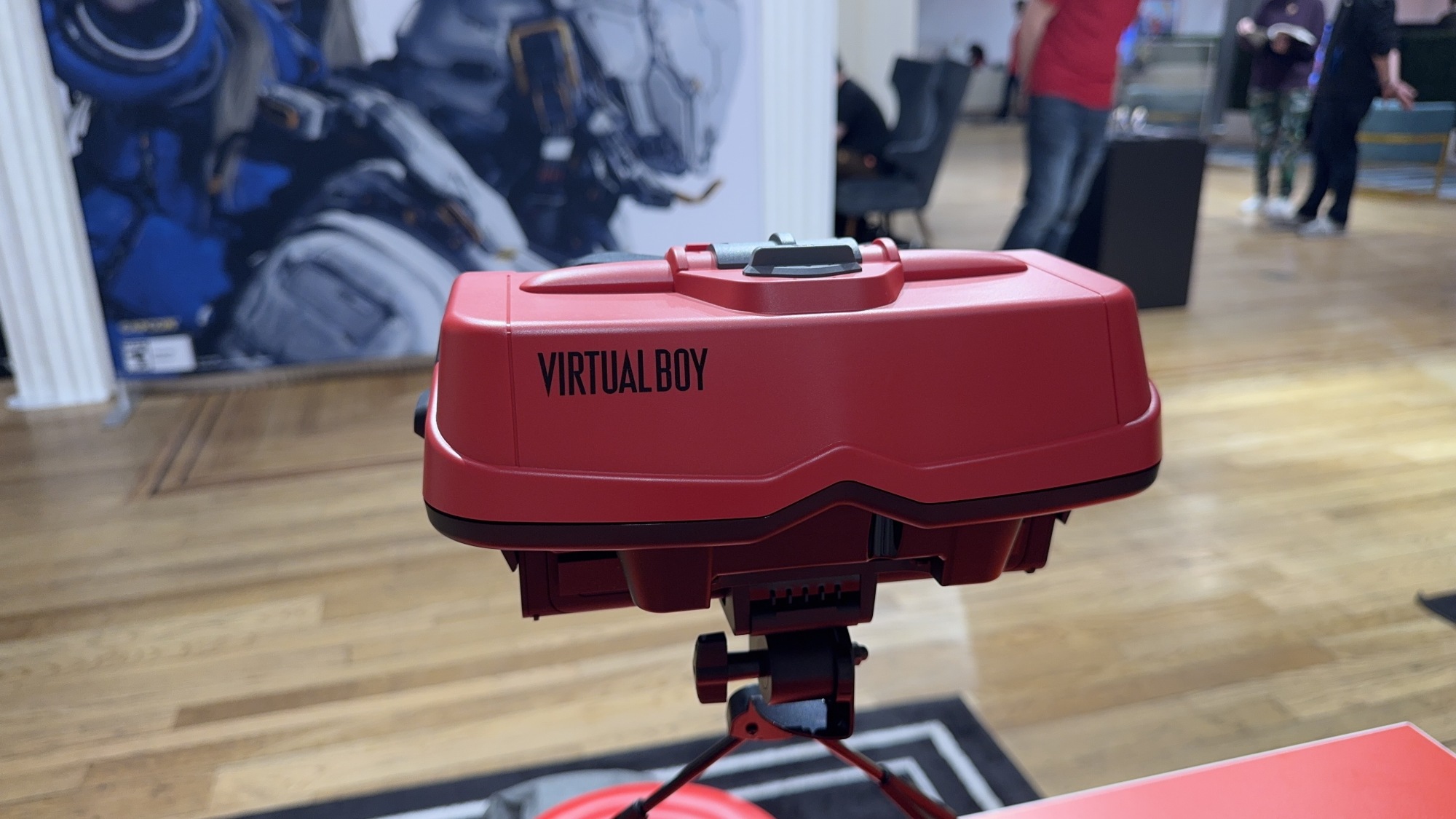
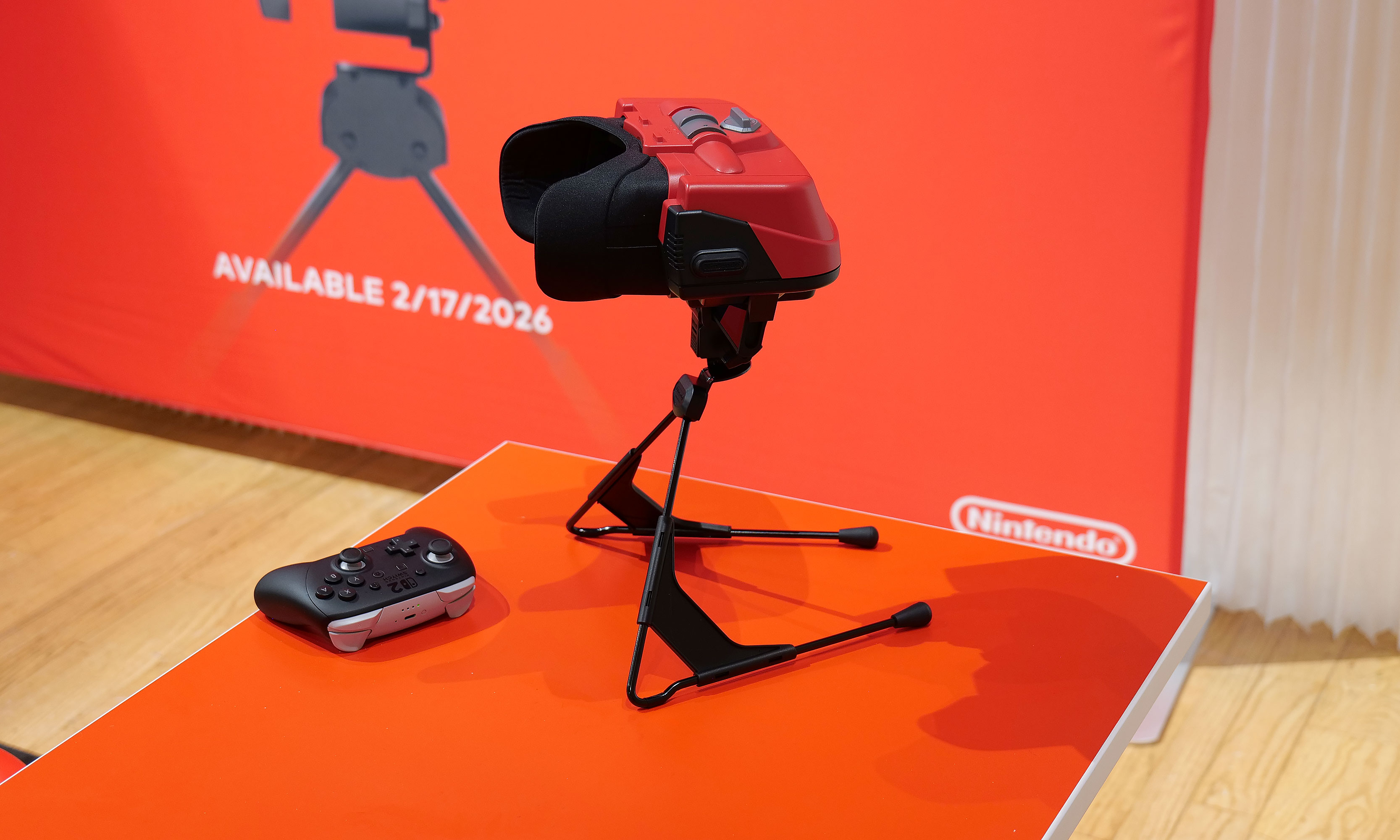
The big one: You might have to rearrange your table or desk to actually use the Virtual Boy Switch accessory. The plastic version of the accessory looks just like the real thing, but that means its stand also isn’t adjustable. So if your table isn’t already at the right height for you to fit your eyes into the viewfinder when you plonk your Virtual Boy replica down on it, you’ll need to either take it somewhere else, or stack it on some books or something. Nintendo had adjustable height tables at the event where I tried it, which means the company is aware of the problem.

Virtual Boy Switch Accessory

Credit: Michelle Ehrhardt

The other issue is that you supposedly need the accessory to play these games. Technically, there’s no reason these games shouldn’t be able to be played in 2D in TV mode, but Nintendo told me at the event that isn’t possible. According to the company, to boot up Virtual Boy on your Switch or Switch 2, you’ll have to take your system out of its dock and place it into the Virtual Boy accessory. I do wonder if some clever fans might be able to get around this and play in handheld mode without the system resting in the Virtual Boy accessory, with each per-eye image just showing in 2D side-by-side. But that’s just speculation, and even if it weren’t, some of these games need the 3D effect to really work, which is probably why Nintendo’s being so strict about how you can use the accessory.

Personally, I don’t mind this. I’m playing these games to get an idea of what Virtual Boy was like without having to get a real Virtual Boy, so making the experience as one-to-one as possible is perfect for me. But I understand how it can introduce accessibility issues for others, which might be why Nintendo has allowed just a few new options to make playing Virtual Boy in 2026 a little easier.

Cardboard Virtual Boy Switch Accessory

Credit: Michelle Ehrhardt

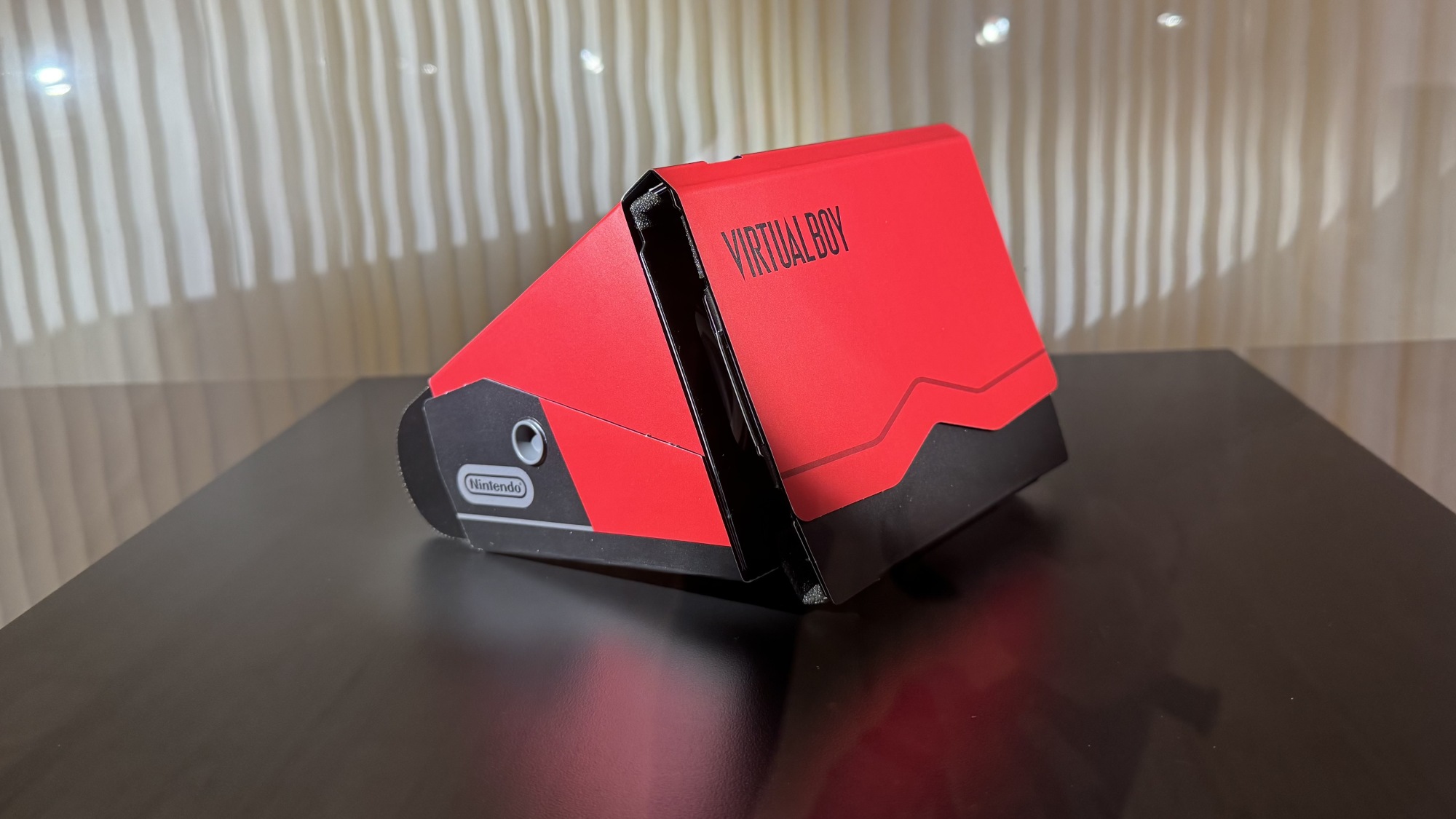
Because the plastic version of the Virtual Boy accessory is $100, Nintendo is also selling a cardboard version for $25. It’s not a fully accurate recreation like the more expensive model, but it is still decorated enough to be cute in its own right. More importantly, aside from being cheaper, you can also use it without a stand—it actually doesn’t even come with one. That means that you can just physically hold it up to your face and control it with Joy-Con controllers connected to either side of the device. I can imagine that might get uncomfortable after a while, but it is how Nintendo’s LABO VR worked, and it should be a decent workaround if you can’t rearrange your space for the plastic model. It is also a bit more portable.

The second is aimed at helping reduce the strain of those red graphics. While the games impressed me more than I thought they would, I’ll admit that the Virtual Boy’s red filter still got to me after even just a few minutes of play. That’s why players will eventually be able to choose from alternate color options for their games, including a yellow filter, a green filter, and probably the best one, a black-and-white filter. The feature’s set to come out “Later this year,” and I assume it’ll be a godsend for anyone who actually wants to finish a Virtual Boy game rather than just play it for novelty. If you have the plastic model of the Virtual Boy accessory, you’ll need to remove the physical red filter for the screen, but that’ll only take a few seconds.

New Virtual Boy games are coming in 2026

Probably the coolest part of this release is that, alongside letting you play Virtual Boy games originally released in North America, the new Virtual Boy accessory will also be able to play formerly Japanese-only Virtual Boy releases. In addition to Red Alarm and Virtual Boy Wario Land, for instance, I also got to play Lovecraft-inspired first person horror game Innsmouth no Yakata at the preview event I attended. That adds some serious novelty, and is a pretty smart choice overall, since the Virtual Boy originally only had 14 games in North America.

But cooler than that, Nintendo is also adding unreleased games to the Virtual Boy catalogue for Switch and Switch 2. These include a cancelled F-Zero game called Zero Racers, which makes the accessory pretty much a mandatory buy for Captain Falcon fans.

How to get the Virtual Boy accessory for the Switch and Switch 2

Virtual Boy Switch Accessory

Credit: Michelle Ehrhardt

I went into trying the Switch’s Virtual Boy accessory expecting to make fun of it, and walked away impressed and with a greater appreciation of gaming history. After decades of making fun of the Virtual Boy, I now have to admit I kind of like it. That’s easily worth the price of entry to me, and I’d say it’s well worth buying if you can swing it—at the very least, it’ll make a nice desk toy.

Unfortunately, there’s one last caveat here. Both the plastic and cardboard Virtual Boy accessories for Switch and Switch 2 are limited to Nintendo Switch Online subscribers. That’s not a huge deal, since you’ll also need a Switch Online subscription to play these games. But for now, even if you are a subscriber, both models of the accessory seem to be sold out. Hopefully, Nintendo will add more stock over time, so I can convert more people to my new “the Virtual Boy is good, actually” movement.

Mario Tennis Fever preview: A racket-smashing blast

New Mario sports games typically only come around once in a generation. So to get a fresh installment of tennis featuring a deep roster of characters this early in the Switch 2’s lifecycle is rather exciting. And after getting a chance to play Mario Tennis Fever prior to its official release on February 12, the best entry to the franchise yet might only be a couple of weeks away.

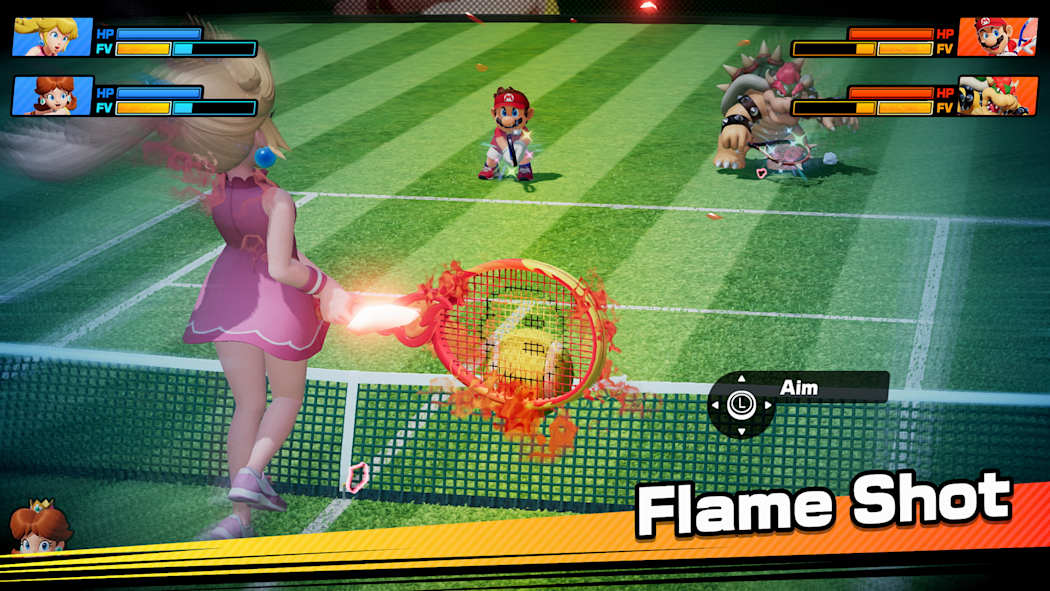
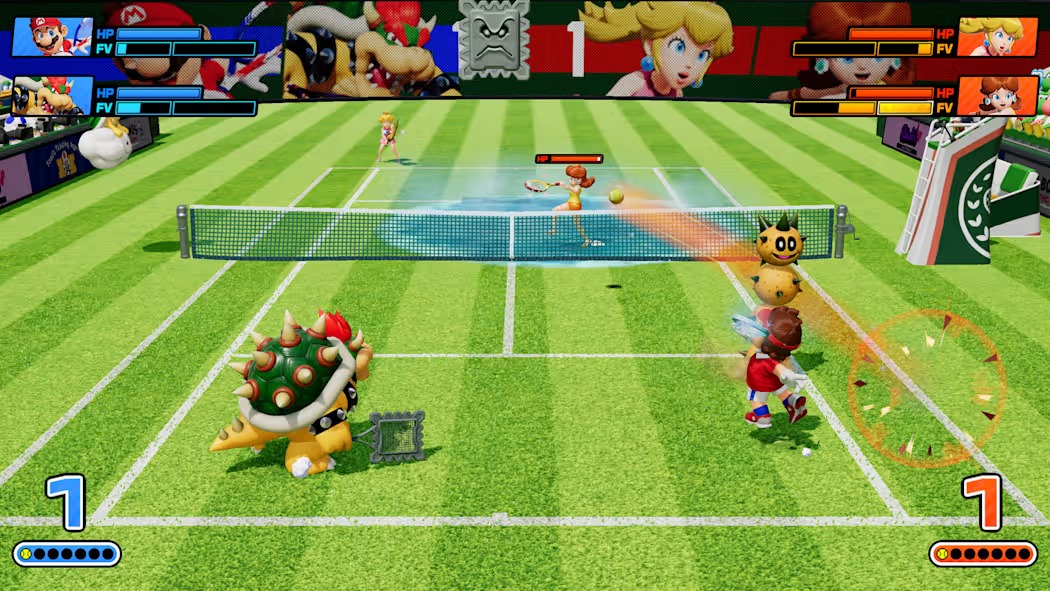
Once again, Mario Tennis Fever relies on the series’ familiar mix of topspin, slice and flat (power) shots used in previous games. The big new mechanic for this title is that instead of Zone Shots from Mario Tennis Aces, you can equip each character with a different racket, similar to how you can choose between a range of vehicles in Mario Kart. Every racket features a different special ability that you can charge up by rallying back and forth. When the gauge is full, you can unleash a Fever Shot to potentially devastating results. 

The Fever Shot is just one of the special abilities from the 30 different rackets available in Mario Tennis Fever.
Nintendo

For example, the Fire Racket turns the ball into a fireball that leaves multiple embers on the court. If your opponent gets burned, they will slowly lose health, which will make them move slower or knock them out (but only temporarily) if you’re playing doubles. Alternatively, the Pokey Racket can summon the giant cactus monster it’s named after onto the court, which not only blocks your view but gets in the way as you chase down shots. And just like the game’s large stable of characters (38 in total), there are almost just as many different Fever Rackets (30) to choose from. 

The thing I like most is that compared to special shots in previous titles, Fever Shots have built-in counterplay. Zone Shots from Mario Tennis Aces sometimes made it feel like you were playing a fighting game as people battled to conserve meter, while signature moves in Mario Tennis: Ultra Smash often turned into automatic points. If someone sends a Fever Shot at you, you can send it back simply by returning the ball before it bounces. This naturally sets up some frenetic sequences as characters try to volley back and forth without letting the ball hit the ground in order to prevent the Fever Shot from taking effect on their side of the court. This is exactly the kind of chaos that makes Mario Tennis so fun — it just feels a bit more balanced now. 

Pokey is here to be a thorn on your court.
Nintendo

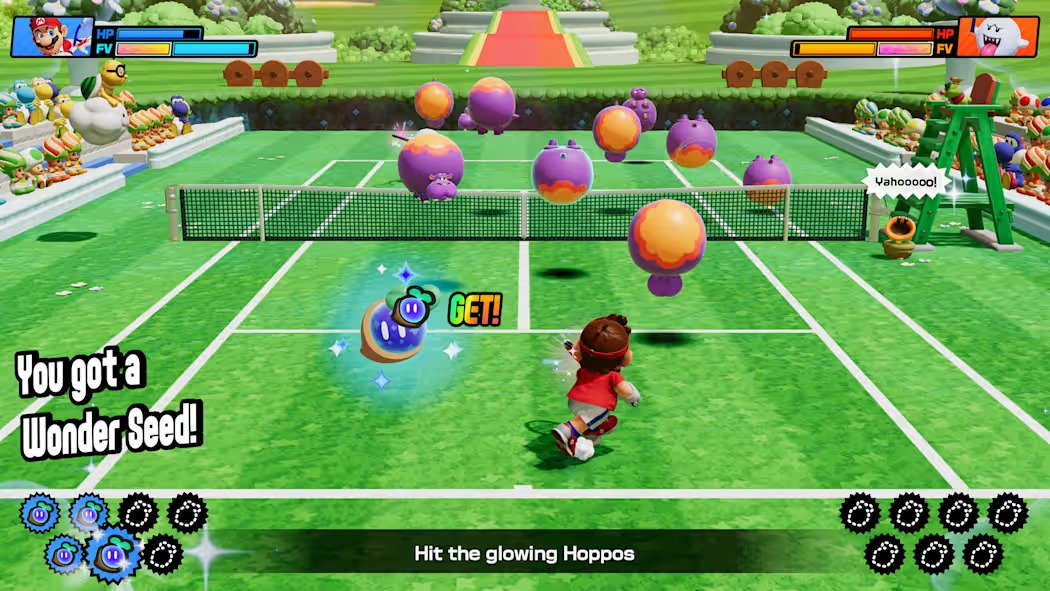
That said, if you prefer a different kind of mayhem, there are also new Wonder Court Matches, which borrow the titular blue flower seeds from Mario’s most recent 2D platformer. This game mode nixes Fever Rackets in favor of changing up the rules of the sport on the fly in weird and unexpected ways. Don’t be surprised when you have a hard time hitting seeds with your shots to activate wondrous effects while spike balls get tossed at you or a parade of piranha decides to have a party on top of the net. 

Unfortunately, I wasn’t able to play Mario Tennis Fever’s Adventure mode, which is a bit of a shame as I’ve heard that it’s deeper and more fleshed out. This is a welcome upgrade from the somewhat thin single-player campaign from Aces. Thankfully, the game still supports motion controls for younger players or anyone who’d rather swing a virtual racket instead of mashing buttons. I also appreciate that Nintendo is making it easy to get into multiplayer matches, as the game supports both online matches (ranked and unranked) and local wireless connectivity (LAN). For the latter, you can also use the Switch 2’s Game Share feature to send the title to other nearby systems so people can try out Mario Tennis Fever for themselves, even if they don’t own a copy. 

Wonder Court Matches are another new way to upend the rules of Mario Tennis.
Nintendo

So if you’re like me and you’ve always preferred sports games that are more bombastic instead of realistic, Mario Tennis Fever ($70) is shaping up to be a real grand slam. Pre-orders are live now ahead of the title’s official release on February 12. 

This article originally appeared on Engadget at https://www.engadget.com/gaming/nintendo/mario-tennis-fever-preview-a-racket-smashing-blast-140000408.html?src=rss

The Switch 2’s Virtual Boy is a tribute to Nintendo’s wackiest console

Even in 2026, VR still feels like tech that isn’t quite ready for prime time. When Nintendo released the original Virtual Boy way back in 1995, it was hard for my 10-year-old brain to comprehend a 3D console with a bipod, a facemask and a monochrome red display. Then, when you factor in weak sales that led to the system being discontinued after only a year, you end up with a gadget that felt more like a mythical creature than something you could actually buy. But that’s changing later this month when the Virtual Boy returns as an add-on for the Switch 2. After getting an early demo of Nintendo’s new accessory, I can confirm that this thing feels just as weird and quirky as it did when it first came out more than 30 years ago. 

The biggest difference on the new model is that it uses the Switch 2's screen as its main display and processor.
The biggest difference on the new model is that it uses the Switch 2’s screen as its main display and processor.
Sam Rutherford for Engadget

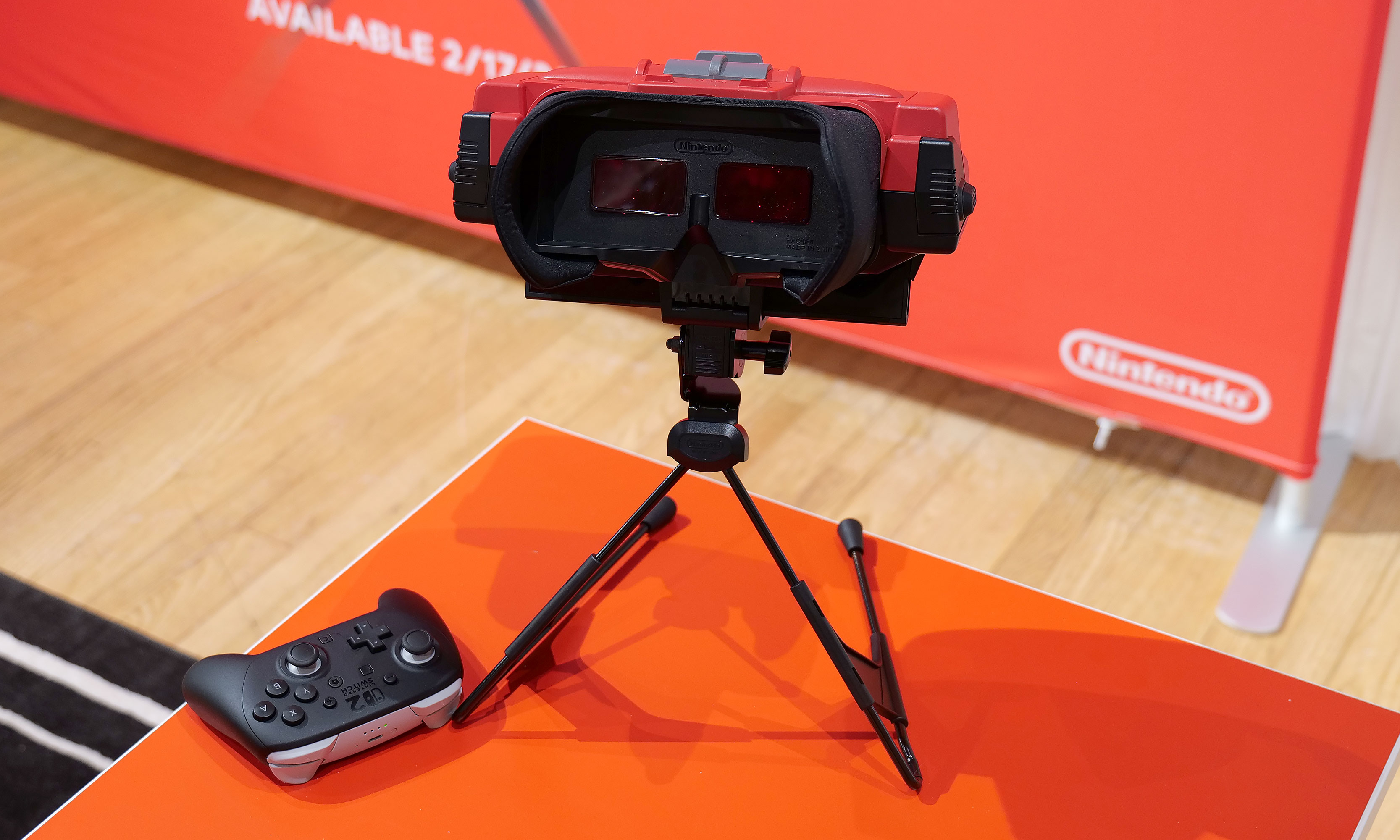
The most impressive thing about the revamped Virtual Boy is how much it looks and feels like the original. It still features that classic red and black color scheme along with a stand for propping it up. The biggest difference is that instead of having a built-in display, there’s a slot where you can slide in a Switch 2 (with its Joy-Con detached). This brings several advantages: Since the Switch 2 has its own battery, there’s no need for cords anymore. It also means you don’t have to worry about swapping in individual game carts, as software can be downloaded directly from Nintendo’s online store. Graphics also look much sharper than I remember, though I admit that could just be me getting old. Finally, instead of reviving the Virtual Boy’s archaic gamepad, Nintendo smartly opted to let us use the Switch 2’s current lineup of controllers. The end result is a design that’s faithful to the original but doesn’t suffer from many of the pitfalls that plagued so many 90s gadgets — like tangled wires, awkward controls and fuzzy displays. 

One thing Nintendo didn't change is Virtual Boy's monochrome red visuals.
One thing Nintendo didn’t change is Virtual Boy’s monochrome red visuals.
Sam Rutherford for Engadget

However, even with a fair bit of modernization, it’s hard to prepare your mind for the journey back in time that happens when you actually use it. Unlike every other contemporary VR headset, you still don’t strap the new Virtual Boy onto your face. Instead, you have to adjust its bipod so that its facemask is level with your face and then you kind of just lean in to immerse yourself in a world where red is the only color. It’s definitely a bit awkward, but it works. Nintendo even included a way to adjust IPD, so visuals look just as crisp (if not moreso) as they did on the original.

That said, the clunkiest thing about the Virtual Boy is its games. While Nintendo updated its exterior and internals, the company didn’t really mess with its software — for better and worse. This means you get a relatively unadulterated look at where people thought VR was headed 30 years ago, which becomes immediately evident as soon as you boot into one of the console’s first seven games. Galactic Pinball is slow and trying to time when to hit the flippers to prevent the ball from getting past you is an exercise in frustration. Meanwhile, Red Alarm feels like a cheap port of Battlezone, just with a vaguely Arwing-shaped plane instead of a tank. And once again, the pacing on this aerial shooter is glacial. Then there’s 3D Tetris, which just kind of hurts your head as you try to drop pieces from a top-down perspective while the entire stage pivots around and never stops moving. The only title that really stands out is Virtual Boy Wario Land, which was and still is the best game on the entire platform. 

There's no getting around it, the Virtual Boy's bipod is just kind of awkward.
There’s no getting around it, the Virtual Boy’s bipod is just kind of awkward.
Sam Rutherford for Engadget

After playing with the revamped Virtual Boy for just under half an hour, it’s just as eccentric and ungainly as the original was three decades ago. But you know what, I wouldn’t have it any other way because this thing is just as much of a time capsule as it is a nostalgic revival of a forgotten system. And if you want to experience a hazy concept of what people thought the future was going to be, there still isn’t anything like the Virtual Boy. 

The Virtual Boy add-on for the Switch 2 officially goes on sale on February 17 for $100, with the caveat that buyers will need an active Nintendo Switch Online + Expansion pack membership. Also, in addition to the seven games available at launch, Nintendo is planning to add nine more throughout the year including Mario’s Tennis and previously unreleased titles such as Zero Racers and D-Hopper.

This article originally appeared on Engadget at https://www.engadget.com/gaming/nintendo/the-switch-2s-virtual-boy-is-a-tribute-to-nintendos-wackiest-console-140000003.html?src=rss

NASA moves Artemis 2 launch to March after hydrogen leak during testing

NASA started making the final preparations for the Artemis 2 mission in early January, with the hopes of opening its launch window as soon as February 6. After issues showed up during the mission’s wet dress rehearsal in the early hours of February 3, however, the agency had to push back its earliest launch opportunity to March.

“With more than three years between SLS launches, we fully anticipated encountering challenges. That is precisely why we conduct a wet dress rehearsal. These tests are designed to surface issues before flight and set up launch day with the highest probability of success,” NASA administrator Jared Isaacman said on X.

During a wet dress rehearsal, the spacecraft to be used for a mission is loaded with propellants to simulate the actual preparations and countdown to liftoff. NASA explained that Artemis 2’s Space Launch System, which was already on the launch pad, suffered from a liquid hydrogen leak that its engineers spent hours troubleshooting. They were ultimately able to fill all the rocket’s tanks and started the countdown to launch. But with approximately five minutes left in the countdown, the ground launch sequencer automatically stopped due to a spike in the spacecraft’s liquid hydrogen leak rate.

The agency admits that it has other issues to fix, based on what happened during the rehearsal. It has to make sure that the cold weather doesn’t affect the mission’s equipment during the actual launch in the same way it did in testing . The Orion crew module’s hatch pressurization process took longer than expected, and that should must not happen on launch day. NASA also has to troubleshoot the audio communication channels for its ground teams after they dropped several times during the rehearsal. Artemis’ ground crew will review data from the wet dress rehearsal and address the aforementioned problems. NASA then has to conduct another test to confirm that they were taken care of before announcing the mission’s launch window.

NASA completed a wet dress rehearsal for the Artemis II mission in the early morning hours on Feb. 3. To allow teams to review data and conduct a second wet dress rehearsal, NASA will now target March as the the earliest possible launch opportunity for the Artemis II mission.… pic.twitter.com/jSnCUPLQb6

— NASA (@NASA) February 3, 2026

This article originally appeared on Engadget at https://www.engadget.com/science/space/nasa-moves-artemis-2-launch-to-march-after-hydrogen-leak-during-testing-140000351.html?src=rss

Fintech CEO and Forbes 30 Under 30 Alum Charged for Alleged Fraud

An anonymous reader shares a report: By now, the Forbes 30 Under 30 list has become more than a little notorious for the amount of entrants who go on to be charged with fraud.[…] Gokce Guven, a 26-year-old Turkish national and the founder and CEO of fintech startup Kalder, was charged last week with alleged securities fraud, wire fraud, visa fraud, and aggravated identity theft. The New York-based fintech startup — which uses the “Turn Your Rewards into [a] Revenue Engine” tagline — says it can help companies create and monetize individual rewards programs. The company was founded in 2022, and offers participating firms the opportunity to earn ongoing revenue streams via partner affiliate sales, Axios previously reported.

Guven was featured in last year’s Forbes 30 Under 30 list. The magazine notes in the writeup that Guven’s clients included major chocolatier Godiva and the International Air Transport Association, the trade organization that represents a majority of the world’s airlines. Kalder also claims to have enjoyed the backing of a number of prominent VC firms. The U.S. Department of Justice alleges that, during Kalder’s seed round in April of 2024, Guven managed to raise $7 million from more than a dozen investors after presenting a pitch deck that was rife with false information.

According to the government, Kalder’s pitch deck claimed that there were 26 brands “using Kalder” and another 53 brands in “live freemium.” However, officials say that, in reality, Kalder had, in many cases, only been offering heavily discounted pilot programs to many of those companies. Other brands “had no agreement with Kalder whatsoever — not even for free services,” officials said in a press release announcing the indictment. The pitch deck also “falsely reported that Kalder’s recurring revenue had steadily grown month over month since February 2023 and that by March 2024, Kalder had reached $1.2 million in annual recurring revenue.” The government also accuses Guven of having kept two separate sets of financial books.


Read more of this story at Slashdot.

The 8BitDo Pro 3 Bluetooth Controller is down to a new all-time low

If you’ve been inside all winter gaming then it might be time to upgrade your gear. Right now, the 8Bitdo Pro 3 Bluetooth Controller is available for just over $48, down from $70. The 31 percent discount is the lowest price we’ve seen yet for the controller. Notably, the sale is only available on the Gray model.

The new 8Bitdo Pro 3 came out in August and offers TMR Joysticks with a 12-bit ADC sampling chip. It also has a Trigger Mode Switch, 2 Pro paddle buttons and swappable magnetic ABXY buttons for moving between the Switch and Xbox layouts. Plus, it has an integrated charging dock. 

This 8Bitdo controller is compatible with Apple, SteamOS, Android devices, PC, Switch, and Switch 2 devices. 

Follow @EngadgetDeals on X for the latest tech deals and buying advice.

This article originally appeared on Engadget at https://www.engadget.com/deals/the-8bitdo-pro-3-bluetooth-controller-is-down-to-a-new-all-time-low-143036684.html?src=rss

Linux Dropping SMC TCP ULP Support For Being “Fundamentally Broken”

Merged four years ago to the Linux kernel networking subsystem’s Shared Memory Communications (SMC) code was TCP Upper Layer Protocol (ULP) support for allowing applications to replace TCP with the SMC protocol in-place as a transparent replacement. Except for the next kernel cycle it’s set to be reverted after realizing it’s “fundamentally broken.”..

Proton VPN two-year subscriptions are 70 percent off right now

Proton VPN is running a solid deal right now, dropping its two-year Proton VPN Plus plan to $2.99 per month. That works out to $72 billed upfront for the first 24 months, which represents a 70 percent discount compared to its regular pricing. 

We’ve rated Proton VPN highly thanks to its strong privacy credentials, transparent nonprofit backing and consistently fast performance. It’s one of the services we recommend in our guide to the best VPNs, and this deal also shows up alongside other standout offers in our ongoing roundup of the best VPN deals. It’s a good option if you’re looking to lock in long-term protection at a lower monthly cost.

In our Proton VPN review, the service impressed us with consistently fast performance and strong privacy protections. We measured average download speeds at 88 percent of our unprotected connection and upload speeds at 98 percent, which is more than enough for 4K streaming, gaming and torrenting. It also unblocked Netflix in every region we tested, and while its Mac and iOS apps aren’t quite as polished as the Windows and Android versions, the service is still easy to install and largely set-it-and-forget-it across platforms. We gave Proton VPN a score of 90 out of 100.

Proton VPN Plus is the company’s premium tier and includes access to its full server network, which now spans more than 15,000 servers across 120-plus countries. A single subscription covers up to 10 devices at once and unlocks features like NetShield ad and malware blocking, Secure Core “double hop” connections, split tunneling, custom DNS controls and priority customer support. Proton VPN Plus also supports fast P2P traffic on nearly all paid servers and includes VPN Accelerator, which helps maintain high speeds over long-distance connections.

Right now, Proton VPN Plus is discounted to $2.99 per month when you commit to two years, billed as $72 upfront for the first 24 months. After that, the plan renews annually at $83.88. That’s a 70 percent discount compared to the standard monthly rate. As with Proton’s other paid plans, the subscription comes with a 30-day money-back guarantee, so you can try it risk-free if you’re not ready to lock in long term.

This article originally appeared on Engadget at https://www.engadget.com/deals/proton-vpn-two-year-subscriptions-are-70-percent-off-right-now-123000972.html?src=rss

The Morning After: Elon Musk’s SpaceX is buying his AI company, xAI

Like some sort of corporate Russian doll, SpaceX has announced its acquisition of xAI. The merger will “form the most ambitious, vertically integrated innovation engine on (and off) Earth,” according to, well, owner Elon Musk. 

The AI company, arguably best known for its ongoing CSAM-generating chatbot controversy, might seem like a strange fit for a rocket company. But SpaceX is apparently key to Musk’s latest scheme to build AI data centers in space. There might be an argument for moving the resource-intensive operations to space — but Musk continued.

He also claimed space-based data centers will eventually enable further advances in space travel. “The capabilities we unlock by making space-based data centers a reality will fund and enable self-growing bases on the Moon, an entire civilization on Mars and ultimately expansion to the Universe.”

Back on Earth, xAI and X (formerly Twitter) merged last year, which means SpaceX now owns the social network Musk bought in 2022. 

— Mat Smith

The biggest stories you might have missed

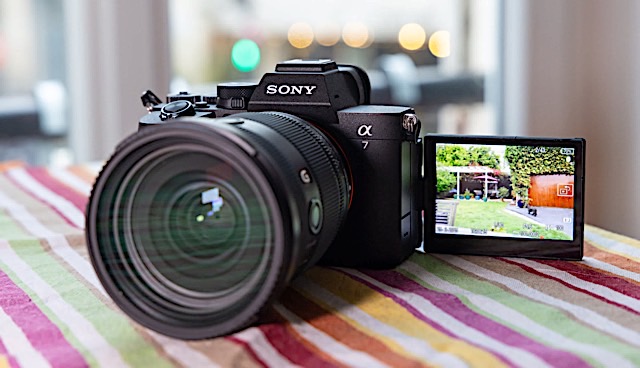
Sony A7 V camera review

Awesome speed and photo quality.

TMA
TMA
Engadget

The Sony A7 V is an imaging powerhouse that brings the speed and precision of its high-end siblings to the enthusiast tier. Thanks to a new 33MP partially stacked sensor, image quality is where it truly pulls ahead, offering best-in-class dynamic range and low-light performance that outclasses 24MP rivals despite the higher resolution. If your primary goal is capturing the perfect still, the combination of accurate AI autofocus and improved color science makes this arguably the best all-around Sony shooter yet.

However, if you’re a video-first creator, the A7 V might feel like it’s a little behind. While the 10-bit 4K footage is sharp and benefits from impressive AI auto-framing and stabilization, it lacks internal RAW recording, which competitors like the Canon R6 III and Panasonic S1 II now offer. Make sure you check out the full review.

Continue reading.

Apple acquires Q.ai for a reported $2 billion

After Beats, it’s the company’s second-biggest ever purchase.

It’s the time of AI acquisitions, it seems. Even Apple’s doing it. Apple has acquired Israel-based startup Q.ai. Although Apple has not disclosed the terms of the deal, The Financial Times reports the arrangement is valued at nearly $2 billion. 

Apple hasn’t shared specifics on how it plans to leverage the startup, but patents filed by Q.ai focus on integrating its technology into headphones or even glasses, using “facial skin micro movements” to communicate without talking.

Continue reading.

This article originally appeared on Engadget at https://www.engadget.com/general/the-morning-after-elon-musks-spacex-is-buying-his-ai-company-xai-121500751.html?src=rss