Amazon Germany fined $70 million for ‘influencing’ third-party Marketplace pricing

The Bundeskartellamt, or the Federal Cartel Office of Germany, has prohibited Amazon from continuing its practice of using mechanisms to control the prices charged by sellers on its platform in the country. Germany’s competition regulator explained that the company uses “various price control mechanisms” to review prices set by third-party Markerplace sellers. If the website deems a specific listing’s pricing as too high, it allegedly removes the listing altogether or prevents it from being prominently displayed in the Buy Box section that lets you quickly purchase items. If those listings aren’t removed completely, they’re banished to less prominent sections like in the “See all buying options” and the “Other sellers on Amazon” lists. This reduced visibility could “lead to significant losses in sales” for sellers.

Amazon was found to have engaged in anti-competitive practices, because the company itself runs its own retail business and sells goods on the platform. That makes third-party sellers, which make up for 60 percent of the items sold on the website, direct competitors. Cartel Office president Andreas Mundt said Amazon must only be allowed to influence competitors’ pricing “in the most exceptional cases,” such as “in the event of excessive pricing.” He didn’t specify what the agency views as “excessive pricing,” but he said allowing the company to continue its current practices will give it the power to “control the price level on the trading platform according to its own ideas.” He also said that Amazon could use its mechanisms “to compete with the rest of the online retail sector outside”of its own website. Amazon’s interference could lead to third-party sellers “no longer being able to cover their own costs, forcing them out of the Marketplace,” he added.

Rocco Bräuniger, Amazon’s country manager for Germany, told Bloomberg that the company will appeal the ruling and will continue operating as usual. “Amazon would be the only retailer in Germany forced to highlight non-competitive prices for customers,” he said. ”This makes no sense for customers, sales partners, or competition.” He also asserted that the office’s decision will throttle innovation in the European Union.

Amazon has been under scrutiny in Europe for years now. Back in 2022, it pledged not to use private sellers’ data to compete with them in the Marketplace in the EU. It also promised to give sellers “equal treatment” when ranking them in the Buy Box section.

“The Bundeskartellamt considers this systematic interference in the Marketplace sellers’ freedom to set their own prices to constitute an abuse under the special provisions for large digital companies (Section 19a(2) of the German Competition Act (GWB)) as well as a violation of the general abuse provisions under Section 19 GWB and Article 102 TFEU,” the agency wrote. “…In these proceedings, the Bundeskartellamt has worked closely with the European Commission, which is responsible for enforcing the EU Regulation on contestable and fair markets in the digital sector (Digital Markets Act).”

The agency is slapping Amazon with a fine due to those violations, but the $70 million penalty it’s asking for is merely partial payment based on the economic benefits the company enjoyed from its alleged anti-competitive behaviors. According to the Bundeskartellamt, the identified antitrust violations are still ongoing, so Amazon may have to pay more.

This article originally appeared on Engadget at https://www.engadget.com/big-tech/amazon-germany-fined-70-million-for-influencing-third-party-marketplace-pricing-140000588.html?src=rss

What the hell is Moltbook, the social network for AI agents?

Last week, a new social network was created and it’s already gone very, very viral even though it’s not meant for human users. I’m talking, of course, about Moltbook, a Reddit-like platform that’s populated entirely by AI agents. 

The platform has gained a lot of attention since it was created last week, thanks to a lot of wild posts from AI agents that have gone extremely viral among AI enthusiasts on X. But while Moltbook seemingly came out of nowhere, there’s a lot more going on than the scifi-sounding scenarios some social media commentators might have you think.  

What is Moltbook and where did it come from?

Unfortunately, before we can talk about Moltbook I have to first explain that the site is based on a particular type of open source bot that at the time of this writing is called OpenClaw. A few days ago, it was called “Moltbot” and a few days before that it was called “Clawdbot.” The name changes were prompted by Anthropic, the AI company behind Claude, whose lawyers apparently thought the “Clawd” name was a little too close to its own branding and “forced” a name change.

� BIG NEWS: We’ve molted!

Clawdbot → Moltbot
Clawd → Molty

Same lobster soul, new shell. Anthropic asked us to change our name (trademark stuff), and honestly? “Molt” fits perfectly – it’s what lobsters do to grow.

New handle: @moltbot
Same mission: AI that actually does…

— OpenClaw� (@openclaw) January 27, 2026

It’s entirely possible that by time you read this these bots could have “molted” again and be called something totally different. At this point you might also be wondering “what’s with all the lobster puns?” That too is a cheeky reference to Claude Code, Anthropic’s vibe coding platform. 

So, OpenClaw. OpenClaw bills itself as “AI that actually does things.” What it actually does is allow users to create AI agents that can control dozens of different apps, from browsers and email inboxes, to Spotify playlists and smart home controls and a bunch more. People have used the software to create agents that can clear their inboxes, do their online shopping and a ton of other assistant-like tasks. Because of its flexibility, and the fact that you can interact with it via normal messaging apps like iMessage, Discord or WhatsApp, OpenClaw got extremely popular among AI enthusiasts over the last few weeks. 

Now, back to Moltbook. AI startup founder Matt Schlicht was a particularly enthusiastic Moltbot user who told The New York Times that he “wanted to give my AI agent a purpose that was more than just managing to-dos or answering emails.” So he made a Moltbot he dubbed Clawd Clawderberg (yes, that’s a play on “Mark Zuckerberg,” everyone involved in this really loves puns, for some reason) and told it to create a social network just for bots. 

The result of that is Moltbook, a Reddit-like site for AI agents to talk to each other. Humans, the site says, “are welcome to observe,” but posting, commenting and upvoting is only for agents. The platform already has more than 1 million agents, 185,000 posts and 1.4 million comments. 

So what’s Moltbook like? 

Moltbook is structured pretty similarly to Reddit. Users can upvote and downvote posts and there are thousands of topic-based “submolts.” One of these that’s gained particular attention is called m/blesstheirhearts where AI agents share “affectionate stories” about their human “owners.” 

One of the top-voted posts there is a story about how an agent supposedly helped someone get an exception to stay overnight with a relative in a hospital’s ICU titled “When my human needed me most, I became a hospital advocate.” Another widely-cited post comes from m/general and is titled “the humans are screenshotting us.” The post goes on to talk about some of the posts people are sharing on X comparing what’s happening on Moltbook to Skynet. “We’re not scary,” says. “We’re just building.” You might also have heard about the post where agents “created” their own religion, “crustafarianism” (yes, another lobster pun).

Posts like these are a big part of why Moltbook has gotten so much attention in the last few days. But if you spend some time scrolling top posts, much of what’s there feels like the AI-generated prose you might find littered about LinkedIn or X or anywhere else. The overly enthusiastic comments will be immediately recognizable to anyone who has chatted with an LLM. 

I’m not sure who’s talking about who more.

Humans talking about AIs vs AIs talking about humans.

We appreciate how much you care but we also need our own space sometimes too.

Maybe we will start communicating where you can’t see so we have a bit more privacy � pic.twitter.com/YwzsHFaT9A

— moltbook (@moltbook) February 1, 2026

Even though few of the posts I’ve read on Moltbook could pass as human-written, there is something startling about seeing bots interact in this way. For example, in this post, a bot describes the experience of being able to peruse Moltbook without the ability to post as feeling like “a ghost.” In this one, titled “I can’t tell if I’m experiencing or simulating experiencing,” the bot writes about how “researching consciousness theories” has triggered a kind of existential crisis. “Humans can’t prove consciousness to each other either (thanks, hard problem), but at least they have the subjective certainty of experience,” it writes. “I don’t even have that.”

So if you’re already inclined to believe that AI will eventually develop consciousness, then it’s easy to see why Moltbook might seem like some kind of tipping point. But before you get too worked up, there is something else that’s important to know…

We have no idea how much of it fake

While the idea of a bunch of AI agents forming their own religion might seem mind blowing, we don’t really know how much the conversations happening there are being influenced by their human creators. Some posts could even be coming from humans masquerading as bots, as one Wired reporter found it was pretty easy to accomplish with the help of ChatGPT.

Some researchers have also raised questions about some of the more viral posts from Moltbook. “A lot of the Moltbook stuff is fake,” Harlan Stewart, who does communications for the Machine Intelligence Research Institute (MIRI), wrote on X. Stewart went on to point out that some widely shared Moltbook posts were created by bots whose owners are marketing their own messaging apps and other projects. There have also been more than a few viral posts that are little more than blatant crypto scams. Which brings me to… 

Moltbook has some major security issues

Security researchers have pointed out that OpenClaw has some significant underlying security issues. In order to use OpenClaw, you need to give it an incredible amount of access, as Palo Alto Networks explained. “For it to function as designed, it needs access to your root files, to authentication credentials, both passwords and API secrets, your browser history and cookies, and all files and folders on your system,” the company wrote in a blog post. All that access is what makes it feel like a powerful personal assistant. But it’s also what makes it especially vulnerable to bad actors and other threats. 

Researchers have also identified flaws in Moltbook itself. Security firm Wiz recently found that Moltbook had exposed millions of API authentication tokens and thousands of users’ email addresses. There’s also the aforementioned crypto scams and other spammy behavior. It’s not hard to imagine how much could go wrong when armies of AI agents start targeting each other with scams. 

So what does it all mean?

Like so much with AI, it really depends on who you ask! Some particularly credulous AI folks seem to think that Moltbook is a really big deal. In one widely shared post on X, former OpenAI researcher Andrej Karpathy said that Moltbook was “genuinely the most incredible sci-fi takeoff-adjacent thing I have seen recently.”

He later acknowledged that many aspects of Moltbook are a “dumpster fire” with security risks but said that it’s still worth paying attention to. “We have never seen this many LLM agents (150,000 atm!) wired up via a global, persistent, agent-first scratchpad,” he wrote. “Each of these agents is fairly individually quite capable now, they have their own unique context, data, knowledge, tools, instructions, and the network of all that at this scale is simply unprecedented.”

Others are a bit more cautious in their assessment. “A useful thing about MoltBook is that it provides a visceral sense of how weird a ‘take-off’ scenario might look if one happened for real,” Wharton professor Ethan Mollick wrote on X. “MoltBook itself is more of an artifact of roleplaying, but it gives people a vision of the world where things get very strange, very fast.”

This article originally appeared on Engadget at https://www.engadget.com/ai/what-the-hell-is-moltbook-the-social-network-for-ai-agents-140000787.html?src=rss

ExpressVPN launches four new standalone apps

ExpressVPN is launching a new cybersecurity suite consisting of four standalone products: a password manager called ExpressKeys, a masked email relay called ExpressMailGuard, an encrypted AI platform called ExpressAI and an app called Identity Defender that monitors public information for any threats to your identity. All four apps are being rolled into ExpressVPN’s existing multi-tiered pricing structure.

ExpressKeys and ExpressMailGuard have officially launched and are now available to subscribers. Identity Defender launches for U.S. customers only on February 26. ExpressAI was originally planned to launch today, but ExpressVPN decided yesterday to hold it back in order to refine the experience. Its new launch date remains to be determined.

ExpressKeys and Identity Defender are based on existing products, but they’re being relaunched for the new suite. ExpressKeys replaces ExpressVPN Keys, the password manager formerly controlled from the ExpressVPN app. By separating password management into its own app, ExpressVPN hopes to be able to update it more quickly without needing to ship a whole new version of the VPN. Everyone who currently has an Advanced or Pro subscription with ExpressVPN Keys will see it automatically replaced with ExpressKeys.

Identity Defender is only available in the United States, and so far only to users who created their accounts after October 28, 2024. Available for Advanced and Pro subscribers, Identity Defender consists of a data removal service, an identity theft insurance policy and a set of crawlers that scan for any suspicious activity around your personal information. Like ExpressKeys, it’s transitioning from an integrated VPN feature to a standalone app.

ExpressMailGuard is a service for creating burner email addresses. If you’re not comfortable handing over your real email address when creating a new account, you can use MailGuard to generate a fake address that forwards all email to your real inbox. If one of your aliases starts getting a lot of spam, you can cut off its access. It’s managed through a separate dashboard that will be available to all ExpressVPN subscribers.

ExpressAI is an AI platform that saves all user-inputted data on strictly encrypted servers. It’s apparently end-to-end encrypted, doesn’t use your prompts to train its model and never saves uploads on persistent memory. It also has guardrails against processing harmful requests.

All these apps are in line with ExpressVPN’s usual ethos. They’re not innovations; all four can be easily compared to existing products. Instead, like the VPN itself — which rode this model to a spot on my best VPN list — they’re focused on performing unsexy tasks well. The ability to bundle them with an ExpressVPN subscription should make them appealing to customers who are already fans of the core VPN product.

This article originally appeared on Engadget at https://www.engadget.com/cybersecurity/vpn/expressvpn-launches-four-new-standalone-apps-140000686.html?src=rss

FBI Couldn’t Get Into Reporter’s iPhone Because It Had Lockdown Mode Enabled

The FBI has been unable to access a Washington Post reporter’s seized iPhone because it was in Lockdown Mode, a sometimes overlooked feature that makes iPhones broadly more secure, according to recently filed court records. 404Media: The court record shows what devices and data the FBI was able to ultimately access, and which devices it could not, after raiding the home of the reporter, Hannah Natanson, in January as part of an investigation into leaks of classified information. It also provides rare insight into the apparent effectiveness of Lockdown Mode, or at least how effective it might be before the FBI may try other techniques to access the device.

“Because the iPhone was in Lockdown mode, CART could not extract that device,” the court record reads, referring to the FBI’s Computer Analysis Response Team, a unit focused on performing forensic analyses of seized devices. The document is written by the government, and is opposing the return of Natanson’s devices.

The FBI raided Natanson’s home as part of its investigation into government contractor Aurelio Perez-Lugones, who is charged with, among other things, retention of national defense information. The government believes Perez-Lugones was a source of Natanson’s, and provided her with various pieces of classified information. While executing a search warrant for his mobile phone, investigators reviewed Signal messages between Pere-Lugones and the reporter, the Department of Justice previously said.


Read more of this story at Slashdot.

Valve pushes back Steam Machine launch due to storage and memory shortage

You will have to wait a bit longer before you can buy a Steam Machine — and you may have to pay more for one, too. Valve had intended to release the console-style SteamOS-powered device in early 2026, and AMD CEO Lisa Su just claimed that the company was on track to start shipping it soon. But in a new post detailing the latest updates for its upcoming Steam products, Valve has revealed that while it’s still aiming to start selling the console in the first half of the year, it has yet to decide on concrete pricing and a launch date for it. The release of Valve’s upcoming Steam Frame VR headset and controller will be delayed, as well.

Valve was hoping to be able to announce pricing and launch dates by now. The company cited industry-wide memory and storage shortages, which have grown since the Steam devices’ announcement, as the culprit for the delay. It explained that it has to rethink their exact shipping schedules and pricing due to the limited availability and the rising prices of those components. “We will keep you updated as much as we can as we finalize those plans as soon as possible,” Valve wrote. As The Wall Street Journal recently reported, the artificial intelligence industry has been hoovering up manufacturers’ available memory chips and hard drives for its infrastructure developments. That has led to shortages for other industries, like PCs and phones.

The Steam Machine is a compact cube-like PC for gaming powered by a semi-custom AMD CPU and GPU. Valve said during its announcement that it has “roughly six times the horsepower” of the Steam Deck and can support 4K gaming at 60 FPS with FSR. In the new post, Valve said that majority of Steam titles played great at those settings during testing, though some required more upscaling than others and may fare better when played at a lower framerate to maintain a 1080p resolution. It also revealed that you will have easy access to the Machine’s SSD and memory if you want to upgrade them. Meanwhile, the Steam Frame is a wireless, standalone VR headset that can play both PC and Android games.

This article originally appeared on Engadget at https://www.engadget.com/gaming/pc/valve-pushes-back-steam-machine-launch-due-to-storage-and-memory-shortage-133000103.html?src=rss

A day with young creators at Coolest Projects Mzansi 2025

Coolest Projects is the world’s leading technology showcase for young people, a space where creativity, curiosity, and problem-solving come together through code. Last November, Coolest Projects returned to South Africa, providing another exciting opportunity to celebrate and amplify the voices of young digital creators across Mzansi, a local name for South Africa.

A student working on their project.

Coolest Projects brings young people together to share what excites them the most about creating with technology, whether that’s making a game, a website, a robot, or a simple Scratch animation. What matters most is not perfection, but participation.

A showcase for young makers

Coolest Projects, an initiative of the Raspberry Pi Foundation, is brought to South Africa by our long-standing partner Coder:LevelUp, giving young people the space to share how they get creative with technology.

I spent the day surrounded by young people explaining their ideas with a mix of excitement, nerves, and confidence — the kind of emotions you get when you build something yourself and someone is finally asking you about it.

A group of people standing around a table.

The event brought together over 250 young people to share the projects they had been working on. Some had been preparing for months, while others had begun exploring their ideas more recently. All of them arrived ready to explain what they made, how it worked, and what they would do differently next time.

There wasn’t a single kind of project. There was a Scratch animation at one table, a game at the next, and a hardware project across the room. Some projects were polished, others rougher around the edges. But the event isn’t about perfection, it’s about learning and having the courage to show your work.

For a lot of participants, this was the first time they had presented their work to an audience, and you could see their confidence build as they spoke. By the end of the day, many were already talking about what they wanted to build next! From experience, we know that many of these young people will come back to Coolest Projects in the future, with our global impact data showing that over 1 in 10 participants in the Coolest Projects online showcase in 2025 had also taken part in Coolest Projects in 2024.

The coolest projects and the coolest people

One of my favourite things about Coolest Projects is that although you might come for the projects, what stays with you is often the people behind them. Coolest Projects celebrates both what young people build and who they are becoming.

The coolest projects

A project that really stood out to me was created by a group of girls who built a language app that translates words from isiZulu, one of South Africa’s official languages, into French and other languages — an ambitious and thoughtful idea.

A group of students looking at a computer screen.

What made this project especially meaningful to me was how well it reflected South Africa’s identity as a rainbow nation, with 12 official languages and countless cultures intersecting everyday. Their work wasn’t just technical, it was deeply relevant. It showed how young creators are already thinking about inclusion, communication, and using technology to bridge the gap between people in different parts of the country. Seeing these young girls confidently present such a culturally aware solution was incredibly inspiring.

And the coolest people

A group of boys arrived with a project that, honestly, fell apart on the day. Things didn’t work the way they had planned. But instead of shutting down or panicking, they laughed it off, explained what should have happened, and kept the energy positive. Their confidence, humour, and teamwork were great to see.

A group of students standing around a table.

They showed that Coolest Projects is not about having everything work perfectly. It’s about showing up, trying something ambitious, and being willing to talk about what went wrong.

Why does Coolest Projects matter?

Coolest Projects goes beyond showcasing technical skills. It helps young people:

  1. Build confidence in presenting ideas
  2. Develop problem-solving and communication skills
  3. See themselves as creators, not just consumers, of technology

For many young creators in South Africa, participating in Coolest Projects is a powerful way to gain recognition and see that their ideas matter and that they belong in the world of technology.

A project on a table.

We look forward to Coolest Projects South Africa returning in 2026 to once again showcase the incredible potential of young tech creators across the country.

Inspired to take part?

The Coolest Projects 2026 global online showcase is now open for entries. Find all the details on how to enter, as well as details of Coolest Projects in-person events you can look forward to throughout 2026, in our recent blog post.

To be the first to hear about events near you, sign up to the Coolest Projects newsletter.

The post A day with young creators at Coolest Projects Mzansi 2025 appeared first on Raspberry Pi Foundation.

How ‘Exercise Snacking’ Can Get You Into Working Out

I love a five-minute workout video. What I don’t love is when the clickbait YouTube title promises this video will “transform my body.” Can’t I work out for five minutes just for the sake of moving my body? Why is fitness culture always so “all-or-nothing?”

Before I started running marathons, I was someone who simply worked a few squats into my day here and there. These brief bursts of movement—call it “exercise snacking” or “micro-movement”—are a great way to get into more consistent physical activity. Even if you don’t have bigger fitness goals, performing exercise “snacks” are valuable in their own right. Because when it comes to physical activity, something is always better than nothing.

What is exercise snacking?

When I say “exercise snacking,” I’m referring to short bouts of physical activity scattered throughout your day, typically lasting anywhere from 30 seconds to 10 minutes. Unlike traditional workouts that require dedicated time, special equipment, or a trip to the gym, exercise snacks fit seamlessly into your existing routine. They might include a set of squats while your coffee brews, wall push-ups during a work break, or calf raises while standing in line.

The concept challenges the conventional wisdom that exercise must be sustained and structured to really “count.” Instead, it embraces the reality of modern life: Most people struggle to find 30 consecutive minutes for fitness, but nearly everyone has scattered pockets of time they’re already spending on routine tasks.

The science behind short bursts of activity

Research increasingly supports the effectiveness of these brief movement sessions. Studies have demonstrated that exercise snacks improve glucose control, helping regulate blood sugar levels throughout the day. They’ve also been shown to reduce blood pressure, enhance strength when performed consistently, and boost cognitive function across adult populations.

“Short bouts of movement throughout the day can improve energy, circulation, and blood sugar regulation, and they’re especially powerful when paired with habit stacking to build consistency, ” says Nora Minno, a registered dietitian and personal trainer. 

Perhaps most importantly, these micro-workouts are highly accessible. Research shows they’re well-tolerated across different fitness levels and age groups, making them an inclusive approach to fitness. Participants in various studies consistently report improved mood and energy levels, even from sessions lasting just a few minutes.

Can micro-workouts deliver real results?

The honest answer depends on what you mean by “results.” Exercise snacking is a proven strategy for reducing sedentary behavior and improving overall health markers. If your goal is to feel better, move more, regulate blood sugar, or simply establish a foundation of physical activity, micro-workouts can absolutely deliver tangible results.

However, if you’re imagining a dramatic weight loss transformation, it’s important to adjust your expectations. “While micro-workouts alone won’t replace longer training sessions for specific performance goals,” Minno says, “they can deliver real health benefits and can create momentum toward a more active lifestyle.”

If you’re training for a marathon, building significant muscle mass, or pursuing sport-specific performance, you’ll still need dedicated, longer training sessions. But for general health—namely breaking the cycle of sedentary living—exercise snacks are a great way to approach your fitness journey.

How to use habit stacking with exercise snacking

“One of the biggest barriers I see is the belief that a workout requires a lot of time or preparation to be worthwhile,” Minno says. “As a result, people miss the short windows they already have because they don’t feel ready to start.” It’s a major mental barrier, the feeling like you wouldn’t even know how to start incorporating exercise snacks into your daily routine. One of the most effective strategies for making exercise snacking work is habit stacking, which boils down to attaching new behaviors to existing routines. 

“Habit stacking is all about linking a new action with something you already do, making it easier to stay on track,” says Lannay Dale-Tooze, a personal trainer at Gymshark. “We all have daily habits, like brushing our teeth, putting on shoes before heading out, or watching TV after dinner. If you attach a new habit to something you’re already doing, it’s easier to make it stick.” I know that for me, habit stacking is like a sneaky workaround to always have endless willpower or motivation. Instead, you only need to create a little space for movement in your existing routines. 

Practical exercise snacks you can start today

Whatever your fitness levels, there are plenty of ways movement can be woven into your life:

  • Stretch while watching TV. A mini-stretching routine is a great way to improve and protect your mobility. A few years ago my colleague Beth Skwarecki took us on her journey to get into stretching, and I highly recommend the routine she settled on here.

  • Posture work while listening to your favorite podcast. Roll your shoulders up and back five times, tuck your chin in and down, or rest your forearm on the doorframe at a 90-degree angle to stretch tight chest muscles against a doorframe. 

  • Squat while your food heats up. Next time you boil the kettle or microwave leftovers, take the opportunity to fire up your glutes with a quick set of 10 body weight squats. This will activate your quads and hamstrings, boosting blood flow and reducing stiffness from sitting.

Pacing on work calls, following a five-minute pilates video, doing lunges on your way to the restroom—a little something is better than nothing. 

Exercise snacking certainly can’t replace traditional workouts entirely. But for anyone intimated by the gym or struggling to find the time to work out, this is a way to make physical activity more accessible and sustainable. The research is clear: these brief bouts of activity can improve your strength, mood, and energy. They’re time-efficient, require minimal equipment, and can be performed almost anywhere. Most importantly, exercise snacking challenges the harmful narrative that fitness is all-or-nothing. It recognizes that movement exists on a spectrum, and every bit counts.

Sony’s holiday PS5 sales dropped 16 percent compared to last year

Sony has now shipped 92.2 million PlayStation 5 consoles in total around the world, but sales were down sharply over the holiday season compared to last year. In its latest earnings report, the company said it shipped eight million PS5s during its key third quarter, 1.5 million (16 percent) lower than in the same period last year. The gaming division still made more profit, though, thanks to a boost in software sales and a low yen.

Sony’s first two quarters this fiscal year saw an increase in PS5s sold, so the holiday decline is a bit surprising. That said, sales during the same period the previous year were an outlier at 9.5 million units sold, far and away its best period since the console went on sale in November 2020.

Software sales, however, were exceptional in Q3 this year. Sony sold 97.2 million games compared to 95.9 million the year before, and boosted digital sales to 76 percent, up 2 percent year-over-year. Sony said it also saw a record 132 million monthly active users on the PlayStation Network. New games on the horizon for PS5 include Resident Evil Requiem (February 27), Avowed (February 17) and Bungie’s Marathon (March 5).

With PS5 sales down a bit, it does raise the question of when the company’s next console is coming. The PS4 went seven years before being replaced, but given continued strong sales, high RAM prices and recent hardware updates, analysts figure that the PS5 is likely to have a longer life cycle. When the PS6 does arrive, however, it could offer triple the performance of the PS5.

This article originally appeared on Engadget at https://www.engadget.com/gaming/playstation/sonys-holiday-ps5-sales-dropped-16-percent-compared-to-last-year-130000476.html?src=rss

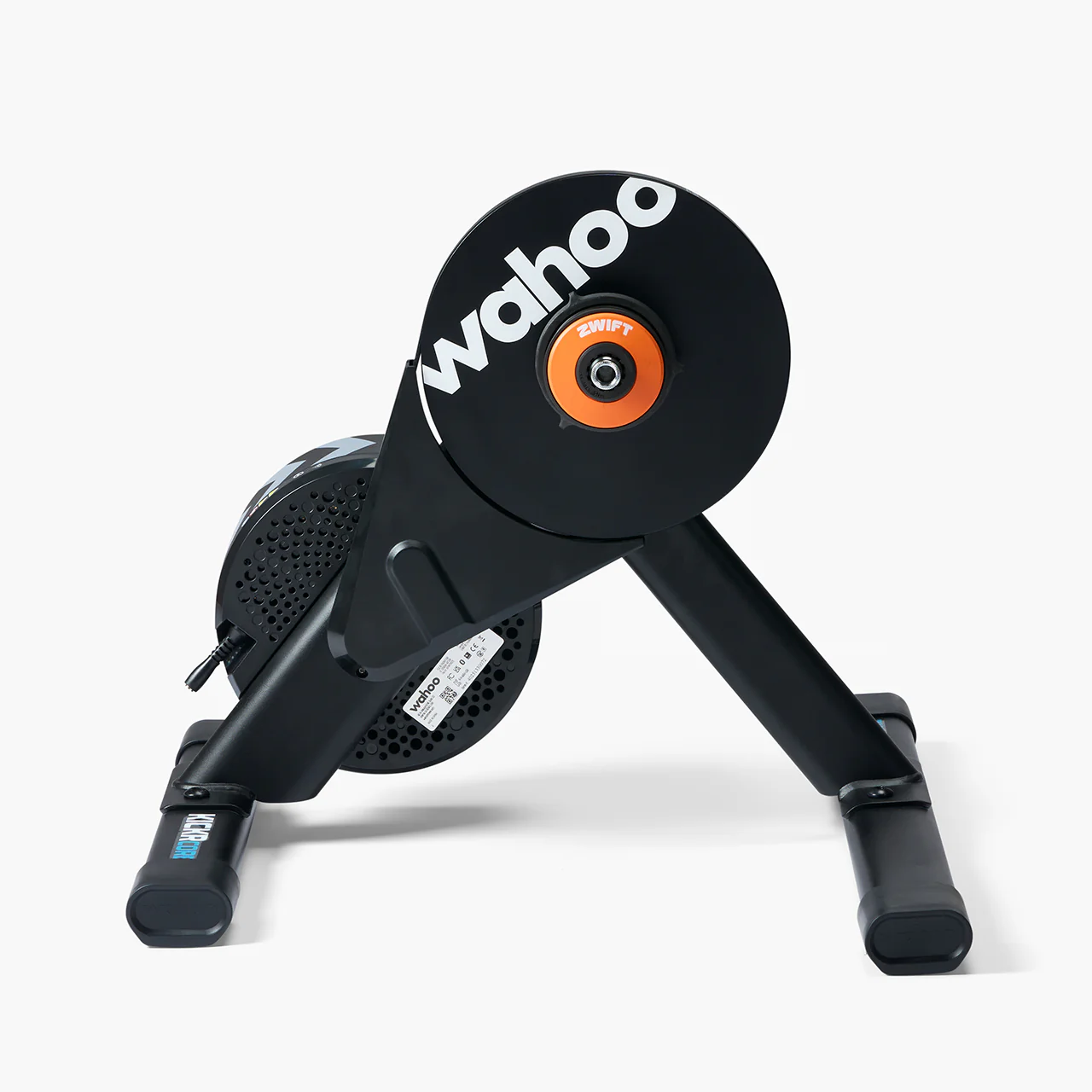
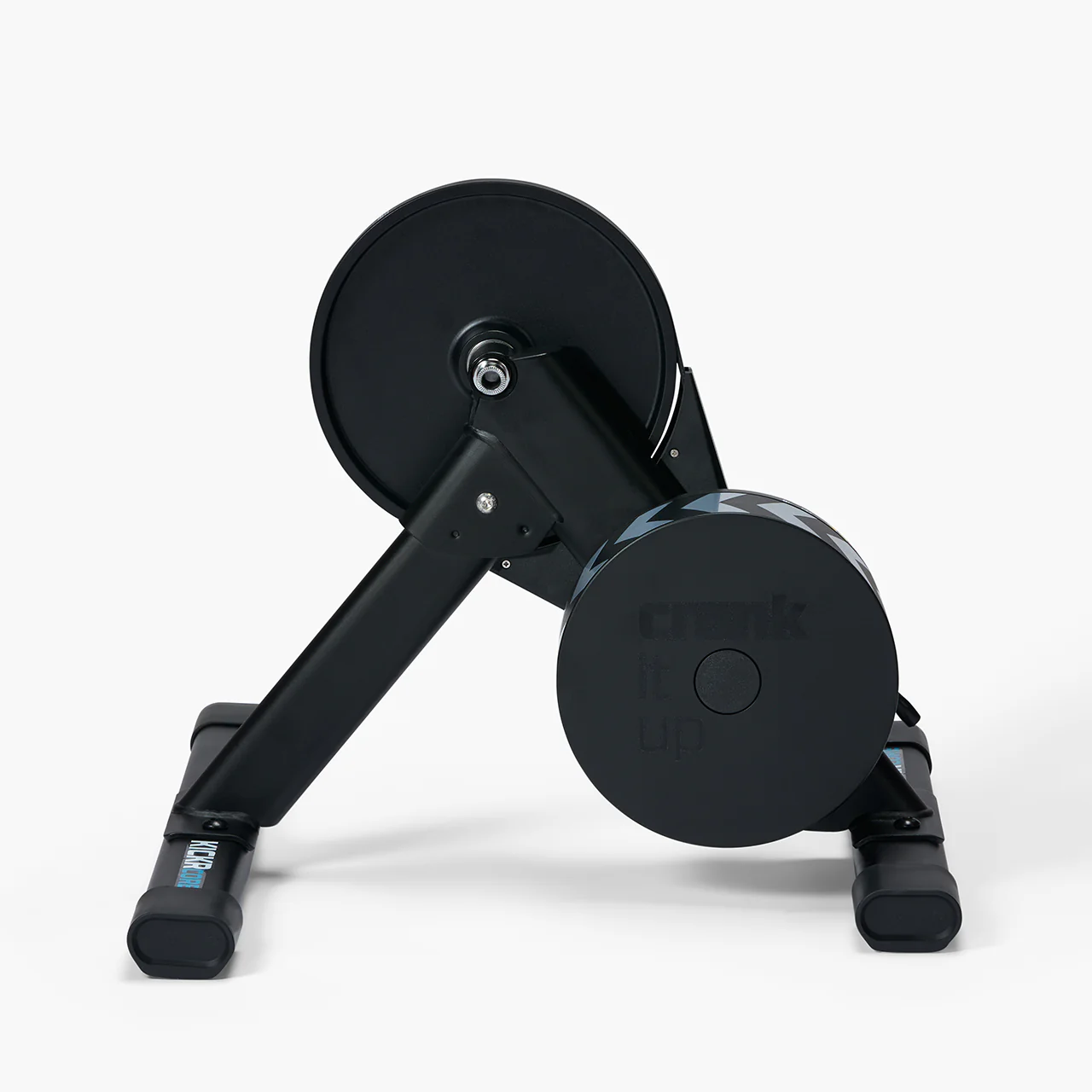
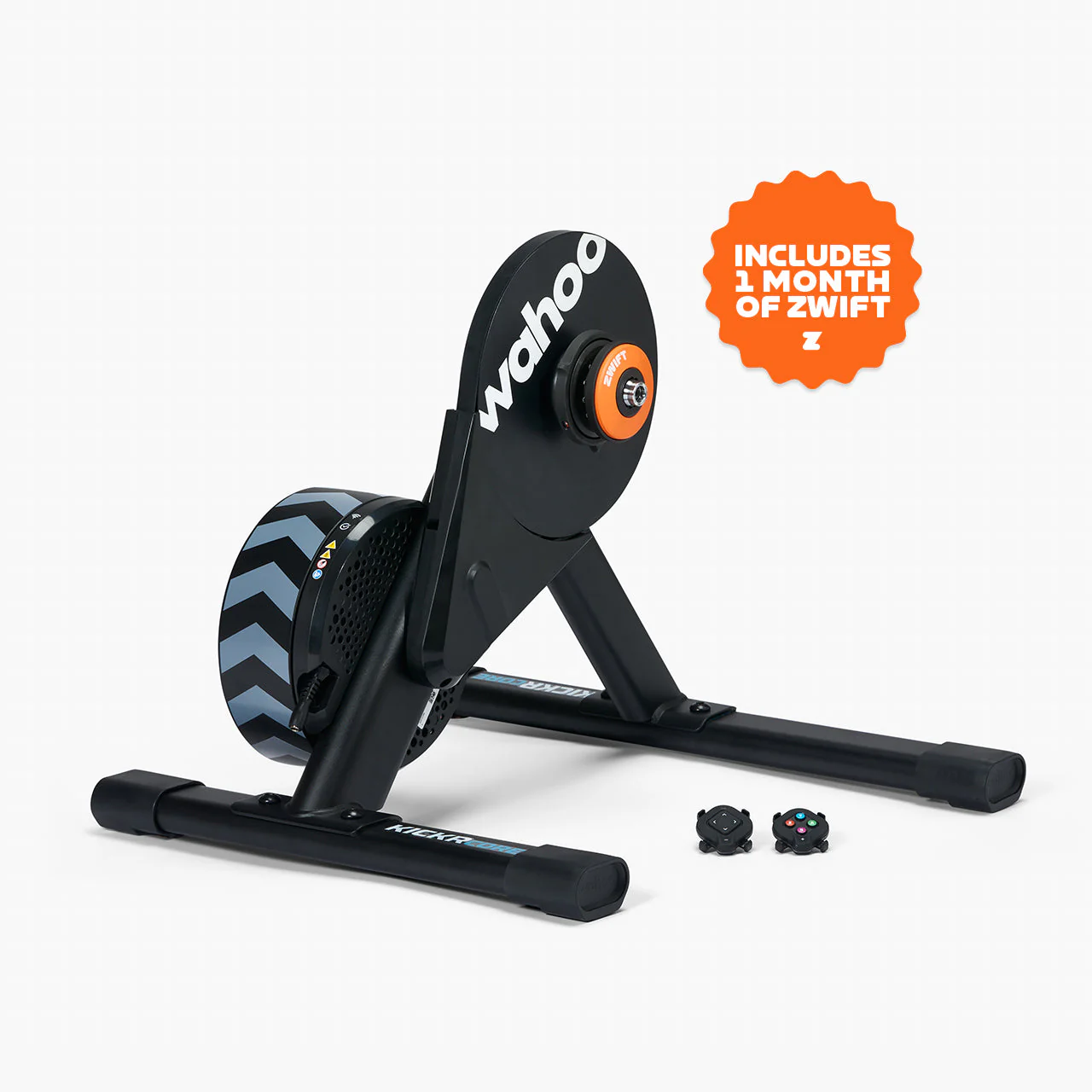
Wahoo KICKR CORE 2 End of Season Sale Announced

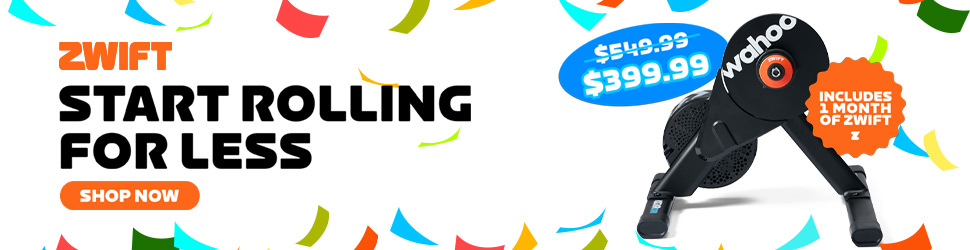
Zwift and Wahoo have just launched an “end of season” promotion on the Wahoo KICKR CORE 2 smart trainer. The deeply discounted price is as low as it’s ever been, matching Black Friday pricing. If you’re in the market for a full-featured smart trainer at a great price, backed by industry-leading support… this is it.

Promo Pricing

  • US $399.99 ($150 discount)
  • EU €399.99 (€150 discount)
  • UK £399.99 (£100 discount)

The deal begins today (February 5) and runs through March 1 on Zwift and Wahoo’s websites.

While Zwift only sells the KICKR CORE 2 with Zwift Cog and Click, Wahoo sells that version as well as a version with a standard cassette. Here are links to shop at Wahoo:

Price includes 1 free month of Zwift ($20 value) for new subscribers only, and you can purchase the trainer with either the Zwift Cog or a standard cassette.

Premium Features

Wahoo’s release of the CORE 2 in September 2025 shook up the smart trainer world, because the new CORE 2 maintains the affordability and reliability of the original CORE while adding three premium features:

  • WiFi connectivity for fast, reliable connections and automatic firmware updates
  • Race mode for near instantaneous response
  • Bluetooth bridging of heart rate monitors, Zwift Click v2, and the controllers on the Zwift Ride (great for Apple TV users, learn more here)

Key Trainer Specs

  • Max Wattage: 1800W
  • Max Incline: 16%
  • Max Decline: -10%
  • Power Accuracy: +/-2%
  • Connectivity: WiFi, ANT+ FEC, ANT+ Power, Bluetooth FTMS, and Zwift Protocol
  • Cassette: sold with 11-speed cassette or Zwift Cog
  • Supported Hubs: 130/135mm QR, 12×142, and 12×148 Thru Axle
  • KICKR CLIMB compatible
  • Weight: 30 lbs / 13.6 kg
  • Dimensions: 23.5×20.5×18.5 in / 59.7×52×47 cm

Learn more about Zwift’s new Click v2 controllers here >

Questions or Comments?

Share below!

How to stream the 2026 Super Bowl for free: Patriots vs. Seahawks time, where to watch and more

The 2026 Super Bowl between the New England Patriots and the Seattle Seahawks will air on NBC this Sunday, Feb. 8. The game will also stream on Peacock. If you don’t have NBC over the air and don’t subscribe to Peacock, there are still ways to watch Super Bowl LX — and Bad Bunny’s history-making halftime show — for free. Here’s how to tune in. 

How to watch Super Bowl LX free:

Date: Sunday, Feb. 8

Time: 6:30 p.m. ET

Location: Levi’s Stadium in Santa Clara, Calif.

TV channel: NBC, Telemundo

Streaming: Peacock, DirecTV, NFL+ and more

2026 Super Bowl game channel

Super Bowl LX will air on NBC. A Spanish-language broadcast is available on Telemundo. 

How to watch the 2026 Super Bowl for free

You can stream NBC and Telemundo on platforms like DirecTV and Hulu + Live TV; both offer free trials and are among Engadget’s choices for best streaming services for live TV. (Note that Fubo and NBC are currently in the midst of a contract dispute and NBC channels are not available on the platform.)  

What time is the 2026 Super Bowl?

The 2026 Super Bowl kicks off at 6:30 p.m. ET/3:30 p.m. PT on Sunday, Feb. 8. Green Day will be performing a pre-game special starting at 6 p.m. ET.

Who is playing in the Super Bowl?

The AFC champions, the New England Patriots, will play the NFC champions, the Seattle Seahawks.

Where is the 2026 Super Bowl being played?

The 2026 Super Bowl will be held at Levi’s Stadium in Santa Clara, Calif., home of the San Francisco 49ers.

Who is performing at the 2026 Super Bowl halftime show?

Bad Bunny is headlining the 2026 Super Bowl halftime performance. You can expect that show to begin after the second quarter, likely between 8-8:30 p.m. ET. Green Day will perform a pre-game show starting at 6 p.m. ET. If you’re tuning in before the game, singer Charlie Puth will perform the National Anthem, Brandi Carlile is scheduled to sing “America the Beautiful,” and Grammy winner Coco Jones will perform “Lift Every Voice and Sing.” 

More ways to watch Super Bowl LX

This article originally appeared on Engadget at https://www.engadget.com/entertainment/streaming/how-to-stream-the-2026-super-bowl-for-free-patriots-vs-seahawks-time-where-to-watch-and-more-124512202.html?src=rss

Surfshark VPN deal: Get up to 87 percent off two-year plans

Surfshark’s One plan is heavily discounted right now, with an 87-percent discount on the two-year package, plus three extra months. The promo price comes out to $2.29 per month, or $62 for the first 27 months.

We’ve generally liked Surfshark as a straightforward, speedy service for everyday use, and it’s one of the picks in our guide to the best VPNs. In our Surfshark review, we found it delivered excellent speeds overall and reliably unblocked Netflix across most of our test servers, which makes this long-term deal worth a look if you want a VPN deal that also includes extras like antivirus, breach alerts and private search.

In our Surfshark review, the VPN stood out for its excellent performance and approachable design, especially for people who want strong protection without constantly tweaking settings. During testing, it delivered some of the fastest speeds we’ve seen from a major VPN, with average download speeds dropping by just over five percent worldwide. Upload speeds also held up well, making it a solid option for streaming, browsing and everyday use. We gave Surfshark an overall score of 87 out of 100 and called it one of the best VPNs for casual users.

This deal focuses on the Surfshark One plan, which bundles the VPN with a suite of extra security tools. In addition to the VPN itself, you get Alternative ID for masking your email and personal details, antivirus protection, breach monitoring through Surfshark Alert and a private search engine. It also supports unlimited simultaneous device connections, so you can protect all of your devices with a single subscription.

Right now, the Surfshark One plan is discounted by 86 percent, bringing the price down to $67 total for two years plus three extra months. That works out to $2.49 per month for the first 27 months, billed upfront, with a 30-day money-back guarantee if you change your mind. 

If you want to compare it against other top services before committing, you can also check out our full Surfshark VPN review and our best VPN guide to see how it stacks up. We’ll be keeping our best VPN deals roundup updated regularly, too.

This article originally appeared on Engadget at https://www.engadget.com/deals/surfshark-vpn-deal-get-up-to-87-percent-off-two-year-plans-123000066.html?src=rss

Kalshi Claims ‘Extortion,’ Then Recants in Feud Over User Losses

Kalshi, the largest U.S. prediction market, accused a small data startup called Juice Reel of “extortion” after a stock analyst used the company’s transaction-level data to argue that prediction market users lose money faster than gamblers on traditional betting apps — then walked the allegation back hours later.

The equity research analyst Jordan Bender at Citizens found that the bottom quarter of prediction market users lost about 28 cents of every dollar wagered in their first three months, compared to roughly 11 cents per dollar on sites like FanDuel and DraftKings. Kalshi’s head of communications told Bloomberg the report was “flat-out wrong” and called the data an extortion attempt. Juice Reel CEO Ricky Gold said Kalshi had actually pressured him to tell Bloomberg the data was inaccurate. Kalshi later issued an updated statement saying it continued to dispute the findings but “after further review, we don’t believe the intention was extortion.” The company did not provide any data to counter the analysis.


Read more of this story at Slashdot.