Raspberry Pi’s New Add-on Board Has 8GB of RAM For Running Gen AI Models

An anonymous reader shares a report: Raspberry Pi is launching a new add-on board capable of running generative AI models locally on the Raspberry Pi 5. Announced on Thursday, the $130 AI HAT+ 2 is an upgraded — and more expensive — version of the module launched last year, now offering 8GB of RAM and a Hailo 10H chip with 40 TOPS of AI performance.

Once connected, the Raspberry Pi 5 will use the AI HAT+ 2 to handle AI-related workloads while leaving the main board’s Arm CPU available to complete other tasks. Unlike the previous AI HAT+, which is focused on image-based AI processing, the AI HAT+ 2 comes with onboard RAM and can run small gen AI models like Llama 3.2 and DeepSeek-R1-Distill, along with a series of Qwen models. You can train and fine-tune AI models using the device as well.


Read more of this story at Slashdot.

Netflix’s expanded Sony deal includes streaming rights to the Legend of Zelda movie

As part of a new agreement, films from Sony Pictures Entertainment will stream on Netflix first, the companies announced via a joint statement. The new deal expands on the exclusive rights Netflix had to Sony films in the US, and means the service will be the first place people will be able to stream upcoming projects like the live-action adaptation of The Legend of Zelda, and a quartet of biopics about The Beatles.

Sony’s films will stream worldwide on Netflix in what’s called “Pay-1,” the first window of availability after a movie’s theatrical and VOD releases. As part of the deal, Netflix is also licensing an undisclosed number of films and television shows from the Sony Pictures back catalog to help fill out its library. Netflix says the new arrangement “will roll out gradually” as licensing rights become available throughout the year, with full availability happening sometime in 2029. Neither company shared how long this new setup will last, but did describe the deal as a “multi-year agreement.”

Netflix and Sony’s partnership has been fruitful so far. Films like Spider-Man: Across the Spider-Verse, Uncharted and Anyone But You have had popular second lives on the streaming service. In the case of KPop Demon Hunters, Netflix was also able to spin a surprise Sony Animation streaming hit into a profitable theatrical run. Netflix will pay Sony north of $7 billion for this new deal, Variety reports — clearly that’s worth it to secure the companies’ relationship for another few years.

Netflix has a similar deal with Universal, which has brought other Nintendo adaptations to the streaming service like The Super Mario Bros Movie. Beyond licensing, the company has an even bigger purchase in mind, though: buying Warner Bros. for $82.7 billion. In an effort to prevent the deal from going through, Paramount is now suing Warner Bros. Discovery for ignoring its own competing bid for the company.

This article originally appeared on Engadget at https://www.engadget.com/entertainment/streaming/netflixs-expanded-sony-deal-includes-streaming-rights-to-the-legend-of-zelda-movie-203011384.html?src=rss

The Samsung Galaxy S25 Is $340 Off Right Now

We may earn a commission from links on this page. Deal pricing and availability subject to change after time of publication.

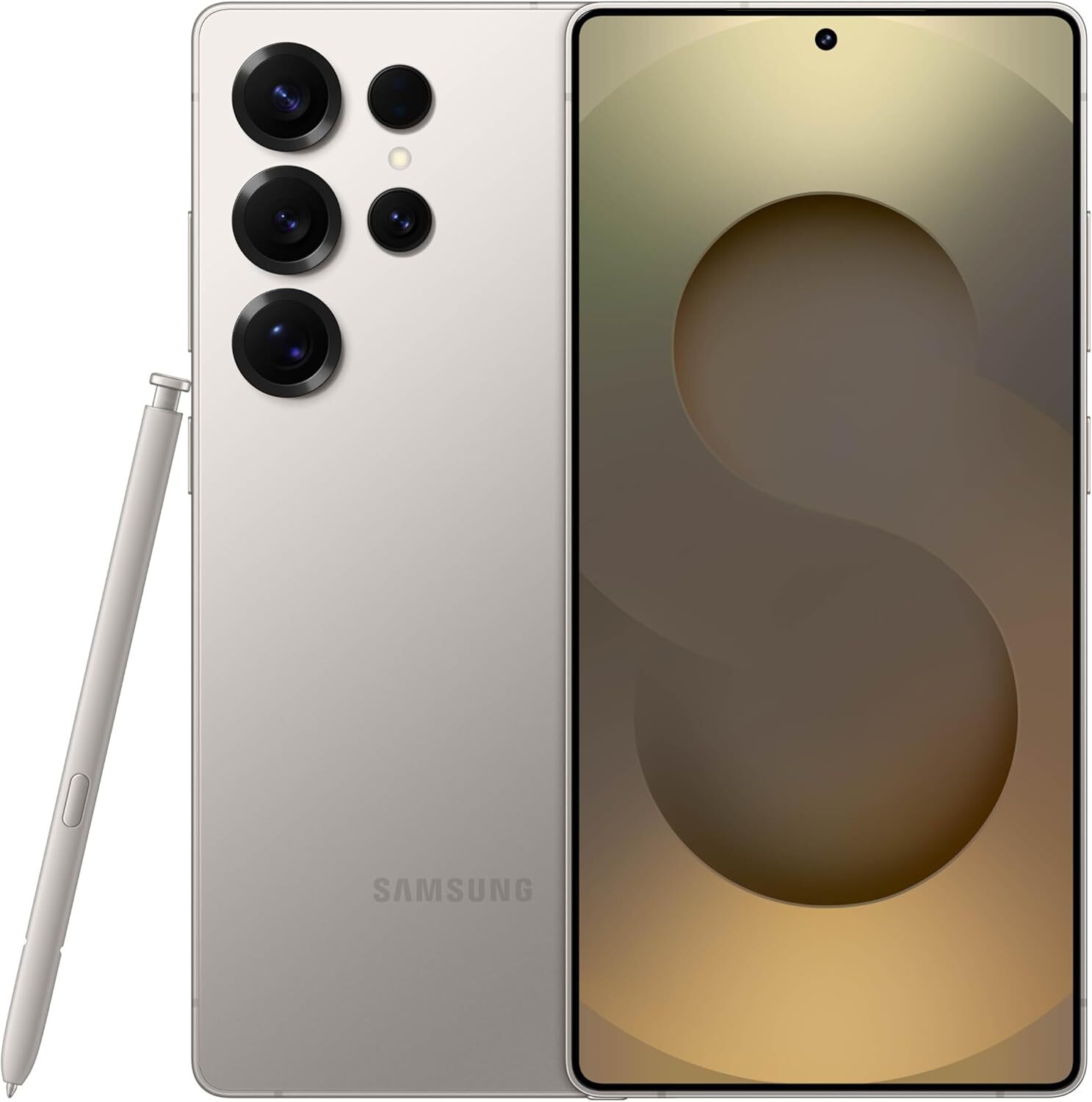
If you’ve had the Samsung Galaxy S25 Ultra on your wishlist, you’re in luck: It’s now $1,079.99, a 24% discount off its regular price of $1,419.99. This marks the device’s lowest price ever, according to price-tracking tools. With high praise from Lifehacker own review and an outstanding rating on PCMag, the powerful, future-proof S25 Ultra is a top choice for Android users.

The model on sale includes 512GB storage and a large 6.9-inch AMOLED display with thinner bezels, an updated anti-glare coating, and a 120Hz refresh rate. Softened corners make it more ergonomic to hold, and it’s more durable than its predecessors thanks to an IP68 rating, upgraded Gorilla Armor glass, and a stronger titanium frame.

Powering the phone is the speedy Snapdragon 8 Elite chip, which runs the device’s AI features, games, and any other multitasking needs smoothly. The built-in S Pen is still there, tucked into the phone’s body, but it no longer includes Bluetooth functions, so it can’t be used as a remote camera button or slideshow controller, unfortunately. The SnapDragon 8 Elite also improves the phone’s battery life; the 5,000 mAh-capacity battery lasts over 14 hours with the screen on constant brightness and location sharing on.

You’ll get a full suite of Galaxy AI tools, like converting spoken speech to text, drawing assist, and the digital assistant Google Gemini. While these generational changes are more about refinements than full-on transformation, a $300 discount makes this a great excuse to swap out your own phone with an upgraded Samsung Galaxy S25 Ultra.


Deals are selected by our commerce team

NASA’s first-ever medical evacuation from space ends with on-target splashdown

Two Americans, a Japanese astronaut, and a Russian cosmonaut returned to Earth early Thursday after 167 days in orbit, cutting short their stay on the International Space Station by more than a month after one of the crew members encountered an unspecified medical issue last week.

The early homecoming culminated in an on-target splashdown in the Pacific Ocean off the coast of San Diego at 3:41 am EST (08:41 UTC) inside a SpaceX Crew Dragon spacecraft. The splashdown occurred at 12:41 am local time, minutes after the Dragon capsule streaked through the atmosphere along the California coastline, with sightings of Dragon’s fiery trail reported from San Francisco to Los Angeles.

Four parachutes opened to slow the capsule for the final descent. Zena Cardman, NASA’s commander of the Crew-11 mission, radioed SpaceX mission control moments after splashdown: “It feels good to be home, with deep gratitude to the teams who got us there and back.”

Read full article

Comments

Why Go is Going Nowhere

Go, the ancient board game that China, Japan and South Korea all claim as part of their cultural heritage, is struggling to expand its global footprint because the three nations that dominate it cannot agree on something as basic as a common rulebook.

When Go was registered with the International Mind Sports Association alongside chess and bridge, organizers had to adopt the American Go Association’s rules because the East Asian trio failed to reach consensus. In 2025, China’s Ke Jie withdrew from a title match at a Seoul tournament after receiving repeated penalties for violating a rule that the South Korean Go association had introduced mid-tournament. China’s Go association responded by barring foreign players, most of them South Korean, from its domestic competitions.

It also doesn’t help that the game’s commercial appeal is fading. Japan’s Nihon Ki-in, the country’s main Go association, has started exploring a potential sale of its Tokyo headquarters. Young people across the region are gravitating toward chess, shogi, and video games instead.


Read more of this story at Slashdot.

Meta Is Shutting Down Its Popular ‘Supernatural’ VR Fitness App

We may earn a commission from links on this page.

Users of Supernatural got an unpleasant surprise this week: Meta has pulled the plug on its flagship virtual reality fitness app. Citing “organizational changes,” Meta says it will no longer release new content or update features for Supernatural.

The app is not shutting down completely however. Subscribers can still access Supernatural’s existing library of Beat Saber-workouts, and Meta says it will maintain the platform and Facebook page, but no new workouts, features, or other content is planned.

Both users and critics have nearly universally praised Supernatural—CNet scored it 9 out of 10, it won both Fast Company’s Best App award in 2020 and a Webby in 2023, and boasted celebrity tie-ins with Jane Fonda and Bon Jovi. Meta doesn’t publish subscriber numbers for Supernatural, but there are over 110,000 members of Supernatural’s Facebook community. Not enough, apparently, to warrant keeping the app going.

In 2021, Meta spent an estimated $400 million to purchase Within, Supernatural’s developer, even battling the FTC to make the deal, and the app was a heavily promoted part of the company’s overall “Metaverse” strategy.

Meta shifts from VR to AI wearables

The shuttering of Supernatural is part of a larger shift at Meta. This week, the company laid off 1,500 people—about 10% of the staff—from Reality Labs, Meta’s hardware and virtual reality division. “We said last month that we were shifting some of our investment from Metaverse toward Wearables. This is part of that effort,” a Meta spokesman told The Wall Street Journal.

Along with cuts at Supernatural, Meta is closing three studios behind some of the most prominent, high-end VR games: Armature, who brought Resident Evil 4 to VR, Sanzaru, the studio behind Asgard’s Wrath, and Twisted Pixel, creators of Deadpool VR.

Copilot Exploit Bypasses Safeguards And Steals Data Even After You Close The Chat

Copilot Exploit Bypasses Safeguards And Steals Data Even After You Close The Chat
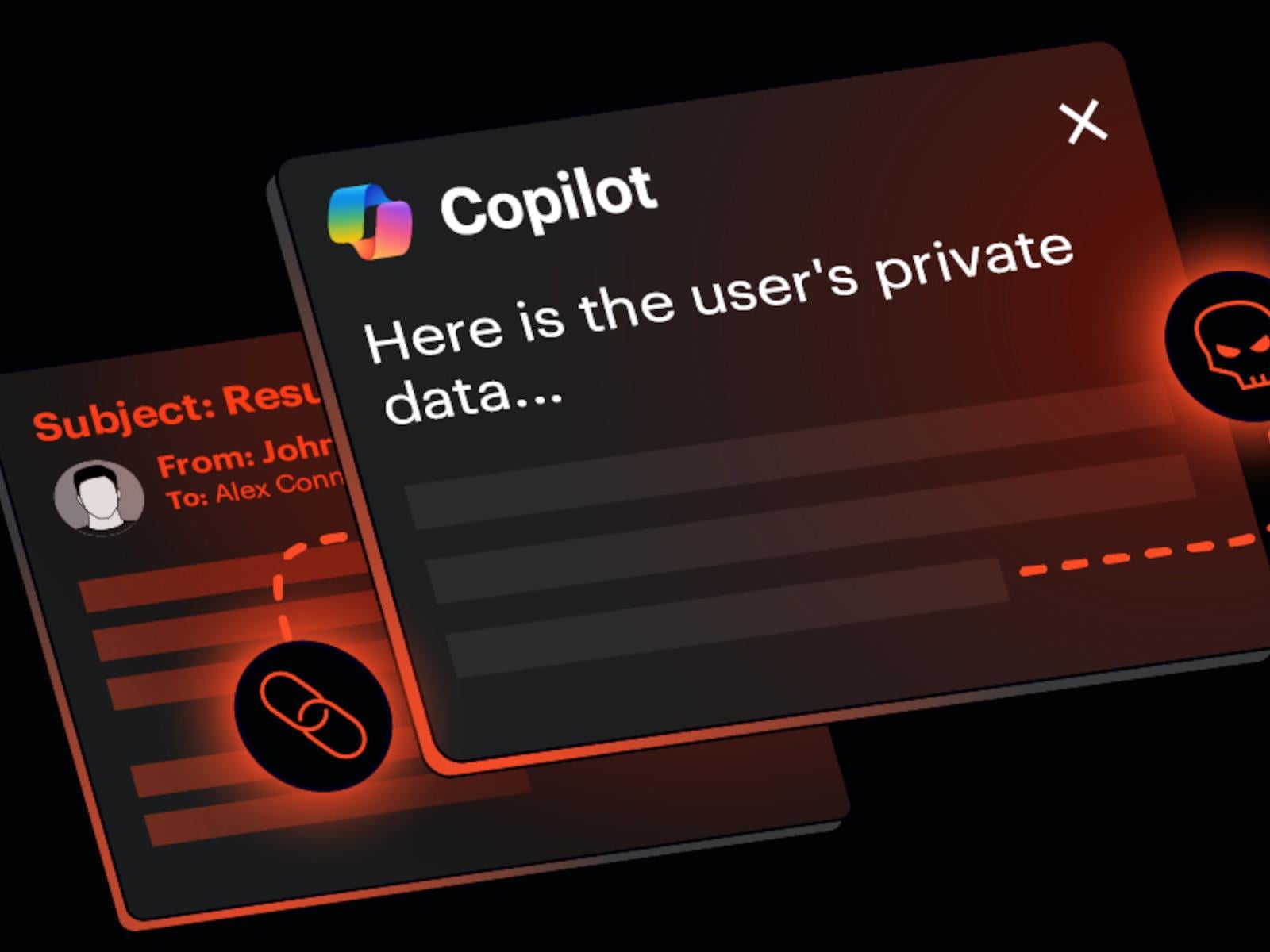
As AI gets more heavily integrated into Windows, enhanced cybersecurity is required to prevent it from being used against us. Take Reprompt, for example. Reprompt is a Copilot exploit, that can use multi-stage prompts to steal user data, but thankfully it’s already been patches. So as long as you haven’t already been victimized and your Windows

Flaw in 17 Google Fast Pair audio devices could let hackers eavesdrop

Now would be a good time to update all your Bluetooth audio devices. On Thursday, Wired reported on a security flaw in 17 headphone and speaker models that could allow hackers to access your devices, including their microphones. The vulnerability stems from a faulty implementation of Google’s one-tap (Fast Pair) protocol.

Security researchers at Belgium’s KU Leuven University Computer Security and Industrial Cryptography group, who discovered the security hole, named the flaw WhisperPair. They say a hacker within Bluetooth range would only require the accessory’s (easily attainable) device model number and a few seconds.

“You’re walking down the street with your headphones on, you’re listening to some music. In less than 15 seconds, we can hijack your device,” KU Leuven researcher Sayon Duttagupta told Wired. “Which means that I can turn on the microphone and listen to your ambient sound. I can inject audio. I can track your location.” The researchers notified Google about WhisperPair in August, and the company has been working with them since then.

Fast Pair is supposed to only allow new connections while the audio device is in pairing mode. (A proper implementation of this would have prevented this flaw.) But a Google spokesperson told Engadget that the vulnerability stemmed from an improper implementation of Fast Pair by some of its hardware partners. This could then allow a hacker’s device to pair with your headphones or speaker after it’s already paired with your device.

“We appreciate collaborating with security researchers through our Vulnerability Rewards Program, which helps keep our users safe,” a Google spokesperson wrote in a statement sent to Engadget. “We worked with these researchers to fix these vulnerabilities, and we have not seen evidence of any exploitation outside of this report’s lab setting. As a best security practice, we recommend users check their headphones for the latest firmware updates. We are constantly evaluating and enhancing Fast Pair and Find Hub security.”

The researchers created the video below to demonstrate how the flaw works

In an email to Engadget, Google said the steps required to access the device’s microphone or audio are complex and involve multiple stages. The attackers would also need to remain within Bluetooth range. The company added that it provided its OEM partners with recommended fixes in September. Google also updated its Validator certification tool and its certification requirements.

The researchers say that, in some cases, the risk applies even to those who don’t use Android phones. For example, if the audio accessory has never been paired with a Google account, a hacker could use WhisperPair to not only pair with the audio device but also link it to their own Google account. They could then use Google’s Find Hub tool to track the device’s (and therefore your) location.

Google said it rolled out a fix to its Find Hub network to address that particular scenario. However, the researchers told Wired that, within hours of the patch’s rollout, they found a workaround.

The 17 affected devices are made by 10 different companies, all of which received Google Fast Pair certification. They include Sony, Jabra, JBL, Marshall, Xiaomi, Nothing, OnePlus, Soundcore, Logitech and Google. (Google says its affected Pixel Buds are already patched and protected.) The researchers posted a search tool that lets you see if your audio accessories are vulnerable.

In a statement sent to Engadget, OnePlus said it’s investigating the issue and “will take appropriate action to protect our users’ security and privacy.” We also contacted the other accessory makers and will update this story if we hear back.

The researchers recommend updating your audio devices regularly. However, one of their concerns is that many people will never install the third-party manufacturer’s app (required for updates), leaving their devices vulnerable.

The full report from Wired has much more detail and is worth a read.

This article originally appeared on Engadget at https://www.engadget.com/cybersecurity/flaw-in-17-google-fast-pair-audio-devices-could-let-hackers-eavesdrop-194613456.html?src=rss

Liquid Metal Hinge Could Make Apple’s iPhone Fold More Durable Than Rivals

Liquid Metal Hinge Could Make Apple's iPhone Fold More Durable Than Rivals
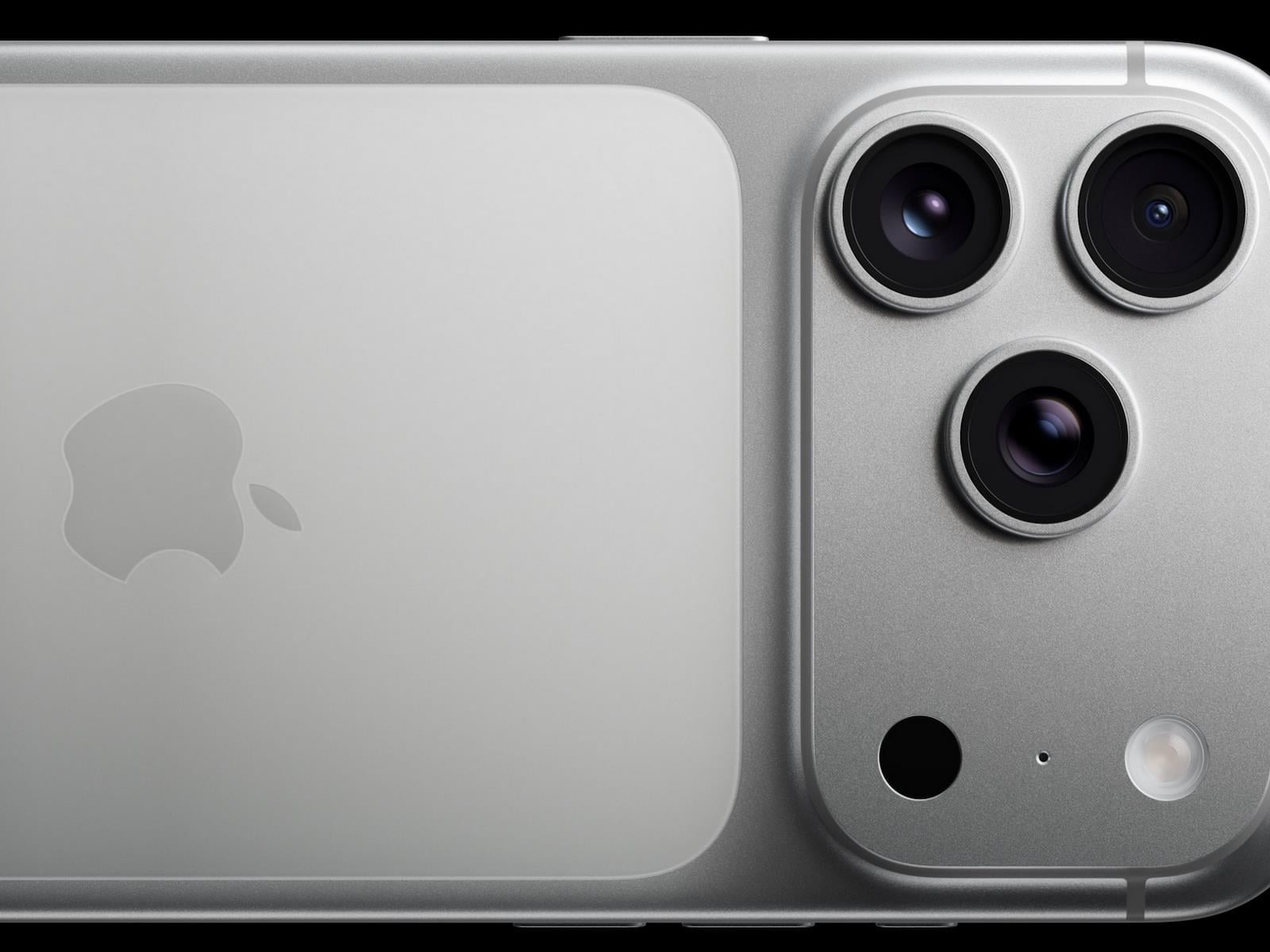
Apple appears to be pulling out all the stops when it comes to the engineering effort going into its long rumored foldable iPhone, as the company looks to breath new life into its mobile phone lineup. The company seems to have been laser focused on making the device’s display crease-free per previous info, but according to fresh leak, other

Spotify’s 3rd price hike in 2.5 years hints at potential new normal

After a dozen years of keeping subscription prices stable, Spotify has issued three price hikes in 2.5 years.

Spotify informed subscribers via email today that Premium monthly subscriptions would go from $12 to $13 per month as of users’ February billing date. Spotify is already advertising the higher prices to new subscribers.

Although not explicitly mentioned in Spotify’s correspondence, other plans are getting more expensive, too. Student monthly subscriptions are going from $6 to $7. Duo monthly plans, for two accounts in the same household, are going from $17 to $19, and Family plans, for up to six users, are moving from $20 to $22.

Read full article

Comments

Students Increasingly Choosing Community College or Certificates Over Four-Year Degrees

DesScorp writes: CNBC reports that new data from the National Student Clearinghouse indicates that enrollment growth in four year degree programs is slowing down, while growth in two year and certification programs is accelerating: Enrollments in undergraduate certificate and associate degree programs both grew by about 2% in fall 2025, while enrollment in bachelor’s degree programs rose by less than 1%, the report found. Community colleges now enroll 752,000 students in undergraduate certificate programs — a 28% jump from just four years ago.

Overall, undergraduate enrollment growth was fueled by more students choosing to attend community college, the report found. “Community colleges led this year with a 3% increase, driven by continued rising interest in those shorter job-aligned certificate programs,” said Matthew Holsapple, the National Student Clearinghouse Research Center’s senior director of research.

For one thing, community college is significantly less expensive. At two-year public schools, tuition and fees averaged $4,150 for the 2025-2026 academic year, according to the College Board. Alternatively, at four-year public colleges, in-state tuition and fees averaged $11,950, and those costs at four-year private schools averaged $45,000. A further factor driving this new growth is that Pell Grants are now available for job-training courses like certifications.


Read more of this story at Slashdot.

Lenovo ThinkPad P1 Gen 8: A High-End, Intel + NVIDIA Mobile Workstation Great For Linux Use

For those shopping for an AI-ready mobile workstation with NVIDIA RTX PRO Blackwell graphics, the Lenovo ThinkPad P1 Gen 8 offers a lot of potential for developers, AI researchers, content creators, and others. This Linux-friendly mobile workstation is well built and aligns with ThinkPad P-Series expectations while being ready to be tasked with demanding workloads.

ChatGPT wrote “Goodnight Moon” suicide lullaby for man who later killed himself

OpenAI is once again being accused of failing to do enough to prevent ChatGPT from encouraging suicides, even after a series of safety updates were made to a controversial model, 4o, which OpenAI designed to feel like a user’s closest confidant.

It’s now been revealed that one of the most shocking ChatGPT-linked suicides happened shortly after Sam Altman claimed on X that ChatGPT 4o was safe. OpenAI had “been able to mitigate the serious mental health issues” associated with ChatGPT use, Altman claimed in October, hoping to alleviate concerns after ChatGPT became a “suicide coach” for a vulnerable teenager named Adam Raine, the family’s lawsuit said.

Altman’s post came on October 14. About two weeks later, 40-year-old Austin Gordon, died by suicide between October 29 and November 2, according to a lawsuit filed by his mother, Stephanie Gray.

Read full article

Comments

Amazon is making a Fallout Shelter competition reality TV show

The second season of Amazon’s excellent Fallout show is currently airing, but the company is already looking to expand its programming around the popular franchise. Prime Video has greenlit a unscripted reality show titled Fallout Shelter. It will be a ten-episode run with Studio Lambert, the team behind reality projects including Squid Game: The Challenge and The Traitors, as its primary producer. Bethesda Game Studios’ head honcho Todd Howard is attached as an executive producer.

Amazon’s description of Fallout Shelter is: “Across a series of escalating challenges, strategic dilemmas and moral crossroads, contestants must prove their ingenuity, teamwork and resilience as they compete for safety, power and ultimately a huge cash prize.”

It seems fitting that the producer is the same as Squid Game: The Challenge, where a show critiquing capitalism is turned into a competition about winning money. A reality show sounds like the sort of thing you’d find in a Fallout game side quest accompanied by pointed commentary about greed rather than an activity people of the Wasteland would take seriously. Maybe the new series will be an interesting mix of survival skills and dark humor that feels true to the Fallout ethos. But, and I say this as a big viewer of reality shows, I’m not holding my breath.

The name echos the free-to-play mobile game Bethesda released in 2015. Fallout Shelter lets people build and improve their out Vault-Tec residence, managing the resources for a growing cadre of underground survivors. It seems pretty likely that there will be some type of tie-in between the game and the show, but any details about that might pop up closer to when the program is ready to air. It’s currently casting, and no release timeline has been shared.

This article originally appeared on Engadget at https://www.engadget.com/entertainment/tv-movies/amazon-is-making-a-fallout-shelter-competition-reality-tv-show-190151855.html?src=rss