
Intel just hosted their CES keynote where they formally launched Panther Lake as the Core Ultra Series 3 SoCs…
Monthly Archives: January 2026
It took guts for Dell to admit its mistake, here’s how XPS will make its big comeback
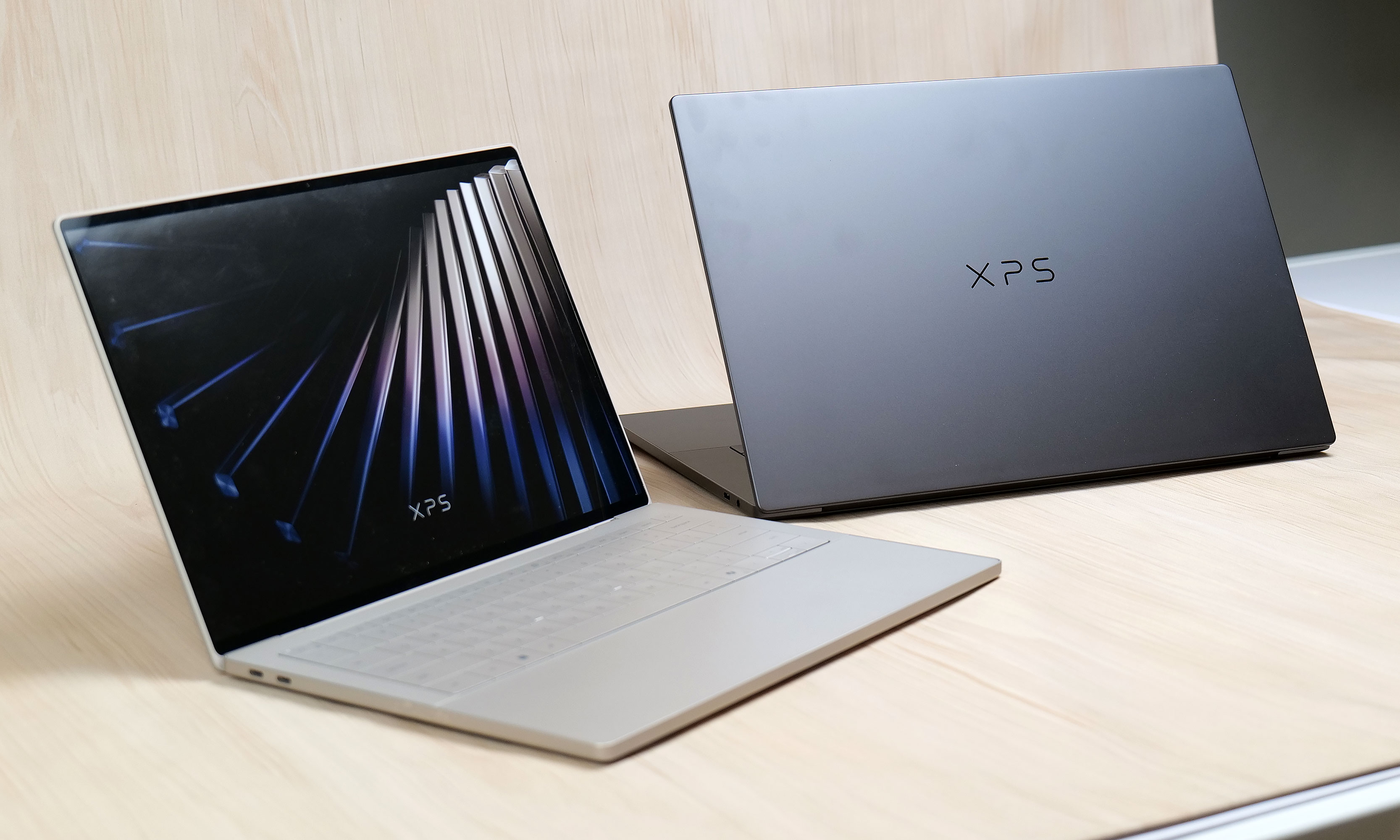
Last year when Dell decided to kill off the XPS name, it felt like a big mistake. In fact, we said so multiple times. But at CES 2026, Dell is righting wrongs by bringing back its iconic laptop brand and it feels like the right move for both the company and its flagship consumer devices.
Even more than the words the letters XPS are meant to represent (Extreme Performance Systems), over the last decade, Dell’s signature laptop brand stood for excellent design, quality engineering and top notch performance. And it was precisely those laptops that landed the company at the top of nearly every best Windows laptop guide every year for the last decade. So to replace XPS with a generic tag like premium felt like a big step backwards.
Now if you were living under a rock (at least when it comes to Windows laptops), you can sort of squint your eyes and see the reasoning behind Dell’s misguided rebranding. Premium means good, typically something much better than average. By putting that word in front of its top-tier systems, there’s no way anyone could be confused about what kind of device they were buying, right? Take for example the Dell Premium 14, which was the new moniker for what was previously called the XPS 14. A laptop like that has to be decent. I mean, it’s right there in the product name. The issue is that XPS already meant good. Actually, way better than that, if we were just going by the sheer number of accolades previous-gen models got, like Dell’s 2020-era machines which we called practically perfect (which it was). Going away from that wasn’t just reductive, it was throwing the best part of Dell’s consumer business in the trash for no real reason.
Sam Rutherford for Engadget
Additionally, Dell’s new naming strategy was intended to simplify its product portfolio, and it failed to deliver on that original goal. COO Jeff Clarke was refreshingly honest about this when announcing the return of XPS at a CES media preview in early December. Not only did Dell lose its signature XPS brand last year, it actually made things more confusing for consumers when it simultaneously created a full range of Dell Pro and Pro Max systems. Unlike Apple’s MacBook Pros and iPhone Pro Maxes, those devices were actually meant for enterprise customers instead of regular Joes.
Sam Rutherford for Engadget
Amidst its rebrand, the company also eliminated a lot of its budget and entry-level models. That left a lot of people turning to more expensive mid-range “Plus” systems or waiting for a proper redesign of its top tier Premium laptops, which weren’t expected to arrive until 2026 anyway.
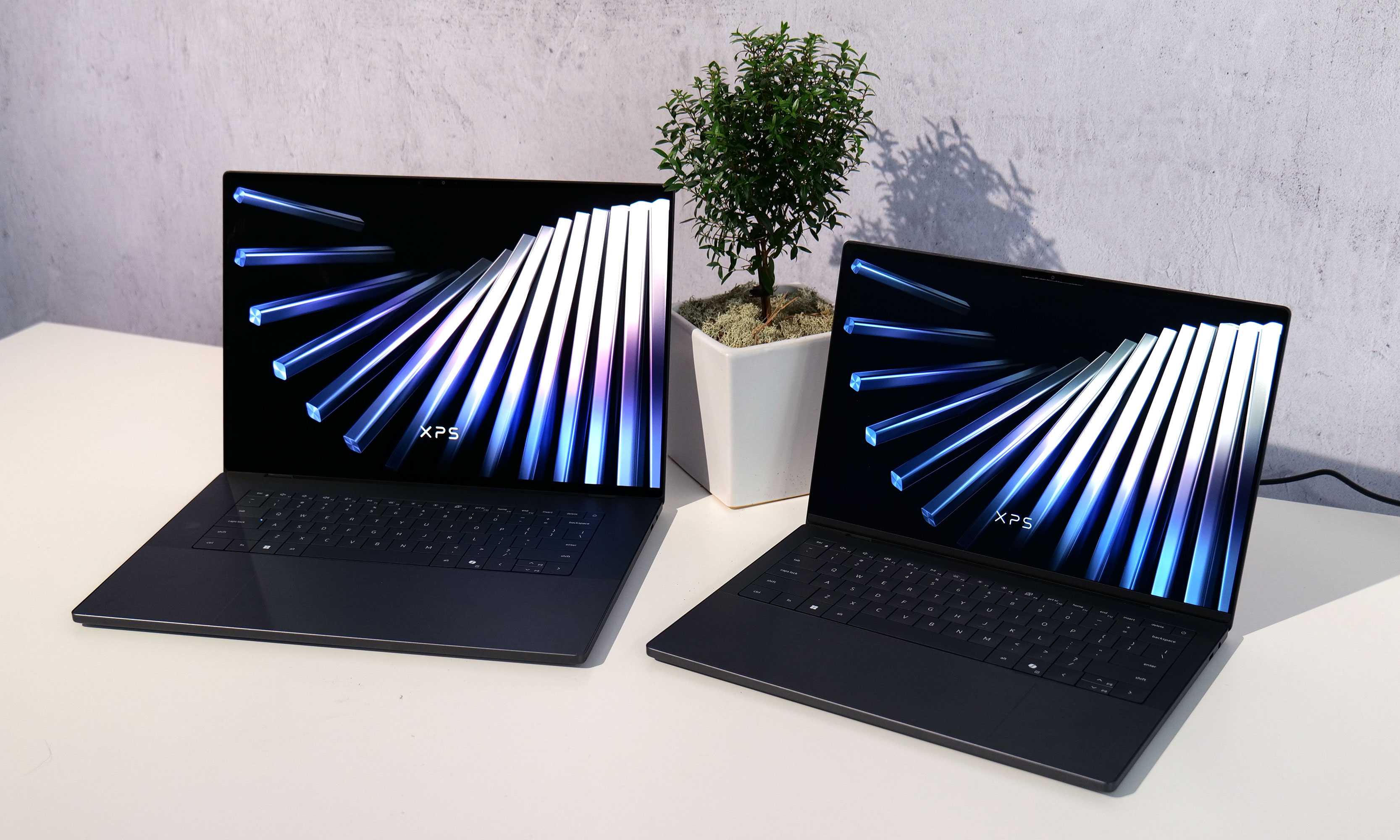
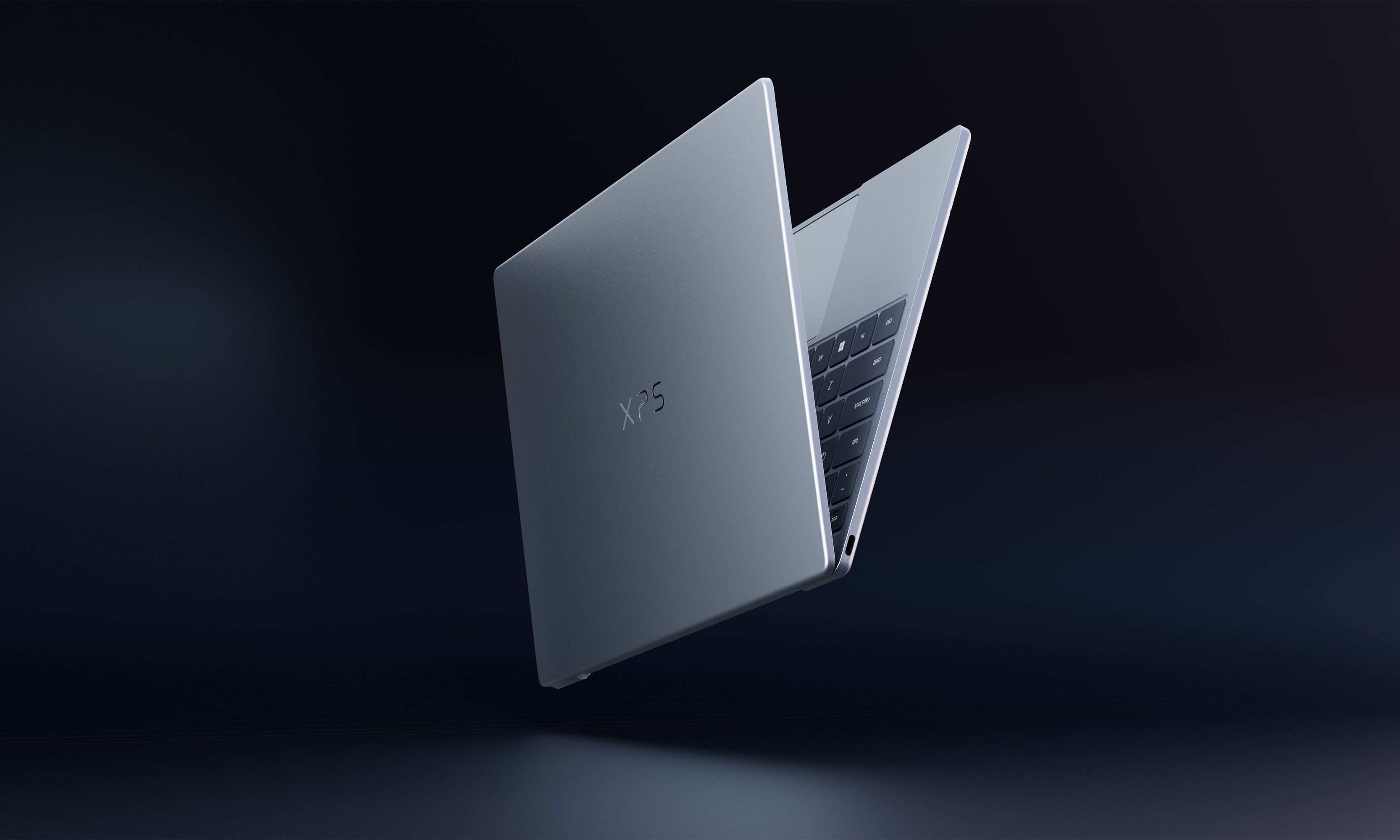
So where is Dell going from here? Well as Clarke put it quite succinctly, “We’re getting back to our roots.” Starting in 2026, the company is planning to create its broadest PC portfolio ever including, a full line of XPS laptops. This includes an all-new version of the XPS 13, which is going to be the thinnest and lightest model to date, along with complete overhauls for the XPS 14 and XPS 16. But Dell isn’t stopping there because on a slide it showed at its press event, there were two additional placeholders for future XPS systems coming at some later date.
Dell
Even when it comes to specific features and components on individual models, Dell is finally acknowledging some of the criticism it has received over the past few years by returning to segmented touchpads instead of seamless all-glass slates and ditching capacitive function keys for good ‘ol buttons. Dell isn’t just bringing the XPS line back, it’s kind of on a revenge tour (even if the original wound was self-inflicted).
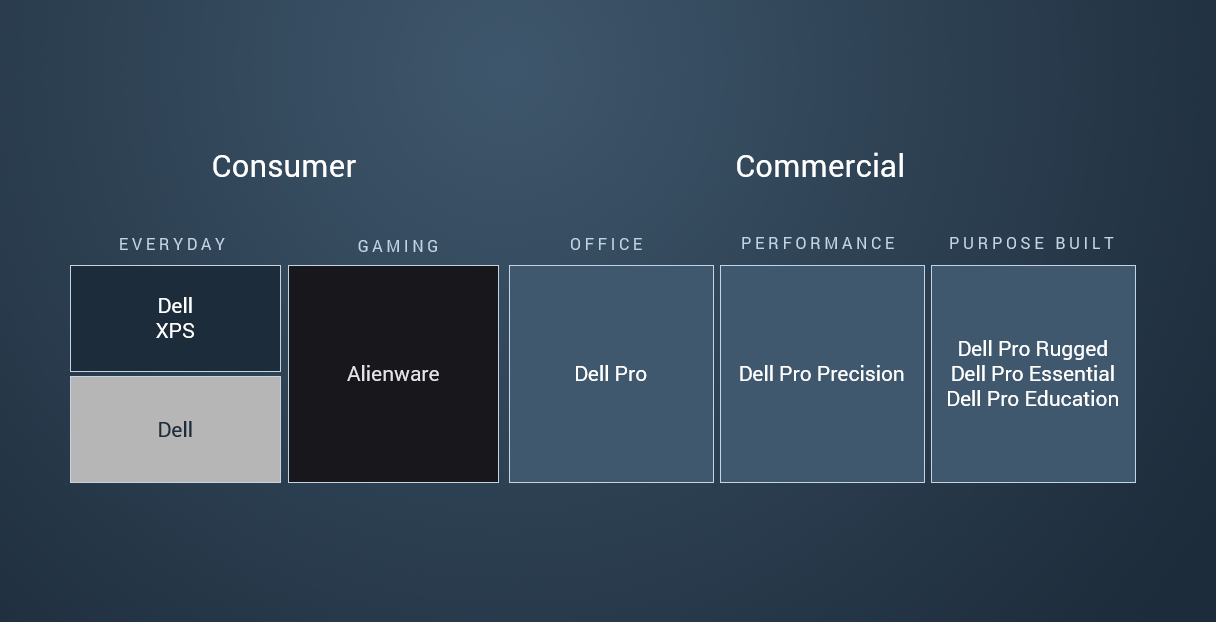
On top of that, the consumer device team will be reporting directly to Clarke while the company retools itself internally. Dell is also updating its naming scheme to finally deliver on the promise of making things clear and simple. XPS will once again be the company’s flagship consumer brand with the XPS logo (not Dell’s) front and center on the lid of every laptop, while everything else will fall under the general Dell umbrella. Alienware will continue to do its own thing for gaming and the Dell Pro family will remain aimed strictly at enterprise businesses, professional services (like first responders) and education. No more confusion. And underlying all of that is a very straightforward motto from Clarke that “great products win.”
Dell
In the end, even though Dell’s big plan from last year ended up being a mess, I appreciate when a company is self aware enough to know it messed up and has come up with a plan to fix things. Regardless of whether it’s a corporation or a single person, admitting mistakes is always hard. Oftentimes, what you learn in the process is the real prize and from what I’ve seen Dell and its iconic XPS line is poised for a major comeback.
This article originally appeared on Engadget at https://www.engadget.com/computing/laptops/it-took-guts-for-dell-to-admit-its-mistake-heres-how-xps-will-make-its-big-comeback-233248173.html?src=rss
Fleetwood Mac’s ‘Landslide’ But It’s About Literal Landslides
Because the 2026 internet is clearly off to a strong start, this is a video from There I Ruined It (previously) and Griefcat reimagining the Fleetwood Mac classic ‘Landslide’ about actual landslides and not Stevie Nicks contemplating her romantic life with or without bandmate Lindsey Buckingham. I’m not sure if this version is going to make anybody’s most-listened-to list on their 2026 Spotify Wrapped, but if it does, I’d like to meet that person. I bet we’d get along. Or have to fight to the death, it really could go either way.
Forlinx Embedded introduces FET1126Bx-S industrial SoM for edge AI and vision
Forlinx’s FET1126Bx-S is described as a compact industrial system-on-module designed for low-power edge AI and embedded vision applications. The 40 mm × 40 mm module targets systems such as intelligent video analysis, smart infrastructure, and industrial monitoring, where local inference and long-term availability are required. The FET1126Bx-S is based on the Rockchip RV1126 B or […]
GNOME and Firefox Consider Disabling Middle Click Paste By Default
Both GNOME and Firefox are considering disabling middle-click paste by default, arguing it’s a confusing, accident-prone X11 relic that dumps clipboard contents without warning. Phoronix reports: A merge request for GNOME’s gsettings-desktop-schemas was opened this weekend to disable the primary-paste functionality by default that allows using the middle mouse button for pasting. Jordan Petridis argued in that GNOME pull request that middle-click paste is an “X11’ism” and that the setting could remain for those wanting to opt-in to enabling the functionality […].
The gsettings set org.gnome.desktop.interface gtk-enable-primary-paste true command would be a way of restoring the primary paste (middle click paste) for those desiring the functionality. The decision over the default has been tasked to GNOME’s design team for consideration.
Separately, Mozilla is also considering disabling middle mouse button paste by default too. […] Another option being considered is having the option to enable/disable it at either the GTK toolkit level or Wayland compositor level.


Read more of this story at Slashdot.
Circus Performer Rides A 25-Wheel High Unicycle
This is a video of circus performer Wesley Williams riding a unicycle that’s 25 wheels high (technically a quinviginticycle or pentaicosacycle that only balances on one wheel). That’s way up there! Some would argue TOO way up there. Get your head out of the clouds, Wesley! I was more than a little surprised to not see any apparent safety apparatus. I mean, what if he falls? Because if he lands in my lap and makes me spill my popcorn I’m gonna be PISSED.
UPDATE: Watched again when I was grabbing screenshots and spotted the safety wire. Everyone can relax, my popcorn and nachos and soft pretzel and hot dog and cotton candy are safe (I ran to the concession stand between acts).
Uber reveals the design of its robotaxi at CES 2026
Waymo is getting a good look at the competition as Uber revealed the design of its robotaxi that’s due to launch in San Francisco later this year. The upcoming robotaxi is a result of a partnership announced in July between Uber, Lucid and Nuro. The plan is still to deploy at least 20,000 Lucid EVs that will use the Nuro Driver autonomous driving tech and be available through the Uber platform.
It’s important to note that the robotaxi reveal will be a “production intent design,” so there may be some modifications to the version that will eventually hit the streets. However, the partnership started on-road testing last month in the San Francisco Bay Area, with Nuro using more than 100 robotaxi prototypes supervised by autonomous vehicle operators.
The robotaxi, which is a modified Lucid Gravity, will feature a multi-pronged sensor system, including high-res cameras, lidar sensors, and radar. The design also incorporates a halo mounted onto the EV’s roof, which will increase sensor visibility and double as a display that uses LEDs to display helpful info to passengers.
As for the interior, Uber designed the “in-vehicle rider experience,” which can accommodate six passengers and luggage space. Inside, the robotaxi will have a display that lets you activate heated seats, adjust climate controls and throw on music, while also offering options for emergencies, like contacting support or requesting the robotaxi to pull over. Even though the passenger isn’t behind the wheel, the robotaxi’s interactive screen will show its planned path in real-time and all the decisions it makes while driving, like interacting with pedestrians, traffic lights or lane changes.
The partnership said the design is still awaiting final validation, but that the robotaxi production is slated to start at Lucid’s factory in Arizona later this year. Before its official launch in late 2026, Uber’s robotaxi will be on display at CES 2026.
This article originally appeared on Engadget at https://www.engadget.com/transportation/uber-reveals-the-design-of-its-robotaxi-at-ces-2026-230056302.html?src=rss
Acer’s Predator Helios Neo 16S AI laptop can be outfitted with Intel’s new Core Ultra 9 386H CPU
Acer just announced the Predator Helios 16S AI gaming laptop at CES 2026. This computer is filled with both bells and whistles, making it a decent choice for modern gamers.
To that end, the laptop can be equipped with up to an Intel Core Ultra 9 386H processor. This is Intel’s upcoming flagship mobile processor that has previously been known as Panther Lake. The Helios 16S AI can also be outfitted with up to the NVIDIA GeForce RTX 5070 GPU.
Acer
It comes with a 16-inch WQXGA OLED display that offers true HDR imaging support. The laptop can be loaded with up to 64GB of RAM and up to 2TB of storage. The connectivity here is on point, with support for Thunderbolt 4, Wi-Fi 6E and Bluetooth. Everything is housed in an 18.9mm slim metal chassis. It looks pretty solid.
We don’t have any pricing, and the company might still be calculating that, given that ongoing RAM shortage. Acer says they’ll disclose that closer to launch.
This article originally appeared on Engadget at https://www.engadget.com/computing/laptops/acers-predator-helios-neo-16s-ai-laptop-can-be-outfitted-with-intels-new-core-ultra-9-386h-cpu-230048825.html?src=rss
Apple Immersive Lakers Schedule Reserves Live NBA Games For Local Viewers
Apple revealed six upcoming Lakers games broadcasting live in Apple Immersive format to local Vision Pro owners.
The live schedule broadcasts from several angles at the Crypto.com Arena with one game from Ball Arena. Some angles are closer than a courtside seat with wide field of view stereoscopic views including “the scorer’s table, the area beneath each basket, a high-and-wide view of the arena, the player tunnel, the broadcast booth, and a roaming courtside perspective for interviews and commentary.” We’ll be curious to see how Lakers fans feel watching these games live as they air simultaneously on TV for most others.
Here’s the schedule:
- Friday, January 9 – Milwaukee Bucks vs. Los Angeles Lakers – 7:30 p.m. PT
- Thursday, February 5 – Philadelphia 76ers vs. Los Angeles Lakers – 7 p.m. PT
- Friday, February 20 – Los Angeles Clippers vs. Los Angeles Lakers – 7 p.m. PT
- Thursday, March 5 – Los Angeles Lakers at Denver Nuggets – 7 p.m. PT
- Tuesday, March 10 – Minnesota Timberwolves vs. Los Angeles Lakers – 8 p.m. PT
- Monday, March 30 – Washington Wizards vs. Los Angeles Lakers – 7 p.m. PT
NextVR’s full broadcasting schedule from 2016 is here on UploadVR for you to compare, with our report at the time noting that a free trial was offered ahead of the full broadcast schedule locked to NBA League Pass.
Here Is The NBA’s Full NextVR Live Broadcasting Schedule For This Season
NextVR has previously pulled in massive funding through big investment rounds, including $30 million and another 80 million, to continue live broadcasting in VR. Earlier this month we reported the startup took a major step forward, going into a full time stream schedule with the NBA. Now we have the
 UploadVRCharles Singletary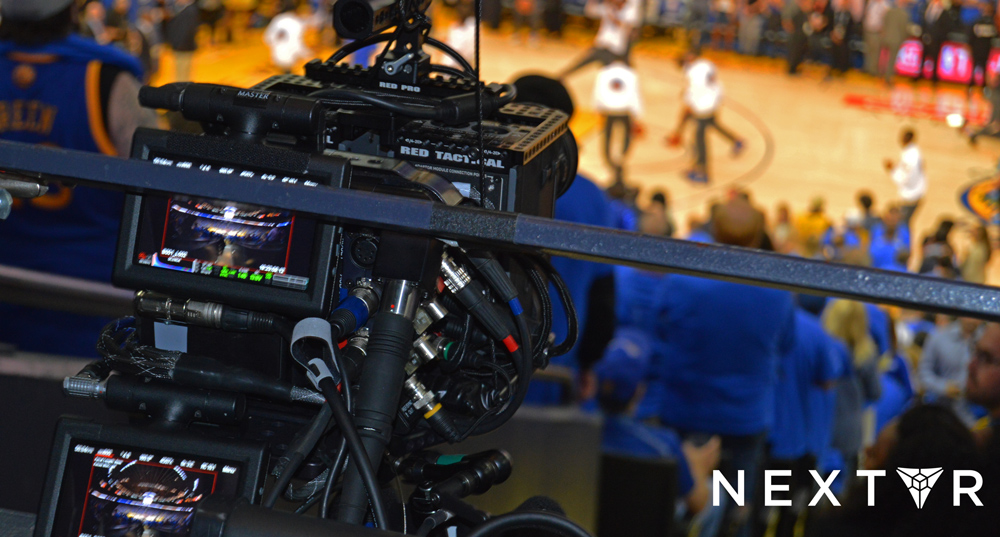
Apple later acquired the “leading broadcaster of VR events” and the technology has been reborn as Apple Immersive, with the company investing heavily in broadcast rights and equipping sports venues with immersive camera systems that can offer better than a front row seat. In the case of “Spectrum Front Row” in 2026, Apple, the NBA, and Charter Communications require some authentication to view a live broadcast in headset.
“In Southern California, Hawaii, and parts of Nevada, Spectrum Internet customers and video subscribers of any provider with a package that includes Spectrum SportsNet can access live games, full-game replays, and highlights by downloading the new Spectrum SportsNet app for Apple Vision Pro and authenticating their active subscription. Users with a free NBA ID will also have access to live games, full-game replays, and highlights via the NBA app.”
After-game replays should be available in markets where Apple Vision Pro is sold as early as 24 hours after each live game, with the first available on Sunday, January 11.
Samsung’s Galaxy Book 6 series launches at CES with Intel’s newest chips and a refined design
In addition to huge TVs, compact projectors, Trifolds and more, Samsung announced a new family of laptops at CES called the Galaxy Book 6 series. The company says it’s focused on what matters and on what you, hopefully, want in your next laptop. That means Intel’s latest chips, a cleaner design and battery life that lasts longer than a day. They’re really thin, too.
Timed alongside Intel’s CES announcements, the whole Galaxy Book 6 series features new Panther Lake chips, optimized by Samsung for three new laptops: The Galaxy Book 6 Ultra, Galaxy Book 6 Pro and Galaxy Book 6.
The 16-inch Galaxy Book 6 Ultra can be equipped with up to Core Ultra X9 processors and promises significant performance improvements, with a new 5th-generation MPU, Intel Arc graphics and NVIDIA’s RTX 50 series GPUs (with RTX 5070 and 5060 options). That package leads Samsung to promise up to 1.6x greater CPU power and 1.7x improved graphics performance compared to the last Galaxy Book series. (It’s worth noting that Samsung skipped an Ultra configuration of the Galaxy Book 5 series.)
All the laptops feature improved heat-management architecture, with a wider vapor chamber and re-engineered fans. At the same time, the Ultra features a new dual-path fan to cool the GPU even more efficiently and swiftly.
Mat Smith for Engadget
The Galaxy Book 6 Pro will come in 14- and 16-inch versions, with up to Core Ultra X7 processors and Intel Arc graphics. Both the Book 6 Ultra and Pro have improved AMOLED 2X (2,880 x 1,800) displays with touch, reaching up to 1000 nits of peak brightness — twice the brightness of the Book 5 Pro. Both models support adaptive refresh rates too, going up to 120Hz.
The Book 6 Ultra has a more typical laptop shape, while the Book 6 Pro has a teardrop profile, made famous by the MacBook Air. Even if there’s some Apple inspiration, the Samsung laptops look great. Samsung has removed many unnecessary design elements. Although the Book 6 Ultra clings onto a USB-A port, it now (finally) has a full-size SD card reader, the lack of which was a major oversight on previous laptops.
Mat Smith for Engadget
Samsung has also tweaked the keyboard layout, though it’s too early to say whether it offers a significant improvement to the typing experience. It has added haptic trackpads to the Galaxy Book series for the first time too, although I found the one on my demo unit a little too hair-trigger sensitive to my touch. Thankfully, that’s something that can be addressed in the settings.
As you might notice from the photos, there are upward-firing speakers on either side of the keyboard. The Book 6 Ultra has six built-in speakers (four woofers, two tweeters) and has apparently balanced them symmetrically to reduce noise distortion.
Both laptops are slimmer than their predecessors, too. The Galaxy Book 6 Ultra is 15.4mm thick, while the Book 6 Pro is a svelte 11.9mm. Inside, Samsung has also enhanced heat management, including a wider vapour chamber and re-engineered fans, to ensure optimal performance during intensive tasks – apparently another priority for the Book 6 Series. Likewise, battery enclosures and placements have been re-engineered, and Samsung claims the new Book 6 Ultra and Pro can each deliver up to 30 hours of video playback. The Book 6 Ultra has the extra benefit of faster charging, reaching 63% in 30 minutes.
It wouldn’t be a laptop launch in 2026 without AI features. Alongside the Book 6 series, Samsung highlighted a tool that uses AI to help create cut-outs of images for copy-and-pasting across devices, as well as a Note Assist feature to help collate and summarize your notes.
As is often the case at CES, Samsung hasn’t yet shared pricing or release dates for the Galaxy Book 6 series, so expect to hear more in the coming months.
This article originally appeared on Engadget at https://www.engadget.com/computing/laptops/samsungs-galaxy-book-6-series-ces-2026-intel-panther-lake-230010324.html?src=rss
CES 2026: This Asus Gaming Desktop Can Project Custom Holograms
We may earn a commission from links on this page.
With the rise of streaming culture, a lot of gamers have started investing in computers that don’t just play games well, but that look good while doing it. Asus’s newest pre-built gaming desktop, the ROG G1000, is pretty by-the-book when it comes to high-end performance, but it’s got one major selling point when it comes to those all-important gamer aesthetics: holograms.
Built into this computer’s front panel and one of its side panels, safely tucked into inaccessible glass windows, are rapidly rotating LED strips that, when in motion, create convincing full-color images that appear to have depth. The “frame rate” can be a little low, but it’s a known technology that’s all over the show floor at every CES now, and you can actually buy generic standalone hologram fans on Amazon for around $60-$100. It’s just rare to see it integrated into something like a PC.
This hologram tech, called AniMe Holo, should make for a great way to show off on camera (or to your buddies in a college dorm) and Asus is promising some pretty expansive customizability. You can put still images and gifs on it, sure, but Asus also told journalists it can support full videos or mp4 files, without any limit on length. I think I’d try to use it to watch Shrek.
The effect comes across a bit better in-person, but it’s still unusual enough to look enticing over video, even if you lose some of the depth. Unfortunately, still photos aren’t really a great way to show this thing off, since they can’t depict the rotating motion.
Aesthetics aside, the G1000 is also at the top of the power game, coming with the AMD Ryzen 9 9950X 3D CPU, an RTX 5090 GPU, up to 128GB of RAM, and a 2TB storage. It’s got bite to back up its bark, and will be able to play the latest games at max settings with no issue.
Of course, specs like that are likely to cost you a pretty penny, especially with the hologram gimmick tossed on top of them. Asus hasn’t tipped its hand on pricing yet, but the ROG G1000 is expected to launch sometime in Q2 of this year.
CES 2026: Dell Is Bringing Back XPS, Just One Year After Killing It
During last year’s CES, Dell killed the brand behind the very first laptop I ever owned, ditching its beloved XPS branding alongside other classic names like Inspiron and Precision. In its place, the company said all of its future (non-gaming) computers would now be known simply as “Dell,” either being Dell, Dell Pro, or Dell Pro Max devices. In addition to these, other monikers like Dell Plus and Dell Premium were also tossed into the mix—and with all those similar-sounding adjectives floating around, it was just a mess to know what you were actually buying. If you can tell me the difference between a Dell 14 Plus, a Dell 14 Premium, and a Dell 14 Pro Premium without looking at spec sheets, then all respect to you.
Now, it seems, the company’s realized its mistake. At CES 2026, Dell revealed that it’s bringing the XPS brand back and massively simplifying everything else. Laptops simply branded as “Dell” won’t be going away, but from now on, consumers will only have to make three choices when buying a Dell laptop.
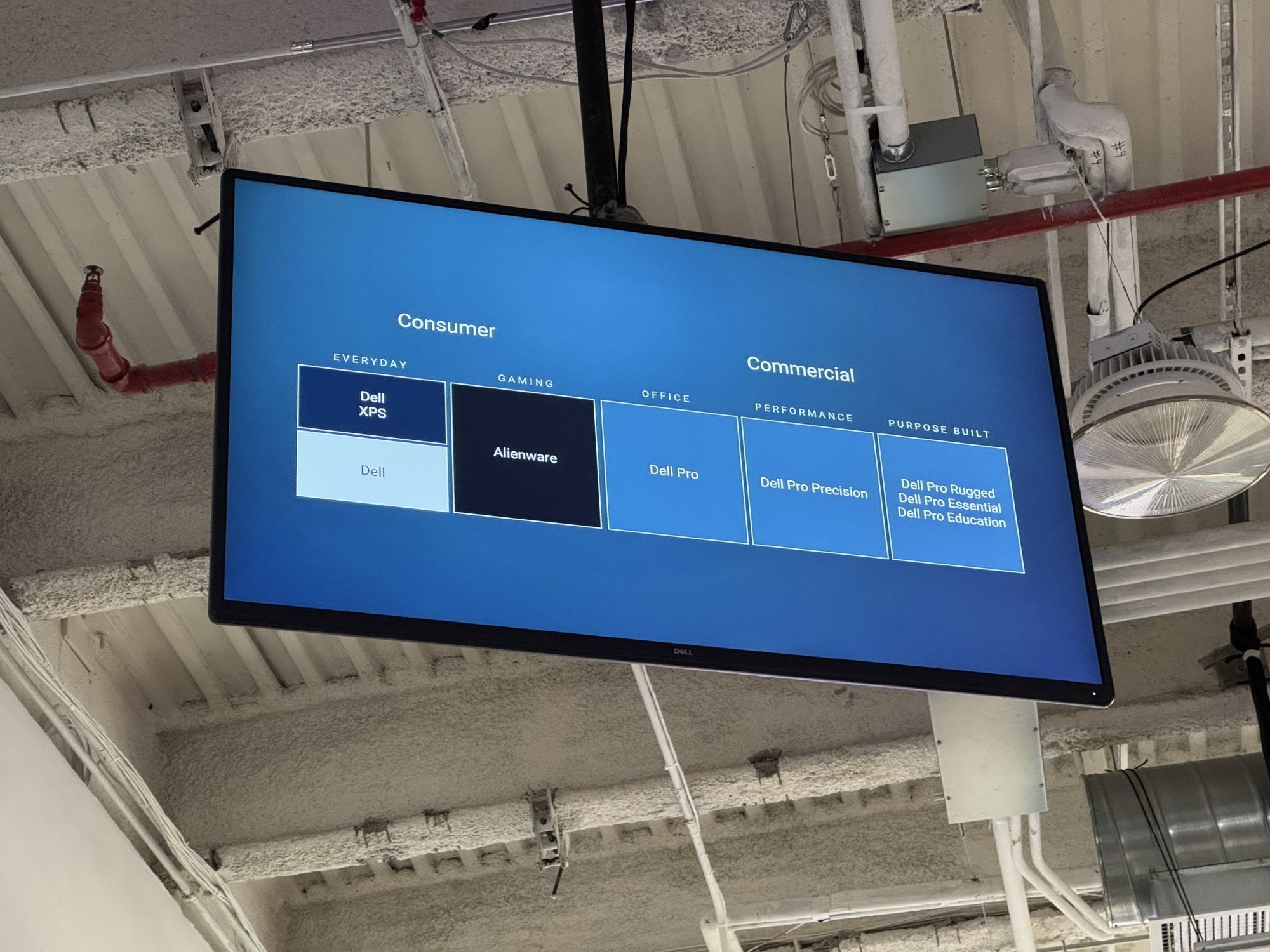
Credit: Michelle Ehrhardt
How Dell’s new laptop categories will work
More lightweight laptops for everyday consumers will continue to be called simply Dell, but all premium options will now be renamed to XPS, while all gaming computers will now fall under the Alienware brand that was previously limited to more powerful models. The Dell Pro name will technically continue to exist, but only for enterprise customers, and Dell made no mention of Dell Pro Max, Dell Plus, or Dell Premium at this CES.
“We’ve been a bit off course,” Dell Vice Chairman and Chief Operating Officer Jeff Clarke said in a meeting with journalists. “I owe you an apology. We didn’t listen to you. You were right…we can be humble, and we can correct decisions that we’ve made in the past.”
All of this should come as a relief to confused buyers who might have been thrown off not just by the naming scheme, but by how many configuration options each of those Premium, Plus, and Pro models had on the Dell website at checkout. As someone who had to review and recommend these things, even I had trouble knowing whether a high-end Dell Plus was better than a low-end Dell Pro. But aside from naming, Dell also promised to bring back some favorite XPS design features alongside the brand next year.
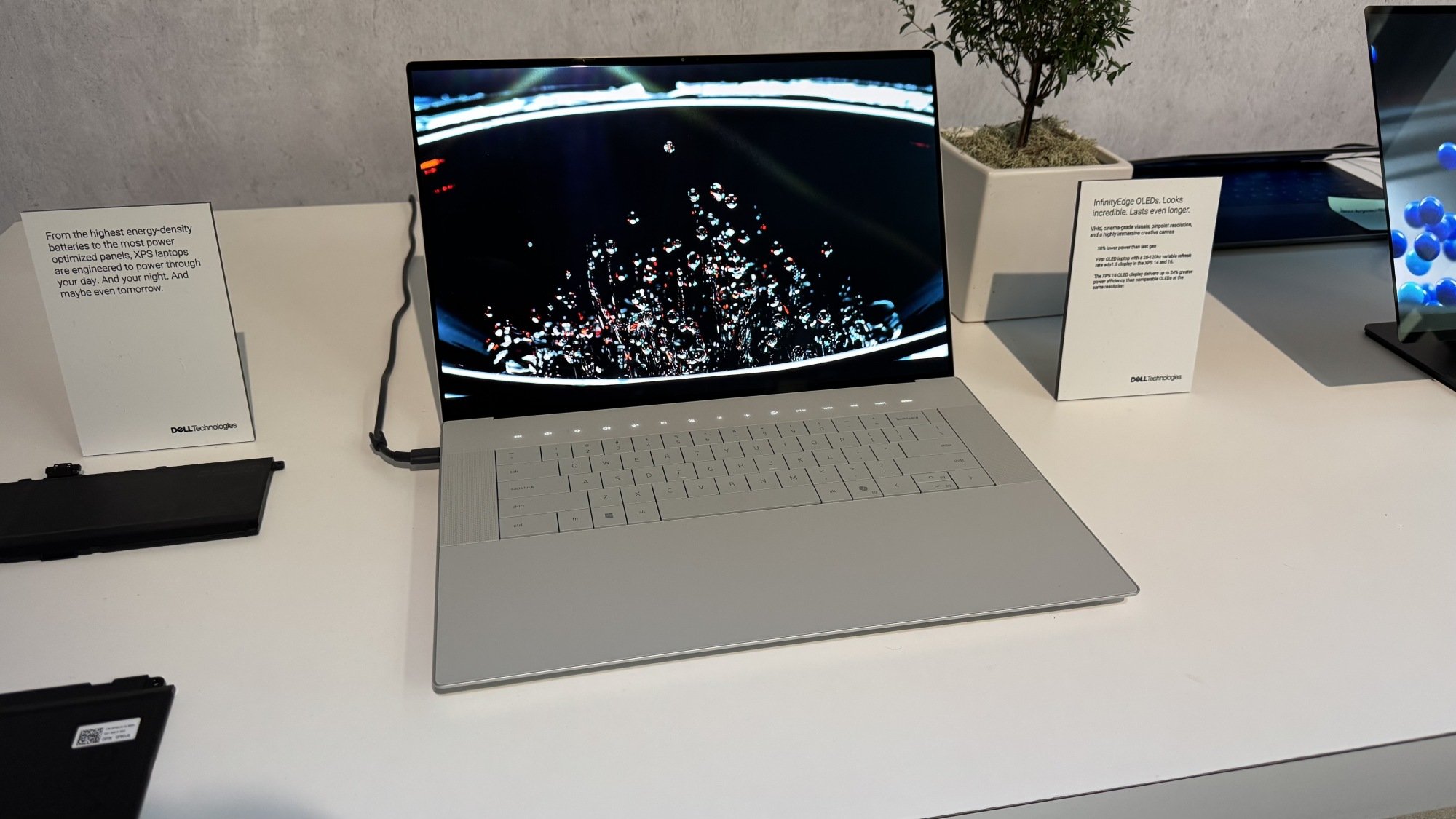
Old Dell XPS design
Credit: Michelle Ehrhardt
Credit: Michelle Ehrhardt
Shortly before it got rid of the XPS name, Dell made a couple of design overhauls to XPS that I was vocally opposed to, and these persisted into some of its post-XPS computers. They included using a touch bar for the function row rather than physical keys, much like Apple tried on some MacBook Pros between 2016 and 2020, and a touchpad that was flush with the computer, meaning you couldn’t easily see where it began and ended. It was flashy, but as my colleague Alan Bradley pointed out in a review, it was more “form over function.”
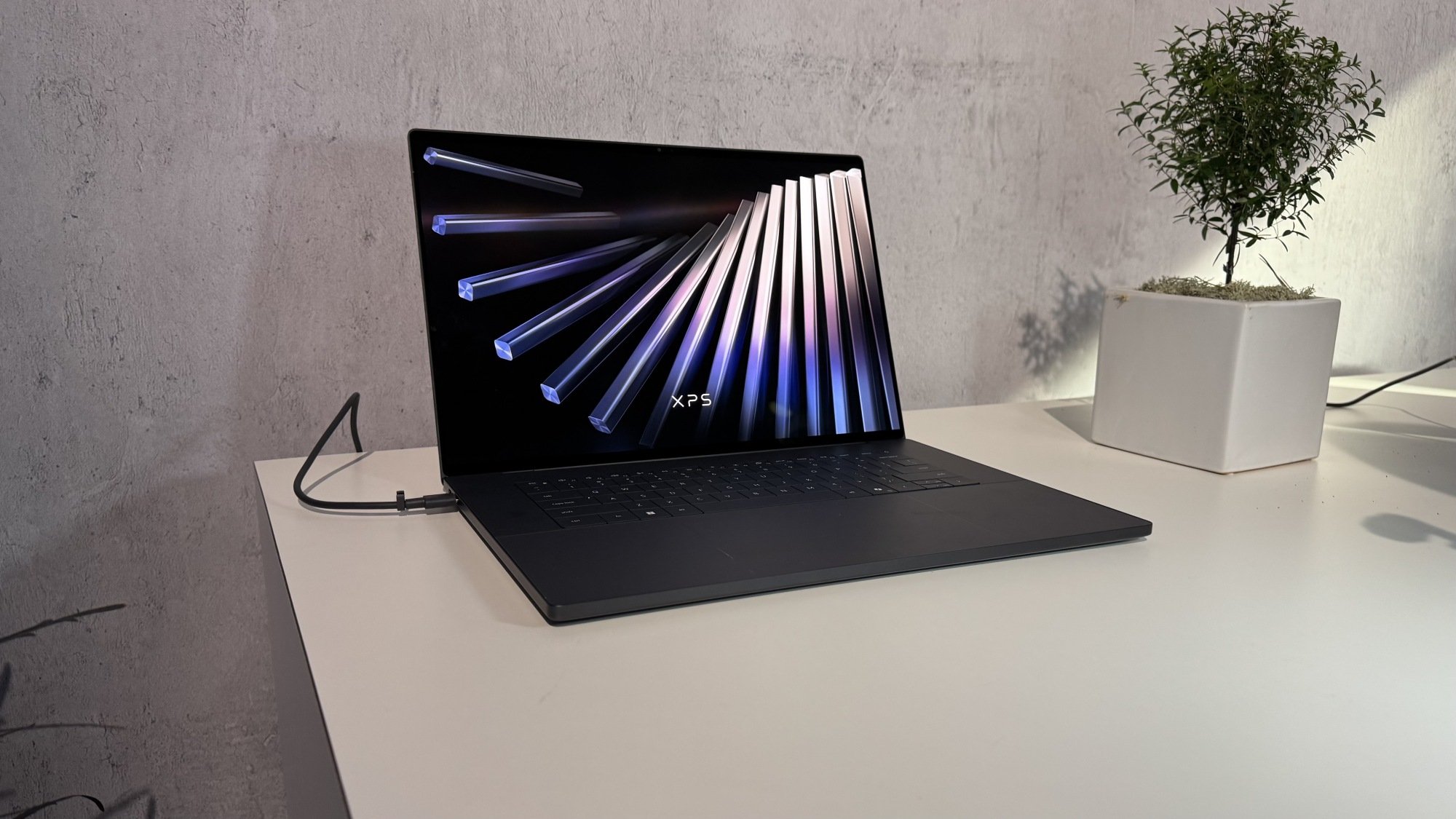
New Dell XPS design
Credit: Michelle Ehrhardt
Credit: Michelle Ehrhardt
Now, the new XPS laptops for this year are back to using physical keys for the function row and have subtle etching on the sides of the touchpad so you know where it begins and ends. There are even a few new, but purely cosmetic premium touches, like a CNC-machined aluminum body. The new XPS machines are also a bit thinner and lighter, and the company promises “the XPS 14 is now more compact than the MacBook Air 13, taking up less desk space while giving you more screen space.”
Overall, the theme for next year seems to be “return to form,” and Dell’s even going so far as to replace the Dell logo on the lid of its new XPS laptops with the XPS logo for the first time. 2025 was the first year where I didn’t put a non-gaming Dell laptop on my best laptops of the year list, so I’m excited to see what the company’s reinvestment in its history looks like when it comes out.
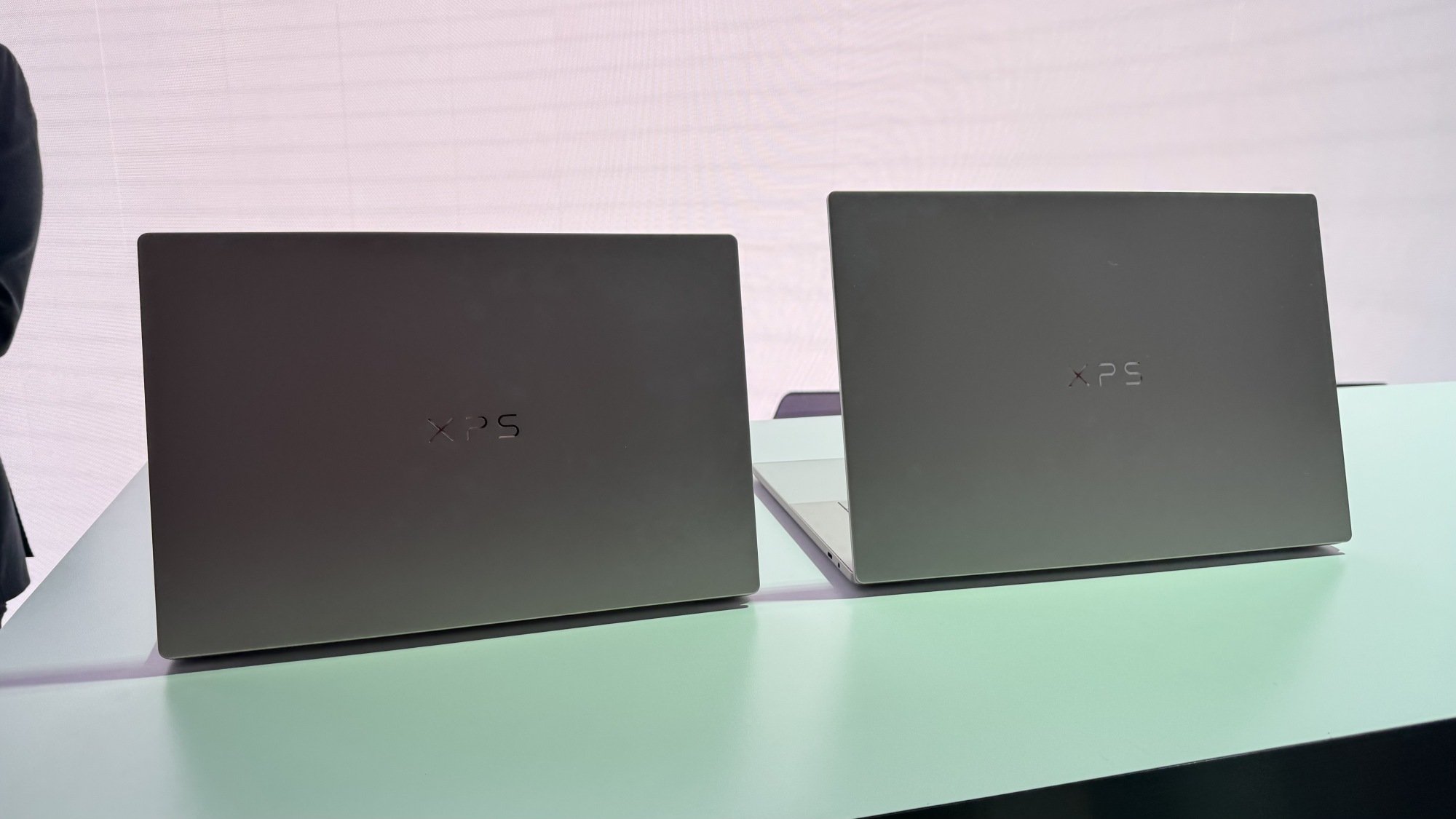
New Dell XPS 14 (left) and Dell XPS 16 (right)
Credit: Michelle Ehrhardt
Credit: Michelle Ehrhardt
Dell’s new XPS 14 and XPS 16 will launch with limited configurations starting Jan. 6, while an XPS 13 that’s thinner than 13mm is set for sometime later this year. Launch configurations will have options for both LCD and OLED screens, although there are no builds with discrete graphics cards included at the moment.
Pricing for the XPS 14 will begin at $1,650, while the XPS 16 will start at $1,850.
MSI unveils new gaming and Prestige business laptops at CES 2026
MSI has presented its refreshed Prestige lineup of business laptops, as well as its next-generation Raider, Stealth and Crosshair gaming models at this year’s CES. The Raider 16 Max HX is a 300w laptop, which the company says its its most powerful gaming model yet. It can supply 175w to its GeForce RTX 5090 or RTX 5080 GPU, while feeding 125w to its Intel Core Ultra 200HX processor at the same time under full-load conditions. To be able to handle that kind of power, MSI equipped it with a new cooling system consisting of three fans, six heat pipes, five exhaust vents and phase-change thermal compound. The Raider 16 Max also has a quick-access bottom panel that gives users an easy way to upgrade their storage and memory.
Meanwhile, the new Stealth 16 AI+ laptop’s selling point seems to be its portability. It’s just 16.6mm thin, weighs under two kilograms, comes equipped with RTX 50 series GPU and has dual memory and SSD slots. MSI has also introduced the new Crosshair 16 Max HX and Crosshair 16 HX laptops powered by Intel Core Ultra 200HX processors and NVIDIA GeForce RTX 50 series GPUs at the event. Buyers can pay extra for an optional QHD+ 165Hz OLED display if they want sharper visuals, as well.
In addition to its new gaming laptops, MSI has introduced its all-new Prestige 14 and Prestige 16 business laptops at CES. They’re slimmer with a more rounded silhouette compared to their predecessors, and they’re encased in full aluminum. The laptops are powered by the latest Intel Core Ultra Series 3 processors and are equipped with an 81Wh battery that can offer over 30 hours of video playback in 1080p. MSI has debuted the new Modern 14S and 16S series powered by the latest Intel Core Ultra Series 3 processors for everyday users, as well. Plus, the company has unveiled a Glacier Blue edition of its handheld gaming console, the Claw 8AI+, that’s powered by the Intel Core Ultra 200V processor with Arc Xe2 graphics.
This article originally appeared on Engadget at https://www.engadget.com/computing/laptops/msi-unveils-new-gaming-and-prestige-business-laptops-at-ces-2026-230000027.html?src=rss
Acer goes big on the haptic trackpad for CES with the Swift 16 AI laptop
Acer has a handful of laptop updates at this year’s CES show. The headlining item is the addition of the Acer Swift 16 AI to the company’s flagship line. This laptop has what the company says is currently the world’s largest haptic touchpad at 5.5mm by 109.7mm, and it can support up to MPP 2.5 stylus inputs. The screen is a 16-inch 3K OLED WQXGA+ touch display with HDR, a 120 Hz refresh rate and 100% DCI-P3 color gamut. On the inside, the Swift 16 AI can be kitted with up to an Intel Core Ultra X9 388H processor with built-in Intel Arc B390 graphics. The whole package is in a 14.9mm thin chassis and the machine weighs 1.55kg (about 3.4 lbs).
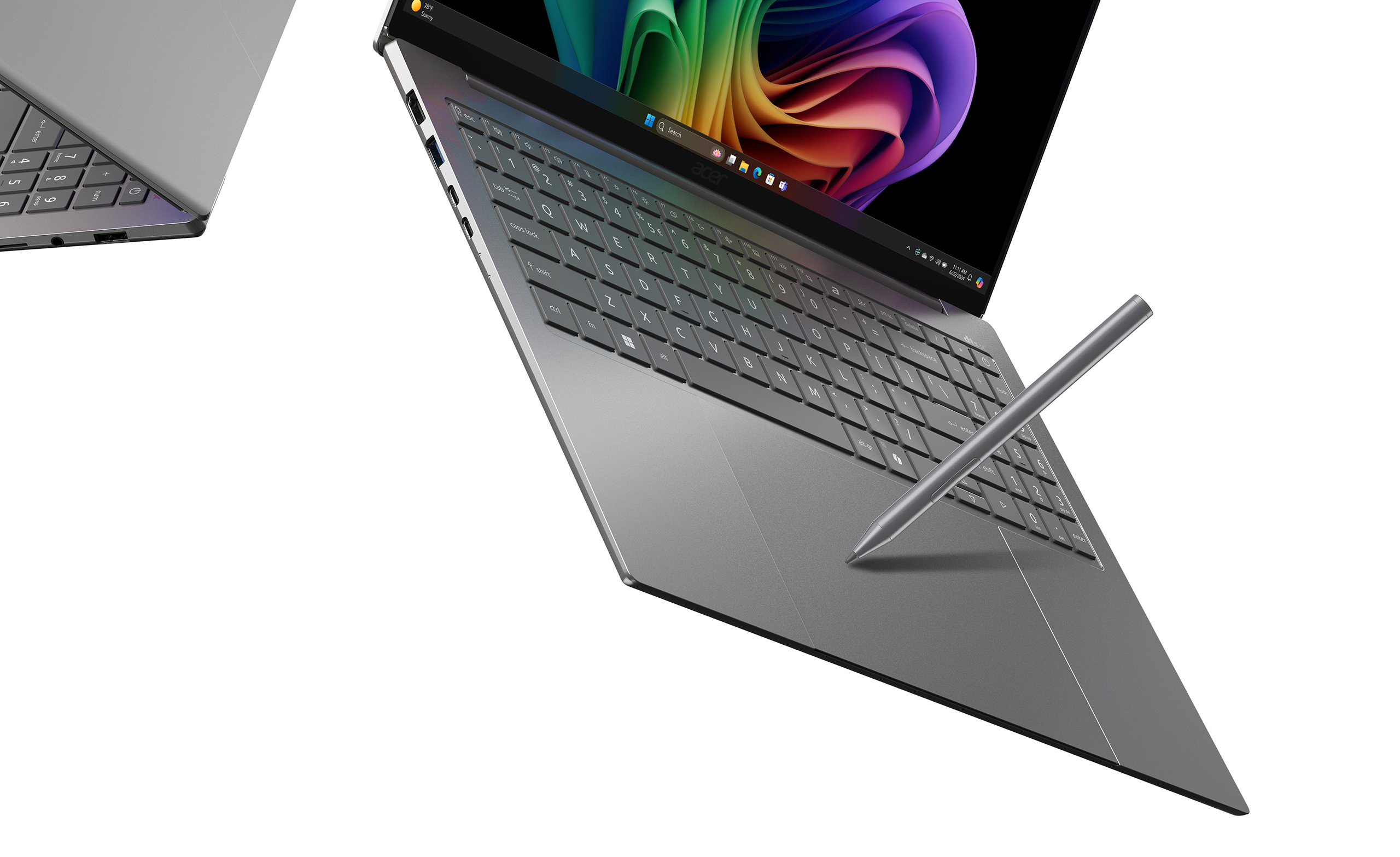
Acer (modified)
Another notable element in the company’s CES announcements is Acer Swift Edge 14 AI, one of two new lightweight laptops revealed at the event. The Swift Edge 14 AI measures just 13.95mm thick and weighs 0.99kg (about 2.2 lbs). It is powered by up to an Intel Core Ultra 9 processor 386H. The max spec 14-inch screen has a 3KWQXGA+ OLED touch display with 120 Hz refresh rate.
Both machines can have up to 32GB of RAM and are part of the Copilot+ PC program. Storage in the Swift 16 AI maxes out at 2TB while the Swift Edge 14 AI be up to 1TB.
This article originally appeared on Engadget at https://www.engadget.com/computing/laptops/acer-goes-big-on-the-haptic-trackpad-for-ces-with-the-swift-16-ai-laptop-230000750.html?src=rss
CES 2026: HP says the HyperX Omen Max 16 is the most powerful 16-inch gaming laptop in the world
This year HP is making an important change by taking its name off its gaming hardware entirely and letting its HyperX branding take center stage. At CES 2026, the company is celebrating this transition in a big way with Omen Max 16, which is being heralded as the world’s most powerful gaming laptop with fully internal cooling.
Now the last part of that claim is a bit of a cop out, but considering that most gamers probably don’t want to lug around a notebook with hoses coming out the back, it’s an understandable qualifier. Plus, with a total platform power of 300 watts that includes support for the latest chips from Intel and AMD and up to an NVIDIA RTX 5090 GPU, this thing certainly won’t be lacking in speed. Under the hood, the Max 16 features a third cooling fan to prevent throttling under sustained workloads along with HP’s Fan Cleaner tech that reverses the direction of the laptop’s fans to prevent dust from building up inside.
As for its design, the Max 16 doesn’t stray too far from HyperX’s signature matte black color scheme, though I do appreciate that the company kept a handful of accents like the RGB lightbar mounted on the laptop’s front lip. The notebook also features a per-key RGB backlit keyboard with a 1,000Hz polling rate, which should all but eliminate any issues with ghosting or rollover during hectic facerolling sessions.
However, one quirk about the system I noticed when checking it out first hand is that even with above average brightness of 500 nits for its 2.5K OLED display, the screen also comes with an unusually glossy coating. The benefit of this is that colors appear super saturated. The downside is that especially in well-lit rooms with a lot of sunlight, there’s more glare and reflections than you might expect.
Another nice improvement about the Max 16 that might go unnoticed if you only look at its spec sheet is that despite having a TPP of 300 watts, its power brick is relatively compact. It wasn’t all that long ago that a laptop with this kind of performance might have required dual power cables in order to supply the notebook with the amount of juice it needs. That said, weighing between 6.1 and 6.5 pounds depending on the exact configuration, the Max 16 still isn’t the kind of laptop you’re going to want to carry around on a frequent basis.
Regardless, if you’re in the market for what is essentially an old-school desktop replacement laptop without moving up to even larger 18-inch machines, HyperX’s latest flagship gaming laptop should be a strong contender that won’t be lacking in speed.
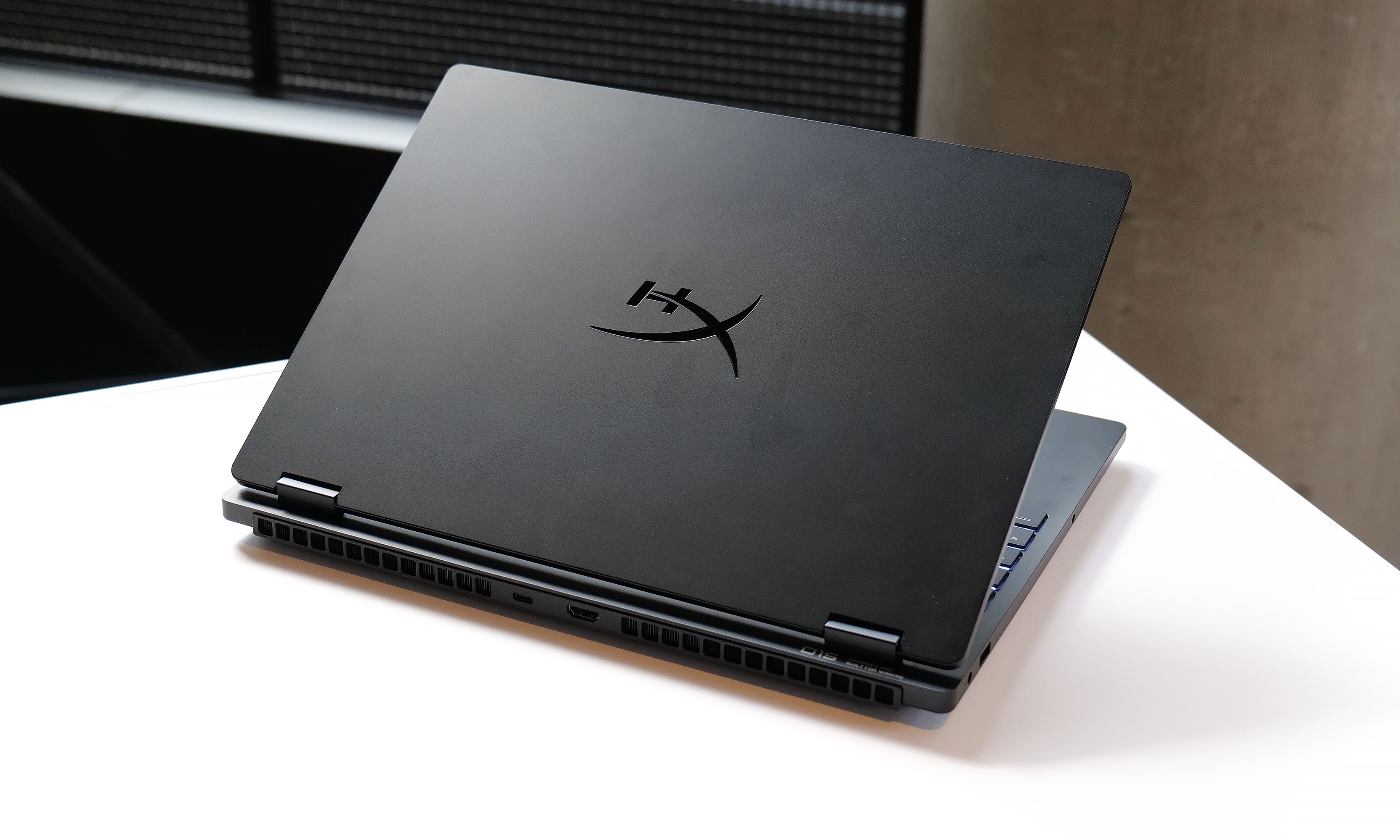
Sam Rutherford for Engadget
Unfortunately, HP doesn’t have concrete info about how much the HyperX Omen Max 16 will cost or when it will go on sale. However, we should know more when it becomes available sometime later this spring. And finally, if you’re looking for something slightly smaller or a more affordable system (we don’t have official pricing, but the Max 16 won’t come cheap), HP is also updating the Omen 15 and Omen 16 with fresh components and new HyperX branding for 2026 as well.
This article originally appeared on Engadget at https://www.engadget.com/computing/laptops/ces-2026-hp-says-the-hyperx-omen-max-16-is-the-most-powerful-16-inch-gaming-laptop-in-the-world-230000272.html?src=rss
Acer Debuts Vivid Gaming Monitors At CES Plus A 240Hz Projector
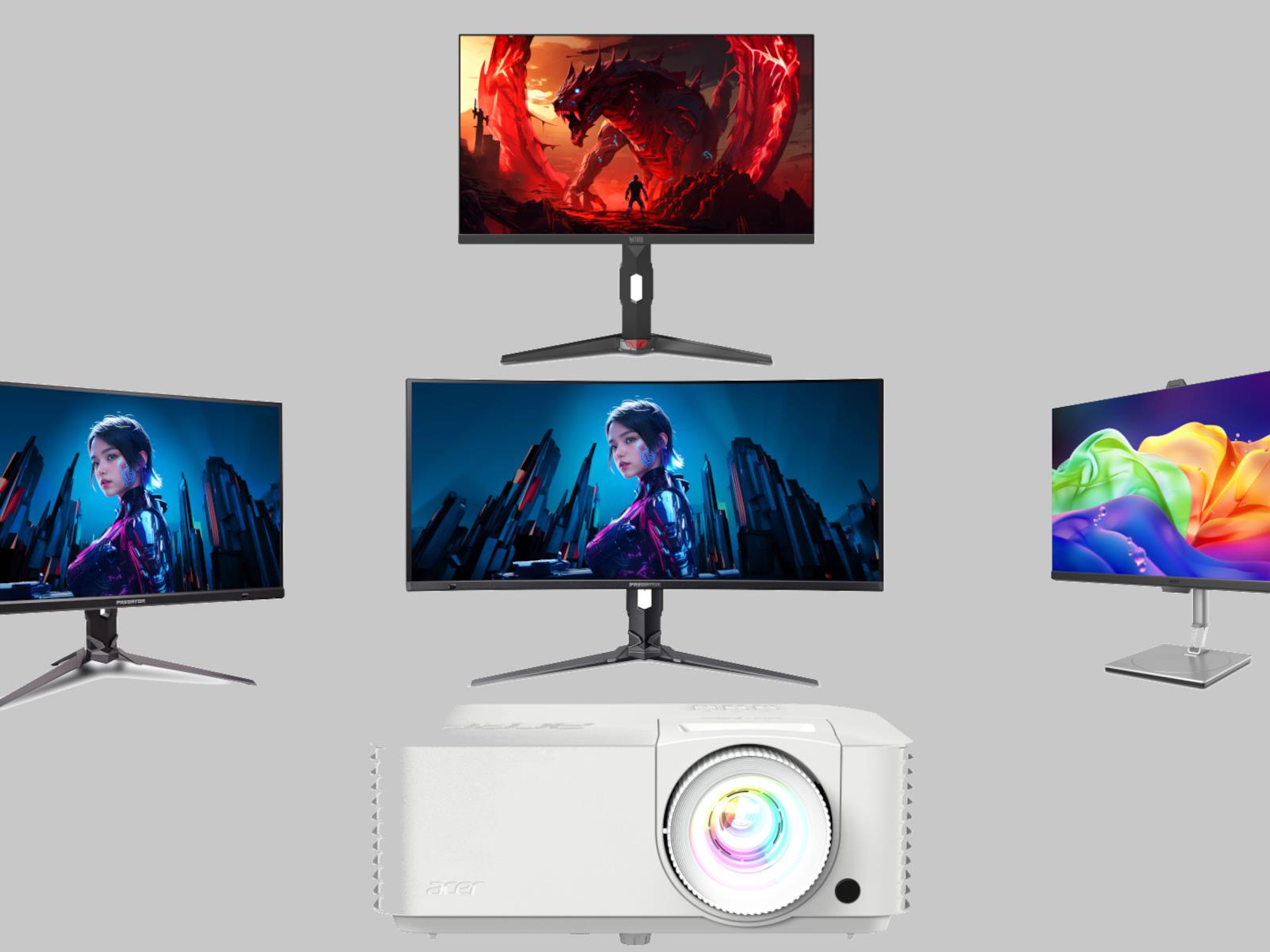
Acer is pulling up to CES 2026 with a surprisingly versatile range of displays, including an impressive laser RGB projector that can pull double duty as a 4K HDR home cinema projector (with an impressive 106% of BT.2020 wide color gamut coverage) or a 1080p 240Hz gaming beast. The increasing trend of displays allowing you to prioritize resolution
HP Unifies HyperX And Omen For New High‑End Gaming Laptops And Monitors
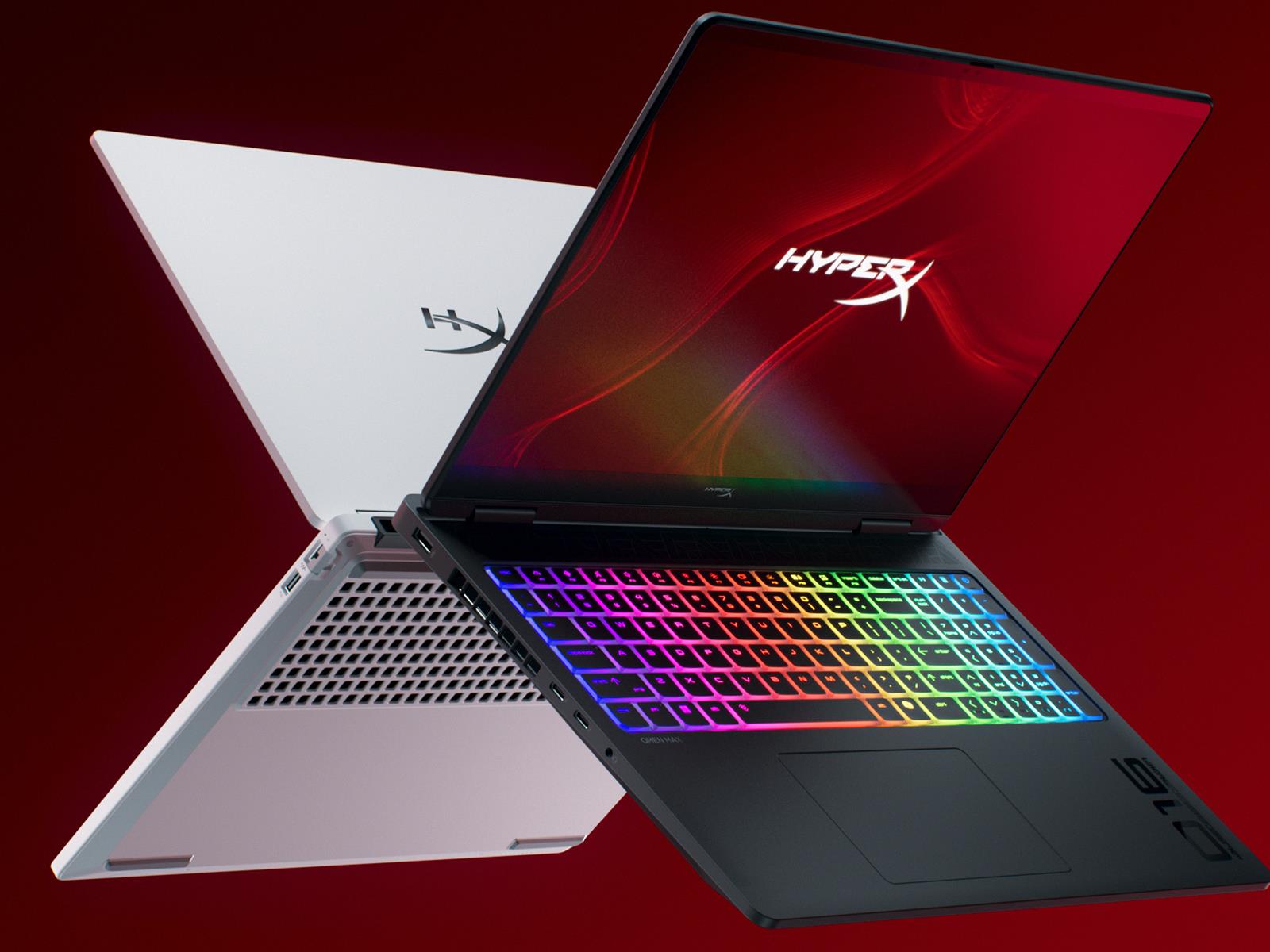
HP acquired HyperX from Kingston five years ago in a bid to capitalize on the booming PC gaming and peripherals market, and for the first time since the acquisition, its fusing HyperX with its Omen gaming for a new line of performance laptops and monitors that made their official debut at the Consumer Electronics Show (CES) in Las Vegas.
The
NVIDIA Boosts DGX Spark Performance And Pushes New Developer Tools at CES 2026
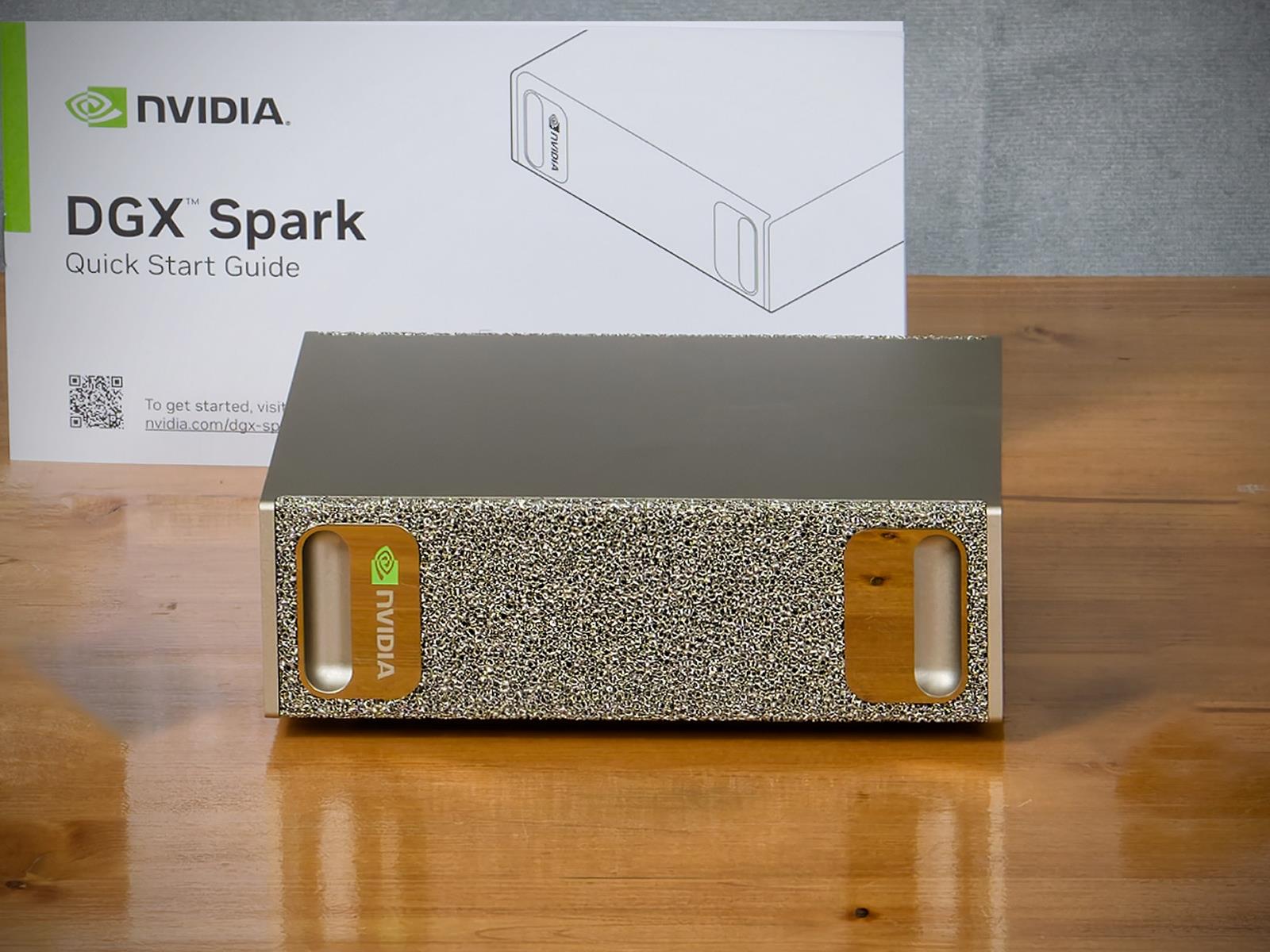
If you haven’t heard of NVIDIA’s DGX Spark AI developer workstation, maybe you’ve been living under a rock or on a deserted island with nothing but a volleyball to keep you company. It’s one of the multitude of AI-focused products of 2025, something that NVIDIA announced at CES last year as Project DIGITS, and it combines NVIDIA’s Grace Arm64
Dell Brings Back XPS Laptops: We’re Hands-On With The CES Comeback
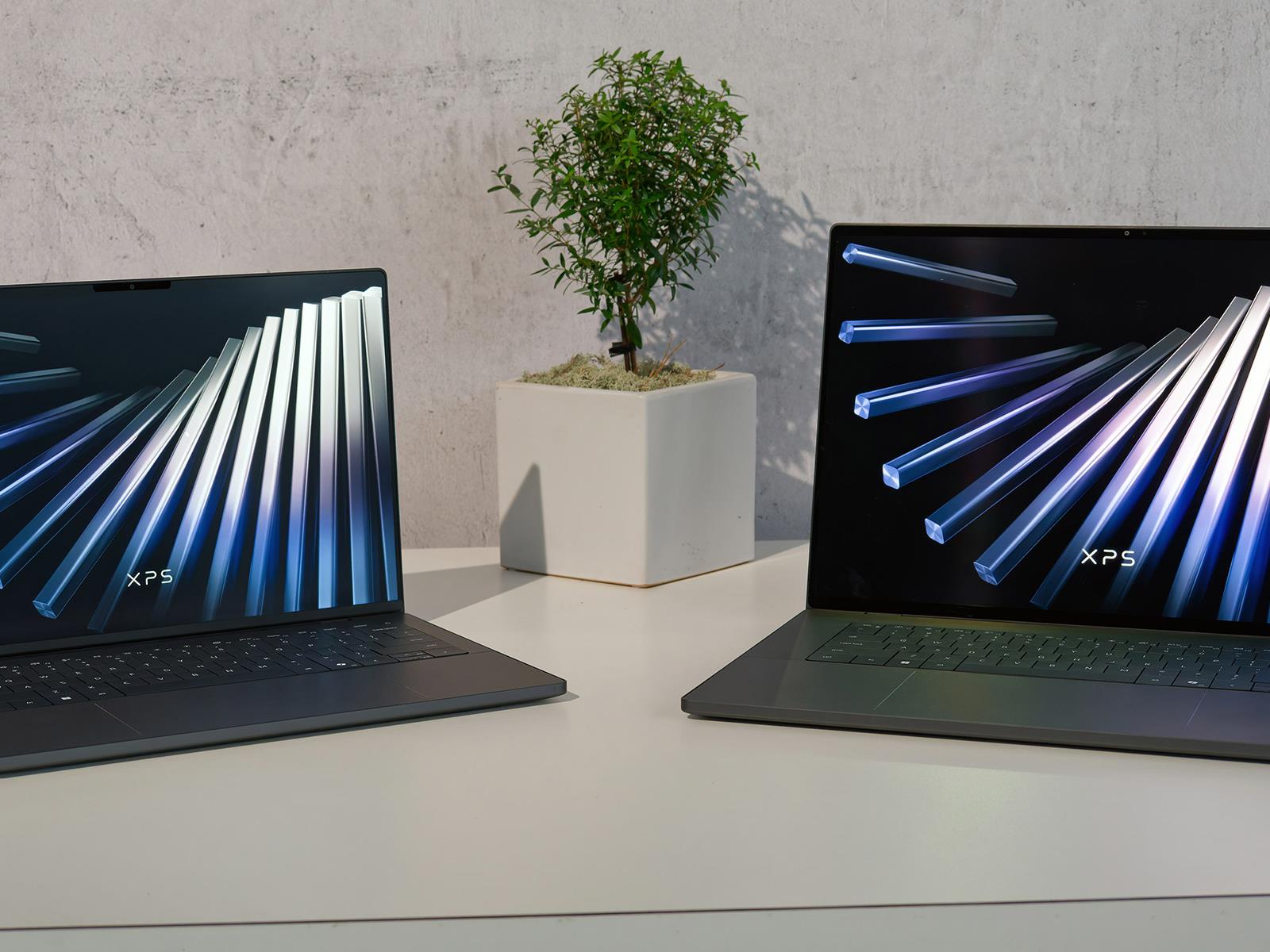
After a yearlong hiatus, Dell’s XPS brand is back! Dell announced the return of the iconic brand at the Consumer Electronic Show (CES), the same event where it was officially retired last year in an effort to streamline Dell’s various product categories. We had a chance to go hands-on with new XPS laptops coming out this year (more on that
Acer Gives Nitro And Predator Gaming Laptops More Bite With Intel Panther Lake
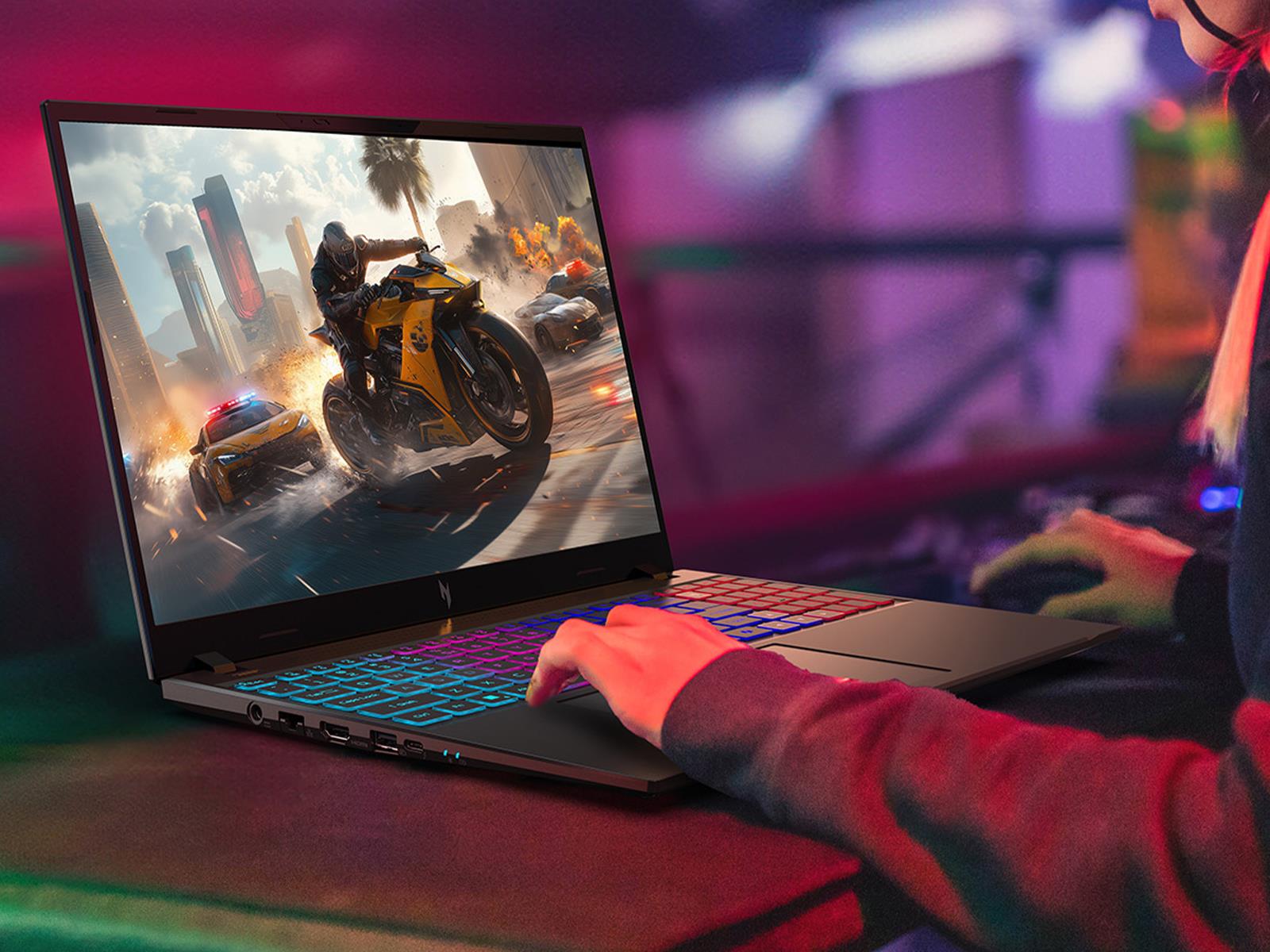
Acer is taking advantage of Intel’s new Panther Lake processor lineup by injecting the chip maker’s latest silicon into refreshed Predator Helios and Nitro V gaming laptops. Paired with NVIDIA’s mobile GeForce RTX 50 series discrete GPUs based on Blackwell, these retooled laptops offers some potent specs for high-end gaming on the game.
Acer