
Somehow this movie is worse than that first film and even worst than Minecraft and Snow White
The post <i>Five Nights At Freddy’s 2</i> Reviews Are Even Worse Than You Think appeared first on Kotaku.

Somehow this movie is worse than that first film and even worst than Minecraft and Snow White
The post <i>Five Nights At Freddy’s 2</i> Reviews Are Even Worse Than You Think appeared first on Kotaku.

They can appear anywhere and everywhere, so where’s best to look?
The post Here’s Why You’re (Probably) Not Finding Blueprints In <i>Arc Raiders</i> appeared first on Kotaku.

Is this a new record for announcing and then killing a gaming project?
The post A New <i>Postal</i> Game Was Announced, Then Canceled Over AI Slop, Within Just 48 Hours appeared first on Kotaku.
Meta has officially confirmed “shifting some of our investment from Metaverse toward AI glasses and Wearables”, following reports of an up to 30% budget cut for parts of Reality Labs.
Reality Labs, if you’re unaware, is the division of Meta behind its Quest headsets, Horizon software, smart glasses, and sEMG wristband, as well as researching future technologies such as Codec Avatars and true AR glasses.
Yesterday, Bloomberg first reported that the division is facing up to 30% budget cuts that would primarily target VR and Horizon Worlds.
Following Bloomberg’s report, other mainstream news outlets including The New York Times, The Wall Street Journal, and Business Insider have published their own reports corroborating the general claim, with slightly differing details, and the NYT and BI even received an official prepared statement from Meta, which the company confirmed to UploadVR.
“Within our overall Reality Labs portfolio we are shifting some of our investment from Metaverse toward AI glasses and Wearables given the momentum there,” the statement reads. “We aren’t planning any broader changes than that.”
Business Insider’s report suggests that the cuts will primarily hit Horizon Worlds, and that employees are facing “uncertainty” about whether this will involve layoffs. One likely cut BI’s report mentions is the funding for third-party studios to build Horizon Worlds content.
The New York Times report, on the other hand, seems more definitive in stating that these cuts will come via layoffs.
 UploadVRDavid Heaney
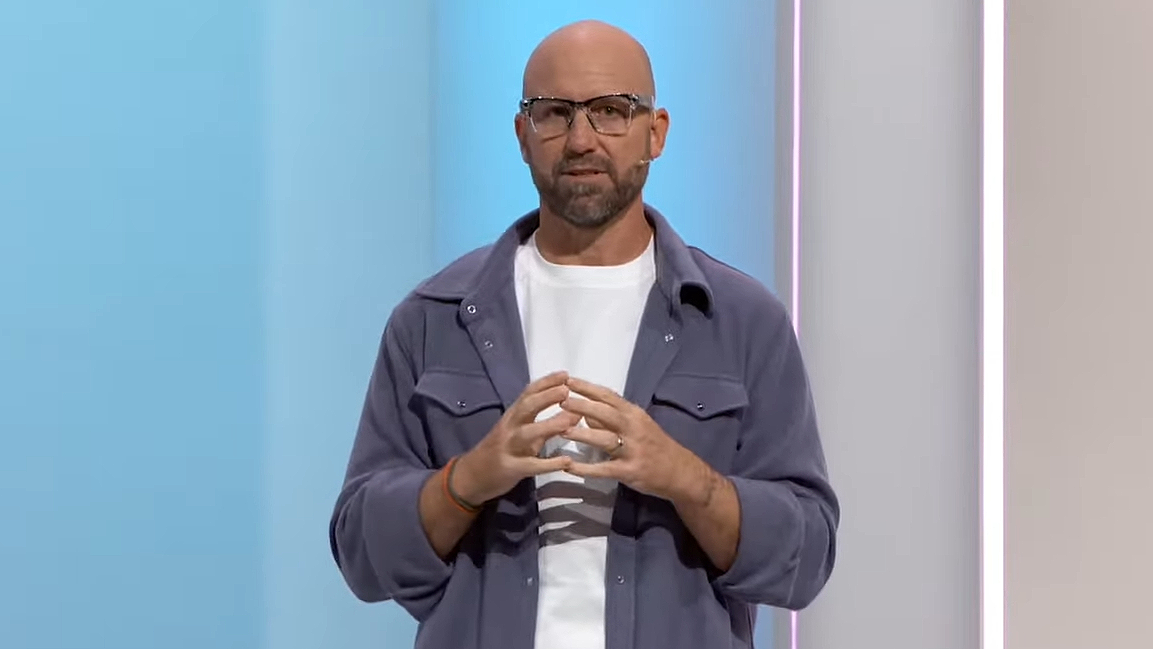
Meta’s funding shift from Horizon Worlds and VR to smart glasses comes just over a year after a leaked memo from Meta CTO Andrew Bosworth told Reality Labs staff that 2025 will determine whether their projects are “the work of visionaries or a legendary misadventure”.
In the memo, Bosworth described 2025 as “the most critical year in my 8 years at Reality Labs”, and told staff they “need to drive sales, retention, and engagement across the board but especially in MR”. Note that at the time, Meta was using MR to refer to VR too, a nomenclature that it ended earlier this year.
“And Horizon Worlds on mobile absolutely has to break out for our long term plans to have a chance”, Bosworth followed that sentence with.
Since then, Reality Labs saw its highest-ever quarterly revenue in Q4 2024 with the launch of Quest 3S, which was the top-selling console on Amazon US for Christmas. But this momentum did not carry through into 2025 at all.
The first two quarters of 2025 saw Quest sales decline year-over-year, revealing that while Quest 3S was a popular stocking stuffer, it simply is not a successful year-round product. While Q3 saw a rebound, Meta explained that this was due to retailers stocking up on Quest 3S for this year’s holiday season.
Next year, our sources suggest that Meta has prioritized shipping an ultralight Horizon OS headset with a tethered compute puck instead of a traditional form factor Quest 4, and the company will be closely tracking how it performs in comparison to Quest 3 and Quest 3S through 2027.
Meanwhile, Meta has continued to push its Horizon Worlds “metaverse” platform with multi-million-dollar creator competitions, especially focused on smartphone-only worlds, as the company hopes to scale the platform from a social VR space to a cross-platform Roblox and Fortnite competitor. But this doesn’t seem to have gained much traction.
Meta is set to roll out its Horizon Studio world creation toolset, powered by the Horizon Engine it built to replace Unity in Horizon Worlds, and the company will be closely tracking whether this meaningfully improves engagement.
 UploadVRDavid Heaney
This relative stagnation in its Quest and Horizon Worlds efforts comes as the company is seeing skyrocketing sales and significant public and investor interest in its smart glasses.
Back in February, in its Q4 2024 earnings call, Meta’s partner EssilorLuxottica said that the Ray-Ban Meta glasses had sold 2 million units, and in its Q2 2025 call in July said that sales had more than tripled since last year, performing “exceptionally well”.
In its Q2 2025 call in July, the company said that the glasses were performing “exceptionally well” in the market, with sales having more than tripled compared to 2024.
During the February call, the company also announced that its annual production capacity for smart glasses would be increased to 10 million by the end of 2026. And in its Q3 2025 sales call in October, it said that it was accelerating this target to reach the 10 million annual production rate sooner, as smart glasses drove more than a third of its quarterly growth.
 UploadVRDavid Heaney

This combination of significant success in the smart glasses space and relative failure in growing its VR headset and metaverse platform business is likely the driver of the company’s decision to shift some funding to the former, hoping to further establish itself as the leader in the space before rival products from Apple and Google arrive.

Keep yourself warm and cozy without putting a dent in your wallet.
The post Dyson’s No-Profit Play on Its Heater and Fan Combo Is Still Active to Offload Stock Even After Black Friday appeared first on Kotaku.
Finnish company Jolla started out 14 years ago where Nokia left off with MeeGo and developed Sailfish OS as a new Linux smartphone platform. Jolla released their first smartphone in 2013 after crowdfunding but ultimately the Sailfish OS focus the past number of years now has been offering their software stack for use on other smartphone devices. But now it seems they are trying again with a new crowd-funded smartphone…

Also: A Call of Duty map has gone missing, a Dragon Ball Z fish, and Hytale ain’t coming to Steam anytime soon
The post Fans Can’t Believe How Much Microsoft Is Selling Used Xbox Consoles For appeared first on Kotaku.

Silly puns aside,

Save a whopping $185 on the lifetime license of the 2021 Microsoft Office Professional for Windows with this deal.
The post Microsoft Keeps Its MS Office Pro 2021 at 84% Off Black Friday Low to Extend Cyber Week Deal appeared first on Kotaku.

‘I’m going to save him one day,’ a passerby says as she waits for her train
The post I Went To See The Abandoned Yoshi That’s Been Sitting On The Subway Tracks For Weeks [Update] appeared first on Kotaku.

Save 13% on the PlayStation 5 Pro console over at Amazon for a limited time.
The post Sony Pushes PlayStation 5 Pro at Its Black Friday Low While Xbox Series Consoles Stay Full Price appeared first on Kotaku.
The stripped-back Colnago Y1Rs that propelled Tadej Pogačar to time-trial success on Stage 13 of this year’s Tour de France has sold for $190,500.
We covered the four iconic Colnago bikes up for auction by Sotheby’s earlier this week, when Pogačar’s bike had a bid of $16,000 and an estimate of $15,000 to $20,000.
The bike is a lightened version of Colnago’s V1Rs that was specially made for the mountain time trials, with Pogačar going on to ride the bike up Mont Ventoux in a record time to defend his yellow jersey against Jonas Vingegaard.
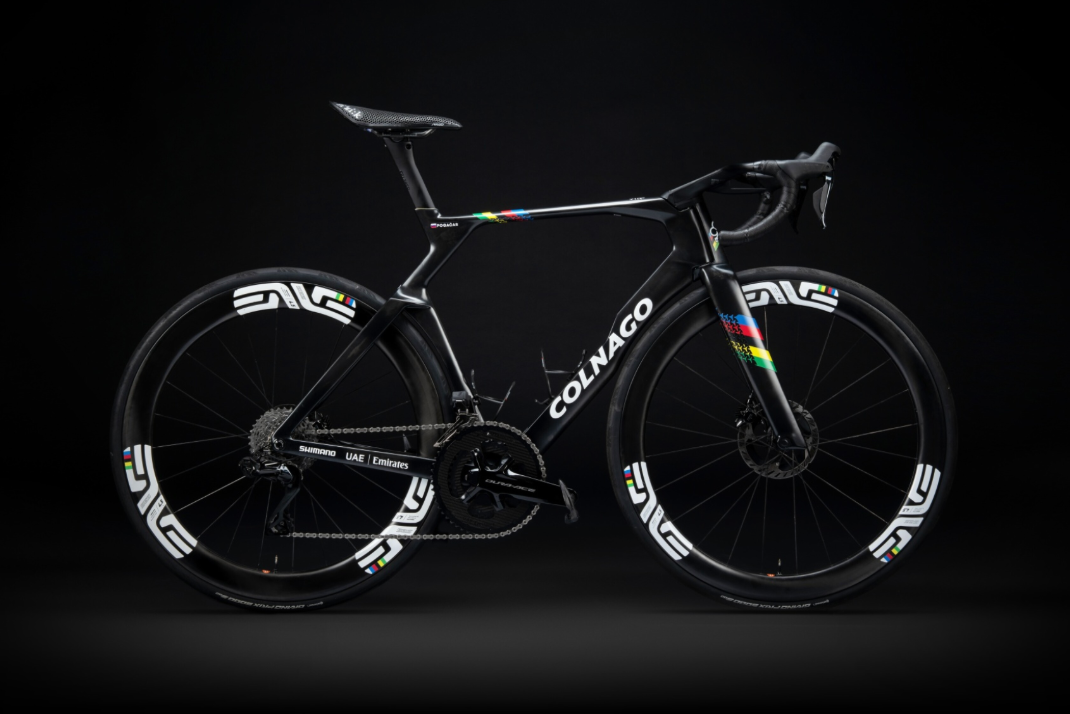
This special-edition Y1Rs weighs just over 7kg, with a raw carbon finish helping with weight-saving and exposing the carbon weave below.
Pogačar’s continued use of the bike may have put the final nail in the coffin of dedicated climbing bikes in UCI-regulated races, with the aerodynamic performance appearing to outweigh the small weight savings.
The bike has been on display at St Regis Saadiyat Island Resort, Abu Dhabi for the duration of the auction.
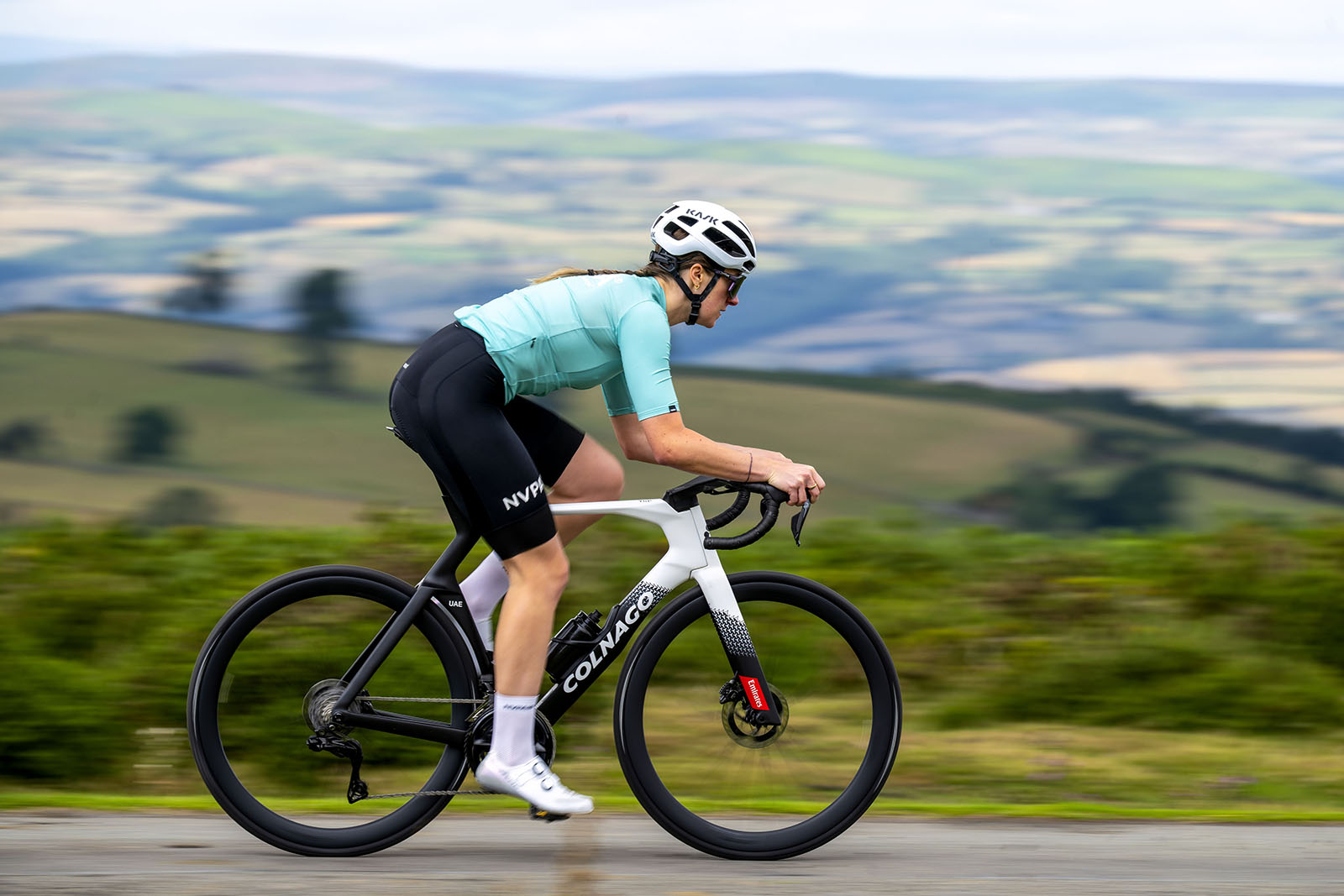
While $190,500 is a ludicrous amount of money for a Colnago Y1Rs, which retails for around £11,999 / $14,500, it isn’t a record-breaking figure for a bicycle at auction.
That honour belongs to a Damien Hirst-painted “Butterfly” Trek Madone ridden by Lance Armstrong at the Tour de France and auctioned off for LiveStrong for $500,000.
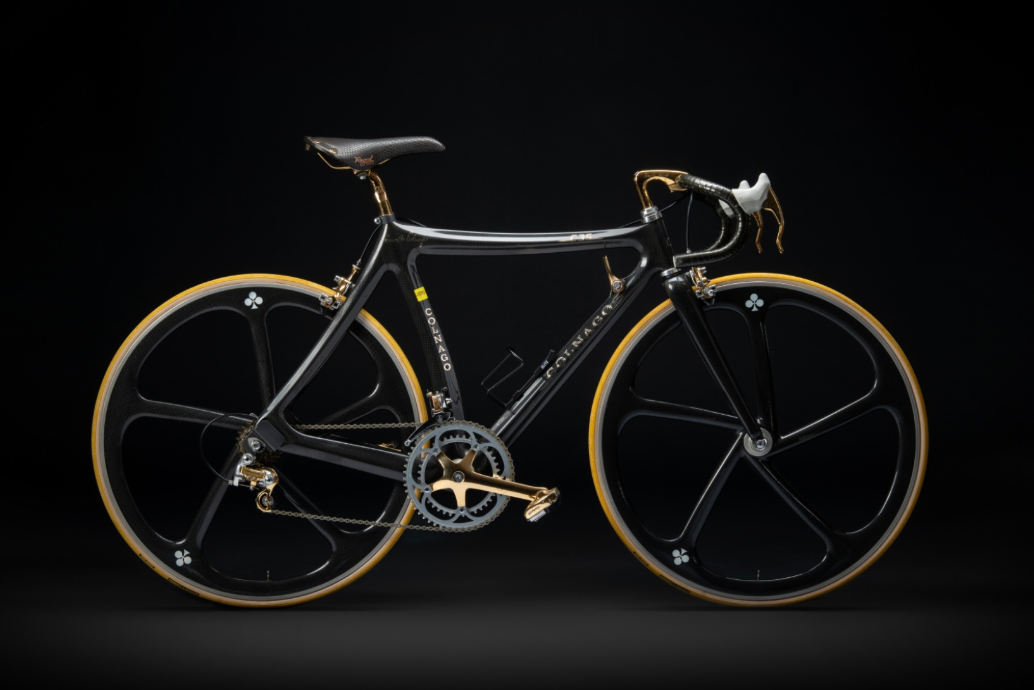
Other bikes sold in the auction sold were: Colnago track bike built to Eddy Merckx’s 1972 Hour Record dimensions ($12,065); Colnago C68 Rossa No. 1/90 ($21,590); Colnago C35 Oro Ferrari collaboration ($35,560).


It keeps the party going all night, and can now be yours for just $58.
The post JBL Clip 5 Takes Another Price Drop After Black Friday to Clear Out Its Bluetooth Speaker Inventory appeared first on Kotaku.
Nearly four years have passed since AMD launched their EPYC Milan-X processors with 3D V-Cache. When recently rearranging some servers in the lab and realizing the four year anniversary was coming up in March, curiosity got the best of me in wondering where the Linux performance and energy efficiency on Milan-X is now with the latest Linux software stack compared to the numbers when Milan-X launched back in March 2022.

You can choose from 16 million colors, plus over 60 preset lighting modes with these.
The post Govee Offloads Its Smart LED Lights at a Record Low, the Cheapest Way to Decorate Your Christmas Tree With Music Sync appeared first on Kotaku.

The former lead on The Outer Worlds returns to his RPG home
The post Legendary <i>Fallout</i> Developer Tim Cain Returns To Obsidian appeared first on Kotaku.

Some of the clues pointing to Donkey Kong Bananza characters getting added are more convincing than others
The post Fans Think <i>Mario Kart World</i> Might Get A Big Donkey Kong DLC Any Day Now appeared first on Kotaku.