Hi-vis is not a silver bullet for cycling safety – but this hack might be

Conventional wisdom says brighter colours and reflective clothing will increase your visibility when cycling.

Rule 59 of the UK Highway Code, for example, recommends cyclists should wear light-coloured or fluorescent clothing during the day and reflective clothing and/or accessories after dark.

However, there’s little scientific evidence to support this opinion.

We consulted an expert on the role of human factors in road traffic accidents, who highlighted research on how biomotion can help increase your road presence and maybe reduce your risk of a collision when cycling.

The myth of invisibility
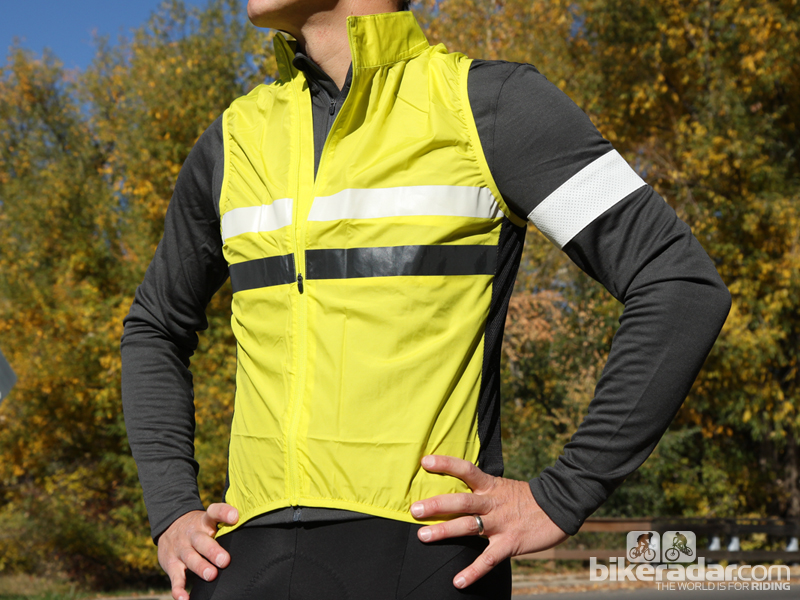
High-visibility clothing is recommended by the UK Highway Code. James Huang/Future Publishing

Cycling UK has reviewed the evidence on high-visibility clothing and other measures to make cyclists more conspicuous, concluding that: “If wearing hi-vis helps people feel safer when cycling and more willing to do it, that is only to be welcomed. It is, though, hard to prove whether hi-vis makes any significant impact on cyclists’ safety and there is very little convincing evidence to support the argument that it does.”

Despite this, there’s still a widely held belief that hi-vis contributes to rider safety.

In January 2025, a UK parliamentary question tabled by Munira Wilson, MP for Twickenham, asked whether the Department of Transport had assessed the merits of requiring cyclists and motorcyclists to wear high-visibility attire after dark.

So what does increase cyclists’ road presence, attract drivers’ attention and reduce the risk of riders being involved in road traffic accidents?

How attention really works
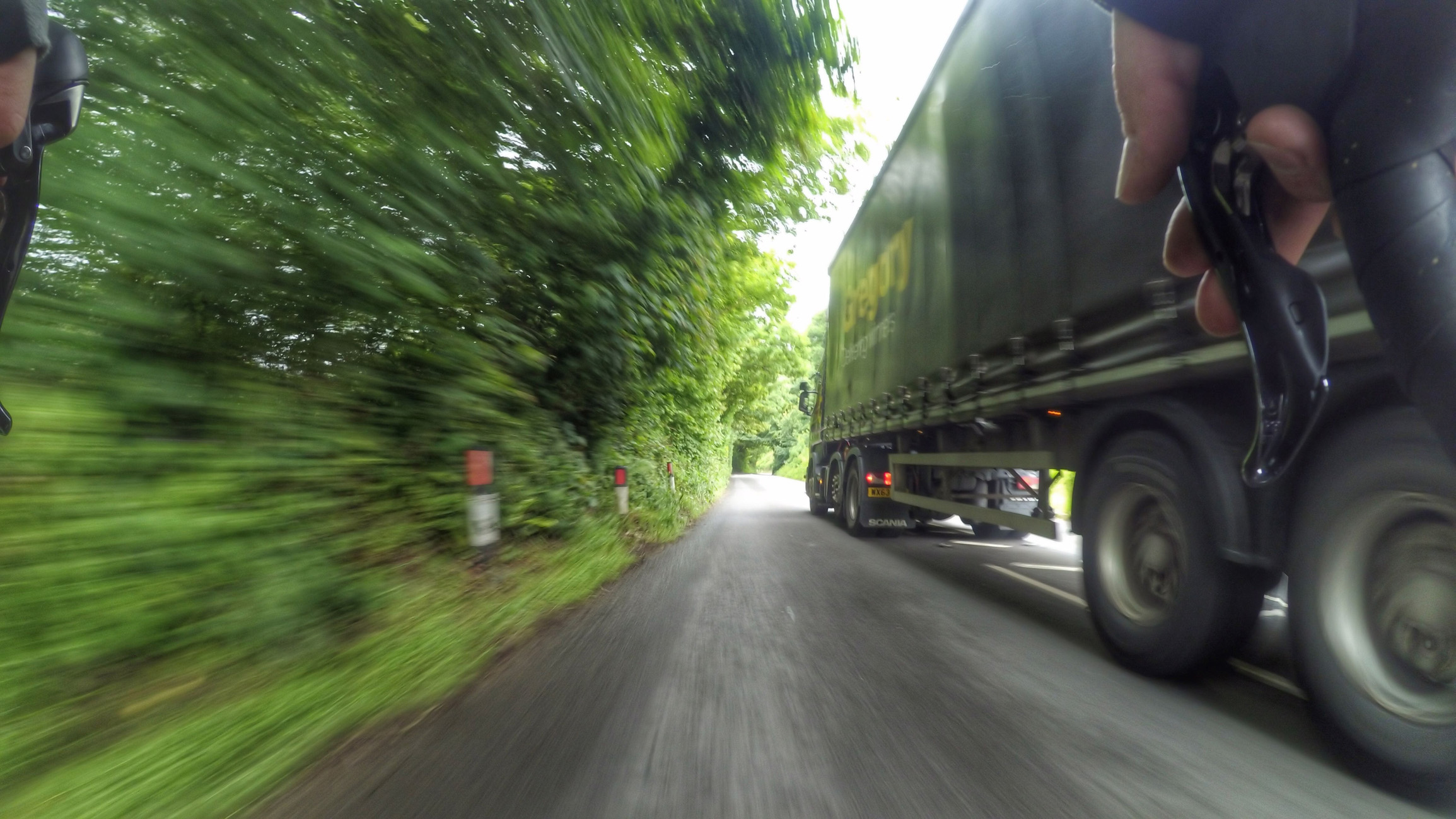
There’s little convincing research to show that hi-vis increases rider safety. Getty / domin_domin

Dr Marc Green, based in Ontario, Canada, is an expert in the role of vision, perception and human factors in transportation collisions, including those involving pedestrians and cyclists.

Green has analysed the available research on the effectiveness of conspicuity aids for cyclists, including lights and fluorescent and reflective clothing. As with Cycling UK, he points out that it’s difficult to come to a definitive conclusion on their benefits, which he says is due to the difficulty of designing an adequately controlled experiment that rules out other factors.

An experiment that asks a driver to ‘spot the cyclist’, for example, primes them to look for a rider, while a driver in a real-world situation might not be looking out consciously for cyclists.

Green contrasts the sensory conspicuity triggered by such experiments with cognitive conspicuity, a function of driver expectations, and says that raising the latter is more significant in preventing accidents.

He draws out the difference between two types of conspicuity. Sensory conspicuity, he says, is more important when a viewer is searching for a known target, but is less effective when encountering an unexpected object.

In contrast, cognitive conspicuity is more important in perceiving unexpected objects and has been suggested by some researchers as the main safety issue for cyclists. These ‘looked but failed to see’ errors stem from driver cognition.

Green says this is largely a function of driver expectation, which in turn is related to prevalence (how many cyclists there are on the roads) and cyclists’ behaviour (whether they obey expected road discipline).

What the data shows
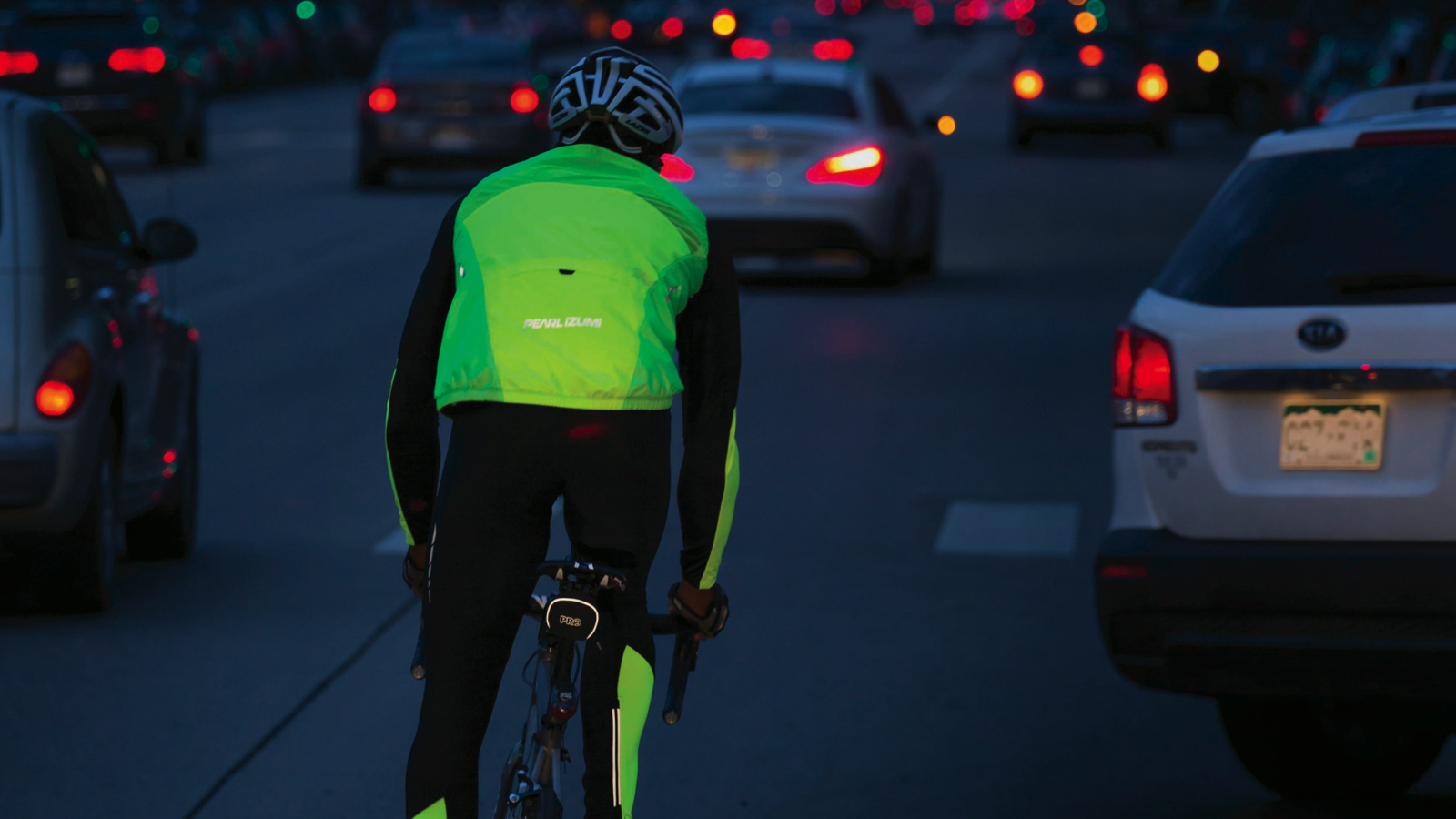
Fluorescent colours on the legs may increase safety over fluorescent upper layers, due to the legs’ movement. Pearl Izumi

He points to one randomised control study, which looked at cyclists travelling in normal conditions. 

According to Green, the study showed that: “Bicyclists wearing fluorescent jackets had about half the collisions/near misses of those without. However, some of the benefit may have been due to biological motion.”

This conclusion is borne out by another study that showed fluorescent yellow vests alone did not confer an improvement in the distance at which drivers detected cyclists in daylight. Adding trousers in the same colour did, though, which the authors attributed to the biological motion of the riders’ legs.

What really helps
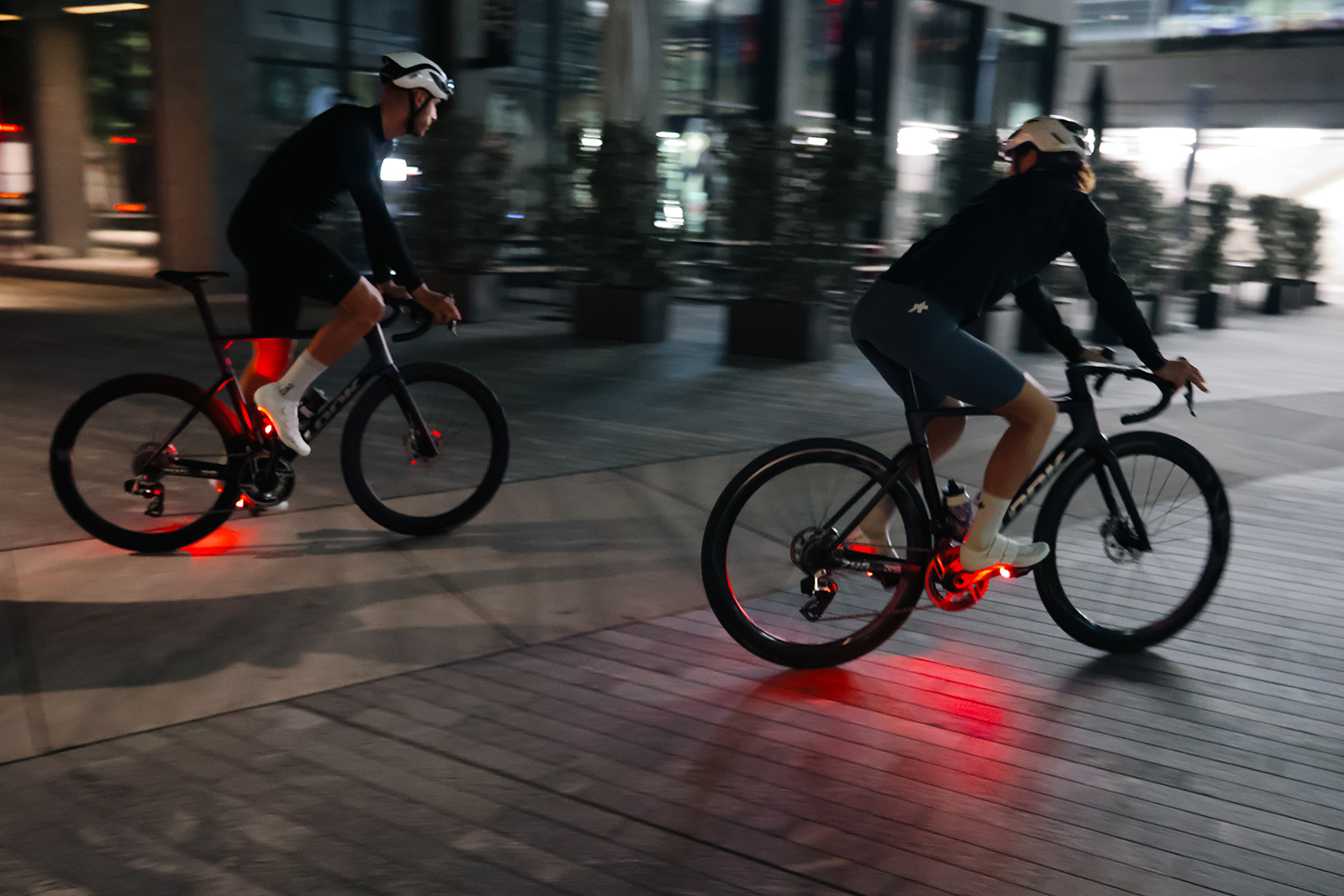
Two people riding bikes at night with Look Keo Vision bike light pedals.
Research suggests biomotion can increase conspicuity over a static light attached to the frame. Look

Green points to a large number of studies that have found gains in night-time visibility and conspicuity when retroreflective material or lights are placed on cyclists’ joints, particularly when situated on cyclists’ ankles, thighs and knees.

Other research has found that reflective material or lights placed on pedal cranks or riders’ heels improved detection at night, bearing out the evidence that biomotion helps improve detection. In the UK, there’s a legal requirement to have reflectors on pedals.

When Look recently launched its Keo Vision pedals, with built-in lights, it cited research from the US that found a moving light was 5.5 times more likely to be noticed than a static constant light and almost twice as noticeable as a flashing light attached to a non-moving part of a bike.

So, the evidence points to the usefulness of biomotion, attaching lights or reflectors to moving parts of a bicycle or rider to increase conspicuity for cyclists.

While a flashing bike light and high-visibility clothing can help, it’s the rotation of the pedals and the movement of the legs that seem to be most significant in attracting drivers’ attention.

Green summarises the available evidence: “It looks to me like this: steady vs flashing makes no difference in rural or other areas where there aren’t a lot of background lights. Flashing is better in urban areas where there are a lot of steady background lights. The flashing is the only way to stand out from a steady background.”

Green points out one disadvantage of flashing lights, though. ”It is difficult to localise single lights,” he says. “Drivers may not be able to tell exactly where you are. Distance is especially hard to judge.”

So there are potential safety benefits in using both a flashing and a constant light or a ‘hyper-constant’ pulsed light at night. Look cites this as an advantage of its pair of pedal lights.

Green concludes: “Conspicuity aids [such as hi-vis clothing] likely have some benefits, but their effect seems relatively weak. The likely reason is that cognitive conspicuity, which is a function of driver expectations, is much stronger than the sensory conspicuity created by the aids.”

It’s a conclusion that Cycling UK’s summary endorses. “Research suggests that retroreflective accessories designed to make you more conspicuous in the dark – especially anything that moves when you pedal (e.g. ankle straps) – are probably worth the investment,” it says.


Forget S’mores, Camping Accessory Gets A GeForce RTX 5050 Cooking At 3.5GHz

Forget S'mores, Camping Accessory Gets A GeForce RTX 5050 Cooking At 3.5GHz
The entry-level NVIDIA GeForce RTX 5050 is underpowered compared to its bigger siblings, but such compromises have never stopped modders before. Undertaking the sacred duty of squeezing as much performance out of underpowered silicon as possible, hardware modders TrashBench and Clock Bench challenged each other to take the same GeForce RTX

Anker Black Friday deals are here early: Power banks, wireless chargers and other tech accessories

If smartphones and tablets are the stars of the tech world, Anker is the faithful costar. We’re big fans of the brand’s charging gear and accessories — Anker has earned kudos in a number of our buying guides, from power banks to wireless chargers. Now for Black Friday, a whole slew of the company’s gear is on sale, and some are hitting the best prices we’ve seen this year. So if you’re looking for dependable sidekicks and supporting players to keep your heavy hitters in business, check out the best Anker Black Friday deals we could find. Just note that some of the deals from Amazon require you to be a Prime member. Others are open to anyone. 

Best Black Friday Anker deals: Power banks

Power banks revive dead phones, let you work longer while away from an outlet and let you play with your tablet/ereader/gamepad while it charges without being tethered to the wall. Anker power banks are among the best. After testing out brands from a slew of different makers, our picks just keep coming back to Anker. The mix of value, capacity and clever features make Anker batteries just a little bit better than most brands out there. 

Anker makes the Laptop Power bank, which our reviewer (me) called the culmination of all the best battery features. The brand is also responsible for our top MagSafe battery pick (the MagGo Qi2) thanks to its clever stand, excellent charging speeds and generous capacity. Many of the other banks we’ve tested and tried are also on sale for Black Friday, so consider this your opportunity to make sure your phone never goes dead on you again.

Best Black Friday Anker deals: Wireless chargers

A rats nest of cables on your desk is not the loveliest look. Now that phones, earbuds, smartwatches and even ereaders can refill on a charging coil, wireless chargers are a tidy solution. There are options that’ll let you view your phone while it charges, as well as some that will charge three devices at once. We’ve tested units from dozens of brands for our buying guides and keep putting Anker on our lists of winners. The brand makes some of the top picks in both our wireless charger guide and our list of the best multi-device chargers. Now, thanks to Black Friday, you can keep your devices topped off with quality accessories that are an even better value than usual.

Best Black Friday Anker deals: Power adapters

While wireless charging is faster than it’s ever been, cords are still the fastest way to charge your phone. Bigger devices like your laptop will reup faster on a high-wattage brick than on a dinky 20-watt adapter and if you want to keep your outlets more streamlined, go for a multi-port power adapter that will let you charge multiple devices at once. Again, after testing many brands, some of our most reliable picks continue to be from Anker. It shows up three times in our guide to the best fast chargers and we recommend the brand in a number of our accessories guides. Now that Black Friday is here, some of our favorite Anker power adapters are on sale — so we rounded them all up here.

Best Black Friday Anker deals: Soundcore audio

We mostly think of Anker as a charging accessory brand. But they’ve expanded their scope by getting into audio equipment — and the effort was a success. You might not immediately pick up that these are Anker speakers — Soundcore shows up on the products themselves, but it’s the same company. We recommend a couple Soundcore music makers in our guide to the best Bluetooth speakers. With Black Friday deals, these are the best Anker Soundcore deals we could find.

More Anker Black Friday deals

My personal favorite USB-C cable is made by Anker. It’s rated at 240 watts, has a durable build, plus it’s long enough and has a handy right angled connector at one end. Anker of course also makes plenty of other gear, from webcams to mice — that continually show up in our guides to the best accessories. Here are the best Black Friday deals on Anker gear that don’t quite fit into the categories above.

This article originally appeared on Engadget at https://www.engadget.com/deals/anker-black-friday-deals-are-here-early-power-banks-wireless-chargers-and-other-tech-accessories-164907851.html?src=rss

Save up to 40% on winter clothing in Endura’s Black Friday Sale

Riding in the winter can be just as enjoyable as in the summer, but there are some concessions to be made.

Staying warm is essential to keeping the smiles coming, with one particularly wet and cold ride often enough to discourage you from going out on the bike again until springtime.

Thankfully, Endura is offering 40 per cent off in its Black Friday Sale, giving you a chance to pick up plenty of discounted riding gear for the winter season.

There’s a wide variety of gear in the sale, covering road and gravel riding, and mountain biking, so we’ve picked out some favourites.

MT500 Waterproof Trousers – £200 £120 (save 40%)

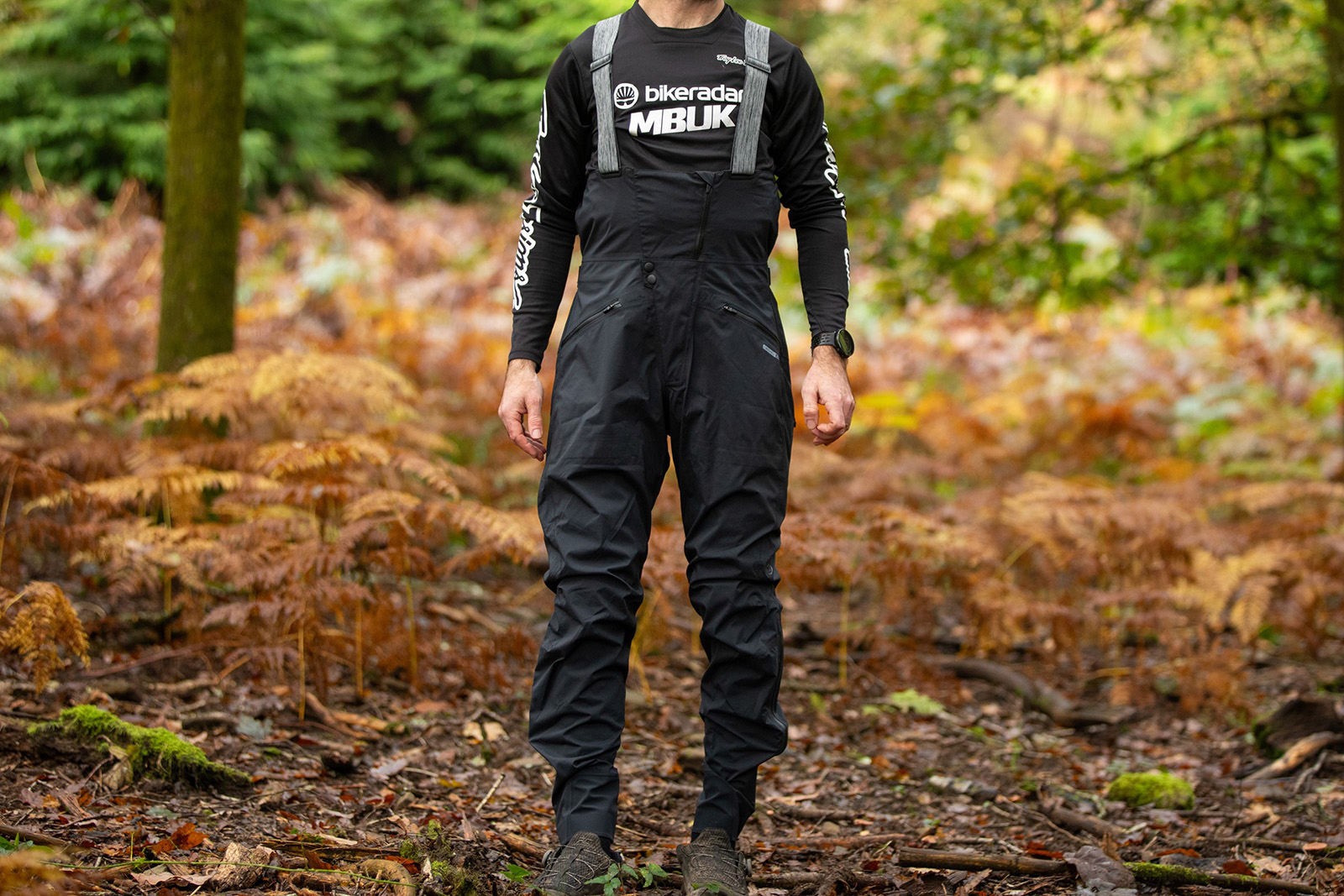
Endura MT500 Waterproof Bib Pants for mountain bikers
We are big fans of Endura’s MT500 Waterproof Trousers. Scott Windsor / Our Media

These Waterproof Trousers from Endura offer excellent protection on wet days.

We reviewed them earlier this year and awarded them 4.5 stars, praising their great protection and useful features.

The bib/dungaree design has become a favourite of many riders, keeping the trousers supported even as they pick up dirt and debris from the trail.

Endura says they are made from ExoShell30 DR waterproof fabric and have a knee-pad friendly fit.

Women’s Pro SL Winter DropSeat Bib Tights – £200 £120 (save 40%)

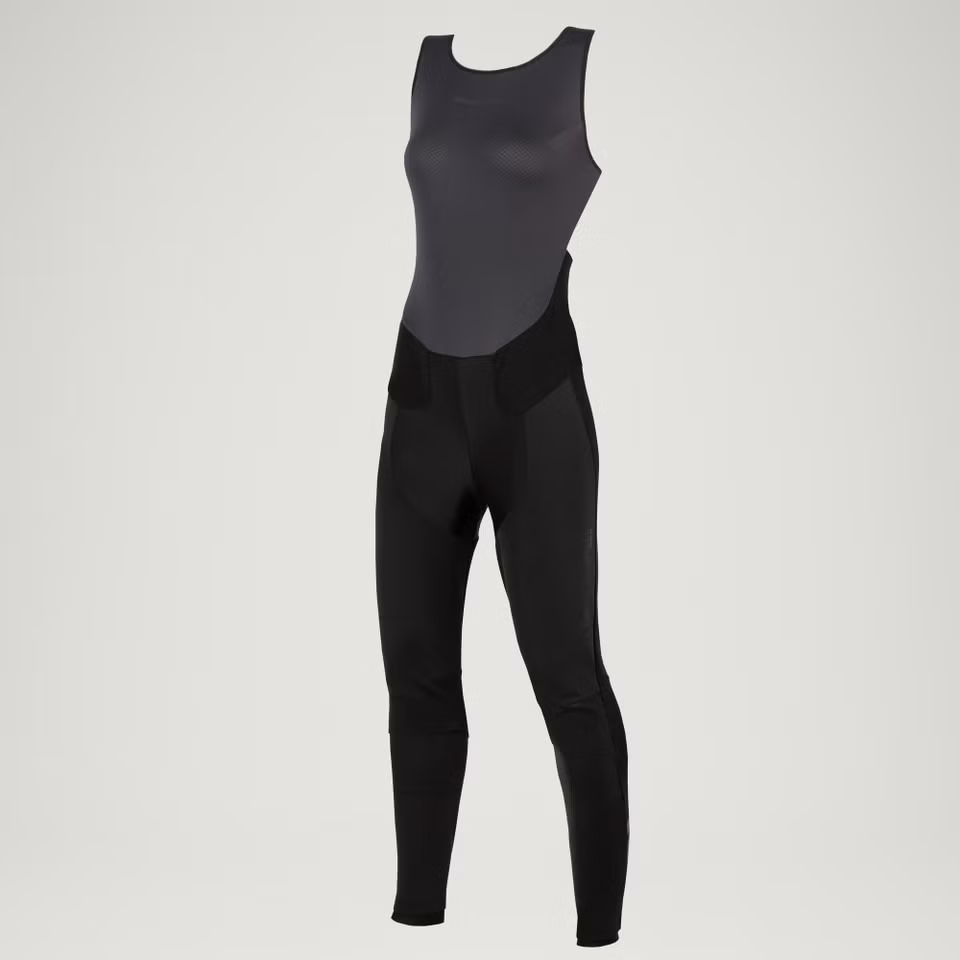
Women's Pro SL Winter DropSeat™ Bib Tights
The Women’s Pro SL Winter DropSeat Bib Tights should keep you warm on chilly days. Endura

The days of riding in shorts are long gone, and while leg warmers offer some help, nothing beats a set of bib tights.

The Women’s Pro SL Winter DropSeat Bib Tights have stretch windproof panels with a soft brushed inner face that offers plenty of warmth and element protection.

They also feature the brand’s Zipless DropSeat function, enabling hassle-free comfort breaks and a Women’s 800 Series Conform Pad, which is said to be taboo-breaking in its design.

MT500 Waterproof Jacket – £270 £162 (save 40%)

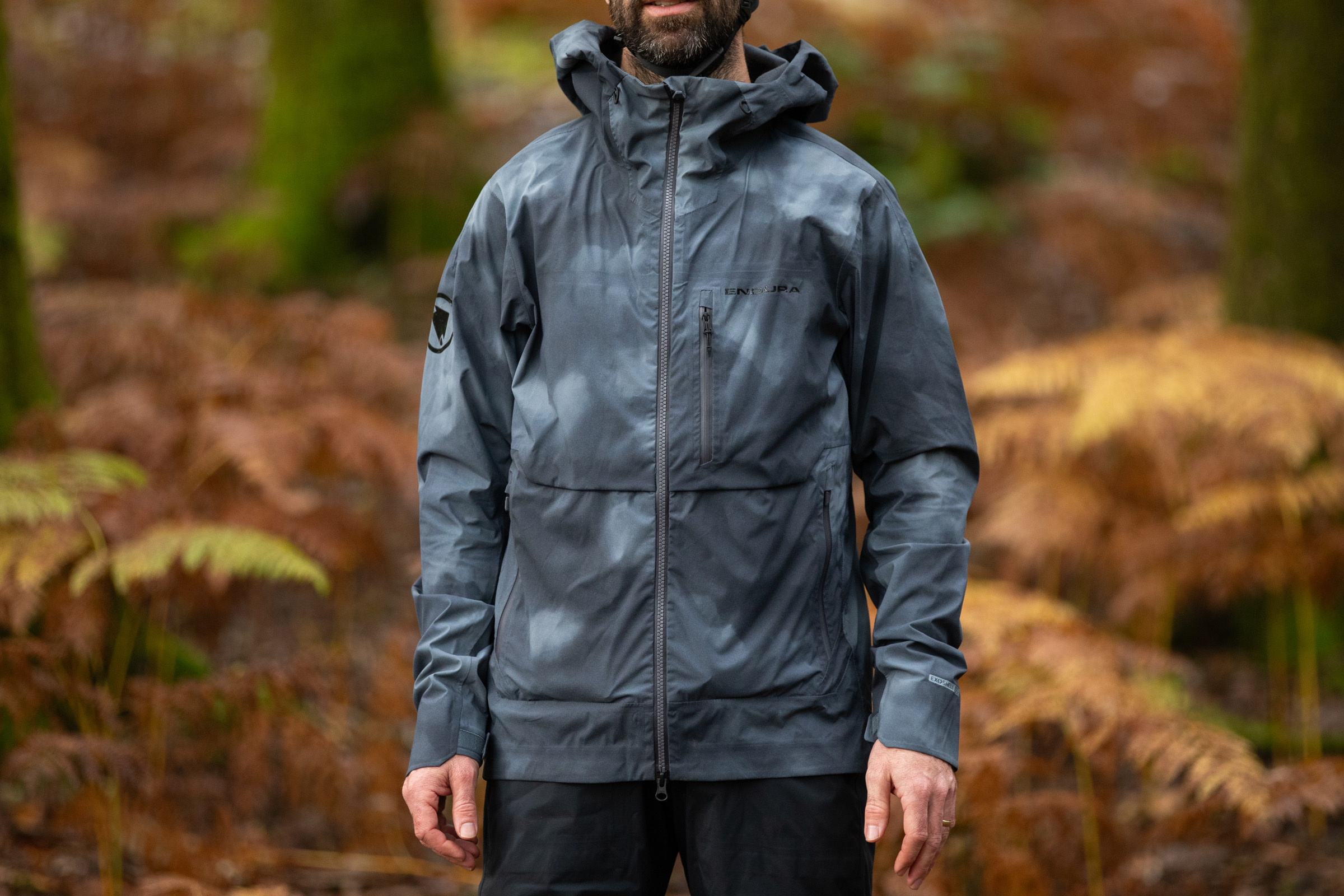
Endura MT500 Waterproof jacket
Endura’s MT500 Waterproof Jacket offers great wet-weather ability. Scott Windsor / Our Media

The MT500 Waterproof Jacket is an iconic mountain bike jacket, with variations going back decades, offering protection from foul weather.

This new model has a new DWR (durable water repellent) coating on its ExoShell DR fabric, making it even more waterproof.

Endura says the jacket offers its great breathability and fit thanks to venting options and a 3-way adjustable front zip.

There are two colour options available with a 40% saving – Tweed Green and Black.

MT500 Polartec Jacket – £150 £90 (save 40%)

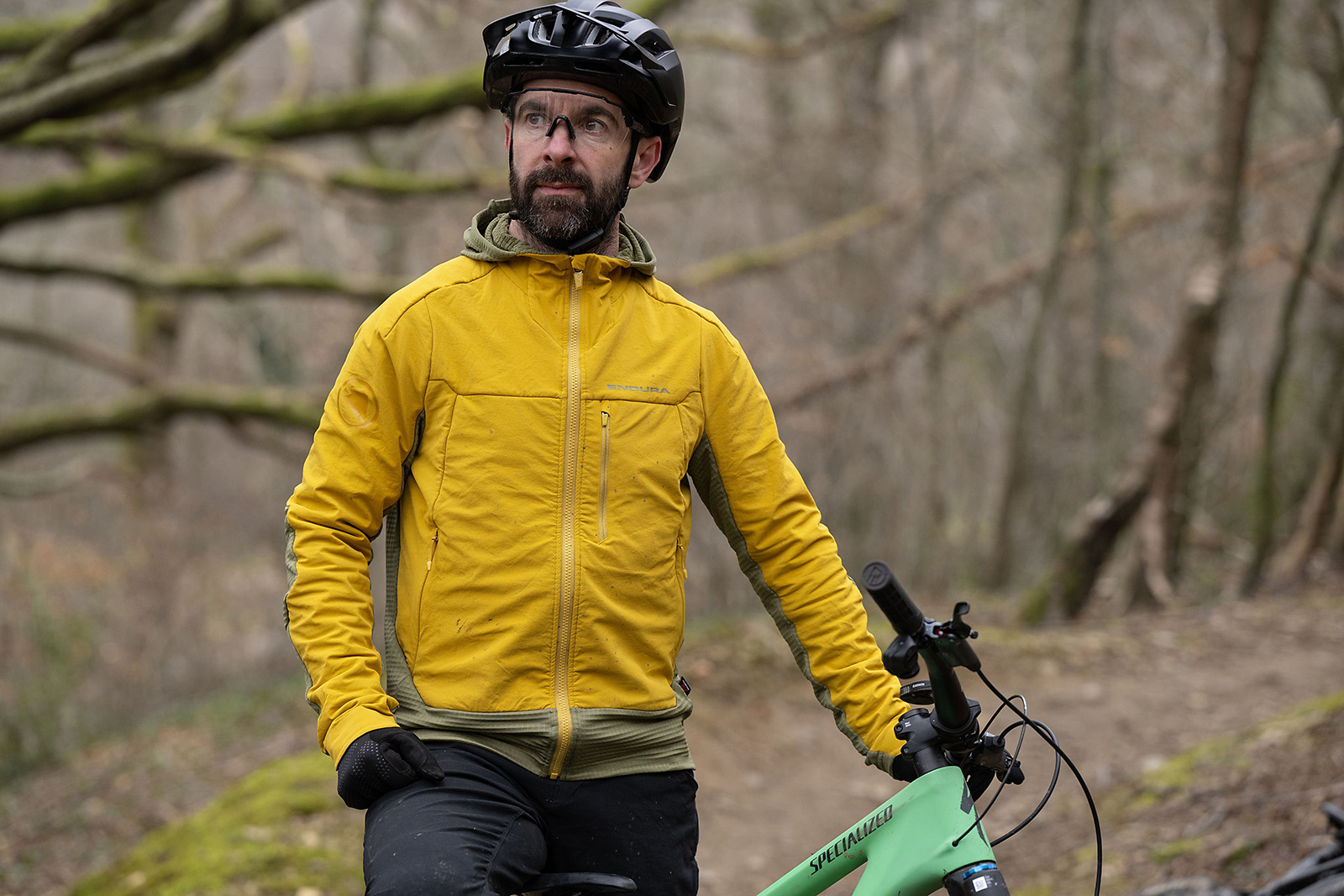
Endura MT500 Polartec jacket for mountain bikers
We gave the Polartec Jacket 4 stars when we reviewed it. Andy Lloyd / Our Media

The Polartec Jacket is a thermal midlayer designed for the trails, using Polartec fleece and wind-resistant panels to keep you cosy on cool days.

A full-length zipper should make dumping heat easy on fireroad climbs, while large hand pockets should keep your fingers from freezing at the trail head.

There’s also a slim-fitting hood to fit under your helmet for extra insulation.

[$] Hot-page migration and specific-purpose NUMA nodes

For better or for worse, the NUMA node is the abstraction used by the
kernel to keep track of different types of memory. How that abstraction is
used, though, is still an active area of development. Two patch sets
focused on this problem are currently under review; one addresses the
perennial problem of promoting heavily used folios from slower to faster
memory, while the other aims to improve the kernel’s handling of nodes
containing special memory installed for a specific purpose.

Oracle hit hard in Wall Street’s tech sell-off over its huge AI bet

Oracle has been hit harder than Big Tech rivals in the recent sell-off of tech stocks and bonds, as its vast borrowing to fund a pivot to artificial intelligence unnerved Wall Street.

The US software group founded by Larry Ellison has made a dramatic entrance to the AI race, committing to spend hundreds of billions of dollars in the next few years on chips and data centers—largely as part of deals to supply computing capacity to OpenAI, the maker of ChatGPT.

The speed and scale of its moves have unsettled some investors at a time when markets are keenly focused on the spending of so-called hyperscalers—big tech companies building vast data centers.

Read full article

Comments

Global Web Freedoms Tumble

Global internet freedom declined for a 15th consecutive year, according to Freedom House’s annual report. Semafor: “Always grim reading,” this year’s is particularly sobering, Tech Policy Press noted, with the lowest-ever portion of users living in countries categorized as “free.” Conditions declined in 27 of the 72 countries assessed, with those in Kenya — where anti-corruption protests were quelled, in part, by a seven-hour internet shutdown — deteriorating the most. China and Myanmar tied for least-free, and the US’ ranking dropped, while Iceland retained its top spot for the freest digital environment. Bangladesh improved the most. The most consistent trend observed over 15 years, Freedom House noted, is the growing digital influence of state actors: “Online spaces are more manipulated than ever.”


Read more of this story at Slashdot.

Meta and Google delay undersea cables over security concerns

Meta and Google are facing delays with long-promised undersea cable projects, according to a report by Bloomberg. A Meta spokesperson blames the delays on a “range of operational factors, regulatory concerns and geopolitical risk.”

Meta’s 2Africa subsea cable system is supposed to wrap around the African continent to deliver fiber internet to the region. It’s also intended to connect Europe with Asia and Africa. The 28,000-mile project was first announced all the way back in 2020.

Interesting: Meta is one of the largest investors in 2Africa, the largest subsea fibre optic cable system ever:https://t.co/sNWd8SoYUZ

Meta’s subsea cable investments are expected to contribute over half a trillion dollars to Asia-Pacific and European economies by 2025.… pic.twitter.com/gVuuztqhd7

— Jack Prescott (@JackPrescottX) October 5, 2024

However, the company has experienced issues when running cable through the southern portion of the Red Sea. A whole section has yet to be built due to regional conflicts and difficulty obtaining certain permits from local governments.

The Google-backed Blue-Raman intercontinental cable system has also been delayed in the region, after first being announced in 2021. This system was originally supposed to go live in 2024, connecting countries like France, Italy, India, Israel, Jordan, Saudi Arabia and Oman. The company has not provided an updated timetable.

These are just two examples, as plenty of other fiber internet cables have yet to go live in the Red Sea. Builders have experienced repeated missile attacks, allegedly by the Iran-backed Houthis, which forced them on lengthy detours and disrupted work.

“They are not only unable to monetize their investments by sending data over these cables, but they are forced to purchase capacity on alternative cables to meet their near-term requirements,” said Alan Mauldin, research director at telecommunications firm Telegeography.

New from Meta: Project #Waterworth. connecting US to 3 BRICS countries�

“Once complete, the project will reach five major continents and span over 50,000 km (longer than the Earth’s circumference), making it the world’s longest subsea cable project…” https://t.co/jcR74wyHfY pic.twitter.com/BQ6oaGbEmv

— Juan Ortiz-Freuler (@juanof9) February 14, 2025

It’s worth noting that these delays shouldn’t impact two previously announced undersea fiber projects by Google and Meta. Google is building a cable to connect Togo to Europe, which will wrap around the Atlantic side. Meta is building a gigantic cable system that looks to connect five continents, which isn’t crossing the Red Sea.

Undersea cables are a great way to give the various regions of the world fiber internet, but there are some downsides. We’ve already covered geopolitical concerns when it comes to building, but the installed cables can tear and break. This is typically caused by natural disasters, extreme weather and human activities like fishing.

This article originally appeared on Engadget at https://www.engadget.com/big-tech/meta-and-google-delay-undersea-cables-over-security-concerns-163508037.html?src=rss

Cities: Skylines upheaval: Developer and publisher announce “mutual” breakup

For well over a decade now, the Cities franchise has done its best to pick up the urban simulation ball that EA’s SimCity famously dropped. Going forward, though, that ball will be handed off from longtime developer Colossal Order to Finnish studio Iceflake (a subsidiary of Cities publisher Paradox Interactive).

The surprise announcement Monday morning on Paradox’s official forums says that Cities‘ developer and publisher “mutually decided to pursue independent paths” without going into many details as to why. “The decision was made thoughtfully and in the interest of both teams—ensuring the strongest possible future for the Cities: Skylines franchise,” the announcement says.

“Both companies are excited for what the future holds while remaining deeply appreciative of our shared history and grateful to the Cities’ community,” the statement continues. Colossal Order “will work on new projects and explore new creative opportunities,” Paradox wrote in an accompanying FAQ.

Read full article

Comments

Why Hotel-Room Cancellations Disappeared

Hotel cancellation policies have transformed over the past seven years. Travelers once could cancel reservations up until the day before check-in without penalty. That flexibility has largely vanished.

The shift began around 2018 when third-party travel-booking sites deployed “cancel-rebook” strategies, the Atlantic writes. These platforms would monitor hotel rates after securing initial reservations. When prices dropped, the sites automatically canceled existing bookings and rebooked customers at lower rates. Hotels lost already-booked revenue whenever they reduced prices to fill empty rooms.

Hotels responded by introducing tiered pricing structures. Travelers now encounter prepaid non-refundable rates at the lowest price point, mid-range rates with two- or three-day cancellation deadlines, and higher rates for same-day cancellation flexibility. The cancel-rebook sites could still swap reservations until deadlines arrived, but the damage to hotels diminished.

Christopher Anderson, a professor at Cornell University’s Nolan School of Hotel Administration, told the outlet that hotel cancellations differ from airline cancellations. Most hotels operate as franchises rather than centrally-owned properties. A canceled Ithaca Marriott reservation cannot be converted to credit at a New York Marriott Marquis because different owners operate each location. Anderson suggests travelers call hotels directly to request exceptions. Hilton confirmed it evaluates cancellation waivers case-by-case and extends broad waivers during natural disasters or major disruptions.


Read more of this story at Slashdot.