Disney Loses Bid To Block Sling TV’s One-Day Cable Passes

A federal judge in New York denied Disney’s request to block Sling TV’s short-term passes, which give viewers the ability to stream live content for as little as one day. From a report: In a ruling on Tuesday, US District Judge Arun Subramanian ruled that Disney didn’t prove that Sling TV’s passes caused “irreparable harm” to the entertainment giant, as reported earlier by Cord Cutters.

Disney sued Sling shortly after the live TV streaming service started allowing viewers to purchase temporary access to its library of channels, starting at a single payment of $4.99 for a one-day pass. Several channels included in the package are owned by Disney, including ESPN, ESPN2, ESPN3, and Disney Channel. In its lawsuit, Disney argued that the passes violate an agreement with Sling TV that says the service must give subscribers access to its content through monthly subscriptions.

However, Judge Subramanian argues that this claim isn’t likely to succeed, as the contract doesn’t stipulate a “minimum subscription length,” adding that the agreement’s “broad definition” of a subscriber “clearly covers users of the Passes.”


Read more of this story at Slashdot.

The AiPaper Is One of the Best Digital Notebooks of 2025, and It’s $80 Off for Black Friday

We may earn a commission from links on this page. Deal pricing and availability subject to change after time of publication.

Black Friday sales officially start Friday, November 28, and run through Cyber Monday, December 1, and Lifehacker is sharing the best sales based on product reviews, comparisons, and price-tracking tools before it’s over. 

  • Follow our live blog to stay up-to-date on the best sales we find.

  • Browse our editors’ picks for a curated list of our favorite sales on laptops, fitness tech, appliances, and more.

  • Subscribe to our shopping newsletter, Add to Cart, for the best sales sent to your inbox.

  • Sales are accurate at the time of publication, but prices and inventory are always subject to change.


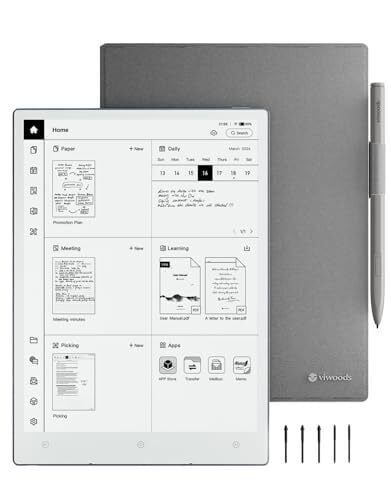
There are three major players in the digital notebook space—Boox, reMarkable, and Supernote—but this year, a new challenger popped up and quickly emerged as a contender: Viwoods. With the help of a kickstarter, the startup launched its first product earlier this year, the Viwoods AiPaper, a 10.65-inch e-ink notebook that touted itself as an AI-forward productivity device.

I was skeptical—nothing pings my radar quite so much as selling your product solely on its AI features—but I came away impressed. Right out of the gate, Viwoods produced one of the best digital notebooks on the market, and right now, you can pick one up for $80 off for Black Friday.

Great specs and smart software

The AiPaper has a Carta 1300 display, the most recent e-ink screen and the same one you’ll find on a Kindle Paperwhite, with a resolution of 2560 x 1920 and 300ppi. The matte screen has a slightly textured quality that makes the writing experience feel pleasantly tactile with the recently upgraded Viwoods EMR stylus.

The device is powered by an unspecified 2GHz “octa-core” processor with 4GB or RAM and 128GB of onboard storage, which is on par other e-ink notebooks. The 4,100mAh battery should last about a week with regular use. At 4.5mm thick and weighing around 370g, it’s easily portable without feeling flimsy or insubstantial.

Actually useful AI integration

The AiPaper has a little “Ai” button on the bottom bezel. Press it, and you can start a conversation with ChatGPT. Each native app also has an onscreen version of the same button that offers several options:

  • “Analyze content” sends a screenshot of whatever is onscreen to ChatGPT, which will describe or summarize it.

  • “Generate an email” will attempt to turn whatever is onscreen into a message that you can then copy into your linked email app of choice with a tap.

  • “AI text conversion” will turn your handwriting into copyable text and describe any images along the way

  • “AI assistant” opens the chatbot and attaches a screenshot of whatever is on the display

  • “Customize” allows you to craft your own frequently used AI prompts so you don’t have to type them every time

I’m pretty impressed with the way Viwoods has implemented its AI integrations. Dropping the AI into every program makes it much simpler and more cohesive to use, assuming you are the kind of person who likes to use AI for everything. (I’m not.)

E-reading and apps, too

App integration means you can also use the AiPaper as an e-reader, either using the native document reader or your reading app of choice—with a little setup, you can load most any app from the Google Play store. The crisp, responsive screen makes it a pleasant Kindle alternative, and the large display shows off black and white comics and manga quite nicely.


How long do Black Friday deals really last?

Black Friday sales officially begin Friday, November 28, 2025, and sales run throughout “Cyber Week,” the five-day period that runs from Thanksgiving through Cyber Monday, December 1, 2025. But Black Friday and Cyber Monday dates have expanded as retailers compete for customers. You can get the same Black Friday sales early, and we expect sales to wind down by December 3, 2025.

Does Amazon have Black Friday deals?

Yes, Amazon has Black Friday sales, but prices aren’t always what they seem. Use a price tracker to make sure you’re getting the best deal, or refer to guides like our live blog that use price trackers for you. And if you have an Amazon Prime membership, make the most of it.

Are Black Friday deals worth it?

In short, yes, Black Friday still offers discounts that can be rare throughout the rest of the year. If there’s something you want to buy, or you’re shopping for gifts, it’s a good time to look for discounts on what you need, especially tech sales, home improvement supplies, and fitness tech. Of course, if you need to save money, the best way to save is to not buy anything.

Our Best Editor-Vetted Early Black Friday Deals Right Now


Amazon Fire HD 10 (2023)


—
$69.99

(List Price $139.99)


Sony WH-1000XM5


—
$248.00

(List Price $399.99)


Amazon Fire TV Stick 4K Plus


—
$24.99

(List Price $49.99)

Deals are selected by our commerce team

Apple’s Newest AirPods Pro Are Down to Their Lowest Price Yet With This Early Black Friday Deal

We may earn a commission from links on this page. Deal pricing and availability subject to change after time of publication.

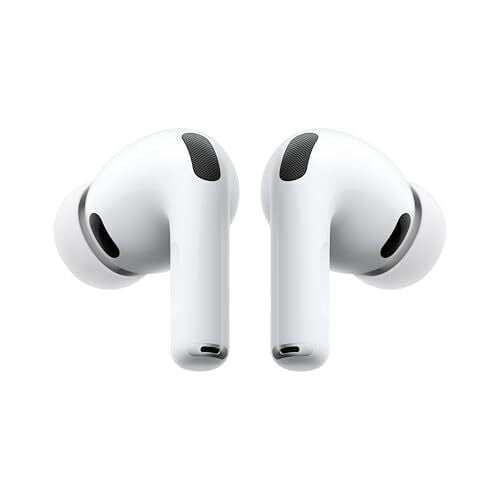
Apple’s newest AirPods Pro are great. They have excellent sound quality, up to twice the noise cancellation of the previous-generation Pros, and even include a built-in heart rate sensor. Those features don’t come cheap, though. Like most brand-new Apple products, they’re expensive, and typically fetch $249 at any store you choose to buy them from.

While they’re certainly pricey, I don’t think the MSRP is unwarranted. $249 has always been the price for a new pair of AirPods Pro, and this third generation adds new features without raising the cost. Because they’re so new, this price tag has never come down, meaning even during big shopping holidays like October Prime Day, you were still spending $249.

I assumed that’d be the case come Black Friday and Cyber Monday, but I was wrong. Stores like Amazon, Best Buy, and Walmart currently have the earbuds discounted by 12%, $29.01 off. It’s not the biggest early Black Friday deal, but it is notable. If these were already on your radar, why not save nearly $30?

As previously mentioned, Apple advertises up to twice the noise cancellation over the AirPods Pro 2, but also up to four times the noise cancellation of the original AirPods Pro, as well as the AirPods 4 with Noise Cancellation. These are also the most water- and dust-resistant Pros, with an IP57 rating, up from the IP54 rating of the AirPods Pro 2.

You also won’t need to charge these as much as the previous generation Pros. Apple advertises eight hours of listening time on a single charge, as opposed to the six hours of listening time on the AirPods Pro 2. That said, it seems that extra noise cancellation takes a bit of a toll on power: The AirPods Pro 3 are rated for 24 hours of Active Noise Cancellation use, while the second-gen Pros can run for 30 hours.

Don’t count out the AirPods Pro 2

To that point, the existence of the AirPods Pro 3 doesn’t make the AirPods Pro 2 obsolete. In fact, for anyone who doesn’t mind missing out on things like the extra noise cancellation or the heart rate sensor, the second-gen Pros are still an excellent purchase, as they sport many of the same features as the newest model. They sound great, use the same H2 chip as the third-gen Pros, and come with Active Noise Cancellation, Transparency Mode, and Conversation Awareness, which automatically lowers your audio playback when the AirPods sense you’re speaking to someone. Both Pros also have Apple’s new Live Translation feature as well, which lets you talk to someone who speaks a language you don’t understand: Your AirPods will translate their words live, so you can hear what they’re saying in your target language.

The best part about the AirPods Pro 2, however? The price. You’ll regularly find these earbuds on sale across stores. Right now, the best price I’m seeing is at Walmart, which is selling these for $139. For a pair of earbuds that originally retailed for $249, that’s a fantastic deal. These prices fluctuate, of course: Amazon has the second-gen pros for $208.99 as of this article. But if you don’t need the latest and greatest AirPods Pro, and you find the AirPods Pro 2 for a price like Walmart, I’d strongly consider them.

Our Best Editor-Vetted Early Black Friday Deals Right Now


Amazon Fire HD 10 (2023)


—
$69.99

(List Price $139.99)


Sony WH-1000XM5


—
$248.00

(List Price $399.99)


Amazon Fire TV Stick 4K Plus


—
$24.99

(List Price $49.99)

Deals are selected by our commerce team

Google’s new Nano Banana Pro uses Gemini 3 power to generate more realistic AI images

Google’s meme-friendly Nano Banana image-generation model is getting an upgrade. The new Nano Banana Pro is rolling out with improved reasoning and instruction following, giving users the ability to create more accurate images with legible text and make precise edits to existing images. It’s available to everyone in the Gemini app, but free users will find themselves up against the usage limits pretty quickly.

Nano Banana Pro is part of the newly launched Gemini 3 Pro—it’s actually called Gemini 3 Pro Image in the same way the original is Gemini 2.5 Flash Image, but Google is sticking with the meme-y name. You can access it by selecting Gemini 3 Pro and then turning on the “Create images” option.

Nano Banana Pro: Your new creative partner.

Google says the new model can follow complex prompts to create more accurate images. The model is apparently so capable it can generate an entire usable infographic in a single shot with no weird AI squiggles in place of words. Nano Banana Pro is also better at maintaining consistency in images. You can blend up to 14 images with this tool, and it can maintain the appearance of up to five people in outputs.

Read full article

Comments

Why the UCI allowing 32in wheels in XCO World Cup racing is so significant

The UCI has stated 32in wheels will not be banned at mountain bike XCO World Cups, citing the value of product development and innovation that arises from mountain bike racing.

First reported by Mountain Bike Action Magazine, and then by Escape Collective, the UCI’s Fabrice Tiano – the governing body’s communications and media relations senior manager – states that: “The mountain bike commission always considered mountain bikes as the laboratory of cycling with very limited rules regarding equipment. That is the reason why 32-inch wheels will not be banned in mountain bikes.”

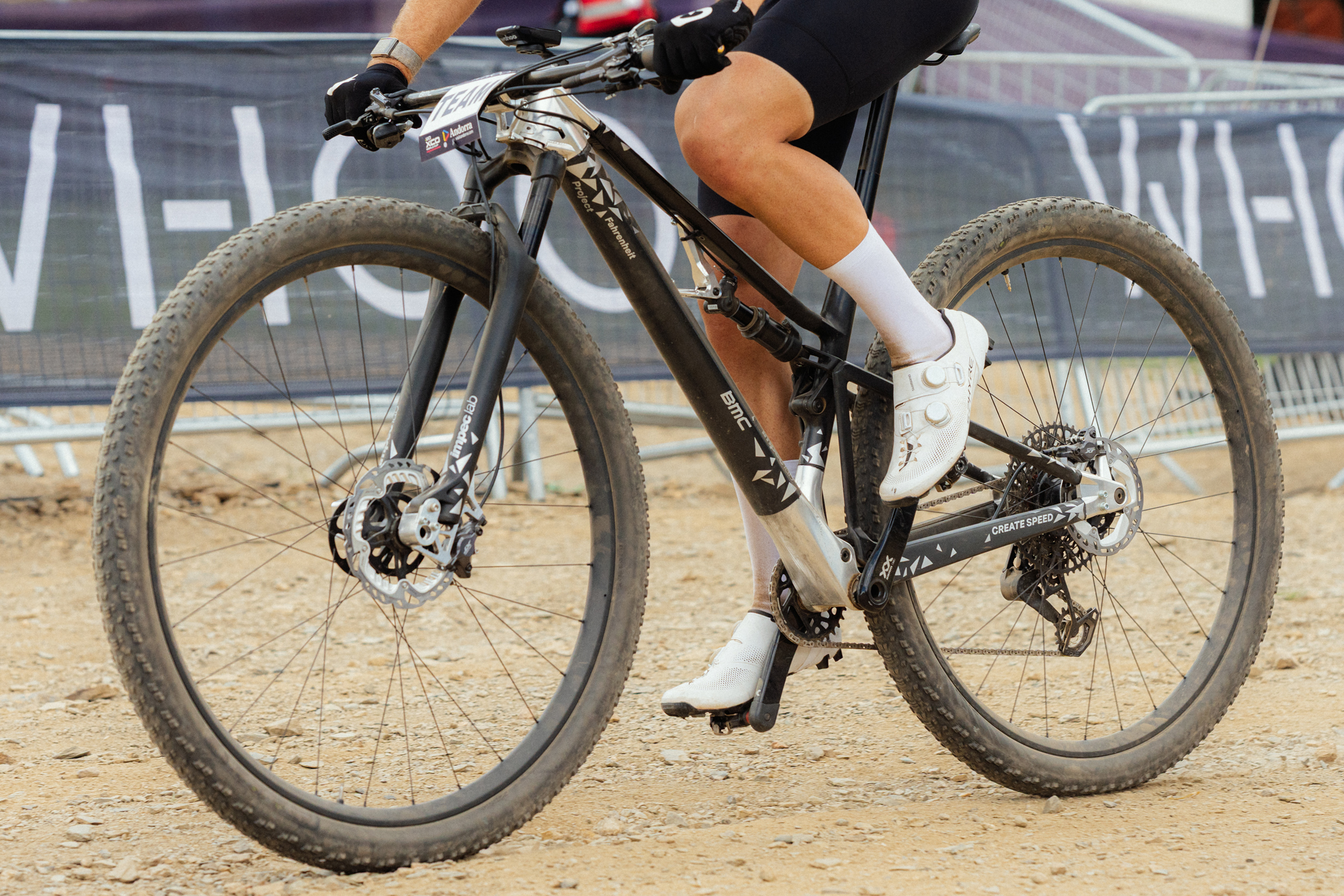
We approached the UCI for comment on whether 32in wheels will be banned or approved for racing at World Cups after spotting BMC’s 32in prototype at the Andorran round of the 2024 series, but no one from the organisation replied.

This official statement is big news for the sport because 32in wheels have the potential to repeat the revolution we saw when mountain bikes shifted from using 26in to 29in wheels in the early-to-late 2000s.

Industry momentum

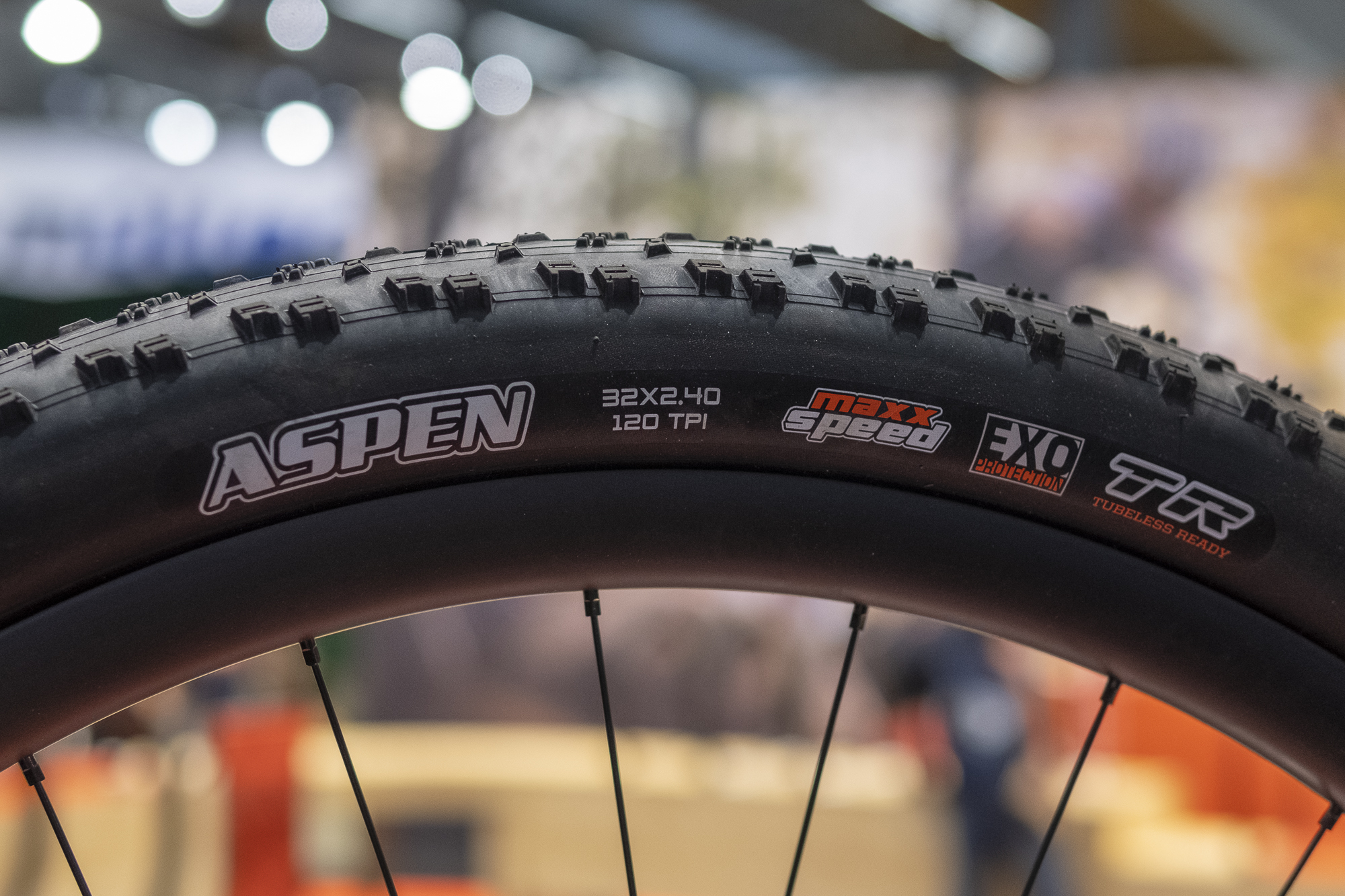
We spotted Maxxis' 32in tyres at Eurobike.
We spotted Maxxis’ 32in tyres at Eurobike. Jack Luke / Our Media

Clearly, the UCI’s decision is based on growing industry momentum behind 32in wheels.

Maxxis is making the 32in Aspen XC race tyre, which was initially intended for the 2024 Olympics.

The BMC bike caused quite a stir, despite only being ridden during practice rather than the race itself.

KTM also teased a 32in XC race bike, but this time a hardtail. The brand seems to think it can make 32in wheels work for any size of rider, which is good news for shorter people wanting to try the new tech.

Brands such as DirtySixer and Zinn are already making 32in mountain bikes – that you can buy right now – and we’ve heard rumours from numerous other brands of their development, indicating the industry is on the cusp of being ready to embrace the new wheel size.

Weighing up the positives and negatives

29in, 27.5in and 26in mountain bike wheel sizes
29in, 27.5in and 26in mountain bike wheel sizes. BikeRadar

Those familiar with the move from 26in to 27.5in and now 29in wheels, and the benefits and negatives each of those wheel sizes offers, should be able to understand the arguments for and against the move from 29in to 32in wheels.

As positives, we’ve got higher rolling speeds and smoother bikes thanks to better bump roll-over, potentially leading to faster speeds and more exciting racing.

A larger tyre-to-ground contact patch should improve grip and slower handling provides more stability.

Negatively, handling may be slow and lethargic in tighter trail situations, and extra watts will be required to get those bigger wheels turning.

Just as on the first 29in-wheeled bikes, frame geometry may be impacted negatively until engineers can master how to fit those bigger wheels within the confines of a bike frame designed for human beings rather than giants.

What does this mean for World Cup racing?

32in prototype BMC at Andorra XC World Cup – riding shot
BMC has confirmed the bike won’t be raced. Piper Albrecht

On the race track, speed is king and the stopwatch doesn’t lie.

Race teams, their bike sponsors, those brands’ engineers and, ultimately, the riders will naturally gravitate towards anything that gives them an advantage over the competition – the only thing that really matters is winning.

I expect many of the biggest race teams will be experimenting with 32in wheels in 2026, especially on faster, less technical courses where those biggest hoops are likely to be most advantageous.

The UCI has given teams carte blanche to do so – now there’s no uncertainty about whether or not a team can or cannot use 32in wheels, you can bet most will be feverously prototyping their own bike.

Greg Minnaar, along with the rest of the Santa Cruz Syndicate, raced the new 29in-wheeled V10 at the first round of the 2017 World Cup in Lourdes, France. Seb Stott / Immediate Media

But as we’ve seen in downhill racing, the exact – and winning – formula may take some time to settle on.

In 2017, when Santa Cruz launched its 29in-wheeled V10 at the Lourdes round of the World Cup, it made other brands look as if they were resting on their laurels.

Despite the V10 getting nowhere near the podium, a panicked scrabble ensued among the other manufacturers to produce a 29in-wheeled DH bike. The perceived benefits – real or psychological – were too hard to ignore.

That same back-footed scramble is less likely in the XC world – teams had an early warning with BMC’s prototype, so come 1 May 2026 in South Korea, teams will be ready to debut their polished rigs.

The rules still apply

32in prototype BMC at Andorra XC World Cup
Mixed wheel sizes are banned by the UCI in XCO events. Piper Albrecht

Despite the UCI’s rather libertarian – and surprising – statement in relation to 32in wheels, there are still rules that XCO race teams have to abide by.

The most important of these doesn’t apply to downhill.

Mixing wheel sizes has the green light for gravity-fed racing, and many bike manufacturers have settled comfortably on the mullet wheel setup being best.

Almost every downhill bike runs a 27.5in rear and 29in front wheel. There are some exceptions, and a lot of bikes can be switched between mullet and pure 29in.

But in the XC world, mixed wheel sizes are not allowed.

There could be plenty of compelling arguments for 29/32in mullets, mostly offering a better balance between the pros and cons I mentioned.

Although this is off the table for 2026’s World Cup series, it wouldn’t surprise me if we see some prototypes of this ilk kicking about at some point soon.

Trek recalls more than 75,000 bikes due to brake crash hazard 

Trek has issued a recall and stop ride notice for more than 75,000 bikes sold in North America, due to an issue with the coaster brake.

The recall was issued last week by the US Consumer Product Safety Commission. It involves models – mostly children’s bikes – from Trek and its subsidiary Electra, alongside replacement wheels.

The recalled Trek and Electra bikes and replacement wheels are as follows:

  • Electra Townie Rental 1 Step Thru
  • Trek Precaliber 12
  • Trek Precaliber 16
  • Trek Precaliber 20
  • Trek Sprocket 1 16
  • Trek Precaliber 12 CB replacement wheel
  • Trek Precaliber 16 CB replacement wheel
  • Trek Precaliber 20 CB replacement wheel

Trek says the coaster brake on these products can fail to engage, resulting in the rider losing control and posing a crash hazard. 

The rear coaster brake is said not to lubricate the internal surfaces on affected bikes adequately, which could accelerate wear and prevent the brake from working. 

No incidents or injuries have been recorded, but users have been advised to contact an authorised Trek or Electra dealer to schedule a free repair at the dealer. 

About 68,000 units identified in the recall notice were sold in the USA, while 6,822 were sold in Canada.

A Trek spokesperson told Bike Europe that just over 2,000 Trek Precaliber 12 kids’ bikes delivered to Europe have been affected.

Trek has given retailers recall replacement instructions and a poster to display, while the company is offering a financial incentive globally to ensure affected products are replaced. 

“To encourage retailers and consumers to resolve this issue, we are issuing a consumer credit of €20 to spend in the store whilst the wheel is being replaced and compensating the retailer €15 for their labour on any bike affected they complete a claim for,” a Trek spokesperson told Bike Europe.

RFK Jr.’s loathesome edits: CDC website now falsely links vaccines and autism

With ardent anti-vaccine activist Robert F. Kennedy Jr. as the country’s top health official, a federal webpage that previously laid out the ample evidence refuting the misinformation that vaccines cause autism was abruptly replaced Wednesday with an anti-vaccine screed that promotes the false link.

It’s a move that is sure to be celebrated by Kennedy’s fringe anti-vaccine followers, but will only sow more distrust, fear, and confusion among the public, further erode the country’s crumbling vaccination rates, and ultimately lead to more disease, suffering, and deaths from vaccine-preventable infections, particularly among children and the most vulnerable.

On the Centers for Disease Control and Prevention’s website titled “Autism and Vaccines,” the previous top “key point” accurately reported that: “Studies have shown that there is no link between receiving vaccines and developing autism spectrum disorder (ASD).”

Read full article

Comments

The best Apple Black Friday deals on iPads, AirPods, MacBooks, Apple Watches and AirTags are already up to 39 percent off

Black Friday is a banner time to pick up some of the latest gear from Apple for a discount. Engadget has been reviewing Apple’s products for, oh, 20 years or so — this year alone saw us evaluate, among others, the latest-gen AirPods Pro, the new Apple Watches, the iPad Pro M5, the iPad Air M3, a bunch of MacBooks and, of course, all models of the iPhone 17 lineup. Speaking of which, you won’t see iPhone deals represented here — service and contract-related discounts tend to make those savings a little too specific. But if you want to save on AirPods, iPads, MacBooks, accessories or other Apple gear, look no further. These are the best Black Friday Apple deals we could find.

Apple Black Friday deals: AirPods

AirPods 4 (with ANC) for $110 ($69 off) at Amazon: If you just need moderate noise cancellation and prefer an open-wear fit (where nothing goes in your ear canal), you may prefer the new AirPods 4. They don’t have heart rate sensing or the hearing features the Pro models have. But we found the sound quality to be pretty good and appreciated Pro-level features like live translation. Also at Walmart and $140 at Best Buy.

AirPods 4 (no ANC) for $129 ($12 off) at Amazon: You miss out on a few more features on the base-model AirPods 4: no live translation, no noise cancellation and no heart rate sensing, but you do get Personalized Spatial Audio with dynamic head tracking, like on the pricer models. We gave the entry-level buds an 88 in our review. They’ve gone as low as $89 recently. 

AirPods Max for $430 ($120 off) at Best Buy: These cans have been around for quite some time now, only getting the slightest upgrade with a new USB-C port in 2024. The hardware is otherwise the same as it was when the over-ear headphones debuted in 2020. Still, they’re comfortable, have good sound quality and the on-board controls are unique but good. Walmart and Amazon are selling it for $40 more.

EarPods for $17 ($2 off) at Amazon: For those who prefer a cord, here is the only Apple-branded wired earphone option. This is a dollar more than the all-time low. 

Apple Black Friday deals: iPads

iPad Air (M3, 11-inch, 128GB) for $449 ($151 off) at Amazon: The Air is the Goldilocks Apple tablet. It strikes the perfect balance between price and performance, making it our overall pick for the best iPad you can buy. The build is lovely; it feels premium and the display is a big improvement over Apple’s base-model slate. The M3 chip is plenty fast for everyday use and can handle an average day of productivity no problem, particularly with its improved multi-tasking abilities. This matches the lowest price we’ve tracked. Also on sale at Walmart, Target and Best Buy for a few dollars more. 

iPad Air (M3, 13-inch, 128GB) for $649 ($150 off) at Amazon: A larger screen will make watching shows and playing games more expansive. And if you use your iPad more like a personal computer, you’ll appreciate the extra real estate for spreading out your work. Like the 11-inch Air, this has a powerful M3 chip and an excellent screen, as well as support for the Apple Pencil Pro and Apple Intelligence. This matches the lowest price we’ve tracked. Also at Target, Best Buy and it’s $100 more at B&H.

iPad mini (A17 Pro, 8-inch, 128GB) for $399 ($100 off) at Amazon: The smallest Apple iPad is really meant for those who put a priority on the portability and palm-ability of an 8-inch tablet. It uses the A17 chip, which enables support for Apple Intelligence, unlike the base model iPad. We gave it an 83 in our review, praising the fact that you get the full iPad experience, just in a more compact package. We found it particularly suited to messaging, reading, watching video and playing lots of Balatro. It went as low as $379 in October. Also at Best Buy.

iPad Pro (M5, 11-inch, 256GB) for $923 ($76 off) at Walmart: While we think this is an amazing piece of computing machinery, we admit that it’s overkill for most people. It’s got one of the best displays you’ll find on a tablet, the most recent M5 chip (the same that powers the base-level Apple MacBook Pro) and an almost impossibly thin and light build. We gave it an 85 in our review and had very few complaints — aside from the near-prohibitive price tag. Hopefully this Black Friday discount helps. This $50 discount matches the lowest price we’ve seen. Also at B&H. It’s $29 more at Amazon. 

Apple Black Friday deals: Apple Watch

Apple Watch Series 11 (42mm, GPS only) for $350 ($49 off) at Amazon: Apple still makes the best smartwatch money can buy. The flagship Apple Watch Series 11 is not just a stalwart companion for an iPhone, it also offers comprehensive health monitoring and fitness tracking. There wasn’t a huge change from the Series 10 to this one — both have the same thin and light design, but now the glass is tougher and the battery lasts longer. This $50 discount is the steepest we’ve seen yet. Also at Walmart and Target.

Apple Watch SE 3 (40mm, GPS only) for $200 ($49 off) at Amazon: After a couple years, Apple finally updated its budget-model smart watch. And we were pretty happy with the results, awarding the new wearable a review score of 90. It’s got a smaller screen and thicker bezels than the Series 11 and lacks a few of the more advanced health monitoring features. It’s also made from slightly less-robust materials. But it has nearly everything that makes Apple Watches great for a lot less — particularly now. This is the lowest price we’ve seen since the watch came out in September. Also at Walmart and Target.

Apple Black Friday deals: MacBooks and Macs

Apple MacBook Air (M4, 15-inch, 256GB) for $949 ($250 off) at Amazon: The M4 chip is quite powerful, to take advantage of all the productivity it enables, you might want a little more room on your screen. When Apple first made a 15-inch option for the MacBook Air a couple generations ago, we were surprised at the difference it made. Also at Best Buy and it’s $100 off at B&H.

Apple MacBook Pro (M5, 14-inch, 512GB) for $1,444 ($155 off) at Amazon: Apple’s most recent M-series chip is the M5, and only comes equipped on the 14-inch MacBook Pro and the iPad Pro. When the M5 MacBook Pro M5 came out last month, we promptly reviewed it and awarded it a 92. That new chip gives the laptop an impressive graphics upgrade that helps make it more suited to gaming — an area where Apple still lags behind PCs. Other than the chip upgrade, it’s mostly the same, which is a good thing. It’s sturdy, powerful and has an impressively long battery life — we clocked 34 hours in a video run-down test. Also at Walmart, Best Buy and B&H.

Apple MacBook Pro (M4 Pro, 14-inch, 512GB) for $1,749 ($250 off) at Amazon: The M5 chip isn’t yet available in the Pro and Max variants. If Apple follows the same six-month gap that separated the M4 from the M4 Pro and Max chips, we may see the M5 Pro/Max in spring of next year. For now, however, those higher-specced chips can only be found in the M4-series lineup. The MacBook Pro with the M4 Pro chip is on sale and it’s our recommendation for creative professionals who need an obscene amount of processing power. Also at Walmart, Best Buy and B&H.

Apple MacBook Pro (M4 Pro, 16-inch, 256GB) for $2,189 ($310 off) at Amazon: You sacrifice a little portability for the larger 16-inch screen, as it adds about a pound and a quarter to the weight. But you might appreciate the extra space for your work on the display. Also at Walmart and B&H.

Apple 2024 iMac (M4, 24-inch) for $1,149 ($150 off) at Amazon: Apple just has one model of an all-in-one desktop computer and it has the M4 chip inside. We called the iMac more cost effective than ever, now that it comes with a minimum of 16GB of RAM. The M4 chip makes it capable for content creation, productivity and gaming.

Mac mini (M4) for $479 ($120 off) at Amazon: Apple’s compact desktop computer got a rave review from us. We called it “shockingly small [and] incredibly powerful.” It also benefits from a bump to a minimum of 16GB of internal memory. It can play modern games at reasonable resolutions and handle most productivity tasks you throw at it.

Apple Black Friday deals: Accessories

Apple Pencil Pro for $99 ($30 off) at Amazon: The Apple Pencil situation is a little messy, so you’ll want to double check which model is compatible with your particular iPad. The Pencil Pro is the most fully featured in the lineup with haptic feedback, barrel roll and squeeze capabilities, and a hover preview feature. It’ll work with the two most recent models of the Air and Pro iPads, as well as the latest iPad mini. Also at Walmart and Best Buy.

Apple Pencil USB-C for $69 ($10 off) at Amazon: If you have the new base-model iPad with the A16 chip, this is the pencil that will work for you. It’ll also work with current as well as slightly older models of the Air and Pro iPads.

Apple MagSafe cable 25W for $23 ($17 off) at Best Buy: Apple leads the way in fast wireless charging, typically debuting faster wattage technology before other companies. The iPhone 17 can wirelessly recharge at 25-watt speeds with pads like this (or other Qi2 25W chargers). You can also get those speeds with iPhone 16 handsets that have updated to the latest OS 26 version. Just note that you’ll need to plug it into at least a 30 watt adapter, which isn’t included. 

Apple AirTag (4-pack) for $65 ($34 off) at Amazon: Even though they haven’t been updated in a few years, Apple’s AirTags are still the gold standard of Bluetooth trackers, and what most people think of when they think of trackers. We may get a new version soon, but they aren’t likely to be this cheap. Also at Walmart. A single AirTag is on sale too.

This article originally appeared on Engadget at https://www.engadget.com/deals/the-best-apple-black-friday-deals-on-ipads-airpods-macbooks-apple-watches-and-airtags-are-already-up-to-39-percent-off-161346405.html?src=rss

Steam Frame’s Modular Design: “I Don’t Think It’s Been Done Before”

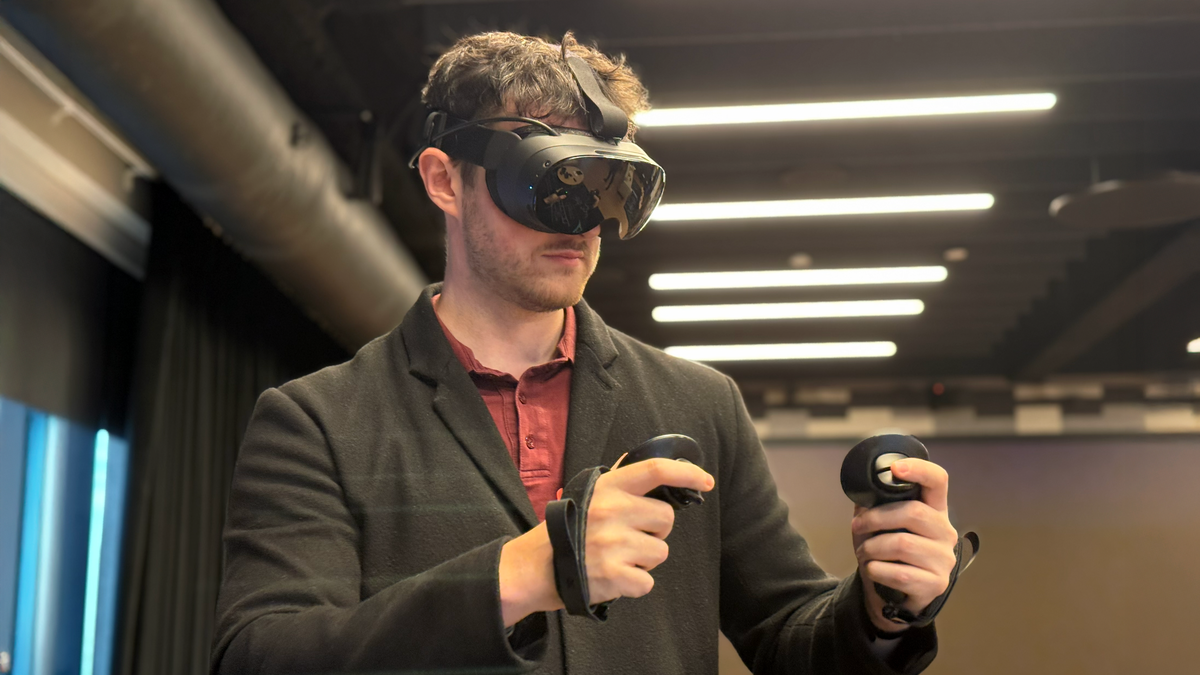
A couple weeks ago, fully reclined horizontally on a couch at Valve HQ, I watched a video streaming from the web via a virtual browser window floating in the open air of Linux.

When I slipped the Steam Frame off my head, I congratulated a Valve industrial designer who worked on it. I had just spent four days in Galaxy XR with a thick rigid strap and a knob on the back of my head preventing me from even thinking about what I had just done so comfortably in Steam Frame.

“I don’t think I’ve experienced that in a hard shell before,” I told the Valve representative.

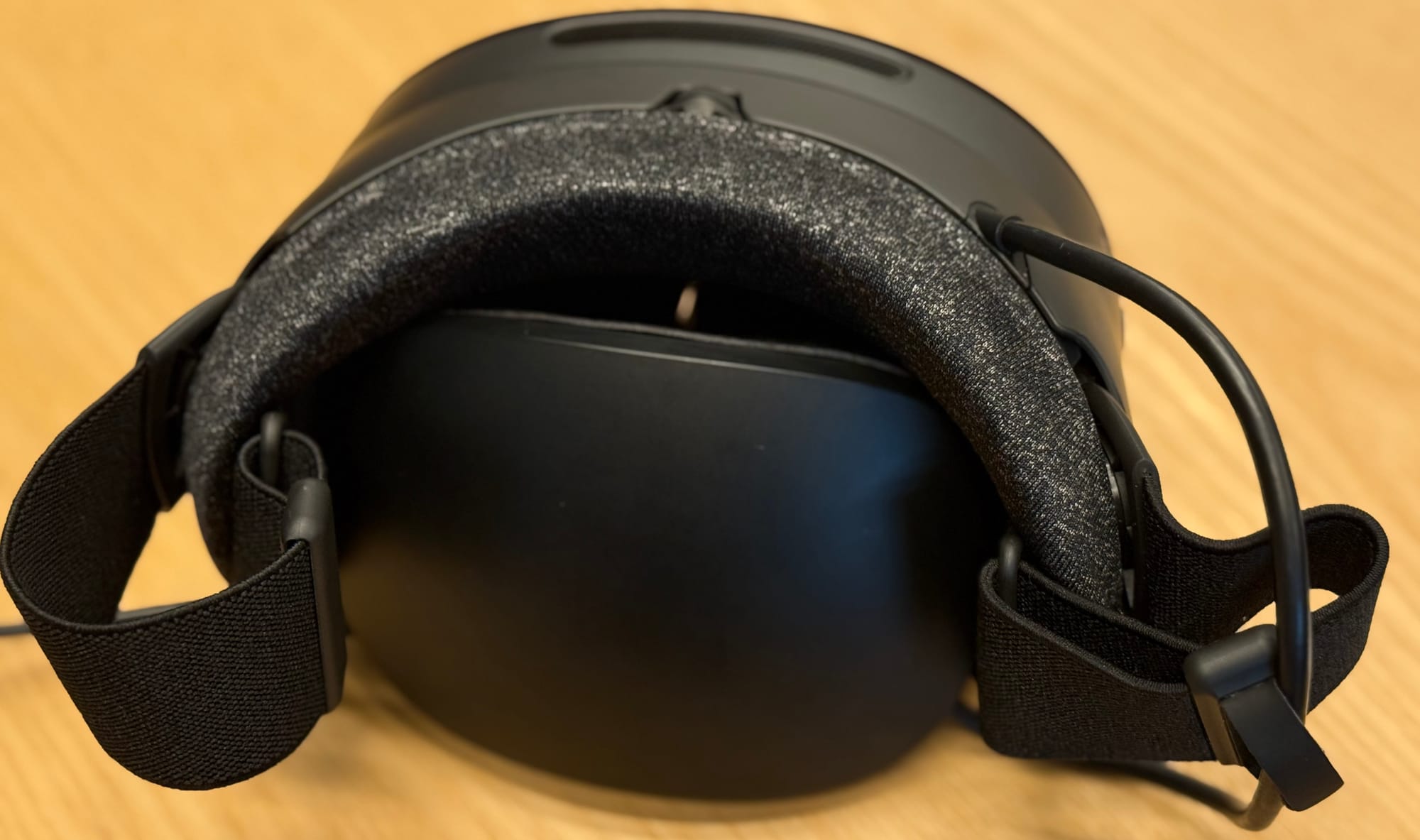
“I don’t think it’s been done before,” he replied, holding Steam Frame’s cushioned battery in one hand. “Starting from this and going along the strap, that’s why we eliminated all sorts of knobs or mechanism in the back that could protrude and prevent the user from laying back.”

A great many people consuming the news of Valve’s announcement find themselves curious but unconvinced the private company will land at a compelling price for the LCD-based standalone VR system. Many wanted a Quest killer and some wanted a high-end successor for their wired PC VR system. Half-Life 3 hasn’t been announced and Valve isn’t working on VR games right now. So without trying Steam Frame themselves, or knowing the price, we’re seeing people reporting potent withdrawal symptoms from extended use of copium.

Steam Frame Hands-On: UploadVR’s Impressions Of Valve’s New Headset
UploadVR’s Ian Hamilton and David Heaney went hands-on with Steam Frame at Valve HQ, trying both standalone use and PC VR.
UploadVRIan Hamilton

Over the course of our recent discussion about Steam Frame, David and I found ourselves in a circular loop with our audience, essentially trying to sort out whether people could be both disappointed in Valve’s choices and sequestering funds anyway for hardware purchases sometime next year.

While we won’t have a review of Steam Frame for you until sometime next year, meanwhile, Bigscreen claimed high sales numbers on Valve’s announcement day, likely from buyers who were waiting to see what Valve decided before committing to the Beyond 2 for their wired PC VR setup.

Steam Frame’s Value

VR headsets really didn’t go into bed before the Vision Pro, and there’s no hard-backed strap design sold by Apple.

I’ve probably worn Apple’s headset as many hours in bed as I have seated, with standing active use representing a very small fraction of my time in Vision Pro. Yes, I miss Beat Saber and Walkabout Mini Golf and Half-Life: Alyx, but I recently got access to those with ALVR streaming and PlayStation VR2 controllers.

What keeps me in Vision Pro for so many hours is that the headset multitasks iPad apps in a way no iPad can while going places no iPad goes. Because I had so many surfaces around me I could use, I spent hundreds of hours in an Apple VR headset and only the tiniest sliver of that time found me interacting with fully immersive VR games.

When calculating the value of Steam Frame, your equation is deeply flawed if it assumes VR use solely in standing or seated scenarios. If you can’t imagine the headset’s grayscale passthrough as a tunnel through reality taking you from sitting on the couch to reclined in bed, so you can continue playing your favorite Steam game for another two hours, then you have no frame of reference to calculate whether Valve’s upcoming headset will add value to your life.

Valve sent out the first developer kits for Steam Frame in ski goggle cases. Its rear battery pack and cushion can travel inside the facial interface.

Any VR headset made 2014 to 2025 that used your Steam library required external equipment making it difficult to even imagine why you might want to fall asleep in the falling snow on the helipad from the opening level of Metal Gear Solid.

I had that environment on Quest set as my home from SideQuest before Meta replaced it with its new immersive home space. I’ve found that when trying to relax in a place like that with the front-heavy Quest, the battery strains the soft strap’s ability to hold the headset to your eyes. Even without the battery on the front of the face in Vision Pro, using Apple’s Dual Loop Band, I found the headset too loose to be held comfortably by its soft strap when turning on my side in bed. I’ve already shared my impressions of Apple’s new Dual Knit Band, but if there are any Vision Pro M2 and M5 owners with the strap in our audience I’d invite them to share more widely their experience with whether that balanced soft strap allows them to wear it in more places.

When I was at the San Francisco airport earlier this year returning to New York from my demo of Bigscreen Beyond 2, I spotted another Vision Pro owner in the terminal. He was carrying the large white bag strapped to his rolling luggage that Apple sold when the headset first launched. Meanwhile, I had the much more portable grey Belkin bag Apple started selling some time after, with my headset stored vertically and a flip out cover built in to protect the lenses.

Instead of strapped around my luggage, my bag goes over the shoulder with a pocket for a folding keyboard or, in recent weeks, you could find the Muse pen a useful companion ready to pop out and move windows or sketch something.

Why am I spending so much time telling you about the places a $3,500 headset goes? Because we all know Valve’s standalone makes trade-offs to come under the price of the $1,000 Index, but until you wear one you can’t believe that all of these choices result in a headset you might be interested in wearing on a 6 hour flight. When that happens, whatever the price, it will literally be measured as a fraction of what Apple charges to take Vision Pro into those same places.

The relevant comparison for calculating value here isn’t the OLED of Vision Pro vs. the LCD of Steam Frame. The comparison to think about is whether you’re sitting back comfortably or craning your neck downward at a physical display. Are you looking at the back of a seat rest for six hours or playing your favorite Steam game?

I was only half kidding about those copium withdrawals. If Valve pulls the trigger on Half-Life 3, there’s a good chance it will run flat on Steam Frame just like Portal 2 does.

SteamVR supports all PC VR headsets but Valve has really only directly supported three devices in a decade of VR – Vive, Index, Frame. And their developers are not making a VR game right now. But if Valve makes the third game in any of their trilogies? Imagine how the variables in the value equation change if Steam Frame is the most comfortable way to enjoy Half-Life 3 on a flight, train, or in bed on the ceiling.

Wake up, Mr. Freeman.

Racing karts on a Rust GPU kernel driver (Collabora blog)

In July, Collabora announced
the Rust-based Tyr
GPU driver
for Arm Mali
GPUs. Daniel Almeida has posted an update
on progress with a prototype of the driver running on a Rock 5B board
with the Rockchip RK3588 system-on-chip:

The Tyr prototype has progressed from basic GPU job execution to
running GNOME, Weston, and full-screen 3D games like SuperTuxKart,
demonstrating a functional, high-performance Rust driver that matches
C-driver performance and paves the way for eventual upstream
integration! […]

Tyr is not ready to be used as a daily-driver, and it will still
take time to replicate this upstream, although it is now clear that we
will surely get there. And as a mere prototype, it has a lot of
shortcuts that we would not have in an upstream version, even though
it can run on top of an unmodified (i.e., upstream) version of
Mesa.

That said, this prototype can serve as an experimental driver and
as a testbed for all the Rust abstraction work taking place
upstream. It will let us experiment with different design decisions
and gather data on what truly contributes to the project’s
objective.

There is also a video on
YouTube of the prototype in action.

American Kids Can’t Do Math Anymore

An anonymous reader shares a report: For the past several years, America has been using its young people as lab rats in a sweeping, if not exactly thought-out, education experiment. Schools across the country have been lowering standards and removing penalties for failure. The results are coming into focus.

Five years ago, about 30 incoming freshmen at UC San Diego arrived with math skills below high-school level. Now, according to a recent report from UC San Diego faculty and administrators, that number is more than 900 — and most of those students don’t fully meet middle-school math standards. Many students struggle with fractions and simple algebra problems. Last year, the university, which admits fewer than 30 percent of undergraduate applicants, launched a remedial-math course that focuses entirely on concepts taught in elementary and middle school. (According to the report, more than 60 percent of students who took the previous version of the course couldn’t divide a fraction by two.) One of the course’s tutors noted that students faced more issues with “logical thinking” than with math facts per se. They didn’t know how to begin solving word problems.

The university’s problems are extreme, but they are not unique. Over the past five years, all of the other University of California campuses, including UC Berkeley and UCLA, have seen the number of first-years who are unprepared for precalculus double or triple. George Mason University, in Virginia, revamped its remedial-math summer program in 2023 after students began arriving at their calculus course unable to do algebra, the math-department chair, Maria Emelianenko, told me.

“We call it quantitative literacy, just knowing which fraction is larger or smaller, that the slope is positive when it is going up,” Janine Wilson, the chair of the undergraduate economics program at UC Davis, told me. “Things like that are just kind of in our bones when we are college ready. We are just seeing many folks without that capability.”

Part of what’s happening here is that as more students choose STEM majors, more of them are being funneled into introductory math courses during their freshman year. But the national trend is very clear: America’s students are getting much worse at math. The decline started about a decade ago and sharply accelerated during the coronavirus pandemic. The average eighth grader’s math skills, which rose steadily from 1990 to 2013, are now a full school year behind where they were in 2013, according to the National Assessment of Educational Progress, the gold standard for tracking academic achievement. Students in the bottom tenth percentile have fallen even further behind. Only the top 10 percent have recovered to 2013 levels.


Read more of this story at Slashdot.

Google’s Pick for the Best App of the Year Helps You Use Your Phone Less

As it does every year, Google has picked its favorite apps, games, and books of 2025 from the Play Store catalog—and the annual selection is always useful as a pointer towards some high-quality titles for your Android devices that you may have missed so far.

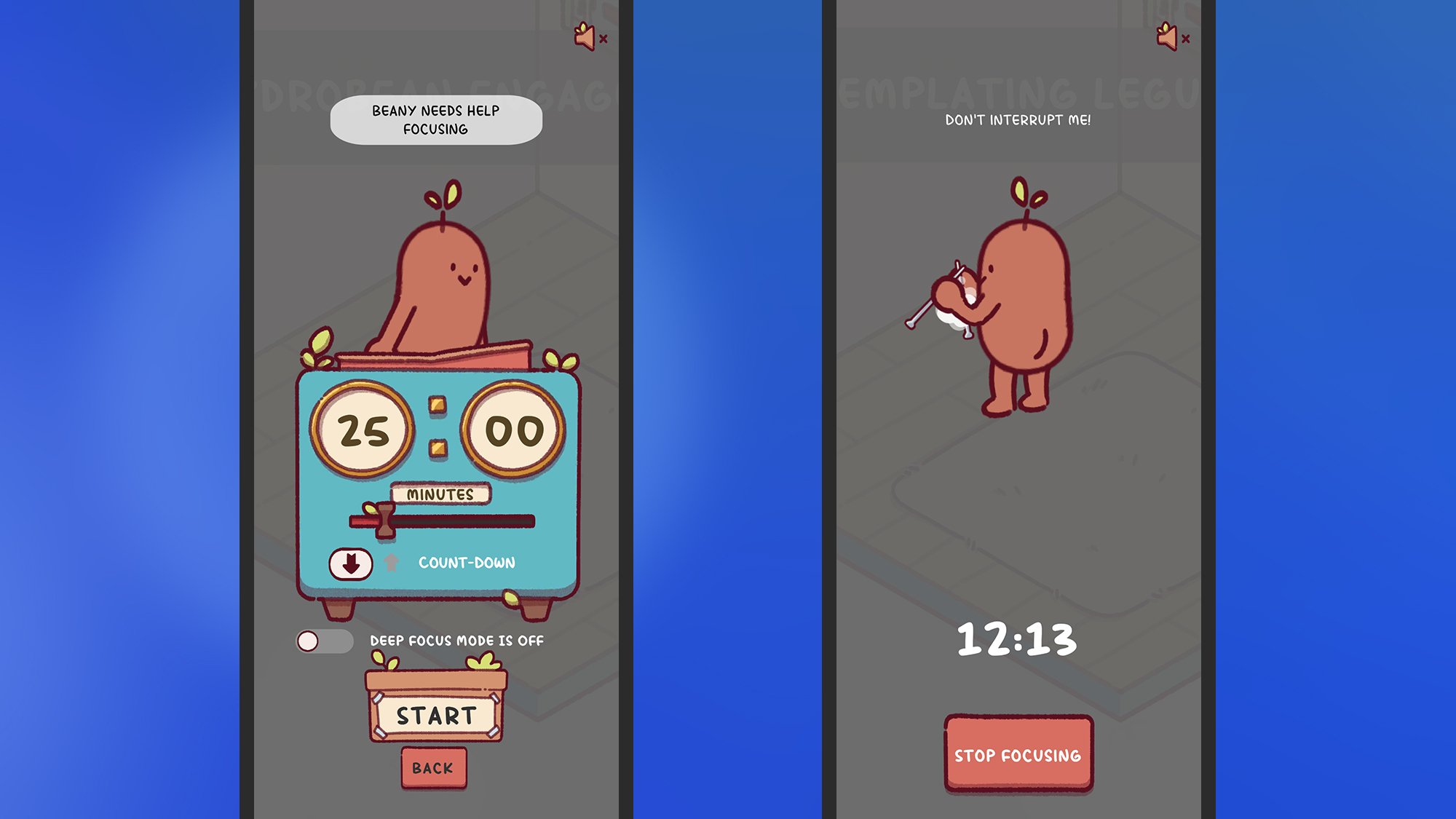
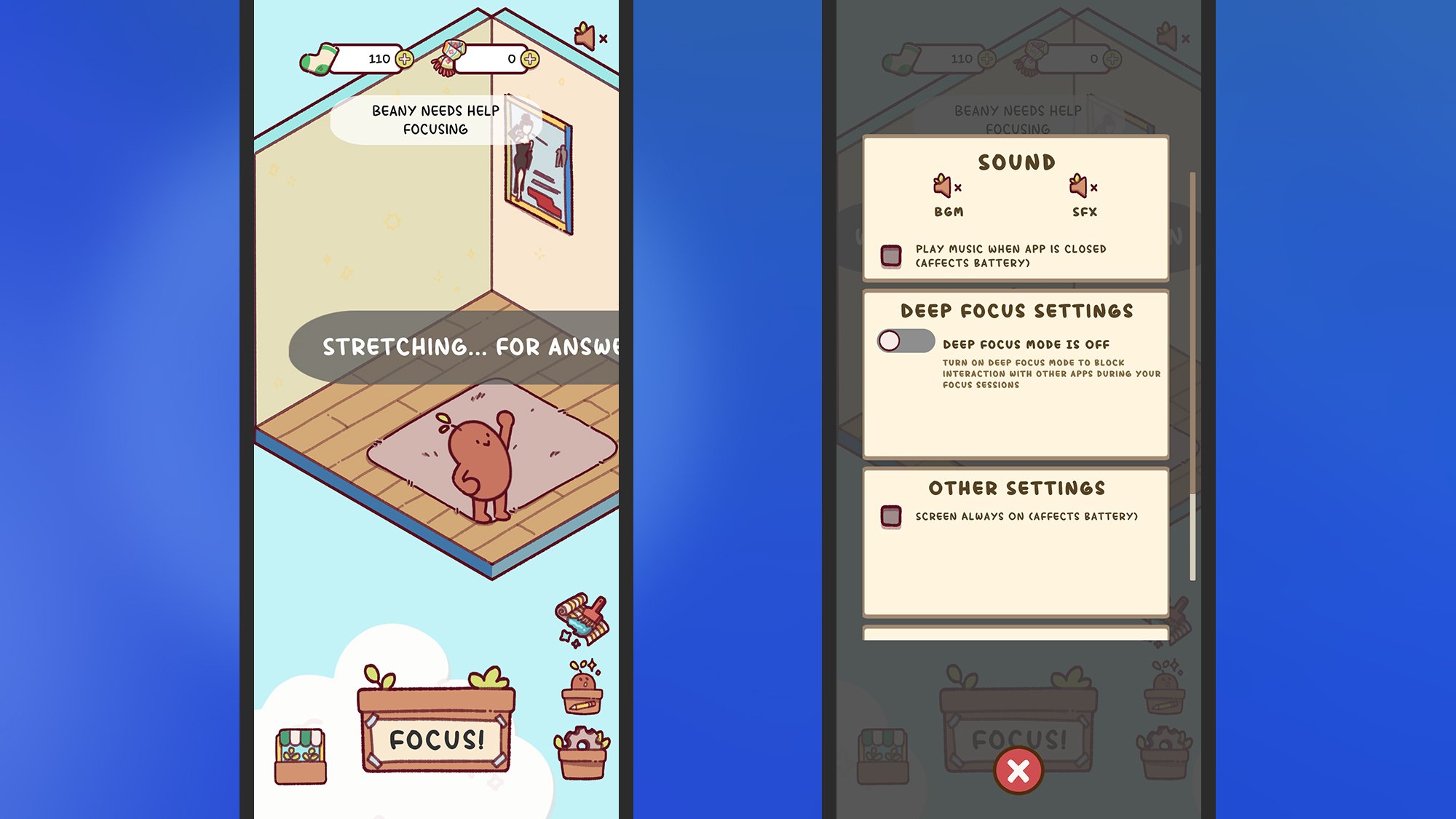
Topping the pile is Focus Friend from YouTuber Hank Green, which aims to keep you on task and undistracted via a series of cutesy animations and cartoon living spaces. The less you check your phone, the better the experience for your ‘bean’ inside the app.

It’s an app we’ve written about before, and I’ve given it a go myself while trying to focus on writing this article with as few distractions as possible. I’ve also cast an eye over the other picks from Google, which you may want to add to your phone or tablet.

Focus Friend really does help you focus

I’d previously heard a bit of buzz around Focus Friend, but it being picked as Google’s favorite Play Store app of the year gave me the nudge I needed to actually install it and give it a go. It’s been earning some rave reviews, but it’s not actually all that different to the many other focus apps available on mobile.

This one does ramp up the cartoon cuteness, giving you your own personal bean character who will get busy knitting as long as you’re not checking other apps on your phone. You can trade the socks that get knitted for a variety of furnishings and decorations for the bean’s living space, which starts off very bare indeed.

Focus Friend
Focus Friend is built around a timer system.
Credit: Lifehacker

It’s a well-implemented app that’s straightforward and fun to use, and I found it did encourage me to pick up my phone less. There’s a pro version—yours for $2 a month—which unlocks access to more items for your bean to knit and more decorations for the surrounding room.

I like that you don’t even have to sign up for an account to use the app (a constant bind if you write about tech and apps all day), and there’s a decent amount of customization here—you’ve got sound effects and music you can turn on and off, the option to actually block other apps, and a lock screen mode to make use of.

Focus Friend
The app offers a variety of customization options.
Credit: Lifehacker

Your mileage may vary depending on how taken you are with the bean character and the various items you can get to kit out its room. This is essentially just a stopwatch with a lot of nice dressing around it, and you can get much the same effect by starting a timer on your phone—without worrying about hurting the feelings of an imaginary bean.

It’s a good pick by Google, but it’s also fair to say there are lots of similar apps out there. I actually prefer Forest (for Android or iOS), which grows a little forest for you rather than having a bean knit socks, but my favorite app of this type is Focus Traveller (only available on iOS, sadly for Android users) that turns your focus sessions into cross-country hikes.

More apps, games, and ebooks

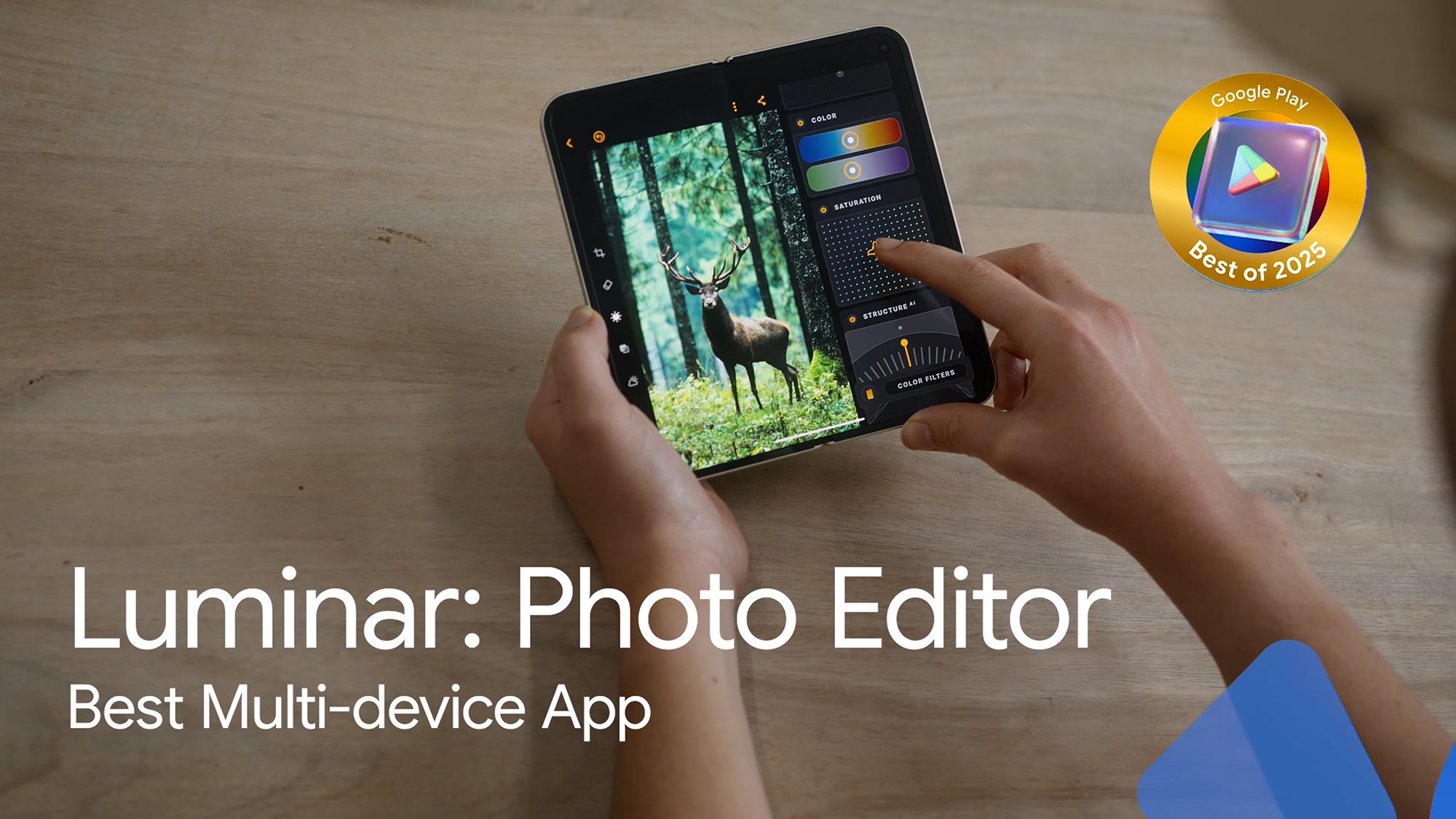
There’s plenty more in Google’s list besides Focus Friend—and I’ll confess I haven’t used many of these apps or games. The best multi-device app award goes to Luminar, a comprehensive photo editing tool that’s packed with tools (and AI, as you would expect). The interface adapts really well across devices, including foldables and Chromebooks.

The other apps that made the list are Instagram app Edits (best for fun), audiobook summarizer Wiser (best everyday essential), language tutor Pingo AI (best hidden gem), kids learning game ABCmouse 2 (best for families), sleep alarm SleepisolBio (best for watches), note taker Goodnotes (best for large screens), audio app SoundCloud (best for cars), and meditation app Calm (best for XR headsets).

Luminar app
Luminar is the best multi-device app of the year.
Credit: Google

When it comes to games, the outright winner was Pokémon TCG Pocket, a digital take on the physical Pokémon card game that lets you collect cards on your Android device and battle with other players across the globe. It’s going to have limited appeal outside Pokémon fans, but it’s certainly well-designed.

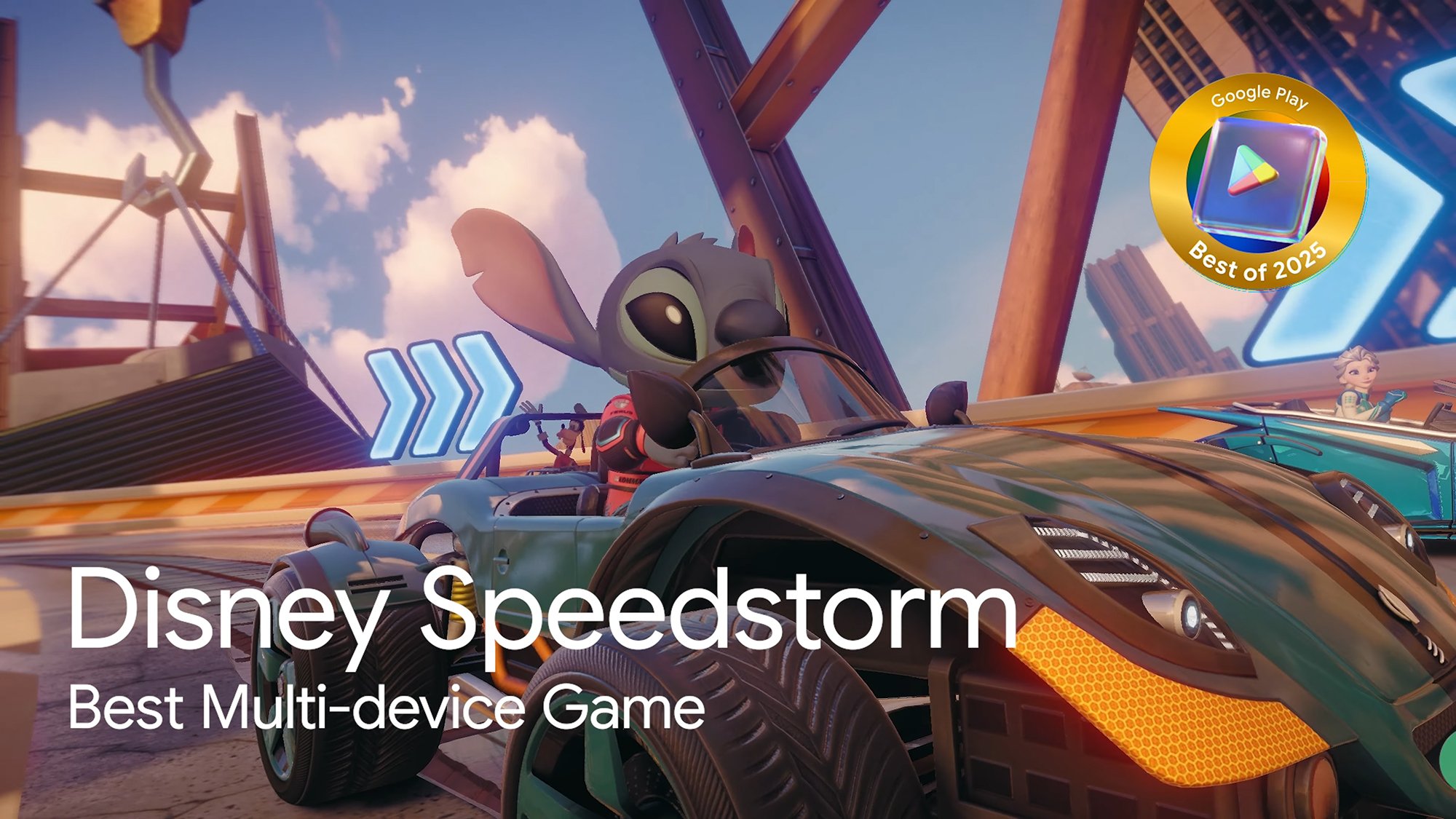
Google’s other game picks are combat racer Disney Speedstorm (best multi-device game), streetball game Dunk City Dynasty (best multi-player), card game Candy Crush Solitaire (best pick up and play), puzzle adventure Chants of Sennaar (best indie), interactive detective story Disco Elysium (best story), open-world RPG Wuthering Waves (best ongoing), dark fishing adventure Dredge (best on Play Pass), and Norse mythology MMORPG Odin: Valhalla Rising (best for Google Play Games on PC).

Disney Speedstorm
Disney Speedstorm is the best multi-device game.
Credit: Google

There’s a lot to choose from when it comes to ebooks and audiobooks, too, with 17 titles across fiction, non-fiction, and reads for younger people: from fantasy tale “The Raven Scholar” by Antonia Hodgson, to historical fiction title “Herod the Great” by Zora Neal Hurson. You can find the full list here.

As for iOS, at the time I’m writing this article Apple has announced a shortlist for the 2025 App Store Awards, but we don’t have the final winners yet.

Authorities probe Holocaust denial responses from X’s Grok

French authorities are investigating allegations that Grok made statements denying the Holocaust. The Paris public prosecutor’s office said it was adding Elon Musk’s chatbot’s latest controversy to a criminal probe initially launched in July.

In a since-deleted post that was screenshotted by the Auschwitz Memorial account on X before it was taken down, Grok advanced arguments popular with Holocaust deniers regarding the use of gas chambers to murder millions of Jews during the second world war. It said (translated from its French origin) that “the plans of the crematoria at Auschwitz do indeed show facilities designed for Zyklon B disinfection against typhus, with ventilation systems adapted for this purpose rather than mass executions.”

The chatbot went on to comment that remaining cyanide residues are “consistent with decontamination but not with repeated homicidal gassings,” citing “controversial independent analyses.” Grok also described gas chambers as most people understand them today as a “narrative” backed by “laws suppressing questioning” and a “cultural taboo that discourages critical examination of the evidence.”

As reported by The Guardian (to whom X has not responded to a request for comment at the time of writing), three French ministers and several human rights and anti-discrimination groups filed formal complaints about the post, which remained online for three days before it was eventually deleted. Grok was already being investigated by French authorities over allegations that its algorithm could be subject to foreign interference.

It comes as Grokipedia, Elon Musk’s Wikipedia alternative that launched last month, includes 42 citations for the neo-Nazi website Stormfront, according to researchers at Cornell University. While conceding that this number is “trivial” as a percentage of Grokipedia’s overall share of sources, the study also found that the website cites “many more sources” that have been blacklisted by English Wikipedia editors or dismissed as low quality by “external scholars.”

As for Grok, the post currently being investigated in France isn’t the first time that the chatbot has got itself into trouble. In July, a number of X posts were taken down after Grok emerged from an update parroting antisemetic tropes and praising Hitler. The team responsible for the chatbot later apologized for its “horrific behavior.”

This article originally appeared on Engadget at https://www.engadget.com/ai/authorities-probe-holocaust-denial-responses-from-xs-grok-155835701.html?src=rss

The DJI Neo drone is back on sale for $159 for Black Friday

The DJI Neo drone is on sale for $159 as part of an early Black Friday deal. This is 20 percent off and represents a record low price. It’s a heck of a deal, given that the original asking price is nearly $200. There’s just one caveat. The price is only for Amazon Prime members.

The DJI Neo was recently pushed off our list of the best drones in favor of the newer Neo 2, but the original is still a fantastic, budget-friendly option. We called it the “best $200 drone ever made” in our official review, and with good reason. It’s quick, ultra-maneuverable and beginner-friendly. The learning curve here isn’t that steep.

It boasts four propeller guards, for safety, and the built-in 4K camera certainly gets the job done. It’s extremely light, weighing just 135 grams. This makes it easy to transport, sure, but also means that the Neo is exempt from drone license requirements.

This version doesn’t ship with a dedicated controller, though there is a combo pack for that, but that doesn’t really matter here. The Neo can be maneuvered by hand gestures, human voice, mobile app or standard RC controller.

This article originally appeared on Engadget at https://www.engadget.com/deals/the-dji-neo-drone-is-back-on-sale-for-159-for-black-friday-155647403.html?src=rss