
Learn how to eliminate the hassle of typing your password for every sudo command in Linux, whether you want to run specific commands or even all of them, with this step-by-step guide.
Monthly Archives: November 2025
Controversial Plan to Kill 500,000 Barred Owls in U.S. Clears Major Hurdle

A controversial conservation strategy that has sparked division among both lawmakers and environmentalists will move forward.
Ikea’s Big Smart Home Push Arrives With 21 New Matter Devices
The Scandinavian furniture giant has unveiled 21 new ultra-affordable Matter-over-Thread smart home devices across three launch segments: lighting, sensors, and control. With prices starting at just a few dollars, Ikea is pushing hard to replace its old Zigbee lineup and become a serious player in the Matter ecosystem. Forbes reports: Back to the 21 new devices specifically and they are all native Matter ones though, so you don’t actually need Ikea’s hub to get involved, as Matter controllers from other brands will be able to sync them up to your existing smart home platform as well; provided that Matter controller also doubles up as a Thread border router. The good news is that many existing devices you may already have in your house – think Apple HomePod mini, Google Nest Hub Max, most of the recent Amazon Echo range, SmartThings hubs and even some Eero routers – all do.
This being Ikea, there are some quirky names involved… the new lineup starts with the Kajplats smart bulb range, with eleven bulbs in total, covering everything from compact spotlights to large decorative globes. They come in a mix of shapes, brightness levels, and finishes, with options for full-color control or just tunable white light. Ikea says each model now offers a wider intensity range and smoother dimming compared to the outgoing Tradfri lineup.


Read more of this story at Slashdot.
Solar-powered PV PI HAT delivers continuous off-grid operation for Raspberry Pi projects
Kickstarter recently featured the PV PI, a solar charging HAT designed to power Raspberry Pi and other 5V single board computers from a 12V LiFePO4 battery. The add-on enables continuous 24/7 off-grid operation through MPPT-based solar charging and intelligent power management. Developed by Melbourne-based engineer Luke Ditria and his team at AutoEcology, the PV PI […]
Guillermo del Toro delivers a Frankenstein for the tech bro era
There’s a reason the story of Frankenstein endures. Its examination of mankind’s hubris and inhumane scientific progress has only become more relevant since Mary Shelley’s time. The pursuit of “innovation at all costs” has led to new monsters, born from people who failed (or refused) to consider the consequences of their actions. So it’s no wonder that Victor Frankenstein in Guillermo del Toro’s Netflix adaptation feels so much like a modern day tech bro. He is practically their template.
Squint a bit, and you can see Frankenstein’s recklessness in Mark Zuckerberg ignoring Facebook’s role in promoting the genocide in Myanmar, with Elon Musk lying about Tesla’s real self-driving capabilities (potentially leading to several crashes), or Sam Altman’s OpenAI building a hallucinating AI search engine trained on stolen content. Screw the consequences, they just want to shout “it’s alive!” as their products go viral (and as their investors lap up the engagement).
Del Toro’s Frankenstein is a remix of the major elements of the novel — there’s the doomed love story, the mad scientist driven by his ego and the sympathetic monster who demonstrates far more humanity than his creator — refashioned in the director’s opulent style. But it’s also clear from the film’s explosive opening, where an Arctic ship encounters Victor Frankenstein (Oscar Isaac) being chased by a seemingly unkillable Creature (Jacob Elordi), that del Toro isn’t shying away from his campier horror roots. Arms are torn off, gallons of blood are spilled. This Frankenstein contains multitudes.
Why did Victor Frankenstein go through hell to reanimate the dead? Because he could. In the novel and this film, the whole ordeal was always about bragging rights and demonstrating his greatness as a scientist. He didn’t consider what he owed to the new life form, or the cruelty of bringing a being into the world with no companion. It didn’t matter who he hurt. Sound familiar?

Netflix
What truly makes del Toro’s Frankenstein work is his understanding of the characters. As Victor Frankenstein, Oscar Isaac embodies the punk rock charm of a rebel scientist who thinks he alone can invent a way to reanimate life. But he also lives with the memory of an abusive father who likely killed his beloved mother. Elizabeth fascinates and intrigues Victor, but she’s also disgusted by his apathy for the natural world. It’s not hard to see why she feels immediate sympathy for the Creature, who is portrayed by Jacob Elordi as a sort of child-like super human. He’s an immediate disappointment to Frankenstein, who can’t help but repeat the cycle of abuse he experienced with his father.
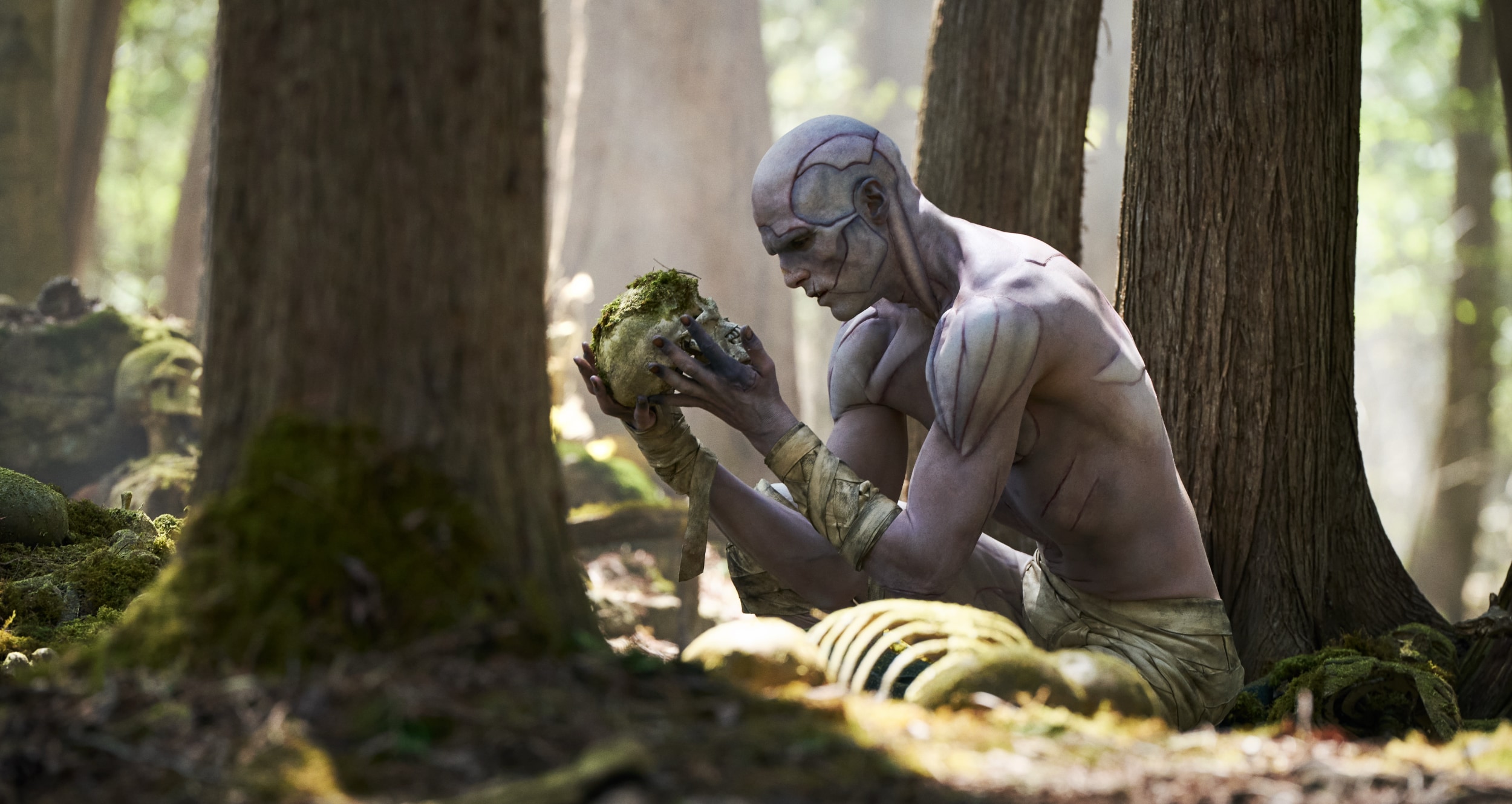
Looking back at his career, it’s as if del Toro has been trying to adapt Shelley’s novel through all of his films. You can see elements of the story in his debut feature Cronos, which centers on a device that makes people immortal (but also curses them with a thirst for blood). The tragic father and son relationship between Frankenstein and the Creature is mapped directly onto the evil vampires in Blade 2. The Gothic romance between Frankenstein and his sister-in-law Elizabeth (who also has eyes for the Creature) echoes Crimson Peak. And the desire for a seemingly “evil” being to fit into normal human life is front and center in del Toro’s Hellboy films.
Netflix
In an interview with NPR, del Toro mentioned that, as a child, seeing the monster appear for the first time in the 1931 Frankenstein film was “an epiphany.” It was an experience that helped him understand his own faith, and seemingly his entire view of life and art. His Frankenstein is the work of someone who has been living with the story for decades. It comes to life with lavish sets, his love of voluptuous colors (there’s a scene of a red scarf floating in the air that haunts me) and his fascination with the macabre.
There’s a lesson in Frankenstein for today’s tech elite, but given their current obsession with AI despite its potentially massive societal and environmental impacts, I have little hope they’ll learn anything from it. But when Guillermo del Toro was asked about using generative AI by NPR, he spoke as someone who truly understood Shelley’s novel. “I’d rather die,” he said.
This article originally appeared on Engadget at https://www.engadget.com/entertainment/tv-movies/guillermo-del-toro-delivers-a-frankenstein-for-the-tech-bro-era-080000058.html?src=rss
Matej Mohoric’s new gravel race bike has been revealed – and it has only 40mm of tyre clearance
The new Merida Mission has been created to bridge the gap between the Silex, an adventurous gravel design with progressive MTB-derived geometry, and the Scultura Endurance GR, an adaptation of the brand’s highly regarded endurance bike.
The original Mission CX was a similar crossover bike to the new Mission – a cyclocross racer with all-rounder potential. Merida has set out its new Mission as a crossover design that blends the qualities of an aerodynamic gravel race bike with all-surface ability.
That could make the Mission a smart buy for those who only have space for one bike in their riding life.
The sweet spot
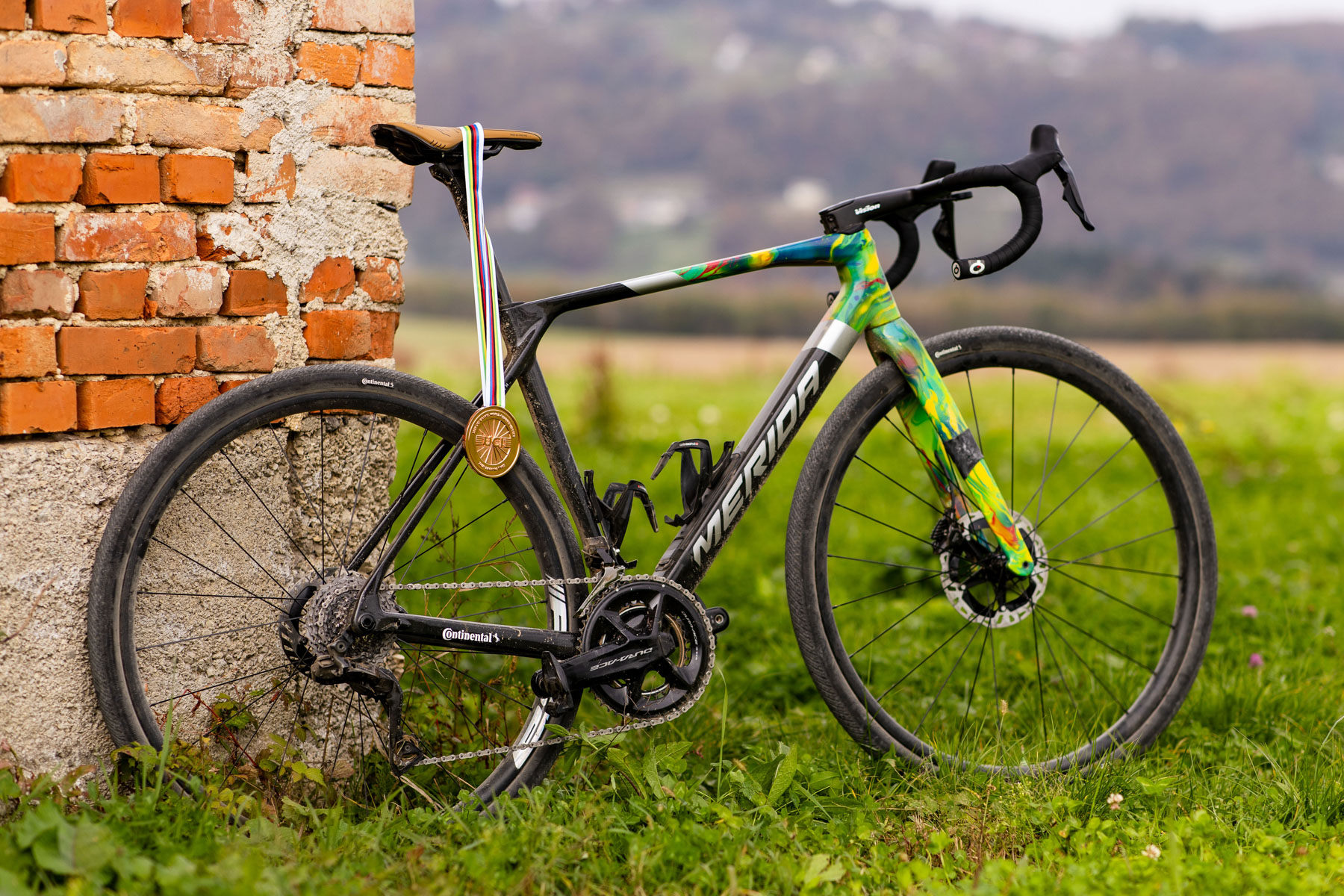
Merida already has solid contenders at each end of the gravel spectrum. The trail-capable Silex is intended for off-road riding and the Scultura Endurance GR is designed for mixed-surface use, with more emphasis on tarmac than dirt.
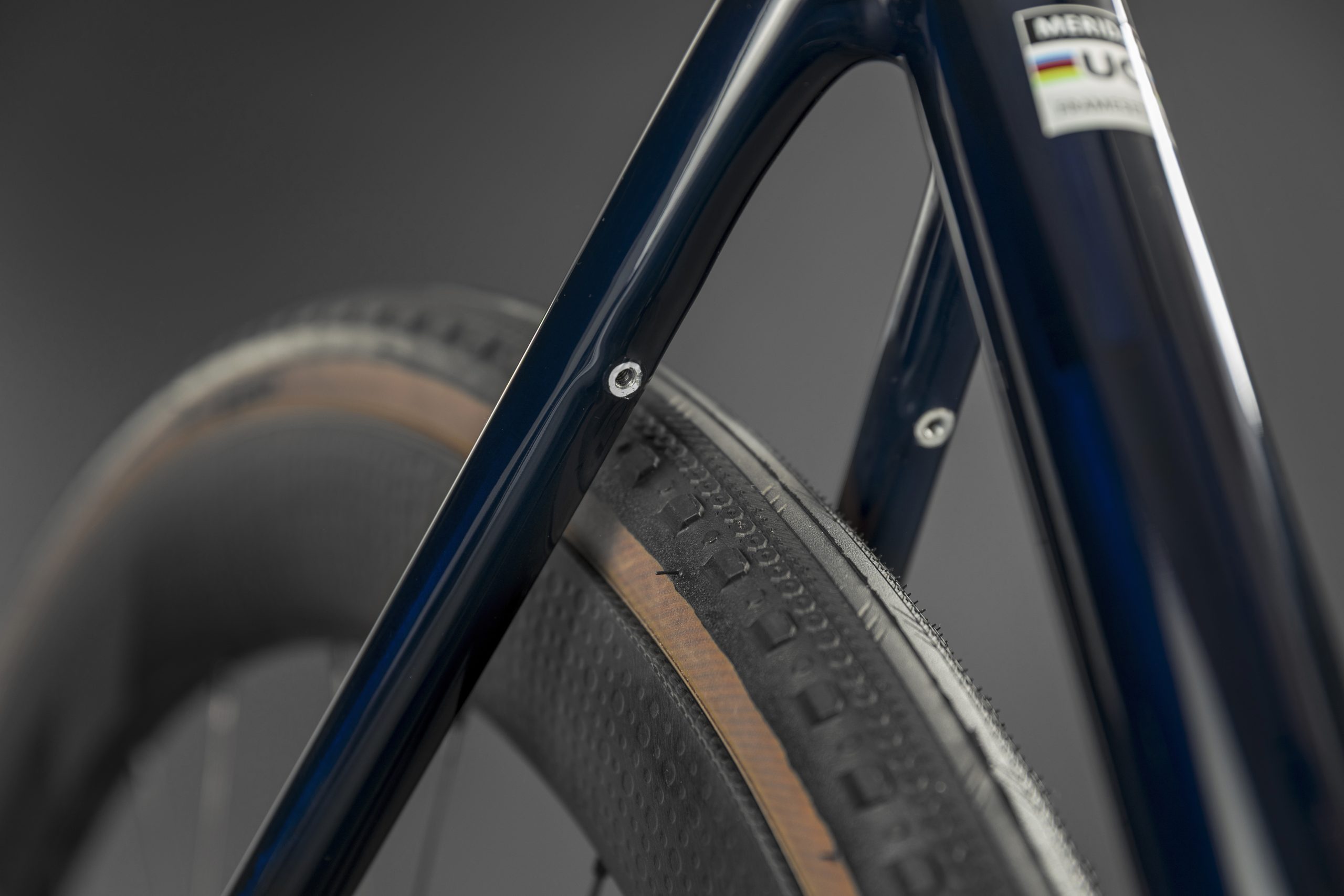
Merida has given the new Mission 40mm tyre clearances, compared to the 35mm of the Scultura Endurance and the 45mm of the current Silex.
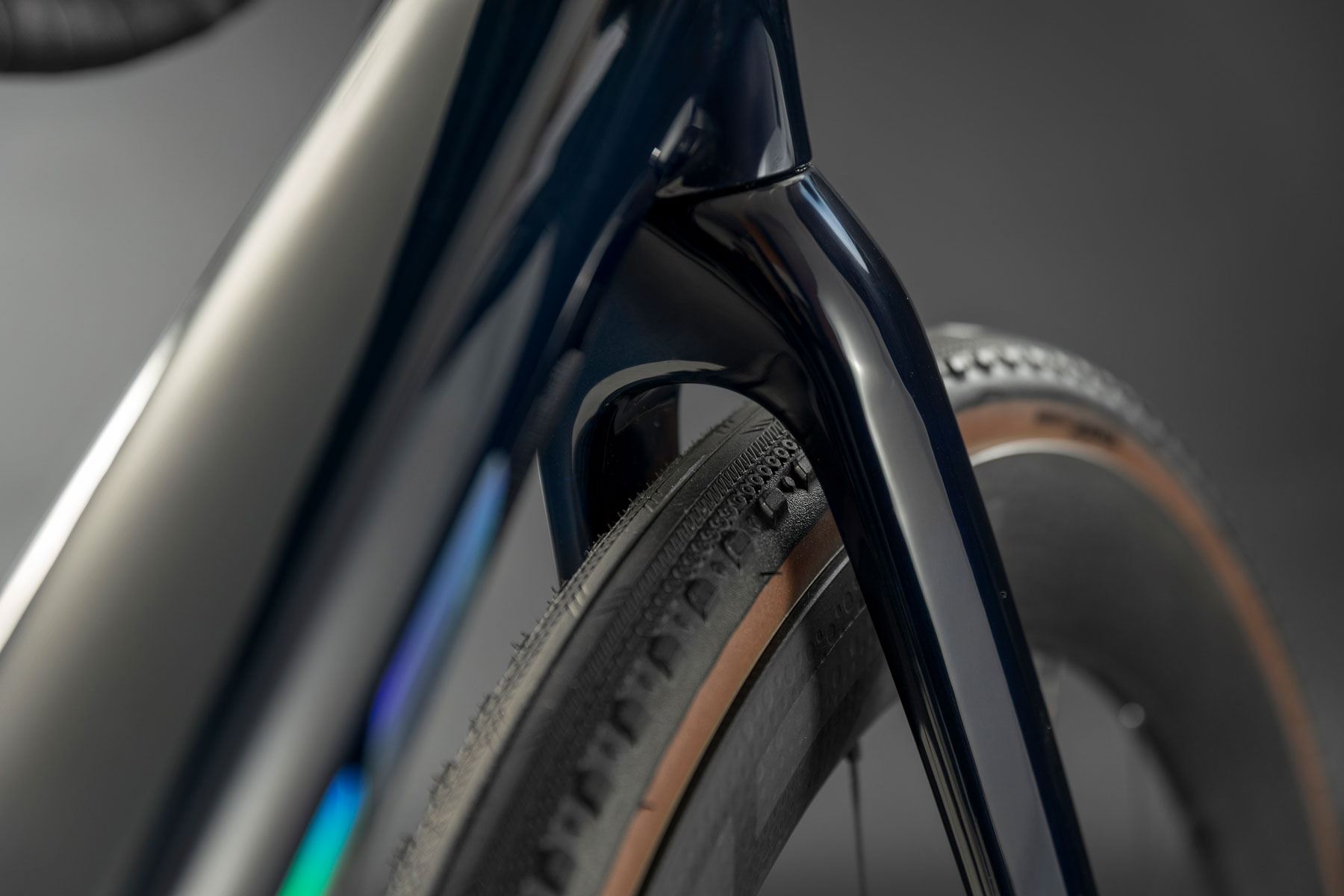
That looks somewhat conservative compared to the trend for USA gravel racers to seek ever larger tyres, going so far as to adopt mountain bike tyres far beyond 40mm, with 50mm becoming the norm.
Merida has kept the clearances modest to maintain the feel of a road bike. That means, compared to the Silex, the new Mission has short 419mm chainstays and a head angle 2.5 degrees steeper at 72 degrees.
| FRAME SIZE | XXS | XS | S | M | L | XL |
|---|---|---|---|---|---|---|
| Seat tube [mm] | 445 | 470 | 490 | 510 | 530 | 560 |
| Top tube [mm] | 522 | 532 | 543 | 560 | 571 | 586 |
| Chainstay length [mm] | 419 | 419 | 419 | 419 | 419 | 419 |
| Head tube angle [°] | 70 | 70 | 71 | 72 | 72 | 72.5 |
| Seat tube angle [°] | 74 | 74 | 74 | 73.5 | 73.5 | 73.5 |
| Bottom bracket drop [mm] | 72 | 72 | 72 | 72 | 72 | 72 |
| Head tube [mm] | 103 | 117 | 126 | 137 | 153 | 178 |
| Fork length [mm] | 400 | 400 | 400 | 400 | 400 | 400 |
| Reach [mm] | 370 | 377 | 384 | 391 | 398 | 405 |
| Stack [mm] | 529 | 542 | 555 | 569 | 584 | 610 |
| Wheelbase [mm] | 997 | 1009 | 1011 | 1013 | 1024 | 1035 |
| Standover height [mm] | 741 | 764 | 781 | 798 | 816 | 844 |
The geometry of the Mission shows its race-ready intentions.
Across the sizes, it has a 20mm+ shorter reach than the Silex (which is designed for short mountain-bike style stems).
The stack height is 15mm lower than the Scultura Endurance and around 40mm lower than the Silex.
That should make for a very racy position and backs up claims that the new Mission will be the bike of choice for Bahrain Victorious riders competing on gravel next year, after Matej Mohorič took bronze at the UCI Gravel World Championships in October.
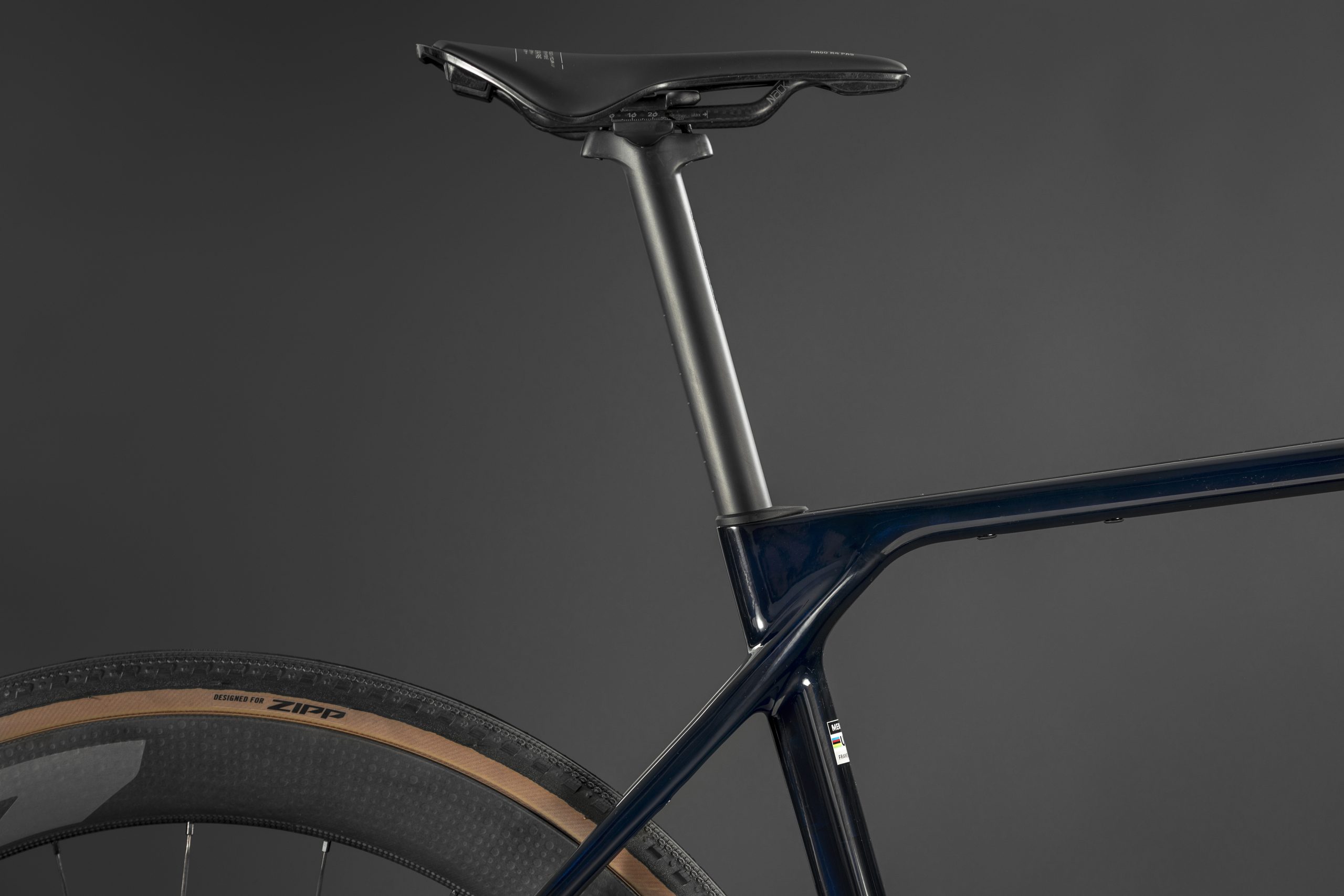
The Mission has a lower bottom bracket than the Silex and Scultura, which Merida claims enhances stability and control away from tarmac, giving the rider the feeling that they are sitting ‘in’ the bike rather than above it.
Aero advantage
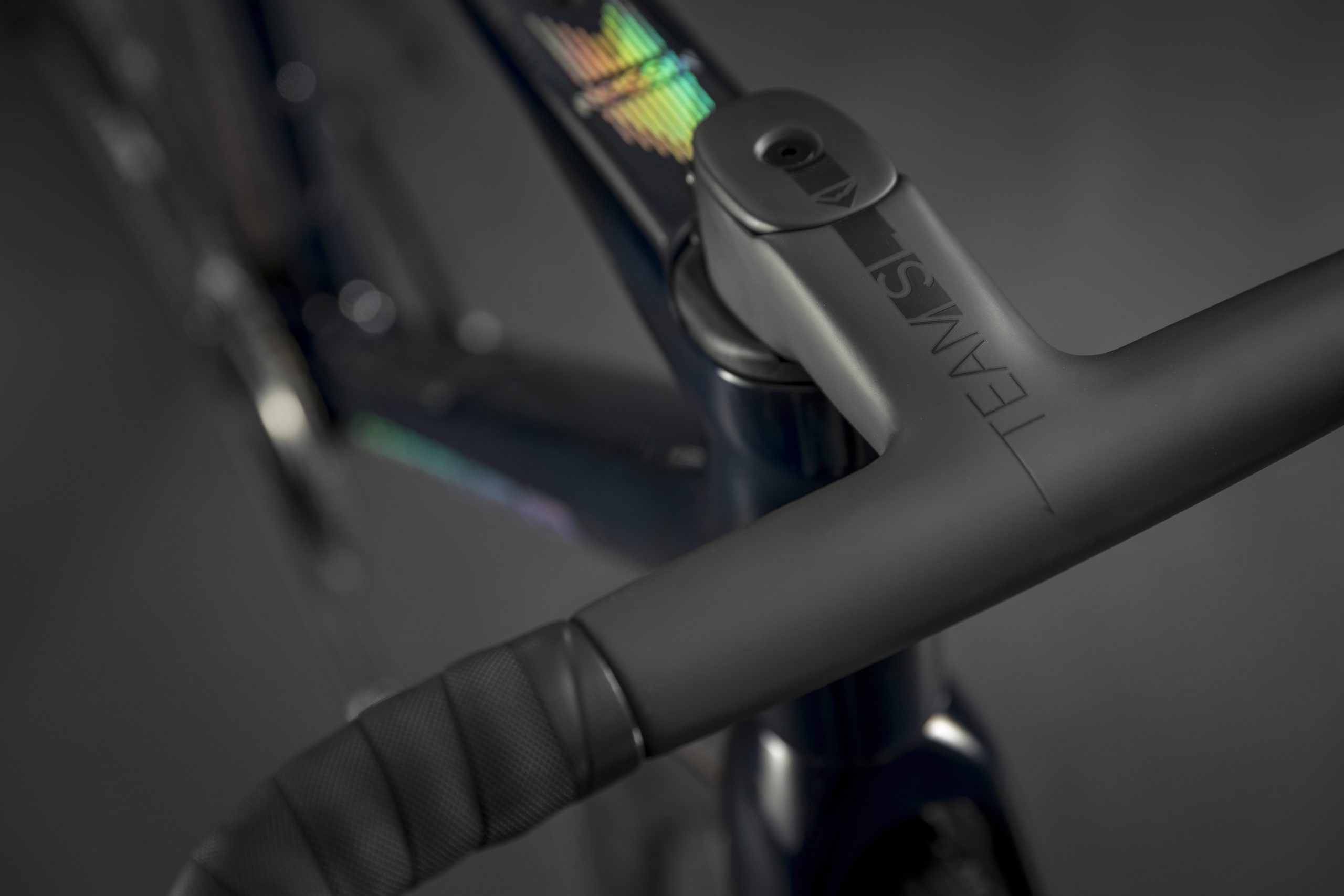
The Mission takes lots of its design cues from the Scultura.
Merida claims the tube profiles give an aerodynamic advantage, and when combined with the new one-piece Team SL GR1P carbon cockpit and low ride position, make for a significantly more aerodynamic ride than either the Scultura Endurance GR or the Silex.
Merida Mission range and pricing details
All the Mission models feature the same CF4 carbon frame and fork; prices range from £2,250 for the 4000 to £7,000 for the 10k.
Merida has assembled some value-packed options across all price points.
At the top end of the range, the Mission 10k, at £7,000, has a mighty specification including full SRAM RED XPLR AXS complete with power meter and Zipp 303 XPLR SW wheels.
Specialized’s equivalent S-Works Crux in RED AXS trim with a power meter and Roval Terra CLX II wheels is nearly £4,000 more at £10,999. Trek’s similarly racy Checkmate SLR9 AXS with RED AXS XPLR, power meter and Bontrager Aeolus RSL 37V wheels is £8,950.
Only Canyon can match Merida on value at the high end. The Grail CFR AXS, with the same groupset and wheel package, is £6,999.
At the entry point to the range, the 4000, which shares the same frameset as the premium 10k, matches Canyon’s Grail CF7 at £2,250. However, the Grail has a carbon frame, two tiers below the CFR.
Whether the impressive pricing and Merida’s design choices are enough to sway buyers away from the current trend towards larger tyre clearances and off-road ability remains to be seen.
However, for most riders, the Mission may well be all the gravel bike they need. Combine that with a racier feel on tarmac, and it might be 2026’s smartest gravel racing choice.
Merida Mission 4000

- Shimano GRX 400 2x
- Shimano WH-RX-180 aluminium wheels
- £2,250 / €2,700
Merida Mission 6000
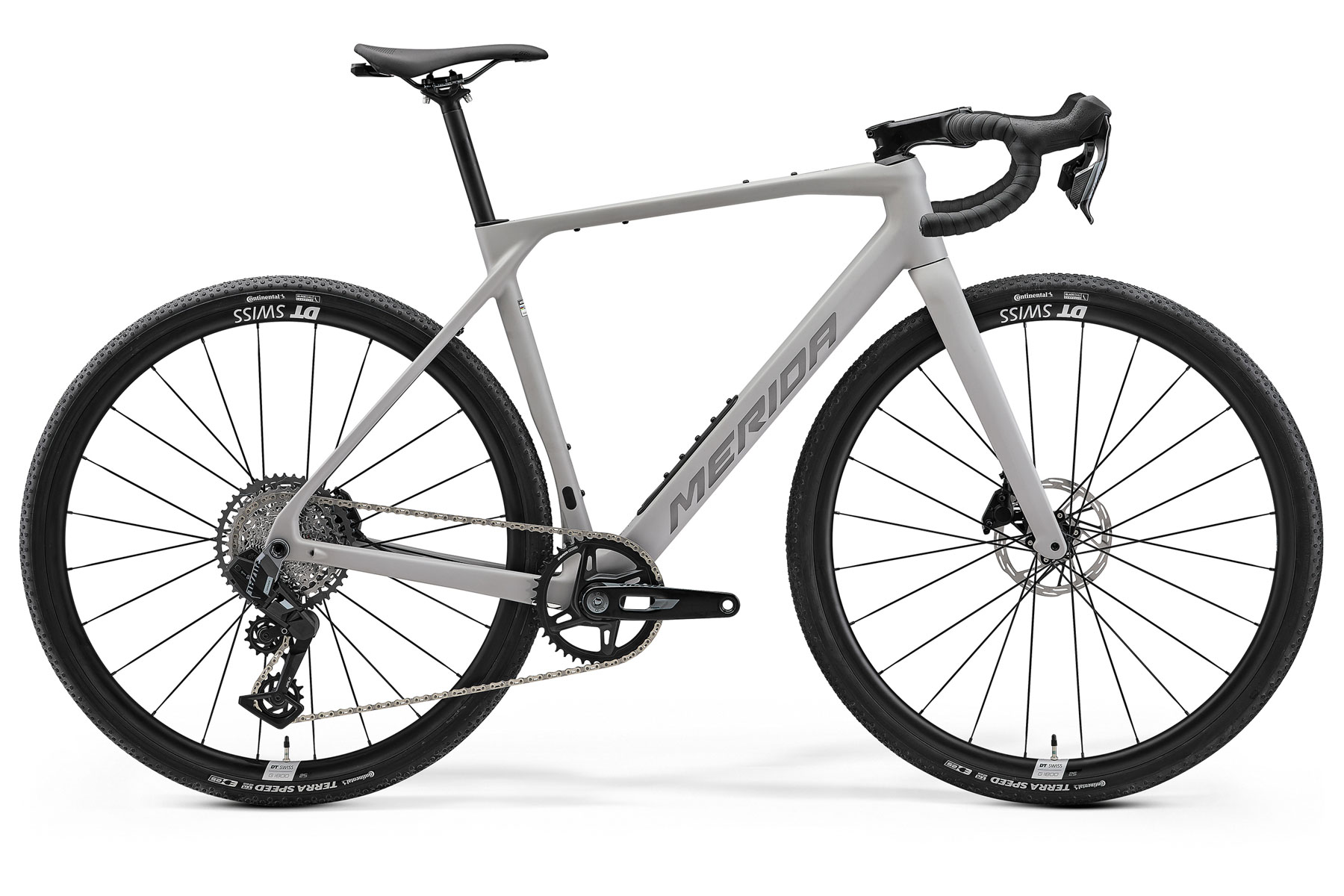
- SRAM Rival AXS XPLR 13-speed
- DT Swiss 1800 aluminium wheels
- £3,400 / €4,080
Merida Mission 7000
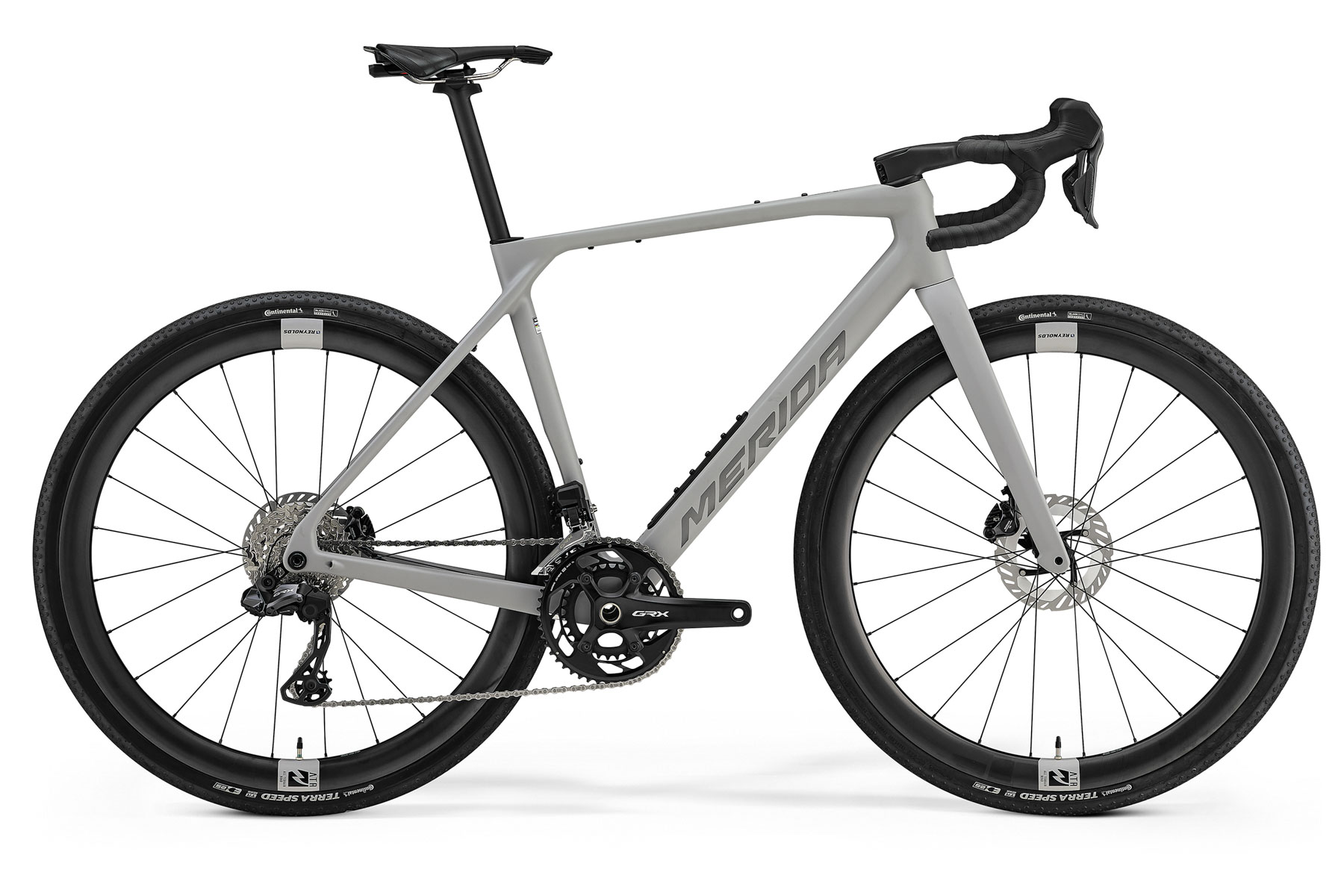
- Shimano GRX 2×12-speed Di2
- Merida Team SL GR1P carbon cockpit
- Carbon Reynolds ATR wheels
- £4,600 / €5,520
Merida Mission 9000

- SRAM Force AXS XPLR 13-speed with power meter
- Merida Team SL GR1P carbon cockpit
- Carbon Zipp 303 XPLR S wheels
- £5,000 / €6,000
Merida Mission 10k
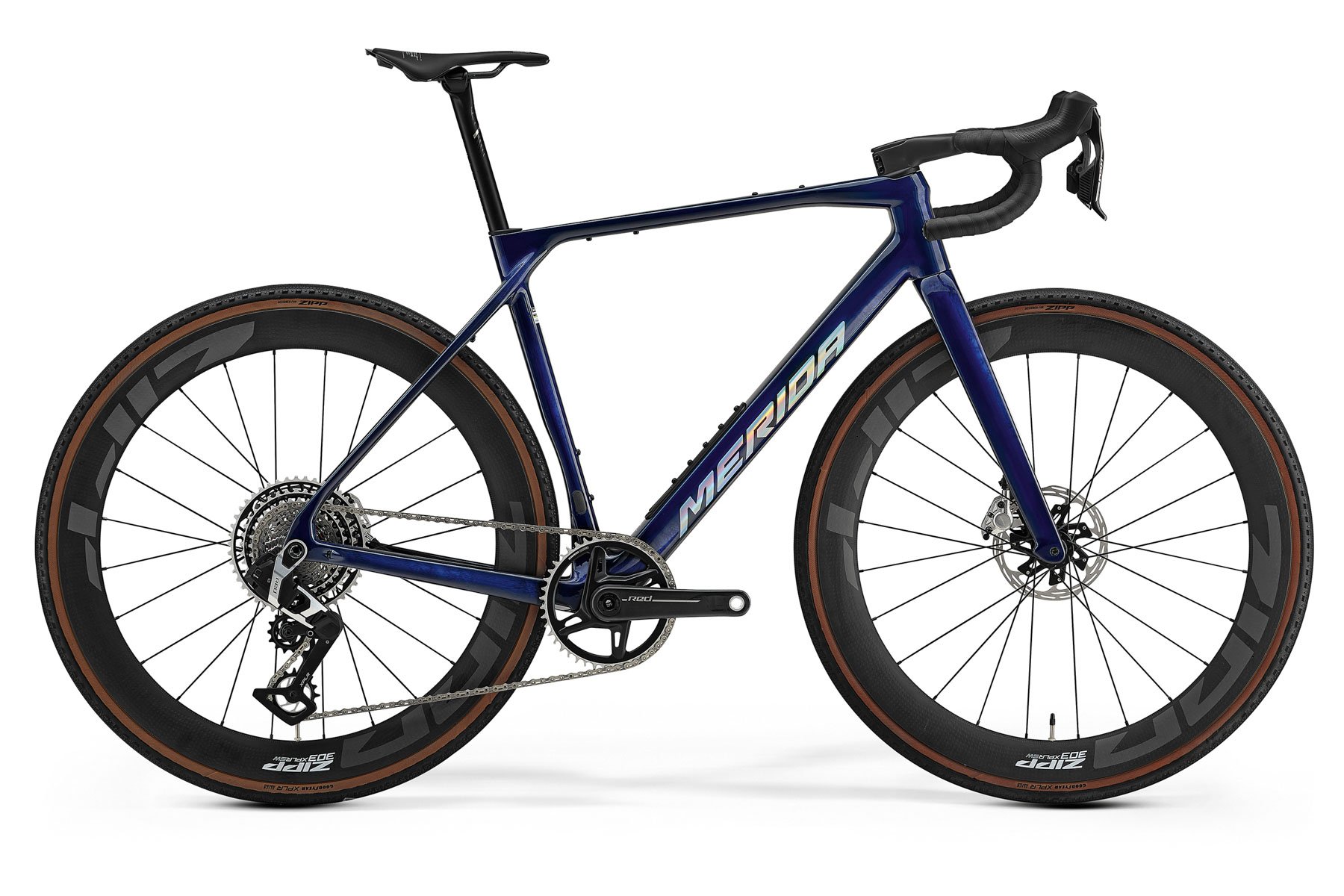
- SRAM RED AXS XPLR 13-speed groupset with power meter
- Merida Team SL GR1P carbon cockpit
- Carbon Zipp 303 XPLR SW wheels
- £7,000 / €8,400
Steam Deck Adds Display-Off Mode for Low-Power Downloads
The Linux-powered handheld gaming console, Steam Deck, now allows you to complete game downloads with the screen off, saving power while staying updated.
Why Does So Much New Technology Feel Inspired by Dystopian Sci-Fi Movies?
In a recent article published in the New York Times, author Casey Michael Henry argues that today’s tech industry keeps borrowing dystopian sci-fi aesthetics and ideas — often the parts that were meant as warnings — and repackages them as exciting products without recognizing that they were originally cautionary tales to avoid. “The tech industry is delivering on some of the futuristic notions of late-20th-century science fiction,” writes Henry. “Yet it seems, at times, bizarrely unaware that many of those notions were meant to be dystopian or satirical — dismal visions of where our worst and dumbest habits could lead us.” Here’s an excerpt from the report: You worry that someone in today’s tech world might watch “Gattaca” — a film that features a eugenicist future in which people with ordinary DNA are relegated to menial jobs — and see it as an inspirational launching point for a collaboration between 23andMe and a charter school. The material on Sora, for instance, can feel oddly similar to the jokes about crass entertainment embedded in dystopian films and postmodern novels. In the movie “Idiocracy,” America loved a show called “Ow! My Balls!” in which a man is hit in the testicles in increasingly florid ways. “Robocop” imagined a show about a goggle-eyed pervert with an inane catchphrase. “The Running Man” had a game show in which contestants desperately collected dollar bills and climbed a rope to escape ravenous dogs. That Sora could be prompted to imagine a game show in which Michel Foucault chokeslams Ronald Reagan, or Prince battles an anaconda, doesn’t feel new; it feels like a gag from a 1990s writer or a film about social decay.
The echoes aren’t all accidental. Modern design has been influenced by our old techno-dystopias — particularly the cyberpunk variety, with its neon-noir gloss and “high tech, low life” allure. From William Gibson novels to films like “The Matrix,” the culture has taken in countless ruined cityscapes, all-controlling megacorporations, high-tech body modifications, V.R.-induced illnesses, deceptive A.I. paramours, mechanical assassins and leather-clad hacker antiheroes, navigating a dissociative cyberspace with savvily repurposed junk-tech. This was not a world many people wanted to live in, but its style and ethos seem to reverberate in the tech industry’s boldest visions of the future.


Read more of this story at Slashdot.
GNOME 50 Ends the X11 Era After Decades
GNOME 50 completes the long migration to Wayland, dropping X11 backend code and relying on XWayland for any remaining compatibility needs.
Elon Musk says Tesla owners can ‘text and drive’ very soon
Elon Musk went on stage on Thursday night during Tesla’s annual shareholders meeting and made some big claims and promises. The company is “almost comfortable” letting owners with Full Self-Driving (FSD) “text and drive,” he said. At the moment, its vehicles are still strictly monitoring drivers to make sure their eyes are on the road, but Musk said that Tesla will enable unsupervised FSD that will allow texting and driving within “a month or two.”
To note, Tesla’s FSD is currently capable of level 2 autonomous driving. Musk is promising at least a level 4 capability, in which the driver can be disengaged as the car performs all driving tasks for them, within a short span of time. While he said that Tesla will look at its safety data first, he didn’t discuss the steps it’s taking to enable texting while driving and whether it’s already discussing the legalities of it with regulators.
Talking about the Cybercab, Musk said production of the robotaxis will begin by April next year. Since it will be specifically built with autonomy in mind, it will not have pedals, a steering wheel and even side mirrors. The Cybercab’s manufacturing process, he explained, is vastly different from typical car production and is more comparable to phone manufacturing. That’s why he thinks the company will be able to produce one unit every 10 seconds.
Musk also talked about the flying car he teased on Joe Rogan’s show. When asked at the event, he said the demo will now take place on April 1, 2026, instead of this month or the next like he told Rogan. It remains to be seen whether we’re going to get April Fooled, but Musk claimed that production of Tesla’s flying vehicle will happen a year or so after its unveiling. As always, take Musk’s claims with a grain of salt, as he’s pretty infamous for being overly ambitious with his timelines.
While Musk was on stage talking about Tesla’s plans, an Optimus humanoid robot was standing by the side. The CEO said Optimus is bound to become the “biggest product of all time,” bigger than cellphones, “bigger than anything.” Tesla will start with a 1-million production line and then a 10-million production line, but he said the company expects to eventually produce 100 million to a billion Optimus robots a year. He envisions a world wherein the humanoid machines will provide people with medical care… as well as a world wherein instead of being jailed, Optimus follows criminals around to stop them from committing more crimes.
Before Musk went on stage, Tesla’s shareholders had voted to approve his pay package worth up to $1 trillion over the next 10 years. Tesla has to hit several goals for Musk to become the first trillionaire, though, including reaching a market value of $8.5 trillion from its current worth of $1.4 billion and selling a million Optimus robots.
This article originally appeared on Engadget at https://www.engadget.com/transportation/evs/elon-musk-says-tesla-owners-can-text-and-drive-very-soon-042454805.html?src=rss
Mark Zuckerberg Opened an Illegal School At His Palo Alto Compound. His Neighbor Revolted
Mark Zuckerberg opened an unlicensed school named after the family’s pet chicken — and it was the final straw for his neighbors, writes Slashdot reader joshuark, citing a report from Wired. The magazine obtained 1,665 pages of documents about the neighborhood dispute — “including 311 records, legal filings, construction plans, and emails.” Here are excerpts from the report: The documents reveal that the school may have been operating as early as 2021 without a permit to operate in the city of Palo Alto. As many as 30 students might have enrolled, according to observations from neighbors. […] Over time, neighbors became fed up with what they argued was the city’s lack of action, particularly with respect to the school. Some believed that the delay was because of preferential treatment to the Zuckerbergs. “We find it quite remarkable that you are working so hard to meet the needs of a single billionaire family while keeping the rest of the neighborhood in the dark,” reads one email sent to the city’s Planning and Development Services Department in February. “Just as you have not earned our trust, this property owner has broken many promises over the years, and any solution which depends on good faith behavioral changes from them is a failure from the beginning.” […]
In order for the Zuckerbergs to run a private school on their land, which is in a residential zone, they need a “conditional use” permit from the city. However, based on the documents WIRED obtained, and Palo Alto’s public database of planning applications, the Zuckerbergs do not appear to have ever applied for or received this permit. Per emails obtained by WIRED, Palo Alto authorities told a lawyer working with the Zuckerbergs in March 2025 that the family had to shut down the school on its compound by June 30. […] However, Zuckerberg family spokesperson Brian Baker tells WIRED that the school didn’t close, per se. It simply moved. It’s not clear where it is now located, or whether the school is operating under a different name. […] Most of the Zuckerbergs’ neighbors did not respond to WIRED’s request for comment. However, the ones that did clearly indicated that they would not be forgetting the Bicken Ben saga, or the past decade of disruption, anytime soon.


Read more of this story at Slashdot.
Linux Mint Devs Introduce New System Administration & System Information Tools
Linux Mint project leader Clement Lefebvre revealed today in the monthly newsletter for October 2025 two new tools for Linux Mint users, System Information and System Administration.
Anker Dumps Its 10,000 mAh Power Bank for Pennies, 10K Units Already Sold on Amazon

Save 40% on the Anker PowerCore Slim 10000 portable power bank for a limited time at Amazon.
The post Anker Dumps Its 10,000 mAh Power Bank for Pennies, 10K Units Already Sold on Amazon appeared first on Kotaku.
Ubuntu Server 25.10 Performance On AMD EPYC With “amd64v3” Optimized Packages
Last week Canonical announced Ubuntu “architecture variants” with initially supporting “amd64v3” optimized packages built using the x86_64-v3 micro-architecture feature level. For this initial debut in the Ubuntu 25.10 archive an initial subset of packages are built using that higher feature level that can assume AVX/AVX2 and other more recent CPU ISA additions. More details on that and some initial desktop benchmarks can be found within the Ubuntu 25.10 amd64v3 Benchmarks article. Complementing that are some Ubuntu Server 25.10 benchmarks carried out on an AMD EPYC “Turin” server of the base amd64 packages versus amd64v3…
How the US Cut Climate-Changing Emissions While Its Economy More Than Doubled
alternative_right shares a report from The Conversation: Countries around the world have been discussing the need to rein in climate change for three decades, yet global greenhouse gas emissions — and global temperatures with them — keep rising. When it seems like we’re getting nowhere, it’s useful to step back and examine the progress that has been made. Let’s take a look at the United States, historically the world’s largest greenhouse gas emitter. Over those three decades, the U.S. population soared by 28% and the economy, as measured by gross domestic product adjusted for inflation, more than doubled. Yet U.S. emissions from many of the activities that produce greenhouse gases — transportation, industry, agriculture, heating and cooling of buildings — have remained about the same over the past 30 years.
Transportation is a bit up; industry a bit down. And electricity, once the nation’s largest source of greenhouse gas emissions, has seen its emissions drop significantly. Overall, the U.S. is still among the countries with the highest per capita emissions, so there’s room for improvement, and its emissions (PDF) haven’t fallen enough to put the country on track to meet its pledges under the 10-year-old Paris climate agreement. But U.S. emissions are down about 15% over the past 10 years. The report mentions how the U.S. managed to replace coal with cheaper, more efficient natural-gas plants while rapidly scaling wind, solar, and battery storage as their costs fell. At the same time, major gains in appliance, lighting, and building efficiency flattened per-capita power use. This also coincided with improved vehicle fuel economy that helped keep transportation emissions in check.


Read more of this story at Slashdot.
Amazon Is Rolling Out Its Black Friday Deals, Powerful 16-inch Gaming Laptop Is Now 71% Off

Upgrade your gaming experience by treating yourself to a new, powerful laptop.
The post Amazon Is Rolling Out Its Black Friday Deals, Powerful 16-inch Gaming Laptop Is Now 71% Off appeared first on Kotaku.
Jackery Offloads Its 1500W Power Generator at 55% Off, The Ideal Backup for Winter Outages

Save 55% on the second-generation Jackery Explorer 1000 power station for a limited time.
The post Jackery Offloads Its 1500W Power Generator at 55% Off, The Ideal Backup for Winter Outages appeared first on Kotaku.
Ford Considers Scrapping F-150 EV Truck
According to the Wall Street Journal, Ford executives are considering scrapping the electric version of the F-150 pickup truck as losses, supply setbacks, slow sales, and the arrival of a cheaper midsize EV truck undermine the business case for its full-size electric pickup. Reuters reports: Last month, a union official told Reuters that Ford was pausing production at the Dearborn, Michigan, plant that makes its F-150 Lightning electric pickup due to a fire at a supplier’s aluminum factory. “We have good inventories of the F-150 Lightning and will bring Rouge Electric Vehicle Center back up at the right time, but don’t have an exact date at this time,” Ford said in a statement on Thursday.
The WSJ report added that General Motors executives have discussed discontinuing some electric trucks, citing people familiar with the matter. The Detroit three, which includes Ford, GM and Chrysler-parent Stellantis, have rolled back their ambitious plans for EVs in the United States, pivoting to their gasoline-powered models.


Read more of this story at Slashdot.
Magika 1.0 Goes Stable As Google Rebuilds Its File Detection Tool In Rust
BrianFagioli writes: Google has released Magika 1.0, a stable version of its AI-based file type detection tool, and rebuilt the entire engine in Rust for speed and memory safety. The system now recognizes more than 200 file types, up from about 100, and is better at distinguishing look-alike formats such as JSON vs JSONL, TSV vs CSV, C vs C++, and JavaScript vs TypeScript. The team used a 3TB training dataset and even relied on Gemini to generate synthetic samples for rare file types, allowing Magika to handle formats that don’t have large, publicly available corpora. The tool supports Python and TypeScript integrations and offers a native Rust command-line client.
Under the hood, Magika uses ONNX Runtime for inference and Tokio for parallel processing, allowing it to scan around 1,000 files per second on a modern laptop core and scale further with more CPU cores. Google says this makes Magika suitable for security workflows, automated analysis pipelines, and general developer tooling. Installation is a single curl or PowerShell command, and the project remains fully open source. The project is available on GitHub and documentation can be found here.


Read more of this story at Slashdot.
Amazon Quietly Offloads the 15.6-inch Yxk Portable Screen, Now Going for Literally Pennies

Stay productive on the go by adding a portable monitor to your setup.
The post Amazon Quietly Offloads the 15.6-inch Yxk Portable Screen, Now Going for Literally Pennies appeared first on Kotaku.