
The Linux kernel’s Human Interface Devices (HID) subsystem has an existing architectural limitation that there is just up to one battery per HID device. But with modern devices — especially among various gaming peripherals — there can be more than one battery when considering earbuds with a battery for each earbud, multi-device wireless receivers, etc. A proposal was raised today to address this limitation…
Monthly Archives: November 2025
12 Shows Like ‘The Lowdown’ You Should Watch Next
We may earn a commission from links on this page.
Sterlin Harjo, of Reservation Dogs fame, is back with another unique and critically acclaimed series, this one starring Ethan Hawke as a folksy citizen journalist (or “truthstorian,” as he prefers), based loosely on the real-life activist best known for uncovering new details about the 1921 Black Wall Street massacre in Tulsa. Joined by Keith David’s Marty (and a genuinely impressive supporting cast), Hawke’s Lee Raybon has a relentless need to explore the dark corners of his community and its history, and unfailing ability to find trouble in the process. There are crime drama and neo-noir elements, but blended with a loose, sometimes quirky tone and an interest in the histories of Tulsa’s various and interconnected communities. It’s one other streaming’s buzziest, best-reviewed shows which is, of course, not necessarily enough to warrant a renewal these days. We’re still waiting on word of a second season.
You can stream The Lowdown on Hulu or buy episodes from Prime Video and Apple TV.
Sharp Objects (2018)
Based on the Gillian Flynn novel, Amy Adams stars here as Camille Preaker, a troubled reporter with substance abuse issues who’s only recently been released from a psychiatric hospital. I’m not sure what step of recovery this is, but Camille returns to her hometown of Wind Gap, Missouri in order to investigate the murder of one girl and the apparently related disappearance of another—all under the watchful, extremely critical eye of her socialite mother, Adora (Patricia Clarkson). The tone here is quite a bit darker than that of The Lowdown, but there’s still the sense of buried secrets and lies in a small, southern (-esque) town. Stream Sharp Objects on HBO Max or buy episodes from Prime Video and Apple TV.
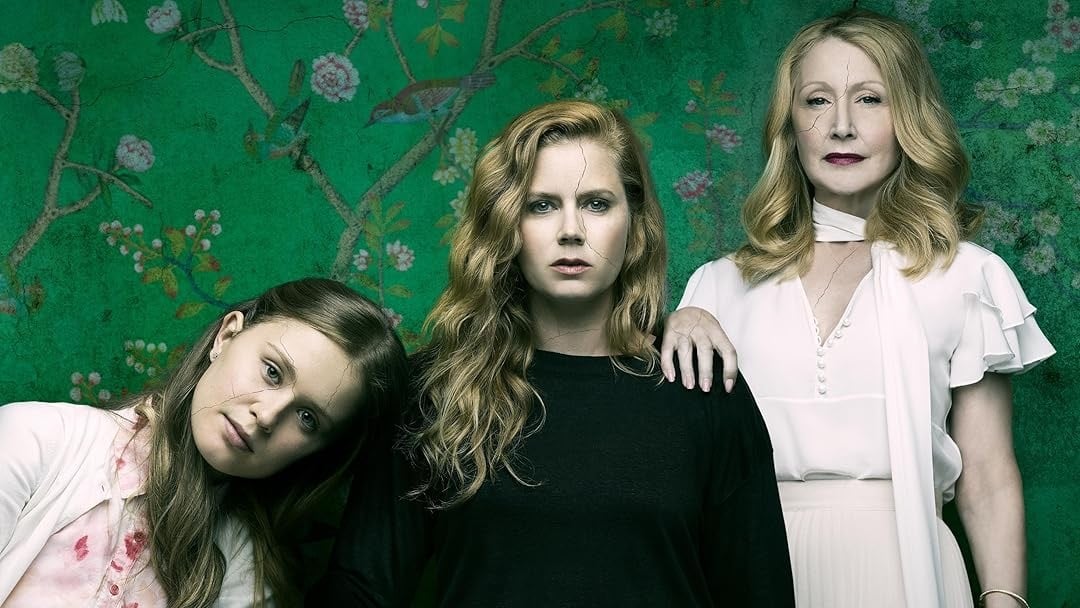
Bodkin (2024)
A slightly better tonal match for Lowdown—at least in that it allows for a bit of humor to penetrate its world—Bodkin takes us to the title’s rather quirky Irish coastal town. Will Forte plays Gilbert Power, an American podcaster who arrives to investigate the cold case of three people who went missing during a Samhain celebration three decades prior. He’s soon joined by Dove Maloney (Siobhán Cullen), a Dublin-born journalist who’d been living in London, and aspiring journalist Emmy Sizergh (Robyn Cara). It’s very nearly a satire of the genre, with an engaging mystery at its heart nonetheless. Stream Bodkin on Netflix.
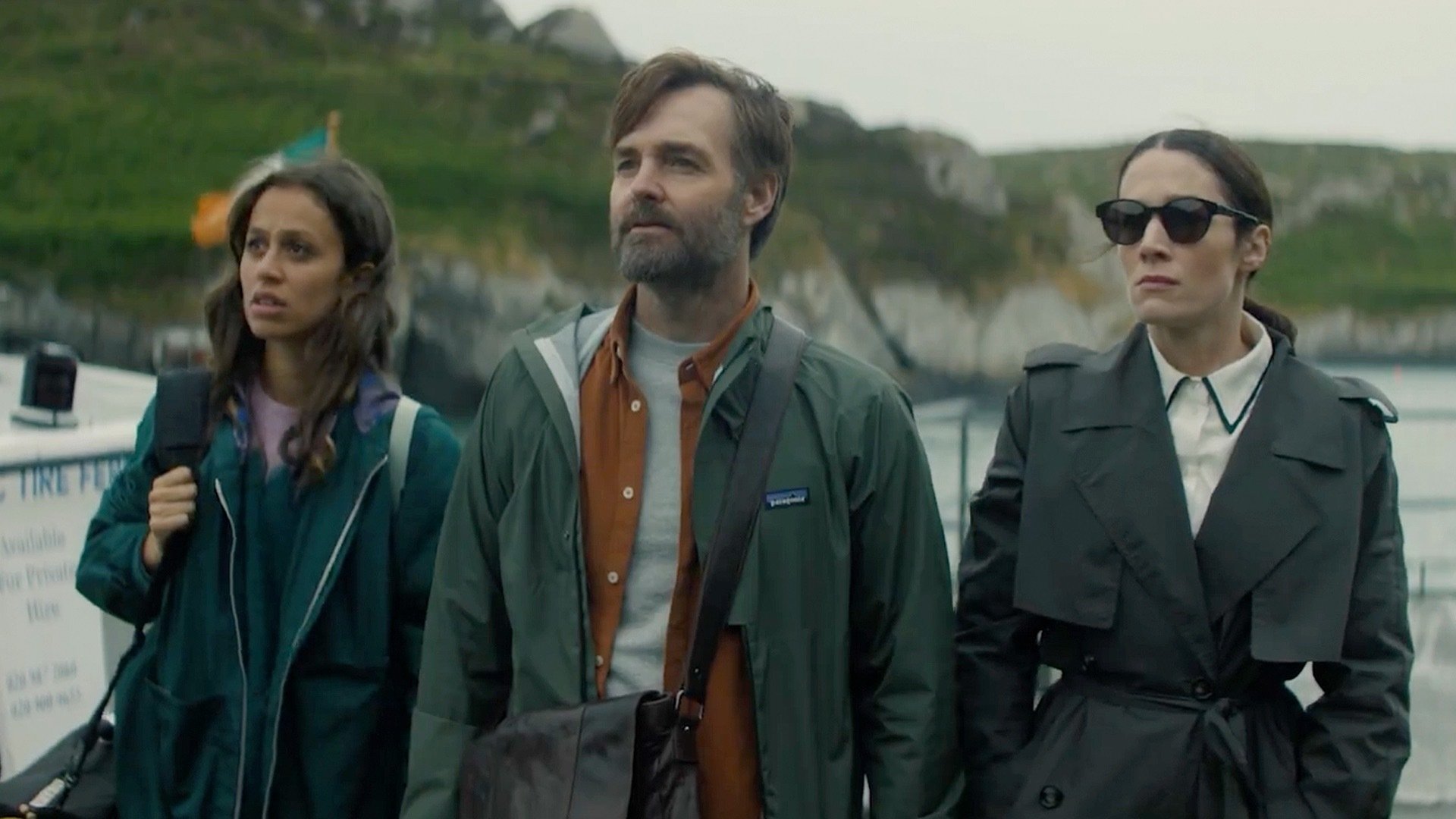
When They See Us (2019)
Where The Lowdown includes peaks at real history, Ava DuVerney’s docudrama puts a laser-focus on the 1989 Central Park jogger case—Trisha Meili was assaulted and raped in the park, leading to the convictions of five Black teenagers based largely on circumstantial evidence and coerced confessions. The show follows Kevin Richardson (Asante Blackk), Antron McCray (Caleel Harris), Yusef Salaam (Ethan Herisse), Korey Wise (Jharrel Jerome), and Raymond Santana (Marquis Rodriguez) from conviction into adulthood, and to the five ultimately being exonerated by DNA evidence and the real attacker’s confession. It’s a more serious story of the importance of uncovering buried truths, all the more relevant given that the President has continued to call for the death penalty for the five exonerated men, raising the issue as recently as 2024. Stream When They See Us on Netflix.
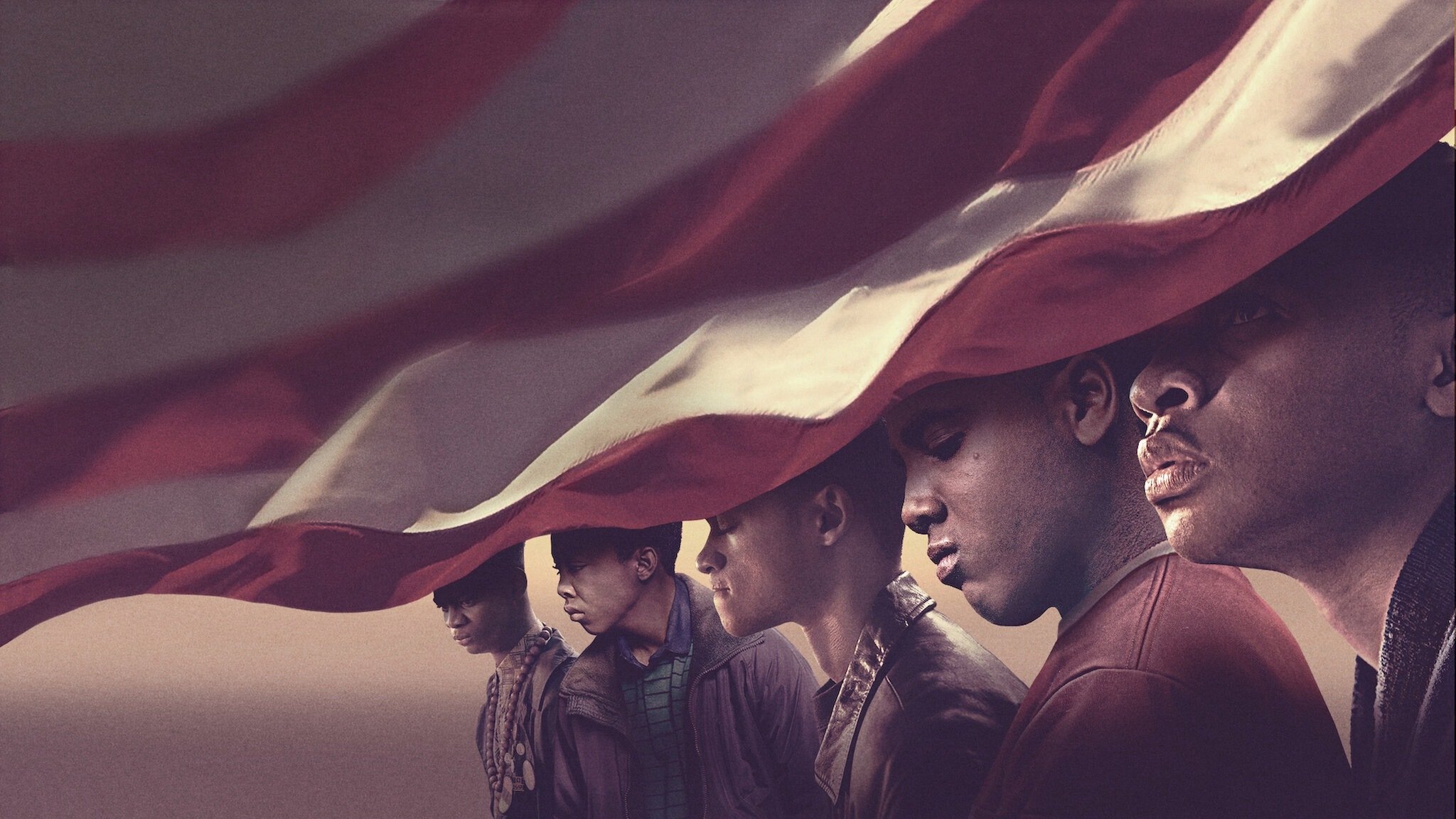
Fargo (2014 – 2024)
This season-by-season anthology crime drama finds us in the Midwest, mostly, blending crime drama, small town secrets, and healthy heaps of dark humor. The quirky characters in the shifting cast are sometimes lovable, sometimes reprehensible, but they’re consistently compelling in the style of the (fictional, at least) residents of Tulsa. Stream Fargo on Hulu or buy episodes from Prime Video.
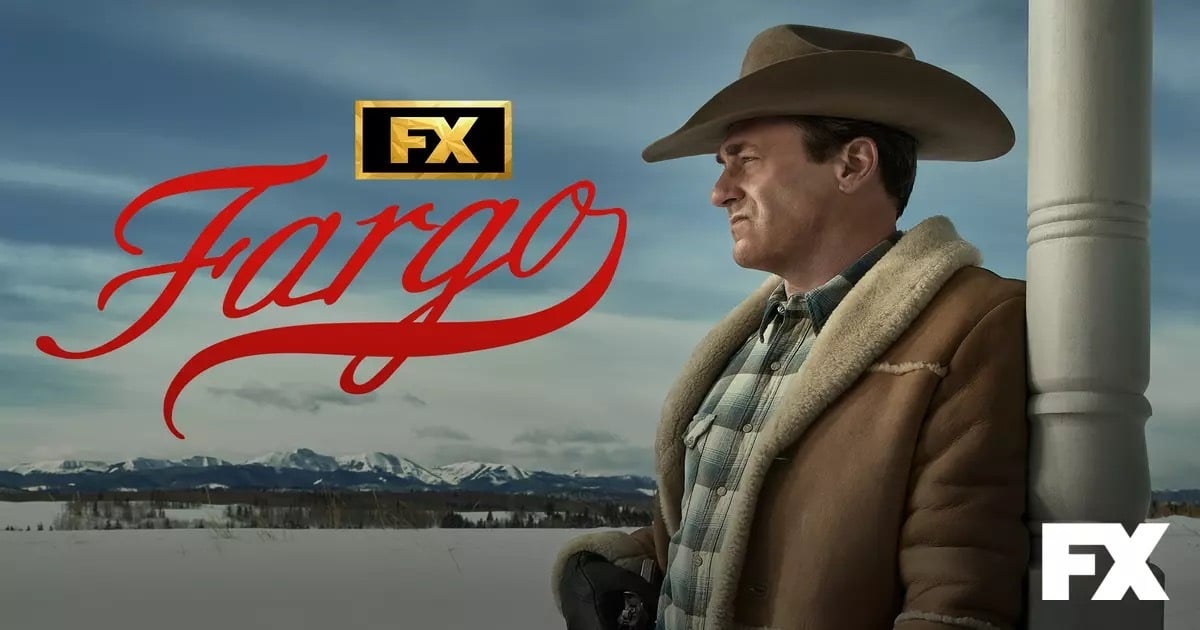
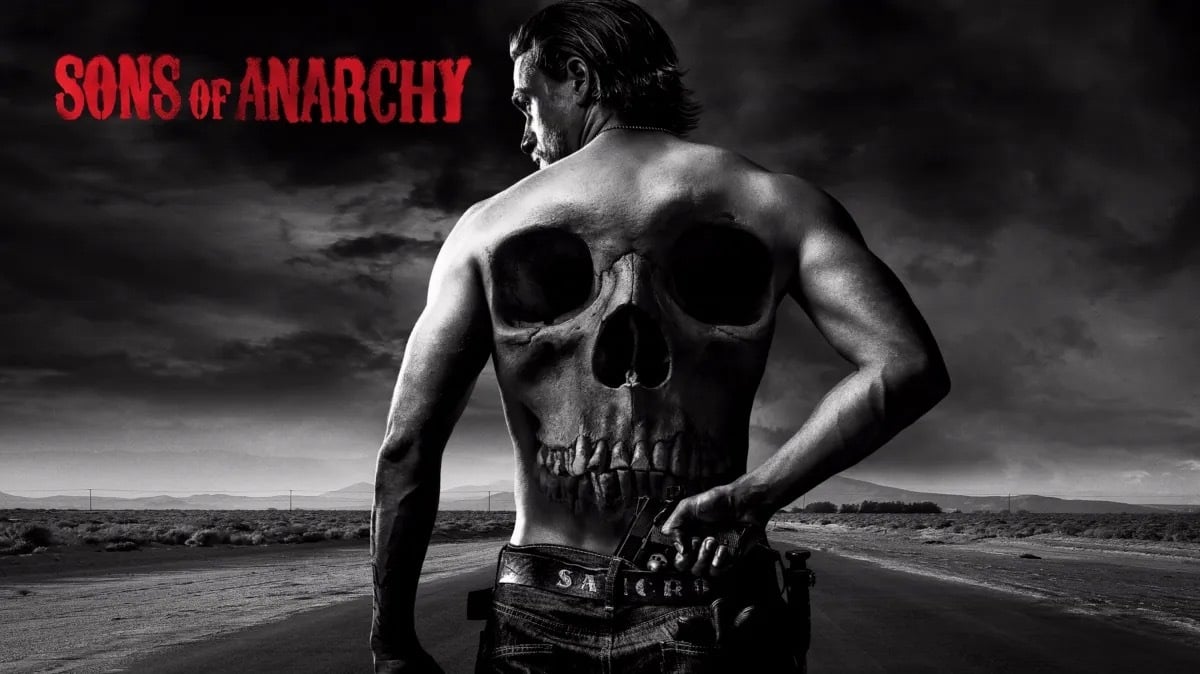
Sons of Anarchy (2008 – 2014)
Charlie Hunnam leads an impressive ensemble cast here (including Katey Sagal and Ron Perlman) in the story of an outlaw motorcycle club in the fictional Charming, California. Hunnam’s Jax Teller leads the club, coming to question himself and his beliefs even as he tries to hold the club together and protect his Central Valley community. Though the drama is frequently Shakespearean, and the Cali setting is far removed from Tulsa, there’s still the sense of a tight-knit community that’s alternately strengthened and threatened by internal conflict. Stream Sons of Anarchy on Hulu or buy episodes from Prime Video and Apple TV.
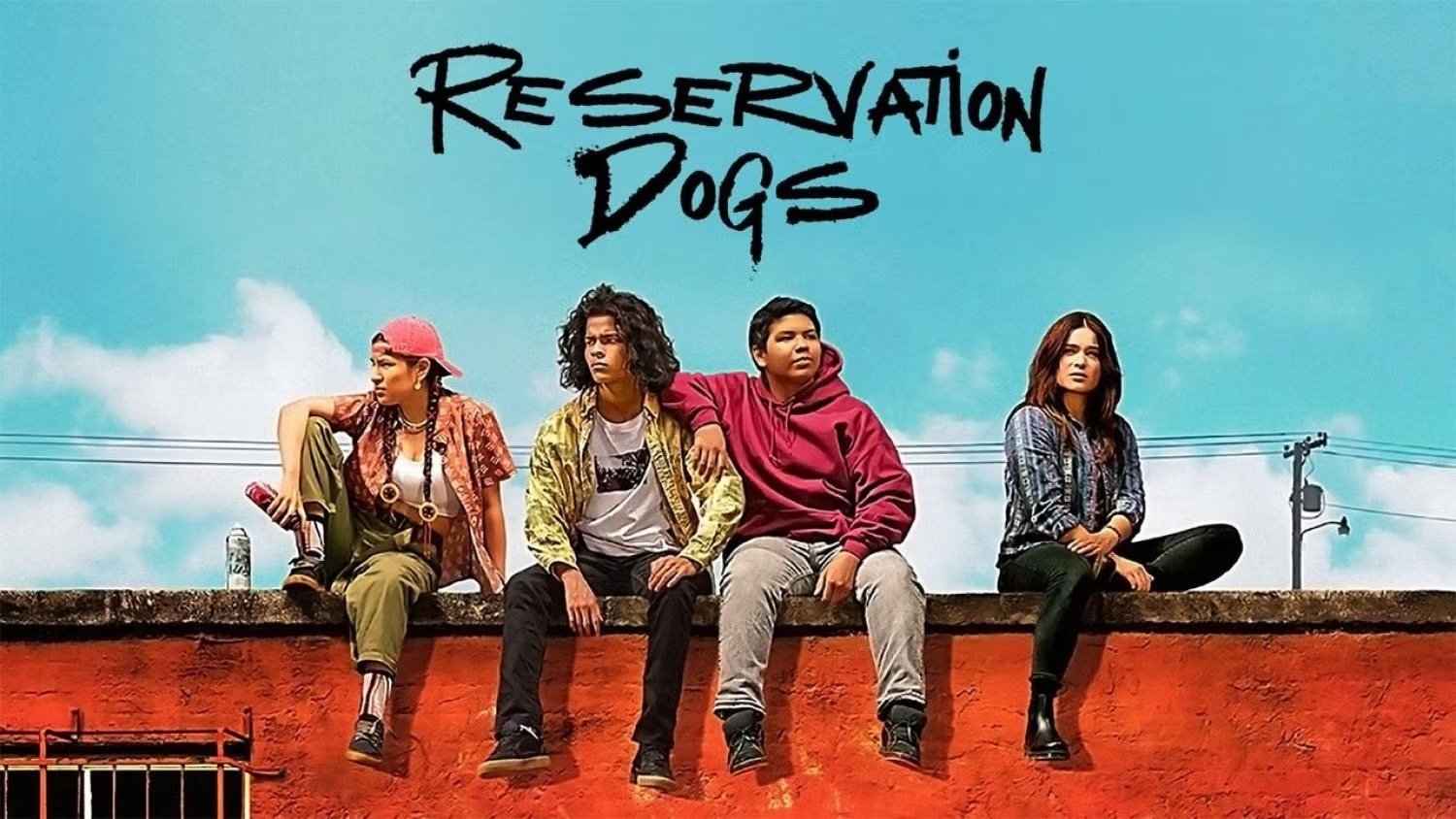
Reservation Dogs (2021 – 2023)
I couldn’t go another moment without recommending Lowdown creator Sterlin Harjo’s previous masterpiece, the unjustly short-lived Reservation Dogs (co-created with Taika Waititi). This one gets a ton of credit for its North American Indigenous representation (characters and cast, as well as behind the scenes), and it’s a great show for it—a true dramedy that manages to bring both solid laughs and moments of heartbreak. It deals with issues and emotions common to rural teenagers who dream of going elsewhere, yet specific to these Oklahoma Rez teenagers. Each of the show’s three seasons is better than the one prior. Stream Reservation Dogs on Hulu.
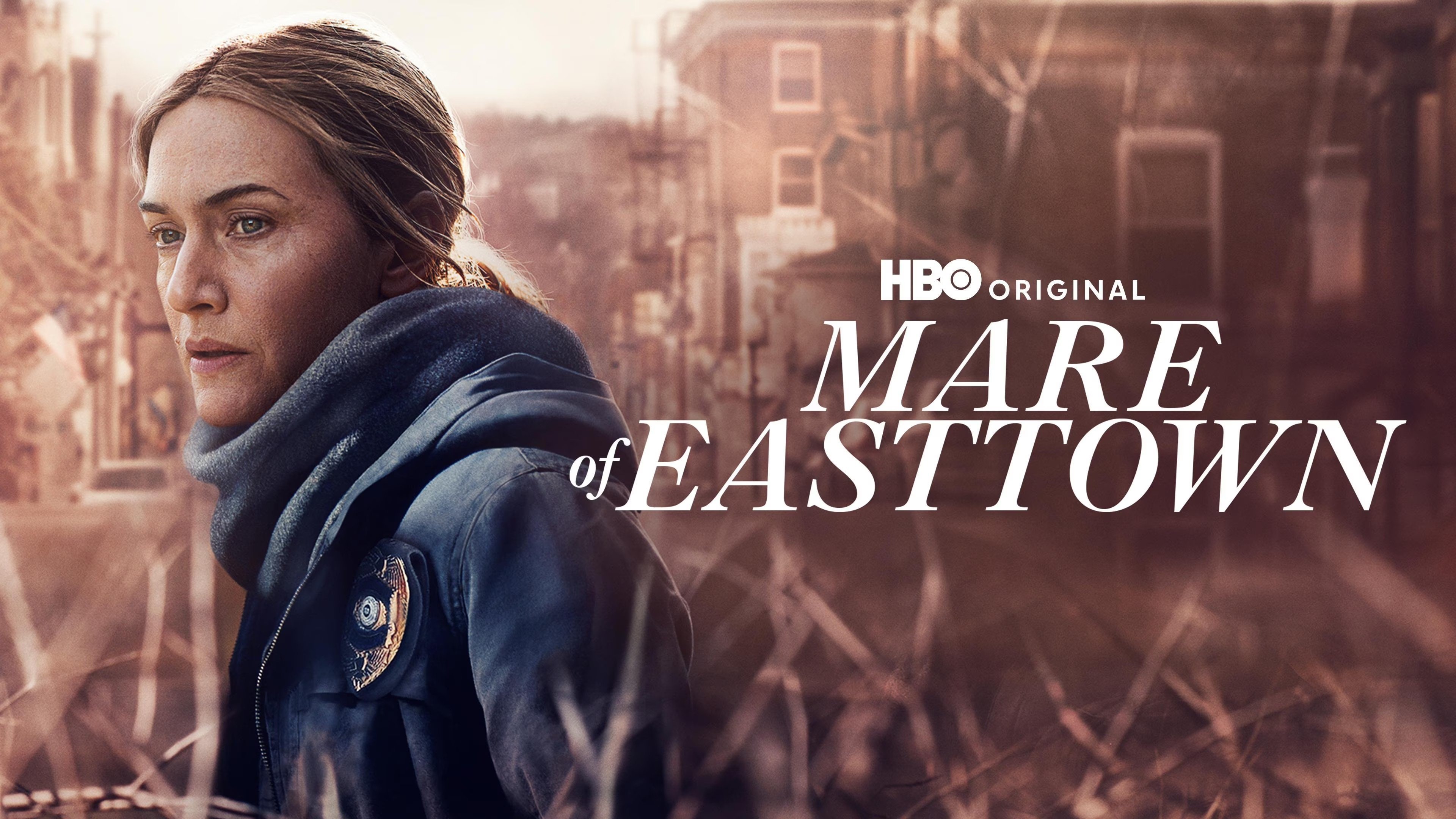
Mare of Easttown (2021)
Kate Winslet picked up an Emmy for her performance as thoroughly troubled Mare Sheehan, a local hero in her days as a high school basketball champ, but with a reputation that’s rapidly losing its luster. As a police detective, she’s been unable to solve the case of a missing girl even as she’s confronted with a recently murdered teenage mother. Stream Mare of Easttown on HBO Max or buy episodes from Prime Video and Apple TV.
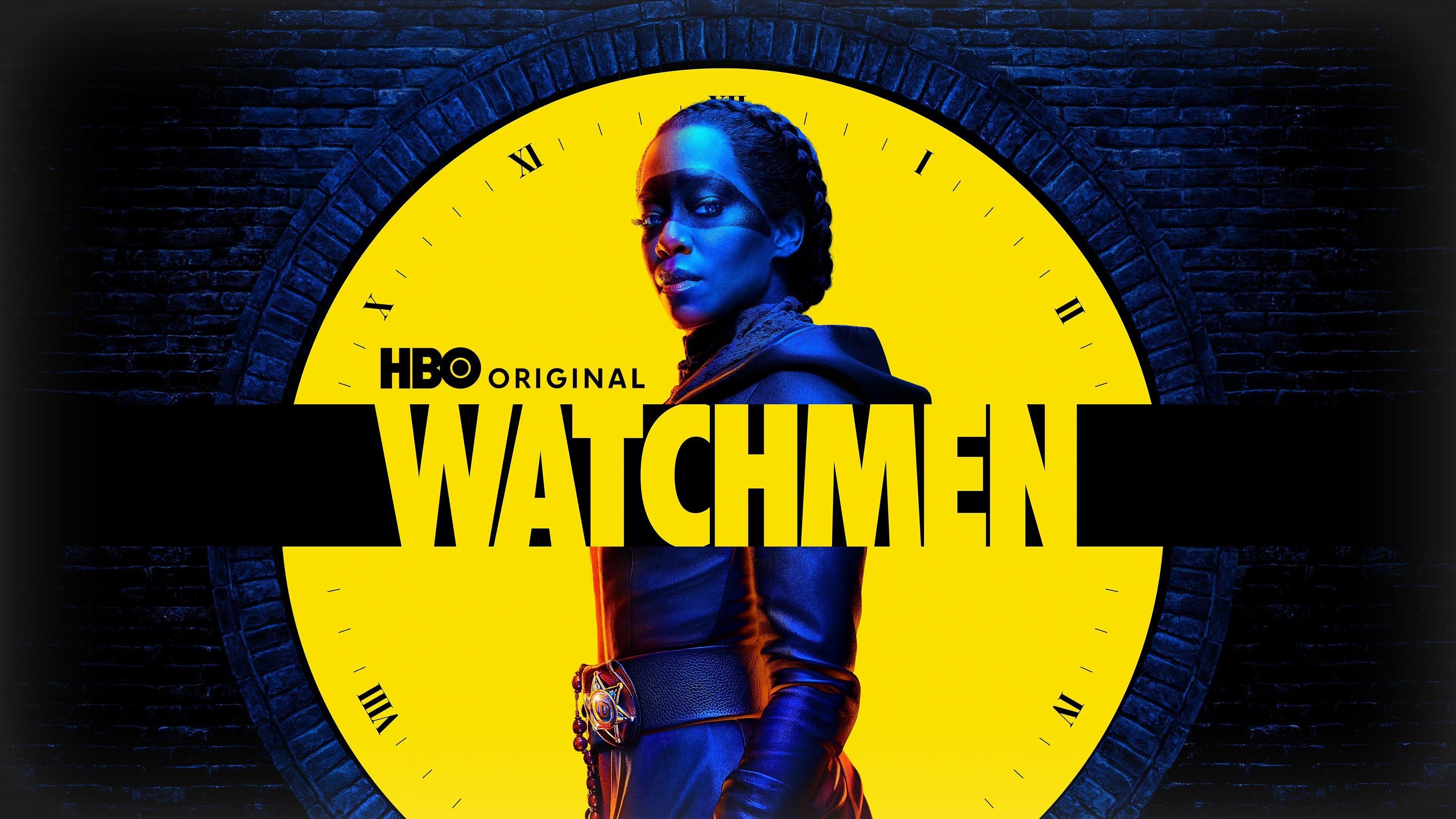
Watchmen (2019)
This criminally underrated adaptation/continuation of the graphic novel is perhaps a bit of a stretch here, but bear with me: There are key connections. Set in an alternate Tulsa, Oklahoma, in a world where super-powered vigilantes exist and have been outlawed, the series starts, dramatically, with the massacre of Tulsa’s Black Wall Street by white residents in 1921. Regina King plays Angela Abar, a modern cop whose grandparents were killed during the 1921 attacks, an event that echoes through both our own history and that of the characters in the series. Not only is the setting appropriate to that of The Lowdown, as is the theme of history impacting the present, there’s also a link to the events of 1921: The Lowdown‘s Lee Raybon is based, loosely, on the life of folk historian Lee Roy Chapman, most famous for uncovering the direct organizing role of Tulsa’s founder in the massacre. Stream Watchmen on HBO Max or buy episodes from Prime Video and Apple TV.
Echo (2024)
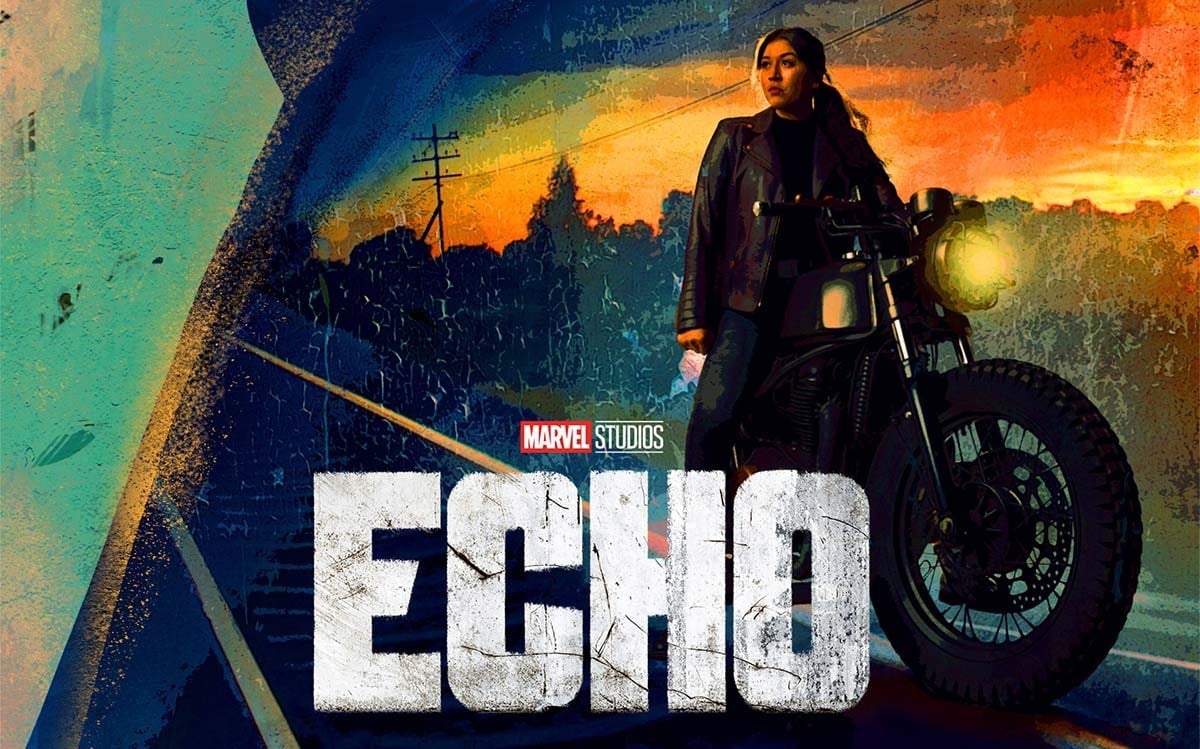
While the Tulsa of The Lowdown has a nearly small-town vibe, Echo takes us to Tamaha—a couple of hours south, but home to only a couple of hundred people and built on Choctaw land (the show was actually filmed in Georgia, so do with that what you will). Alaqua Cox plays Maya Lopez in this Marvel miniseries, a deaf former criminal and Chahta returning to her hometown and trying, with mixed results, to escape her past as an enforcer for Wilson Fisk (Vincent D’Onofrio). A drama of crime and redemption, Echo finds Maya reconnecting with her current family as well as her ancestral past, each episode beginning with a flashback that takes us from the pre-historic origins of the Nation through centuries of growth and conflict, ultimately linking that history to Maya’s own childhood. Stream Echo on Disney+.
Rutherford Falls (2020 – 2022)
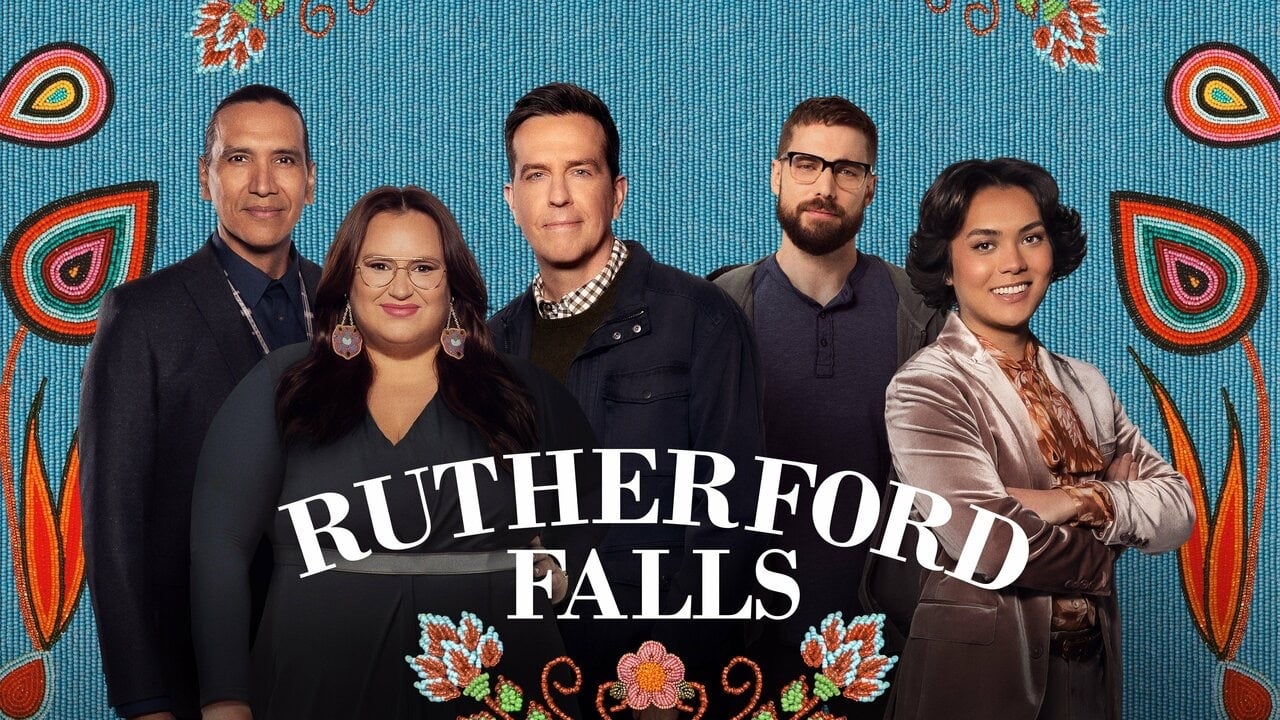
Writer and producer Sierra Teller Ornelas joins Ed Helms and Michael Schur here, with Helms playing Nathan Rutherford, a descendent of a guy whose statue has a prominent spot in the title town. His best friend is Reagan Wells (Jana Schmieding), who runs the local cultural center for the (fictional) Minishonka tribe. The two are on completely different sides of the big issues that arise when the mayor wants to take down the old statue (mostly because it’s in a bad spot and cars keep running into it), but work to maintain their friendship anyway. it’s a sitcom, but, like The Lowdown, isn’t afraid to have complicated conversations about American Indigenous history, buoyed here by the record number of Indigenous writers on staff, including Ornelas herself. Stream Rutherford Falls on Peacock or buy episodes from Prime Video and Apple TV.
Only Murders in the Building (2021 – )
At first blush, Only Murders looks like a tonal mismatch, but it and Lowdown have enough in common to warrant a mention here. In Murders, three (initially) amateur podcasters come together in order to solve a murder in their Upper West Side apartment building. Each subsequent seasons sees a new murder (or murders), but in each instance our citizen journalists (Selena Gomez, Martin Short, and Steve Martin) are forced to dig deep into the histories of the individuals whom they’re investigating, either as victims or suspects, uncovering hidden stories and secrets that span decades. It’s often quite a bit sillier than our subject, but, as with Lowdown, the show’s quirky characters are aways a solid hang. Stream Only Murders in the Building on Hulu.

Dark Winds (2022 – )
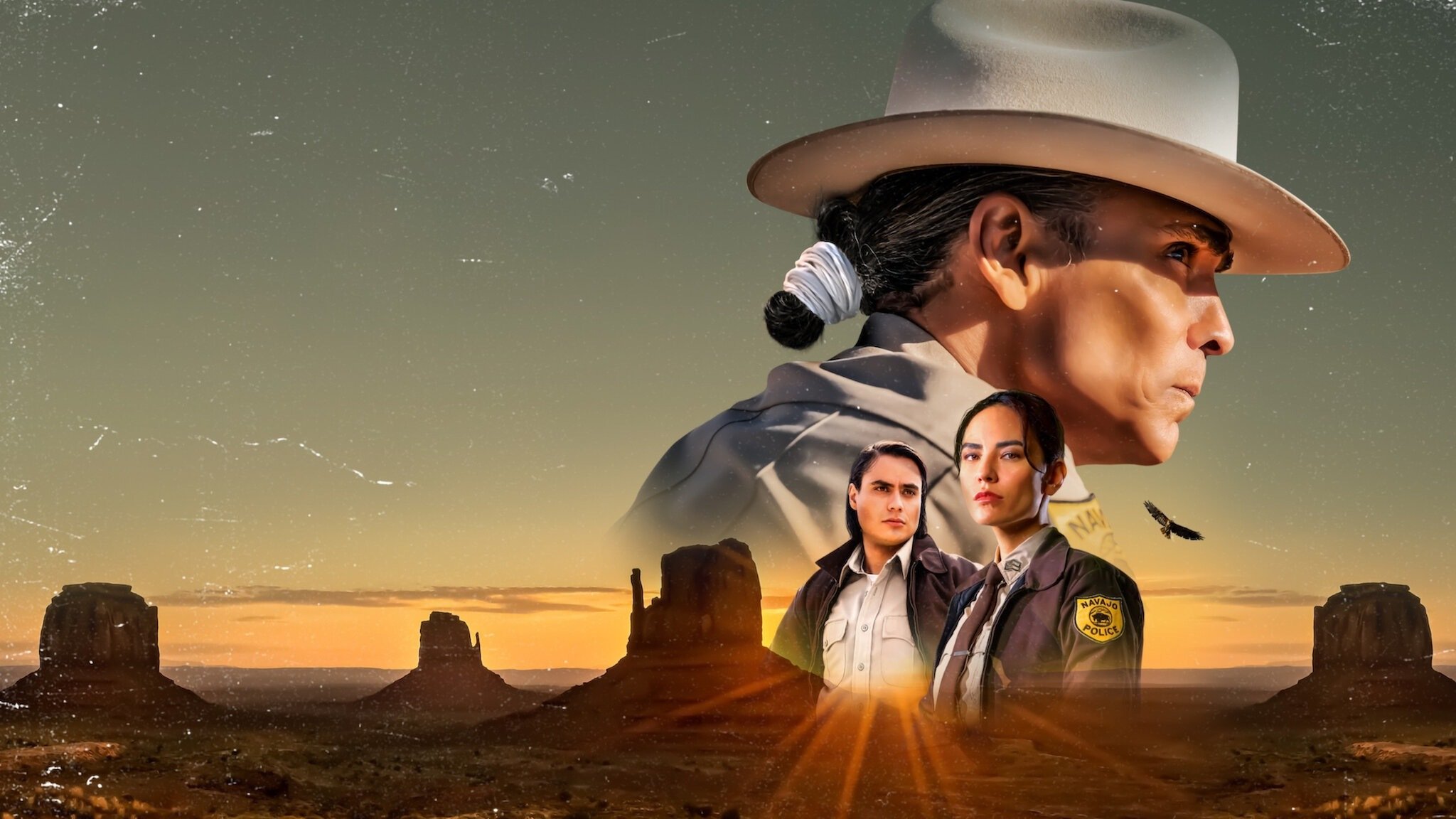
Heading a bit west of Lowdown‘s Oklahoma setting, Dark Winds, adapted from a series of books by Tony Hillerman, takes up back to the 1970s and the Four Corners region of the American Southwest (where Utah, Colorado, New Mexico, and Arizona meet). Zahn McClarnon, Kiowa Gordon, and Jessica Matten lead the largely Native American cast as three Navajo Tribal Police officers brought together when a bank robbery on the border of the Navajo nation becomes entangled with the deaths of two Native residents. The show blends hardboiled crime and police procedural elements, but stands out for its exploration of the fraught history and relationships between these neighboring, interwoven communities. Stream Dark Winds on Netflix or buy episodes from Prime Video and Apple TV.
AI’s $5 Trillion Cost Needs Every Debt Market, JPMorgan Says
The furious push by AI hyperscalers to build out data centers will need about $1.5 trillion of investment-grade bonds over the next five years and extensive funding from every other corner of the market, according to an analysis by JPMorgan. From a report: “The question is not ‘which market will finance the AI-boom?’ Rather, the question is ‘how will financings be structured to access every capital market?'” according to strategists led by Tarek Hamid.
Leveraged finance is primed to provide around $150 billion over the next half decade, they said. Even with funding from the investment-grade and high-yield bond markets, as well as up to $40 billion per year in data-center securitizations, it will still be insufficient to meet demand, the strategists added. Private credit and governments could help cover a remaining $1.4 trillion funding gap, the report estimates. The bank calculates an at least $5 trillion tab that could climb as high as $7 trillion, singlehandedly driving a reacceleration in growth in the bond and syndicated loan markets, the strategists wrote in a report Monday. The analysts project $300 billion in high-grade bonds going toward AI data centers next year. That could account for nearly one fifth of total issuance in that market, which a report from Barclays estimates will grow to $1.6 trillion.


Read more of this story at Slashdot.
Microsoft Preps Windows 11 26H1 For A New Breed Of Snapdragon X2 & NVIDIA N1 Silicon
That’s right: another Windows feature update is coming, but don’t worry, because you probably won’t get this one. Windows 11 26H1 is actually already available to Windows 11 Insiders on the “Canary” channel, which is the most bleeding-edge release of Windows 11. What features does this update bring? A few fixes for issues that only exist in
China Scrambles To Rescue Astronauts Stranded By Space Debris Crash

Instead of a triumphant touchdown, China held its breath as the three-member crew of its latest long-duration Shenzhou-20 mission remained orbiting the Earth, their return indefinitely delayed by an unforeseen threat: a cloud of fast-moving orbital debris. After initial silence over the matter, state media has now declared that what was supposed
US states could lose $21 billion of broadband grants after Trump overhaul
A Senate Republican has drafted legislation that would effectively cut a $42 billion broadband deployment program in half.
The bill would complement the Trump administration overhaul of the $42.45 billion Broadband Equity, Access, and Deployment (BEAD) program. The administration required states to rewrite their grant plans, reducing the overall projected spending and diverting some of the money from fiber projects to satellite.
The result is that over $21 billion is projected to be left over after money is allocated to projects that expand broadband access. Current US law allows nondeployment funds to be used for other broadband-related purposes, like providing Wi-Fi and Internet-capable devices to US residents. But a draft bill by Sen. Joni Ernst (R-Iowa) would change the law to redirect all the remaining money to the US Treasury for deficit reduction.
Google announces even more AI in Photos app, powered by Nano Banana
We’re running out of ways to tell you that Google is releasing more generative AI features, but that’s what’s happening in Google Photos today. The Big G is finally making good on its promise to add its market-leading Nano Banana image-editing model to the app. The model powers a couple of features, and it’s not just for Google’s Android platform. Nano Banana edits are also coming to the iOS version of the app.
Nano Banana started making waves when it appeared earlier this year as an unbranded demo. You simply feed the model an image and tell it what edits you want to see. Google said Nano Banana was destined for the Photos app back in October, but it’s only now beginning the rollout. The Photos app already had conversational editing in the “Help Me Edit” feature, but it was running an older non-fruit model that produced inferior results. Nano Banana editing will produce AI slop, yes, but it’s better slop.
Nano Banana in Help me edit
Google says the updated Help Me Edit feature has access to your private face groups, so you can use names in your instructions. For example, you could type “Remove Riley’s sunglasses,” and Nano Banana will identify Riley in the photo (assuming you have a person of that name saved) and make the edit without further instructions. You can also ask for more fantastical edits in Help Me Edit, changing the style of the image from top to bottom.
All the New AI Features Coming Soon to Google Photos
Most of our apps these days continue to receive AI upgrades—whether or not we actually want them. That’s no surprise from a company like Google, who is among those leading the AI charge right now. If you use Chrome, Android, or Google Workspace, you’ve likely dealt with Gemini in some capacity.
The charge, as you might expect, continues to this day. On Tuesday, Google announced a set of new AI-powered features coming to Google Photos, for both iOS and Android users. Google doesn’t yet have a definitive release date for these new features, but it seems they’re rolling out soon. These are largely optional—you can keep using Photos as an image library, and avoid using the AI features if you wish. But if you have an interest, especially in AI image editing, here’s what you can expect to see:
Nano Banana
Nano Banana is Google’s current “big thing” in AI imaging. The model allows you to generate or edit images with greater flexibility than previous models—specifically, you can use it to change a single photo in multiple ways, while keeping the subjects consistent across edits. You can ask Nano Banana to change hairdos, outfits, sceneries, image styles, add or remove elements, stack edits, and even combine different attributes of multiple photos. If you take Google’s word for it, it’s a big deal.
Now, Google is making Nano Banana available in Google Photos’ editor. You’ll find the tool under the new “Help me edit” button when opening a photo in the app. Here, you’ll be able to ask the app to make whatever changes you’d like. Google suggests prompts like turning you into the monarch on a deck of cards; transforming a picture into a tiled mosaic; or adding a winter theme to an image to make your family’s holiday card.

Credit: Google
We will need to investigate whether Google Photos’ Nano Banana editor stack up to the tool you’ve been able to use in Gemini. But the option is now there, should you choose to use it.
Personalized edits
What is a photo? You might think that’s a simple one to answer: You point your camera at some, snap away, and boom: A picture is born. But companies like Google are changing the ways we take and edit photos, to the point where that question isn’t so easy to answer. If you adjust the image itself to such a degree that much of the original data is no longer there, is that really a photo? Did that really capture reality? I’m not so sure.
That’s how I’m feeling about Google’s new “personalized edits” for Google Photos. The company says you can fix “minor flaws,” such as blinks or sad faces, with the new “Help me edit” tool. If your kid had their eyes closed during the picture, for example, you can ask “Help me edit” to open their eyes. Google Photos then pulls data from other photos with your kid to generate a version of the photo with their eyes open. Again, I ask you: What is a photo?
Google has used this tech before: Best Take, for example, can snap a series of photos at once, then use the best version of each subject’s face to composite the “best take.” It’s clever, but it’s also strange, especially when the data is not pulled from a different version of the same scene, but from different images of that person from the past.
Google Photos for iPhone catches up to Android
Google is also rolling out new previously Android-only features for iPhone users with the Google Photos app. First, the iOS app now support “ask to edit,” a feature that lets you use text or your voice to request edits from Google’s AI. Now, of course, both apps use Nano Banana, but previously, only Android’s app supported this natural language editing system.
In addition, iPhone users will notice a redesigned photo editor. This is the same one Google announced back in May for Android users. The new editor includes edit suggestions (powered by AI, of course) that apply multiple effects at once to your photos. You can also tap on an area of your photo to receive suggested tools for making edits.
Ask about your photos
I feel like I’m saying “ask” a lot in this article, but that’s the crux of Google’s new features here. To wit, the last new feature Google announced for Photos is simply the ability to ask about the images themselves. You can ask about the content of the picture, request similar images in your library, or, if you want, ask for edits. It seems Nano Banana follows you around in multiple places in this update.
Again, none of these new AI features are mandatory if you want to keep using Google Photos AI-free. You can still edit your images yourself; you’ll just need to avoid the “Help me edit” button. You can look at your photo’s metadata manually, instead of using the Ask button. But it does seem, for the foreseeable future, like Google is all-in on these AI features.
Google Photos now has six more AI-powered features
Google Photos introduced a fresh batch of a half-dozen AI-powered features today. First is personalized photo editing. Using “Help me edit,” you can now make adjustments to portraits and group shots, such as removing sunglasses or fixing closed eyes. Google says that the AI uses other images stored in a user’s face groups to make accurate changes to the people in your photo library. The “Help me edit” voice- or text-controlled photo editing tool is also starting to roll out to iOS users in the US.
Next, the company is integrating its Nano Banana image editor into Google Photos. Users can make open-ended restyling requests in the “Help me edit” tool, such as making a picture look like a Renaissance painting or a mosaic. Nano Banana will also power a new Create with AI section, which will provide templates based on popular requests to jumpstart the AI editing process. This feature will roll out to the Create tab for Android users in the US and India beginning next week. Later on, Google will begin personalizing these templates to the particular hobbies and experiences captured in a person’s photo library.
Following a “pause” and restart in June, the Ask Photos tool is also expanding. The feature for AI-powered searches of the Google photo library will be available in more than 100 new markets and will support 17 new languages starting this week.
Finally, Google Photos is getting a new Ask button aimed at delivering more details about a specific image. After tapping the button, a user can type questions about the content of the photo, find similar pictures in their library or begin describing desired edits. This feature is rolling out just in the US for now, but on both Android and iOS platforms.
This article originally appeared on Engadget at https://www.engadget.com/ai/google-photos-now-has-six-more-ai-powered-features-170000125.html?src=rss
Firefox 145 released
Firefox 145 has been released. Notable
changes in this release include note-taking
features for PDFs viewed in Firefox, enhanced
privacy protections, and the ability to access and manage passwords in
the sidebar. This release also drops support for 32-bit Linux systems.
People Are Selling Shiny Pokémon For Real Money In The Legends: Z-A Black Market

Shiny hunting is easier than ever, but it’s still not as easy as swiping a credit card
The post People Are Selling Shiny Pokémon For Real Money In The <em>Legends: Z-A</em> Black Market appeared first on Kotaku.
The iPad Pro at 10: a Decade of Unrealized Potential
The iPad Pro went on sale ten years ago, launching with a 12.9-inch screen that Apple believed would redefine computing through size alone. The company initially resisted making the device a laptop replacement and maintained strict limitations on multitasking, browser capabilities, and app installation. Over the past decade, Apple reversed course. The iPad Pro gained USB-C ports, external drive support, keyboard and trackpad accessories, and an improved Files app.
The current M5 model includes OLED screens in 13- and 11-inch sizes. iPadOS 26 added free-form multitasking, a menu bar and the Preview app. The webcam now sits in landscape orientation. Despite these advances, the device remains constrained by App Store-only software installation, The Verge writes, limited system access, and the absence of desktop-class browsers. Apple spent years positioning the iPad as a third category between phones and computers. The hardware and accessories now support full computer functionality, but artificial software limitations remain in place.


Read more of this story at Slashdot.
Fallout 4′s 10th Anniversary Update Is A Complete Shit Show That Nobody Wanted

Bethesda has, once again, updated its popular RPG and made it worse in the process
The post <i>Fallout 4′</i>s 10th Anniversary Update Is A Complete Shit Show That Nobody Wanted appeared first on Kotaku.
Arc Raiders’ Ledge Grab Exploit Is Bad, Actually

Ask yourself if you think you should be allowed to do this
The post <i>Arc Raiders’</i> Ledge Grab Exploit Is Bad, Actually appeared first on Kotaku.
JBL Selling the Charge 5 at Record Low Pricing, Now Undercuts No-Name Budget Bluetooth Speakers

This is a record low price on the iconic JBL’s Bluetooth speaker.
The post JBL Selling the Charge 5 at Record Low Pricing, Now Undercuts No-Name Budget Bluetooth Speakers appeared first on Kotaku.
Even Nintendo’s Next Pokémon Game Will Be On A Game-Key Card

Pokémon Pokopia‘s controversial key-only cart makes a mockery of games preservation
The post Even Nintendo’s Next <i>Pokémon</i> Game Will Be On A Game-Key Card appeared first on Kotaku.
Game Of Thrones Book Slammed With AI Art Accusations Which Publisher Denies

Also: Battlefield 6 fixes its most infamous bug
The post <i>Game Of Thrones</i> Book Slammed With AI Art Accusations Which Publisher Denies appeared first on Kotaku.
Apple’s $230 iPhone Sock
Apple has launched the iPhone Pocket, a knitted bag designed to hold iPhones. The limited edition collaboration with Japanese designer Issey Miyake costs $229.95 for the crossbody version. A shorter version is priced at $149.95. Apple said the 3D-knitted design was inspired by “a piece of cloth” and was born from the idea of creating an additional pocket for any iPhone and small everyday items. Yoshiyuki Miyamae, design director at Miyake Design Studio, said the product “speaks to the bond between iPhone and its user” and explores “the joy of wearing iPhone in your own way.” Steve Jobs mocked similar $29 iPod Socks as “a revolutionary new product” in 2004.


Read more of this story at Slashdot.
MacBook Air Built For Apple Intelligence Is A Steal At $699 Ahead Of Black Friday

Who would have guessed that Apple would eventually become a strong value play in the laptop space? Sure, there are some decked-out MacBook Pro laptops that command a hefty premium, but there are also far more cheaper options that offer a lot of bang for your buck, especially as we head into the Black Friday shopping season. Just look at discounted
My Favorite Amazon Deal of the Day: These Amazon Kindles
We may earn a commission from links on this page. Deal pricing and availability subject to change after time of publication.
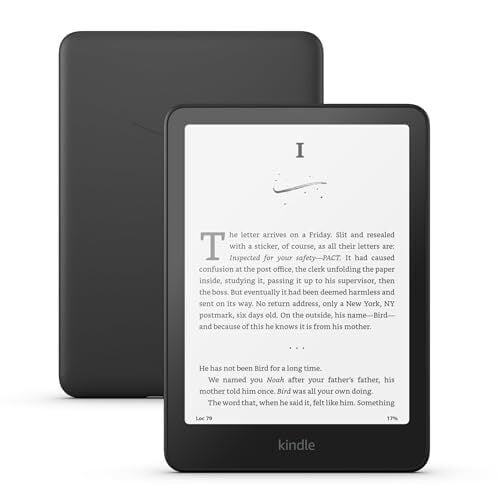
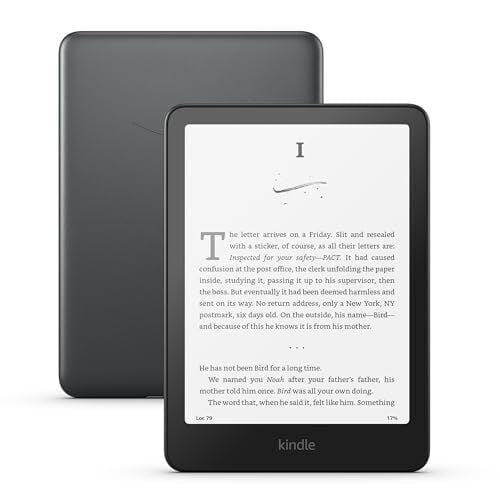
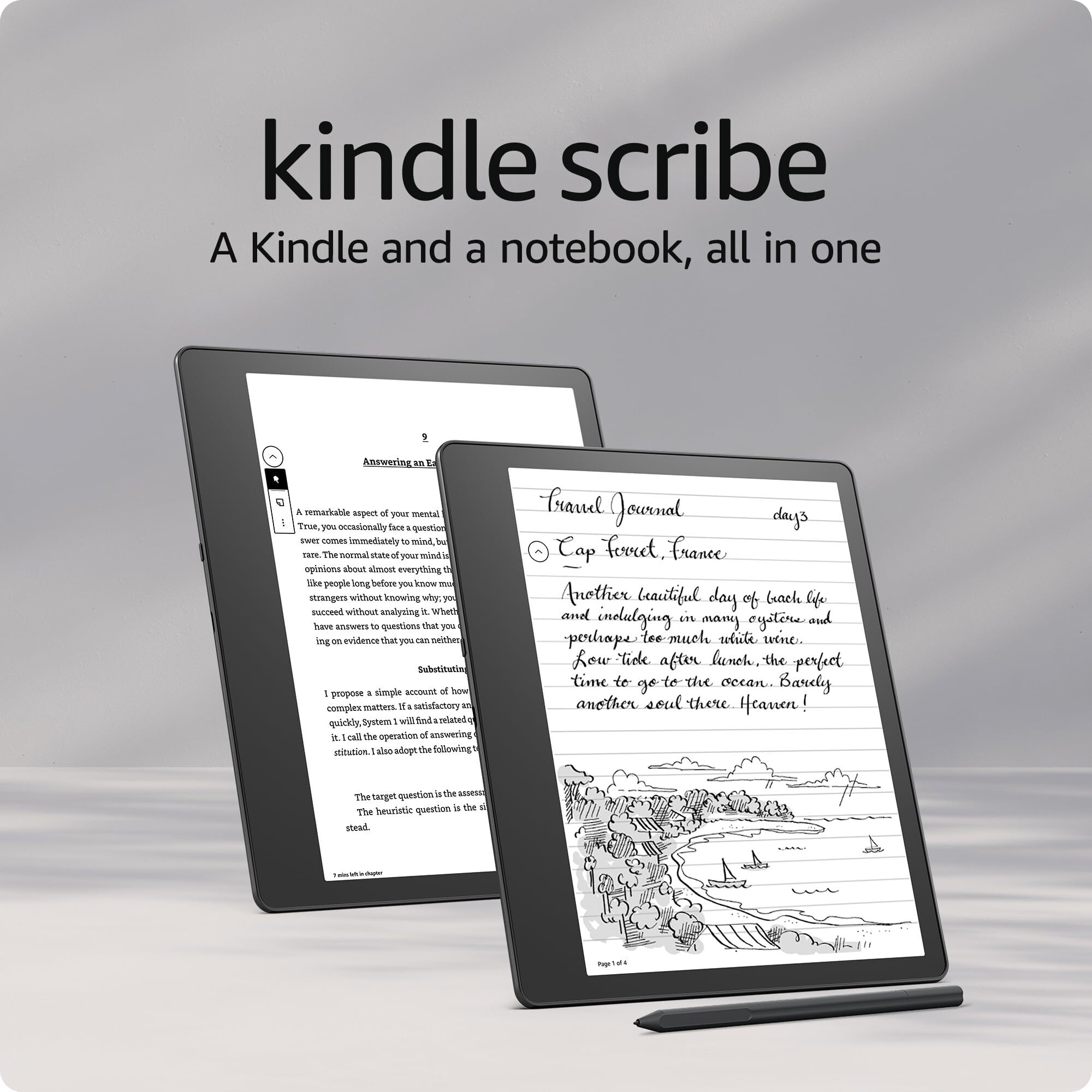
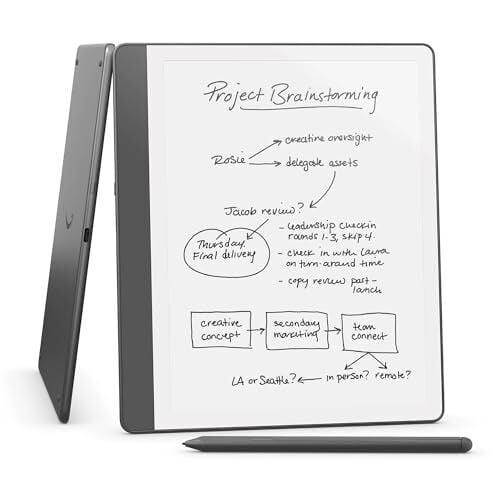
Amazon announced its Black Friday and Cyber Monday plans this week—although it won’t start until Nov. 20, you can already find early Black Friday deals on Amazon devices. Their “like-new” Kindle readers, in particular, have good discounts right now. The Kindle Paperwhite is $106.99 (originally $143.99), the Kindle Paperwhite Signature Edition is $126.99 (originally $179.99), the 16GB Kindle Scribe is $212.99 (originally $309.99), and the 64GB Kindle Scribe is $278.99 (originally $404.99).
Amazon Kindle Paperwhite 16GB 7″ eReader (Like-New, Black)
$106.99
at Amazon
$143.99
Save $37.00
Save $37.00
$106.99
at Amazon
$143.99
Save $37.00
Save $37.00
Amazon Kindle Paperwhite Signature Ed. 32GB 7″ eReader (Like New)
$126.99
at Amazon
$179.99
Save $53.00
Save $53.00
$126.99
at Amazon
$179.99
Save $53.00
Save $53.00
Certified Refurbished Amazon Kindle Scribe (16 GB) the first Kindle and digital notebook, all in one, with a 10.2” 300 ppi Paperwhite display, includes Premium Pen 16 GB Without Kindle Unlimited
$212.99
at Amazon

$309.99
Save $97.00
Save $97.00
$212.99
at Amazon
$309.99
Save $97.00
Save $97.00
Like-New Amazon Kindle Scribe (64 GB) – Your notes, documents and books, all in one place. With built-in AI notebook summarization. Includes Premium Pen – Tungsten
$278.99
at Amazon
$404.99
Save $126.00
Save $126.00
$278.99
at Amazon
$404.99
Save $126.00
Save $126.00
The Kindle Paperwhite is the most popular reading tablet from Amazon, and it’s the best for most people, according to PCMag’s “outstanding” review. It offers many improvements over the 11th-generation version from 2021—mainly a larger seven-inch display and a much faster boost in performance. It still retains all of the great attributes that made the previous version great, like a fully waterproof design with an IPX8 rating, enough storage to hold more than 10,000 books, and unlimited cloud storage. If you want an ad-free experience with some better features, get the Signature Edition.
We also have a breakdown of every kind of Kindle to help you decide. If you already own the 11th generation, there might not be enough here to warrant an upgrade, unless you just want the latest Amazon has to offer. However, any devices older than that may be worth an upgrade for features like Bluetooth compatibility, which is great for audiobooks.
The latest version of the Kindle Scribe, an upgraded version of the classic e-reader designed for note-taking, came out in December 2024, offering some nice upgrades that make the device more pleasant to use. It comes with a Premium Pen and a more paper-like feel screen that gives you resistance when writing notes.