Sony has revealed the list of November additions to its PlayStation Plus Game Catalog for those on the Extra and Premium tiers of the subscription service. It’s a pretty darn good slate of games this time around, headlined by the return of the PS4 and PS5 versions of Grand Theft Auto V to the service.
It’s at least the third time GTA V has been part of the Game Catalog — it was in the lineup twice last year. Developer Rockstar Games, which is currently facing accusations of union busting, is set to release Grand Theft Auto VIin November 2026. If you have yet to play GTA V or haven’t dipped in since the PS3/Xbox 360 era, this could be a decent way for you to pass some time until the next entry arrives.
Pacific Drive (PS5) joined the Game Pass library when it hit Xbox last month and it’s headed to Sony’s subscription service as well. This is a nifty looking run-based survival game that sees you driving around a post-apocalyptic version of the Pacific Northwest in search of parts to upgrade your station wagon.
Still Wakes the Deep (PS5), a narrative horror game from Dear Esther studio The Chinese Room, is also coming to the PS Plus catalog this month. It pits you against terrifying creatures while you’re trapped on an oil rig in the North Sea. Engadget senior editor Jessica Conditt called this one a “modern horror classic.”
The tremendously silly and rude Thank Goodness You’re Here!, tactical multiplayer shooter Insurgency: Sandstorm and racing games Monster Jam Showdown and MotoGP 25 will be available to PS Plus Extra and Premium subscribers on both PS4 and PS5 later this month. First-person puzzle game The Talos Principle IIwill only be on PS5.
PS Plus Premium members get one extra game this month. An emulated version of PS2 game Tomb Raider: Anniversary will be playable on PS4 and PS5 for the first time.
All of these will join the PS Plus Game Catalog on November 18. In the meantime, all PS Plus members can claim the monthly games for November, which are Stray, EA Sports WRC 24 and Totally Accurate Battle Simulator. You have until December 1 to add those to your backlog library.
This article originally appeared on Engadget at https://www.engadget.com/gaming/playstation/ps-plus-game-catalog-additions-for-november-include-gta-5-pacific-drive-and-still-wakes-the-deep-194029093.html?src=rss
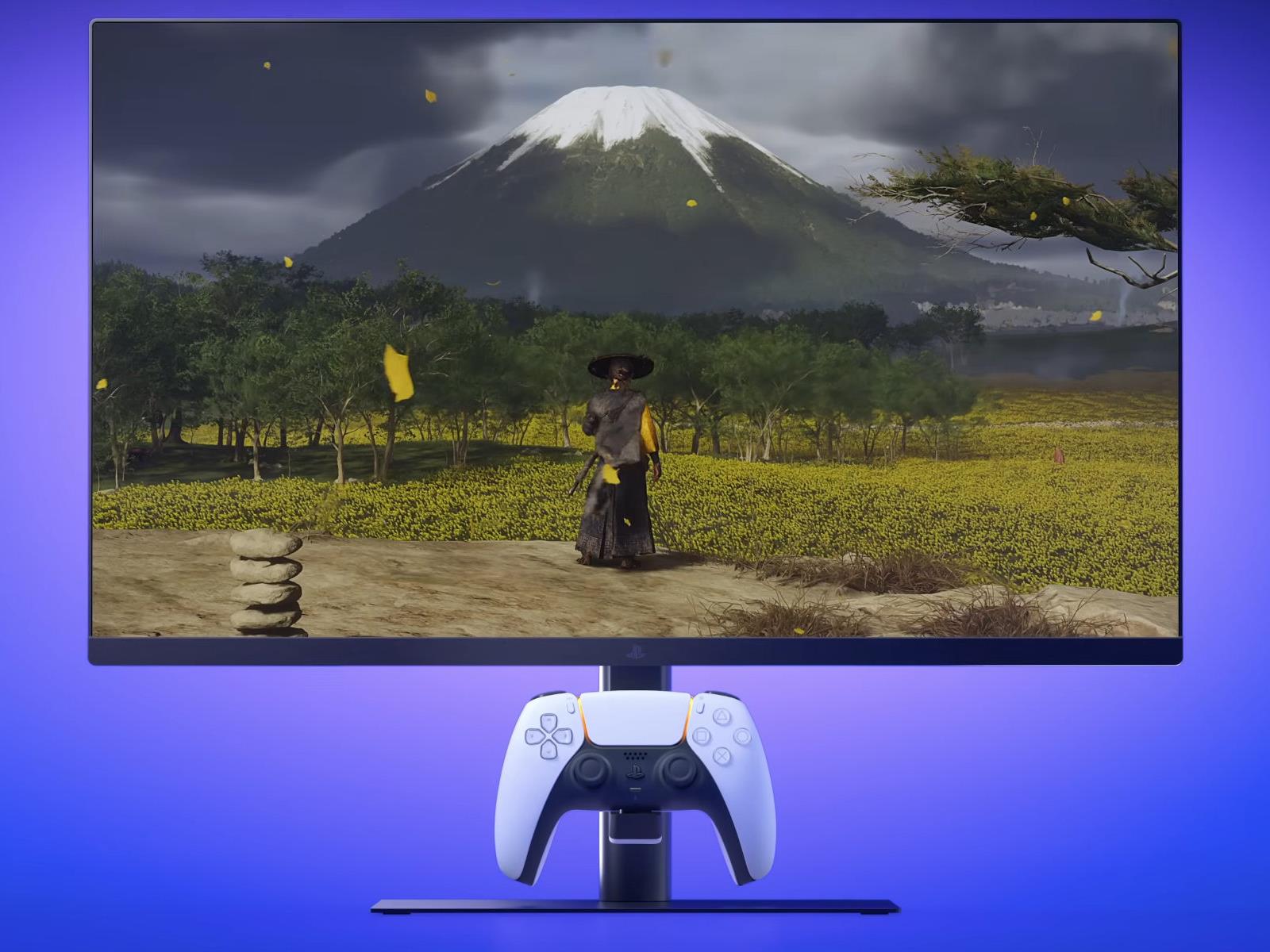
During its State of Play Japan conference, Sony surprise-announced new PlayStation hardware—a PlayStation Gaming Monitor, specifically, which also includes a DualSense charging hook. However, the pricing of Sony’s existing lineup of InZone gaming monitors and likely also this PlayStation Gaming Monitor for console gamers raised a few eyebrows
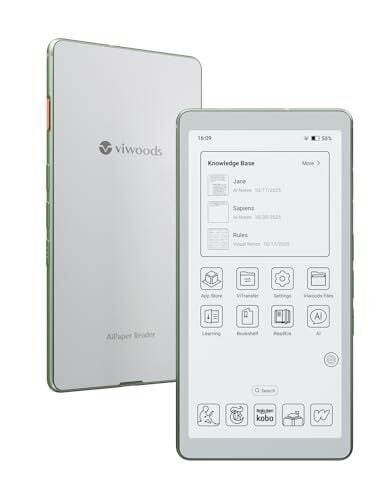
When I put the new Viwoods AiPaper Reader through its paces for my review, published yesterday, I made the mistake of trusting the company’s own statements when I described its capabilities. According to Viwood’s website, the phone-shaped device has mobile data functionality (specifically, 4G/Wi-Fi 2.4G), which I tested using a data-only SIM card. Nowhere does Viwoods advertise that its new e-reader call make and take phone calls. But it can.
I’d love to say I figured this out on my own, but I actually first saw a post about it on Reddit shortly before I went to bed last night. By the time I woke up, I had an email in my inbox from a Viwoods representative asking me to amend the portion of my review where I’d noted the device can’t take calls, saying that it actually can, with the proper SIM card. The rep explained that while the feature wasn’t advertised, the company was treating it as a “quiet extra” customers could discover on their own.
So this morning, I pulled out the prepaid T-Mobile SIM card I keep around for testing various devices, popped it into the Viwoods AiPaper Reader, and was instantly able to use it to call my wife. As far as I can tell, it worked great—I wasn’t out and about, so I have no idea how reliably it holds a signal—but with one huge caveat.
Calling capability aside, I would be hesitant to call the AiPaper Reader a phone for one pretty important reason: It lacks an external speaker, which means if you want to be able to hear the person on the other end of the line, you’re going to need to connect your Bluetooth headphones or earbuds (there’s no headphone jack).
Obviously being unable to use the device to take a call without fumbling around for your earbuds first severely limits its usefulness as a phone, to the extent that I imagine it would be difficult for anyone to justify using the Viwoods AiPaper Reader as an e-ink replacement for their Pixel or iPhone. But at the same time, it can make calls. So that’s…neat?
It lacks other common phone features
Adding weight to the “it’s an e-reader that incidentally happens to be able to make calls” side of the scale is the fact that the AiPaper Reader also lacks a lot of other features that are basically de rigueur for modern smartphones, including selfie and rear cameras and GPS functionality—nope, this thing won’t work with Google Maps.
Why isn’t Viwoods advertising this feature?
This is the most interesting question to me. The AiPaper Reader seems to be trying to compete directly with the new Boox Palma 2 Pro, which has the same dimensions and capabilities, including mobile data. So why not point out to potential customers that they can also use the AiPaper Reader as a phone?
My guess is, the company cannot to do so legally because it is not certified as a phone by the Federal Communications Commission. But that’s just supposition on my part; I’ve reached out to Viwoods for more information and will update this article when I hear back.
The US is set to make its final penny. The Philadelphia Mint will strike its last batch of one-cent coins on Thursday, after more than 230 years of production. From a report: The coins will remain in circulation but the phase-out has already prompted businesses to start adjusting prices, as they say pennies are becoming harder to find. The government says the move will save money, or as President Donald Trump put it in February when he first announced the plans: “Rip the waste out of our great nation’s budget, even if it’s a penny at a time.”
Pennies, which honour Civil War president Abraham Lincoln and are made of copper-plated zinc, today cost nearly four cents each to make — more than twice the cost of a decade ago, according to the Treasury Department. It estimates the decision to end production will save about $56 million a year. Officials have argued that the rise of electronic transactions is making the penny, which first went into production in 1793, increasingly moot. The Treasury Department estimates that about 300 billion of the coins will remain in circulation, “far exceeding the amount needed for commerce.”
MUNICH, Germany—Audi’s long-awaited Formula 1 team gave the world its first look at what the Audi R26 will look like when it takes to the track next year. Well, sort of—the car you see here is a generic show car for the 2026 aero regulations, but the livery you see, plus the sponsors’ logos, will race next year.
“By entering the pinnacle of motorsport, Audi is making a clear, ambitious statement. It is the next chapter in the company’s renewal. Formula 1 will be a catalyst for the change towards a leaner, faster, and more innovative Audi,” said Gernot Döllner, Audi’s CEO. “We are not entering Formula 1 just to be there. We want to win. At the same time, we know that you don’t become a top team in Formula 1 overnight. It takes time, perseverance, and tireless questioning of the status quo. By 2030, we want to fight for the World Championship title,” Döllner said.
After the complicated liveries of cars like the R18 or Audi’s Formula E program, the R26 is refreshingly simple.
Credit:
Jonathan Gitlin
None of the sponsors have been announced yet, so the car is bare for now.
Version
5.0.0 of the Homebrew package
manager for Linux and macOS has been released. Notable changes in this
release include download concurrency by default, official support for
64-bit Arm on Linux, and more.
Apple Arcade has a fairly stacked winter, as the platform is adding some standout titles on December 4. Arcade titles are playable on iPhone, iPad, Mac, Apple TV and Apple Vision Pro.
First up, there’s Cult of the Lamb Arcade Edition. This is a port of the incredibly addictive roguelike/town sim hybrid thingamajig, with some new features exclusive to Arcade subscribers. This version includes new follower forms, decorations and outfits. It also includes all existing content updates, though Apple hasn’t announced if it would be getting forthcoming content updates.
For the uninitiated, Cult of the Lamb is two games in one. There’s a top-down action component and a base builder, with each mechanic interacting in unique and often hilarious ways. Yes, you can feed your cult members poop, if that’s your bag.
The iconic PowerWash Simulator also releases for Apple Arcade next month. This game seems like a great fit for Apple’s service, given the zen-like mechanic of washing down grime. The sequel came out last month for other platforms. If you’re a clean freak, this is the game for you.
Apple is dropping a sequel to SpongeBob Patty Pursuit. The Arcade original SpongeBob Patty Pursuit 2 casts players as both the titular SpongeBob and Plankton in a sidescrolling adventure. The first one was fairly well-reviewed.
Subway Surfers+ and Naruto: Ultimate Ninja Storm+ will also be available on December 4. Finally, a new Apple Vision Pro game is coming to Arcade this week. Glassbreakers: Champions of Moss will be available on the platform from November 13. This is an AR-based tactics RPG.
This article originally appeared on Engadget at https://www.engadget.com/gaming/apple-arcade-is-adding-powerwash-simulator-and-cult-of-the-lamb-next-month-190647480.html?src=rss
The Steam Machine works like a console, but is technically a compact PC. The boxy device features a customizable front plate and LED light strip, with USB-A and a microSD card slot available up front, and DisplayPort 1.4, HDMI 2.0 and ethernet ports on the back. Inside, the Steam Machine is powered by what Valve describes as a “semi-custom AMD Zen 4” CPU and a “semi-Custom AMD RDNA3 ” GPU with “16GB DDR5 + 8GB GDDR6 VRAM” and either 512GB or 2TB of SSD storage.
Valve says the Steam Machine has “roughly six times the horsepower” of the Steam Deck, and is capable of supporting 4K gaming at 60 FPS with FSR. Interestingly, Valve is also pitching the device as a way to stream more demanding games to your Steam Deck, the Steam Frame VR headset the company also announced today or any device running Steam Link.
Someone holding the new Steam Controller, with trackpads visible.
Valve
While you could use the Steam Machine with a traditional Bluetooth controller, Valve has created its own solution. The new Steam Controller puts all of the various control methods of the Steam Deck into a wireless controller. That includes sticks, face buttons, grip buttons, triggers and bumpers, but also trackpads for mouse controls and gyro controls, too. The Steam Controller works over both Bluetooth or a wired connection, and Valve is also including a charging dongle that doubles as a wireless transmitter for the fastest possible connection.
Like the original Steam Controller, your input method can be individually customized for each game, and profiles can be shared. Valve also says the new controller will work with any device that runs Steam, including the Steam Deck, Steam Machine and Steam Frame.
Missing from Valve’s announcement is any kind of official price. Early hands-ons with both the Steam Machine and Steam Controller suggest Valve wants the devices to be competitively priced with equivalent PCs and game controllers. Given the extra power and features, though, it seems like they might not be as much of a deal as the $400 Steam Deck was at launch.
Developing…
This article originally appeared on Engadget at https://www.engadget.com/gaming/pc/valve-announces-new-steam-machine-and-steam-controller-182836847.html?src=rss
Paid surveys may seem like easy money, as you can complete them anywhere, at any time, to earn gift cards or points that can be redeemed for cash. Naturally, scammers are using this model to collect your personal data and promising huge rewards that never materialize. According to a report from Malwarebytes Labs, bad actors are luring users into taking surveys through malvertising ads claiming you’ve won a Walmart voucher for hundreds of dollars. All you have to do is answer a few questions—easy enough—but you’re actually handing over information that can be used to target you even further.
Surveys promising big rewards are a scam
These scams start with malvertising (malicious advertising) like website pop-ups and banners, spam emails, and social media ads stating that you’ve been selected to receive a “free” gift card worth hundreds of dollars. The fake ads use official logos from recognizable brands, which build trust, along with countdown timers, which promote urgency. You may think you’ve gotten lucky, and all you have to do is take a short survey to earn a big payout.
When you click through, though, you’re redirected to a fake rewards page, which may also look credible thanks to stolen branding. You’ll be prompted to provide personal information, such as your name, phone number, email, and address, as well as indicate interest in topics like home repair and insurance. You may be redirected again based on your answers—to a spoofed home improvement site for FindMyWindowPro or Renewal By Anderson, for example—where you’re prompted to provide even more data.
This endless loop of surveys doesn’t end with a gift card payout, and along the way, you’ve handed scammers a lot of information that can be sold and used to target you with much more personalized scams in the future based on interests you’ve handed them.
Survey scams may seem like simply a waste of time rather than a real threat, since you don’t lose any money right away. But you may see more spam calls and believable phishing emails as a result.
Avoid fake survey scams
Like all scams, this one plays on emotion: notably, the excitement of getting lucky and winning big. You’re lured in with a sense of urgency and the illusion of low effort. Scammers also use real branding to make the scheme seem more credible.
As always, these elements should raise suspicion. Retailers are almost never offering promotions that are too good to be true, and you should never provide personal information in exchange for a “free” prize. If you do click through one of these ads, look carefully at the URL, which is almost certainly not the retailer’s official domain.
How to actually get paid for taking surveys
You can get paid to take surveys or test apps and games, though you certainly won’t earn the hundreds of dollars promised in survey scams. The pay is low for the time invested (in most cases, a few dollars per hour) and some survey platforms require you to hit a minimum amount earned to request a payout. You typically have to engage consistently and across multiple platforms to make it worthwhile.
NerdWallet compiled a list of popular survey-for-money apps, including Make Money, Eureka, InboxDollars Surveys, Google Opinion Rewards, and Swagbucks. Reddit users also suggest Survey Junkie and Branded Surveys. Prolific is a relatively high-paying platform, though you have to join a waitlist to gain access.
Of course, you should know that even legitimate survey sites collect a lot of personal information, such as your birth date, zip code, phone number, and health history. All of this may be sold to data brokers, and there’s always a risk of a data breach that could lead to identity theft. Be sure to weigh the risks and rewards of signing up for these platforms.
Ten years ago today, I went for my first ride on Zwift.
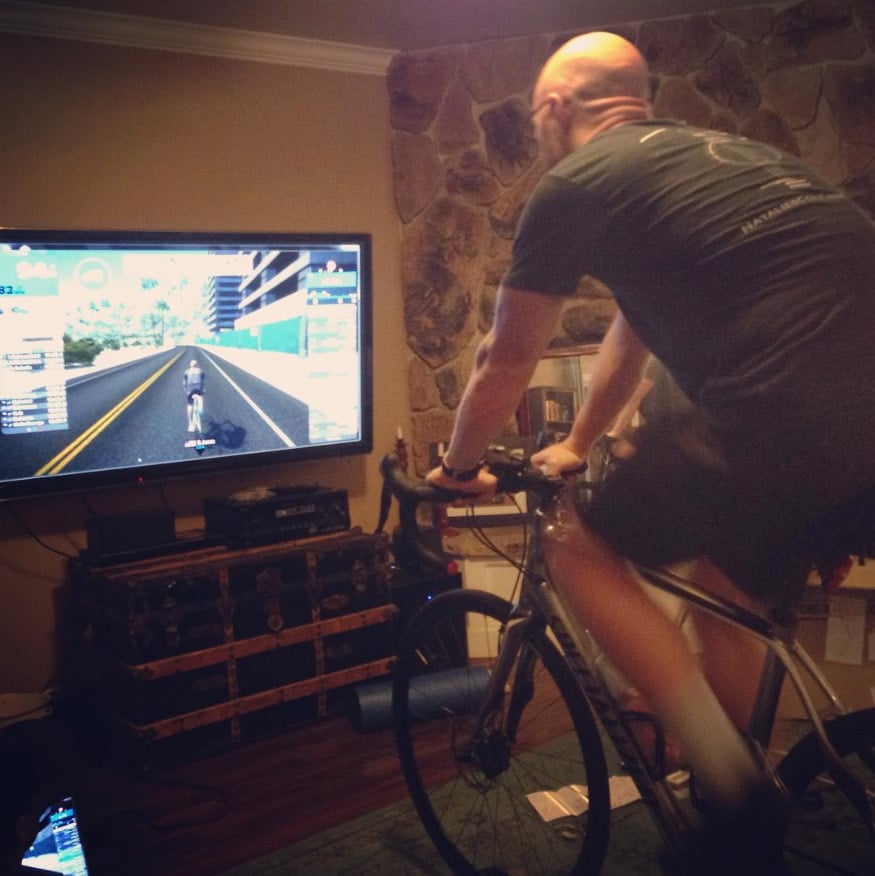
The winter of 2015 was my first “indoor season” as a serious cyclist, and I was already dreading the roller sessions. At the time, none of my local riding buddies were on Zwift. None of them had even heard of it. But I saw it somewhere on Facebook, downloaded the game, ran it in “just watch” mode, and immediately knew I had to give it a try.
First Zwift session: November 12, 2015
I found a website in Germany selling Tacx Vortex Smart trainers for ~$290 to my door, so I pulled the trigger. The night it arrived I put it together, hooked my bike in, and went for my first Zwift ride from the middle of my living room. The trainer wasn’t calibrated, I had no fan, and I wasn’t dressed for a real ride… so that effort didn’t last long.
But two days later, I went for my first “real” Zwift ride – two laps of Watopia’s Hilly Route (the only route in Watopia at the time). Uploading it to Strava certainly confused local friends. “Are you in the Solomon Islands right now?”
I wish I had been on Zwift from the beginning, but when Zwift beta launched in 2014 I was just rediscovering cycling after an 18-year hiatus.
It has become my habit each November 12th to post a refreshed Zwiftversary article. So here I am, once again looking back at my journey and delivering my perspective as a Zwifter and the editor of the web’s biggest Zwift fansite (5,043 posts and counting).
Growth Trends
The all-time Peak Zwift of 49,114 came in January 2021. Remember that time? It was actually illegal to ride your bike outdoors in some European countries, as COVID lockdowns sent Zwift numbers off the charts.
A year later, traffic numbers were much lower than their mid-COVID peak, and really, since that time, if you remove seasonality, numbers have basically held steady as far as I can tell. We certainly aren’t seeing the massive year-over-year growth we saw each winter pre-COVID.
That said, I’m seeing a lot of brand-new riders on the platform in the past year or so. Zwift’s big moves in the hardware space certainly have something to do with this, with tens of thousands of Zwift Rides being sold since the product launched.
Hardware: Simpler, Cheaper, and More Powerful
The Zwift Ride was released in June 2024, and it immediately disrupted the smart bike market. Priced at just $1299USD, it was half the price of the cheapest competitor (Wattbike) and a third the price of the premium options (Wahoo KICKR Bike Pro, Tacx NEO Bike Plus).
But was it a smart bike? Or just a simple frame attached to a standard trainer? What exactly is a smart bike?
Turns out, the answer to those questions isn’t all that important. Because the truth is, the Zwift Ride became the overnight default smart bike recommendation for most Zwifters. It’s just really difficult to justify spending 2-3x more.
A year and a half after its launch, Zwift Ride is even more refined and capable thanks to a quieter Zwift Cog, an adjustable crank arms option, and an upgraded KICKR CORE 2 with WiFi, race mode, and more.
I don’t think prices can drop much more. But Zwift has done an amazing job of strategically lowering the bar when it comes to price, and that is opening up Zwift to a new audience while consolidating the trainer market.
A Virtual Shift
Speaking of hardware, we’ve seen lots of trainers come online with support for Zwift’s virtual shifting in recent months, including Tacx and Elite. It seems crazy, but Zwift only released virtual shifting two years ago (October 2023), and then only on the Zwift Hub. Today, that list has expanded to the following:
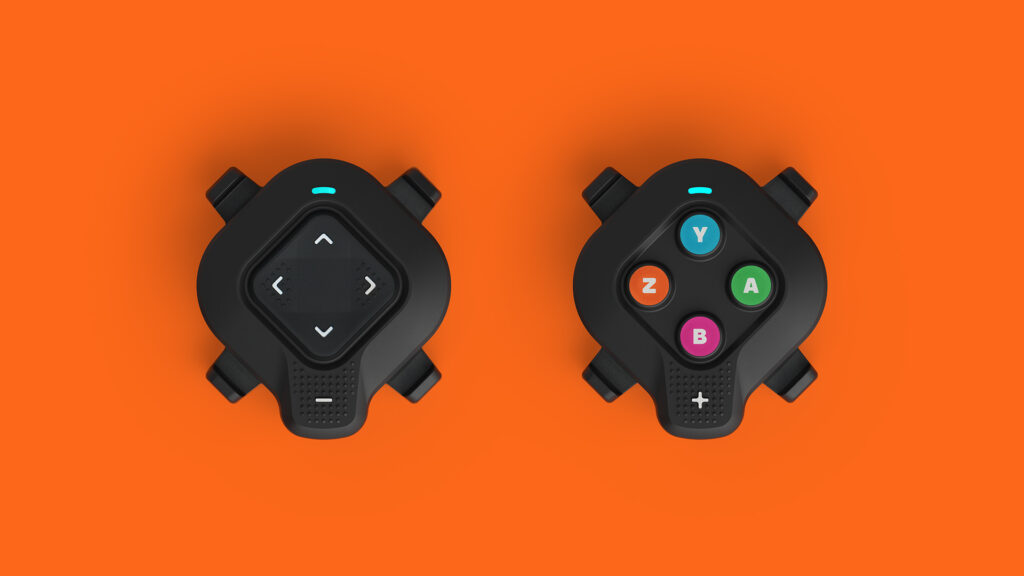
Zwift discontinued their Play Controllers this summer, and started shipping the Click v2 in September. The Click v2 is a simpler, more affordable controller that offers much the same capability, in a form factor that is more broadly compatible with various handlebars and setups.
We could argue about whether Zwift should have created a more “open” standard for virtual shifting that could be used on any trainer without a firmware upgrade, and perhaps even operated via a keyboard or the Companion app. But at the end of the day, the truth is this: Zwift’s virtual shifting is an innovation they brought to the market that helps enable a quality experience on the platform, and most riders shopping for a new trainer will heavily consider virtual shifting capabilities in their decision.
Training Partner Expansion
Zwift has had its own library of structured workouts since early days, and they work great for a lot of people. But some Zwifters want more or different workouts, or an easy way to execute workouts in Zwift that come from another provider/coach. So Zwift rolled out their Training API 15 months ago, allowing partners to sync workouts and session data to and from Zwift automatically.
It’s wild (but not inaccurate) to think how these new Training API integrations have infinitely expanded the library of workouts available on Zwift while also customizing that library to your specific needs. It may sound cliché, but we really are seeing training tools today that are exponentially more powerful than what we’ve had in the past. It’s fun to watch!
Here’s the full list of Training API partners currently syncing to Zwift:
Two years ago when I wrote this post, I listed Zwift’s three competitors. That list hasn’t changed:
MyWhoosh: they won the UCI Esports Worlds contract, and in fact are hosting the 2025 edition in just a few days. With no subscription cost, budget-minded riders are attracted to the platform. Additionally, big prize money is always attractive to racers! Still, it feels like people use the platform for monetary reasons, not because it’s particularly good.
Rouvy: a popular platform for riders who want to ride “real” roads. They’ve been doing a fair amount of expensive marketing in the past year or two and certainly have a following.
TrainingPeaks Virtual: the most compelling entry on the list for me, due to the intriguing combination of a popular training platform (TrainingPeaks) and a fast-moving, race-focused game developer (George Gilbert). I love how quickly they’ve built out lots of powerful features, but I don’t love the UI or gameplay appearance.
Zwift raised their price in May 2024, which made some Zwifters look at the alternatives. Then they removed their monthly 25km free trial last July, which was sort of a mystifying move that seemed destined only to drive people toward the competition.
Even so, Zwift is more profitable than ever, with a solid subscriber base and a strong influx of new riders on Zwift hardware. And internal sources tell me they’re investing that available cash in making big, long-term investments that will continue to drive innovation in the space. (Which innovations exactly? Zwift isn’t sharing, but my guess is it involves, at a minimum, AI-driven workout recommendations and new hardware development.)
Community Racing Development
Last year, I wrote, “it feels like Zwift has shifted the weight of its racing focus off of the elite side and onto the community side in the past 6 months.” This continues to be the case, with Zwift announcing last July that they would not be hosting an elite race series this fall/winter like they’ve done in years past.
While Zwift is dialing back their involvement in elite racing, they clearly see the value of community racing. Zwift Racing Score is still evolving, community organizers are being supported, and lots of racing is happening on the platform.
The problem is, innovating in the racing space just isn’t something Zwift has ever done well. It’s always been a grassroots effort, with the community suggesting and even building out the tools needed for racing to work well. Will that ever change? I’m not sure.
Perhaps Zwift has made the right call in throwing their weight behind the development of features that impact the subscriber base broadly, and not just racers. But if they’re going to focus on those “all-platform” features, I’d really love to see them deliver a rich toolset to community organizers, so we can create innovative race events and group rides on the platform. That way, everyone wins.
Zwift Camp vs Zwift Academy
This year, for the first time since 2016, Zwift isn’t hosting a Zwift Academy. That’s a big move! I get the sense that Zwift Academy has a bit of an identity crisis. Is it a community workout program, or a global talent ID program? Perhaps it can’t be both.
I think everyone loves the idea of Zwift hosting a global talent ID program that places deserving riders on top-tier teams. That’s just a cool concept, and one that shakes up the world of bike racing.
Last year’s academy pivoted heavily towards the talent ID side of things. Personally, I think that’s the way to go. Let Zwift Academy identify top riders around the world, and create another workout program that can be embraced by the everyman. In fact, proposed this approach back in August of 2024 in this post: Pondering the Possibilities: Zwift Academy and Zwift Community College.
Zwift has spun up a “Zwift Camp” program this season, with Zwift Camp: Build beginning this week. The Zwift Camp idea appears to be moving toward my year-round, progressive training “Zwift Community College” idea (admittedly, “Zwift Camp” is a cooler name). We’ll see where this all leads in the next year as Zwift’s personalized recommendations engine comes online in the next few months.
Clubs: What Now?
Things haven’t changed much with Clubs in the past few years, apart from Zwift raising limits so Clubs can get bigger and Zwifters can join more of them.
Here’s what irks me, though: even with one of the largest Clubs on Zwift (39.2k members, click here to join) I still struggle to put it to good use. The Club chat tool is very limited (no tagging members, no clickable URLs) which means most members just turn off notifications and never check the chat. And apart from chat, the club really just becomes a container for Club events.
Which is fine, I suppose. But having built and interacted with online communities for 20+ years, I can’t help but believe Zwift Clubs could be so much more. I’d love to see:
Club kit designs
Voice chat in game with Club members
Team racing where Club members are automatically linked together
More powerful Club chat/discussion tools
Club leaderboards, to promote competition between Clubs
and more!
So Many Rides, So Little Time
There was no in-game event calendar ten years ago – instead, the community put one together using Teamup (see it here). Today, there are ~385+ events per day on Zwift’s public calendar. Amazing! And that doesn’t even include private Meetups and Club Events.
Maintaining the perfect event calendar is no easy task, though. There is a tension that exists between Zwift-organized events like the currently underway Zwift Unlocked and community-organized events. Big Zwift events get lots of marketing and calendar space and, consequently, attract a lot of overall participation. But this reduces numbers for community-organized events.
Is that a bad thing? Not necessarily. I would argue that the end-user experience is what’s most important, so if riders are enjoying Zwift’s big events, that’s a good thing.
But Zwift’s community is also a massive asset for the platform, and volunteer organizers in the community have pushed the platform forward in terms of event innovation since day one. (This is still happening: witness today’s kickoff of a well-planned winter TT series from Cycling Time Trials, the national governing body for time trials in England, Scotland, and Wales. They’ve got over 1000 riders signed up to race the first week.) Zwift needs to be careful to cultivate and inspire event organizers, not battle with them for riders.
So once again, as the organizer of various Zwift events, including the Tiny Race Series and Pizza Burner 100km, I’ll sound my clarion call for more event options and better event management tools. Based on my experience over the years organizing hundreds of events, I know that improving these systems would reduce event configuration errors, streamline organizer workflows, and allow the community to innovate in the space, all of which logically leads to higher-quality event experiences for end users.
100km at 5am
Speaking of community-led rides, I should discuss a major addition to my training calendar this year: the Thursday Pizza Burner 100km! I launched this with ZHQ’s James Bailey on January 9th, 2025, and it’s been held every week since.
It’s a bit crazy to think I’ve been getting up at 4:15am every Thursday to start this ride in the dark. But it’s also become a part of my weekly routine in the past 11 months, and I intend to keep it going, because I can feel the difference this ride has made in my fitness. I’ve definitely built endurance, specifically an increased ability to hold high zone 2 and tempo power for durations of 2.5 hours or more.
Now I need to start building power in the 3-10 minute range. More on that in future posts!
The Future Is Bright
It’s not hyperbole to say my involvement with the Zwift community has been life-changing. It’s changed my fitness, it’s changed my work life – it’s even changed my vacation plans (Mallorca was amazing). Heck, in less than 48 hours, I’m heading to the Death Valley Century, where I’ll be riding with Zwift’s Jon Mayfield and two buddies whom I’ve spent hours riding with virtually, but have never met IRL!
This Zwift journey of mine has taken me many places, and I love being a part of it all. Every day, I’m reminded that I am truly blessed to serve the community through my work here at Zwift Insider. It’s something I hope to do for many years to come.
Ride on!
What about You?
What’s your Zwift story? How long have you been on Zwift, and do you feel the platform is moving in a good direction? What features are at the top of your wishlist? Share below!
The end of the year is usually a busy time in the quantum computing arena, as companies often try to announce that they’ve reached major milestones before the year wraps up. This year has been no exception. And while not all of these announcements involve interesting new architectures like the one we looked at recently, they’re a good way to mark progress in the field, and they often involve the sort of smaller, incremental steps needed to push the field forward.
What follows is a quick look at a handful of announcements from the past few weeks that struck us as potentially interesting.
IBM follows through
IBM is one of the companies announcing a brand-new architecture this year. That’s not at all a surprise, given that the company promised to do so back in June; this week sees the company confirming that it has built the two processors it said it would earlier in the year. These include one called Loon, which is focused on the architecture that IBM will use to host error-corrected logical qubits. Loon represents two major changes for the company: a shift to nearest-neighbor connections and the addition of long-distance connections.
Valve made a triumphant return to the hardware market with the Steam Deck and its OLED-toting counterpart, and now it’s having another crack at virtual reality with the Steam Frame. The Steam Frame is the long-rumored headset from Valve that had previously been codenamed “Deckard.” The company also announced a new Steam controller and PC called the Steam Machine. All three devices are coming in early 2026.
Valve says the Steam Frame is a wireless, “streaming-first” headset and you can hop into your games as soon as you pop it on. It supports both VR and flatscreen games. The company made a plug-and-play 6GHz wireless adapter that you slot into your PC (or Steam Machine). It has a dual-radio setup to help minimize interference, with one radio dedicated to streaming audio and visuals to the headset, and the other for Wi-Fi.
But you don’t need a PC to play games on the Steam Frame. As with Meta Quest headsets, it can run games as a standalone device. The headset has a Snapdragon 8 Gen 3 chipset, 16GB of RAM and up to 1TB of built-in UFS storage. There’s a microSD card slot too.
The Steam Frame runs on a rechargeable 21.6 Wh Li-ion battery. There’s one USB-C 2.0 port at the back that you’ll use for both charging and data transfers. You can recharge the battery at a rate of up to 45W. It’s unclear how long the Steam Frame’s battery will run on a charge.
The battery is positioned on the rear of the headstrap. So you won’t necessarily need to have an external battery pack that’s attached to the system by an annoying cable. It’ll be possible to swap the standard headstrap (into which the audio drivers are integrated) for a different option, perhaps one with a larger battery.
Even with the battery built into the headstrap, Valve says the Steam Frame weighs just under a pound at 440 grams. The core module — the front part — is 185 grams (6.5oz) and the headstrap weighs 245 grams (8.6 ounces).
The Steam Frame has an optimization feature called Foveated Streaming. Valve says this uses low-latency eye-tracking (powered by two internal cameras) to optimize the detail in the image wherever your eyes are looking. The company claims it can offer a “10x improvement in image quality and effective bandwidth.” Foveated Streaming is said to work for every game in your Steam library.
The headset has dual 2160 x 2160 LCD panels with refresh rates of up to 144Hz, a field of view of up to 110 degrees and an IPD target range of 60mm to 70mm. Valve added that “thin and light custom pancake lenses provide edge-to-edge sharpness and a large eye box.” The company says the maximum width for eye glasses is 140mm.
As for audio, the Steam Frame has dual stereo speakers on each side with support for high-fidelity audio. Valve says the speakers on each side are “oriented in opposite directions to cancel out vibrations,” which can impact the tracking system.
Speaking of which, the headset has four high-res monochrome cameras for controller and headset tracking — the Steam Frame uses inside-out tracking. Valve says there are infrared LEDs on the outside of the device that can help support tracking in dark environments.
The Steam Frame is far from Valve’s first VR headset. It released the Valve Index in 2019, and previously worked with HTC on its Vive headsets, which were initially consumer VR products before HTC shifted its focus to business and enterprise.
While none of Valve’s previous PC-focused headsets had the mainstream impact of Meta’s Quest lineup or arguably even PlayStation VR (which by all accounts is still an active platform, not that Sony’s release calendar backs it up), the company is responsible for what is probably the medium’s greatest-ever game in Half-Life: Alyx. And with SteamOS on the Steam Deck being such a hit that other companies are practically begging Valve to let them put it in their own rival handhelds, it’s easy to imagine the Steam Frame becoming a serious rival to the Meta Quest.
This story is developing, refresh for updates…
This article originally appeared on Engadget at https://www.engadget.com/ar-vr/valves-steam-frame-vr-headset-is-finally-official-and-its-coming-in-2026-181909387.html?src=rss
Valve confirmed that it’s not currently working on a new first-party VR game.
Today saw Valve officially announce Steam Frame, a “streaming-first” standalone VR headset that’s launching in “early 2026”. While the company is aiming to make your existing Steam library more valuable, this naturally raised the question: following 2020’s Half-Life: Alyx, is Valve developing new VR games for the headset?
Speaking to UploadVR during our recent visit, Valve told us that it’s “not talking about content today.” However, Road to VR says that “a member of the Steam Frame team” denied that it has any VR content in development, offering what the publication described as a “simple and definitive no”.
While Alyx wasn’t a launch title for the Valve Index headset, the groundbreaking title arrived less than a year after launch. Before that, Valve had previously confirmed it was developing a flagship VR game, whereas Steam Frame will seemingly rely on existing and third-party titles.
As for Steam Frame itself, the newly announced headset uses a lightweight modular design and runs a VR version of Valve’s SteamOS, which it previously used with Steam Deck. This also uses an updated version of the Proton compatibility layer, meaning it can run almost any Linux, Windows, and Android games.
FromSoftware finally delivered the online co-op experience fans had been yearning for with the release of Elden Ring Nightreign earlier this year. And the game is about to get even better with the newly announced DLC, The Forsaken Hollows, which will bring new Nightfarers, new enemies to battle and a Shifting Earth.
The University of California, San Diego has documented a steep decline in the academic preparation of its entering freshmen over the past five years, according to a report [PDF] released this month by the campus’s Senate-Administration Working Group on Admissions. Between 2020 and 2025, the number of students whose math skills fall below middle-school level increased nearly thirtyfold, from roughly 30 to 921 students. These students now represent one in eight members of the entering cohort.
The Mathematics Department redesigned its remedial program this year to focus entirely on elementary and middle school content after discovering students struggled with basic fractions and could not perform arithmetic operations taught in grades one through eight. The deterioration extends beyond mathematics. Nearly one in five domestic freshmen required remedial writing instruction in 2024, returning to pre-pandemic levels after a brief decline.
Faculty across disciplines report students increasingly struggle to engage with longer and complex texts. The decline coincided with multiple disrupting factors. The COVID-19 pandemic forced remote learning starting in spring 2020. The UC system eliminated SAT and ACT requirements in 2021. High school grade inflation accelerated during this period, leaving transcripts unreliable as indicators of actual preparation. UC San Diego simultaneously doubled its enrollment from under-resourced high schools designated LCFF+, admitting more such students than any other UC campus between 2022 and 2024.
The working group concluded that admitting large numbers of underprepared students risks harming those students while straining limited instructional resources. The report recommends developing predictive models to identify at-risk applicants and calls for the UC system to reconsider standardized testing requirements.
The Super Mario Bros. Movie dominated the box office in 2023, racking up $1.36 billion and snagging several Oscar nominations for good measure. So naturally there’s a sequel, and Nintendo just dropped the official trailer for The Super Mario Galaxy Movie, due out next spring.
(Spoilers for the 2023 film below.)
The first attempt at a Super Mario movie adaptation in 1993 was notoriously a dismal failure, although it still has its ’90s-nostalgic fans. But 2023’s Super Mario Bros. Movie won over gaming fans who were skeptical about another adaption—including Ars Senior Gaming Editor Kyle Orland. “This film version captures all the fun and vibrancy of the Mario games, with enough references to familiar characters, items, and locations to make even a die-hard Mario fan’s head spin,” he wrote in his 2023 review, adding that, despite a few flaws, the film was “everything that a 10-year-old version of me could ever have dreamed a Mario movie could be.”
Windows 10 is no longer officially supported by Microsoft, but that doesn’t mean the company has actually stopped supporting it. It’s not as confusing as it sounds: As of Oct. 14, Microsoft has stopped issuing security updates for Windows 10 users by default. However, Windows 10 users can continue receiving security updates if they enroll in Microsoft’s Extended Security Updates program. The ESU gives these users an extra year of security support, so they can continue using an internet-connected Windows 10 device safely.
Or, at least, that’s how it’s supposed to work. As reported by How-To Geek, Microsoft’s first ESU update crashed upon release on Tuesday. When users try to sign up with the ESU enrollment wizard, a bug within Windows causes the process to fail. While Windows 11 users were having no trouble installing the company’s Patch Tuesday update (which fixes a nasty zero-day vulnerability), Windows 10 users were unable to install the security patches they need to continue safely and securely using the OS.
There’s good news already, however: Not only is Microsoft aware of the issue, the company already has a patch out for Windows 10 users. That’s a good response time, especially for an issue this critical. According to How-To Geek, the update, KB5071959, also contains security fixes from the company’s Oct. 14 update, KB5066791. Once the update is installed and running on your PC, you should be able to enroll in the ESU program without issue.
How to fix the ESU bug and enroll in security updates
If you’re running Windows 10 on your PC, you’ll want to ensure you install this emergency patch ASAP in order to get your computer enrolled in extended security updates. To start, head to Start > Settings > Update & Security > Windows Update, then choose “Check for updates.” Install the latest update (KB5071959). Once your PC starts back up, head back to Windows Update, and you should be able to run the ESU enrollment wizard to enroll.
For anyone unaware, there are three ways to enroll in the ESU program. First, you can pay a flat $30 to receive the updates. However, if you don’t want to pay, you can also opt into Windows Backup to sync your PC’s settings to the cloud, or redeem 1,000 Microsoft Rewards points.
Even if you do enroll in the ESU program, you won’t receive updates forever. This program expires on Oct. 13, 2026. After that date, Microsoft will really be done with Windows 10 for good. That gives the OS’ hundreds of millions of users about 11 months to figure out a new computing plan. However, for the time being, you can still take advantage of security updates—so long as you install this patch.
OpenAI wants a court to reverse a ruling forcing the ChatGPT maker to give 20 million user chats to The New York Times and other news plaintiffs that sued it over alleged copyright infringement. Although OpenAI previously offered 20 million user chats as a counter to the NYT’s demand for 120 million, the AI company says a court order requiring production of the chats is too broad.
“The logs at issue here are complete conversations: each log in the 20 million sample represents a complete exchange of multiple prompt-output pairs between a user and ChatGPT,” OpenAI said today in a filing in US District Court for the Southern District of New York. “Disclosure of those logs is thus much more likely to expose private information [than individual prompt-output pairs], in the same way that eavesdropping on an entire conversation reveals more private information than a 5-second conversation fragment.”
OpenAI’s filing said that “more than 99.99%” of the chats “have nothing to do with this case.” It asked the district court to “vacate the order and order News Plaintiffs to respond to OpenAI’s proposal for identifying relevant logs.” OpenAI could also seek review in a federal court of appeals.