At the end of 2024, Google was one of the first companies to start offering a Deep Research tool through its AI chatbot. Now, nearly a full year later, the company is bringing that same capability to NotebookLM. Like its Gemini counterpart, the tool allows you to task the app with generating an extensive report on a single topic. When you queue a Deep Research task, NotebookLM will browse hundreds of websites on your behalf before it starts writing up its findings.
The entire process can take a few minutes, but at the end you’ll have a multi-page report to read. As the model works in the background, you can instruct it to seek out specific online sources. NotebookLM will also recommend articles, papers and websites that might be relevant to your query. Once its findings are ready, you can use any of NotebookLM’s capabilities to generate insights on the content.
With today’s update, Google is also adding to the variety of sources NotebookLM can access. Now the app can pull data from Google Sheets, Microsoft Word documents and PDFs you’ve uploaded to Google Drive. It’s now also possible to add Google Drive files just by copying over the URL. Google says all of today’s enhancements should roll out to users within a week. The timing of the update is fortuitous given the company recently gave NotebookLM the capability to generate flashcards and quizzes.
This article originally appeared on Engadget at https://www.engadget.com/ai/google-adds-deep-research-capabilities-to-notebooklm-170000817.html?src=rss
Meta is revamping Facebook Marketplace in an effort to make it more appealing to “young adults” on the platform. The updates includes new collaborative shopping features, as well as AI-generated suggestions and “insights” about specific listings.
Now, would-be buyers can create Pinterest-like “collections” of Marketplace listings and invite friends to join. These collections can then be shared elsewhere on Facebook or on WhatsApp and Messenger. People will also be able to invite their Facebook friends to join messages with sellers, which Meta says will make it “easier to coordinate pickup, negotiate prices, and get answers to your questions.” Facebook is also making Marketplace listings themselves more social, with the ability to add comments and reactions. And while I’m not sure many Facebook users are clamoring for this, it seems like it could seriously up the meme potential for accounts like @insanefbmarketplace.
Meta will provide AI-generated insights about vehicles listed on Marketplace.
Meta
And, because it’s 2025 and AI is in just about every other part of Facebook, the company is also adding “AI insights” to listings. This will allow Meta AI to offer up suggestions for questions to ask sellers about the items they’ve listed. (Importantly, though, it looks like the default first-message suggestion is still a variation of “is this still available,” which I’ve always found to be one of the more annoying quirks of using Marketplace.) The company is also experimenting with vehicle-specific “insights” from Meta AI as car shopping is apparently one of the most popular use cases for Marketplace among younger adults.
All of the updates are part of Meta’s years-long mission to make Facebook cool — or, at least, useful — for “young adults.” And the company has long touted Marketplace as one of the more popular features among that demographic. The company has also experimented with local events, a friends-only feed and bringing back the Facebook “poke.”
This article originally appeared on Engadget at https://www.engadget.com/social-media/meta-is-trying-to-make-facebook-marketplace-a-social-shopping-experience-170000682.html?src=rss
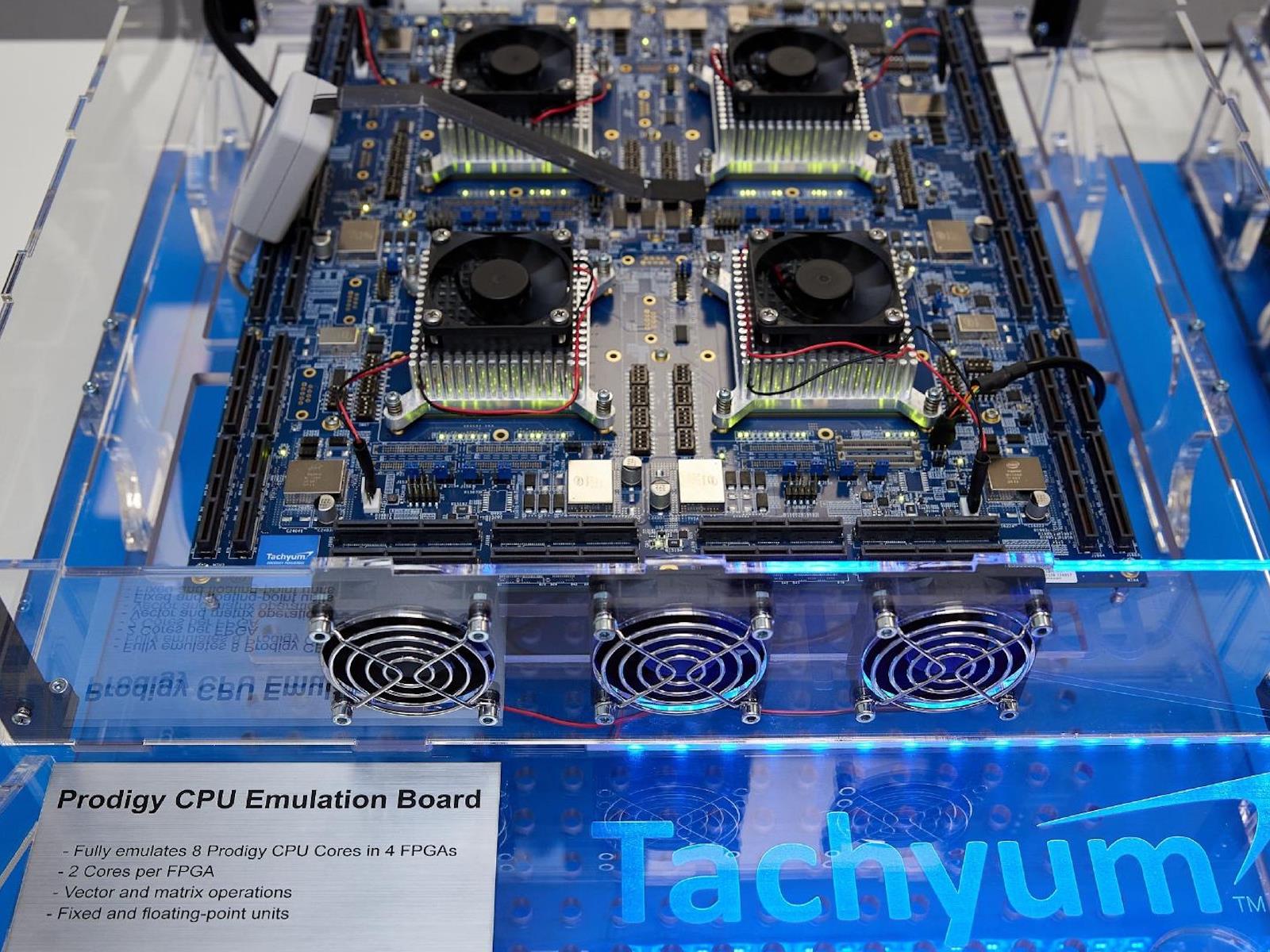
Tachyum is back with another round of astonishing promises. The startup, which was founded in 2016 and still yet to ship a single chip, has unveiled the latest revision of its Prodigy processor design, now targeted at 2nm, which it says delivers up to 21× higher AI rack performance than NVIDIA’s future Rubin Ultra platform. The catch? Neither
Men in Black: Most Wanted promises a new story for the comedic sci-fi franchise on Meta Quest next month.
Set in the early 1990s, Men in Black: Most Wanted will have players shrugging on the slick black suit of an MiB agent called Agent I. In Most Wanted, it’s up to you and your partner, Agent L, to confront the Cylathians, a hostile alien race that’s already attacked MiB agents more than once.
0:00
/0:30
Players will use iconic gear and weapons from the MIB films to investigate paranormal mysteries, uncover clues, and solve environmental puzzles. These include famous MIB weapons like the Noisy Cricket and the memory-wiping Neuralyzer, as well as new toys like the Magnet Gloves, Omni Scanner, and Scout Bug.
Men in Black: Most Wanted is being developed by Coatsink, who previously brought suspense and terror to VR headsets with Jurassic World Aftermath. That dino-themed game used a gorgeous cel-shaded art style that’s now been carried over to MiB: Most Wanted.
“We are really excited to announce Men In Black: Most Wanted to the world,” said Eddie Beardsmore, Coatsink COO in a prepared statement. “We’ve worked really hard to capture iconic elements from the series in an experience that blends infiltration, investigation, and combat.”
Men in Black: Most Wanted will debut on Meta Quest on December 5 for $24.99.
Back in early September we reported on a Linux hardware enablement leader planning to leave Red Hat. Hans de Goede has been a longtime contributor to improving Intel/AMD Linux desktop/laptop hardware support and in fact an x86 platform drivers subsystem maintainer. We now found out where this lead Linux x86 driver developer ended up: Qualcomm…
Verizon is planning to cut roughly 15,000 jobs, looking to reduce costs as it contends with increased competition for wireless service and home internet, according to WSJ, which cites people familiar with the matter. From the report: The cuts, the largest ever for the carrier, are set to take place in the next week, the people said. The majority of the reduction is expected to be made through layoffs. Verizon also plans to transition about 200 stores into franchised operations, which will shift employees off its payroll.
Verizon, the largest U.S. telecommunications provider by subscriber base, faces a fierce battle for both wireless and home internet customers. It has lost crucial postpaid phone subscribers for three consecutive quarters. Last month, Verizon named its lead independent director Daniel Schulman as its new chief executive officer. Schulman, a former CEO of PayPal and Virgin Mobile USA, has said he would aggressively reduce the company’s entire cost base and take steps to reverse the customer losses.
Yesterday’s announcement of new living room and VR hardware from Valve obviously has many gamers clamoring for any news of a more powerful version of the nearly 4-year-old Steam Deck. In a new interview with IGN, though, Valve Software Engineer Pierre-Loup Griffais says that portable gaming silicon still hasn’t advanced enough to justify brand-new benchmark hardware.
“The thing we’re making sure of is that it’s a worthwhile enough performance upgrade [for a Steam Deck 2] to make sense as a standalone product,” Griffais told IGN. “We’re not interested in getting to a point where it’s 20 or 30 or even 50 percent more performance at the same battery life. We want something a little bit more demarcated than that.”
“So we’ve been working back from silicon advancements and architectural improvements, and I think we have a pretty good idea of what the next version of Steam Deck is going to be, but right now there’s no offerings in that landscape, in the SoC [System on a Chip] landscape, that we think would truly be a next-gen performance Steam Deck,” Griffais continued.
Valve’s second attempt at a console-like gaming PC for your living room is hopefully going to be a triumph worthy of plenty of cake, with or without fun accessories. But if you really want to make the Steam Machine feel extra special when it arrives in early 2026, you’re going to want to dress it up in Dbrand’s Companion Cube skin.
A tribute to the iconic Weighted Companion Cube from Valve’s beloved Portal series, it’s such a fitting design that I sort of wonder if the company is kicking itself for not making something similar for its cube-shaped compact PC. Of course, putting your Steam Machine inside this will ensure it stands out from the other consoles occupying your TV unit, which is the opposite effect that the standard design is going to have. While it does have a customizable front plate and an LED light strip, the default all-black colorway could hardly be less attention-grabbing.
In case you missed yesterday’s announcement, the Steam Machine is a Linux-based mini PC that runs SteamOS and is designed to be plugged into your TV, like a console. Valve says it’s roughly six times more powerful than a Steam Deck and is capable of supporting 4K/60fps gaming with FSR. You can also use it to stream VR games to the new Stream Frame headset, while the Steam Controller, with its distinctive trackpads, allows you to play your Steam games wirelessly.
Given that we don’t yet have a release date or price for the Steam Machine, Dbrand’s accessory doesn’t have either of those yet either, but it is coming in 2026. And I’m fairly confident that isn’t a lie…
This article originally appeared on Engadget at https://www.engadget.com/gaming/pc/dbrands-companion-cube-is-the-perfect-partner-for-your-future-steam-machine-161634417.html?src=rss
We are about a month away from the premiere of Fallout season two on Prime Video. The streaming gods have blessed us with a beefy two-minute trailer that’s packed with “blink and you’ll miss it” Easter eggs and nods to the source material.
This is the first real-deal trailer for the upcoming season, though we did get a teaser back in August. It checks in on every major character from the first season and, of course, is absolutely littered with New Vegas stuff. The first batch of episodes ended with an acknowledgment that the show would be visiting the iconic location and this trailer further proves that.
There are new actors coming to the show, many of which are featured here. Justin Theroux is playing Mr. House, a fan favorite character from the games who was originally voiced by the late, great René Auberjonois. Kumail Nanjiani shows up, and so does Macaulay Culkin. Ron Perlman can also be heard speaking during the trailer, and he did all of the opening narrations for the Fallout games.
We have no idea what will happen this season, as the show is set in the Fallout universe but is telling its own story. The first season took the world by storm, given that nobody really expected it to be quite that good. The new batch of episodes begin on December 17, but this is a weekly release schedule. There will be no Netflix-style drop here.
This article originally appeared on Engadget at https://www.engadget.com/entertainment/tv-movies/fallouts-new-season-two-trailer-is-filled-with-quick-nods-to-the-source-material-161533128.html?src=rss
Mars is cold, parched, and extremely dusty. Powerful gusts of wind kick up literal tons of reddish dust that often takes the form of whorls known as dust devils. These winds also shroud the planet in dust by lifting material from the surface and blowing it into the atmosphere (what little Mars has left of an atmosphere), sometimes creating dust storms that rage for days.
Researcher Valentin Bickel wanted to know just how intense winds can be on the red planet. Using data obtained by the Mars camera CaSSIS (Color and Stereo Surface Imaging System), the ExoMars Trace Gas Orbiter, and stereo camera HRSC (High Resolution Stereo Camera) on board ESA orbiter Mars Express, he and his team used deep learning to analyze stereo images that were taken seconds apart at the same location. These images can track the motion of dust devils, and the researchers use them to infer how the winds behind the dust devils move and lift dust from the surface. That dust goes on to have a big influence on the Martian weather.
Bickel, of the Center for Space and Habitability at the University of Bern, noticed that the tumultuous Martian winds are even faster than previous observations had made them out to be. They carry more dust than was previously thought. “Our observations show that strong near-surface winds are abundant on Mars and play an important role in atmospheric dust sourcing, directly informing more accurate models of Mars’ atmosphere, weather, and climate,” the researchers said in a study recently published in Science Advances.
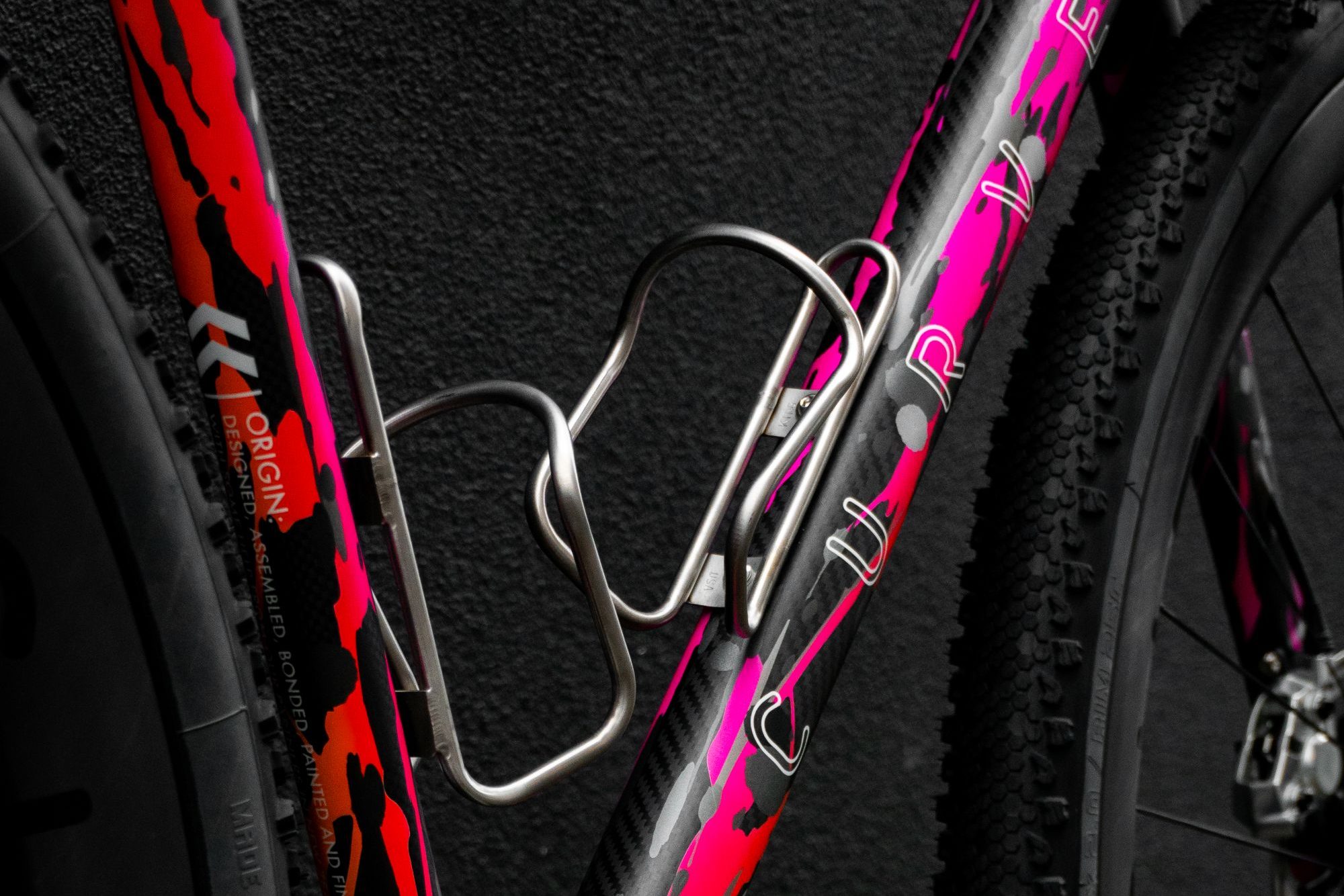
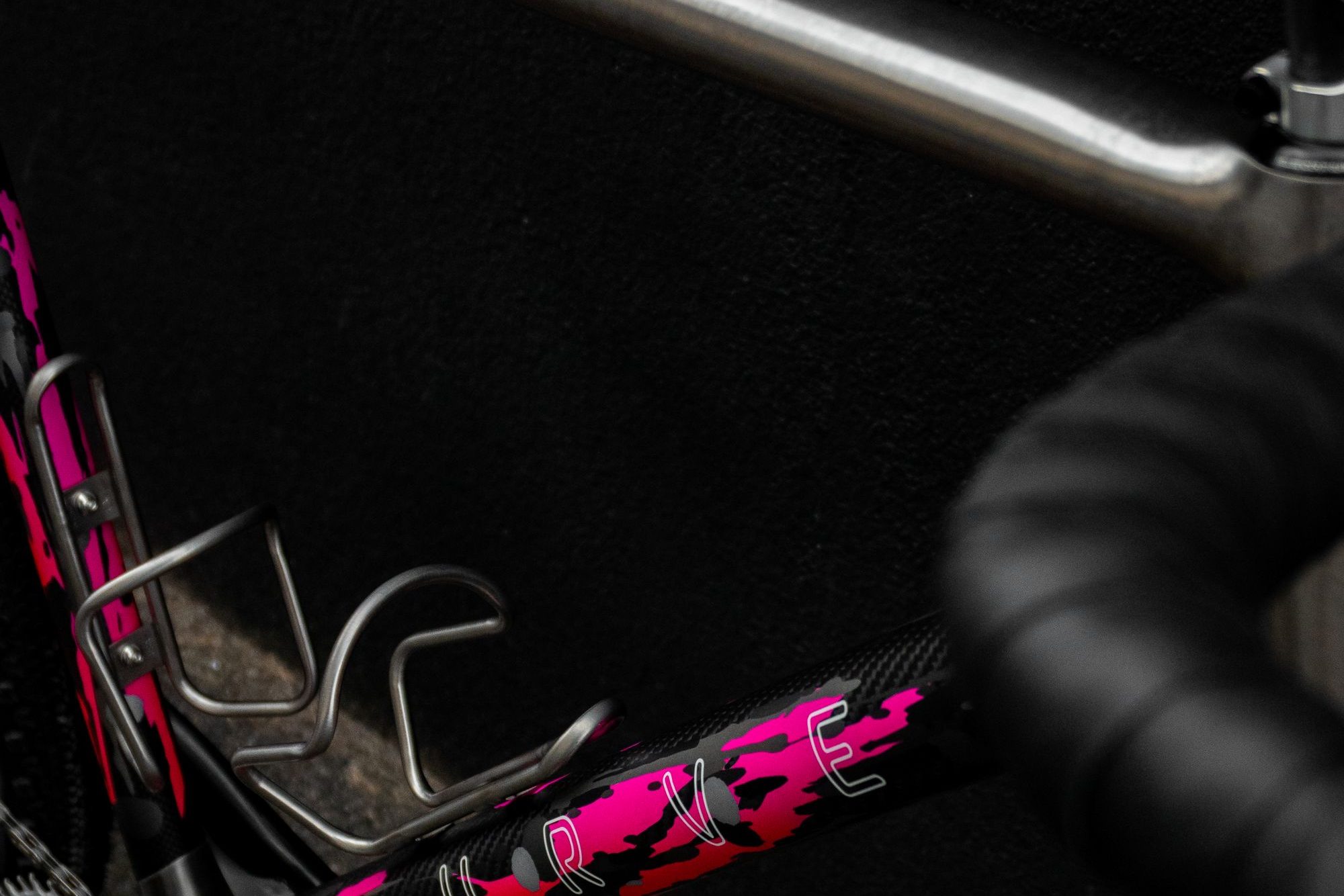
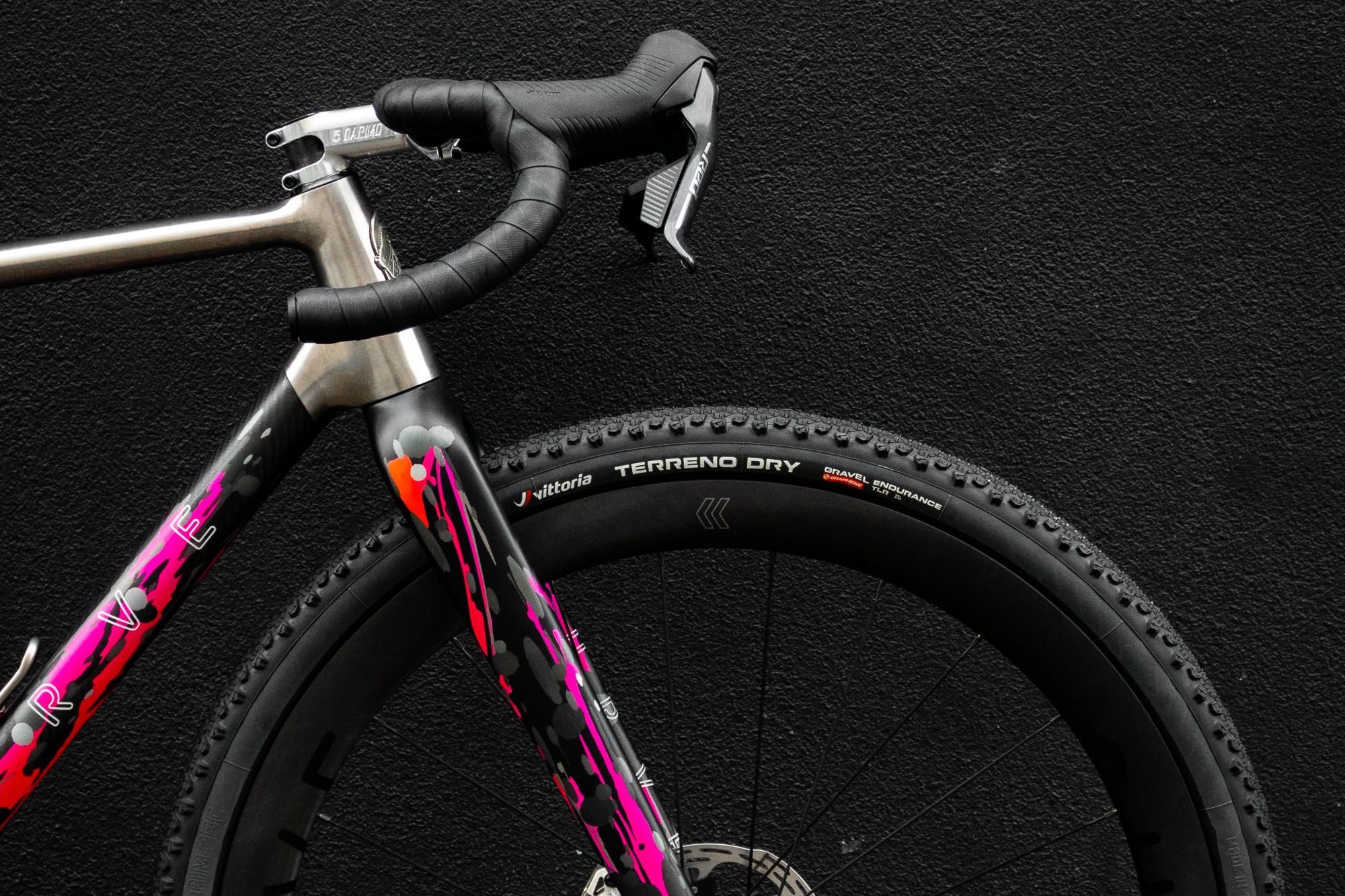
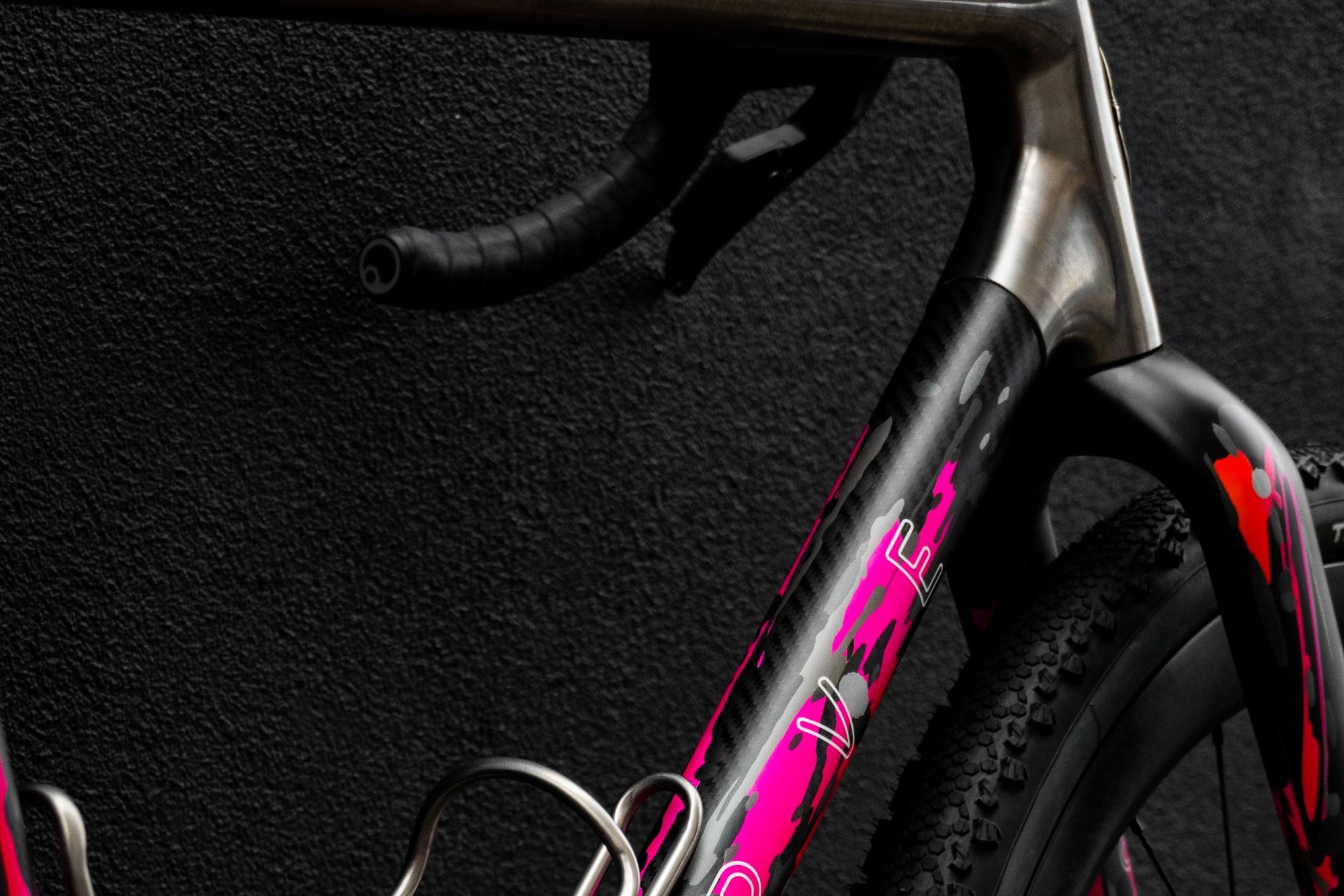
Curve Cycling, based out of Melbourne, Australia, has announced its latest gravel bike frameset – the CarboKev – made from a mix of titanium and carbon, with the carbon tubes bonded to 3D-printed titanium lugs.
Curve Cycling claims the use of titanium-lugged carbon tubes, in place the all-titanium tubes it commonly uses, results in lower weight and greater frame stiffness, along with long-distance comfort and precise handling.
The claimed weight of the CarboKev is 250g less than the brand’s all-titanium Big Kev gravel bike.
The CarboKev’s down tube and chainstays are carbon for power transfer.
According to Jimmy Rostlund, Curve Cycling’s technical lead: “With CarboKev we iterated every lug profile, wall thickness and bond length. 3D-printed titanium lets us place material exactly where the stresses demand it; bonded carbon lets us tune the ride in ways a single material can’t.”
The CarboKev’s carbon down tube and chainstays are claimed to provide a stiff spine for power transfer and accurate steering. Meanwhile, the titanium top tube and skinny titanium seatstays are designed to provide vertical compliance to reduce fatigue.
The head tube, top tube, seat tube and seatstays are titanium.
Curve Cycling isn’t the only brand to have launched a carbon/titanium hybrid recently. UK-based J.Laverack has just announced its AM64 upgrade for a range of its bikes, which subs in a carbon seat tube in place of titanium to reduce weight and increase compliance.
Big tyre clearance and big price tag
The 2.2-inch tyre clearance follows the trend to wider tyres on gravel bikes.
The CarboKev frame can handle 29-inch tyres up to 2.2 inches (56mm) wide, dialling into gravel’s hottest trend. It’s designed to be paired with Curve’s Race 415i carbon fork and Race Carbon Walmer bars, which are yet to be launched individually and have a 400mm width.
The CarboKev is hand-built in Melbourne, with the carbon tubes sourced from New Zealand, while the titanium lugs and other parts are made in China.
Curve Cycling says bringing frame alignment and fabrication in-house is a major advance in its manufacturing capabilities, though.
With its small volume manufacturing, Curve Cycling says it lets purchasers choose their optimum sizing. Although it shows seven available sizes in its geometry chart, the frame can be custom-fitted to the rider, who can also choose options such as an integrated seatpost.
Curve Cycling CarboKev availability and pricing
The CarboKev Splatter paintwork is standard, with custom colours an extra-cost option.
The CarboKev can be purchased frameset-only or as a frameset package with bars, seatpost, and fork.
There’s a standard CarboKev Splatter Art colour, with a selection of colour options, plus custom paint options at an extra cost.
The full build is equipped with SRAM Red XPLR AXS, Curve G5T [G] Carbon gravel wheels built on DT Swiss 180 hubs, and Curve’s new Walmer bars.
Purchasers need to be patient though, with Curve Cycling estimating a 10 to 12 month lead-time, dependent on spec.
They also need deep pockets, with the frameset priced at AU$12,000 (before tax) and the frameset package AU$12,727.27 (also before tax).
Choose the complete SRAM Red XPLR AXS build and you’re looking at AU$26,363.64 plus tax, or AU$29,000 with Australian sales tax. That’s around £14,000 / US$19,000.
Reddit cofounder Alexis Ohanian said he had serious doubts a decade ago about sharing the platform’s data with Sam Altman. Ohanian recounted on the “Brew Markets” podcast that between 2015 and 2016, Altman asked Reddit to let him “aggressively scrape” the site’s content. Altman had recently helped Reddit raise $50 million in a Series B round and was launching OpenAI as a nonprofit.
Ohanian described Altman as “very smart” and “incredibly cunning” but questioned whether he was “the most philanthropically minded guy.” The Reddit cofounder said he “felt in my bones” the company should refuse the request and debated internally about it against Steve Huffman. Ohanian said he “lost that debate.” Reddit and OpenAI announced a formal licensing deal in 2024.
Moots has unveiled its new Scrambler, a gravel bike rooted firmly in Moots’ tradition of premium craftsmanship that incorporates a blend of gravel trends and mountain bike technology.
The US brand says its goal with the Scrambler was to create a rugged-terrain ready adventure bike.
Prices for complete bikes start at £8,350 / $9,499 / €9,060, with a frame-only option from £4,750 / $5,399 / €4,660.
The Moots Scrambler, here in the limited-edition Topo finish, is a traditionally crafted titanium bike with modern geometry. Warren Rossiter / OurMedia
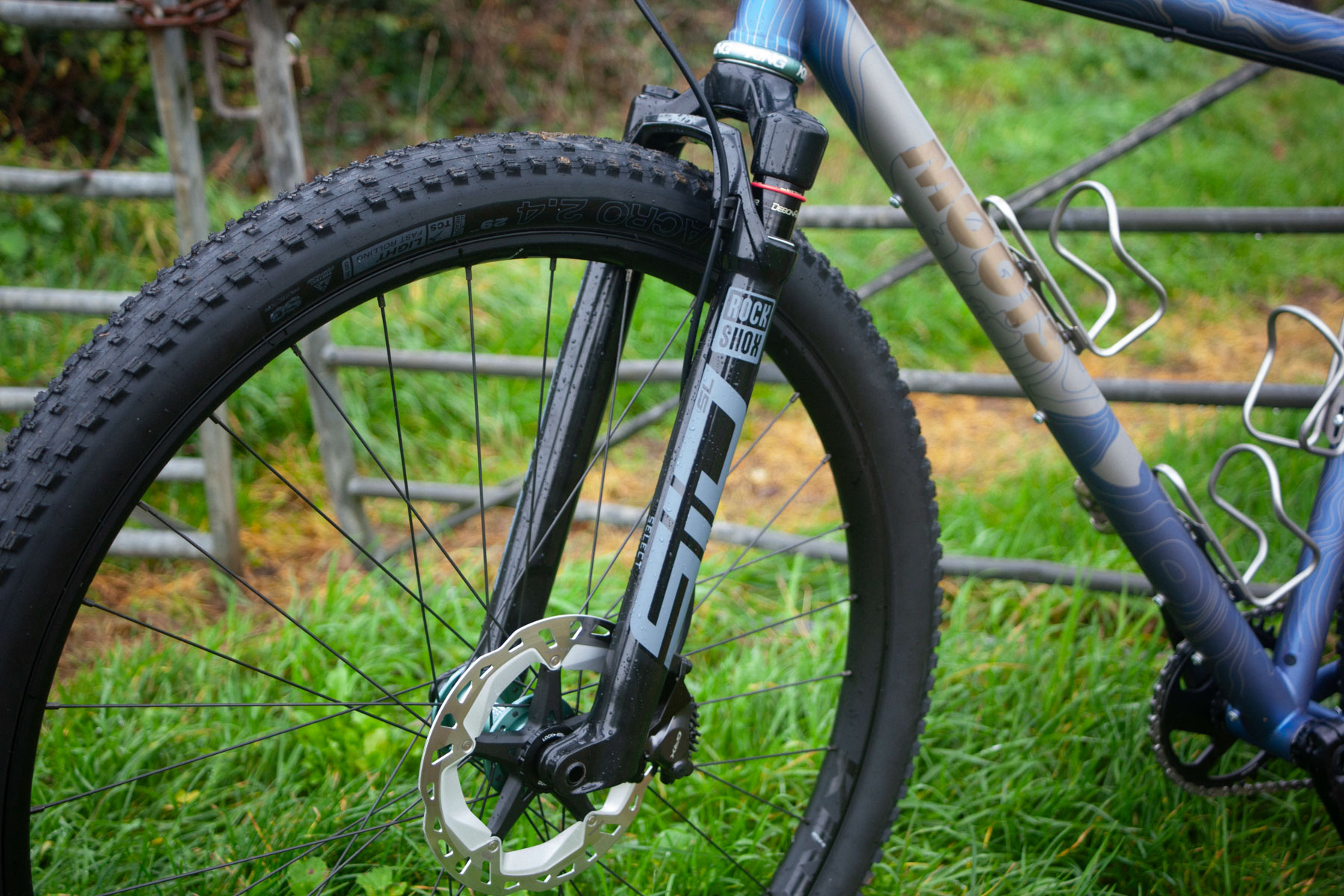
The Scrambler’s frame is designed to utilise a 100mm-travel fork.
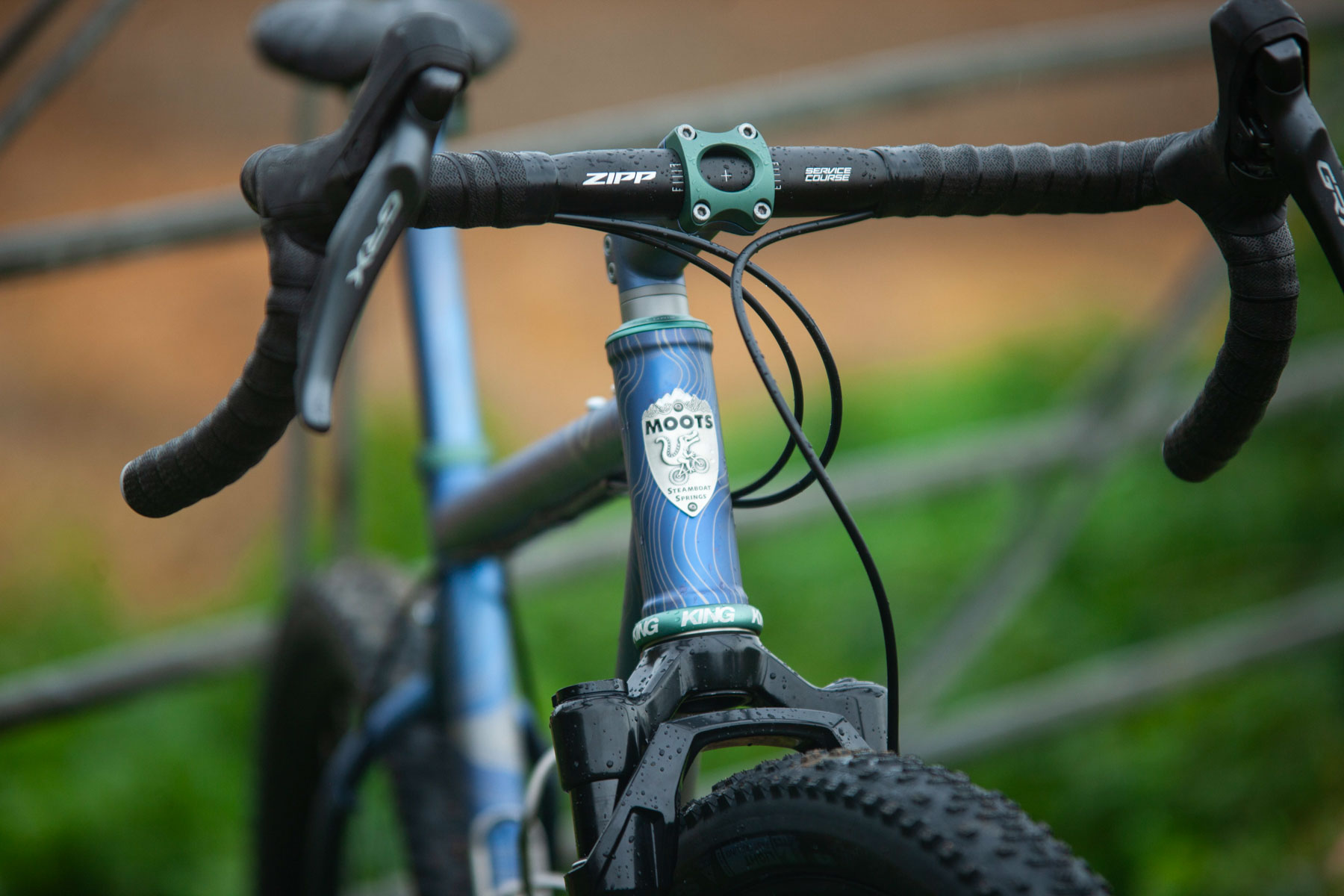
Moots, however, has chosen to use Boost spacing from the mountain bike world to maximise the Scrambler’s tyre clearance. This has seen it opt for RockShox’s lightweight SID SL.
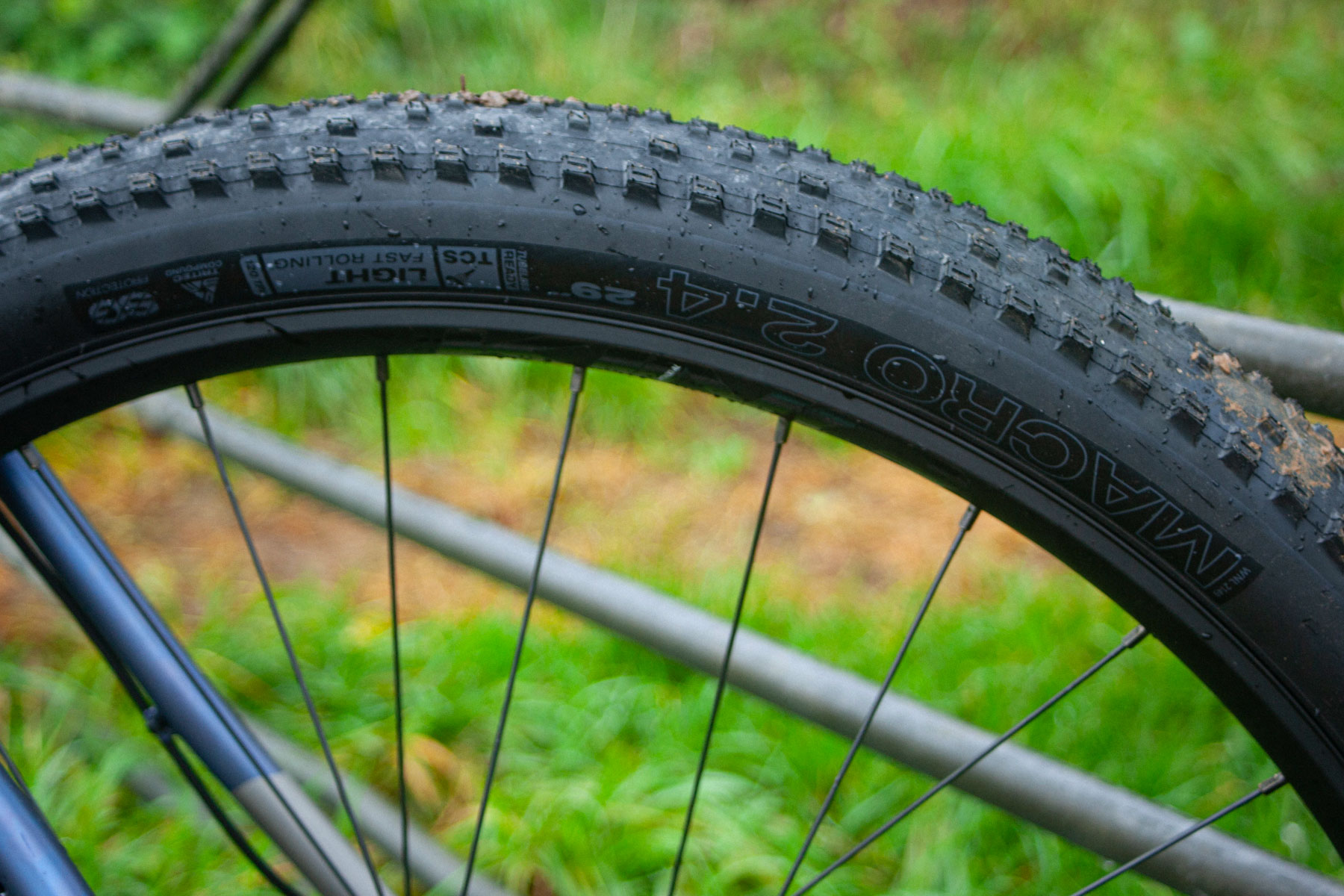
Boost spacing means class-leading tyre clearance of 2.4in / 60mm.
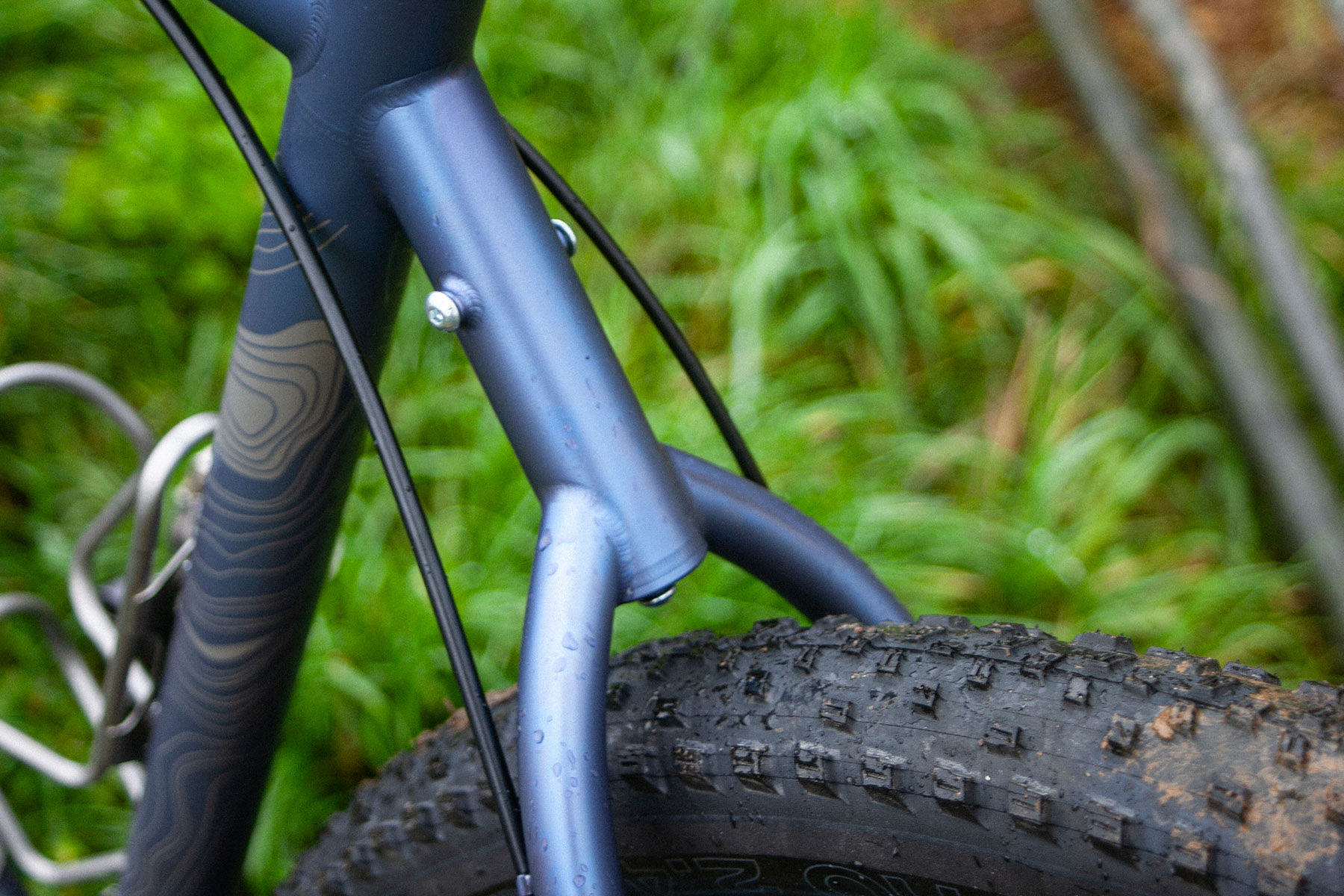
The frame’s back end uses Moots’ iconic wishbone seatstay design, with a tubeset derived from the Moots Routt 45 offering inherent compliance for all-day comfort.
The Boost dropout spacing is complemented by a UDH driveside dropout.
The RockShox SID SL provides 100mm of travel, and the Boost spacing allows for 2.4in tyres. Warren Rossiter / OurMedia
The front triangle uses a new tubeset that’s double butted for similar performance to the Moots MXC mountain bike.
The adventure-ready design has three water bottle mounts within the front triangle, with further mounts under the top tube for a frame bag and under the down tube for further water-carrying capacity. Up top, there are bento box mounts, and there are rear-rack eyelets for further portage.
If you want to build a sportier bike, there’s stealth routing for a dropper post, and the Scrambler comes equipped with a stock Shimano left-hand lever to actuate the post.
Gravel geometry with mountain bike rolling stock
Moots’ signature wishbone stays, with fender and rack mounts included. Warren Rossiter / OurMedia
The frame sticks close to current gravel bike geometry norms, with a tall stack, mid-length reach and a relaxed head angle, yet a steep seat angle.
It’s not as extreme as some trail-focused gravel bikes, such as the Nukeproof Digger, but the inclusion of 29in wheels and massive tyres should give the Scrambler plenty of extreme-terrain ability.
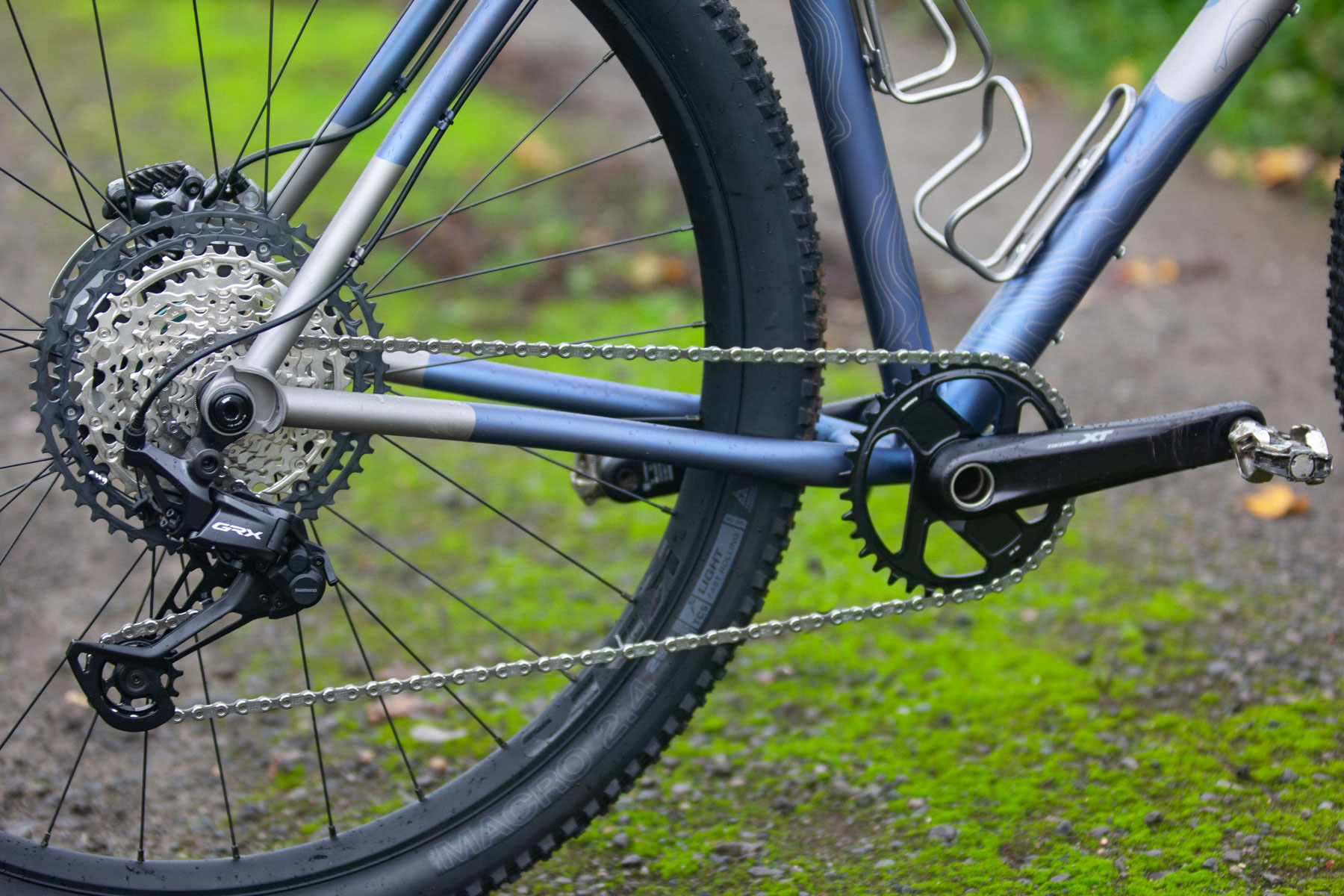
A mechanical drivetrain with external cable routing is a bold choice. Warren Rossiter / OurMedia
Moots tells us the Scrambler isn’t going to be around forever, with complete bikes and framesets only available until the end of January 2026.
It’s a bold move from Moots to offer the Scrambler only with a single, mechanical drivetrain. Instead of opting for electronic SRAM AXS or Shimano Di2, it’s a mullet drivetrain that combines Shimano’s mechanical GRX shifters with an XT 36t/170mm crankset, GRX rear derailleur and XT 10-51 cassette.
The Scrambler’s adventurous outlook makes it a sensible choice to go with a mechanical drivetrain and external cable routing, enabling trailside repairs when you’re miles from civilisation.
WTB’s Macro 2.4in tyres fit in the Scrambler’s frame. Warren Rossiter / OurMedia
Completing the build are Chris King MTN30 AL 29in Boost wheels, shod with WTB Macro 2.4in tyres. The bike is finished with an in-house Moots titanium seatpost and stem, featuring colour-matched finishes to coordinate with the customer’s chosen Chris King headset colour.
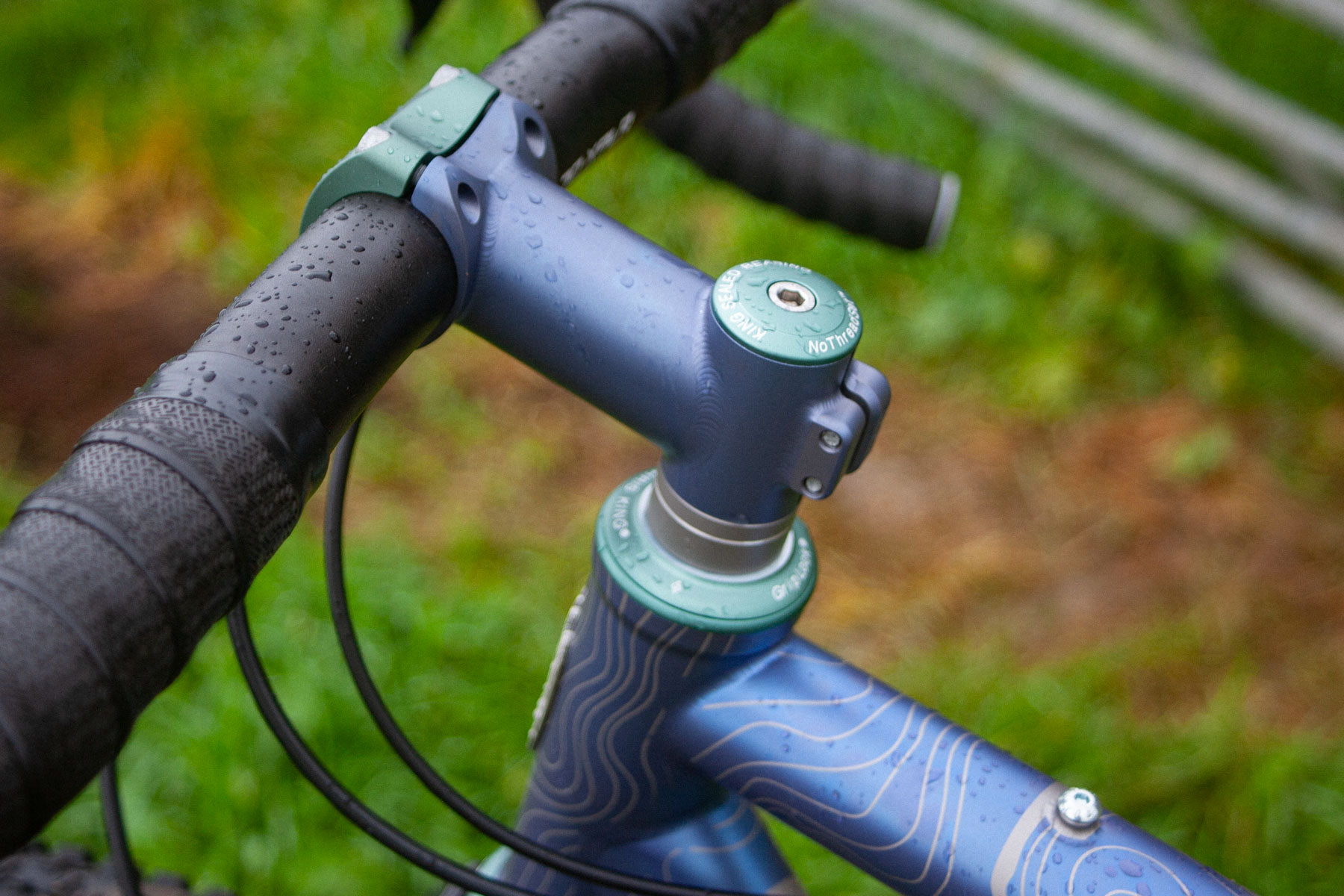
The Moots Scrambler’s titanium stem is colour-matched to the Chris King headset and Topo finish. Warren Rossiter / OurMedia
The Scrambler is available in a raw brushed-titanium finish or the stunning ‘Topo’ anodised finish seen here. The ‘Topo’ finish extends to the hand-crafted Moots titanium stem and seatpost, and there’s a custom Chris King headset to match.
I can’t help but think these Topo models are set to become a collector’s item.
Moots Scrambler build and pricing details
The stem faceplate is matched to the Chris King headset. Warren Rossiter / OurMedia
The Scrambler is available in a single build option or as a frame only.
Specification highlights
Shimano GRX RX22 x XT M8100 drivetrain
RockShox SID SL Select 10mm fork
Chris King MTN30 AL 29in Boost wheelset
Moots titanium stem and seatpost
3x Moots titanium bottle cages
Zipp XPLR Service Course handlebar
The complete bike is priced at $9,499 / £8,350 / €9,060, with the frame-only option starting from $5,399 / £4,750 / €4,660. You can upgrade the finish to either Moots’ premium polished and brushed finish or the very limited-edition ‘Topo’ finish seen here.
Apple brought RCS (Rich Communication Services) messaging to the iPhone with iOS 18 last year, giving green-bubble users access to more features and functions. But what exactly is possible with RCS on the iPhone, and what is still exclusive to iMessage users? Are Android RCS users now fully integrated into chats in the iOS Messages app or not?
I’ll lay out exactly what you can do in RCS chats between iPhones and Android phones, and explain which features are still missing—and when you might be able to get them. If you’ve got contacts on other mobile platforms, this should help you understand more about what the experience is like from their end.
To use RCS, you must have a carrier that supports it (most now do). On an iPhone, open Settings, then choose Apps > Messages > RCS Messaging to enable it. In Google Messages on Android, tap your profile picture (top right), then choose Messages settings and RCS chats to turn on the feature.
RCS on iOS and Android: what you can do
Ever since iOS 18, RCS messaging has officially been supported in the iOS Messages app—specifically, via the RCS Universal Profile 2.4. This brings green bubble Android users closer to parity with iMessage users, though some features only work in one direction, and some features only work in one-to-one conversations and not group chats.
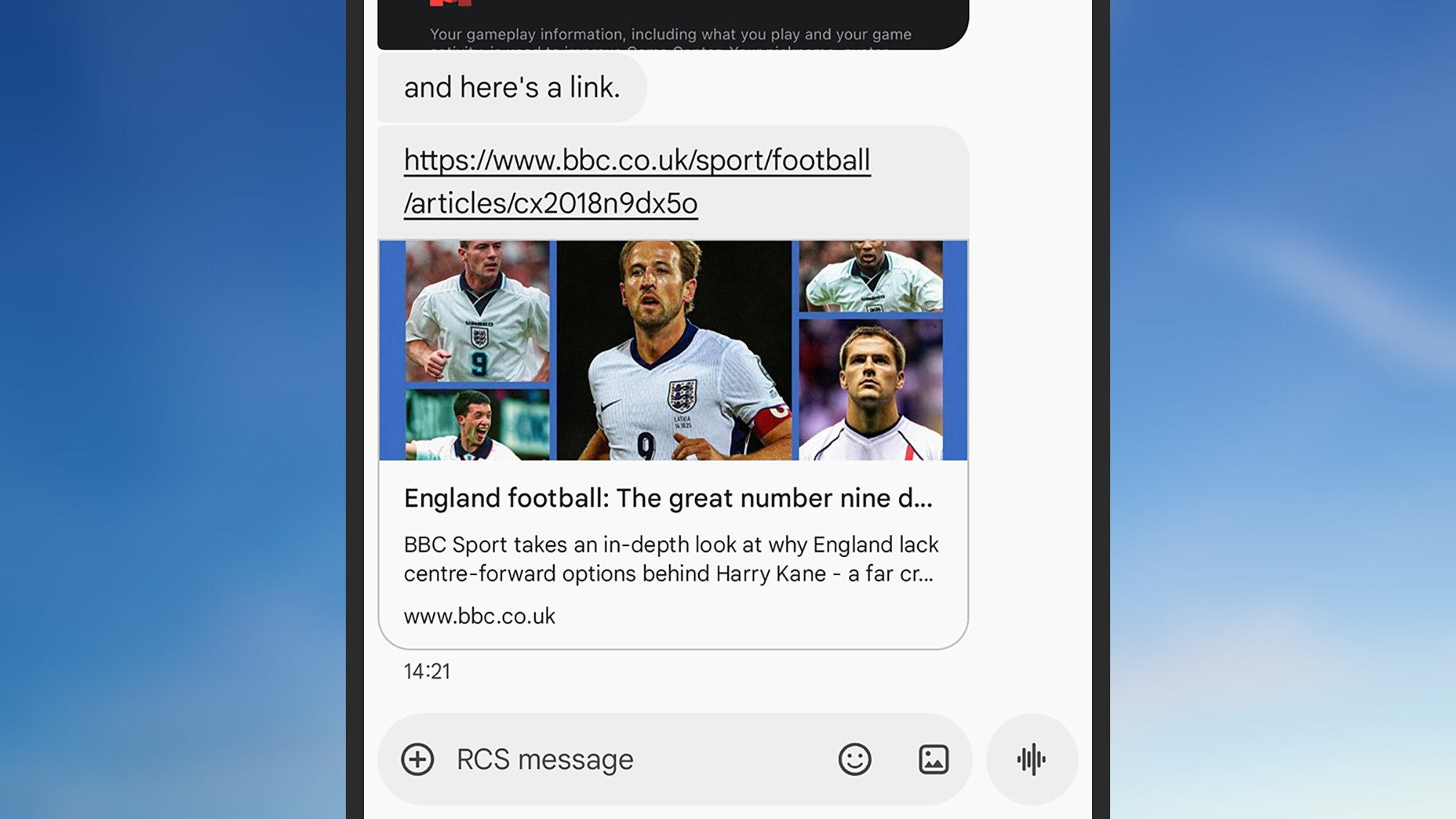
One notable upgrade is support for high-resolution photos and videos, which should work seamlessly across all your RCS-enabled conversations, with no more issues around compression or transfer. Web links look better as well, because you’ll get a proper preview shown on both Android and iOS, and you can share current locations too (though only as a static pin, not a live and updating one).
Web links now look much better between iOS and Android. Credit: Lifehacker
Typing indicators and read receipts are supported in both directions, assuming you’ve got them enabled on your devices. However, they don’t work in group chats—RCS users on Android can now join group chats, but the experience can be buggy based on reports, and you lose the typing indicators and the read receipts.
Emoji reactions are now supported, up to a point—but based on my testing, these only work from iPhone to Android. If you try and send an emoji reaction in the other direction, iPhone users will just get a separate text showing the emoji (it won’t appear as a bubble on top of the original message).
RCS on iOS and Android: what you can’t do (yet)
If you look at everything you can do in iMessage (with other iMessage users) and Google Messages (with other Android RCS users), you’ll realize there’s a long way to go when it comes to cross-platform support. For example, at the moment you can’t unsend messages, or reply inline in a thread, either from Android to iPhone or iPhone to Android.
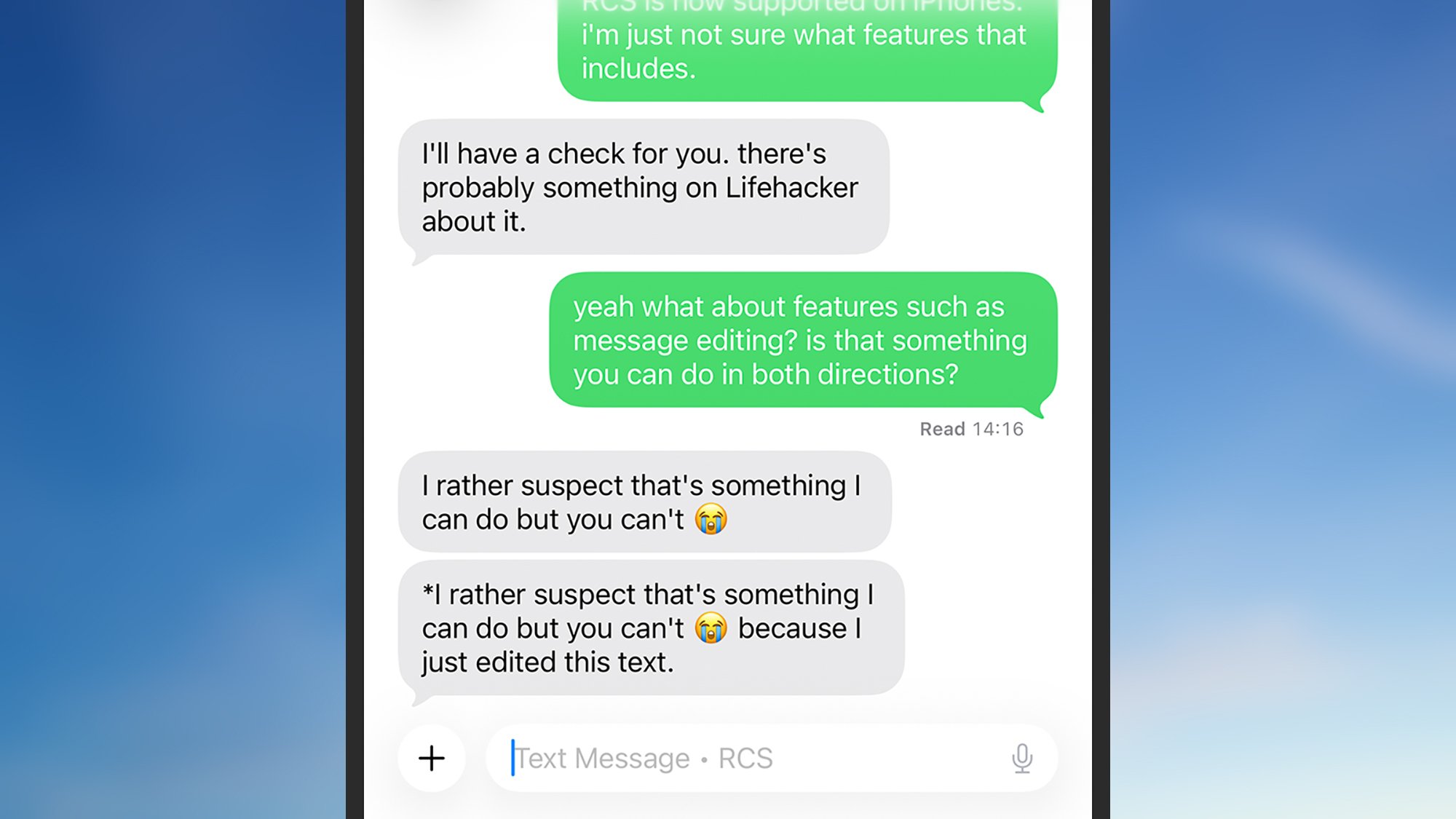
You can edit messages, but only if you’re an Android user messaging an iPhone user—and with the caveat that the iPhone user gets two texts (the original message and the edited message, which rather defeats the point). The ability to edit messages on an iPhone simply doesn’t appear in an RCS conversation.
Message editing is something that doesn’t quite work yet. Credit: Lifehacker
Another missing feature is end-to-end encryption for your chats and files shared in them. Apple has promised that support for this in RCS conversations is on the way, though it hasn’t shown up yet—not even in iOS 26. This should give you pause when it comes to sharing sensitive information in these chats.
Full end-to-end encryption is part of the RCS Universal Profile 3.0, which Google is testing in beta and which Apple has yet to adopt. Once this next update finally makes its way to iPhones and Android devices, interoperability will be leveled up again—it should, in theory, bring with it full support for message editing, emoji reactions, and inline replies. Until then, it’s something of a half-baked implementation, especially for group chats.