Pickle Pro Out Now On Apple Vision Pro With PS VR2 Controller Support

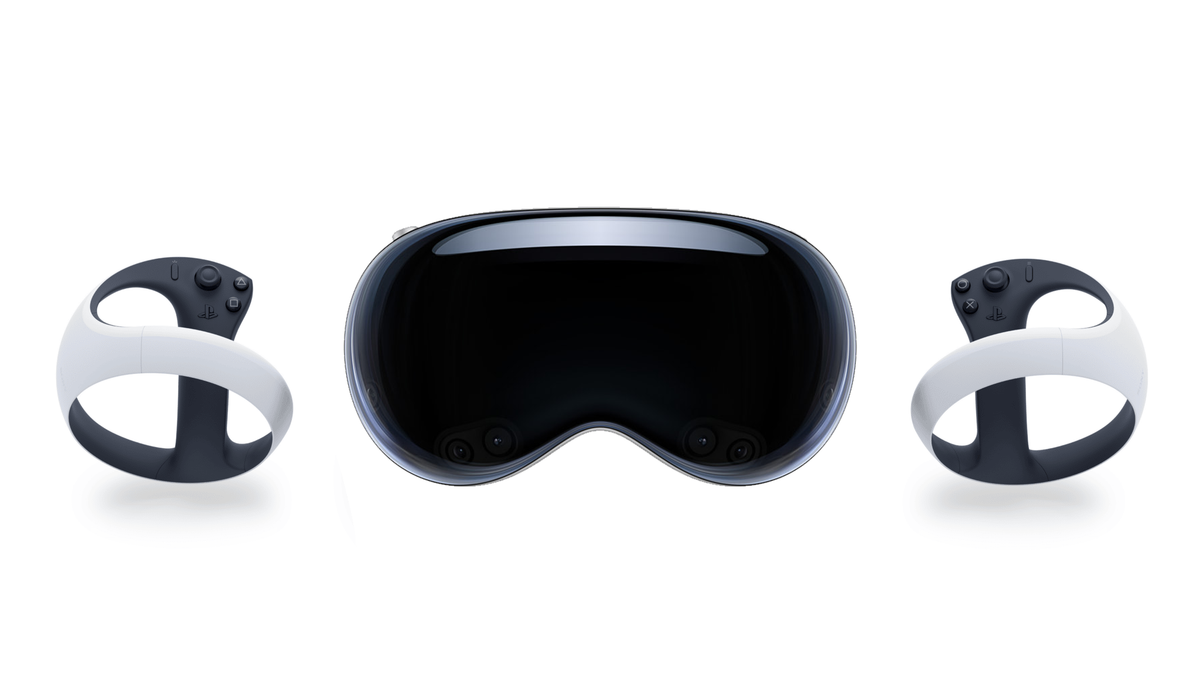
Pickle Pro, from Resolution Games, is out now on Apple Vision Pro, with full support for the PlayStation VR2 Sense controllers.

Apple added support for Sony’s tracked controllers to Vision Pro headsets with visionOS 26, which released last month, and they’ll be sold as a pair with Sony’s official charging dock for $250 from November 11.

PS VR2 Sense Controllers Will Be Sold By Apple For $250 Next Month
The PS VR2 Sense Controllers will be sold by Apple from next month for use with Vision Pro headsets, priced at $250 with the charging stand included.
UploadVRDavid Heaney

Resolution Games is a veteran XR studio behind dozens of top titles across all major headsets. Apple contracted the studio to build Game Room for Vision Pro’s launch and the Gears & Goo tower defense game that released earlier this year, both on its Apple Arcade subscription service. Resolution has also ported its flagship cross-platform title Demeo to visionOS.

The studio was the first to announce a Vision Pro title with support for PS VR2 Sense, when it revealed Pickle Pro back at WWDC 25. It wasn’t the first to release though, as Ping Pong Club added support last month.

The game supports both local and remote SharePlay, so you can play against other Vision Pro owners in the same room or remotely over the internet as Personas. And while the game itself is a 1vs1 experience, spectators can also join to watch the match play out.

0:00

/0:42

Pickle Pro launch trailer.

The announcement comes after Resolution added pickleball to its cross-platform VR/MR game Racket Club earlier this year, and the studio says Pickle Pro will use the same “hyper-real” physics engine.

For singleplayer, it says Pickle Pro’s AI bots are trained on thousands of hours of gameplay data from Racket Club, using machine learning to make them “smarter, more realistic, and more challenging with every match”.

Pickle Pro is $8 on the App Store, exclusively for Apple Vision Pro. While you can technically play with just your hands, Resolution strongly recommends using PS VR2 Sense controllers for the best experience.

A 3-Banjo Cover Of The Halloween Theme

This is a video of Foggy Mountain Spaceship performing a challenging 5/4 time cover of John Carpenter’s Halloween theme on a trio of banjos. It’s a tasty jam. Really made me want to rewatch Halloween. I’m not sure I’ll be able to find the time though, my girlfriend already has all our spooky movies carefully mapped out through the 31st. One night I tried suggesting a substitution. HUGE mistake. Way scarier than any movie.

ISP Deceived Customers About Fiber Internet, German Court Finds

The German Koblenz Regional Court has banned the internet service provider 1&1 from marketing its fiber-to-the-curb service as fiber-optic DSL. The court found that the company misled customers because its network uses copper cables for the final stage of connections, sometimes extending up to a mile from the distribution box to subscribers’ homes.

Customers who visited the ISP’s website and checked connection availability received a notification stating that a “1&1 fiber optic DSL connection” was available, even though fiber optic cables terminate at street-level distribution boxes or building service rooms. The company pairs the copper lines with vectoring technology to boost DSL speeds to 100 megabits per second. The Federation of German Consumer Organizations filed the lawsuit. Ramona Pop, the organization’s chairperson, said that anyone who promises fiber optics but delivers only DSL is deceiving customers.


Read more of this story at Slashdot.

Apple Reportedly Put Cameras In Real Madrid’s Stadium To Test Vision Pro Broadcast

Spain’s OKDiario claims that Apple installed more than 100 cameras in Real Madrid’s stadium to privately test broadcasting to Vision Pro.

If you’re an American reading this who doesn’t know much about what you call “soccer”, here’s some context: Real Madrid is one of the most successful clubs of all time, and has signed some of the best players of all time, including both Ronaldos, Zinedine Zidane, and David Beckham. In the year 2000, FIFA even officially declared Real Madrid “Club of the Century”.

In November last year, OKDiario first reported that the president of Real Madrid, Florentino Pérez, wanted to let fans watch games in immersive VR, hoping to court a company “like Apple” as the partner. Pérez called the concept “infinite stadium”.

Now, almost a year later, OKDiario released a new report claiming that Apple is installing more than 100 cameras at Santiago Bernabéu Stadium, Real Madrid’s home, to conduct tests during the Wednesday match against Juventus.

We should note that there’s no confirmation from Apple or Real Madrid in the article, and 100 immersive cameras would seem like overkill, costing millions of dollars. It’s possible the outlet is wrong about the exact number, or perhaps that many of the cameras are for tracking the players for a tabletop view similar to what the NBA rolled out to Vision Pro earlier this year, not just an immersive view.

Apple Vision Pro Is Getting Live Apple Immersive LA Lakers NBA Games
Select LA Lakers NBA games will be streamed in Apple Immersive to Apple Vision Pro owners next year, the first-ever live content for the format.
UploadVRDavid Heaney

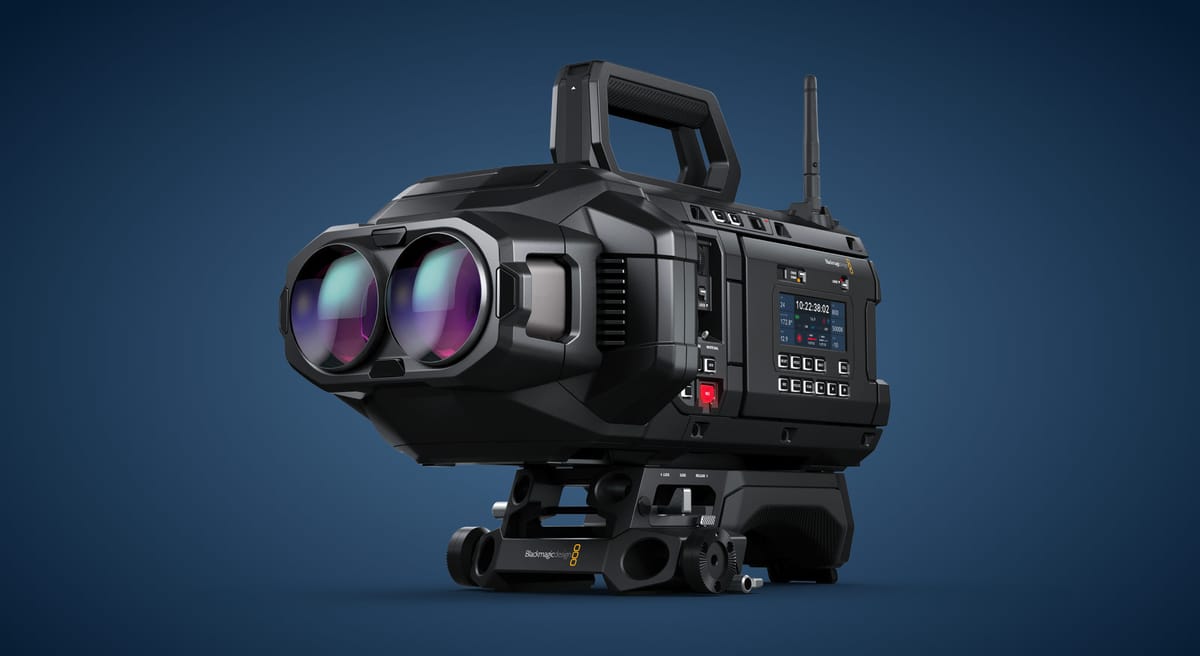
The report comes two weeks after Apple and the NBA officially announced that select LA Lakers NBA games will be streamed in Apple Immersive to Apple Vision Pro owners next year, the first-ever live content for the format, via a new special variant of the Blackmagic URSA Cine Immersive camera.

That at least proves that Apple is bringing live immersive sports to Vision Pro. But it’s too early to tell whether immersive Real Madrid games could really be in the cards any time soon.

(Apple also did release an 2023 MLS Cup Highlights immersive video for Vision Pro last year, but that was a 5-minute video released months after the games.)

JetBrains Survey Declares PHP Declining, Then Says It Isn’t

JetBrains released its annual State of the Developer Ecosystem survey in late October, drawing more than twenty-four thousand responses from programmers worldwide. The survey declared that PHP and Ruby are in “long term decline” based on usage trends tracked over five years. Shortly after publication, JetBrains posted a separate statement asserting that “PHP remains a stable, professional, and evolving ecosystem.” The company offered no explanation for the apparent contradiction, The Register reports.

The survey’s methodology involves weighting responses to account for bias toward JetBrains users and regional distribution factors. The company acknowledges some bias likely remains since its own customers are more inclined to respond. The survey also found that 85% of developers now use AI coding tools.


Read more of this story at Slashdot.

TikTok’s New Policies Remove Promise To Notify Users Before Government Data Disclosure

TikTok changed its policies earlier this year on sharing user data with governments as the company negotiated with the Trump Administration to continue operating in the United States. The company added language allowing data sharing with “regulatory authorities, where relevant” beyond law enforcement. Until April 25, 2025, TikTok’s website stated the company would notify users before disclosing their data to law enforcement. The policy now says TikTok will inform users only where required by law and changed the timing from before disclosure to if disclosure occurs. The company also softened its language from stating it “rejects data requests from law enforcement authorities” to saying it “may reject” such requests. TikTok declined to answer repeated questions from Forbes about whether it has shared or is sharing private user information with the Department of Homeland Security or Immigration and Customs Enforcement. The timing difference prevents users from challenging subpoenas before their data is handed over.


Read more of this story at Slashdot.

Cats Try Thick (Gel) Water For The First Time

This is a video of cats experiencing thick water for the first time. What’s thick water? Water that’s had a thickening agent like xanthan gum or modified cornstarch added to make it more viscous for people with dysphagia (a medical condition that makes it difficult to swallow non-viscous liquids without choking). I have not experienced thick water myself, but it looks like a good time. Now *ripping shirt off* fill the baby pool and let’s wrestle!

What Actually Counts As ‘Moderate Exercise’

We may earn a commission from links on this page.

Exercise is a healthy and, one might argue, necessary part of our lives. The guidelines from public health organizations tell you to aim for at least 150 minutes of “moderate” exercise each week, and that each minute of “vigorous” exercise counts double. That raises the question: What the hell is “moderate” exercise? How do you know when you’re doing it? 

Scientists measure METs, but you don’t have to 

If you have any kind of smartwatch or fitness tracker, it may try to tell you that “moderate” exercise occurs at a certain heart rate. This isn’t actually the case. The scientists who came up with the exercise guidelines didn’t use heart rate as their guide. Instead, they used charts that measured how many “METs,” or metabolic equivalents, each type of exercise requires.

I’ll explain more about METs below, but the important thing to know is that the type and intensity of exercise is what tells you whether it’s moderate, not your heart rate while you’re doing it. You can look up exercises on a chart like this one, but here’s the basic idea: 

  • Walking is moderate, jogging or running is vigorous.

  • Bicycling is moderate if it’s under about 12 miles per hour on the flat.

  • Indoor cycling is moderate if it’s up to about 100 watts of power.

All that said, you don’t have to overthink it. The guidelines that mention “moderate” and “vigorous” activities aren’t asking you to monitor your heart rate or any other numeric metric. They want you thinking in terms of generalities: walking versus running, leisurely bike commuting versus sweating your heart out in a spin studio.

And honestly, if it’s easier to watch your heart rate than to worry about the above, that’s fine. For most of us, 150 minutes of Zone 2 is going to be at least 150 minutes of moderate exercise. So follow that guideline, and you’ll be an overachiever.

It’s not really about heart rate

So why does your watch want to steer you toward a certain heart rate during exercise? Mostly because that’s easy to measure. Moderate exercise sorta-kinda matches up to “zone 2” cardio, which I’ve previously explained. (Zone 2 is is the second-lowest intensity in a five-zone system, and the easiest way to know which zone you’re in is to glance at your fitness watch.)

While you can use heart rate zones as a rule of thumb to find moderate exercise, this idea falls short in two ways: (1) different gadgets and systems use different cutoffs to decide which numbers count as “zone 2”, and (2) for most of us, zone 2 includes most moderate activities but also some vigorous activities. If you’re relatively fit, you can jog at a 12 minute-per-mile pace while keeping your heart rate in zone 2. That’s a “vigorous” activity in terms of METs, though. 

The other reason heart rate isn’t accurate for this task is that your heart rate changes for all kinds of reasons. The hotter it is when you’re working out, the higher your heart rate tends to be. Same goes for when you’re nervous or stressed. And as you get fitter, you’ll be able to do the same activities at a lower heart rate. Those activities might feel easier than they used to, but they’re not any less work. 

What is a MET, anyway?

One MET is the energy expended when you’re at rest—the amount of oxygen, calories, etc that it takes to keep you alive and breathing. (We use oxygen in the process of burning calories, so officially a MET is 3.2 milliliters of oxygen per kilogram of body weight per minute.) 

Researchers can then put a mask on a person and measure how much oxygen they use while running, walking, playing guitar, etc. If an activity takes twice as much oxygen as sitting still, they say it takes two METs. Here are a few examples (taken from this scientific paper): 

  • 2 MET: washing dishes, or playing croquet

  • 3 MET: walking at 3 miles per hour (a pretty typical walking pace)

  • 4 MET: table tennis, ice skating

  • 5 MET: modern dance, fast-paced ballroom dance

  • 6 MET: volleyball, singles tennis

  • 7 MET: jogging, jumping rope

The numbers go up from there. Speed skating clocks in at 15 MET. To be clear, you will not be measuring METs directly when you exercise. The MET studies are done in labs so that we can use the information to get a sense of what MET values each common type of exercise tends to have.

Moderate exercise is 3 to 6 MET, and vigorous is 6 or more

The physical activity guidelines define “moderate” exercise as at least 3 MET, but less than 6. Vigorous is 6 MET or more. 

Because METs are specific to the activity, not to how fit you are, it makes the most sense to look at METs in terms of the pace you run or the settings you use on your treadmill or other cardio machine. Here are paces and activities that have been clocked as between 3 and 6 METs: 

  • Walking at 3-4 mph (a 15-minute to 20-minute mile)

  • Cycling, between 50 to 100 watts

  • Shooting baskets

  • Playing baseball

  • Taking a low-impact aerobics class

And these are vigorous (6 or more MET): 

  • Race walking (5+ mph) 

  • Walking uphill

  • Walking with a 12-pound pack

  • Jogging (a 12-minute mile is 8.0 MET; the faster you go, the higher the MET)

  • Bicycling at 12 miles per hour or faster

  • Swimming laps

  • Playing a game of basketball, soccer, or hockey

So when you’re trying to get your 150 minutes (or more) of moderate exercise each week, you can count all your walking, your easy bike riding, and your low-impact aerobics class. Give yourself credit for vigorous exercise for all the time you spend jogging (at any heart rate), lap swimming, or rucking. You may find you’ve been doing more exercise than you think.

Apple’s Planned Foldable iPad With 18-inch Screen Hits Development Snags

Apple’s effort to reinvent the iPad by adding a giant foldable screen has hit development hurdles, potentially delaying the planned launch. Bloomberg: The company has been working on the device — projected to cost around $3,000 — for several years and had most recently aimed for a 2028 release. But engineering challenges tied to weight, features and display technology have pushed its potential debut to 2029 or later, according to people familiar with the matter.

Apple is working with Samsung Display Co. to develop the roughly 18-inch panel for the device, said the people, who asked not to be identified because the work isn’t public. The screen minimizes the crease seen on foldable displays, matching an approach that Apple is also using with its upcoming foldable iPhone. The iPad project is part of a broader push to bring more innovative devices to market. Apple just introduced its first new iPhone design in years — the ultrathin $999 Air model — and is working on everything from smart glasses to a tabletop robot device.


Read more of this story at Slashdot.

Oakley Meta Vanguard Now Shipping & Available In Stores

Oakley Meta Vanguard is now shipping and available in stores.

Announced at Meta Connect 2025 last month, Oakley Meta Vanguard has a centered camera with a wider FOV than Meta’s other smart glasses, as well as IP67 water resistance, and Oakley’s iconic Sphaera design.

The centered camera should make for better first-person footage, and it has a field of view of 122 degrees, compared to 100 degrees for Ray-Ban Meta, Meta Ray-Ban Display, and Oakley Meta HSTN.

0:00

/0:30

Oakley Meta Vanguard

Some of this field of view can be traded off for more aggressive Electronic Image Stabilization (EIS). By default the glasses automatically set the stabilization level based on your movement, but you can manually set it to low, medium, or high.

Oakley Meta Vanguard can record regular video at any of:

  • 1080p at 30FPS (for up to 5 minutes at a time)
  • 1080p at 60FPS (for up to 3 minutes at a time)
  • 3K at 30FPS (for up to 3 minutes at a time)

It can also record slow-motion 720p at 120FPS for 1 minute, or capture a hyperlapse for up to 30 minutes, if you ask Meta AI.

Meta says the speakers are also six decibels louder than its other smart glasses, making them more suitable for hearing audio while wind is rushing past your face, ideal for skiing, cycling, and running.

Oakley Meta Vanguard’s IP67 water and dust resistance should also make it more suitable for tougher environments, and Meta says its battery is far better at handling cold weather – a problem I’ve personally faced with the Ray-Ban Meta glasses.

According to Meta, Oakley Meta Vanguard glasses should get you around 9 hours of use, compared to 8 hours for the Ray-Ban Meta Gen 2 and Oakley Meta HSTN glasses.

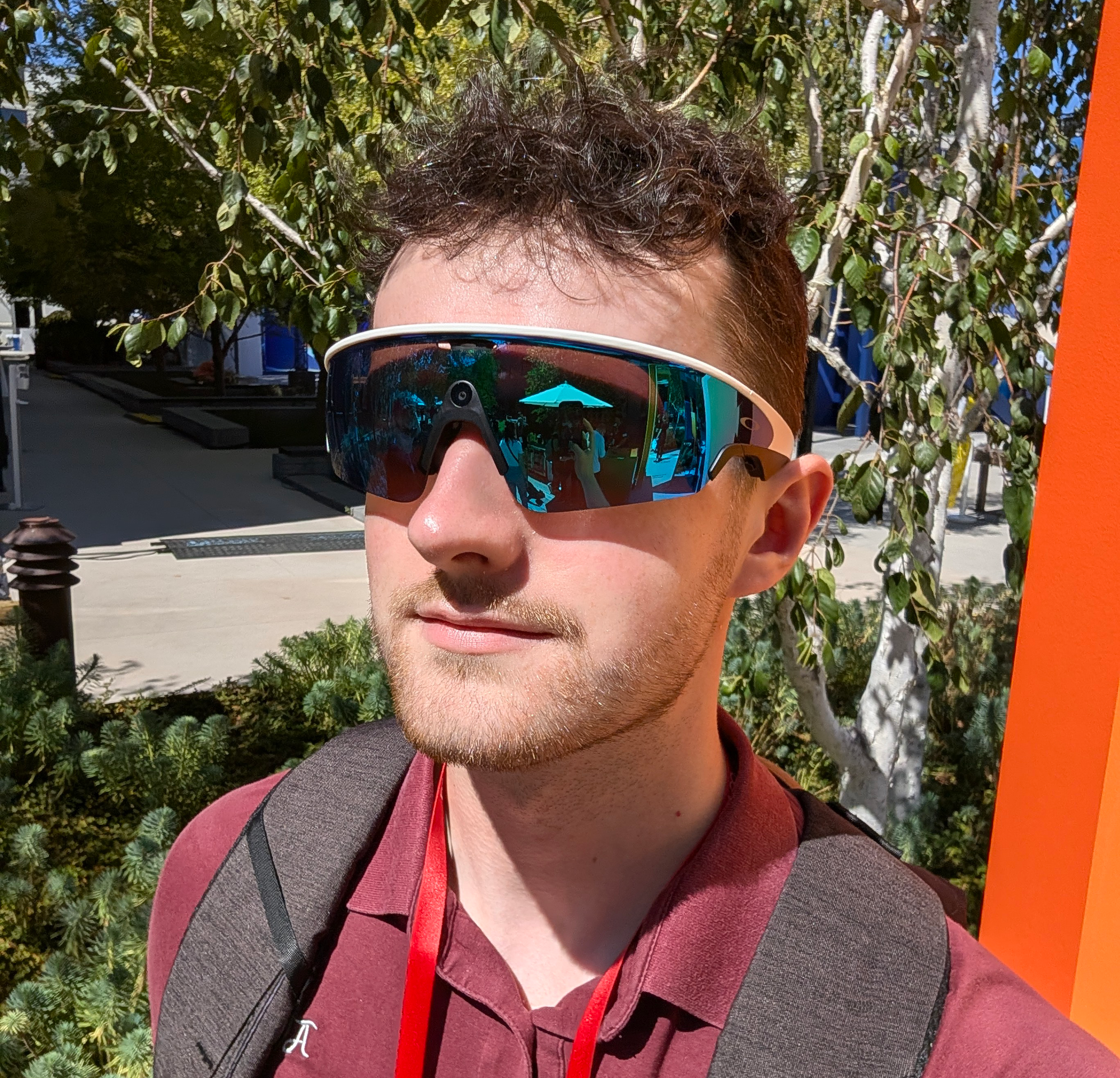
Me wearing Oakley Meta Vanguard at Meta Connect 2025.

Other than this, Oakley Meta Vanguard glasses function the same way as Ray-Ban Meta and Oakley Meta HSTN. They’re screenless smart glasses with a camera, microphones, and speakers. You can use them to capture photos and videos, listen to music/podcasts/audiobooks, make and receive calls, share your first-person view on WhatsApp & Messenger video calls, translate speech, scan QR codes, and query Meta AI, the company’s LLM-based assistant that can see via the camera when you ask about something in view. It’ll also read out some phone notifications, if you want.

I was able to briefly try the Oakley Meta Vanguard glasses at Meta Connect 2025. While on paper they’re almost 30% heavier than Ray-Ban Meta, at 66 grams, in practice I found them to be more comfortable, as this weight is better distributed.

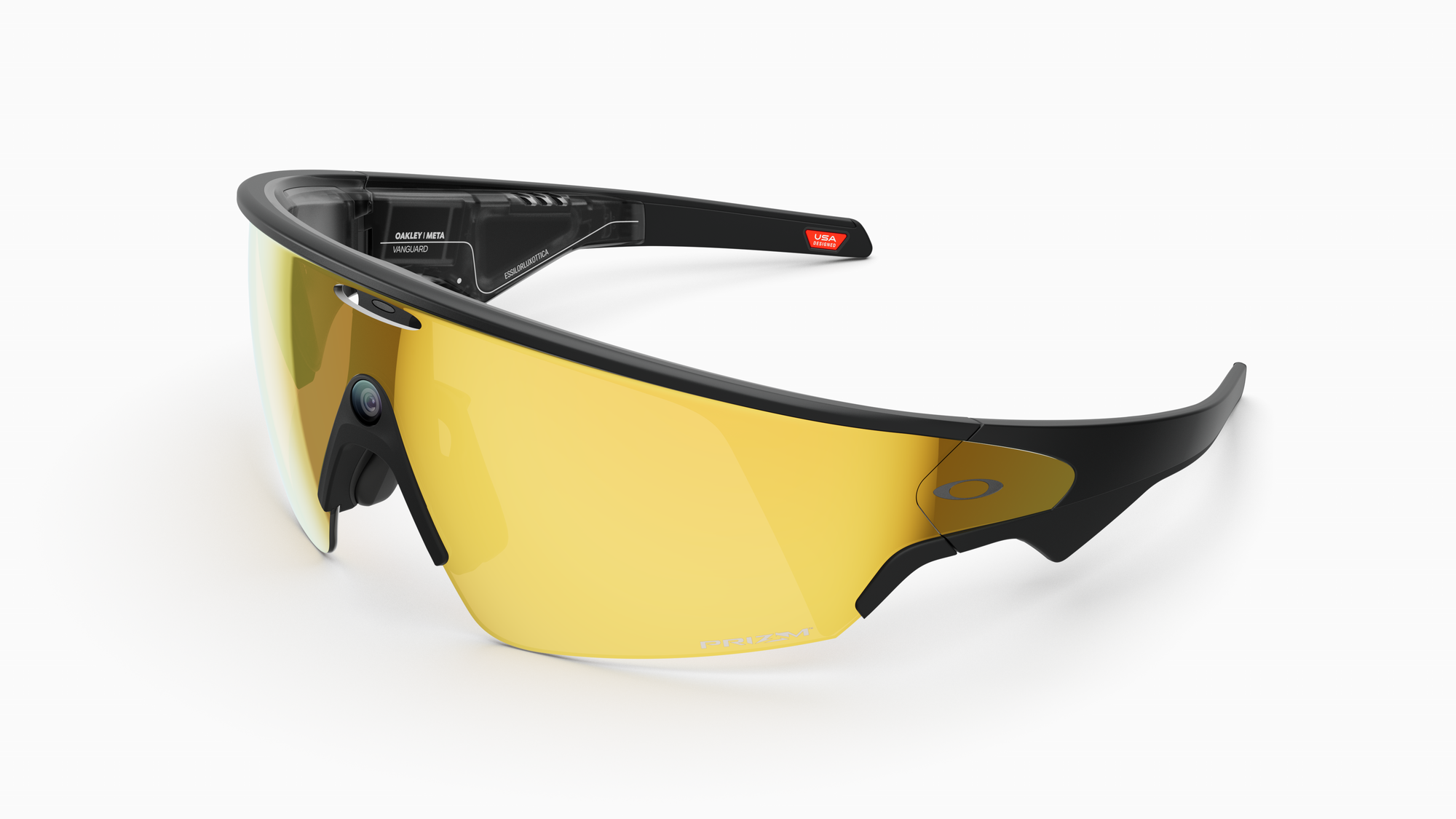
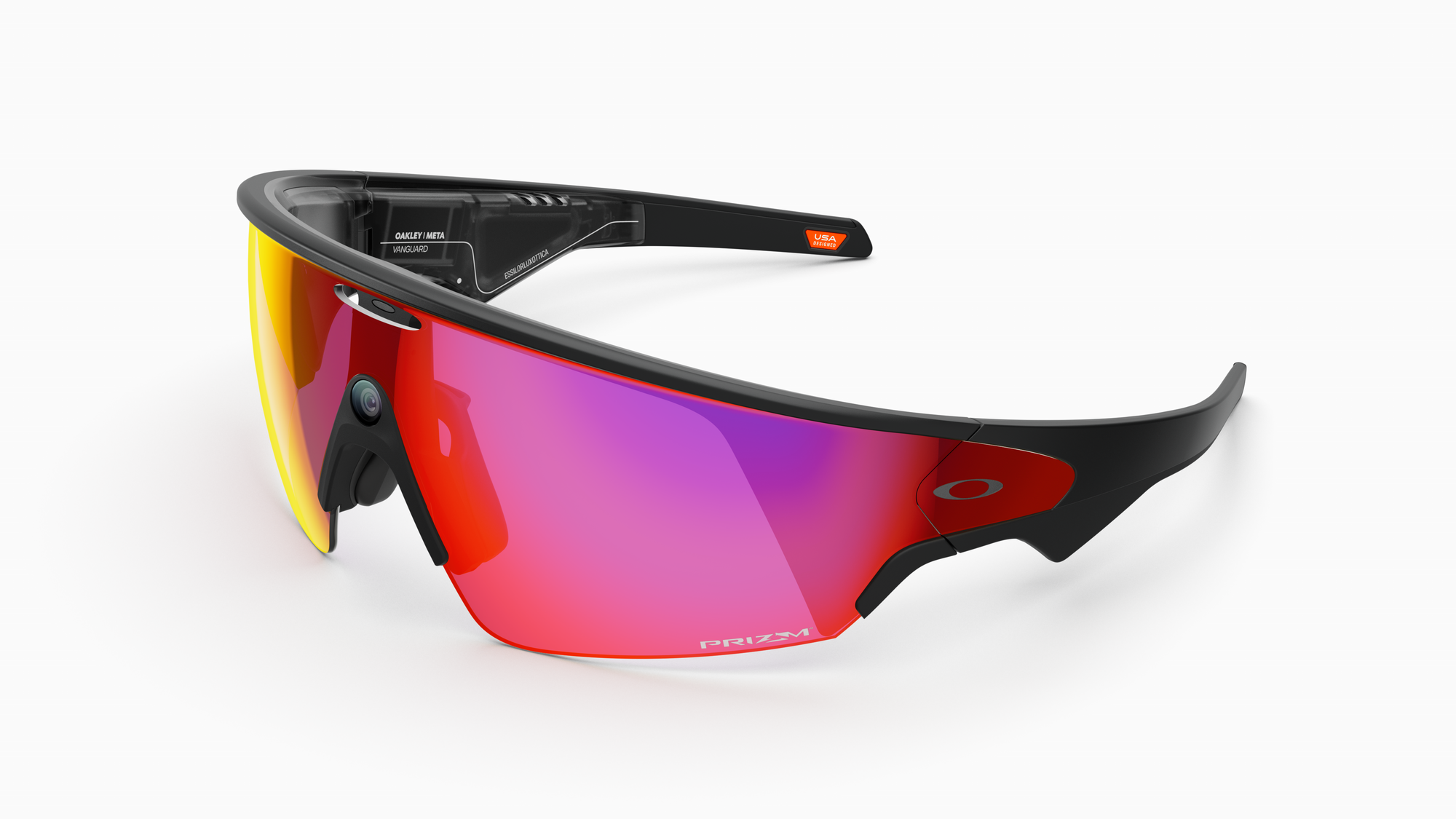
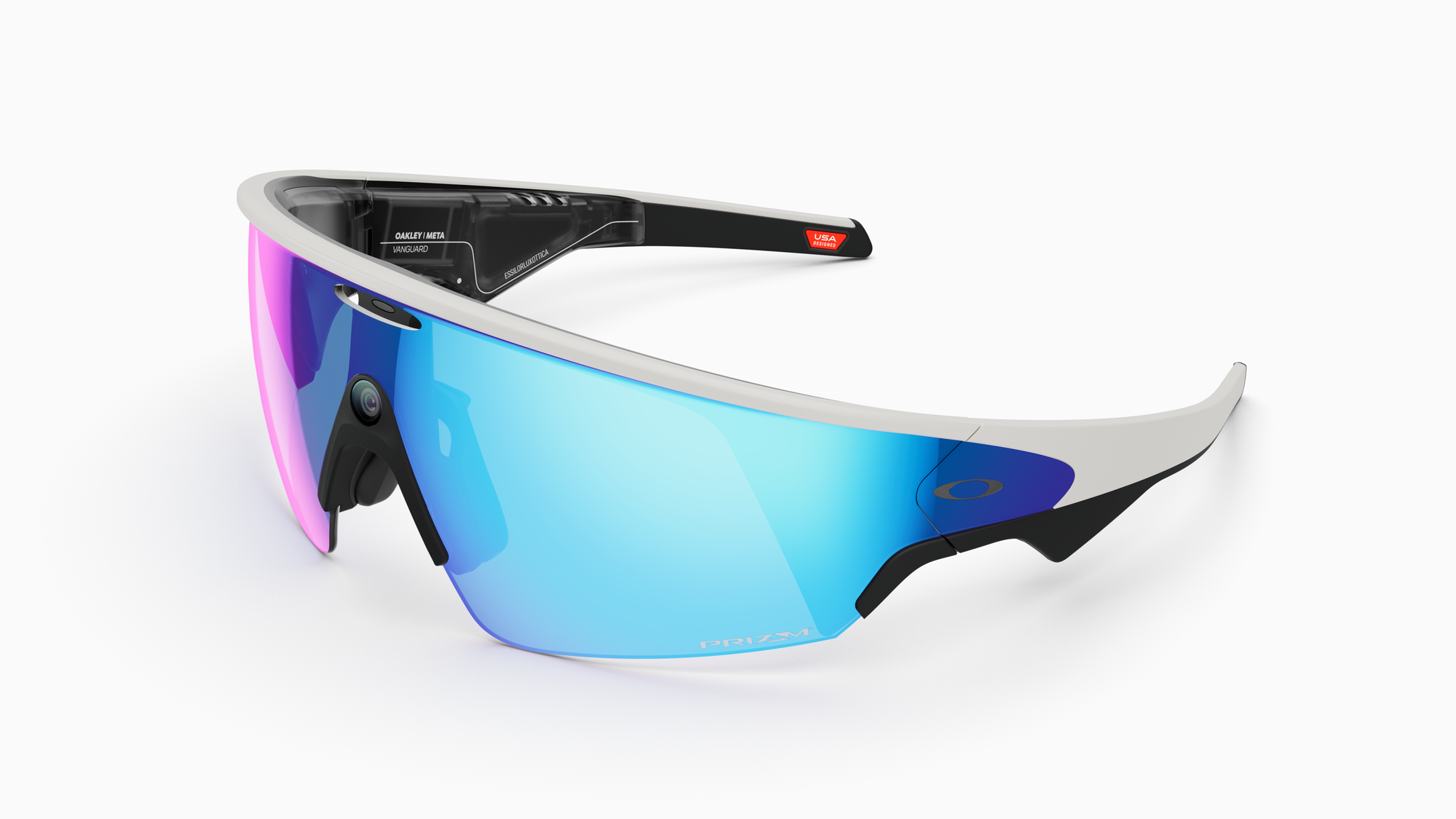
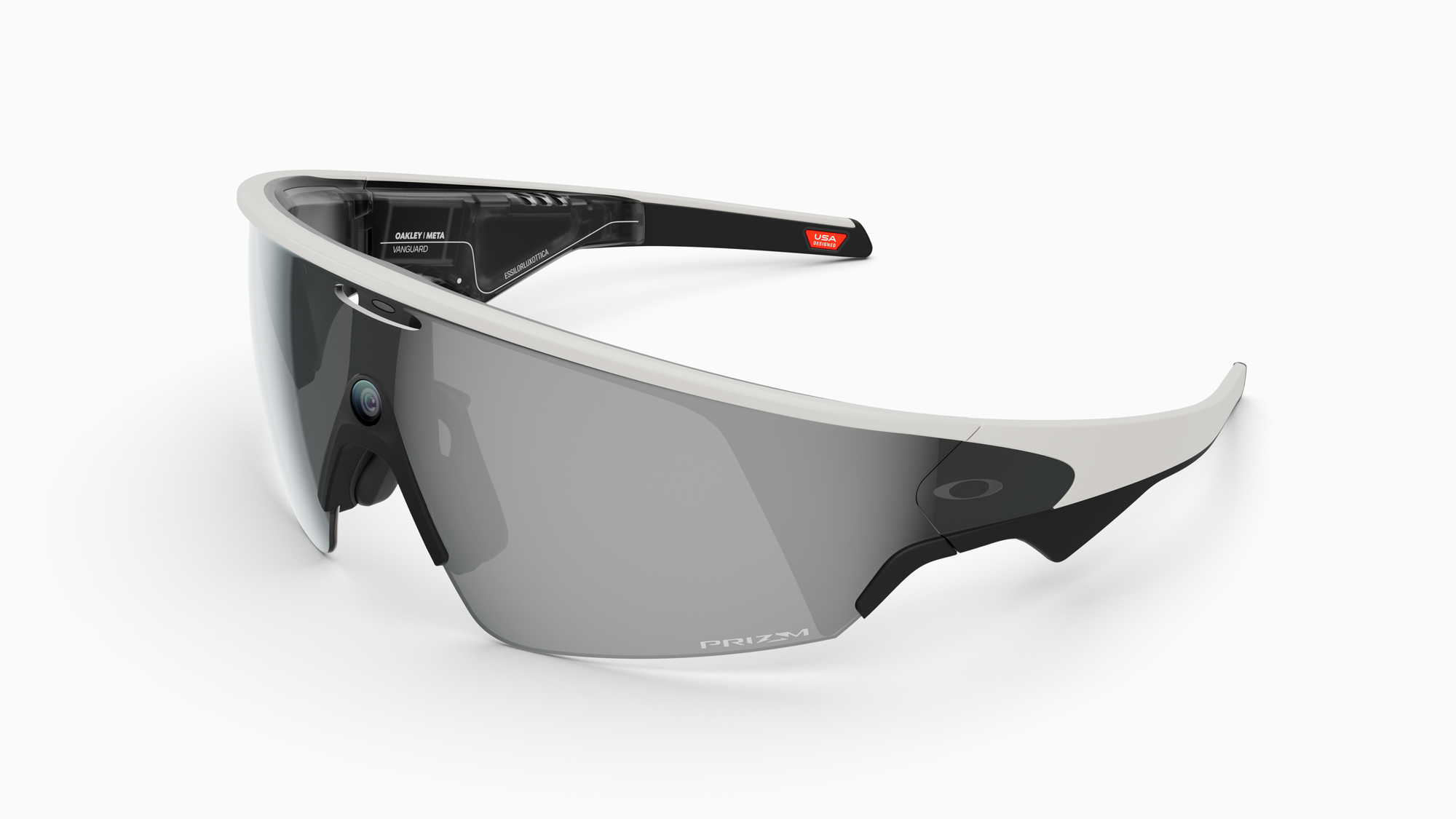
Oakley Meta Vanguard is available in 4 colors:

  • Black frame with 24K lenses
  • Black frame with Road lenses
  • White frame with Sapphire lenses
  • White frame with Black lenses

All four lenses feature Oakley’s PRIZM lens technology, which EssilorLuxottica says enhances colors and contrast, and you’ll be able to buy the lenses separately at some point in the future in case you want to swap color later.

The 4 colors of Oakley Meta Vanguard.

All four variants are priced at $500, and they’re available in the US, Canada, the UK, Ireland, France, Italy, Spain, Austria,
Belgium, Australia, Germany, Sweden, Norway, Finland,
Denmark, Switzerland, and the Netherlands.

Meta and EssilorLuxottica say they will bring the glasses to Mexico, India, Brazil, and the UAE later this year.

KDE Plasma 6.5 Released

“Plasma is a popular desktop (and mobile) environment for GNU/Linux and other UNIX-like operating systems,” writes longtime Slashdot reader jrepin. “Among other things, it also powers the desktop mode of the Steam Deck gaming handheld. The KDE community today announced the latest release: Plasma 6.5.” From the announcement: This fresh new release is all about fine-tuning, fresh features, and a making everything smooth and sleek for everyone. The new version brings automatic light-to-dark theme switching based on the time of day. You can configure which global themes it switches between. You can also configure whether you want the wallpaper to switch between its light and dark versions based on the color scheme, the time of day, or be always light or dark.

Next up is a “Pinned clipboard items” feature, which lets you save text you use regularly into the clipboard. Breeze-themed windows will now have the same level of roundness in all four corners, even the bottom one. Flatpak Permissions page has been transformed into a general Application Permissions page, where you can configure applications’ ability to do things like take screenshots and accept remote control requests. The utility that reads the level of ink or toner from your printer now informs you when it’s running low or empty.

For the gamers out there, you can now see more relevant info about game controllers on System Settings’ Game Controller page. Artists among you can now configure any rotary dials and touch rings on your drawing tablet. Users sensitive to color can now make use of a grayscale color filter, which desaturates or removes color systemwide.

Plasma 6.5 implements support for an experimental version of the Wayland picture-in-picture protocol that promises to allow apps like Firefox to eventually display proper PiP windows that stay above others automatically. Support for “overlay planes” was added, which can reduce CPU usage and power draw when displaying full-screen content using a compatible GPU. You can read more about these and many other new features in the Plasma 6.5 release announcement and complete changelog.


Read more of this story at Slashdot.

Someone made a ‘camera’ that can shoot at two billion frames per second

Brian Haidet, a scientist creating videos on YouTube under the handle AlphaPhoenix, showed off a camera in a new video that can capture footage of a laser pointer at the speed of light. The camera is an update on a previous design that could capture footage at one billion frames per second, but it comes with a major caveat: it can only shoot one pixel at a time.

Haidet’s camera is made from a gimbal-mounted mirror, two tubes, a simple lens, a light sensor and some Python code to tie it all together. Pointed at a laser pointer, the camera’s able to capture a beam of light at two billion frames per second, showing it smoothly traveling between mirrors, with speeds that vary depending on where the camera is in relation to the laser pointer. “Light moves about six inches, or 15 centimeters, per frame of this video,” Haidet says. “This beam of light is traveling at the Universe’s speed limit. Light in any reference frame will never move any faster or any slower than this speed.”

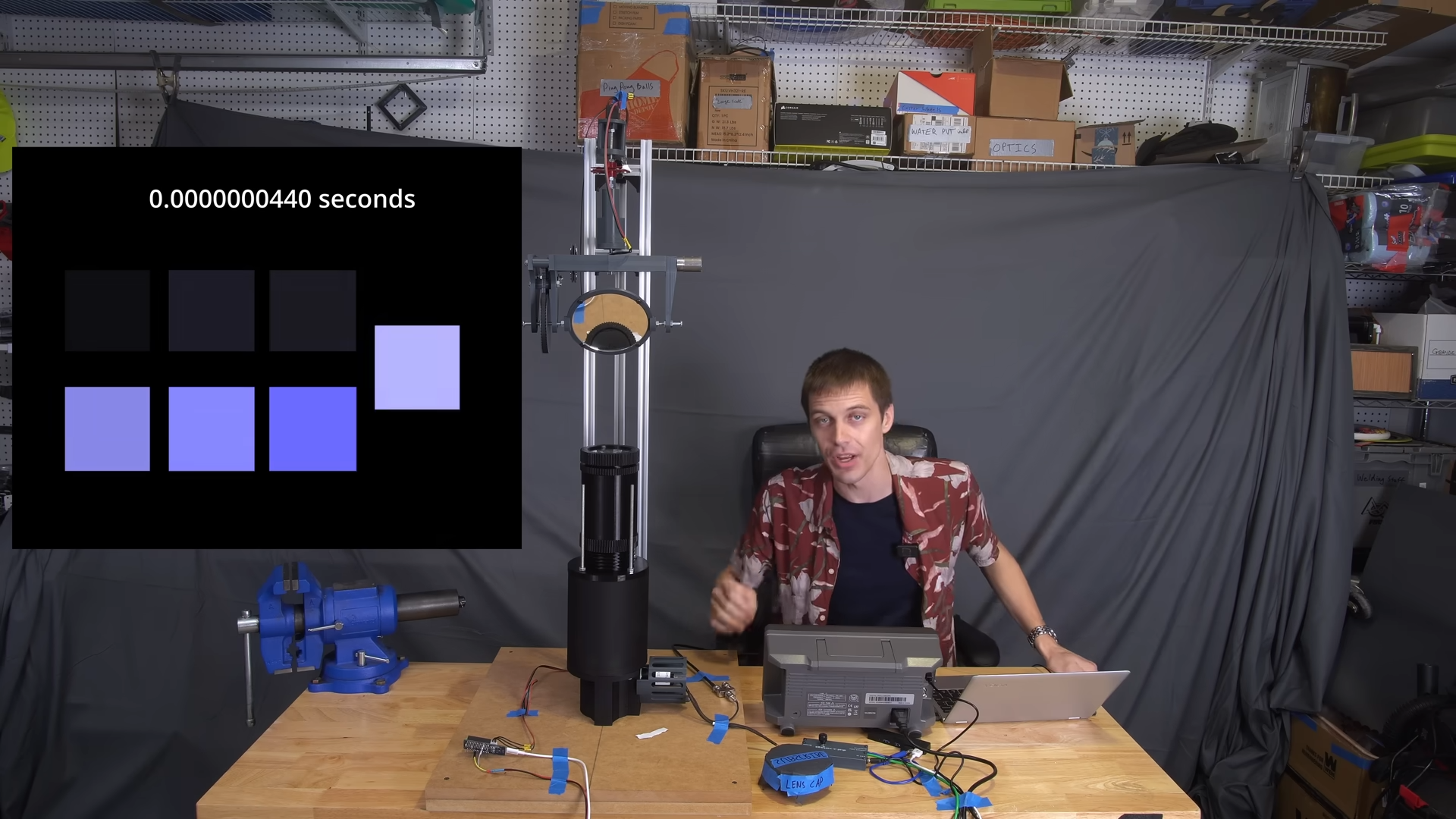
Brian Haidet explaining how he tiled pixels together to create footage of light traveling.
Pixels had to be tiled together to create what looks like normal video footage.
Brian Hadet

While it’s theoretically possible to create a more traditional camera that can capture footage at two billion frames per second, as Haidet explains, you can’t do it with the tools most people have in their garage. His solution was to capture one pixel at a time, and then tile that footage together to create something viewable. According to Haidet, “if all these videos are synchronized and we take many, many, many, one pixel videos, we can tile these videos next to each other and play them all back at the exact same moment and give something that looks like a video.” 

While it’s not the same thing as a true two billion frames-per-second camera, “that’s just a significantly more expensive way to do it,” Haidet says, “and it really wouldn’t get us any better of a result.”

This article originally appeared on Engadget at https://www.engadget.com/science/someone-made-a-camera-that-can-shoot-at-two-billion-frames-per-second-202259391.html?src=rss

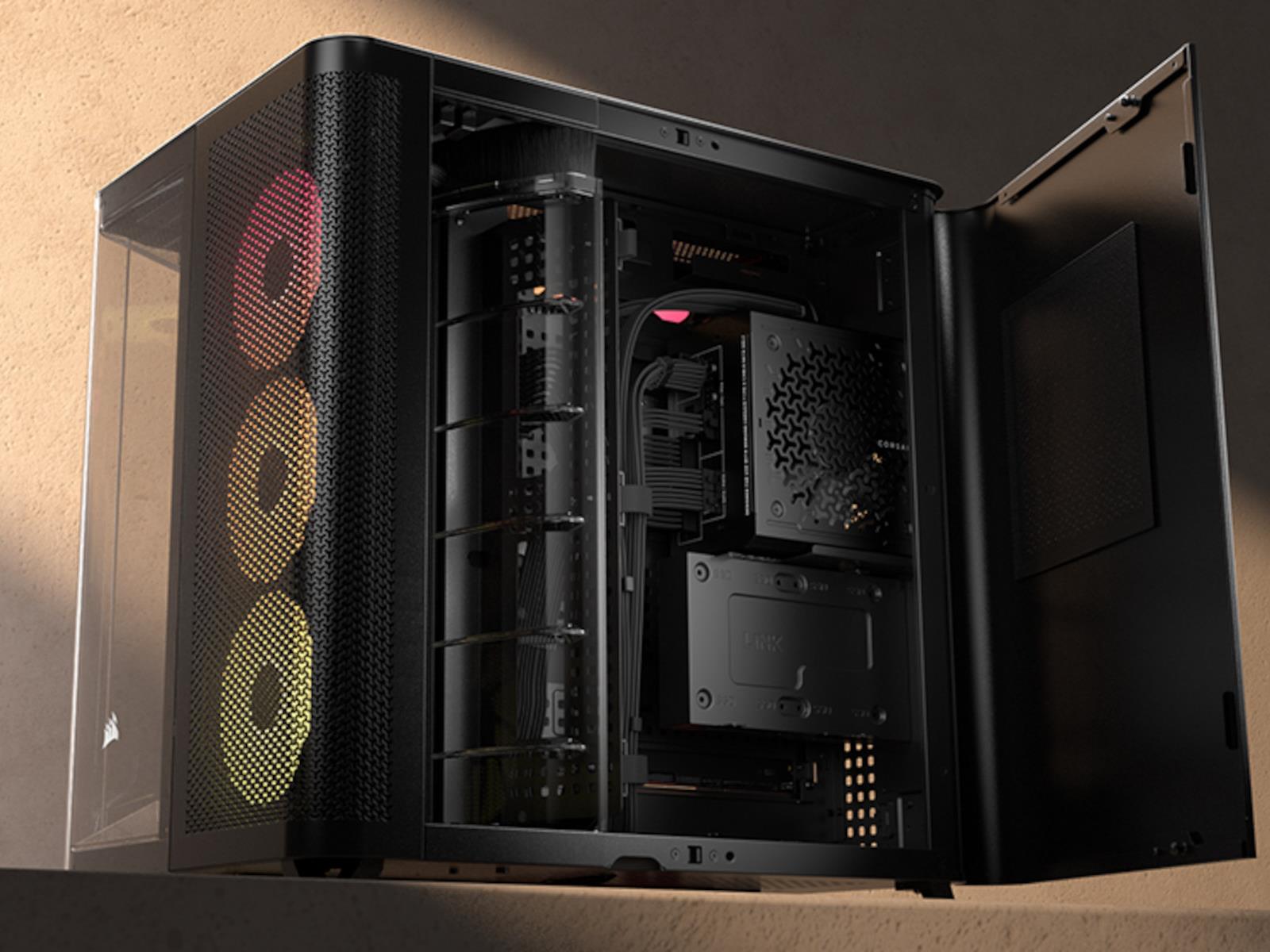
Corsair Unveils Air 5400 Triple-Chamber PC Case With Serious Cooling Chops And Glass Styling

Corsair Unveils Air 5400 Triple-Chamber PC Case With Serious Cooling Chops And Glass Styling
Corsair just launched the Corsair Air 5400, which is being marketed as the world’s first triple-chamber case. This somewhat-bulky advancement in PC case design does have a functional use, though—as Corsair demonstrates with its own benchmarks and airflow demonstrations, the whole purpose of the triple-chamber design is to further enhance cooling

FDA slows down on drug reviews, approvals amid Trump admin chaos

Amid the chaos of the Trump administration’s haphazard job cuts and a mass exodus of leadership, the Food and Drug Administration is experiencing a slowdown of drug reviews and approvals, according to an analysis reported by Stat News.

An assessment of metrics by RBC Capital Markets analysts found that FDA drug approvals dropped 14 percentage points in the third quarter compared to the average of the six previous quarters—falling from an average of 87 percent to 73 percent this past quarter. In line with that finding, analysts noted that the delay rate in meeting deadlines for drug application reviews rose from an average of 4 percent to 11 percent.

The FDA also rejected more applications than normal, going from a historical average of 10 percent to 15 percent in the third quarter. A growing number of rejections relate to problems at manufacturing plants, which in turn could suggest problems with the FDA’s inspection and auditing processes.

Read full article

Comments