Japan is running out of its favorite beer after ransomware attack

Japan is just a few days away from running out of Asahi Super Dry as the producer of the nation’s most popular beer wrestles with a devastating cyber attack that has shut down its domestic breweries.

The vast majority of Asahi Group’s 30 factories in Japan have not operated since Monday after the attack disabled its ordering and delivery system, the company said.

Retailers are already expecting empty shelves as the outage stretches into its fourth day with no clear timeline for factories recommencing operations. Super Dry could also run out at izakaya pubs, which rely on draught and bottles.

Read full article

Comments

Canyon launches its own carbon gravel bike wheels and promises more new wheelsets

Canyon has expanded from manufacturing bikes to introduce its own carbon wheels. Its first wheelset is the GR30 CF, which it will sell standalone as well as fitting it to two specs of the 2025 Grizl gravel bike. It promises additions to its wheel line-up in 2026.

According to Canyon’s senior product manager, Maxime Brunand: “This is a new chapter in the Canyon story. We’re entering the wheel market with decades of cycling know-how and expertise distilled into a trusted performance product that works in perfect harmony with Canyon bikes.”

Canyon has built its own testing facilities in its production centres, aiming to ensure top quality in its new wheels, which are not yet available to US buyers. 

1,525g wheelset weight

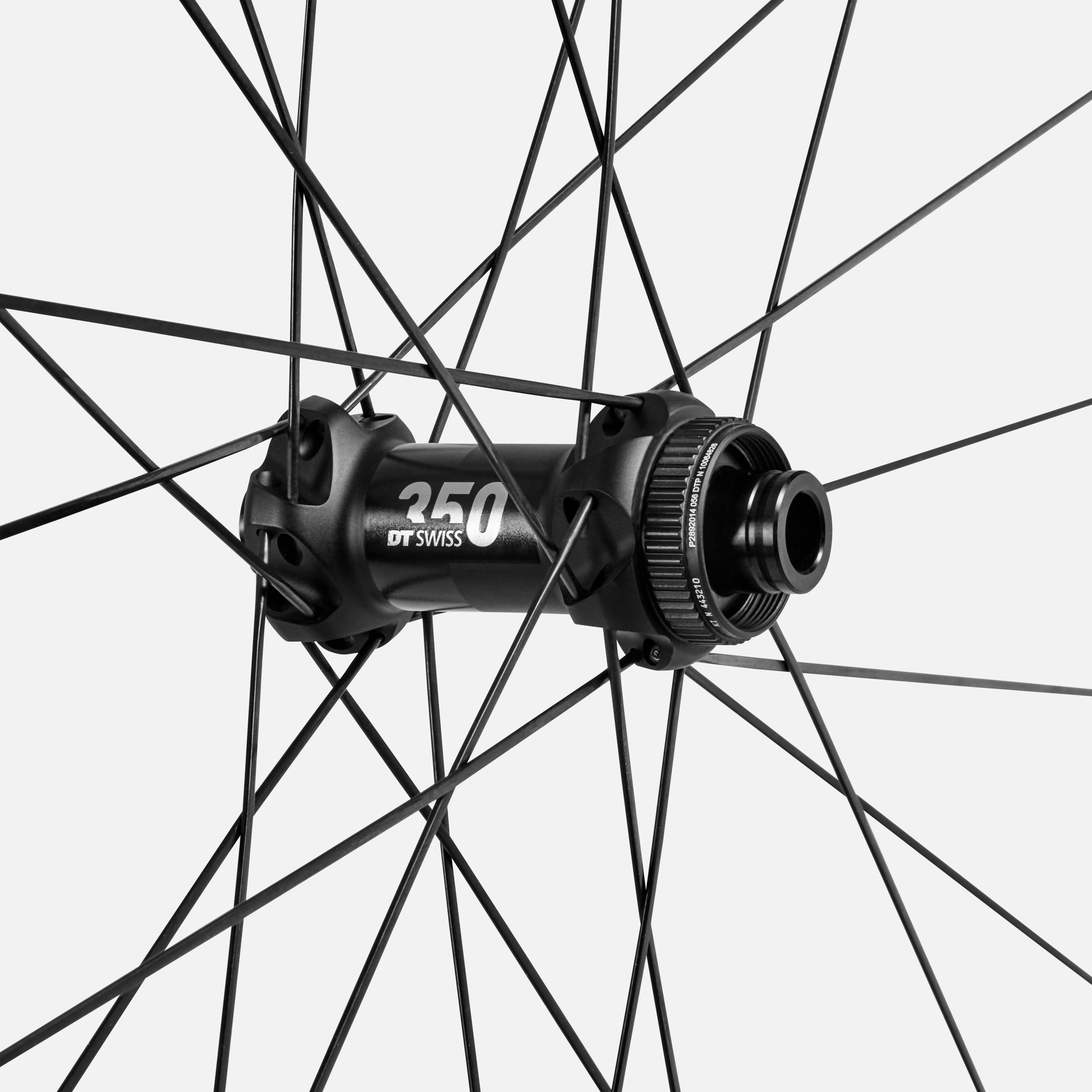
Canyon has specced DT Swiss 350 hubs and DT spokes on its new wheels.

The new wheels, as their name denotes, are 30mm deep and have a wide 27mm internal/33mm external-width hookless rim. Canyon claims a 1,525g weight for the GR30 CF wheelset – 715g for the front and 810g for the rear wheel, including rim tape.

Canyon’s new wheels are laced to DT Swiss 350 Spline hubs, which Canyon says have an unbeatable reputation for reliability and performance. Canyon also looks to DT Swiss for its Aerocomp straight-pull spokes. 

Tyres up to 54mm wide

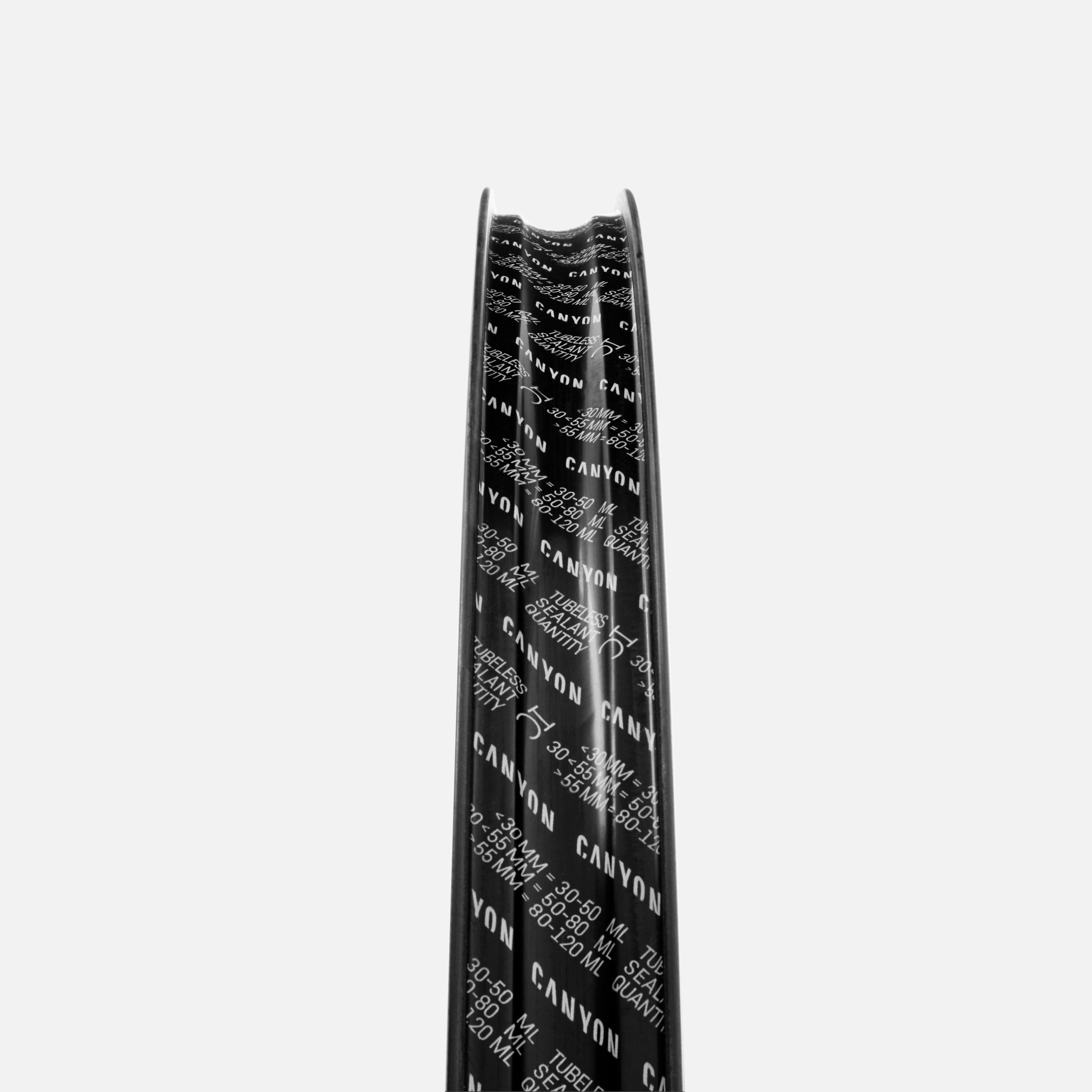
The 27mm internal-width hookless rim is printed with tyre width and pressure guidelines, and the rim tape recommends how much sealant to add.

The wheels come ready-fitted with a Shimano Micro Spline freehub for compatibility with Shimano GRX 1×12-speed groupsets. They’re supplied with a SRAM XDR freehub body too, so you can convert tool-free to run SRAM cassettes. Canyon also supplies tubeless valves.

To make it easy to ensure tyre compatibility, the GR30 CF wheel rims are printed with tyre-width compatibility details and recommended pressure ranges. Canyon says you can use the wheels with gravel bike tyres up to 54mm wide. Its rim tape is printed with recommended sealant volumes.

The Canyon GR30 CF wheels are priced at £859.95 / €899 a set, significantly lower than many competitor gravel bike wheels. They’ll also be specced on the Canyon Grizl OG CF 8 Di2 and Canyon Grizl CF 9 Escape gravel bikes.

You may like

Quest 3 & 3S Are Now Used On SteamVR More Than Quest 2

Quest 3 and Quest 3S are now used for SteamVR more than Quest 2, ending the headset’s more than 4-year dominance on Valve’s platform.

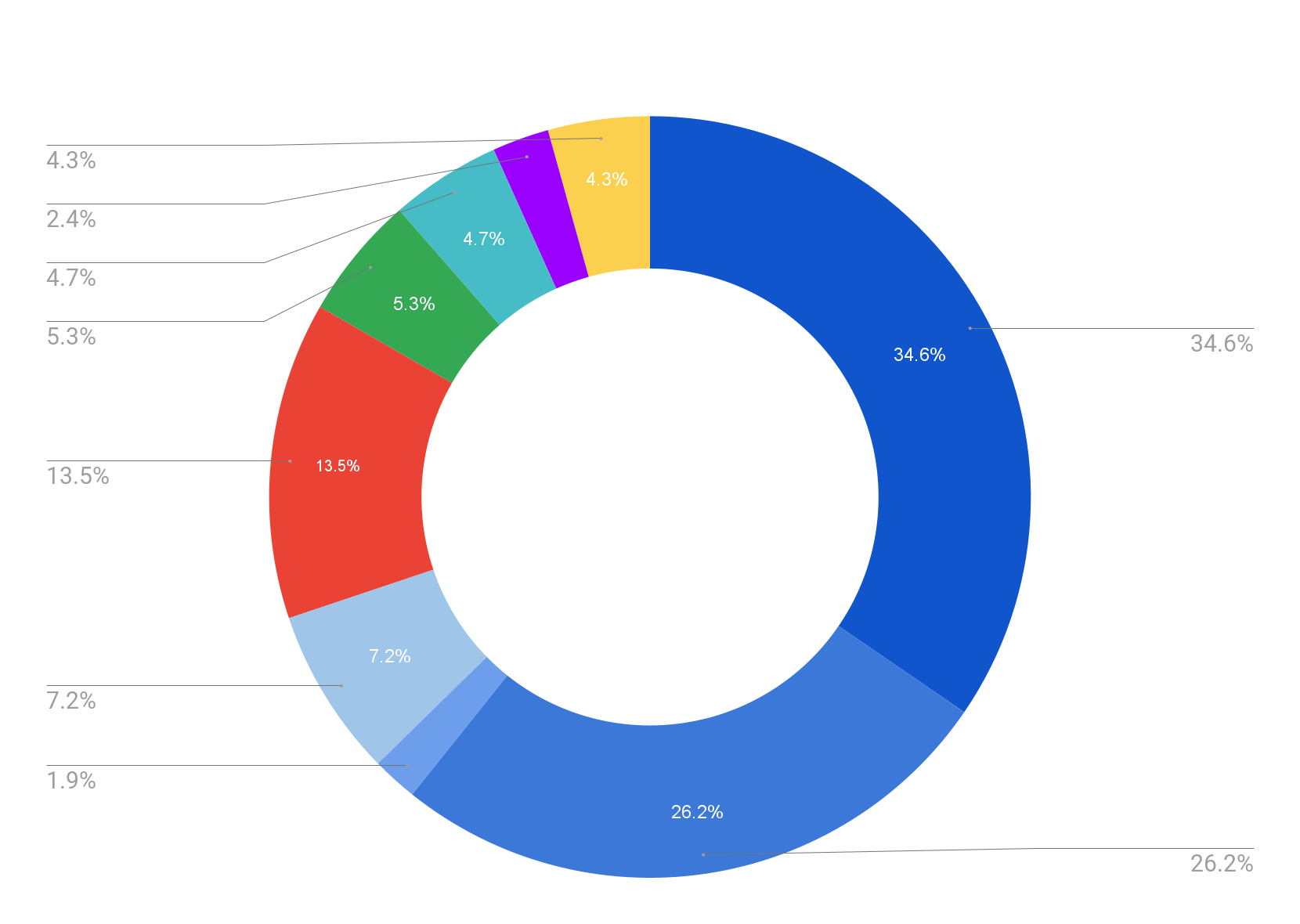
On Valve’s Steam Hardware & Software Survey for September, the combined share of “Meta Quest 3” and “Meta Quest 3S” usage is now 34.6%, exceeding the 26.17% of Quest 2.

We put those product names in quotes because SteamVR sees Quest 3S headsets as “Meta Quest 3” when using Meta’s official Quest Link feature and Guy Godin’s Virtual Desktop. As far as we can tell, the “Meta Quest 3S” entry only represents Quest 3S headsets connected using Valve’s official Steam Link.

As such, the most accurate thing we can say here is that the Quest 3 family of headsets were used by 34.6% of SteamVR users in September, making them the most used headset type.

Quest 3 and Quest 3S take the throne from Quest 2, which had held the #1 spot since March 2021, around five months after it launched. That same month, Facebook said that Quest 2 had already outsold all previous Oculus headsets combined, and it went on to sell over 20 million units, becoming the “the first mainstream VR headset”.

Of course, PC VR is only a subset of Quest headset usage, and most buyers use the headsets entirely standalone. And while earlier this year Meta said that the number of active Quest users is higher than it ever been, the company also has reported declining Quest headset sales for both quarters of this year so far. The company is set to report its Q3 results at the end of this month.

As Ray-Ban Meta Sales Skyrocket, Quest Sales Are Down Again
Meta Reality Labs revenue rebounded in Q2, up 5% compared to 2024. But this was driven by the Ray-Ban Meta glasses, while Quest headset sales were again down.
UploadVRDavid Heaney

Overall, PC VR Continues To Stagnate

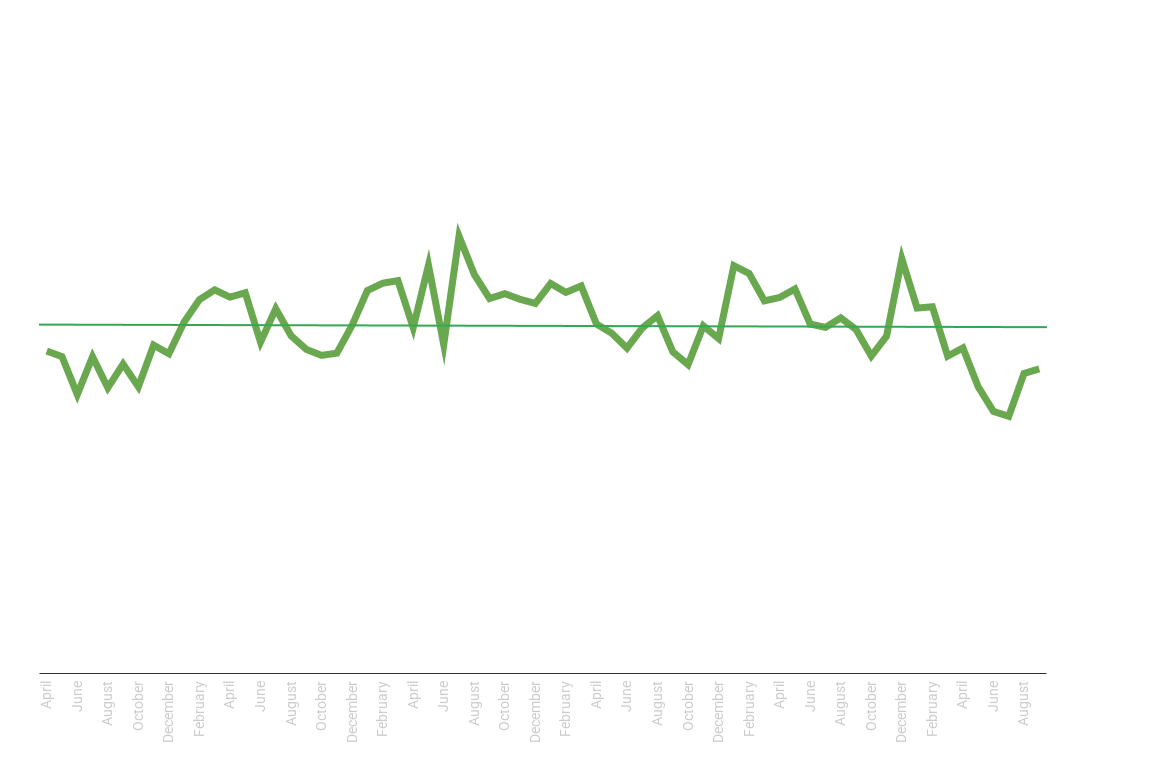
Overall, since Valve started recording any headset used on SteamVR in the past month rather than just currently connected via USB at the time of the survey in April 2020, the percentage of Steam users using a VR headset of any kind on their PC has declined.

This time period has also seen a massive increase in the number of Chinese Steam users. Headsets like Meta Quest and Valve Index aren’t officially sold in China, and a huge portion of Chinese Steam usage is believed to come from PC gaming cafes, where a headset wouldn’t be connected ever. So at UploadVR we also adjust the data to account for the increase in Chinese Steam users.

But even after doing so, overall VR usage on Steam has remained stagnant over the past five years, relative to the growth of PC gaming in general.

The reasons for this are open to debate, and likely complex, but that it has coincided with a massive increase in standalone VR usage suggests it’s something inherent to PC VR or the habits and desires of PC gamers in general.

‘Steam Frame’ Trademark Registered By Valve: Is This Deckard?
Valve applied for a trademark on the term ‘Steam Frame’. Is this its new headset, codenamed Deckard?
UploadVRIan Hamilton

It’s unclear what, if anything, could see SteamVR usage grow in the foreseeable future. Over the past four years Valve has repeatedly confirmed that it’s working on a new headset, strongly hinting that it will have a focus on wireless streaming from your PC, and last month it registered a “Steam Frame” trademark, which references to have been found in SteamVR code. But we don’t yet know when Valve’s next headset might actually arrive, nor what kind of price it will target.

OpenAI is now the world’s most valuable private company at $500 billion

OpenAI has overtaken SpaceX as the largest startup and most valuable private company in the world. Bloomberg has reported that the company has authorized a secondary share sale, which allowed its former and current employees to sell their stocks. OpenAI had authorized the sale of $10.3 billion in shares, but they ultimately sold $6.6 billion to investors that include Softbank, Abu Dhabi government’s MGX fund, American investment firm Thrive Capital and global investment management firm T. Rowe Price. As Bloomberg explains, that has boosted the company’s valuation to $500 billion from $300 billion, overtaking SpaceX with a $400 billion valuation and TikTok developer ByteDance at $220 billion. 

In early September, OpenAI said it was getting closer to transitioning to a new structure that will turn it into a Public Benefit Corporation (PBC) controlled by its nonprofit arm. The company’s nonprofit division received an equity stake of more than $100 billion, making it a major shareholder of the PBC. SpaceX’s CEO Elon Musk is one of the biggest critics of OpenAI’s decision and has been trying to block the company’s for-profit transition in court. Musk was one of OpenAI’s founders and funded its initial operations. He claimed in court that OpenAI and Altman are breaking their contract with him and violating the company’s founding mission of building AI “for the benefit of humanity” by changing its structure. 

OpenAI is hoping that being a PBC would make it more appealing to investors, as it would remove the cap on the financial returns they can get. It needs a lot more money than what it has raised so far, after all: OpenAI chief Sam Altman previously said he intends to spend trillions of dollars on building out data centers to run artificial intelligence services. 

This article originally appeared on Engadget at https://www.engadget.com/ai/openai-is-now-the-worlds-most-valuable-private-company-at-500-billion-133028221.html?src=rss

Shark’s latest skincare gadget will suck gunk from your pores and rinse them

About two years ago, I tried a facial treatment in Singapore that had left me feeling refreshed and my skin smooth and taut. I found out it was called an “aqua peel” and started investigating how I could replicate the experience at home in the United States. Back then, the available options were either too costly or looked dubious. At the time, devices like the BeautyBio GloFacial weren’t showing up in my searches, and the Dermaflash Dermapore+ Pore Extractor and Serum Infuser just didn’t seem like what I was looking for.

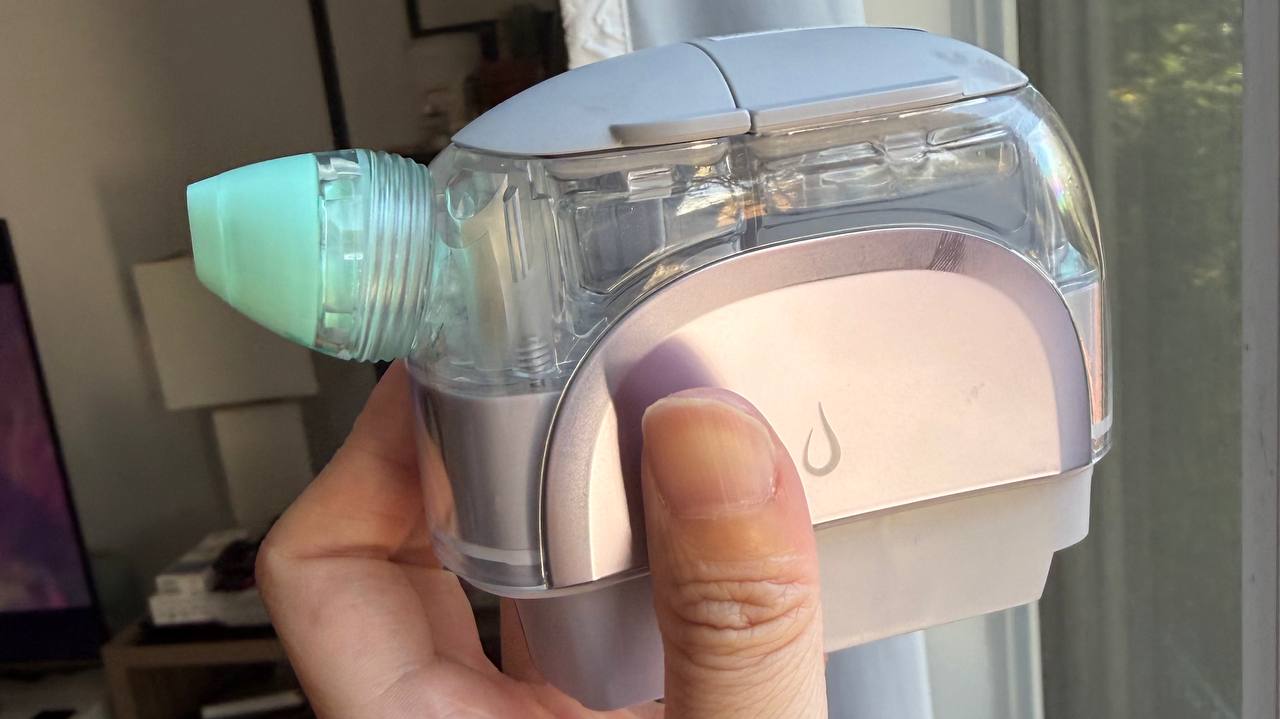
When I first read the description for Shark’s FacialPro Glow, I felt a spark of hope ignite. It sounded like the aqua peel I had experienced, and it wasn’t until I actually was able to try it out recently that I was convinced. The company says its latest gadget is a “hydro-fueled, skincare-enhanced facial device that delivers spa-level results.” Basically, imagine a nozzle being dragged around your face as it sucks gunk out of your pores while also flushing them clean. That’s the refreshing sensation I experienced and was, to use a Singaporean term, “damn shiok.”

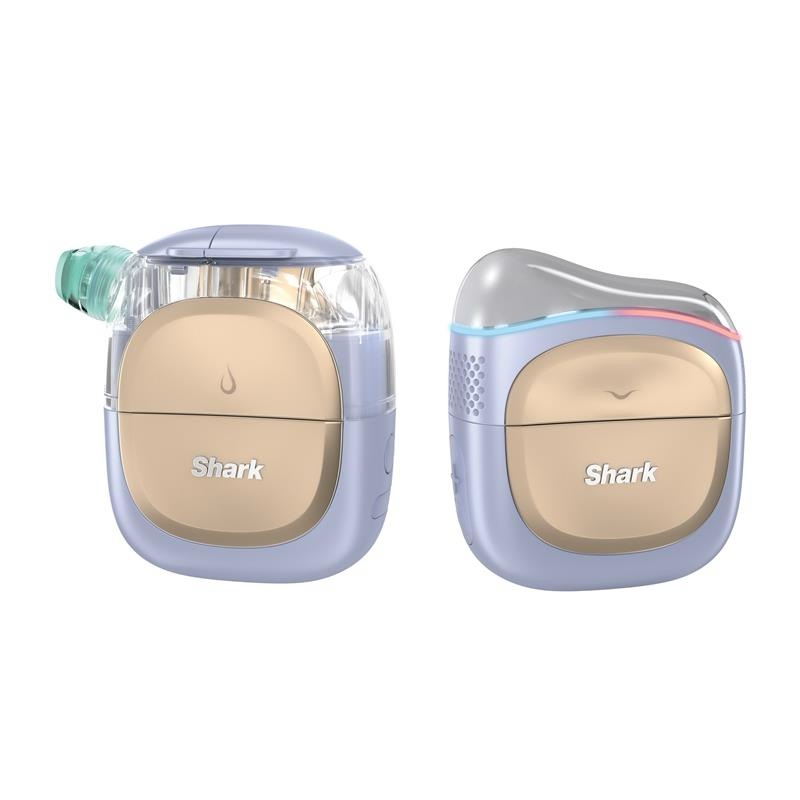
There are two parts to the FacialPro Glow system: the “cleanse” or exfoliating attachment and the Shark Depuffi, which will be sold separately starting October 17. Both of these components can snap onto a handle that houses the power unit. The “cleanse” portion is made up of a dual-pump system that applies suction and also sprays water or a hydrator into your pores so it infuses as it cleans. From all the descriptions I’ve read of “aqua peels” or “hydra facials” the FacialPro Glow seems to do pretty much the same thing. 

I’ve only had the chance to try it out once so far but I’m already pretty impressed. But before I get into that, a word on the setup. You can choose to use the Depuffi to warm up your skin before moving on to the exfoliating attachment, but I didn’t do so. The Depuffi is basically like a bigger, rounder gua sha (Asian smooth-edged tool for scraping your face to sculpt it) with a much larger surface area. It can either heat up or be cold, and uses similar technology as the undereye plates in Shark’s LED mask that launched earlier this year.

I missed that suggestion as I didn’t see it in the manual and was eager to begin with the suction, but I did use it after I was done with the exfoliation session to relax and cool my face.

The very first step in the process is to apply a thin layer of the included “Derm Detox” exfoliating gel on your face and leave it there for three minutes. It’s a combination of glycolic and salicylic acids that Shark says “gently dissolves impurities.” So far, I haven’t found anything noteworthy about the formulation. It didn’t have any smell or fragrance, didn’t leave my skin feeling tingly and despite being called a gel it had a mostly watery consistency that was reminiscent of facial treatment essences.

There are two tanks on the FacialPro Glow — a smaller one near the nozzle for clean water (or the BHA hydrator that Shark includes) and a larger one behind it labeled “gunk tank.” For your first pass, which is mostly about suction and cleaning, you’ll need to fill the front section with clean, cool water. 

A close-up look at the Shark FacialPro Glow after one round on my face.
Cherlynn Low for Engadget

Shark includes five tips for the device: gentle wide, gentle T-zone, normal wide, normal T-zone and self-cleaning. Once you’ve attached your preferred head and filled up water to the “max” line, you can turn on the FacialPro Glow and adjust the intensity using the “plus” button above the power button. 

Then, as you would with a microdermabrasion device like the PMD or even a makeup brush, glide the nozzle over your skin. Shark also includes a guide on how to do so, going over the types of motion you should use and the general direction (outwards and upwards) to sweep in. As I dragged the machine around my face, I felt a tug on my skin and suction that felt similar to the pore vacuum devices used in salons, and whenever I caught sight of the gunk tank I noticed it slowly filling up with cloudy water. This wasn’t as murky as I was anticipating, and frankly whatever mild coloration I did notice in the gunk tank seemed more like the removal of the Derm Detox essence than any actual build-up from my pores. (I did just have a facial a week prior, so there likely wasn’t a lot to extract.) 

The instruction manual suggests using the wide head for about two minutes and the T-zone option for the remaining minute of the three-minute sessions. The device will keep track of the time and simply pause after your three minutes is up, so all you have to do is switch out the attachments when you’re ready. I found this part slightly confusing as I wasn’t sure if I could just hit the power button to pause the machine while I switched out the tips or if there was a time it would stop on its own. Eventually I just went with the former method and pressed the power button again to resume the suction and it did end on its own afterwards.

The next step in the process was to fill the clean tank with the BHA hydrator essence that Shark included, called “Hydro infuse,” and launch another three-minute session with it flushing your face. This was the part I really enjoyed. The gentle stream of water swooshing against my skin felt very refreshing and relaxing. I never felt like there was too much water — nothing dripped and I performed the whole session standing up without any of my clothes or surroundings getting wet. 

It’s worth pointing out that Shark says its two formulas were dermatologist-tested and “developed in a Korean lab specifically for the Shark FacialPro Glow routine.” According to the company’s vice president of design and engineering Chris Hedges, you’ll have to use these products instead of third-party options because “the exfoliating AHA/BHA percentages were carefully managed to balance well with the device flow rate, amount of suction provided and the amount of time the tip is covering your face.”

Hedges added that “this mix of chemical and mechanical exfoliation is the key to the efficacy and safety of the process” and that use of other formulations with the device is not advised “as it could unbalance the system, leading to over or under exfoliation.”

The Shark FacialPro Glow with its exfoliating attachment and with its Depuffi head.
Shark

I’m not a fan of being limited to a company’s products, especially as someone who has already found a skincare system that I’m committed to (shoutout to the Jan Marini range of products). Hopefully, Shark might be able to develop a range of offerings or work with third parties in a way that would make it easier to use the FacialPro Glow without needing to consistently repurchase exfoliating gels from the one company. Plus, Shark is selling $50 bundles that come with one bottle of each, which is quite pricey. Depending on how frequently you perform the treatment, you might find yourself shelling out an additional $100 a year.

Once you’ve finished your three-minute pass with the Hydro Infuse, you’re technically done with your treatment. If you like, you can detach the cleanse module (the one that contains the two tanks and the nozzle) and swap in the Depuffi attachment. After you do so, slap on some moisturizer and turn on the device, you can run the cool plate all over your face for a calming effect. I have sensitive skin that turns red at almost any touch, so having the Depuffi cool my face down was nice. It’s also just very comforting and enjoyable, like running a cool, dry bottle on your skin on a hot day.

Like I mentioned earlier, you can also turn the Depuffi into heating mode, in which case you’d be running a warm plate all over your face. This should help open up pores ahead of your cleansing treatment and might make impurities easier to suck out. Shark offers six temperature levels for the Depuffi, though I should note that when I accidentally left the Depuffi in its warmer state, it took awhile for it to feel cool again after I toggled back to the chill mode. 

If you’re only interested in the Depuffi, it will be available separately for $200. The whole FacialPro Glow system, which includes the cleansing attachment, the Depuffi and the exfoliating gel and hydrating essence, will be available from October 6 for $400.

This article originally appeared on Engadget at https://www.engadget.com/home/sharks-latest-skincare-gadget-will-suck-gunk-from-your-pores-and-rinse-them-133000385.html?src=rss

Apple AirPods Pro 3 Earn Atrocious 0/10 DIY Repair Score In iFixIt’s Teardown

Apple AirPods Pro 3 Earn Atrocious 0/10 DIY Repair Score In iFixIt's Teardown
The teardown surgeons at iFixIt did not mince any words when evaluating Apple’s fancy new AirPods Pro 3, calling the company’s latest-generation flagship earbuds “some of the most unrepairable and wasteful products you could possibly buy.” When all was said and done, the AirPods Pro 3 walked away with a dismal 0 out of 10 score for repairability.

3T launches the Primo2 WPNT, updating the Exploro with cable integration and SRAM UDH

3T has launched the Primo2 WPNT, updating the Exploro to incorporate features typical of modern gravel bikes.

The WPNT suffix denotes ‘we paint’, with the new frame painted in-house at 3T’s headquarters near Bergamo, Italy.

The original 3T Exploro was groundbreaking when it was launched in 2016, offering wide tyre clearance and aerodynamics in a gravel bike. It’s spawned a whole family of 3T gravel bikes with ever-increasing clearance and more extreme geometries.

The Primo2 WPNT updates the design of the original Exploro with more modern features, which weren’t typical in gravel bikes – or drop-bar bikes in general – back in 2016.

SRAM UDH increases the range of compatible groupsets.

So the Primo2 WPNT has internal cable routing rather than external cabling from the bar. There’s also a swap to a Universal Derailleur Hanger, another item that’s increasingly specced on modern bike frames and which opens up compatibility with SRAM’s Full Mount 13-speed XPLR groupsets.

The frame is compatible with both 1x and 2x groupsets, and either mechanical or electronic shifting. 

Same geometry but with increased bar height

There’s a 15mm increase in bar height to accommodate the integrated cable routing.

What 3T hasn’t changed, though, is the geometry. It says that the Primo2 WPNT has exactly the same handling and ride feel as the Exploro and Primo, although it has raised the bar by 15mm to accommodate the cable integration and provide a more relaxed ride position.

The frame is aero optimised for tyres between 35mm and 45mm wide. 3T’s line-up caters for the wider tyres that are increasingly popular on gravel bikes with the Extrema Italia, which enables you to fit tyres up to 57mm wide.

3T’s new paint colours extend to the rest of its range, including the burly 3T Extrema Italia.

Along with the frameset modifications, 3T has a range of four new colours, with the Italian names Gesso, Fumo, Salvia and Orchidea. 

There are paint colour updates, too, for the Extrema Italia, Racemax WPNT, Strada Italia and Strada WPNT. There’s an update to the 3T logo across the range too, reflecting 3T’s overall rebranding. 

3T Primo2 WPNT outline specs and prices

You can buy a complete 3T Primo2 WPNT bike in three specs:

  • 1×12-speed Shimano GRX plus Fulcrum Rapid Red wheels: £2,800 / $3,699 / €2,705
  • 1×13-speed SRAM Rival XPLR AXS plus Fulcrum Rapid Red wheels: £3,478 / $4,599 / €3,360 
  • 1×13-speed SRAM Rival XPLR AXS plus 3T Discus 40|30 wheels: £4,072 / $5,359 / €3,934 

There’s a frameset-only option, complete with 3T Apto stem, priced at £2,035 / $2,799 / €1,966.

Quoted prices are exclusive of VAT.

Apple is reportedly pulling staff from the Vision Pro to work on its smart glasses

Apple had big plans for the the future of the Vision Pro, but it has reportedly put them on the back burner and has prioritized the development of smart glasses that can compete directly against the Meta Ray-Bans. According to Bloomberg’s Mark Gurman, the company told staff last week that it’s moving team members working on a cheaper and lighter version of the Vision Pro to accelerate the development of its smart glasses. Apple is apparently developing two models, one of which, called the “N50,” has no display of its own and will pair with iPhones. The company reportedly intends to launch it sometime next year and will it release in 2027. 

Bloomberg says Apple is also working on smart glasses with an augmented reality display that can rival the Meta Ray-Ban Display. It was going to release the model in 2028, but now Apple is looking to expedite its development, presumably so it could be available at an earlier date. Like Meta’s smart glasses, Apple’s devices will rely heavily on voice interaction and AI commands. Bloomberg previously reported that Apple is releasing an updated Siri next year that’s powered by large language models, meant for use on displays, speakers and, yes, glasses. 

Apple’s smart glasses will reportedly come in a variety of styles, will be powered by a new chip and will have speakers for playback, as well as cameras to capture images and videos. The company is looking to equip it with health-tracking capabilities, as well. 

It has long been reported that Apple’s ultimate goal was to release augmented reality glasses of its own, since they could rival phones in the future. If this report is true, Apple is merely adjusting its timeline, especially since it’s now fairly behind Meta in the space. While Apple’s priorities have shifted, it hasn’t abandoned the Vision Pro altogether. The FCC recently uploaded documents referencing an updated “Head Mounted Device” by Apple, though it’s unclear if it’s the upcoming lighter version that’s supposed to be cheaper than the $3,499 original model. 

This article originally appeared on Engadget at https://www.engadget.com/wearables/apple-is-reportedly-pulling-staff-from-the-vision-pro-to-work-on-its-smart-glasses-130050475.html?src=rss

The best early October Prime Day deals on Apple devices

If you’ve been waiting for a discount before grabbing a new iPad, MacBook or Apple Watch, Amazon’s October Prime Day sale might be worth checking out. Prime Big Deal Days, as it’s formally called, doesn’t officially begin until October 7, but we’re keeping an eye out for the best Apple deals that are going on in the lead-up to the event. So far, we’ve found a few decent prices on devices like the entry-level iPad, MacBook Air, Mac mini and Apple Pencil Pro, as well as a few modest but early discounts on the new crop of Apple Watches. We’ll update this post as more offers pop up.

Best Prime Day Apple deals

Apple MacBook Air (13-inch, M4, 512GB) for $999 ($200 off): The MacBook Air tops our guide to the best laptops. The latest model isn’t a major overhaul, but it’s still exceptionally thin, lightweight and well-designed, and the M4 chip is more than powerful enough for everyday use. This deal is just a few bucks below the best price we’ve seen for a configuration with 16GB of RAM and a 512GB SSD. Other configs with more memory are $200 off as well.

Apple MacBook Air (15-inch, M4, 512GB) for $1,199 ($200 off): The 15-inch MacBook Air is essentially the same as the 13-inch version, only it has a roomier display, a more spacious trackpad and better speakers. This is another discount we’ve seen plenty of times before, but it’s only slightly higher than the all-time low for a model with 512GB of storage.

Apple iPad (A16, 256GB) for $399 ($50 off): The entry-level iPad earned a score of 84 in our review: If you mainly want a tablet for streaming, browsing the web, emailing or lighter word processing, it should do the job. It doesn’t lose out on the Mac-style productivity features introduced with iPadOS 26 either. We’ve seen this discount on the 256GB model fairly often in recent months, and it’s about $25 above the device’s all-time low, but it’s still $50 cheaper than buying directly from Apple.

Apple AirTags (4-pack) for $75 ($24 off): With its enormous finding network and ultra-wideband tech for accurately locating nearby items, Apple’s AirTag is the top pick for iPhone users in our guide to the best Bluetooth trackers. We saw a four-pack fall as low as $65 earlier in the year, but this is still a nice drop from Apple’s list price. If you’re not in desperate need for these, though, note that we may see an updated model later this year.

Apple Mac mini (M4) for $499 ($100 off): This latest iteration of Apple’s tiny PC has a smaller footprint, a faster M4 chip, 16GB of RAM by default, two front-facing USB-C ports and an extra Thunderbolt 4 port. It can also drive three external displays, though it lacks USB-A ports entirely. We gave a higher-end config with Apple’s M4 Pro chip a score of 90 in our review. This deal is for the entry-level model with the base M4 chip and a 256GB SSD — it’s $30 above the all-time low but still a nice savings.

Apple Watch SE 3 (40mm, GPS) for $240 ($9 off): Apple only released its latest crop of Apple Watches a couple weeks ago, but Amazon is selling each with a modest discount. The Watch SE 3, for instance, is available for $240: That’s just $9 off its list price, but it’s something if you’re buying soon after launch anyway. As for the device itself, this third-gen version of the SE adds an always-on display, which makes it so you no longer have to wake the watch to check the time or your notifications. It now runs on the same S10 chip as its higher-end siblings, too, and it still covers the essential health and fitness features. If you’re in the market for your first smartwatch, or if you only want a watch for step counting, sleep tracking and notifications, it should be a strong value.

Apple Watch Ultra 3 (49mm) for $780 ($19 off): The Apple Watch Ultra 3 is a much more niche device than the Series 11 or SE 3, aimed at serious athletes and adventurers more than the typical gymgoer. It is the biggest and most rugged Apple Watch, with the brightest display (up to 3,000 nits), longest battery life (up to 42 hours) and most advanced components. It also supports satellite communications. The watch normally retails for $799, so this isn’t a major discount, but since this is a brand-new device, any drop at all is worth noting for early adopters.

Apple Watch Series 10 (42mm, GPS + Cellular) for $329 ($170 off): As a general rule, most people should buy the newest version of whatever Apple product they want. That said, the Series 11 is only a minor upgrade over the prior Series 10 — the glass is more scratch-resistant, the cellular model has 5G support, the battery is marginally bigger and that’s about it. If you’re mostly worried about saving cash, want LTE support and still need the more advanced health features the Apple Watch SE lacks, this is a worthwhile discount for a version of last year’s model with cellular support.

Apple Watch SE (2nd gen, 40mm, GPS + Cellular) for $189 ($110 off): The Apple Watch SE 3 is a far more substantial upgrade over its predecessor than the Series 11, so we strongly recommend paying the premium to get the latest version. But if you’re sure you can live without the always-on display, faster charging, superior chip and other upgrades that come with the SE 3, the last-gen model can still get you most of the basic Apple Watch experience for less cash while it remains in stock. This is one of the lowest prices we’ve seen for the 40mm cellular model.

This article originally appeared on Engadget at https://www.engadget.com/deals/the-best-early-october-prime-day-deals-on-apple-devices-125644735.html?src=rss

The Tilly Norwood Effect: Why AI Actors Are an Opportunity, Not an Apocalypse

The entertainment world has been set ablaze by the “Tilly Norwood” controversy and for good reason. The revelation that a beloved character in a well received show was not a real person but a fully AI-generated “synthetic actor” has become a flashpoint for a debate raging in Hollywood (AI Commissioner example). For many actors, it represents an existential threat that their craft is on the verge of being rendered obsolete by code. While their fear is understandable, history shows us that trying to ban a transformative technology is a fool’s errand.

The furor over Tilly Norwood is not a new story; it’s the latest chapter in a long book of industries trying to fight the future. The acting community’s calls to restrict or ban synthetic performers echo the same desperate cries heard from other sectors on the brink of disruption. This moment is a painful but necessary catalyst that should force actors not to fight the technology, but to redefine their role in it.

History’s Unforgiving Lesson: Adapt or Disappear

Creative industries have a long and storied history of trying to legislate technological progress out of existence, and they have failed every single time. In the late 1990s, the music industry, led by the RIAA, declared war on the MP3 file format and platforms like Napster. They sued college students and lobbied for restrictive laws, all in an attempt to preserve the lucrative CD/album model. The result? They were utterly circumvented by companies like Apple and Spotify that embraced digital distribution, fundamentally reshaping the industry and leaving the old guard in the dust.

Similarly, Blockbuster, the undisputed king of home video, saw Netflix’s DVD-by-mail service as a niche annoyance and completely dismissed the looming threat of streaming. By the time Blockbuster recognized the shift, it was too late. Its entire business model, built on physical locations and late fees, was rendered obsolete. The companies that won were not the ones that tried to block the change, but the ones that built their businesses around it. The history of disruptive innovation is clear: resistance is futile.

The AI Revolution: Better, Faster and More Profitable Content

The uncomfortable truth for many in the traditional film industry is that entirely AI-generated content is poised to be not just cheaper, but creatively superior to what is possible today. An AI does not need to sleep, eat or be limited by the laws of physics. It can generate photorealistic fantasy worlds, de-age an actor to any point in their career or create a thousand unique alien creatures without a single artist touching a physical model. This unlocks a level of creative freedom and visual spectacle that is currently reserved for only the most astronomically budgeted blockbusters.

The profitability model is even more compelling. Consider the enormous costs AI eliminates: A-list actor salaries, fees for directors and screenwriters, costs for location scouting, set construction, catering and massive visual effects teams. AI can iterate on a script, a character design or an entire scene in minutes, not months. We are already seeing the green shoots of this revolution in viral, AI-generated short films and music videos that possess a visual quality that would have cost millions just a few years ago. Furthermore, AI opens the door to hyper-personalized content—imagine a movie where the lead character is a digital recreation of your favorite classic film star, or where the plot subtly adjusts based on your viewing preferences. This level of engagement is a service traditional media simply cannot offer.

The New Role for Actors: From Performer to Licensor

So, where does this leave the acting community? To survive, they must evolve their business model from being work-for-hire performers to being licensors and creative consultants for their own digital likeness. Their brand, their unique charisma and the public’s connection to them are still immensely valuable assets. The Screen Actors Guild (SAG-AFTRA), which has already begun exploring AI guidelines, must pioneer the creation of standardized licensing agreements that allow actors to profit every time their AI-generated likeness is used.

The role of an actor will shift from performing on set to curating the performance of their digital double. The most talented actors will be hired not for a six-week shoot, but for their ability to provide the nuanced emotional data and creative guidance needed to train a high-fidelity AI model of themselves. Their job will be to act as “Performance Directors,” ensuring their digital counterpart captures the soul and subtlety of their craft. At the same time, this technological shift will inevitably make live performance—theater, concerts, improv—more valuable as a unique, un-replicable human experience.

Wrapping Up

The Tilly Norwood controversy is a painful wake-up call, but it is not a death sentence for the acting profession. It is, however, the end of the profession as we know it. Trying to put the AI genie back in the bottle is a strategy doomed to repeat the failures of the music and video industries. The future for actors is not in fighting this technology, but in mastering it. By embracing their new role as brand licensors and creative directors for their own AI, they can secure their income and ensure that their unique human artistry remains at the heart of the stories we love.

How Peloton’s New Line of Fitness Equipment Stacks Up Against the Existing Models

We may earn a commission from links on this page.

Did you know you can customize Google to filter out garbage? Take these steps for better search results, including adding Lifehacker as a preferred source for tech news.


Peloton announced this week, among other things, that all of its devices are getting a bit of an overhaul. While the Bike, Bike+, Tread, Tread+, and Row each got some improvements, this doesn’t necessarily mean you have to upgrade your equipment just yet.

Comparing old Peloton models with the new Cross Training Series

First, the basics: Peloton unveiled all-new versions of its classic at-home fitness equipment Wednesday. Collectively, they’re known as the Cross Training series—the equipment itself is the Cross Training Bike, the Cross Training Bike+, etc. Like before, there are still five models—two bikes, two treadmills, and a rowing machine—but the new versions have features that make them more compatible with cross training and are just a little better than their predecessors overall.

Peloton Bike vs. Peloton Cross Training Bike

We’ll start with the classic bike, Peloton’s bread and butter. The original Bike retails for $1,145 and the new Cross Training Bike is $1,695. Like all the new models, the updated version of the base model Bike features a swiveling touchscreen designed to make it easier for you to segue from cardio on the machine to strength, stretching, yoga, or some other Peloton workout, all while still following along with an instructor on the screen.

Otherwise, what this $200 price hike gets you is pretty basic: There is improved audio in the form of front-facing speakers, better wifi connectivity, and Bluetooth 5.2. It also has an upgraded seat, which Peloton describes as “an ergonomically redesigned saddle with enhanced cushioning and optimized weight distribution.” A comfier seat is a bonus, but comfier seats were already available on the third-party market.

There are more similarities between the old model and new than there are differences. Both have manual resistance knobs, a 21.5″ touchscreen, a belt drive, and magnetic resistance. To be clear, Peloton didn’t set out to reinvent the (fly)wheel here; all of these devices are functionally similar to their predecessors. You cycle on the Bike, run on the Tread, and row on the Row, just as you always did.

Bike+ vs. Cross Training Bike+

I liked the old Bike+ when I tested it out, but the new Bike+ has some significant upgrades over that one. The old-style Bike+ retails for $2,495 while the Cross Training Bike+ is $2,695. You get the swivel screen and the upgraded seat, but you also get a movement-tracking camera that uses AI to make suggestions and correct your form, Sonos audio with a woofer, AI-powered voice commands, a fan, a phone tray, and better software overall. Like the old Bike+, this one has a 23.8″ HD touchscreen and the much-loved auto-resistance feature.

I got the chance to play around with the new devices at Peloton Studios this week and, from what I experienced, the company’s claims that the hardware and software have been enhanced to improve touchscreen responsiveness and audio quality are accurate. That’s true for this new Bike+ and all the newer models announced.

Tread vs. Cross Training Tread

The Cross Training Tread is $3,295 compared to the Tread’s $2,995, though both get you a 23.8″ HD touchscreen, a maximum speed of 12.5 miles per hour, and an incline up to 12.5%, as well as a soft-touch running belt. That price increase also covers the swivel screen, an upgraded processor, and better speakers and connectivity.

Tread+ vs. Cross Training Tread+

You’re going to notice a theme here: The Plus models pack more upgraded features into their upgrades, period. That’s true for the Cross Training Tread+, which sees one of the biggest price increases over its predecessor—it now retails for $6,495 compared to $5,995. The similarities are in the 32″ screen, slatted running belt, and incline up to 15%. The differences mirror the differences between the Bike+ and Cross Training Bike+: It comes with the movement-tracking camera, swivel screen, Sonos speakers, voice control, fan, and upgraded tech and hardware.

Row vs. Cross Training Row+

The Row is the Peloton device that moved from plain-old equipment to Plus line. Now, the Cross Training Row+ retails for $3,495 instead of $3,195 and comes with all those Plus features, like the rotating screen, movement-tracking camera, Sonos speakers, voice control, fan, and upgraded processor.

Should you upgrade your Peloton device?

Let me start by saying I have only gotten to interact with the new devices for a brief time during a press event, so I haven’t formed my opinion based on any extensive use. That said, what I saw at the event was impressive—especially from the Plus line, which is the line that features the much-touted movement-tracking camera.

If you are considering upgrading, your best bet is to go all the way to Plus so you can make the most of all the new features Peloton announced. The movement-tracking camera and voice controls were really slick in the demos I participated in. The camera can correct your form or let you know when lifting a certain way is becoming too easy for you and you should consider moving to a higher weight, for instance. The Plus line also has the built-in fan, which is simply a nice touch.

All of that said, while Peloton rolled out new classes and AI features to accompany these cross training devices, everything except the motion-tracking and voice control works fine on existing equipment. If you have a Bike or even older Bike+, you’ll still be able to use the new customized workout scheduling feature, plus all the other features you’ve already had access to. If you’re not in a rush to get rid of your old machine, you don’t have to unless you really want the motion-tracking camera and voice commands.

Upgrading to the Cross Training Bike or Cross Training Tread doesn’t make sense to me right now, since the only real improvement you get with those is the swivel screen. If I were going to get a new device—and, after almost five years with my beloved Bike, I’m finally considering it—I’d opt for a Plus so I could take advantage of all the new tools and features.

It’s worth keeping in mind, though, that whether you upgrade hardware or not, you’re going to be paying more as it is. Membership fees for Peloton’s app, which allows you to take classes and follow programs on your phone as well as on the company’s proprietary devices, are going up as of the new equipment release. The new prices for membership are:

  • All-Access Membership goes up from $44 to $49.99 per month

  • App+ Membership goes up from $24 to $28.99

  • App One Membership goes up from $12.99 to $15.99

Moreover, Peloton has done away with free installation, which we knew was coming. You’ll have to spend $150 for assembly of your new device, unless you get a Cross Training Tread+, which will run you $299 in assembly fees. Accounting for all these extra fees is part of deciding if you need new equipment, so take it all in.

Peloton will be rolling out deals for existing members who want to upgrade in the coming days and weeks. For now, don’t forget that the company launched its own resale platform earlier this year and, depending on what kind of device you sell, not only do you get paid for the equipment itself, but you get a few hundred bucks off your future Peloton purchase. If you’re considering a new device from this upgraded fleet, look into selling your old goods first so you have a better sense of how much money you have to work with.

And if you don’t have a Peloton device but want one, maybe think about waiting around a few weeks for all the older models to hit the resale site. Like I said, the new software upgrades work just fine on them, so this could be your moment to get a great deal.

nDreams’ Newest Studio Launches Chaotic Sandbox Wreckin’ Raccoon On Quest

Wreckin’ Raccoon is the debut game from nDreams Compass, asking players to make a mess as a commotion-causing critter.

Developed by nDreams Compass, Wreckin’ Raccoon is a chaos simulator where you wreak havoc as a not-so-lovable trash panda with a premise reminiscent of I Am Cat. Set in a cartoon roadside diner, there are buttons to press, bottles to squeeze, and a host of patrons and staff members to pester, with the primary goal being to create pandemonium. You can check out gameplay below:

0:00

/1:05

Alongside cooking up burgers and blocking toilets, you’ll also need to evade pest control, whether that be by sneaking away out of reach or smacking them with whatever items you can find lying around. There aren’t specific rules on how to succeed, with Wreckin’ Raccoon focusing on an experimental sandbox playstyle.

Wreckin’ Raccoon is the debut game from nDreams Compass, which was revealed earlier this year after the publisher closed two of its internal studios — nDreams Studio Orbital and nDreams Studio. In the midst of that shift, the publisher maintained a staff of 40 to form Compass, aiming to develop games for a younger audience through rapid prototyping. It’s worth noting Compass is separate from nDreams Elevation, which is launching Reach in two weeks.

The studio is led by former EA and Activision producer Callum Godfrey. Speaking to Game Developer at the time, nDreams said:

“As part of the strategic refocus that we announced in September, we regrettably lost talented members of our teams and also altered our multi-studio development structure.

“This unfortunately meant closing nDreams Studio Orbital and meant that nDreams Studio could not continue in its current form. Both teams did brilliant work and many people from those affected studios have been retained within nDreams’ new look structure, with several of those forming part of the new Compass studio.”

Wreckin’ Raccoon is available on Quest now.