reMarkable’s newest E-Inkwriting tablet is a 7.3-inch, $449 handheld slab

Fans of reMarkable’s series of notepad-like note-taking E-Ink tablets have something new to get excited about today: a new version of the devices called the reMarkable Paper Pro Move, which takes the features of a typical reMarkable tablet and puts them in a smaller 7.3-inch device that can be carried one-handed and easily slid into a pocket or bag.

The Paper Pro Move is available to order now and starts at $449 for a version with reMarkable’s standard Marker accessory and no case. Adding a Marker Pro accessory, which includes a built-in eraser and a nicer-to-hold texture, adds another $50. Folio cases for the device range from $69 to $139, or you can order the tablet without one.

Like the full-size reMarkable Paper Pro we reviewed a year ago, the Move uses a Canvas Color E-Ink display to support note-taking and highlighting in multiple colors—according to the spec sheet, it can render 20,000 distinct shades. Both the Paper Pro and the Paper Pro move advertise up to two weeks of battery life, similar 12 ms writing latency, 64GB of storage, a USB-C port for data and charging, Wi-Fi and Bluetooth, and 2GB of RAM. The Pro Move is somewhat thicker (0.26 inches, up from 0.2 inches for the Paper Pro) and uses a dual-core Arm processor instead of a quad-core model. But the Pro Move also weighs less than half as much as the Paper Pro, making it much more portable.

Read full article

Comments

Google Critics Think the Search Remedies Ruling is a Total Whiff

Critics are denouncing Tuesday’s antitrust remedies ruling against Google, calling them inadequate to restore search market competition. DuckDuckGo said the court’s decision allows Google to continue using its monopoly to hold back competitors in AI search.

The Open Markets Institute called it “pure judicial cowardice” that leaves Google’s power “almost fully intact.” Senator Amy Klobuchar said the limited remedies demonstrate why Congress needs to pass legislation stopping dominant platforms from preferencing their own products. The News/Media Alliance criticized Judge Amit Mehta for failing to address Google forcing publishers to provide content for AI offerings to remain in search results.


Read more of this story at Slashdot.

This rider’s simple homemade energy gel recipe saves him $300 a month and can be made anywhere

A Canadian endurance rider has turned to homemade energy gels to fuel his training, claiming his simple DIY recipe cut his nutrition costs by more than $70 a week – and it’s easy enough for any rider to create their own at home.

Oliver Dowd says he began experimenting with gels after realising the volume he needed for long rides made shop-bought products unaffordable. “I wanted the convenience of gels in training,” he explains, “but with the amount I was going through, I couldn’t afford to buy them.”

Dowd consumes between 25 and 30 gels each week. At retail prices, that would typically cost him around $80. 

By mixing his own using little more than sugar, sodium alginate and water flavouring, he estimates he spends only $5 per week.

Each serving contains around 70g of carbohydrate – “the important metric everyone cares about,” he says in a video posted on his Instagram feed – putting his recipe in line with commercial gels.

Dowd originally developed the recipe while preparing for an attempt at the cross-Canada cycling record, which was derailed after an accident left him injured. 

“I needed a way to make gels in a hotel room with no stove,” he says. A friend suggested sodium alginate as a substitute for cooking down the mixture, enabling him to refine the formula. Sodium alginate is used by brands, including Maurten, to create a gel-like consistency. 

Before the accident, Dowd tested the gels during two days of back-to-back riding, consuming 15 servings per day without any stomach issues. 

He hasn’t ruled out another record attempt in future, but admits it is “a lot to ask [of] my friends to take that much vacation to support me for two years in a row”.

For now, the gels remain his go-to fuelling option for training and long rides. “After tonnes of long rides as my main fuel source, I can confirm they do work,” he says.

Want to make your own?

Dowd developed the recipe ahead of a trans-Canadian record attempt. Oliver Dowd

SQUIRREL_PLAYLIST_10207918

Oliver Dowd’s simple energy gel recipe

  1. Place 70 g of sugar and a pinch (about 1/8 teaspoon) of sodium alginate into a measuring cup
  2. Pour in boiling water until the total volume reaches 100ml
  3. Mix thoroughly until all the dry ingredients dissolve. You may need to add a little more water to maintain 100ml
  4. Stir in a liquid flavouring, such as Kraft Heinz’s Mio or another water enhancer
  5. Once the mixture has cooled slightly, pour it into soft, reusable containers or silicone bottles for use on the bike

Dowd packages the gels in refillable silicone travel bottles bought online. 

He says these are “no more messy than a regular gel” and reduce the waste of single-use wrappers. While the flavour doesn’t quite match his favourite store-bought options, he describes it as “good enough to eat for the whole day”.

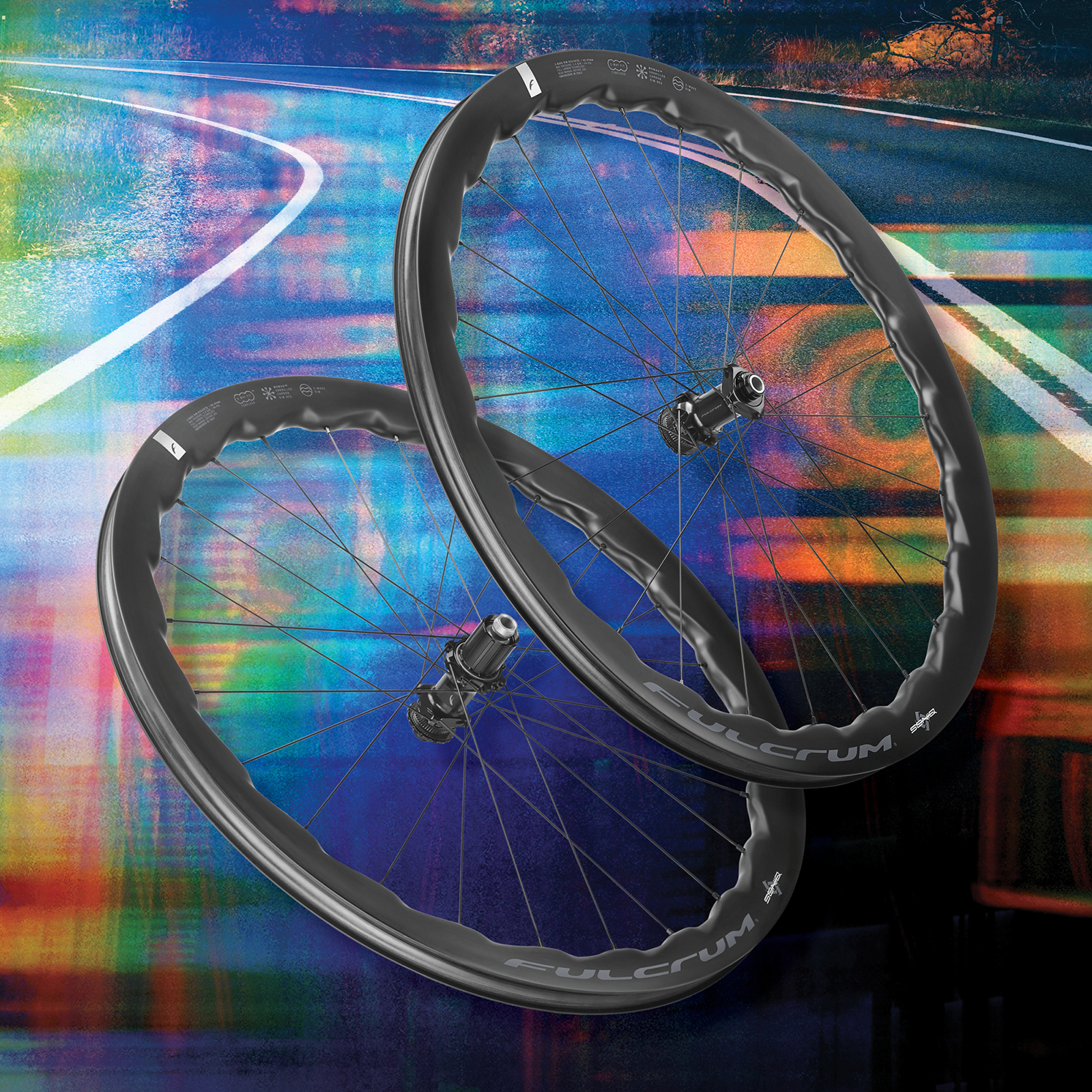
New Fulcrum Soniq 42 wheels provide ‘maximum comfort’ thanks to special carbon lamination 

Fulcrum says its new Soniq 42 wheels “maximise comfort” thanks to their FF80 carbon lamination rims, while the sawtooth rim profile optimises aerodynamics and stability.

These features are a combination of technology that debuted on Fulcrum’s most recent wheels. The carbon lamination appeared on Fulcrum’s Wind wheels in 2023 and the ‘2-Wave’ rim profile is borrowed from its more recent Sharq wheels.

Fulcrum says the Soniq 42 is suitable for road and gravel riding. “It’s the ideal choice for anyone seeking a unique, distinctive, and functional wheel – ready to handle any road with ease and unmistakable style,” the brand says. 

Maximum comfort

Fulcrum Soniq 42 carbon wheels.
The wheels are suitable for road and gravel riding. Fulcrum

While Fulcrum hasn’t given much away about its FF80 lamination, it says the carbon design provides “maximum comfort, especially on long rides and mixed surfaces”. 

When it launched the Wind wheels, Fulcrum also said the FF80 mix helped keep weight down compared to the carbon used in the Fulcrum Speed wheels, which had the same rim shape. So this carbon contributes to the Soniq’s claimed weight of 1,595g, too. 

The Soniq 42 has Fulcrum’s 2-Way Fit technology, where an undrilled rim bed means you can fit tubeless tyres without rim tape. 

“This makes the wheel not only stronger but also easier to manage and maintain – making Soniq 42 ideal for both seasoned cyclists and those seeking a high-quality, hassle-free product,” says Fulcrum. 

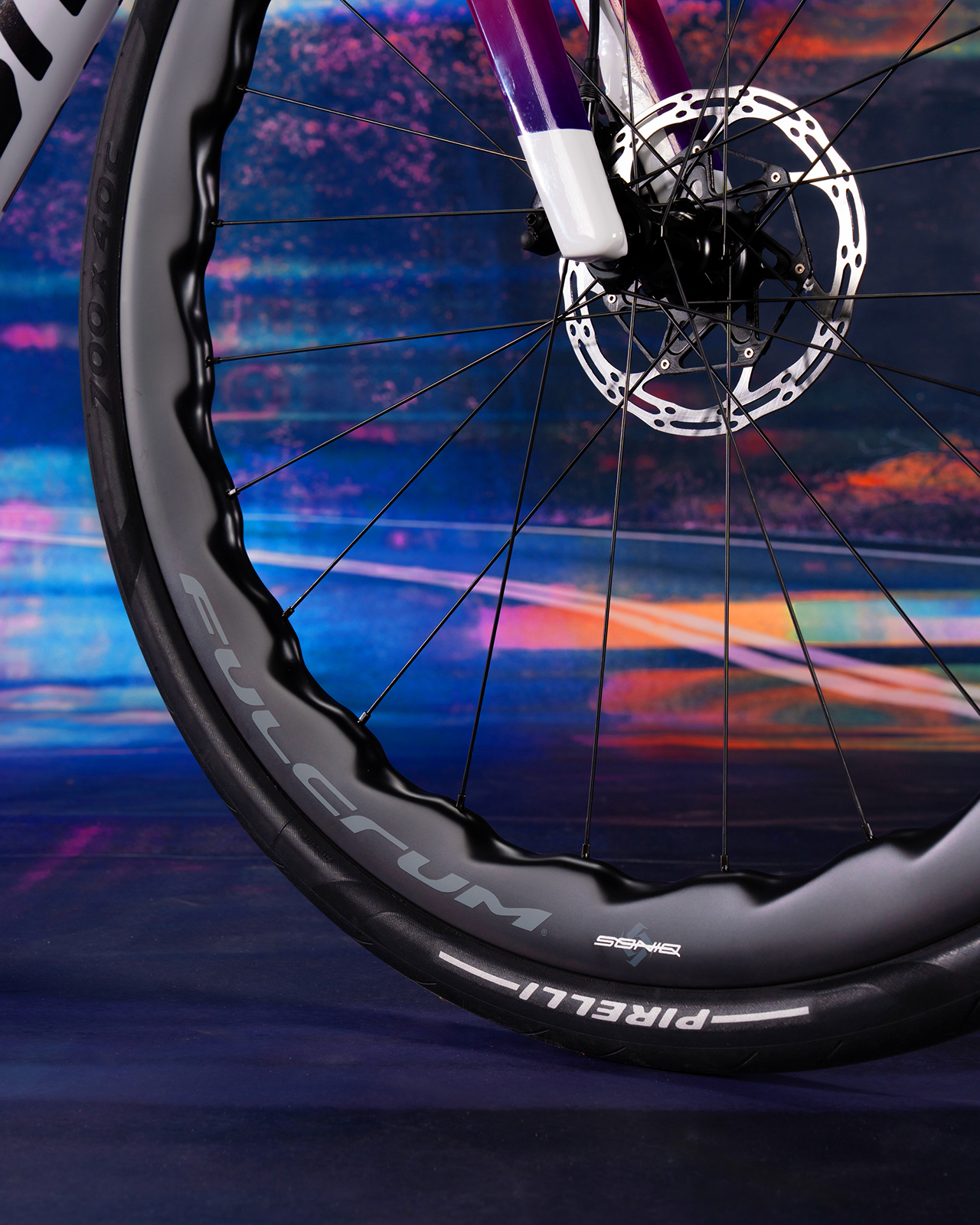
2-Wave rim 

Fulcrum Soniq 42 carbon wheels.
The rim depth varies from 42 to 47mm. Fulcrum

The most distinctive feature of the Soniq 42 is the sawtooth rim, which it borrows from the Sharq wheels. 

It’s a design we’ve seen from other brands, such as Zipp and Princeton CarbonWorks, and Fulcrum says it “optimises aerodynamics and stability”.

Fulcrum hasn’t gone into any more detail, but if the rim is identical to that of its Sharq wheels, it should save 21 per cent energy at 0-10 degrees of yaw, and 29 per cent at 10-20 degrees.

Due to the wavy design, the rim depth varies from 42 to 47mm. Fulcrum says this “contributes to the wheel’s dynamic and responsive behavior”. 

The rim has an internal width of 25mm. 

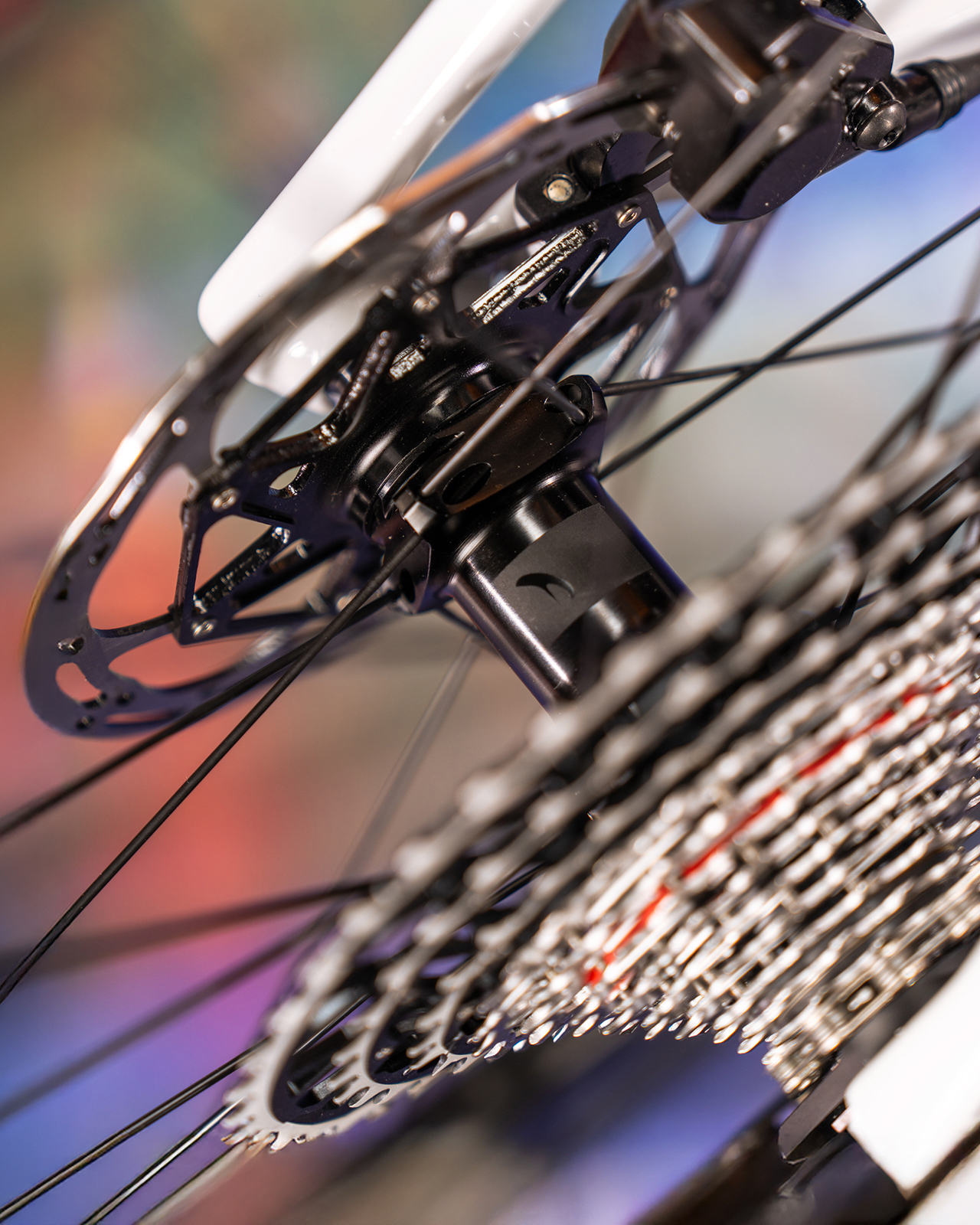
A hub derived from the Wind series

Fulcrum Soniq 42 carbon wheels hub.
Fulcrum says the hub design “ensures long-lasting smooth rolling”. Fulcrum

Fulcrum says the hub on the Soniq 42 wheels is “derived” from the hub used on its Wind wheels.

With an aluminium body, the hub has sealed bearings and preload adjustment. Fulcrum says this “ensures long-lasting smooth rolling” for a “solid and precise ride feel”.  

The new Soniq 42 wheelset costs £1,599.99 / $2,079 / €1,590. 

You may like 

2 Million People Have Now Played Bonelab On Quest Alone

2 million people have unlocked the first achievement for Bonelab on Quest.

Bonelab’s first achievement crossing 2 million unlocks on Quest was spotted by UploadVR reader James Kelley, who brought it to our attention.

Meanwhile, sources like Gamalytic, VG Insights, and PlayTracker suggest that around half a million own the PC VR version on Steam.

Bonelab Review: Unrelenting Intensity Meets Mainstream VR On Quest 2
Bonelab, the sequel to the 2019 hit Boneworks from Stress Level Zero, is available now on Meta Quest 2 and PC VR. Does it live up to the hype? Here’s our full Bonelab review. As one of the most anticipated VR releases of the year, Bonelab has some pretty
UploadVRHarry Baker

The sequel to the hit 2019 PC VR game Boneworks, Bonelab released in late 2022 on Quest 2 as well, bringing its iconic embodied full-physics sandbox gameplay to standalone VR for the first time.

Bonelab has been high on Meta’s weekly top sellers list since launching. Earlier this year, Meta revealed the 50 best-selling paid Quest games of all time via a new section of Quest’s Horizon Store, and Bonelab was listed as #11.

The #1 spot is, unsurprisingly, held by Beat Saber, and its first achievement has been unlocked by over 10 million players on Quest alone.

Meta Revealed The 50 Best-Selling Quest Games Of All Time
Meta has revealed the 50 best-selling paid Quest games of all time in a new section of Quest’s Horizon Store. Here’s the full list.
UploadVRDavid Heaney

Bonelab having 2 million players suggests that at least 11 paid Quest games have sold multiple millions of copies – VR is a bigger market than its critics give it credit for.

Apple ‘Vision Air’ Rumored for 2027, Reportedly 40% Lighter and 50% Cheaper Than Vision Pro

Independent supply chain analyst Ming-Chi Kuo released a report claiming that Apple is gearing up to launch a cheaper and lighter version of Vision Pro in 2027, which is expected to be called ‘Vision Air’.

Ostensibly leaked from supply chain sources, Kuo claims Vision Air is estimated to be “over 40% lighter and more than 50% cheaper” than Vision Pro, which weighs in at around 600g, and is priced at $3,500.

Notably, that weight figure doesn’t take into account the external battery pack, which weighs 350g. Provided Kuo is only quoting that ~600g on-head weight of Vision Pro itself, this would put the rumored Vision Air at less than 400g, and priced at less than $1,750.

At least by Kuo’s description of the headset’s weight, it’s also sounds like Vision Air is sticking with the external battery; the inclusion of an internal battery, like that found in Quest 3 and Quest 3S (both around 515g), would make it difficult to reach that sub-400g weight.

One of the biggest features likely to be on the chopping block for a cheaper and lighter Vision Pro is undoubtedly the headset’s glass-covered EyeSight front display, which provides a sort of virtualized representation of the user’s eyes.

Photo by Road to VR

Vision Pro is also made with out of premium materials, such as aluminum and magnesium, which could be lightened by replacing them with plastic. That may be a bridge too far though, as it could sacrifice Apple’s premium design aesthetic.

According to the report, it also appears the Cupertino tech giant is hoping to make a bigger splash with Vision Pro’s lighter and cheaper follow-up—not to be confused the with reported M5 hardware refresh of Vision Pro expected to arrive sometime later this year.

Kuo maintains Apple is internally targeting anticipated shipments of Vision Air to reach one million units in 2027. While Apple hasn’t released Vision Pro sales data any time following the device’s initial launch in February 2024, an October 2024 report from The Information claimed Apple was eyeing a sales target of 420,000 units for its first year.

Additionally, Kuo maintains General Interface Solution (GIS), the Taiwan-based company involved in the lamination process of Vision Pro’s pancake lenses, will broaden its role to become the exclusive supplier of pancake lenses.

The post Apple ‘Vision Air’ Rumored for 2027, Reportedly 40% Lighter and 50% Cheaper Than Vision Pro appeared first on Road to VR.

New ELF specification for public review

Cary Coutant has announced
a draft for version 4.3 of the
Executable and Linking Format (ELF) object file format. The
specification was formerly part of the Unix System
V Release 4 (SVR4) gABI document
:

The last published gABI documents were the Fourth Edition and a draft
of Edition 4.1, both published in March 1997. The ELF portions of the
document were updated several times between 1998 and 2015, published
online […]

I’ve published the last draft from 2015 as Version 4.2, and collected
the several changes since then, along with new e_machine values, as
Version 4.3.

The source for the draft is on GitHub in reStructuredText
format, and Coutant has collected the mailing list discussions for
changes in 4.3 as GitHub
issues
. Thanks to Jose E. Marchesi for the tip.

Acer Veriton GN100 AI Mini Workstation Packs NVIDIA’s GB10 Grace Blackwell Superchip

Acer Veriton GN100 AI Mini Workstation Packs NVIDIA's GB10 Grace Blackwell Superchip
Acer is rolling out a new workstation for serious AI work, and it won’t take up a lot of space on your desk. It’s new Veriton GN100 AI Mini Workstation is, as the name implies, a compact mini PC that looks more like a traditional NUC than a workstation. Don’t let its small size fool you, though, as it’s packing NVIDIA’s GB10 Grace Blackwell

Beyond technology? How Bentley is reacting to the 21st century.

If the Tesla Model S prodded the legacy car companies to get on top of battery production and introduce iPad-like screens in cars, Chinese car companies are bringing the heat for what’s left of the 2020s in all segments. Much of the media coverage has rightly been on how this trend will affect mass-market vehicles. But what does it mean at the high end of the market?

“Well, the first question would be ‘Are the Chinese manufacturers really competitive?'” said Bentley Chairman and CEO Dr. Frank-Steffen Walliser in an interview during Monterey Car Week. In the bucolic coastal setting, surrounded by the rarest of rare cars, the competition from the other side of the world appeared far off.

“I don’t want to be arrogant, but having what is considered a car in the luxury segment needs more than just technology. It’s honestly only Germany, Italy, and the UK. You need heritage, you need the craftsmanship behind, you need the storytelling and everything with it. That builds up an actual brand.”

Read full article

Comments

Quest 3 & 3S Usage Surged On SteamVR – Was It The Sales & Xbox Edition?

Quest 3 & 3S usage on SteamVR surged in August, according to Valve’s data. But is this an error, or was it due to the $250 sales and Xbox Edition?

What Is The Steam Hardware Survey?

The Steam Hardware & Software Survey is offered to a random sample of Steam’s user base each month.

If you accept, it uploads a list of your PC specs and peripherals to Valve, as well as any headset used on SteamVR in the past month.

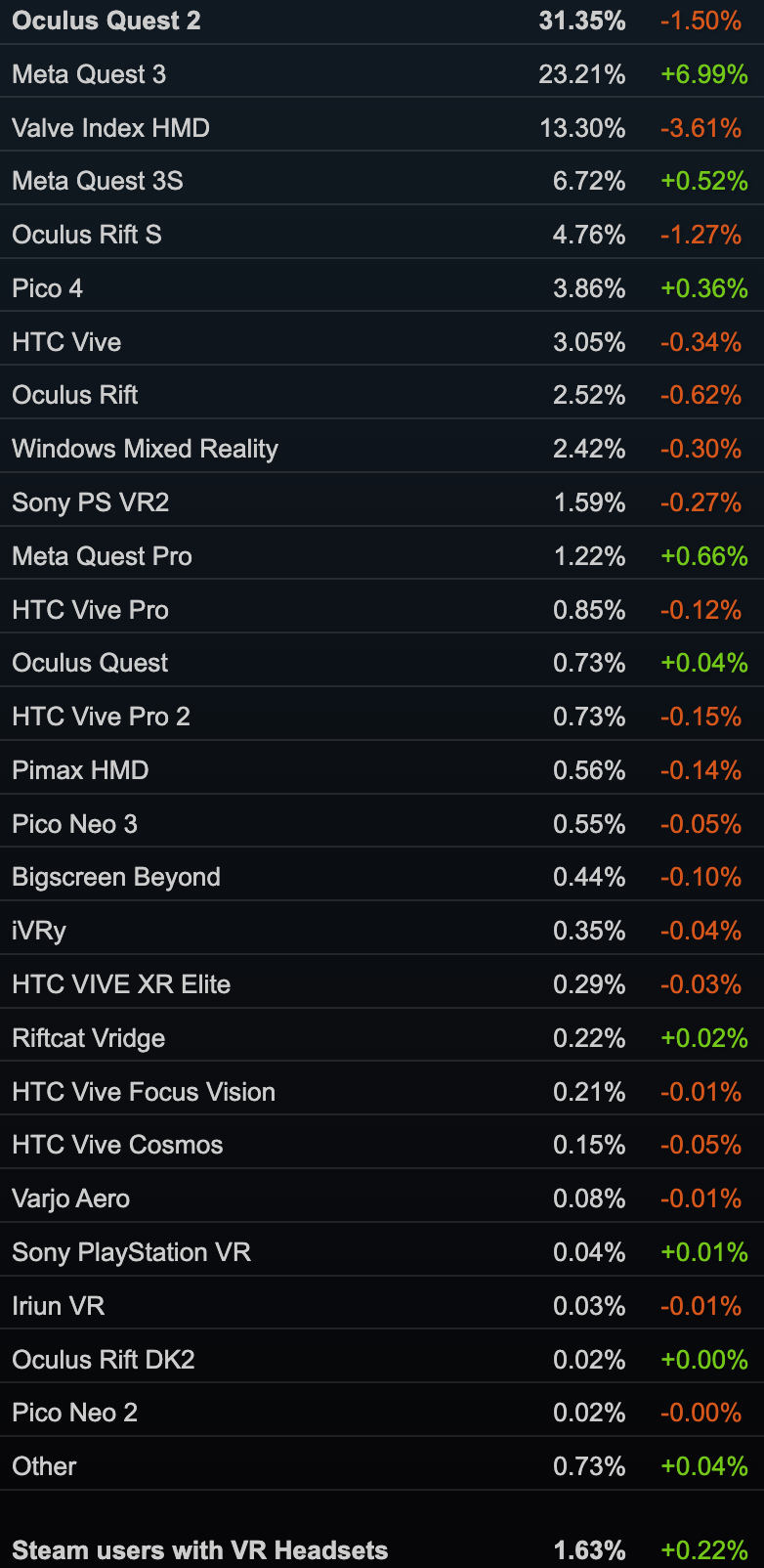
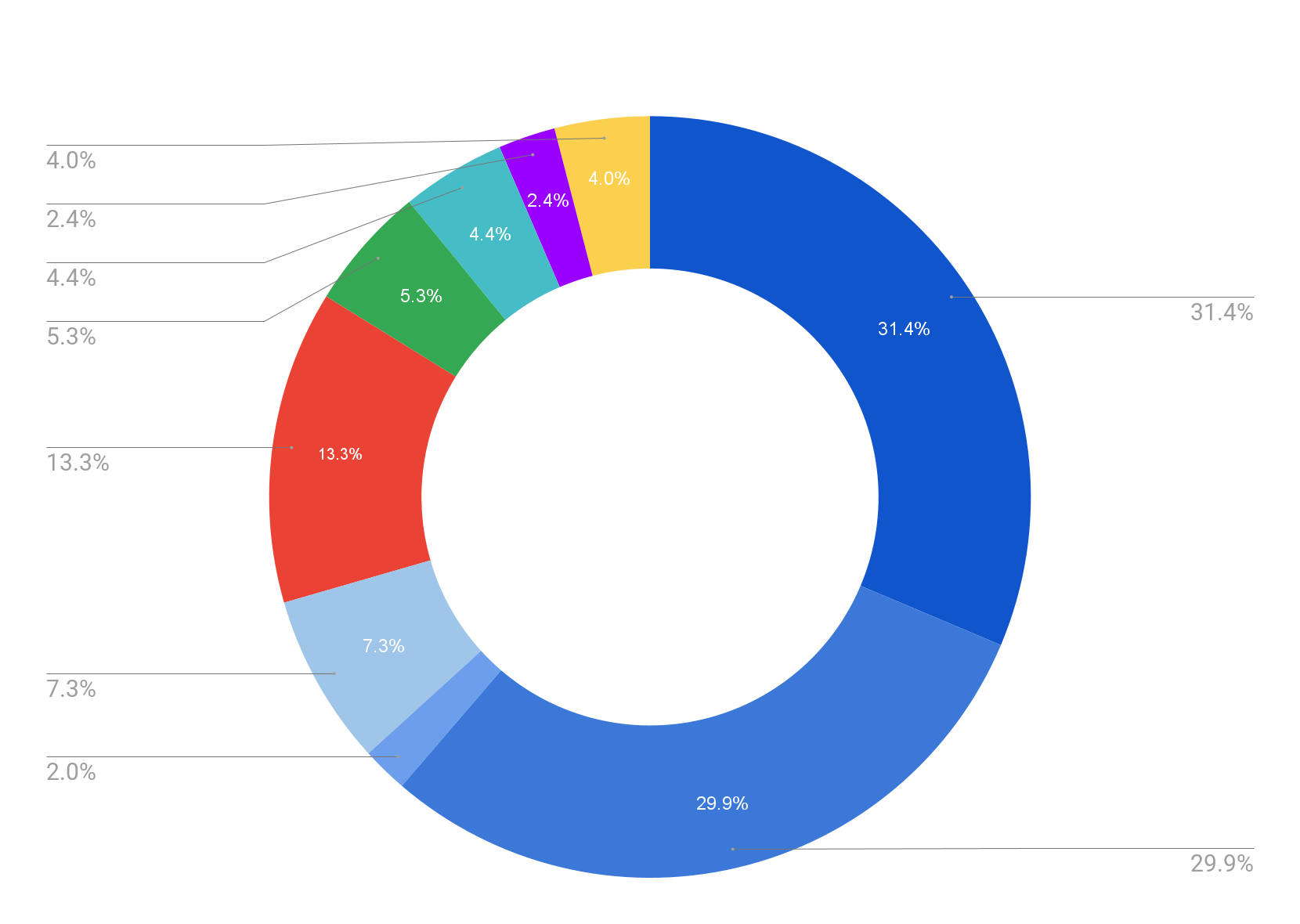
On Valve’s Steam Hardware & Software Survey, the relative share of “Meta Quest 3” usage increased by 6.99%, bringing it closer than ever to Quest 2.

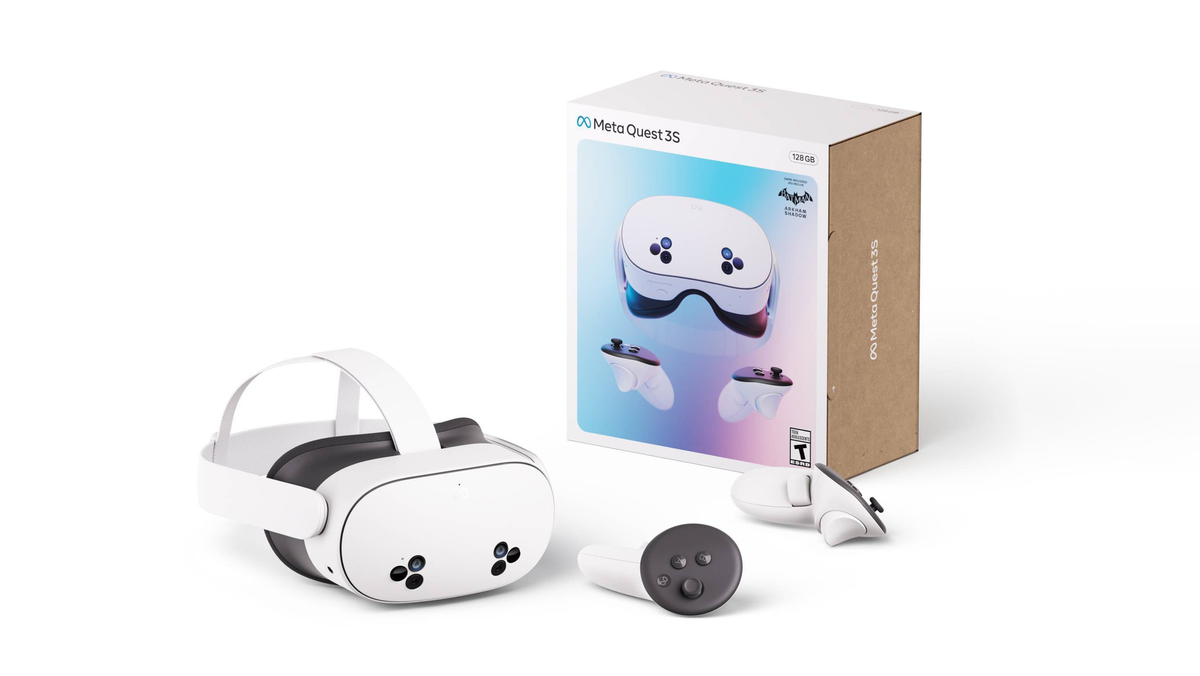
I put Quest 3 in quotes because SteamVR also sees Quest 3S headsets as “Meta Quest 3” when using Meta’s official Quest Link feature and Guy Godin’s Virtual Desktop. As far as we can tell, the “Meta Quest 3S” entry only represents Quest 3S headsets connected using Valve’s official Steam Link.

As such, the most accurate thing we can say here is that the Quest 3 family of headsets seemingly saw significant PC VR usage growth in August, and that together they now represent just under 30% of SteamVR.

We should also note that 6.99% is one of the largest single-month surges we’ve ever seen, and could simply represent a data collation error, or a change to the way that Valve collects data. However, there could be another explanation.

At the very end of June, Meta and Microsoft launched the Quest 3S Xbox Limited Edition. Within three days, it had sold out from the Meta Store, and Meta CTO Andrew Bosworth has claimed the company was surprised by the demand.

Further, in July the regular edition of Quest 3S went on sale for $250 ($50 off) twice. The first time was for Amazon Prime Day, which Walmart matched, and the second was on the Meta Store for four days near the end of July.

Quest 3S Xbox Edition Sold Out From Meta
The Meta Quest 3S Xbox Edition is sold out on Meta.com.
UploadVRIan Hamilton

Quest 3S Is $250 Until Thursday In Flash Summer Sale
Quest 3S is on sale for $250 on the online Meta Store, $50 off, from now until 9am PT on Thursday.
UploadVRDavid Heaney

It’s possible that in August, enough of these new Quest 3S buyers connected their headset to a gaming PC to cause a noticeable spike in the headset’s relative usage share, and to cause a minor rebound in the decline of overall SteamVR usage.

Overall, PC VR Continues To Stagnate

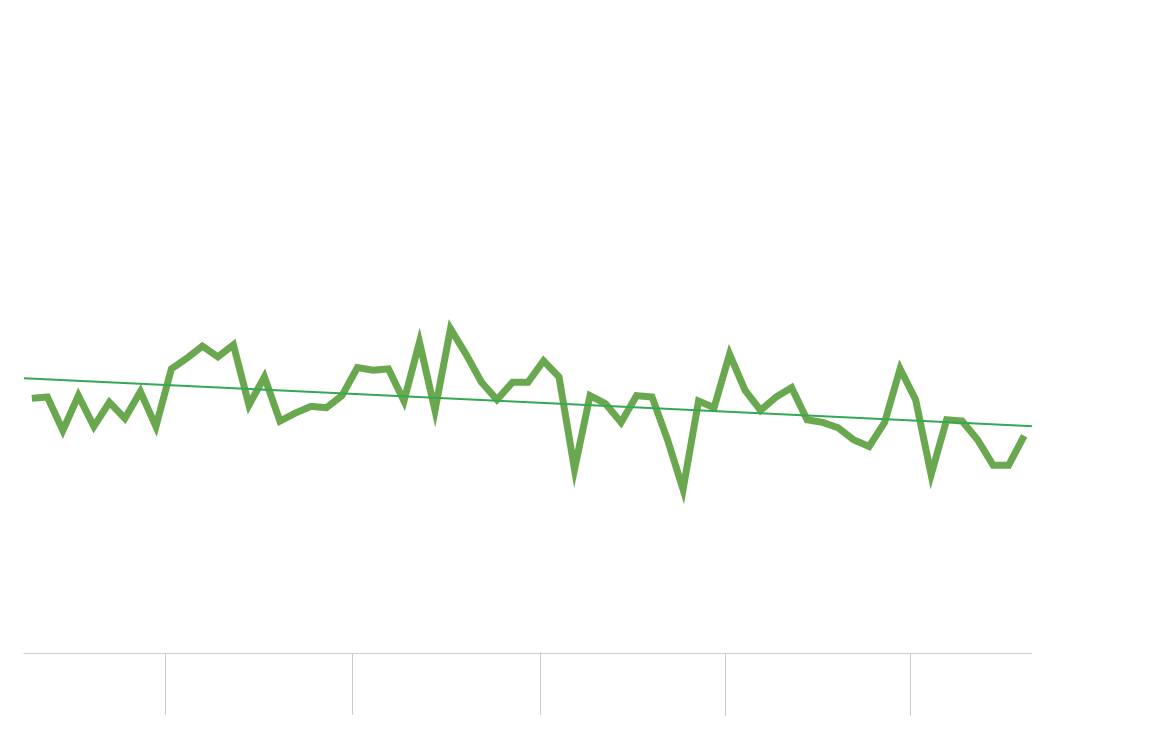
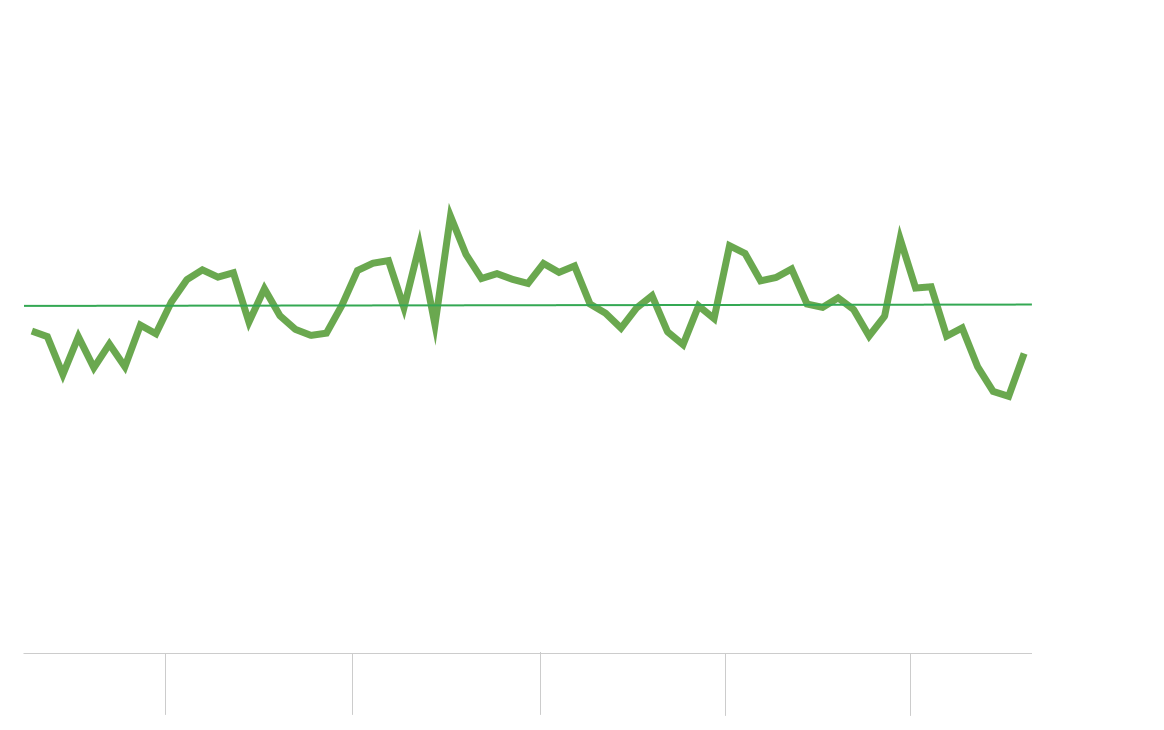
Overall, since Valve started recording any headset used on SteamVR in the past month rather than just currently connected via USB at the time of the survey in April 2020, the percentage of Steam users using a VR headset of any kind on their PC has declined.

This time period has also seen a massive increase in the number of Chinese Steam users. Headsets like Meta Quest and Valve Index aren’t officially sold in China, and a huge portion of Chinese Steam usage is believed to come from PC gaming cafes, where a headset wouldn’t be connected ever. So at UploadVR we also adjust the data to account for the increase in Chinese Steam users.

But even after doing so, overall VR usage on Steam has remained stagnant over the past five years, relative to the growth of PC gaming in general.

The reasons for this are open to debate, and likely complex, but that it has coincided with a massive increase in standalone VR usage suggests it’s something inherent to PC VR or the habits and desires of PC gamers in general.

Valve’s New Headset Design Is “Amazing”, Lynx Founder Says
The founder of Lynx says that the design of Valve’s next headset, codenamed Deckard, “is quite amazing”.
UploadVRDavid Heaney

It’s unclear what, if anything, could see SteamVR usage grow in the foreseeable future. Over the past four years Valve has repeatedly confirmed that it’s working on a new headset, strongly hinting that it will have a focus on wireless streaming from your PC, but we don’t yet know when it might arrive, nor what kind of price it will target.

Google will reveal more Gemini smart home plans and devices on October 1

Google is set to reveal more information about its “Gemini for Home” plans, including new Nest devices designed for the AI assistant, the company announced on X. “Gemini is coming to Google Home,” the teaser states, while showing what could be a new Nest camera. That follows the company’s Made By Google announcement last month revealing Gemini for Home and its capabilities.

Gemini for Home will replace Google Assistant and enable natural language commands plus easier-to use controls. For instance, you could ask it to come up with recipes based on ingredients in your fridge, provide information on general topics like buying a car and help you troubleshoot home appliance issues. It will be available both in free and subscription versions — much like Amazon is doing with Alexa and Alexa+. 

Is that you, Gemini? Come in and make yourself at Home �

Sign up for updates: https://t.co/V85WgPJvQN pic.twitter.com/JJaVRW385A

— Made by Google (@madebygoogle) September 2, 2025

Back at CES, Google said that Nest Aware subscribers who pay $10 per month would get early access to Gemini in Google Home, but it hasn’t confirmed that recently. In any case, the teaser implies we will likely see a new Nest camera (the image strongly resembles the company’s wired Nest security camera) and hopefully the unknown Nest speaker that caught everyone’s eye during Google’s recent live stream. If you’re interested, you can sign up for updates. 

This article originally appeared on Engadget at https://www.engadget.com/home/smart-home/google-will-reveal-more-gemini-smart-home-plans-and-devices-on-october-1-133601777.html?src=rss

That Docusign Email From Apple Pay Is a Scam

Did you know you can customize Google to filter out garbage? Take these steps for better search results, including adding Lifehacker as a preferred source for tech news.


If you receive an unsolicited email that appears to come from Docusign, don’t trust it without verifying its origin first. Scammers are once again impersonating the e-signature provider in a phishing campaign that leads recipients to believe there is a problem with their Apple Pay accounts.

Docusign is no stranger to scams: Threat actors often use the company’s trusted reputation to impersonate real people and organizations, sending links to (fake) invoices, refund notices, employment contracts, and even legal documents in hopes of collecting sensitive information.

How the Docusign Apple Pay scam works

The latest Docusign scam, identified by staff at both AppleInsider and CyberGuy, starts with an email that, at first glance, looks like a receipt for a subscription purchased through Apple Pay. There’s branding from Apple and Docusign as well as an order ID, and the message directs you to call the included Apple support line if you don’t recognize the charge.

The phone number obviously isn’t Apple’s—instead, you’ll reach the scammers, who will try to extract information like your Apple ID and bank account number, convince you to download remote access software, or demand payment to protect your account. Phishing emails also often include malicious links or attachments.

Docusign scam red flags

Like all scams, this one plays on emotions like fear and a sense of urgency to fix an apparent problem with your account. It also relies on user trust in the brands being impersonated so you’re more likely to engage.

There are a few other ways to identify this campaign as a fraud. For one, the message doesn’t originate from an official Apple or Docusign domain—those sent to AppleInsider came from a Gmail address. (Note that sender names may include lookalike characters that are harder to spot and can evade spam filters.) For another, major companies don’t use Docusign to send receipts or invoices. If you cross-check against your App Store or Wallet transactions, you won’t find this fake one listed.

In general, you shouldn’t engage with anything from Docusign that you weren’t aware of prior to receipt. And always go directly to a company’s website or app to log into your account or find contact information to verify any suspicious claims. You can report spoofed Docusign emails to spam[at]docusign[dot]com.

“Mockery of science”: Climate scientists tear into new US climate report

More than 85 climate scientists declared the Department of Energy’s new climate report unfit for policymaking in a comprehensive review released Tuesday. The DOE’s report cherry-picked evidence, lacked peer-reviewed studies to support its questioning of the detrimental effects of climate change in the US and is “fundamentally incorrect,” the authors concluded.

Scientists have accurately modeled and predicted the volume and impact of excess CO2 in the Earth’s atmosphere since the 1970s, when Exxon workers first began measuring the impacts of their product on the planet’s atmosphere. Since then, climate science has matured into a crucial tool to help humans gauge how a warming planet may affect everything from weather and crops to the economy and mental health.

“This report makes a mockery of science. It relies on ideas that were rejected long ago, supported by misrepresentations of the body of scientific knowledge, omissions of important facts, arm waving, anecdotes, and confirmation bias,” said Andrew Dessler, a professor of atmospheric sciences at Texas A&M University, in a statement accompanying the review.

Read full article

Comments

Carl Sagan’s ‘Pale Blue Dot’ With Classical Music Accompaniment

This is a video featuring the late great astronomer Carl Sagan reading the popular excerpt from his 1994 book ‘Pale Blue Dot’, set to the classical music piece ‘Spiegel im Spiegel’ by Arvo Pärt for extra poignancy. The original photo, which features earth as seen from a distance of some 3.7-billion miles, was taken by the Voyager 1 space probe in 1990 in part thanks to Sagan, who was the one to sugggest the probe’s cameras be turned around for one last shot of earth as Voyager left the solar system. I’m always moved every time I see and listen to this. It really gets me thinking. Just not about anything good, unfortunately, and it’s a shame the photo didn’t capture a giant asteroid speeding towards that pale blue dot.

GeForce RTX 5070 Ti & 5070 Deals Drop NVIDIA’s Midrange GPUs To Below MSRP

GeForce RTX 5070 Ti & 5070 Deals Drop NVIDIA's Midrange GPUs To Below MSRP
It took a minute, but we’re finally starting to see some deals on NVIDIA’s GeForce RTX 50 series graphics cards. For the most part, that has entailed partner models selling for baseline MSRPs, as we recently highlighted with a couple of GeForce RTX 5070 Ti models (more on that in a moment). Now, however, we’re even seeing cards go for under

What People Are Getting Wrong This Week: Gas Station ‘Male Enhancement’ Pills

I’m sure you’ve seen displays of “male enhancement” products at your local gas station, liquor store, or head shop. With brand names like “Rhino Power 4000,” “Black Mamba,” or “X Rated Honey,” these “herbal” or “all natural” supplements boast that they will “increase stamina,” give you “rock hard power,” and “add inches.” The packaging may not state it directly, but the overall message is extremely clear: These pills treat erectile dysfunction.

If you’re like me, you’ve seen these pills and thought, “These would never work.” Well, my skeptical friend, this week we are the ones who are wrong. Gas station boner pills often work exactly as expected—but this isn’t because herbal ingredients like ginseng and Yohimbe bark are miracle cures for ED. It’s because many of these pills are basically mislabeled Viagra or Cialis. It’s true: The Food and Drug Administration has found all kinds of prescription medication in hundreds of different shady “supplements,” but you can still buy them. You shouldn’t, but you can.

How a rack full of unlicensed prescription pills came to be easily available at your local 7-11 is a twisty story. Most of these “supplements” originate in foreign factories, especially in China and India, where pharmaceutical manufacturing is cheaper and less tightly regulated. From there, they are distributed as “dietary supplements.”

Unlike prescription and over-the-counter drugs, dietary supplements don’t have to be tested by the Food and Drug Administration before they’re sold, so anyone who wants to make a quick buck can fill some capsules with dried grass, call it a supplement, and start selling it.

The FDA and supplement whack-a-mole

Of course, hiding the active ingredients in Viagra and Cialis in what you call a supplement is against the law, but the FDA doesn’t have enforcement power until after the sale. If people get sick or someone complains, the Feds can step in, but not before.

To its credit, the FDA steps in frequently. The agency maintains an ever-updated database of problematic “Sexual Enhancement and Energy Products,” where you can read all about the illicit ingredients in supplements like Green Lumber (contains tadalafil, the active ingredient in Cialis), HimGo (contains sildenafil, the active ingredient in Viagra, and diclofenac, an over-the-counter anti-inflammatory drug), and “Versace Real Honey” (sildenafil, tadalafil, and acetaminophen). The FDA even prosecutes people occasionally for selling this stuff, like Jacksonville “business executive” Jae Hong Kim who recently pled guilty to selling prescription drugs marketed as “Rhino 69” and “MegaZen Power 5000.”

But Kim’s story is the exception, not the rule. The FDA may pull Mega-Mamba Mojo pills from the market, but in a few weeks, your local gas station will be selling Lightning Lad Libido pills instead, maybe from the same shell company, but now with a different name. These pills can be produced for pennies and sold for up to $20 per, so the risk/reward ratio is solid for people who sell the stuff.

Why you should not take male “enhancement” products from gas stations

You shouldn’t take erection pills from a gas station; first, because you don’t need to be enhanced; you’re beautiful how you are, King. But if you’re treating erectile dysfunction, you can do better than a shady supplement. Taking strange pills from a gas station is a bad idea for a lot of reasons, including:

  • Unknown dosage: Even if you know it’s sildenafil, you have no idea how much you’re taking, but it’s usually “a crap-ton.” FDA tests of these products have found amounts of prescription drugs well above what a doctor would order, and that often leads to severe headaches, low blood pressure, dizziness, vision changes, or even heart problems.

  • Dangerous interactions: If you’re on heart meds, blood pressure drugs, or nitrates, ED drugs are generally not safe. For that matter, if you’re on any drug they’re generally not safe, because literally any drug could be in them.

  • Randomness: Lack of honest labeling means that you might get Ginkgo Biloba when you’re hoping for Viagra, and vice-versa.

Instead of confiding in the guy behind the counter at your local head shop, talk to your doctor. They have heard it before, and the prices of real-deal E.D. are usually better than the gas station equivalent. It’s $2 to $10 per pill for generic sildenafil (Viagra) and about $6 to $18 per pill for generic tadalafil (Cialis), where gas station drugs can cost as much as $20 per dose.

Why they still sell

So these pills are dangerous, expensive, and shady, and the FDA constantly warns us not to take them. Why are they still everywhere? First because the minimal oversight of dietary supplements has been baked into law since the Dietary Supplement Health and Education Act (DSHEA) passed in 1994. But also because these pills offer both an easy solution and an illicit thrill. The combination of curiosity, desperation, and sheepishness makes those shiny packages by the slushie machine an irresistible impulse purchase to some, especially people who are too shy to discuss medical issues with their doctors. So they keep selling because impulse, embarrassment, and weak regulation all collide, and the result is a product that’s as easy to get as it is risky to take.