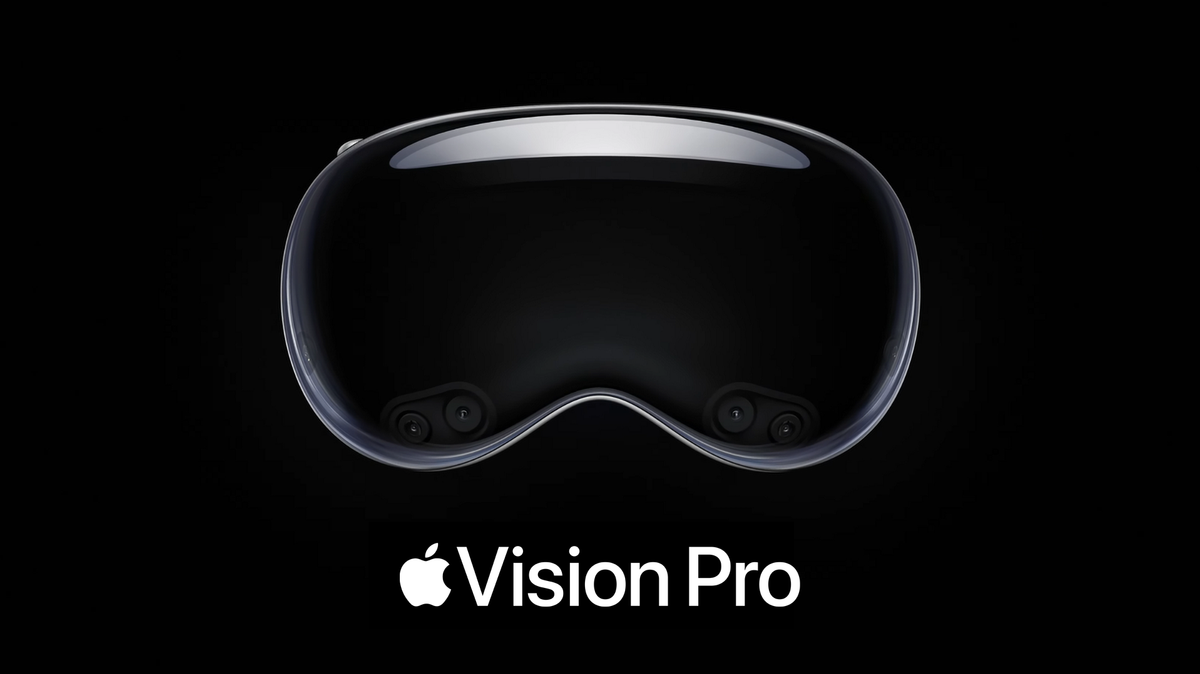
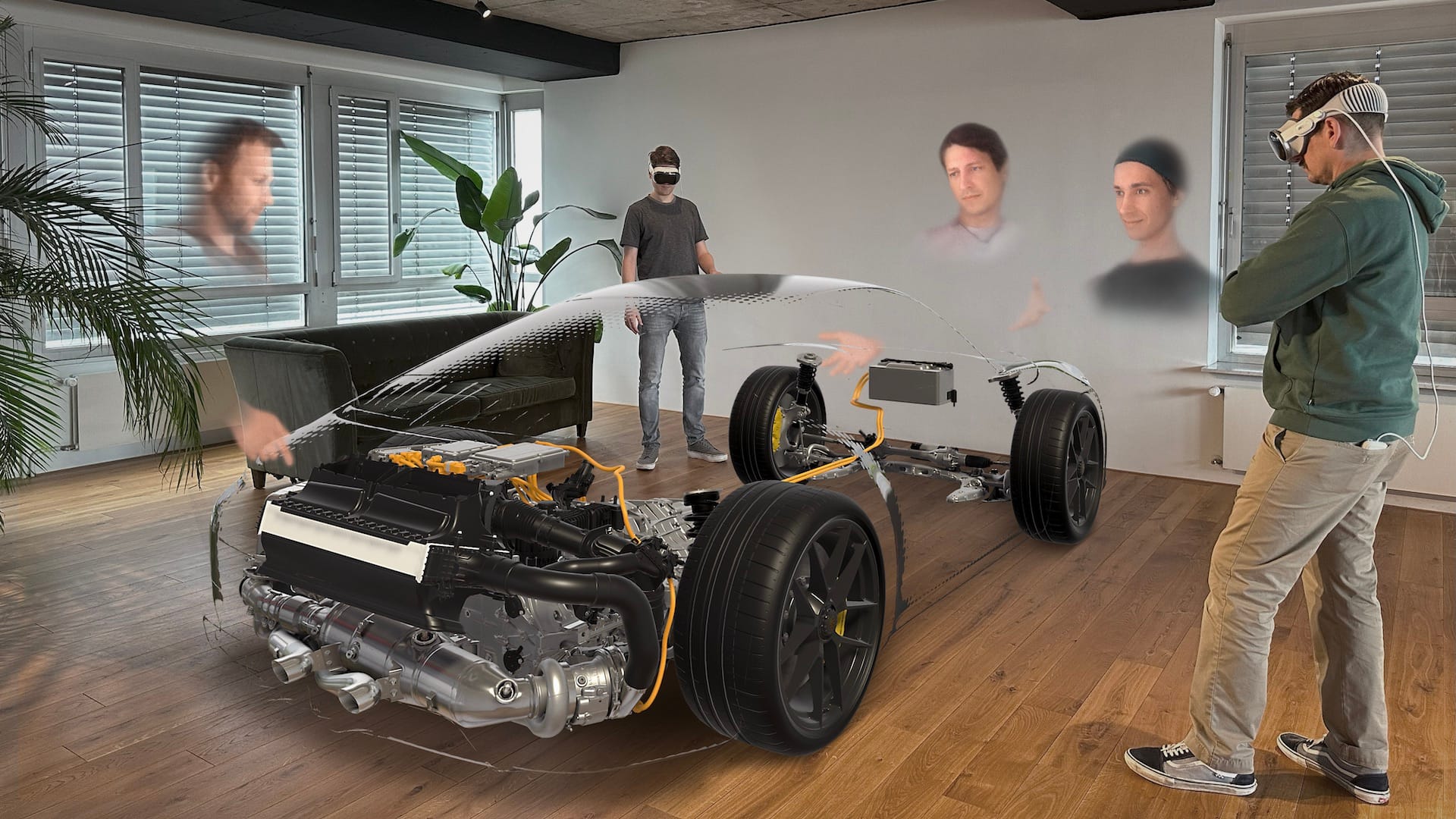
During the reveal event for the new 911 Turbo S, Porsche walked Patrick Dempsey through the drivetrain using colocated Apple Vision Pro headsets.
The demo saw Porsche’s 911 Director of Powertrain and Director of Vehicle Dynamics Systems show Dempsey the e-turbo at larger-than-life scale, then at true scale, followed by the entire drivetrain and chassis at true scale. They also showed a real video of the engine in action on a large virtual screen, which everyone in the session could see.
0:00
/1:36
Porsche walks Patrick Dempsey through the new 911 Turbo’s drivetrain.
Apple is adding support for automatic shared space colocation, in visionOS 26, combining local SharePlay with shared ARKit spatial anchors. The new operating system version is currently in beta, and is expected to release sometime this month.
It’s unclear whether Porsche is currently using local SharePlay, running visionOS 26 Beta, or using a manual colocation calibration step.
In the future, Porsche plans to combine local and remote SharePlay for press briefings, leveraging Apple’s Personas to let journalists join from anywhere in the world, while retaining the feeling of being present.
Earlier this year, the company also released an at-home Apple Vision Pro experience, which lets you customize a 911 Spirit 70 in mixed reality — and proceed to order it if you have the $250K to spare.
Porsche plans to conduct briefings with a combination of local and remote Apple Vision Pro wearers.
Collaborative 3D CAD visualization is one of the key use cases of VR and mixed reality in enterprise, and has been for several years now. But until Apple Vision Pro, companies had to choose between the fidelity of tethered PC-based solutions like Varjo and the portability and wireless freedom of standalone headsets like Quest.
Apple Vision Pro’s laptop-tier M2 chipset and 4K micro-OLED displays enable it to offer the best of both worlds, relatively high fidelity rendering of 3D models but without the need to be tethered to a PC.
Multiple reports suggest that Apple plans to soon launch an upgraded Vision Pro with an M4 or M5 chip, which would bridge the gap to PC-driven VR and mixed reality even further, delivering more detailed virtual objects and environments for consumers and enterprise alike.
Released just over one month ago was the general availability of CUDA !3.0 while out this week is CUDA 13.0 Update 1 as the first incremental step forward to CUDA 13…
It’s still back-to-school season and, regardless of whether you’ve picked up a textbook recently, that will always mean its time to pick up new supplies. Thankfully, there are some great deals currently running, including a new all-time low price for the USB-C Apple Pencil.
Right now, you can pick up the USB-C Apple Pencil for $50, down from $79. The 37 percent discount is available as part of Woot’s warehouse clean out and will run for six more days or until the accessory sells out. Notably, Woot states that it will deliver the new Pencils in non-retail packaging and that they don’t qualify for AppleCare.
Apple released its USB-C Pencil in 2023 as part of its switchover from Lightning ports. It’s compatible with iPad models including the Pro 11- and 13-inch (M4), Air 11- and 13-inch (M2), mini (A17 Pro and sixth-generation) and 10th-generation iPad. It works really well as a standard option for writing, navigating an iPad and other casual uses. However, it doesn’t offer some of the same perks as its more expensive counterparts, such as handling pressure sensitivity and magnetic charging.
Check out our coverage of the best Apple deals for more discounts, and follow @EngadgetDeals on X for the latest tech deals and buying advice.
This article originally appeared on Engadget at https://www.engadget.com/deals/the-usb-c-apple-pencil-drops-to-a-new-all-time-low-123045887.html?src=rss
Nepal’s government has lifted its ban on social media apps including Facebook and X after at least 19 people were killed yesterday during protests, The Guardian reported. “We have withdrawn the shutdown of the social media. They are working now,” said communications minister Prithvi Subba Gurung. In a new development, Nepal Prime Minister K.P. Sharma Oli has resigned due to the unrest, his aide told Reuters.
Last week, the government announced it was blocking 26 social media platforms due to noncompliance with a new law requiring them to register in the nation. That action led to criticism from groups like the Federation of Nepali Journalists and Digital Rights Nepal, which called the sudden closure “controlling.”
Then on Monday, thousands of Nepalese youths started “Gen Z” protests across the country. While triggered by the social media ban, they were fueled by perceived corruption among elites in the nation and the lack of economic opportunities for young people. One site that wasn’t banned, TikTok, showed videos featuring children of politicians flaunting luxury goods and pricy vacations, in contrast to the struggles of regular people. “We are protesting against corruption that has been institutionalized in Nepal,” a 24-year-old student told The Guardian.
During the demonstrations, protesters attempted to enter a Kathmandu parliament building and were repelled by police using water cannon, batons and rubber bullets. However, Amnesty International said live ammunition was also used and police confirmed that 19 people had died in the protests and hundreds were injured.
The unrest has continued despite the ban being lifted, with reports of protesters setting fire to the homes of some politicians and ministers being rescued by military helicopters, according to local media. “We are still standing here for our future … We want this country corruption-free so that everyone can easily access education, hospitals, medical [facilities] … for a bright future,” protester Robin Sreshtha told Reuters.
This article originally appeared on Engadget at https://www.engadget.com/social-media/nepal-lifts-social-media-ban-after-19-people-were-killed-during-protests-120007652.html?src=rss
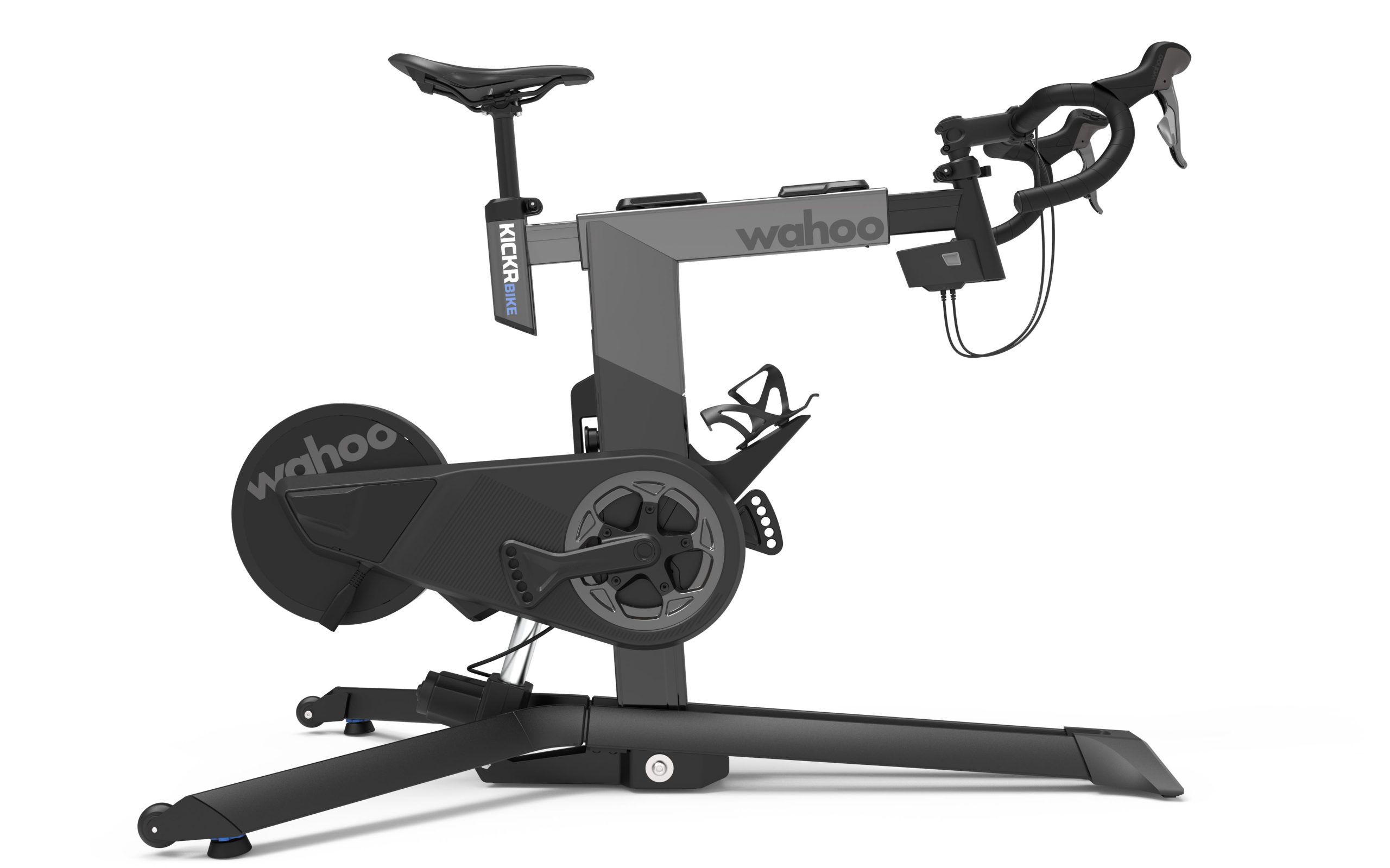
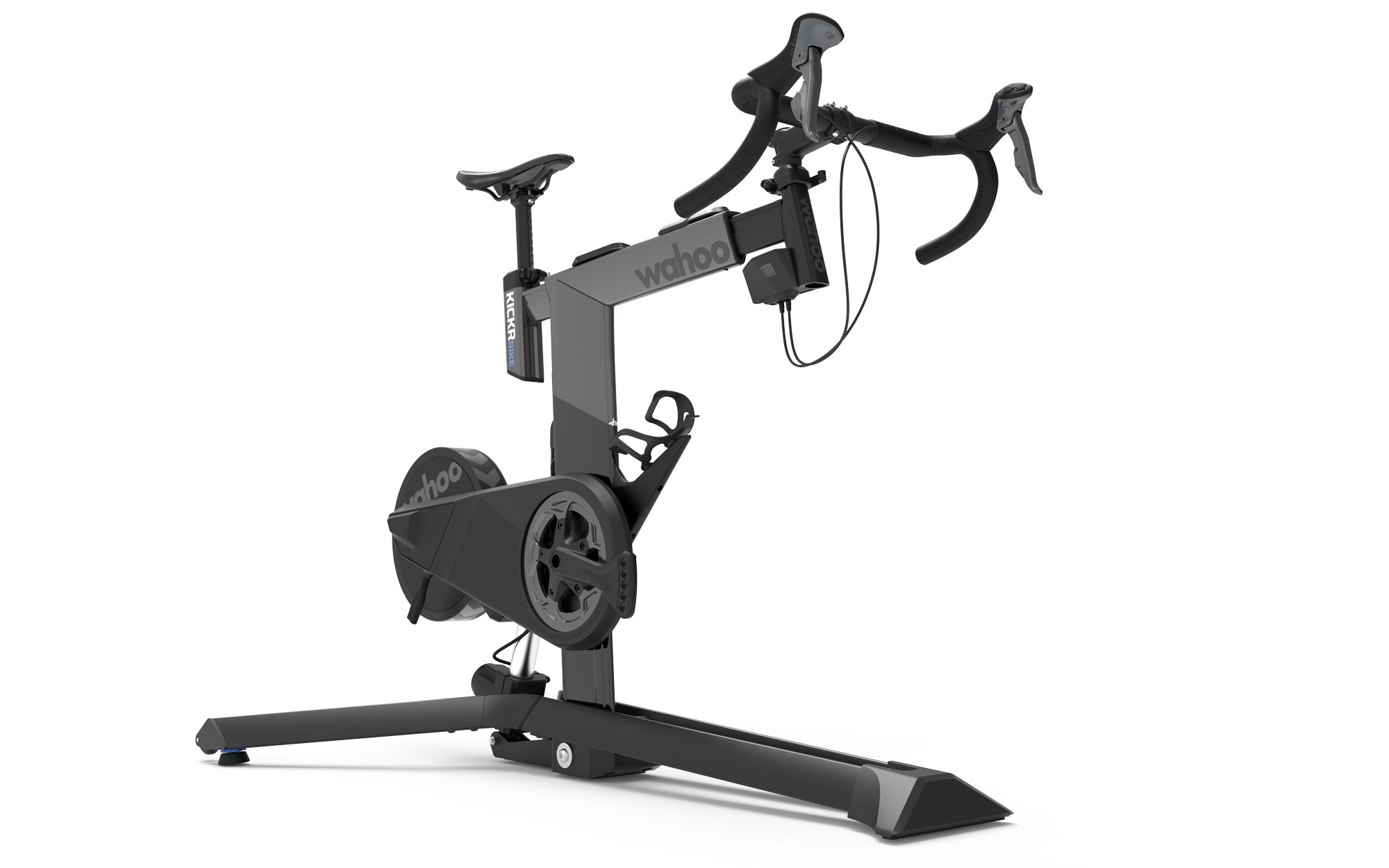
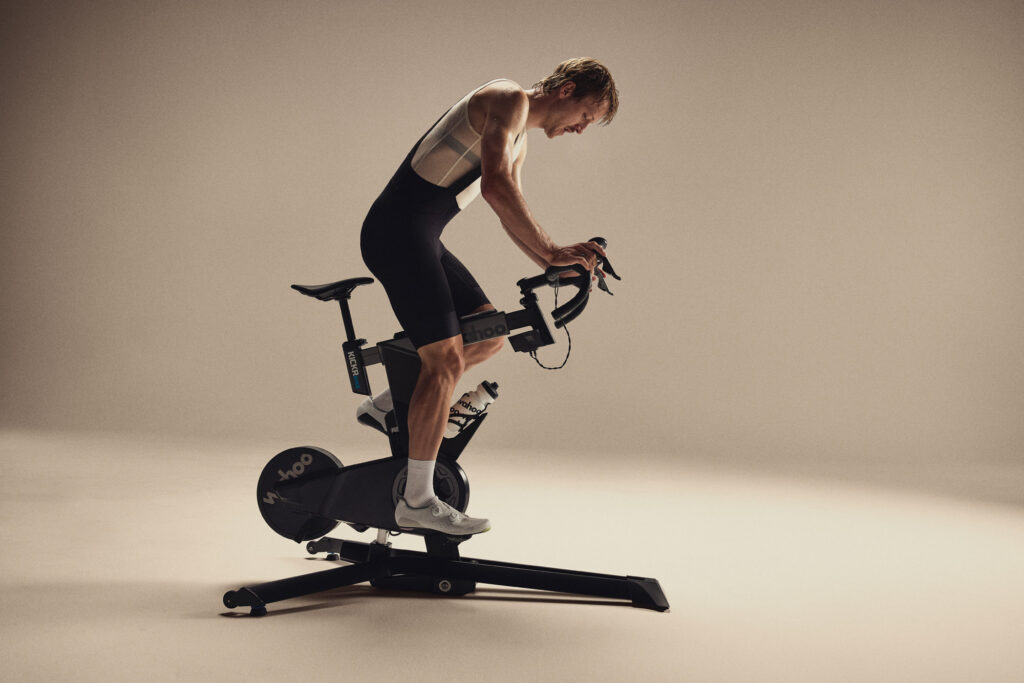
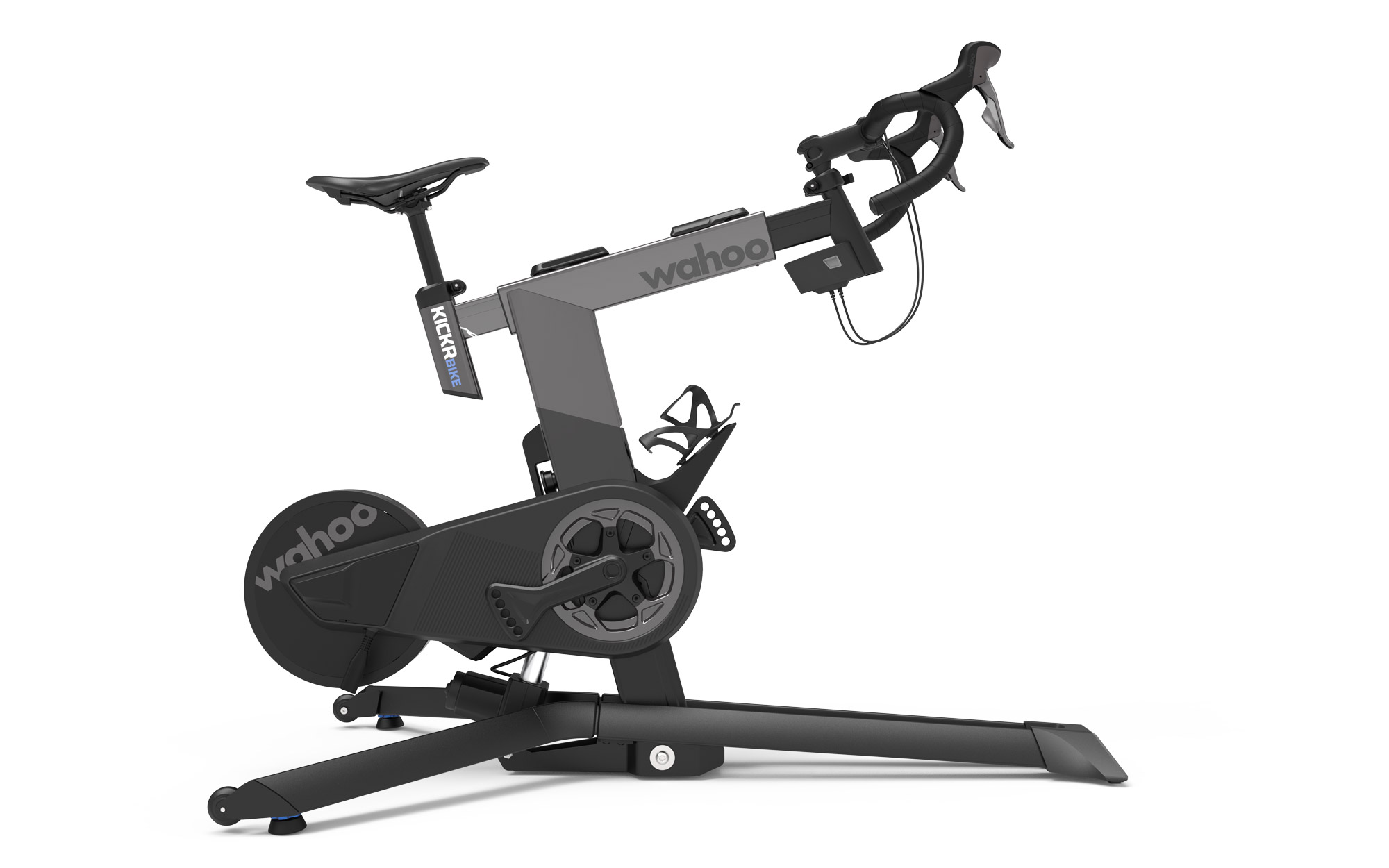
Wahoo has announced the Kickr Bike Pro, an upgraded version of its highly rated smart indoor bike.
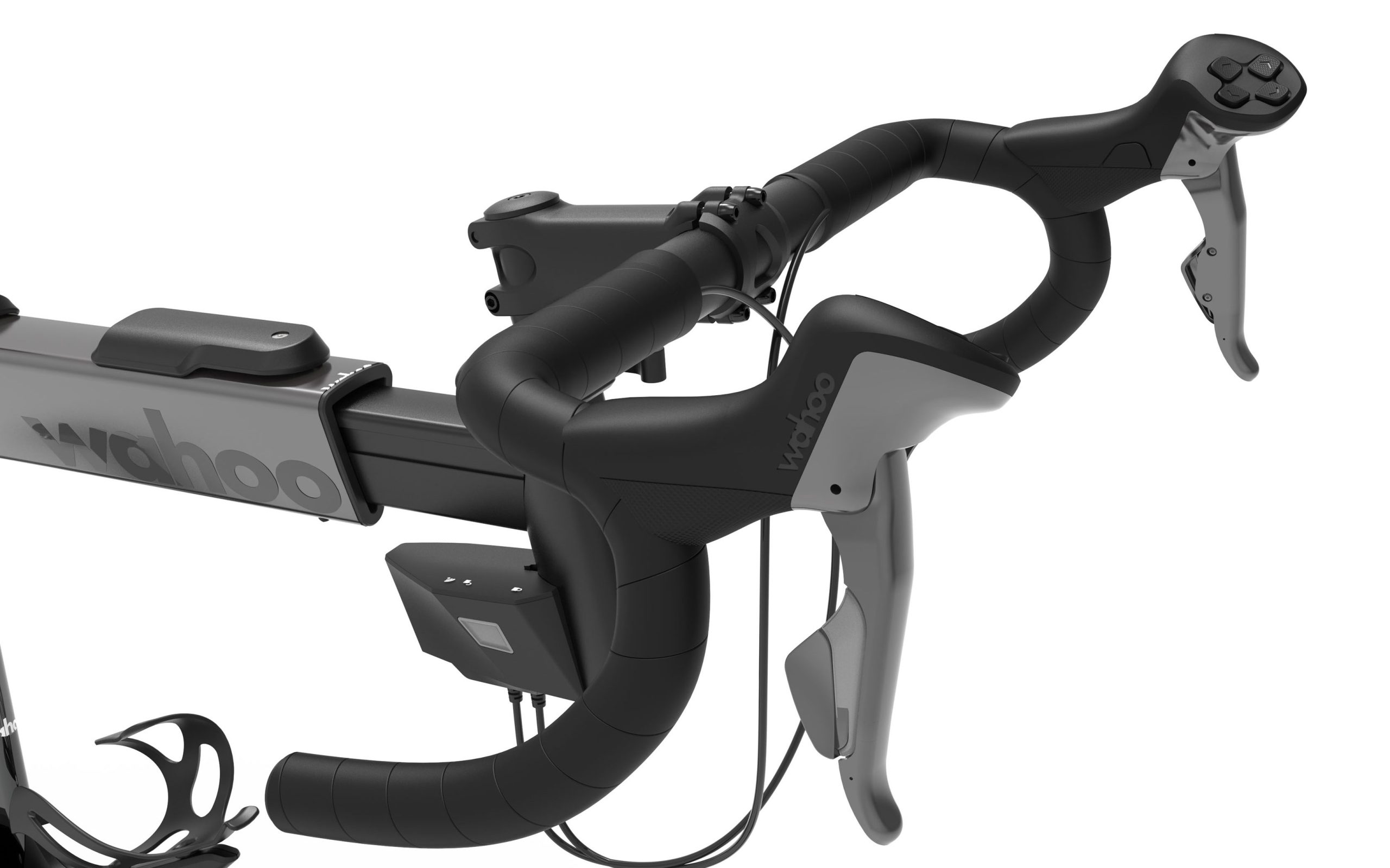
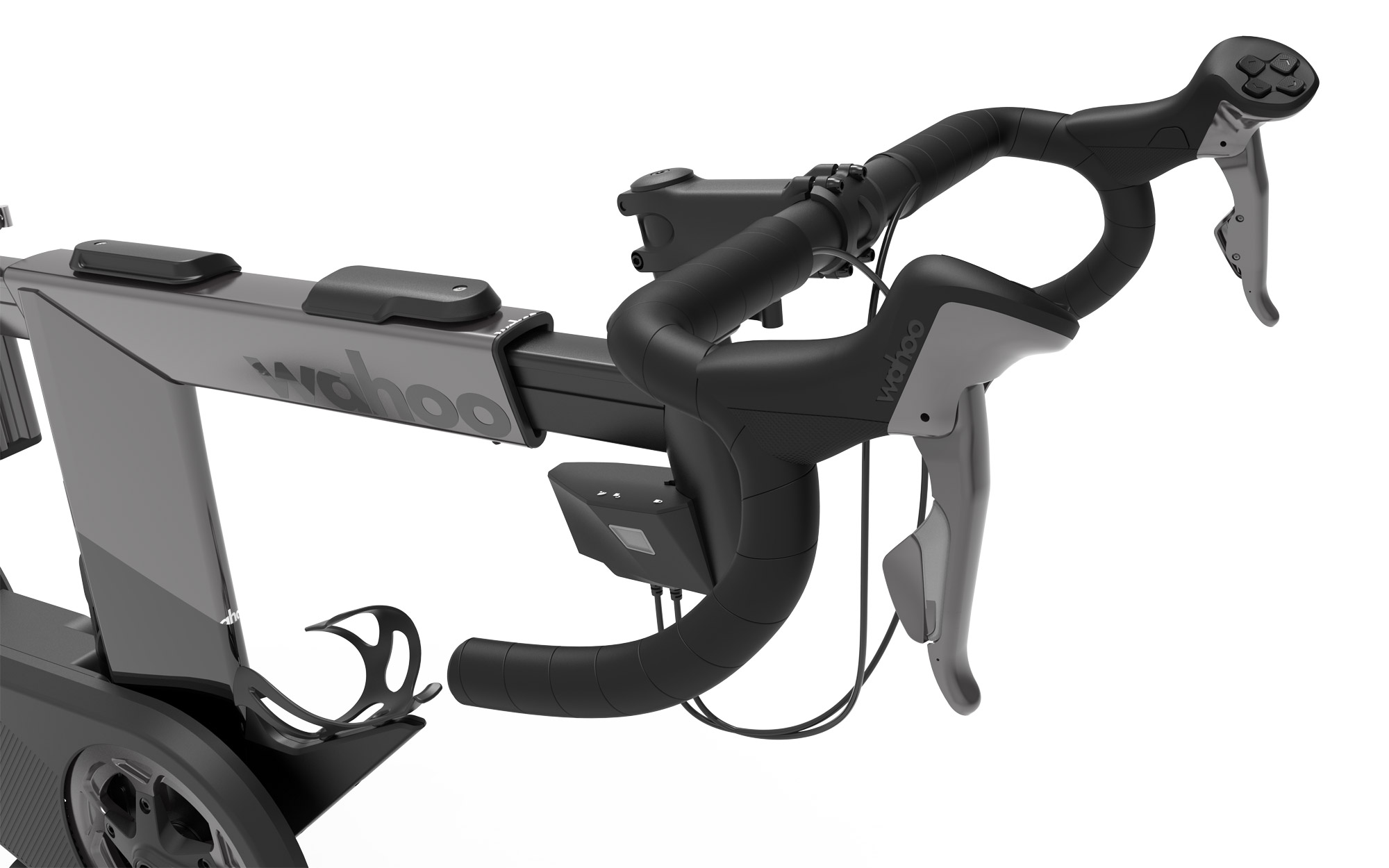
Built around the same indoor bike frame and resistance unit as the standard Kickr Bike, Wahoo says the Kickr Bike Pro features upgraded shifters alongside “premium” contact points from Fizik.
These include a Fizik Aliante R5 saddle and the Italian brand’s Solocush bar tape wrapped on a new ‘ergonomic handlebar’ that Wahoo says is “ specifically designed for indoor riding”.
The Kickr Bike Pro is available now and priced at £3,499.99 / $3,999 / €3,999.99.
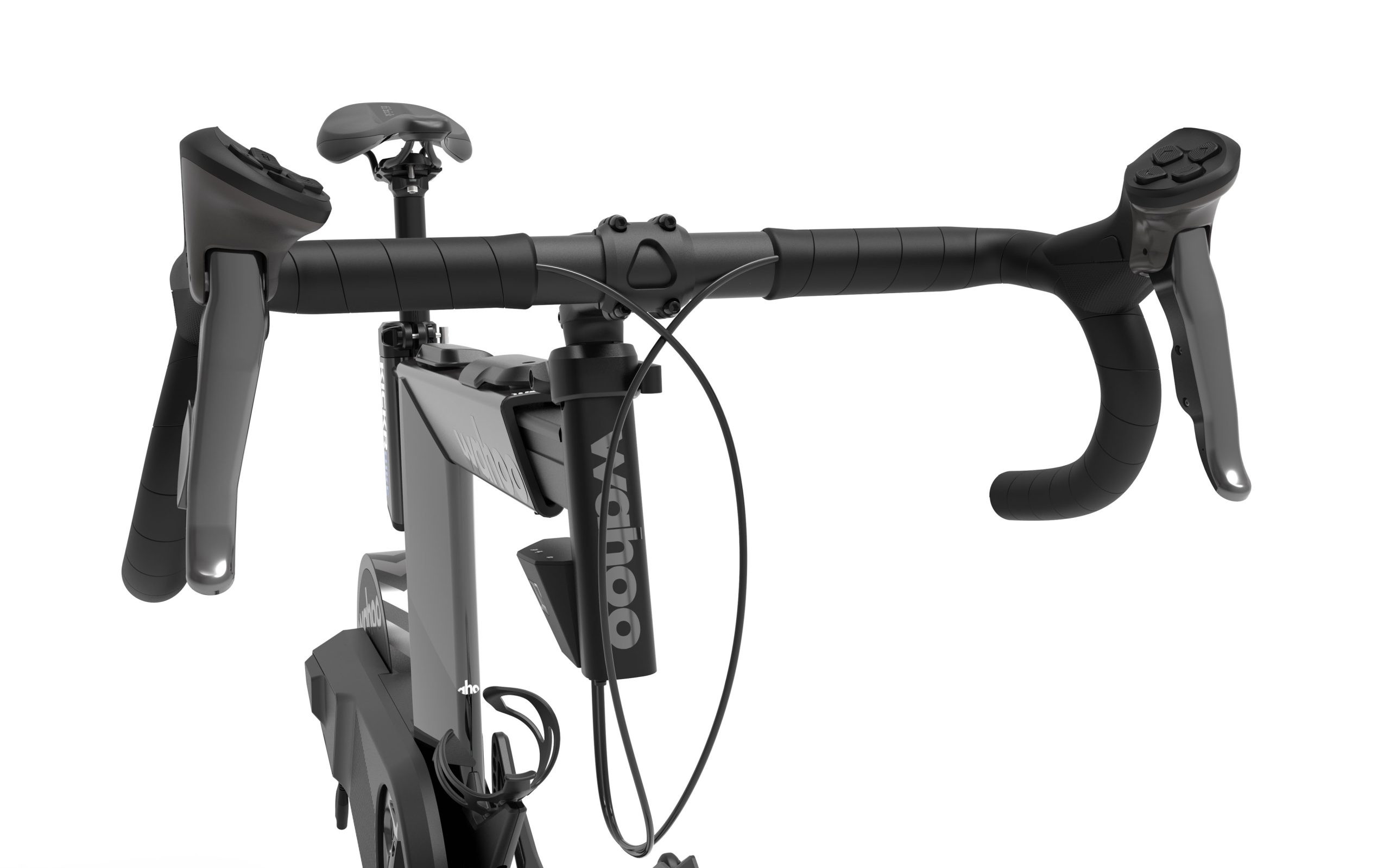
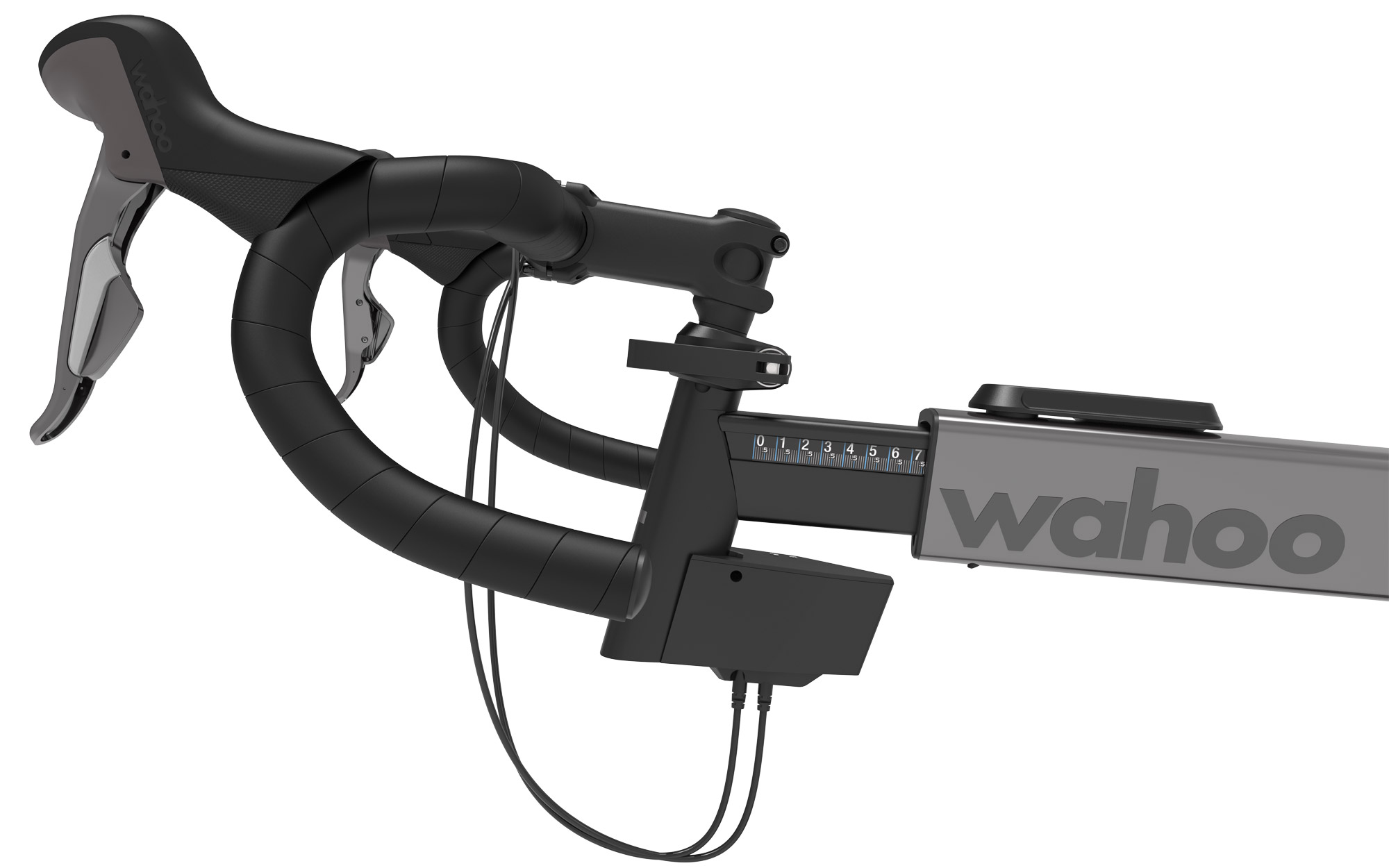
Wahoo’s Kickr Bike Pro shifters feature additional action buttons up top.
With interactive indoor cycling booming in recent years, we’ve seen an increasing number of video-game style ‘controllers’ such as Zwift’s Play and, more recently, Click v2.
Designed around Zwift (indoor cycling’s most popular app), these enable riders to control their avatar and navigate in-app menus without needing to reach for a keyboard and mouse while riding.
With other indoor cycling apps, such as Rouvy, adopting these systems and controllers, Wahoo has added more buttons to the tops of the shifter hoods to expand the Kickr Bike Pro’s capabilities.
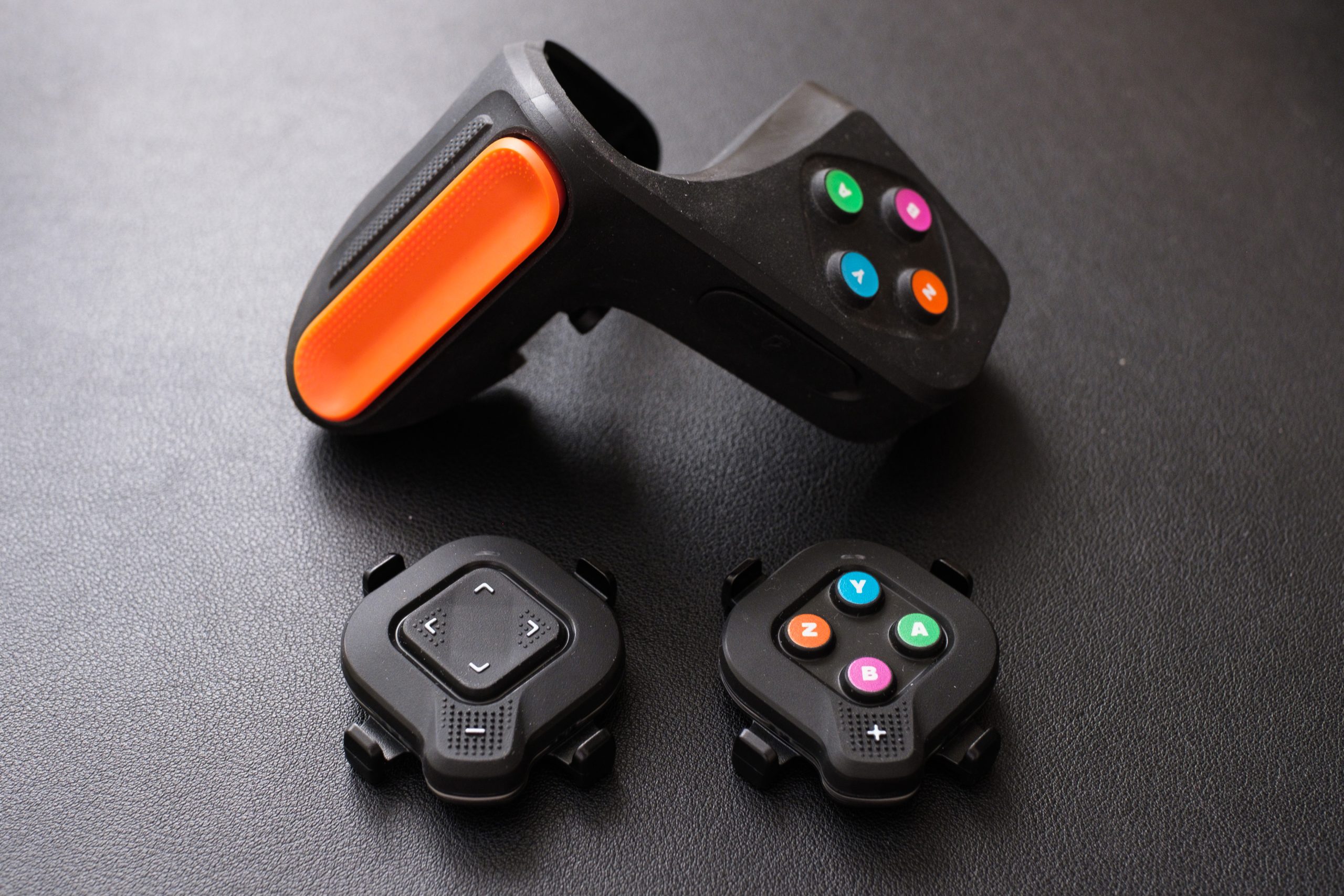
Wahoo says it modelled the new shifter buttons to match the functionality of Zwift’s controllers. Simon von Bromley / Our Media
The brand says these are modelled to mimic the functionality of Zwift’s Play and Click v2 controllers, but they can be used with other apps where they are supported.
Wahoo has also added the ability for the Kickr Bike Pro to act as a sensor bridge for other Bluetooth or ANT+ peripherals, such as heart rate monitors.
According to Wahoo, these make the Kickr Bike Pro “the most integrated indoor training solution available”.
Upgraded contact points
Fizik supplies its popular Aliante R5 saddle. Wahoo
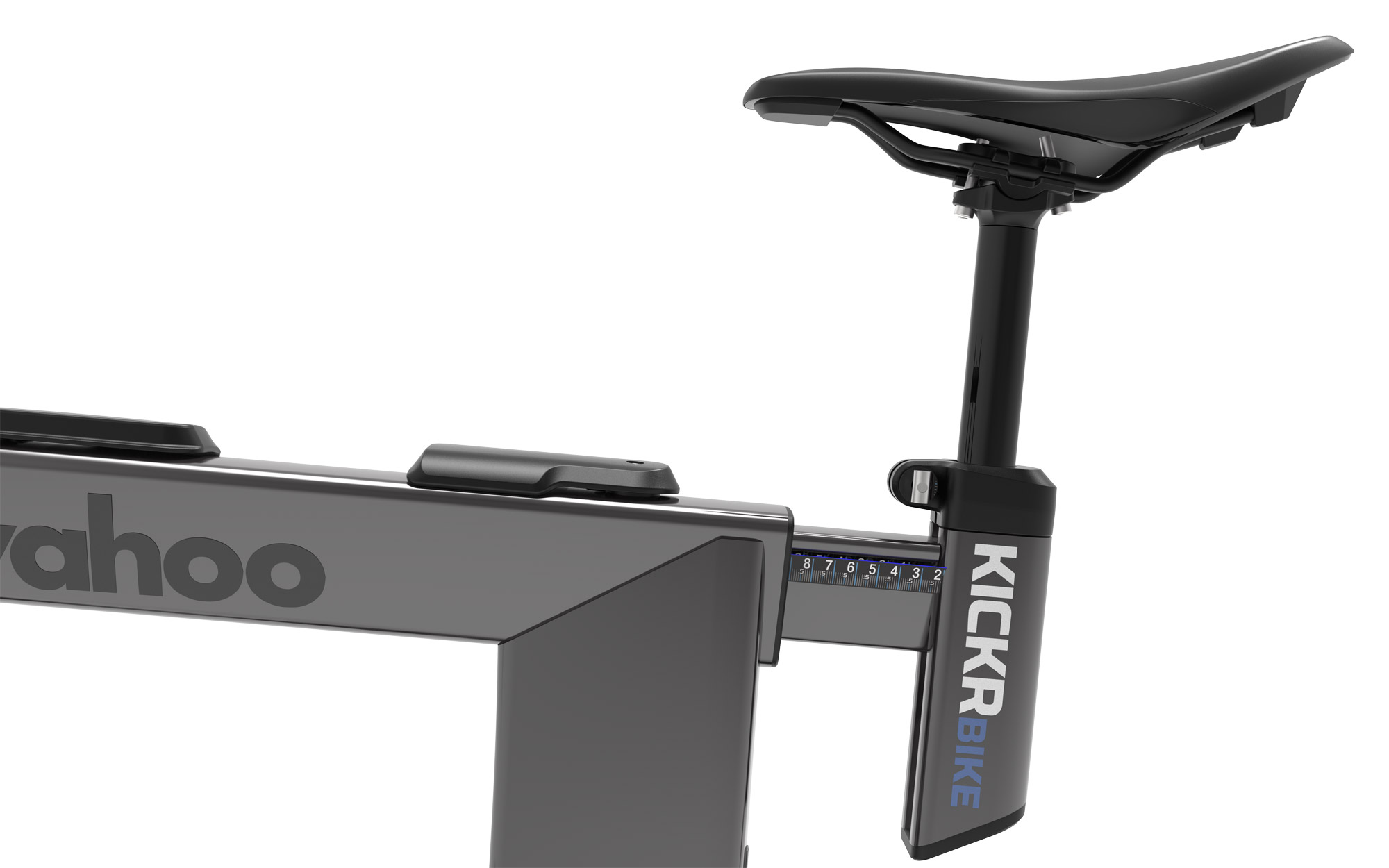
While the standard Kickr Bike came with unbranded parts – leaving riders free to spec their own parts, if preferred – Wahoo has partnered with Fizik to improve the quality of the Kickr Bike Pro’s contact points.
The saddle, for example, is the brand’s popular Aliante model. Designed for endurance road cycling, the Aliante features a curved profile and a pressure-relief channel in the middle.
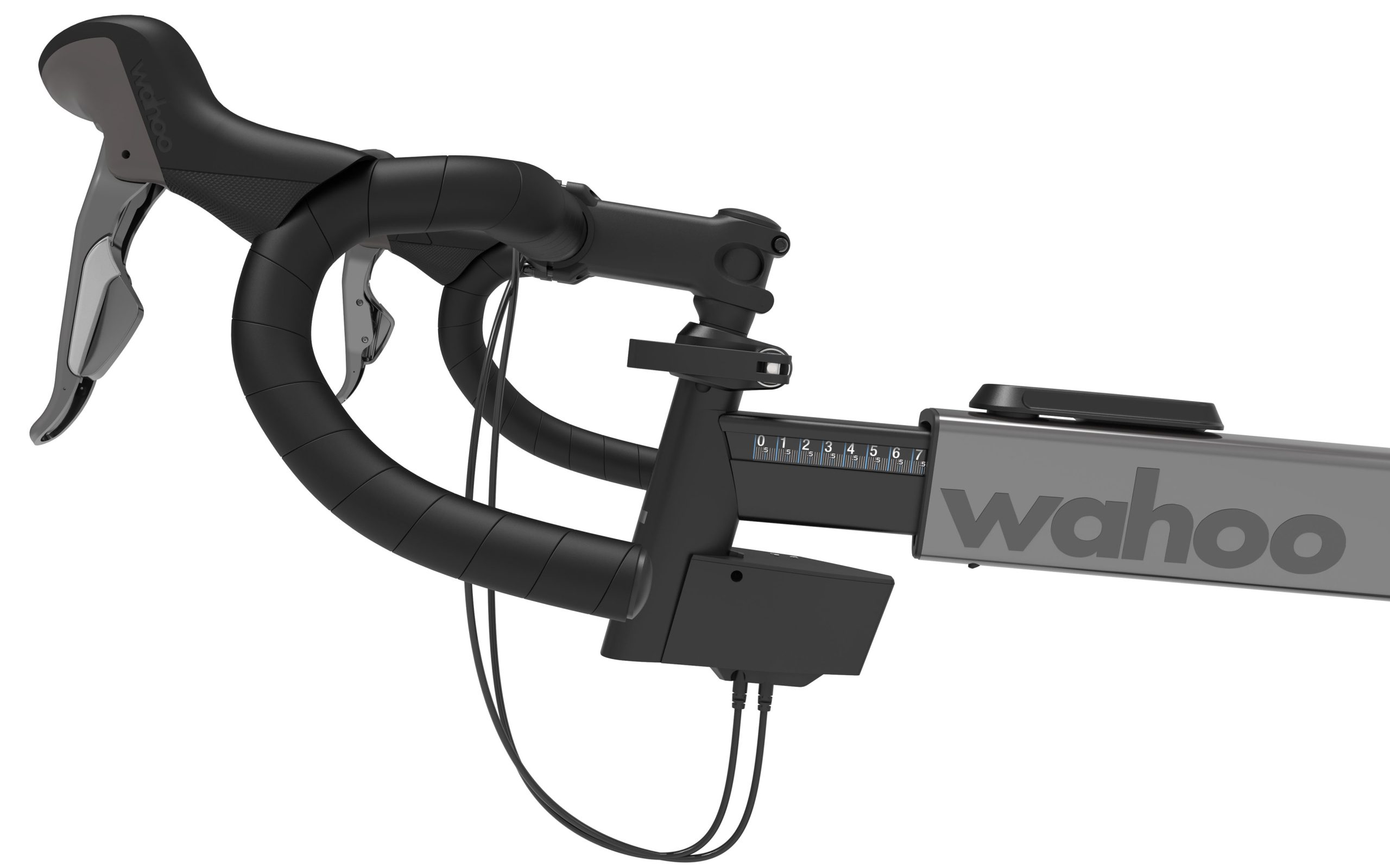
Wahoo’s Kickr Bike Pro handlebar features flared drops. Wahoo The new handlebar features compact drops. Wahoo
Alongside this, Wahoo has specced a new ‘ergonomic’ drop handlebar. It doesn’t note exact changes compared to the bar on the standard Kickr Bike, but it appears to feature a relatively compact drop with a slight flare to the drops.
The brand says it has also refined the quick-release levers used to adjust the bike fit, for a smoother experience setting up the bike.
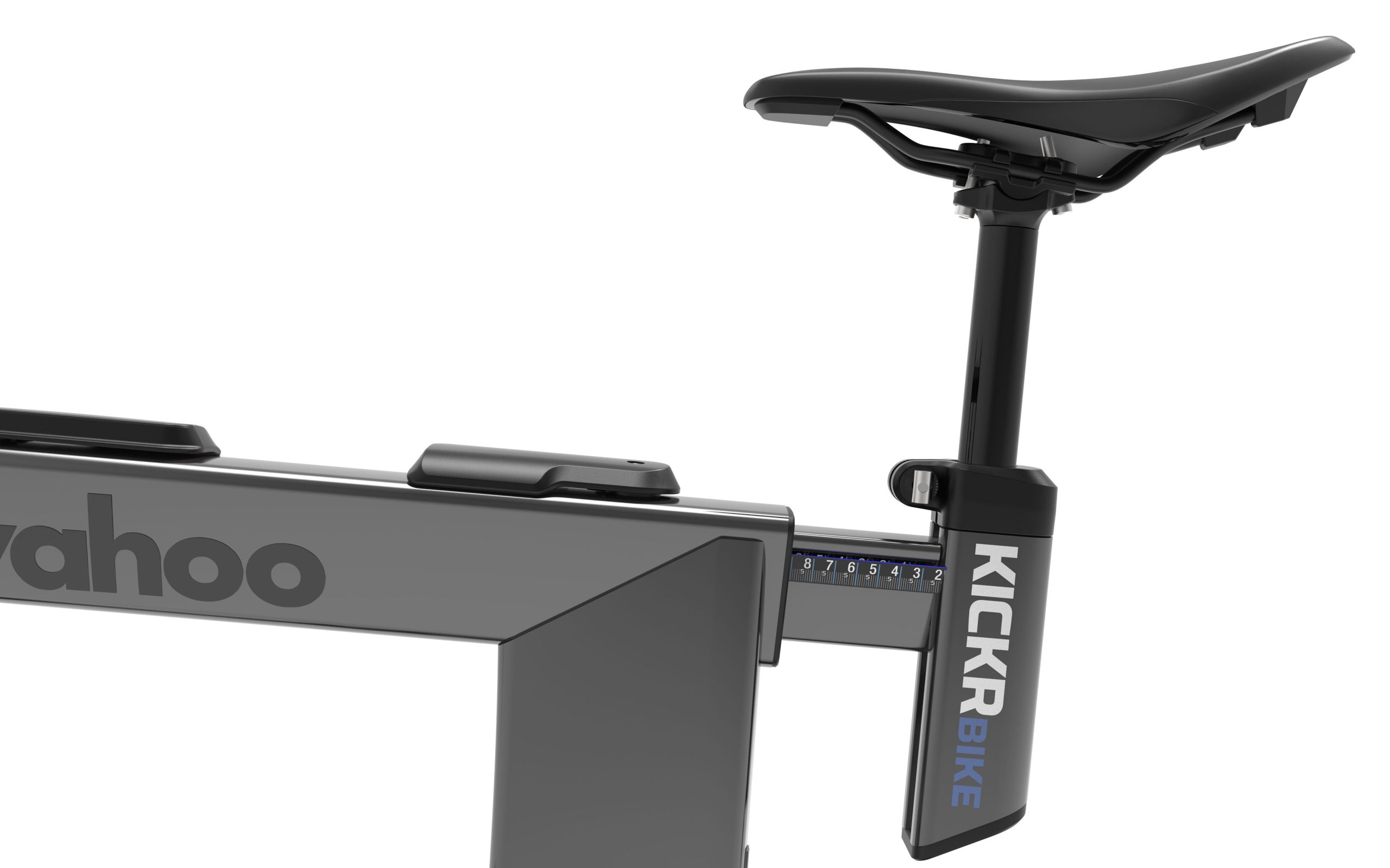
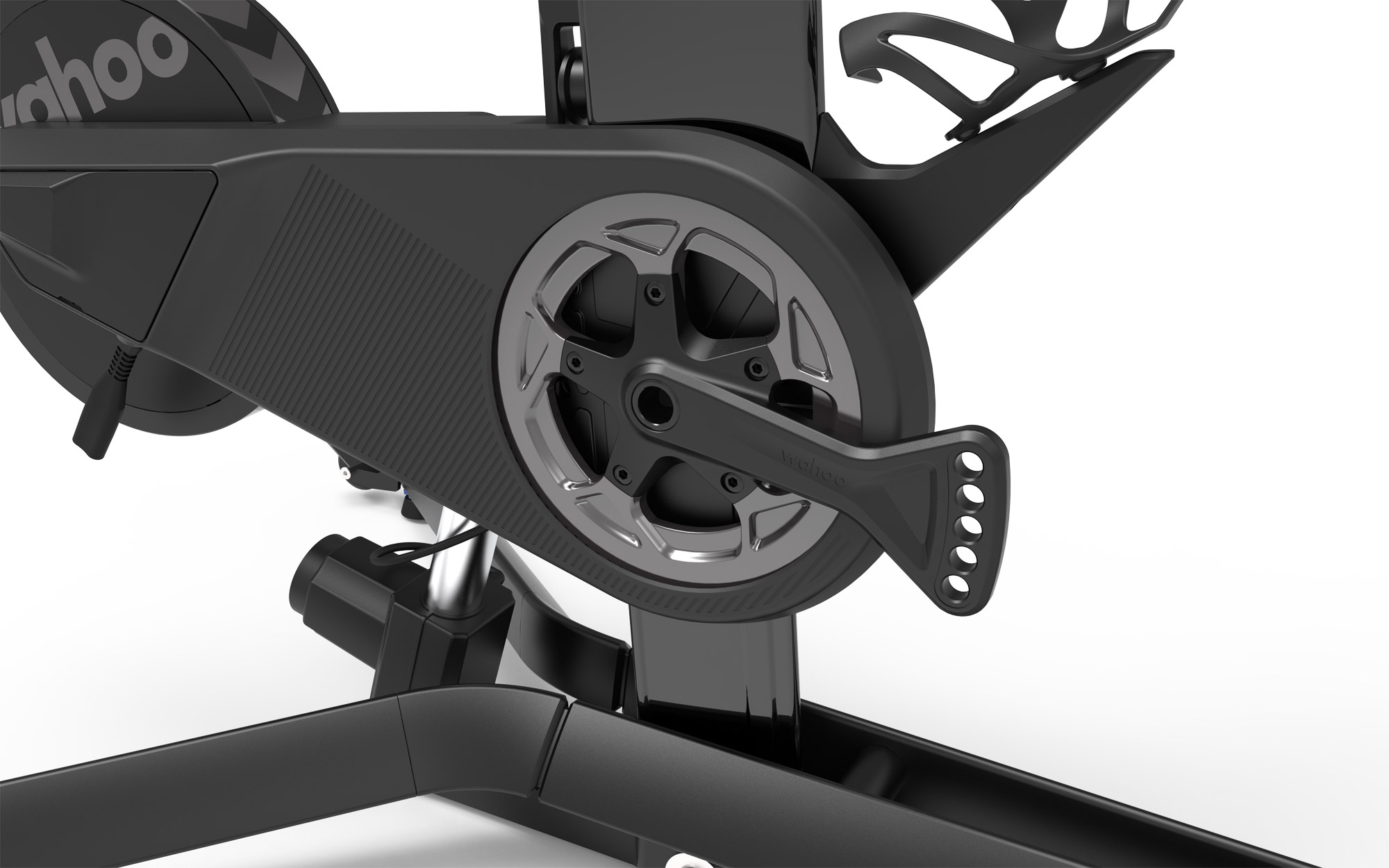
As before, the Kickr Bike Pro uses industry-standard saddle and stem mounting points, so riders can swap in their own favourites if preferred. Crank length is also selectable in 2.5mm increments from 165 to 175mm.
Wahoo Kickr Bike Pro spec
Wahoo’s Kickr Bike Pro is built around the existing Kickr Bike platform. Wahoo
Beyond the upgraded shifters and contact points, the basic spec of the Kickr Bike Pro is the same as the standard Kickr Bike.
This includes a maximum power output of 2,500 watts, a claimed power accuracy rating of +/- 1 per cent and the ability to simulate gradients from -15 to 20 per cent.
It also features network connectivity via Wi-Fi or Wahoo’s own ‘direct connect’ wired standard, as well as Bluetooth and ANT+ capabilities.
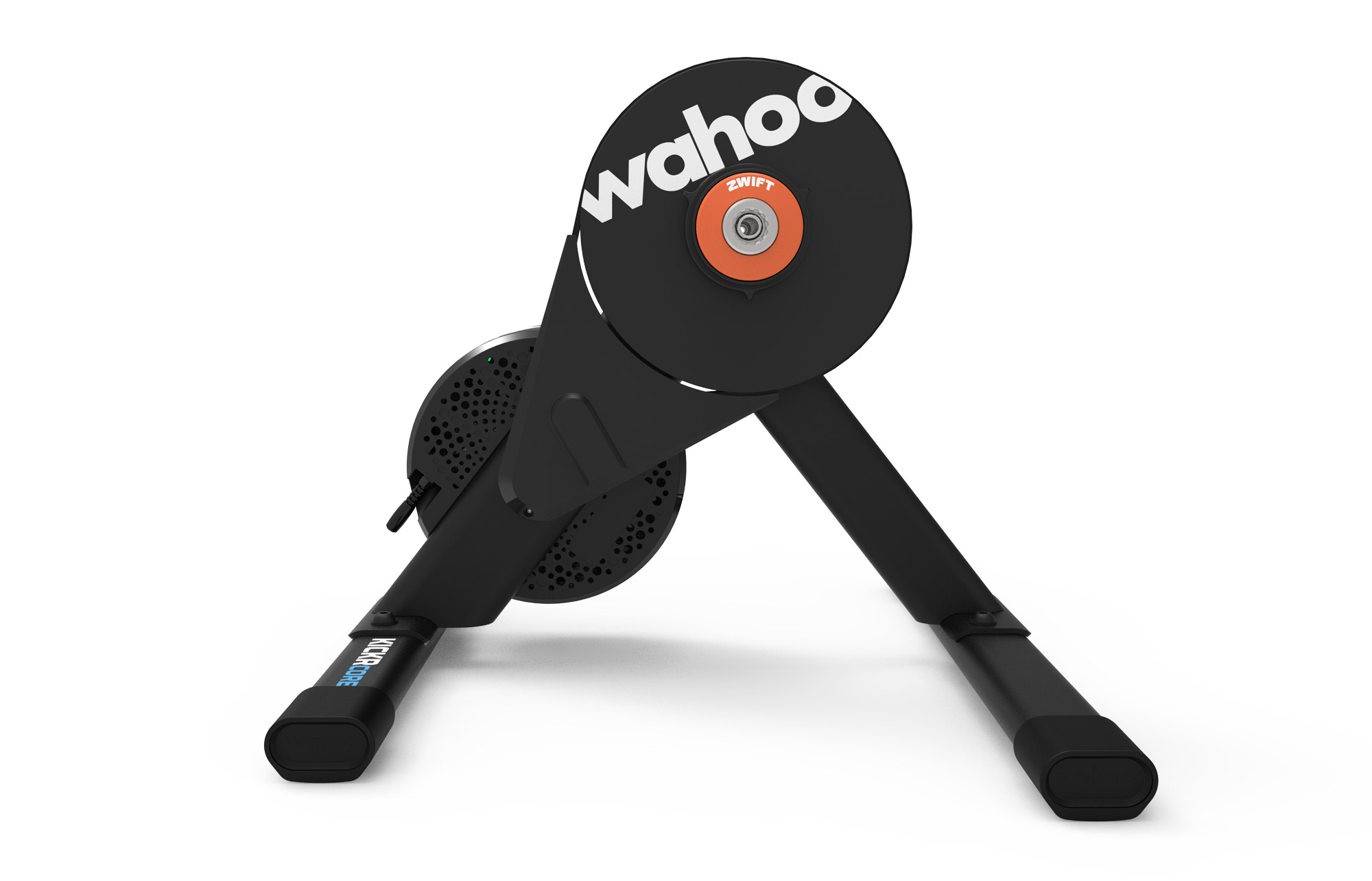
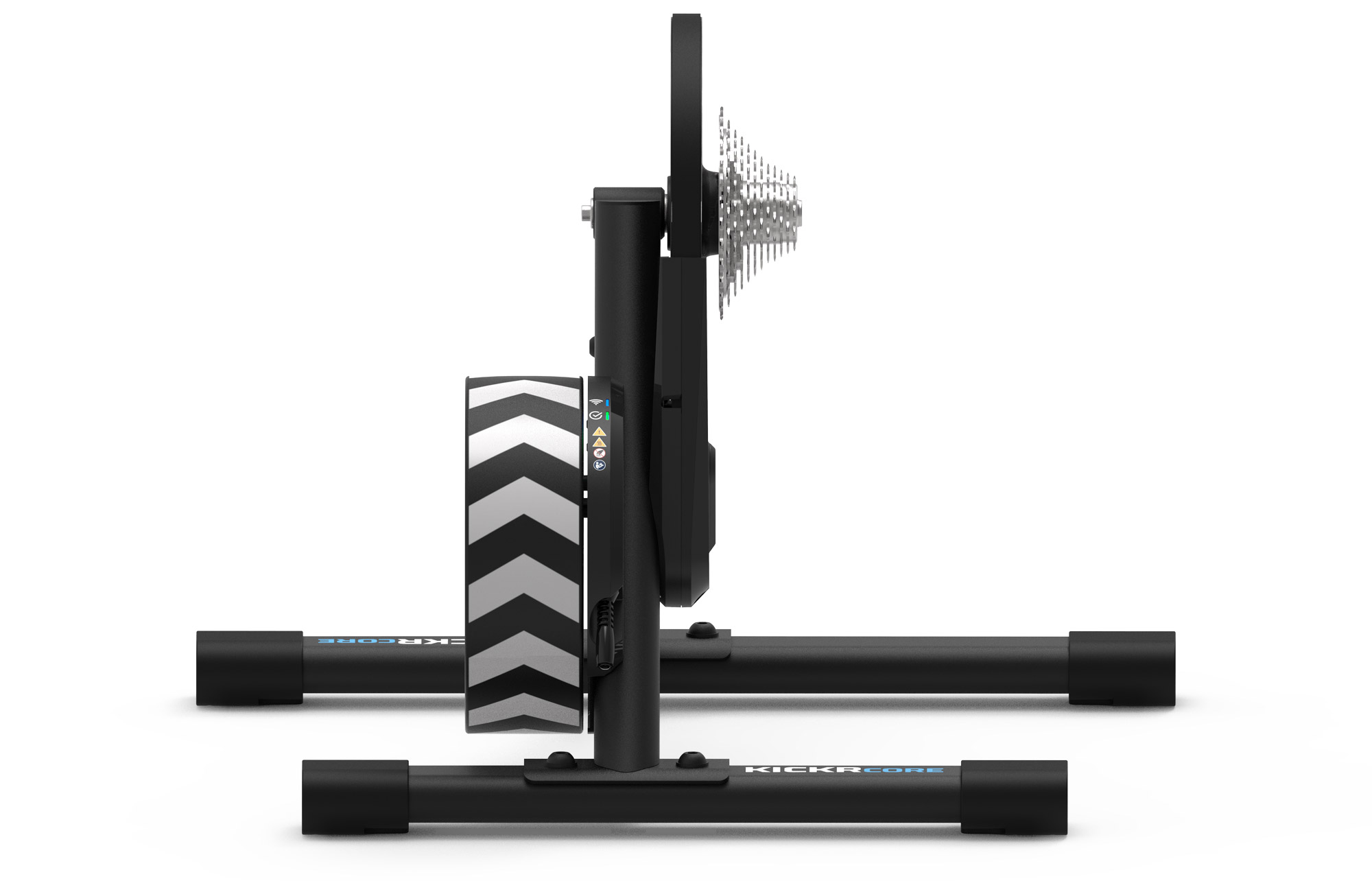
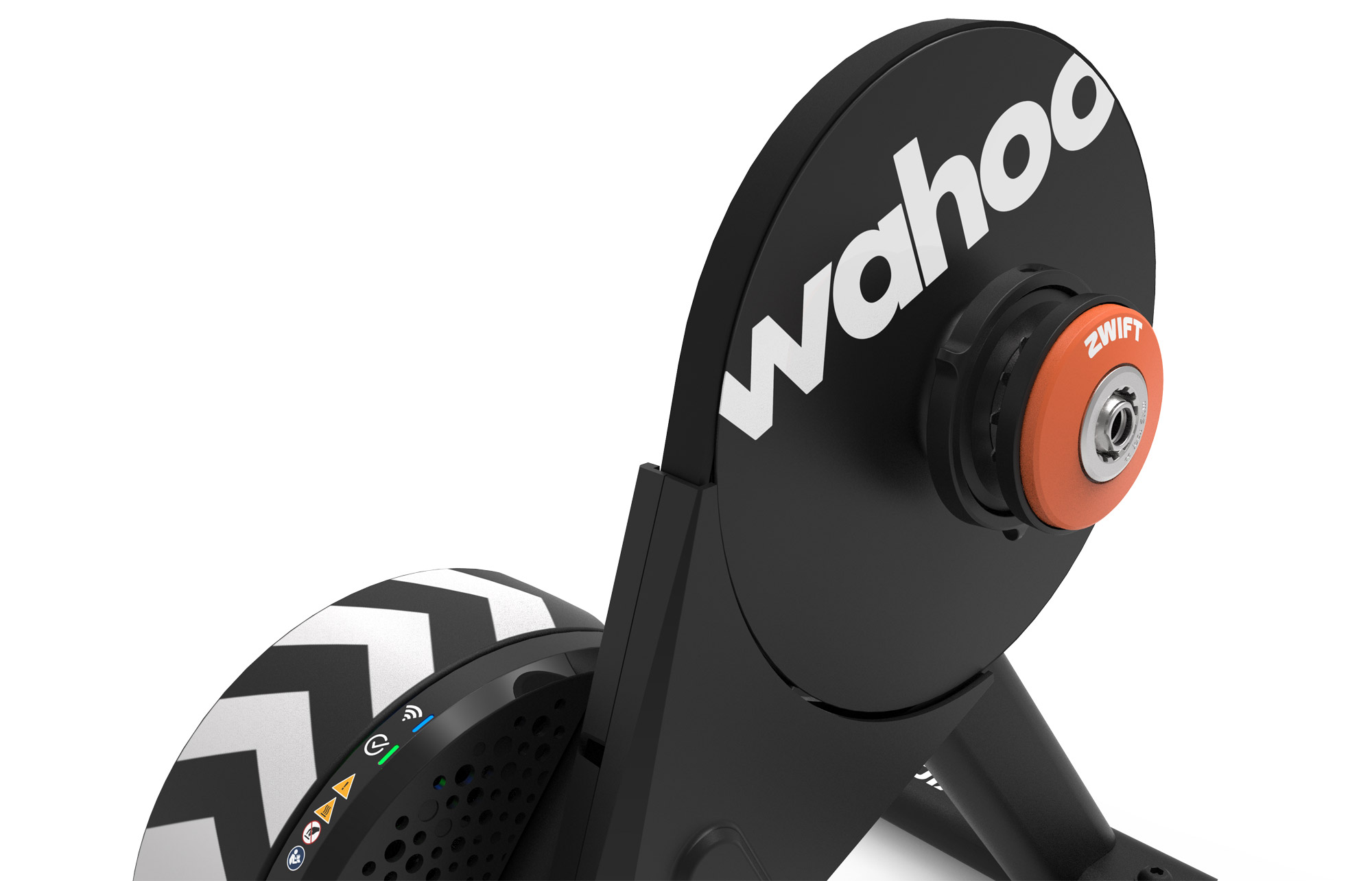
Wahoo Kickr Core 2
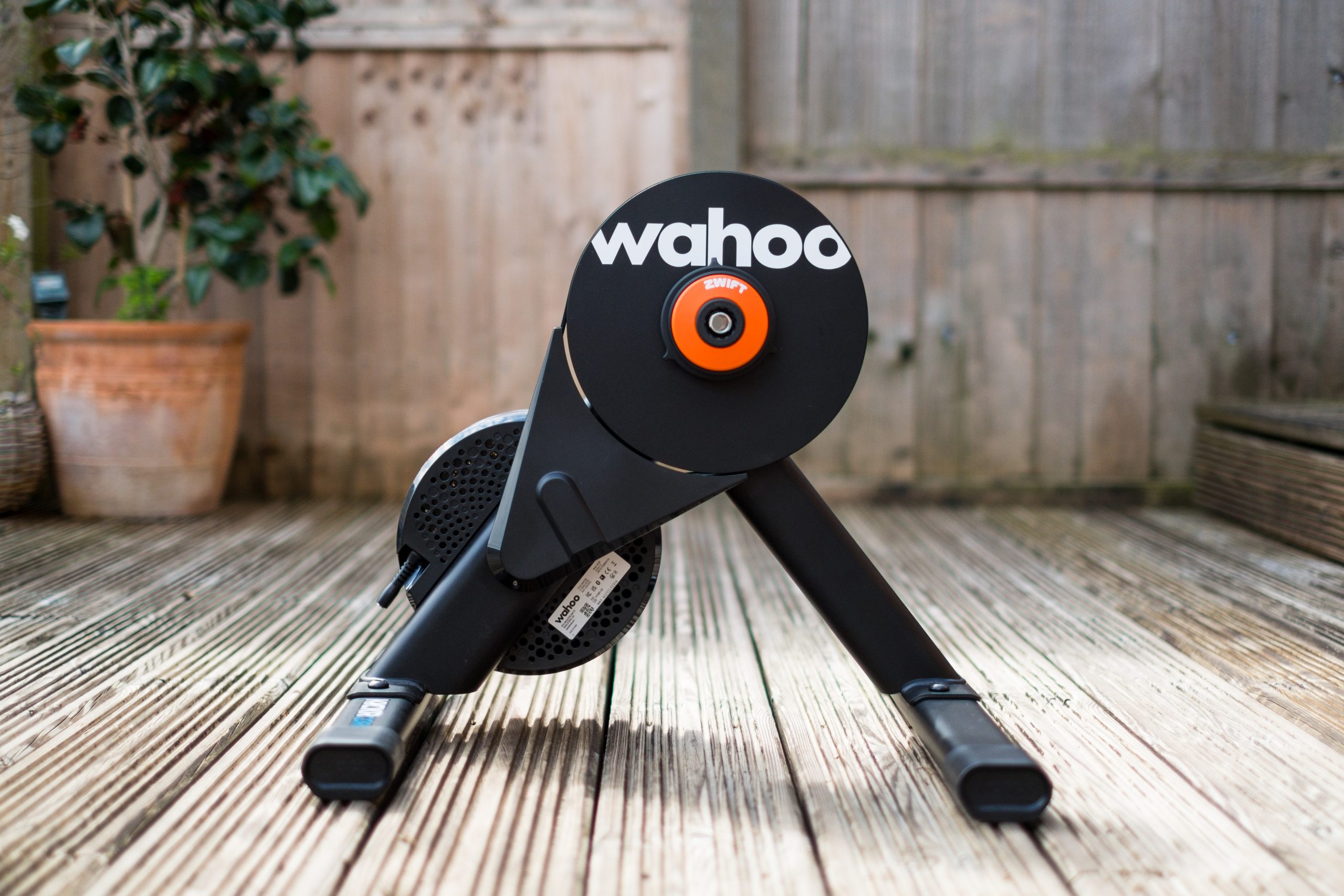
Wahoo has also announced the release of the new Kickr Core 2 smart trainer. Simon von Bromley / Our Media
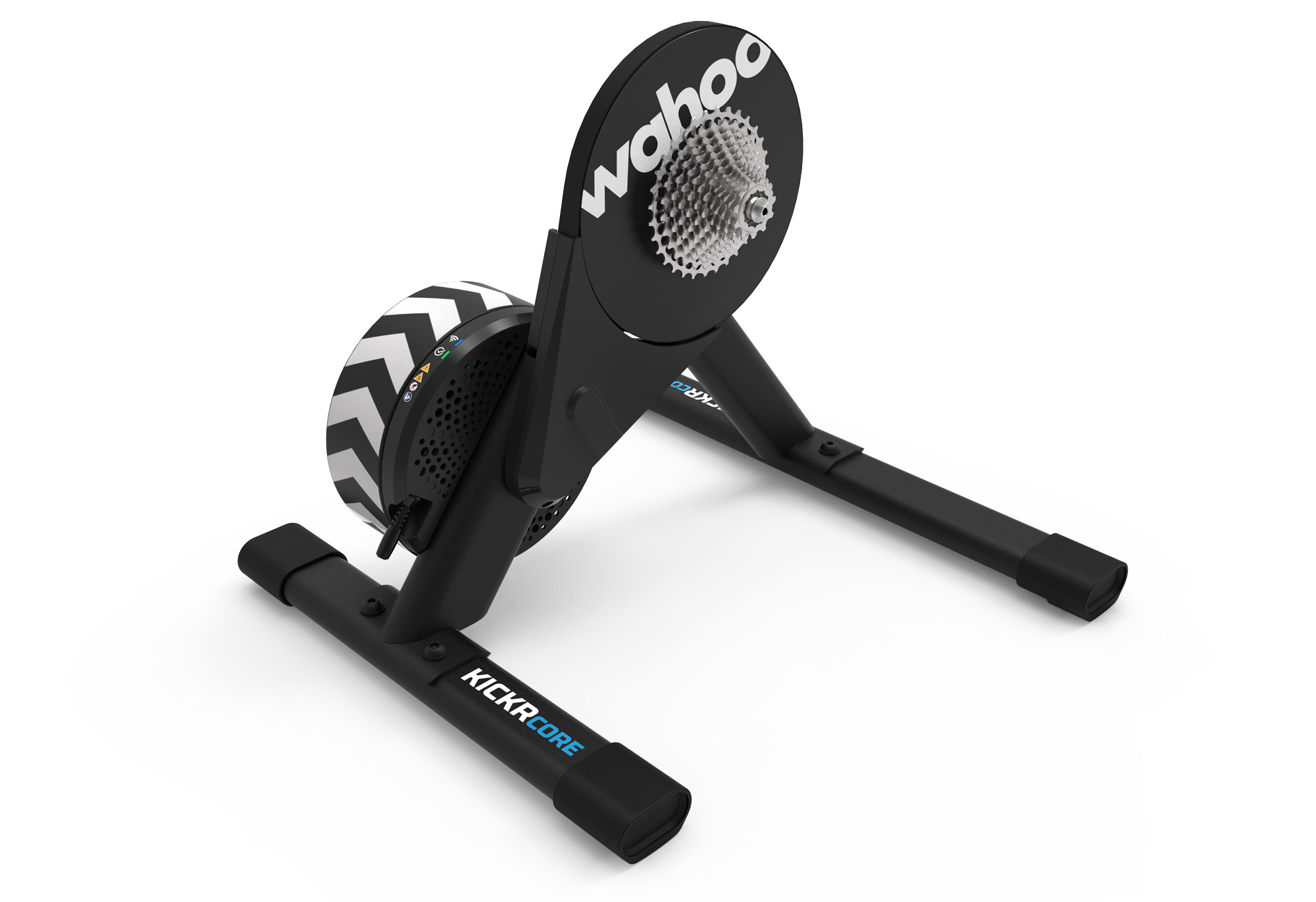
Alongside the Kickr Bike Pro, Wahoo has announced the Kickr Core 2 – a new version of its iconic mid-range smart trainer.
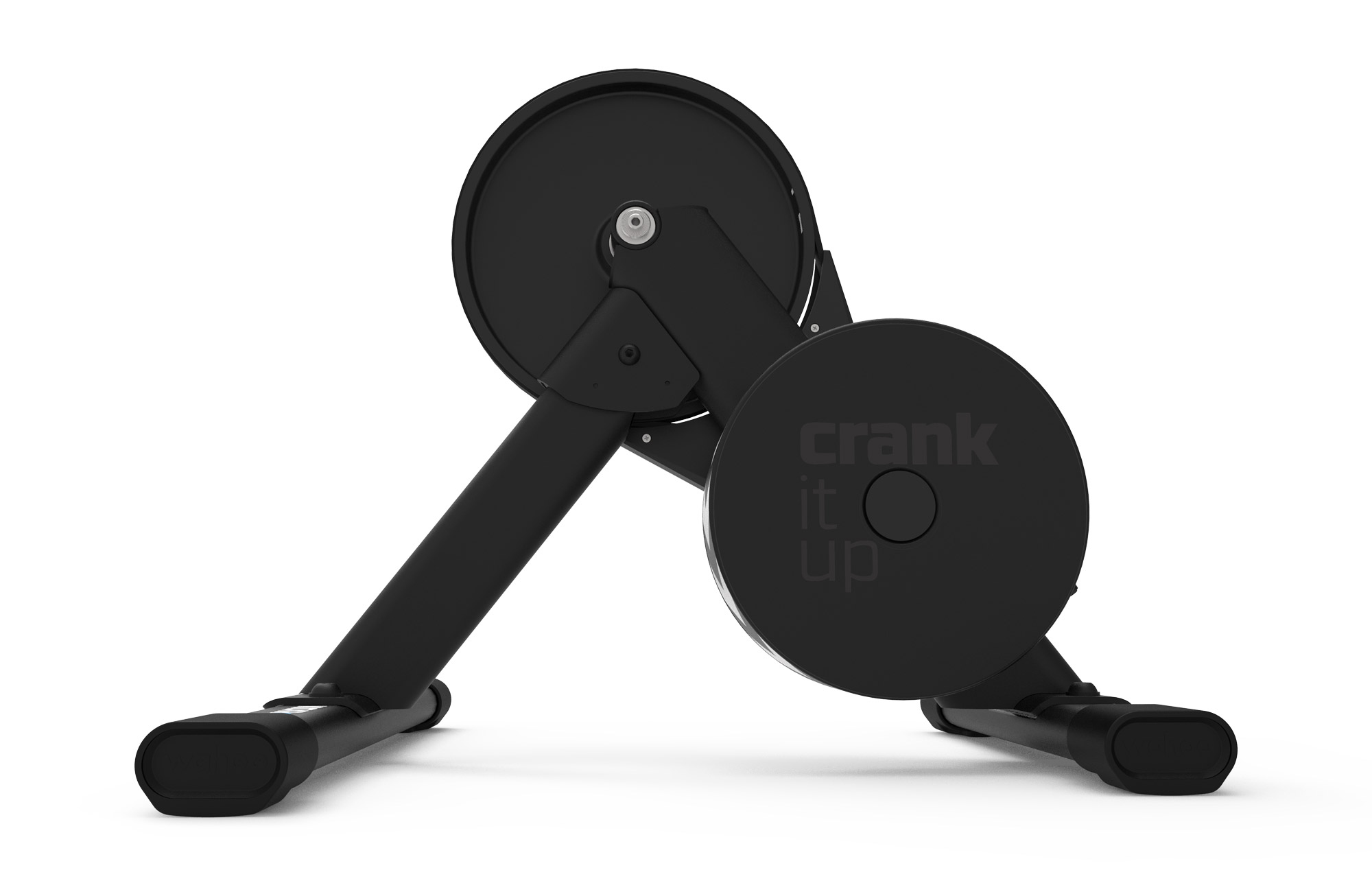
As with the Kickr Bike Pro, the Kickr Core 2 is built around a similar platform to the original Kickr Core, but features upgraded legs and additional connectivity options, including Wi-Fi.
Priced at £499.99 / $549.99 / €549.99, we’ve got a unit in for testing ahead of the coming winter.
Today, Wahoo released new versions of their KICKR CORE and KICKR BIKE. And while the BIKE is essentially an iterative upgrade from the previous generation, the new KICKR CORE 2 features some significant enhancements, making the already compelling trainer muchmore attractive.
We’re still putting the KICKR CORE 2 through its paces here in our test lab, so watch for a review in the next week. For now, let’s look at what’s new with Wahoo’s flagship mid-budget trainer and top-tier smart bike.
The New Wahoo KICKR CORE 2
The original Wahoo KICKR CORE’s longevity and reliability have proved nothing short of startling, especially considering its price point. First released in 2018, the KICKR CORE is the “little brother” to Wahoo’s flagship KICKR trainer, and its hardware has remained unchanged since release.
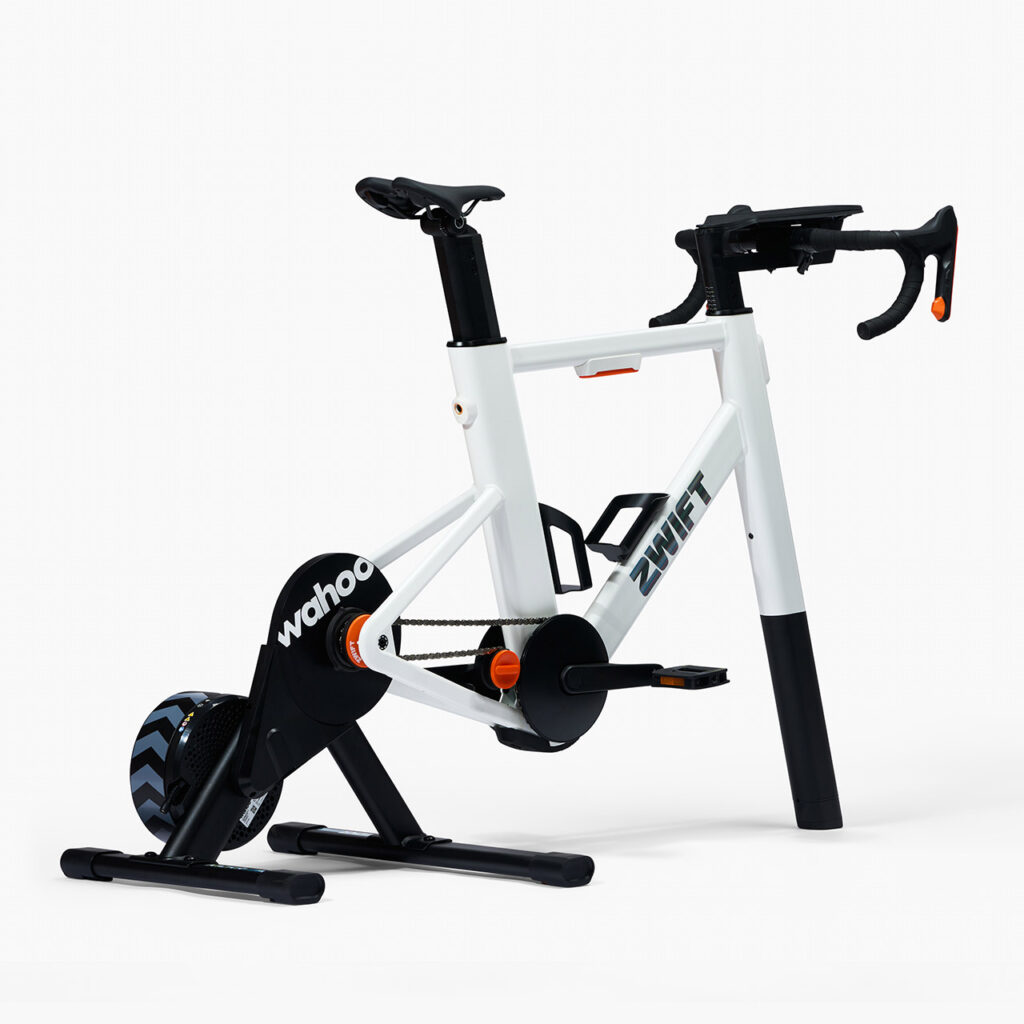
It did, however, receive significant firmware updates to enable auto-calibration and Zwift virtual shifting, allowing it to become the de facto trainer paired with the Zwift Ride smart frame.
But competition in this price range is strong. Today’s release of the KICKR CORE 2 brings premium features to Wahoo’s mid-budget workhorse, updating it to the standards set by the latest smart trainers.
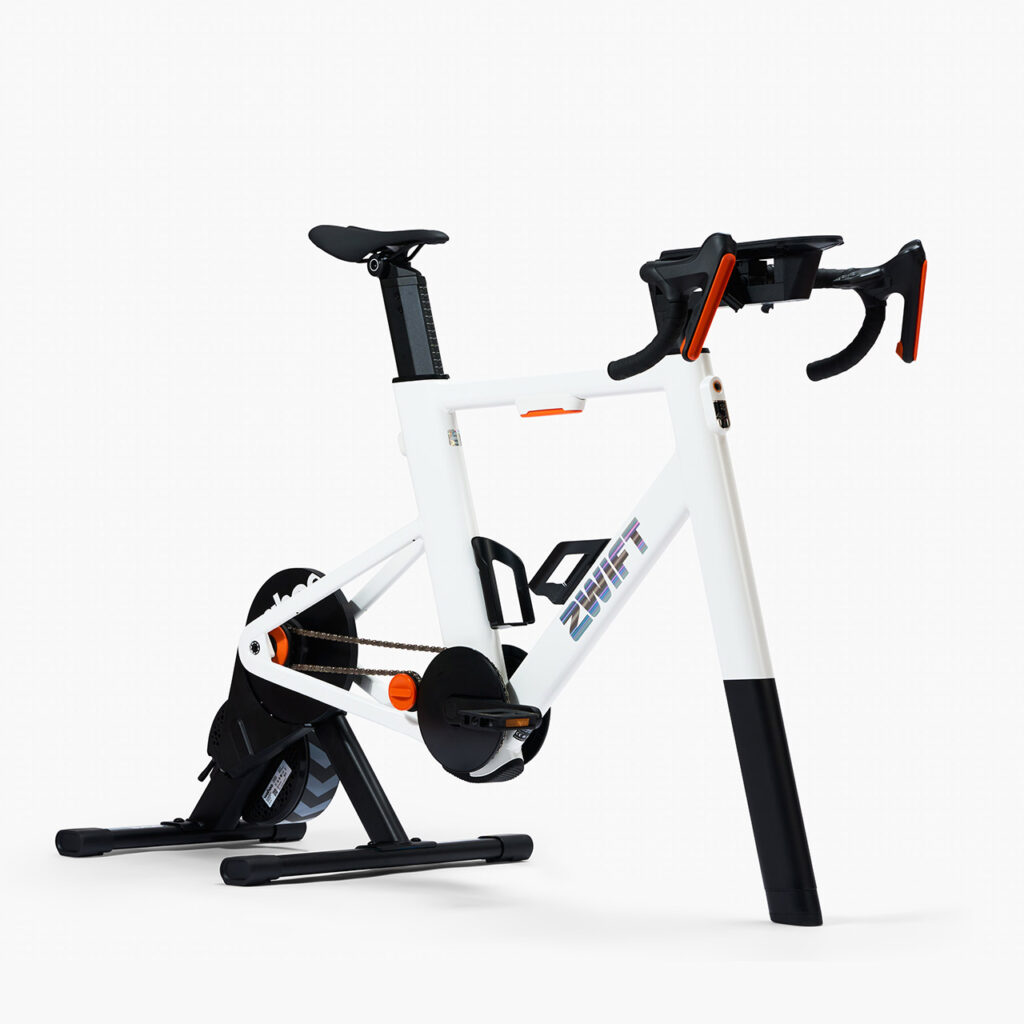
This is particularly big news in the world of Zwift. The KICKR CORE 2 is the trainer that ships with the Zwift Ride from today onward, making today’s upgrade from Wahoo an upgrade for all future Zwift Ride buyers!
What’s New?
New or upgraded features on the KICKR CORE 2 include:
WiFi connectivity for fast, reliable connections and automatic firmware updates
Race mode for near instantaneous response
Bluetooth bridging of heart rate and other sensors to consolidate connections (great for Apple TV users)
New flat leg design for easier, more stable setups
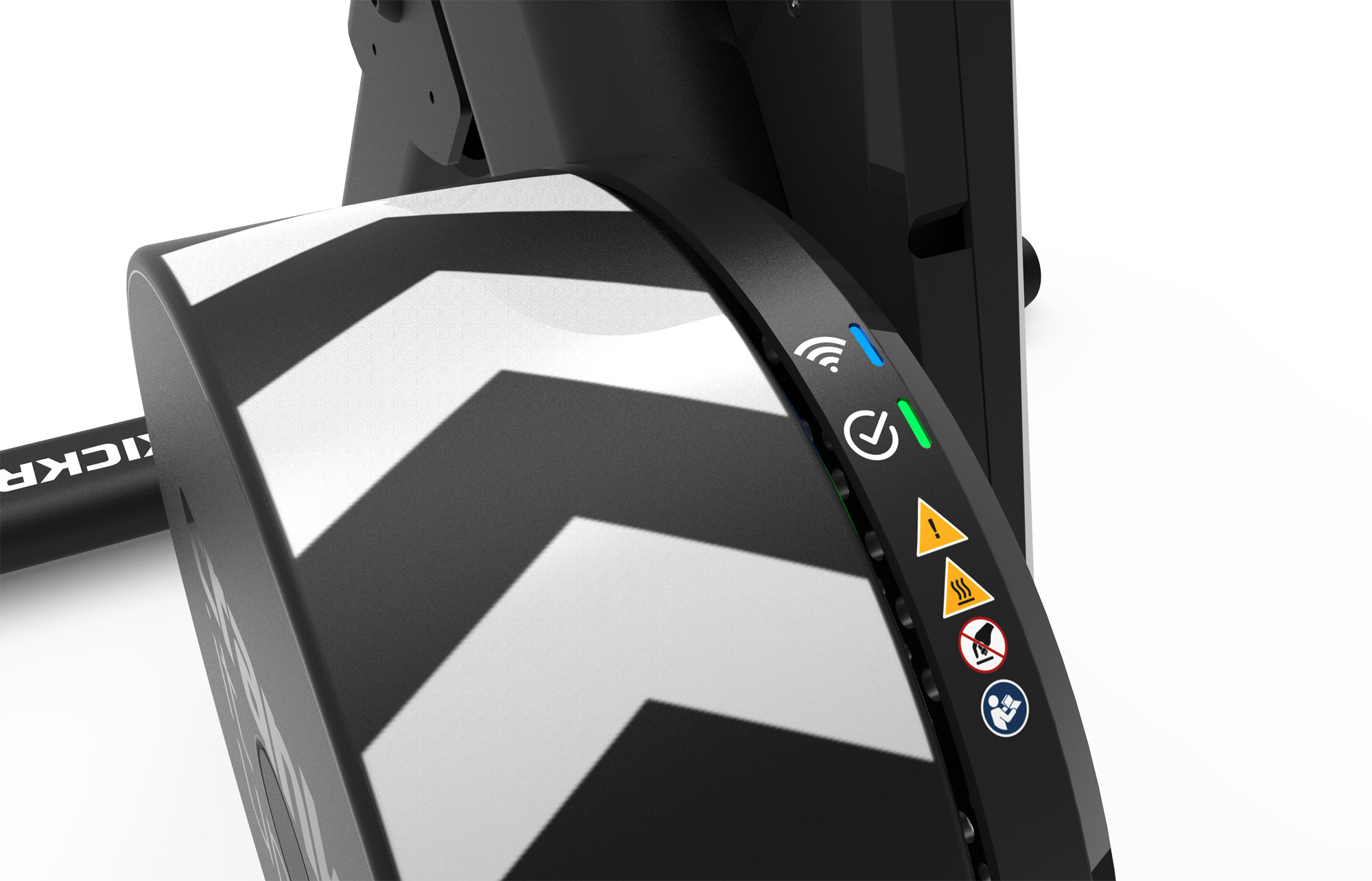
Improved multicolored LEDs indicate connection and trainer status
Redesigned flywheel lowers product weight while slightly increasing inertial load for better road feel
Reduced setup friction and waste: easier unpacking and assembly
Key Specs
Max Wattage: 1800W
Max Incline: 16%
Max Decline: -10%
Power Accuracy: +/-2%
Connectivity: WiFi, ANT+ FEC, ANT+ Power, Bluetooth FTMS, and Zwift Protocol
Cassette: sold with 11-speed cassette or Zwift Cog
Supported Hubs: 130/135mm QR, 12×142, and 12×148 Thru Axle
Buy the Zwift Ride + New KICKR CORE 2 (Price Drop!)
The KICKR CORE is the only trainer sold as a bundled product with the Zwift Ride smart frame, so today’s upgrade to the CORE 2 means the Zwift Ride bundle gets upgraded as well! Effective today, all Zwift Ride packages sold through Zwift and Wahoo will ship with the new KICKR CORE 2, giving you a top-notch feature set at an unbeatable price.
More good news: the updated Zwift Ride now costs less! Starting today, the complete setup price drops by £100 and €100 in the UK and EU, bringing the cost down to £1099.99 and €1199,99 respectively. In the US (where tariffs are making pricing an adventure), the cost of shipping has been reduced from $110 to $75.
Looking to purchase the full package of a Zwift Ride smart frame with Wahoo’s brand-new KICKR CORE 2? Click below to purchase through Zwift (your purchase through this link helps support Zwift Insider):
Wahoo unveiled the first edition of their KICKR BIKE at Eurobike 2019, and it certainly turned heads with its distinctive look and built-in KICKR CLIMB tilting. Then in 2022, they released the updated KICKR BIKE, making various iterative improvements while also adding WiFi connectivity and a redesigned motor for higher max wattage and quieter operation.
One year later, the KICKR BIKE SHIFT was announced, sporting a similar design and base feature set as the KICKR BIKE but at a lower price point.
Today, Zwift released the next version of KICKR BIKE, named the KICKR BIKE PRO. This replaces the KICKR BIKE Gen 2, and while mostly what you’ll see here are iterative upgrades from the Gen 2 version, that’s what you would expect in the third generation of the industry’s leading smart bike.
What’s New?
New or upgraded features on the KICKR BIKE PRO include:
Handlebars redesigned for increased indoor comfort (now 40cm wide with 16-degree flare and Fi’zi:k Solocush bar tape)
Upgraded saddle (Fi’zi:k Aliante R5)
4-button controllers on top of each hood, mimicking Zwift Play controller capabilities (these also work for navigating other indoor apps, including Wahoo SYSTM, Rouvy, TrainingPeaks Virtual, and MyWhoosh)
Bluetooth bridging of heart rate and other sensors to consolidate connections (great for Apple TV users)
Increased durability thanks to more robust shifter cables and oversized quick-release levers
Key Specs
Max Wattage: 2500W
Max Simulated Incline: 20%
Max Simulated Decline: -15%
Power Accuracy: +/-1%
Connectivity: WiFi, ANT+ FEC, Bluetooth, Direct Connect
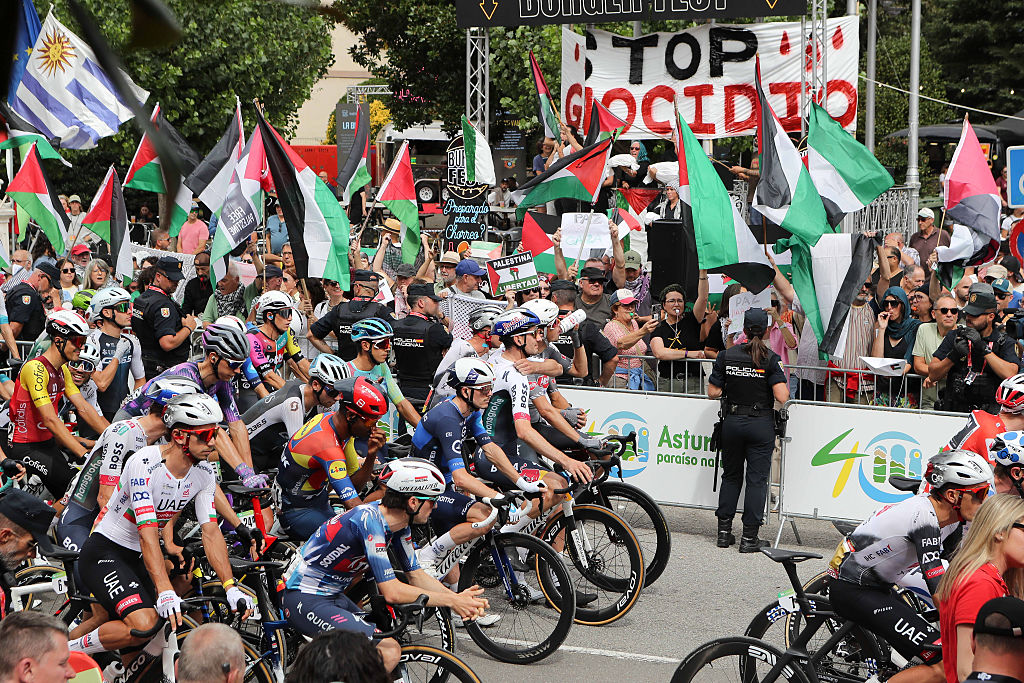
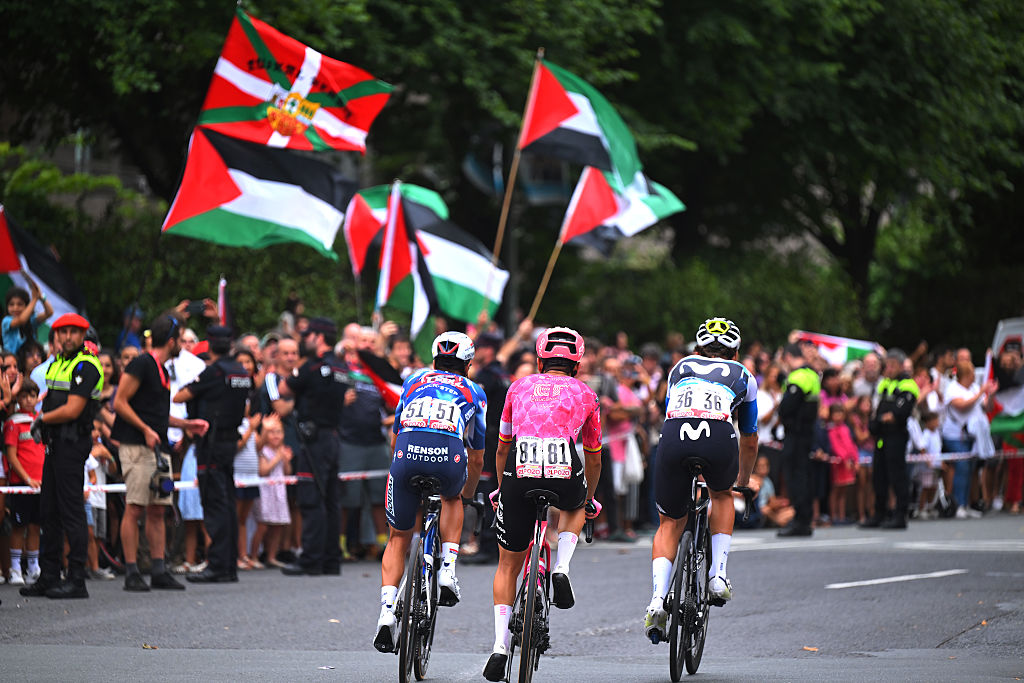
If you’ve been following this year’s Vuelta a España, you’ll have likely seen or read about the pro-Palestine demonstrations that have disrupted the race.
From the beginning of this year’s final Grand Tour, demonstrators have lined the roadside waving Palestinian flags, entered the course to halt the race and even engaged in a stand-off with police.
Coverage of the protests has focused overwhelmingly on statements issued by the race organisers, the riders and the Israel–Premier Tech team, which has been the main target of the demonstrations. So we spoke directly with those behind the demonstrations.
“Sportswashing pure and simple”
A protest at the start of stage 15 of La Vuelta in Ribadeo, Spain. Carlos Castro / Getty Images
In April, the Boycott, Divestment and Sanctions (BDS) Movement called for protests against the inclusion of Israel–Premier Tech in this year’s Grand Tours. The Palestinian Campaign for the Academic and Cultural Boycott of Israel (PACBI) is a founding member of the Palestinian-led BDS movement.
Stephanie Adam, a campaigner for PACBI, told BikeRadar via email that Israel–Premier Tech’s presence at La Vuelta is “sportswashing pure and simple”. Sportswashing is typically described as a way to improve the reputation of a government or state, and it has become commonplace in cycling.
She believes the team “was explicitly created to whitewash and distract from Israel’s grave crimes against Palestinians”, adding that it refers to itself as an “ambassador” for Israel.
“The team’s backer and co-founder, billionaire Canadian-Israeli Sylvan Adams, refers to himself as an ambassador-at-large for Israel,” she explains, highlighting how Adams has said that riders understand that being on the team means being an ambassador for the country.
Recently, former Israel–Premier Tech riders Jakob Fuglsang and Alessandro De Marchi have expressed relief at no longer riding for the team.
Israel-Premier Tech’s co-owner Sylvan Adams in 2022. Bo Amstrup / Getty Images
Adam says: “Israel is committing what the International Court of Justice (ICJ) has ruled is plausibly genocide against 2.3 million Palestinians in Gaza, killing tens of thousands. Israel’s livestreamed engineered mass famine is starving Palestinians to death. It has also decimated Palestinian homes, hospitals, schools, universities, and sports facilities.”
Israel’s war on Gaza was launched in response to the Hamas attacks of October 7 2023, where more than 1,000 Israelis were killed and more than 250 were taken hostage.
Adam contextualises Israel’s ensuing war on Gaza by saying: “This is only Israel’s latest, devastating attack on Palestinian life. As Amnesty International and others have documented, Israel has been imposing an apartheid regime on the entire Palestinian people, including refugees, for 77 years.”
She says Palestinians and the PACBI’s progressive allies “will not stand by” as any sportwashing of Israel takes place. “How could we? Our most urgent task at hand is stopping the genocide. There can be no sports as usual,” she says.
“Grassroots power at its finest”
Pro-Palestinian protesters at the finish line of La Vuelta’s stage 11, which was shortened. Tim de Waele / Getty Images
Lidón Soriano has been one of the organisers of the protests at La Vuelta. In July, she was involved in launching BDS Deportivo, a platform for the boycott of Israel in sport through the BDS Movement and RESCOP, the Spanish network against the occupation of Palestine.
She says the platform’s main objective is to expel Israel from La Vuelta and all sporting competitions.
“We’ve achieved coordination throughout all stages, and it’s been wonderful to be able to create that common thread in terms of message, action, and objective,” she tells BikeRadar by email.
“From the first stage in Figueres to the current one in Asturias, we’ve been in contact with all the local groups, and all have carried out peaceful, nonviolent actions.
“Personally, the experience was impressive: grassroots power at its finest and a collective demand for justice for Palestine.”
While there have been protests at other races, none have been as large as those at La Vuelta, which even led to stage 11 being shortened due to the number of demonstrators at the finish line in Bilbao.
Soriano says she thinks there are two reasons for this. “On the one hand, the Spanish population is probably the most sensitive and supportive of Palestine of all European countries. On the other hand, the Spanish government is less repressive toward demonstrations of support for Palestine,” she says.
It is not only the Spanish population that is supportive of Palestine, but parts of the government too. Spain’s prime minister, Pedro Sánchez, was the first senior European leader to accuse Israel of genocide.
The government also recently announced that it will move forward with a law that, if passed, would directly impose a military embargo against Israel. And, last week, the country’s minister of foreign affairs, European Union and cooperation of Spain, José Manuel Albares, even said he supports Israel–Premier Tech leaving La Vuelta.
UCI hypocrisy
Cyclists pass Palestine flags at La Vuelta a España. Tim de Waele / Getty Images
Albares is one of many to have called for Israel–Premier Tech to leave Spain’s Grand Tour, but the decision on whether or not they can race ultimately lies with cycling’s governing body, the UCI.
Last week, the UCI released a statement saying it “firmly condemns” the protests at La Vuelta, stressing its political neutrality. But for Adam, there is hypocrisy in the UCI’s actions.
After Russia’s invasion of Ukraine, the UCI banned Russian teams from participating in competitions, but no similar ban was placed on Israel after it began its most recent attack on Gaza following October 7.
Adam says this signals to Israel that “its genocide… can continue with no consequences, with total impunity”.
Pro riders’ reactions
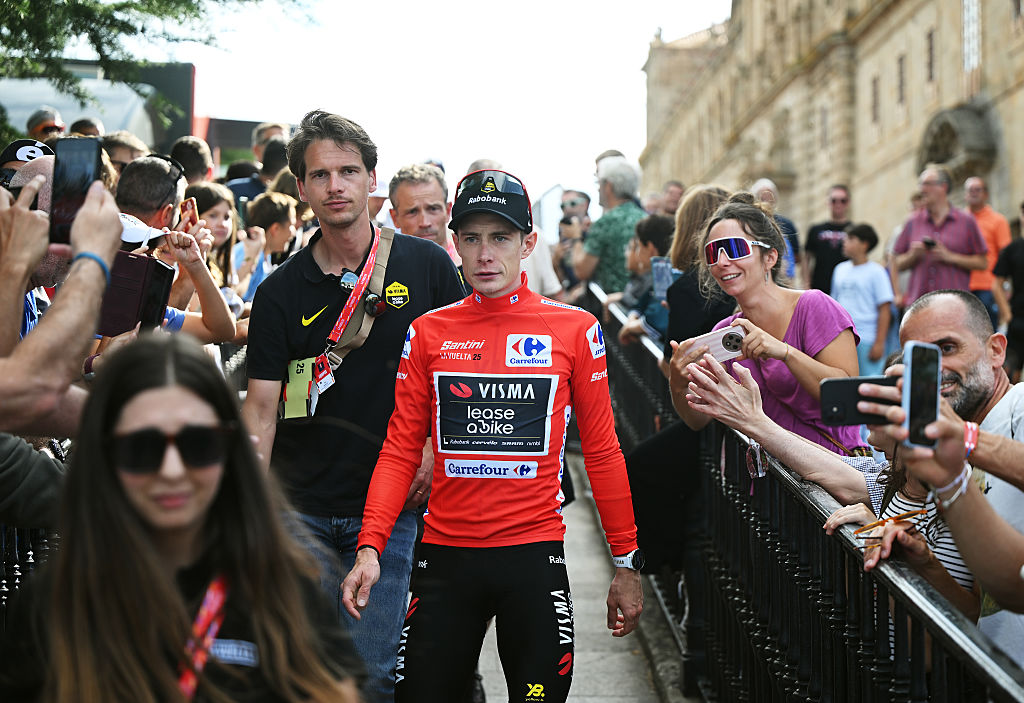
Jonas Vingegaard claimed the race was the “wrong place” for people to protest, but later said people were doing it for a reason. Dario Belingheri / Getty Images
Pro riders have been at the sharp end of the protests at La Vuelta. Several have crashed following protesters entering the course of the race. Some riders have acknowledged the right to peaceful protests, but expressed concerns over safety.
Following the curtailment of stage 11, Tom Pidcock said the demonstrators’ actions were “not going to help what they’re protesting for”. Race leader Jonas Vingegaard said La Vuelta is the “wrong place” for people to protest.
This week, the Dane expressed understanding for what’s behind the protests: “People are doing it for a reason, it’s horrible what’s happening,” he said after stage 15, but added that it was a “shame” the race was being targeted.
In response to their comments, Soriano is appealing to riders. “I would like to ask them what they would like the world to do if their children, wives, or mothers were being murdered,” she says.
Adam adds: “Palestinians and our progressive allies would like nothing more than for there to be no need to protest against Israel’s genocide, its apartheid rule, or its military occupation. But that is not the world we live in.”
What happens next?
Israel–Premier Tech removed its name from the team jersey at La Vuelta. Miguel Riopa / Getty Images
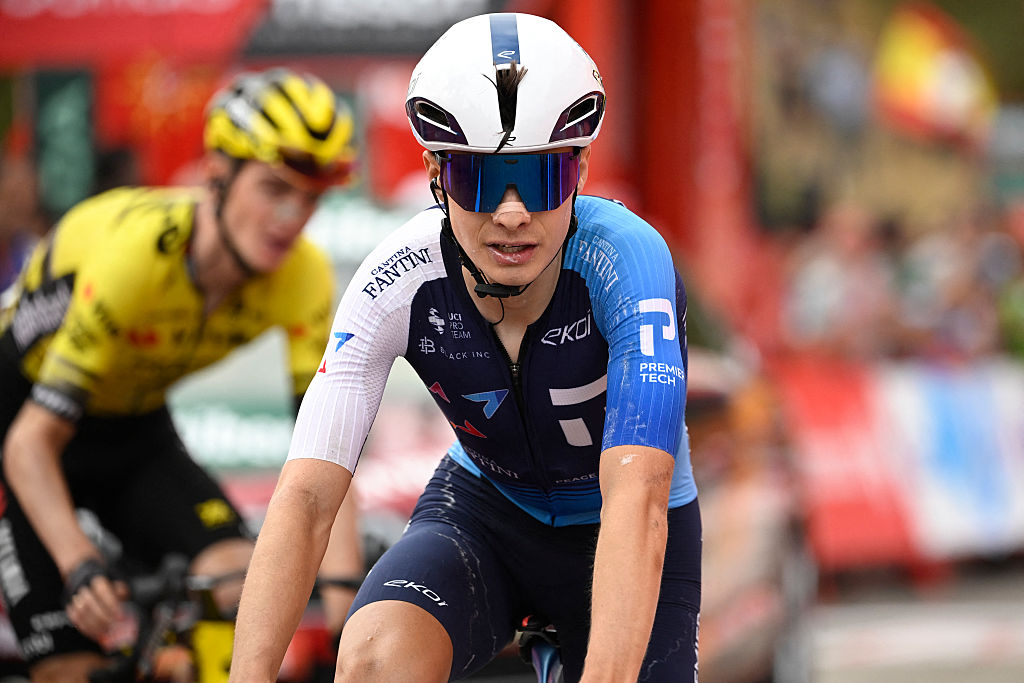
Israel–Premier Tech has said it’s firmly committed to racing at La Vuelta. The team has also removed its name from its kit, citing safety concerns, and Sylvan Adams has said withdrawing from the race would amount to “surrender to the terrorists”.
Meanwhile, Adam and Soriano say protests will continue through the final week of La Vuelta.
Soriano says BDS Deportivo demands the expulsion of Israel from all sporting events, and will “continue coordinating the actions that the different groups are preparing in their respective cities until governments and sports organisations fulfill their legal obligation to do everything possible to end the occupation, apartheid, and genocide in Palestine.”
Adam says protests will continue at La Vuelta, and until Israel–Premier Tech is excluded from UCI races and events.
“Riders and teams are reportedly starting to call for UCI to do just that,” she says. “We encourage them to make their collective voice heard, to uphold sporting values and push UCI to stop tarnishing the sport.”
Apple’s annual iPhone event kicks off later today, and we may finally see the iPhone Air. That would appear alongside the usual iPhone refresh, with an array of iPhone 17 devices. We’re expecting four models again: iPhone 17, iPhone Air, iPhone 17 Pro and iPhone 17 Pro Max.
Some reports suggest bigger batteries will appear across the series. Still, the rumored iPhone Air will be the technical star, expected to be the thinnest iPhone ever, even slimmer than the iPhone 6. However, there may be some compromises, such as a single 48-megapixel camera and a smaller battery.
Engadget
The Air may be the only entry in the iPhone 17 lineup to use titanium this year. The iPhone 17, iPhone 17 Pro, and iPhone 17 Pro Max are expected to be made of aluminum, which is lighter. That could have some users concerned with toughness, compared to the iPhone 16 Pro, which had a titanium frame. Talking of the iPhone Pro, multiple rumors have suggested it will have an improved telephoto camera, with the zoom lens jumping to 48MP resolution, which would strengthen its digital zooming abilities.
Peripheral-wise, TechWoven cases could also appear. These cases match the rumored design on the iPhone 17 models, with the wide camera bump. The leaks suggest the cases will have two lanyard holes for carrying around your new phone.
We’re also expecting to see new Apple Watch models, including a Watch Ultra 3. That would be the first major update to the rugged series in two years. It may include 5G connectivity and satellite texting. A new Apple Watch Series 11 is also likely, but it’s not expected to shake things up.
Rounding out the Apple hardware barrage, we might see the AirPods Pro 3. These could introduce new biometric sensors, like an in-ear heart-rate monitor. While the new iPhones will launch with iOS 26, we don’t expect any major announcements about Apple’s AI endeavors or an overhauled Siri. At least, for now.
The next embraces real-time action and more epic fights.
Nintendo
We spent some limited time with Pokémon Legends: Z-A and its revamped combat system, which that finally ditches turn-based combat for real-time action. So far, this new entry in the long-running series is showing promise for a follow-up that could shake up the Ppokémon meta in the right direction.
According to a report by The Washington Post, Meta allegedly suppressed research that suggested kids were exposed to certain dangers when using its VR headsets. Current and former employees have presented documents to Congress that describe incidents in which children were groomed by adult predators in VR, but allege that internal reports were edited to omit the worst of these offenses. Meta has denied these allegations.
This article originally appeared on Engadget at https://www.engadget.com/general/the-morning-after-what-to-expect-from-apples-iphone-17-event-today-111528492.html?src=rss
While tech companies market AI as a productivity tool for everyone, a UK government study reveals an unexpected result: Neurodiverse employees may be benefiting far more from chatbots than their neurotypical colleagues.
The UK’s Department for Business and Trade recently released evaluation results from its Microsoft 365 Copilot trial showing that while overall satisfaction was 72 percent, neurodiverse employees reported statistically higher satisfaction (at a 90 percent confidence level) and were more likely to recommend the tool (at a 95 percent confidence level) than other respondents.
“It’s leveled the playing field,” one participant with ADHD told researchers during follow-up interviews. One user with dyslexia said that the tool “empowered” them to perform tasks with confidence they previously lacked, particularly in report writing. Another dyslexic participant drew direct comparisons to existing accessibility software, noting that Copilot “does a hell of a lot more” than traditional assistive technology while being “embedded in your applications” rather than requiring separate programs.
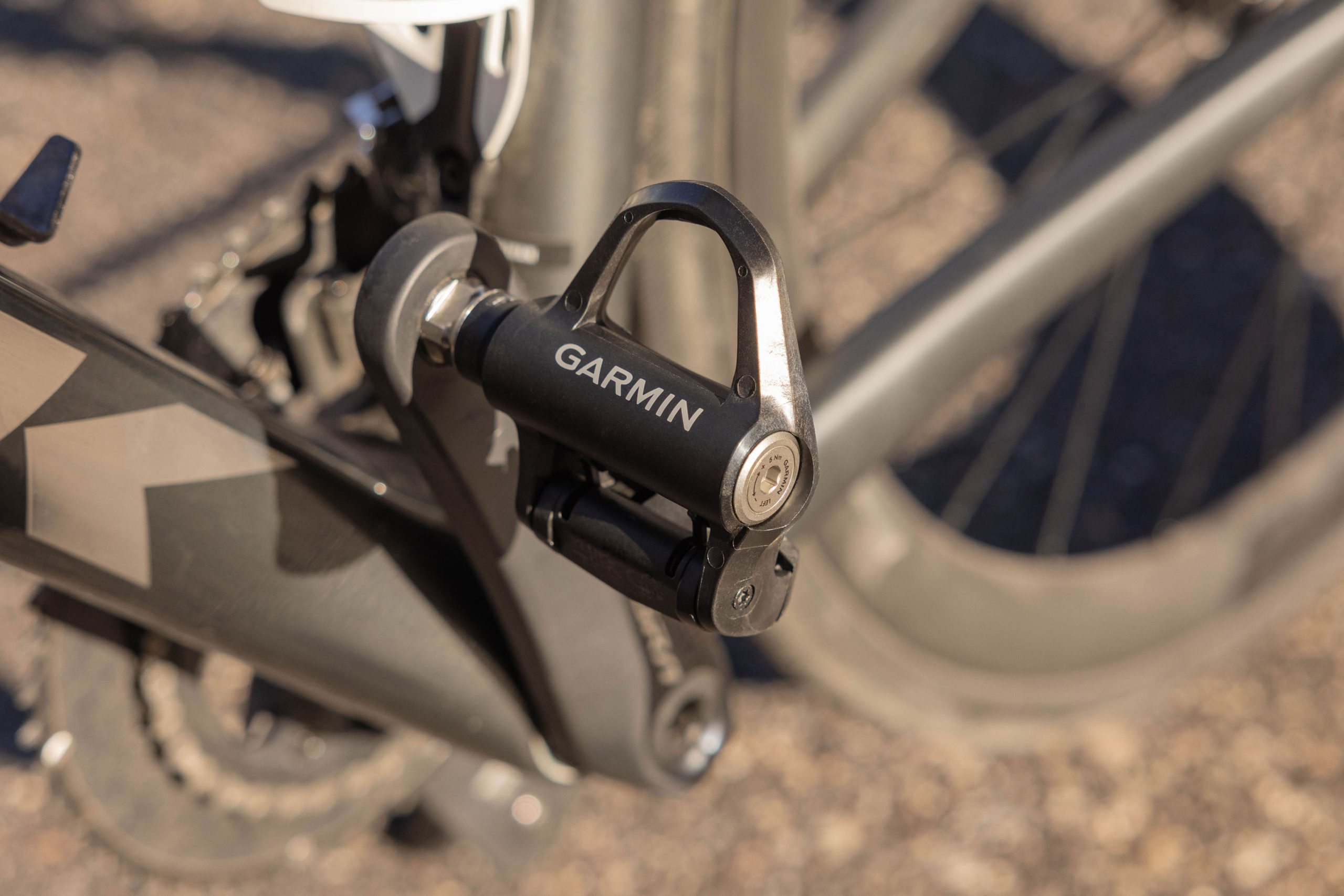
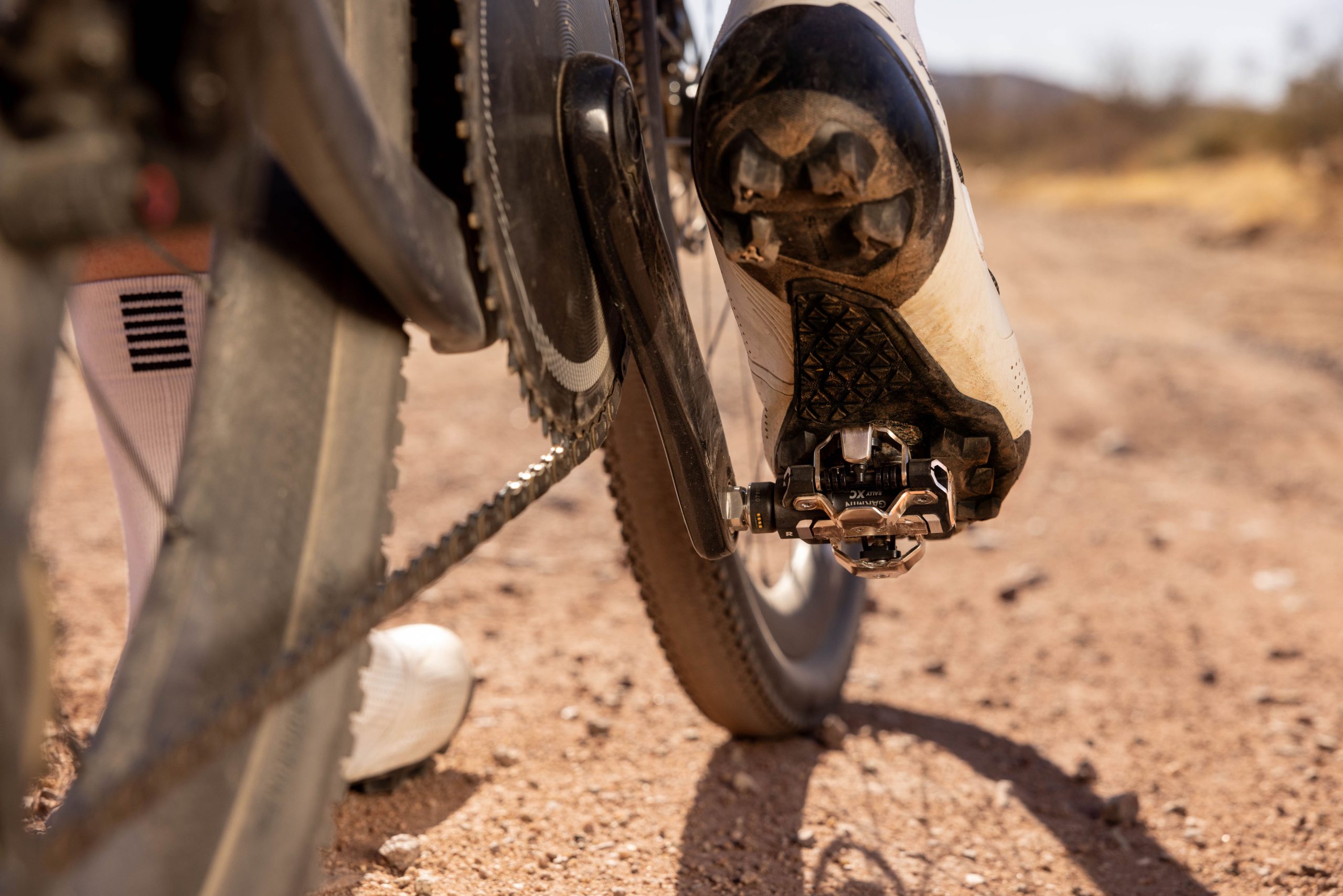
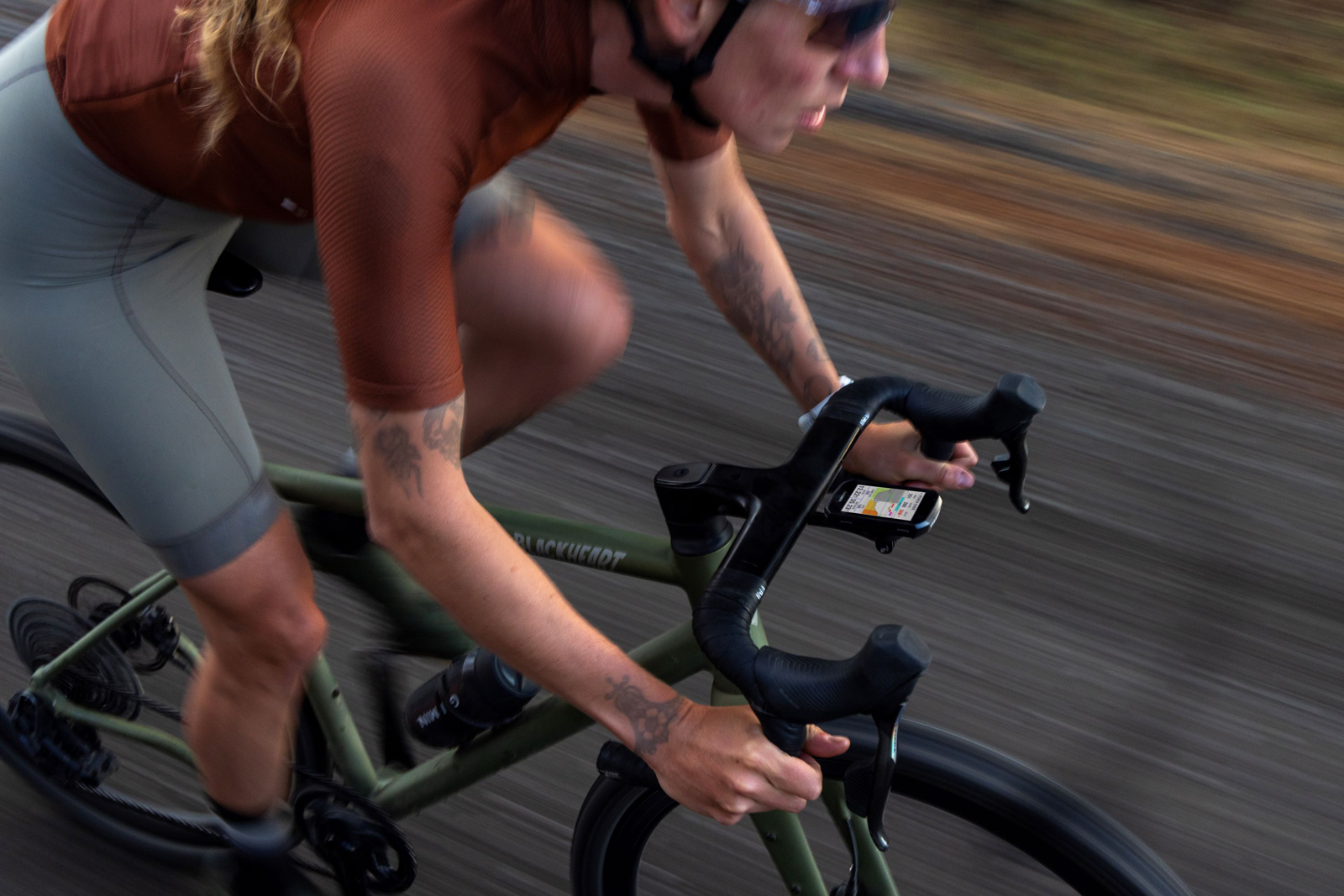
Garmin has overhauled its Rally power meter pedals, with a redesigned spindle that features an internal rechargeable battery for the first time.
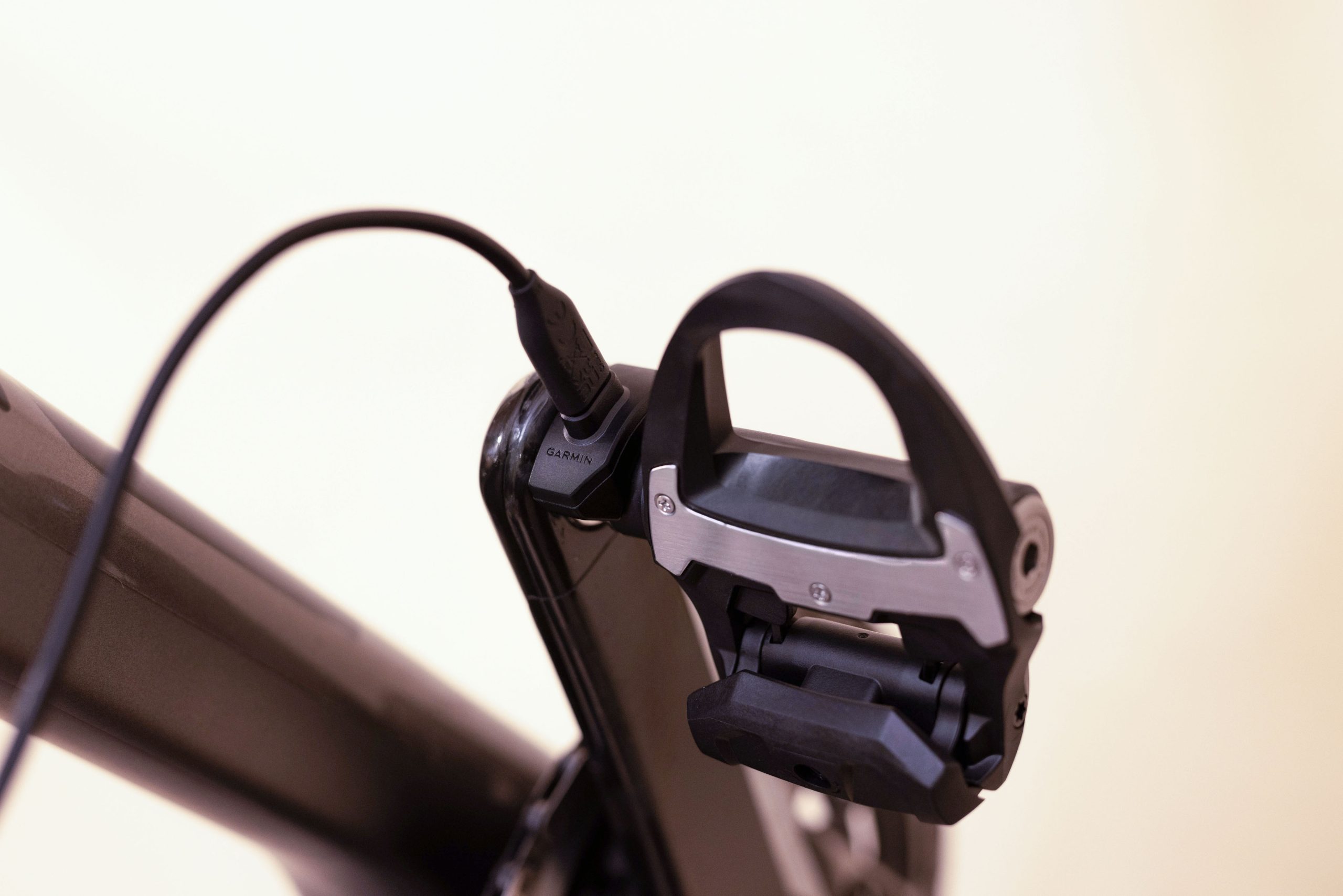
According to Garmin, the new Rally pedals feature a “redesigned sensing spindle” that makes them “more responsive”, offers 90 hours of battery life and enables them to measure your power output “within 1 per cent accuracy”.
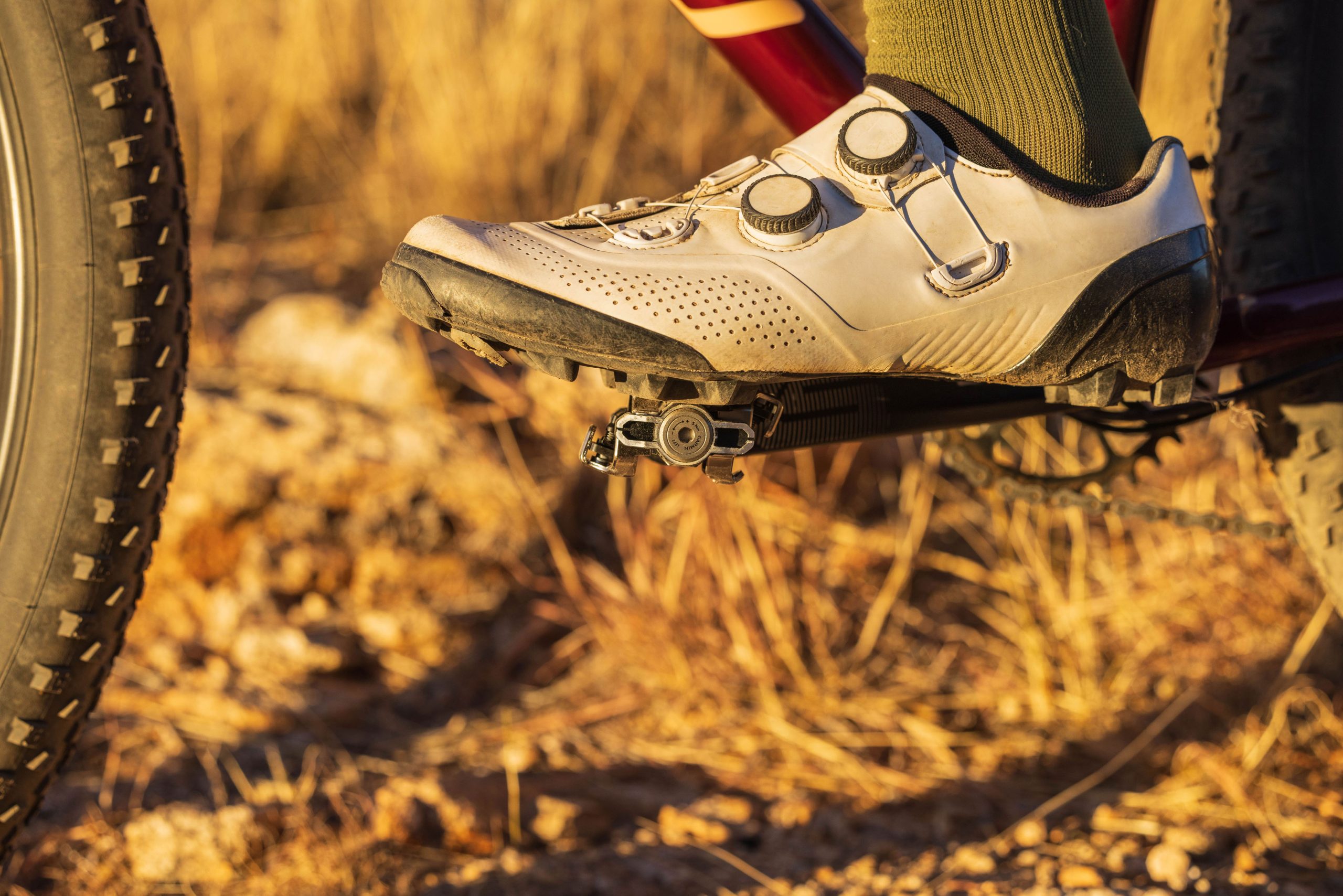
Alongside this, Garmin has redesigned the pedal bodies – paying particular attention to the off-road versions – for improved performance and easier swaps between pedal body types.
As before, Garmin will offer pedal body options for Shimano SPD-SL, Look Keo and Shimano SPD (off-road) cleat systems.
With prices for dual-sided, Rally 210 pedal systems starting at £929.99 / $1,199.99 / €1,099.99, Garmin’s new Rally pedals cost significantly more than the competition.
Prices for Favero’s latest power pedals, for example, start at £599 / $759 / €750 for a dual-sided set, and with the Assioma PRO MX pedals scoring a full five stars in our review, it’s hard to see why you’d spend any more.
The latest Rally 110 and 210 road pedals look similar at a glance, but there have been plenty of changes under the hood. Garmin
While Favero has deservedly garnered much praise in recent years for its power meter pedals, Garmin’s own efforts have long been a dependable option too.
Although its Vector 3 pedals began life with a few battery-door related teething issues, they offered solid performance with excellent data accuracy and a long, 120-hour battery life from user-replaceable CR1/3N coin cells.
I still use a set for benchmarking smart trainers and other power meters to this day.
When Garmin rolled out its Rally 200 in 2021, it was a first for compatibility with Shimano SPD-SL cleats, as well as offering the tantalising prospect of being able to swap between road and off-road pedal bodies.
With the new Rally 210 systems, Garmin is refining the system even further.
The pedals are charged via a magnetic connector. Garmin
As noted, the big news is the move to an internal rechargeable battery, with a claimed 90 hours of run time.
Garmin also says the pedals have a ‘quick-charge’ feature that means riders can gain “up to 12 hours” of riding time from only 15 minutes of charging. It’s easy to imagine that being useful if you realise the batteries are flat just before heading out for a ride, for example.
As well as potentially offering better weather-sealing (battery doors are a common weak point on power meters), Garmin says it also makes it easier to swap the spindle between pedal bodies.
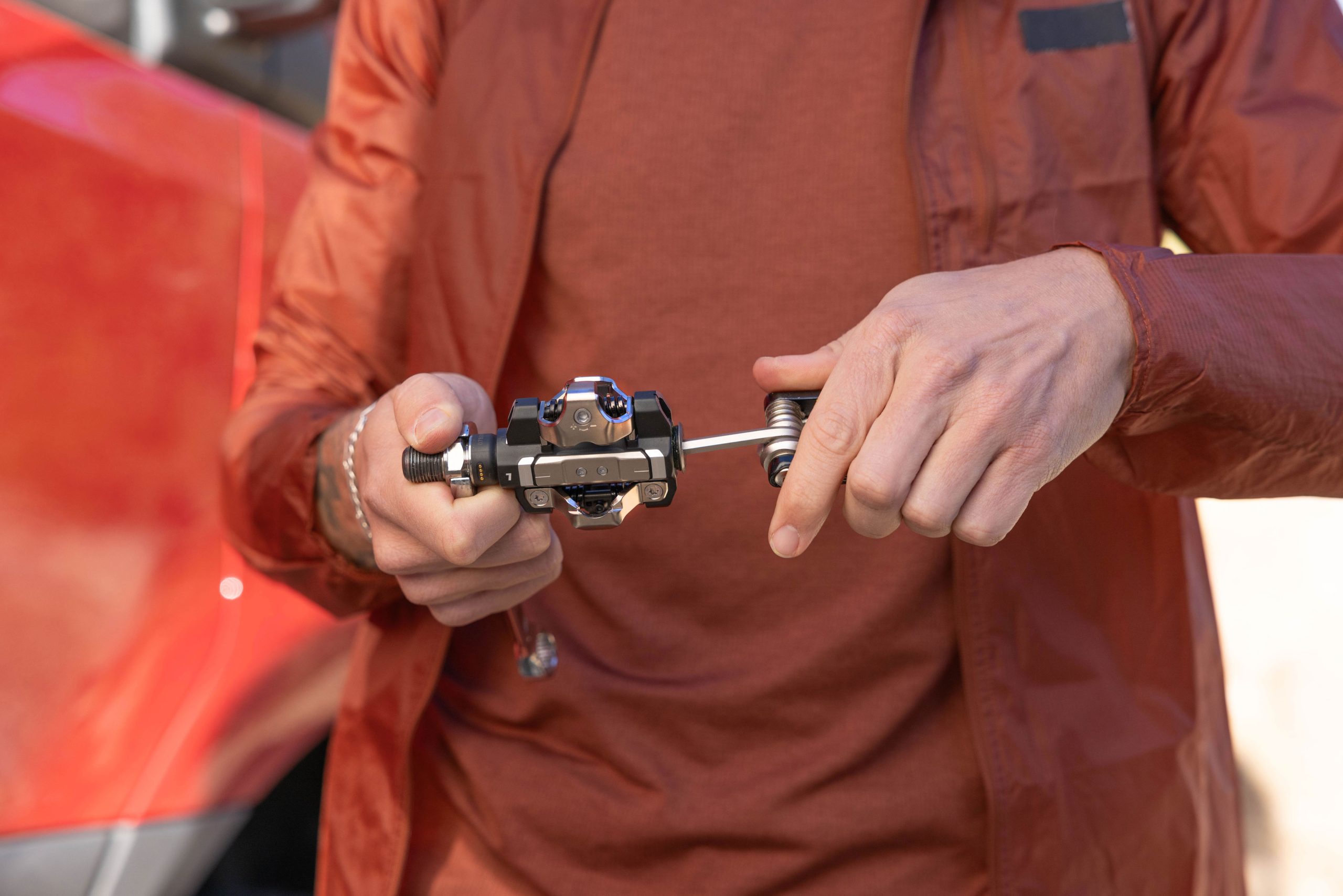
While the previous Rally pedal bodies could be swapped at home, it was a fiddly process that involved a precision screwdriver and some very small bolts. It wasn’t exactly traumatic, but equally not something you’d want to be doing before every other ride.
The new Rally pedals are said to be easier to take apart. Garmin
Garmin says this can now be accomplished using only a 15mm pedal spanner and 5Nm Allen key / hex wrench, and will be selling road pedal systems bundled with off-road pedal bodies (£1,129.99) to enable riders to enjoy the benefits of both pedal types.
Of course, we’ll reserve judgement on exactly how easy this is until we’ve had a set in to test, but Garmin says “It’s now a matter of a couple of minutes to swap pedal bodies, change from one ride type to another and move [the pedals] from bike to bike.”
Redesigned sensing spindle
When quizzed on what improvements have been made to the sensing spindle, Andrew Silver, Garmin’s lead bike product manager – engineering, told BikeRadar that the sensor design now includes a gyroscope, which enables “more instantaneous power measurement”.
According to Silver, “this allows for greater responsiveness and accuracy in short efforts as well as oval chainring support.”
These changes also help the pedals determine whether they need calibrating – a new feature that Garmin calls ‘Pedal IQ Smart Calibration’.
Smart Calibration
Garmin says the Rally 110 and 210 pedals can now notify you if they need calibrating. Garmin
In what might be a first for a power meter, Garmin says the new Rally pedals can notify riders (via compatible Garmin bike computers and smartwatches) of the need to perform a zero-offset calibration.
Garmin says this isn’t simply a periodic reminder, but a ‘smart’ system based on “several factors”, including ambient temperature changes, the time since a previous calibration and whether the pedals have been swapped to a different bike.
Although Garmin doesn’t specify, I’d imagine this feature comes in addition to the auto-zero or automatic calibration the previous Rally system featured. This triggers an automatic calibration every time you wake the pedals up, provided your bike is stood still for 10 seconds.
Updated pedal bodies
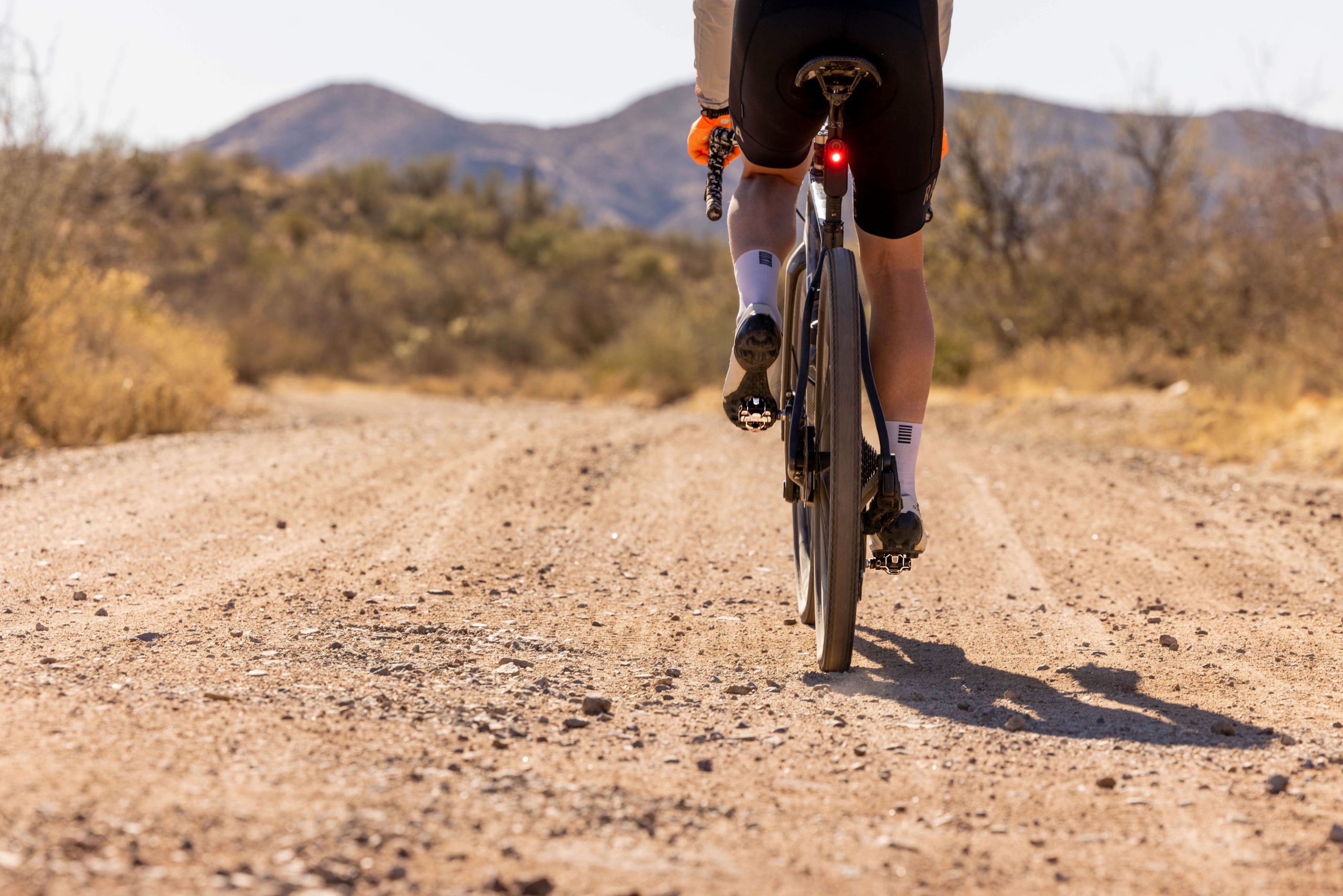
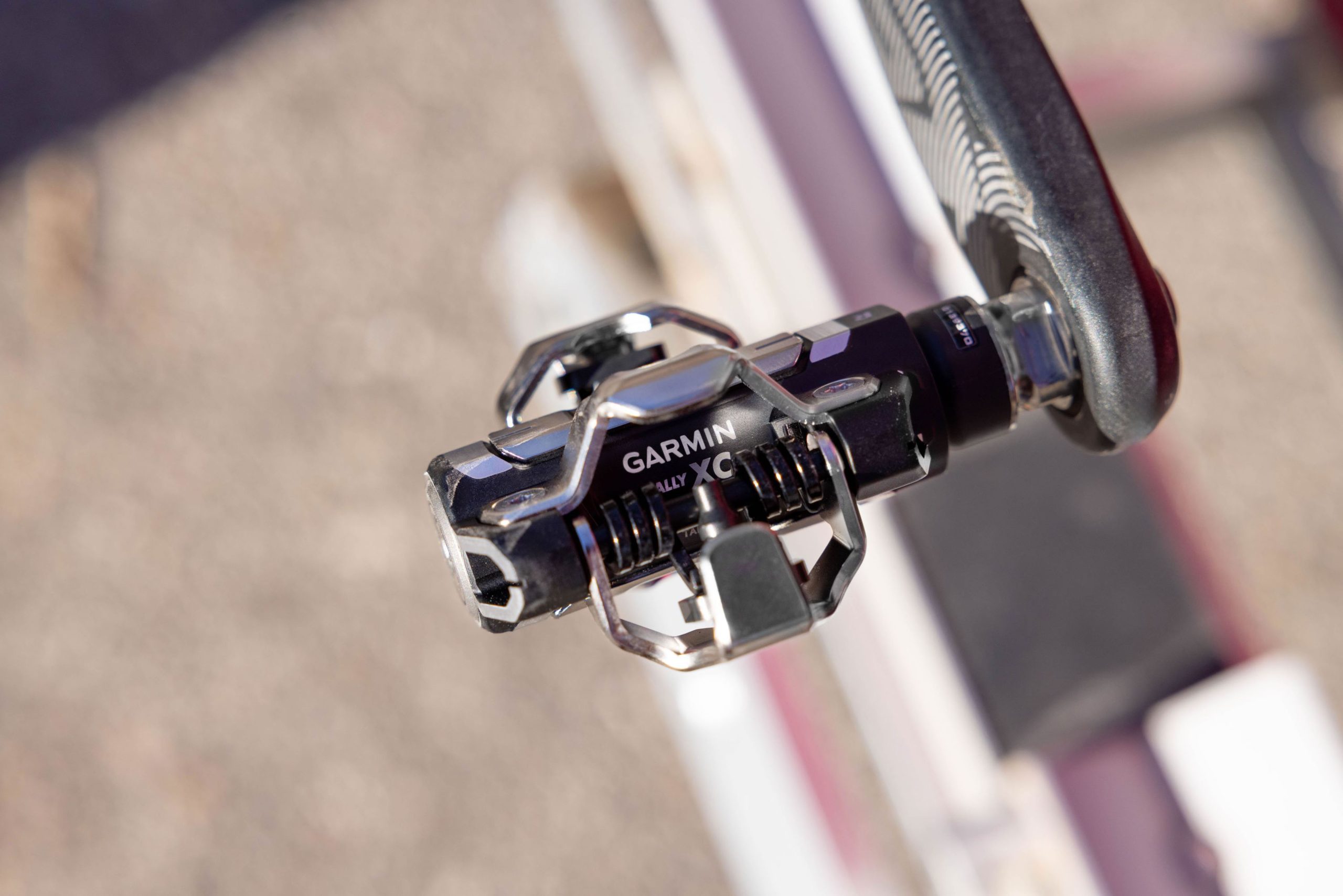
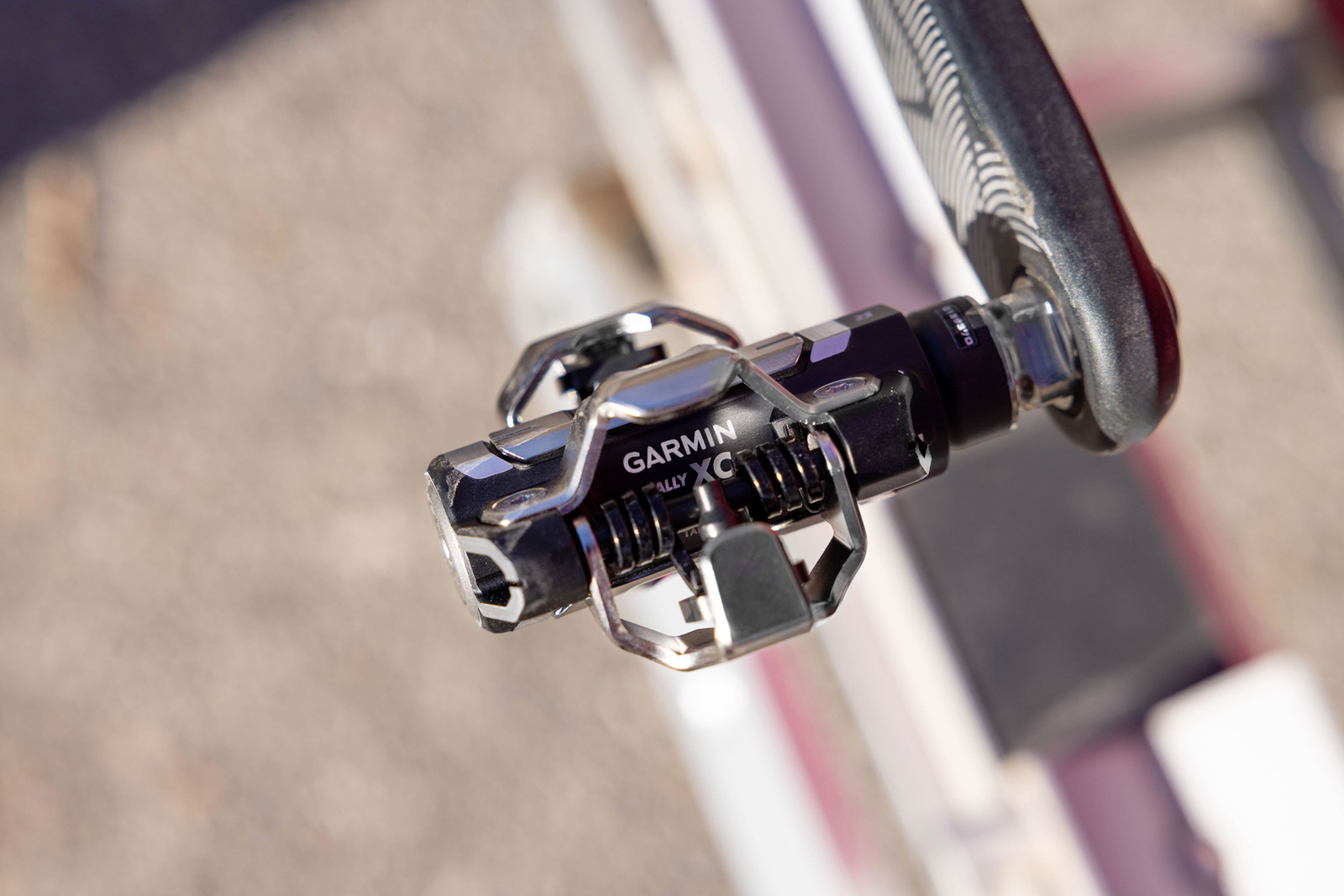
Garmin has paid particular attention to the XC pedal body. Garmin
One criticism of Garmin’s previous Rally XC200 pedals – the SPD-compatible off-road version – was that the pedal body itself left something to be desired.
My colleague, Tom Marvin, for example, tested those pedals and noted the stack height was fairly high.
Seeking to address this, Garmin says its new XC210 pedals feature an all-metal body with a lower stack height of 11.5mm (2mm lower than before and within 0.3mm of Favero’s Assioma PRO MX pedals).
The road pedal bodies have also been subtly redesigned, with a “carbon polymer material” contributing to a lower overall weight and improved durability.
A dual-sided set of Shimano SPD-SL-compatible Rally RS210 pedals is now claimed to weigh 312g, compared to 320g for the previous version, for example.
Garmin says all pedals have also received updated bearings for better long-term durability.
Garmin Rally 210/110 pedals claimed weights
Rally RK210: 312g
Rally RK110: 320g
Rally RS210: 312g
Rally RS110: 320g
Rally XC210: 436g
Rally XC110: 444g
Can the Garmin Rally 210 pedals take on Favero?
Garmin looks to be bringing a number of solid updates to its Rally platform. Garmin
While we’ve yet to get a set of Garmin’s latest Rally pedals in to test, I’m impressed by what, on paper, looks to be a solid refinement of an already high-performing system.
The switch to a rechargeable battery is a smart one, and hopefully means Garmin will avoid any teething issues with battery doors with this release.
Likewise, the improved XC pedal bodies should please plenty of cross-country and gravel racers – a power meter pedal needs to be a good pedal first and foremost, not solely a good watt-measurement device, after all.
If the pedal bodies are easier to switch, as claimed, then that will also be worth celebrating, as will the quick-charge and smart-calibration features.
Unfortunately, it’s impossible to ignore the price compared to the competition.
The Garmin Rally 210 / 110 power meter pedals look fantastic, but the price is hard to swallow. Garmin
The base prices of £929.99 / $1,199.99 / €1,099.99 for dual-sided road pedal sets are markedly higher than Favero’s offerings, and the off-road sets are even pricier at £999.99 / $1,299.99 / €1,199.99.
Prices for single-sided sets are cheaper – £549.99 / $749.99 / €649.99 for road pedals and £629.99 / $799.99 / €749.99 for off-road sets – but still relatively expensive compared to the competition (and they only measure power output from one leg, of course).
Favero’s latest Assioma PRO MX pedals cost only £649 / $789 / €699 for dual-sided sets and £399 / $499 / €439 for single-sided sets, for example.
Meanwhile, its off-road Assioma PRO MX pedals cost even less – only £599 / $759 / €750 for a dual-sided set and £399 / $450 / €499 for single-sided sets.
Even in a best-case scenario (the most expensive dual-sided Favero pedals versus the cheapest dual-sided Garmin option), the Garmins are more than 43 per cent more expensive in the UK.
At its worst (Favero’s Assioma PRO MX versus Garmin’s Rally XC210), the difference is a whopping 66.9 per cent here in the UK.
Given Favero’s offerings are practically flawless – I awarded the Assioma PRO MX pedals a full five stars when I reviewed them, and am currently wrapping up testing of the road version (spoiler, they’re also excellent) – I’m not sure Garmin’s latest offerings can justify their price premium.
Garmin says the new Edge 550 and Edge 850 are its “brightest and smartest” compact bike computers yet.
Launched today, the Edge 550 (£379.99) and Edge 850 (£469.99) have a new bright and colourful 2.7in display, which is a small increase of 0.1in compared to the previous Edge 540 and Edge 840.
Garmin says the two bike computers are also highly responsive, fast and they come with a whole host of advanced training features, including free training plans.
This extra performance also comes with a boosted battery life, which has increased from 26 hours on the Edge 540 and 840 to 36 hours.
The new Edge bike computers come with advanced training features. Garmin
One of the biggest draws of the new Edge 550 and 850 computers is the free Cycling Coach plans, which come alongside a host of other training features.
Accessible via the Garmin Connect app, these plans are said to “adapt based on specific course demands and the rider’s training and recovery, providing recommended training adjustments.”
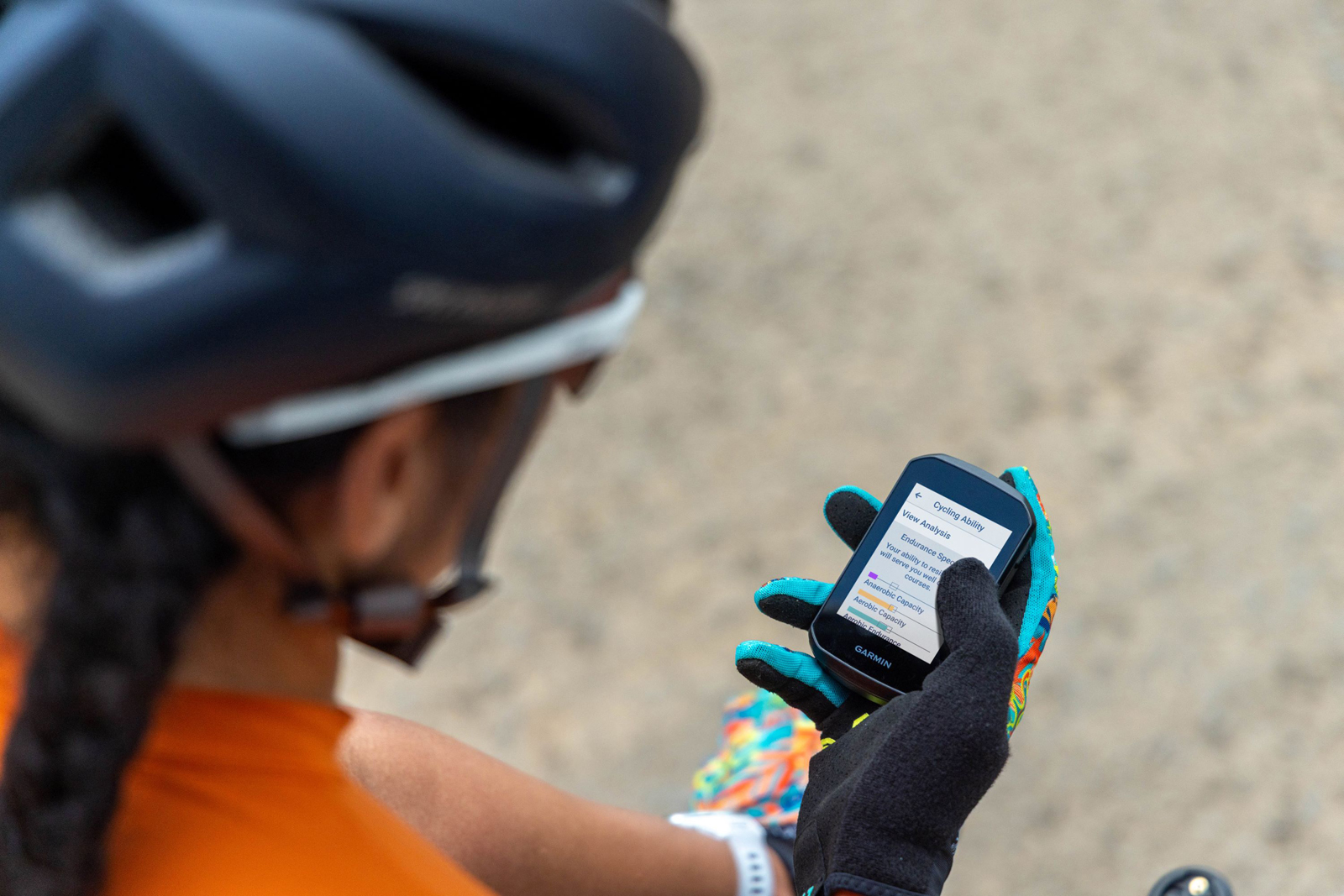
You can also use the Edge 550 and 850 to see your cycling ability. Garmin says this can help you understand your strengths and weaknesses as a cyclist, and it tracks your progress over time.
Elsewhere, the smart fueling alerts prompt you to hydrate and refuel during your ride based on your current fitness, the course you’re riding, heat and humidity.
When paired with a smartphone and the Connect cycling app, you can use the computers to access Garmin’s new GroupRide data comparisons. This feature shows how your speed, heart rate, power output, cadence and more stack up against your fellow riders.
If you ride with electronic gears, after your ride you can use the computers to check how much time was spent in each gear with Garmin’s new Gear Ratio Analysis.
One particularly useful feature on the Edge 550 and 850, that doesn’t require an app or high-tech equipment, is real-time weather updates, including wind direction.
The computers also support Garmin’s enduro and downhill profiles, which launched with the recently announced Edge MTB computer. These enable 5Hz GPS recording while descending to help you see the lines you took in greater detail.
The timing gates feature will also be of use if you ride off-road. This enables you to see splits in real time for each lap or run of your ride.
So what’s the difference between the Edge 550 and 850?
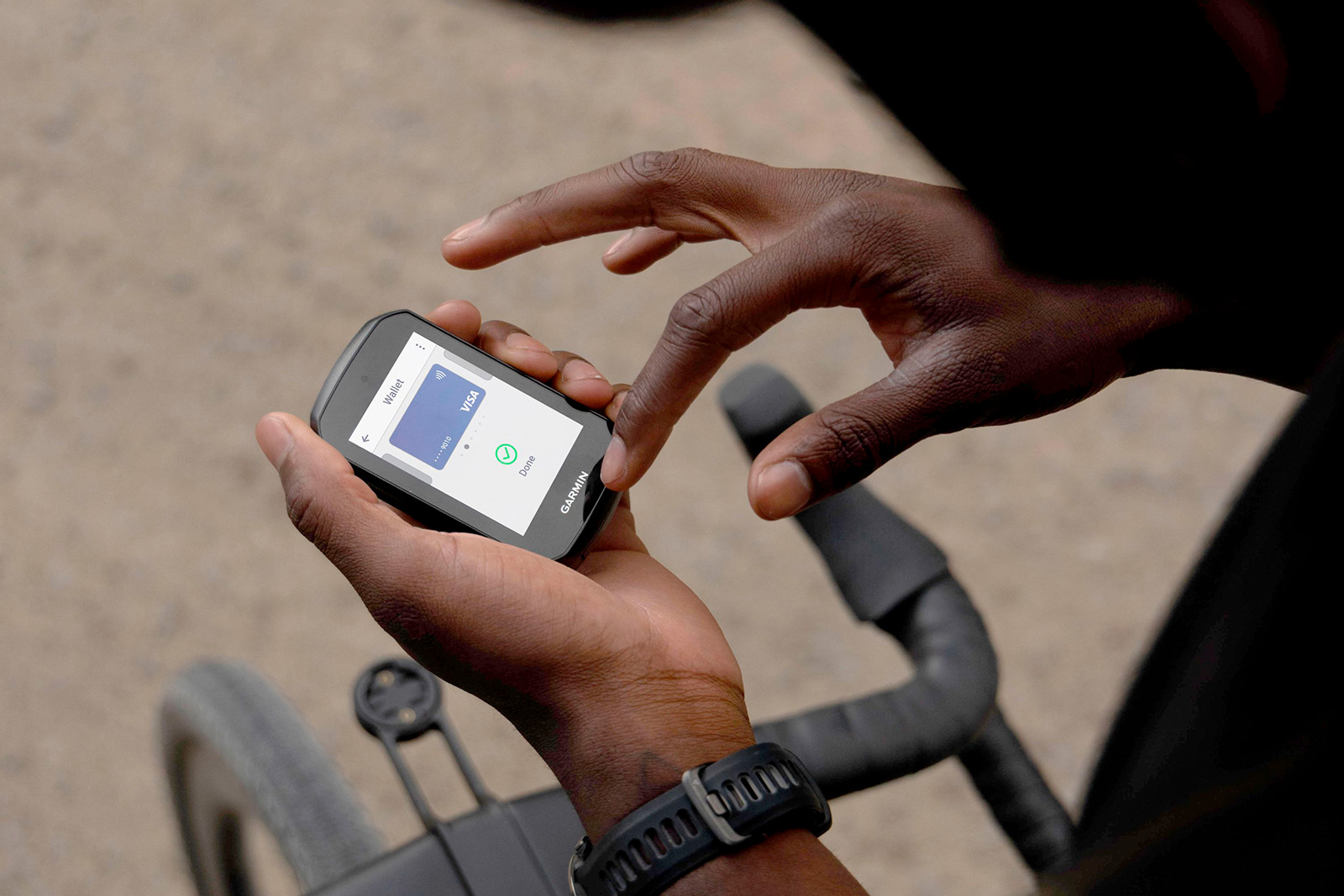
The Edge 850 comes with Garmin Pay for contactless payments. Garmin
While the new Garmin Edge 550 and Edge 850 share the same bright screen and training features, the Edge 850 has several extra features, which contributes to its higher price and brings it more in line with Garmin’s flagship Edge 1050 bike computer.
One of the big draws of the Edge 850 over the 550 is the responsive touchscreen. As with the Edge 1050, the Edge 850’s touchscreen means you can pan or zoom on the map, swipe between data screens and even report road hazards.
The Edge 850 also has a built-in speaker like the Edge 1050, which provides you with a digital bike bell, audible turn-by-turn navigation, workout prompts and more.
As with Garmin’s smartwatches, the Edge 850 supports contactless payments. But this feature is only supported by certain countries, payment networks and banks, which you can check on Garmin’s website.
Another difference between the new Garmin Edge bike computers is the Edge 850 has a route creator, so you can plot out point-by-point courses directly on the device via the touchscreen.
Safety features
The computers come with Garmin’s core safety features to help “support cyclists’ peace of mind and awareness”. Garmin
The Edge 550 and 850 also include Garmin’s core safety features, which are said to help “support cyclists’ peace of mind and awareness”.
Both computers will alert you to road hazards reported by other Garmin users, and enable you to contribute any hazards you spot.
Your family and friends can use Garmin’s LiveTrack feature to see your location in real time.
If an incident is detected, the computers will send a message with your location to your emergency contact.
The computers are also compatible with Garmin’s Varia radar bike lights to audibly alert you to when a vehicle is approaching and capture footage from your ride.
New Garmin Rally pedals
Garmin has also launched its new Rally power meter pedals. Garmin
Starting in 2026, Red Hat’s back-office staff in HR, finance, legal, and accounting will be transferred to IBM, while engineering, product, sales, and marketing teams remain at Red Hat — at least for now. The Register reports: According to a communication sent to employees, those in General & Administrative areas will join IBM, including the lion’s share of the people working in the HR, finance, accounting, and legal units at Red Hat. A source told us the switch will be “implemented this year,” although in some countries “it might take longer due to legal constraints.” The leadership running those teams will remain within the Red Hat fold. Some are nervous about the move, with tech companies — notably IBM — eliminating duplicated roles to consolidate back-office functions. In January — as has happened in recent years — IBM again forecast annual savings of $3.5 billion, partly through job cuts.
There is no public data on the size of the G&A population within Red Hat but the total workforce is understood to be about 19,000 worldwide, with the bulk of those employed in the engineering, sales, and support divisions. The team remaining at Red Hat will be part of the central Strategy & Operations group managed by Mike Ferris. As such, engineering, product, sales, and marketing personnel will be unaffected. For now at least. “Culture has been dead for at least 1 year now,” said Reddit user Purple_Afternoon 966. “The experience might be different depending on the department, but there is nothing left from the open culture praised. We have now micromanagement, decision making from middle management that clearly have no idea of what we do and how and trying to implement ideas that they read somewhere, with no context, data and not giving answer or addressing feedback.”
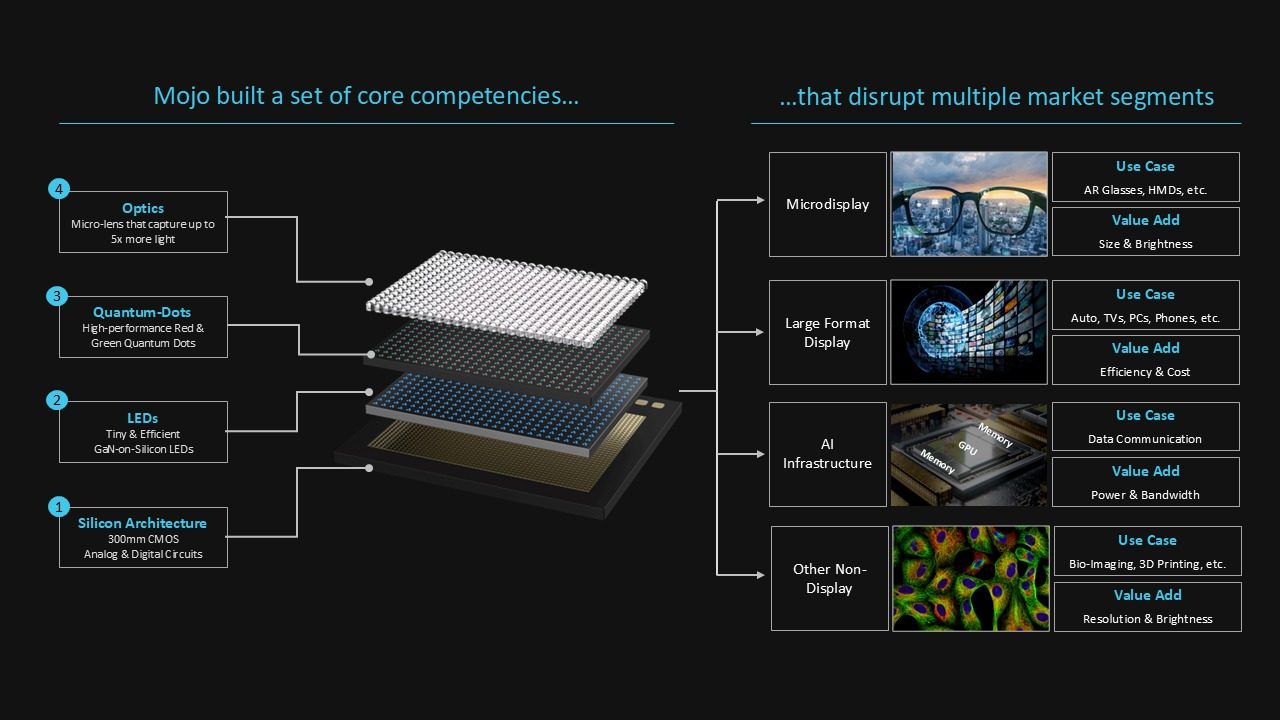
Mojo Vision announced it’s secured a $75 million Series B Prime investment round, which the company says will support the commercialization of its powerful and flexible micro-LED platform for XR glasses.
The round was led by Vanedge Capital, and included investments from current shareholders Edge Venture Capital, New Enterprise Associates (NEA), Fusion Fund, Knollwood Capital, Dolby Family Ventures, and Khosla Ventures, and new shareholders, including imec.xpand, Keymaker, Ohio Innovation Fund, and Hyperlink Ventures.
This brings the company’s overall funding to $345 million, according to Crunch Basedata; Mojo Vision’s penultimate round came in late 2023, amounting to $43.5 million.
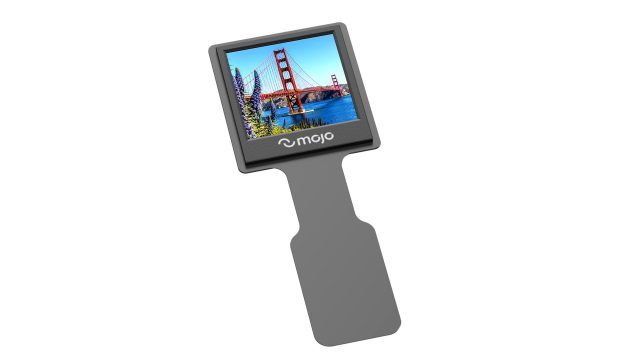
While previously geared towards producing smart contact lenses, Mojo Vision is now all about the underlying micro-LED technology that initially generated headlines back in 2022.
Image courtesy Mojo Vision
At the time, it was expected Mojo Vision would commercialize a contact lens with embedded micro-LED display, however in April 2023 the company announced it was pivoting.
Founded in 2015, Mojo Vision is now building a type of micro-LED technology that allows the mass-production of them onto silicon chips, combining advanced components like gallium nitride (GaN) on silicon emitters, quantum dots, and micro-lens arrays. According to Mojo Vision, this makes the displays very bright, very small, and energy-efficient.
“Through our micro-LED technology development, Mojo has made significant advancements in establishing breakthrough performance standards while laying the foundation for micro-LEDs as a platform for AI innovation in large market segments,” said Nikhil Balram, CEO of Mojo Vision. “This oversubscribed funding round and strong industry support mark a new phase in the design and production of our next-generation micro-LED platform. The company is on an accelerated path to commercialize micro-LED applications that can power AI.”
The company says it’s targeting the micro-LED platform to build displays for XR glasses, but also large format displays and optical interconnects for AI infrastructure.
In this comprehensive guide, we will explain how to enable backports and testing repositories in your Debian 13 trixie system using the new deb822 sources format.
Meet KDE Initial System Setup (or KISS for short), an initial system setup wizard mainly designed for OEM installation when you buy a laptop that ships with the KDE Plasma desktop environment. KISS will appear only after a new OEM system installation or when starting up a brand-new computer.
Discover Wayfire 0.10, the innovative 3D Wayland compositor that now supports Vulkan, enhancing your graphics experience with stunning visuals and performance.

 UploadVRDavid Heaney