iPhone Air hands-on: The super sleek precursor to Apple’s upcoming foldable

Apple might not admit it (at least not yet), but the iPhone Air is more than just a slimmed-down version of the company’s latest handset or a more sophisticated take on its usual Plus model. It’s a super sleek preview of its upcoming foldable.

Now this might seem like a stretch and there’s something to be said about the difference between a traditional OLED display and one that’s meant to be bent. However, the arrival of a foldable iPhone has become one of the tech world’s worst-kept secrets. Still not convinced? Well, consider this. If you were in charge at Apple and were faced with the task of figuring out how to engineer and design the company’s first phone with a flexible display, how would you do it? Would you try to re-invent the wheel? No, you’d check out your competitors to see if there was a formula that you could re-purpose for your needs. Enter Samsung, which is not only one of Apple’s biggest rivals but also a foldable phone maker that’s already seven generations deep.

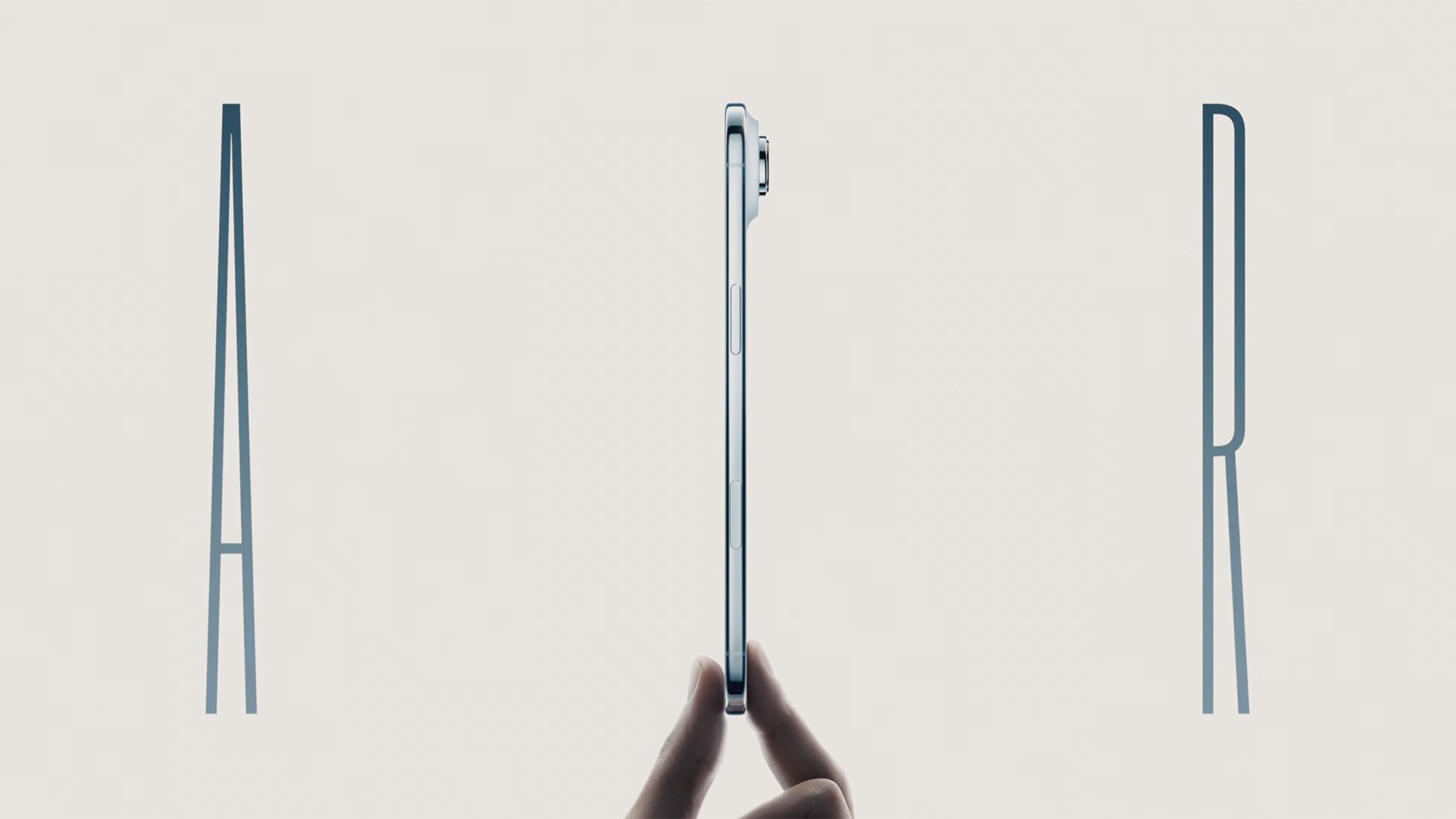
The sheer thinness of the 5.6mm chassis on the iPhone Air must be touched to be truly appreciated.
Sam Rutherford for Engadget

Furthermore, if we look back to this spring when Samsung released the Galaxy S25 Edge, you might already be noticing some similarities. Just like the iPhone Air, the S25 Edge is a thinner and more elegant take on Samsung’s middle-child flagship phone: the S25+. It has a lot of the same shortcomings like a smaller battery and fewer cameras than you’d otherwise expect on a premium device that costs around $1,000.

But the biggest clue that Apple might be taking a page out of Samsung’s playbook is the iPhone Air’s thinness. The idea of simply making a slimmer iPhone with worse specs without lowering its price doesn’t really make sense in 2025. Unless you’re doing so in preparation for a future product. So if we consider the S25 Edge again (which measures just 5.88mm thick) and then compare that to the Galaxy Z Fold 7 (which came out just a couple months later and measures 4.2mm thick when unfolded), suddenly an unmistakable pattern begins to form. The iPhone 17 Air is one half of Apple’s upcoming foldable and if the rumors are correct, next year Apple is essentially going to smash two of them together while adding a hinge and a flexible screen. Voila, there’s your iPhone Fold (or whatever Apple ends up calling it).

When viewed side-by-side next to Samsung's Galaxy Z Fold 7, it's not hard to see how the super thin iPhone Air's design might translate into a foldable iPhone.
When viewed side-by-side next to Samsung’s Galaxy Z Fold 7, it’s not hard to see how the iPhone Air’s design might translate into a foldable iPhone.
Sam Rutherford for Engadget

OK, enough speculation, what about the iPhone Air itself? In short, this thing is deliciously thin at just 5.6mm. It really is one of those things that you can’t fully appreciate until you hold it in your hand. It has beautifully polished edges and while I don’t love the term camera plateau, there’s a lot of engineering that went into creating the subtle slope that rises up to meet the phone’s lone 48MP rear camera.

In front, the Air’s 6.5-inch display looks as colorful and vibrant as you’d expect and I’m delighted to see it get ProMotion support as well. And for selfies, I really like Apple’s new Center Stage system which uses a square 18MP sensor so you can smoothly transition between typical portrait style shots to landscape photos. Plus, if you don’t want to control things manually, there’s also an automatic setting which could seriously streamline future social media photo and video shoots.

The iPhone Air features a single 48MP rear camera.
Sam Rutherford for Engadget

The shiny finish on the Air’s titanium frame is a rather nice, though if Apple hadn’t said so, I might have thought it was stainless steel. That said, at just 165 grams, titanium was one of the few ways to get the Air’s weight down that low while increasing durability. I also want to add that the sky blue model is my favorite color for the Air because depending on the light, its hue shifts from bright robin’s egg to a more understated gray. The only downside to its overall design is that the chassis is a bit of a fingerprint magnet.

However, I still have a few remaining questions that will need to be answered after further testing. The addition of a A19 Pro chip and a ProMotion screen should give the phone a big boost in power efficiency. But it remains to be seen how the Air’s battery life will hold up in real life. Apple is claiming continuous video playback of up to 27 hours, but it’s sort of telling that during the keynote, the company showed a new super sleek MagSafe battery pack, which may end up being a must-have accessory for people who push their phones hard.

At just 156 grams, the iPhone Air is the lightest iPhone to date.
Sam Rutherford for Engadget

Additionally, from the handful of camera samples I’ve seen, the iPhone Air’s 48MP rear camera has excellent image quality, though I’m still not sure about the move to a single lens system, even if it does support up to a 4x zoom.

Regardless, with the iPhone Air filling in the gap where the standard Plus model would normally be, Apple has taken its traditionally underappreciated middle child and turned it into the most sleek and stylish handset the company has ever made. Unfortunately, all that sophistication does come with a slightly higher price of $999, up from the $899 for last year’s iPhone 16 Plus.

The iPhone Air will start at $999 with 256GB of storage. Pre-orders begin this Friday, September 12 at 8AM ET followed by official sales slated for September 19.

This article originally appeared on Engadget at https://www.engadget.com/mobile/smartphones/iphone-air-hands-on-the-super-sleek-precursor-to-apples-upcoming-foldable-185851102.html?src=rss

Canon is Bringing Back a Point-and-Shoot From 2016 With Fewer Features and a Higher Price

Canon will rerelease its 2016 PowerShot Elph 360 HS point-and-shoot camera as the PowerShot Elph 360 HS A in late October for $379 — $169 more than the original’s $210 launch price. The camera retains the same 20.2-megapixel CMOS sensor, Digic IV Plus processor, 12x optical zoom, 1080p video recording, and USB Mini port.

The new version switches from SD to microSD cards and removes Wi-Fi image transfer and direct printing capabilities. The rerelease comes after celebrities including Kendall Jenner and Dua Lipa popularized the original model on social media. The camera will be available in black or silver only; the original purple option has been discontinued.


Read more of this story at Slashdot.

Apple’s ‘Awe Dropping’ Event Actually Included Some Big Apple Watch Updates

After a slow couple of years on the Apple Watch front, today’s “Awe Dropping” event announcing the new iPhone models actually included a renewed focus on Apple’s ubiquitous wearable.

As expected, Apple unveiled the Apple Watch Series 11 smartwatch, along with a new Apple Watch Ultra 3, and an Apple Watch SE 3. And while the designs mostly look the same, there was some worthwhile news when it came to features and battery life—and in case of the SE 3, quite a lot of other upgrades across the board. Apple has even added yet another potentially life-saving feature to the mix, bringing passive blood pressure notifications to the Apple Watch.

Here are all the biggest updates worth discussing.

Apple Watch Series 11 gets 5G and new medical features

The Apple Watch Series 11 looks and seemingly works quite similarly to the outgoing model, with a few feature upgrades. The glass on the front is now twice as scratch resistant. The Series 11 also features 5G, for faster connectivity and download for music, podcasts, and apps. Battery life is improved, with up to 24 hours of usage between charges.

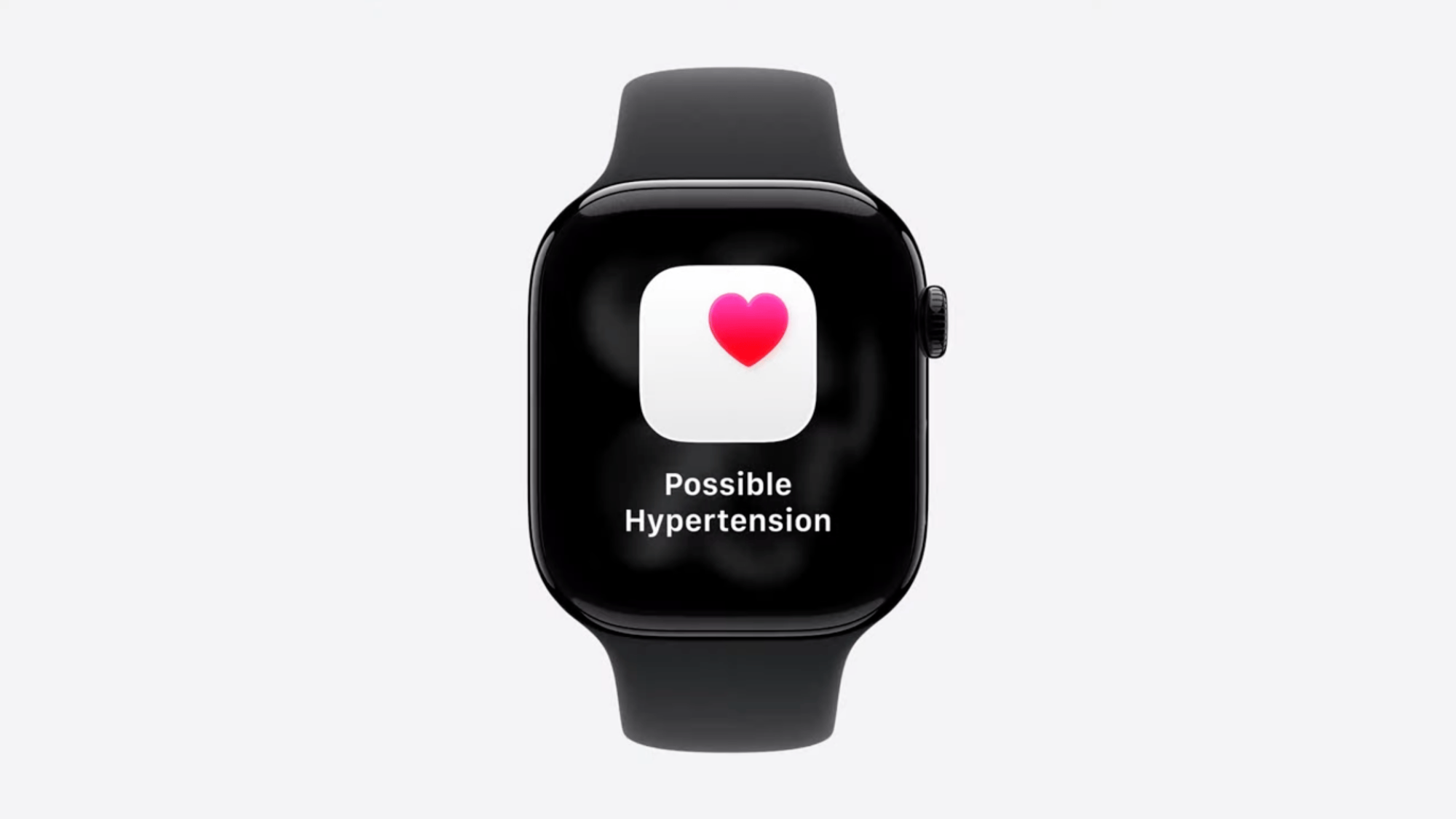
Apple Watch Blood Pressure notifications.

Credit: Apple

New health features

The Series 11 also has two interesting health features. First is a new Blood Pressure Monitoring system that provides a notification when chronic high blood pressure, or hypertension, is detected in the user. The notifications use data from the heart rate sensor to analyze how the blood vessels repot to the beats of the heart. An algorithm passively works int he background reviewing data over 30 day periods, and notifies the user if it notices a patter of hypertension. This is not an active blood pressure monitor, like you’d get from a medical device. Instead, it’s data-analysis over a long period of time. Apple says that the training data came from multiple studies with over 100,000 participants. The feature is pending regulatory approval, but Apple says it will ship to more than 150 countries in the coming month.

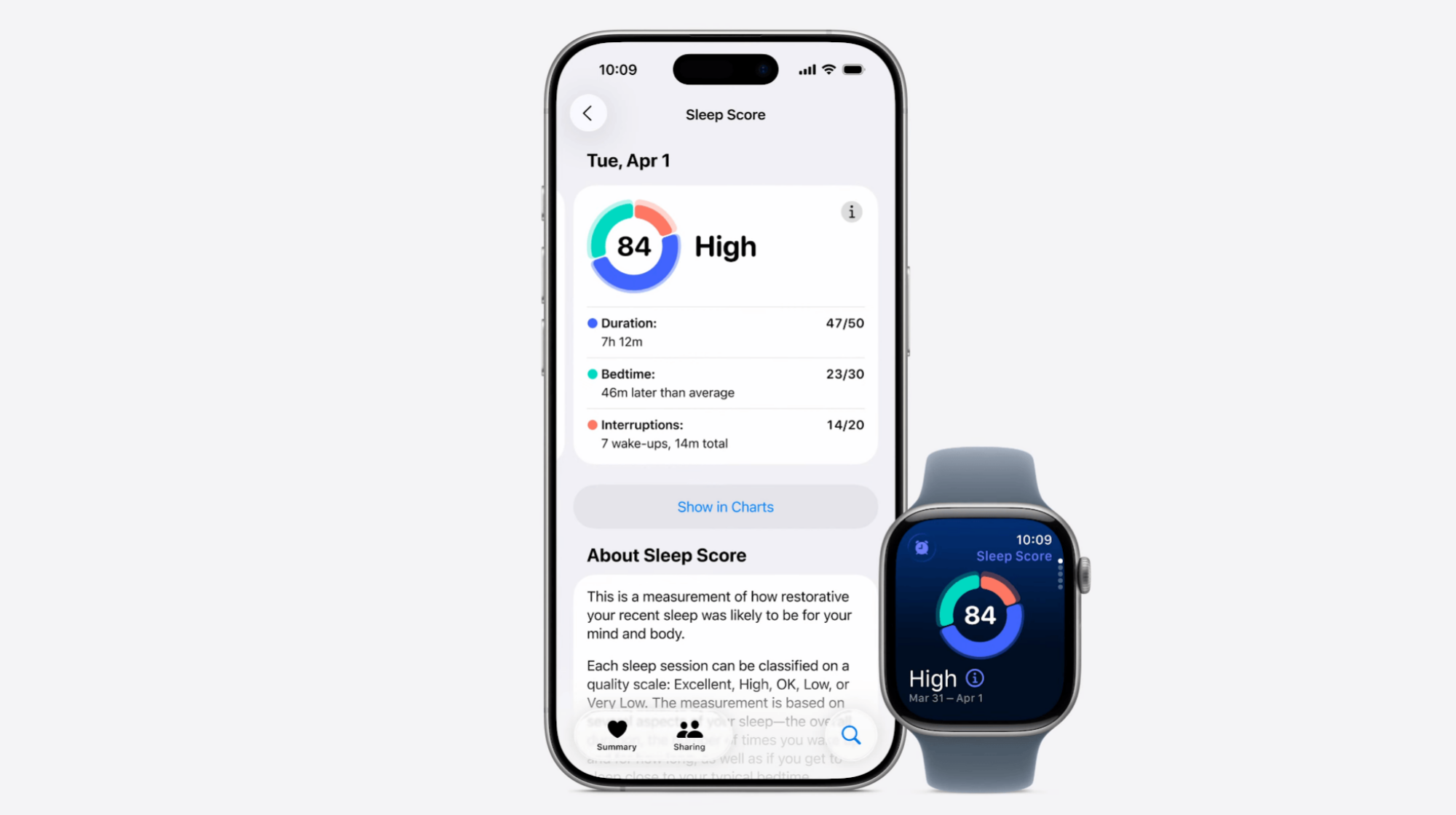
Apple Watch Sleep Score notifications.

Credit: Apple

Sleep Score is another potentially useful fitness metric. The feature takes in multiple data points, like sleep duration, bedtime consistency, how often you wake up, and how much time you spend in each sleep stage, so you can understand (and hopefully improve) the quality of your sleep.

Pricing

The Apple Watch Series 11 starts at $399 for the 42mm version, and $429 for the 46mm version. Cellular connectivity will cost you $100 more. There’s a new lineup of colors this time around: Jet Black, Silver, Rose Gold, and Space Gray. Pre-orders start today, and the device will start to ship Sept. 19.

The Apple Watch Ultra 3 goes longer and harder

The Apple Watch Ultra wasn’t upgraded at all last year, leaving lots of room for improvement. The new model comes with a slightly larger screen but the same profile: Apple managed to reduce the bezels so they can fit it a larger screen in the same body. It’s also getting a screen upgrade from the Series 10 and bringing in features from the Series 10, that the Ultra missed out on last year. The screen now uses LPTO3 OLED display with ultra-fast refresh rate, enabling Always-on watch face display that can show the second hand. Apple is also adding a new Waypoint watch face that can help users navigate using a live compass, which is also updated by the second.

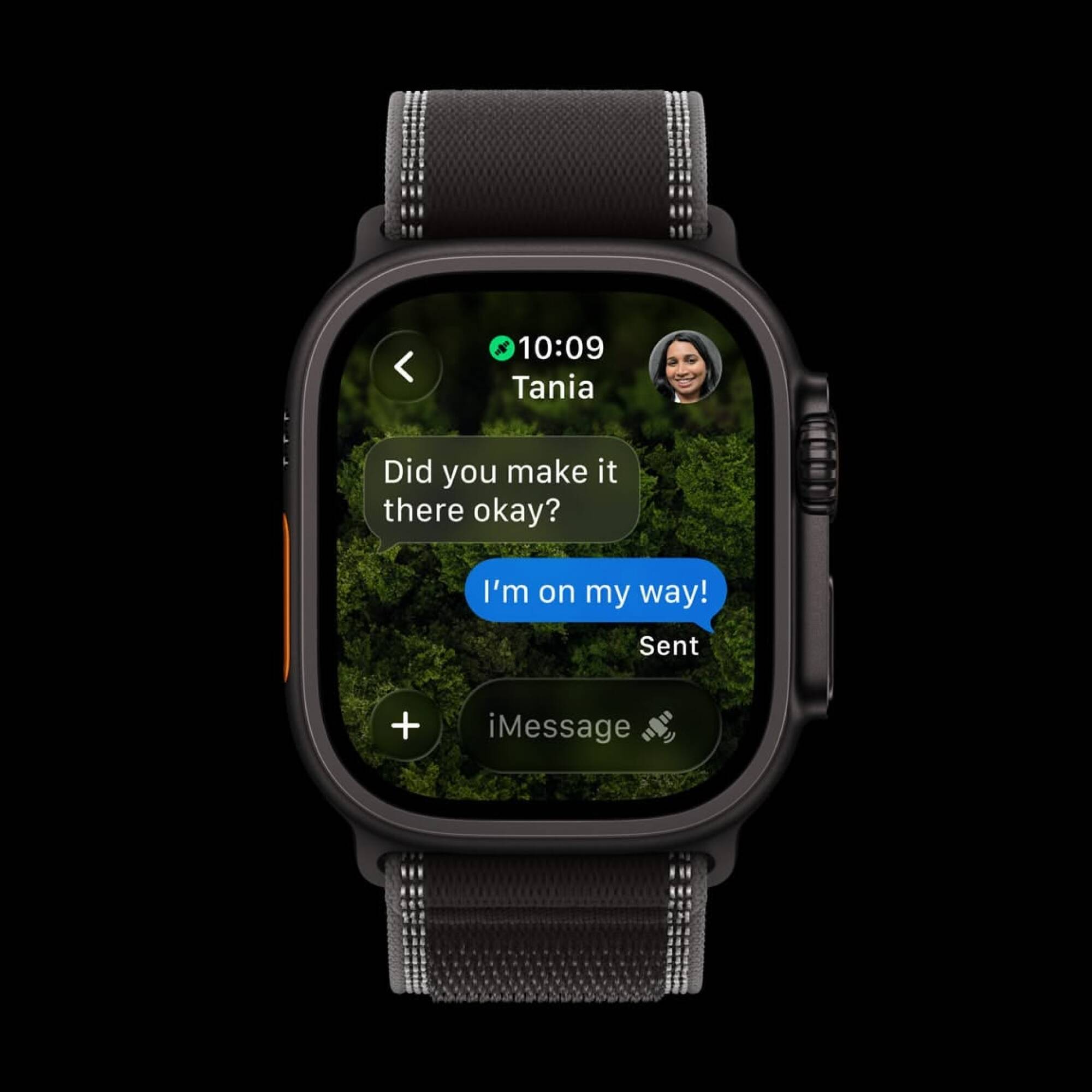
Apple Watch Ultra Satellite messaging.

Credit: Apple

The OLED display optimizes each pixel to emit more might at wider angles, making it easier to read when your watch is resting on the table.

The Ultra 3 has the same 5G modem, but goes one step further with Satellite connectivity. So you’ll be able to send messages, or contact Emergency SOS to contact emergency services. There’s also a massive boost in battery life, as the Ultra 3 can now go up to 42 hours without charge.

Pricing

The Apple Watch Ultra 3 starts at $799 for the 49mm model. Pre-orders start today, and it’s going to be available on Sept, 19. It comes in two colors: Natural Titanium and Black Titanium.

The SE 3 gets always-on display and a lot more

Apple Watch SE 3 Always On display

Credit: Apple

The SE 3 might be the sleeper hit of the entire lineup. The new entry-level Apple Watch now features a S10 chip and an always-on display, a first for the SE series. The Cellular version also gets 5G, and both models will gets the new sleep quality and temperature sensing features (but not blood pressure monitoring). It also gets the Ion-X glass that’s reportedly twice as resistant as before, and support for double-tap and wrist flick gestures. According to Apple, it will also charge up to two times faster than the previous model.

Pricing

The Apple Watch SE starts at $249 for a 40mm model and is available for preorder today, with deliveries starting on Friday, Sept, 19.

Four Big Announcements I Expect to See at Meta Connect 2025

We may earn a commission from links on this page.

Did you know you can customize Google to filter out garbage? Take these steps for better search results, including adding my work at Lifehacker as a preferred source.


Meta Connect 2025, Meta’s annual big two-day event to reveal new technology, will begin with a keynote from CEO Mark Zuckerberg on September 17 at 8 p.m. ET and continue through the 18th. You can stream the keynote and developers conferences on Facebook or the official Meta Connect site.

Predicting event announcements is naturally full of speculation, but it’s informed speculation based on online rumors and sources that have been accurate with past leaks and rumors. If you plan to watch the event—or just want an idea of what might be coming—here’s what I expect to see at Meta Connect 2025.

Hypernova smart glasses

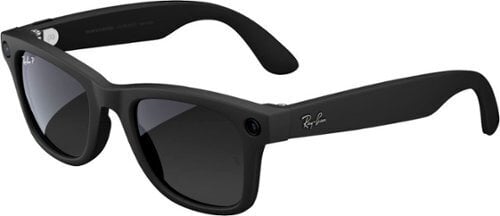
The biggest hype at Meta Connect 2025 is likely to be about Meta’s next generation of smart glasses, code-named “Hypernova,” or maybe “Meta Celeste.” According to online rumors, the next Meta glasses will feature a dedicated display on one lens for alerts and mini-apps, as well as all the AI, audio, and camera/video features of the current generation of Meta Ray-Bans and Meta Oakley smart glasses. All of this will be facilitated via a wireless wristband that will let you control various aspects of the glasses with small wrist movements.

The display glasses will supposedly retail for $799, but when they’ll hit the market remains to be seen. Sources report they’ll be on sale this month (Zuckerberg adding, “…and they’ll be available tonight” at the end of his keynote would be cool), but it could be anytime later this fall. These glasses would mark a definite step forward in smart glasses, but they won’t be the full augmented reality that Meta has shown off in its “Orion” smart glasses.

New details on the third-generation Ray-Ban Meta and Oakley Meta smart glasses

If you’re more interested in a better version of the Meta Ray-Bans and Meta Oakleys, Meta Connect could feature details on third-gen Meta smart glasses. Along with expected improvements like longer battery life and maybe a better camera, the biggest innovation to Meta glasses may be improvements to the glasses’ AI.

Internally called “super sensing,” Meta’s improved AI will stay on for longer periods, seeing what you see and interpreting it. Your glasses might tell you left the oven on, or tell you where you left your car keys (the single feature I most want from smart glasses). Another rumored addition to Meta’s AI could be facial recognition (another thing I’d use all the time).

The technology already exists for smart glasses to tell you who you’re looking at, but Meta has supposedly been leery of pulling the trigger due to privacy concerns. Generation 3 Meta smart glasses are expected to hit stores this fall.

Third-party apps for Ray-Ban Meta and Oakley Meta glasses

If third-party app support for Meta smart glasses is revealed at Connect 2025, it might be through “the future of computing” developer keynote to be held on September 18 at 1 p.m. ET. Meta opening its smart glasses to other developers’ apps could low-key be the biggest announcement at the show, as it would expand what you could do with your glasses in ways that can be hard to even imagine.

New improvements to Meta Horizon OS

There doesn’t seem to be much evidence that Meta will announce a Quest 4 VR headset at Connect 2025, but that doesn’t mean Virtual Reality Gang will be totally ignored. Tech site VRUpload recently did some data mining and dug up evidence that Meta is planning to revamp both the Home and Worlds components of the Meta Horizon.

Meta is supposedly re-vamping the “starting space” for Quest users, taking it from its current static state to something that makes it “easier to connect with others and transition smoothly into Horizon Worlds and immersive apps.” Other potential Horizon announcements may include a more responsive and better-looking Horizon Worlds social hub, and a new theater space within Horizon Worlds called Events Arena. If you want to tune in live, you can stream Connect 2025 on Facebook or the official Meta Connect site.

This High-Performing Robot Vacuum/Mop Is Now Nearly 50% Off

We may earn a commission from links on this page. Deal pricing and availability subject to change after time of publication.

Did you know you can customize Google to filter out garbage? Take these steps for better search results, including adding Lifehacker as a preferred source for tech news.


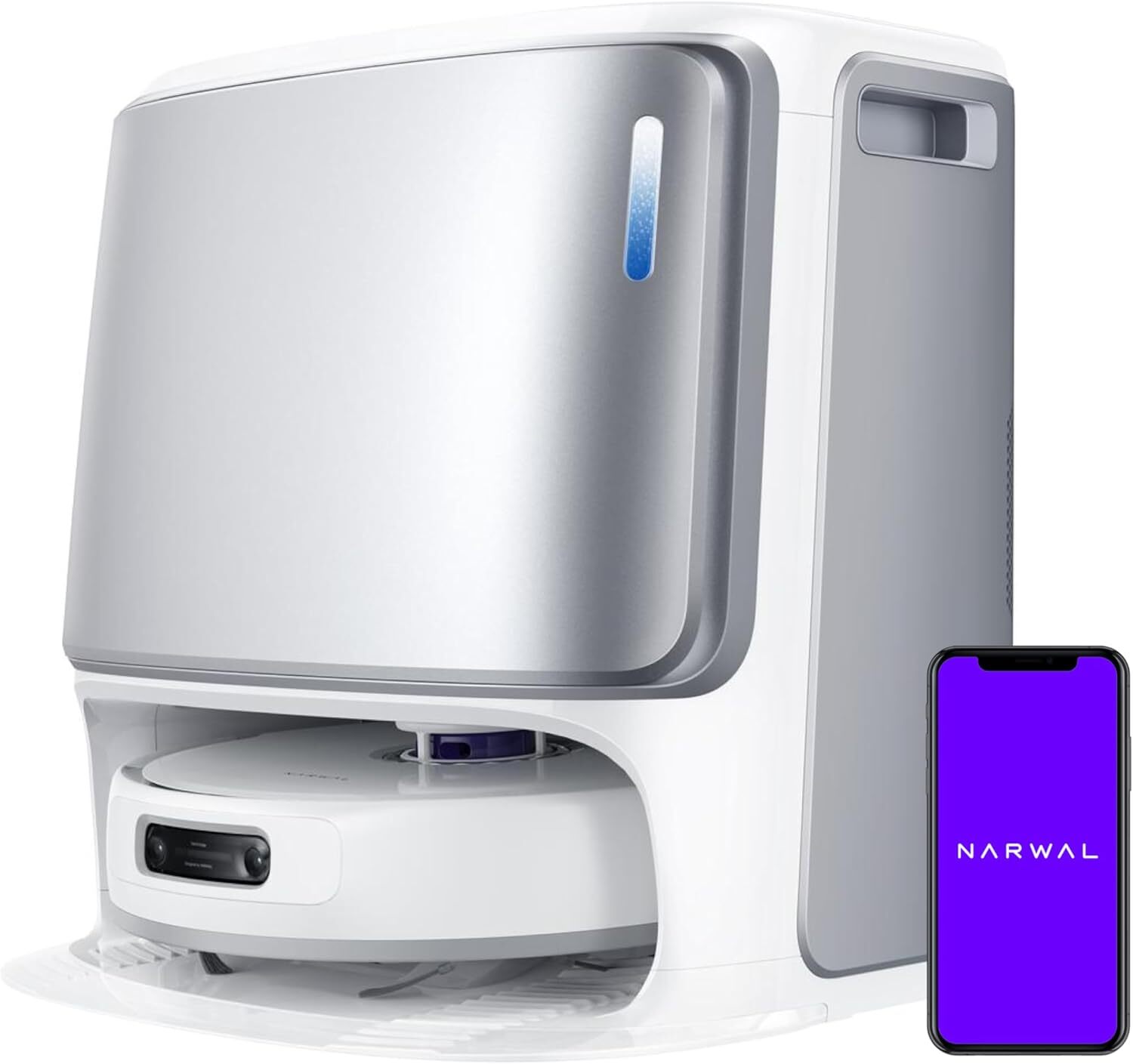
If you’re looking for a robot mop/vacuum hybrid that has serious mopping power, the Narwal Freo Z Ultra Robot Vacuum and Mop is currently 47% off on Amazon. While it’s still pricier than your average robot vacuum/mop, its features and superior mopping performance make it a standout choice for anyone who wants a deeper clean.

The Narwal Freo Z has top-notch obstacle avoidance thanks to upgraded dual RGB cameras and LiDAR navigation. Compared to its predecessor, the Freo X Ultra, it now delivers 12,000Pa suction power (up from 8,200). It also runs quietly at just 58dB on lower settings, with excellent mopping and vacuuming performance on hard floors. Users do report mixed results on carpeting and an inability to deep-clean rugs. The mopping process, while diligent, can be slow and have a long runtime, especially if the robot needs to go back to its base multiple times. The mop function does guzzle water, according to our writer’s review, requiring frequent water tank refills. 

Beyond that caveat, the automation features are impressive; you don’t have to zone off carpets to prevent them from getting wet or manually adjust settings on your own, as the “Freo Mind” AI handles dirt detection and mode switching with ease. This model also self-empties, washes, and dries the mop heads on its own, keeping the base station clean. And despite all these features, users report that it’s easy and straightforward to set up.

The main tradeoff is size: Its large base station footprint is significantly larger than similar models, and may not be ideal for smaller apartments and homes. And while automation is a perk, if you want to manually send the robot somewhere to clean, you need to do so in video mode, which can occasionally be glitchy. If these aren’t dealbreakers (and you don’t mind topping up the water tank more often), the Narwal Freo Z Ultra Robot Vacuum and Mop is one of the most advanced models on the market, especially at $700 off.

Our Best Editor-Vetted Tech Deals Right Now


Roku Streaming Stick Plus


—
$29.00

(List Price $39.99)


Sonos Era 300 Black – Wireless


—
$435.00

(List Price $449.00)

Deals are selected by our commerce team

Apple iPhone 17 hands-on: No Plus, no problem

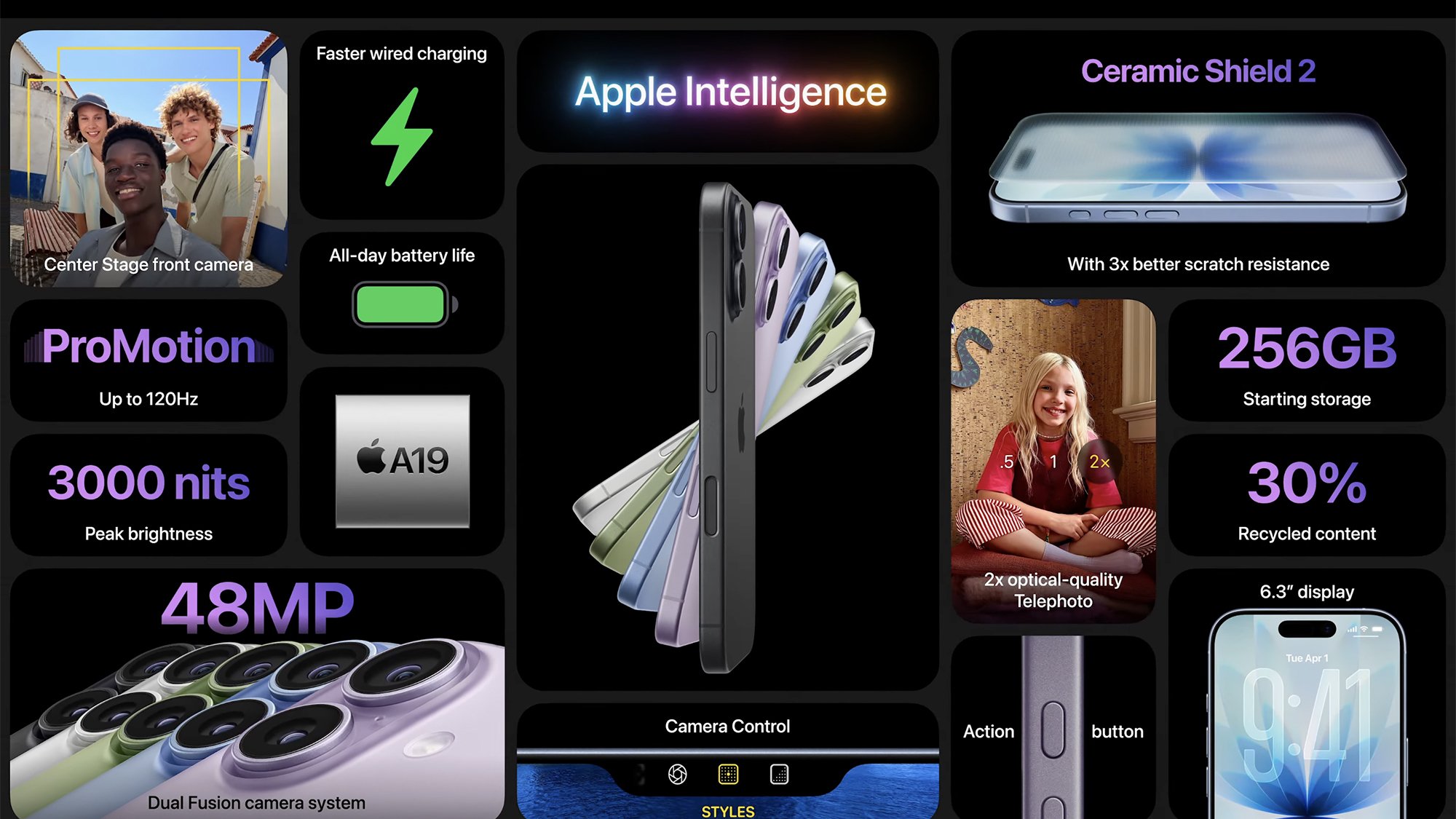
The iPhone Air may get most of the attention at today’s Apple event, but the “regular” iPhone 17 is the one a lot of the iOS faithful will buy. This year’s new model may not look like a massive overhaul since the design is mostly the same, but don’t let that fool you. The company has massively upgraded the display to include ProMotion and a 120Hz refresh rate. There’s more power under the hood, ready to harness all of the features that Apple Intelligence and iOS 26 provide. Plus, there’s eight more hours of battery life and faster charging when you need it. And I haven’t even mentioned the camera updates yet, which are highlighted by the Center Stage front camera. 

With the introduction of the iPhone Air, Apple nixed the iPhone 17 Plus. Now you’re left to decide between the 6.3-inch iPhone 17, 6.5-inch iPhone Air or the 6.9-inch iPhone 17 Pro Max (and 6.3-inch Pro) — if you’re primarily concerned with size. I was worried the company would leave us with a 6.1-inch base iPhone, a handset that feels incredibly small after I finally got used to the iPhone 16 Plus. I’m happy to report that the iPhone 17 bridges the gap nicely, and I don’t think the smaller “regular” model will be a strain on my delicate sensibilities. 

iPhone 17
Billy Steele for Engadget

On first glance, the real star of the show this year is the majorly upgraded display on the iPhone 17. Not only is it slightly larger, but it now has a 120Hz refresh rate and supports Apple’s ProMotion tech. The difference between this new model and my iPhone 16 Plus was immediately apparent. Colors are more vivid, details are sharper and it’s just more pleasant to look at. Of course, I wasn’t able to dive into the finer points of what the upgrade provides in a quick demo, but I walked away impressed after my first glance at the phone. 

I was also able to briefly try the new Center Stage front camera in the lobby outside the Steve Jobs Theater. There are other camera updates on the iPhone 17, but this one will be what is most beneficial to most people. It automatically changes orientation as more people enter the frame for selfies, and most importantly, it does so quickly without any jitters or lag. It worked well on multiple attempts I observed, and it’s one of the few new features I’m looking forward to testing further. 

Additionally, Dual Capture, the ability to record footage from both the rear and front-facing cameras at the same time, will be great for recording reaction videos. A busy demo area outside of an Apple keynote isn’t the most exciting spot for this, but what I was able to see excited me for my upcoming afternoons of youth sports. 

We’ll have to wait for our full review for a deep dive on the rest of the new features on the iPhone 17, but after my first introduction, I anticipate that this could be the most robust annual update in several years. 

This article originally appeared on Engadget at https://www.engadget.com/mobile/smartphones/apple-iphone-17-hands-on-no-plus-no-problem-192747122.html?src=rss

iPhone 17 Pro hands-on: The unibody and camera plateau feel more significant in person

Surprising absolutely no one, Apple has unveiled the new iPhone 17 series, including the iPhone Air, which CEO Tim Cook said freed the company up to make the Pro handsets the most Pro ever. Here at Apple Park, I was able to take a high speed hands-on demo of the iPhone 17 Pro, and made a beeline for the new Cosmic Orange model. I’m already very taken with the way it looks and feels, and don’t even mind the new camera plateau, but maybe that’s just because I’m a sucker for change.

This isn’t a shiny new thing, to be clear. Far from it. The iPhone 17 Pro that I played with was the orange version and it has a sort of matte finish and a vague “soft touch” feel compared to the iPhone 16 Pro I’ve been using for about a year. In spite of the new unibody design, I found the camera control button on the right still reasonably easy to press, although I think I’m more used to the one on the iPhone 16 Pro and find it a bit easier to click at the moment. 

More importantly, and this is something I’ll have to spend more than an hour with an iPhone 17 Pro to verify, the redesign should help with battery life. The camera plateau now houses many components, freeing up space in the rest of the iPhone’s body for the battery. That, together with the A19 Pro processor’s improved power efficiency, is supposed to make the iPhone 17 Pro and Pro Max last longer than before.

Only the lighter orange rounded rectangle part on the back of the iPhone 17 Pro is covered with Ceramic Shield, by the way. The rest of the more metallic orange bits are the aluminum unibody housing. That means the camera plateau is also uncovered. It contains the three 48-megapixel Fusion cameras that Apple described during the keynote, and I can verify that I saw camera zoom options that went up to 8x in the viewfinder.

The back of the iPhone 17 Pro.
Cherlynn Low for Engadget

I also had a chance to quickly check out the new Centerstage selfie camera, and I have to say it now makes sense why Apple had to redesign the camera app with iOS 26. To enable new features like the auto-rotating aspect ratio or the dual-camera video capture, you’ll have to dive deeper into menus. I didn’t immediately know where to find the switches for these but I’m sure I’ll learn over time. For now, a helpful Apple representative standing next to the phone showed me where everything was.

I didn’t spend much time playing with the 4x telephoto zoom or the 8x “optical quality” options, so we’ll have to wait till we can review them to see if the claims Apple makes hold up. 

Though I’m quite taken by the new look and color of the iPhone 17 Pros, I have to admit I’m a little envious of my colleague Sam Rutherford, who got to spend some hands on time with the new iPhone Air. While the colors aren’t as appealing in that line, the extreme thinness is certainly very seductive. Based on my limited experience, the iPhone Air has slightly more rounded edges compared to Samsung’s super thin Galaxy S25 Edge, but you should definitely check out Sam’s impressions for more details. 

This story is developing, please refresh for updates.

This article originally appeared on Engadget at https://www.engadget.com/mobile/smartphones/iphone-17-pro-hands-on-the-unibody-and-camera-plateau-feel-more-significant-in-person-185553855.html?src=rss

iPhone 17 Pro Is Still Limited To 1080p 30FPS Spatial Video Recording

iPhone 17 and 17 Pro are still limited to 1080p 30fps spatial video recording, and iPhone Air can’t record spatial media at all.

Spatial video is Apple’s term for stereoscopic 3D video using the Apple HEVC Stereo Video Profile format of MV-HEVC. It was first brought to consumers in the iPhone 15 Pro and Pro Max in 2023, limited to 1080p 30fps. Then, last year, Apple brought spatial video recording to the base iPhone 16, expanding the capability to hundreds of millions of people.

Spatial Video
Recording
Release
Year
iPhone 15 ❌ 2023
iPhone 15 Pro (Max) 1080p 30fps 2023
iPhone 16 1080p 30fps 2024
iPhone 16 Pro (Max) 1080p 30fps 2024
iPhone 16e ❌ 2025
iPhone 17 1080p 30fps 2025
iPhone 17 Pro (Max) 1080p 30fps 2025
iPhone Air ❌ 2025

We had hoped that the next step, with the iPhone 17 range, would be an increase in the resolution and/or frame rate of spatial video recording. But the company’s official specs confirm that’s not the case.

iPhone 17, iPhone 17 Pro, and iPhone 17 Pro Max are still limited to 1080p 30fps. Meanwhile, the iPhone Air only has one lens, like the budget iPhone 16e, so cannot record spatial media at all.

It’s unclear why exactly the iPhone 17 Pro is still limited to the same 1080p 30fps as the iPhone 15 Pro.

The iPhone 17 Pro’s A19 Pro chip is significantly more powerful than the iPhone 15 Pro’s A17 Pro, and 2D video recording went from 4K 60fps to 4K 120fps with the A18 Pro last year. Pro iPhones can even record both the front and a rear camera simultaneously. This suggests improvements to the ISP (image signal processor) on the chip – so why wouldn’t it be capable of 1080p 60fps for spatial video?

Perhaps it comes down to thermal considerations, or some other obscure bottleneck currently known only to Apple’s engineers.

We’ve reached out to Apple for an explanation, but the company is famously opaque when it comes to the specifics of technical limitations like these, so we’re unlikely to get an answer. But if we do, we’ll let you know, as the iPhone 17 announcement has left many 3D media enthusiasts sorely disappointed.

How to pre-order the iPhone Air, iPhone 17 and iPhone 17 Pro ahead of their September 19 release date

Apple has taken the wraps off its latest crop of iPhones, introducing four devices in total: the standard iPhone 17, the high-end iPhone 17 Pro and iPhone 17 Pro Max and an all-new ultra-thin model called the iPhone Air. We have hands-on previews for the Air and Pro models already, but as always, most people should hold off on making a purchase until we can fully review the phones in the coming days. If you’re already sure you want to upgrade, however, we’ve broken down what you should know about each new iPhone before you pre-order.

This article originally appeared on Engadget at https://www.engadget.com/mobile/smartphones/how-to-pre-order-the-iphone-air-iphone-17-and-iphone-17-pro-ahead-of-their-september-19-release-date-185943747.html?src=rss

Apple isn’t making any carbon neutral claims with its Series 11 smartwatch

Apple hosted its “Awe dropping” iPhone event today, but wearables also got their moment in the sun, including the announcement of the Apple Watch Series 11. In recent years, the company has made some big environmental claims around its smartwatches, but after facing some legal scrutiny overseas, the language for this new Apple Watch generation’s green cred is notably more muted.

Starting with the Apple Watch Series 9, the company claimed that select models of the watch could be carbon-neutral, and those calls were echoed in some branding for the Apple Watch 10. However, a regional court in Frankfurt, Germany, ruled last month that Apple could not call its smartwatch carbon-neutral because the carbon-offset program it was using was on land that it had only leased through 2029. Apple’s environmental plan didn’t account for how it would handle the carbon offsets after that date, meaning the ‘carbon-neutral’ claim was unfounded and violated competition laws, according to the ruling.

It seems like the sort of case Apple is likely to appeal, although we haven’t heard them make any announcement yet about possible next steps. But the action does seem to have influenced how the company is talking about its new Apple Watch Series 11. In the official press release about the Watch 11, the environmental impact section still notes some stats, but there’s no mention about carbon-neutrality for this particular wearable. Here’s what the company says instead:

“Apple Watch Series 11 is now made with 40 percent recycled content, which includes 100 percent recycled cobalt in the battery, and 100 percent recycled titanium or aluminum in the case, and titanium cases are made using an innovative 3D printing process that uses just half the raw material as previous generations. It is manufactured with 100 percent renewable electricity, like wind and solar, across the supply chain.”

There could still be some skepticism about how accurate these claims are; Apple wouldn’t be the first or the only one to cherry-pick stats for marketing. And while it is no longer making the statement about the smartwatch, Apple does claim in the release that it “is carbon neutral for its global corporate operations.”

This article originally appeared on Engadget at https://www.engadget.com/wearables/apple-isnt-making-any-carbon-neutral-claims-with-its-series-11-smartwatch-190216278.html?src=rss

The iPhone Air Is the Most Interesting Apple Device in Years

Apple’s big September 2025 launch event is over and done with, and the iPhone 17 and iPhone Air (without the “17” modifier) are official, alongside the iPhone 17 Pro and iPhone 17 Pro Max.

Here are all the details you need to know on the first two of those handsets, which are likely to be the most popular options—particularly the Air, which is new for 2025, replaces the iPhone 16 Plus in the lineup, and looks like the most interesting device Apple has released in quite some time.

Thin is in

Smartphone thinness has become particularly relevant in 2025—see the Samsung Galaxy S25 Edge, amongst others—and the iPhone Air continues the trend, measuring in at just 5.6 mm (0.22 inches), beating the 5.8 mm (0.23 inches) of that Samsung device. In Apple’s hype-tastic announcement, it was described as “a piece of the future.”

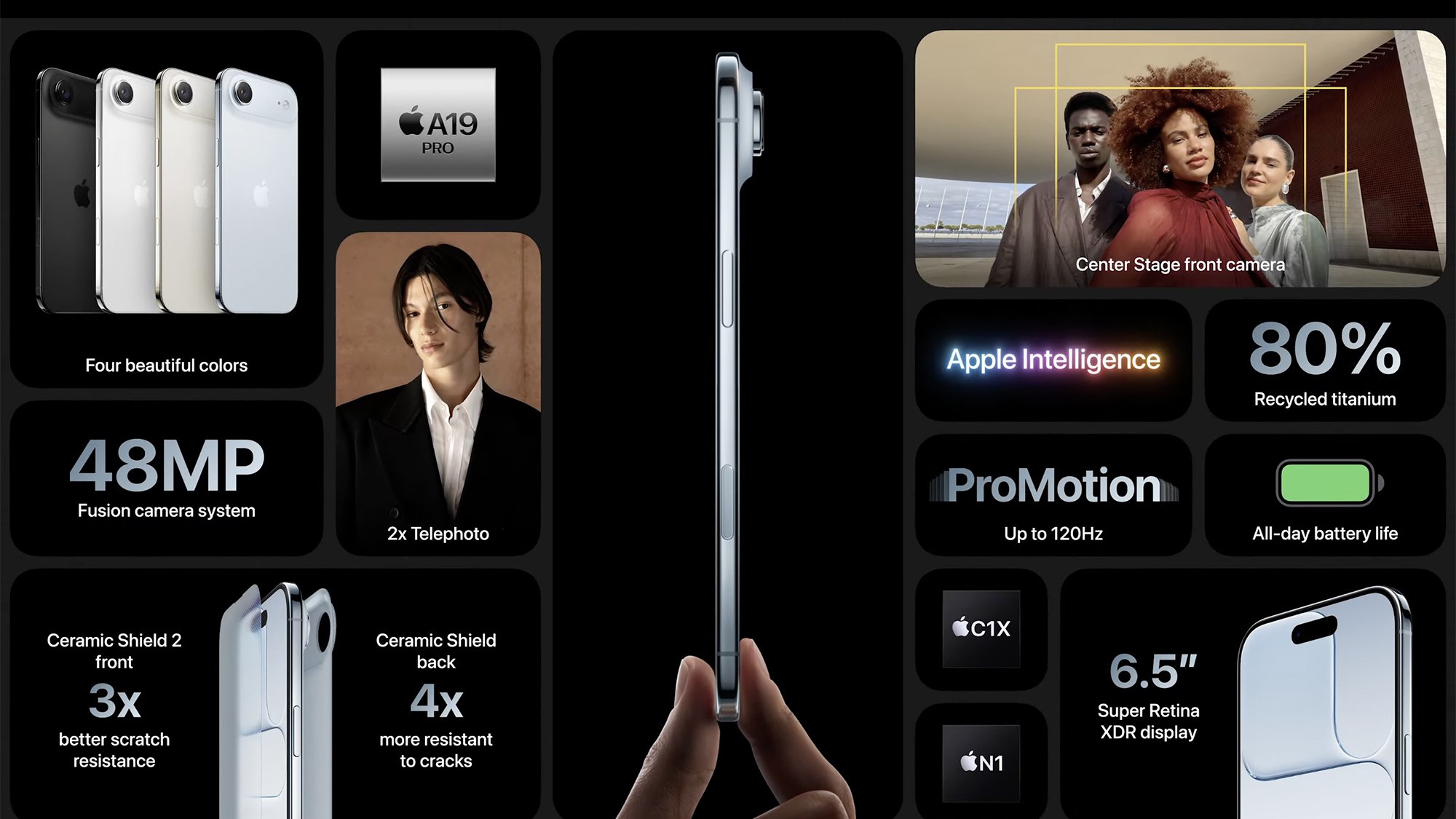
The iPhone Air packs in the same A19 Pro chipset as the iPhone 17 Pro and Pro Max, and is apparently Apple’s most power-efficient and durable iPhone ever—it has Ceramic Shield protection on both the front and the back, with the latest Ceramic Shield 2 keeping the main panel scratch- and crack-free. It’s also made from 80 percent recycled titanium.

iPhone Air
The Air is the most power-efficient, durable iPhone yet.
Credit: Apple

iPhone Air
The key specs of the new iPhone Air.
Credit: Apple

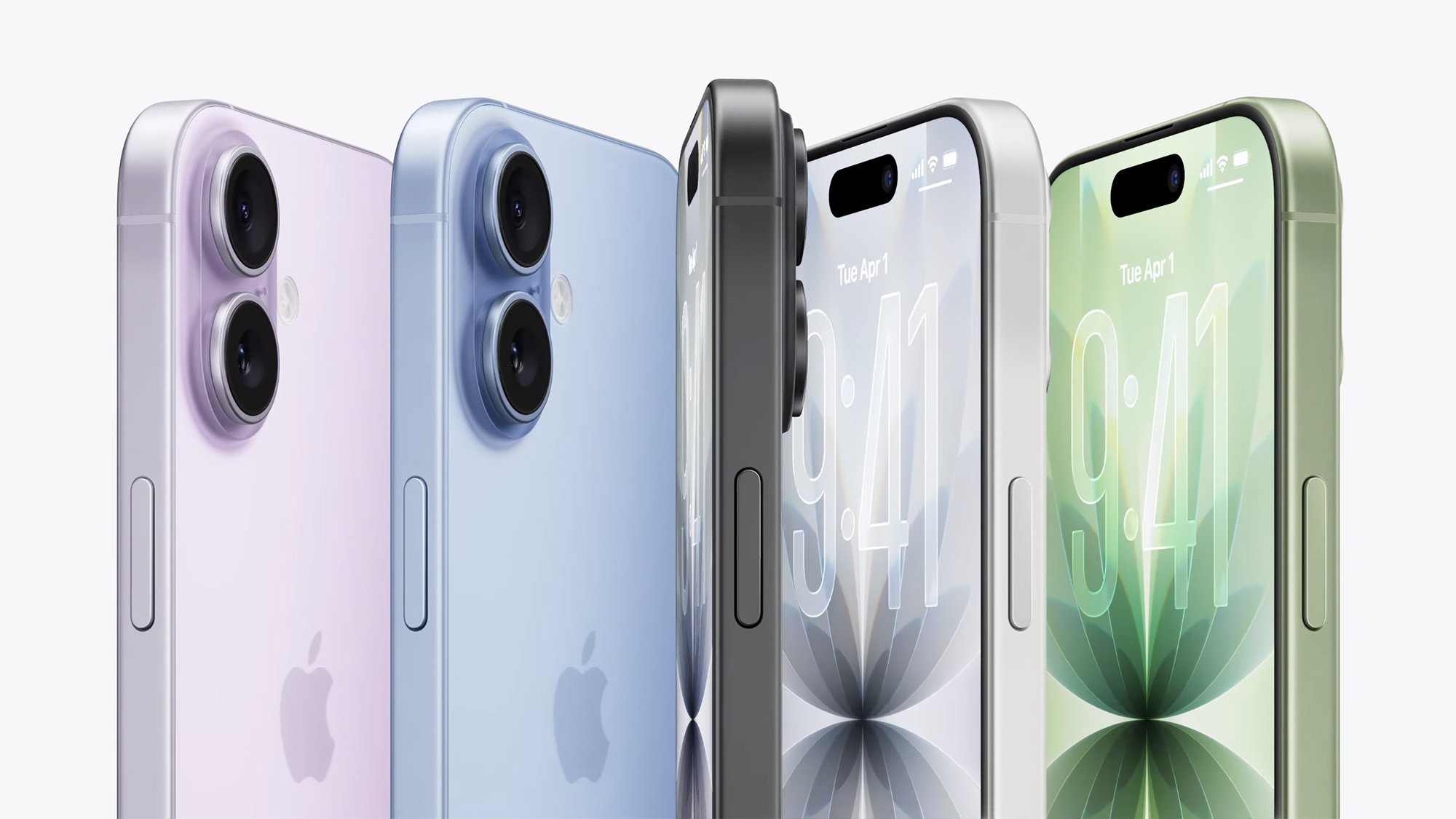
In terms of design, there’s the divisive camera bar (or “plateau” in Apple-speak) on the back, while on the front there’s a 6.5-inch display, supporting ProMotion variable refresh rates up to 120Hz. You’ve got a choice of four different colors: space black, cloud white, light gold, and sky blue.

iPhone Air downsides: Camera, battery life

So the Air is super-thin, and as powerful as the Pro models—what’s the catch? Firstly, there’s only one 48MP rear camera, though Apple suggests it’s actually four cameras in one: You can take 12MP pictures with up to 2x telephoto zoom, for example. On the front, there’s an 18MP selfie camera with support for Center Stage, as seen on the iPad—the camera will try and keep your face in shot, and even switch from portrait to landscape mode automatically, depending on how many people are in shot.

The other catch is battery life. Apple crammed most of the components into the top of the chassis to make room for a bigger battery, and cut out the physical SIM card slot—this will be eSIM only device everywhere in the world. Even so, Apple is only quoting “all-day battery” for the Air, and selling a portable battery pack for it that will bring video playback battery life up to 40 hours. Without the pack, it’s 27 hours—three hours fewer than the iPhone 17.

Despite the limitations, the look and style of the Air, together with it being a brand new model, are likely to make it appealing to many. The iPhone Plus had a 3-year run, starting in 2022 with the iPhone 14, and before that you might remember the iPhone 12 mini and iPhone 13 mini, and Apple will be hoping the Air sells better than all of those models.

iPhone 17
The new iPhone 17 comes in five colors.
Credit: Apple

iPhone 17
The iPhone 17 gets speed and camera upgrades over the iPhone 16.
Credit: Apple

The iPhone 17 is an appealing also-ran

Let’s not forget the humble iPhone 17. Although in recent years the standard iPhone has often been overshadowed by the more expensive and feature-packed models, this year’s entry-level flagship comes with a 6.3-inch screen (up from the 6.1-inch display on the iPhone 16), and it gets ProMotion up to 120Hz for the first time—so that means smoother scrolling and animations, and an always-on display. The new Ceramic Shield 2 protection is on the front, but not on the back, as it is with the Air.

There’s a processor upgrade from the iPhone 16, but only to the standard non-Pro A19—which Apple simply says is more powerful and more efficient than the A18. There’s a dual-lens 48MP+48MP camera setup on the back, offering an ultrawide mode and up to 2x telephoto zoom, plus the same 18MP selfie camera with Center Stage as the Air. Your color choices for the standard iPhone 17 are black, lavender, mist blue, sage, and white.

Both these phones can be pre-ordered from Friday, Sept. 12, and will go on sale on Friday, Sept. 19. Pricing starts at $799 for the iPhone 17 (the same as the iPhone 16), even though it has double the starting storage of its predecessor—256GB vs 128GB. The cheapest iPhone Air is $999, also with 256GB of storage.

SpaceX’s lesson from last Starship flight? “We need to seal the tiles.”

It has been two weeks since SpaceX’s last Starship test flight, and engineers have diagnosed issues with its heat shield, identified improvements, and developed a preliminary plan for the next time the ship heads into space.

Bill Gerstenmaier, a SpaceX executive in charge of build and flight reliability, presented the findings Monday at the American Astronautical Society’s Glenn Space Technology Symposium in Cleveland.

The rocket lifted off on August 26 from SpaceX’s launch pad in Starbase, Texas, just north of the US-Mexico border. It was the 10th full-scale test flight of SpaceX’s Super Heavy booster and Starship upper stage, combining to form the world’s largest rocket.

Read full article

Comments

Apple Launches iPhone 17 Lineup Featuring Ultra-Thin 5.6mm iPhone Air

Apple has unveiled its iPhone 17 lineup, introducing three distinct models targeting different market segments. The iPhone 17 Pro and Pro Max feature an aluminum unibody design incorporating a vapor chamber for thermal management, enabling the A19 Pro chip to deliver 40% better sustained performance than its predecessor. Both Pro models include three 48MP cameras offering 8x optical zoom — the longest in an iPhone — and an 18MP Center Stage front camera.

The standard iPhone 17 gains ProMotion display technology previously exclusive to Pro models, along with dual 48MP rear cameras and the Center Stage system. Apple introduced iPhone Air as the thinnest iPhone at 5.6mm, built on a titanium frame housing the A19 Pro, N1 wireless, and C1X cellular chips. All models feature Ceramic Shield 2 protection offering three times better scratch resistance than previous generations. The iPhone 17 starts at $799 with 256GB storage, iPhone Air at $999, iPhone 17 Pro at $1,099, and Pro Max at $1,199.


Read more of this story at Slashdot.

Apple’s AirPods 4 with ANC and AirPods Pro 2 will also support Live Translation

Apple revealed a language translation feature for the upcoming AirPods 3 Pro earbuds at today’s iPhone event. Here’s some good news for those who don’t want to shell out $249 for some new and shiny in-ear headphones. The tool is also coming to the AirPods 4 with ANC and AirPods Pro 2 models. This requires the latest firmware and an Apple Intelligence-enabled iPhone running iOS 26 and later.

For the uninitiated, Live Translation is exactly what it sounds like. The software translates languages in real-time while wearing the earbuds. This allows for something resembling natural conversation when interacting with a person who speaks another language.

This feature will be available in English, French, German, Portuguese and Spanish at launch, with more languages coming by the end of the year. These include Italian, Japanese, Korean and simplified Chinese.

As for the AirPods Pro 3 earbuds, they cost $249 and are available to preorder right now. These new earbuds include a heart rate monitor, improved ANC, better battery life and the ability to play spatial audio.

This article originally appeared on Engadget at https://www.engadget.com/audio/headphones/apples-airpods-4-with-anc-and-airpods-pro-2-will-also-support-live-translation-184235997.html?src=rss

Apple AirPods Pro 3 hands-on: New design and improved ANC are impressive

Apple’s “pro” AirPods were due for an update. Despite continuously upgrading the AirPods Pro 2 with new features since their introduction in 2022, Apple hadn’t produced another robust overhaul of its priciest earbuds yet. At today’s iPhone 17 event (or iPhone Air event, depending on who you ask), the company unveiled the latest model: the AirPods Pro 3. The company has refined the design, added heart rate sensing, improved active noise cancellation (ANC), delivered live translation and more. And most importantly, it did so without increasing the price.

My brief demo with the AirPods Pro 3 focused entirely on the refined ANC. I wasn’t able to try any sustained heart rate tracking or live translation just yet, but I hope to have other opportunities for that later this week. The product area is always set up just outside of Steve Jobs Theater and the marble floors and walls echo seemingly every voice in the large room. It’s a nightmare for trying to shoot a video, but it’s a prime testing ground for active noise cancellation. 

Developing…

This article originally appeared on Engadget at https://www.engadget.com/audio/headphones/apple-airpods-pro-3-hands-on-new-design-and-improved-anc-are-impressive-183246429.html?src=rss