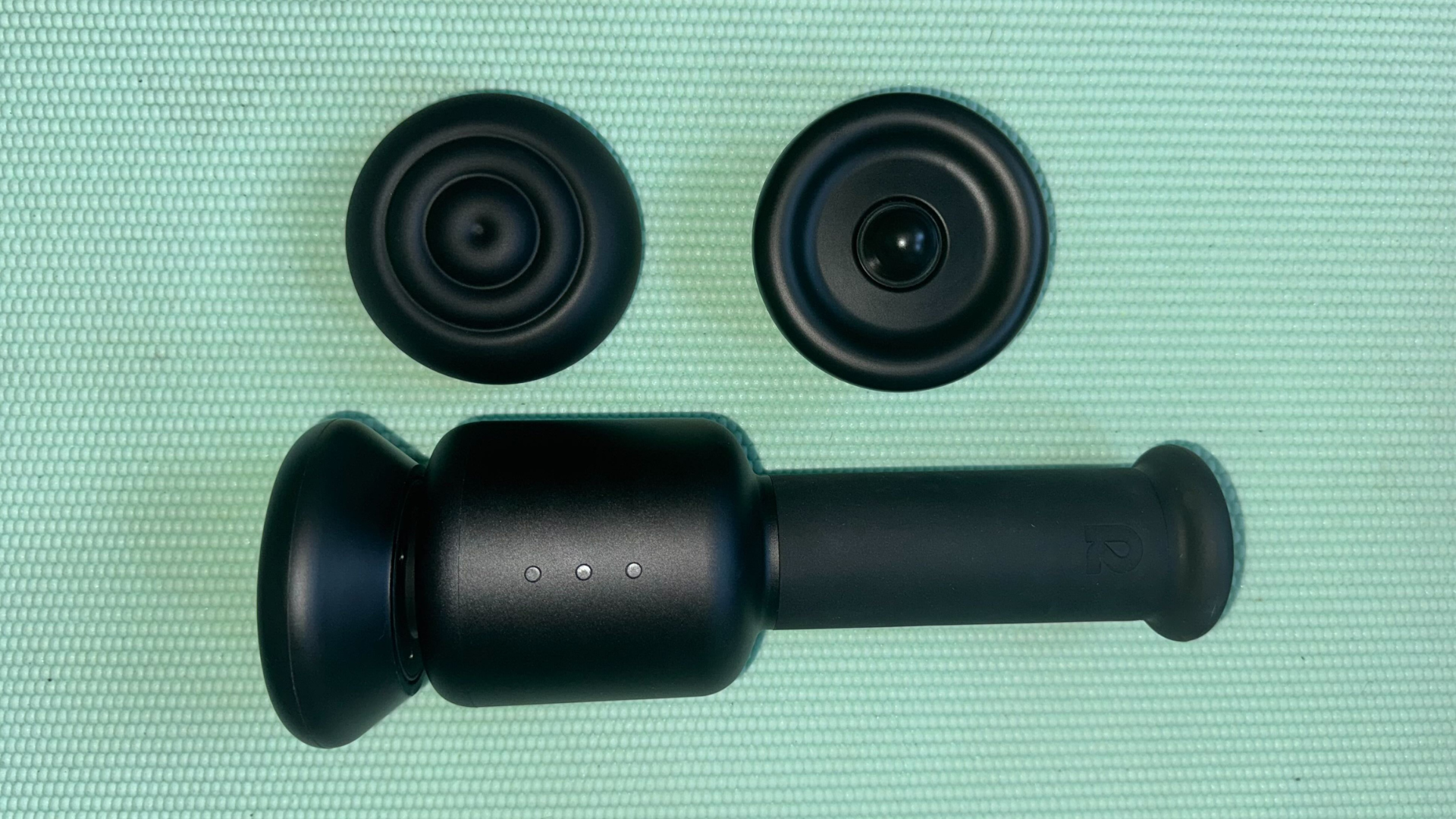
This Orbital Massage Gun Is Now Essential to My Workout Routine

We may earn a commission from links on this page.

Did you know you can customize Google to filter out garbage? Take these steps for better search results, including adding my work at Lifehacker as a preferred source.

Most of us are familiar with the post-workout massage gun ritual. You finish your session, grab your percussive massager, and pound away at sore muscles hoping to speed recovery. But after spending a few weeks with the Rally orbital massager (which I reviewed), I think the real magic happens before you even start sweating.

Instead of relying solely on static stretching (scary!) or basic warm-up movements, I now spend 5 to 10 minutes using the Rally on major muscle groups before every workout, and it has quickly become a permanent fixture in my pre-run routine.

A true massage gun alternative

I love massage guns. The traditional ones use a hammering, percussive motion that can be effective for breaking up knots and addressing specific problem areas. But for pre-workout preparation, the Rally’s orbital motion offers distinct advantages.

First, there’s the difference in gentle muscle activation versus sudden, aggressive impact. The orbital motion provides a smoother, more controlled stimulation that wakes up my muscles without the jarring impact of percussion. This is crucial when you’re preparing muscles for work, not trying to beat them into submission after they’re already fatigued.

Plus, rather than hitting the same spot repeatedly, the orbital motion covers more surface area and promotes broader circulation patterns throughout the muscle tissue. Anecdotally, I’ve noticed how much better my movements feel when I use the Rally before a workout compared to traditional warm-up methods.

However, the Rally does cost more than most massage guns on the market. Quality percussion massagers can cost between $100 and $300, making the Rally’s $499 price tag a tough pill to swallow initially. My argument is that while the Rally can be turned on the side and used for percussion, you simply can’t replicate the orbital massage motion with traditional percussion guns. This isn’t just a more expensive version of the same thing—it’s genuinely different technology. If the Rally prevents even one injury that would sideline me for weeks or require physical therapy, it’s more than paid for itself.

How to use the Rally before your workout

Here’s how I’ve integrated the Rally into my pre-workout routine:

Legs (3-4 minutes): As a runner, this is the main attraction for me. I start with my quads, spending about 45 seconds per leg with the Rally on its middle-intensity setting. Then I move to hamstrings and calves. The orbital motion seems to “wake up” the entire leg more effectively than foam rolling or static stretching ever did.

Upper body (2-3 minutes): For anything like bench press or shoulder days, I use the Rally on my pecs, front delts, and upper traps. The warming effect is immediate and noticeable—I can feel the muscles becoming more pliable and ready for movement.

Specific problem areas (1-2 minutes): I have a chronically tight IT band and some shoulder mobility issues. A quick 30-45 seconds with the Rally on these areas before training has reduced my warm-up time while improving my range of motion.

The bottom line

The Rally isn’t just another massage gun—it’s a tool that’s genuinely improving my training quality and consistency. While most people focus on what to do after their workout for recovery, I think that the real breakthrough is what this device can do before your workout for performance. For anyone looking to optimize their muscle care routine, the Rally deserves serious consideration, so long as you can justify the price point.

Narrative Podcasts Are Disappearing

The narrative podcast industry that exploded after Serial’s 2014 debut has largely collapsed. Pineapple Street Studios shut down in June after producing hits like Missing Richard Simmons. Amazon dismantled Wondery in August, laying off 110 employees less than five years after acquiring the studio for $300 million. Spotify terminated Gimlet in 2023 despite paying $230 million for the company in 2019. Major outlets including Pushkin Industries and This American Life have conducted layoffs. Talk shows and celebrity podcasts continue growing while investigative audio series struggle to find funding. Edison Research reports 55% of Americans consumed podcasts last month, but advertising dollars are flowing to cheaper chat formats rather than resource-intensive narrative productions.


Read more of this story at Slashdot.

Intel Confirms Arrow Lake Refresh And Nova Lake CPU Launch Timing

Intel Confirms Arrow Lake Refresh And Nova Lake CPU Launch Timing
Intel execs have made some strong statements about its Nova Lake processors, including that they expect the chips to recover the “leadership” position in the desktop PC market, and based on the leaks we’ve seen, it might just do that. However, Nova Lake isn’t coming any time soon, and before those chips hit, we’re getting a second set of CPUs

Microsoft’s Upcoming Windows 11 25H2 Battles Linux In Benchmark Showdown

Microsoft's Upcoming Windows 11 25H2 Battles Linux In Benchmark Showdown
CPU benchmarks are in for the latest release of Windows 11, version 25H2, and results stacked up against Ubuntu aren’t looking particularly flattering for Microsoft’s latest and greatest. In Phoronix’s run of 41 creator-focused CPU benchmarks, Windows 11 25H2 not only falls behind two recent versions of Ubuntu Linux, but even occasionally

Can we please keep our broadband money, Republican governor asks Trump admin

Louisiana Governor Jeff Landry has a simple request for the Trump administration: Don’t take our broadband money away.

Trump’s Commerce Department rewrote the rules of the $42 billion Broadband Equity, Access, and Deployment (BEAD) grant program, forcing states to change how they spend money earmarked for expanding broadband access. The overhaul led states to reduce spending on fiber networks and increase spending on satellite—although not to the extent sought by SpaceX CEO Elon Musk, who is demanding more money for his Starlink network.

Since states are spending less on deployment, and the program still has the $42 billion allocated by Congress, what happens to the leftover amount after money is spent on deploying broadband networks? Amid speculation that the Trump administration wants to return that money to the US Treasury, Louisiana’s Republican governor is worried that states won’t be able to use the full $42 billion. It’s possible that half or more of the $42 billion won’t be used to expand broadband.

Read full article

Comments

Why I’d Choose the iPhone 17 Over the iPhone Air

Since Apple’s iPhone 17 launch event ended, I’ve been thinking about which of its non-Pro phones I’d like to buy. The choice isn’t very straightforward this year, because both the iPhone 17 and the iPhone Air have a few trade-offs, and even if the iPhone Air is a little more expensive, it’s not necessarily better at everything. Here are the most important differences between the iPhone 17 and iPhone Air, and why I think the former is probably the better choice, at least for me.

iPhone 17 is available in more colors

All iPhone 17 color variants.

Credit: Apple

I do care about my iPhone’s looks, even if my previous, less colorful iPhones suggest otherwise. I’ve usually opted for subtle, dark shades, but this time around, I feel like switching things up a bit and going for a colorful option. The iPhone 17 gives me lots of great choices, with five different finishes. You can get this phone in Lavender, Sage (a green hue), and Mist Blue, apart from the usual white and black. That gives it five different colorways overall, many of which are the type of vibrant I’m looking for.

On the other hand, the iPhone Air is only available in four color variants: Sky Blue, Light Gold, Cloud White, and Space Black. Of these, I like the black and white color variants, but the others are a bit too subtle for me this year.

iPhone Air promises better build quality

iPhone Air in a person's hand.

Credit: Apple

If you compare the displays of the iPhone Air and the iPhone 17, you’ll notice that they’re identical in everything except size. The iPhone Air gets a slightly larger 6.5-inch screen, as opposed to the iPhone 17’s 6.3-inch display. As for overall size, the iPhone Air is 6.5 inches tall, 2.94 inches wide, and 0.22 inches thick. Yes, this means that it’s the thinnest iPhone yet, but the iPhone 17 isn’t withouts charms. Because of that smaller screen, it’s a little more compact, at 5.89 inches tall and 2.81 inches wide. You just have to be willing to put up with it being slightly thicker, at 0.34 inches.

Then there’s weight. Even though the iPhone Air is larger, it is lighter than the iPhone 17. The iPhone Air weighs 5.82 ounces (165 grams), while the iPhone 17 weighs 6.24 ounces (177 grams).

To me, the big difference in build quality is that the iPhone Air gets a Ceramic Shield on the back of the phone as well. The iPhone 17 still has glass on the back, which means that it’s more likely to crack if you drop it. Both smartphones use Ceramic Shield 2 to protect the display.

iPhone Air has a faster processor, but worse battery life

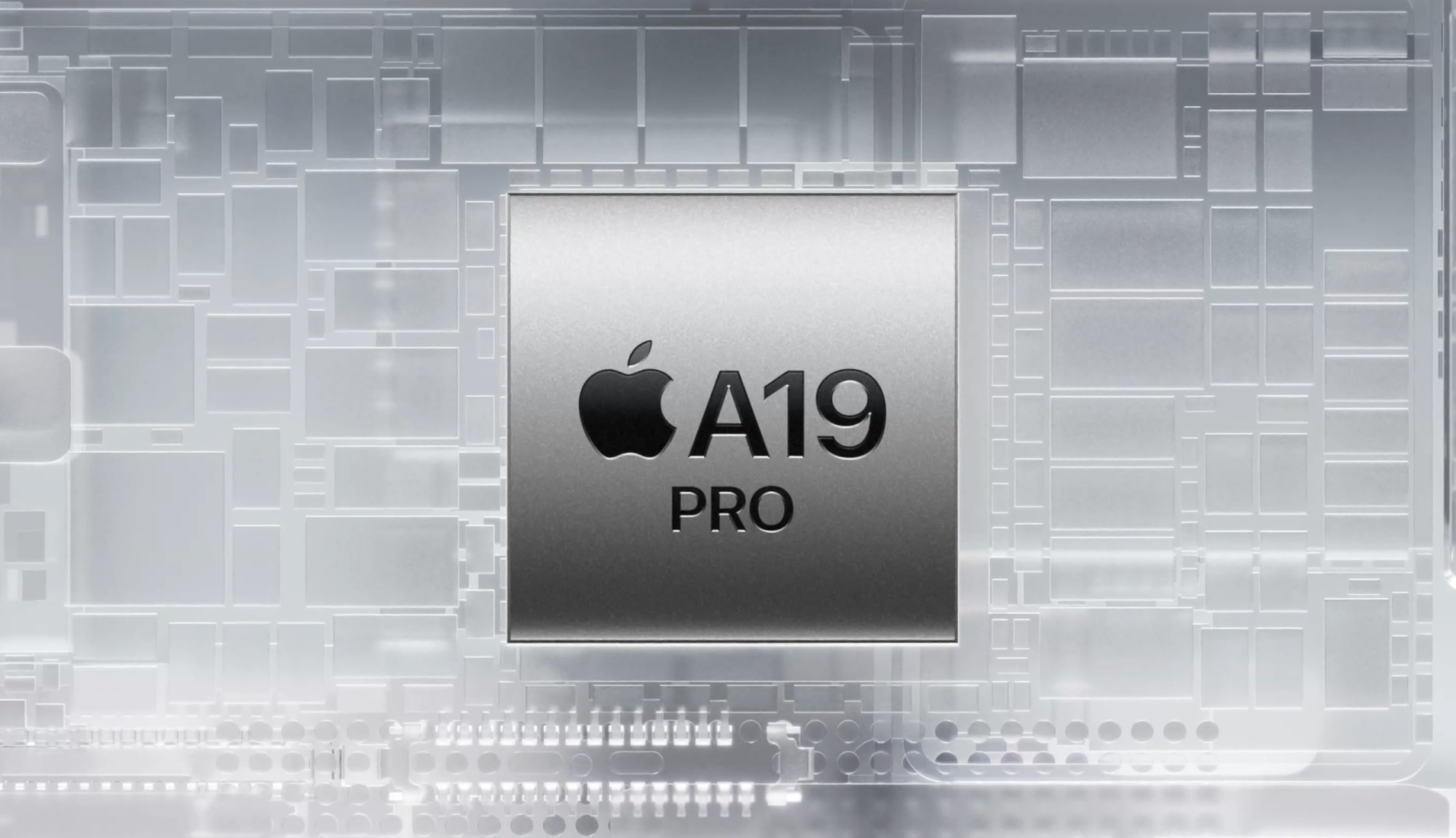
A19 Pro processor.

Credit: Apple

The iPhone Air ships with the same A19 Pro chip that the iPhone 17 Pro models have. It has a 5-core GPU instead of the 6-core one on the 17 Pro, but otherwise, you should get similar performance benefits from the iPhone Air. The iPhone 17, meanwhile, ships with the A19 chip. If you don’t use your iPhone for heavy workloads like editing videos, shooting lots of videos, or playing graphics intensive games, you probably won’t notice much of a difference between the A19 Pro and the A19. But for people with heavy usage, the additional processing power will be nice to have. 

It’s not a pure upgrade, though. The side effect of being thinner and lighter is worse battery life, which is one big con to the iPhone Air. Apple says you’ll get up to 27 hours of video playback on a single charge on the iPhone Air, but 30 hours on the iPhone 17. This means that you might want to consider buying Apple’s MagSafe battery pack to boost the Air’s battery life to 40 hours of video playback, but then you end up with a bulkier and heavier phone, which kind of defeats the purpose.

Plus, the iPhone 17 also charges faster than the iPhone Air. Apple says the iPhone Air supports MagSafe wireless charging up to 20W with a 30W adapter, whereas the iPhone 17 supports up to 25W with a 30W charging adapter. This means that the iPhone 17 will charge faster wirelessly. It’s a similar story for wired charging, with one caveat. According the Apple’s specs, an iPhone Air can charge from zero to 50% in 30 minutes with a 20W adapter or higher, while the iPhone 17 can do that in 20 minutes with a 40W adapter. That is faster, although we don’t currently have charge time claims for the base iPhone 17 using a 20W charger, so this isn’t an exact comparison to the Air.

iPhone 17 is better for photography

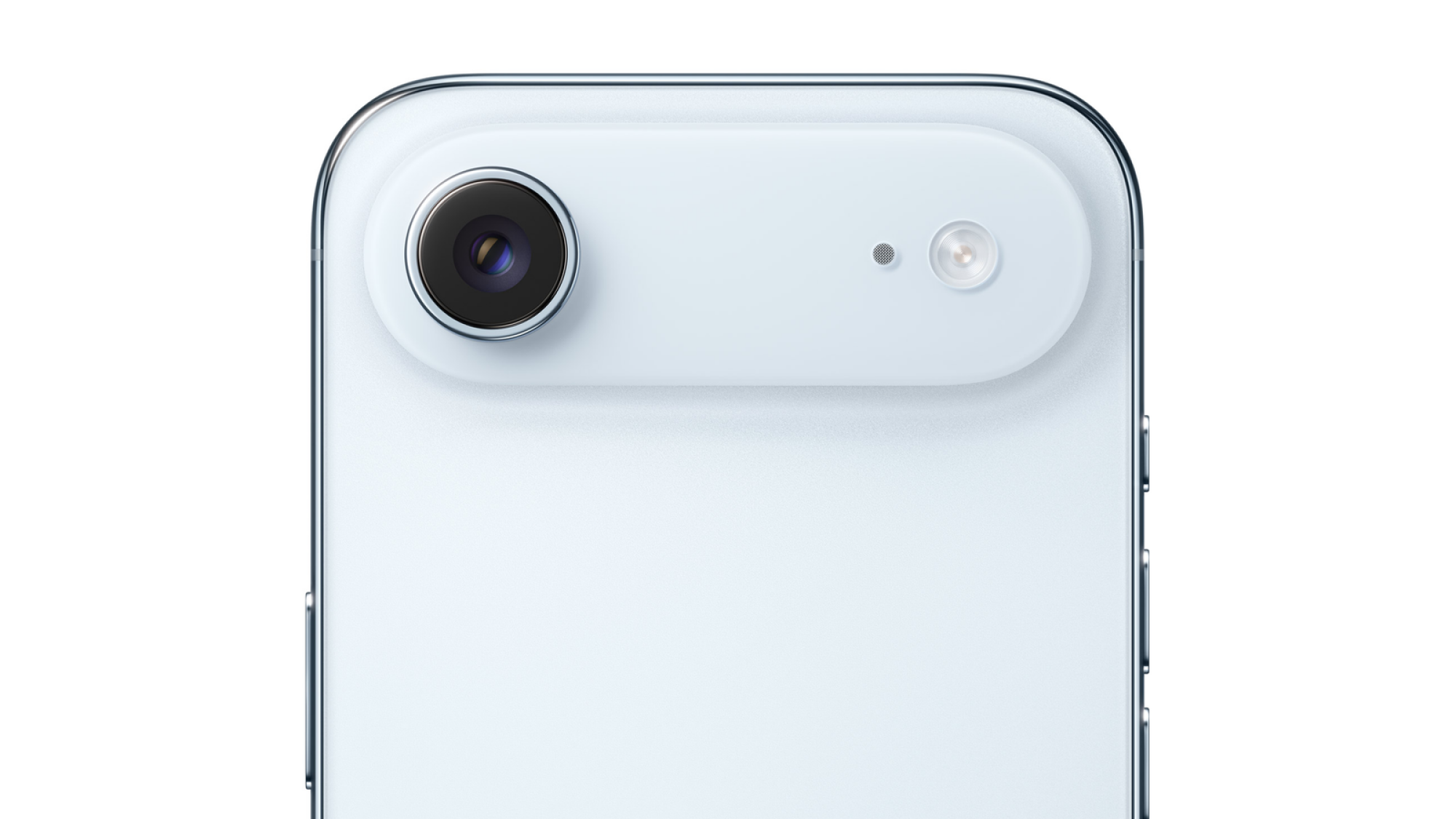
iPhone Air's single rear camera.

Credit: Apple

For me, the iPhone Air’s single camera is a dealbreaker for a phone that costs $1,000. The 48-megapixel sensor on the camera is probably good on its own (Lifehacker has yet to go hands-on with it), but in getting the Air, you miss out on the ultrawide lens available on all other iPhone 17 models. That means no 0.5x shooting mode. The iPhone 17 also supports macro photography/video recording and Spatial photos/videos, which is missing in the iPhone Air. Fortunately, the Center Stage front camera is exactly the same on the iPhone 17 and the iPhone Air, so you’ll be able to take horizontal videos with it even while holding your phone vertically.

iPhone 17 is cheaper than the iPhone Air

iPhone 17 against a white background.

Credit: Apple

Having looked at all the specs for the two phones, I’m leaning towards the iPhone 17 over the iPhone Air. I’m not really obsessed with the thinness and lightness of my phone so much as what it can do. I’d rather have more camera options and better battery life, and the iPhone 17 is better in both aspects, according to Apple’s own specs pages. The biggest positive, though, is the price of the iPhone 17, which is a full $200 cheaper than the iPhone Air. 

The 256GB iPhone 17 is priced at $799, and the 512GB variant costs $999. The iPhone Air has three storage variants, with the 256GB option at $999, 512GB at $1,199, and 1TB at $1,399. If I were to pre-order an iPhone today, I’d most probably choose the iPhone 17 512GB. That keeps the price around the $1,000 mark and gives me more than enough storage to handle all my photos, videos, apps, and games for years to come. As nice as the iPhone Air looks, I think most people would be better off either spending a little more for the better cameras of the iPhone 17 Pro, or just saving money and going with the well-rounded iPhone 17 instead. 

Bluesky is rolling out age verification in South Dakota and Wyoming

Bluesky is expanding its age verification features stateside. The service will require users in South Dakota and Wyoming to verify their ages in order to access direct messaging and adult content on the site.

The update comes after both states have enacted laws requiring online platforms that host “harmful” content to verify the ages of their users. Bluesky’s approach will mirror its actions in the UK, which also requires age checks following the passage of its Online Safety Act. The company has opted to use Epic Games’ Kids Web Services to conduct the checks and users can choose between several methods,including face scans, ID scans or using a credit card.

The service will still be available to people in the states that don’t verify their age, but specific features will be restricted. In an update, the company said “we believe this approach currently strikes the right balance.” Last month, the service opted to go dark in the state of Mississippi rather than comply with a more restrictive age verification law that would have required it to block anyone whose age hadn’t been confirmed.

“To implement this change, we would have had to invest substantial resources in a solution that we believe limits free speech and disproportionately harms smaller platforms,” Bluesky explains. “We chose not to offer our service there at this time while legal challenges continue.”

The update comes as age verification laws have been ramping up in the US. So far, 25 states have passed laws requiring some form of age verification to access adult content, and numerous others have similar legislation in the works. In its post, Bluesky notes that it expects more regulations in other states and countries in the near term.

This article originally appeared on Engadget at https://www.engadget.com/social-media/bluesky-is-rolling-out-age-verification-in-south-dakota-and-wyoming-165753460.html?src=rss

NASA Says Mars Rover Discovered Potential Biosignature Last Year

NASA: After a year’s worth of scientific scrutiny, the ‘Sapphire Canyon’ rock sample remains the mission’s best candidate for containing signs of ancient microbial life processes. A sample collected by NASA’s Perseverance Mars rover from an ancient dry riverbed in Jezero Crater could preserve evidence of ancient microbial life. Taken from a rock named “Cheyava Falls” last year, the sample, called “Sapphire Canyon,” contains potential biosignatures, according to a paper published Wednesday in the journal Nature.

A potential biosignature is a substance or structure that might have a biological origin but requires more data or further study before a conclusion can be reached about the absence or presence of life. “This finding by Perseverance, launched under President Trump in his first term, is the closest we have ever come to discovering life on Mars. The identification of a potential biosignature on the Red Planet is a groundbreaking discovery, and one that will advance our understanding of Mars,” said acting NASA Administrator Sean Duffy. “NASA’s commitment to conducting Gold Standard Science will continue as we pursue our goal of putting American boots on Mars’ rocky soil.”


Read more of this story at Slashdot.

Apple’s visionOS Jupiter Environment Features Moving Great Red Spot & Dynamic Shadows

Apple Vision Pro developers are digging into a new home space in their headsets out beyond the asteroid belt.

The Release Candidate version of visionOS 26 makes the new Jupiter home environment downloadable to Vision Pro headsets, simulating the view of the solar system’s largest planet as seen from the tiny orbiting rock Amalthea. Accessing the environment’s settings in the visionOS menu offers new tools to adjust the arrangement for time of day and speed of movement, changing the location of the sun, stars and other moons you can see from the spot in orbit around Jupiter.

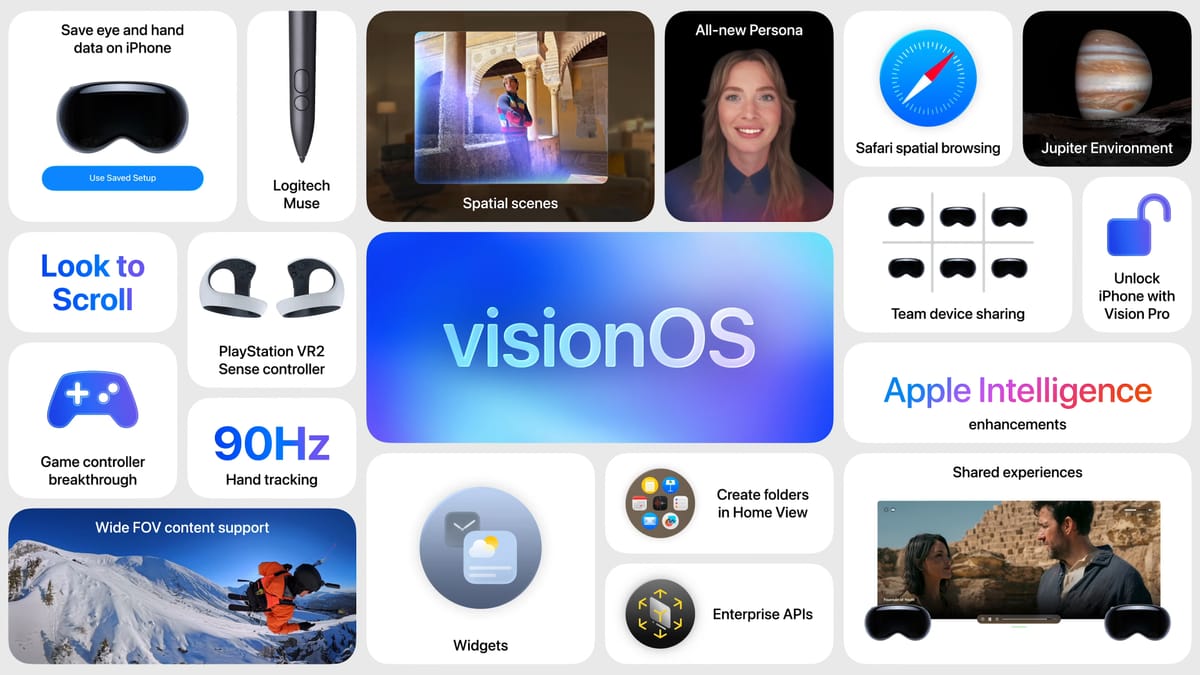
visionOS 26 To Bring PS VR2 Controllers, Photorealistic Personas, Spatial Scenes & More
visionOS 26 will bring PS VR2 controllers & Logitech Muse stylus support, much more realistic Personas, spatial Widgets, volumetric Spatial Scenes, local SharePlay, and much more.
UploadVRDavid Heaney

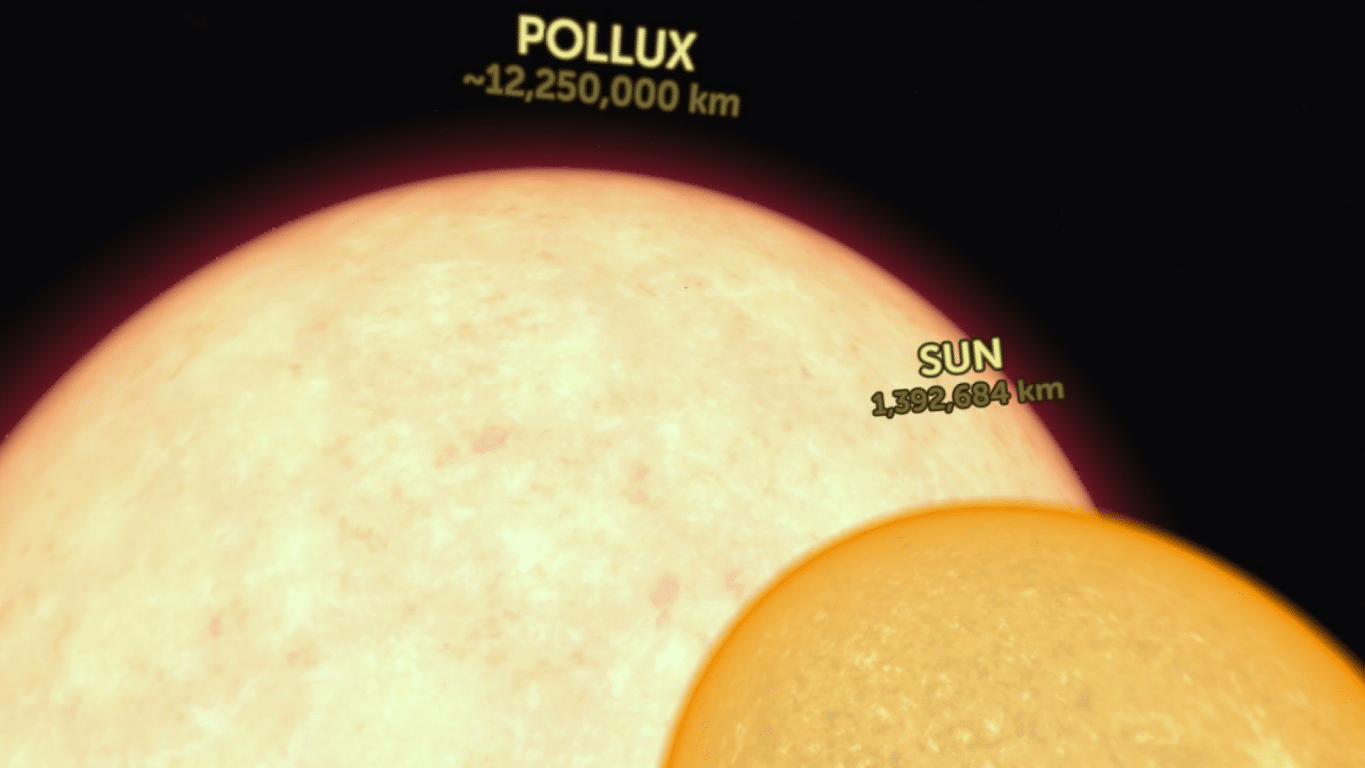
The app Titans of Space Plus from Drash is both one of VR’s earliest and best explorations of the scale of the universe. I still recommend you grab it today on Quest or PC VR, with the former supporting hand tracking for many years now. The software remains buried and unnoticed by many on the Horizon Store and Steam, but it stood out for more than a decade as the single quickest way to help someone understand the scale of some of the largest objects in the universe.

Vision Pro owners sitting in their office chair on Amalthea can now have a very similar experience to the backdrop for everything else they do in headset. Below I’ve embedded a video showing the view from there while watching a trailer for the movie 2001: A Space Odyssey. I adjust the settings to bring the famous Great Red Spot into view (it looks more orange to me) so I can see it slowly swirl there behind Mac Virtual Display, Project Graveyard and any other apps I keep open.

0:00

/1:02

I’ve used the moon as my base of operations in Vision Pro for most of the time I’ve owned the headset. I’m ready to move to Jupiter, though, and with visionOS 26 I’ll plan on keeping the Great Red Spot swirling down there behind my windows.

Astronauts occasionally speak of the overview effect of getting to space and seeing how small and tiny everything we’ve done is from up there. VR enthusiasts occasionally speak about the potential of headsets to imbue that sense of smallness using scale.

Shadows slowly creep across the rocky landscape of Amalthea and a storm the Earth can fit into churns ever-so-slowly. Take a deep breath there and then open up windows and volumes.

Titans Of Space Plus VR Review: Stellar Space Education On Oculus Quest
After more than six years of development driven by a single developer working in his free time, the launch of Titans of Space Plus on Oculus Quest is a match made in the heavens. Titans of Space Plus brings to the most accessible VR hardware ever made the most compelling
UploadVRIan Hamilton

10 Shows Like ‘Foundation’ to Watch Next

We may earn a commission from links on this page.

Way back in 1942, Isaac Asimov’s Foundation universe (which began as a series of short stories before being published as a trilogy) offered a simple, clever premise built around the idea of “psychohistory,” which suggested the actions of individuals might be entirely random, but en masse, we’re entirely predictable. And as anyone might have predicted, adapting this, er, foundational work of genre literature seemed only natural for the content-hungry streaming era.

While the Apple TV+ adaptation occasionally misses the point of its source material in throwing in bits of mysticism here and there, taken on its own terms, it’s an impressively realized, centuries-spanning science-fiction epic focused on the lives of the scholars and rebels working to bring down an empire in order to save it.

It’s one of the few TV shows that truly captures the feel and scope of golden age science fiction, incorporating ideas from other Asimov works outside the Foundation books. But it’s not the only one. Here are 10 shows that flirt with the same scope and intelligence.


Dune: Prophecy (2024 – )

This spin-off of the lucrative film franchise could have easily been an afterthought, but instead, we got a thoughtful, juicy space-set soap opera that takes place 10,000 years before the Denis Villeneuve films. There’s a lot going on, but generally, the series focuses on Valya and Tula Harkonnen (Emily Watson and Tula Williams)as they struggle to build and maintain the Sisterhood that we’ll later come to know as the Bene Gesserit, by any means necessary, and in the face of an unstable Imperium—not at all unlike the Foundation’s efforts in the face of Empire over on that other show. The ruling dynasty has a new weapon in Desmond Hart (Travis Fimmel), a manipulative former soldier who seems immune to the persuasive abilities of the Sisters, thus threatening their places at the Emperor’s side. This one resonates with Foundation while also playing a bit like a star-spanning Game of Thrones. Stream Dune: Prophecy on HBO Max.


Andor (2022 – 2025)

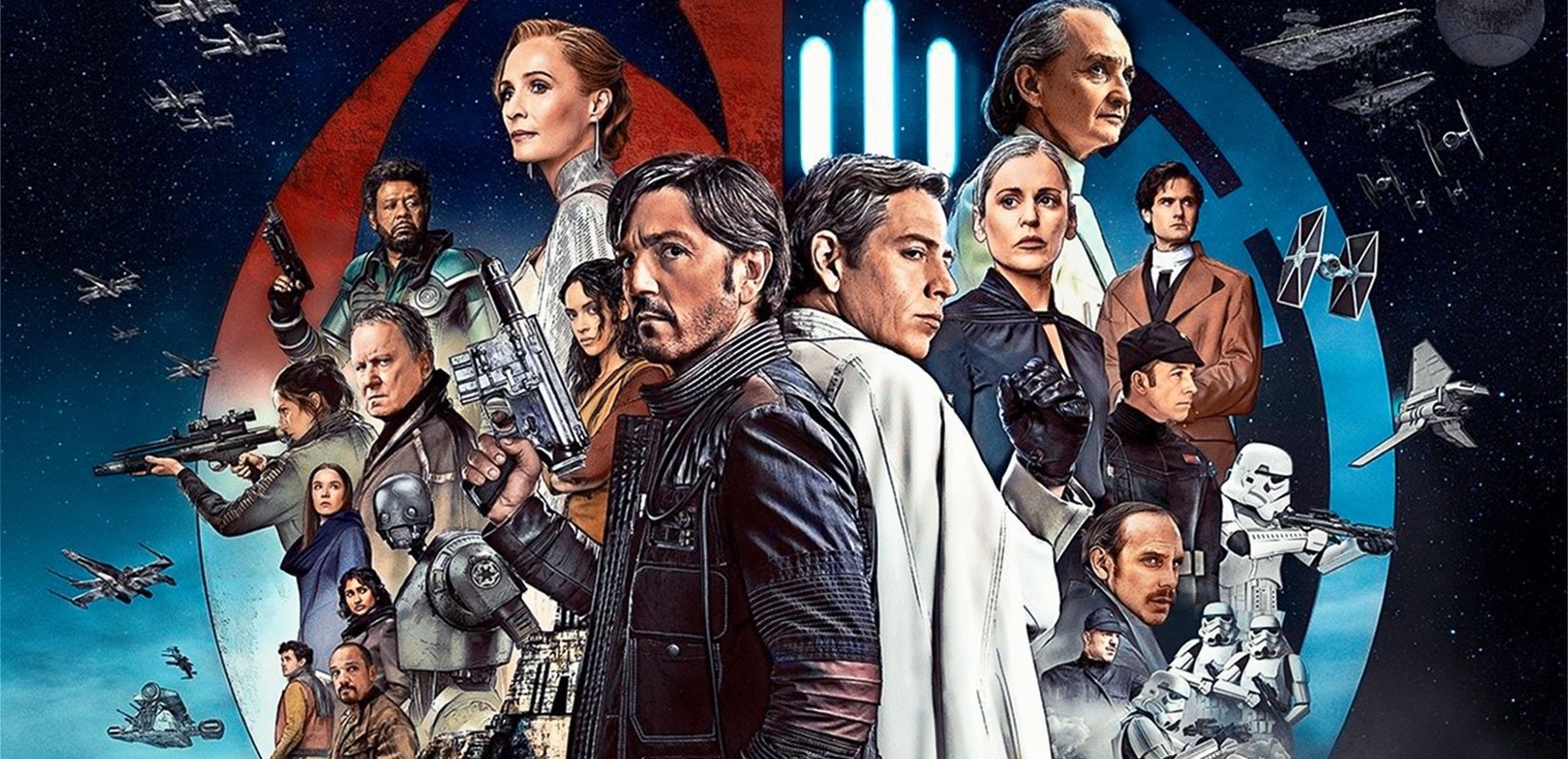
Just when I felt like I was done with Star Wars, along came prequel series Andor, the morally complex story of thief-turned-rebel spy Cassian Andor (Diego Luna) and his radicalization on the road to becoming the heart and soul of the Rebellion. We see the slow march of Empire, as citizens of the galaxy become slowly acclimated to rising fascism, and witness the conflict between various rebel faction: Genevieve O’Reilly’s Mon Mothma fights from within the Galactic Senate, while Stellan Skarsgård’s Luthen Rael, Andor’s handler, favors dark deeds done under cover of darkness. Forest Whitaker’s Saw Gerrera is content to burn the Galaxy down rather than allow it to become what he hates. It’s not only good television, it’s the first time in a long time that it feels like Star Wars has something meaningful to say. Stream Andor on Disney+.


For All Mankind (2019 – )

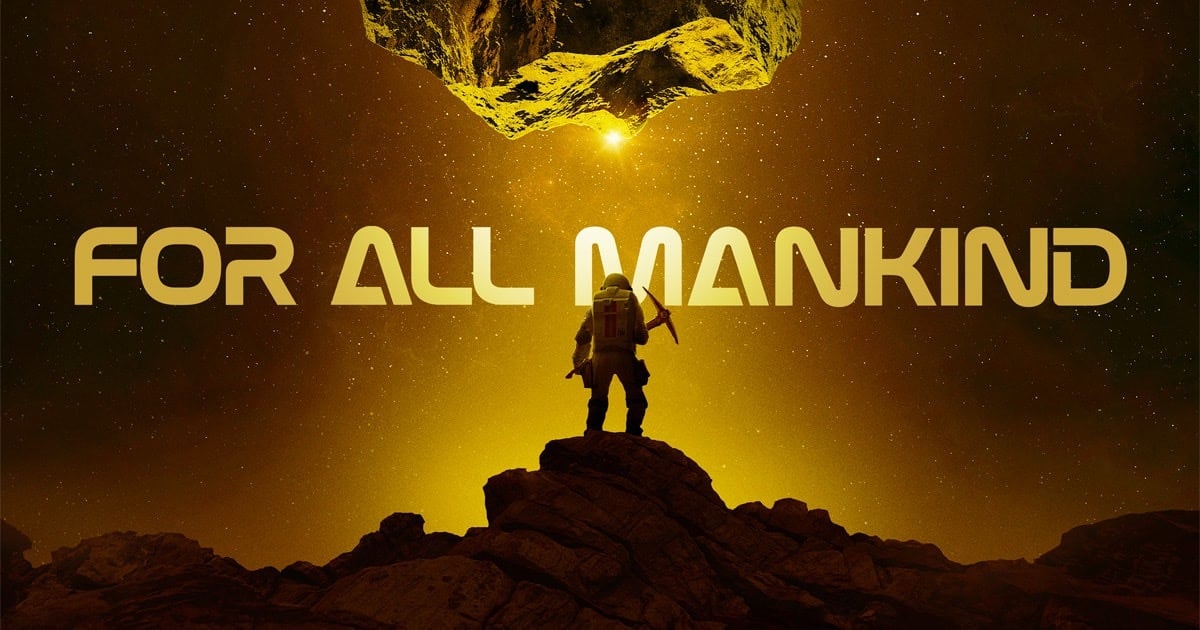
For All Mankind starts with a tantalizing alt-history premise: What if Soviet space pioneer Sergei Korolev hadn’t died prematurely in 1966 and instead helped bring his country’s space program to full flower, extending the space race indefinitely? If America and the world been forced to continue and expand upon the space program, our past (and present) would look quite different, at least according to this show, which jumps across decades to imagine how that might go (à la Foundation‘s time jumps, if much less dramatic in scope), revealing an alternate past (and future). A spin-off involving a Soviet space program, Star City, is in the works. Stream For All Mankind on Apple TV+.


The Expanse (2015 – 2022)

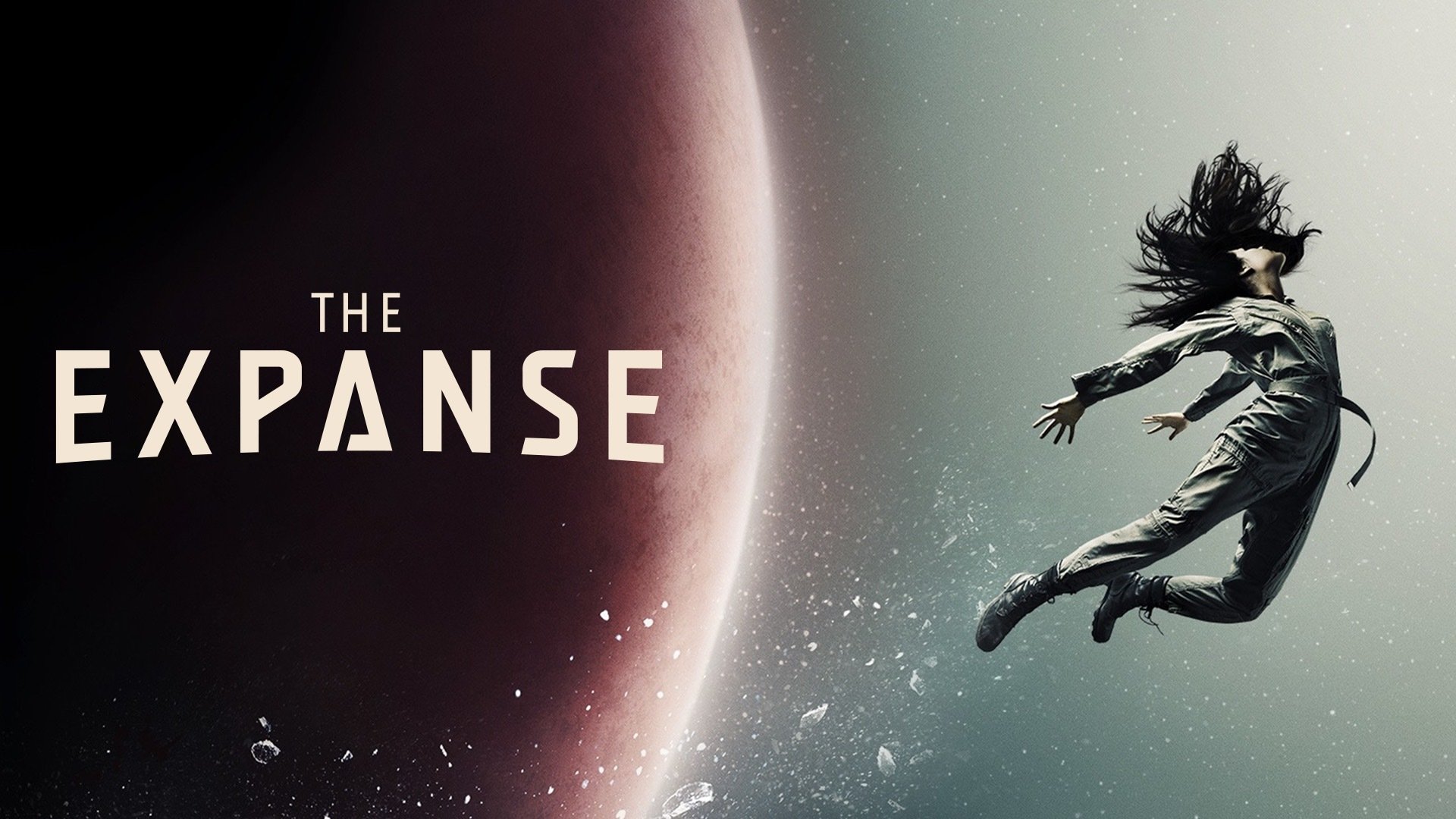
Set in a somewhat near-ish future, The Expanse (based on the book series by James S.A. Corey) imagines a colonized solar system into which we’ve carried all of our old familiar problems, and then some: Earth sits at the historical and cultural center of things, while Mars colonists, by virtue of having to survive in a challenging environment, have developed technological and military superiority, and folks living in “the Belt” have had to scrabble to survive. Greed, fear, and shortsightedness make conflict nearly inevitable, even if the series isn’t quite as cynical as it at first appears: James Holden and Naomi Nagata (Steven Strait and Dominique Tipper) head up the blended crew of thec cargo ship Rocinante, which winds up having an outsized impact on events by being in the right place at the right time and having a crew with reasonably good intentions. Shohreh Aghdashloo plays Chrisjen Avasarala, a deeply cynical (and infamously foul-mouthed) politician who conceals within her the show’s beating heart. Stream The Expanse on Prime Video.


Babylon 5 (1993 – 1998)

J. Michael Straczynski’s wildly ambitious sci-fi epic was way ahead of its time, carrying out a planned (more or less) five-season story arc set on the titular space station that recalls the more orchestrated prestige series of today. Babylon 5 is a remote outpost that becomes the last best hope for peace in the face of conflicting human and alien agendas—even more so after an ancient and very unexpected threat is awakened. The threats from without serve to expose the strains within—the extent to which we come together in the face of shared danger, and the ways we fall apart. With increasingly complex storylines blending science-fiction, politics, and outer-space mysticism, it still holds up (dated CGI effects notwithstanding). Stream Babylon 5 on Tubi.


Shōgun (2024 – )

Not science fiction, but still a stunningly well-produced series depicting the impending demise of an old order, and the rise of what follows in its wake. Set at the tail-end of Japan’s Warring States period, the series finds ambitious English maritime pilot John Blackthorne (Cosmo Jarvis) shipwrecked in Japan, and in the power of the warlord Lord Yoshii Toranaga (Hiroyuki Sanada). Each of these men has something to offer the other. Reluctantly serving as translator between them is Toda Mariko (Anna Sawai), highly loyal to Toranaga, but with a complicated past. The political and military maneuvering feel out of time, as does the sense that this upheaval could lead to something new and better, or just as easily, an end of days. Stream Shōgun on Hulu.


Murderbot (2025 – )

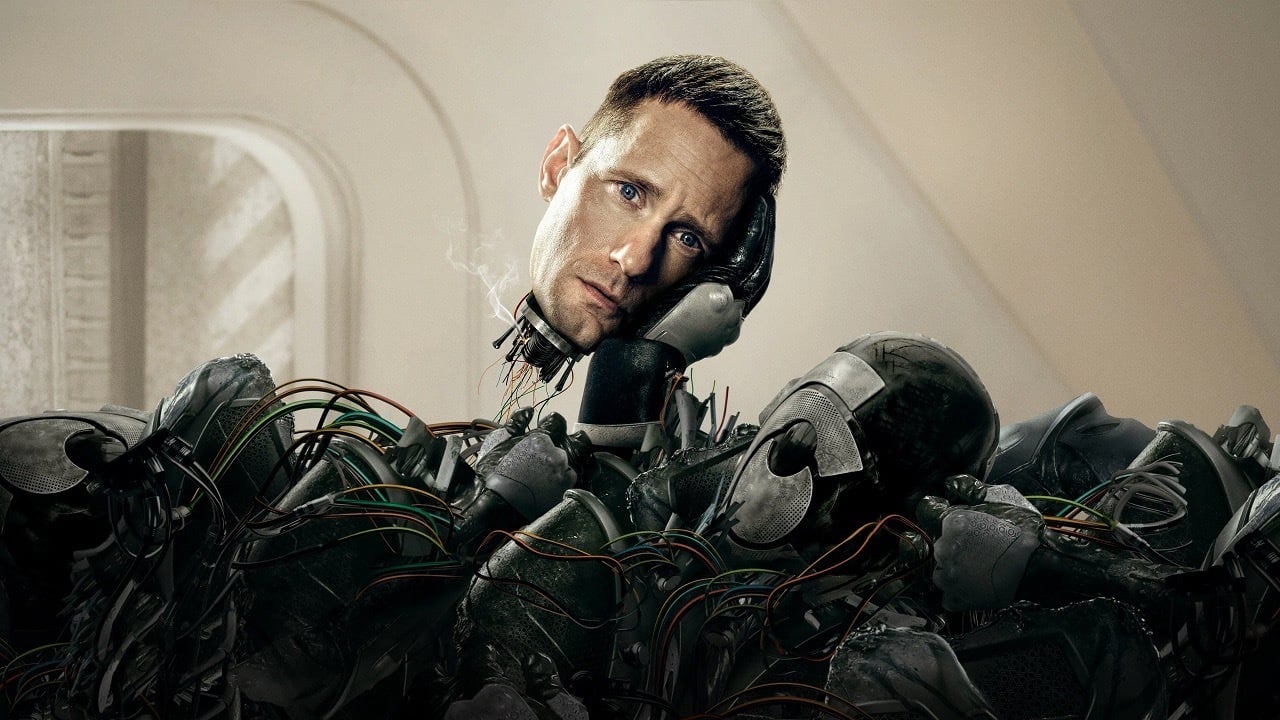
Don’t let the title fool you: While there’s certainly some dark comedy to be found here, this is one of the smarter shows on TV, based on a Hugo-Award winning book series by Martha Wells. Alexander Skarsgård is the title’s hilariously deadpan Murderbot, a private “security construct” who’s managed to hack its way through its own programming and gain free will—which it mostly wants to use to watch its favorite streaming shows. It can’t just run off for fear of drawing attention, but the self-titled Murderbot (known as SecUnit to everyone else) is content to do the bare minimum when it’s assigned to a team of inexperienced and naive researchers who don’t see the need for a killer security robot, at least until they’re enmeshed in a complicated capitalist plot in which they’re all just cogs. Stream Murderbot on Apple TV+.


Star Trek: Discovery (2017 – 2021)

While not nearly as serious-minded as Foundation (this is Star Trek, after all), Discovery pushes further into the dark than most of its cousin shows. Sonequa Martin-Green stars as Michael Burnham, initially a disgraced Starfleet officer who eventually becomes captain of the titular starship. Beginning as a prequel set during a conflict between the Federation and the Klingon Empire, the series winds up spanning centuries following a mid-stream time jump, with Discovery and her crew traveling nearly 1,000 years into the future, where the Federation is hanging on by a mere thread. It’s after this point that Discovery and Foundation have the most in common—specifically, lead protagonists who have survived for centuries, fighting to preserve what they can of a system they believe in. Stream Star Trek: Discovery on Paramount+.


Silo (2023 – )

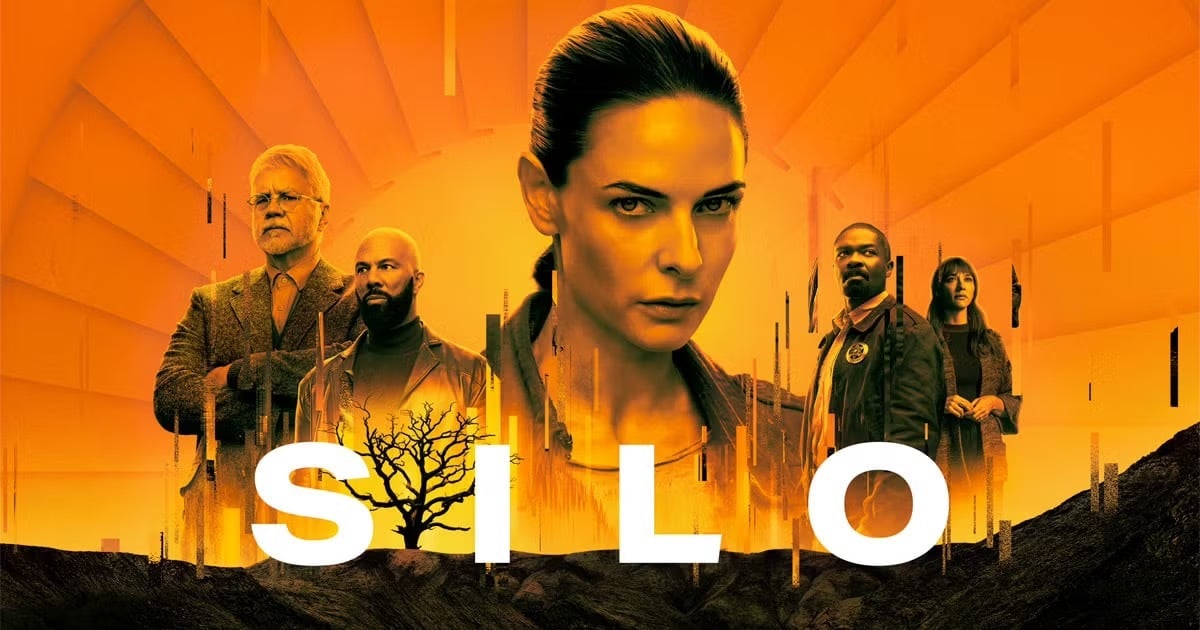
The setting here is far from intergalactic, but the scope is no less ambitious in spite of the confined setting. The characters all live in the 144-story silo of the title, a sealed environment sustaining (or imprisoning?) the last dregs of humanity on a ravaged Earth. Societal politics blend with elements of mystery (nothing in the silo is quite what it seems) in an impressively conceived dystopia. Based on Hugh Howey’s book trilogy, the show has at least one other thing going for it in addition to its killer cast (including Rebecca Ferguson, Rashida Jones, David Oyelowo, Common, and Tim Robbins): Unlike so many premature cancelled streaming series, it will reach a planned conclusion after having been renewed for two more seasons. Stream Silo on Apple TV+.


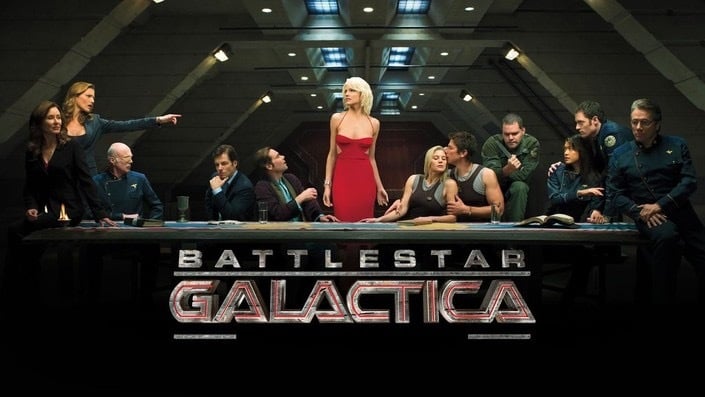
Battlestar Galactica (2003 – 2009)

While the original was a fun, but often awkward, blend of smart sci-fi and 1970s kitsch, the aughts reboot from Ronald D. Moore (who also co-created the aforementioned For All Mankind) and company brought science fiction fully into the prestige TV era. Created to be humanity’s robot slaves, the Cylons rebel and launch a sneak attack on the human colonies, leading to an exodus into space. The only hope for humanity is to reach the mythical world of Earth. The monotheistic Cylons see their crusade as a nearly holy one, while the more rationalistic human refugees struggle to survive and find common purpose in an order that’s crumbling day by day. Edward James Olmos and Mary McDonnell lead an impressive cast. Buy Battlestar Galactica from Apple TV+ and Prime Video.

Spotify peeved after 10,000 users sold data to build AI tools

For millions of Spotify users, the “Wrapped” feature—which crunches the numbers on their annual listening habits—is a highlight of every year’s end, ever since it debuted in 2015. NPR once broke down exactly why our brains find the feature so “irresistible,” while Cosmopolitan last year declared that sharing Wrapped screenshots of top artists and songs had by now become “the ultimate status symbol” for tens of millions of music fans.

It’s no surprise then that, after a decade, some Spotify users who are especially eager to see Wrapped evolve are no longer willing to wait to see if Spotify will ever deliver the more creative streaming insights they crave.

With the help of AI, these users expect that their data can be more quickly analyzed to potentially uncover overlooked or never-considered patterns that could offer even more insights into what their listening habits say about them.

Read full article

Comments

Intel Panther Lake CPUs Spotted Prowling Around Samsung Galaxy Book Laptops

Intel Panther Lake CPUs Spotted Prowling Around Samsung Galaxy Book Laptops
It seems that contrary to previous doom-and-gloom rumors about missed yield targets, Intel is actually making good headway on its upcoming mobile Panther Lake chips. The latest confirmation of sorts comes from known leaker, @x86deadandback, who’s posted an interesting chart. Whereas previous information was pinning the launch for possibly

Rode’s Wireless Go III wireless microphone is cheaper than ever

The Rode Wireless Go III wireless microphone is down to $199 via Amazon. This is a record-low price and represents a discount of 30 percent, as it typically costs $285. The deal applies to all 13 colorways.

This one made our list of the best mobile microphones. It strikes a good balance between features and value, which is especially true right now. The mic offers great sound, onboard storage, 32-bit float and universal compatibility with iPhones, Android, cameras and PCs.

The various colorways are also nice, offering influencers and creators a way to match a channel’s theme or branding. It can store up to 40 hours of footage at one time and it connects wirelessly via 2.4 GHz. It also comes with accessories like a charging hub, various connection cables, a windshield and a carry pouch.

The microphone doesn’t connect via Bluetooth, which could be a dealbreaker for some. The affiliated Rode Central app occasionally runs into hiccups, but nothing that will ruin the overall functionality. This is a great mic at a great price.

Follow @EngadgetDeals on X for the latest tech deals and buying advice.

This article originally appeared on Engadget at https://www.engadget.com/deals/rodes-wireless-go-iii-wireless-microphone-is-cheaper-than-ever-162231812.html?src=rss

A $3 Billion Error Draws Apology From South Africa Energy Agency

An anonymous reader shares a report: South Africa’s energy regulator apologized for a 54 billion-rand ($3.1 billion) error in calculating electricity tariffs, a mistake that will be passed on to consumers.

The National Energy Regulator of South Africa, which determines what state power utility Eskom Holdings SOC Ltd. can charge for electricity, announced the miscalculation last month, without providing further details. On Wednesday, it put the blunder down to a “data input error” that was picked up by Eskom, according to a presentation to lawmakers.

While the mistake had been identified before the tariff determination was made in January, it wasn’t rectified as indicated at the time, and only discovered five months later, the regulator said. “The error is regrettable; it should not have happened,” it said.

The incident brought into the spotlight South Africa’s surging electricity prices and will result in them increasing by 8.76% in the next financial year, instead of the 5.36% originally agreed, and by 8.83% the year after, compared with 6.19%.


Read more of this story at Slashdot.