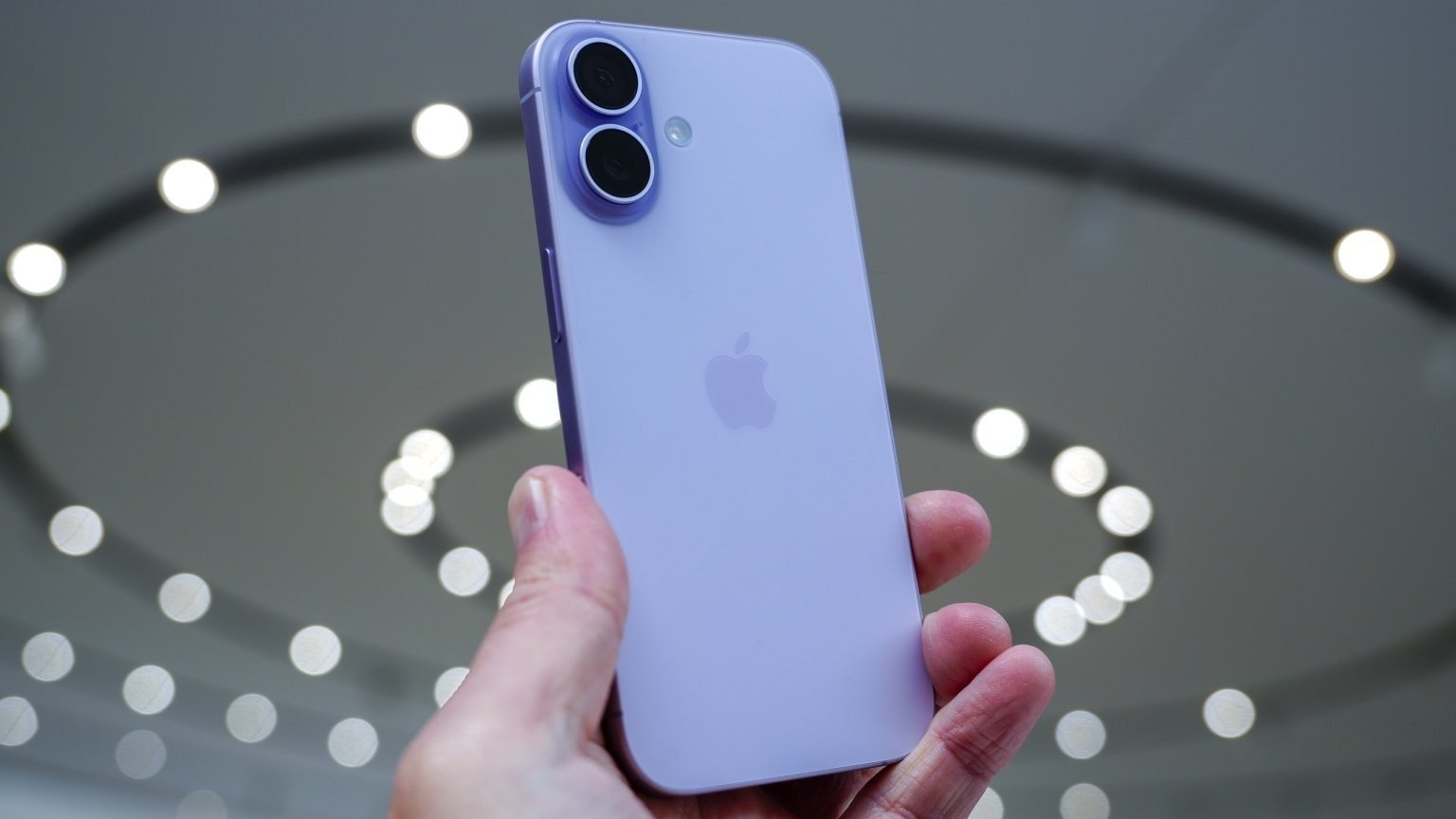
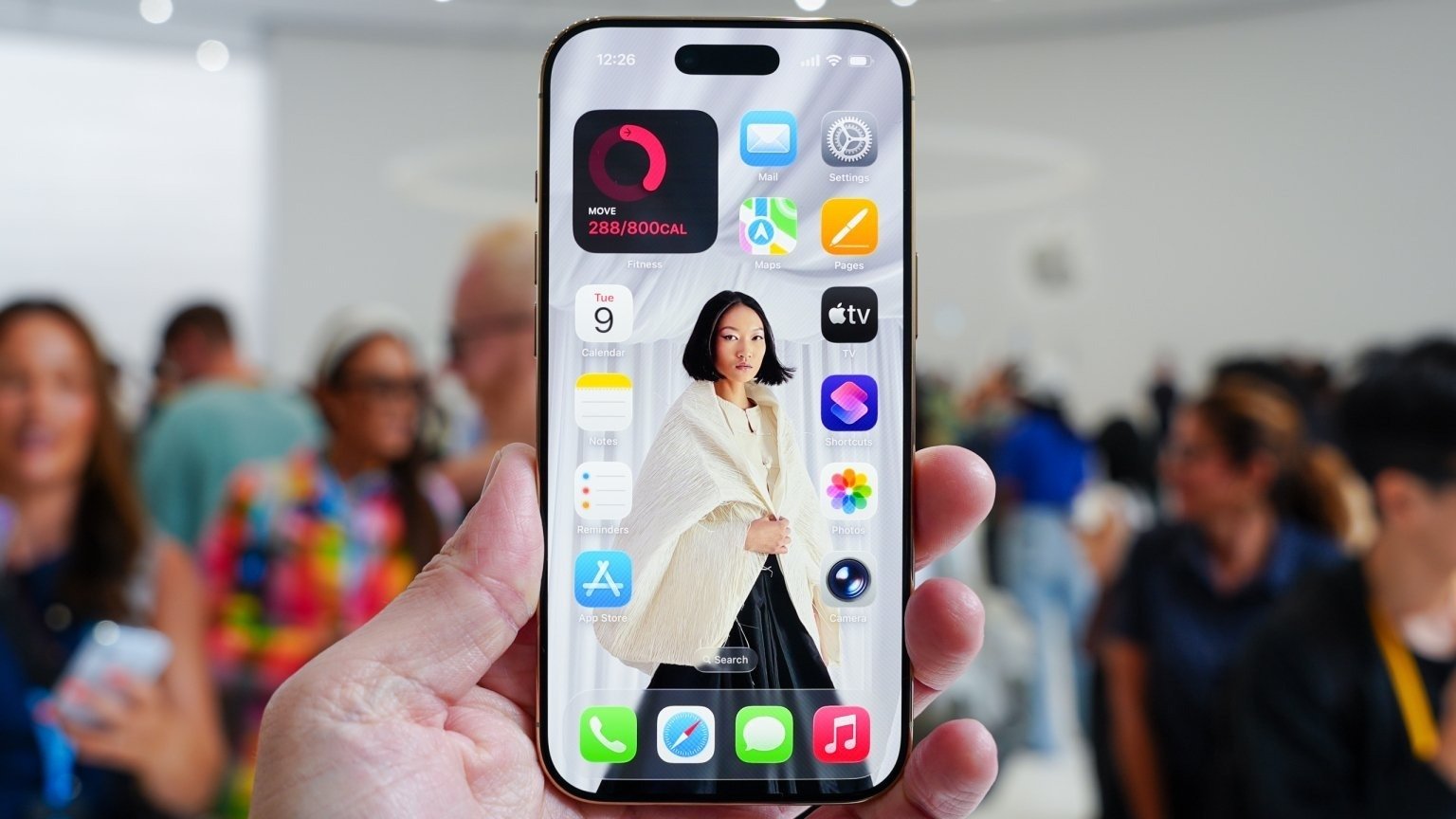
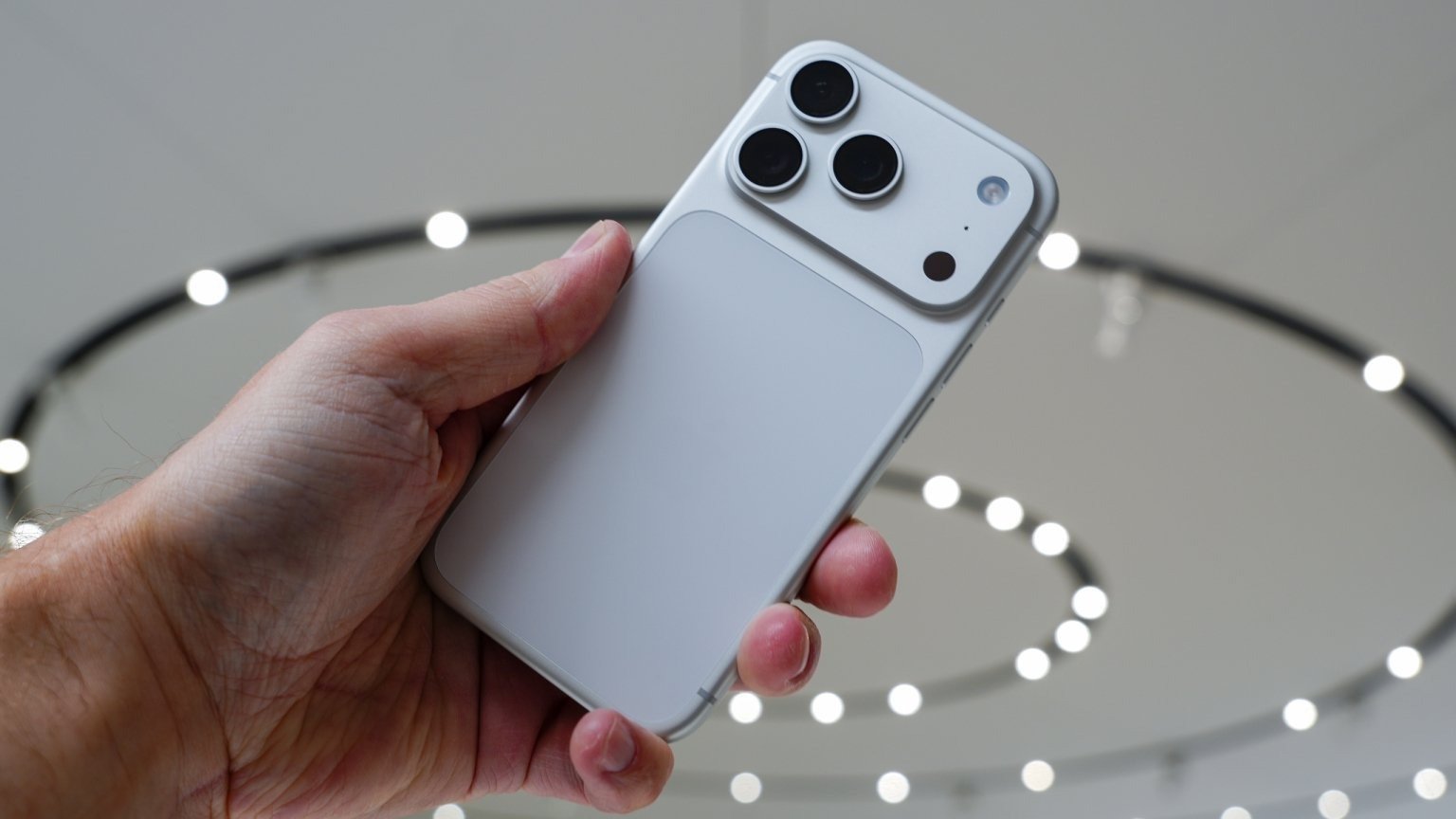
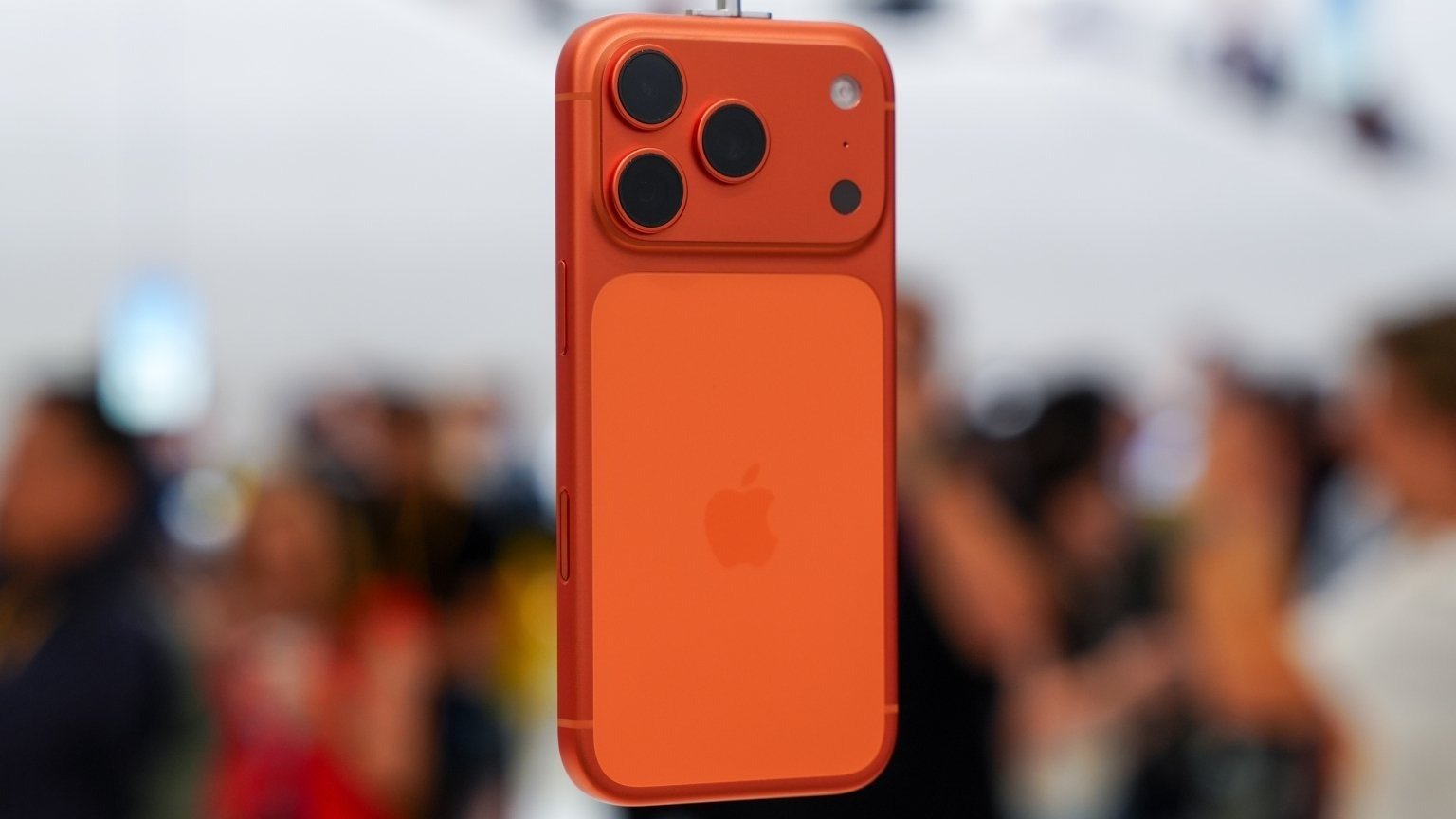
While iPhone updates have become a bit boring in recent years, the 17 series actually breaks the mold a bit: The iPhone 17 now comes with previously exclusive “Pro” features, like a variable high-refresh rate display; the iPhone Air is the company’s thinnest iPhone ever; and both the Air and the iPhone 17 Pros now have a camera “plateau” that houses their respective lenses—though the Air only has one.
People don’t tend to line up for new iPhones like they used to, but that doesn’t mean they’re always easy to buy. All four new iPhones will be available to buy in stores on Sept. 19. However, if you want to ensure you have the best shot of picking up a new iPhone on day one, you’ll want to preorder it.
When can I buy the iPhone 17?
Preorders begin on Friday, Sept. 12 at 8 a.m ET (5 a.m. PT). You will be able to preorder any of the new iPhones from most carriers at that time, including AT&T, Boost Mobile, T-Mobile, and Verizon, as well as through Apple directly. If you choose the latter, however, you’ll want to take advantage of Apple’s early preorder feature, which lets you get pre-approved, confirm a trade-in, and configure your iPhone before preorders go live. This could save you time on Friday morning, and give you a better shot at preordering your chosen iPhone. Apple is only offering this through 9 p.m. PT, or midnight ET, tonight.
That said, there are many ways to preorder an iPhone tomorrow. Each carrier has its own specific deals, which depend on the iPhone you choose (including its storage size), your trade-in, and the carrier deal or plan you sign up for. You only need to take a look at the fine print at the bottom of Apple’s sales page to see how complicated the deals can be. If you do go through Apple, you can still take advantage of the carrier deals, which you’ll see when browsing on each iPhone’s sales page.
I’ve compiled links to each of the carriers offering iPhone 17 preorders below, including a simplified version of each company’s deals. Some have active preorder pages you can browse now, while others simply have landing pages with information on each phone. However, by Friday morning, each will have their preorder pages live.
Apple: $40 to $700 in credit, depending on your trade-in device.
AT&T: From $0 per month for 36 months, depending on the trade-in device and with a carrier deal.
Boost Mobile: From $0 per month for 36 months after trade-in and with a carrier deal. $2.75 per month for 36 months without trade-in, but with carrier deal.
T-Mobile: From $0 per month for 24 months, depending on the device trade-in and the cellular plan.
Verizon: From $0 per month for 36 months, depending on the trade-in device (any condition) and the cellular plan.
Preorder the iPhone 17 Pro Max (starting at $1,199)
Wind and solar power generated more than a third of Brazil’s electricity in August, the first month on record the two renewable sources have crossed that threshold, according to government data made public on Thursday and analyzed by energy think tank Ember. AP: The clean energy sources accounted for 34% of the country’s electricity generation last month, producing a monthly record of 19 terawatt-hours (TWh), enough to power about 119 million average Brazilian homes for a month, Ember told The Associated Press.
That surpassed the previous high of 18.6 TWh set in September 2024. The milestone came as hydroelectric output, Brazil’s dominant power source, fell to a four-year low. “Brazil shows how a rapidly growing economy can meet its rising need for electricity with solar and wind,” said Raul Miranda, Ember’s global program director based in Rio de Janeiro.
Senators Edward J. Markey, Ron Wyden and Jeff Merkley sent a letter Thursday to Acting US Immigration and Customs Enforcement (ICE) Director Todd Lyons urging the agency to stop using “Mobile Fortify,” a smartphone app that uses biometric identification, including facial recognition. The lawmakers said facial recognition remains unreliable and warned that real-time surveillance could have a chilling effect on constitutionally protected activities.
“As studies have shown, when individuals believe they are being surveilled, they are less likely to engage in First Amendment-protected activities, such as protests or rallies — undermining the very core of our democracy,” the senators wrote.
They requested answers from the agency by October 2 as to who built the app, when it was deployed, whether ICE tested its accuracy, the legal basis for its use and current agency policies governing the tool’s use. They also asked whether ICE would commit to ending the use of Mobile Fortify, and to explain why if they would not. The letter was also signed by Senators Elizabeth Warren, Cory Booker, Chris Van Holle, Tina Smith, Bernie Sanders and Adam Schiff.
Earlier this summer The Washington Post reported that the New Orleans police were secretly using facial recognition on a private camera network of over 200 live feeds. This went on for two years despite city ordinances requiring the technology only be used to search for specific suspects of violent crimes, and that the use be documented and reported to the city council. Facial recognition technology remains controversial, though a plurality of Americans support its use in both law enforcement and the workplace, with limitations.
As there is still no federal regulation on the use of facial recognition, states have been left to craft their own guardrails, with states like Illinois allowing individuals to sue for damages over misuse of biometric data and requiring written consent for its use. Last year Meta paid a $1.4 billion settlement to the state of Texas (the largest financial settlement ever paid out to a single state) for allegedly collecting biometric data on millions of Texans without their consent.
This article originally appeared on Engadget at https://www.engadget.com/cybersecurity/senators-demand-ice-cease-use-of-facial-recognition-app-172146833.html?src=rss
After the best PC VR games on Steam, Rift, and Viveport? We’ve got you covered with our top 25 list.
The PC VR landscape has changed dramatically over the years. It used to be the front-and-center focus for the entire industry, though new headsets across different categories have since seen developers and publishers split their attention. Still, we’re often rewarded with various new gems every year that push the fidelity of VR experiences in ways lesser hardware can’t manage.
What’s nice about the best PC VR games list, then, is that even the older games on this list from nine years ago remain some of the best-looking and playing titles in all of VR today. You’ll find most of these experiences on SteamVR, though some can be found on Rift, Viveport, GOG, or EGS . While new Rift releases are few and far between these days, some exclusives remain that are too good to ignore.
Honorable Mentions
We have to stop somewhere with these lists, though we’ve got even more recommendations if you want them with our honorable mentions. These are games that were either previously included on our list and have since been removed or ones that didn’t quite beat out the rest.
If a game’s related to one of the main entries, such as a sequel or a spin-off, we’ll mention it there instead. We’ve linked our reviews or other coverage below where possible, and here are a few additional titles worth considering.
It’s worth noting that we don’t include modded PC games in this list, so nothing that requires the Unreal Engine VR Injector or other methods is present. Everything included here was either designed for official PC VR support, though we may touch upon modding support within these games. We’ve tried to keep our recommendations varied so there’s something for everyone.
For now, these are our top 25 best PC VR games on SteamVR, Rift, and Viveport.
A Fisherman’s Tale 2
A Fisherman’s Tale 2 (formerly known as Another Fisherman’s Tale) is the second installment in this puzzle series from Innerspace VR, following on from the mind-bending original’s release in 2019. Players will once again embody fisherman Bob, this time as he ventures out from the lighthouse and into brand-new territory – both in terms of setting and gameplay.
New mechanics allow you to detach parts of Bob’s body from yourself and operate them independently around the environment to solve puzzles and reach new locations. Experience with the first game isn’t necessarily required, and even though this sequel doesn’t always hit the same peaks as its predecessor, it presents a wider scope with plenty of original ideas across an enjoyable few hours.
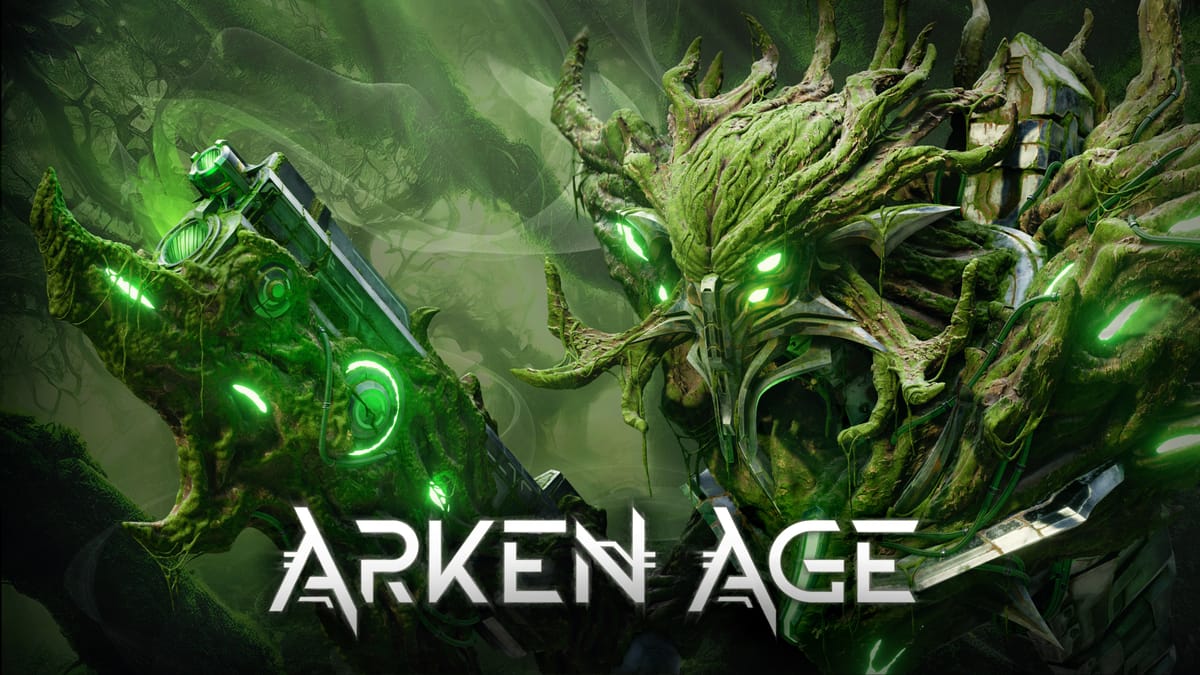
Arken Age is a game that’s paid clear attention to evolutions in VR gameplay design across the last decade and utilizes those to its advantage. Developer VitruviusVR has delivered a satisfying sci-fi action-adventure where you defend this fantasy world against mechanical creatures.
Offering a sizable campaign with room for a follow-up, that’s all assisted by a vibrant presentation with great visuals and strong audio design. It’s one of our favorite VR games of 2025 so far, and Arken Age is an absolute must for action fans.
Asgard’s Wrath might not have Skyrim levels of content but, for our money, the focus on native VR sword fighting and character progression makes this the more important of the two VR games. This is an immaculately produced Norse adventure split into three parts that captures the heart of the RPG genre.
Asgard’s Wrath realizes it in its full glory using the power of PC VR, helping it vanquish its opponents in the fight for the best PC VR games to this day. While a sequel later followed in 2023, Asgard’s Wrath 2 has remained Quest exclusive with seemingly no chance of a PC VR port.
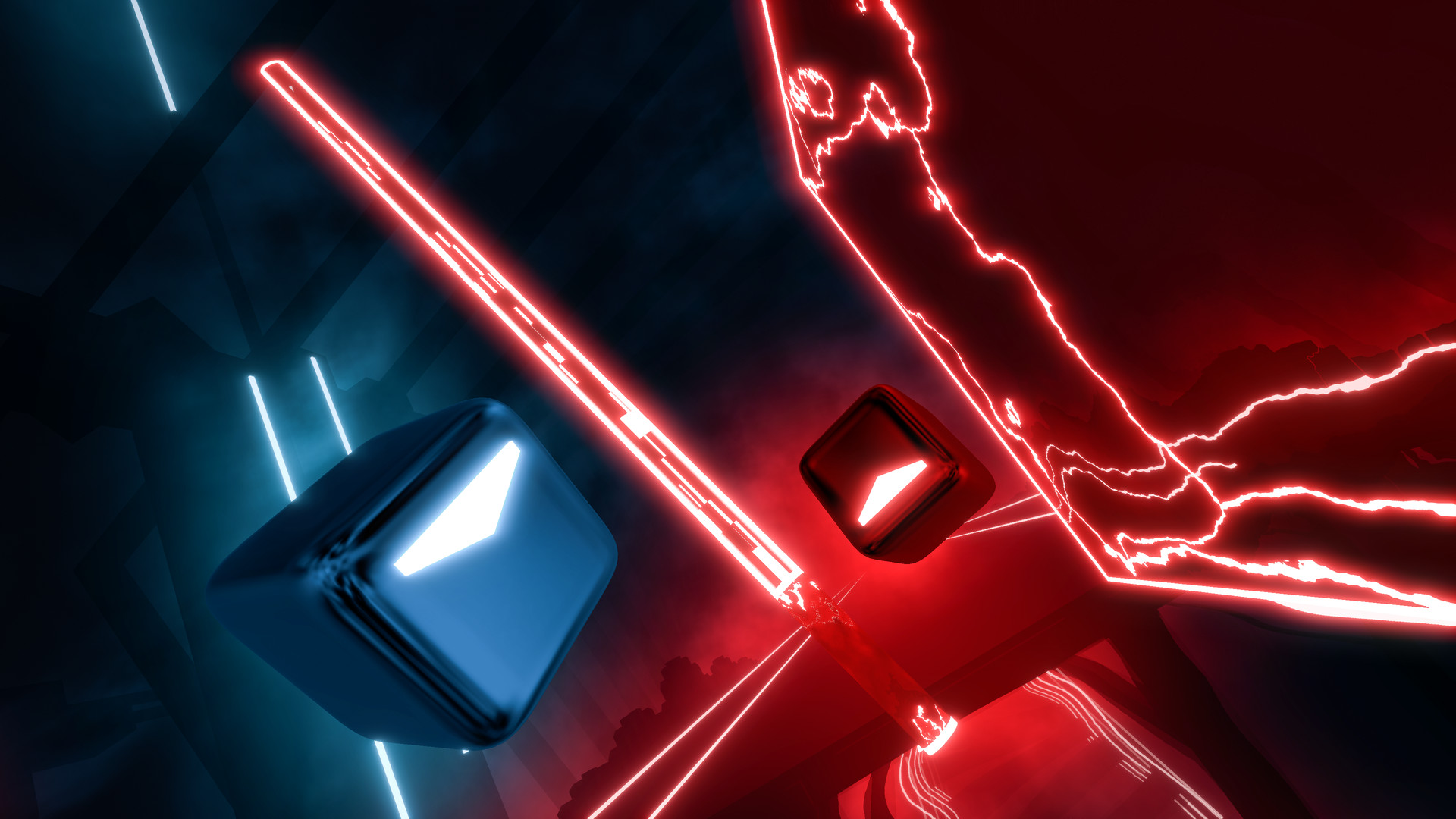
Beat Saber has become such a sensation on basically every headset that it’s easy to forget the game’s humble beginnings as an early-access PC VR title. Despite Beat Games’ acquisition by Meta, the PC VR version of the game remains the sharpest place to play Beat Saber. Still one of the best PC VR games, then, but Beat Saber is a must wherever you enjoy VR.
There’s been plenty of new DLC added to Beat Saber over the years, including music packs or individual songs featuring high-profile artists like Lady Gaga, The Rolling Stones, Queen, Billie Eilish, Metallica, Kendrick Lamar, Sabrina Carpenter, and more. We can’t forget the various free updates, and there are plenty of PC VR mods you can dive into as well.
Blade & Sorcery had been missing for several years from this list, but 2024’s full release brought this back to our spotlight once more after nearly six years in early access. A PC VR medieval fantasy with full physics-driven melee combat and built-in mod support, further updates are planned even as the studio begins working on its next game.
If you’ve not played since the early access days, WarpFrog’s early hit feels better than ever thanks to the Crystal Hunt campaign mode with an original biome and loot collecting. This new progression system gives you something to work towards while maintaining that sandbox spirit, and you’ll gradually become more powerful through new magical skills.
Of all the physics-driven VR combat and puzzle games out there, Boneworks remains one of the most polished and impressive. Its single-player campaign offers plenty of fun sandboxes to experiment with, whether you’re swinging robotic headcrabs around by their legs or beating up mindless zombies with a broom handle.
Or you can just rely on the classics and find a lethally accurate shooter. Boneworks is a great PC VR game and offered a glimpse of where the future of VR interactivity is headed. Stress Level Zero followed it up back in 2022 with Bonelab, which is also available on PC VR.
Demeo isn’t a perfect tabletop game by any means, but it is a really good one. More importantly, its first-rate four-player multiplayer VR experience makes it feel like a genuine social event in a way that no flatscreen game – and fewer VR games – have ever really matched. You pick a class and tackle randomly generated dungeons, but the game’s punishing difficulty means sessions can last anywhere from a few minutes to multiple hours.
Demeo is one of the best PC VR games that’s only gotten better with post-launch updates, including a technical update. Free updates provided new campaigns like Reign of Madness, Curse of the Serpent Lord, and more. It’s still a must-have in 2025 with cross-platform multiplayer across all major platforms, and Demeo Battles is also available if you’re interested in a PvP spin-off.
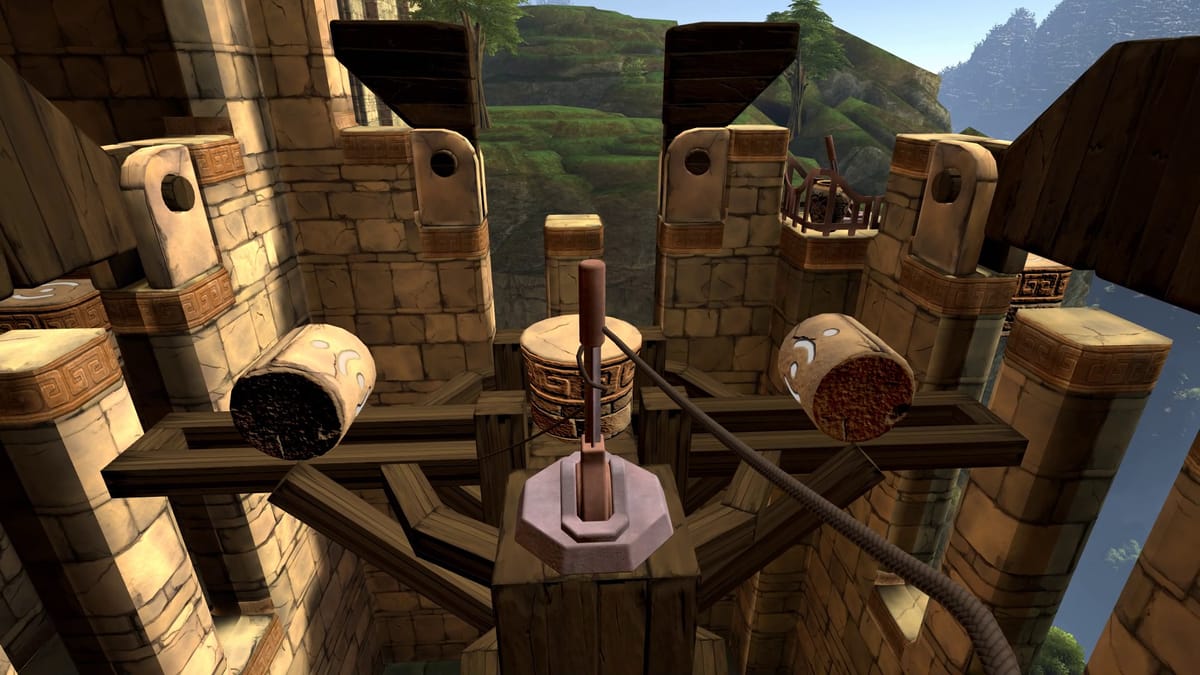
Eye of the Temple is one of the best examples of a game that puts VR-first design front and center, resulting in a triumphant room-scale platformer. You begin the Indiana Jones-inspired adventure outside a large temple. With a whip in your right hand and a torch in your left, you’ll begin to navigate deeper into the temple by completing puzzles and platforming obstacles.
Every movement you make in Eye of the Temple is a real, physical movement through your play space. Some clever design trickery means that you’ll always stay within your boundary and never run out of space to move – a bit like Tea for God. On PC VR, this may require a little more cable management if you’ve got a wired headset, but the game is nonetheless a thrill to play and incredibly well-designed. Fair warning though: it does require a minimum 2m x 2m play space.
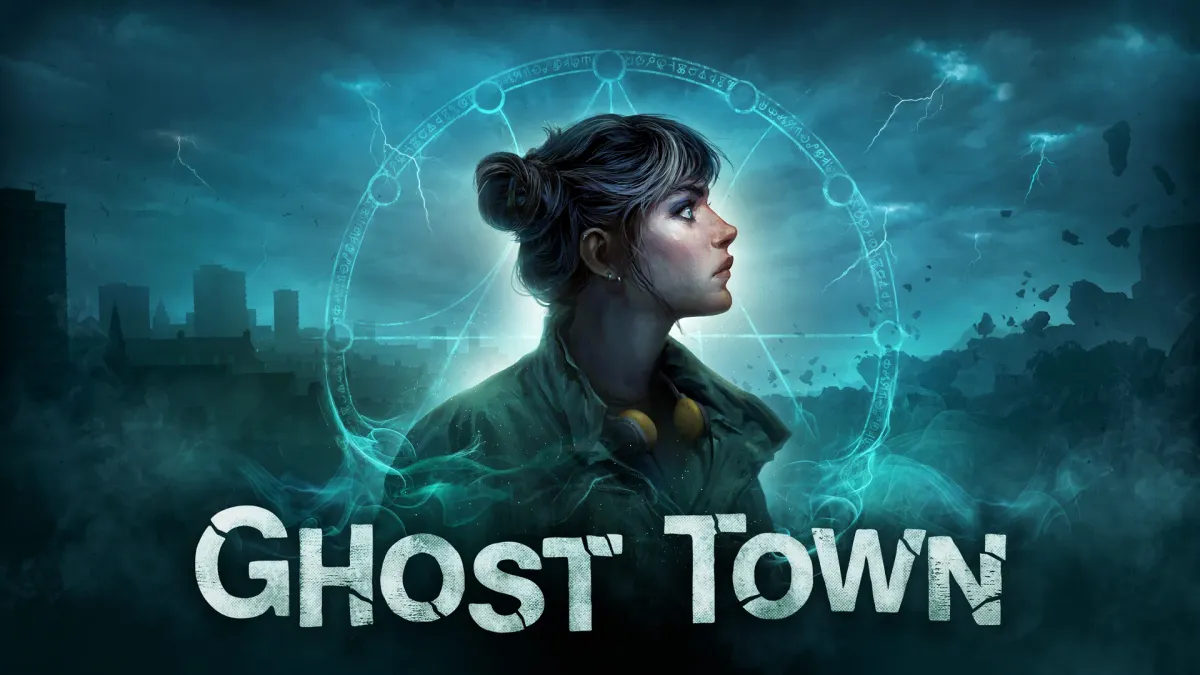
Ghost Town is one of our favorite new VR games so far in 2025, and it’s a strong return for Fireproof Games following The Room VR: A Dark Matter. Set in the ’80s, this story focuses on a witch turned ghost hunter and exorcist called Edith Penrose, who now heads up a paranormal detective agency with her flatmate across London.
It’s a brilliant supernatural puzzler that delivers a thoroughly compelling mystery, strong visuals, and intuitive puzzles that never feel too difficult or too easy. Our only complaint is that we wished it lasted longer, but don’t let that deter you. If you’re a fan of narrative-driven adventures, we highly recommend checking out Ghost Town. If you need more convincing, there’s also a free PC VR demo.
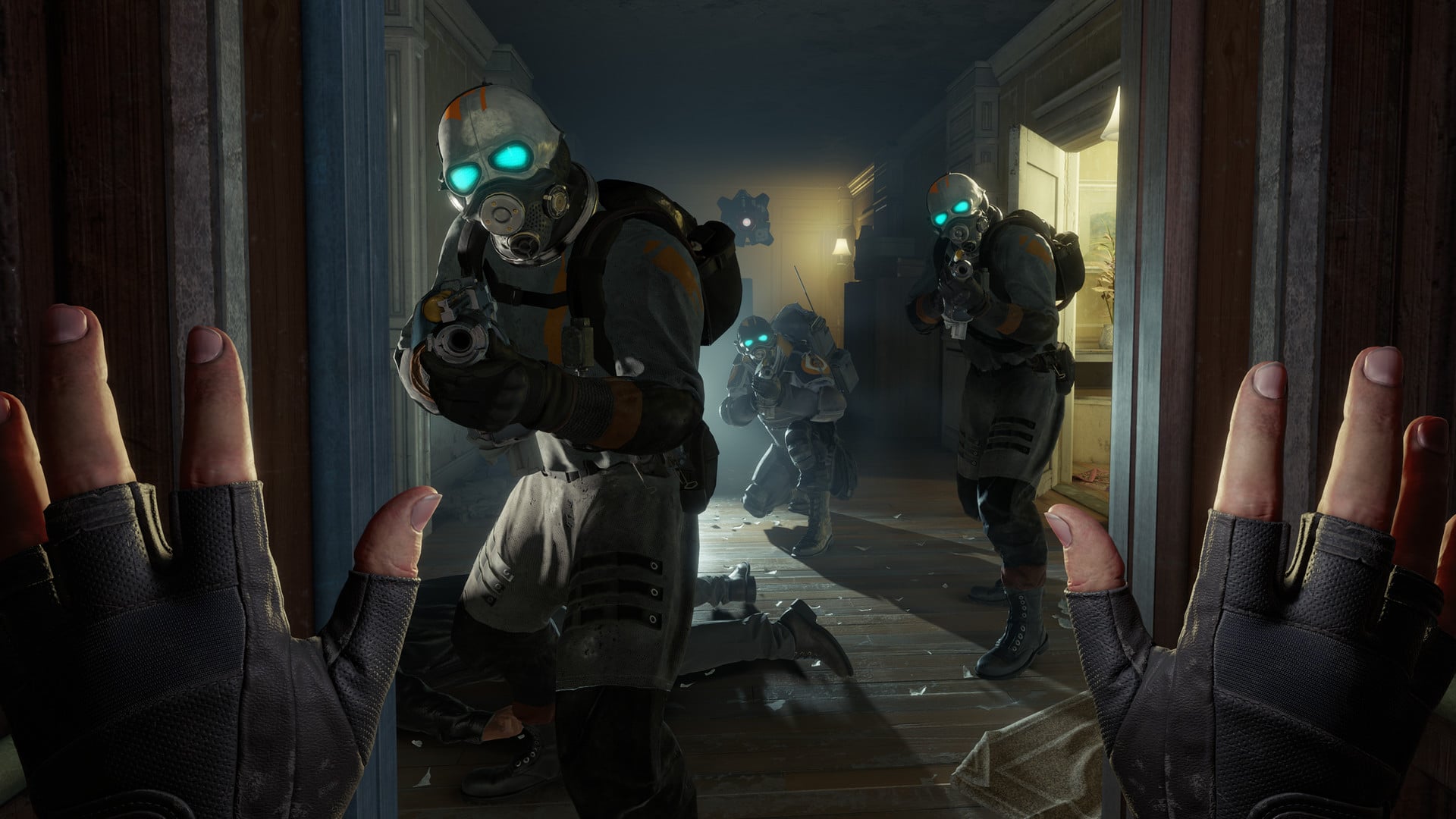
It might not technically be Half-Life 3 but make no mistake, Half-Life: Alyx from Valve is a full-sized adventure worthy of the series’ past releases. Giving it top marks in 2020, we believe that “what it does right, it almost always does the best.” Playing as Alyx Vance, you fight through City 17 in a highly polished adventure fully designed for VR, relying on classic series elements and introducing plenty of new features.
It’s 10+ hours of immaculate, AAA-level VR shootouts, puzzles, and narrative design, featuring some of the best firefights you can have inside a headset, and offers truly memorable moments within. Half-Life: Alyx is arguably the best PC VR game yet, and we hope to see more from Valve.
Kayak VR is a quiet highlight on this list, offering a stunning visual presentation and a relaxing experience across four locations: Papagayo, Antarctica, Bjørnøya, and Australia. There’s a competitive multiplayer mode, but it’s free roam where the game shines, allowing you to sit back, relax, and enjoy the view.
It may not feature a fully fledged campaign or an extensive selection of game modes, yet Kayak VR is one of the most relaxing VR experiences available on the platform and a joy to look at from every angle. That’s only improved with the Soča Valley and Yucatán DLC adding two new environments, and a real-time multiplayer update also appeared.
Packed with strong production values, 2017’s Lone Echo provides a “winning blend of intuitive movement, discovery-based gameplay, and character-driven storytelling,” using zero-gravity traversal and thoughtful character interactions to deliver a compelling campaign. It’s slow-paced, but the focus on building a link between your character and those around him pays off, as does the enormous spectacle of it all.
Ready at Dawn went further with Lone Echo 2, and the original game spawned a standalone multiplayer spin-off game, Echo VR, which was one of VR’s most fun and original multiplayer experiences. Sadly, that shut down in August 2023, followed by the studio itself a year later. The single-player experiences remain untouched, forming two of the best PC VR games on Rift.
Though Moss and Moss: Book 2 are separate games, we’ve also included them as one entry on this list as they flow into each other – Book 2 picks up the story moments after the end of Book 1. Moss helped prove that third-person VR experiences can make for some of the absolute best content out on the platform right now. You guide an adorable little mouse named Quill through diorama-sized levels, solving puzzles and taking on fearsome critters in sword-based combat.
While it’s mechanically refined, Moss’ real claim to fame is the bond you build with Quill over the course of the adventure. Playing as a larger companion to the tiny protagonist, you really start to connect with her as you work together to overcome obstacles. It feels very much like a team effort, which is quite a remarkable feeling in itself.
Book 2 is technically a stronger, longer sequel, but realistically feels more like a continuation of the same journey instead of a completely fresh adventure. That being said, it does add some new mechanics that innovate on the original’s combat, as well as offering a wider range of environments. The Moss series is not one to miss, and a MOBA-like entry Glassbreakers will follow later this year too.
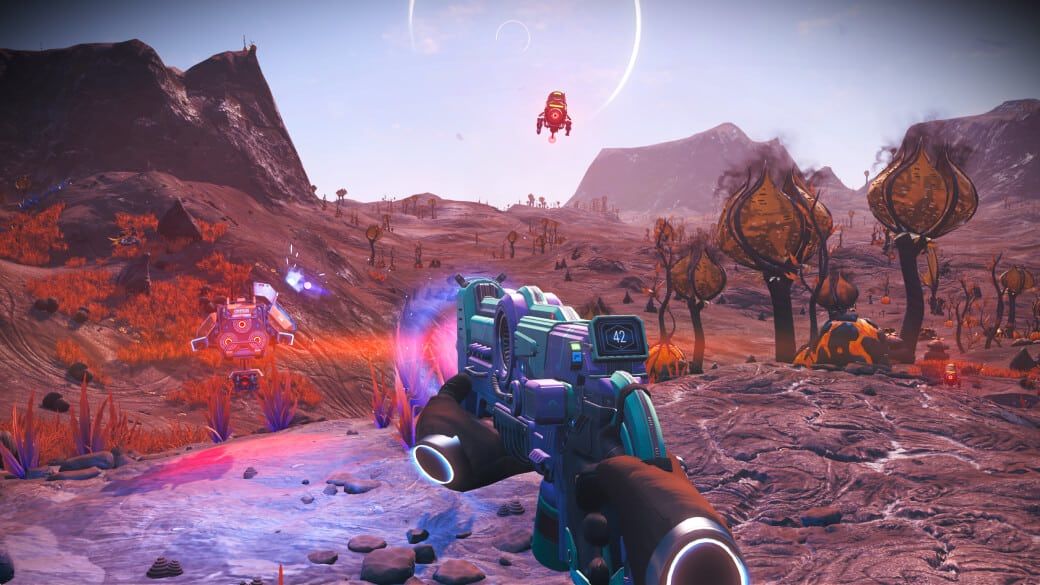
No Man’s Sky is notorious for its rocky launch in 2016. Since then, however, the game has received VR support and a wealth of updates that have turned it into an expansive survival space simulator. Various updates also overhauled many of the VR mechanics, adding new interaction methods and immersive menus, and the post-launch updates haven’t stopped.
Recent updates have even improved the image quality, performance, and enhanced rendering, so the game looks better than ever. If you are keen to explore an infinite, endless universe in VR, look no further—No Man’s Sky is the perfect fit. It’s impossible to deny No Man’s Sky its place on the best PC VR games list.
If Pavlov is VR’s answer to Counter-Strike, then Onward is closer to something like Arma, with a focus on hyperrealism that paved the way for the mechanical complexity VR can add to the shooter genre. Following nearly nine years in early access, Onward finally entered full release in 2025 after the major Onward 2.0 launch, and it still deserves a place on the best PC VR games list.
However, its journey has come to an end after Meta closed Downpour Interactive and merged the staff into Camouflaj (Batman: Arkham Shadow) three months after the 2.0 update. Servers remain online, though no further developer support is coming beyond critical bug fixes. It’s a massive shame as even now, Onward still has some of the best fundamental VR mechanics we’ve seen in a VR shooter.
Valve isn’t bringing Counter-Strike to VR anytime soon but, fortunately, we have a worthy replacement in Pavlov VR. Consistently developed over multiple years, Pavlov has turned into the fast-paced competitive shooter to beat, with tons of weapons and environments spanning multiple eras and new game modes being added at a dizzying pace.
Much like Onward and Blade & Sorcery, Pavlov spent many years in early access before receiving its full release and has cross-platform multiplayer with the PlayStation VR2 version. For multiplayer fans, it’s one of the better PC VR shooter games out there today and one that’s still receiving the occasional updates.
Rhythm games are a dime a dozen in VR but, for our money, Pistol Whip from Cloudhead Games is the most inventive and overall best of the lot. One of VR’s longest-running and well-updated games across all platforms, it’s a beautiful intersection between rhythm games, Superhot-like action, and Matrix-style cinematic flair.
You’ll move along on-rails scenes with enemies popping up to a pumping soundtrack. Your task is not just to shoot the enemies as they approach but to do so in time with the beat of the music. It’s a fantastic concept that continued expanding for many years with numerous free content updates, and it’s comfortably in our list of the best PC VR games.
We still can’t quite believe Star Wars: Squadrons was a thing. A full Star Wars flight action game with both a single-player campaign and a huge multiplayer component… in VR? Are we sure we’re not dreaming?
Well, if we are, we don’t want to wake up because Squadrons’ highly immersive cockpits and blistering space dogfighting make for everything we ever wanted out of VR in the first place, making this, in turn, one of the best PC VR games.
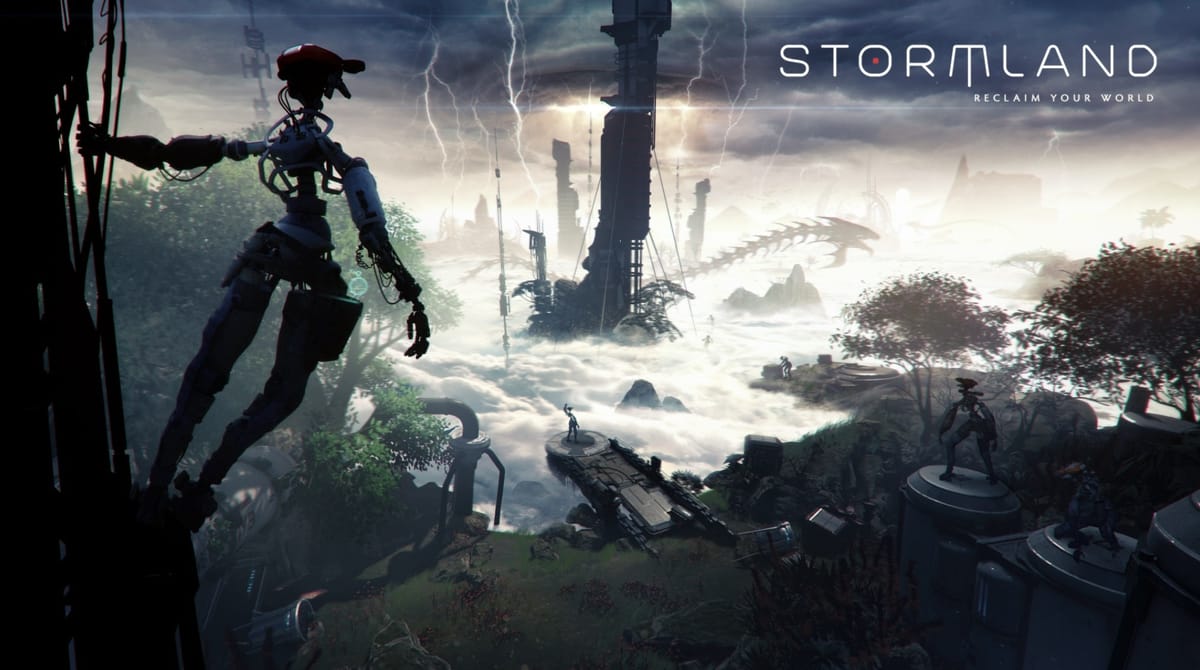
Insomniac’s last major VR release before Sony acquired the studio in 2019, Stormland is a sprawling open-world action-adventure shooter with support for 2-player co-op. One of the few AAA made-for-VR games available on PC, it launched six months after the Rift S and alongside the Oculus Link feature of the original Oculus Quest.
It’s not a complete triumph, and some issues do emerge across this campaign, yet Stormland still shines with its smooth combat, high production values, and strong UI interactions. Don’t wait around if you’re interested in grabbing this, though; Insomniac’s full VR library keeps getting delisted and relisted from Meta’s PC VR store.
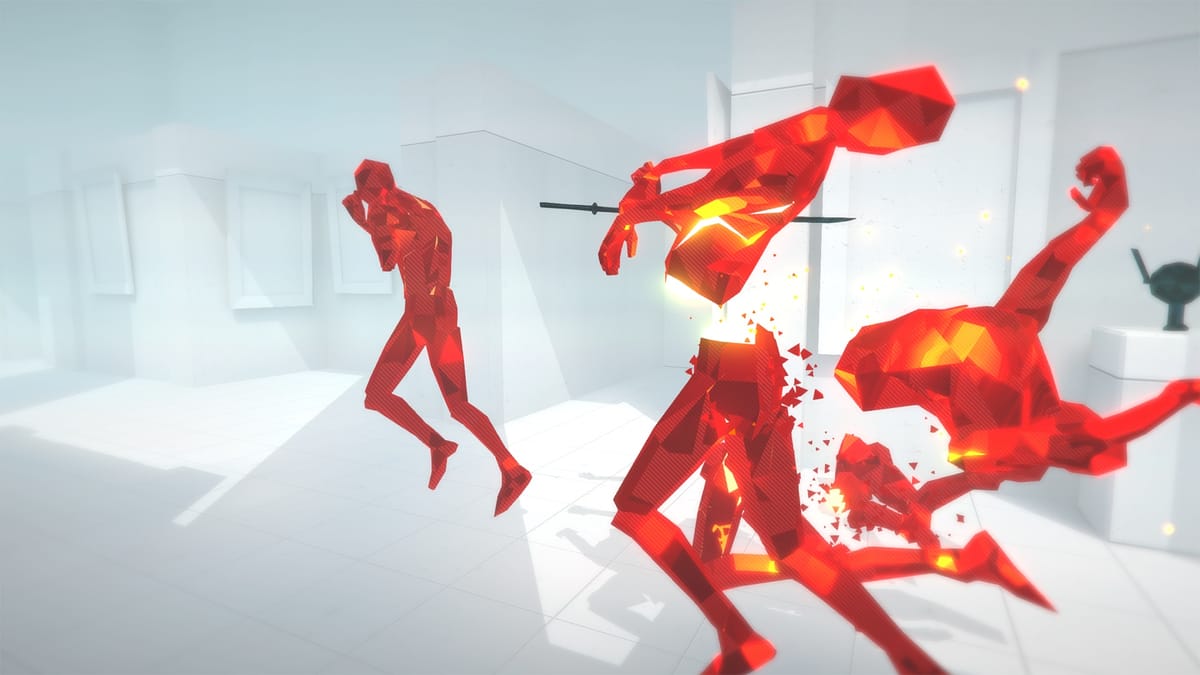
We’ll stop ranking Superhot VR in our best PC VR games list when we play a shooter as intricately designed as this. It maintains immersion and utilizes your full body in ways that you simply couldn’t in the flatscreen version. The ‘time moves when you move’ mechanic remains ridiculously entertaining to this day, and the game achieves a perfect balance of slapstick action and stylish stunts.
Skyrim VR successfully transplants the entire RPG into headsets with full motion controls. It’s not the most in-depth implementation, but just that fact alone makes this something you won’t want to miss in VR.
Along with bestowing you with a keen sense of adventure, there are bits of Skyrim that work incredibly well in VR. That includes the moment you first encounter a dragon or inspect a sword you’ve worked hard to earn in tireless detail. There are better, more native VR games out there, but Skyrim VR is Skyrim… in VR, and that makes it worth a look.
We’re grouping the first two installments of Cloudhead Games’ compelling adventure series together, since the first episode is on the shorter side and the two together cost about as much as a normal VR game.
The Gallery has its roots in Henson-esque dark fantasy, transporting you to amazing worlds of impossible landscapes and crazy characters on the hunt for your sister. The imaginative design makes these some of the best PC VR games despite their age. We’re just hoping Cloudhead one day gets to make Episode 3.
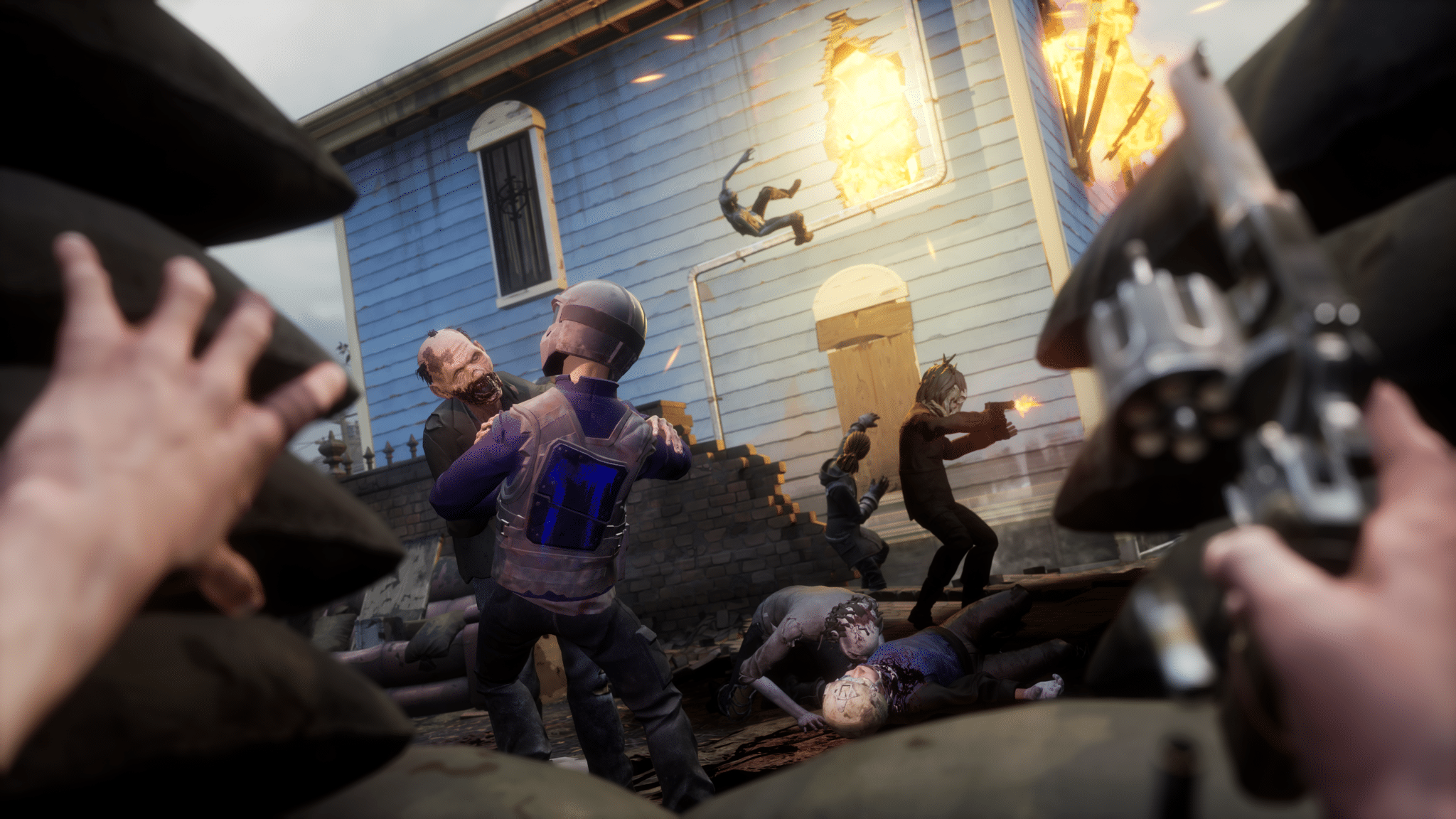
The Walking Dead: Saints & Sinners from Skydance Interactive is a PC VR essential, delivering some of the best design and user interaction you’ll find in VR. Released in 2020, “it’s a zombie apocalypse within your grasp – a living, breathing virtual ruin with player-driven highs that easily outshine its experimental lows.” It sets the bar for VR zombie games using Boneworks-style, physics-based combat.
The game will have you wrestling with undead hordes, packing its action into a full, meaty VR campaign that sees you trekking through the remains of New Orleans. Add in side missions and the ability to kill zombies with a spoon, and you have one of the deepest native VR games on the market. Though it wasn’t as well received, Saints & Sinners later got a sequel with Chapter 2: Retribution.
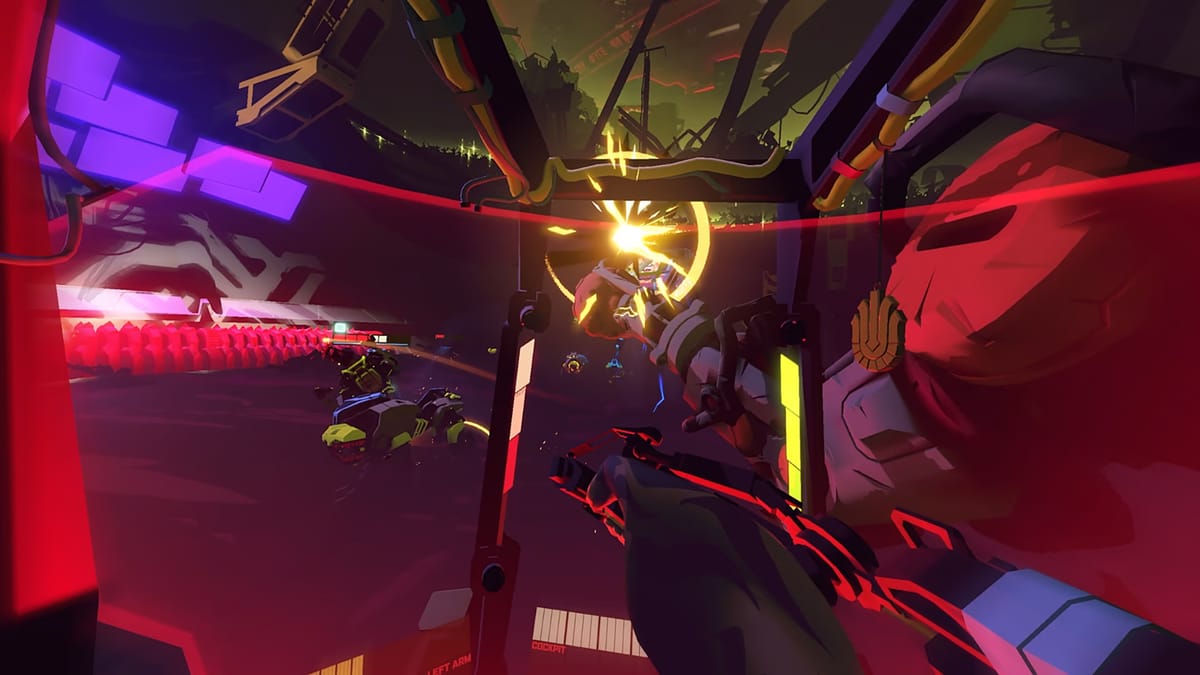
One Hamsa’s VR mech brawler roguelike made a big impact last year, earning our Best PC VR Game of 2024 award. UNDERDOGS is a physics-based brawler that uses arm-based locomotion and a comic book-style presentation. This 22nd-century underground roguelike fighter set a new benchmark for VR arena combat.
Between its stylish visuals, grimy soundscape, and unique character, UNDERDOGS feels fresh and exciting. Numerous post-launch updates have taken this further, such as ‘Sandboxxer‘ with its level editor, while the more recent ‘Rampage‘ mode added an endless endurance mode. More updates are coming, with a multiplayer mode next on the list.
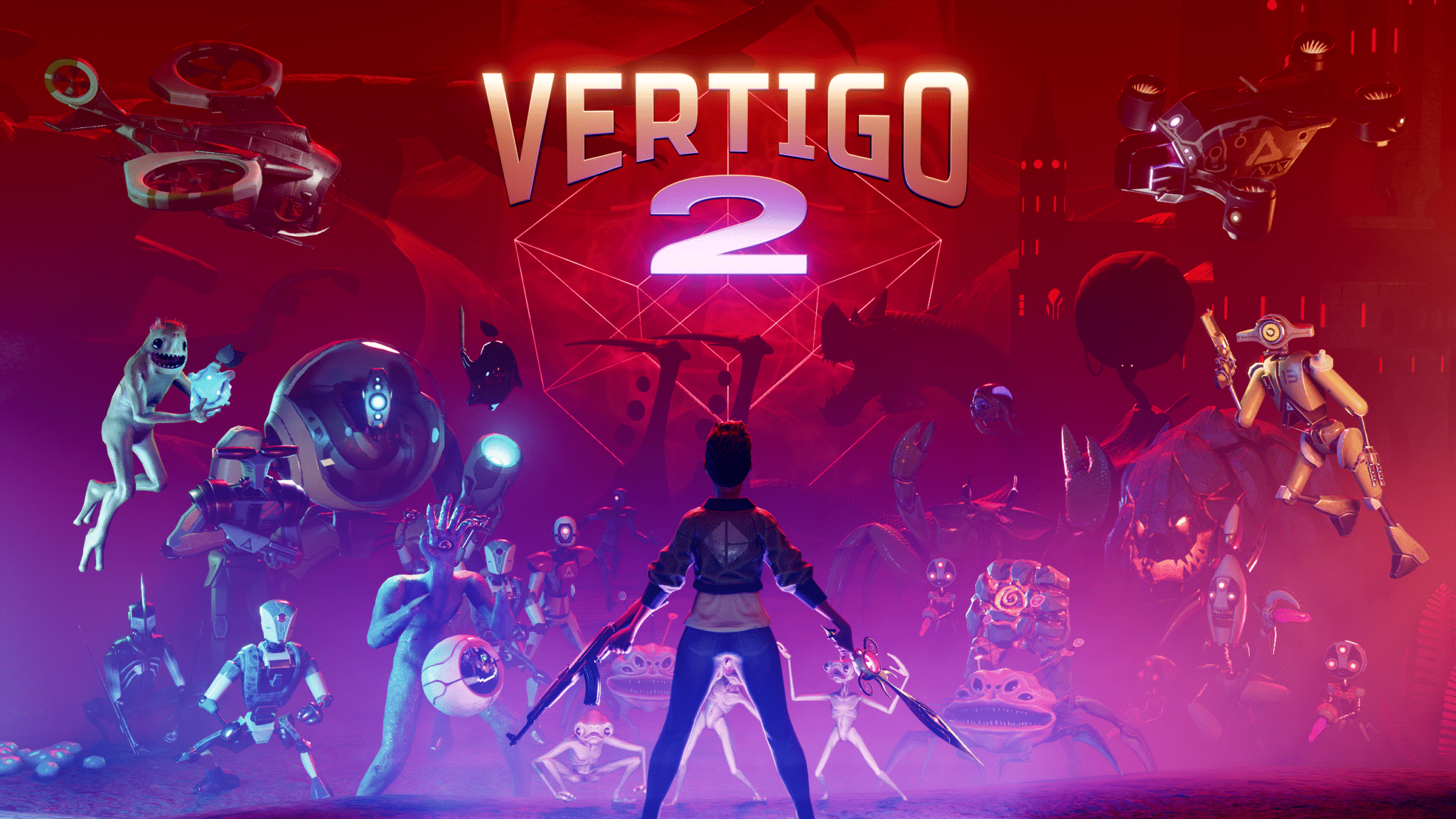
Vertigo 2 is one of the best PC VR-exclusive experiences available and a masterclass in enthralling, VR-first game design. What’s even more impressive is that it’s largely put together by one solo developer – Zach Tsiakalis-Brown from Zulubo Productions. It pays homage to Valve classics and seminal VR releases but doesn’t fall victim to copying them.
Instead, it forges ahead to create an impressive solo gaming experience in the same vein as Half-Life: Alyx, delivering a strong sequel to Vertigo Remastered. Featuring tactile weapons, creative enemies, and an engaging narrative-driven campaign, it’s a shining example of what PC VR still has to offer. Two years later, the Into The Aether expansion delivered a strong conclusion to the series.
September 11, 2025, update: Unranked the list, added an honorable mentions section. Added Arken Age, UNDERDOGS, Stormland, Blade & Sorcery, Ghost Town, and Ultrawings 2. Removed Song in the Smoke, Wanderer, Eleven Table Tennis, Hubris, and Until You Fall.
July 10, 2023, update: Changed formatting. Reordered entries. Removed Wilson’s Heart, Compound, Blade and Sorcery, and A Township Tale. Added Vertigo 2, Hubris, Eye of the Temple, and Kayak VR.
This article was initially published in March 2022. Former UploadVR Editor Jamie Feltham previously contributed entries to this list.
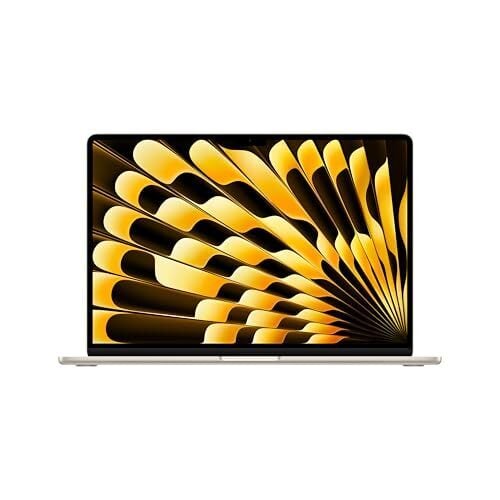
Especially right now—because the 15-inch M4 MacBook Air with 16GB Unified Memory and 512GB SSD Storage is currently $1,199, a $200 discount that matches its lowest price ever, according to price tracking tools.
Although this is the entry-level MacBook Air (albeit with a larger screen size), it comes with 16GB of RAM, twice what the previous generation’s basic model came with. This is enough to take on intensive applications right now and for many years to come. It is equipped with a 15.3-inch “Liquid Retina” display with a resolution of 2,560 by 1,664, a P3 wide color gamut, and a maximum brightness of 500 nits. You’ll also get an excellent backlit keyboard with Touch ID, Wi-Fi 6E support, and great speakers and microphones.
The 12MP camera comes with Center Stage, a feature that debuted on iPads and on the M4 MacBook Pro. It allows the camera to follow your face as you move around the frame during video calls. There are two Thunderbolt 4 USB-C ports, which means you can extend to up to two 6K external monitors.
For a “basic” laptop, the 15-inch M4 MacBook Air is arguably better than it needed to be, and is arguably a much better value than the Pro, according to Lifehacker Senior Tech Editor Jake Peterson. If you factor in the discount, it really is the best MacBook for most people.
A surprising number of startups and established companies are selling or working on smart glasses.
We often report on the Ray-Ban and Oakley Meta glasses, Google’s announced plans to take them on, and Apple’s reported work on its own smart glasses. These US tech giants have priority access to key components like the latest chipsets, and can leverage their existing device and communications ecosystems, as well as first-party AI models, to bolster the appeal of their product.
But the work of smaller companies in the smart glasses space is notable too, and in this article we want to make you aware of what they’re doing. Some entrants are relatively recent, such as HTC launching Vive Eagle in Taiwan, while others have been in the market since before Facebook and EssilorLuxottica launched the Ray-Ban Stories.
Displayless Smart Glasses
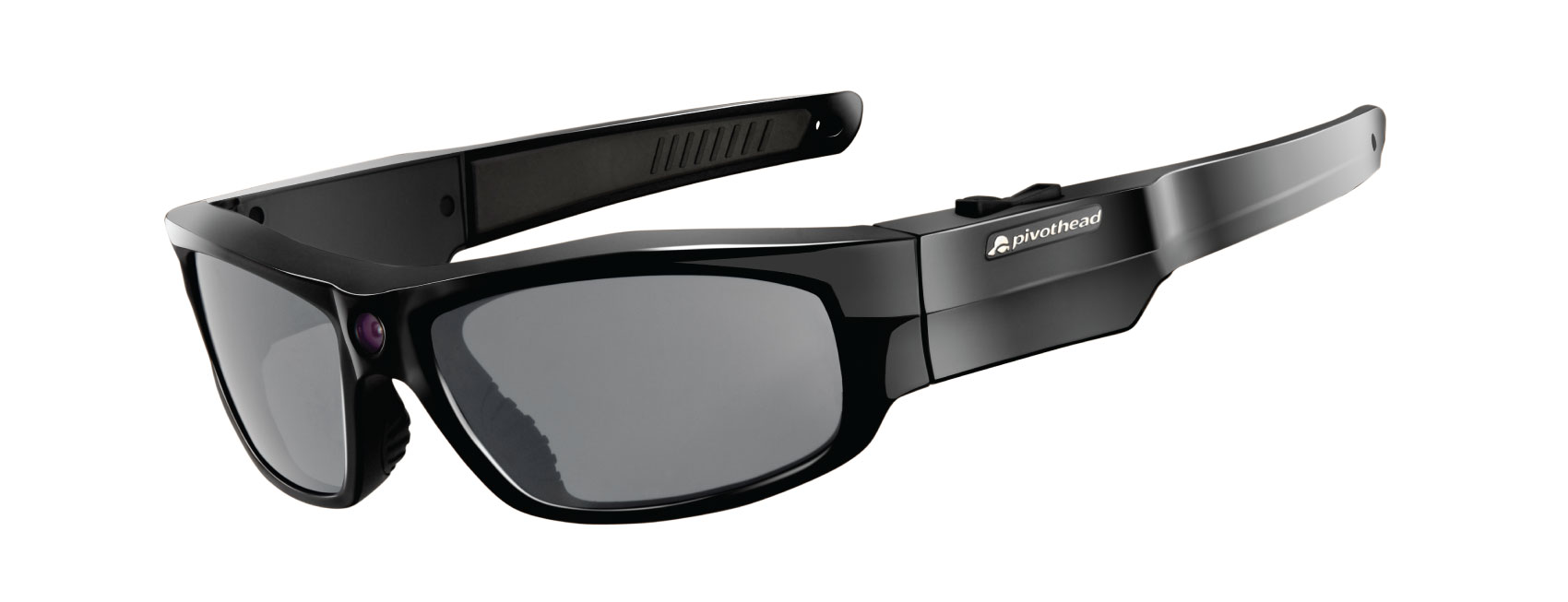
Ray-Ban Meta were not the first smart glasses with a camera. Facebook itself launched the unsuccessful Ray-Ban Stories two years earlier, and nine years before that, a startup called Pivothead released glasses with a 1080p camera in the center.
Pivothead (2012)
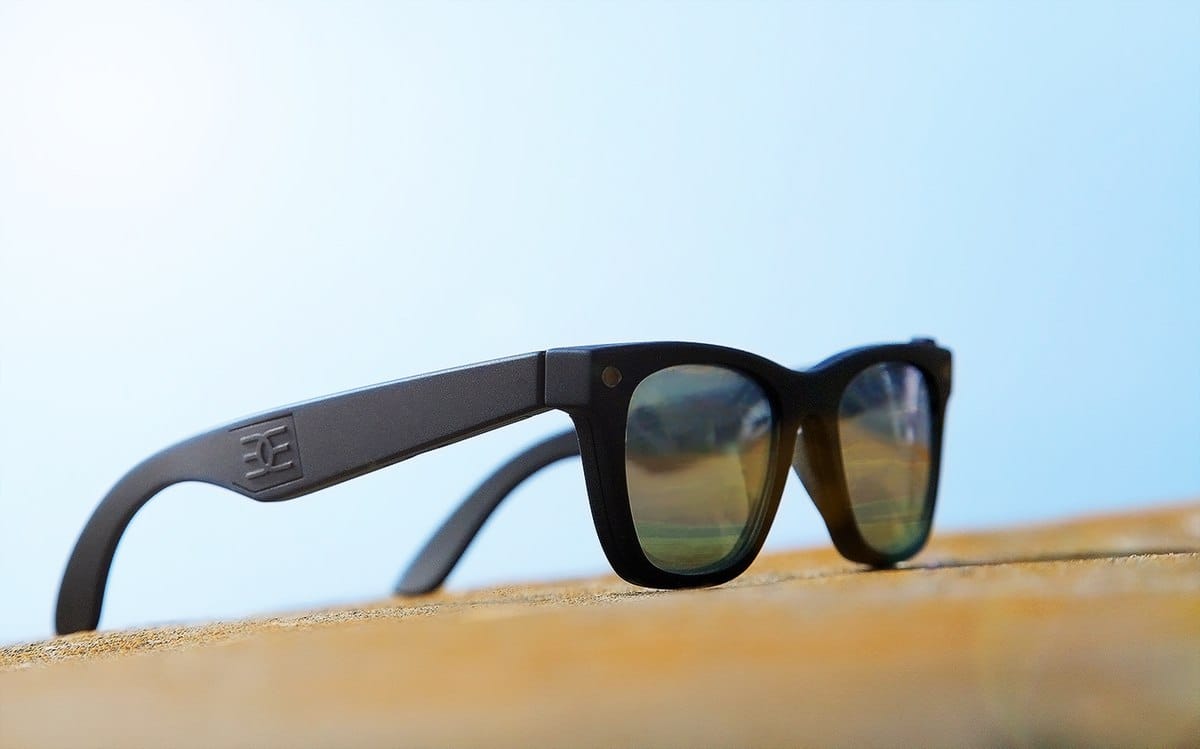
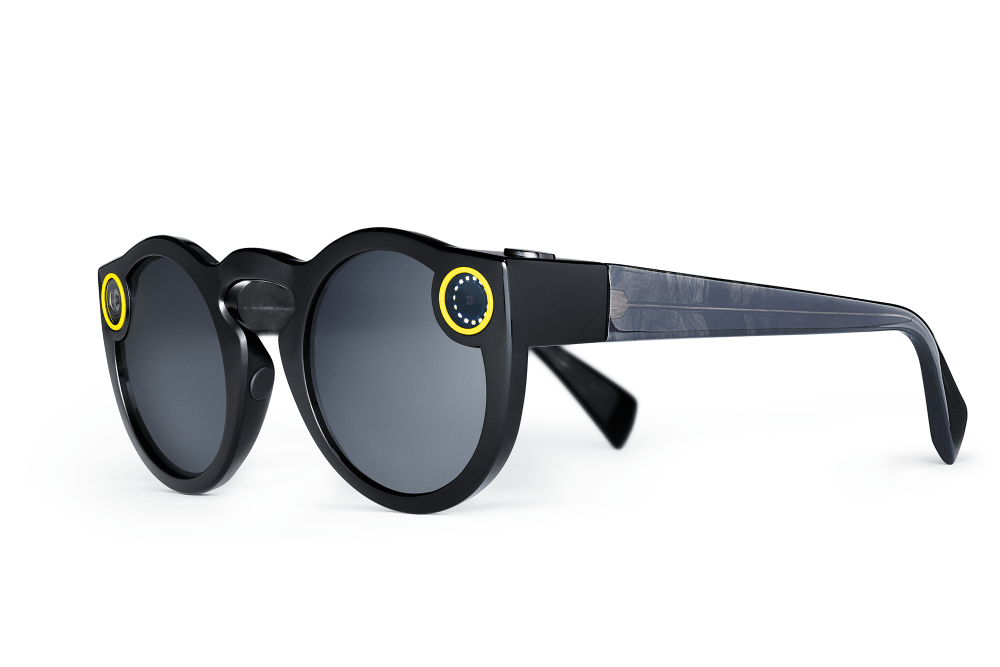
The first mostly-regular-looking camera glasses were Epiphany Eyewear, shipped by a startup called Vergence Labs in 2013. Snap, the company behind Snapchat, acquired Vergence Labs a year later, and used its technology to ship the first three generations of Spectacles, from 2016 to 2019, which were displayless camera glasses.
Epiphany Eyewear (2013) and Snap Spectacles (2017)
Pivothead, Epiphany, and Spectacles were all just camera glasses, though, and lacked speakers, microphones, or meaningful onboard compute.
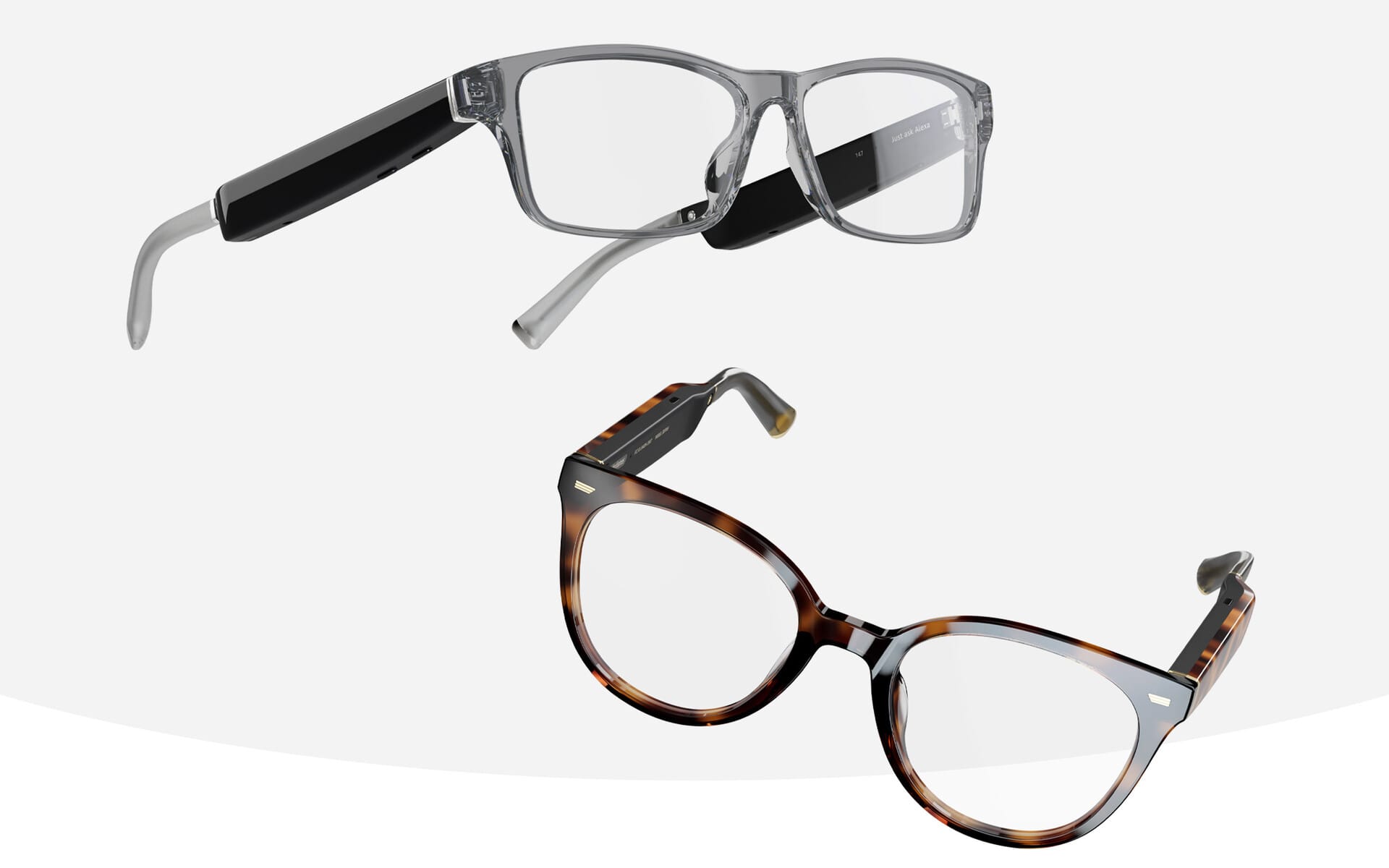
On the other hand, since 2019 for invite-only early adopters and 2020 for mainstream consumers, Amazon has been shipping Echo Frames, which have speakers and microphones for music/audiobooks/podcasts and interact with the Alexa assistant. But Echo Frames lack any kind of camera.
It was Meta and EssilorLuxottica that first combined cameras, speakers, and microphones in regular-looking glasses for consumers, with the Ray-Ban Stories in 2020. And it was also these two companies that first delivered voice requested multimodal AI in smart glasses, with a firmware update shortly after the launch of Ray-Ban Meta in 2023. This is now the primary marketed feature of almost all displayless smart glasses.
Amazon Echo Frames and Ray-Ban Stories (2020)
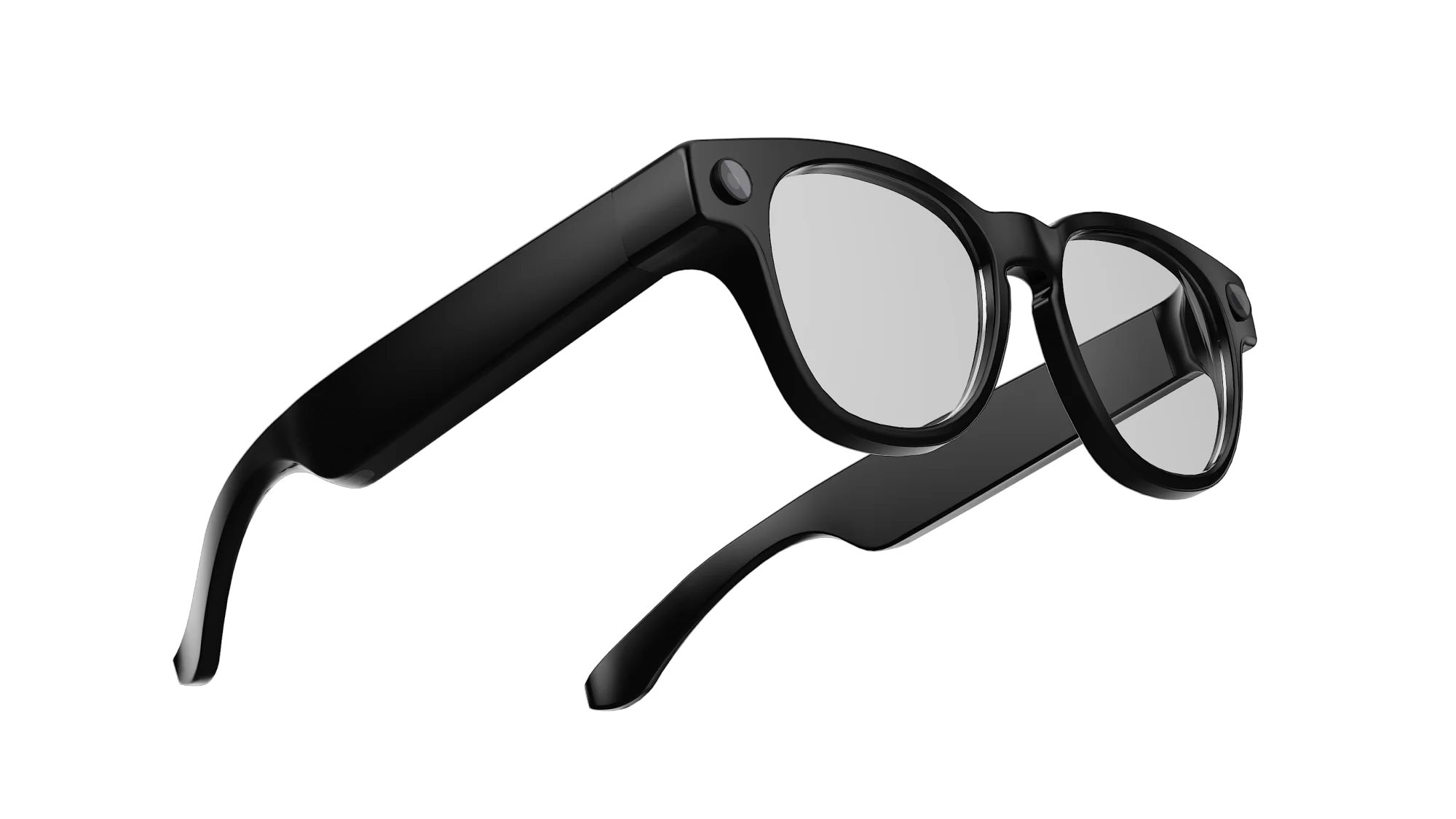
Today, there are dozens of Chinese startups selling Ray-Ban Meta clones, as well as companies around the world delivering their own take on displayless smart glasses.
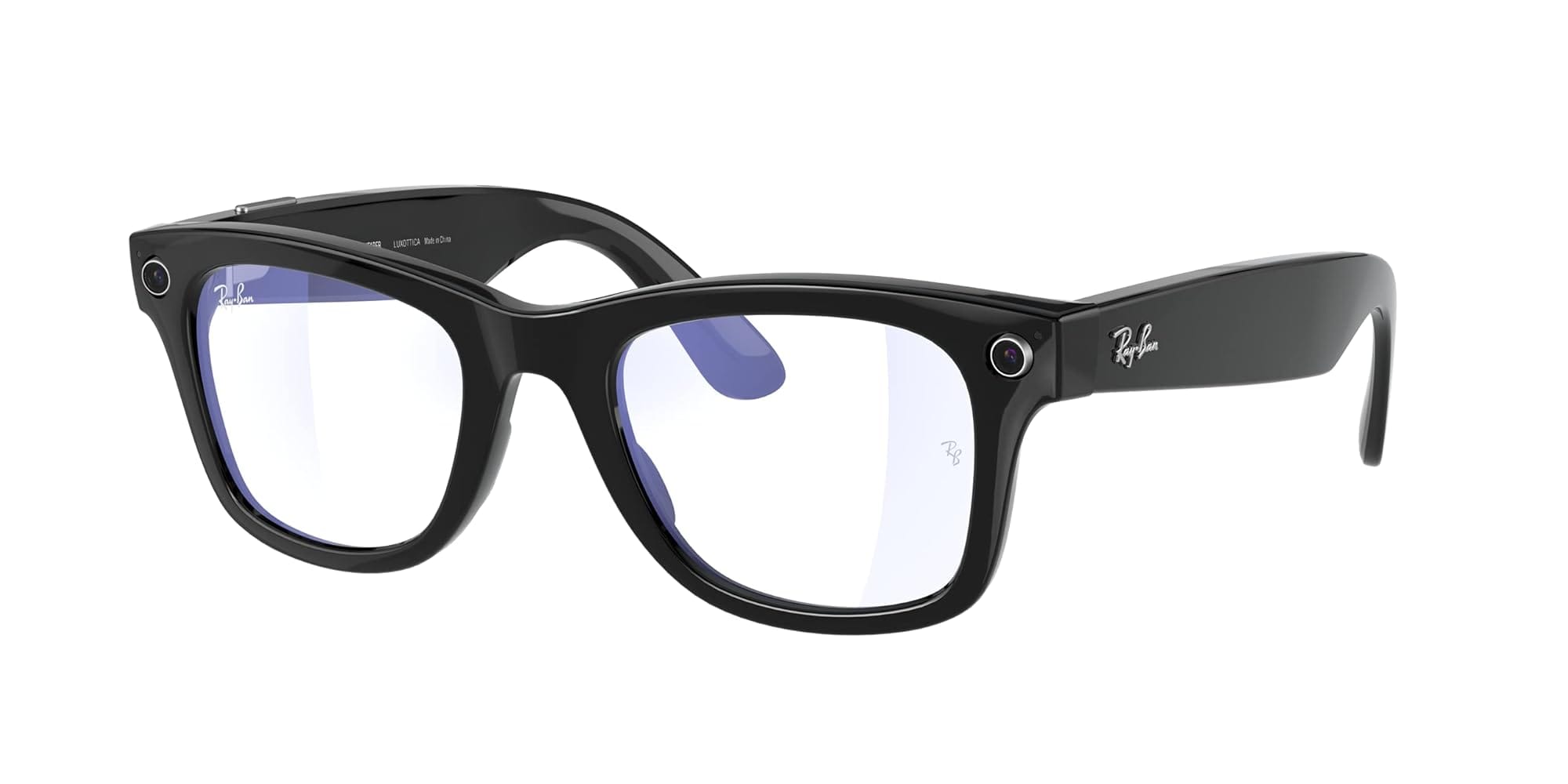
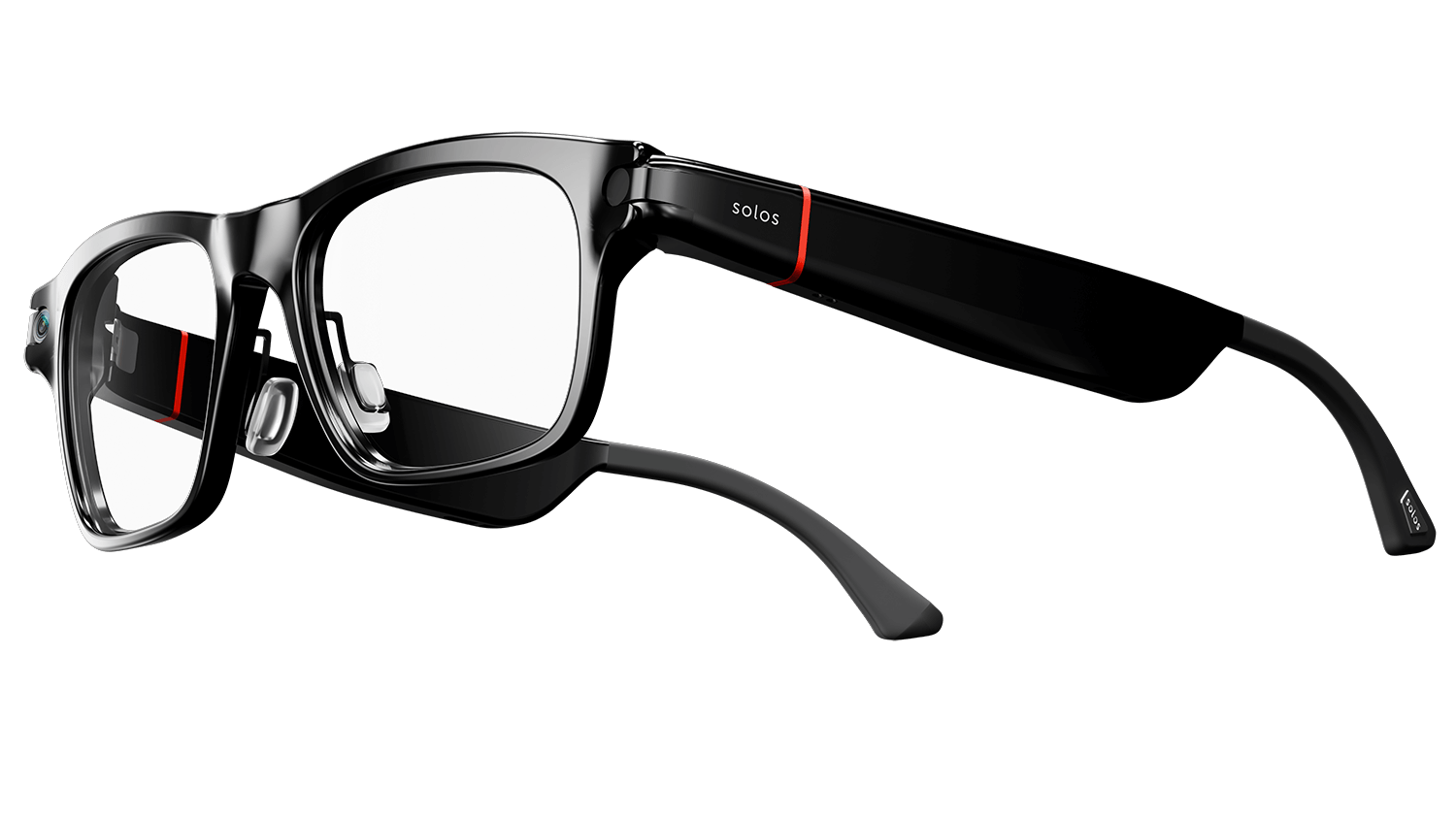
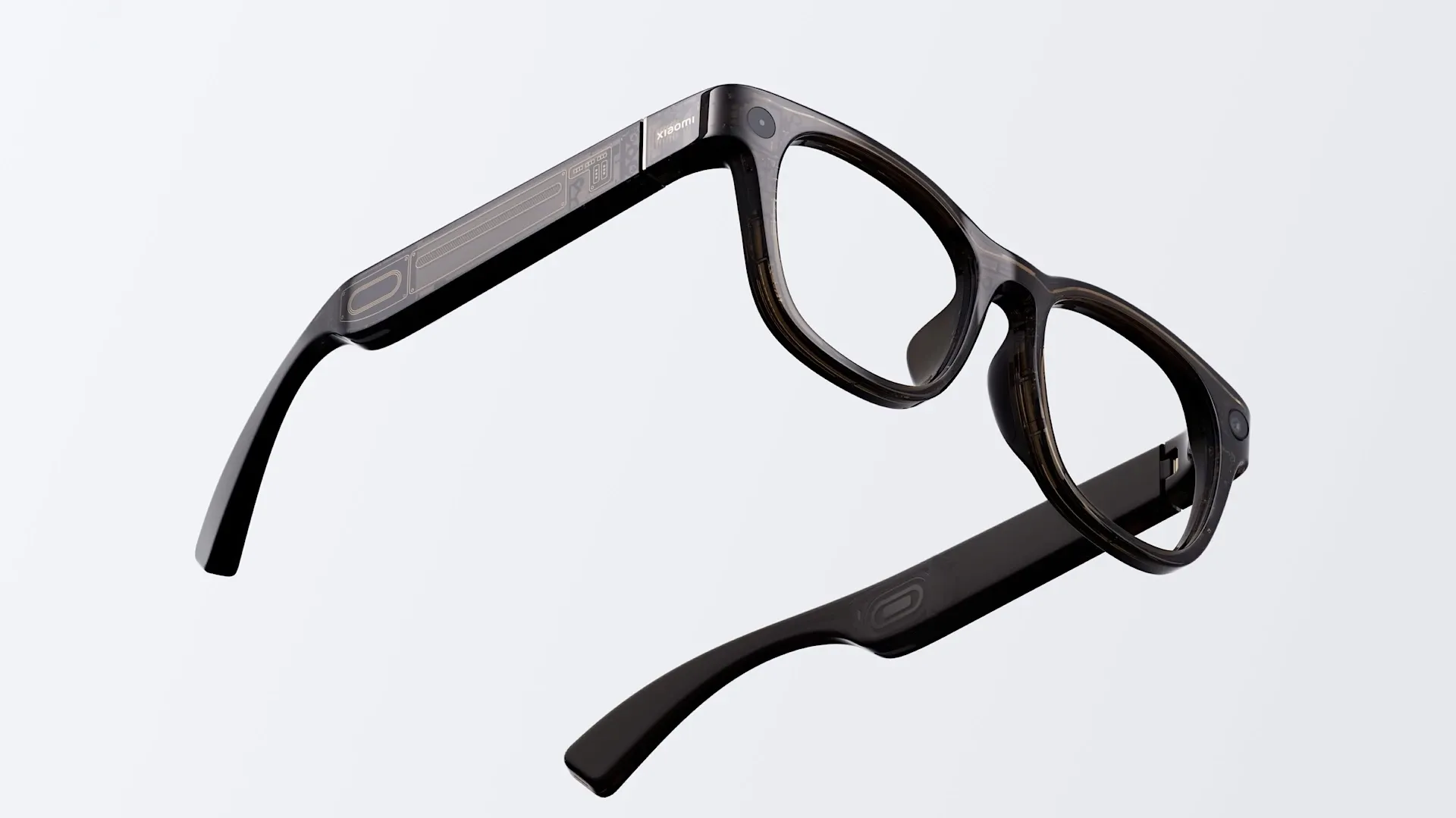
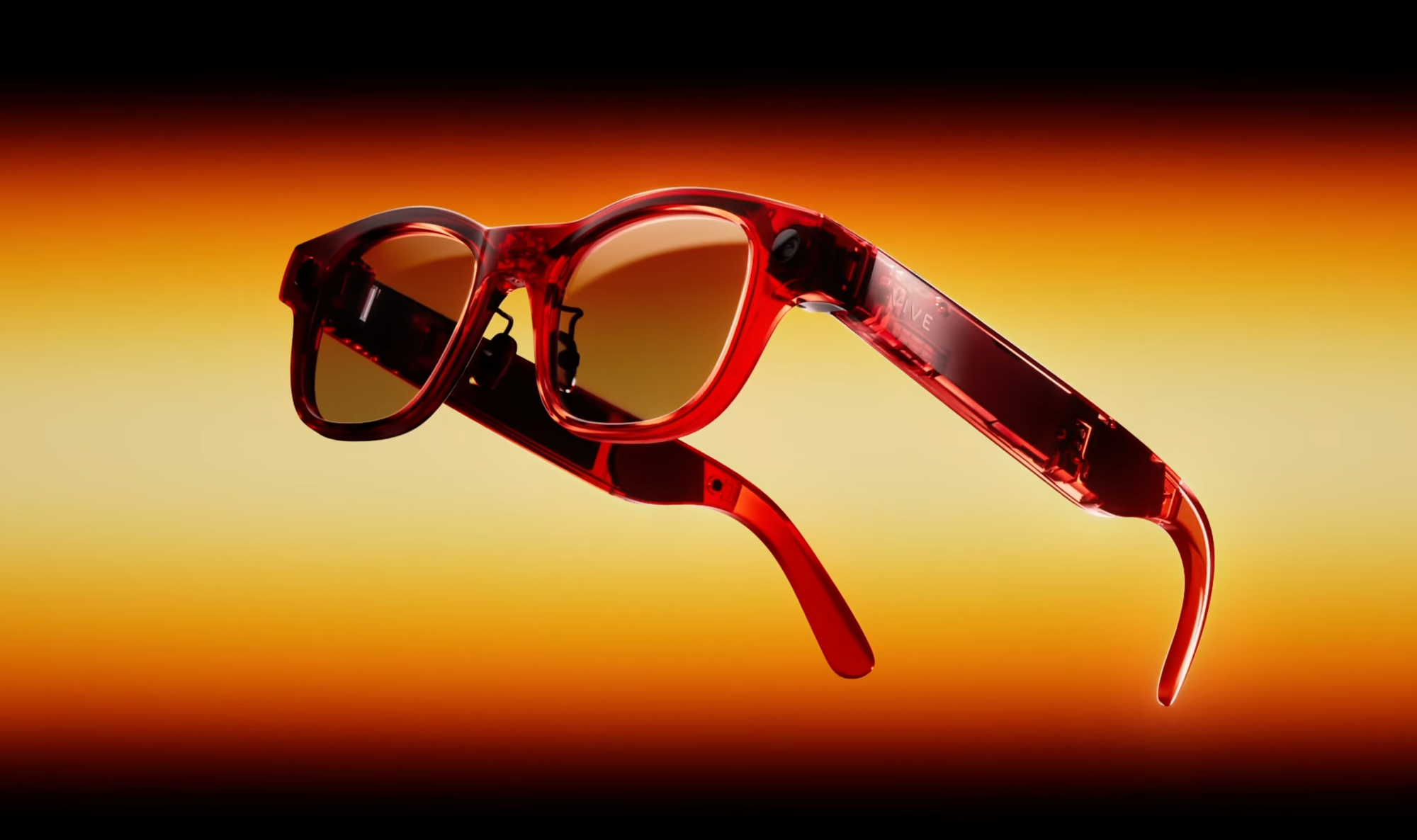
Here are some of the key displayless smart glasses competing with Ray-Ban Meta and Oakley Meta HSTN:
Solos AirGo V2
AI Models: ChatGPT / Claude / Gemini / DeepSeek
Price: $300
Release: Q4 2025
Availability: Global
Xiaomi AI Glasses
AI Models: XiaoAI
Price: ~$300
Release: July 2025
Availability: China only (for now)
HTC Vive Eagle
AI Models: Gemini / ChatGPT
Price: ~$550
Release: September 2025
Availability: Taiwan only
Mentra Live
Uniquely among displayless smart glasses, Mentra Live has an open-source OS and SDK, allowing any developer to freely and easily develop apps for it.
Price: $300 ($250 for preorders)
Release: December 2025
Availability: United States only
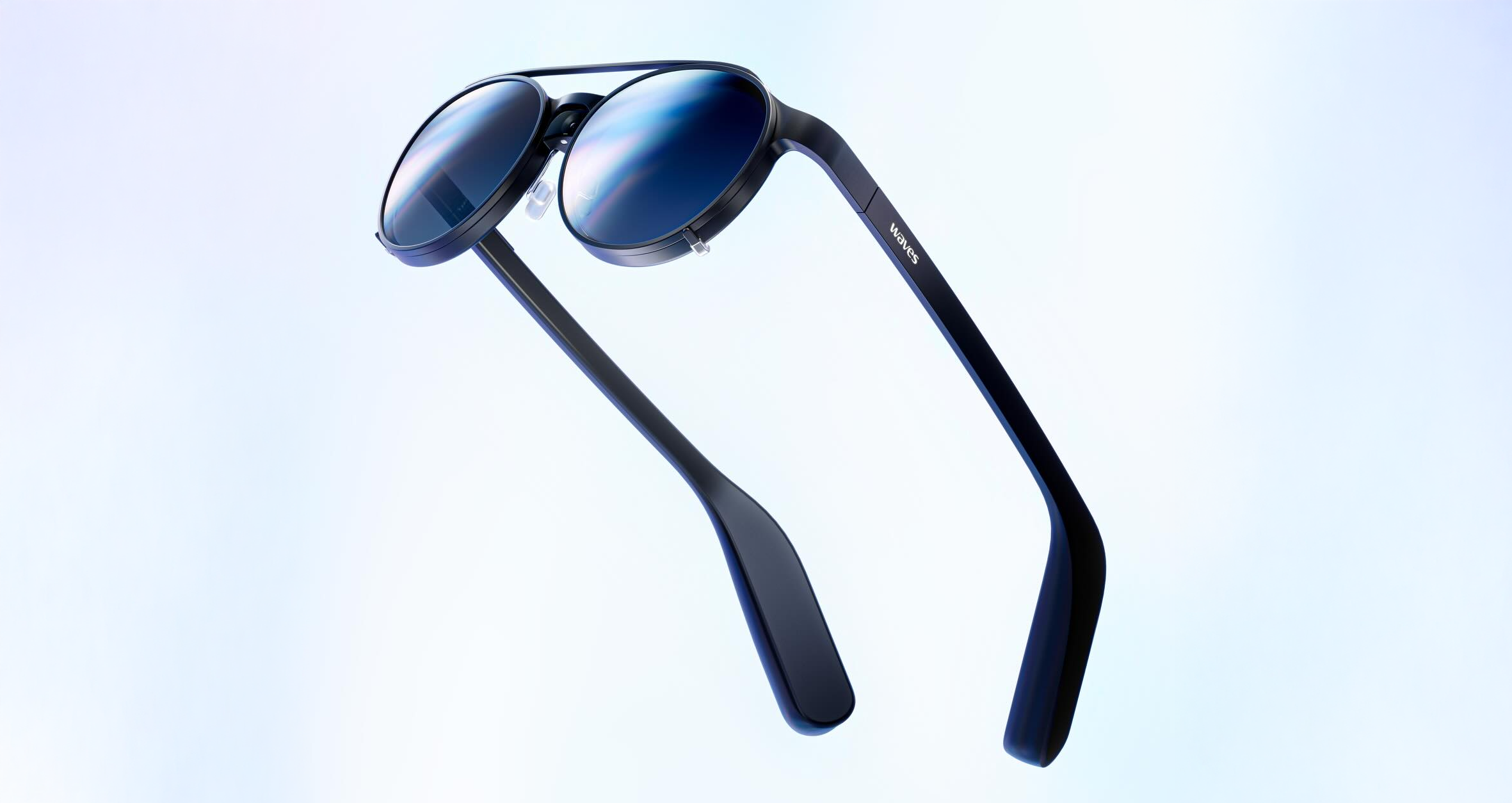
Waves Camera Glasses
The key marketed “feature” of Waves is that it lacks a camera LED, so people won’t know when you’re recording.
Price: $300-$500
Release: 2026
Availability: Global
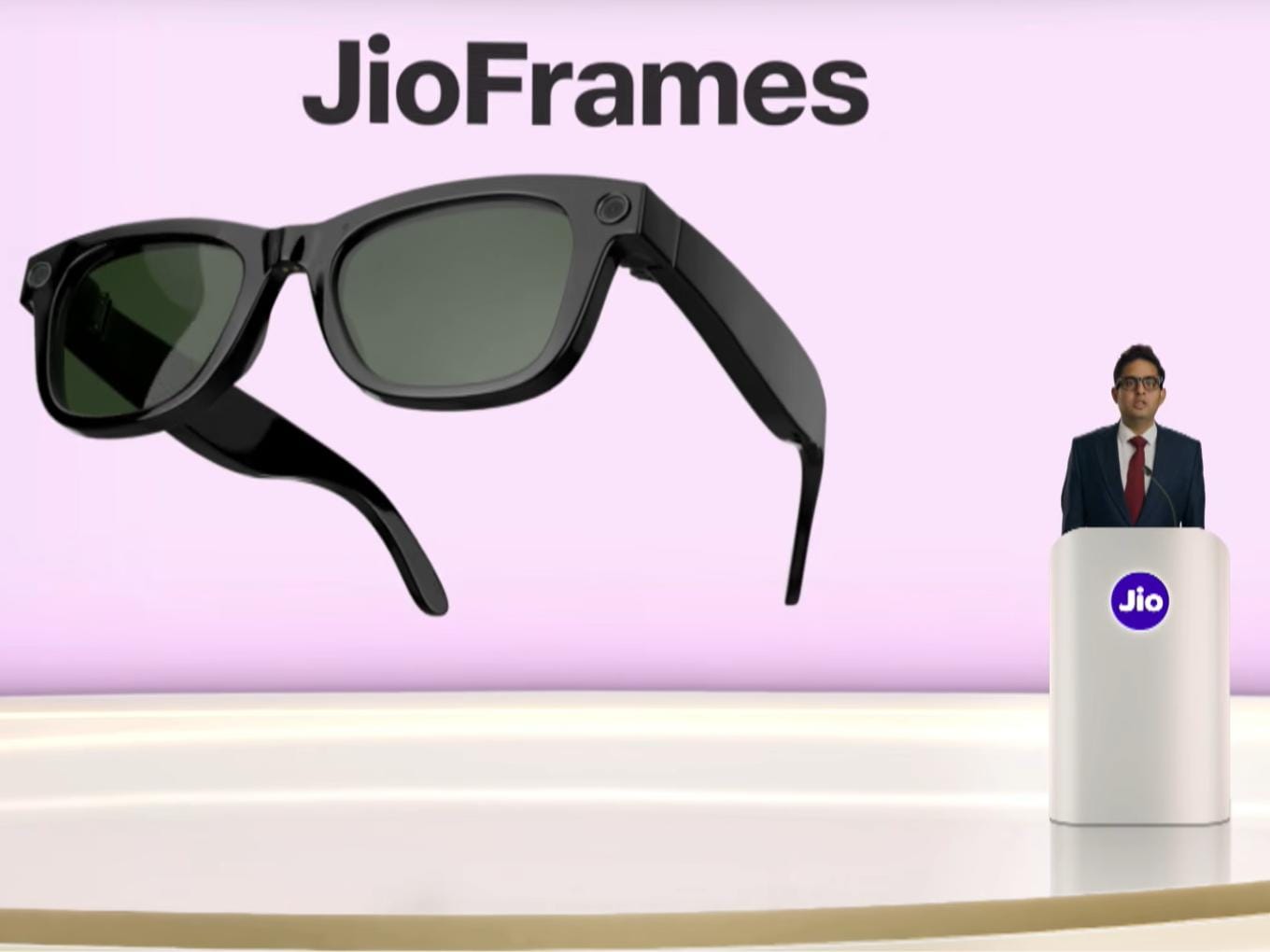
JioFrames
Jio is India’s largest mobile network, and is reportedly considering shipping a cheap Horizon OS headset in the country.
Price: TBA
Release: “Soon”
Availability: India only
HUD Glasses
There’s a lot of hype around the upcoming launch of Meta’s monocular heads-up display (HUD) glasses with an sEMG wristband, codenamed Hypernova, but there are already multiple smart glasses with a HUD.
By HUD, we mean a small, fixed-position display that can offer contextual information such as notifications, turn-by-turn directions, AI output, or translations, typically (but not always) delivered through a waveguide.
We aren’t including virtual monitor glasses like Xreal and Viture here, as their “birdbath” optics sit much further out from your eyes than real glasses and don’t support prescriptions, so can’t be used as your all-day eyewear or sunglasses.
Full-Color
Binocular
Meta’s (Reportedly)
✅
❌
North Focals
✅
❌
Even G1
❌
✅
Brilliant Labs Halo
✅
❌
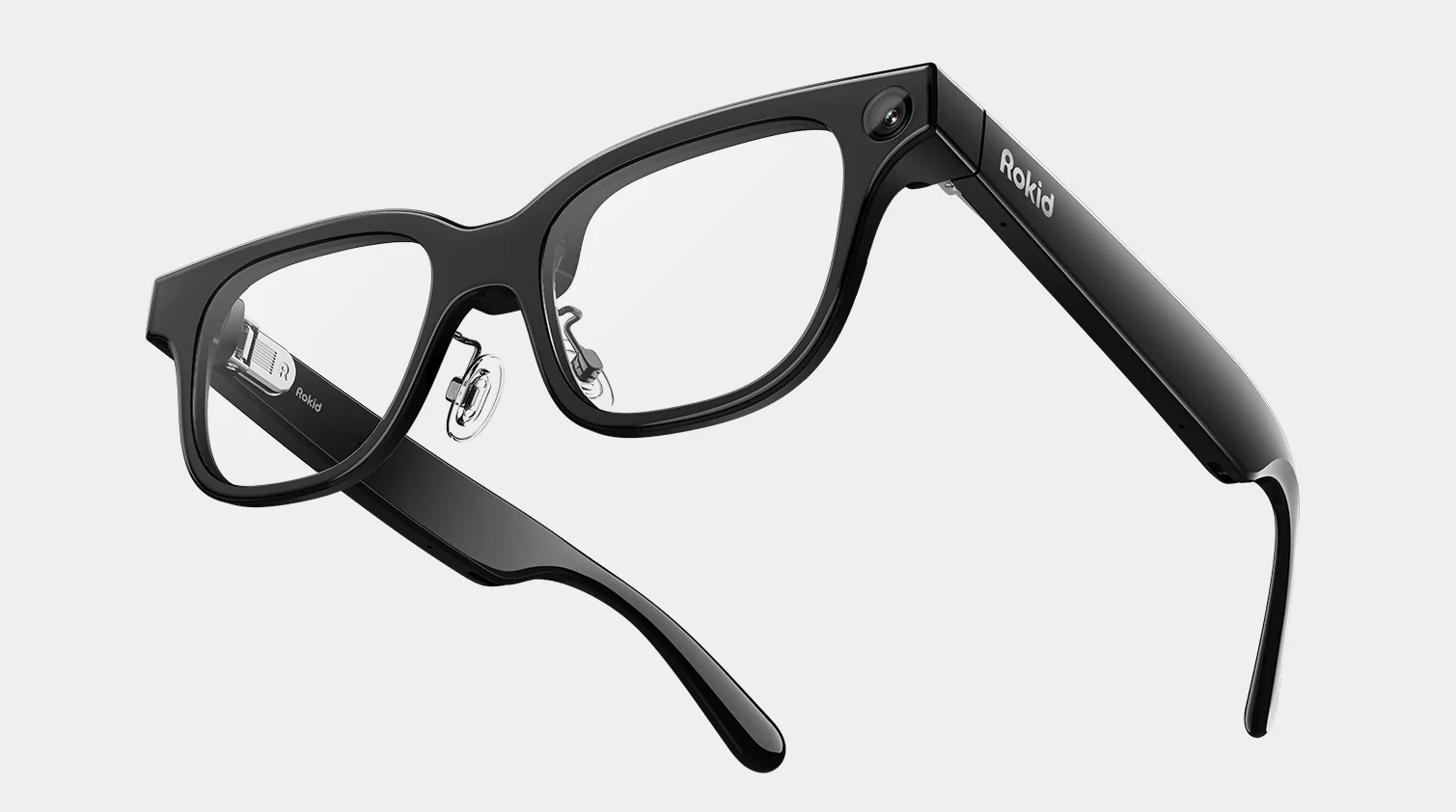
Rokid Glasses
❌
✅
XRAI AR2
❌
✅
INMO GO 2
❌
✅
Halliday Glasses
❌
❌
Amazon’s (Reportedly)
✅
❌
North Focals (Discontinued)
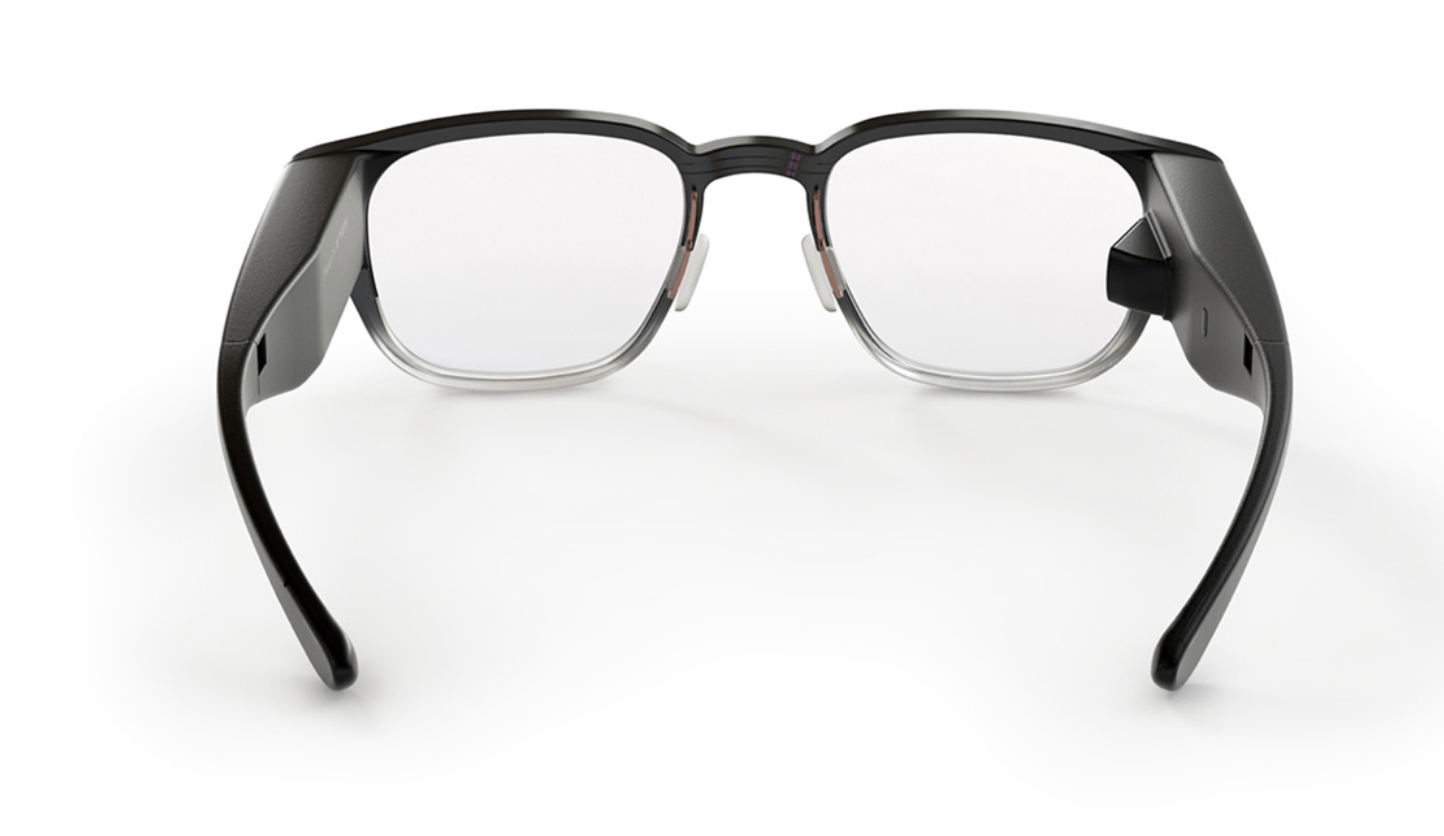
North was the first company to ship regular-looking consumer HUD glasses, all the way back in 2019, called Focals, for $600.
North Focals’ display was full color but monocular, meaning it provided a full color image, but only to one eye, like Meta’s upcoming HUD glasses.
North Focals (2019)
North Focals have a somewhat cult following in our industry, and were inarguably very ahead of their time.
In 2020 North was acquired by Google, and Focals 2.0 was canceled. North’s DNA exists today in Google and Samsung’s reference design monocular HUD glasses, shown off at I/O 2025. No specific Google or Google-powered product with a HUD has been announced yet, though.
Even G1
Even Realities is a Chinese startup with a German subsidiary. Earlier this year it shipped G1, the first truly regular-looking smart glasses with a HUD.
G1 is binocular but monochrome, meaning it provides an image to both eyes, but this image consists of only one color, green.
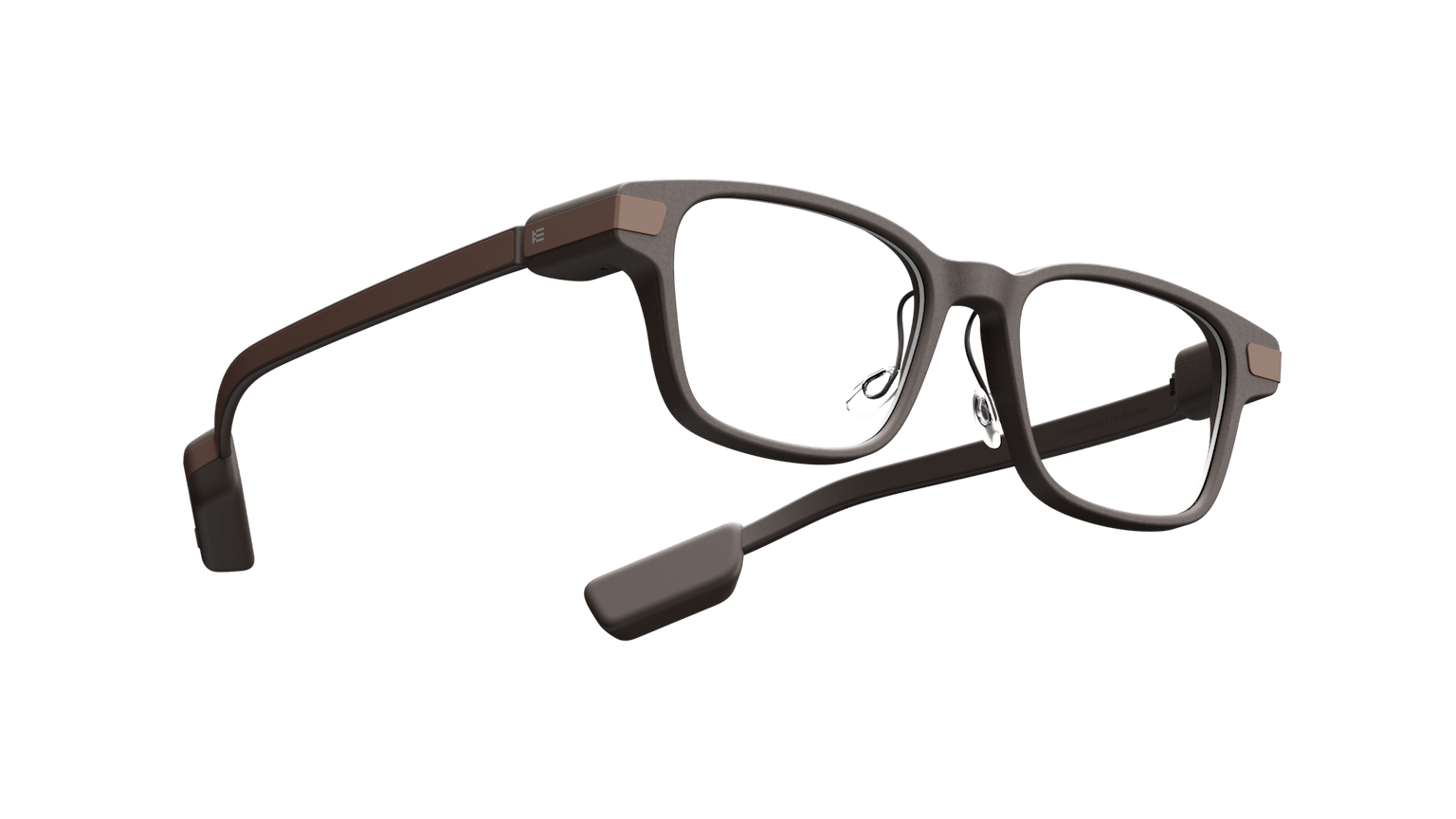
The two Even G1 styles.
The dual 640×200 green-only microLED displays are magnified over a field of view of 25 degrees, with a brightness of around 1000 nits.
Lacking any cameras or speakers, Even G1 is focused on text viewing use cases like acting as a teleprompter, translating and providing subtitles for real-world speech, and showing turn-by-turn navigation.
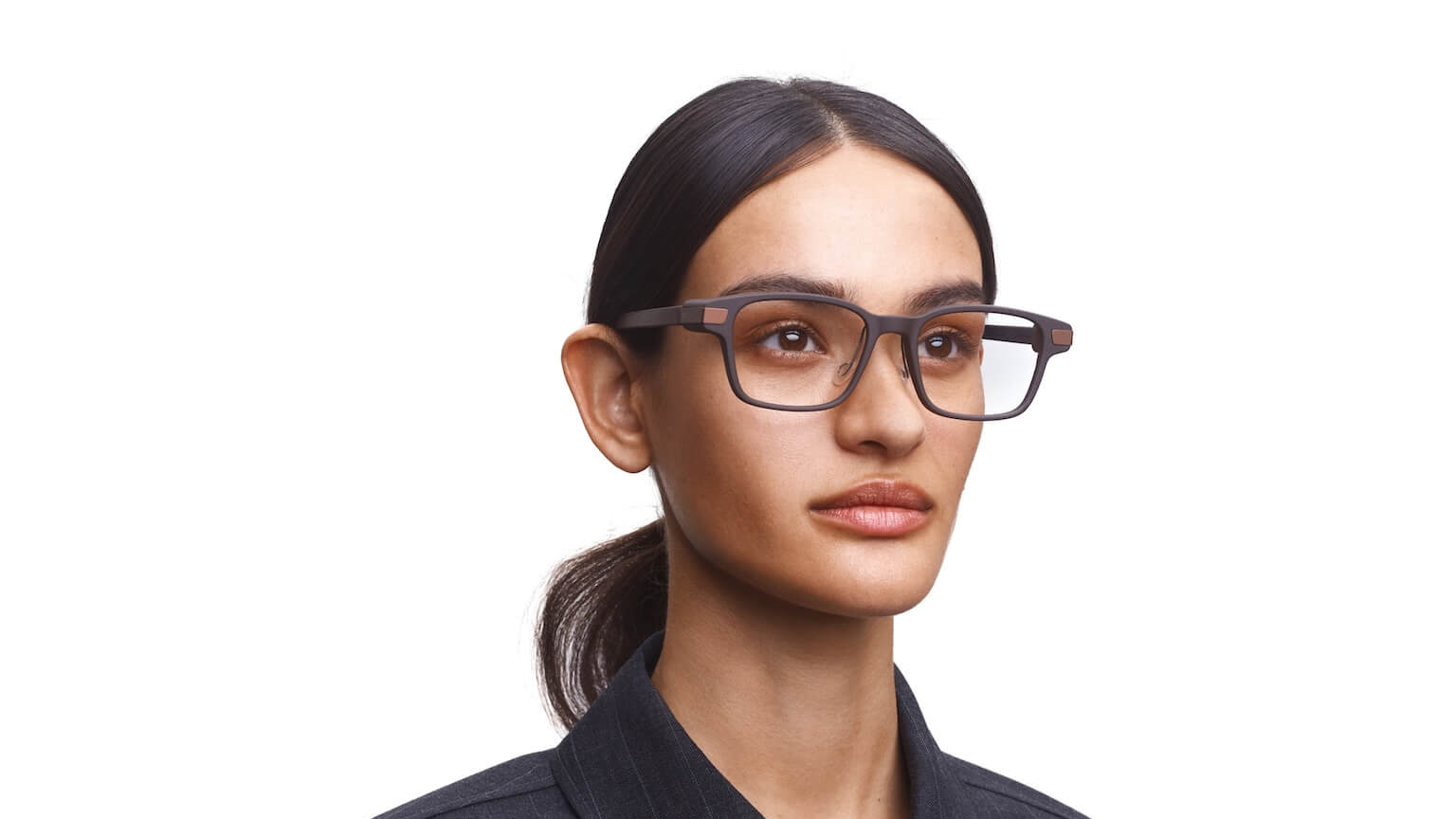
The two Even G1 styles, worn.
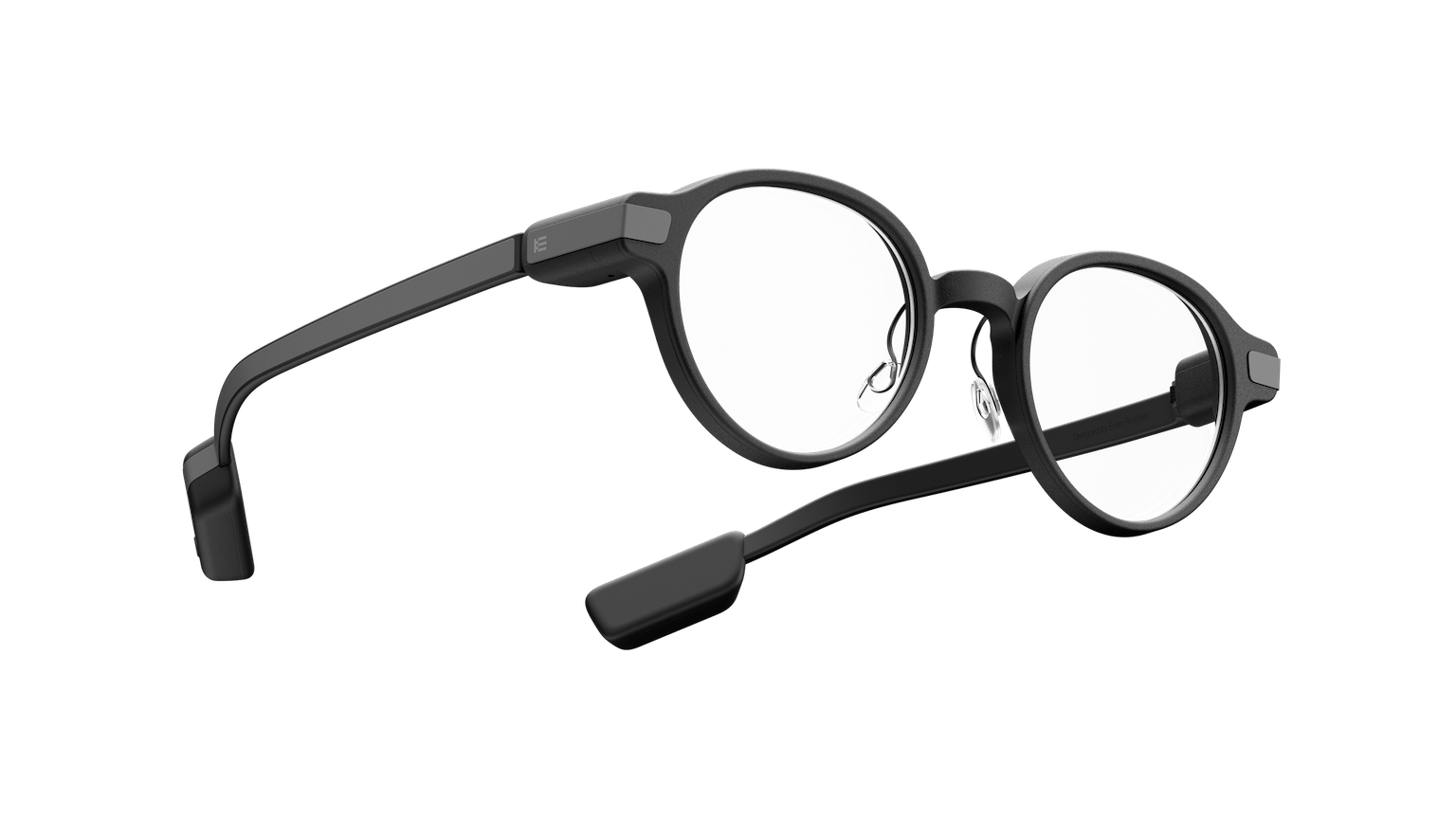
Even G1 weighs just 40 grams, and starts at $600 in the US. Two different styles are available, one with circular lenses and the other with a more rectangular design.
Brilliant Labs Halo
Brilliant Labs is a Singapore-based startup that’s already onto its third product.
Its first in 2023, called Monocle, was a thick but light lens that attached to your existing glasses. Its second, called Frame, arrived last year, with a color monocular HUD that was externally very visible on the lens. Last month it revealed and opened preorders for its third, called Halo.
Brilliant Labs Halo
Halo’s display is full color but monocular, meaning it provides a full color image, but only to one eye. You can externally clearly see the display module above the right lens, and it has diopter adjustment.
Brilliant Labs Halo has bone conduction speakers for private audio, two microphones with audio activity detection, and a “low-power optical sensor” designed for vision-capable AI models, rather than capturing images and videos.
Out of the box, Halo can talk to an AI called Noa, and it has an SDK for apps on connected Bluetooth devices, such as smartphones, to leverage its microphone, speakers, and image sensor, as well as the ability to run limited Lua scripts on-device.
The Noa AI also has a “vibe mode”, wherein you can create an app without coding by describing what you want it to do.
Brilliant Labs Halo
Halo weighs just 40 grams, and is available to preorder for $300, and should ship in Q4 of this year.
Halliday Glasses
Halliday Glasses shipped in limited quantities early this year.
They are both monocular and monochrome, meaning they show only the color green to one eye.
Halliday Glasses are normally priced at $500, with some early buyers given lower prices.
Rokid Glasses
Rokid has been making Xreal-style display glasses for years now, and recently announced its first regular-looking HUD glasses.
Rokid Glasses are binocular but monochrome, meaning they provide an image to both eyes, but this image consists of only one color, green.
Rokid Glasses are priced at $600, and should start shipping in September.
Amazon (Reportedly)
Earlier this week, The Information reported that Amazon is working on monocular HUD glasses too.
According to the report, Amazon is working on two HUD glasses models, one for consumers and another for its delivery drivers.
The delivery driver HUD glasses will be bulkier and have a monochrome display, the report says, while the consumer HUD glasses will be sleek and the display will be full color.
Amazon hopes to ship the delivery driver glasses in mid 2026, according to the report, with an initial production run of around 100,000 units. The consumer glasses should then follow in either late 2026 or early 2027.
True AR Glasses
In the West, there are currently no true AR glasses, meaning glasses that look somewhat regular and can position virtual objects in real space, on the consumer market.
While you can buy 6DoF (positionally tracked) virtual monitor glasses like Xreal and Viture, as mentioned before, these “birdbath” optics sit much further out from your eyes than real glasses and don’t support prescriptions, so can’t be used as your all-day eyewear or sunglasses.
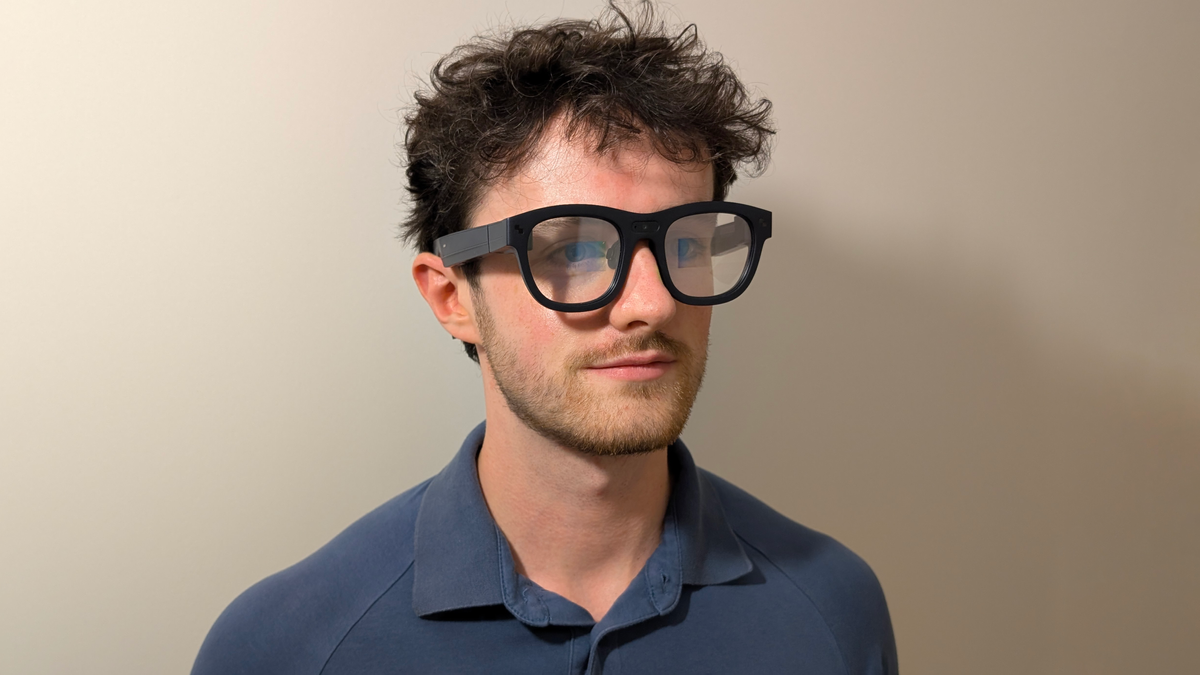
RayNeo X3 Pro (China Only)
In China startups like TCL-backed RayNeo have been shipping true AR glasses for around a year now.
We reviewed the RayNeo X2, and found that while it is technically a pair of true AR glasses, its very narrow 25-degree field of view and extremely poor positional tracking meant it just isn’t a serious AR product.
Since then, RayNeo has launched a successor called X3 Pro. While we haven’t had the chance to try X3 Pro yet, it has the same narrow field of view, but reportedly has better positional tracking.
The glasses, which weigh around 80 grams, have been shipping in China since May, for the equivalent of around $1300.
Snap Specs (2026)
Snap, the company behind Snapchat, announced in June that it plans to launch fully standalone consumer AR glasses, called Specs.
It’s set to be the culmination of a decade of the company’s work on smart glasses. Snap publicly sold three generations of non-AR camera glasses between 2016 and 2019, years before the Ray-Ban Meta glasses, and in recent years has released two AR glasses development kits, called Spectacles.
The first AR Spectacles development kit, made available to select developers from 2021, had a tiny 26-degree field of view, 30 minute battery life, and weighed 134 grams. The second generation AR Spectacles dev kit released in September for any interested developers to rent for $100/month, boosting the field of view to 46 degrees and the battery life to 45 minutes, but also increasing the weight to 226 grams and introducing a bulkier design that pushes the limits of what can be described as a true glasses form factor.
Both AR Spectacles development kits feature hand tracking and run Snap OS, a lightweight custom OS built specifically for AR that runs apps called ‘Lenses’, developed using Snap’s Lens Studio software for Windows and macOS.
Compared to the current development kit, Spiegel claims the Specs releasing as a product in 2026 will have “a much smaller form factor, at a fraction of the weight, with a ton more capability”, while running all the same Lenses developed so far.
The VMScape
vulnerability is a Spectre variant that “allows a malicious KVM guest to
leak sensitive information such as encryption/decryption keys from a
userspace hypervisor such as QEMU“. Greg Kroah-Hartman has announced
the 6.16.7, 6.12.47, 6.6.106, 6.1.152, 5.15.193, and 5.10.244 stable kernels, which add a
mitigation for the hardware bug.
Apple’s Live Translation feature for AirPods won’t reach European Union users when it launches next week. The restriction applies to users physically located in the EU who also have EU-registered Apple Accounts. Apple hasn’t specified reasons for the limitation, though the EU’s Artificial Intelligence Act and GDPR impose requirements on speech processing and translation services.
The feature enables real-time translation between English, French, German, Portuguese, and Spanish on AirPods Pro 2, AirPods 4 with Active Noise Cancellation, and the newly announced AirPods Pro 3. Translation requires iOS 26 on iPhone 15 Pro or newer models.
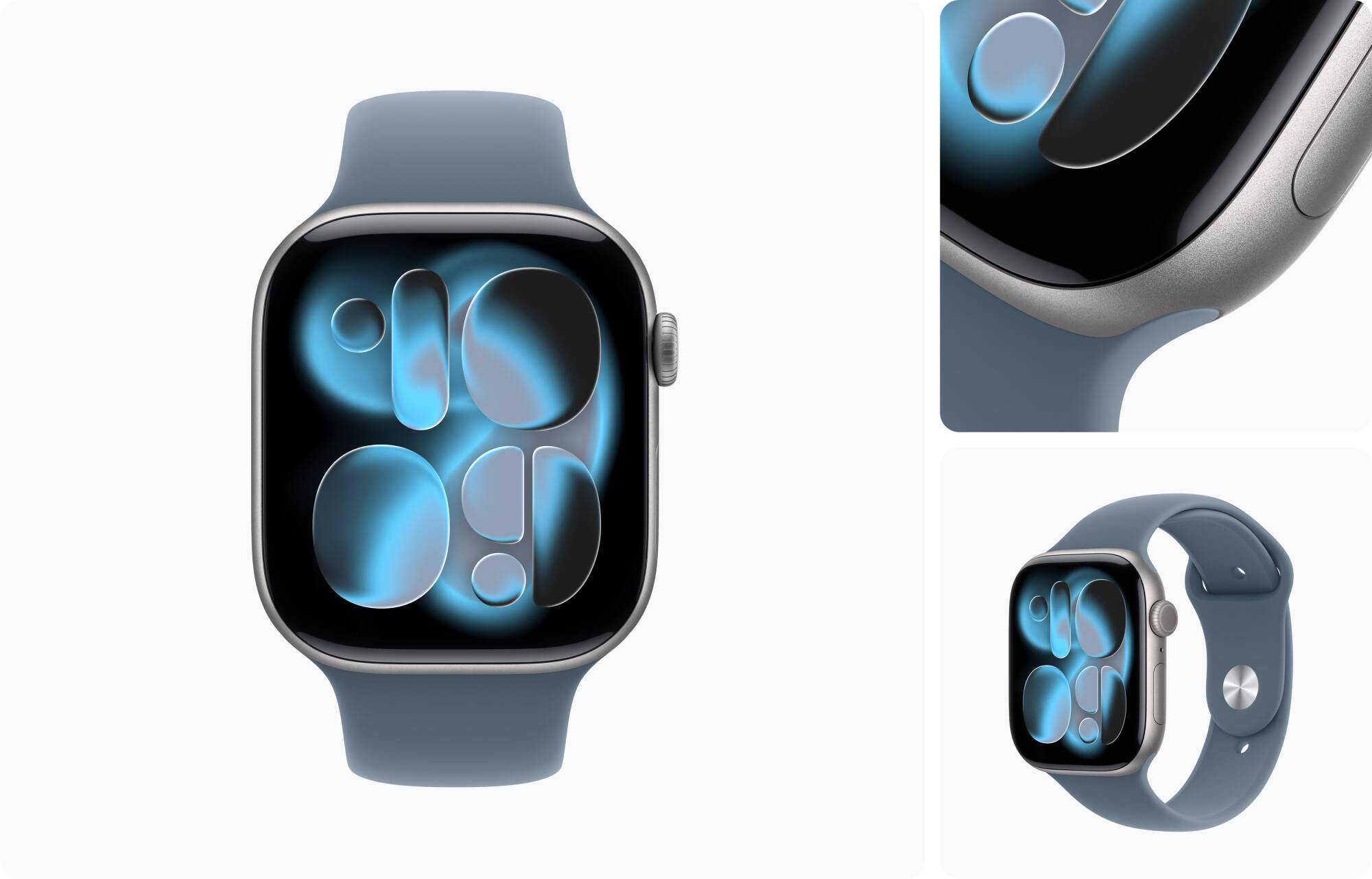
In 2025, Apple has chosen to update all three of its Apple Watch models together. That’s rarer than you’d think. The Apple Watch Ultra 2 came out in 2023, and the SE 2 was last updated in 2022. This year, the Series 11 and the Ultra 3 are both out at the same time, and they share quite a lot of internals. But they’re still quite distinct. One is a $399 smartwatch that’s the perfect Apple Watch for most users, while the other costs double that, at $799. But, it offers the biggest screen, the largest battery life, the most rugged exterior, and the most precise GPS on any Apple Watch. Which is right for you?
Display and design
Apple Watch Series 11. Credit: Apple
The Apple Watch Series 11 comes in two sizes, 42mm and 46mm, while the Watch Ultra 3 comes in just one size, 49mm. The Series 11 case is made out of aluminum by default, but there’s an option to get a titanium case as well (starting at $699, quite close to the Ultra 3). The Watch Ultra 3 only comes in titanium.
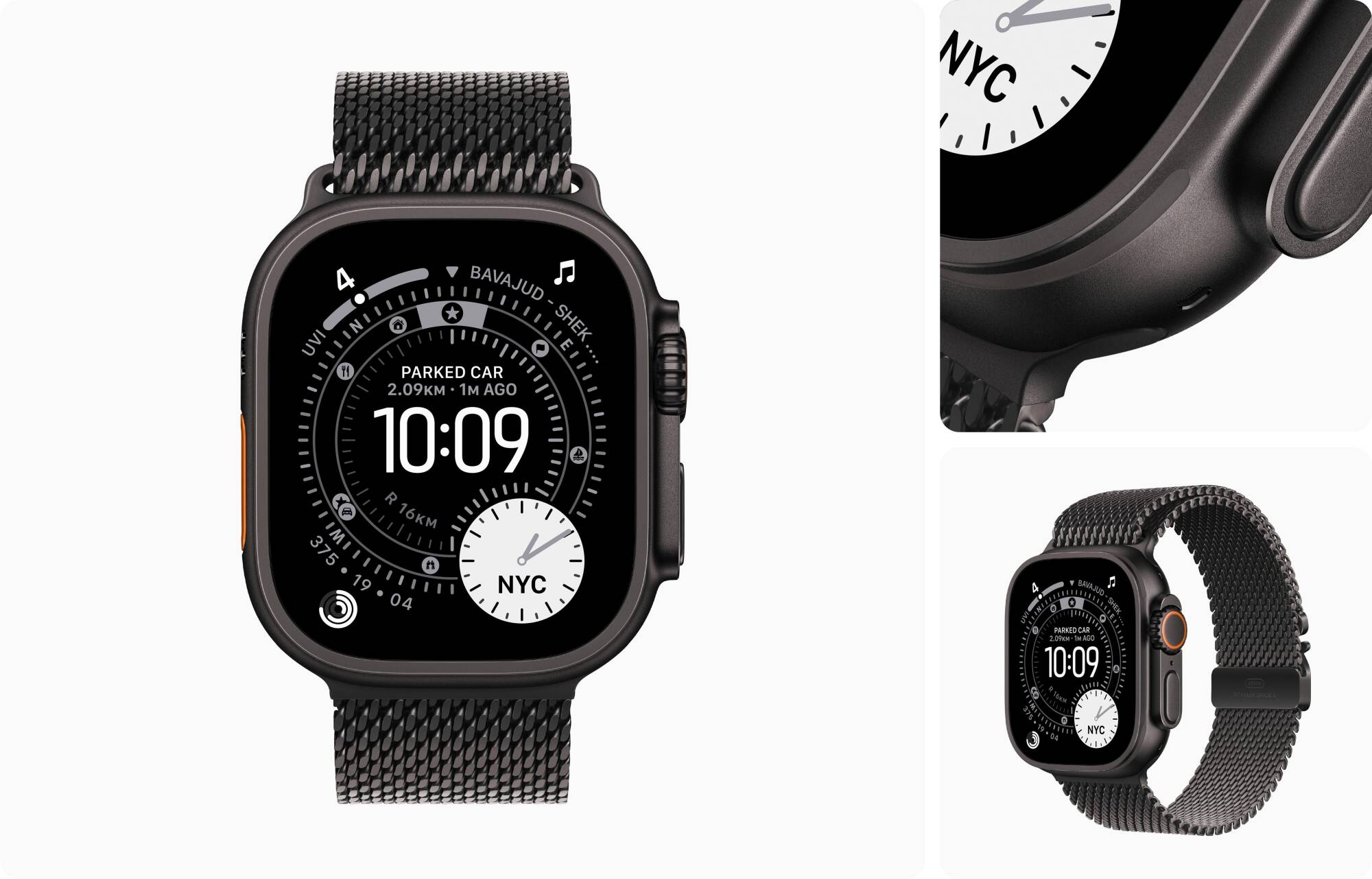
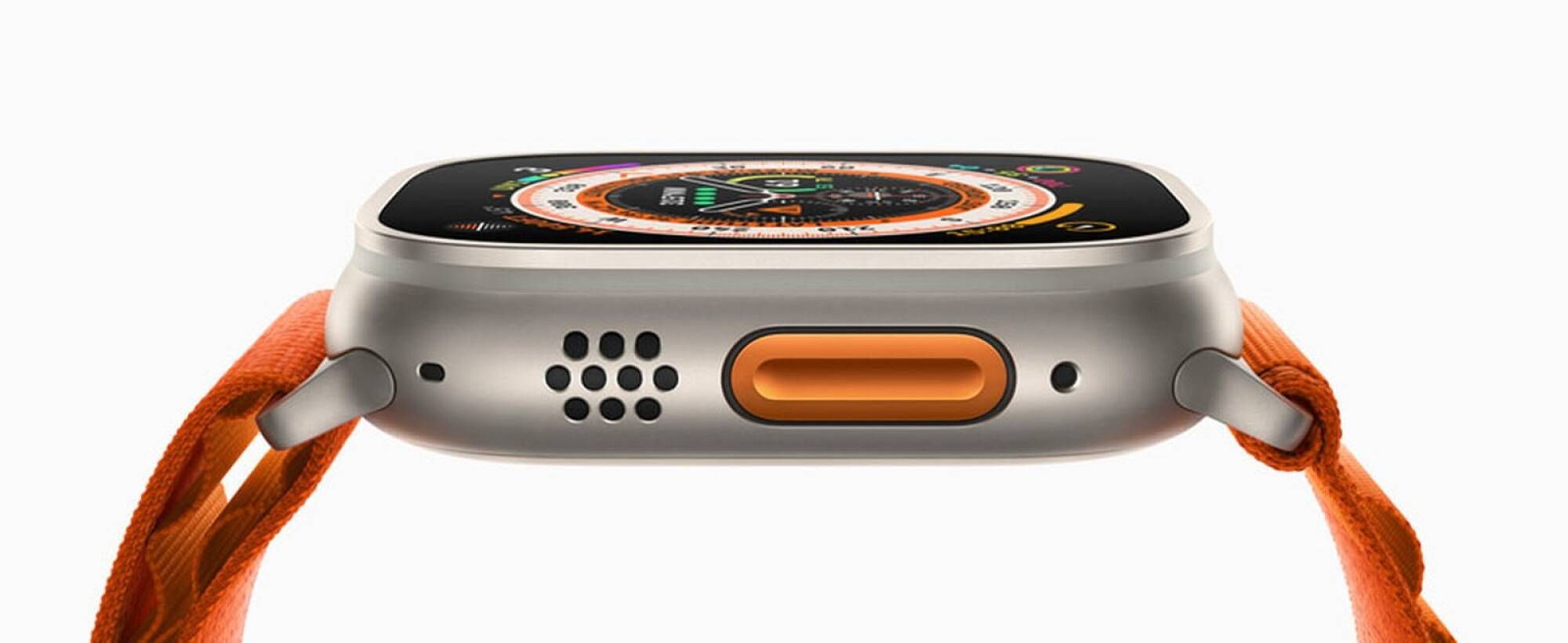
The Ultra 3, though, is distinct. The Series 11 has a thin profile, lightweight design, and curved glass. The Ultra 3 has a flat-top, large display, and rugged titanium body, with some extra protrusion to protect the Digital Crown. It very much looks like an adventurer’s smartwatch.
Apple Watch Ultra 3. Credit: Apple
They both share the same basic screen specs, but the Watch Ultra 3’s screen can get much brighter. They’re both LTPO3 wide-angle OLED displays, and not to downplay the Series 11, Apple says it is twice as scratch resistant compared to Series 10.
However, the Watch Ultra 3’s display goes hard. It can reach up to 3,000 nits of brightness (compared to the Series 11’s 2,000 nits), and it’s also the largest display ever in an Apple Watch. In this generation, Apple managed to reduce the bezel size to make the screen slightly bigger. Both devices can also go down to a 1Hz refresh rate with an always-on display, so you can see the watch face update in seconds (and see changes in the complications), without lifting up your finger or wasting too much battery life.
While the screen-quality is mostly matched, the differentiating factor for a lot of people is likely to be how the watch looks and feels on your wrist. The Series 11 is 9.7mm thick, while the Ultra 3 comes in at 12mm. That’s quite a lot in terms of wristwatches.
It’s a similar situation with weight. The 42mm Series 11 in aluminum weighs 30.3 grams, and the 46mm version, which is the closest comparison to Ultra 3, weighs 37.8 grams. The Apple Watch Ultra 3, on the other hand, weighs 61.6 grams. That’s almost 24 additional grams!
The Apple Watch Series 11 comes in multiple colors and finishes like Rose Gold, Silver, Space Gray (a new addition this year), and Jet Black. There’s also the Titanium line with Natural, Gold, and Slate finishes. The Ultra 3 is only available in two colors: Natural Titanium, and Black Titanium.
Both smartwatches share the same exact S10 chip, with 64GB of storage, so they’re equally matched when it comes to basic performance.
Longer battery life
The Apple Watch Series 11 and Ultra 3 both promise six additional hours of standard battery life. The Series 11 can now last up to 24 hours (up from 18-hours before). The Apple Watch Ultra 3, though, can last up to 42 hours on a single charge (that’s up from 36-hours for the Ultra 2).
Low Power Mode on the Series 11 supposedly takes that battery life up to 38 hours, while the Ultra 3 can go for 72 hours instead. Both watches are fast-charge compatible, and you can charge 0-80% on the Series 11 in about 30 minutes, while it’s 45 minutes for the Ultra 3. On Series 11, a quick 15 minute charging session will add 8 hours of usage, while it’s 12 hours for the Ultra 3.
5G, GPS and satellite connectivity
Credit: Apple
Both smartphones come with 5G connectivity this year, if you spring for the cellular model (which costs $100 extra). The 5G connectivity helps in achieving faster downloads and streaming for podcasts and music. But it also makes sure that your calls won’t be dropped even if you have spotty coverage.
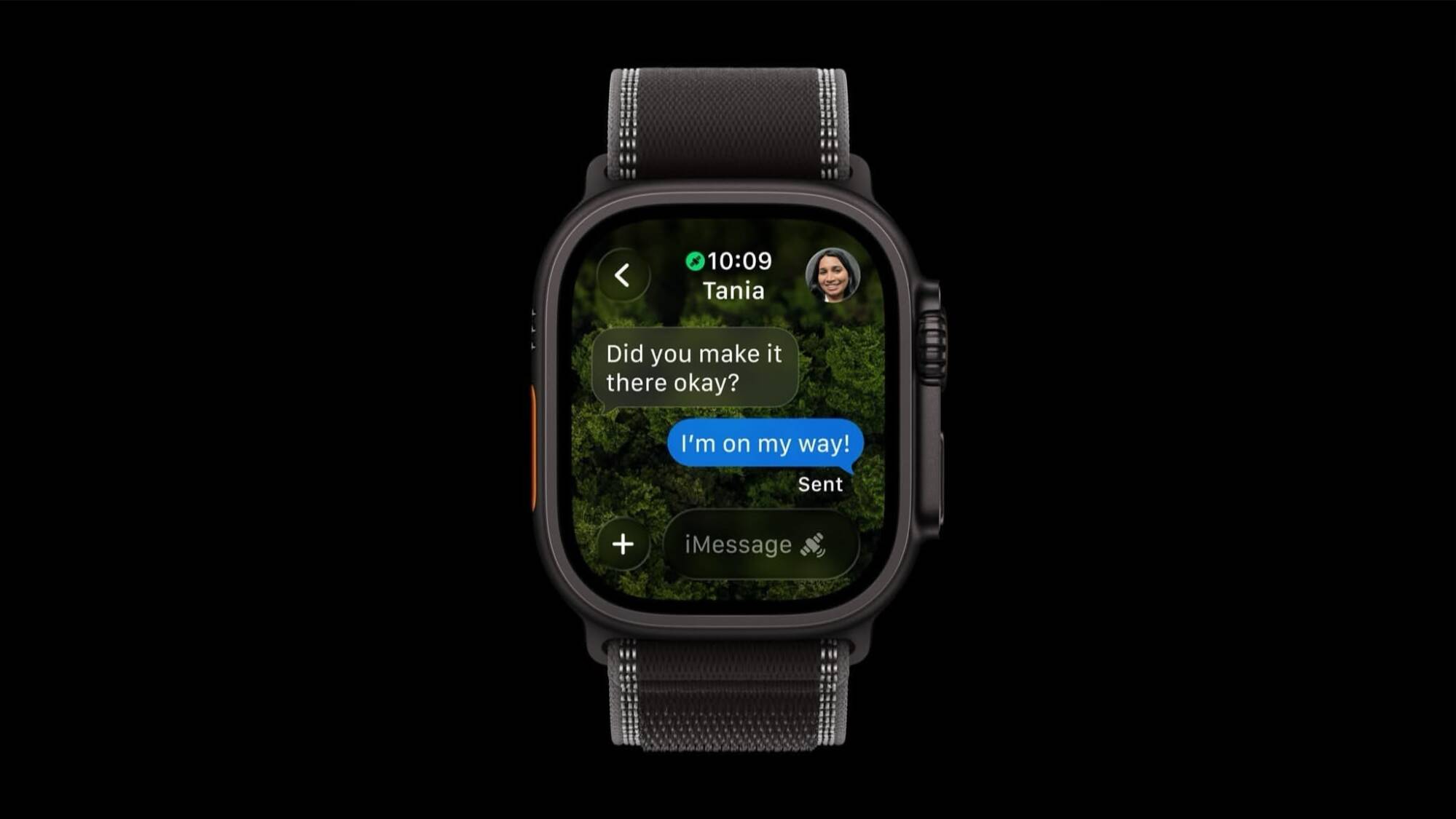
However, the Ultra 3 goes one step further and adds Satellite connectivity, which isn’t available on the Series 11. This works similarly to how it does on the latest iPhones. You can use Satellite connectivity to contact Emergency services, and also to send quick messages to your friends and family. This can be a great way to inform your friends about your safety and location when you’re traveling in areas with no reception. Satellite connectivity is free for two years after purchase, but we don’t yet know how much it will cost after that. Apple already extended Satellite services for older iPhones for free, so it’s possible Apple will do the same for the Ultra 3 as well.
The Ultra 3 has support for both L1 and L5 GPS including GLONASS, while the Series 11 gets L1 GPS only.
Ultra 3 has an Action button, and exclusive watch faces
Credit: Apple
Because the Ultra 3 is focused on fitness and tracking, it has a special Action button, and specialized watch faces for fitness tracking that aren’t available on the Series 11. The Action button on the side can be mapped to open your favorite workout, app, or to trigger a shortcut. The Watch Ultra gets a series of unique and useful watch faces, including a Modular watch face that lets you add seven complications and shows real-time depth and elevation data on the side.
Ultra 3 has a slight edge in fitness tracking
The Series 11 and the Ultra 3 share many of the same sensors and features. They have the same electrical heart rate sensor, and a third-generation optical heart rate sensor, water temperature sensor, altimeter, and depth gauge.
But the Ultra 3’s depth gauge works up to 40 meters, while the Series 11 taps out at 6 meters. That’s a big difference when you’re diving out in open waters. With the altimeter, too, the Ultra 3 supports an expanded range from -500m to 9,000 meters (Apple has not yet provided data for the Series 11). The Ultra 3 also has better water resistance, rated at 100m compared to Series 11’s 50 meters. Both smartwatches have IP6X dust resistance.
Both devices also support the same basic health features, like ECG, Blood Oxygen monitoring, sleep tracking, training load updates, and more.
Credit: Apple
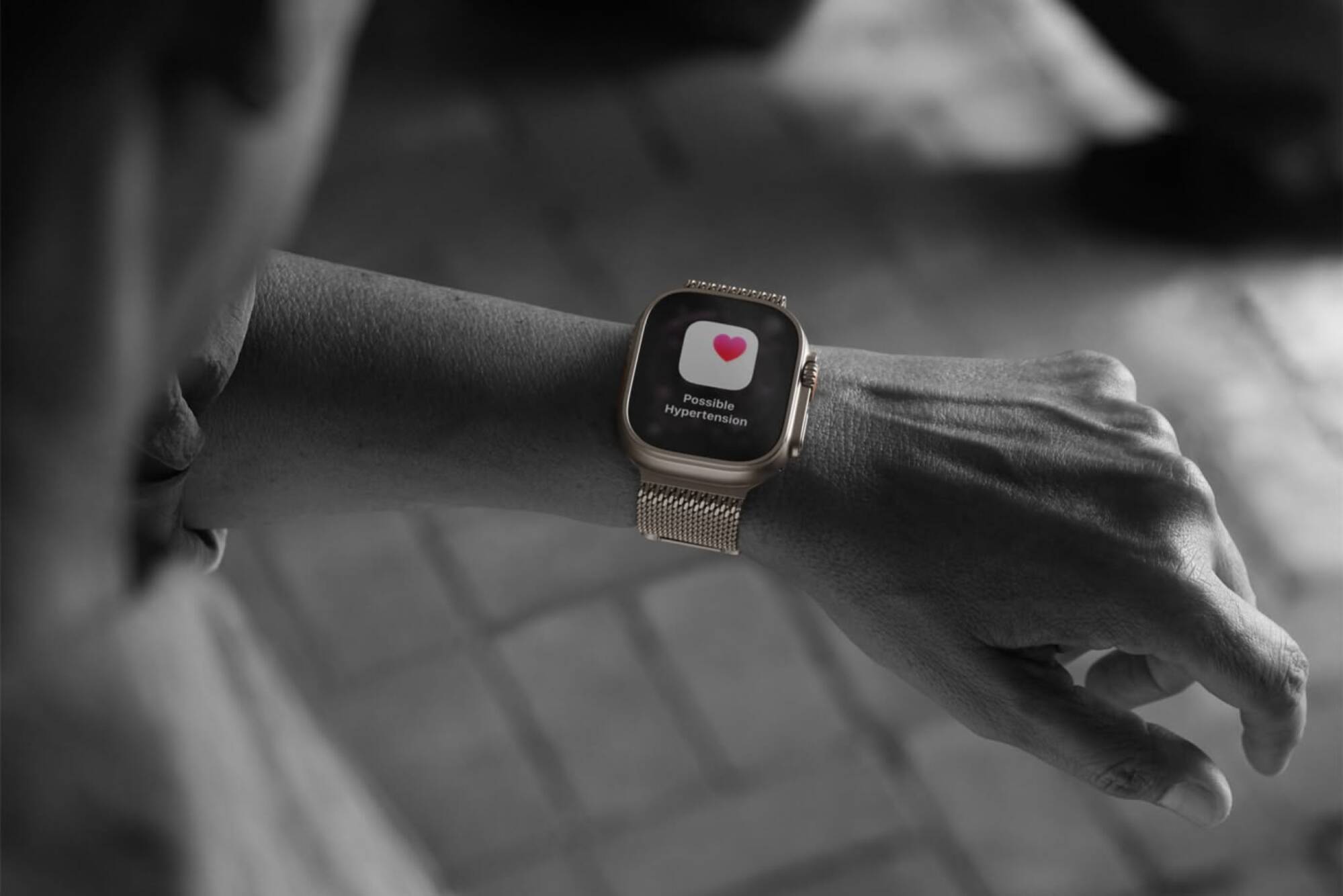
The newly added high blood pressure notification system, along with Sleep score, are available on both watches, though they’re also being added to older Apple Watches through the watchOS 26 software update.
The Series 11 is the best pick for most users
The Apple Watch Ultra 3 offers the biggest screen, the longest battery life, and the most precise GPS tracking in any Apple Watch. Plus, it’s a much better diving watch. But it also comes at a cost. The Ultra 3 starts at $799 for the GPS + Cellular model (there’s no GPS-only model).
The Ultra 3 is all about the feel. It’s about the rugged exterior, and the adventurous watch bands that go with it. But before you buy one, I would highly suggest going to an Apple Store to try it out in person. Only when you put on the Ultra , with its extra heft, will you know if it is for you or not.
For most people, then, the Series 11 will probably be the better pick. The 46mm version still has a large enough screen. Plus, it’s thinner and lighter, and now has a promised 24-hour battery life as well. And it offers all the health and fitness tracking features as the Ultra 3. Plus, the Series 11 starts at $399 for the 42mm model, and $429 for the 46mm model (plus $100 for the cellular upgrade). At those prices, the Series 11 makes more sense, as it offers everything that an average smartwatch user would need, in a package that’s not too expensive.
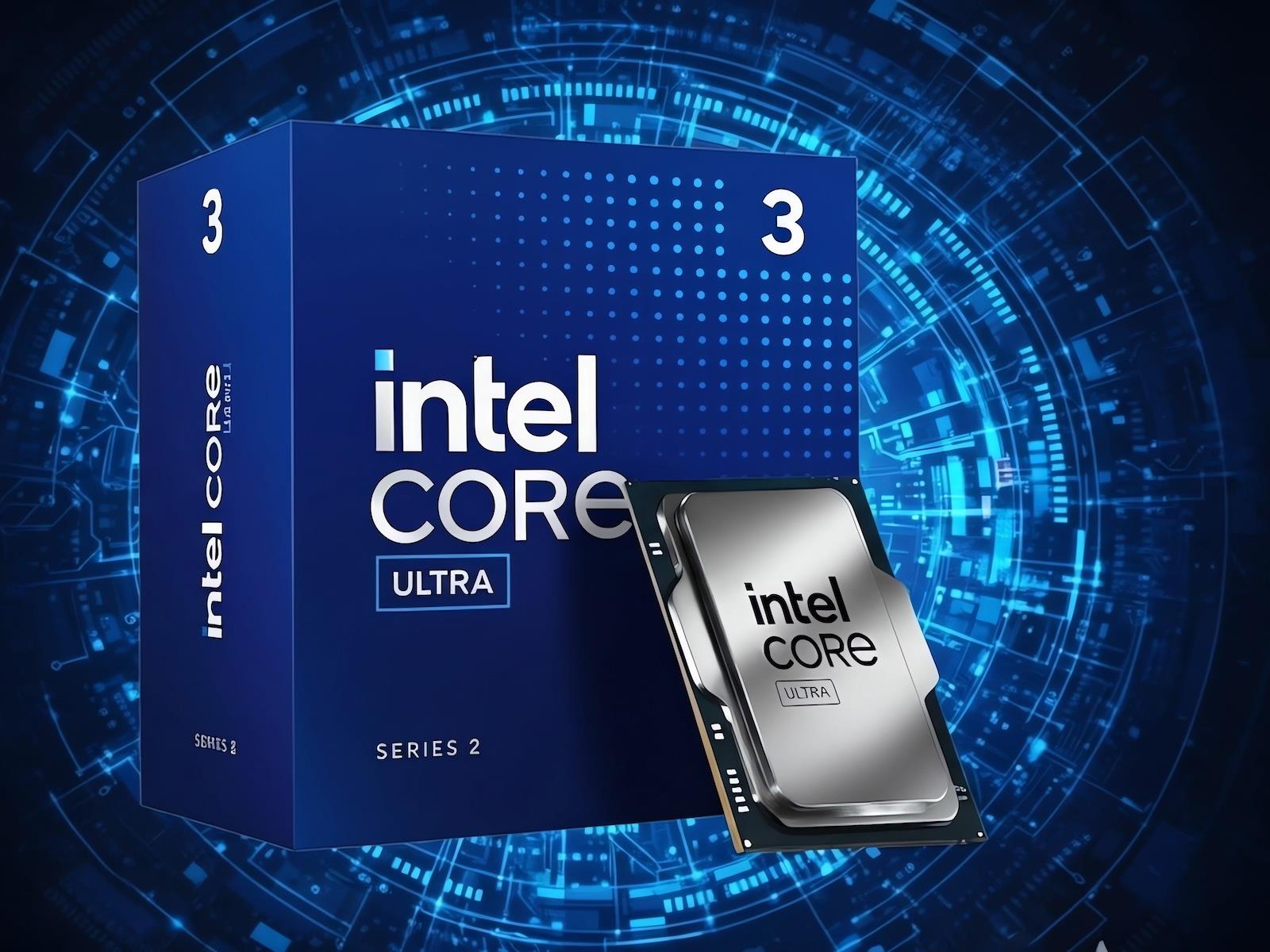
A thesis that the author has been pondering for months now—ever since we reported on the Ryzen 5 5600G’s surprisingly competent gaming chops—is the idea that computers have been ‘fast enough’ for a while now, and even enthusiasts might consider a lower-end processor if it suits their needs. Would you ever buy a “3” level CPU for your own use,
The Apache Software Foundation announced last year that they would be changing its corporate logo and overhaul its branding after being criticized by American Indian activists. Today they announced the brand new Apache Software Foundation branding…
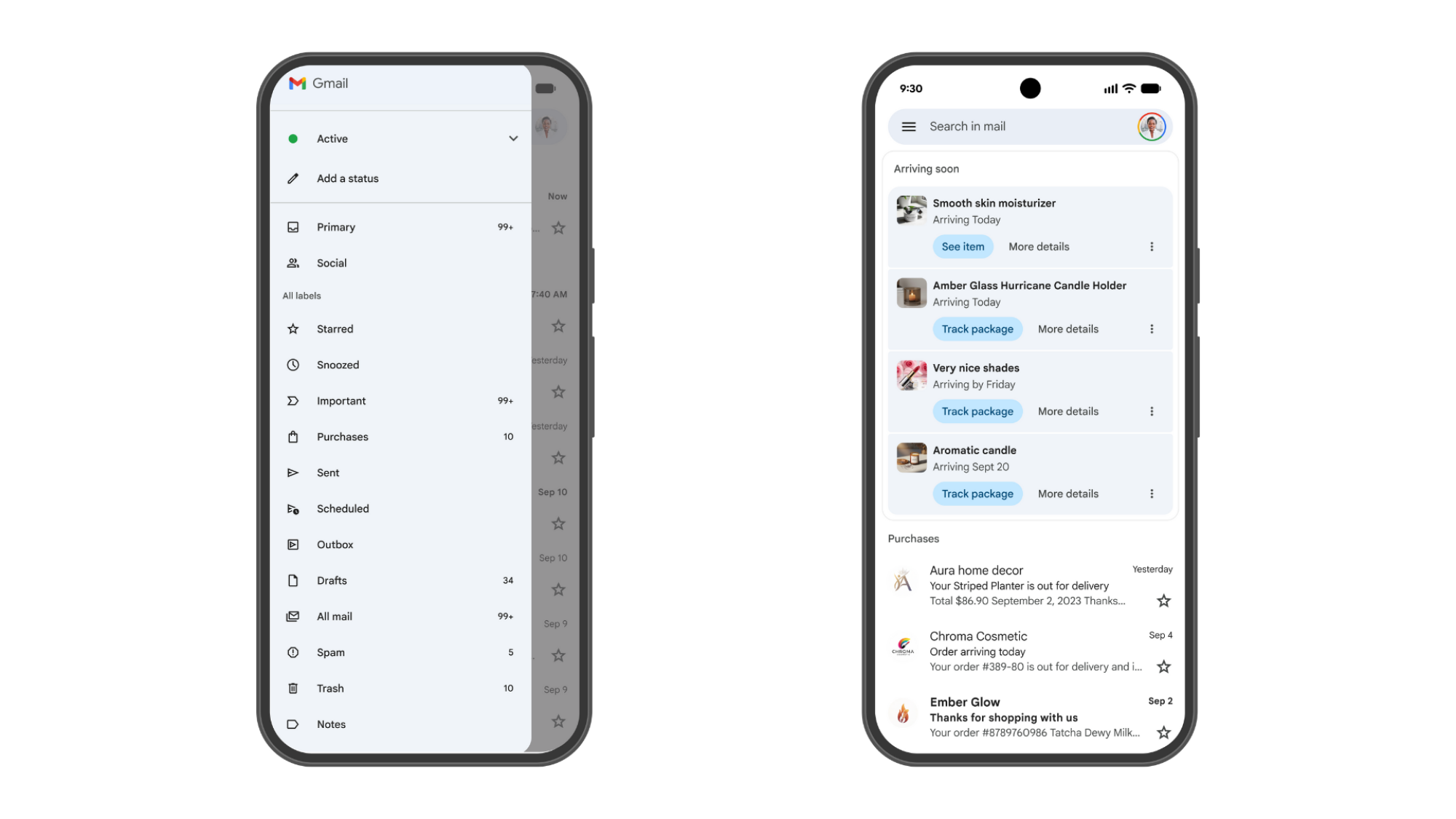
Another fall, another shopping season. Ahead of the holidays this year, Google announced it’s making a couple of additions to Gmail to make it easier to keep track of your purchases and potential savings, including a tab that finally keeps all of your incoming deliveries organized in one neat place.
While you’ll still see “packages that are set to arrive within 24 hours at the top of your primary inbox,” if you want a birds eye view of all your incoming deliveries, at least for accounts tied to your Gmail, that’s what Gmail’s new “Purchases” tab is for. On both mobile and on the web, you’ll find it in the left hand vertical pane, next to buttons like “Important” and “Sent.” Clicking it will show you a “simple, organized” list of any packages you’re set to get soon, with tracking and “more details” buttons next to each. Scrolling down a bit will then let you manually sort through all your purchase-related emails, including receipts and delivery updates, so you can also keep tabs on any packages that are further out, or just more easily see the data Google is using to populate your packages list. Here’s what it’ll look like.
Credit: Google
It’s similar to Gmail’s existing order-tracking feature, but while that would automatically use your packages’ tracking information to pepper updates into your main feed, this collects all package and delivery-related information into one spot, so you don’t lose it. Google says it’ll start rolling this feature out globally today, so expect to get to try it out soon.
As for purchases you haven’t made yet, Google’s also making a small tweak to its existing “Promotions” tab. The company said that, soon, you’ll be able to sort it by offers Gmail thinks are “most relevant” to you. You’ll also supposedly get helpful “nudges” to highlight upcoming and time-sensitive deals, although Google didn’t say what these would look like.
The company also didn’t say how exactly it would determine which offers are relevant to you, although it did mention that the feature will prioritize brands “you engage with the most.”
The optimist in me wants to believe this could be useful, although the realist knows that I mostly never visit the Promotions tab anyway. It’s just too ad-centric, and while I appreciate it keeping those emails away from the rest of my inbox, that’s about all I like about it. This sounds like more of the same to me, with a potential side of data collection and additional junk notifications. I’ve reached out to Google for more details on how sorting the Promotions tab by “most relevant” works, but in the meantime, the company has said you’ll still be able to sort by “most recent” instead, if you prefer the Promotions tab as it exists now.
I’ll update this post with answers once I hear back, but in the meantime, you do have a bit longer to prepare for this change. Google says that the Promotions tab update is set to start rolling out “in the coming weeks,” and even then, only on mobile.
Amazon is developing augmented-reality glasses with a full-color display, microphone, speakers, and camera, aiming for consumer release in 2026-27. It’s also expected to release a separate version for delivery drivers, with a bulkier build and built-in navigation display to streamline package drop-offs. “Amazon initially plans on making 100,000 units of the glasses for delivery drivers, called ‘Amelia’ internally,” reports The Verge, citing a report from The Information (paywalled).. “Reuters reported on the glasses last year, saying they would offer drivers ‘turn-by-turn navigation on a small embedded screen.'”
Researchers in China have developed a “DNA cassette,” a retro-styled plastic tape embedded with synthetic DNA strands that can store up to 36 petabytes of digital data — enough to hold every song ever recorded. New Scientist reports: Xingyu Jiang at the Southern University of Science and Technology in Guangdong, China, and his colleagues created the cassette by printing synthetic DNA molecules on to a plastic tape. “We can design its sequence so that the order of the DNA bases (A, T, C, G) represents digital information, just like 0s and 1s in a computer,” he says. This means it can store any type of digital file, whether text, image, audio or video.
One problem with previous DNA storage techniques is the difficulty in accessing data, so the team then overlaid a series of barcodes on the tape to assist with retrieval. “This process is like finding a book in the library,” says Jiang. “We first need to find the shelf corresponding to the book, then find the book on the corresponding shelf.”
The tape is also coated in what the researchers describe as “crystal armor” made of zeolitic imidazolate, which prevents the DNA bonds from breaking down. That means the cassette could store data for centuries without deteriorating. While a traditional cassette tape could boast around 12 songs on each side, 100 meters of the new DNA cassette tape can hold more than 3 billion pieces of music, at 10 megabytes a song. The total data storage capacity is 36 petabytes of data — equivalent to 36,000 terabyte hard drives. The research has been published in the journal Science Advances.
An anonymous reader quotes a report from NBC News: Global warming in the United States is amping up the country’s sweet tooth, a new study found. When the temperature rises, Americans — especially those with less money and education — drink lots more sugary beverages and a bit more frozen desserts. That amounts to more than 100 million pounds of added sugar (358 million kilograms) consumed in the nation a year, compared to 15 years earlier, according to a team of researchers in the U.S. and United Kingdom.
When temperatures go between 54 and 86 degrees (12 and 30 degrees Celsius), the amount of sugar the average American consumes goes up by about 0.4 grams per degree Fahrenheit (0.7 grams per degree Celsius) per day, based on researchers tracking of weather conditions and consumers’ purchases. At 54 degrees, the amount of added sugar for the average American is a little more than 2 grams. At 86 degrees, it’s more than 15 grams. Beyond that, appetites lessen and added sugar falls off, according to the study in Monday’s Nature Climate Change.
“Climate change is shaping what you eat and how you eat and that might have a bad effect on your health,” said study co-author Duo Chan, a climate scientist at the University of Southampton. “People tend to take in more sweetened beverages as the temperature is getting higher and higher,” Chan said. “Obviously under a warming climate that would cause you to drink more or take in more sugar. And that is going to be a severe problem when it comes to health.” The findings have been published in the journal Nature Climate Change.