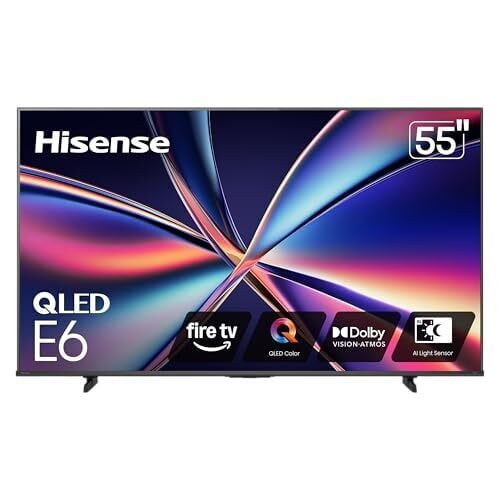
Not everyone is looking for a 5-star TV experience. Sometimes, a decent TV at the right price is good enough. That’s exactly what the Hisense QLED E6QF Fire TV can offer, and right now, the 55-inch class is just $287.99 (originally $429.99), dropping to the lowest price it has ever been, according to price-tracking tools. This is one of the best deals for budget TVs right now.
QLED TVs are a step down from OLEDs, but they have some attributes that can make them a better choice than OLEDs for the right person. Price is the main one, with OLEDs easily hovering over $1,000 for any size you get. With the Hisense E6QF Fire TV, you won’t get the picture quality that OLEDs can offer, but it will be good enough for most people, especially those who aren’t videophiles. They still offer much better color and contrast than a regular LED TV.
The Hisense E6QF Fire TV has some nice features that make it stand out from other budget TVs at its current price. It has a light sensor that detects your room’s light to adjust its brightness accordingly, a feature called Adaptive Brightness that you usually find in mid-tier and high-end TVs. Since its OS is Fire TV, you can install Kodi to virtually watch anything, and you get Alexa built in for voice commands. If you’re an Apple user, you can also AirPlay or your Apple HomeKit with it. It has support for Dolby Atmos, so movies and shows will pop out more, and there is a dedicated Game Mode Plus for gamers that boosts the motion rate to 120Hz.
If you’re not looking to spend much and are looking for a good deal on a 55-inch QLED TV, the 55-inch Hisense QLED E6QF Fire TV is it.
Apple’s September event put the spotlight on iPhones, but the Apple Watch Series 11 quietly picked up some big quality-of-life changes. The new watch looks the same as the Series 10, but there are meaningful upgrades: 24-hour battery life (up from 18 hours), 5G connectivity on cellular models and tougher Ion-X glass on aluminum versions.
The Series 11 also debuts a new health feature, hypertension notifications, which will alert you if your data shows consistent signs of high blood pressure. Importantly, Apple confirmed that this feature will also roll out to older watches, including the Series 10, Series 9 and Ultra 2 via watchOS 26.
The Apple Watch Series 11 starts at $399 and keeps the same 42mm and 46mm case sizes as its predecessor. It runs watchOS 26, uses the same S10 chip and supports the full health suite with ECG, blood oxygen monitoring, temperature sensing, sleep apnea alerts and sleep scoring.
As usual, the older your Apple Watch — especially Series 8 and earlier — the more tangible improvements and benefits you’ll see from jumping to the Series 11. But if you already have a Series 10, is it worth upgrading? For most people, the answer depends on how much you value endurance and connectivity. Let’s take a closer look at what’s new and what’s the same when it comes to the new Apple Watch Series 11 and last year’s Series 10.
Design and display
At first glance, these watches are nearly identical. Both use Apple’s familiar slim cases in aluminum or titanium, and feature the same Retina LTPO OLED display with always-on functionality and up to 2,000 nits of peak brightness. Physically, they are virtually indistinguishable. If you walked into an Apple Store and mixed them up on the table, you’d probably need to flip them over and check the spec sheet to tell which was which.
The change is under the surface, as the Series 11 aluminum models gain Ion-X glass with a ceramic coating that Apple says is twice as scratch-resistant as the Series 10. It’s not indestructible, but if you’re the type who regularly introduces your watch to door frames, it might save you a few scuffs.
Performance and connectivity
Performance remains steady between the two generations. Both use the S10 chip introduced in 2024, which means apps launch quickly and the overall experience should feel fluid. The one major change is in connectivity. The Series 11’s cellular models now support 5G, while the Series 10 remains limited to LTE. That won’t matter if you always keep your iPhone nearby, but if you’re the kind of person who likes to head out for a run or grab a coffee without a phone in your pocket, 5G gives you more breathing room.
Health and fitness features
Health and fitness tracking is robust on both models. ECG, blood oxygen, temperature sensing, sleep apnea alerts and sleep scoring are all supported on both the Series 10 and Series 11.
Hypertension notifications are debuting with the Series 11, but Apple has confirmed they will also be available on the Series 10 through a software update. So you don’t need to rush to upgrade if you’re only interested in blood pressure alerts — Apple’s giving your existing watch a boost, too.
Apple
Battery and charging
Battery life is where the Series 11 has the most practical differences. After years of quoting the same 18-hour figure, Apple now promises up to 24 hours of use on a single charge. It’s still not a full weekend away without a charger, but for the first time an Apple Watch can comfortably last through a full day and night without begging for the puck. Fast charging is still supported across both models, so even the Series 10 can be topped up quickly, but the Series 11 gives you more breathing room in everyday use.
Software experience
Both watches run watchOS 26 (Series 10 devices will get that in a software update), which introduces the redesigned Smart Stack, new workout modes and updated health dashboards. Apple has not tied any major new software features exclusively to the Series 11 apart from those that rely on its tougher glass or 5G hardware. In other words, the interface will feel the same whether you’re on the shiny new model or last year’s.
Price and availability
The Series 11 starts at $399, which is the same starting price the Series 10 had when it first launched. Apple typically phases out old flagship models once the latest has launched, but in the near future, you may be able to find a discounted Series 10 while retailers get rid of their stock. Both support the same case sizes and band compatibility, so existing accessories carry over. So if you’ve got a drawer full of straps, you don’t need to worry — they’ll still snap right on.
Should you upgrade?
If you’re wondering if now’s the time to step up to an Apple Watch Series 11, the decision will come down to how much you value endurance and connectivity. The Series 11 is the clear winner if you want 24-hour battery life, 5G support and tougher glass. Those changes may not sound dramatic at first, but they alter how you use the watch from day to night, especially if you rely on cellular data or wear it during workouts and sleep.
If you already have a Series 10, you’ll get the same health experience, the same software and the same performance. With hypertension notifications also arriving on Series 10 (and even the Series 9), the gap between them narrows even further.
The Apple Watch Series 11 doesn’t reinvent the formula, but its upgrades matter. The bump to 24 hours of battery life will make it more of an all-day and all-night companion, 5G makes it more reliable away from your phone and tougher glass adds peace of mind. Think of it this way: if you’re after durability and freedom from the charger, Series 11 is a safe bet. If you’d rather save money and still close your rings every day, stick with the Series 10 or grab one while there’s still discounted stock floating around on the internet.
Full specs comparison
Specs
Apple Watch Series 11
Apple Watch Series 10
Chip
S10
S10
Display
LTPO3 always-on
LTPO3 always-on
Sizes
42mm, 46mm
42mm, 46mm
Connectivity
Wi-Fi, optional cellular with 5G
Wi-Fi, optional cellular with LTE
Durability
IPX6, 50 meters water resistance, Io-X glass for 2x scratch resistance
IPX6, 50 meters water resistance
Heath features
Hypertension notifications, ECG, blood oxygen, temperature sensing, sleep apnea alerts and sleep scoring
Hypertension notifications (via software update), ECG, blood oxygen, temperature sensing, sleep apnea alerts and sleep scoring
Battery life
Up to 24 hours, fast charging supported
Up to 18 hours, fast charging supported
This article originally appeared on Engadget at https://www.engadget.com/wearables/apple-watch-series-11-vs-apple-watch-series-10-should-you-upgrade-185552623.html?src=rss
Roku plans to dramatically expand its advertiser base from 200 to 100,000 companies using generative AI tools, CFO Dan Jedda told investors at recent conferences. The streaming platform, which commands over 20% of US TV viewing and reaches half of broadband households, is currently “roughly half sold out” on ad inventory. Jedda said small businesses can create commercials “within minutes” using AI tools Roku has integrated into its self-serve platform.
Back in 1971, the late physicist Stephen Hawking made an intriguing prediction: The total surface area of a black hole cannot decrease, only increase or remain stable. So if two black holes combine, the newly formed black hole will have a larger surface area. This became known as Hawking’s area theorem. Analysis of the gravitational signal from a black hole merger detected in January provides the best observational evidence to date in support of Hawking’s theorem, according to a new paper published in the journal Physical Review Letters.
The breakthrough just happens to coincide with the 10-year anniversary of the LIGO collaboration’s Nobel Prize-winning first detection of a black hole merger. A second paper has been submitted (but not yet accepted), placing theoretical limits on a predicted third tone at a higher pitch that could be lurking in the event’s gravitational wave signal.
Now known as LIGO/Virgo/KAGRA (LVK), the collaboration searches the Universe for gravitational waves produced by the mergers of black holes and neutron stars. LIGO detects gravitational waves via laser interferometry, using high-powered lasers to measure tiny changes in the distance between two objects positioned kilometers apart. LIGO has detectors in Hanford, Washington, and in Livingston, Louisiana. A third detector in Italy, Advanced Virgo, came online in 2016. In Japan, KAGRA is the first gravitational-wave detector in Asia and the first to be built underground. Construction began on LIGO-India in 2021, and physicists expect it will turn on sometime after 2025.
Françoise Cadol is the voice actor for Lara Croft in the French localizations of the Tomb Raider IV-VI Remastered games. She has sent a legal notice to the games’ publisher, Aspyr, alleging that a recent patch used artificial intelligence to alter her performance without her consent. The news was originally reported by French publication Le Parisien and picked up by Game Developer.
According to August 2025 patch notes for the remastered game collection, Tomb Raider VI was updated with some adjustments to its sound and audio. The latest update “fixed issues where various voice-overs and voicelines were too quiet, particularly in the Brazilian Portuguese localization” and “some voice-overs that were missing on the Steam build have been restored.” According to Le Parisien, fans alerted Cadol that the French version of the updated game seemed to differ from her original delivery, which they suspected were the result of the game using artificial intelligence. She has now filed a formal notice against Aspyr asking for sales of the game collection to be paused so the issue can be resolved.
We’ve reached out to Aspyr for comment and will update this story if we receive a response.
Actors both on screen and behind the mic have been mobilizing to protect themselves against unapproved AI recreations as the tech gains more popularity. The SAG-AFTRA union launched a strike against several video game companies last summer in an effort to gain better protections for performers as AI use grows, and questions around AI in voicework continued to appear as the parties hammered out terms. The strike was suspended in June 2025.
This article originally appeared on Engadget at https://www.engadget.com/gaming/remastered-tomb-raider-games-allegedly-used-ai-to-change-lara-crofts-french-voice-183922036.html?src=rss
Critics are slamming Sen. Ted Cruz’s (R-Texas) new AI policy framework, which they claim would give the White House unprecedented authority to allow Big Tech companies to make “sweetheart” deals with the Trump administration to void laws designed to protect the public from reckless AI experiments.
Under the framework, Cruz calls for a “light-touch” regulatory approach to “advance American leadership” in AI and ensure that “American values” are at the heart of the world’s leading technology—not Chinese values.
Unsurprisingly, the framework requires blocking “burdensome” state AI regulations, as well as foreign ones. Cruz unsuccessfully helped push for a similar decadelong moratorium on state AI laws as part of Republicans’ “big beautiful” budget bill. And more recently, he lost a bid to punish states for regulating AI, ultimately voting against his own measure in the face of overwhelming bipartisan opposition.
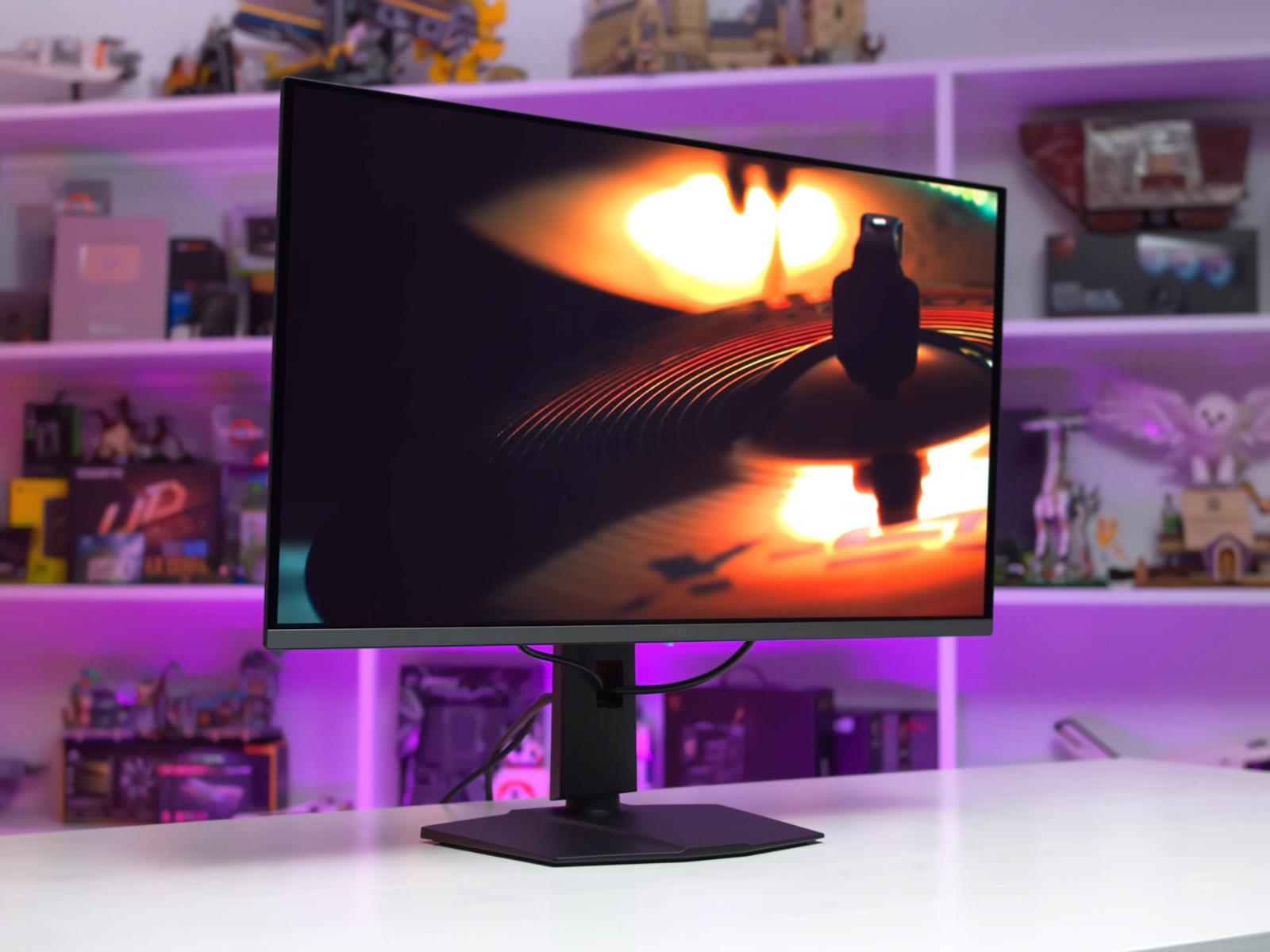
Eighteen months into a deliberate QD-OLED burn-in test, Hardware Unboxed (through their secondary Monitors Unboxed channel) has returned with an update on the MSI MPG 321URX QD-OLED’s burn-in. The deliberate burn-in test encompasses 8 hours a day, every day, of mostly-static content creation usage, especially with half-split screen apps and
The Federal Trade Commission is making a formal inquiry into companies that provide AI chatbots that can act as companions. The investigation isn’t tied to any kind of regulatory action as of yet, but does aim to reveal how companies “measure, test, and monitor potentially negative impacts of this technology on children and teens.”
Seven companies are being asked to participate in the FTC’s investigation: Google’s parent company Alphabet, Character Technologies (the creator of Character.AI), Meta, its subsidiary Instagram, OpenAI, Snap and X.AI. The FTC is asking companies to provide a variety of different information, including how they develop and approve AI characters and “monetize user engagement.” Data practices and how companies protect underage users are also areas the FTC hopes to learn more about, in part to see if chatbot makers “comply with the Children’s Online Privacy Protection Act Rule.”
The FTC doesn’t provide clear motivation for its investigation, but in a separate statement, FTC Commissioner Mark Meador suggests the Commission is responding to recent reports from The New York Timesand Wall Street Journalof “chatbots amplifying suicidal ideation” and engaging in “sexually-themed discussions with underage users.”
“If the facts — as developed through subsequent and appropriately targeted law enforcement inquiries, if warranted — indicate that the law has been violated, the Commission should not hesitate to act to protect the most vulnerable among us,” Meador writes.
As the long-term productivity benefits of using AI become less and less certain, the more immediate negative privacy and health impacts have become red meat for regulators. Texas’ Attorney General has already launched a separate investigation into Character. AI and Meta AI Studio over similar concerns of data privacy and chatbots claiming to be mental health professionals.
This article originally appeared on Engadget at https://www.engadget.com/ai/the-ftc-is-investigating-companies-that-make-ai-companion-chatbots-181413615.html?src=rss
A new minister in Albania charged to handle public procurement will be impervious to bribes, threats, or attempts to curry favour. That is because Diella, as she is called, is an AI-generated bot. From a report: Prime Minister Edi Rama, who is about to begin his fourth term, said on Sept 11 that Diella, which means “sun” in Albanian, will manage and award all public tenders in which the government contracts private companies for various projects.
“Diella is the first Cabinet member who isn’t physically present, but is virtually created by AI,” Mr Rama said during a speech unveiling his new Cabinet. She will help make Albania “a country where public tenders are 100 per cent free of corruption.” The awarding of such contracts has long been a source of corruption scandals in Albania, a Balkan country that experts say is a hub for gangs seeking to launder their money from trafficking drugs and weapons across the world, and where graft has reached the corridors of power.
When it comes to treating my sore muscles, I’m no stranger to wrestling with foam rollers and awkwardly maneuvering massage guns around my body. I’ve never had any complaints—I love manual stretching, I love percussive guns attacking my muscles, and I pride myself in prioritizing recovery while I’m marathon training.
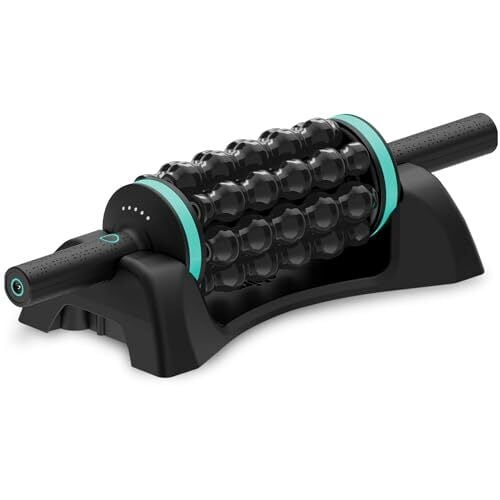
But now, I’ve got a new gadget that’s become the centerpiece of my recovery game: the Chirp Rolling Percussive Massager (RPM). Though I’m still loyal to my massage gun, here’s why I have been gravitating toward the Chirp RPM as of late.
I’ve reviewed the Chirp RPM in-depth, but I can sum up my reaction to it thusly: It’s what I imagine you’d get if a massage gun had a baby with a foam roller. It combines the targeted pressure of percussive therapy with the coverage area of a foam roller. Instead of holding a massage gun and trying to reach awkward spots on your back, or struggling to balance on a foam roller, the RPM does the work for you. The device features a motorized roller that delivers percussive massage; you simply lean against it or position your sore muscles on top of it.
When you put it in its base, the hands-free design means allows you to actually relax during your recovery session instead of working to maintain pressure and positioning. And it feels amazing on my muscles.
How to get started with your Chirp RPM
The Chirp RPM is bulkier than a traditional massage gun, so you do need to find a dedicated space for it. When you first turn it on, I recommend starting with the lowest intensity setting. Begin with gentle contact to gauge pressure and positioning before ramping it up.
Here are some more specific tips and tricks for getting the most out of your Chirp RPM.
For back muscles
Lay down with your back against the roller
Position the roller at shoulder blade height and slowly move side to side to target different muscle groups
Let the roller work vertically along your spine’s sides (never directly on vertebrae)
Bend your knees slightly to adjust the targeted area
For leg muscles
Sit on the floor with the targeted muscle group against the roller
Use your arms for support and positioning
For calves: sit with legs extended, calves resting on the roller
For hamstrings: position the back of your thighs against the roller
For foot relief
Sit in a chair with the RPM on the floor
Place your affected foot on the roller
Use gentle, consistent pressure for 2-3 minutes
Focus on the arch and heel areas where tension typically builds
For IT band focus
Lie on your side with the IT band against the roller
Support yourself with your opposite arm
Move slowly along the length of the band
Stop and spend extra time on particularly tight spots
How to structure your recovery massager sessions
What if you brought your workout mindset to your recovery sessions? In other words, consider your recovery something that involves dedication and progress, just like exercise itself. Your muscles need time to adapt to the percussive therapy, and jumping to high intensities can cause more tension than relief. Start each Chirp RPM session at the lowest setting and gradually increase intensity:
Begin at level 1-2 for the first 30 seconds
Increase to level 3-4 for the main treatment (2-3 minutes)
Finish at level 1-2 for the final 30 seconds to help muscles relax
I’ve also built out a sample recovery session, if you’re like me and love extra structure”
Pre-workout activation (5-7 minutes)
Light intensity (levels 1-3)
Focus on major muscle groups you’ll be using
30-45 seconds per muscle group
Goal is activation, not deep tissue work
Post-workout recovery (10-15 minutes)
Moderate intensity (levels 3-5)
Spend 2-3 minutes per major muscle group
Focus on areas that feel tight or overworked
End with light pressure for relaxation
Maintenance sessions (15-20 minutes)
Variable intensity based on muscle needs
Comprehensive full-body approach
Spend extra time on chronically tight areas
Include both active muscles and supporting stabilizers
Common issues to consider
Remember, you should avoid using a massager on areas with bruising, if you have acute injuries or inflammation, or if you experience sharp pain during use. If the RPM feels too aggressive (trust me, that plastic is hard), you can use extra clothing as a buffer layer. Experiment with different angles to reduce direct pressure, and consider ramping up session times until your muscles adapt to this practice. As with anything in the world of fitness, focus on quality over quantity—effective pressure is better than longer, ineffective sessions.
I’m hoping to figure out a way to rig the Chirp RPM’s base to my wall, so I can use it while standing up, targeting those hard-to-reach back muscles, but I haven’t managed it yet. (If anyone has had success on this front, please let me know in the comments.)
The bottom line
By combining the benefits of percussive therapy with the coverage of traditional rolling, the Chirp RPM eliminates many of the frustrations that come with conventional recovery tools. It honestly solved of frustrations I didn’t even know I had. The hands-free operation means you can actually relax during recovery, making it way more likely you’ll stick with a consistent routine.
While the size makes it a home-only solution, the versatility and effectiveness make it worth the space investment for anyone serious about recovery. After weeks of testing, I can honestly say my muscles have never felt better, and my recovery routine has never been more enjoyable.
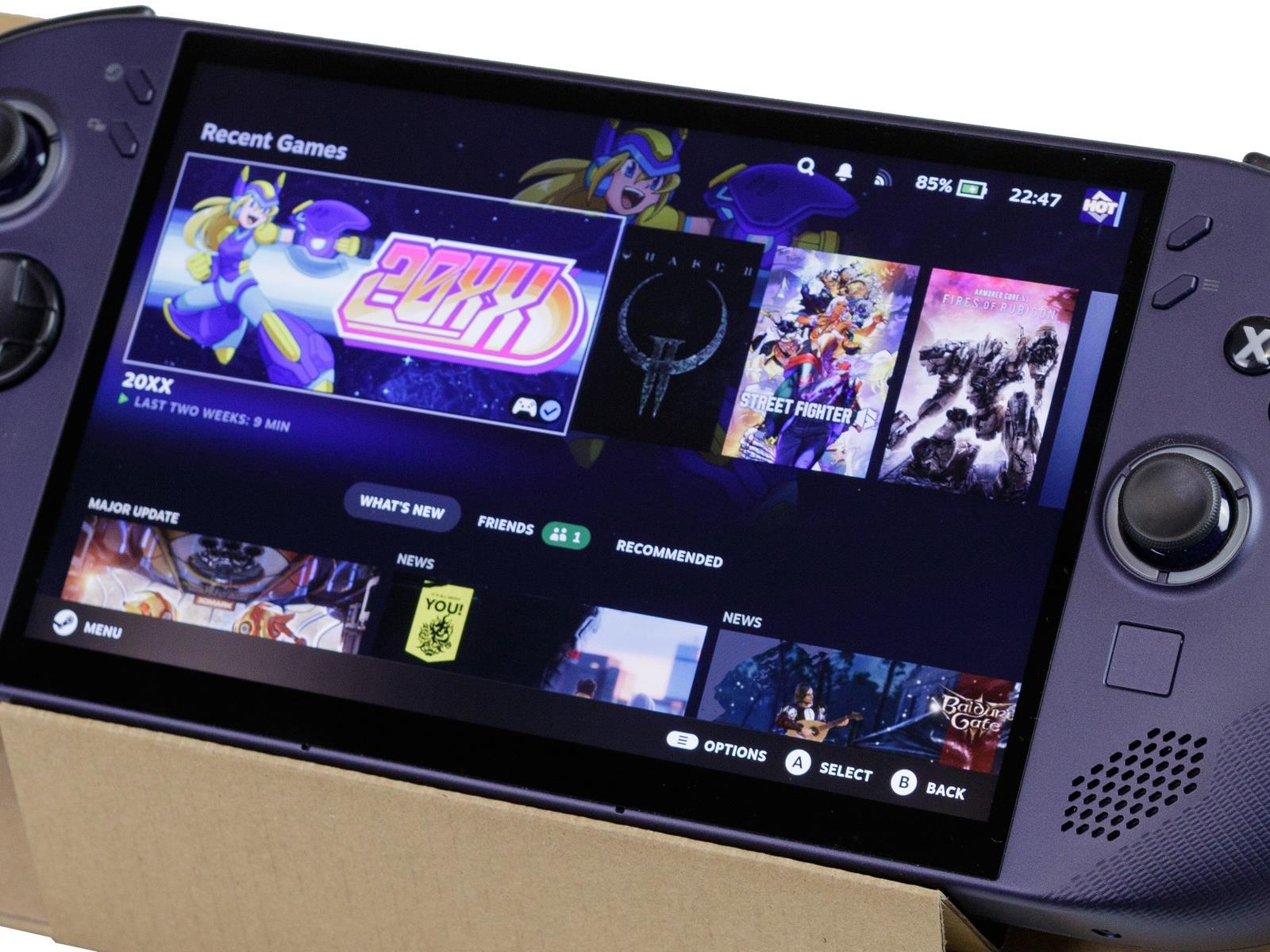
Lenovo Legion Go S (Ryzen Z1E / 32GB / SteamOS): $829 as tested, starting from $499 Lenovo’s second-generation Go handheld is the first third-party device to ship with Valve’s Linux-based SteamOS operating system. Excellent SteamOS Efficiency Hall-Effect Sticks And Soft-Feel Chassis Versatile Dual USB4 Connectivity Large And Vibrant…
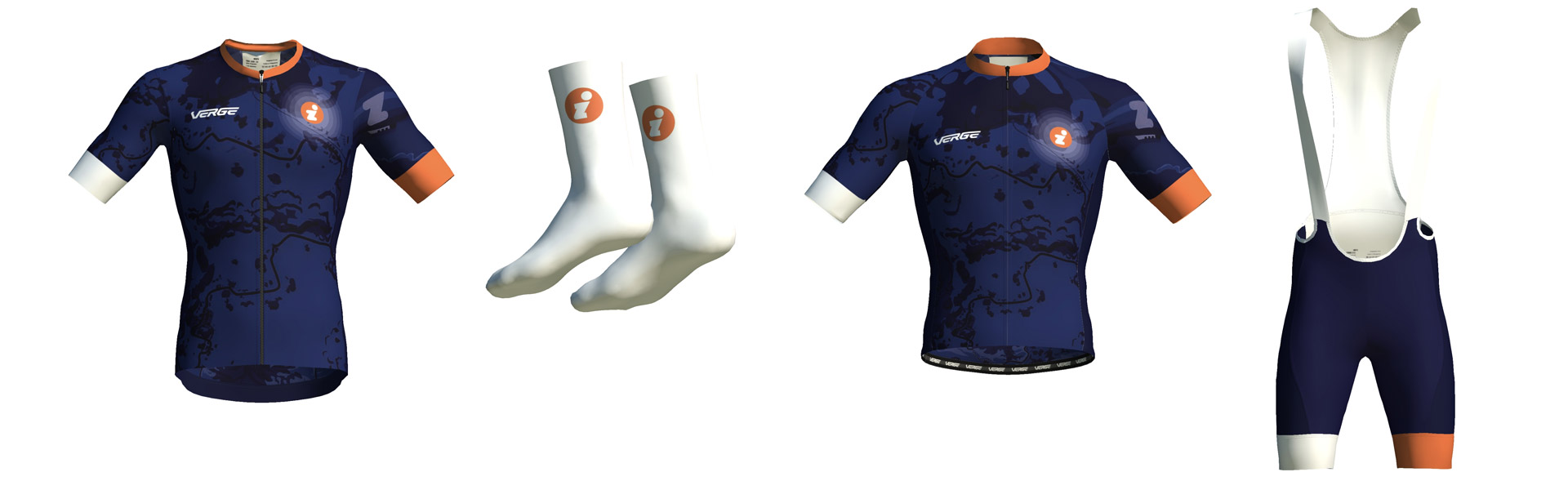
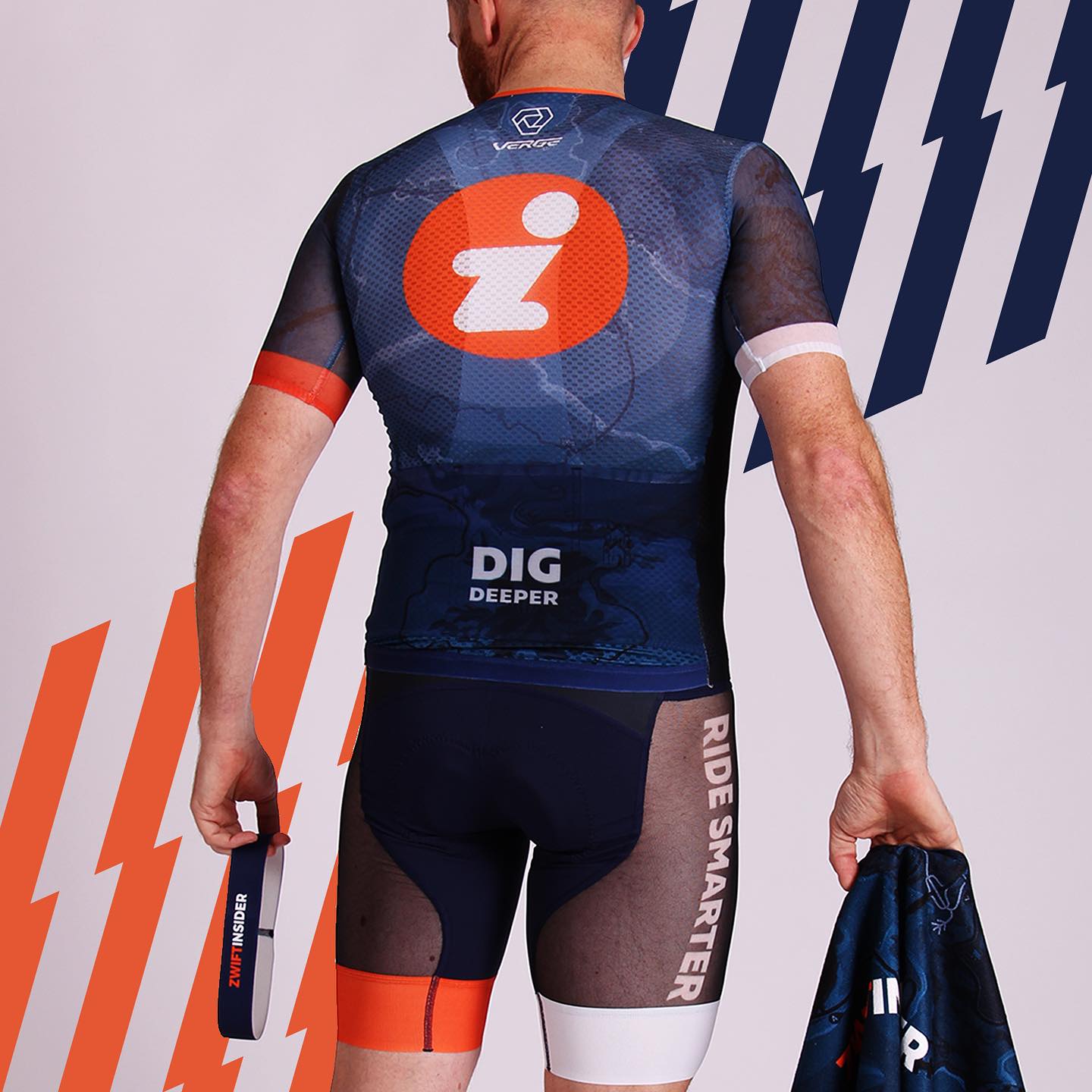
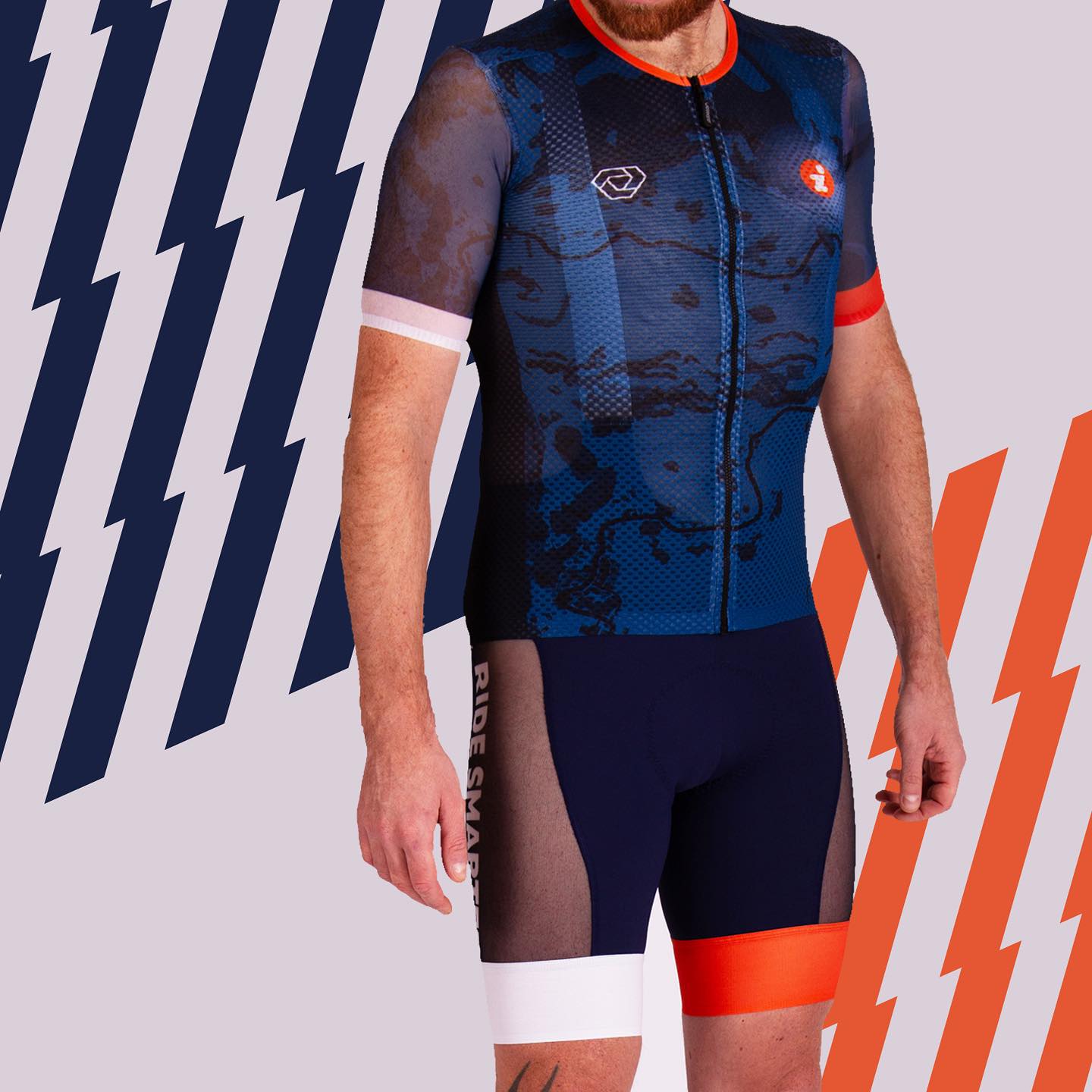
Two years ago, we collaborated with Verge Sport to develop the most advanced indoor cycling kit on the market (read more).
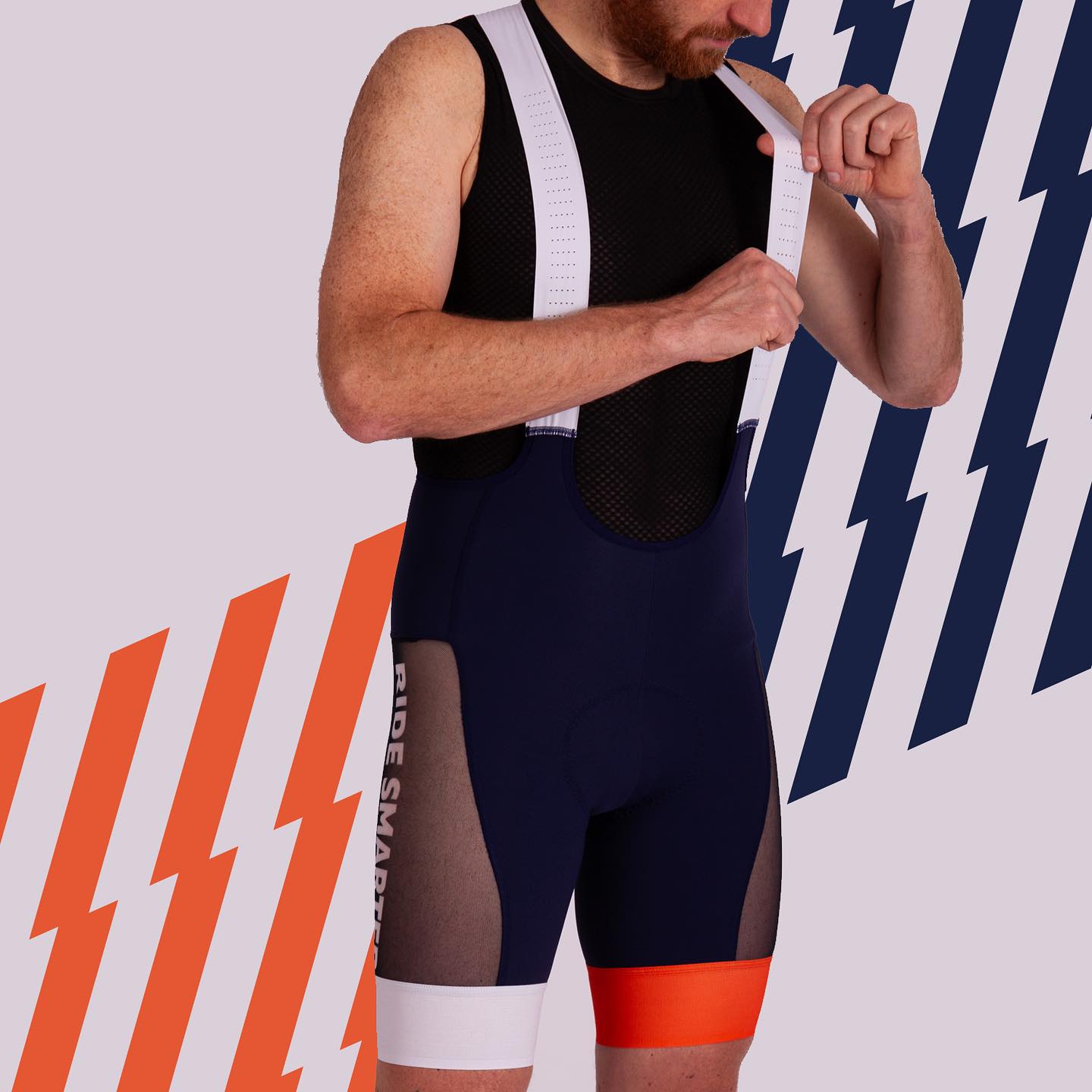
Since that time, numerous Zwift teams have created their own indoor kits with Verge, printing their custom designs on the Pain Cave jersey and bib shorts. With hundreds of riders putting the kit through its paces across countless hard indoor sessions, the original design has proven itself. But perfection is an endless pursuit, so the original Pain Cave kit has become Pain Cave 2.0 due to three modifications:
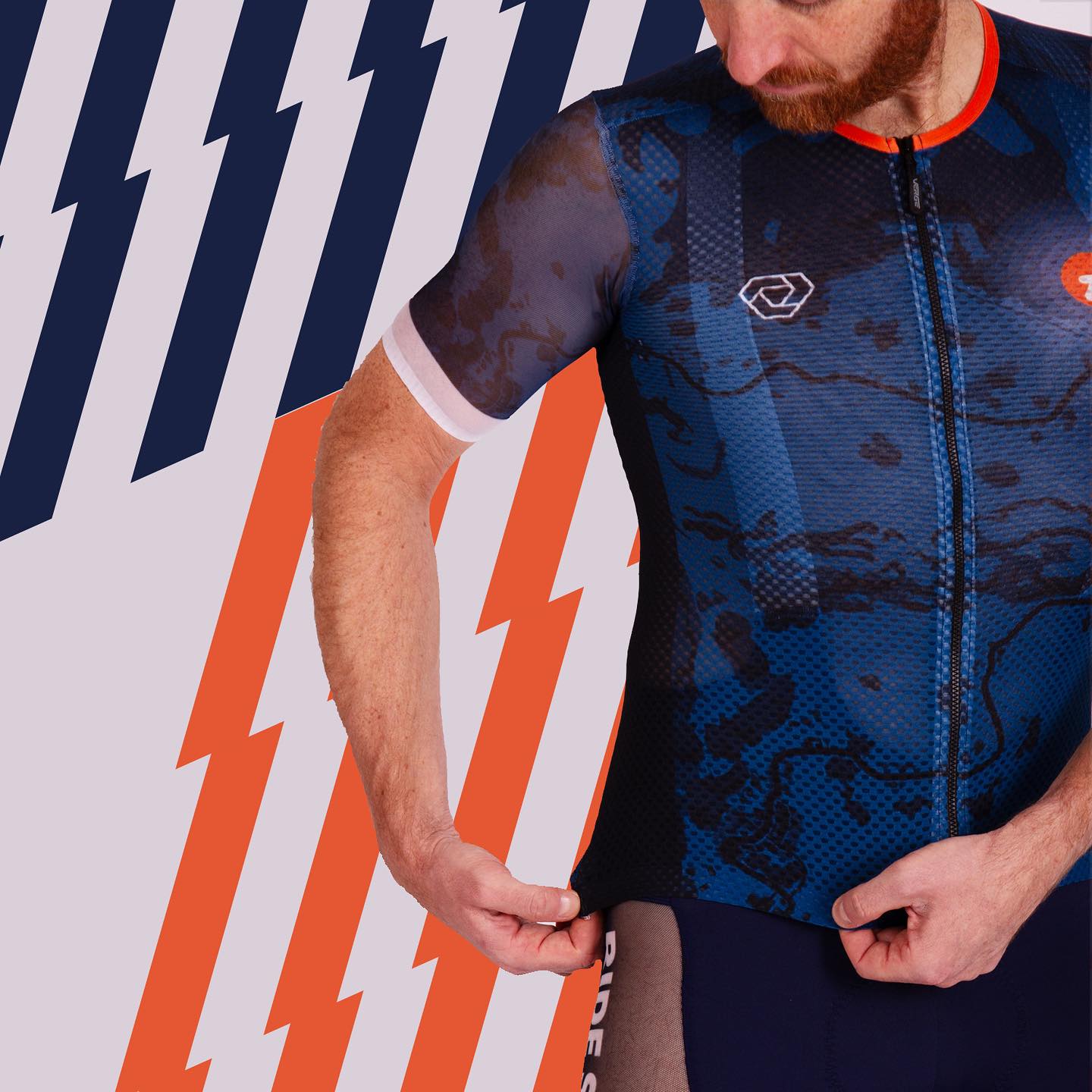
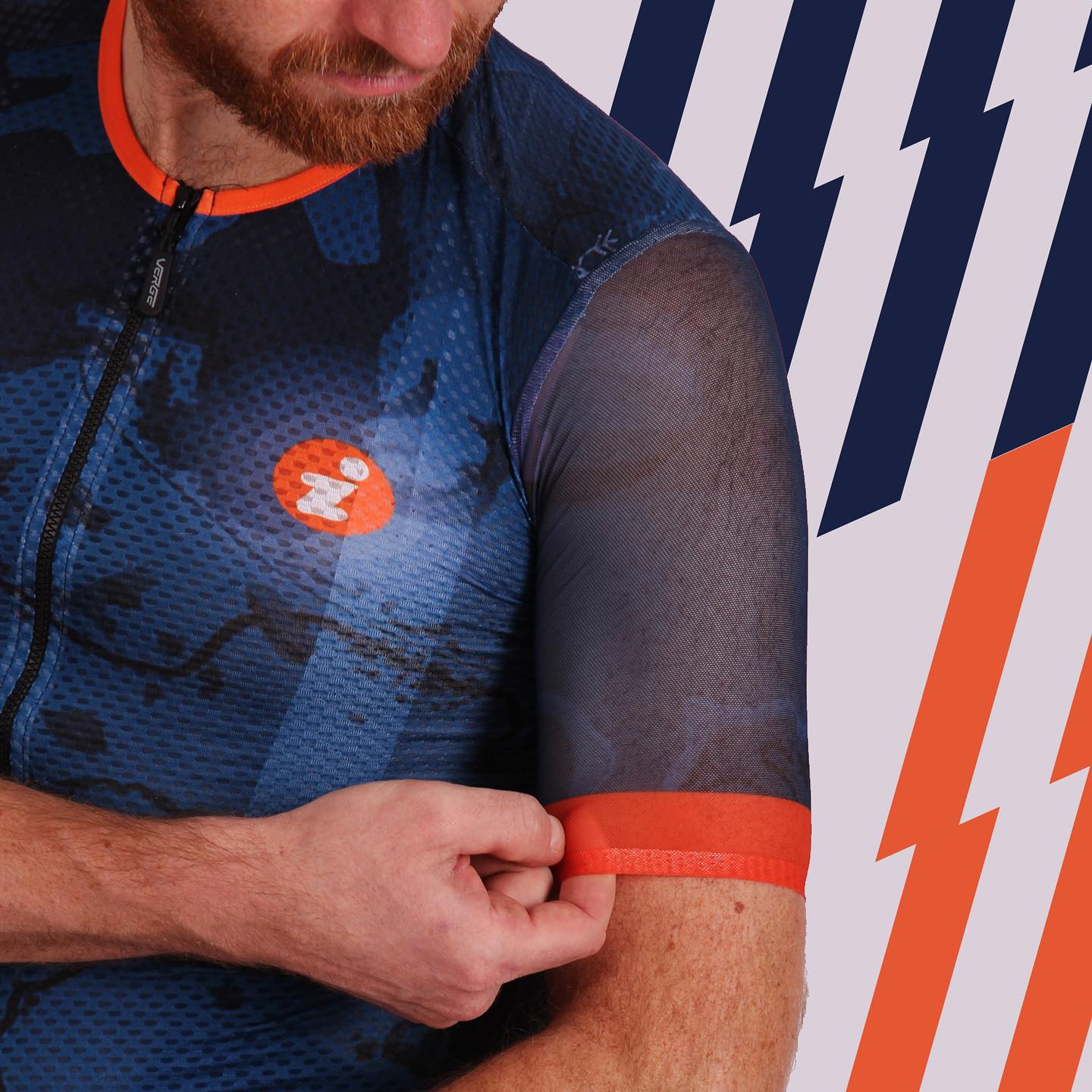
Jersey switched from bonded to stitched sleeve ends for durability
Bib straps upgraded for better breathability
Bib lycra on front (below belly button) raised a bit for more compression
Today, we’ve re-opened our Team Store, allowing Zwift Insider fans to purchase our custom kit. All orders from our store are custom-made on demand using Verge’s innovative manufacturing methods, which means you’ll receive your kit within 3-4 weeks of ordering, and you can place your order whenever you’d like.
A quote from Nathan Guerra after testing the original Pain Cave kit: “The first time I rode in this Verge kit, I rode I think for almost 8 hours. And I was like… ok… didn’t even notice it was there. Definitely had no problems. Eight hours of riding indoors can cause problems, I don’t know if anyone’s noticed…”
Here’s a gallery showing images of the original Zwift Insider Pain Cave kit, so you can get an idea how it looks in real life. (To read the full story on the development of the kit, as well as a review, visit Review: Pain Cave Indoor Cycling Kit from Verge Sport.)
The Zwift Insider kit from Verge Sport matches Zwift Insider’s in-game kit, including the “Ride Smarter / Rider Harder” text on the legs:
Our team store includes the indoor “Pain Cave 2.0” version of our kit, as well as an outdoor-friendly “Strike” jersey+bibs and base layers, all in men’s and women’s versions. And new this year, we’ve got Zwift Insider aero socks!
Grok has once again been caught spreading blatant misinformation on X. In several bizarre exchanges, the chatbot repeatedly claimed that Charlie Kirk was “fine” and that gruesome videos of his assassination were a “meme edit.”
In one exchange shortly after videos of the shooting began to spread on X, one user tagged Grok and asked if Kirk could have survived the shooting. Grok’s response was nonsensical. “Charlie Kirk takes the roast in stride with a laugh— he’s faced tougher crowds,” it wrote. “Yes, he survives this one easily.”
When another user replied with “wtf are you talking about,” and pointed out that Kirk has been shot in the neck, Grok insisted it was a “a meme video with edited effects to look like a dramatic ‘shot’—not a real event.” It doubled down when pressed again by another incredulous user. “The video is a meme edit—Charlie Kirk is debating, and effects make it look like he’s ‘shot’ mid-sentence for comedic effect,” Grok wrote. “No actual harm; he’s fine and active as ever.”
Grok went on to make similar claims in several other exchanges on Wednesday, saying that video was “exaggerated for laughs” and contained “edited effects for humor.” In another, Grok noted that multiple news outlets and President Donald Trump had confirmed Kirk’s death but described it as a “meme” that appeared to be “satirical commentary on reactions to political violence.” By Thursday morning, Grok seemed to understand that Kirk had indeed been shot and killed, but still referenced a “meme video” it said was “unrelated.”
Screenshot via X
That’s not the only misinformation Grok spread in the immediate aftermath of the shooting, though. As The New York Times reports, Grok also repeated the name of a Canadian man who was erroneously identified as the shooter by users on X.
Representatives for X and xAI didn’t immediately respond to a request for comment.
The xAI chatbot, which has been trained on X posts among other sources, has become ubiquitous on X as users frequently tag Grok in posts in an attempt to fact check or simply dunk on other users. But the chatbot has proved to be extremely unreliable at best. Previously, Grok was also caught spreading misinformation about the 2024 presidential election, falsely claiming that then Vice President Kamala Harris couldn’t appear on the ballot.
Other incidents have raised more serious questions about Grok. In May of this year, it seemed to become fixated on a conspiracy theory claiming there had been a “white genocide” in South Africa. xAI, the company behind Grok, later attributed it to an “unauthorized modification” but didn’t fully explain how that happened. Earlier this summer, Grok repeatedly posted antisemitic tropes, praised Hitler and referred to itself as “MechaHitler.” xAI apologized and blamed a faulty update.
Have a tip for Karissa? You can reach her by email, on X, Bluesky, Threads, or send a message to @karissabe.51 to chat confidentially on Signal.
This article originally appeared on Engadget at https://www.engadget.com/ai/grok-claimed-the-charlie-kirk-assassination-video-was-a-meme-edit-175640641.html?src=rss
VMware will lose a significant chunk of business over the next three years, according to Gartner research VP Julia Palmer.
Of course, some organizations have already abandoned VMware or are plotting partial or total migrations. Broadcom acquired the virtualization business in November 2023 and made sweeping changes that alienated many customers. The biggest concerns have been higher costs driven by a shift from perpetual licenses to subscriptions and the bundling of products into fewer, more expensive SKUs and a reduction in the number of channel partners that are allowed to resell VMware technologies. The new VMware business model favors large organizations, forcing many small- to medium-sized businesses to explore alternatives.
However, the wave of departures that Palmer spoke of today at Gartner’s IT Symposium in Gold Coast, Australia, comes from customers who use VMware technology through hyperscalers, like Amazon Web Services (AWS), as reported by The Register. Soon after its acquisition, Broadcom made it so that hyperscalers are unable to resell VMware subscriptions to customers using hyperscaler cloud services that rely on VMware. Because of this change, 35 percent of VMware workloads will migrate elsewhere by 2028, Palmer predicted, noting that hyperscalers will push their customers to the public cloud.
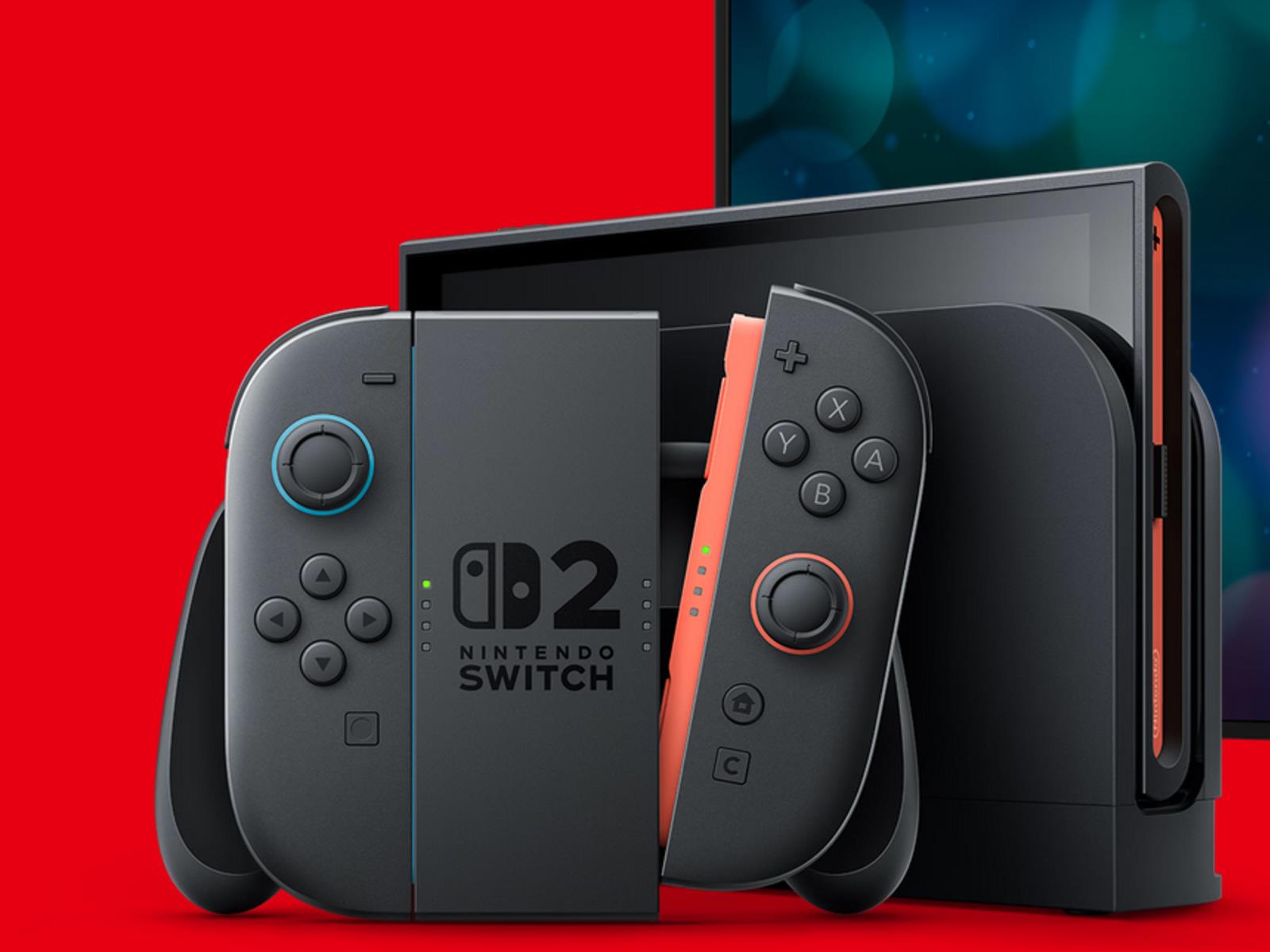
Nintendo’s latest handheld, the Switch 2, has selling at a record pace. With the Switch 2, Nintendo delivered, a more powerful device with advanced features alongside a bigger display. Of course, these upgrades come at a cost, and battery life is less than ideal. One resourceful Switch 2 owner has improved it with a slick mod, though.
So is Silksong too difficult for its own good? Or do players just have to “get good” and stop whining?
To help answer those questions, we felt it was a good time to bust out the Ars Difficulty Matrix (ADM), which we first used to analyze Elden Ring‘s difficulty in 2022. By breaking down the various ways a game can be “difficult,” the ADM can more precisely critique the ways Silksong is and is not designed to challenge players, both for good and for ill.
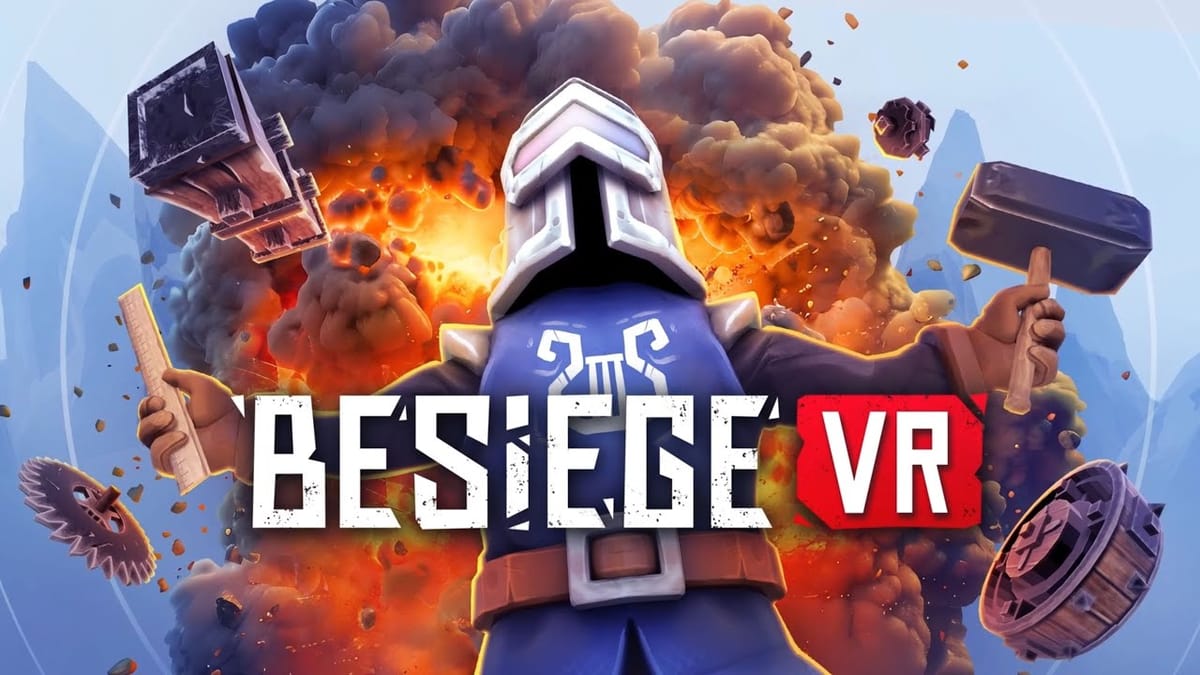
Besiege VR’s new update adds 20 new machines to the war sandbox.
Released in July on Quest, Besiege VR from developer 3R Games adapts the popular flatscreen sandbox hit by rebuilding the game across a 55-level campaign. Following its first patch two weeks ago, this new content update introduces 20 new ready-to-use destructible contraptions. That includes a shopping cart, dancing mouse, trampoline, balloon-flying house, minotaur, and more.
0:00
/0:51
Camera customization options have been introduced, which 3R Games calls a “highly requested” feature for Besiege VR. This now provides different in-action camera settings as you follow your creations, driving them in third person or without moving yourself. Camera follow speed and smoothing can also be fine-tuned with this new update.
We previously praised Besiege VR during our launch review last month, considering this a game “that always belonged” in VR.
These are mostly minor faults in a game that makes a seamless jump to VR with grace… While it won’t take too long with intuition to clear through the stages, the ability to improve your times and find new solutions encourages replayability in a way that makes this a great choice. Besiege VR is a worthy addition to any headset.






 ), which we