Apple has filed a lawsuit in California against a former employee and Oppo, accusing them of conspiring to steal trade secrets connected to Apple Watch development.
The lawsuit alleges that Chen Shi, its former employee, worked at Apple from January 2020 to June 2025 as a Sensor System Architect. Apple claimed that Shi had signed an employment
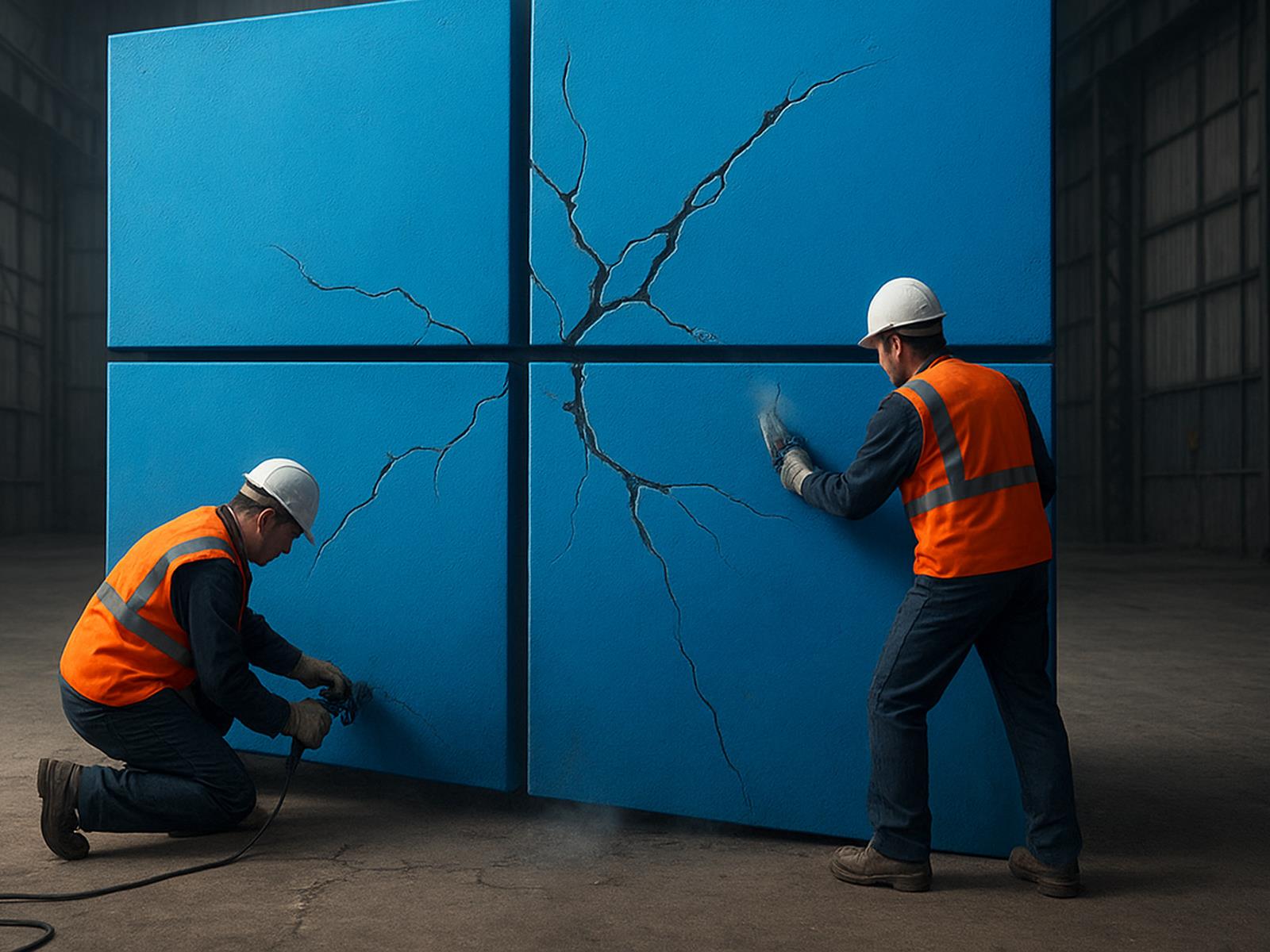
Windows 10’s imminent sunset on October 14th has been the subject of much ink lately. Windows 11 is a free upgrade, but some users wish to stick with the older version due to device or app incompatibility, fear of a botched upgrade, or just dislike for the migration process of a newer OS. There’s an additional year-long lifeline, in the form
Gaming handhelds are super hot at the moment, with numerous offerings from big players such as Asus, MSI and Valve. While designs for these devices have mostly coalesced around a singular display flanked on both sides by buttons and joysticks, some companies opting for something more adventurous. AYN is one such company. It’s readying the
The iPhone has gone several years without any blockbuster design changes, but Apple may shake things up with its offerings over the next three years according to Bloomberg’s Mark Gurman. It’s exactly what the company needs to generate some fresh excitement over its most important product line, especially since the company has struggled to
Japanese serial leaksman 188号 just posted up two mobile CPU roadmaps: one for Intel CPUs, and one for AMD. Chalk this one up as half-leak, half-rumor, because these clearly aren’t official slides from Intel or AMD, but rather seem to be either someone’s attempt to anonymize information that they were given in confidence, or simply wishful
There have been many reports on AMD CPUs dying, with burnt pins on the socket. It’s not frequent or particularly widespread, but naturally it caused concern, particularly among gamers, as the CPUs in question were often Ryzen 7 7800X3D and 9800X3D models. Today, an AMD representative issued a fairly clear statement on that matter.
As was shown in a recent report about a vicious cyber attack that targeted kidney failure patients, cyber criminals show no mercy. Now a new report from Microsoft has revealed a growing deployment of ClickFix social engineering tactics by threat actors worldwide, which dupe victims through fake CAPTCHAs.
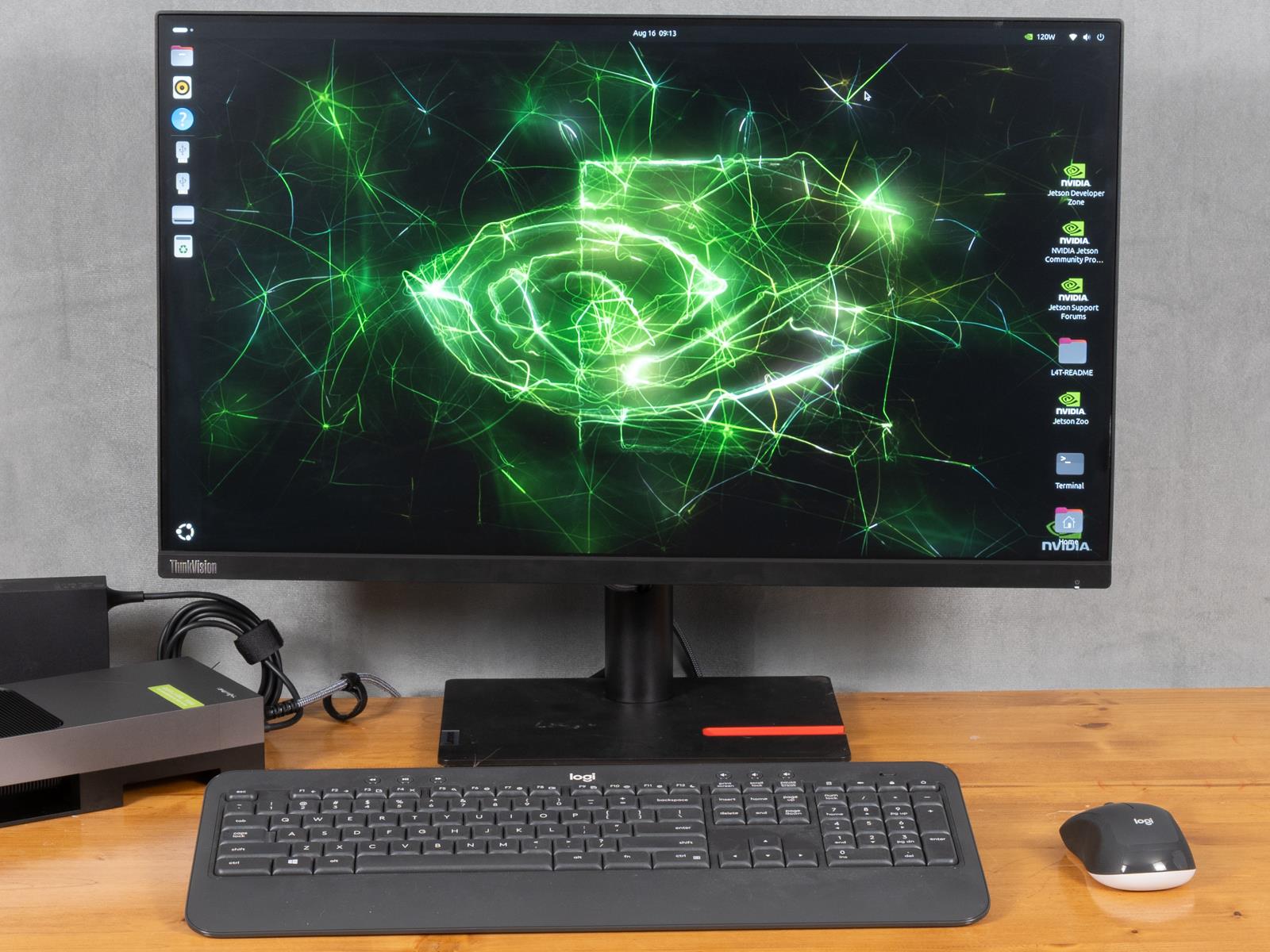
NVIDIA Jetson AGX Thor Developer Kit – $3,499 As Tested NVIDIA continues to innovate in all areas of the AI market, and its latest Jetson AGX Thor edge AI developer kit enables developers to design and deploy on NVIDIA’s latest powerful Blackwell GPU architecture. Excellent AI Performance In A Small Footprint Robust Software Stack For Physical…
ASRock is going green with its newest L-type 12V-2×6 PCI Express cable connector, though it has nothing to do with being energy-conscious or adding a splash of color to your gaming build. Instead, the new cables sport a series of green tips designed to help ensure that users fully insert the cable ends into their power supply unit (PSU) and
As far as Google is concerned, the absolute best way to experience Android on a tablet is with its own Pixel Tablet. Yes, let’s feign surprise together. Marketing aside, it is actually a great device, and if you agree with Google’s assessment — or just want a fantastic deal on an affordable slate — you’ll be delighted to know that it’s now
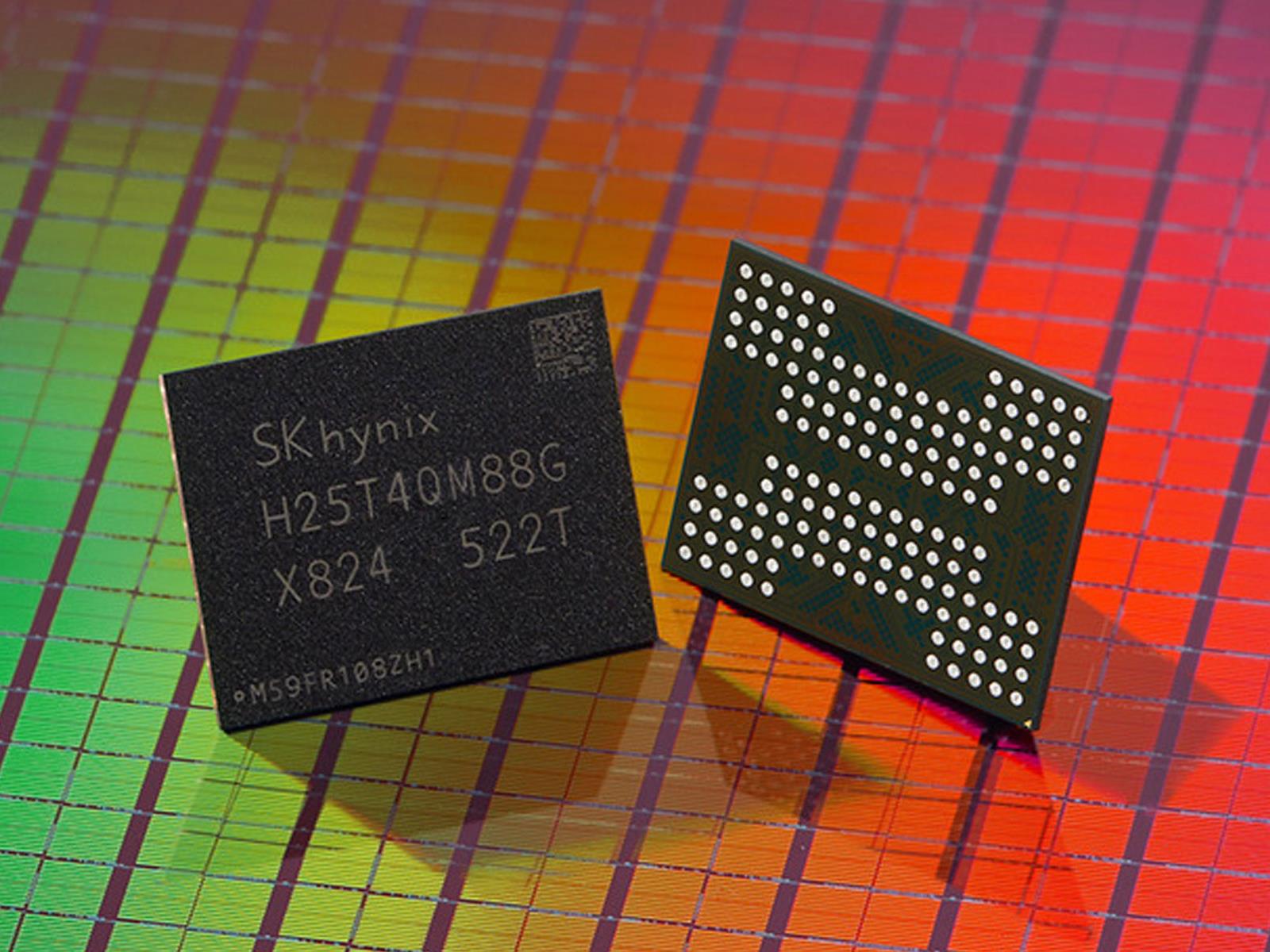
SK hynix says it has begun mass production of its 321-layer 2-terabit (Tb) quad-level cell (QLC) NAND flash memory, which marks the first implementation of QLC NAND to employ more than 300 layers. Notably, SK hynix demoed 321-layer 1tb triple-level cell (TLC) chips a couple of years ago. The upshot of “setting a new benchmark in NAND density”
If, like Carried Underwood, you’ve been waiting all day for Sunday night and, in the immortal words of Hank Williams Jr., are ready for some football, then you know that the only thing left is to make sure you have a proper TV to catch the on-field action this season. What if you don’t? No need to fret because we found some fantastic deals
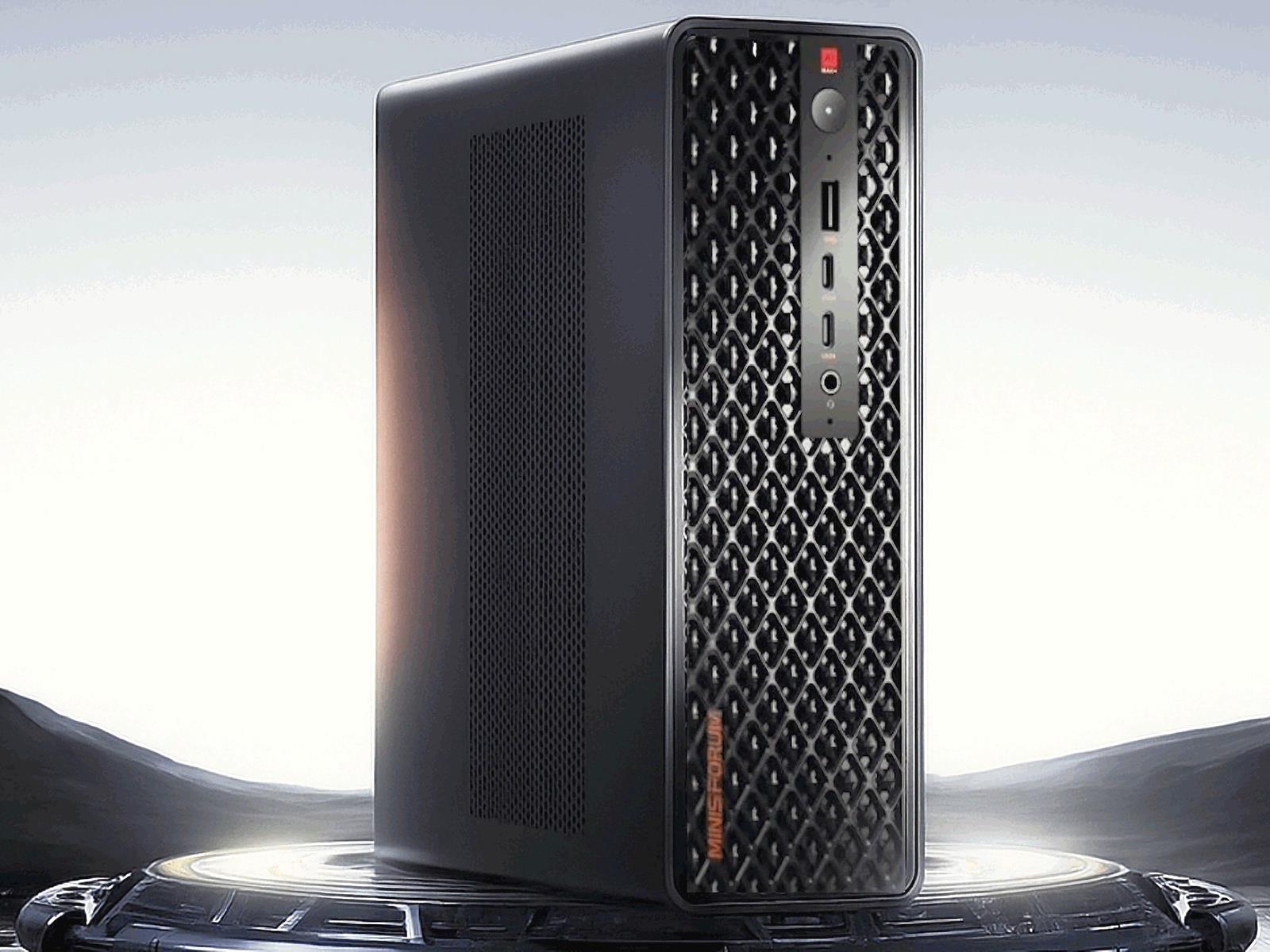
We love tiny Chinese system vendors here at HotHardware. Companies like Ayaneo, Beelink, Geekom, and GPD make some wild, wonderful, and wacky hardware that’s just fun to play with because they often push the boundaries of what’s possible. Minisforum is doing exactly that with its upcoming MS-S1 MAX, a micro-workstation sporting AMD’s powerful
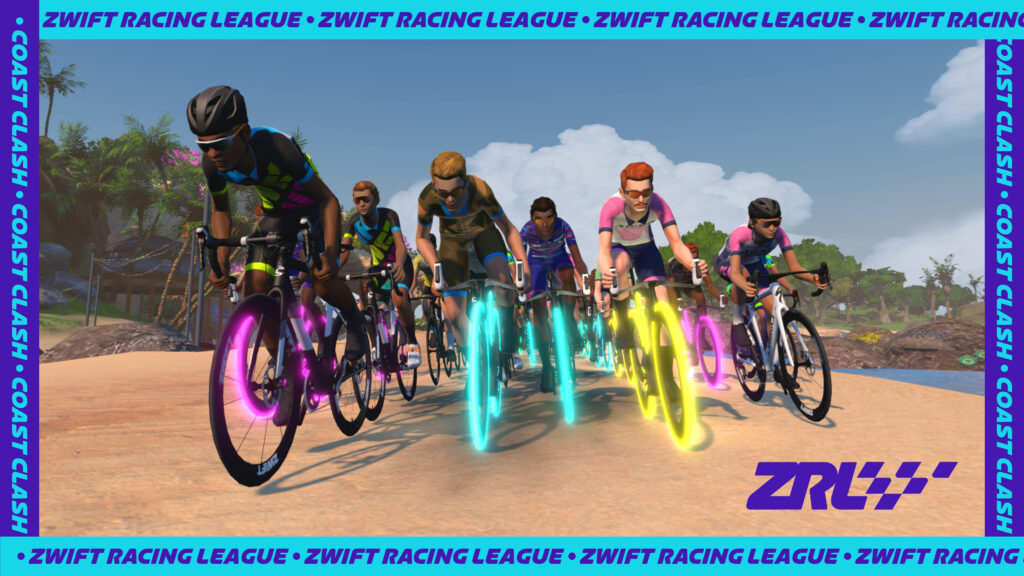
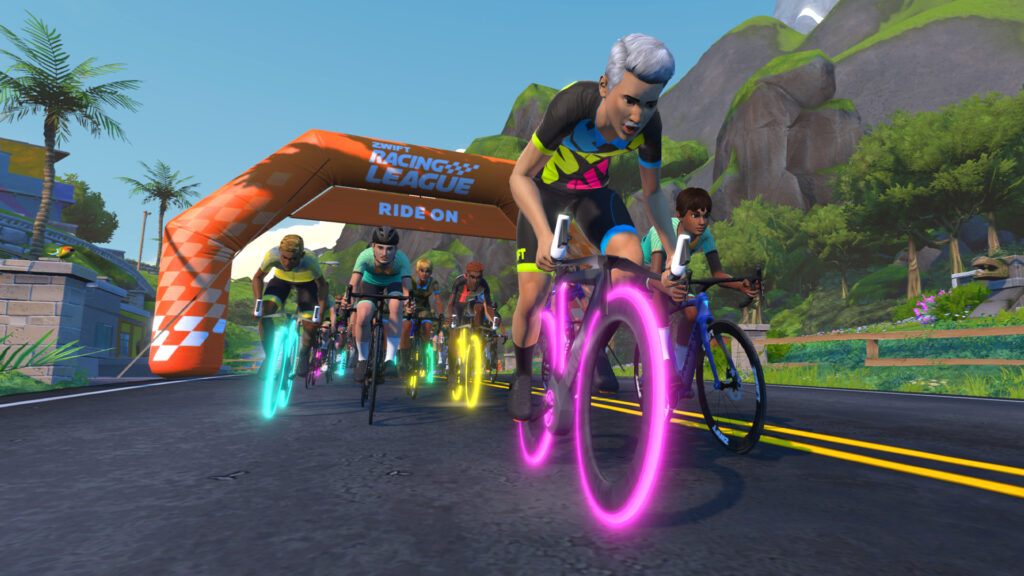
Now in its 16th round, Zwift Racing League continues to take racing to the next level on Zwift! Team signups for the first round of the season are now open.
This page contains everything you need to know about the current ZRL round, and is updated as WTRL announces new details.
Intro to ZRL
Zwift Racing League (ZRL) is team-based racing for all abilities. It’s also the world’s largest virtual cycling competition, with over 30,000 riders of all abilities participating in each of the past two seasons!
Organized by WTRL, this is a team-based points competition spanning multiple weeks, with teams divided into divisions based on time zones and ability. Races take place every Tuesday, and the season is divided into distinct rounds with brief breaks in between.
ZRL is Zwift racing at its highest level. Its unique structure and varied race formats drive serious Zwift racers to show up week after week while providing a place for new racers who jump in and find their first team home.
Key Changes this Round
Each year, Zwift + WTRL collaborate to modify ZRL’s structure with the aim of engaging as many racers as possible. The vast majority of these changes are announced before the first round of each season, which means here in the first round of 2025/26, we have a lot of changes! Some of the details haven’t yet been ironed out, but we’ll tell you what we know (with our comments in italics), and update this post as we learn more.
Teams can now choose one of two options at registration. This effectively opens up a sort of “split category” system where lower-powered teams can still be competitive instead of being outgunned by teams stuffed with riders at the top of their pace category.
Standard Division: Teams may include any riders who fall below the standard category limit for their division (e.g., B category zFTP max = 4.19 W/kg).
Development Division: Designed for teams focused on rider development, this division enforces a lower zFTP cap within each category (e.g., B category zFTP max = 3.79 W/kg). This ensures a fairer and more supportive racing environment for improving athletes.
League Nomenclature has changed to colors rather than geographic/compass points. Hurray for simplicity! Racers will certainly be happy to replace racing in “Open EMEA-W Southern (West) Division B2” with something like “Red League B2”:
APAC becomes Blue colors (navy, teal, etc)
EMEA East becomes Green colors (green, sage, etc)
EMEA West becomes Red colors
Americas becomes Yellow colors
A new ‘Find Your Crew’ tool will open in a couple of weeks to help riders easily find a team. WTRL+Zwift have talked about a team finder tool for years, so we’ll believe it when we see it. But we do agree that a tool like this is vital if ZRL wants new riders to join in the fun!
Slightly modified Rules and Scoring will be announced soon.
Most races throughout the season will feature routes for A/B teams that are longer than the routes for C/D. ZRL has returned to a goal of 40 minutes for C/D races and 1 hour for A/B, although there may be a race or two that extends beyond to test teams’ endurance.
Instead of 3 rounds followed by the Finals, the 2025/26 season will have 4 standalone rounds and no Finals.
Rounds 1 and 4 are 4 weeks long, and Rounds 2 and 3 are 6 weeks long.
Rounds no longer interconnect with each other. There is no promotion or relegation between rounds, and a prize-winning team will be declared for each division after each round. Teams will be seeded into their divisions prior to the start of each round based on WTRL’s ranking algorithm, which takes into account a variety of factors, including riders’ Zwift Racing Score). We like this. Promotion/relegation never worked well, because it was not a continuous system: teams were never promoted from, say, B1 to A2, or relegated from the lower A division to B1. This simplified system re-groups and ranks teams before each round based on WTRL’s algorithm.
Rounds are now themed, with Zwift carefully selecting existing and designing new routes to suit the theme and category durations.
Round 1: Coast Clash
Round 2: City Showdown
Round 3: Redline Rally
Round 4: Legends Route
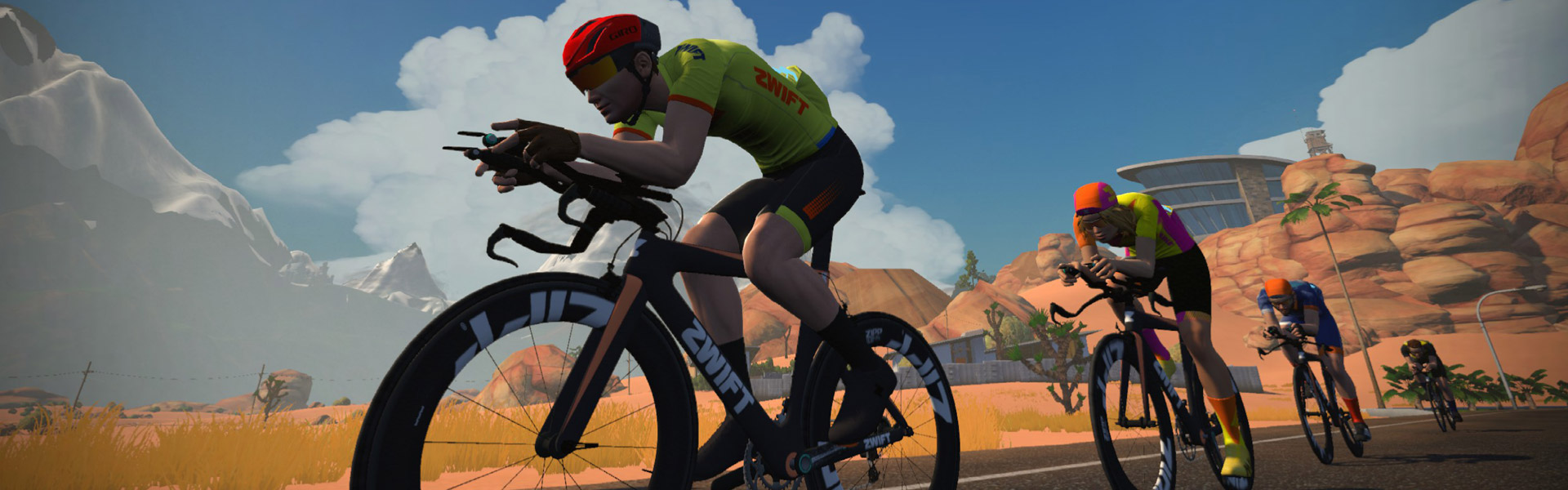
Bike upgrades are enabled in all races. This is controversial for sure, but we like it. If Zwift is going to build bike upgrades into their ecosystem, then its most popular race series should utilize those upgrades! Start working on your TT frame upgrade if you haven’t yet…
Steering/braking is still disabled, but there will be steering/braking leagues in rounds 2 and 3. Inside sources tell us that most Zwifters in the US, Canada, and EU now have steering/braking hardware. Perhaps this is the year that steering/braking races become mainstream?
One thing that isn’t changing: riders are still categorized based on Zwift’s Pace Group Categories, just like previous ZRL seasons. While Zwift Racing Score is a factor in WTRL’s team ranking algorithm, it does not determine your team’s category (A/B/C/D).
Routes and Dates
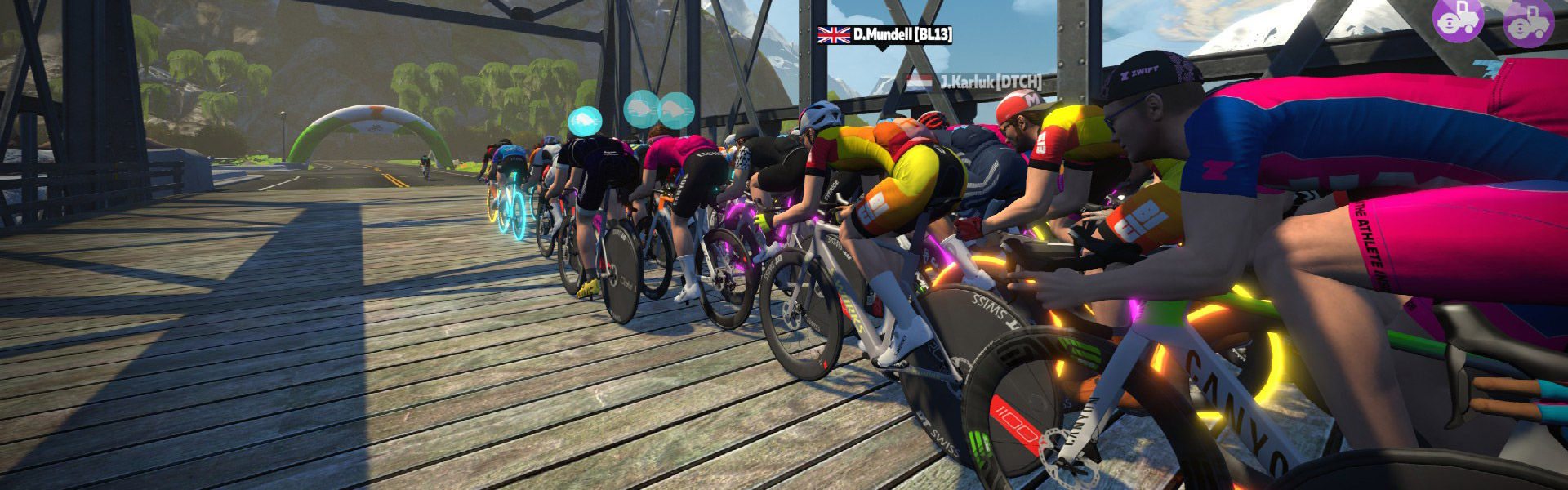
Each ZRL round comprises weekly races which are either scratch races, points races, or team time trials (TTT). Scratch Races and Points Races are both actually points-based in terms of final results, but Points races include intermediate segments while Scratch Race points are all earned at the finish line. TTT winners are the teams who complete the race course fastest, with team time taken from the fourth rider across the line.
Race #1: Southern Coast Cruise September 16, 2025 (TTT)
We kick off the season with a team time trial on a route we know nothing about! Watch this space for details on the new Southern Coast Cruise route…
1 Lap of Watopia’s Southern Coast Cruise (26.3km, 146m elevation)
Race #2: Fine and Sandy September 23, 2025 (Points Race)
Our first points race of the season takes us on a figure-eight tour of Urukazi’s lower roads on a route that is quite flat, except in the one spot where it isn’t. That dirty Mech Isle climb will be a key selection point, especially on the final lap!
Race #3: Country to Coastal (A/B) or Turf N Surf (C/D) September 30, 2025 (Scratch Race)
Our first scratch race of the season is held on two different routes, based on category. A and B squads will race on Country to Coastal, looping around the Yumezi countryside and Urukazi harbor. C and D squads head to Turf N Surf, which takes in the same Urukazi harbor roads but begins and ends on Neokyo’s flat, permadark streets.
Race #4: Jarvis Seaside Sprint October 7, 2025 (Points Race)
Our final race for this round is on a new route whose details aren’t yet in game. We assume based on the name that it includes elements of Seaside Sprint and the Jarvis loop, but we’ll wait to update this post once we have more information.
1 Lap of Watopia’s Jarvis Seaside Sprint (15.3km, 131m elevation)
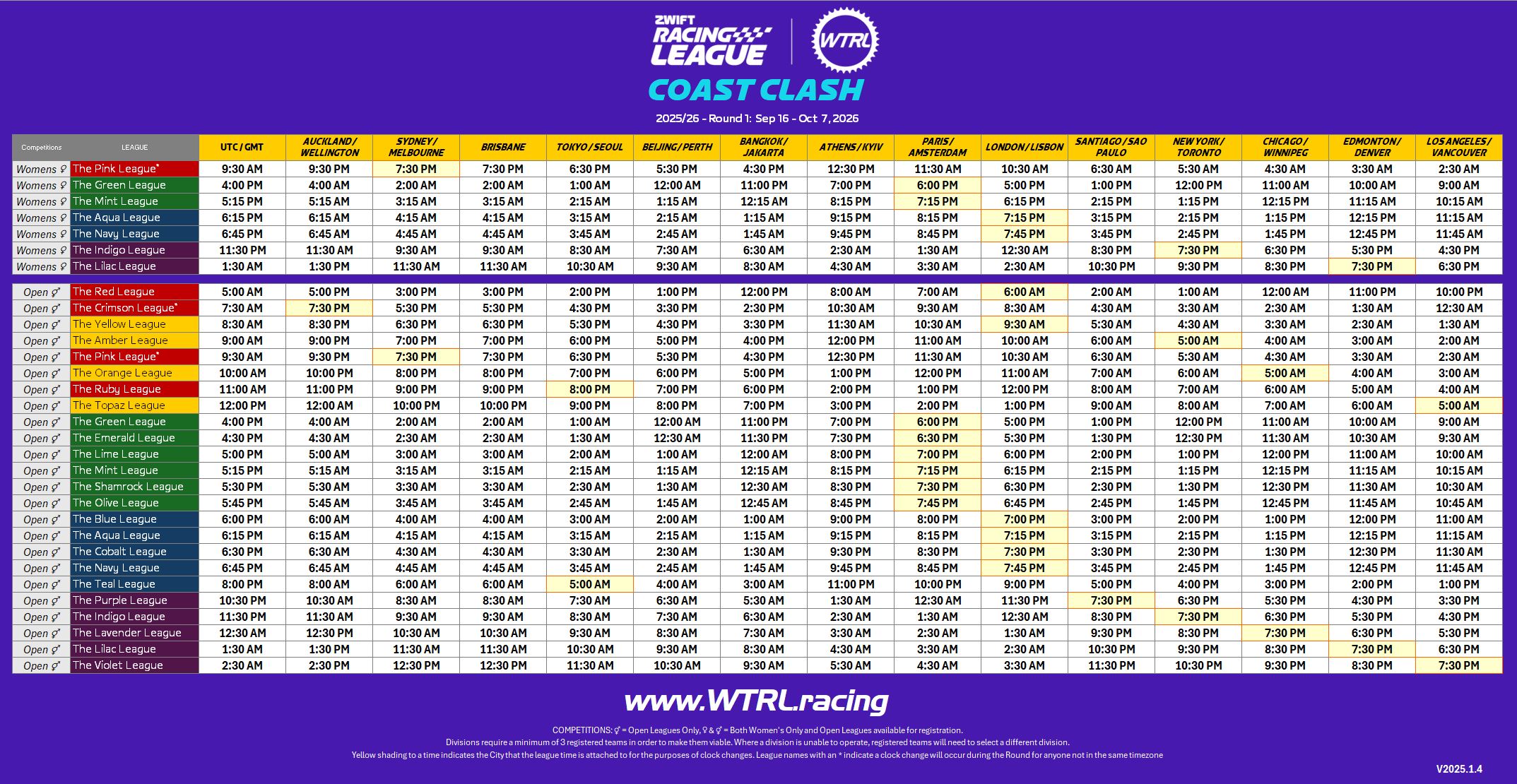
Some divisions and start times get tweaked between each round, so use the table below to find a current time slot that works for your team.
Teams/Registration
Team registration opens August 19, 2025 at wtrl.racing/zrl-registration, and closes September 13, 2025 at 00:00 UTC.
ZRL is a team-based competition – you cannot sign up as an individual rider. Teams can have up to 12 racers rostered, but only 6 can race in each event. Teams must have at least 4 riders on their roster, and a rider can be rostered on no more than 2 teams per round.
Want to race, but don’t have a team? Here are seven ways to find a team:
If you’re already a member of a larger Zwift Club, contact a senior Club representative to see if you can join one of your Club’s ZRL teams.
Join an official team-lead ZRL Group Recon Ride (see below) where several teams can be found looking for more riders. These run several times a day, starting two weeks before the first race.
Join the ZRL Facebook Group and post preferred race times/league, Pace Group Category, and any other preferences under the #zrlteamhunt tag where many teams are eagerly waiting.
Reply to one of the #zrlrecruiting posts that teams make in the ZRL Facebook Group if you don’t want to post your own request.
Reach out directly to WTRL and they can match you to a team based on race times, category, and team preferences.
The minimum category you’ll race is determined by your power history on Zwift. See this post for details.
Riders must use a power sensor to transmit power to the game – this would be a smart trainer, smartbike, or power meter. (You’re allowed to race C and D categories with a “classic” trainer and virtual power, but your points are cut in half.)
Heart rate monitors are required. (You’re allowed to race without a HRM, but your points are cut in half.)
Cadence monitors are required.
You’ll want to have at least a few races under your belt before you try to join a team, so you are confident that you’re in the correct category. It causes a lot of hassle if you join a team and are forced to upgrade to a new category mid-round!
Race Recon Events
If you’re unfamiliar with a particular week’s race course, join a ZRL recon ride! These happen multiple times per day and are led by experienced racers who may share route info and racing tips as you ride.
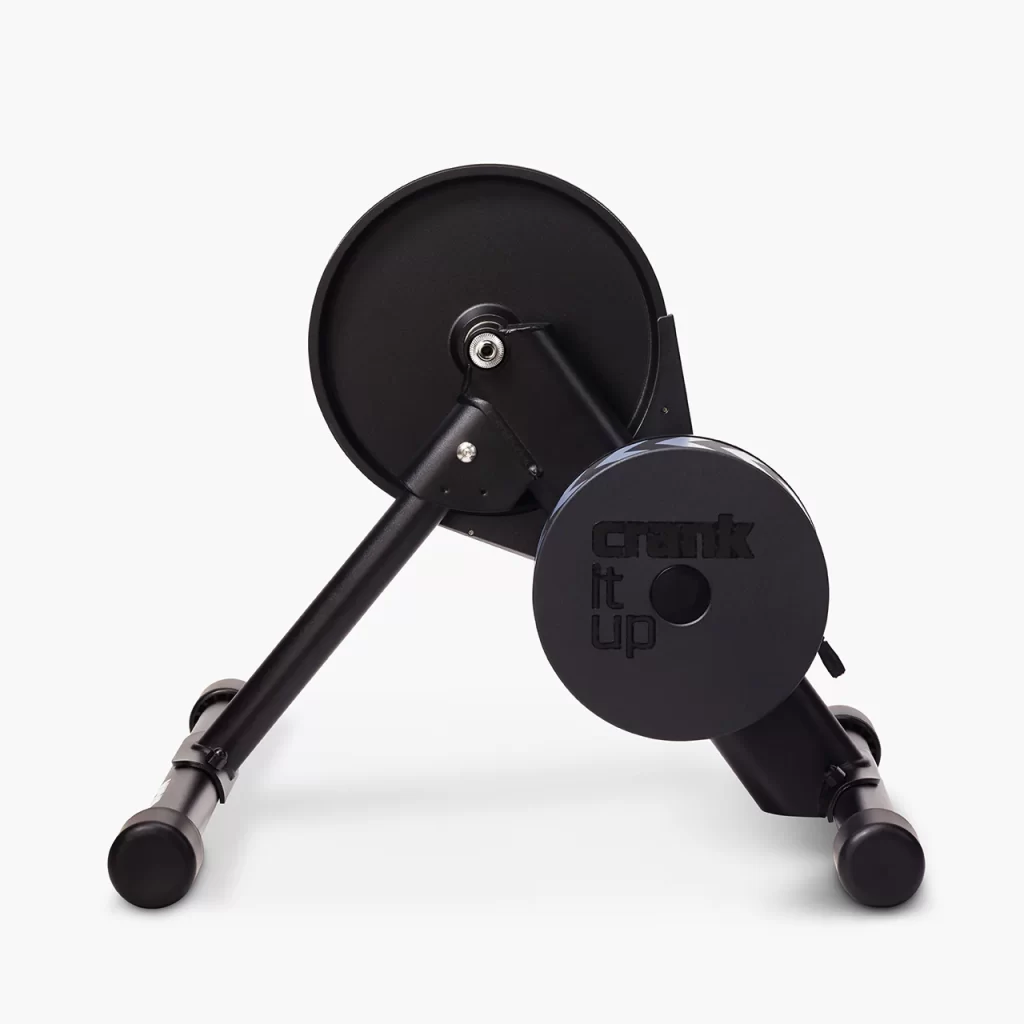
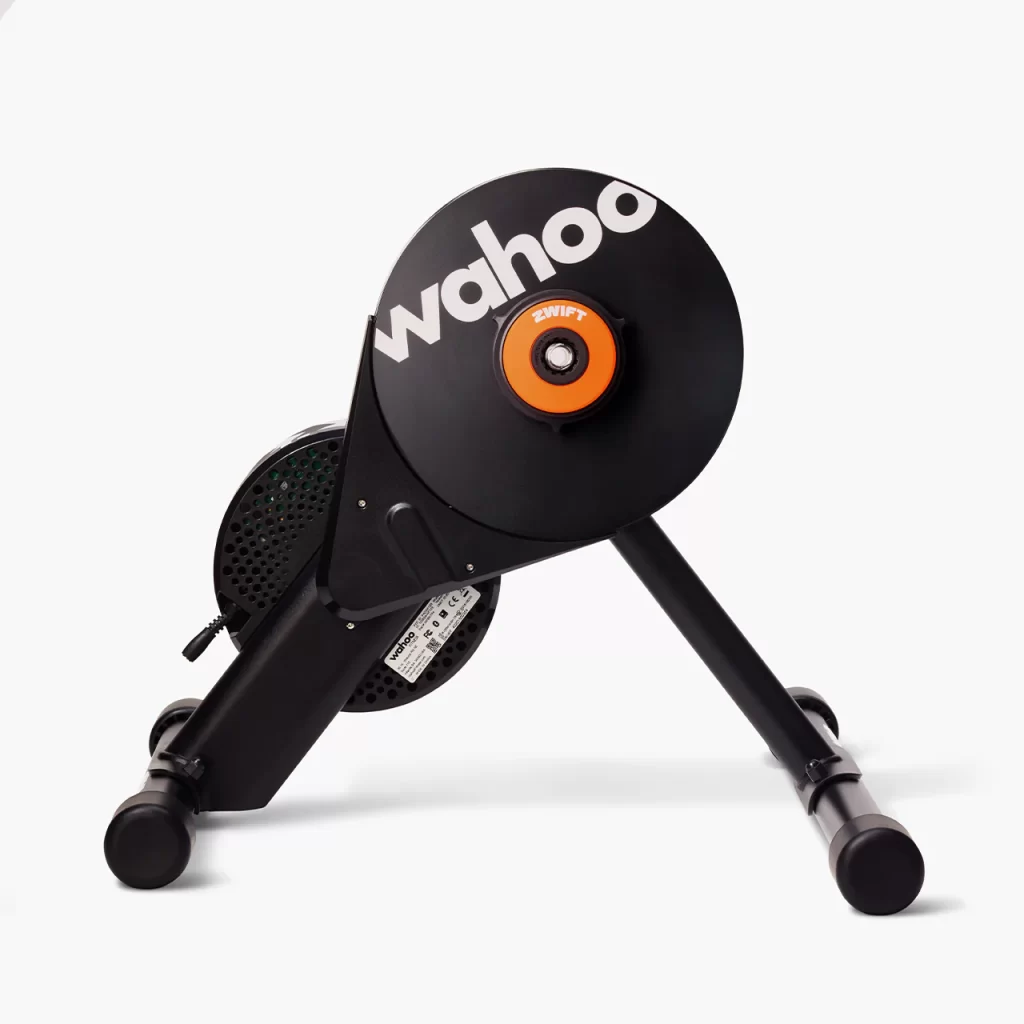
The KICKR CORE Zwift One may now be the most popular smart trainer in the world, thanks to its competitive price point as a standalone product and being sold as the default trainer with the Zwift Ride smart frame. A couple of weeks ago, Zwift and Wahoo began promoting the trainer at a reduced price.
And now today, we’re seeing the price has dropped even further: down $85 in the US, £90 in the UK, €99 in the EU. If you’re looking for a good price on a reliable smart trainer, this is the lowest I’ve ever seen the Wahoo KICKR CORE Zwift One. Shopping links below (these are affiliate links – your purchase helps support Zwift Insider):
If you are in the US and purchase your KICKR CORE Zwift One through Zwift, you can check a box on the main page to get free Zwift Play controllers ($50 value) with your purchase:
This doesn’t seem to be an option in the UK and EU.
Wahoo KICKR CORE Zwift One Basics
Wahoo’s KICKR CORE is the most popular budget direct-drive smart trainer on the planet today, and it has only grown more popular since it began shipping with the Zwift Ride. With solid specs and proven reliability, the KICKR CORE’s success is no mystery: it’s an affordable trainer that meets or exceeds the needs of the vast majority of Zwifters.
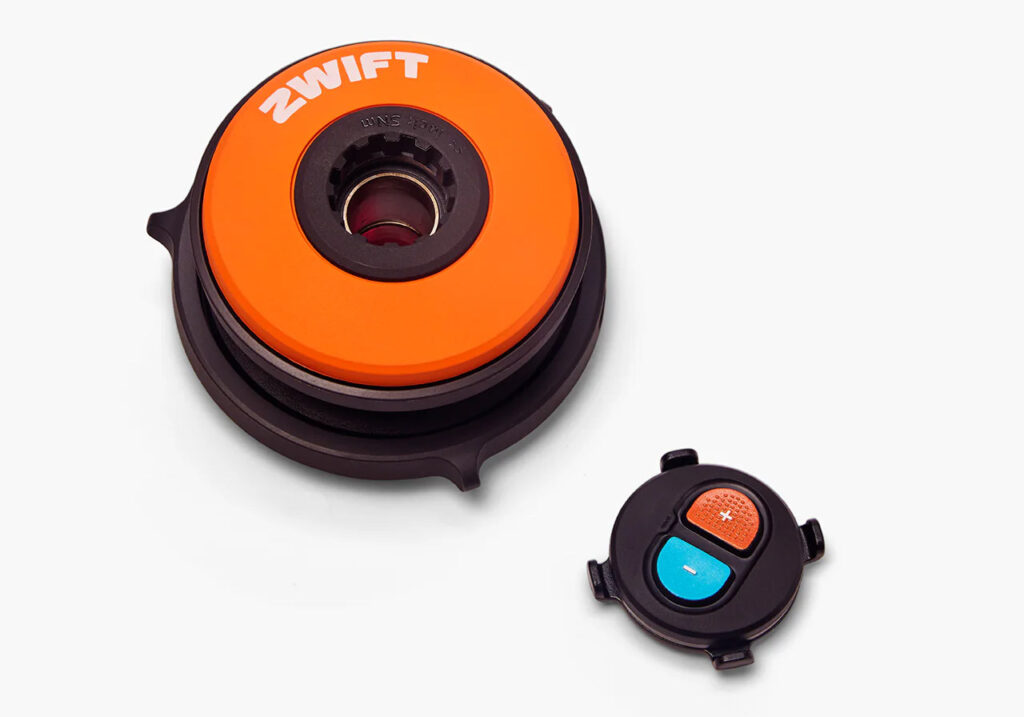
The KICKR CORE Zwift One ships with the Zwift Cog installed in place of a standard cassette. The Zwift Cog is made for trainers using Zwift’s virtual shifting, and is simply a single sprocket surrounded by a housing. (You only need one sprocket since virtual shifting changes the trainer’s resistance to mimic a gear shift, instead of changing a physical sprocket on a cassette.)
The included Cog is the orange “version 2,” which is adjustable and quieter than earlier versions. This Zwift Cog easily adjusts left to right between 10 different sprocket positions for the straightest chainline, and rubber rings and other changes to the housing make it noticeably quieter than previous Zwift Cog versions.
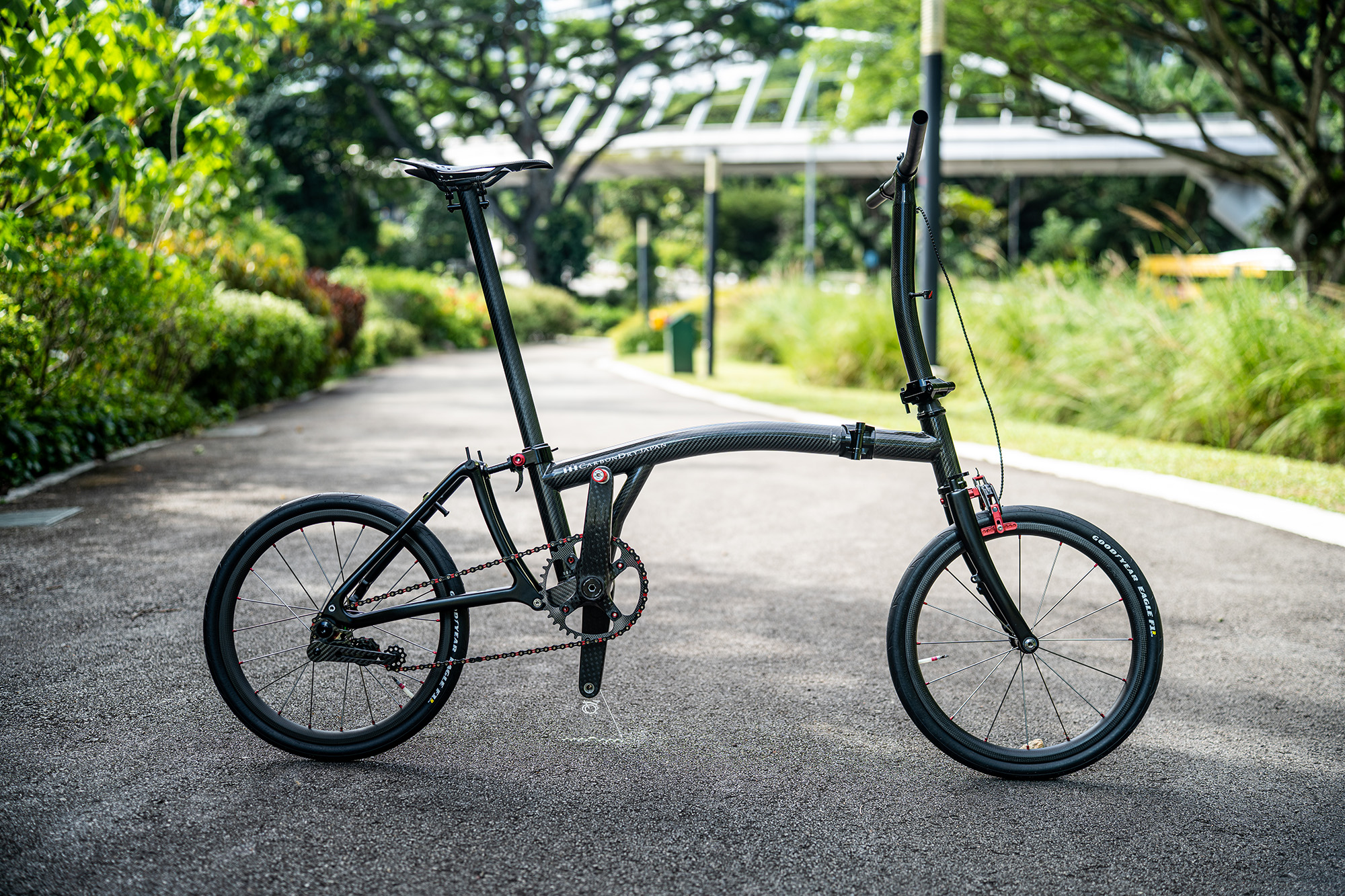
Cycling tech’s many niches, from streamlined time trial bikes to fat-tired adventure bikes, are part of what makes it so fun. Perfectly embodying this spirit is this super-lightweight Brompton-inspired folding bike.
Weightweenie.b is a small group of weight weenie Brompton enthusiasts dedicated to sharing their knowledge on folding bikes that break the UCI’s minimum weight limit – as charmingly niche as it gets.
Brompton-inspired frame
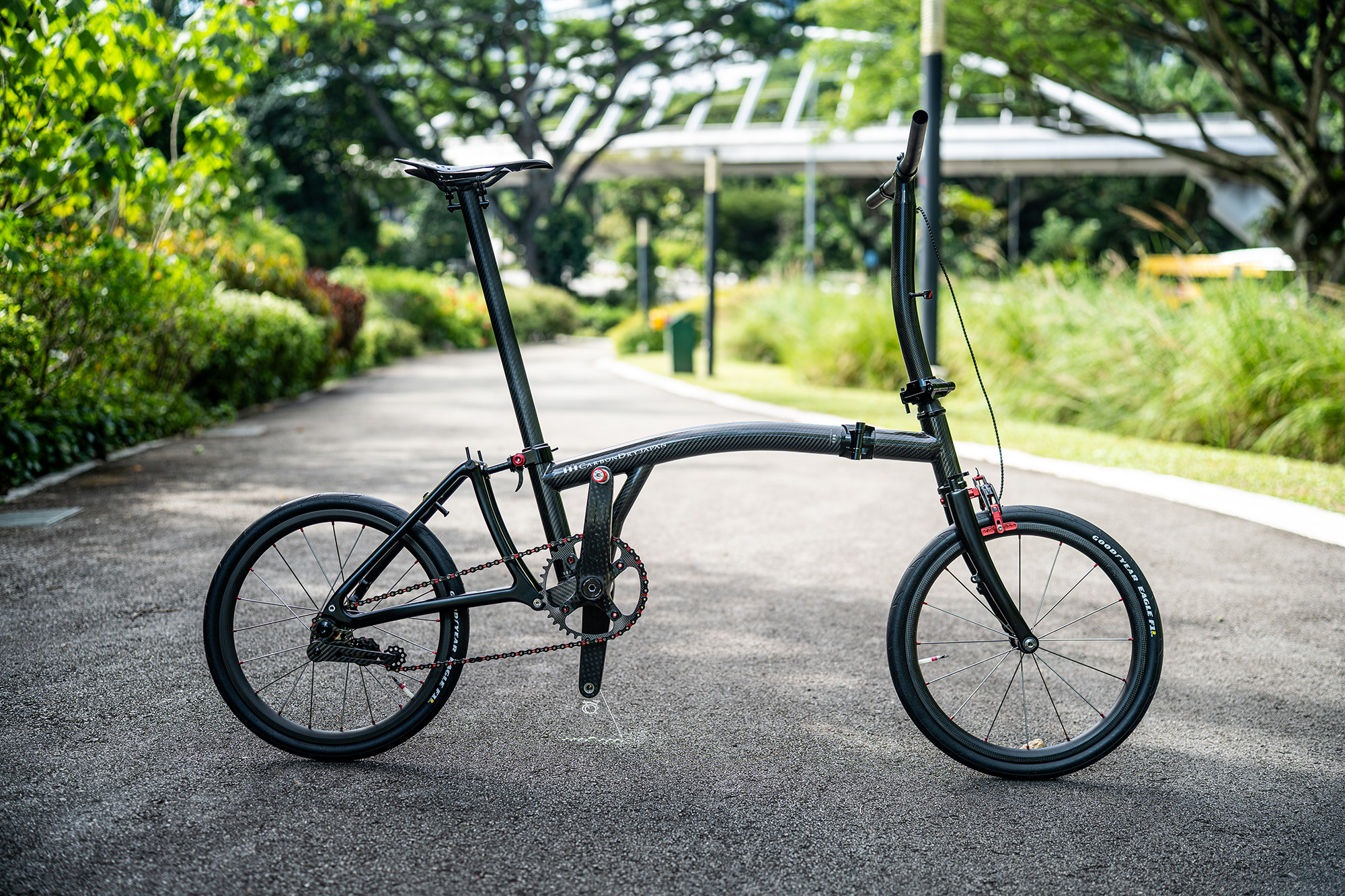
This carbon folding bike is lighter than many hill climb bikes. weightweenie.b The bike features the same dimensions as a Brompton weightweenie.b
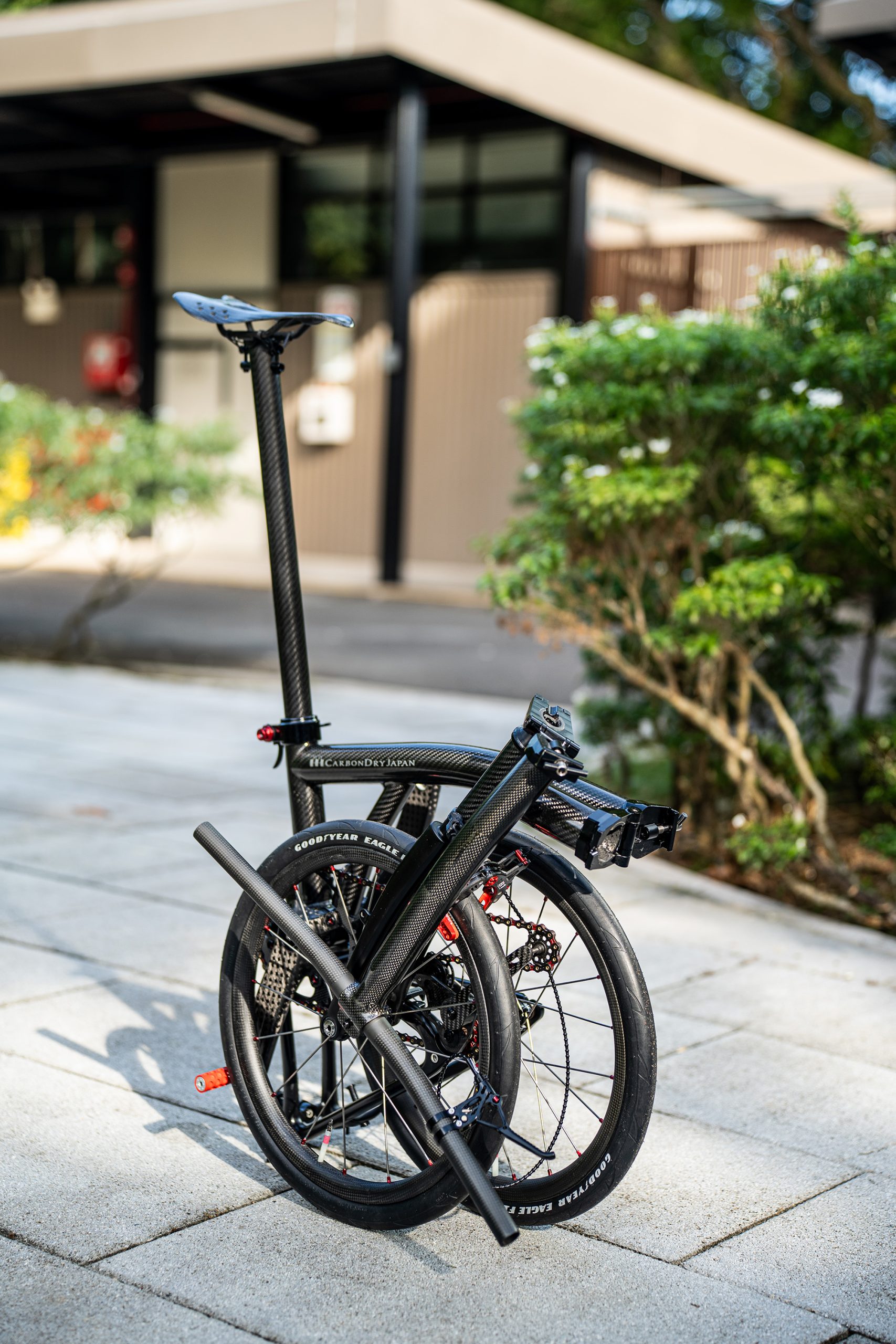
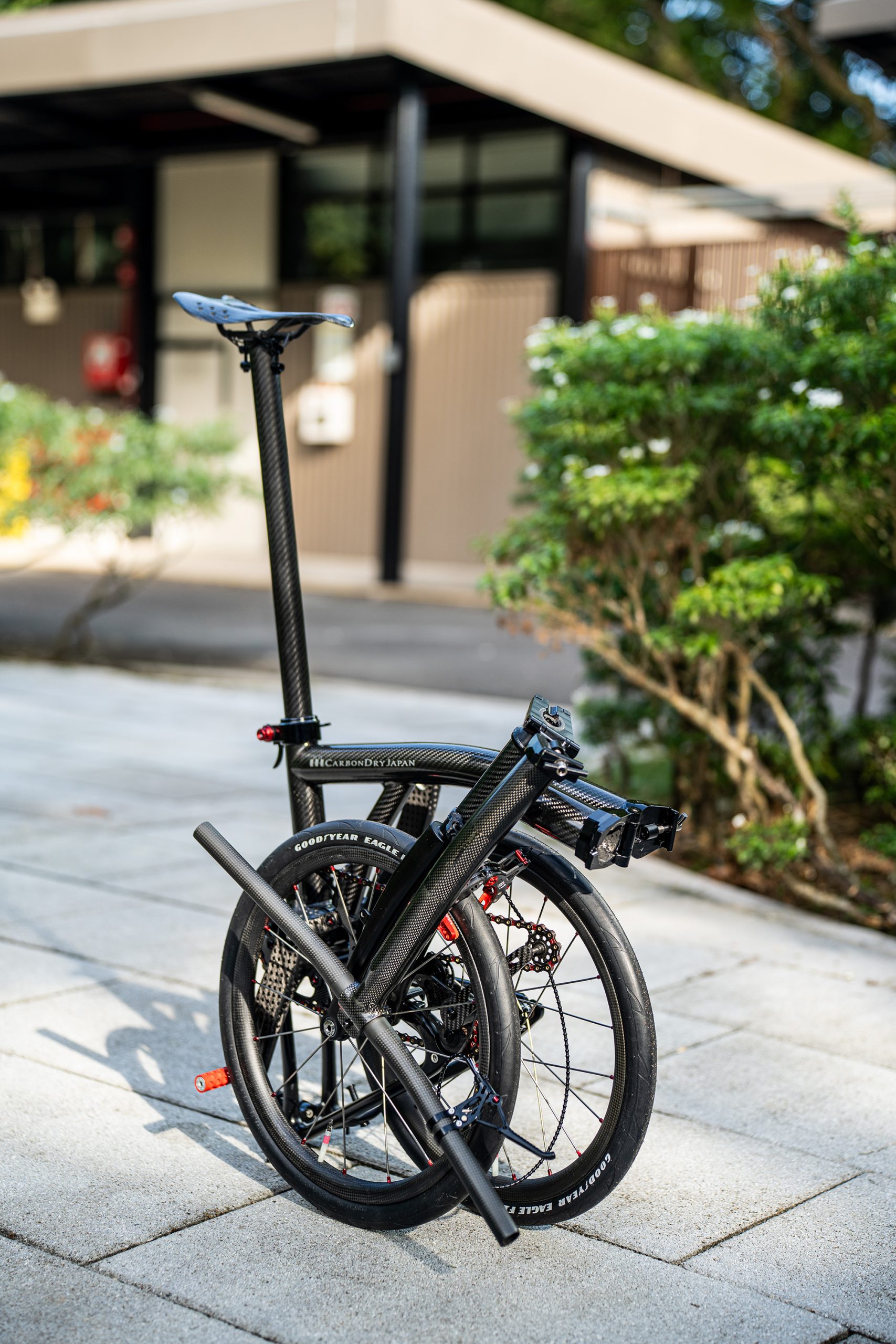
While the frame isn’t made by Brompton, it features the same folding mechanism as the British icon, with the bike folding into three parts, and the rear wheel tucked under the frame.
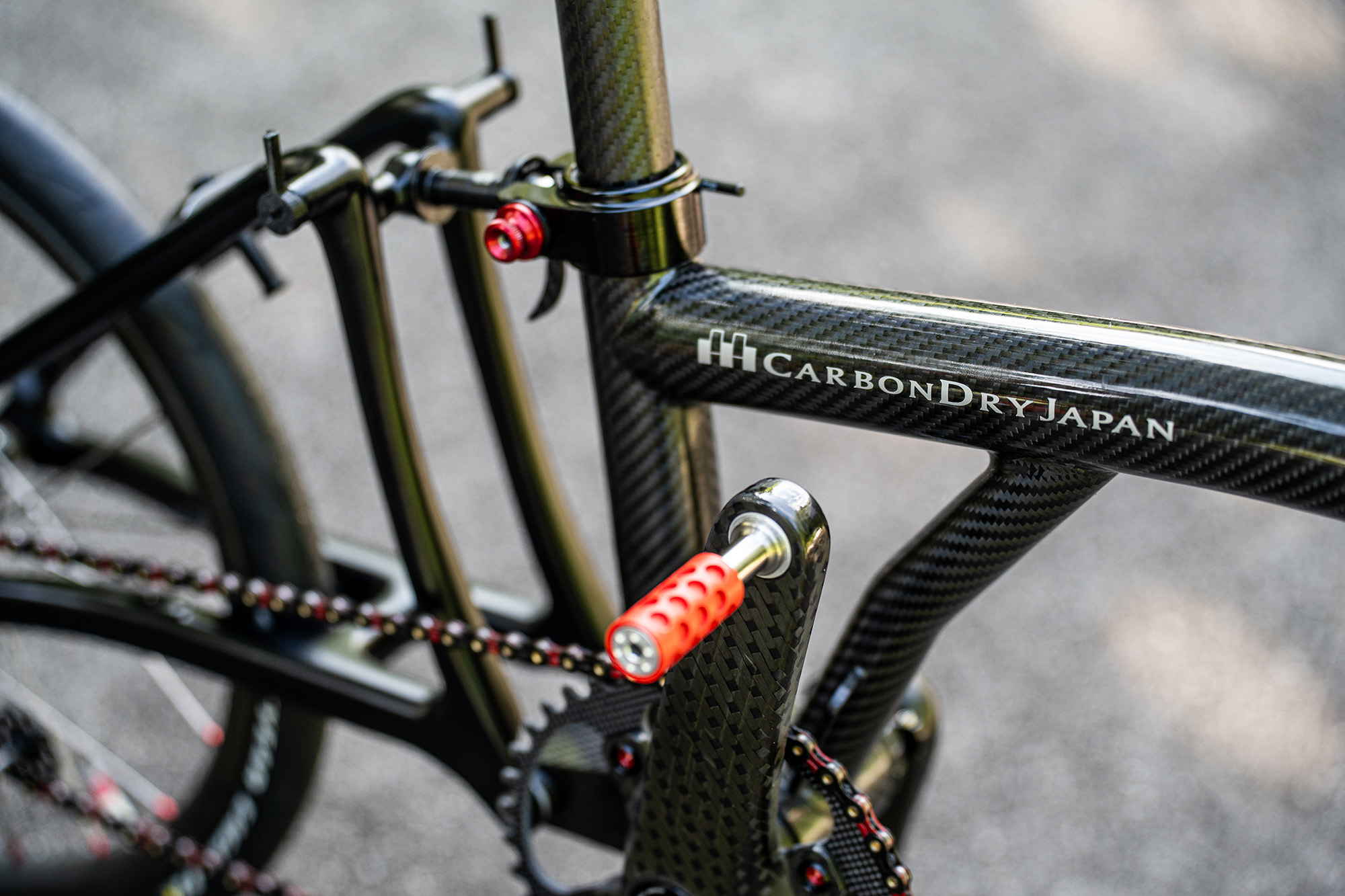
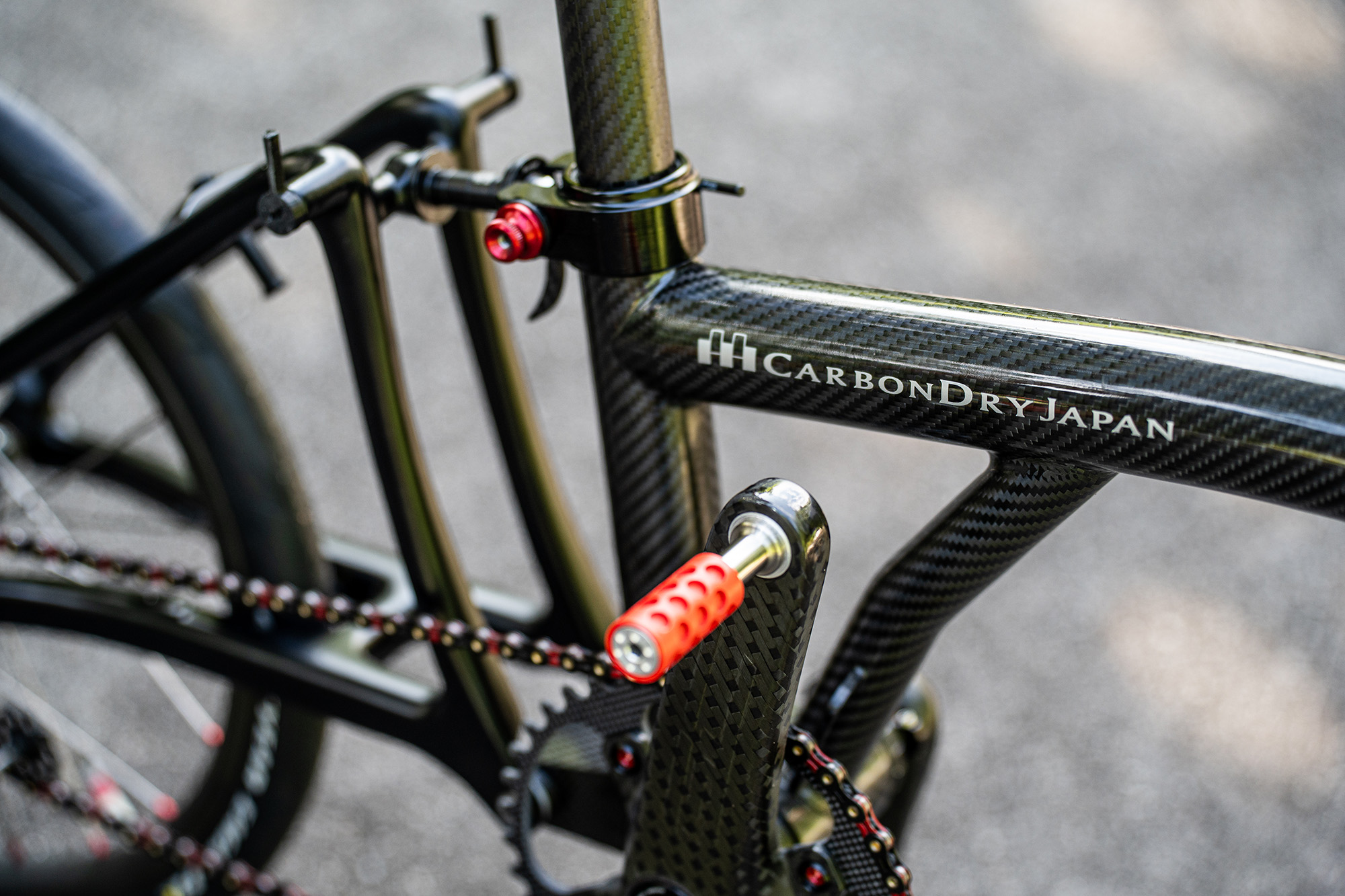
Weightweenie.b says the bike is made by CarbonDryJapan, and is currently out of production – as are many of the components.
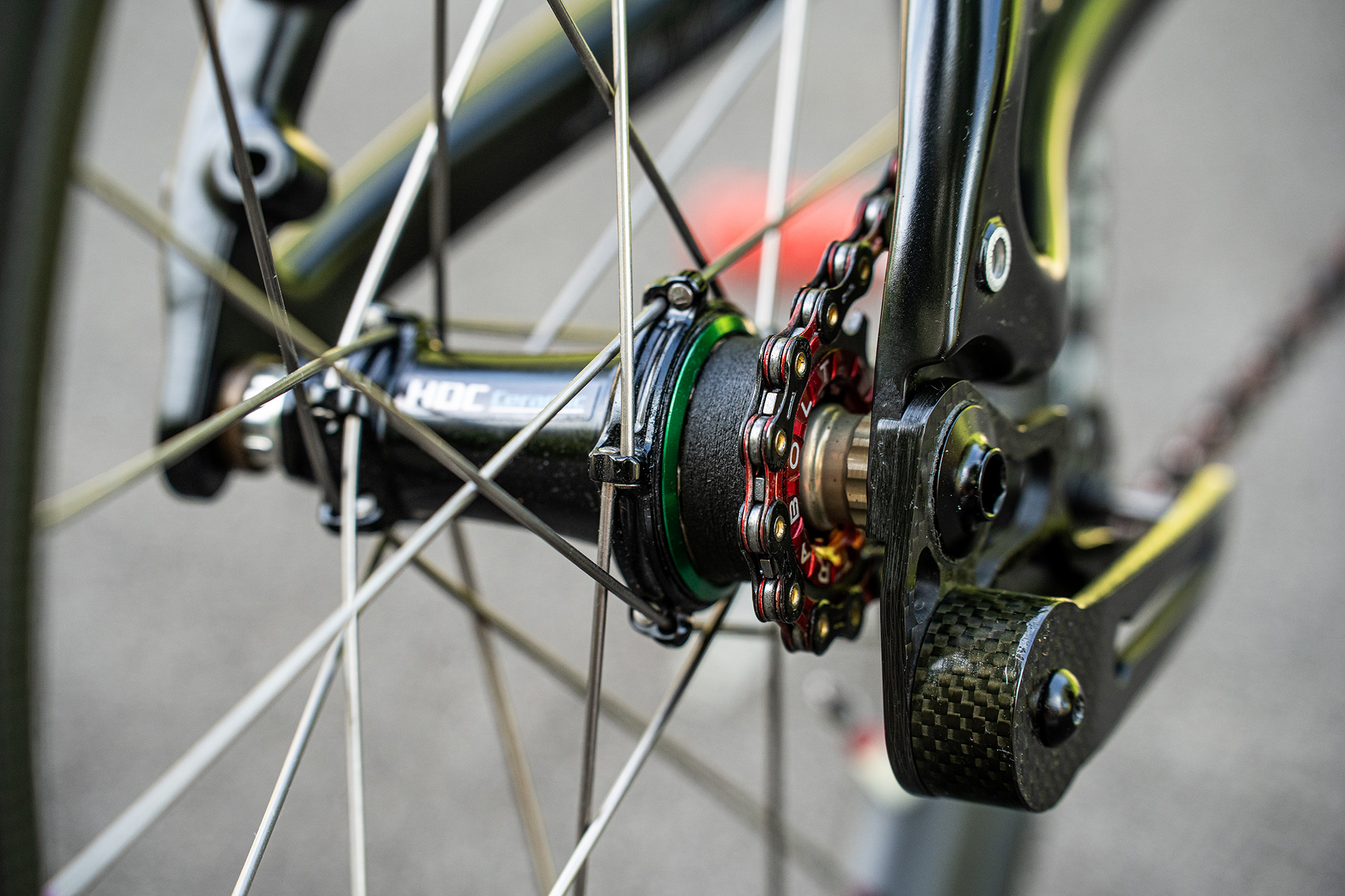
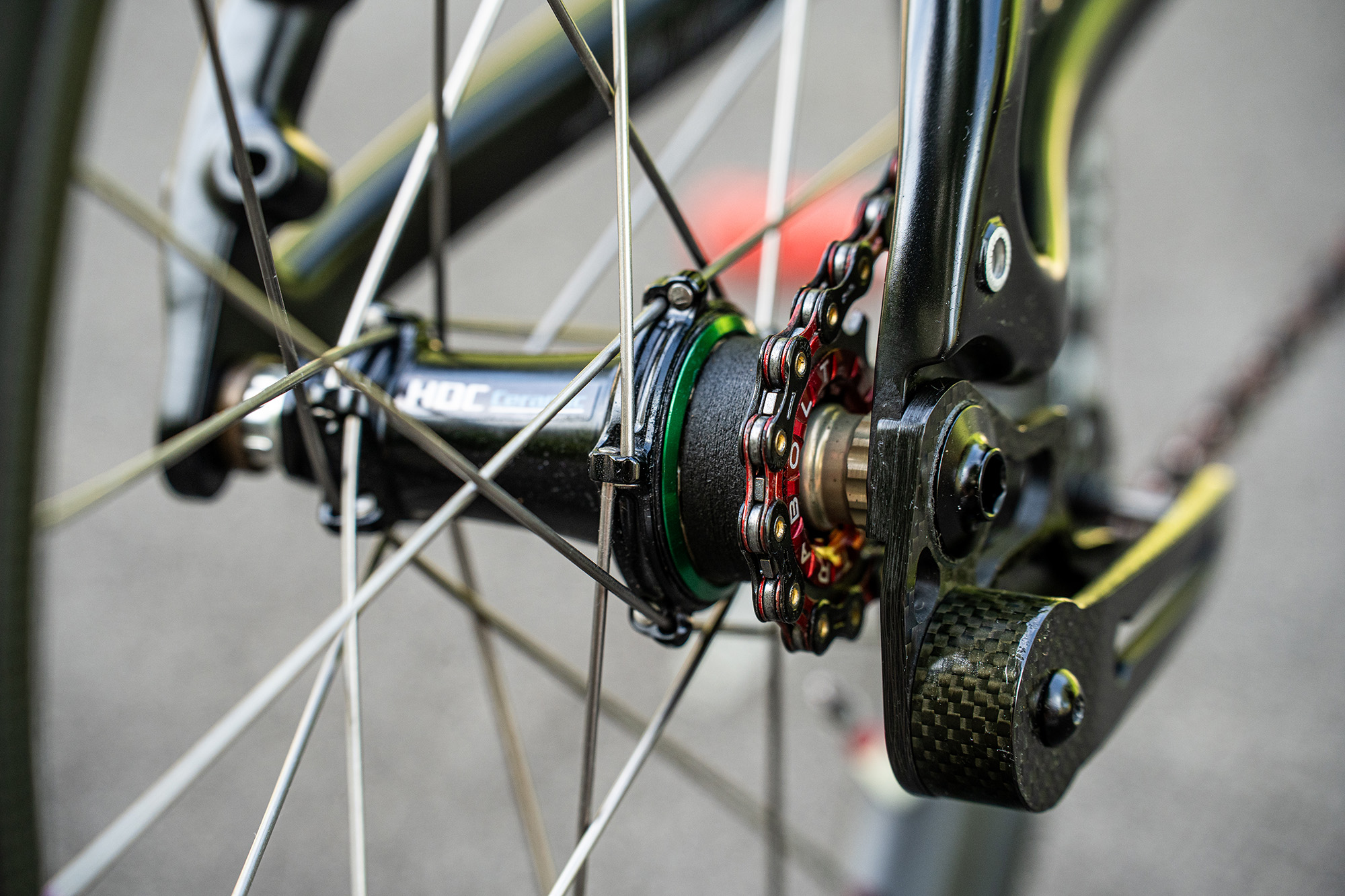
The AeroLite pedals aren’t much more than axle covers. weightweenie.b The bike has a single 11-tooth rear cog. weightweenie.b
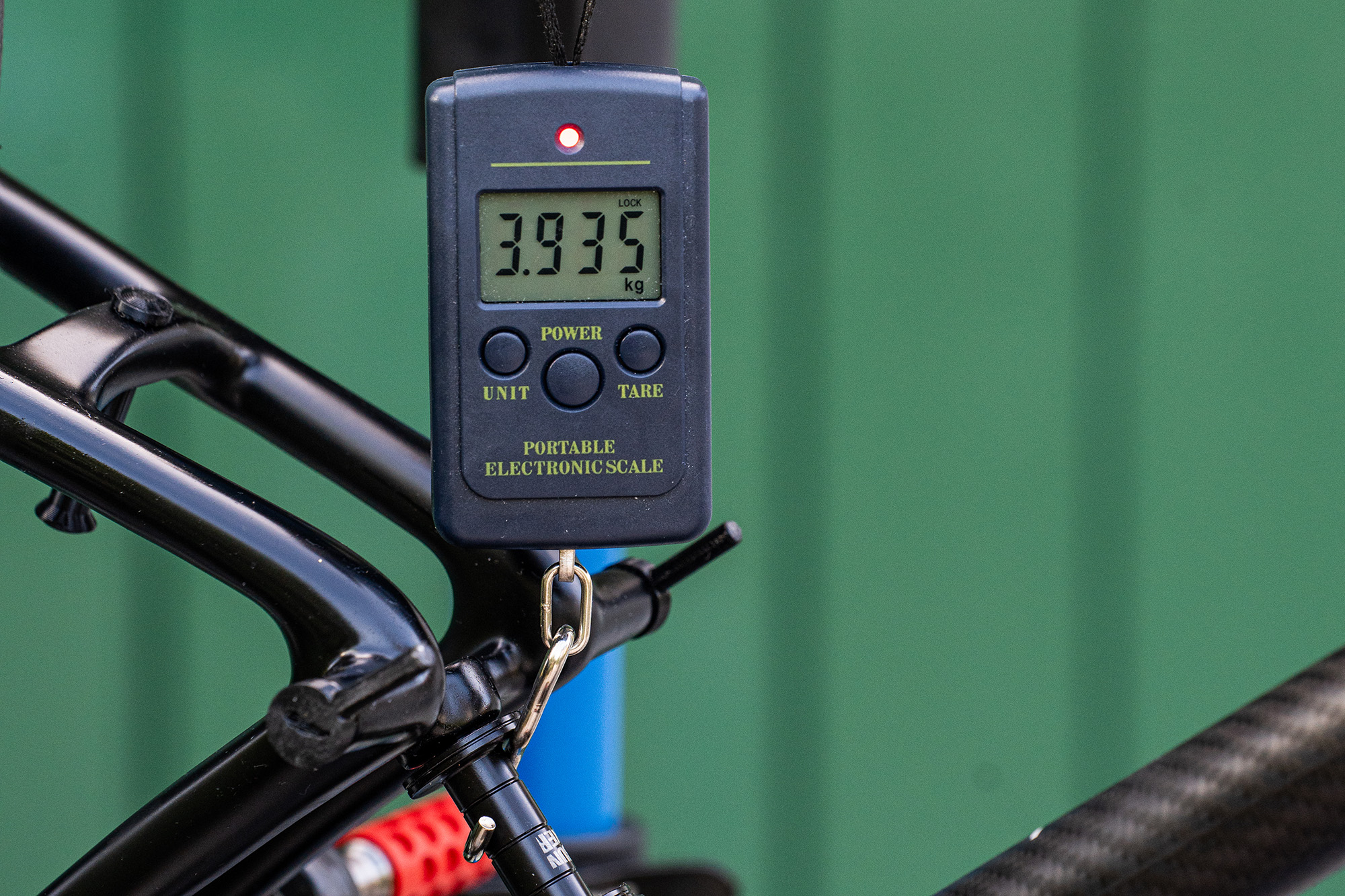
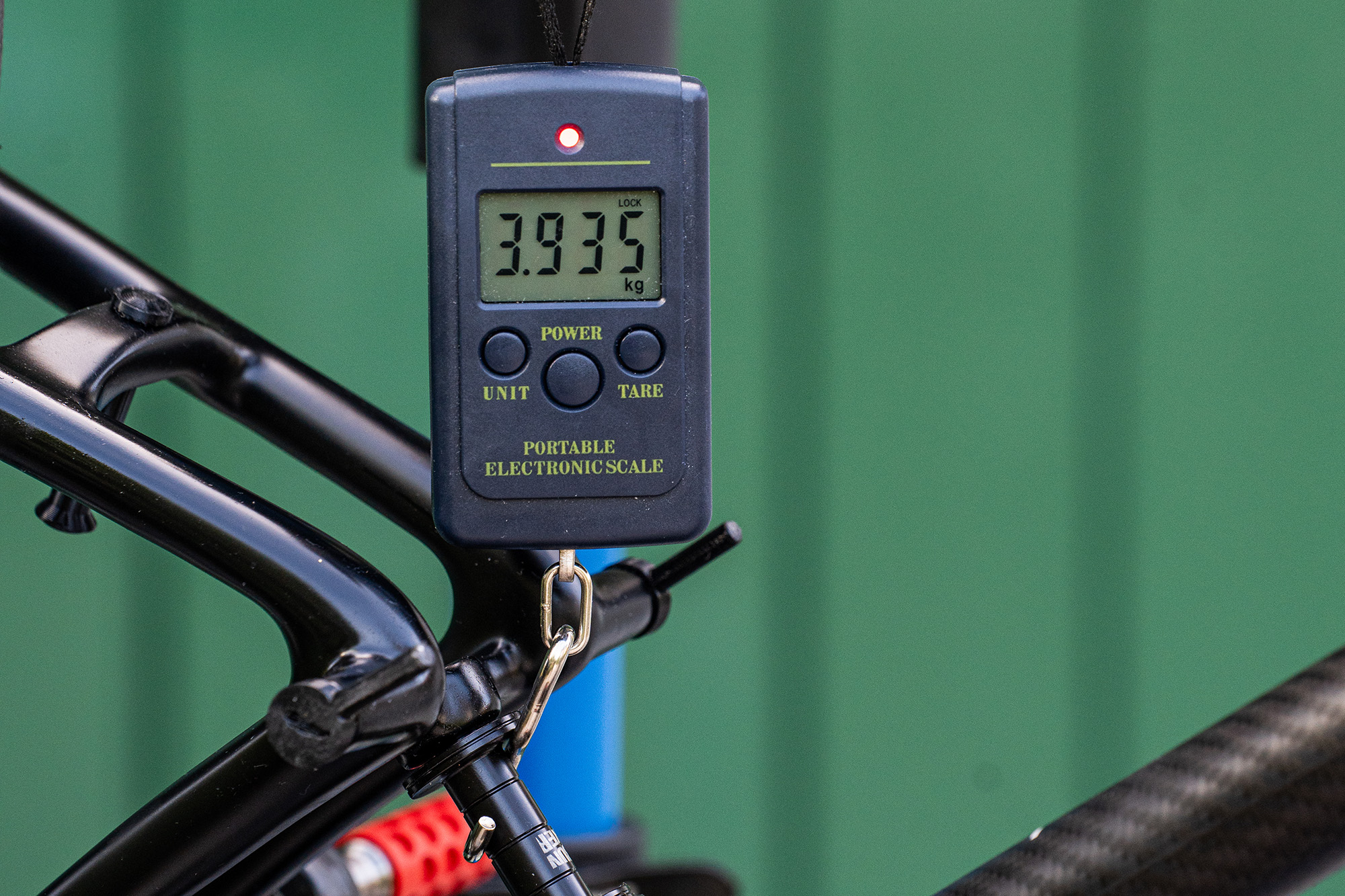
The creator of the bike says he stumbled upon the frame through a local collector and decided to dedicate it to a 3.X build – that being a bike that weighs under 4kg.
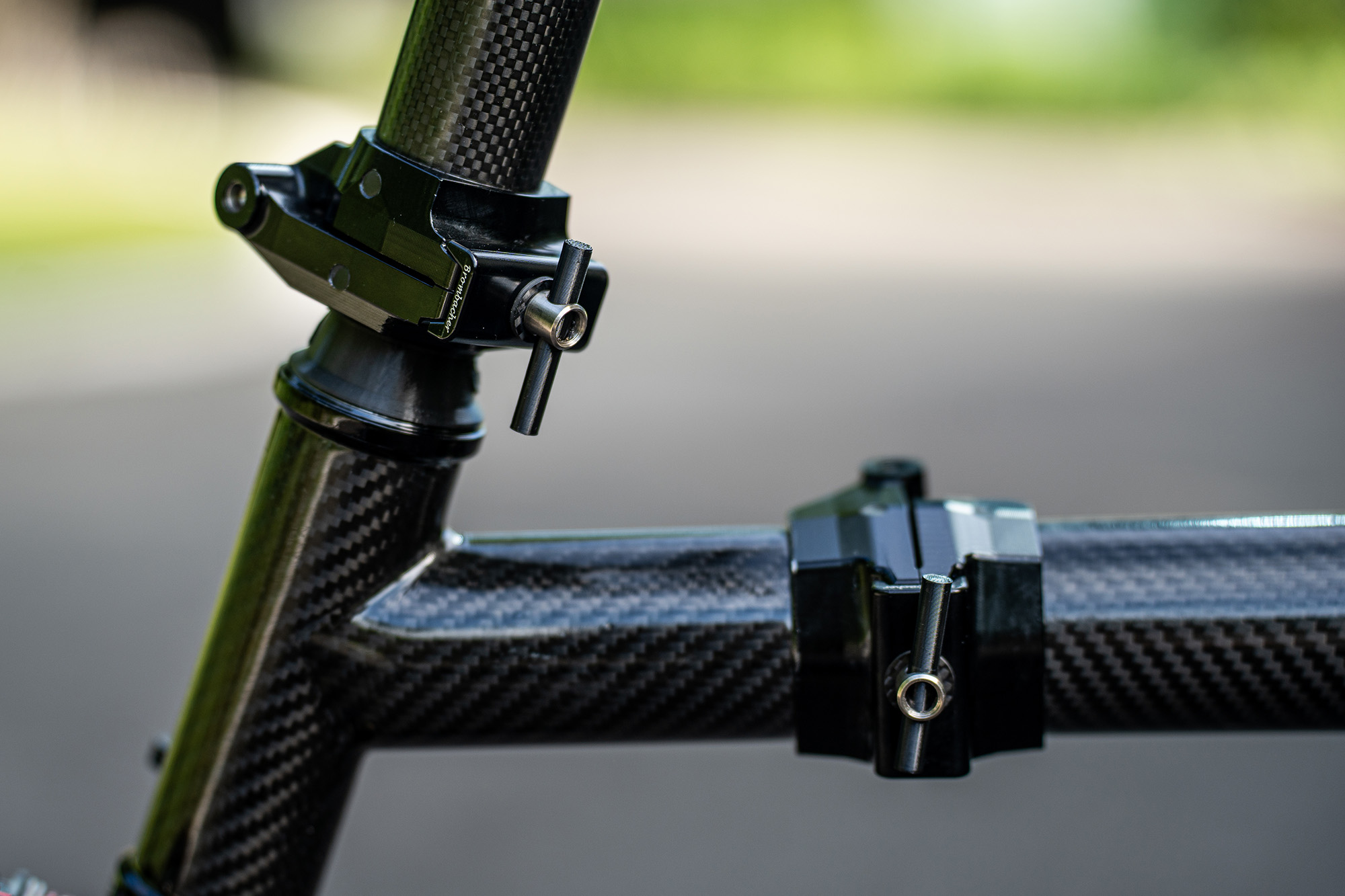
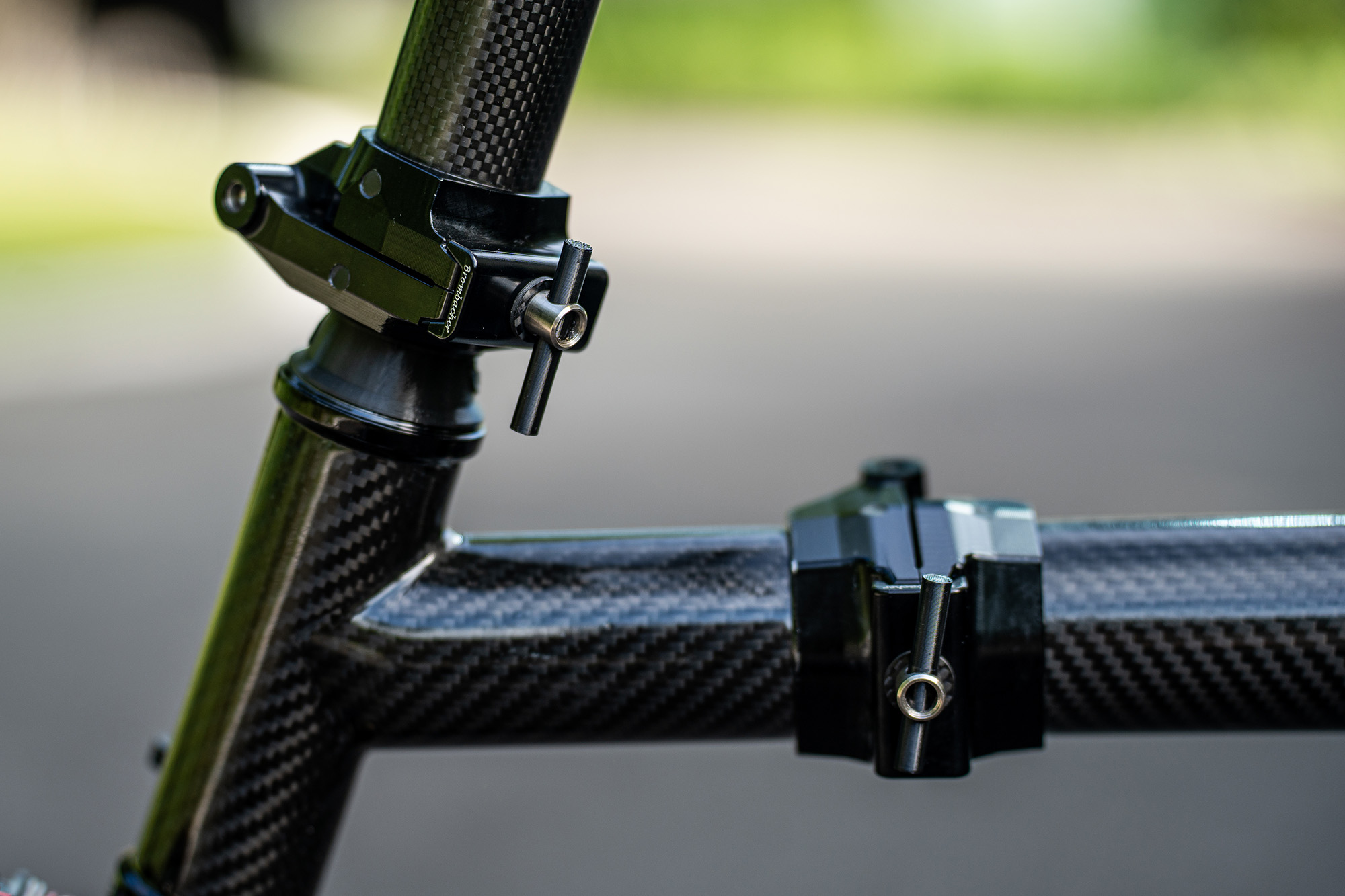
Even the lugs feature carbon fibre levers. weightweenie.b
The lugs, which house the folding mechanisms, are made from CNC-machined aluminium and are bonded to the carbon fibre tubes.
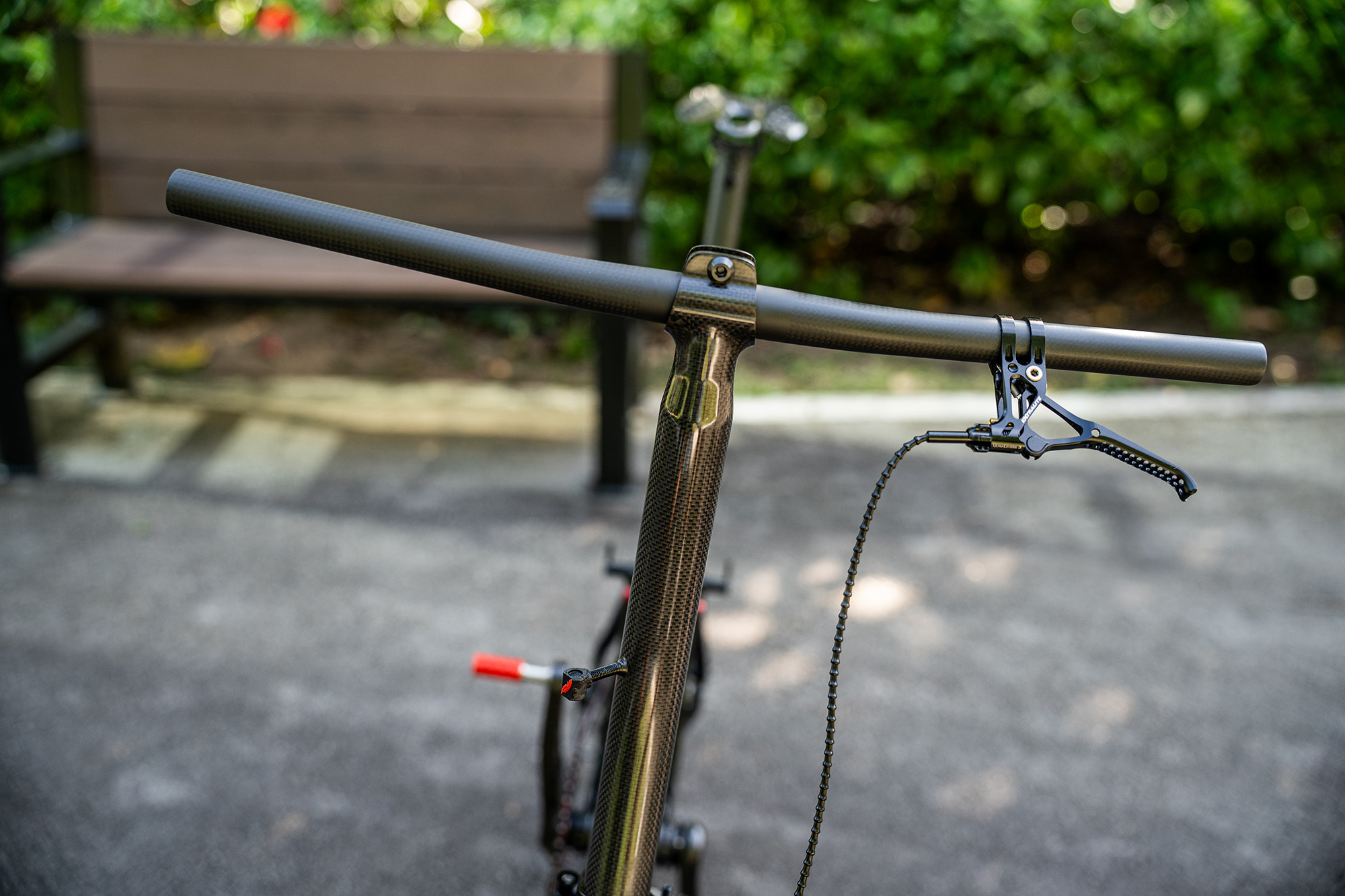
Carbon weave features on nearly every component – this is the perfect bike for pootling around the paddock at the Monaco Grand Prix.
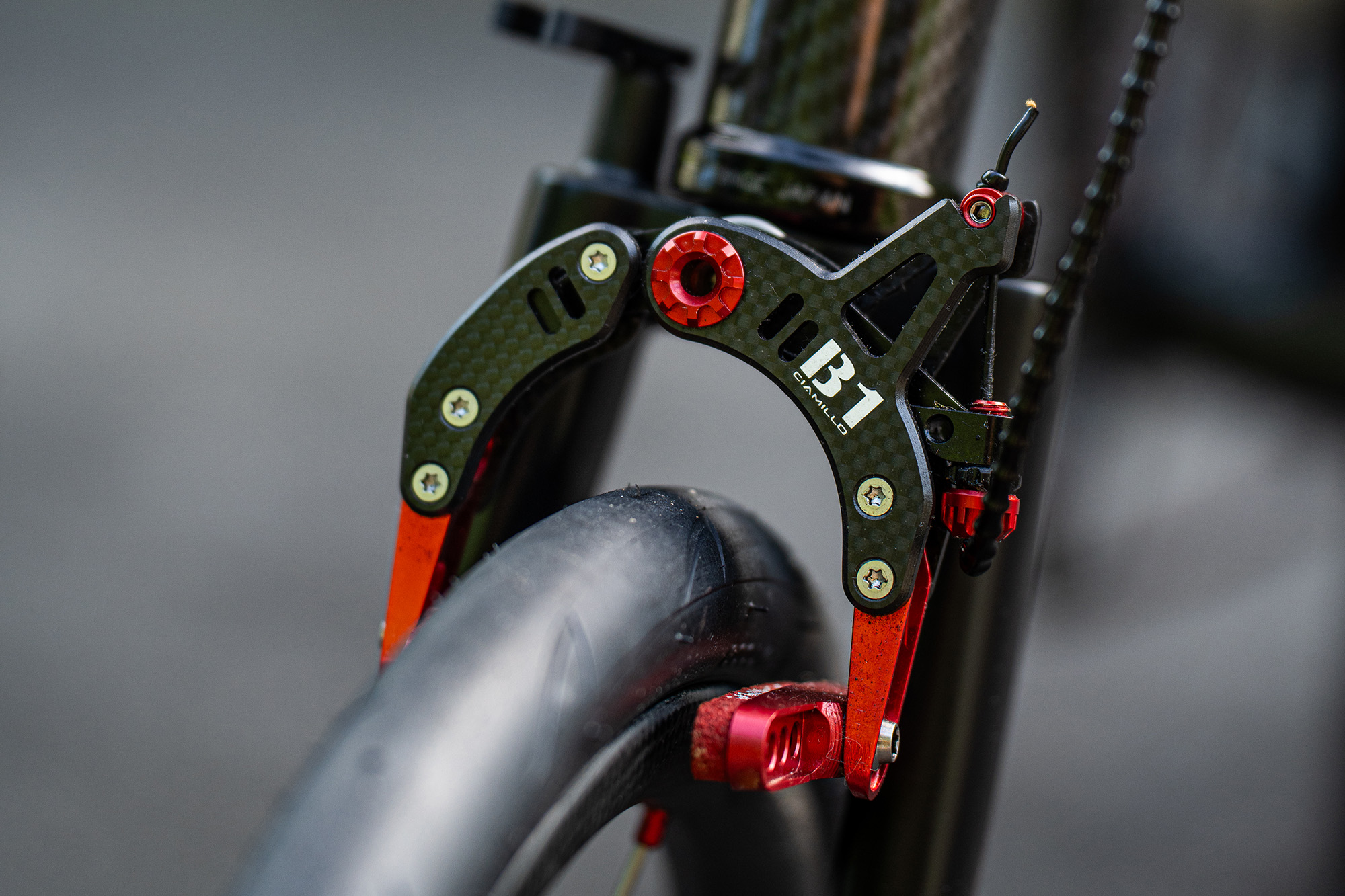
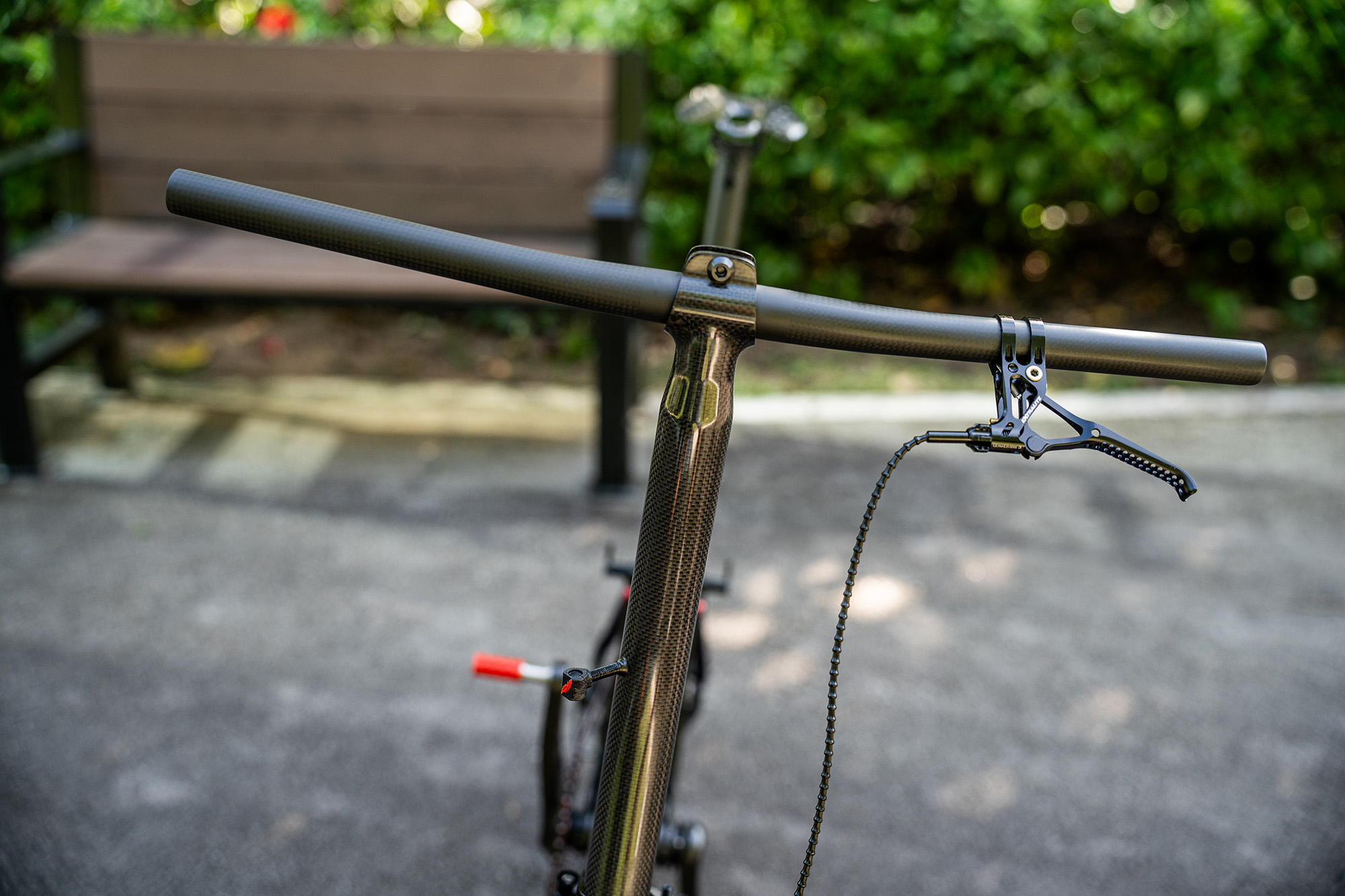
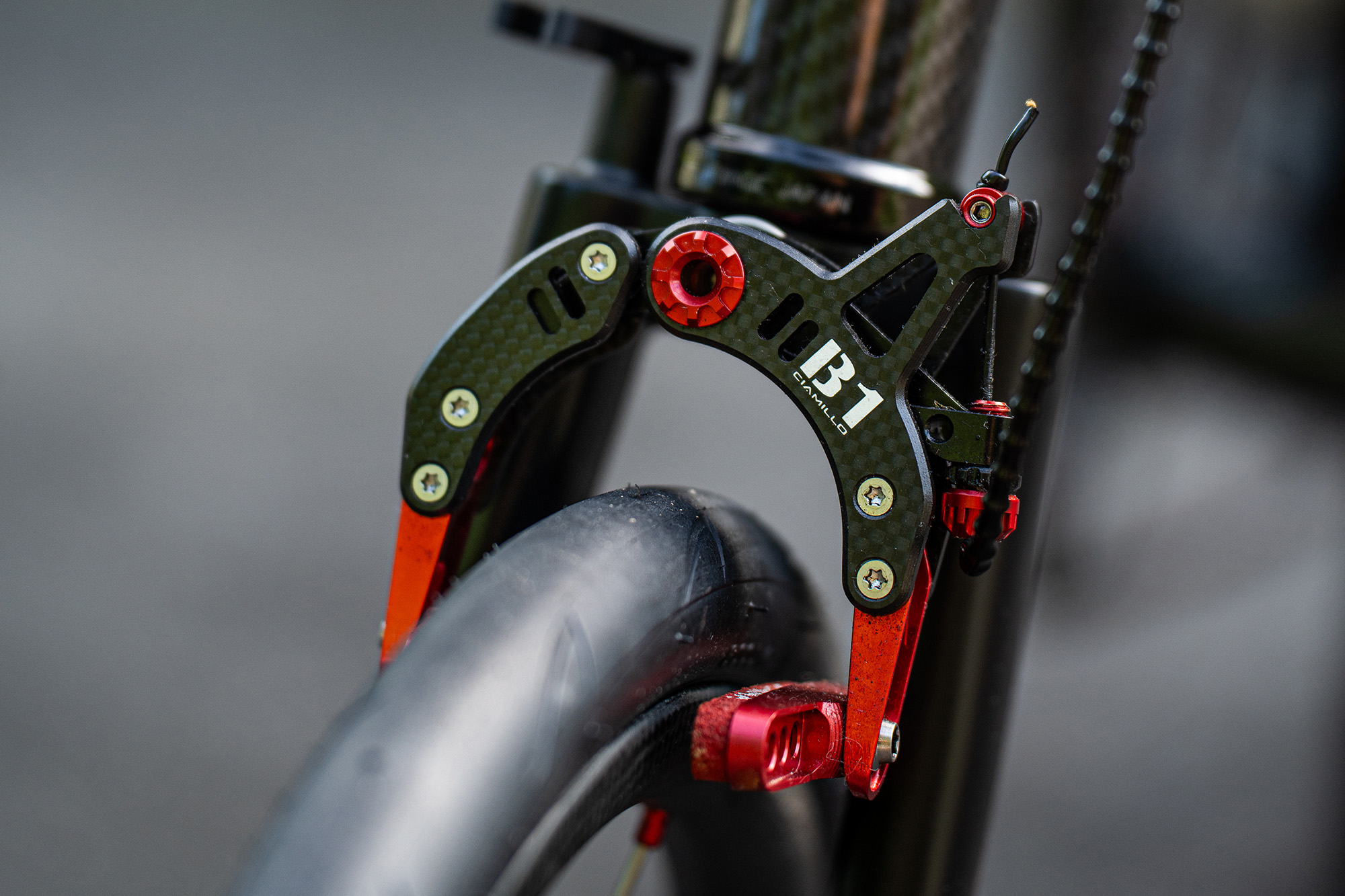
Ciamillo makes the B1 for lightweight Brompton builds. weightweenie.b The skeletal design of the Extralite brake lever helps save weight, as does the lack of grips. weightweenie.b
The bike has a single brake, with a Brompton-specific Ciamillo B1 biting into the carbon rim. This is paired with an Extralite brake lever.
In recent years, we have seen lightweight component manufacturers eyeing up the lightweight Brompton space, with Schmolke releasing a range carbon parts last year, including rims, handlebars and seatpots.
Weightweenie.b has managed to just dip under the 4kg mark. weightweenie.b
While an impressive feat of engineering, weightweenie.b says this bike has been created for the soul, and as a statement as to how light a folding bike can be made, rather than something truly practical to be ridden day-to-day. That doesn’t make it any less charming.
Cycling tech’s many niches, from streamlined time trial bikes to fat-tired adventure bikes, are part of what makes it so fun. Perfectly embodying this spirit is this super-lightweight Brompton-inspired folding bike.
Weightweenie.b is a small group of weight weenie Brompton enthusiasts dedicated to sharing their knowledge on folding bikes that break the UCI’s minimum weight limit – as charmingly niche as it gets.
Brompton-inspired frame
This carbon folding bike is lighter than many hill climb bikes. weightweenie.b The bike features the same dimensions as a Brompton weightweenie.b
While the frame isn’t made by Brompton, it features the same folding mechanism as the British icon, with the bike folding into three parts, and the rear wheel tucked under the frame.
Weightweenie.b says the bike is made by CarbonDryJapan, and is currently out of production – as are many of the components.
The AeroLite pedals aren’t much more than axle covers. weightweenie.b The bike has a single 11-tooth rear cog. weightweenie.b
The creator of the bike says he stumbled upon the frame through a local collector and decided to dedicate it to a 3.X build – that being a bike that weighs under 4kg.
Even the lugs feature carbon fibre levers. weightweenie.b
The lugs, which house the folding mechanisms, are made from CNC-machined aluminium and are bonded to the carbon fibre tubes.
Carbon weave features on nearly every component – this is the perfect bike for pootling around the paddock at the Monaco Grand Prix.
Ciamillo makes the B1 for lightweight Brompton builds. weightweenie.b The skeletal design of the Extralite brake lever helps save weight, as does the lack of grips. weightweenie.b
The bike has a single brake, with a Brompton-specific Ciamillo B1 biting into the carbon rim. This is paired with an Extralite brake lever.
In recent years, we have seen lightweight component manufacturers eyeing up the lightweight Brompton space, with Schmolke releasing a range carbon parts last year, including rims, handlebars and seatpots.
Weightweenie.b has managed to just dip under the 4kg mark. weightweenie.b
While an impressive feat of engineering, weightweenie.b says this bike has been created for the soul, and as a statement as to how light a folding bike can be made, rather than something truly practical to be ridden day-to-day. That doesn’t make it any less charming.
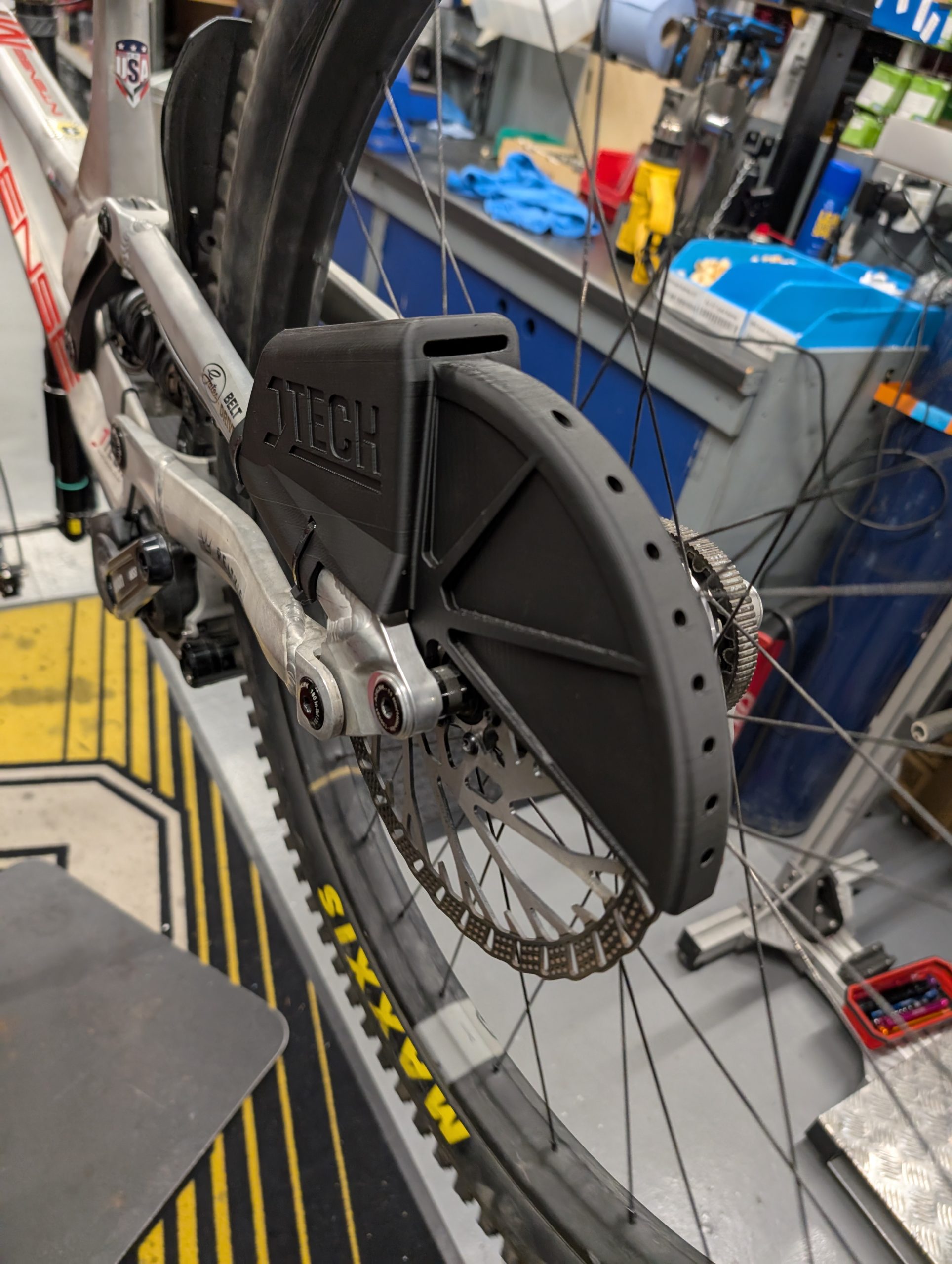
Intense Factory Racing and J-Tech have developed 3D-printed brake guards to protect brake rotors and calipers in wet weather, with the team’s testing showing they offer an improvement in performance and predictability.
Brakes are one of the most important components on your bike, so it’s crucial they’re powerful, predictable and consistent. But wet and mucky condition can impact their performance: Water can cool your rotors, which causes inconsistent braking, and dirt can reduce friction.
So brake covers like these can help downhill racers go faster by offering them more consistent braking performance – a marginal gain, but with downhill racers separated by such fractions of a second, mods like these can make a difference in terms of race results.
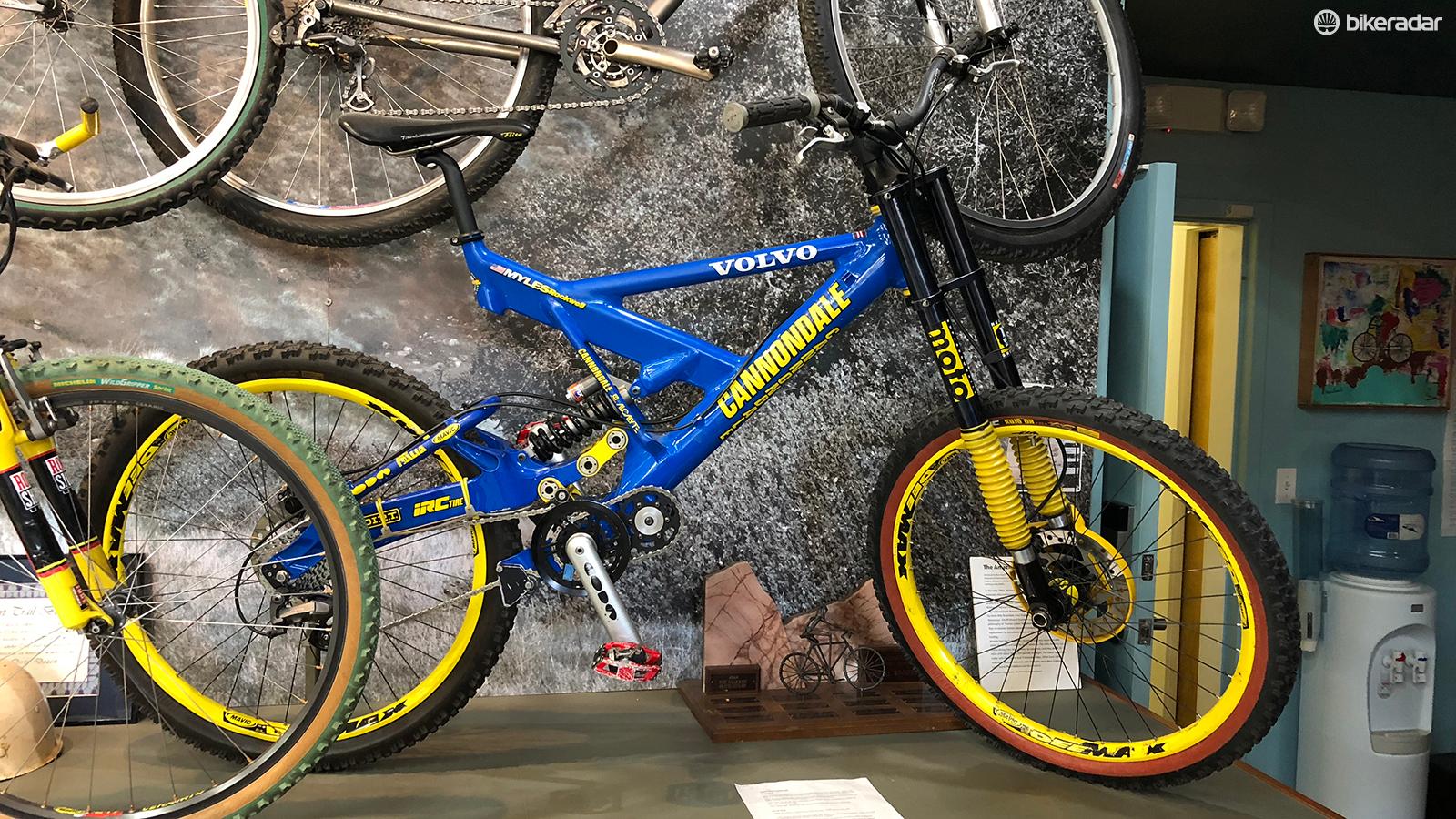
Myles Rockwell’s 1998 Cannondale Fulcrum DH Team has a front disc cover. Josh Evans/Immediate Media
Brake covers are nothing new – the iconic Cannondale Fulcrum was partly defined by its brake covers, but they’ve been largely forgotten about since. So why bring them back in 2025?
“Our brief from the Intense Factory Race Team was primarily to keep contaminants off the rotor and caliper,” says Jim Williams of J-Tech.
“We wanted to get rid of the reduction in braking performance after riding through a big puddle, or an extended section of trail where it is cold or wet, and you’ve been off the brakes for a while. Rotor guards reduce the chance of finding yourself in this situation.”
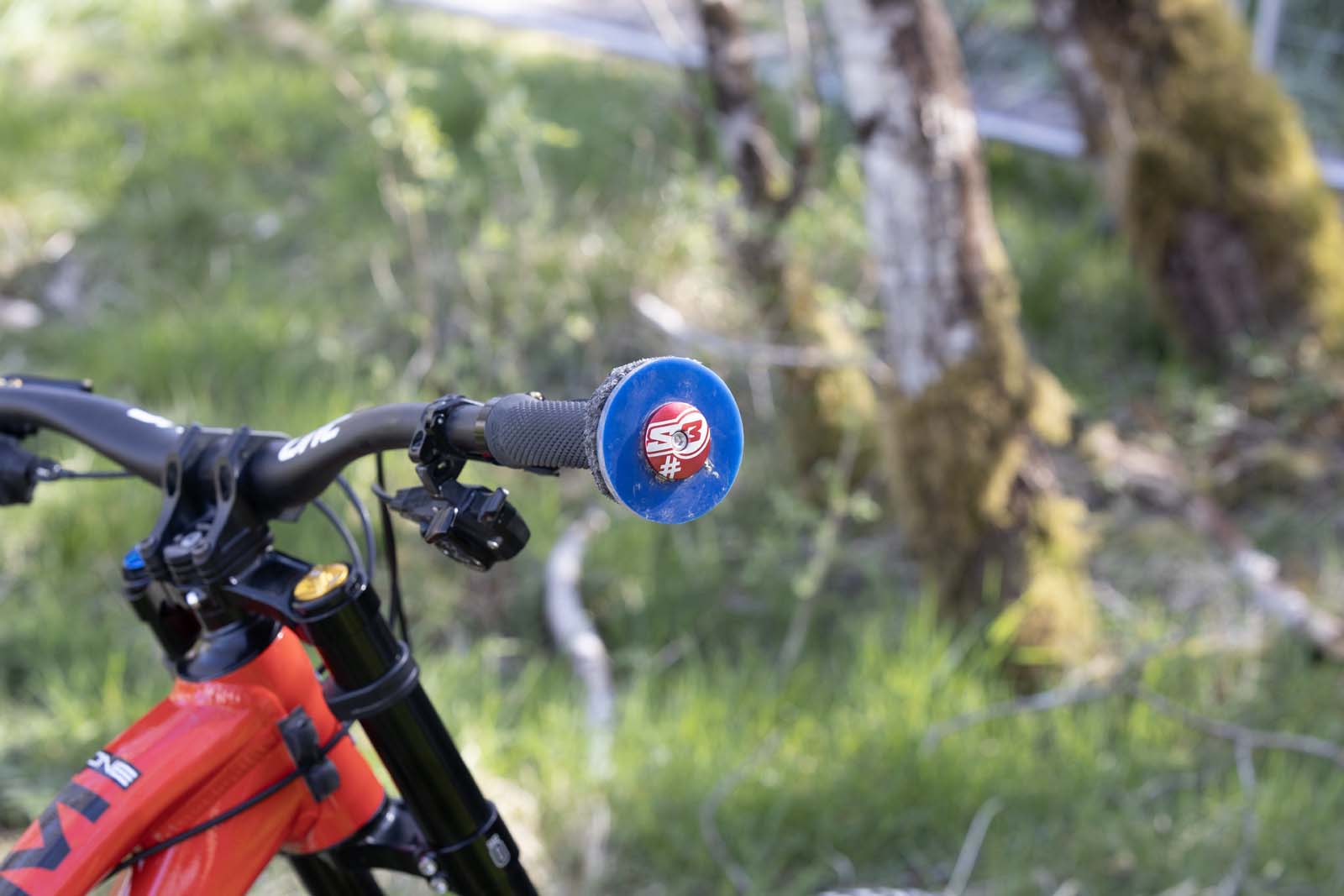
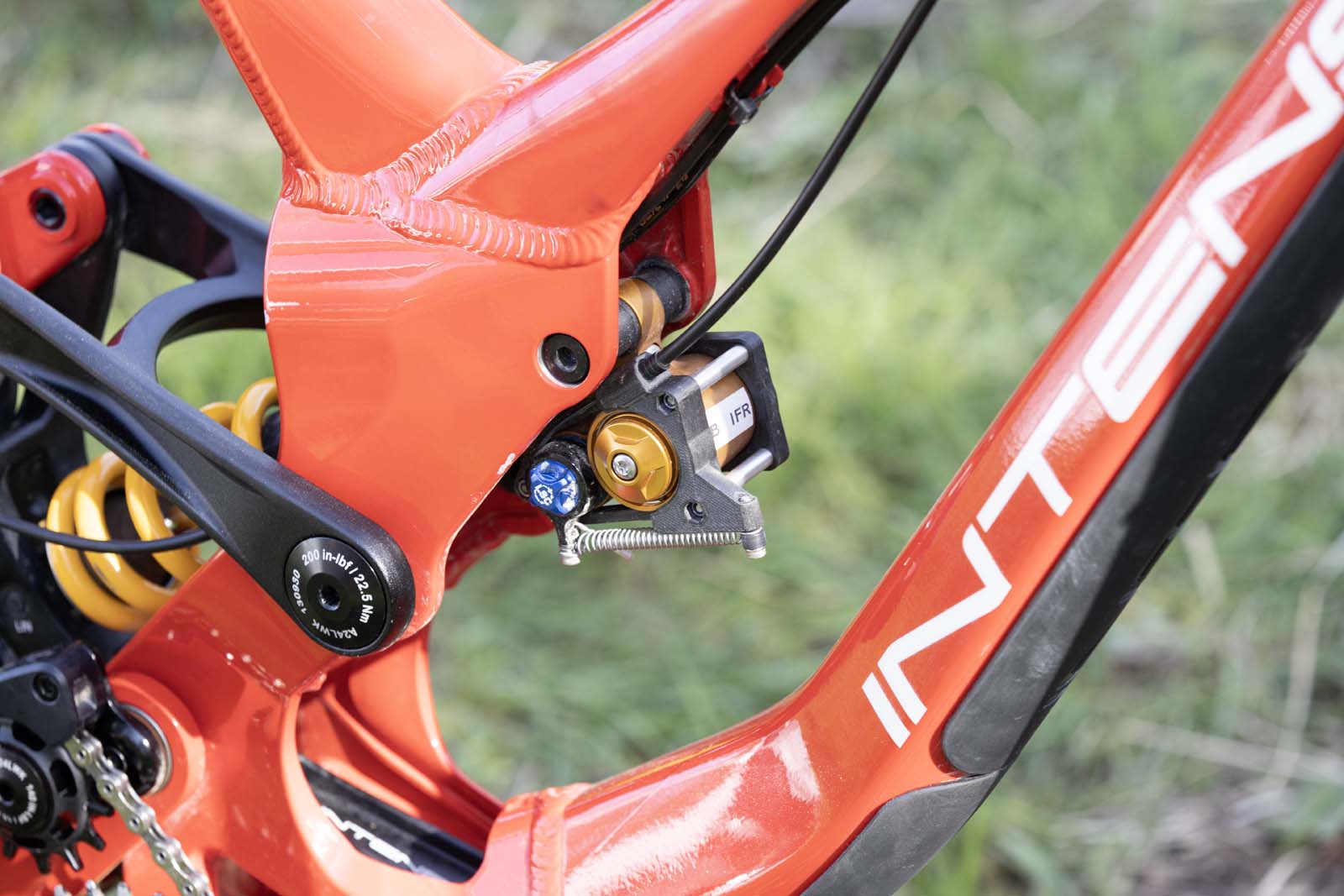
The guards were developed for Joe Breeden, who’s no stranger to wild inventions – just look at his energy-saving handlebar end caps, and a custom shock lockout for a Öhlins coil shock, both of which were made by J-Tech.
Joe Breeden’s Intense M1 with custom bar ends. Nick Clark / Our Media Joe Breeden’s Intense M1 with custom rear shock lockout. Nick Clark / Our Media
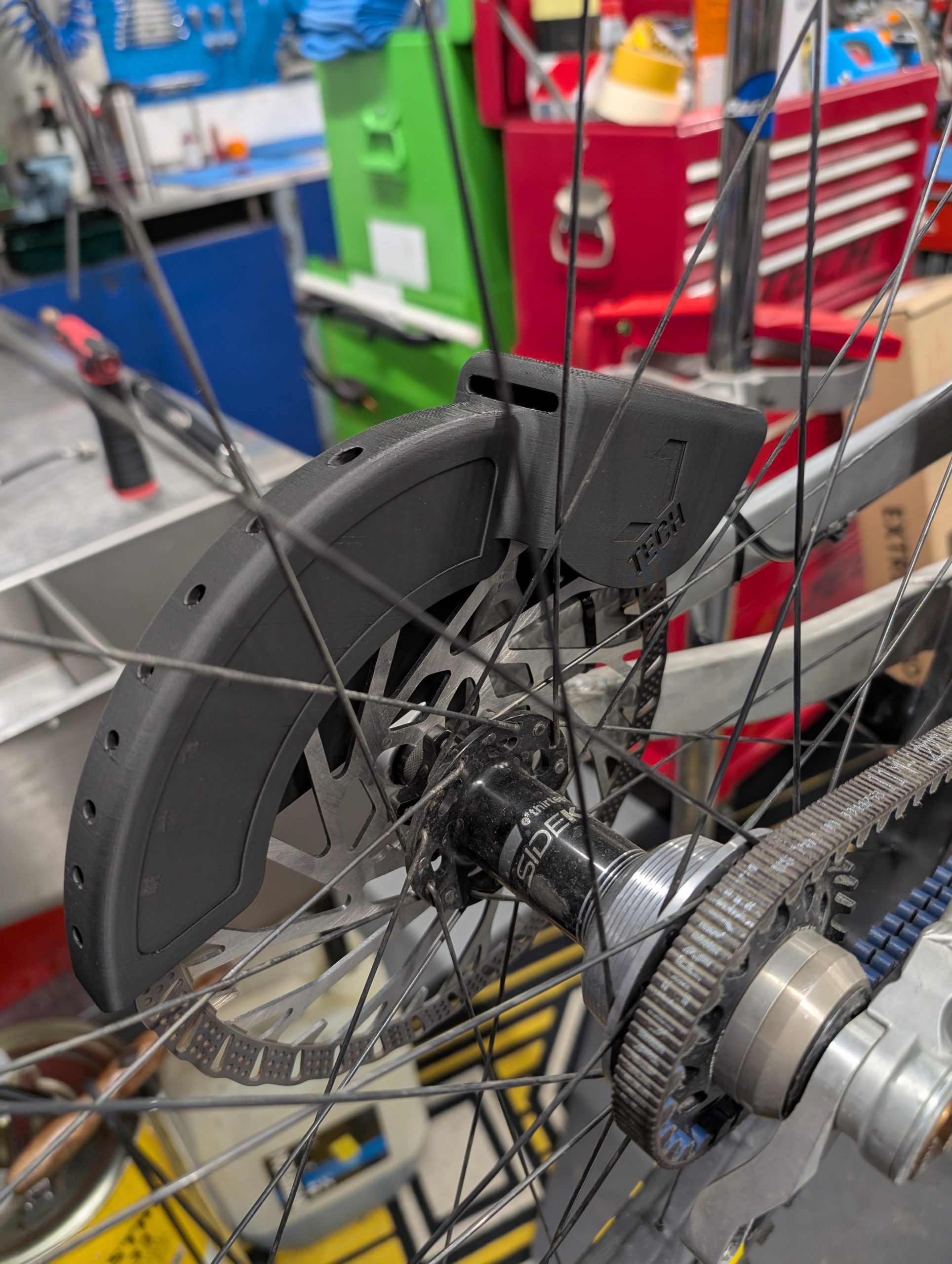
“To make the rotor covers, we 3-scanned the areas concerned, designed and prototyped parts in-house on our own machines and tested with the team,” says Williams. “We had to outsource production of the front covers as we just couldn’t fit them in our printers due to the size.”
The covers weigh around 100g each. While this slight increase in unsprung mass is a disadvantage to the bike’s suspension performance, the team feels the increased braking performance outweighs this.
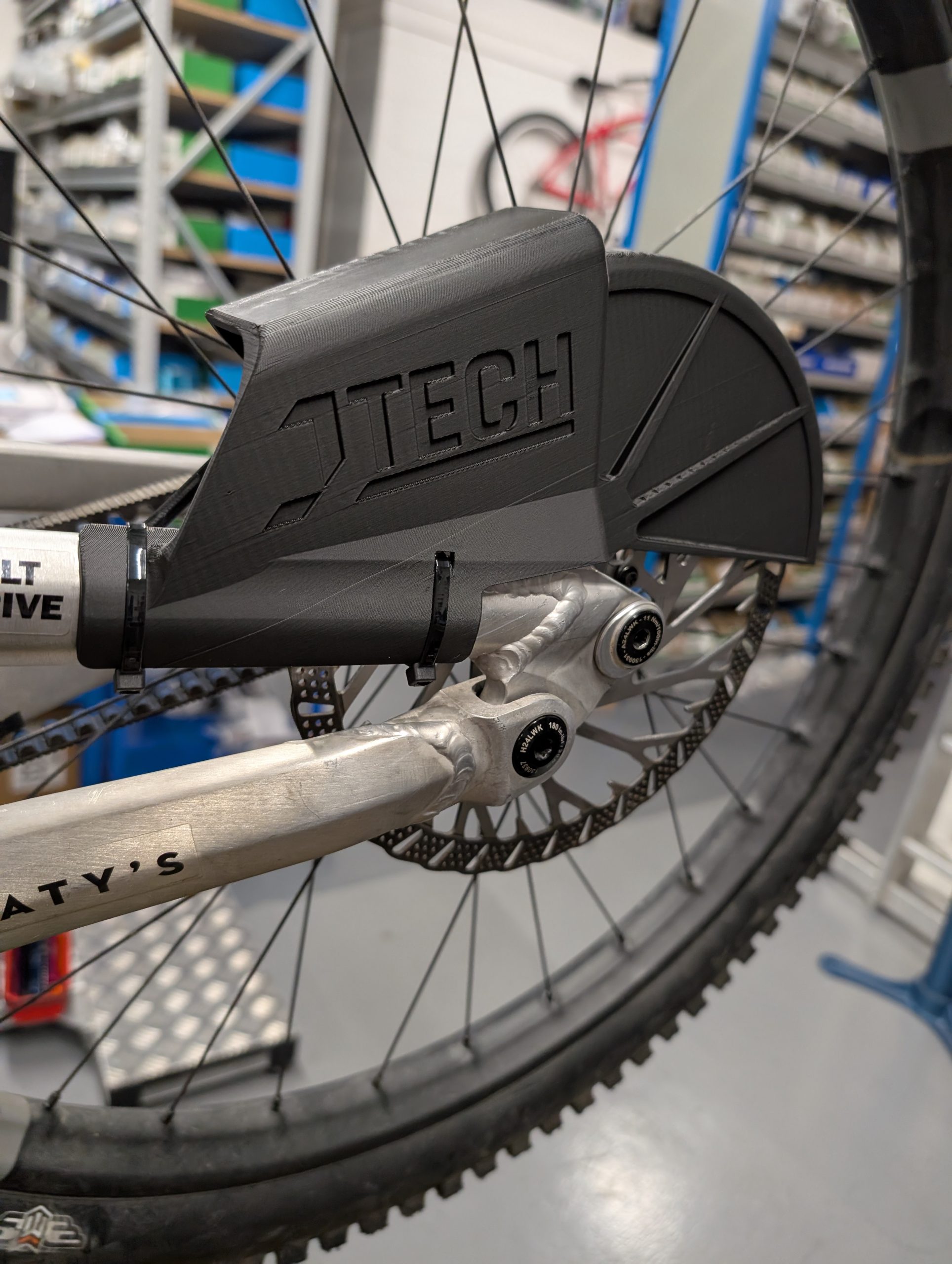
The rear brake covers have cooling vents. J-Tech Suspension
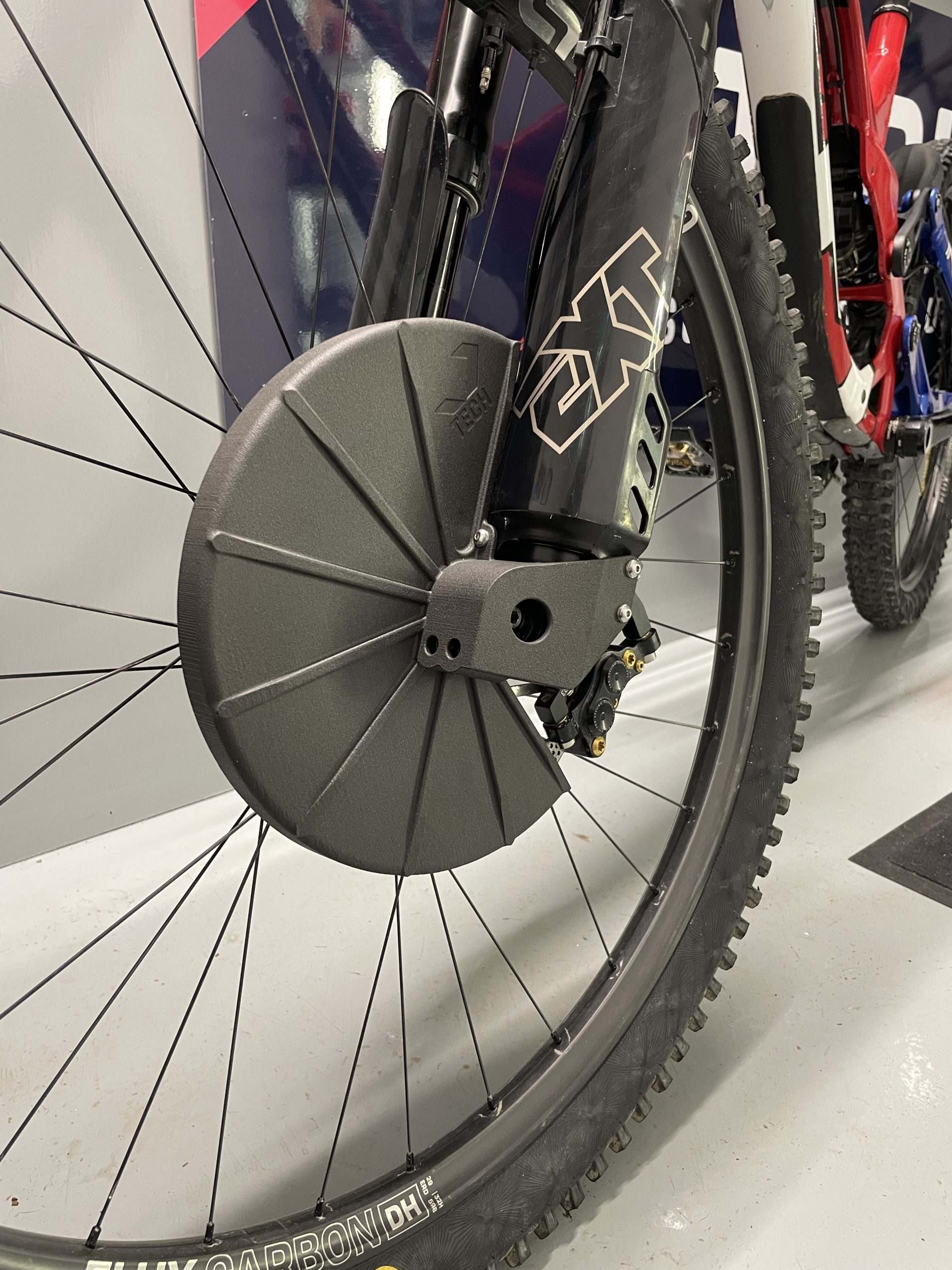
The covers surround only part of the rotor. In testing, J-Tech found larger covers would impede wheel removal and could become unstable at high speed, flapping around and distracting the rider.
The front guard fits to the fork via the stanchion guard mounting points found on the EXT Vaia fork used by the IFR team. It’s affixed using top hat spacers and longer bolts, which Williams says creates a precise and secure fit.
On the rear, the J-Tech team settled on a simple zip-tie mount to the seatstay and an interference fit with the sides of the brake caliper for more stability.
Hot topic
Rear cover zip-ties to frame and has an interference fit on the caliper. J-Tech Suspension
The covers also help insulate the braking system, improving performance. “There’s a temperature point at which disc brakes work optimally,” explains Williams.
“In wet, muddy conditions, the ambient temperature tends to be lower, and water splashing up can cool the brakes further.” The insulating effect of these covers retains heat, keeping brake temperatures closer to where they would be in dryer conditions.
J-Tech was initially concerned that the insulation effect might be too great at the rear, and subsequently incorporated cooling vents into the rear covers.
However, J-Tech says it hasn’t tested this thoroughly yet. It will soon record temperatures in different conditions and with varying disc rotor sizes, while adjusting the venting. “From here we can work out what the optimum amount of cooling is and if we actually need any at all,” explains Williams.
“It’s early days in terms of getting the full benefits from these parts, but team riders already say that keeping water and mud off the brakes makes a huge difference to braking performance in wet conditions,” finishes Williams.
And what about aero?
Front cover needs to be compact so as not to inhibit wheel removal. J-Tech Suspension
But are there also aero gains to be had? Much like a wheel, a spinning disc rotor creates turbulence as it spins through the air. Could disc brake covers reduce aerodynamic drag?
Williams says that aero is certainly something that can be explored with further development, but the biggest gain from the covers is consistently powerful brakes in wet/muddy conditions.
J-Tech are still refining the design of the rotor covers to optimise brake temperatures still further. J-Tech Suspension
These rotor guards are not currently on sale but we will let you know if J-Tech puts them on sale.
One way to stay motivated riding indoors during the long winters is to make your pain cavesomewhere you enjoy being. In this week’s top video, watch as one Zwifter shares how he put together his dream Zwift setup.
We’ve also decided to include videos about Zwift racing, using Zwift for marathon training, a review of the Zwift Cog and Click, and a comparison between Pack Dynamics v4 and 5.
I Built My Dream Zwift Racing Setup
Max from The Watt Life shares a tour of the cycling shed where he houses his dream Zwift setup.
Zwift Racing Is HARD | Cyclist Daily vlog
Jessie McKay shares a day in the life vlog that delivers an inside look at how she balances training and life.
A Breakthrough In My Chicago Marathon Training | 9 Weeks To Go!
Ben is Running shares week 3 of his marathon training, which includes riding in Zwift for cross-training.
Zwift Cog + Click Review: The Future of Indoor Training?
On the Bespoke Endurance podcast, they share their thoughts on the Zwift Cog and Click. Are we experiencing the future of indoor cycling?
Zwift Pack Dynamics 5 vs 4 – What’s Really Changed?
Bike Bonk Biff shares some information on Zwift Pack Dynamics v5 and compares it to v4. How much has actually changed?
Got a Great Zwift Video?
Share the link below and we may feature it in an upcoming post!