FBI Security Warning: Play Ransomware Hits 900 Organizations, Some Critical

FBI Security Warning: Play Ransomware Hits 900 Organizations, Some Critical
The FBI has announced that the Play ransomware gang has masterminded several sophisticated cyberattacks, which have compromised key security infrastructures in about 900 organizations in Europe, North America, and South America.

The Play ransomware gang, which became infamous for compromising the security infrastructures of businesses and

What solar? What wind? Texas data centers build their own gas power plants

NEW BRAUNFELS, Texas—Abigail Lindsey worries the days of peace and quiet might be nearing an end at the rural, wooded property where she lives with her son. On the old ranch across the street, developers want to build an expansive complex of supercomputers for artificial intelligence, plus a large, private power plant to run it.

The plant would be big enough to power a major city, with 1,200 megawatts of planned generation capacity fueled by West Texas shale gas. It will only supply the new data center, and possibly other large data centers recently proposed, down the road.

“It just sucks,” Lindsey said, sitting on her deck in the shade of tall oak trees, outside the city of New Braunfels. “They’ve come in and will completely destroy our way of life: dark skies, quiet and peaceful.”

Read full article

Comments

Meta’s Next Headset is Reportedly Thin, Powerful & Uses a Puck-style Compute Unit, Coming in 2026

According to a Wall Street Journal report, Meta may be looking to some of Hollywood’s top brands to produce exclusive content for its next XR headset, which is expected to feature a completely new thin and light design when it reportedly ships next year.

Citing people familiar with the matter, Meta has recently been in talks with a number of entertainment brands, including Disney, A24, and smaller production companies to create both episodic and standalone immersive video tied to well-known IP.

Additionally, WSJ reports that talks include the possibility of timed exclusivity, allowing producers to later sell on other platforms after a specified period.

It’s said Meta hopes to use the videos to attract users to the company’s next XR headset, which is expected to compete with Apple Vision Pro when it launches next year.

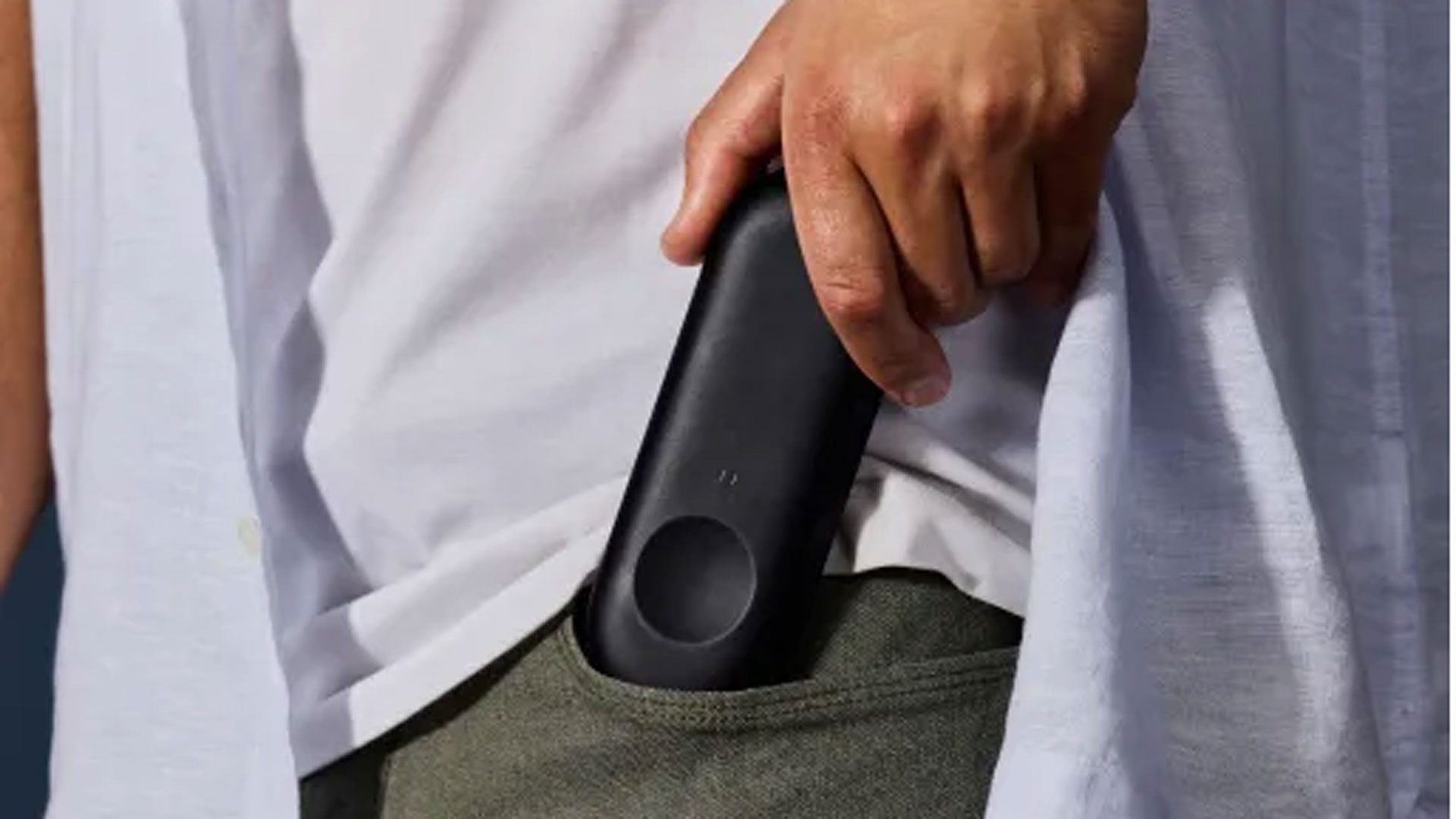
Codenamed ‘Loma,’ the headset is said to feature a design similar to a pair of eyeglasses that connects to a pocketable compute puck, which is described as more powerful than its Quest 3 series of headsets. WSJ reports Meta is looking to price the device less than $1,000.

Provided the report is true, this would mark a sharp departure from the company’s current line of Quest headsets, which pack all components into a single standalone unit. Outside of Quest Pro, which was largely seen as a commercial failure, the company has also increasingly focused on sub-$650 hardware. Quest 3S, its most recent, is currently priced as low as $300.

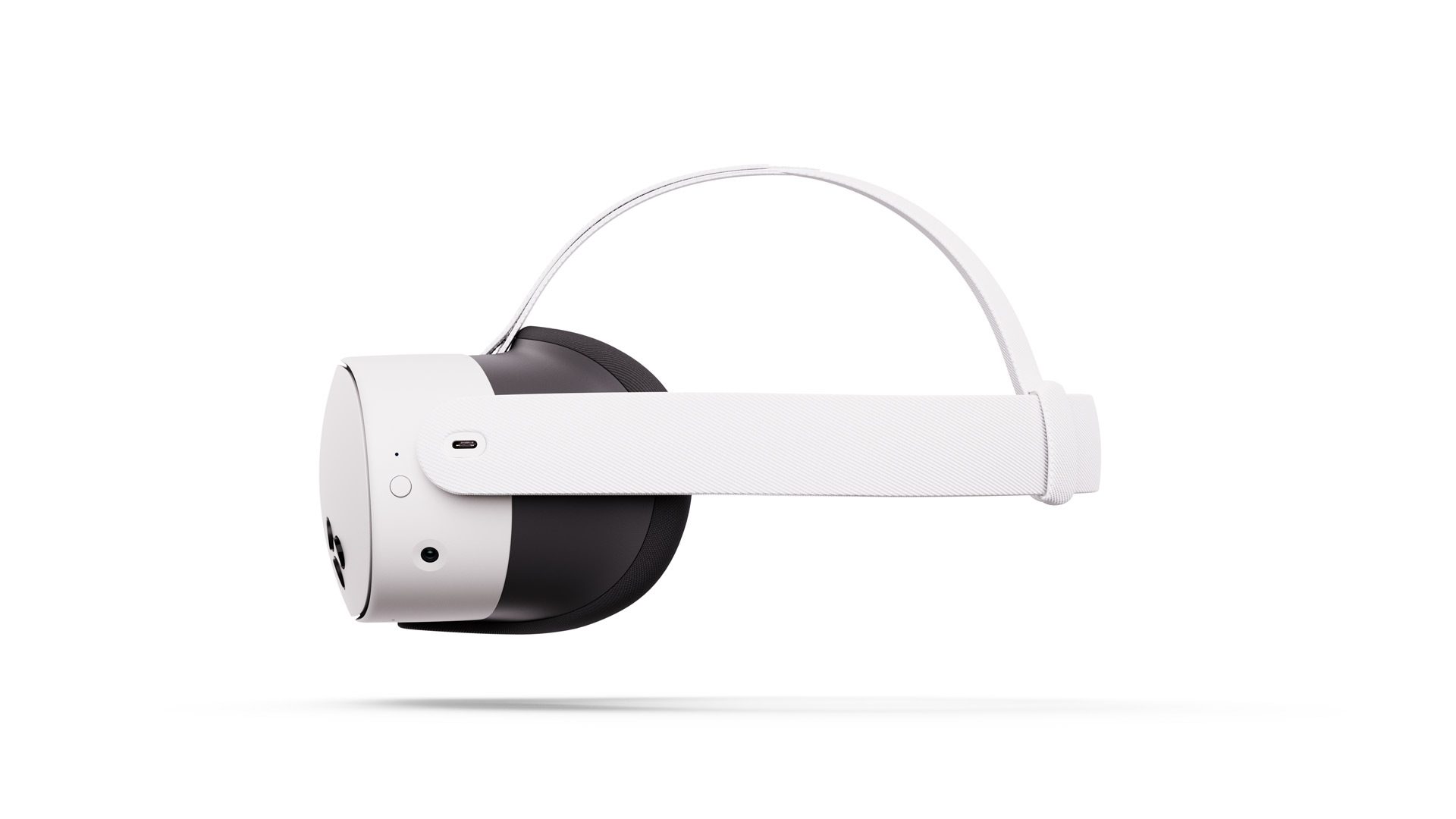
Meta Quest 3S side profile | Image courtesy Meta

Speaking to WSJ, Meta says it develops multiple headset prototypes at all times—a non-committal answer if we’ve ever heard one. Whatever the case, shopping around for exclusive content deals suggests something substantial is coming down the line.

A separate report from UploadVR additionally claims Meta’s top Quest 4 contenders, codenamed ‘Pismo Low’ and ‘Pismo High’, have been canceled. Quest 4 was reportedly expected to land next year; rumors echoed by respected VR leaker Luna recently suggested Quest 4 is however now coming in 2027 in favor of the new design mentioned above.

Notably, Meta CTO and Reality Labs chief Andrew Bosworth said last December that wireless puck units for mixed reality headsets like Quest aren’t “a magic bullet,” suggesting the separate compute unit may be tethered to the headset in question.

Orion Puck Computer | Image courtesy Meta

“We have looked at this a bunch of times. Wireless compute pucks just really don’t solve the problem. If you’re wireless, they still have a battery on the headset, which is a major driver of weight. And, sure, you’re gaining some thermal space so your performance could potentially be better, although you’re somewhat limited now by bandwidth because you’re using a radio,” Bosworth said.

In the meantime, the XR landscape is invariably moving towards thin and light hardware of all types, encompassing everything from PC VR headsets like Bigscreen Beyond 2, to smart glasses that offer built-in heads-up displays, such as the upcoming Android XR-powered glasses from Google—set to be released by Warby Parker and Gentle Monster. Widely reported rumors of Meta’s next-gen smart glasses and Apple’s upcoming smart glasses also persist.

At least in the case of bulky XR headsets though, the hope is that removing weight will also reduce user friction, and drastically increase long-term engagement.

The post Meta’s Next Headset is Reportedly Thin, Powerful & Uses a Puck-style Compute Unit, Coming in 2026 appeared first on Road to VR.

These Smart Tech Gadgets Make Great Father’s Day Gifts

We may earn a commission from links on this page.

Father’s day is around the corner, and this year, I think you should be smart about what you get him. With all the wifi and app enabled tech on the market, your gifts can do more than offer dad a quick laugh or another tie or coffee mug he won’t get much use out of

These nine smart tech gifts can free up more time he can spend with family, and inspire his inner nerd, sports geek or home brewer.

This robot lawnmower

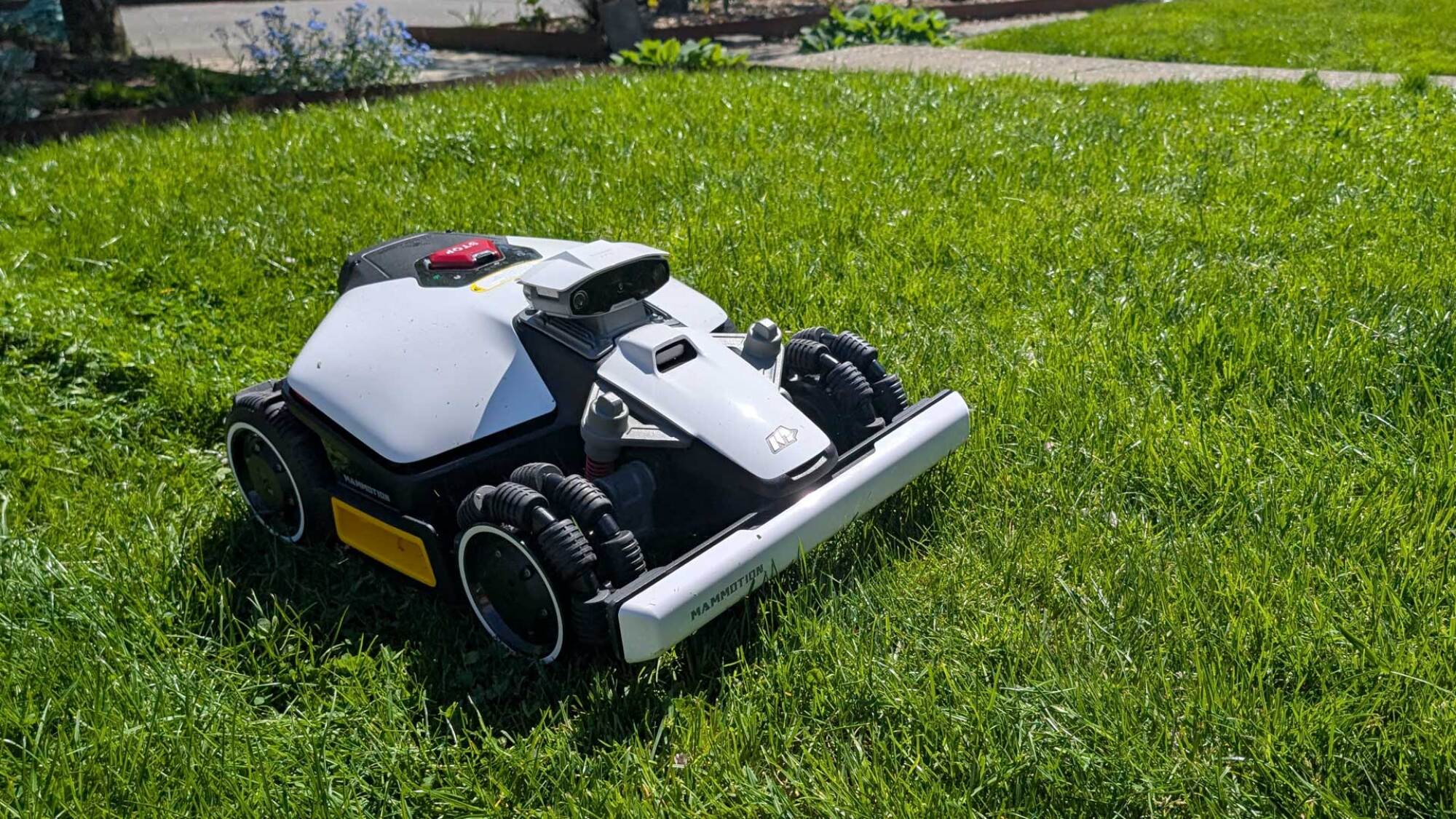
There is no better gift than removing a chore from dad’s to-do list. There are now lots of robot lawnmowers on the market, but few are as good as those in Mammotion’s lineup. The new Luba mini is perfect for lawns up to a quarter-acre and is half the price of the full size Luba 2. Setting up this particular mower is also pretty fun—you can think of it like a big remote control car. 

Luba Mini

Credit: Amanda Blum

The Fitbit Sense 2

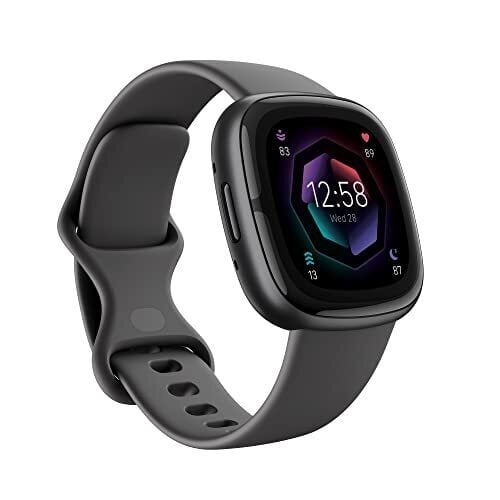
If dad’s been holding back on getting a fitness wearable, Fitbit’s current sale, well-timed for Father’s Day, drops the price of the Sense 2 by 20%. The Sense 2 tracks steps, sleep, ECG, oxygenation, heart and even offers GPS. The band comes in a few different manly colors, including graphite, platinum and blue mist, and your purchase includes a six month membership to the Fitbit app. 

The ChiliPad smart bed-cooling system

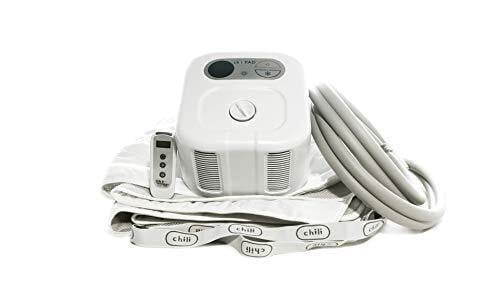
There is no marriage conflict more universal than the battle over what temperature to keep the bedroom (and how many blankets to pile on the bed). But smart climate control systems for sleep are now available, and can turn this eternal struggle into a bad memory. Using a Chilipad allows each person to control their precise sleeping temperature: Cooled or heated water passes through the coils in the sleeping pad, and each person controls their own side via the app or controls on the machine itself. 

The Brisk It Zelos smart smoker

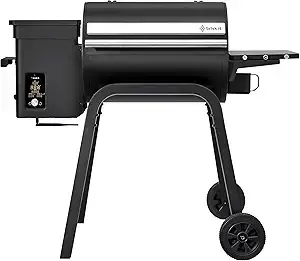
Brisk It Zelos

Credit: Amanda Blum

People who like to smoke meat spend a lot of time standing over a grill—even overnight. Brisk It, a smart smoker, does away with that requirement, managing the smoking process to your precise specifications, without you’re direct involvement. You can use it to control and monitor every aspect of the process through the beautifully designed and easy-to-use app. Brisk It grills also come with Vera, an AI system that will find recipes for anything you’re trying to create and send the relevant program directly to the grill to execute. 

The Huupe Mini smart basketball hoop

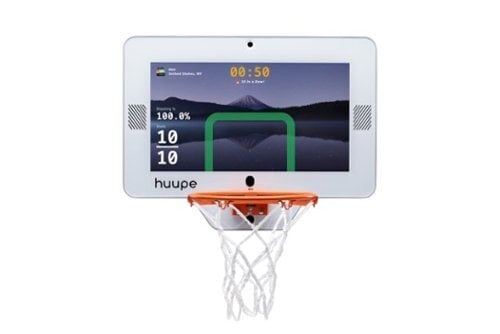
A baseball hoop is a dorm room classic, but the Huupe is the adult version—perfect for offices, the den, and even the family room. It has an LED screen (which doubles as a TV, and is loaded with lots of streamer apps) that provides different backgrounds based on the game you choose. You can boot it up and play against family members or people around the world. The kit comes with everything from a remote and door hanging hardware to a pump for the basketball. 

A Smartref refractometer

Any dad who is into home brewing (or winemaking, mead-making or any alcohol-making, really) has likely have been sweating over some of the more critical stages of fermentation. The Smartref is a modern take on an old tool: the refractomoter, which measures sugar content and moisture levels. This app enabled version can take lab quality measurements of brix and wort, and even suggest how to correct issues with a brew. 

A Ting fire monitor and Aqara water valve controller

In combination, these two devices can do more than give dad a discount on home insurance—they can provide legit peace of mind. The Ting plugs into any outlet and keeps a consistent eye on possible electrical problems that could lead to fires. The Aqara water valve controller connects to your main water line and checks for suspected leaks anywhere in the home, stepping in if there’s unexpected usage. Both are passive tools you monitor from a phone, and in concert, give any home-owning dad (or anyone who owns a home) one less thing to stress about.

Rayban Meta glasses

If you haven’t tried smart glasses yet, they are a true delight, at first and over the long haul—you can’t help but smile like a loon when you put them on and feel like you’re experiencing the future. These Meta Rayban specs are particularly well priced, and give you the ability to take pictures on the fly, listen to audio and take calls via the built-in speakers, and most importantly, ask questions and get immediate answers from Meta’s AI. One of Lifehacker’s resident dads, Stephen Johnson, gave them a solid thumbs up.


California’s Carbon Market Reaches an Inflection Point

California’s carbon allowance auction results released May 29th revealed prices had hit rock bottom, signaling weak corporate demand and casting doubt over the future of the nation’s fourth-largest carbon market. Companies that typically purchase quarterly credits to cover their greenhouse gas emissions are skipping auctions while waiting to see whether the cap-and-trade program will survive beyond its current 2030 expiration date.

The poor auction performance compounds California’s existing $12 billion budget deficit, as the state relies on carbon credit revenues to fund climate programs. Governor Gavin Newsom is pushing to reauthorize the program through the annual budget bill, which must pass by mid-June, but lawmakers are debating fundamental changes to pricing mechanisms and spending priorities.

The uncertainty extends beyond California’s borders, with Washington state exploring whether to link its carbon market to California’s system and Oregon lawmakers reviving their own cap-and-trade legislation.


Read more of this story at Slashdot.

Tesla is trying to stop certain self-driving crash data becoming public

Tesla has asked a judge to block a request for the National Highway Transportation Safety Administration to disclose certain data related to crashes involving vehicles that have self-driving features, as Reuters reports. The company claimed in a filing the information is confidential, and that releasing it publicly would give competitors the ability to analyze the effectiveness of each version of the self-driving tech and potentially figure out the number of crashes that are linked to various systems.

The Washington Post last year filed a lawsuit against the NHTSA last year to obtain access to more details about crashes that happened while driver-assistance systems, such as Autopilot and Full Self-Driving (FSD), were engaged. The agency has said the data being requested is exempt from public records laws. The Post contended that while the NHTSA does publish information regarding crashes, it “withholds critical details about the technologies in use and the circumstances and locations of the crashes.” 

Tesla has argued that the company and the NHTSA should be able to keep certain information related to crashes private. This includes details about driver behavior and road conditions, as well as specific versions of driver-assistance tech that may have been in use. 

However, the Post‘s lawyers claimed that information about the versions of hardware and software that may have been in use at the time of crashes isn’t confidential information, since drivers can access that through their vehicle dashboards. Tesla argued in its filing this week that, “Even where Tesla’s individual vehicle owners might know certain information about their own vehicles, such as the version of the ADAS software installed, where a safety incident occurred, the conditions of the road during the accident, and what they were doing leading up to the accident, this information is shared with Tesla with the expectation that it will be kept private.”

According to Electrek, Tesla takes advantage of NHTSA loopholes to have most data relating to crashes involving its vehicles redacted. The company contends that its “self-driving” tech doesn’t make its cars autonomous and that drivers are required to actively supervise its use. In other news, Tesla expects to start deploying its first Robotaxi service in Austin, Texas, this month.

Until late May, Tesla CEO Elon Musk was the de facto head of the Department of Government Efficiency. That initiative is said to have cut about 10 percent of the NHTSA’s staff at the beginning of this year — including about half of a small team that oversees the safety of autonomous vehicles.

This article originally appeared on Engadget at https://www.engadget.com/transportation/tesla-is-trying-to-stop-certain-self-driving-crash-data-becoming-public-150946549.html?src=rss

Quest’s Web Browser Now Experimentally Supports Colocated WebXR

Quest’s web browser now has experimental support for automatic colocated WebXR, meaning sessions involving multiple headsets in the same space.

Currently, practically achieving colocation in WebXR requires manually touching a shared reference point with either controllers or hands.

Version 39 of the Horizon OS web browser, “rolling out” now, adds a new Shared Spaces experimental setting, and enabling it lets WebXR pages automatically create a shared coordinate space among headsets in the same room.

0:00

/0:43

Rik Cabanier, an engineer on Meta’s browser team, shared a short example clip of the new experimental feature in action, alongside a GitHub sample showing developers how they can use it.

The sample uses PeerJS for local networking between the headsets, and you can test it out on your own Quest at the URL sharedshooter.arvr.social.

Here’s Cabanier’s explanation of how the Shared Spaces feature works from a developer perspective:

• Each shared space is bound to size of a room. Headsets that are further away will not participate but they may start to participate if they get closer.

• A shared space is only exposed to the particular site. For instance, ‘bar.com/a.html’ will not be able to see the shared space of ‘bar.com/b.html’. They will each get a unique space and uuid.

• When the WebXR session starts, it may take a couple of seconds to establish the correct shared space. Until then, the browser will report a default shared space. After the correct one is established, the reset event will be called on the shared space and a new coordinate system and UUID will be established. If the headset was first to go immersive, no reset event is generated.

• Participants may enter and leave at will. They will always be able to establish a common coordiante system when restarting the WebXR session. (By design, the origin of the first headset that created a shared space will be origin of the common coordinate space).

• When a partipant exists WebXR, the shared spade is lost and will need to be recreated when reentering WebXR.

• Headsets may come and go freely from the shared space, but once the last one leaves, the shared space is lost. It may be possible to recover it but we need more developer feedback on a good API shape for this.

There is a major limitation with this new Shared Spaces feature though: it only works between Quest headsets.

That’s because the feature leverages Meta’s Shared Spatial Anchors technology under the hood, and there currently is no vendor-neutral OpenXR extension for this. This limitation exists for native apps too, it’s not just the case for WebXR. Apple Vision Pro, for example, doesn’t even have shared anchors at all, while Pico also uses its own separate shared anchors system.

To enable Shared Spaces in the Horizon OS web browser, go to chrome://flags, search for “WebXR experiments”, enable it, and restart the browser.

This Self-Propelled Lawn Mower Is at Its Lowest Price Ever

We may earn a commission from links on this page. Deal pricing and availability subject to change after time of publication.

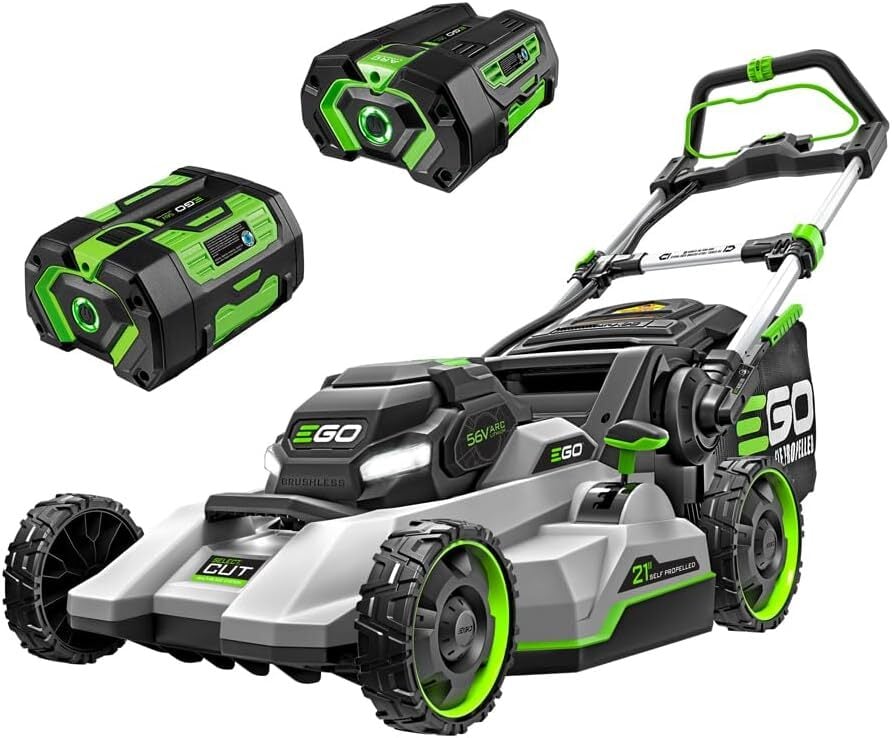
Right now, you can get the EGO Power+ self-propelled lawn mower for 43% off, marking its lowest price ever, according to price trackers. While it’s not quite as hands-free as a robot mower, a self-propelled electric lawn mower can make mowing less physically taxing, noisy, and time-consuming. 

If you’re shopping for an eco-friendly, battery-powered alternative to a gas-powered mower, this cordless option from EGO Power+ offers a mix of features designed for ease of use. Equipped with a 56V 7.5Ah ARC Lithium battery that lasts up to 60 minutes on a single charge, it also comes with a bonus 5.0Ah ARC Lithium battery that extends runtime With the rapid charger, it charges in 40 minutes, and an integrated fuel gauge allows you to stay aware of how much time you have before running out of power.

The gas-free mower features a multi-blade system that lets you switch between modes like mulching, bagging, or side discharge, while self-propelling technology reduces the physical effort often associated with mowing the lawn. Users can choose from eight cutting height positions, and speed can be adjusted by scrolling a dial. You can also mow in low light with the help of the included LED headlights.

Amazon reviewers praise its performance on various terrains, as well as on mixed grass and weeds, its minimal noise level, and ease of use. The self-propelling feature stands out as the major highlight to customers. However, some reviewers state that the Touch Drive tech can be awkward to maneuver at first and may take some getting used to. Additionally, the extra charger has a shorter runtime than gas-powered mowers, which may be a downside for large lawns. Still, if you want to ditch gas-powered mowers for an eco-friendly model that doesn’t sacrifice cut quality and performance, the EGO Power+ self-propelled lawn mower is a strong contender, especially at $449.00 off. 

Xenomorphs are back and bad as ever in Alien: Earth trailer

Alien: Earth is set two years before the events of 1979’s Alien.

It’s been a long wait for diehard fans of Ridley Scott’s Alien franchise, but we finally have a fittingly sinister official trailer for the spinoff prequel series, Alien: Earth, coming this summer to FX/Hulu.

As previously reported, the official premise is short and sweet: “When a mysterious space vessel crash-lands on Earth, a young woman (Sydney Chandler) and a ragtag group of tactical soldiers make a fateful discovery that puts them face-to-face with the planet’s greatest threat.”

The series is set in 2120, two years before the events of the first film, Alien (1979), in a world where corporate interests are competing to be the first to unlock the key to human longevity—maybe even immortality. Showrunner Noah Hawley has said that the style and mythology will be closer to that film than Prometheus (2012) or Alien: Covenant, both of which were also prequels.

Read full article

Comments

Wyze’s New Bulb Cam Turns Any Light Fixture Into A 2K QHD Smart Security Camera

Wyze's New Bulb Cam Turns Any Light Fixture Into A 2K QHD Smart Security Camera
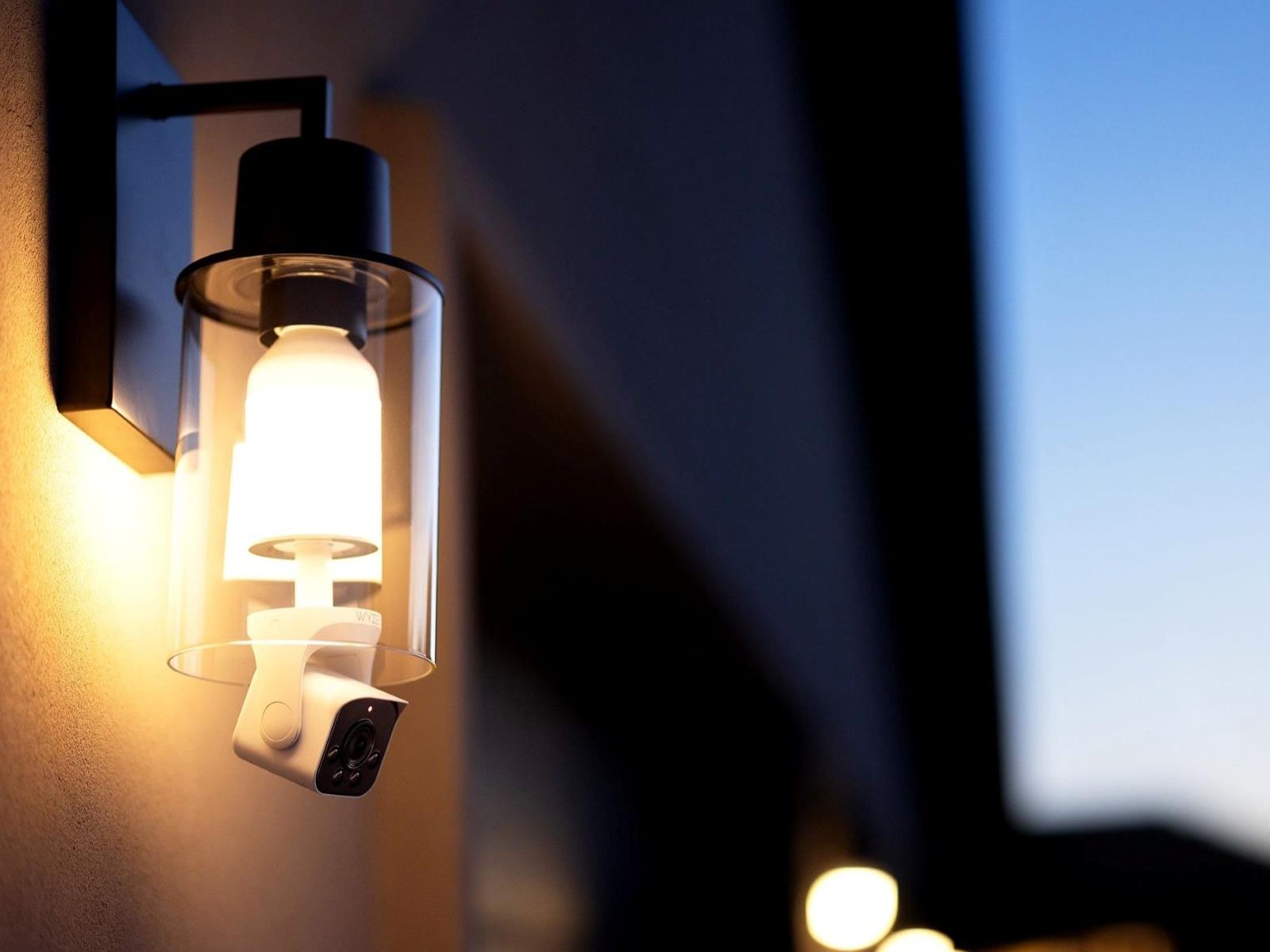
Wyze, a leader in affordable smart technology, has officially launched the Wyze Bulb Cam. This new device combines a 2K security camera with a light bulb, which means it turns pretty much any standard indoor/outdoor light fixture into a motion-activated smart security camera. Gone are the days of cumbersome wires and constant battery anxiety

MSI Unveils A Blistering 600Hz Gaming Monitor To Torch Your Esports Foes

MSI Unveils A Blistering 600Hz Gaming Monitor To Torch Your Esports Foes
MSI is rolling out a new and blazing-fast gaming monitor for players who are looking to have an edge-up over their esports opponents. Offering more sheer speed than almost ever other display on the market, MSI’s new MPG 242R X60 is capable of hitting a blistering 600Hz refresh rate, along with a nominal 0.1ms gray-to-gray (GtG) response time.

California Court Says Holding Phone For Maps While Driving is Illegal

California law prohibits “operating” a mobile phone while driving. And that makes it illegal for a driver to hold a cellphone in order to look at a map, a state appeals court ruled this week. From a report: In a 2016 law intended to strengthen previous restrictions, “the Legislature intended to prohibit all handheld functions of wireless telephones while driving” and “to encourage drivers to keep their eyes on the road,” said the 6th District Court of Appeal.

A Superior Court panel had reversed a driver’s conviction for a traffic infraction and $158 fine in San Jose, ruling that the law prohibited only “actively using or manipulating” a hand-held phone for actions such as talking or listening, browsing the internet or playing video games while driving. The appeals court reinstated the conviction and the fine, in a ruling that could set a statewide standard unless it is narrowed or overturned on appeal.


Read more of this story at Slashdot.

FreeBSD Developers Deciding What To Do For WiFi With FreeBSD 15: Stable Or Unstable

FreeBSD developers have been working a lot on their wireless/WiFi driver support in recent months as part of their broader initiative for improving their operating system support for laptops. While a lot of progress has been made on seeing more modern WiFi support and recent WiFi chipsets being enabled, it’s still not complete and that puts FreeBSD 15 in a tough position. FreeBSD 15 is set to be released later this year and will likely declare their wireless support as “unstable” to allow time for making future breaking modifications…

“In 10 years, all bets are off”—Anthropic CEO opposes decadelong freeze on state AI laws

On Thursday, Anthropic CEO Dario Amodei argued against a proposed 10-year moratorium on state AI regulation in a New York Times opinion piece, calling the measure shortsighted and overbroad as Congress considers including it in President Trump’s tax policy bill. Anthropic makes Claude, an AI assistant similar to ChatGPT.

Amodei warned that AI is advancing too fast for such a long freeze, predicting these systems “could change the world, fundamentally, within two years; in 10 years, all bets are off.”

As we covered in May, the moratorium would prevent states from regulating AI for a decade. A bipartisan group of state attorneys general has opposed the measure, which would preempt AI laws and regulations recently passed in dozens of states.

Read full article

Comments

Hitman Devs Are Giving James Bond A New Origin Story In 007: First Light And It Looks Great

Hitman Devs Are Giving James Bond A New Origin Story In 007: First Light And It Looks Great
It has been over 10 years since gamers last had the chance to explore the exhilarating world of James Bond, and this new entry in the popular spy franchise is in the hands of an experienced studio. IO Interactive, best known for the Hitman series, is stepping up to deliver its own version of 007’s origin story with a third-person action-adventure