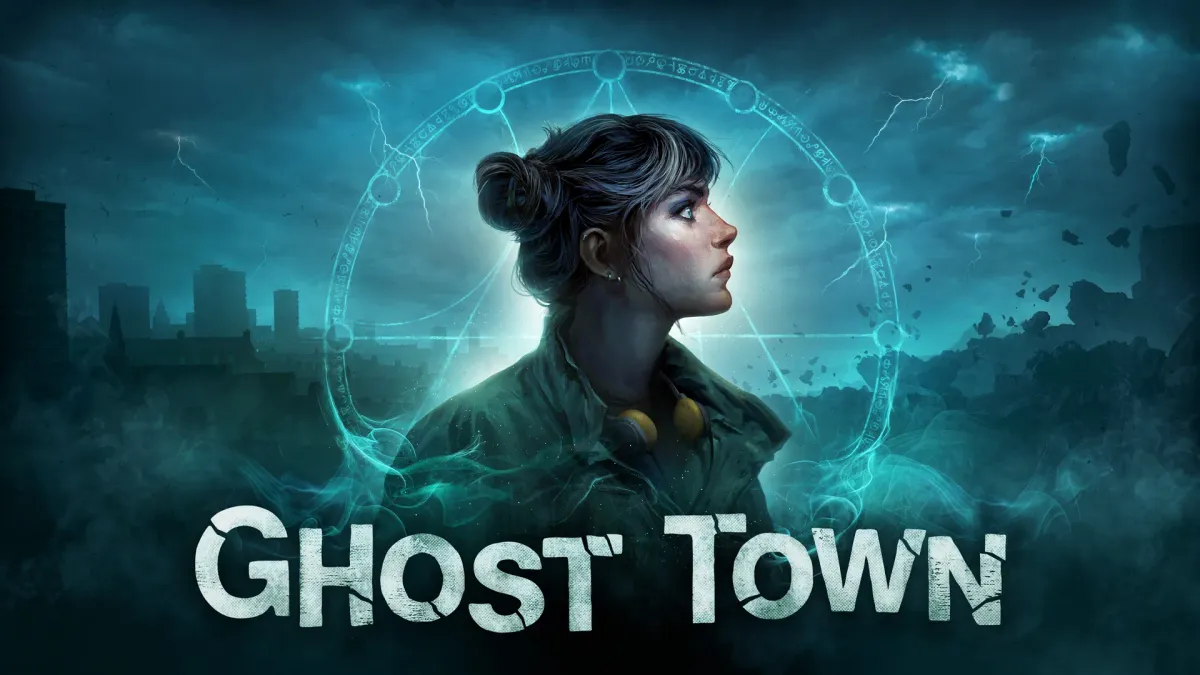
Ghost Town, one of this year’s best VR games so far, now has a Steam demo ahead of its upcoming PC VR launch.
Launched on Quest last April, Ghost Town by Fireproof Games (The Room VR: A Dark Matter) is a puzzle adventure set in the 80s. Playing as witch turned ghost hunter and exorcist Edith Penrose, you’re tasked with uncovering the sinister mystery of your brother’s disappearance. Now, a PC VR demo is live before next week’s Steam Next Fest, which also includes Puzzling Places.
We’ve known since the initial announcement that Ghost Town is also coming to PlayStation VR2 and Steam, though Fireproof Games only confirmed a 2025 release window for these additional platforms. “Full game available soon,” states Fireproof on the news page, though it’s unclear if that’s only for Steam.
We had strong praise in our recent Ghost Town review. Calling it “an utterly engrossing supernatural VR adventure,” we awarded it 4.5-5 stars.
It’s not a stretch to say that Ghost Town is one of the best VR games so far this year. Fireproof Games has delivered a worthy spiritual successor to The Room VR that employs a similarly strong level of VR interactivity, backed up by great visuals on Quest 3, a thoroughly engrossing supernatural narrative and intuitive puzzles.
The Switch 2 has finally launched, and we’ve got our systems in-hand to show them off. This week, Devindra, Sam Rutherford and Nathan Ingraham will dive into their first impressions of Nintendo’s new console and Mario Kart World. And of course, we’ll discuss the chaotic launch experience. Also, we chat about what to expect from Apple‘s WWDC 2025, where we’ll likely see a new naming scheme and facelift for Apple operating systems, as well as more details about their AI plans with Apple Intelligence.
The Switch 2 is finally out! Here’s our first thoughts – 1:05
Switch 2 display: bigger, brighter, and has HDR! – 8:53
Switch 2 games: Mario Kart world is the king of the castle for now – 12:11
WWDC 2025 preview: what to look forward to after last year’s botched AI Siri announcement – 26:02
Working on: how to stop worrying and love the Dad EV – 39:01
Credits
Hosts: Devindra Hardawar Guests: Sam Rutherford and Nathan Ingraham Producer: Ben Ellman Music: Dale North and Terrence O’Brien
This article originally appeared on Engadget at https://www.engadget.com/mobile/smartphones/engadget-podcast-answering-your-nintendo-switch-2-questions-113017729.html?src=rss
As you might imagine, a steady stream of cars to review comes and goes from my parking spot. Some weeks, they stand out, like the bright green Aston Martin, the murdered-out Bentley, or the VW ID. Buzz you can read about soon; these cars usually spark conversations with neighbors, particularly those who don’t know why there’s a different vehicle in that spot each week.
At other times, the vehicles are more anonymous, and I’m not sure this ADX sparked any community discussions. Compact crossovers are a popular breed and blend into the background. Particularly when they’re painted an unobtrusive shade.
Which is not to say the ADX is not handsome; the Urban Gray Pearl paint looked good even in the near-constant rain (which explains the Acura-supplied images rather than my own) that coincided with our time with the tester. And from the driver’s seat, the view down the hood, along those creases, is a lot more interesting than most comparable crossovers, considering the ADX’s $35,000 starting price.
After years of rumors, months of hype and weeks of anticipation, the Nintendo Switch 2 has finally been released into the world. If you successfully pre-ordered a model, then well done, and if you haven’t snagged one yet, fear not. We’ve got literally tens of pages giving you all of the important info, so you can prepare and / or glower covetously at your screen. That includes Sam Rutherford’s detailed preview filling you in on all the details, plus answering if you really need to buy one so soon after launch. The team has also cranked out this list of key questions about all the hardware and software changes in a console they do not call Le Switch Deux in France. If, after reading all of that, you decide to throw your money at the screen, we’ve also got a rundown of which retailers are selling.
I’ll be honest, I nearly joined the pre-order scrum the moment it was announced but opted not to for a couple of reasons. First, I don’t have the time or opportunity to game enough to need to get a console on day one. Second, I don’t think I’ve yet wrestled all the entertainment out of the first-generation Switch. And third, the pain of buying a new console is always in the two- or three-year wait before its games library is muscular enough for it to be worth your while. Which is why I’ll be joining many of you in glowering covetously at the screen, at least for the next year.
Samsung is teasing a new Ultra model, sharing little beyond an animation suggesting it’ll sit in the body of a Galaxy Z Fold. In a terse blog post, the company said the handset will use AI for all sorts of tasks in your life, optimized to suit the foldable form factor. Given the Z Fold is already the company’s most ultra premium of ultra-premium devices, it’ll be interesting to see just how much cash you’ll have to spend to own one of these yourself.
Robert Kalin, co-founder and former CEO of online marketplace Etsy, is reportedly building a hand-held, magnifying glass-like XR device.
As discovered by Low Pass, Kalin’s new startup Dopple Works is developing a mixed reality device reportedly called ‘Loop’. An application for the device just passed through the FCC, which could mean it’s nearing release.
As FCC applications typical go, details have been heavily redacted, noting only that Loop is “a portable, battery-powered device that has Wifi and Bluetooth connectivity as well as NFC functionality,” Low Pass reports, additionally noting Loop is rated IP65 for dust and light water exposure.
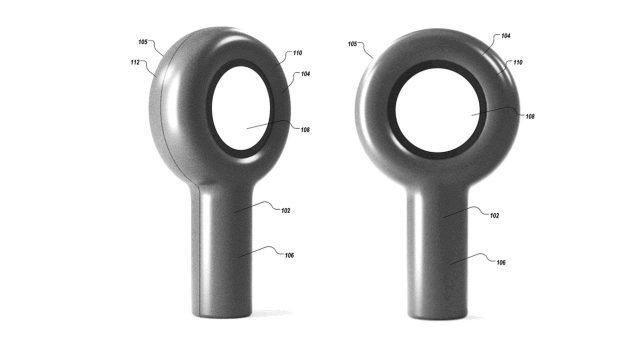
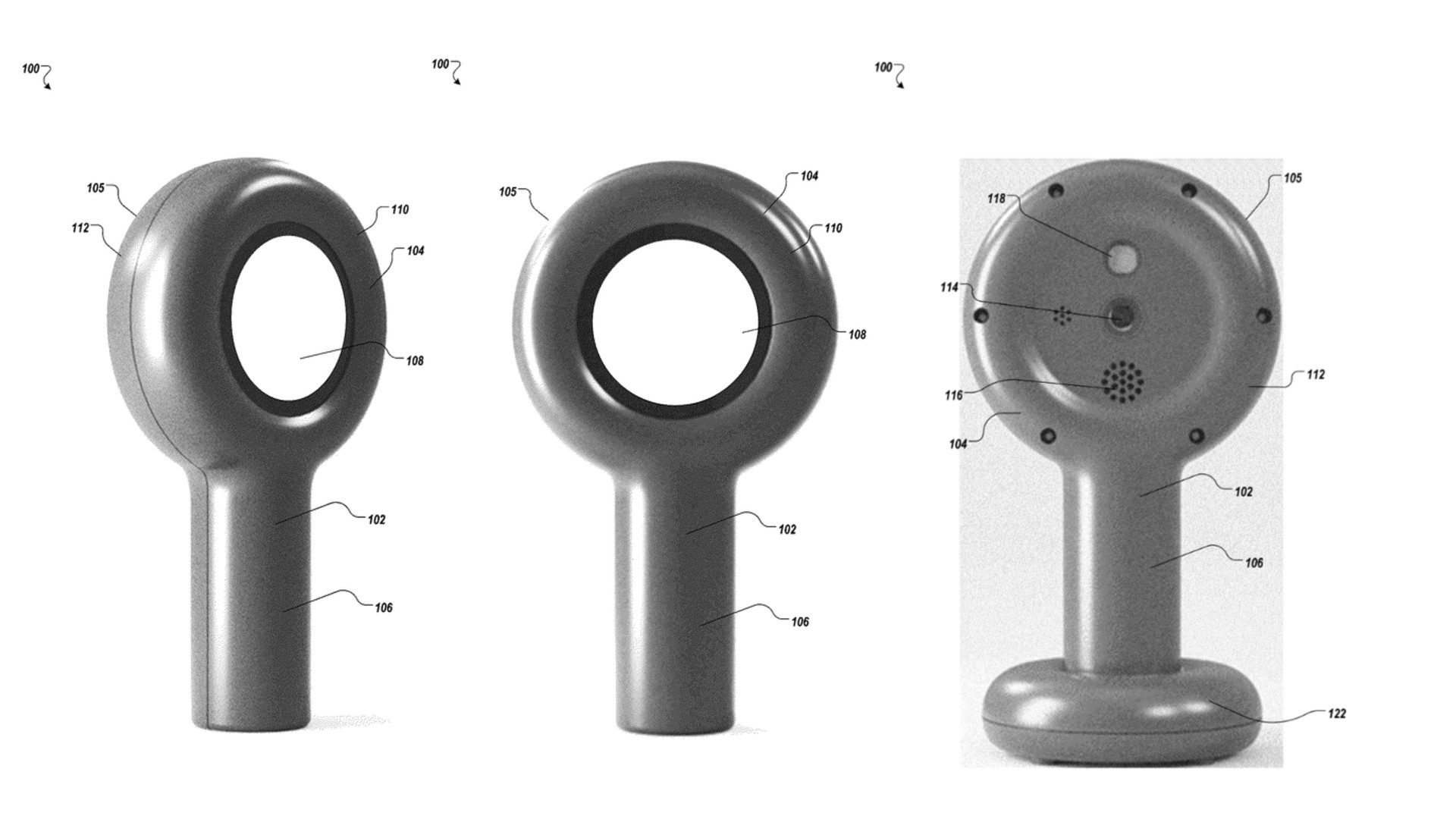
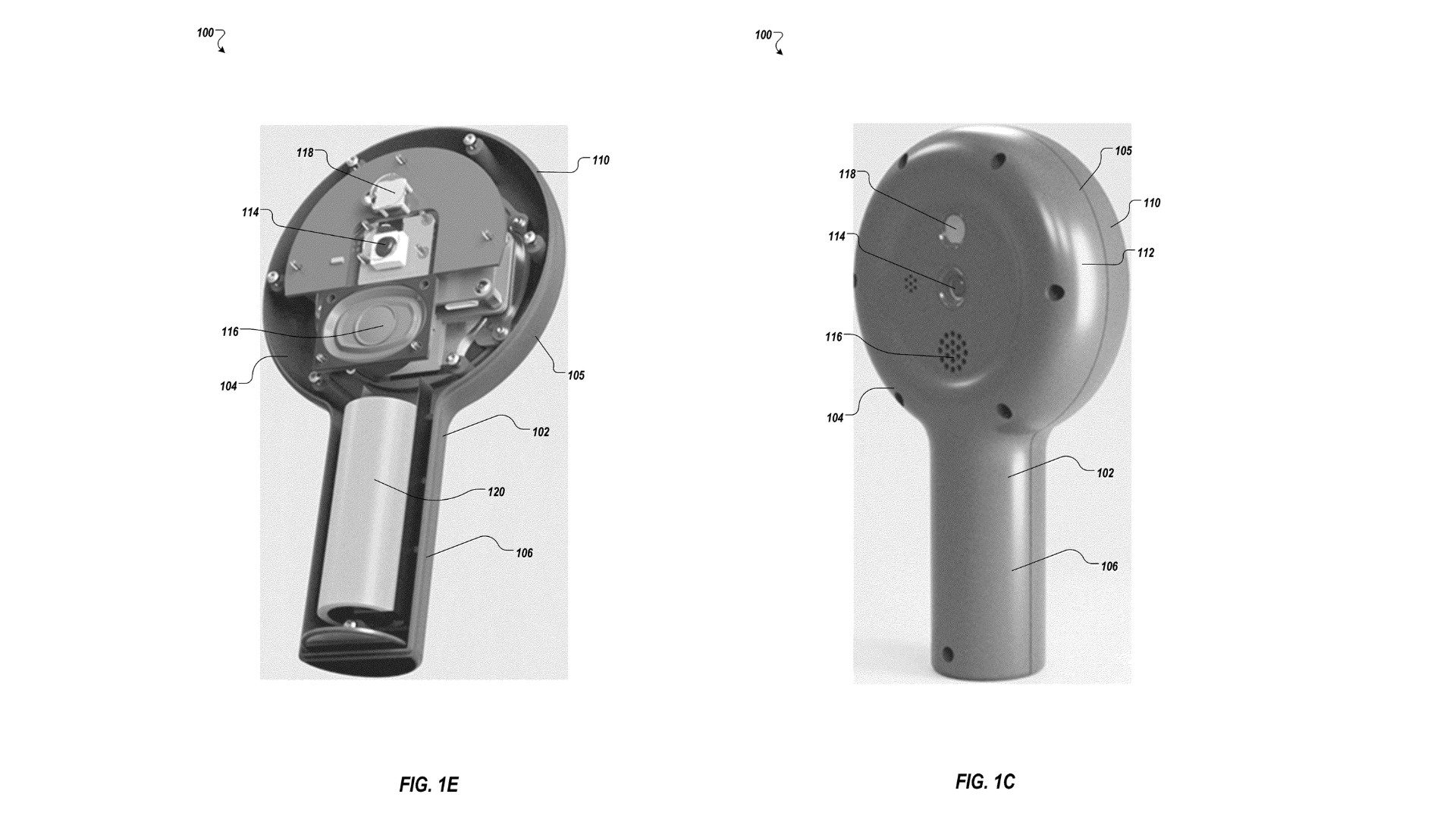
There’s no telling what the alleged device looks like presently, however a patent from Dopple Works was published for a ‘Dedicated hand-held spatial computing device’, which included a number of images alongside some standard boiler plate of intended use cases.
Image courtesy Dopple Works
Notably, it appears the device could rest in a dedicated cradle in the upright position, possibly suggesting it’s the main recharging method.
Additionally, the patent illustrates there may include a number of features, including a 6DOF tracking sensor, microphone, camera, speaker, and possibly also eye-tracking.
It’s uncertain whether the user would hold the device up to their eye, like a monocle, or farther away from them like a magnifying glass, as no mention of lens is made.
Image courtesy Dopple Works
As for content, the patent covers nearly everything you’d expect, from games to educational use cases, with the latter being the most likely target. A trademark application filed by Dopple Works describes the company as creating an ‘electronic learning toy’.
As discovered by Low Pass, Dopple Works’ is made up of several former engineers who worked on social VR platforms Mozilla Hubs and AltspaceVR, both of which are now defunct. Dopple Works CTO Geoff Chatterton was previously Head of Hardware at Paypal before joining the company; Chatterton also previously worked at Apple, Dell and smartwatch startup Wimm Labs, which was acquired by Google in 2013.
That said, creating a magnifying glass-style device without a lens like a standard XR headset has some unique benefits, but also its fair share of drawbacks. It could allow kids of any age to interact with mixed reality without worry of a headset not correctly fitting. Its simple design could also encourage casual play sessions.
On the other hand, if Loop is a ‘magic window’ of sorts meant to be held away from the user’s eye, it could be pretty similar to the type of augmented reality experiences you can already have on a smartphone—making content the device’s key differentiator.
Since 1998, Ars has covered desktop computing, IT, gaming, and personal gadgets. Over the years, the remit has broadened to increase focus on science, space, policy, culture, automobiles, AI, and more.
You can expect our coverage in those areas to continue, but it’s important for Ars to ensure our editors stay on top of what our readers are most interested in. As we plan our approach for the coming months, we’d like to hear from you about what you’d like to see more of at Ars.
For example, do you want to see more focus on reviews of consumer technology? Is there a hunger for closer coverage of applications, toolkits, and issues relevant to professional software developers? Should we invest more effort in covering the latest AAA games on Steam? Are Ars readers excited to read more about 3D printing or drones?
Welcome to Edition 7.47 of the Rocket Report! Let’s hope not, but the quarrel between President Donald Trump and Elon Musk may be remembered as “Black Thursday” for the US space program. A simmering disagreement over Trump’s signature “One Big Beautiful Bill” coursing its way through Congress erupted into public view, with two of the most powerful Americans trading insults and threats on social media. Trump suggested the government should terminate “Elon’s governmental contracts and subsidies.” Musk responded with a post saying SpaceX will begin decommissioning the Dragon spacecraft used to transport crew and cargo to the International Space Station. This could go a number of ways, but it’s hard to think anything good will come of it.
As always, we welcome reader submissions. If you don’t want to miss an issue, please subscribe using the box below (the form will not appear on AMP-enabled versions of the site). Each report will include information on small-, medium-, and heavy-lift rockets, as well as a quick look ahead at the next three launches on the calendar.
Blue Origin flies aces suborbital space shot. Blue Origin, the space company founded and owned by Jeff Bezos, launched six people to the edge of space Saturday, May 31, from Bezos’ ranch in West Texas, CBS News reports. A hydrogen-fueled New Shepard booster propelled a crew capsule, equipped with the largest windows of any operational spaceship, to an altitude of nearly 65 miles (105 kilometers), just above the internationally recognized boundary between the discernible atmosphere and space, before beginning the descent to landing. The passengers included three Americans—Aymette Medina Jorge, Gretchen Green, and Paul Jeris—along with Canadian Jesse Williams, New Zealand’s Mark Rocket, and Panamanian Jaime Alemán, who served as his country’s ambassador to the United States.
Google wasn’t around for the advent of the World Wide Web, but it successfully remade the web on its own terms. Today, any website that wants to be findable has to play by Google’s rules, and after years of search dominance, the company has lost a major antitrust case that could reshape both it and the web.
The closing arguments in the case just wrapped up last week, and Google could be facing serious consequences when the ruling comes down in August. Losing Chrome would certainly change things for Google, but the Department of Justice is pursuing other remedies that could have even more lasting impacts. During his testimony, Google CEO Sundar Pichai seemed genuinely alarmed at the prospect of being forced to license Google’s search index and algorithm, the so-called data remedies in the case. He claimed this would be no better than a spinoff of Google Search. The company’s statements have sometimes derisively referred to this process as “white labeling” Google Search.
But does a white label Google Search sound so bad? Google has built an unrivaled index of the web, but the way it shows results has become increasingly frustrating. A handful of smaller players in search have tried to offer alternatives to Google’s search tools. They all have different approaches to retrieving information for you, but they agree that spinning off Google Search could change the web again. Whether or not those changes are positive depends on who you ask.
Last week, we reported on the controversy surrounding proposals to change electric bike regulations in the cycling industry. Here’s what you need to know, in brief:
The German cycling industry association ZIV (Zweirad Industrie Verband) has proposed preserving the bicycle-like nature of ebikes by limiting power to a 4:1 assistance ratio and a maximum of 750W.
Critics argue these limits could stifle innovation and hinder the development of ebikes, which are vital for logistics and cycling mobility.
Industry insiders claim Bosch, a member of ZIV, is using its influence to protect its market position.
Annick Roetynck of LEVA-EU describes the proposal as “protectionism” that could “kill off major parts of the industry.”
Following all of the Linux kernel graphics driver features merged last week for the Linux 6.16 kernel, sent out this morning were the initial batch of fixes to the Direct Rendering Manager (DRM) code. Besides fixes to these graphics / display / accelerator drivers, there is one new feature: the AMDKFD kernel compute driver can now be enabled on RISC-V systems…
UnLoop is a temporally twisted puzzle game arriving on Quest and Pico this fall.
Developed by CM Games (Into the Radius 2), UnLoop asks players to help themselves in the literal sense reminiscent of We Are One, by recording your actions and stacking them together to solve immersive puzzles. Set on a vibrant, but well-guarded space station called the Temporal Research Hub, the job at hand is to infiltrate and retrieve critical data related to the constant time-looping that occurs on the station. With run-ending obstacles like turrets and laser walls, the only way to succeed is to sacrifice yourself first.
You can check out the gameplay in the teaser trailer below:
0:00
/0:56
Alongside dodging and diving past and through barriers, you can also throw objects and record voice memos to keep track of your loops. When, inevitably, things start to go wrong in UnLoop, you can delete and rewrite the action loop and start again. The Atompunk map itself is also broken up into sectors, such as the Nexus Frame and Asset Assembly Factory, with each new area providing more chaos-inducing mechanics to toil against.
UnLoop will be available on Quest and Pico this fall, with a PC VR port planned ‘for a later date’.
In addition to the NFS server changes for Linux 6.16 with now supporting larger I/O block sizes, the Network File-System (NFS) client changes were merged this week for this next kernel version…
An anonymous reader quotes a report from TechCrunch: My wife taught me something,” Klarna CEO Sebastian Siemiatkowski told the crowd at London SXSW. He was addressing the headlines about the company looking to hire human workers after previously saying Klarna used artificial intelligence to do work that would equate to 700 workers. “Two things can be true at the same time,” he said. Siemiatkowski said it’s true that the company looked to stop hiring human workers a few years ago and rolled out AI agents that have helped reduce the cost of customer support and increase the company’s revenue per employee. The company had 5,500 workers two years ago, and that number now stands at around 3,000, he said, adding that as the company’s salary costs have gone down, Klarna now seeks to reinvest a majority of that money into employee cash and equity compensation.
But, he insisted, this doesn’t mean there isn’t an opportunity for humans to work at his company. “We think offering human customer service is always going to be a VIP thing,” he said, comparing it to how people pay more for clothing stitched by hand rather than machines. “So we think that two things can be done at the same time. We can use AI to automatically take away boring jobs, things that are manual work, but we are also going to promise our customers to have a human connection.”
Following the Intel TDX host support for KVM being merged for the Linux 6.16 merge window, another batch of Kernel-based Virtual Machine (KVM) changes were merged for the ongoing Linux 6.16 merge window…
The KDE Project released today KDE Gear 25.04.2 as the second maintenance update to the latest KDE Gear 25.04 open-source software suite series to address various issues in your favorite KDE apps.
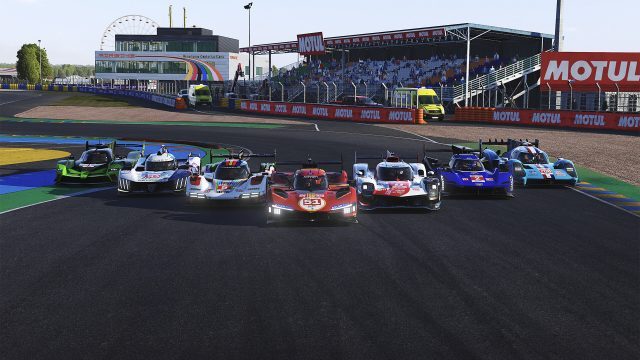
PC VR headset maker Pimax is aiming to strengthen its position in VR sim games by partnering with Motorsport Games, the studio behind the NASCAR game series, KartKraft (2022), and Le Mans Ultimate (2024).
Pimax has been a staunch supporter of VR sims over the years, with its most recent Microsoft collaboration making it the official VR partner of Microsoft Flight Simulator (2024).
Its latest partnership with Motorsport Games—parent company of Le Mans Ultimate developer Studo 397—both brands will be present at the 93rd edition of the 24 Heures du Mans, the endurance racing event taking place June 14-15th at the Circuit de la Sarthe in Le Mans, France.
There, attendees will be able to strap into Le Mans Ultimate’s virtual driving seat with either Pimax Crystal Light or Crystal Super. The experience, located at the Circuit’s Family Fan Zone, is also set to feature hardware from Thrustmaster.
“We are incredibly excited to partner with Motorsport Games, a company that shares our passion for delivering unparalleled immersive experiences,” said Robin Weng, Chairman of Pimax. “The Le Mans 2025 event we believe provides the perfect platform to demonstrate how our Crystal Light and Crystal Super headsets elevate the sim racing experience to new heights. This collaboration marks just the beginning of our joint efforts to push the boundaries of virtual reality in motorsports.”
Following the $2.5 million investment in Motorsport Games led by Pimax, the companies say they will continue to explore future collaborations on both promotional and technical levels.
Weng additionally said in April Pimax hopes to “explore similar vertical partnerships to strengthen our user-focused strategy, build deeper engagement, and grow long-term loyalty within our passionate communities.”
Pimax’s bid to further strengthen its position in PC VR sim gaming, one of its biggest markets, follows a recent controversy wherein Pimax attempted to pay users to comment positively about their headsets on social media. The company has since cancelled the program and apologized, saying it was not properly sanctioned.
In a Road to VR interview, communications head Jaap Grolleman characterized the situation as “a big judgment error in several areas from some individuals, who did nonetheless represent Pimax.”
It’s all too easy for a simple workshop job to become an odyssey.
We’ve all been there. From rounding a bolt to starting a task that’s deceptively complex, bike maintenance can quickly become frustrating.
So, to ease your maintenance woes, we’ve put together a list of 15 common home maintenance mistakes so you can avoid any unneeded trips to the bike shop.
1. Reaching for the limit screws first when adjusting gears
Leave those limit screws alone folks. Alex Evans
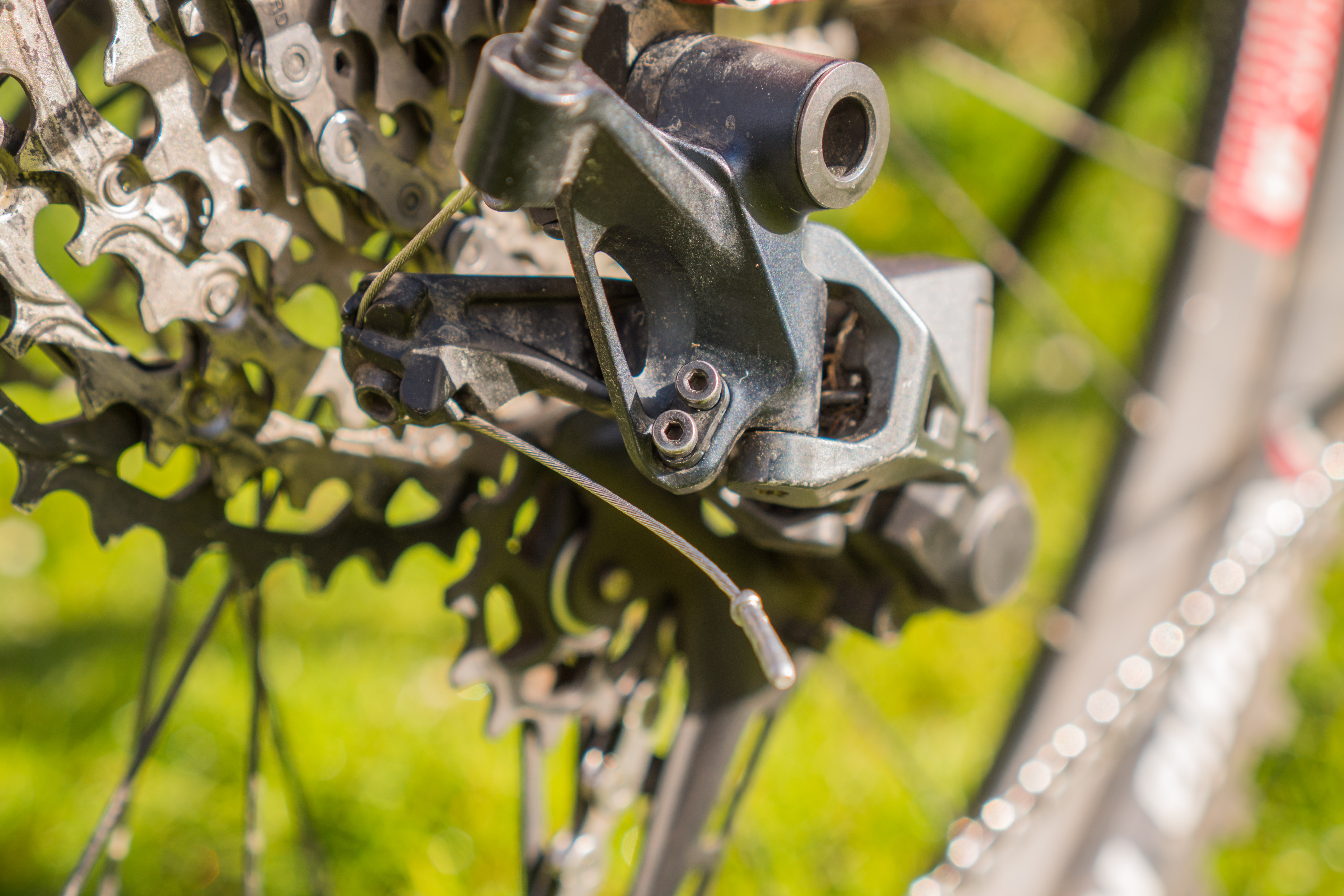
There are many variables to check when adjusting or indexing gears. While it might be tempting to reach for the limit screws, this isn’t the best place to start.
The limit screws prevent the rear derailleur from shifting the chain into the spokes or into the driveside chainstay. Provided they have been set up correctly and the derailleur hanger is not bent, in theory they will not need adjusting.
If your gears aren’t shifting optimally, checking the cable tension should be your first port of call. It’s also worth checking the condition of the cables for any fraying, or kinks or tears to the outers.
2. Not looking after your chain properly
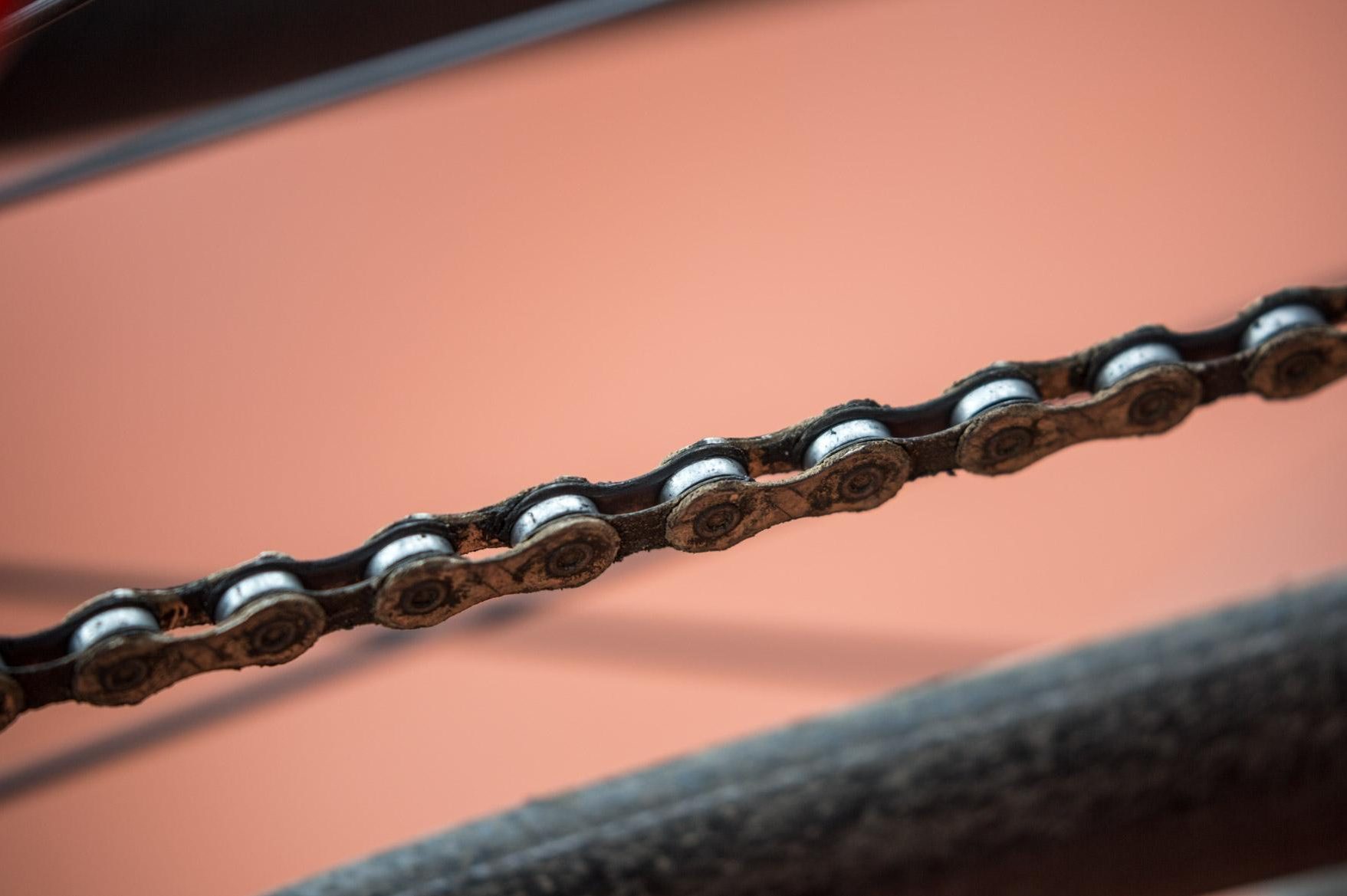
Don’t let your chain get this dirty, it will just wear out your other drivetrain components. Colin Levitch / Immediate Media
The chain is one of the most critical components on your bike, so it’s worth looking after.
It’s best to use a specific chain degreaser and chain lubricant for optimal results when looking after your chain.
3. Incorrect chain length or orientation
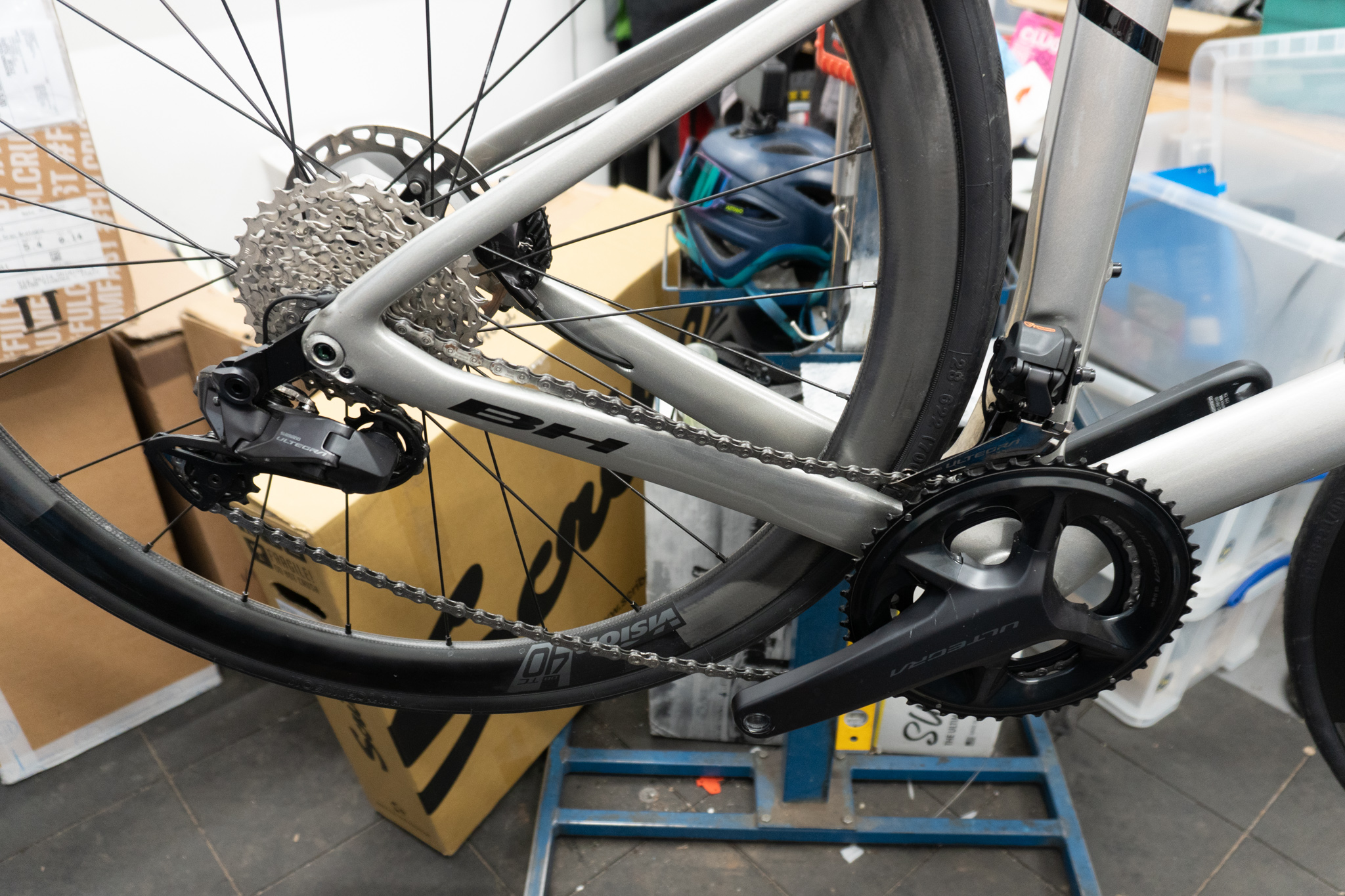
This chain is too long. Oscar Huckle / Our Media
Sticking with chains, it’s important to install them correctly.
If the chain has been cut too short, you will struggle to shift into the largest cassette cog. The chain will likely snap and it can even rip the rear derailleur off as the chain puts too much strain on it.
If the chain is too long, it will sag or droop when using the smaller cassette cogs. This will make shifting less precise and the chain will contact the driveside chainstay.
When replacing a bicycle chain, it’s worth making sure the chain is installed in the correct orientation.
Some chains are designed to only be installed in one direction and it’s worth paying particular attention to the quick link, too. Again, the wrong orientation can lead to poor shifting and an increased risk of the chain snapping.
4. Quick-release skewers loose and in the wrong orientation
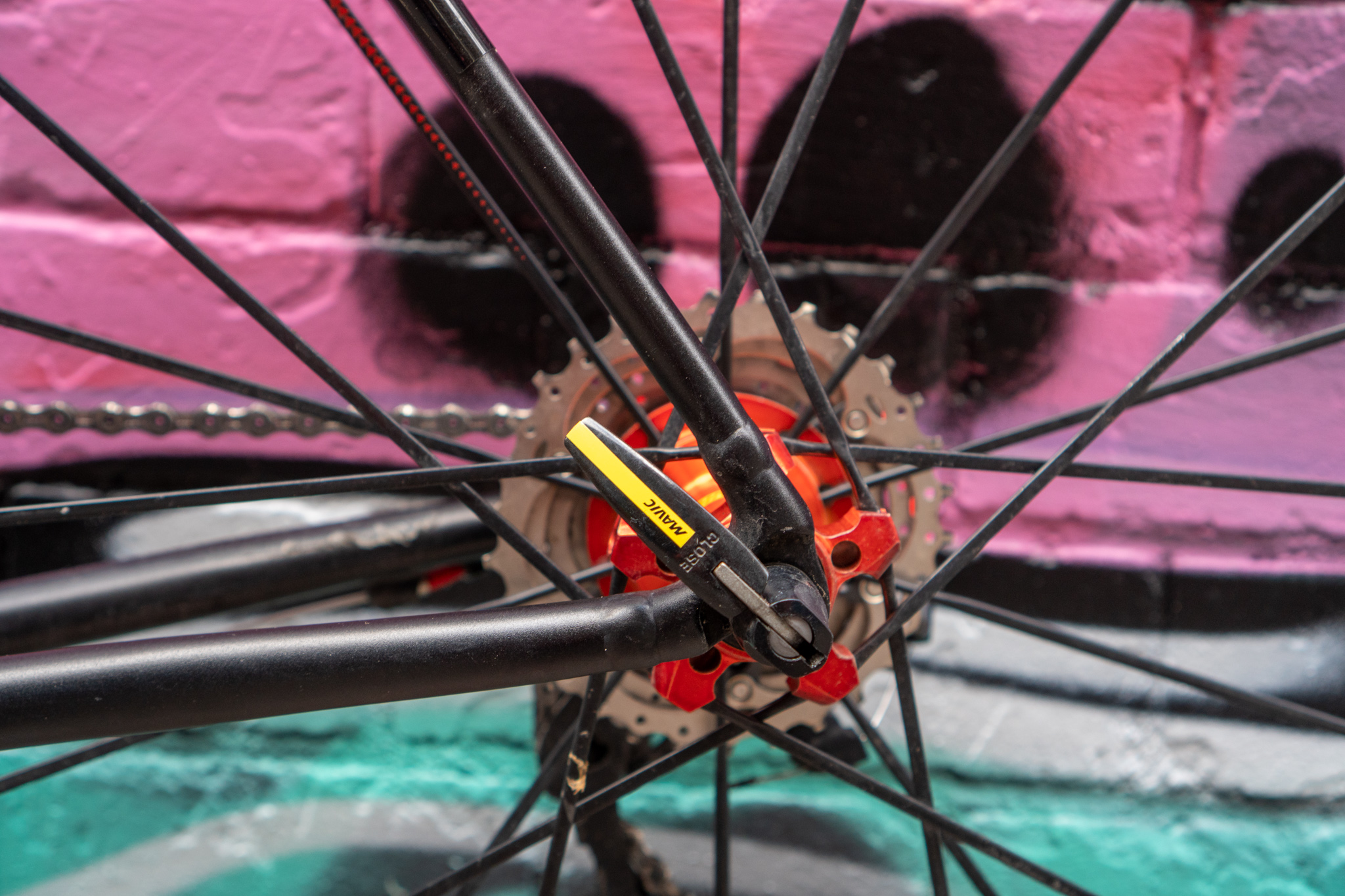
This rear quick-release is oriented correctly. Oscar Huckle / Our Media
It’s common for the quick-release skewers to be installed too loose, too tight or in the wrong orientation.
A quick-release skewer shouldn’t require a Herculean effort to close – it should require enough tension that the lever leaves a slight imprint in the palm of your hand.
Quick-release skewers should also be oriented correctly.
The skewer handle should always be on the non-driveside of the bike (the only exception being a handful of disc brake frames with levered thru-axles that install from the driveside).
The handle should be positioned slightly past the fork blade in the direction of the drivetrain. On the rear, it should bisect the non-driveside chainstay and seatstay.
If the skewer is pointing forward or downward on the front, or towards the floor or back of the bike on the rear, you run the risk of it opening accidentally if you hit an obstacle or if another rider’s wheel gets caught in the skewer.
And never position the skewer against the fork or frame because it will make opening it again in the future a very difficult task.
5. Riding with a poorly adjusted headset
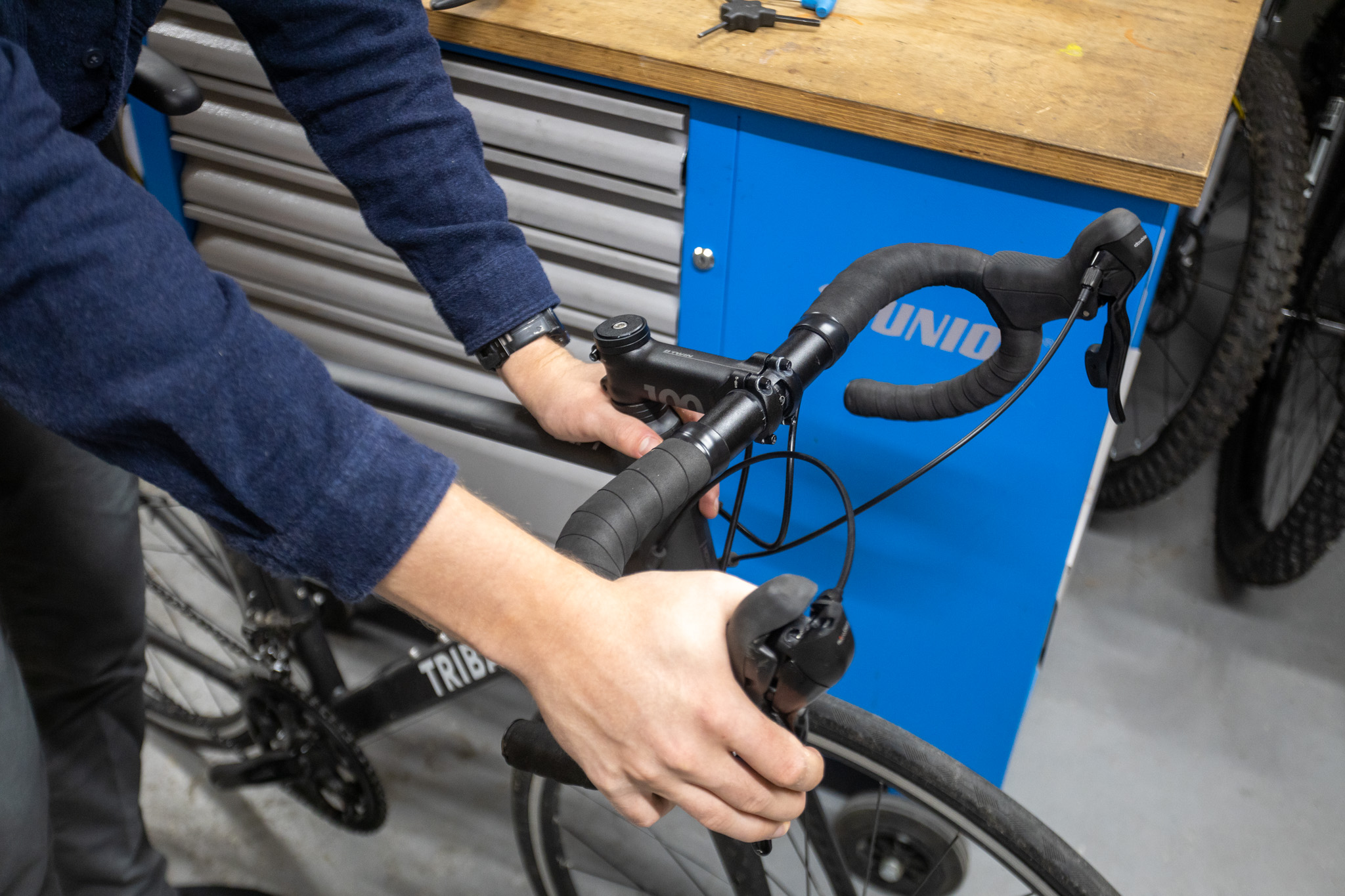
There shouldn’t be any play in the headset whatsoever. Stan Portus / Our Media
If your bike’s headset is too lose, it can lead to a variety of problems.
If you can feel play or knocking when you apply the front brake and rock the fork back and forth, your headset is loose.
At best, this translates to poor steering, but at worst the knocking headset can cause severe damage to your fork steerer tube, particularly if it is carbon.
Carbon fibre cannot withstand abrasion and, over time, a loose headset bearing can start to wear away at the material, potentially causing catastrophic failure.
6. Under- or over-inflating tyres
Check your tyre pressures before every ride. Russell Burton / Immediate Media
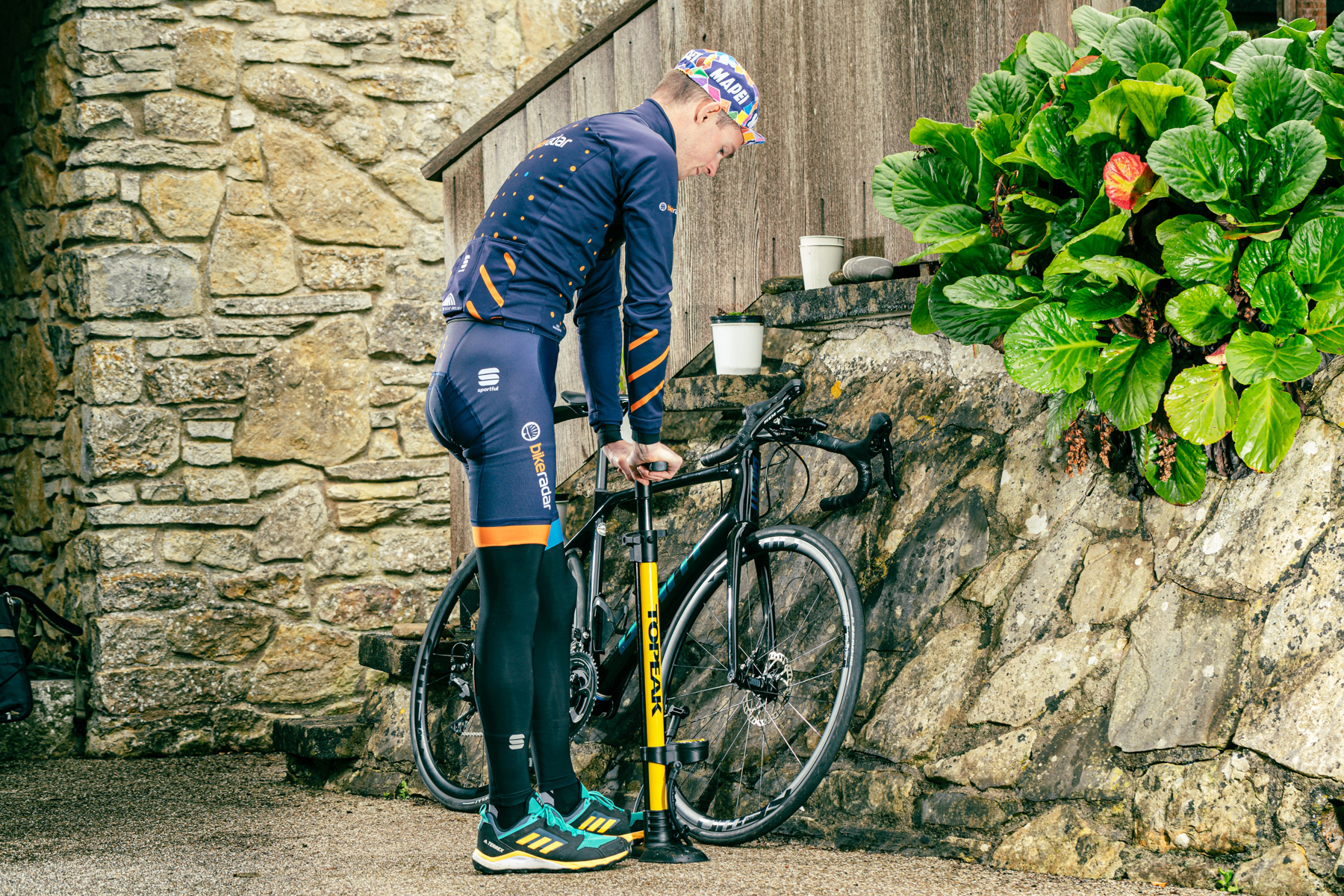
Riding with under- or over-inflated tyres is another common error. Too high and you’ll feel every vibration on the road or trail; too low and you’ll run the risk of punctures, compromised handling and a sluggish ride.
If you’re unsure on what pressure to inflate your tyres to, there will be a suggested range printed on the sidewall.
It’s a good idea to invest in one of the best bike pumps, because they will feature a gauge for precise inflation. It’s worth checking the tyre pressure before every ride. If you’re not sure what tyre pressure you should run, you could take a look at a tyre pressure calculator (we like Silca’s).
7. Torquing your bolts wrong
It’s worth investing in a decent torque wrench for jobs such as this. Stan Portus / Our Media
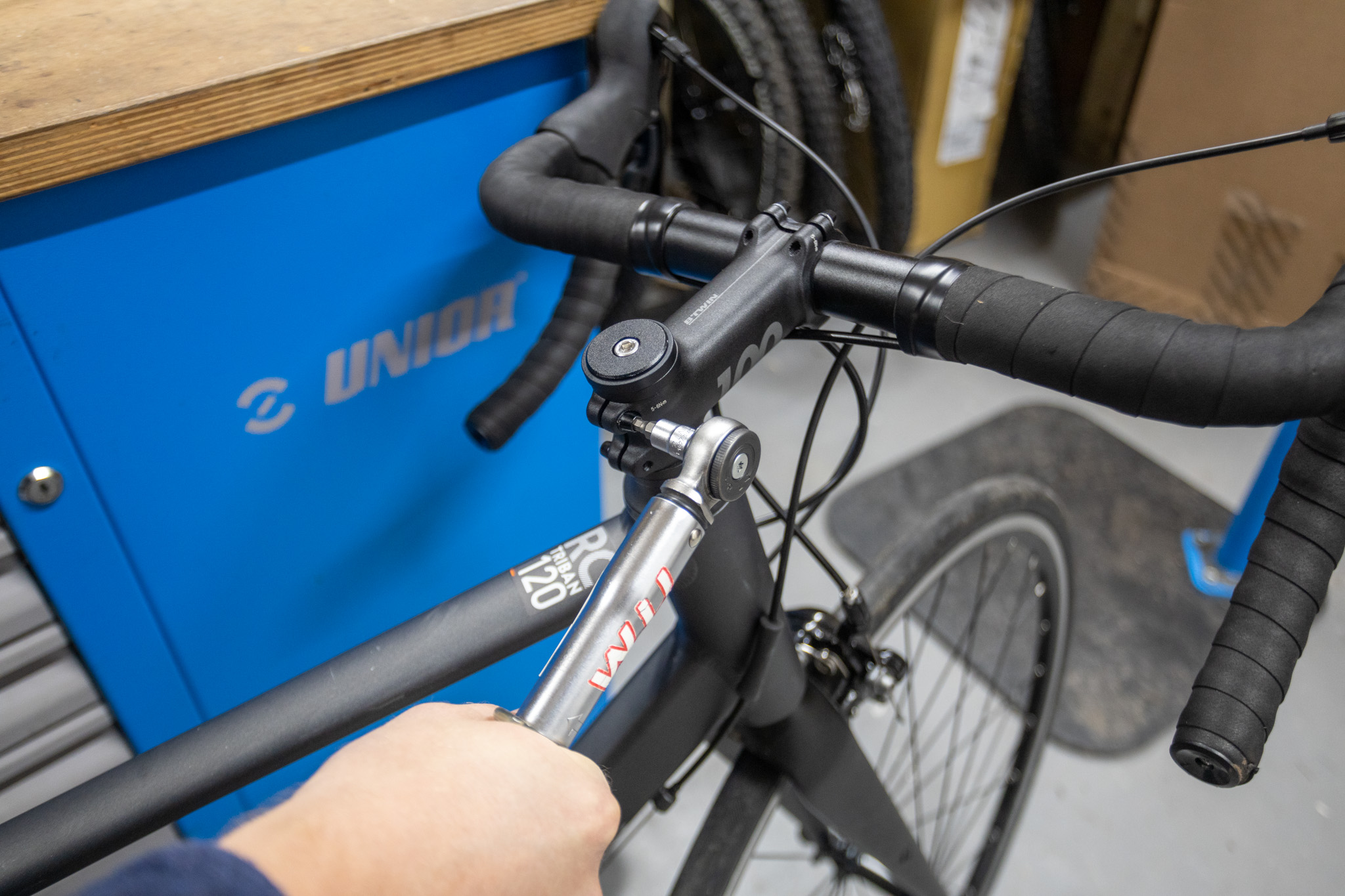
Modern bicycles are subject to tight tolerances and the bolts that secure the various components need to be fastened correctly.
If a bolt is too loose or too tight, you run the risk of failure.
It is best to use a torque wrench whenever you adjust a bolt, particularly if the component or the surface it is clamping onto is carbon fibre. Carbon fibre, in particular, doesn’t like to be over-clamped and will fracture if over-tightened.
Many manufacturers list a recommended torque next to the bolt – do not exceed this.
It’s also worth ensuring any and all fasteners are sufficiently prepared with grease, threadlock or anti-seize, as per the manufacturer’s instructions.
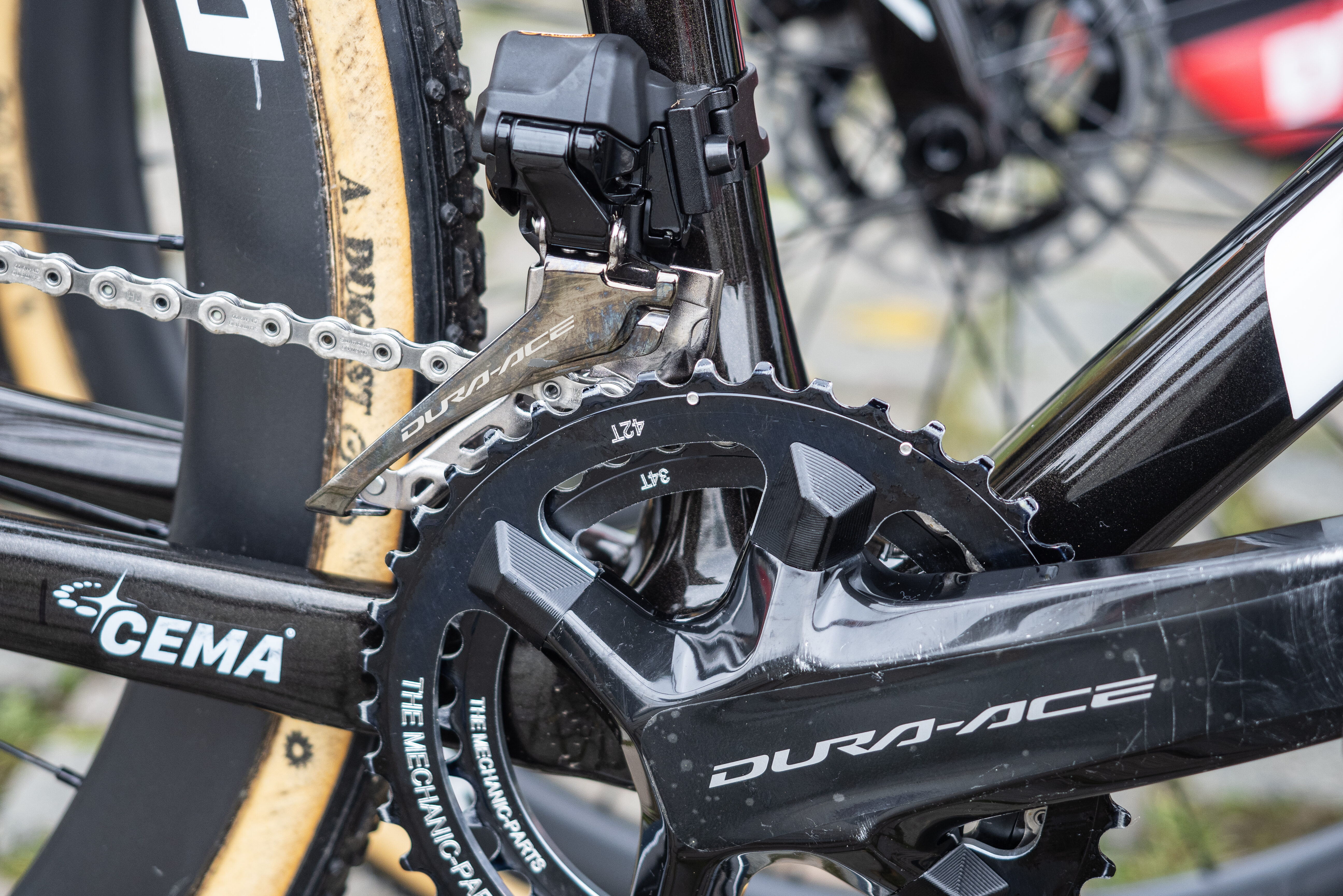
8. Removing pedals with the outer chainring exposed
Shift the chain onto the big ring to avoid injury. Phillipp Abels
Having the chain cover the sharp teeth of the chainring can help avoid any painful, knuckle-skinning experiences.
9. Not greasing pedal threads or over-tightening them
Do not skip greasing your threads. You will only live to regret it later. Laura Dow / Immediate Media
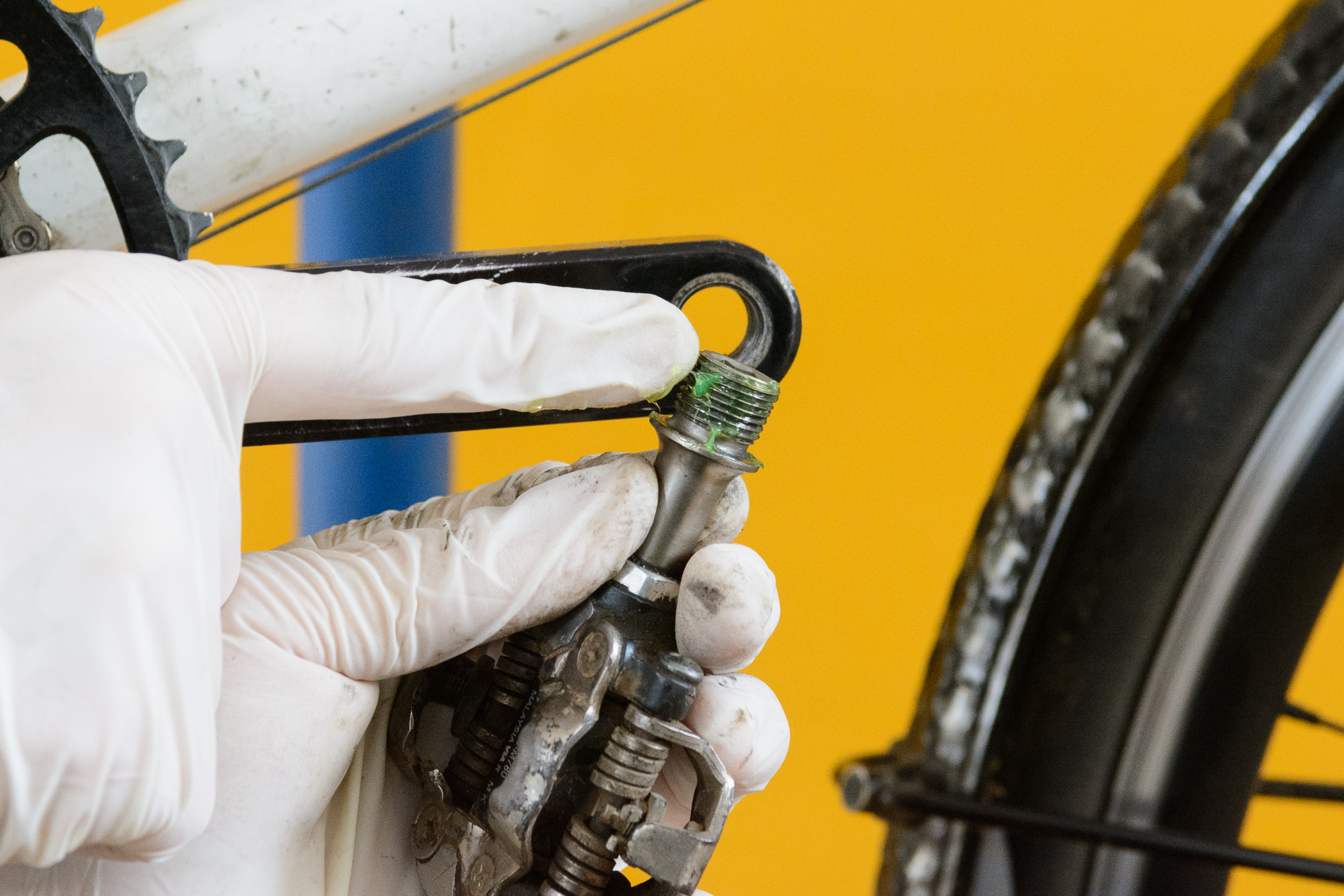
Sticking with pedals, make sure you apply some anti-seize to the pedal threads prior to installation.
If you don’t grease them, you’ll likely find it impossible to remove them in the future because they can seize in place.
It’s also critical to not over-tighten pedals, because the act of pedalling effectively tightens them.
10. Neglecting your seatpost
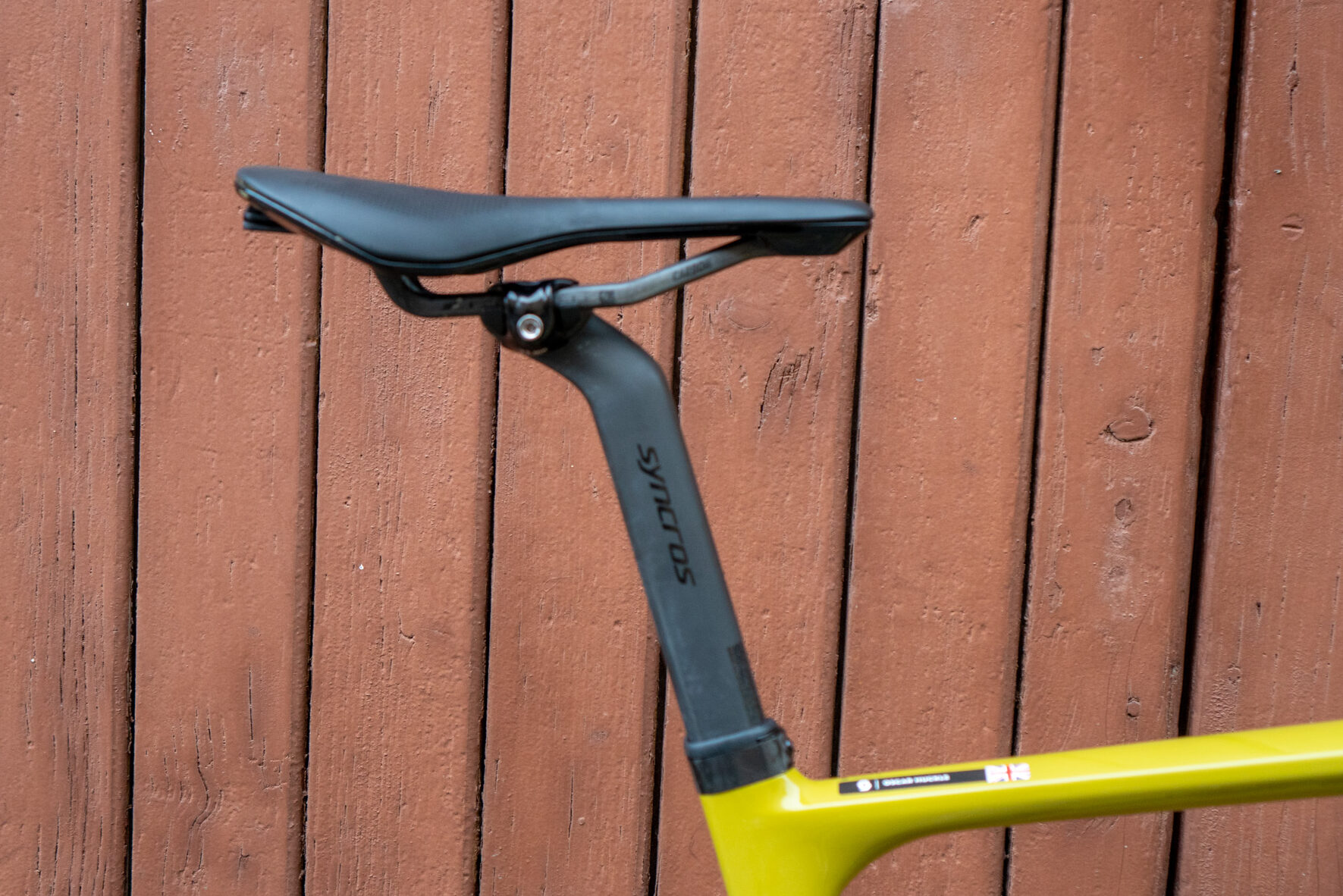
Look after your seatpost. Oscar Huckle / Our Media
A seized seatpost can spell all manner of trouble. It’s an easy component to forget about, given you rarely need to adjust it once you’ve correctly set your saddle height.
In the worst-case scenario, you’ll need to enlist the specialist services of a seatpost removal company (yes, these actually exist).
It’s best to remove the seatpost twice a year and give it a clean. If the seatpost and frame are metal, make sure you apply some anti-seize during installation. If any of the components are carbon fibre, you’ll need to use carbon fibre grip instead.
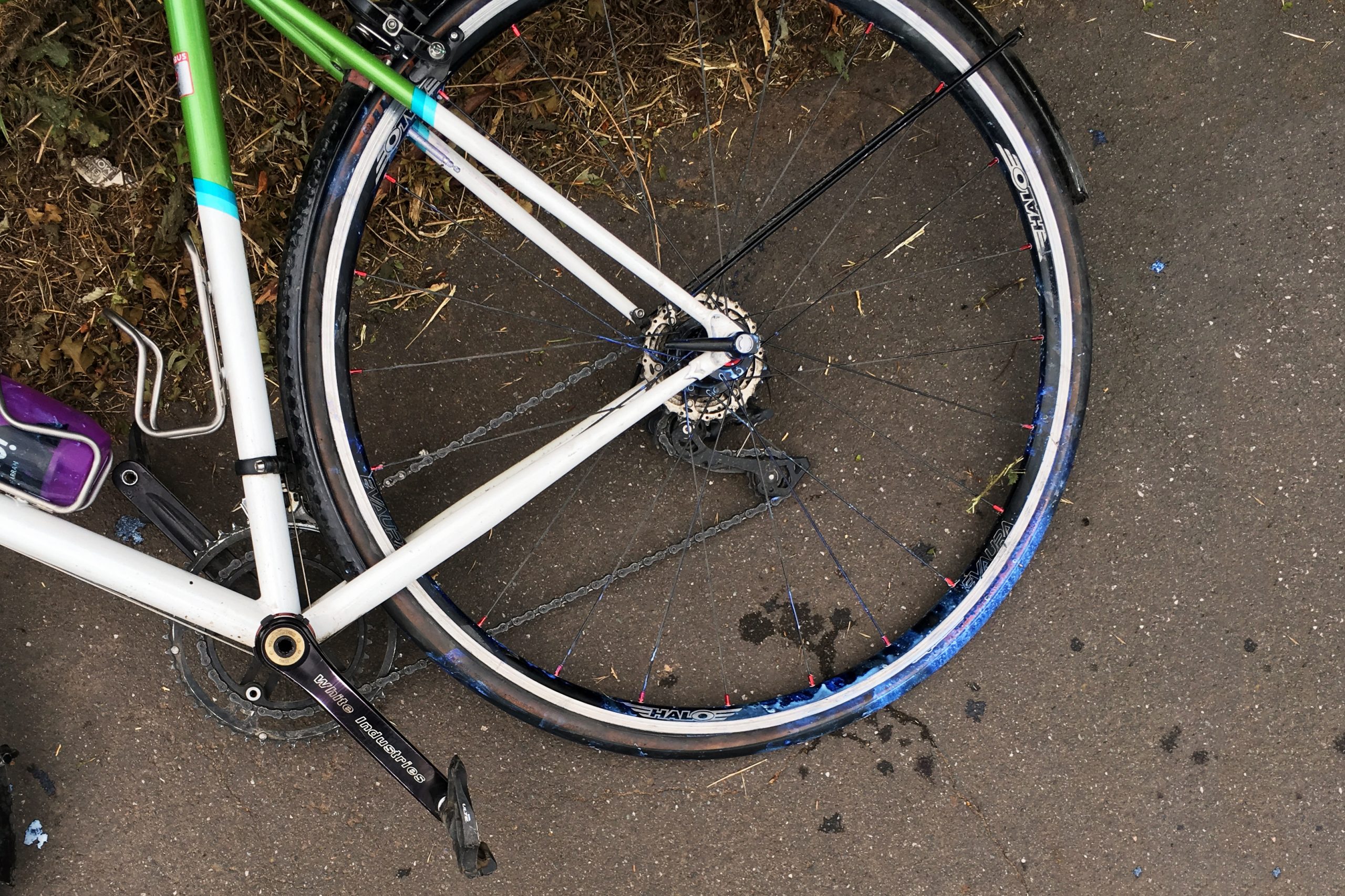
11. Resting a bike on its driveside
Don’t do it! Jack Luke / Immediate Media
If the bike is leaned on the driveside, there’s an increased likelihood of the derailleur hanger bending.
The derailleur hanger is a sacrificial part in between the frame’s dropout and rear derailleur and is designed to bend or break to save your frame.
If a derailleur hanger is bent, it can lead to poor and inaccurate shifting, with the chain potentially derailing into the spokes or driveside chainstay.
12. Not replacing bar tape
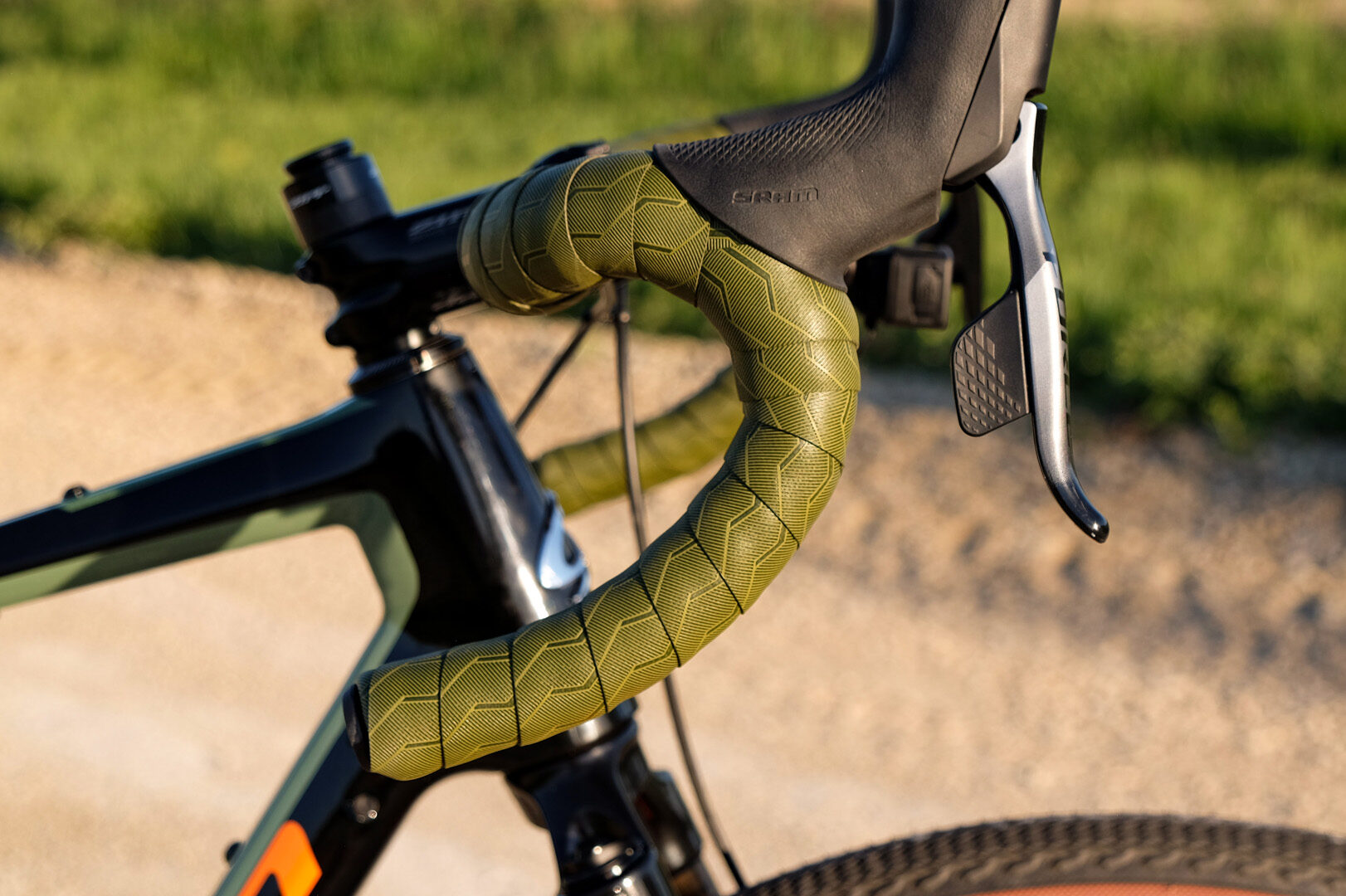
Fresh bar tape is always a nice feeling. Josh Patterson
Regularly replacing your handlebar tape may not seem like an important maintenance job, but if you ride frequently or you’re into indoor cycling, it’s wise to do this once or twice a year.
If your handlebar is metal, the salt in your sweat can lead to oxidisation. In extreme cases, it’s not unheard of to witness handlebars failing due to corrosion.
By removing your old bar tape, you can periodically inspect your handlebar, and you’ll also avoid the thoroughly unpleasant task of unravelling crusty old tape.
13. Riding without bar end plugs
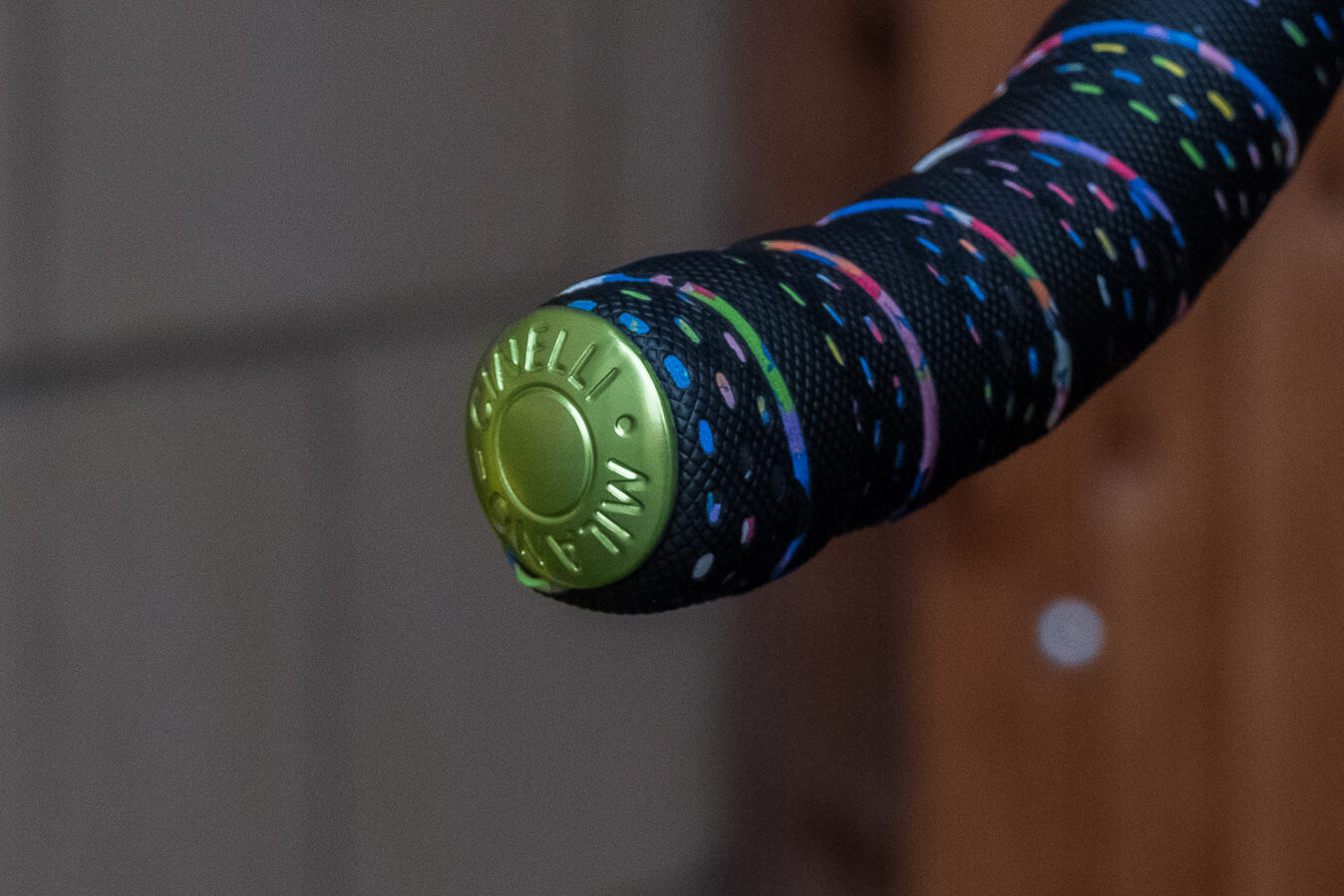
Don’t underestimate the importance of the humble bar end plug. Jack Luke / Immediate Media
Whether you have a drop handlebar or a flat mountain bike handlebar, we really can’t recommend riding with bar end plugs enough. These are a safety feature and not simply cosmetic.
If you were to fall off when cycling, an unplugged handlebar end will effectively act as a cookie cutter into your sternum, or worse.
If your bar end plug falls out regularly, you could try applying some double-sided tape on its inside. Alternatively, you can upgrade to one that clamps in place with an expanding bung.
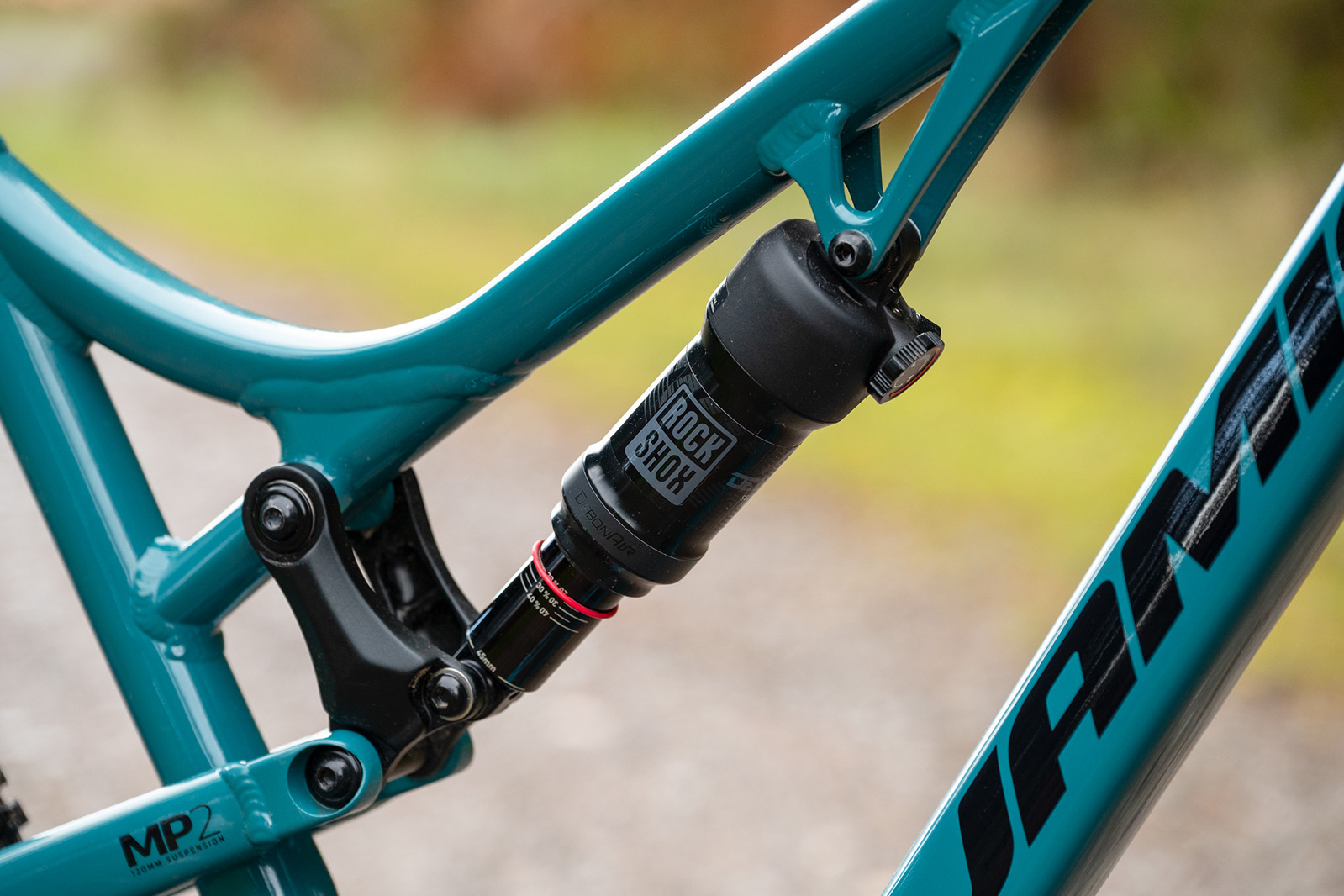
14. Not servicing suspension
Neglect your fork or shock at your peril. Andy Lloyd / Our Media
Suspension requires regular servicing to perform in tip-top condition.
The components that make up the fork or shock are always moving when you ride, and the oils and seals should be kept fresh and clean.
Suspension manufacturers include recommended specific service intervals, so it’s well worth keeping a note of when you should next give your suspension some TLC.
Tuning your suspension can also help you eke that extra bit of performance from your fork and shock.
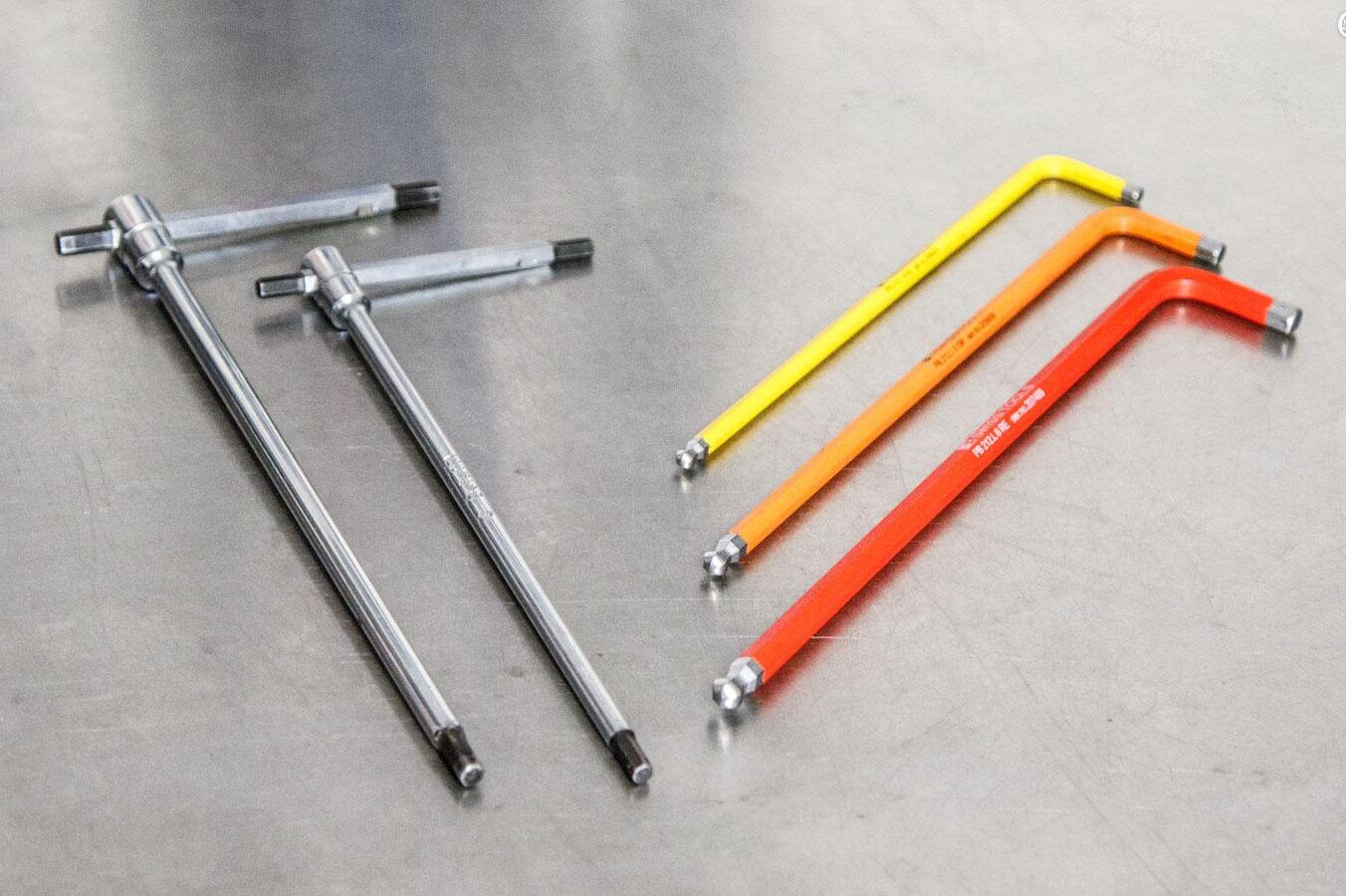
15. Using poor-quality tools
It’s worth investing in quality tools. David Rome / Immediate Media
The age-old adage “Buy cheap, buy twice” couldn’t be more true in the world of bicycle tools.
A worn or poor-quality tool could lead to rounding a bolt, marring an interface, even breaking a component or the tool itself.
Higher-quality tools will be manufactured to tighter tolerances, ensuring a snug and precise fit for the relevant job at hand.
Editor’s note: this article was first published in February 2023 and updated in June 2025.
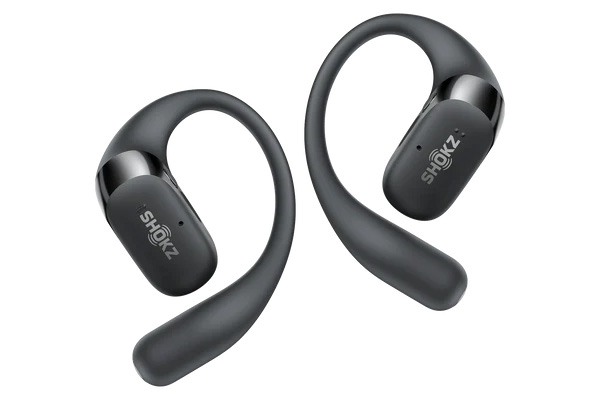
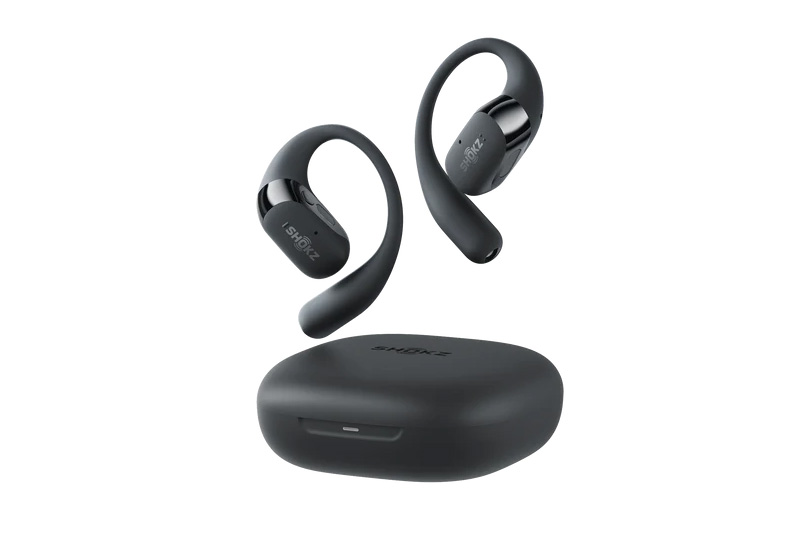
Shokz has launched two new wireless open-ear headphones, the OpenFit 2 and OpenFit 2+, both utilising the brand’s bone conduction technology.
The headphones are powered by the brand’s DualBoost technology, which it says is an industry first.
Combined with an updated OpenBass 2.0 algorithm, Shokz say this helps deliver a more vibrant and powerful sound.
Dolby Audio surround has been added to the OpenFit 2+, reportedly enhancing immersion in surround sound listening.
The Shokz OpenFit 2 is priced at £169.99 and is available in beige and black colourways, while the more feature-rich OpenFit 2+ is priced at £179.99 and comes in grey and black.
The headphones are said to mould to the shape of your ear for a better fit. Shokz
Shokz says the OpenFit 2 is made from an ultra-lightweight, high-strength material covered in a soft silicone finish.
The earhook has been updated with a flexible nickel-titanium alloy that moulds to the contours more accurately.
Silicone is used for added grip in sweaty conditions. Shokz
The design retains a similar form factor to the previous generation, which we praised when testing the original OpenFit headphones, offering a secure fit when cycling.
Shokz says the headphones weigh 9.4g for each earbud.
The headphones are charged in the case. Shokz
A case is used to store the headphones when not in use, and like with many wireless headphones, it keeps them charged too.
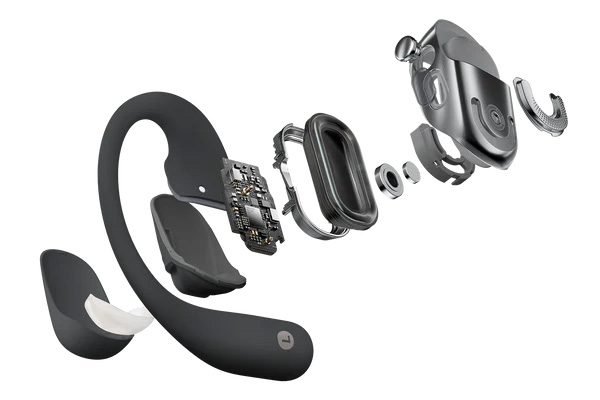
Shokz says the new DualBoost technology utilises two individual speakers in each earbud.
A lot has been updated inside the headphones. Shokz
An extra-large low-frequency driver is used for deep, resonant bass, while an independent high-frequency driver is used for crisp mids and highs.
Alongside this, the brand has updated its low-frequency enhancement algorithm with the OpenBass 2.0, which is said to offer more dynamic low-frequency vibrations directly to your ear.
The Dolby Audio on the OpenFit 2+ is said to surround you with lifelike audio.
Longer battery life
The OpenFit 2 and OpenFit 2 offer 11 hours of playback on one charge Shokz
Aside from the audio and algorithms, Shokz has boosted the battery life of the OpenFit 2 range, now seeing 48 hours of playback compared to 28 on the previous model.
This breaks down into 11 hours of charge in the earbuds before they need to be charged in the case – an improvement over the 7 hours of the original OpenFit.
The OpenFit 2+ can also charge wirelessly with compatible devices.
Shokz has also increased waterproofing from IP54 to IP55, but don’t expect the headphones to withstand submersion in water.

 UploadVRHenry Stockdale