We may earn a commission from links on this page.
Gay marriage was legalized in Massachusetts just over two decades ago and has been the law of the land in the U.S. since 2015, yet somehow, queer movies are still mostly a trickle at the box office (unless you count Barbie…which you can). The last big one was 2022’s Bros, marketed as the first mainstream gay romantic comedy ever released by a major studio. In fact, 2022 was an all-time high for queer rep in movies: 28.5% of films released that year had at least one LGBTQ character (though most of those showed up for fewer than five minutes of screen time). We’ve been on a downward slide since, and the current zeitgeist seems to find studios shying away from diversity of any kind.
On another level, though, Hollywood has been making gay movies since the advent of film—albeit with plausible deniability. The late 1920s and early 1930s were a golden age for movies that explicitly (or nearly so) dealt with queer characters (Garbo, Dietrich, and Hepburn were bisexual icons before that term was commonly used); the same can be said of the independent-minded 1970s. At other times, representation was all about subtext—the filmmakers sneaking in themes that would go over the heads of the censors but land with the right audiences, or arising as unintended subtext. Which is to say, sometimes even the straightest movies are gay as hell—the inevitable result of straightness trying too hard.
That is to say, while ostensibly straight, the following 33 movies are totally gay, and as such, make for perfect Pride programming.
Bride of Frankenstein (1935)
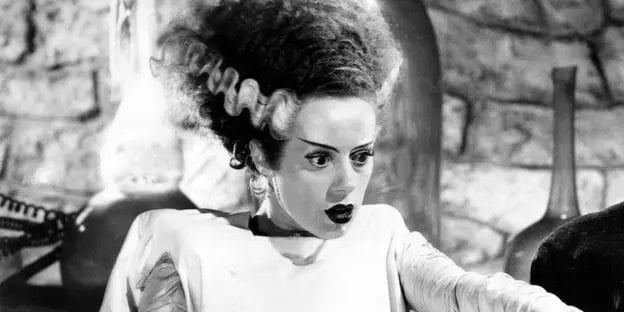
Following the events of Frankenstein, the eponymous doctor is all ready to settle down with his fiancée when his old college mentor shows up: Dr. Septimus Pretorius, who lures Henry away from the arms of his promised in favor of the two of them getting together after hours and building more bodies. Dr. Pretorius (Ernest Thesiger), given to sassy retorts and chain-smoking in mausoleums, was high-camp before the notion was codified. Although there’s nothing explicit here, there’s no real queer-coding, either: the fascinating Thesiger never made any effort whatsoever to hide his queerness, nor to accommodate anyone’s ideas of masculinity, and he certainly doesn’t in this role. Following an injury while serving in World War I, he took up needlework and passed the skills on to other injured soldiers, despite formal warnings that the work was too “effeminate.” Later, he was made a Commander of the Order of the British Empire for both his embroidery skills and his acting career. Even with all that, he remains most famous for luring Colin Clive’s Frankenstein out of retirement.
This movie is so gay it inspired 1998’s Gods and Monsters, a super queer biopic of its director, James Whale, played by Ian McKellen, who came out publicly in 1988. You can rent Bride of Frankenstein from Prime Video.
The Maltese Falcon (1941)
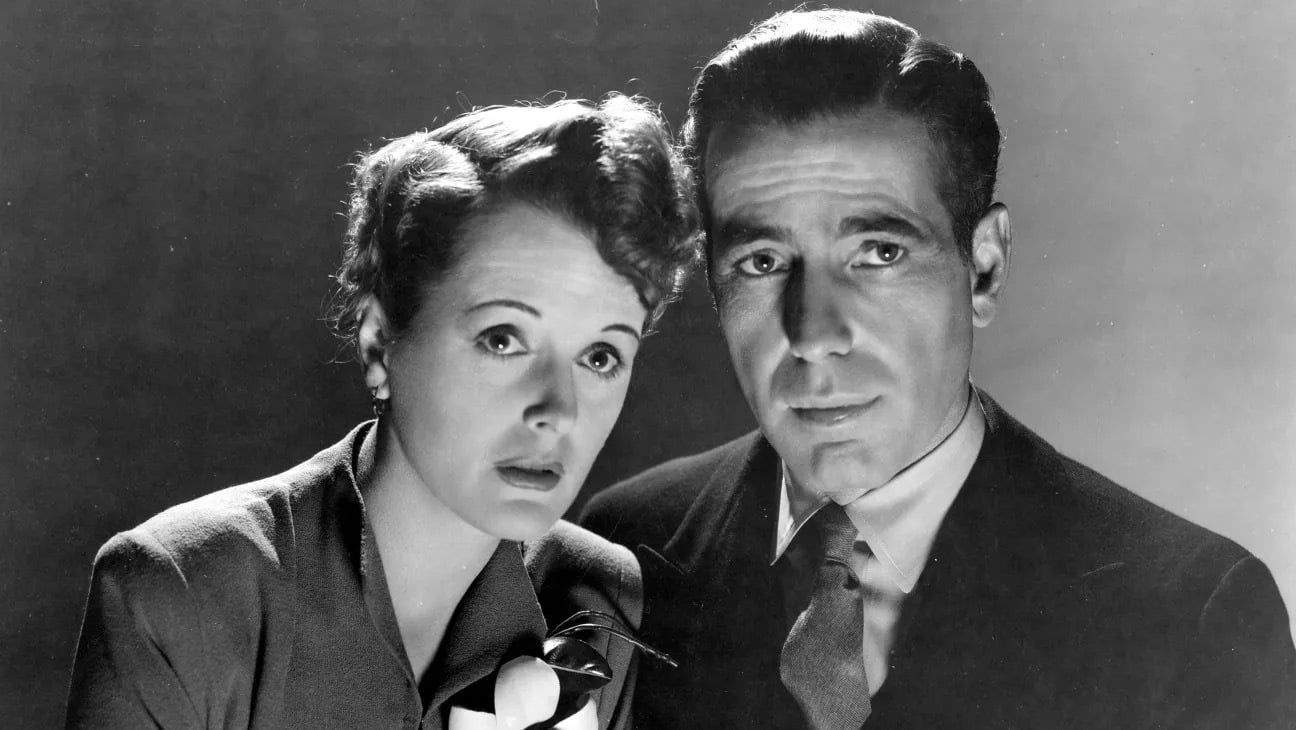
Most of these movies have queer themes running throughout; I’m not sure that’s the case here, although I’d be thrilled to be proven wrong. Still, I’m going to let Peter Lorre’s Joel Cairo speak for all of the many queer-coded villains in classic Hollywood. It wasn’t always a great trope, but audiences have always been open to spinning straw into gold by giving extra love to the meager, often problematic representations of LGBTQ+ characters in classic films. Characters made to be mocked or hated become appreciated figures, and that’s the case here. Overtly gay in Dashiell Hammett’s novel, Hollywood censors of 1941 of course wouldn’t allow Joel Cairo to be explicit in a film version. So Petter Lorre sashays his way into Sam Spade’s office with pretty clothes, fancy gloves, a cane that he can hardly stop from fondling and, of course, gardenia-scented calling cards…because the planned lavender cards were seen as too on-the-nose by censors. You can rent The Maltese Falcon from Prime Video.
Cat People (1942)
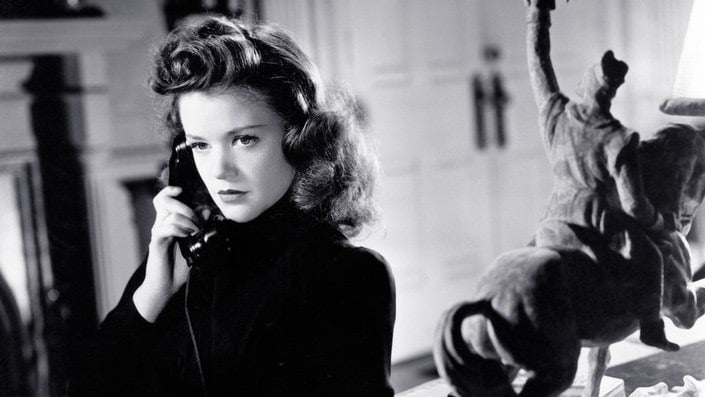
Directed by Jacques Tourneur and, crucially, produced by the unconventionally highbrow Val Lewton, Cat People stars Simone Simon as Irena Dubrovna, who believes that she’s descended from a line of, well…cat people. Convinced that she’ll shape-shift into a panther if she ever allows her true and repressed sexuality to come out, she avoids engaging sexually with her new husband. The metaphors involving otherness work on multiple levels, but seeing Irena as a woman stuck in a straight marriage that she was never meant for is the reading that sticks. You can rent Cat People from Prime Video.
Brief Encounter (1945)
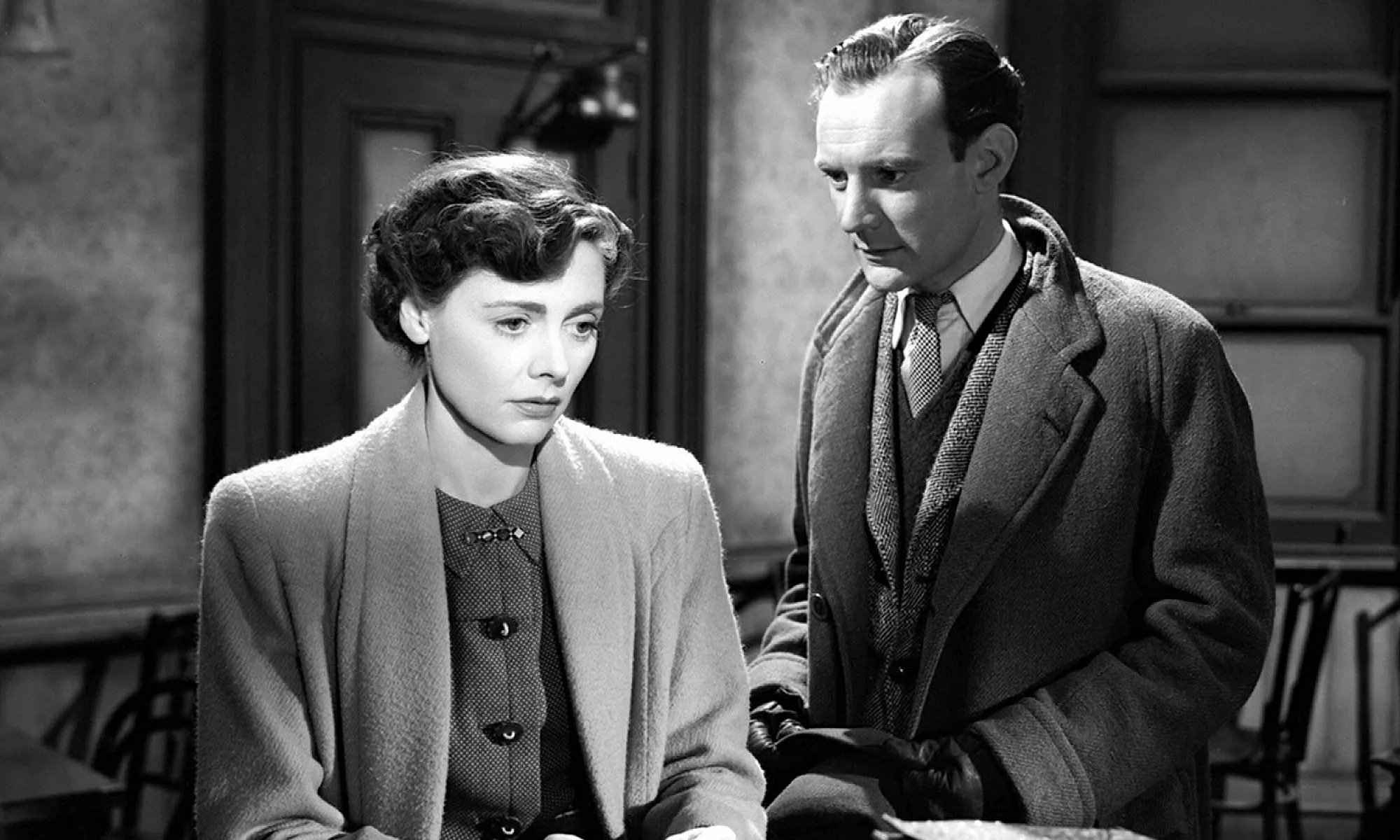
Two strangers, each in an unfulfilling marriage, meet by chance at a train station, kicking off a relationship that starts as one of convenience and evolves into an intense emotional affair—complicated by their personal lives and the ever-present danger of discovery. A 2015 staging of the original Noël Coward play (called Still Life) put two men in the lead roles, making clear that while the story works beautifully with a straight couple, it’s also a brilliant encapsulation of the particular challenges facing same-sex encounters. I’m not sure what director David Lean had in mind, but I shouldn’t be at all surprised if Coward wasn’t thinking, at least in part, of the inherently dangerous nature of chance queer meetings. You can stream Brief Encounter on Max and The Criterion Channel or rent it from Prime Video.
Rope (1948)
In 1924, Leopold and Loeb, two wealthy University of Chicago boyfriends kidnapped and murdered a 14-year-old largely to prove that they could, the pair having read just enough Nietzsche to convince themselves that they were the Übermensch of whom he wrote. They weren’t, of course, but they wouldn’t be the first rich white boys to believe themselves inherently superior.
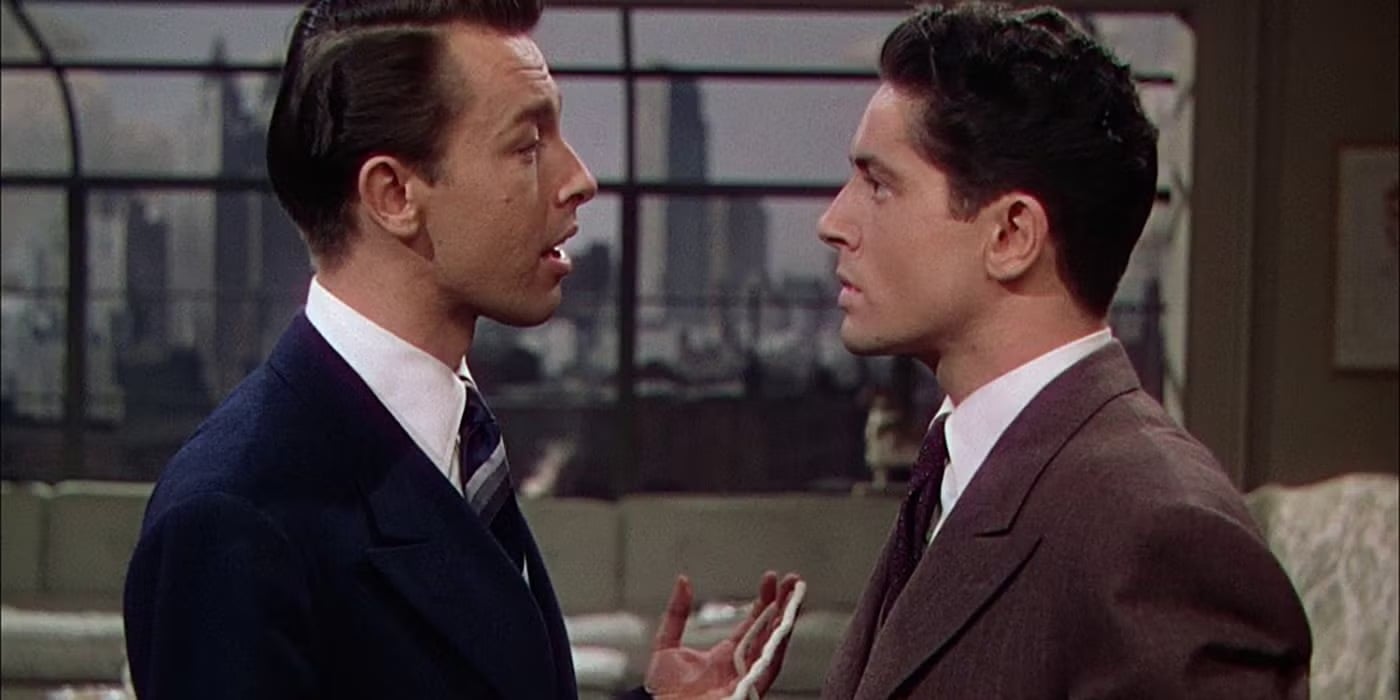
The murder was a tragedy, but for someone with Alfred Hitchcock’s sensibilities, it was also too juicy a story to pass up. Rope is most famous because of its unique filming technique: it’s presented as one continuous take, though in reality the takes were about ten minutes long, limited by the film technology of the era. But Rope is based on a play loosely inspired by the Leopold and Loeb murders, and in the play the pair are explicitly gay. The movie, being a product of its time, obscures that without really suggesting anything else. These effete and sassy “roommates”—played by Farley Granger (who came out late in life) and John Dall (who is widely believed to have been gay, though he never came out publicly)—hold a party at which the body of their murder victim has been concealed. Screenwriter Arthur Laurents, who was gay, was an expert at dodging the restrictions of the Hays code in order to sneak in subtext that was just subtextual enough, a trick Hitchcock likewise excelled at.
Was it truly lost on 1940s audiences that these characters were more than friends? Apparently Laurents and company didn’t clue in Jimmy Stewart about his character, and the actor never caught on. You can rent Rope from Prime Video.
Red River (1948)
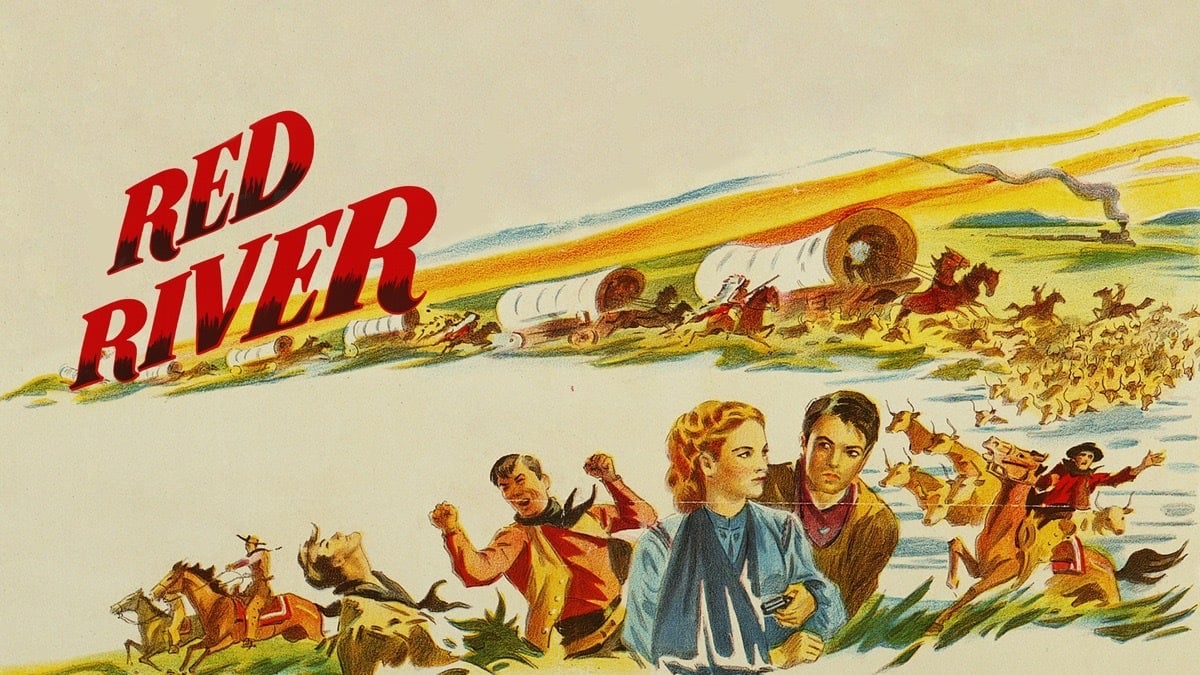
Nobody tell John Wayne, but the queer subtext of Red River has been discussed for decades, which makes a special kind of sense given that it provided a breakthrough for gay actor Montgomery Clift, who plays Matt, the more sensitive ward of a typically butch Wayne. Complicating life during the film’s core cattle drive is the introduction of John Ireland as Cherry Valance—the scene during which Matt and Cherry compare guns is justifiably memorable as euphemism, and even characters in the movie seem not unaware of what’s going on: Wayne describes them as pawing at each other, and Walter Brennan’s old-timer character describes them as “…having some fun. A peculiar kind of fun.” You can stream Red River on Tubi, MGM+, and Pluto TV or rent it from Prime Video.
Strangers on a Train (1951)
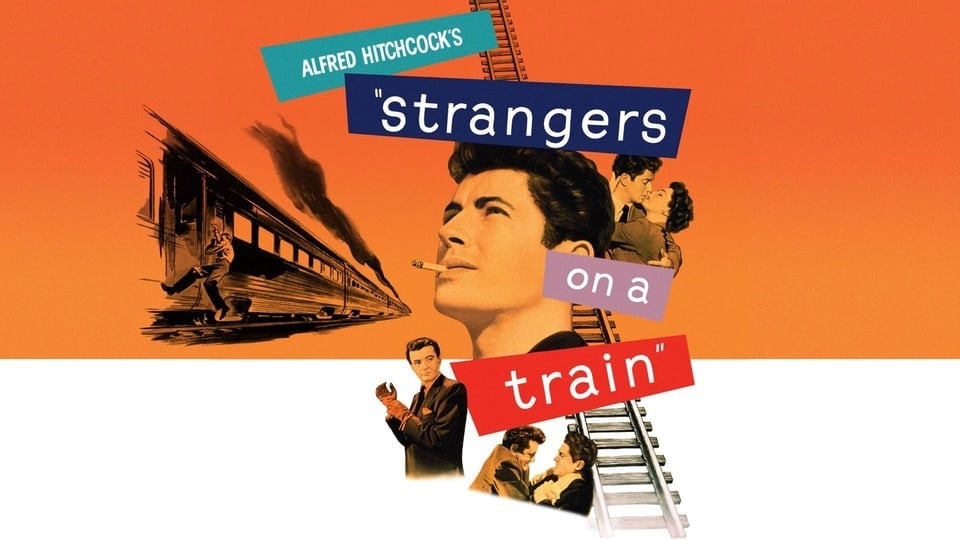
Lesbian writer Patricia Highsmith wasn’t afraid of gay subtext (see: The Talented Mr. Ripley), nor text-text, for that matter (see: The Price of Salt); neither was director Alfred Hitchcock afraid to inject queerness into his films, as we learned from Rope and Rebecca (among others). Given all that (as well as the presence of Farley Granger), it’s not surprising that Strangers on a Train is rather delicious in its preoccupations. Granger’s Guy Haines has a kind of meet-cute with Bruno Antony (Robert Walker) on a train (naturally), and they have a rather intense conversation about dual murders: Guy should kill Bruno’s hated father, and Bruno will kill Guy’s wife. Fun hypothetical, except that Bruno is absolutely serious and follows through with his part of the deal. The whole thing plays a bit like a straight man’s fever dream—even giving into a momentary dalliance with another man could ruin one’s life. You can stream Strangers on a Train on Tubi and Kanopy or rent it from Prime Video.
Johnny Guitar (1954)
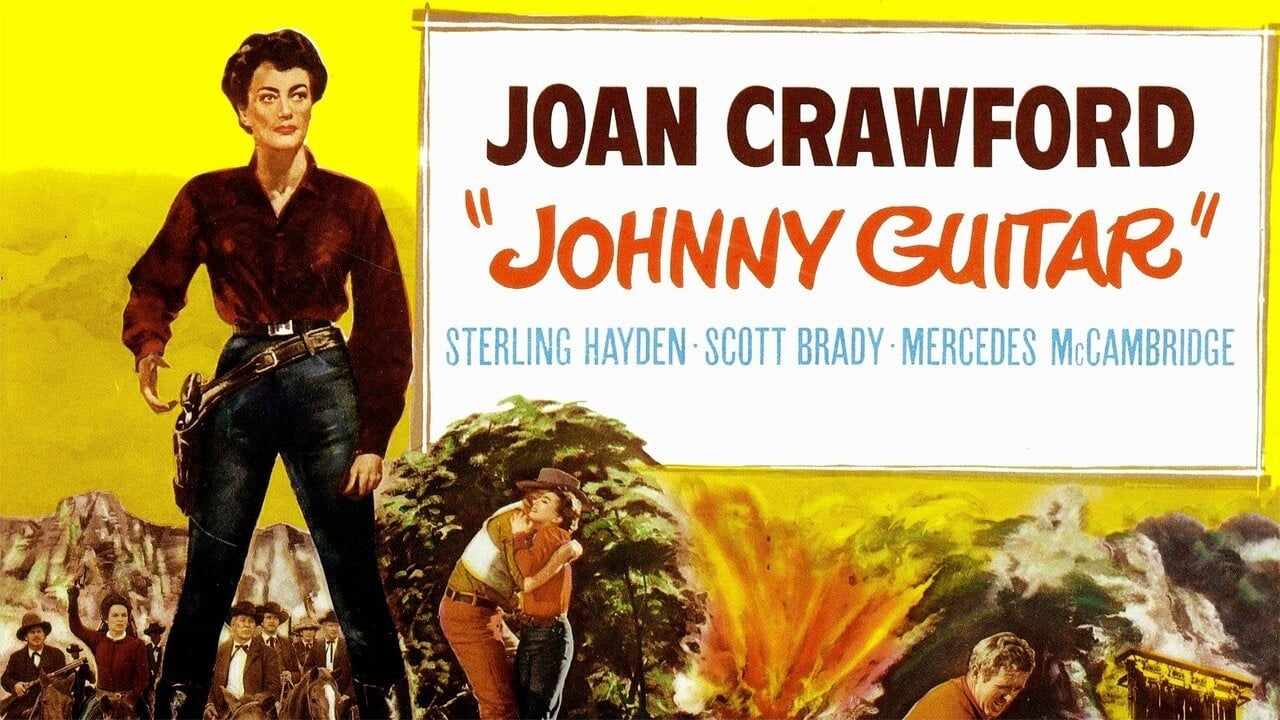
This low-budget Nicholas Ray film isn’t one of Joan Crawford’s better known movies, but it is one of her best and most fascinating, earning its entry into the vaunted Criterion Collection. Playing a saloonkeeper in the wilds of old-west Arizona, Crawford’s character is introduced by one of her employees just so: “I never met a woman who was more man.” Her arch-nemesis is a “cattle baron” played by Mercedes McCambridge, a straight (as far as we know) actress who became a gay icon for her portrayals of strong, queer-coded women. There are male love interests here, but they’re largely incidental. It’s the seething energy between the two leading women—frequently facing off while decked out in black leather that borders on the fetishistic—where the film’s true heart lies. You can stream Johnny Guitar on Kanopy or rent it from Prime Video.
Diabolique (1955)
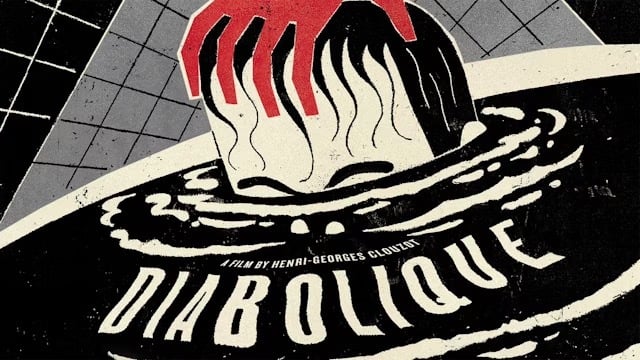
One of the essential thrillers of the 1950s, the film version of Boileau-Narcejac’s novel removes the explicit lesbian relationship between the two women at the plot’s center, the wife and mistress of a man whom they team up to murder, radically altering the ending in the process. Much of that relationship remains regardless; the closeness between Nicole and Christina is remarked upon by the students and faculty of the boarding school where the two live. They travel together, sharing rooms and even a bed. A climactic moment is played very much as a breakup scene. Simone Signoret and Véra Clouzot are one of French cinema’s most memorable couples, even if their romantic pairing is never made explicit. You can stream Diabolique on Max and The Criterion Channel or rent it from Prime Video.
Rebel Without a Cause (1955)
Moody, sensitive teen Jim Stark (James Dean) meets Plato Crawford (Sal Mineo) and Judy (Natalie Wood) at the police station, and one of cinema’s great emo love triangles was born. Though restrained in the finished film, it’s impossible not to see the attraction that Plato has for Jim, nor was it unintentional—worried censors told director Nicholas Ray during production that “It is of course vital that there be no inference of a questionable or homosexual relationship between Plato and Jim.” Still, Mineo spoke later about how Dean instructed him to “Look at me the way I look at Natalie…” None of it is terribly ambiguous in retrospect, and the pin-up of then-heartthrob Alan Ladd in Plato’s locker is just one of the many winks to a savvy audience. You can rent Rebel Without a Cause from Prime Video.
Ben-Hur (1959)
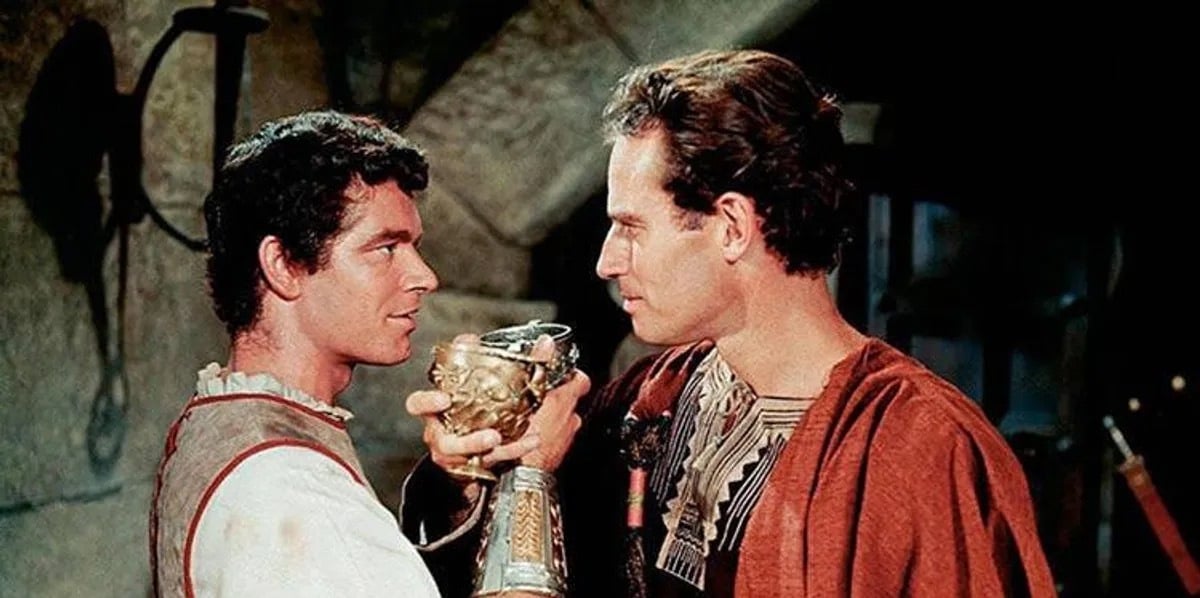
Don’t tell Charlton Heston, but everyone else involved in crafting Judah Ben-Hur’s relationship with his old friend Messala was down with the idea that the two were lovers. Script doctor Gore Vidal claims to have convinced the producer, director William Wyler, and actor Stephen Boyd that none of the rest of the film’s high drama involving the relationship would make any sense if there weren’t strong hints that the two had been knocking sandals. Everyone was in on the bit, except for Heston (who was pissed when he found out about it decades later, calling the suggestion an insult to the director). You can stream Ben-Hur on Tubi or rent it from Prime Video.
The Haunting (1963)
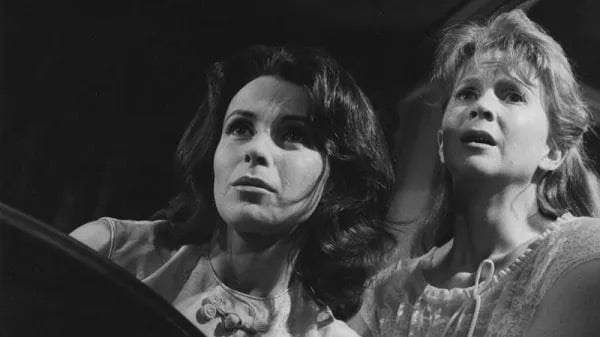
The more recent Haunting of Hill House Netflix series, also based on the Shirley Jackson novel, made the subtext text, but the gay vibes between chic and sassy Theo (Claire Bloom) and repressed, mousy Eleanor (Julie Harris) radiate through the early ‘60s original. Theo rebuffs the men who flirt with her in favor of making eyes at shy Eleanor, the two forming a charmingly traditional idea of a lesbian couple: one glamorous and fashion-conscious, the other more of an awkward tomboy. You can rent The Haunting from Prime Video.
Fear No Evil (1981)
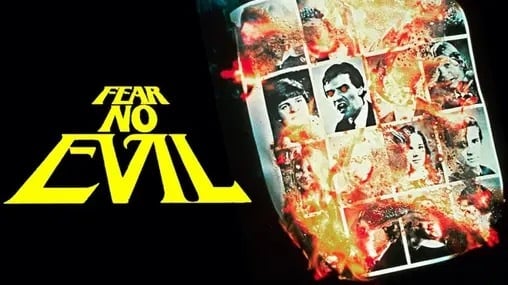
A low-budget cult classic with a tone that’s absolutely all over the place, Fear No Evil follows a somewhat effete young man (Stefan Arngrim) who slowly comes to learn that he’s the literal antichrist. He’s bullied relentlessly by the middle-aged actors playing high school jocks, who love nothing more than to strip down to their buff, bare asses and case him around locker rooms (so many male butts on display!). When he finally comes into his own as a Satan figure, our hero announces it by throwing on some make-up and getting revenge. The movie muddles its message; we’re not necessarily meant to cheer for gay Satan climactic rampage, but plenty of viewers have. You can stream Fear No Evil on Tubi and Prime Video.
A Nightmare on Elm Street 2: Freddy’s Revenge (1985)
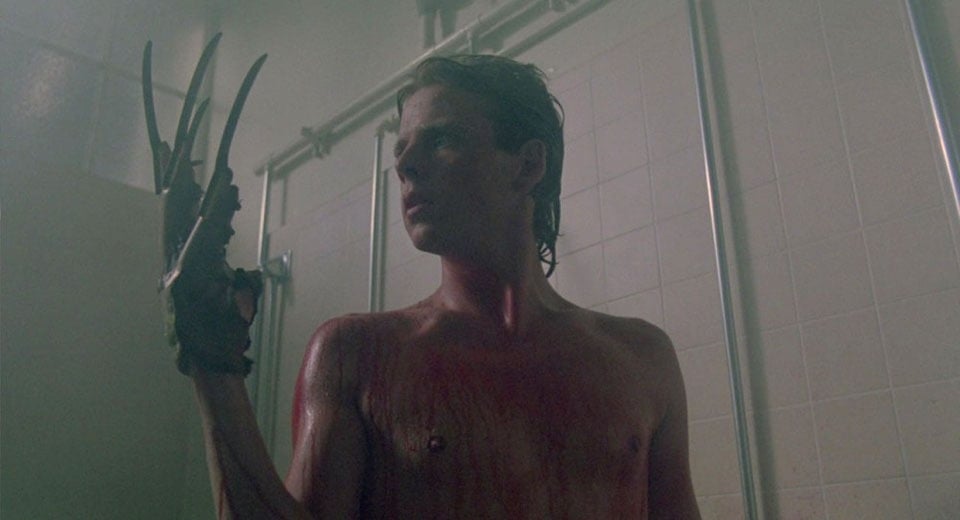
The subtext here comes through so strongly that it can hardly even be considered subtext, but back in 1985, plenty of straight audiences still missed it. There’s a role-reversal in the film’s basic premise, which puts Jesse (Mark Patton) in the position that would be taken up by the “final girl” in most slasher films of the era. Freddy toys with Jesse, at one point caressing his lips with those finger blades; Jesse flees from danger and his girlfriend in equal distress, and nearly always half-clothed. He runs into his gym teacher in a leather bar, and that same jerk later gets bare-ass spanked to death in a locker room. As a metaphor for the torments of being a closeted teen, you could do a lot worse. You can rent Freddy’s Revenge from Prime Video.
Fright Night (1985)
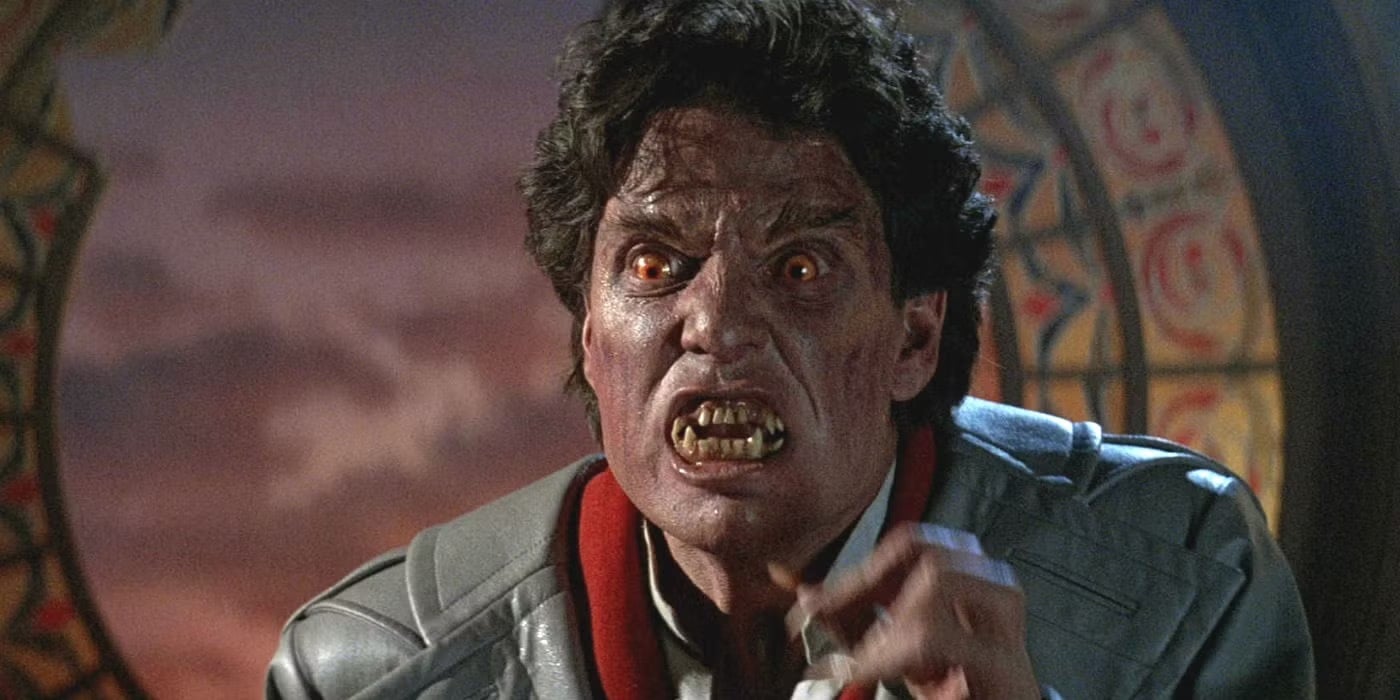
When Chris Sarandon and Jonathan Stark move in next door, it’s the usual formula: “I did hear he’s got a live-in carpenter. With my luck, he’s probably gay,” says the main character’s mom. It’s usually “friends” or “roommates,” so “live-in carpenter” is an innovation, but it’s not hard to see what’s really going on. The two turn out to be vampire and familiar, but they share an easy rapport and a genuine concern for each other—a picture of a healthy, supportive relationship, even if they are evil vampires. You can rent Fright Night from Prime Video.
Top Gun (1986)
Coming out in the military in 1986 would have seen one dishonorably discharged, which is surely why Top Gun takes a time out, every so often, to reinforce the fact that Tom Cruise really, really likes kissing Kelly McGillis—even though the movie’s central relationship, and heat, is found between Cruise’s Maverick and Val Kilmer’s Iceman. The rest of the movie? Frequently shirtless, often sweaty (well, oiled) Navy boys do things like play volleyball to Kenny Loggins’ “Playing with the Boys,” with sample dialogue including lines like: “I want somebody’s butt! I want it now!” and “I’d like to bust your butt, but I can’t!” Late director Tony Scott copped to using books of gay beefcake photography as his primary reference for how to photograph the movie’s man meat—which probably explains the proliferation of slightly porny mustaches. You can stream Top Gun on Paramount+ and Prime Video.
The Lost Boys (1987)
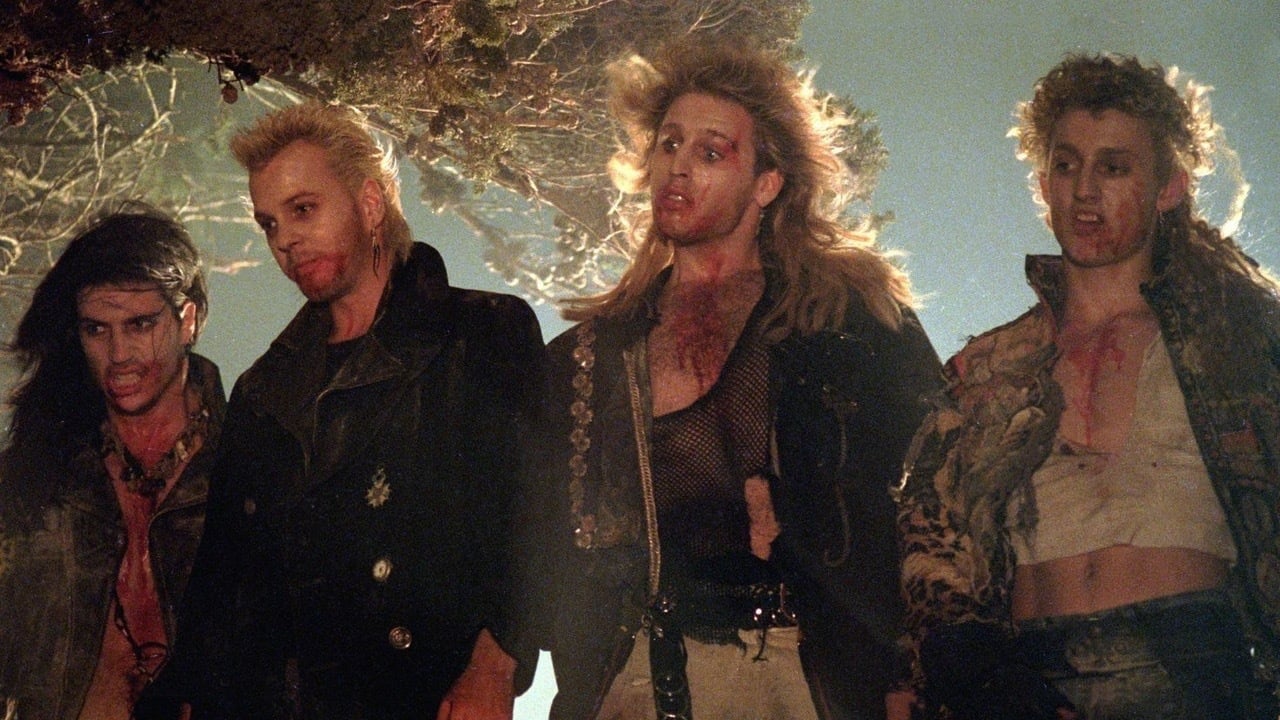
There’s a lot going on here, and I’m not sure how much of it was intentional (out director Joel Schumacher, later of Batman & Robin, wasn’t known for subtlety). Leather-clad bad boys who want nothing more than to suck (the blood) of slightly more straight-laced teenagers, with a climax that turns on vampiric seduction; a poster of a sweaty Rob Lowe placed prominently in Corey Haim’s room without explanation; that oiled and gyrating sax man, who almost singlehandedly queers the entire film. It’s not straight, I’ll tell you that. You can rent The Lost Boys from Prime Video.
Red Heat (1988)
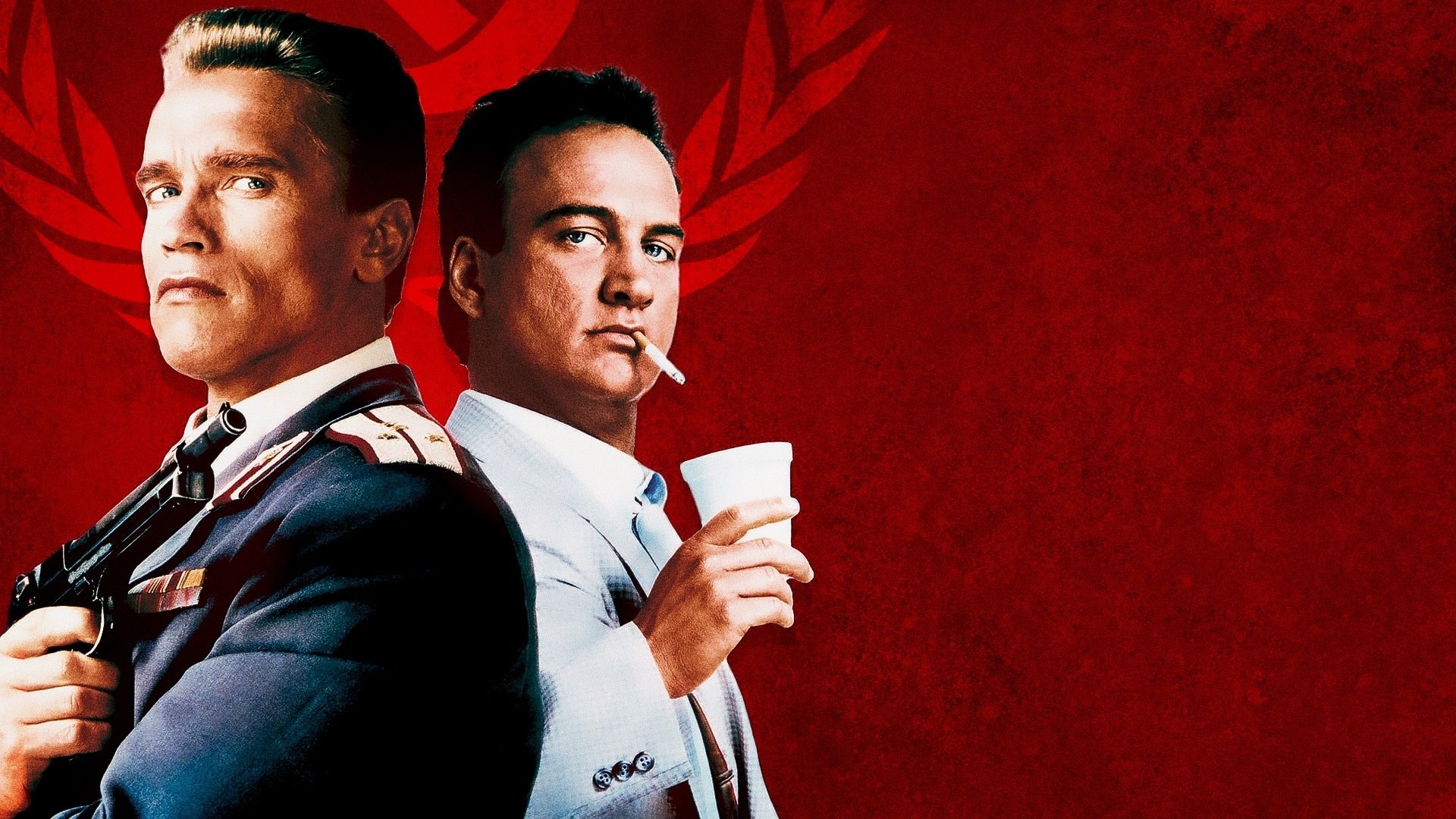
Writer/director Walter Hiller described Red Heat as a “love story” between devoted cops played by Arnold Schwarzenegger and Jim Belushi, and though I’m not sure he meant it literally, you wouldn’t have to alter much of the screenplay to make their relationship explicit. This one serves as a stand-in for a lot of hyper-violent, hyper-masculine movies of the 1980s (many of them featuring Schwarzenegger): full of the kind of sweaty man-on-man action that you’d expect, with an entire opening sequence that takes place at a bath house. It’s co-ed, but the male characters are overwhelmingly the focus, fighting in coverings that could barely be described as loincloths. You can rent Red Heat from Prime Video.
Scream (1996)
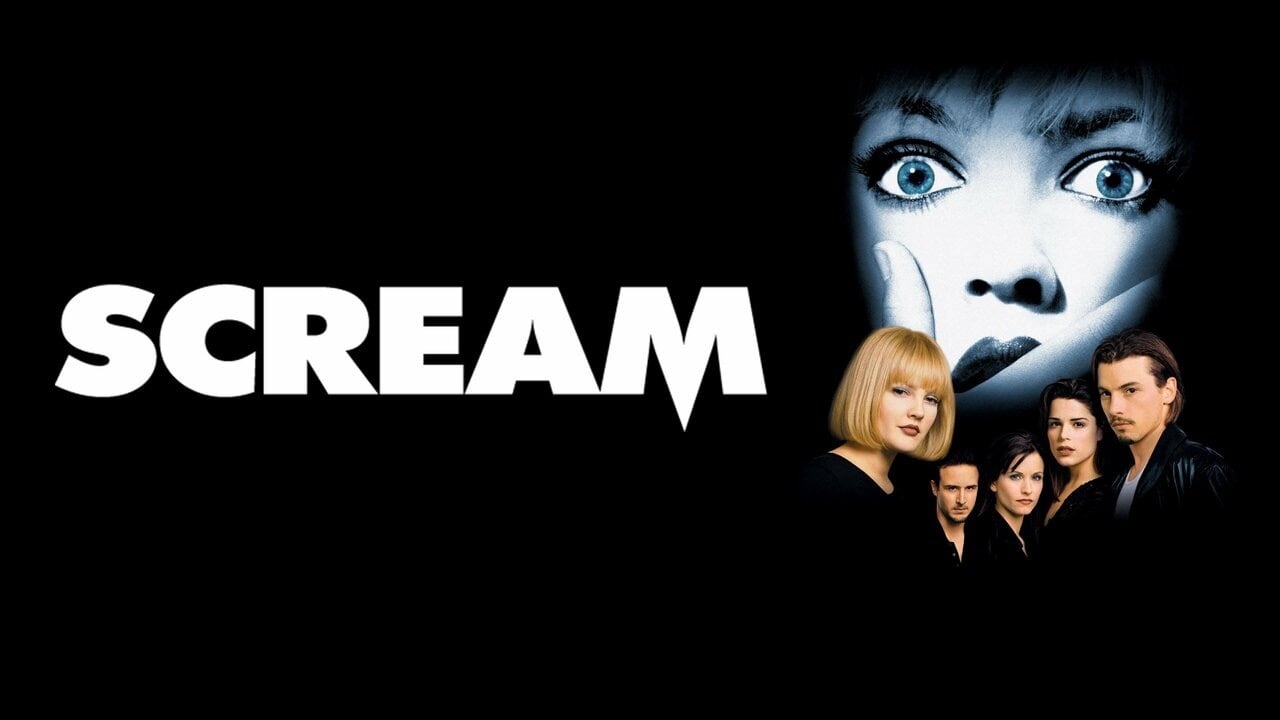
As with Hitchcock’s Rope, Scream screenwriter Kevin Williamson was inspired, in part, by murderous couple Leopold and Loeb when he created the movies-and-murder-obsessed duo of Billy Loomis (Skeet Ulrich) and Stu Macher (Matthew Lillard). Even before he spoke about it explicitly in interviews, however, queer fans got it; at the very least, Stu is obviously way into Billy. You can stream Scream on Max or rent it from Prime Video.
Batman & Robin (1997)
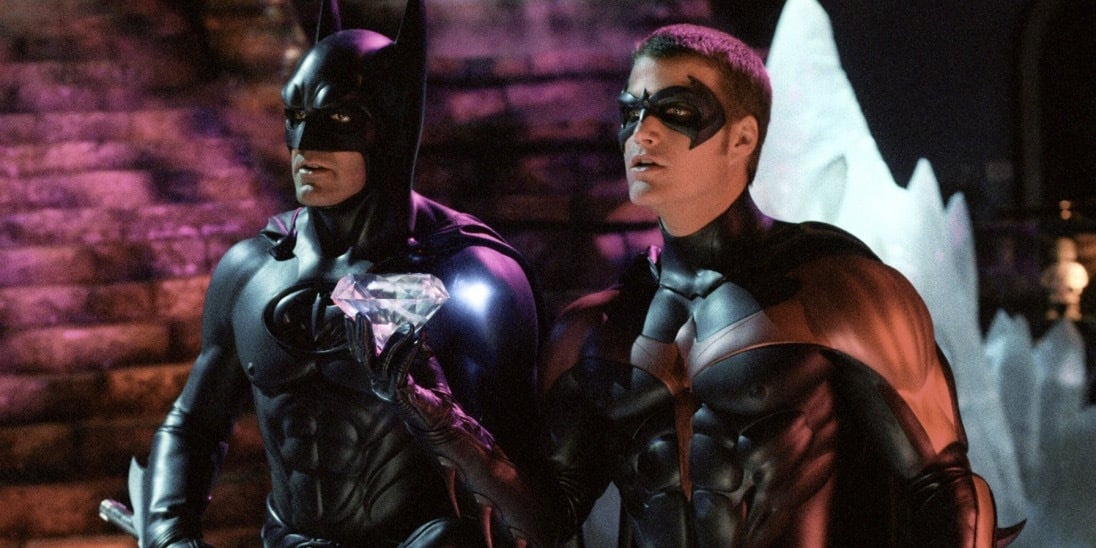
Start with the generally camp sensibilities of gay director Joel Schumacher (who once claimed to have had sex with tens of thousands of men during his life; not that queer cred is a function of mathematics…but damn), and throw in a batsuit with pronounced nipples, a massive codpiece, and deeper-than-strictly-necessary ass cleavage, and you’ve got a recipe for the gayest superhero epic ever. And that’s all before George Clooney’s Batman adopts a nearly grown man only nine years his junior. You can stream Batman & Robin on Max or rent it from Prime Video.
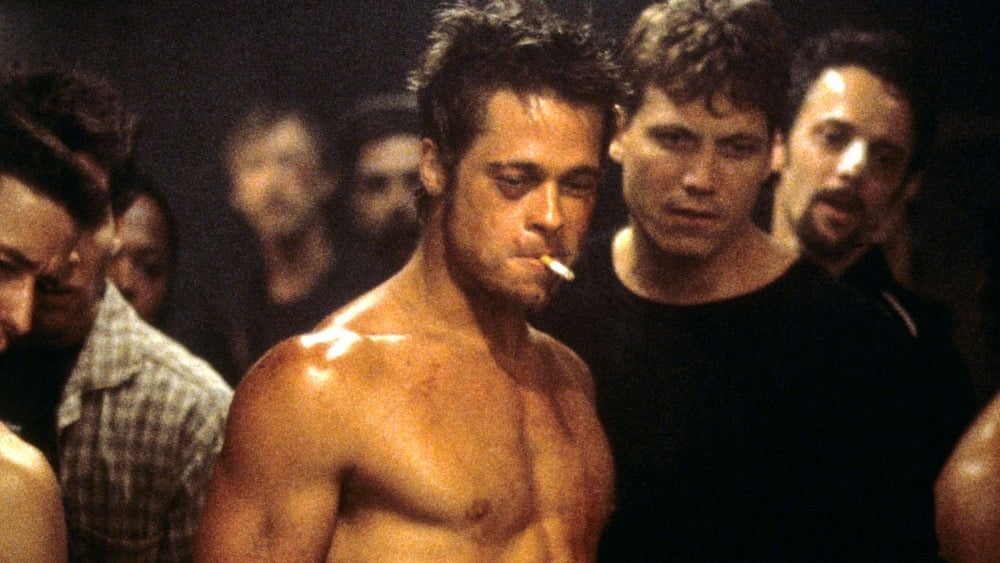
Fight Club (1999)
There’s a point at which hyper-masculinity starts to look an awful lot like homoeroticism, and you have to wonder how many sweaty, shirtless men you can literally toss together in a space that excludes women entirely before it starts to look like a gay club. Oh, and let’s make sure not to mention anything that goes on here to our wives, girlfriends, or co-workers. You can stream Fight Club on Hulu and Max or rent it from Prime Video.
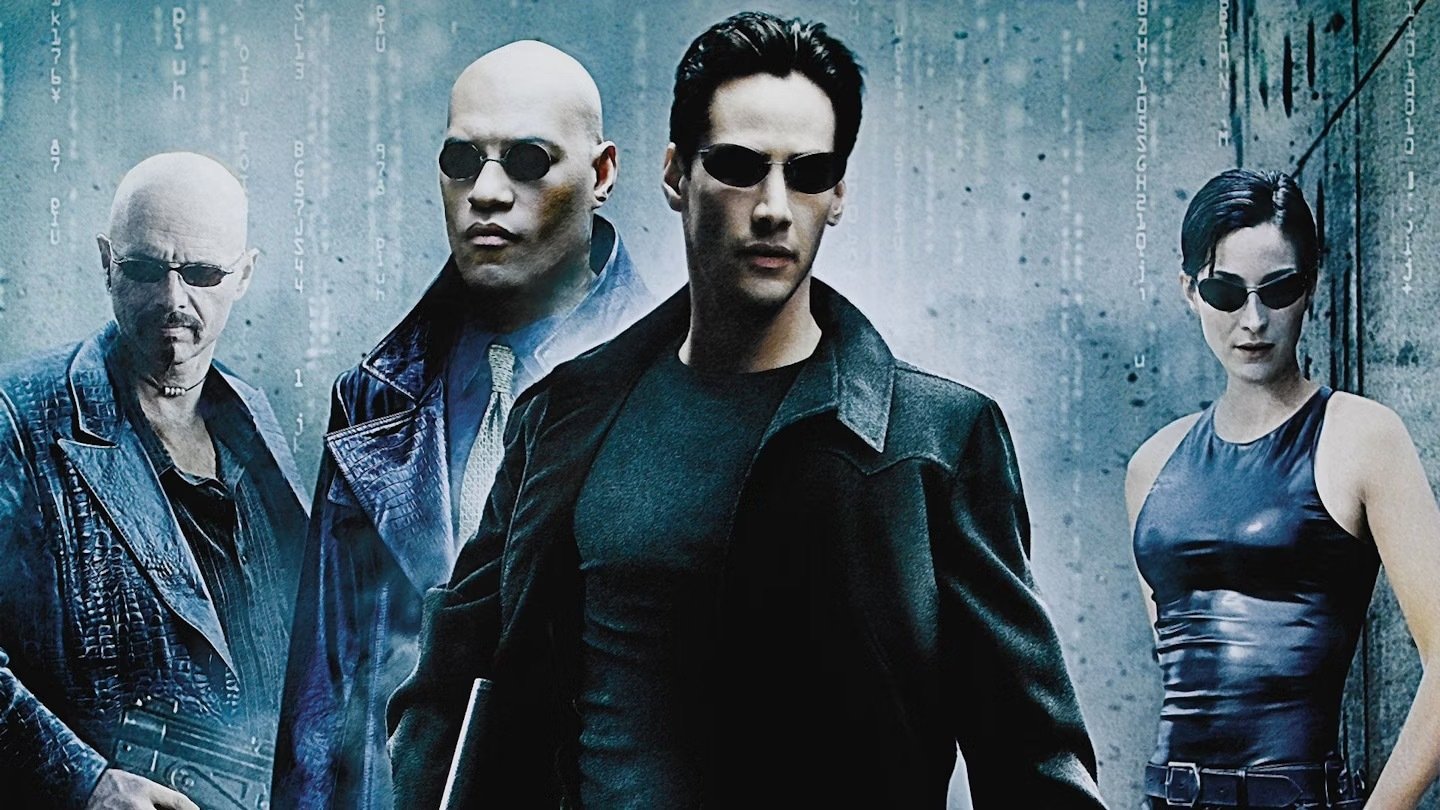
The Matrix (1999)
Beloved by cinema kids and dudebros alike, The Matrix broke ground back in 1999 for its blend of trippy philosophizing and fast-paced (and sometimes veeeery slow-paced) action, but there was something else going on under the surface, with themes speaking to the experience of trans people who saw in its fable of transformation from an artificial outward image (life in the Matrix) to one that’s truly authentic (awakenening in the real world) as a mirror for the challenges of gender dysphoria. Its story of breaking free from societal constraints has inspired thoughtful analysis and appealed to some of the worst people imaginable (when Elon Musk and Ivanka Trump invoked the film’s “red pill” imagery, co-director Lilly Wachowski famously responded with a hearty “Fuck both of you”). Sometimes queer themes emerge from art without much conscious thought on the parts of the creators, but Lily Wachowski has been clear that the trans allegory was always part of this very dense soup. You can stream The Matrix on MGM+ and Peacock or rent it from Prime Video.
Bend It Like Beckham (2002)
Rumor has long held that, as originally conceived, football teammates Jess (Parminder Nagra) and Jules (Keira Knightley) were intended to end up together in a romantic sense, but that changes were made in deference to more conservative American and Indian audiences. Even without that, though, the chemistry between the two star players is palpable, and the moments of hand-holding and even kissing allow for more romantic readings of this above-average entry in the underdogs-win-at-sports genre. You can stream Bend It Like Beckham on Disney+ and Hulu or rent it from Prime Video.
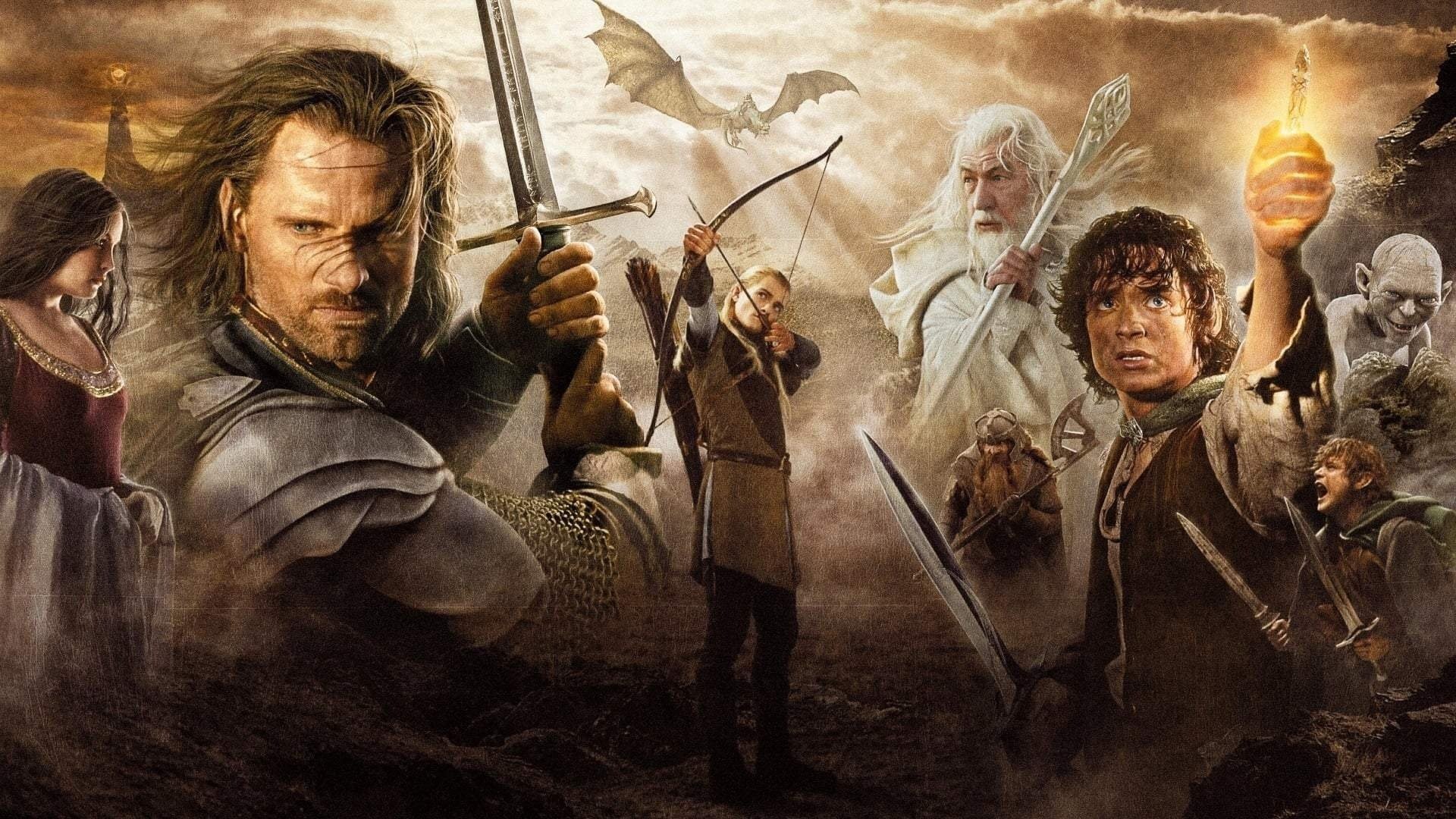
Lord of the Rings: The Return of the King (2003)
If the characters of Sam and Frodo were of different genders, it would be almost impossible not to view their relationship through a romantic lens. Even if we dodge queer readings, though, it’s certainly the case that their story (as in the novels) is a model of male intimacy rare enough in film as to be almost nonexistent. The trilogy is full of male relationships that are almost shockingly supportive and healthy—Sam and Frodo hold hands, cuddle, and literally carry each other at various points. The wise old drag-queen-as-mentor is an age-old trope of explicitly gay movies, and, though his wardrobe is limited, Ian McKellen’s Gandalf, with his luxuriant hair and mid-trilogy glow-up, fits the role flawlessly. You can stream Return of the King on Max and Prime Video.
2 Fast 2 Furious (2003)
I’m cautious about reading queer themes into any given male-male bromance—men can just be friends (or so I’m told), and there aren’t exactly a ton of great cultural models for healthy male intimacy. But then something like 2 Fast 2 Furious zooms along, with its two leads displaying such sweaty, sassy chemistry alongside Eva Mendes’ Agent Monica Fuentes (she refers to them as “girlies”) that the whole thing plays like a bisexual fever dream. Paul Walker is Brian O’Conner, returning from the first movie as a disgraced LAPD officer tasked with teaming up with his old friend (or more than friend?) Roman Pearce (Tyrese Gibson). The two spend the entire movie bickering, wrestling, and putting each other in ostensibly no-homo headlocks while Brian struggles with his attraction to Agent Fuentes, knowing that it will hurt Roman. A key moment comes when Brian does that stare-and-drive flirt thing that we see in car movies; he drives at top speed while never taking his eyes off of Monica. When it’s all done, Roman cattily pronounces: “he got that from me.” You can rent 2 Fast 2 Furious from Prime Video.
300 (2006)
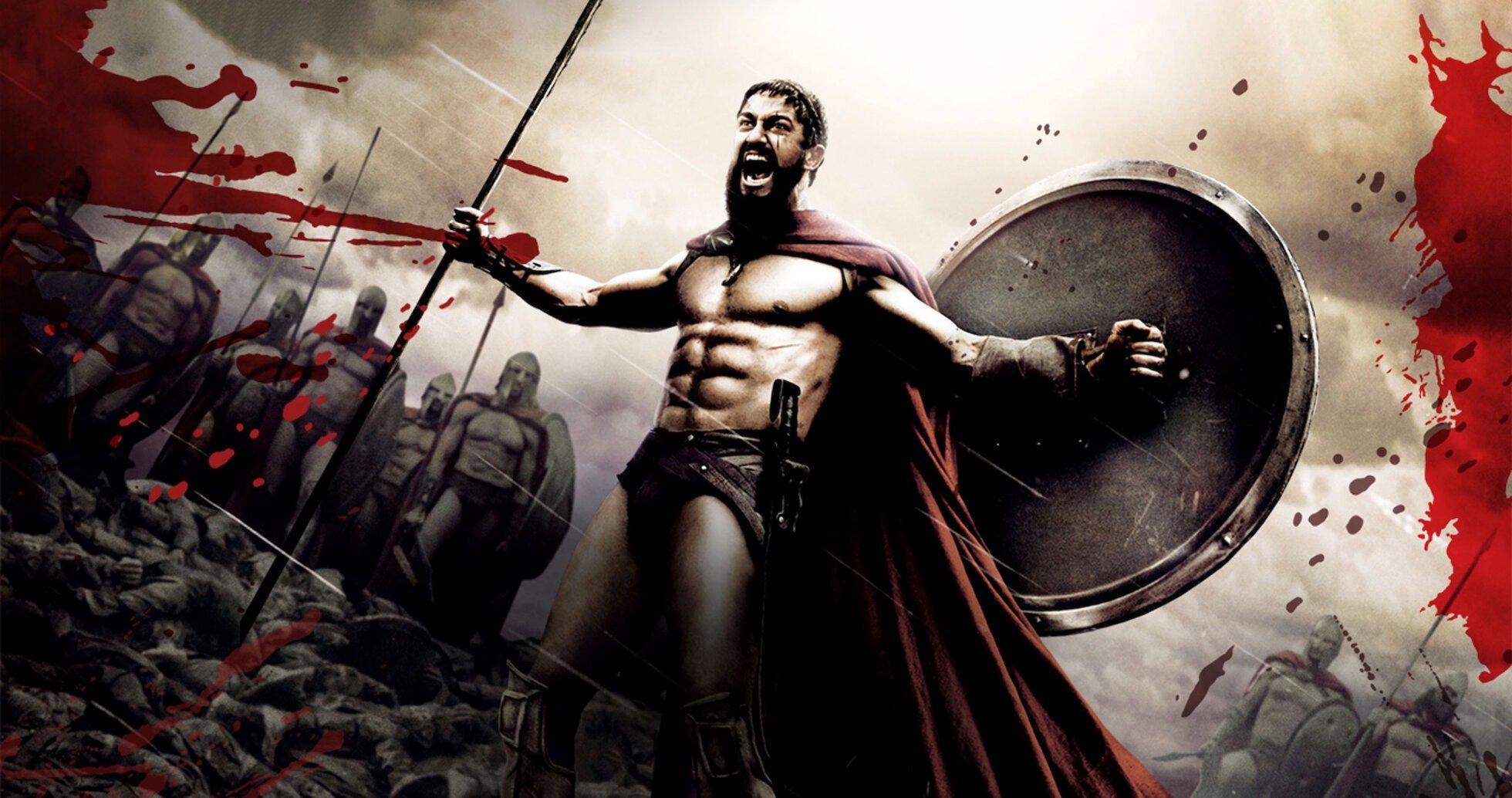
300 practically screams “no homo!” whenever Leonidas or some other nearly naked character talks about the general hardness of the Spartans, but Zack Snyder’s comic book-based breakthrough is also literally every fetish party I’ve ever been to. There’s nothing new in the queer-coding of the heavily made-up and bejeweled Persians (the orientalist stereotypes about easterners and their decadent, feminine ways wouldn’t surprise the ancient Greeks), but that feels like a movie missing its own point, while also wildly overestimating the heterosexuality of the ancient Spartans. You can stream 300 on MGM+ or rent it from Prime Video.
The Covenant (2006)
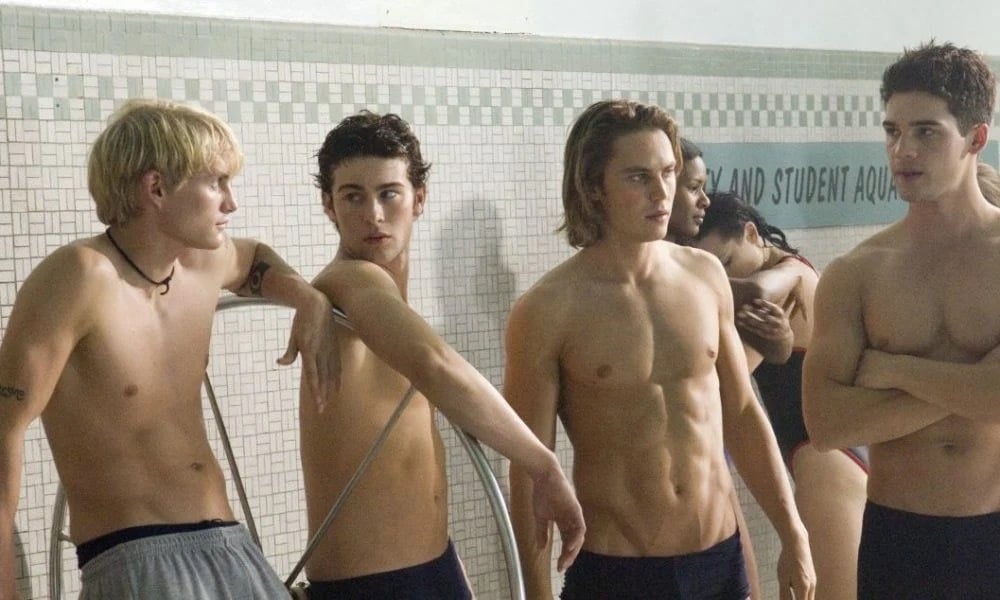
The story of four young men (oddly old for high schoolers) who are descended from witches and have to fight some kind of evil or something…the plot doesn’t really matter, and the movie’s not very good. But it is an unintentional cult classic, one in which a series of soon-to-be-famous guys do a Craft-lite, but with more locker room scenes. A movie doesn’t have to be good to subvert the typical male gaze of the genre; it’s nice to see the camera leering at the men for once. You can stream The Covenant on Prime Video.
Frozen (2013)
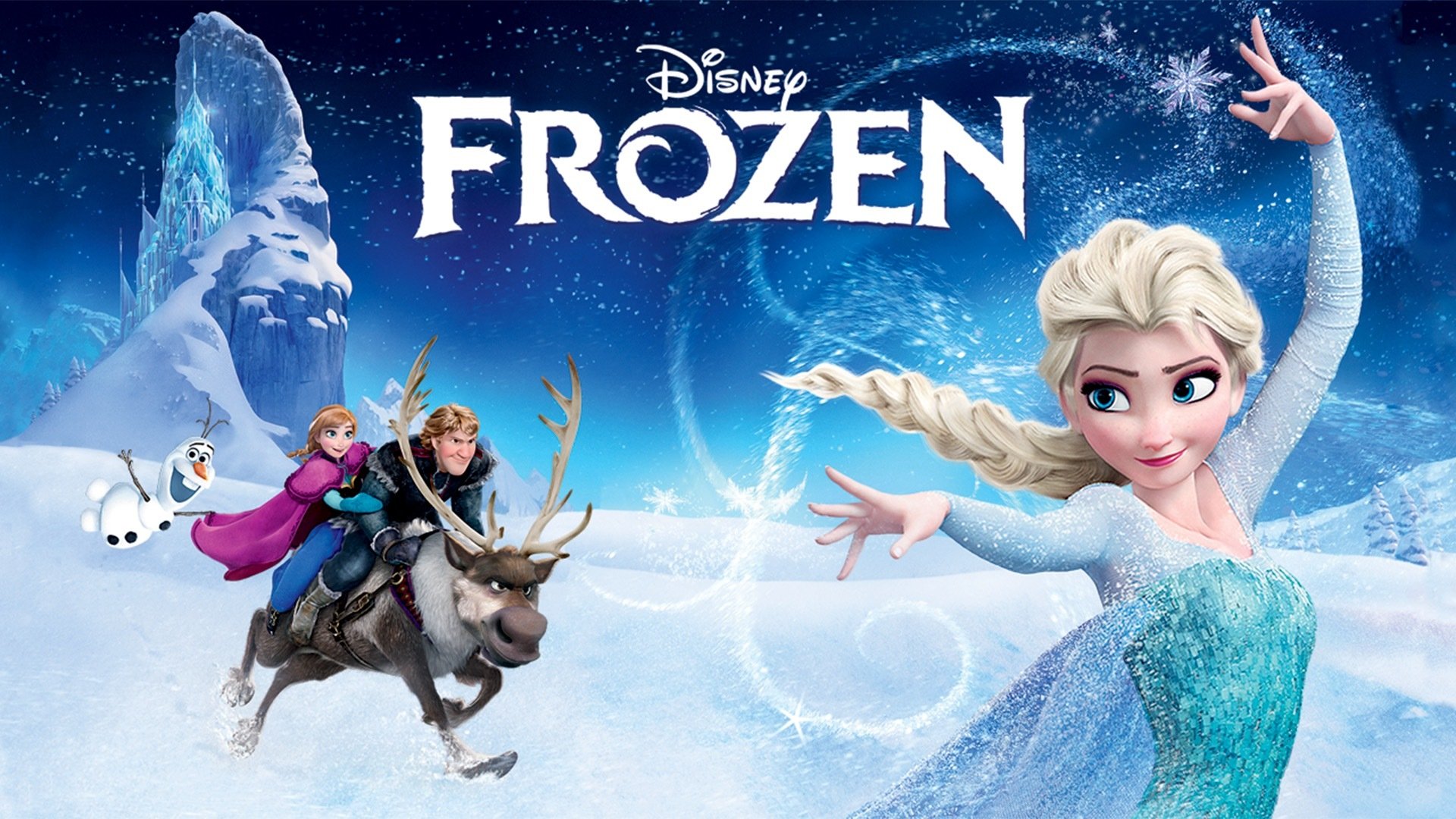
Let it go, Elsa. It’s partly that Elsa is hiding a secret about which she’s terrified that people will discover, and the subsequently joyous sense of liberation that she experiences when she finally does own her power. That all speaks to queer people, but there’s also the fact that there’s no love interest for Elsa in Frozen, when the story of pretty much every other Disney princess has been centered around getting a boyfriend. Frozen 2 left the question of Elsa’s romantic interests open, which feels like a teeny-tiny step forward for a company that’s notoriously desperate not to offend its straight audience. Plus, that climax where she races across the sea on her magic horse is super gay. You can stream Frozen on Disney+ or rent it from Prime Video.
The Babadook (2014)
The Babadook became a gay icon quite by accident. Though there had been a bit of social media discourse on the topic previously, it all exploded when Netflix lumped the movie into its LGBTQ category for no particular reason. Queer readings were suddenly validated—and fairly, I think. Though on the surface, The Babadook represents grief and the dangers of trying to sweep trauma under the rug, he works every bit as well as a metaphor for closeting. With flawlessly goth style, he torments a mother and young son who try to ignore him and pretend he isn’t real. The more mom tries to shove him back into the metaphorical closet, the more horror he inflicts. It’s only through acceptance that their small family has any hope at all of moving forward. You can stream The Babadook on AMC+, Kanopy, Shudder, Mubi, and Pluto TV or rent it from Prime Video.
Star Wars: The Force Awakens (2015)
Fans felt a great disturbance in the Force around the release of The Force Awakens in 2015, but the millions of voices that were set to applaud the acknowledgement that gay people might exist in Star Wars were slowly, agonizingly silenced. The chemistry between then-new characters Poe Dameron (Oscar Isaac) and Finn (John Boyega) seemed to go well beyond friendship, and the movie (and it’s direct sequel, The Last Jedi) left open the possibility that there might be more. Alas, the final film in the trilogy introduced heterosexual love interests for both the men, despite both actors strongly suggesting that they would have preferred to play a romantic relationship; given that The Rise of Skywalker almost entirely wrote out Kelly Marie Tran’s Rose following “fan” resistance to the franchise’s first woman of color and targeted harassment of the actress, the sudden appearance of girlfriends for Poe and Finn feels…very convenient. Bones thrown to the very worst type of SW fan. Still, if one ignores that last movie (not the worst idea), it’s still possible to see the seeds of what might have been a groundbreaking moment for the franchise. You can stream The Force Awakens on Disney+ and Starz or rent it from Prime Video.
Venom (2018)
Tom Hardy broods his way through Venom, the story of a couple of “roommates” who happen to share a body. Possessed by an alien symbiote, Eddie Brock bickers incessantly with his newfound partner before the two start to learn to appreciate, and maybe even love each other. Just a couple of bros out to fight crime? Maybe, but the chemistry is real, and, when Venom takes over the body of Eddie’s girlfriend Annie (Michelle Williams) in the final act, it’s unclear who exactly is kissing who. Real throuple energy there. You can stream Venom on Disney+ or rent it from Prime Video.
RRR (2022)
You’ll never convince me that the story of two men who meet-cute during an impromptu coordinated bridge rescue and then proceed to spend every waking minute together except for the ones they spend agonizing over the secrets that might tear them apart is not an action-packed rom-com. These guys love three things: taking off their shirts, fighting colonialism with tigers, and each other. You can stream RRR on Netflix.