5 of the best cycling headphones deals on Amazon right now

Riding your bike while listening to music can be an amazing feeling, as long as you stay safe.

The subject of whether it’s safe to cycle with headphones continues to divide the crowd. However, for those who are in favour, there’s a range of options designed to enable you to enjoy your favourite music while maintaining awareness of approaching cars and other hazards.

There are a few different types of headphones, with those featuring an open-ear or bone-conduction design most likely to keep you alert to your surroundings.

Alternatively, some in-ear buds use built-in microphones and transparency modes to help you pick up traffic noise, but many people believe this is a less safe option.

We have trawled through Amazon to find the best deals on cycling headphones, so if you’re in the market, take a look below.

Shokz OpenFit 2 – £199 £169 (save 15%)
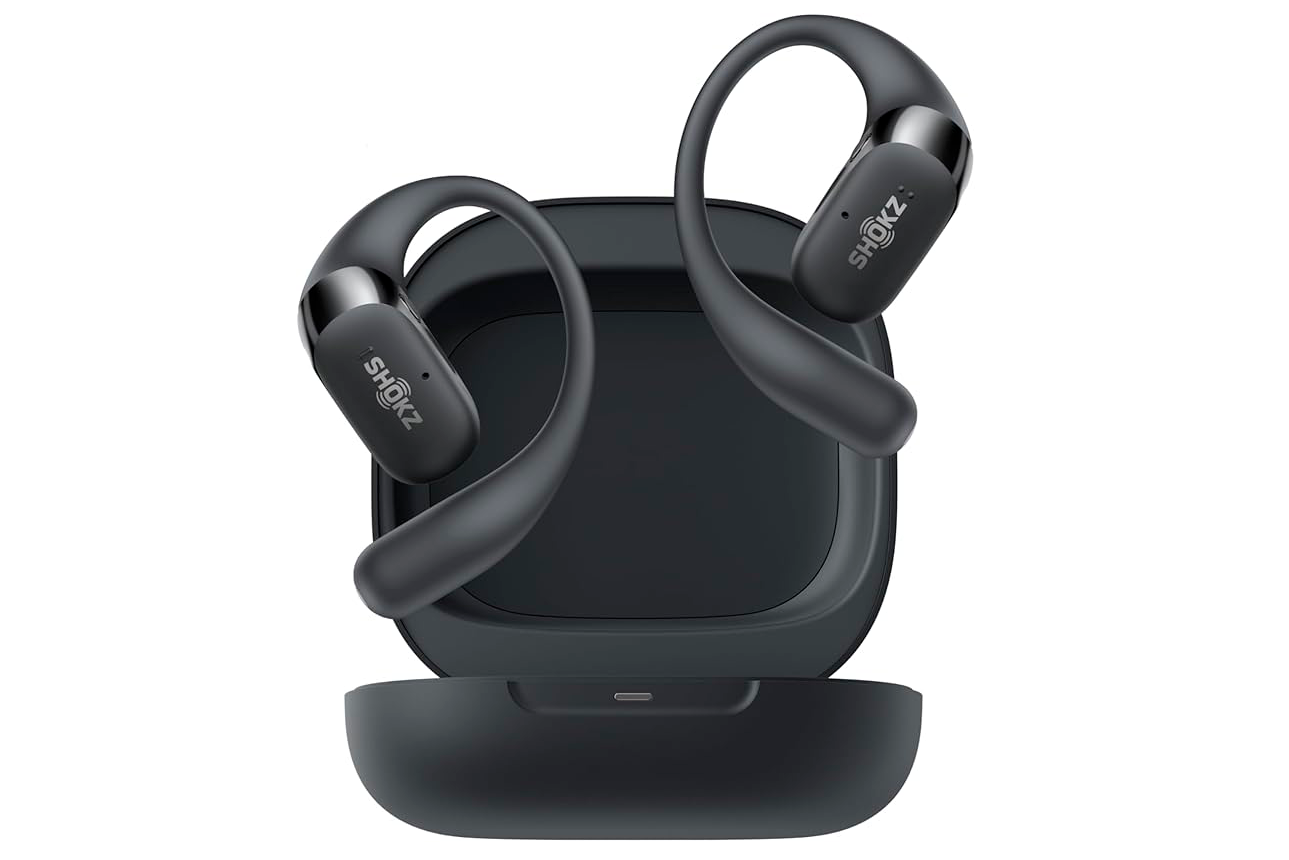
SHOKZ OpenFit 2
The OpenFit 2 buds come in a pocket-sized case that keeps them charged. Amazon

The OpenFit 2 earbuds are great for cycling and running thanks to the open-ear design that keeps your ear canal open, enabling you to better hear ambient noise.

We’ve tested the original OpenFits, and were impressed by the detailed sound quality and comfort thanks to the sleek hooks that fit around the top of your ears, keeping the buds securely in place.

These new headphones enjoy up to 11 hours on a single charge and up to 48 hours with the charging case.

There’s a 15 per cent saving on the OpenFit 2 now, bringing their price down from £199 to £169.

Google Pixel Buds Pro 2 – £219 £194 (save 11%)

Google Pixel Buds Pro 2
We were impressed by the Pixel Buds Pro 2 when we tested them. Scott Windsor / Our Media

Google’s Pixel Buds Pro 2 buds are smaller, lighter and have a better sound than their predecessors.

When we tested them, we loved their immersive, powerful hi-fi performance, while the fit was reassuringly solid.

The RRP was on the high side, but this discount sees them sneak inside the £200 mark. If you’re an Android user on the lookout for in-ear buds, now could be the time.

Soundcore Sport X20 – £89.99 £69.98 (save 22%) $79.99 $60.79 (save 24%)

Soundcore Sport X20
The Sport X20 buds could be a good fit for those on a budget. Amazon

The Sport X20 earbuds from Soundcore feature noise cancellation, and rotatable and extendable ear hooks for a secure fit.

Made by Anker, the headphones are said to be IP68 waterproof-rated, as well as dustproof, so they should deal with the worst your ride has to offer.

Already looking like good value, the Sport X20 buds now have a saving of 22% on their £89.99 RRP, bringing them down to £68.98.

If you’re looking for an inexpensive pair of wireless headphones, these could be the ones.

Beats Powerbeats Pro – £269.95 £147 (save 46%) $249.95 $154.99 (save 38%)
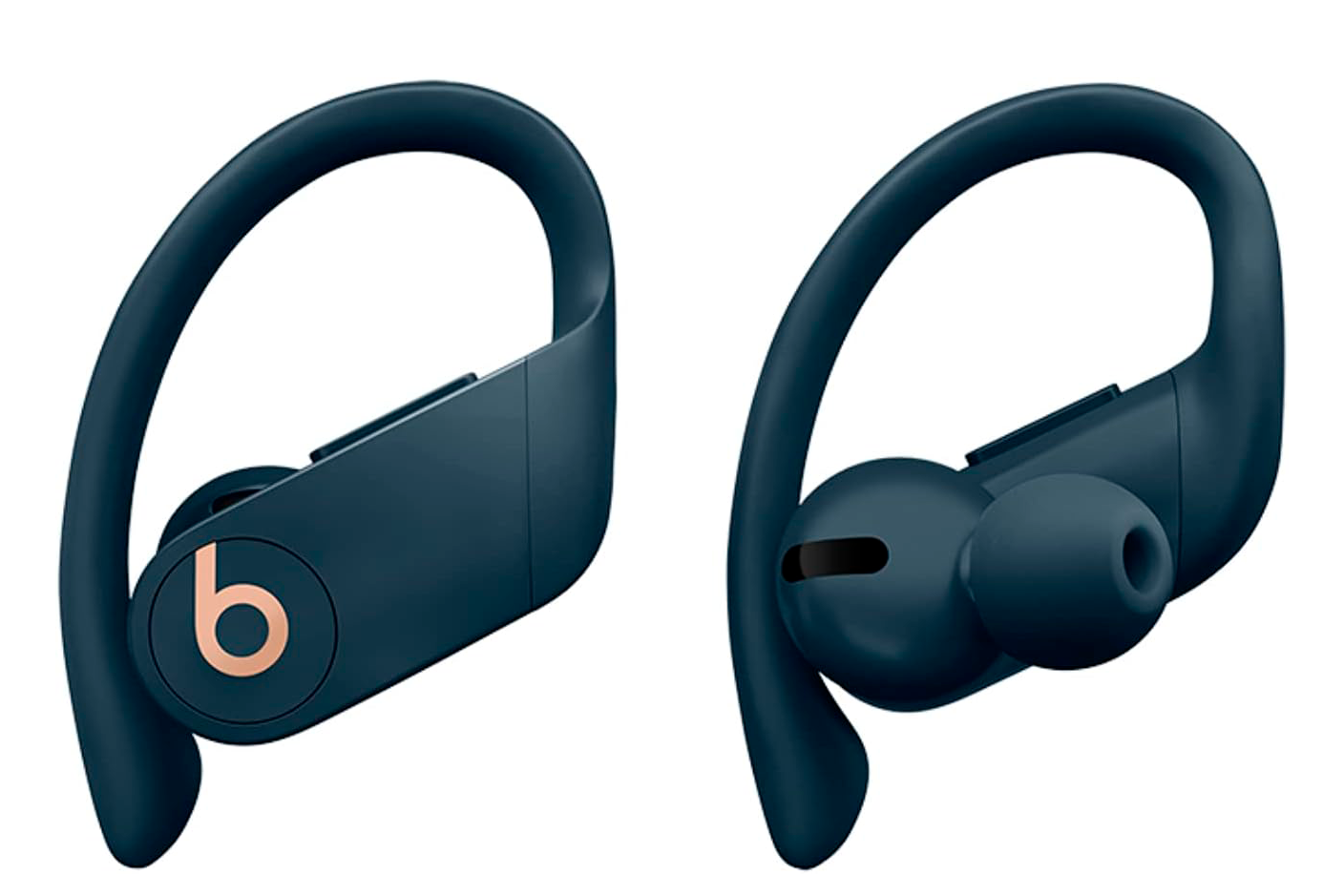
Beats Powerbeats Pro
Beats benefits from being part of the Apple family. Amazon

The Powerbeats Pro buds may have been surpassed by the latest Powerbeats Pro 2, but they still offer a range of up-to-date features.

Beats says the headphones have up to nine hours of listening time, or more than 24 hours with the charging case.

Thanks to using the H1 chip, the headphones benefit from the Apple ecosystem connectivity, meaning they will connect to your iPhone similarly to AirPods.

Adjustable earhooks should keep the headphones in place, and multiple eartips should make for a secure fit.

Bose Ultra Open – £299.95 £249 (save 17%)
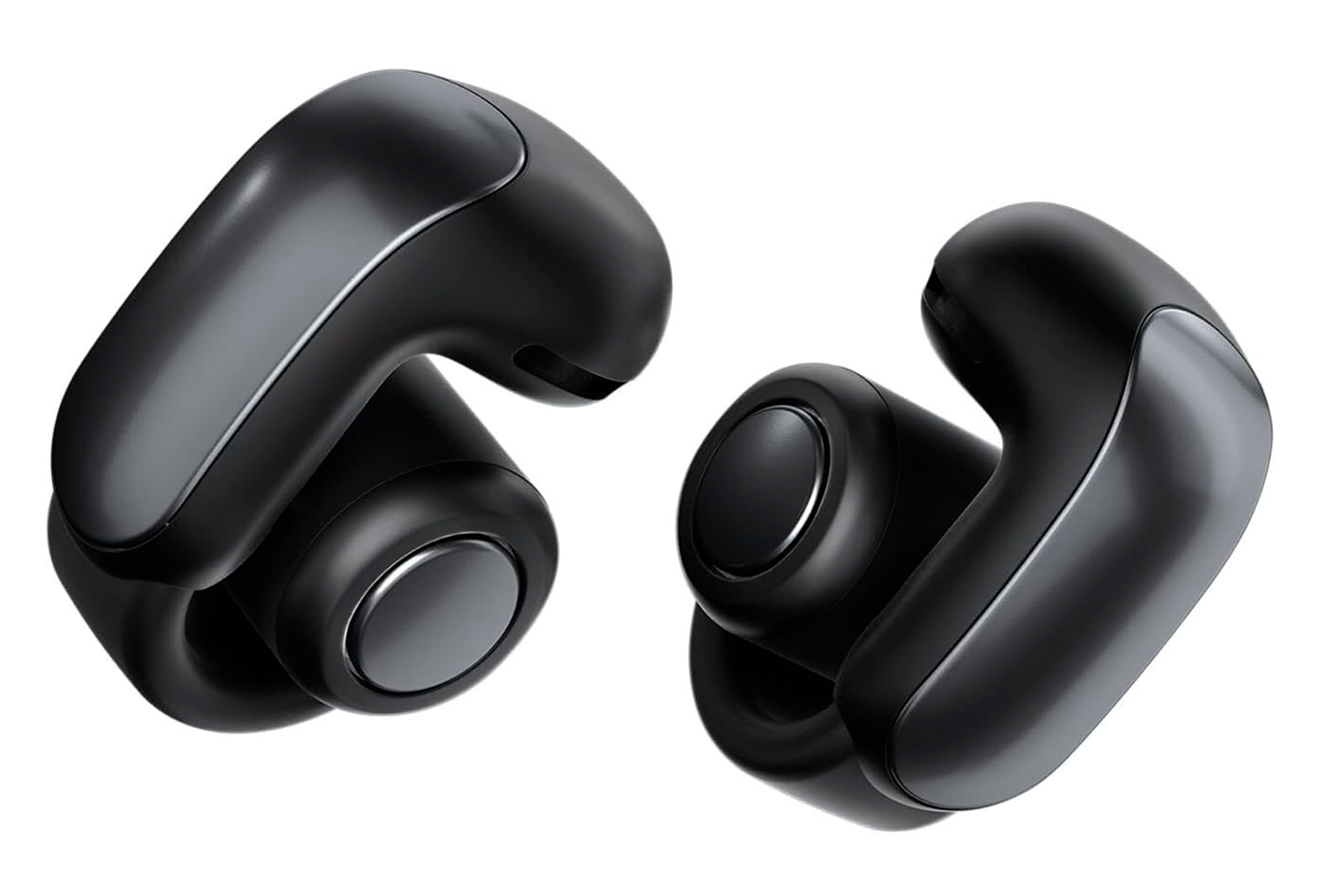
Bose Ultra Open
The Ultra Open buds feature a new type of ear fitting. Amazon

These headphones from Bose feature an open-ear design that enables you to listen to your surroundings by attaching to your ears with a cuff-like fit.

Their futuristic design sees the headphone clip to your outer ear.

Bose says the headphones deliver 7 hours of listening from a single charge and are IPX4-rated for water resistance.

If you’re looking for an unobtrusive listening experience, these could be for you.

This Ring Floodlight Camera Is at Its Lowest Price Right Now

We may earn a commission from links on this page. Deal pricing and availability subject to change after time of publication.

If you’re looking to beef up your home security, the Ring Floodlight Cam Wired Plus is currently down to $119.99 on Amazon, the lowest price it’s hit according to price trackers.

This is a hardwired unit, so you’ll need to factor in a bit of installation effort (or call in a professional), but once it’s up and running, it feels like a solid, set-it-and-forget-it kind of system.

The image quality holds up OK (sharp enough to recognize faces and details within a few meters) with its 1080p resolution, especially during the day. At night, the two 2,000-lumen floodlights really help it punch above its weight in visibility, illuminating a wide 270-degree area if positioned right. When motion is picked up, you’ll immediately receive a phone alert. From there, you can view a live feed, speak to whomever’s at the door, or hit the built-in 105dB siren if things feel sketchy. You can also customize motion detection zones through the app to avoid constant alerts from things like passing cars or neighborhood dogs. The two-way audio is clear enough for short conversations, though there’s reportedly a bit of lag due to wifi or mobile network delays.

Alexa users will especially appreciate the integration—it lets you call up live feeds on an Echo Show or get motion alerts through voice announcements. That said, the big thing to know is that while the camera works out of the box, recorded footage is only available if you subscribe to a Ring Home plan. That’s $4.99/month for one device, which gives you 180 days of video history, person alerts, and more. If you plan on expanding to multiple Ring devices, the $9.99 or $19.99/month tiers might be worth it. That’s a recurring cost you’ll want to factor in. If you’re the type who only wants live viewing and real-time alerts without saving video, this might not matter. But if you ever need to review a package theft or suspicious activity, you’ll want that cloud history.

Apple’s CarPlay Ultra finally arrives, but it’s exclusive to Aston Martins right now

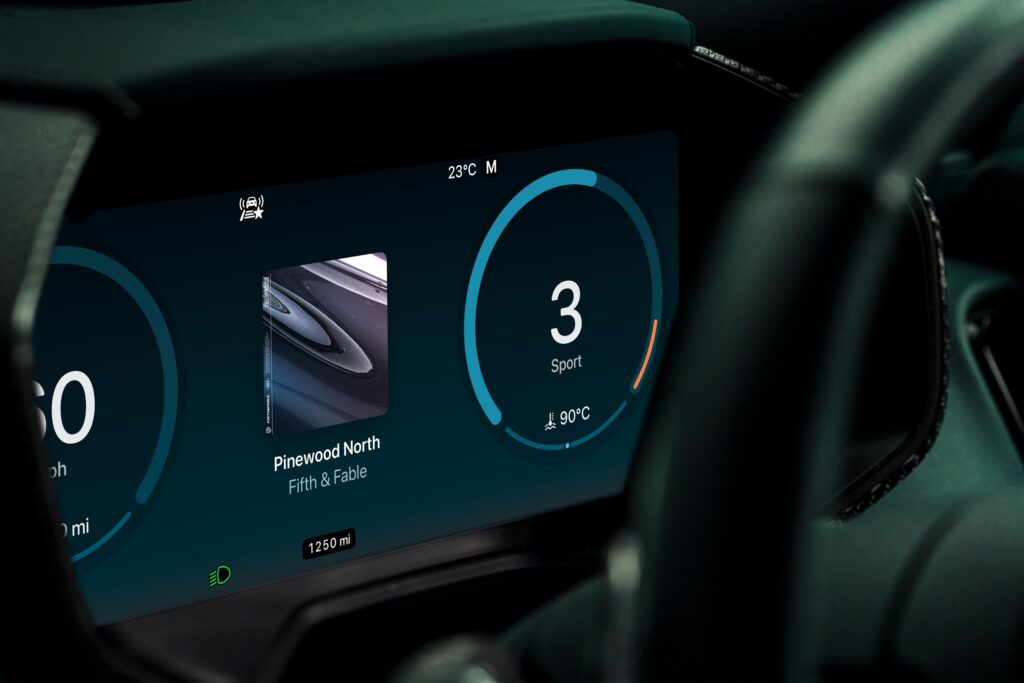
The next generation of Apple’s CarPlay interface is finally here, available exclusively for Aston Martin drivers in the US and Canada initially. Over the next few weeks, existing Aston Martin vehicles equipped with the automaker’s latest infotainment system will be able to access CarPlay Ultra through a software update, while anyone ordering a new Aston Martin from today will have it pre-installed. You’ll also need an iPhone 12 or newer model running iOS 18.5 or later to take advantage of the new features.

CarPlay Ultra (before it had a name) was first teased at WWDC nearly three years ago, and later previewed by both Porsche and Aston Martin, showing off how the new CarPlay could connect with every display in a vehicle, as opposed to just the central infotainment screen. That deeper iPhone-ification of your vehicle is at the heart of CarPlay Ultra, effectively letting you swap the factory-installed instrument cluster displays with a distinctly Apple UI, complete with customizable widgets and real-time information from apps installed on your iPhone.

CarPlay Ultra (2)
Apple

Apple says its own software seamlessly integrates with the car while “reflecting the automaker’s look and feel.” You can have Google Maps and Apple Music running alongside vehicle-specific information like driver assistance and tire pressure, all tied together with custom themes that Apple has worked on with Aston Martin’s own design team. As with your iPhone, you can personalize the experience with your own choice of colors and wallpapers.

CarPlay Ultra (3)
Apple

You can opt for onscreen controls, physical buttons, or Siri for basic tasks like adjusting radio volume and temperature management, as well as more advanced features like configuring your audio system or performance settings. Apple does not specify how CarPlay Ultra will work at launch with the latest version of Siri, which integrates with ChatGPT, but it says the same privacy measures that it uses on your iPhone apply to CarPlay Ultra.

Beyond its initial rollout in the US and Canada, Apple says CarPlay Ultra will expand to include vehicles worldwide in the next year.

This article originally appeared on Engadget at https://www.engadget.com/transportation/apples-carplay-ultra-finally-arrives-but-its-exclusive-to-aston-martins-right-now-132516946.html?src=rss

The Smurfs – Flower Defense Now Arriving Next Month

The Smurfs – Flower Defense, a VR and mixed reality tower defense game based on the iconic series, has been delayed.

Previously targeting a May release window, publisher Microids and studio Kalank Games revealed that The Smurfs – Flower Defense is now arriving on June 19, 2025. This new adventure sees Gargamel ruining the Nature Fairy Leaf’s planned celebrations and capturing 20 Smurfs, and you’re tasked with rescuing them once more. Here’s the new trailer.

0:00

/1:36

Based on the famous Belgian comic series by Peyo, this adaptation promises a combination of action, strategy, and storytelling. Defending this world involves building towers and activating mechanisms to stop incoming threats, and you can swap between four established characters: Smurfette, Storm, Brainy and Jokey. This contains three boss battles against Gargamel, Azrael and the Howlibird, while a ‘Hard Mode’ is also available.

While the press release and the YouTube trailer’s description states the game is arriving “exclusively” on Quest 3 – and by extension, Quest 3S – the store page also lists Quest 2 as a supported headset. When asked for clarification, Microids informed UploadVR that both headsets are supported “but for the full mixed reality experience, we recommend playing it on Quest 3.”

The Smurfs – Flower Defense arrives on June 19 for $19.99 on the Meta Quest platform.

Apple Vision Pro A Year Later: Hits, Misses & What The Future Holds

Apple Vision Pro A Year Later: Hits, Misses & What The Future Holds
Apple’s Vision Pro headset has had an interesting trajectory since its launch, and not necessarily for the better. As someone who owned it early, it was certainly an intriguing experience. First, let me give it credit where credit is due. The way that it presents its interpretation of the world to the user has some truly magnificent moments.

The EPA is rolling back Biden-era clean water rules

The US Environmental Protection Agency (EPA) has revealed that it’s making some big changes to the first nationwide drinking water standard set by the Biden administration. Last year, the agency had finalized the standard, which aims to regulate the presence of “forever chemicals” called perfluoroalkyl and polyfluoroalkyl substances (PFAS) in drinking water across the country. There are thousands of different types of PFAS, but the rules specifically set limits for five: PFOA, PFOS, PFNA, PFHxS, and HFPO-DA. Now, the agency has revealed that it was only going to keep the Biden-era nationwide limits for PFOA and PFOS.

Exposure to forever chemicals has been linked to a variety of health issues, including cancer, liver damage and asthma. Under the rules set by the US government last year, the maximum levels of PFOA and PFOS in drinking water should be 4 parts per trillion only. PFNA, PFHxS and HFPO-DA (also known as GenX chemicals) were supposed to have a max limit of 10 parts per trillion. However, the agency is rescinding the regulations for those last three chemicals. To be fair, PFOA and PFOS are the two most common types of PFAS. The agency said that its “actions are designed to reduce the burden on drinking water systems and the cost of water bills” while still “continuing to protect public health.”

In addition to rescinding the limits for three out of the five forever chemicals, the EPA said it also intends to extend water utilities’ compliance deadline from 2029 to 2031 in order to give them more time to develop a plan that would allow them to meet the standard. This extension “will support water systems across the country, including small systems in rural communities, as they work to address these contaminants,” said EPA Administrator Zeldin.

This article originally appeared on Engadget at https://www.engadget.com/science/the-epa-is-rolling-back-biden-era-clean-water-rules-130029921.html?src=rss

Motorola Razr and Razr Ultra (2025) review: Cool as hell, but too much AI

For phone nerds who’ve been around the block a few times, the original Motorola Razr is undeniably iconic. The era of foldables has allowed Motorola to resurrect the Razr in an appropriately flexible form, and after a few generations of refinement, the 2025 Razrs are spectacular pieces of hardware. They look great, they’re fun to use, and they just about disappear in your pocket.

The new Razrs also have enormous foldable OLEDs, along with external displays that are just large enough to be useful. Moto has upped its design game, offering various Pantone shades with interesting materials and textures to make the phones more distinctive, but Motorola’s take on mobile AI could use some work, as could its long-term support policy. Still, these might be the coolest phones you can get right now.

An elegant tactile experience

Many phone buyers couldn’t care less about how a phone’s body looks or feels—they’ll just slap it in a case and never look at it again. Foldables tend not to fit as well in cases, so the physical design of the Razrs is important. The good news is that Motorola has refined the foldable formula with an updated hinge and some very interesting material choices.

Read full article

Comments

How to Choose Between a Juicer and a Blender

We may earn a commission from links on this page.

Kitchen appliances seem to gain more and more functionality each year, and with that, the lines can blur. Two appliances that might seem similar and equally capable (some look nearly identical) are the juicer and blender, but they’re actually quite different. Before you start shopping, consider the differences between these machines. It’s pretty likely that one will serve you better than the other.

How does a juicer work?

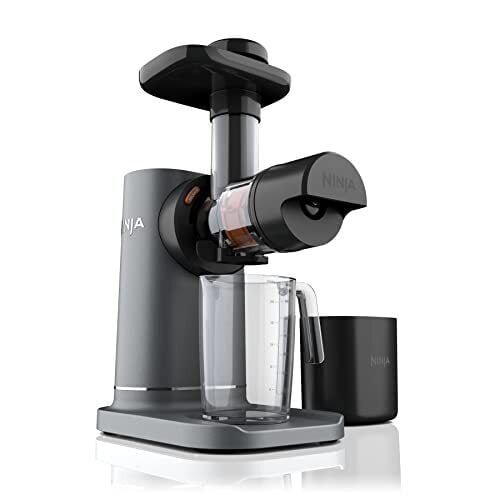
A juicer, as its name implies, is specifically and exclusively for producing juice from whatever you cram inside. Typically, that means fruits and vegetables. Some juicers are simple handheld machines without the need of a motor, but I’m referring to the electric variety. 

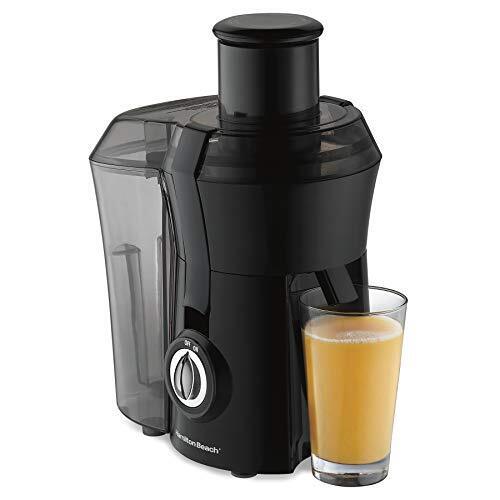
Most models have a similar setup: a tank on top where you load the food, a base that is equally as large as (if not larger than) the top where the controls and engine are located, a spout for the juice to come out, and a container or spout where the fruit and vegetable fiber collects.  

Beyond that, there are two types of juicer you should know about: the masticating juicer and the centrifugal juicer. 

Masticating juicers

“Masticate” is a posh way to say “chew.” (It makes me think of Michael Caine analyzing Sandra Bullock eating a steak in Miss Congeniality.) Chewing is exactly what a masticating juicer does. Produce is loaded into the tank, and a mechanism, usually an auger (a spiral ramp for smashing) slowly grinds the plants into a fibrous pulp against a sieve. The juice and some small bits of fiber are pressed through the screen, and the rest of the plant gets left behind for you to discard later. 

Masticating juicers can also be called “slow juicers” or “cold press juicers” because they take longer to do their work than the centrifugal juicers do. The slow speed ensures your juice never heats up against the mechanism. (Heat can damage vitamin and mineral potency in your juice.) The high-powered pressing produces a juice with some fibrous bits in it and is more likely to result in a thicker, foamier drink that doesn’t separate. For these reason, cold juicing is often preferable and touted for holding onto more nutrients. 

Additionally, masticating juicers are quiet due to their slow and steady mechanism. Before you head off to the store or click “check out,” note that all of these benefits come with a heavy price tag. Masticating juicers are expensive. I’ve never seen one retailing for under $100, and they’re often several hundred bucks.

Centrifugal juicers

A centrifugal juicer produces juice by slicing at high speeds. I can see this variety being the easiest to confuse with a blender. Instead of grinding and pressing, the produce is chopped into tiny bits against a spinning dial. The circular motion shoots the particles and juice against a conical-shaped screen. The free-flying juice goes out the spout and the fiber is retained in a separate container. 

The high speed cutting of this type of juicer produces heat, and for juice fanatics this can be a deal-breaker. Active enzymes in fresh juice can begin to break down when heated. However, enzymes don’t begin to break down under 104°F. Though it’s within the realm of possibility, I would be surprised if the juice could stay at that temperature for long enough to largely reduce the benefits. If you’re worried about it, maybe use fridge-cold produce to keep the temperature lower. 

Centrifugal juicers are louder than masticating juicers, and the type of juice is prone to separation overnight, but their affordable price range might be worth it. (Also, shaking separated juice to redistribute the solids isn’t hard to do.) You can find centrifugal juicers ranging from $49 and up.

How does a blender differ from a juicer?

A blender with walnuts in the container in a kitchen.

Credit: Allie Chanthorn Reinmann

Blenders might look similar to juicers—a loading tank on top and a large base with buttons—but they’re not the same. While juicers juice, you guessed it, blenders blend. The purpose of a blender is to combine all of the ingredients that go in to create a homogeneous consistency. That might be creating a thick paste like peanut butter, emulsifying mayonnaise, blending a chunky pico de gallo, meal prepping baby food, or whipping up a fruit smoothie.

Blenders are versatile

Not only do blenders chop up produce, but they’ll work with almost anything as long as the blades can catch it. Simply load the food into the container, and press the button for your desired blending speed. There is a small, central, rotating blade at the bottom of the tall container that will finely chop the food items you tossed inside. The powerful motor allows for a range of blade speeds, usually from low to high. Depending on how powerful the motor is, you can put whole fruits in some blenders and it’ll take them down to smooth liquids. 

A bowl of potato soup next to a blender container.
A bowl of potato soup I made using my blender.
Credit: Allie Chanthorn Reinmann

However, that’s where the similarities end with blenders and juicers. There is no screen to separate the juice from the fiber. Everything that goes into the tank comes out as one homogeneous consistency. 

Blenders aren’t cheap either. You can find cheap ones, but I’ve always found there’s a huge quality jump between ones under $65 and those starting around $99. This usually reflects the motor’s power, but presets, and other bells and whistles can come into play with more expensive models. If you’re blending soft foods, you can get away with a less powerful, cheaper machine. If you’re frequently taking fibrous things down to a smooth paste or liquid then you’ll need more power, and that comes with a higher price tag.

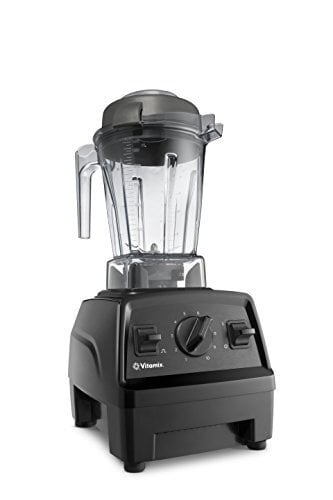
I’ve been most impressed with the Vitamix Ascent X5. This machine has totally knocked my socks off. I’ve made silky peanut butter and smoothies where you can’t find a shred of spinach intact—but it retails for $750. Read here for the full review.

For a more reasonable price, I suggest the E310 model which is still expensive, but nearly half the price of the Ascent X5 and offers almost the same blending power. Another reputable blender in an even cheaper price bracket is the Breville Fresh and Furious blender which retails for $199.95.

Which one is best for you?

Now that I’ve pulled back the curtain on how juicers and blenders serve different purposes, choosing the right machine should be easy. 

Juicers are specialists and they’re good at their job. If you’re in need of juices on a regular basis, then you need a juicer. Whether it’s a masticating or centrifugal juicer, it’s up to your preference and how much you’re willing to spend. Consider the noise of the machine, your budget, and if you like a thin or slightly thicker juice consistency.

I consider blenders to be more of a kitchen tool than specialty equipment. If you enjoy fruit smoothies, hot blended soups, or you make blender-crêpes every Saturday, then you’ll love a high-powered blender. Regardless of which one fits your lifestyle best, after a week with your new appliance, you won’t know how you lived without it.

ChatGPT Diminishes Idea Diversity in Brainstorming, Study Finds

A new study published in Nature Human Behaviour reveals that ChatGPT diminishes the diversity of ideas generated during brainstorming sessions. Researchers from the University of Pennsylvania’s Wharton School found [PDF] that while generative AI tools may enhance individual creativity, they simultaneously reduce the collective diversity of novel content.

The investigation responds to previous research that examined ChatGPT’s impact on creativity. Their findings align with separate research published in Science Advances suggesting AI-generated content tends toward homogeneity. This phenomenon mirrors what researchers call the “fourth grade slump in creativity,” referencing earlier studies on how structured approaches can limit innovative thinking.


Read more of this story at Slashdot.

Did A Steam Data Breach Compromise 89 Million Accounts? Valve Responds

Did A Steam Data Breach Compromise 89 Million Accounts? Valve Responds
Valve has responded to reports of a major data breach in which Underdark.ai, a cyber threat intelligent service, highlighted a dark web forum post by a hacker claiming to be in possession of 89 million Steam user records. According to Valve, which has been pretty good at keeping on top of security, there is nothing for Steam users to be worried

Apple’s new CarPlay Ultra is ready, but only in Aston Martins for now

It’s a few years later than we were promised, but an advanced new version of Apple CarPlay is finally here. CarPlay is Apple’s way of casting a phone’s video and audio to a car’s infotainment system, but with CarPlay Ultra it gets a big upgrade. Now, in addition to displaying compatible iPhone apps on the car’s center infotainment screen, CarPlay Ultra will also take over the main instrument panel in front of the driver, replacing the OEM-designed dials like the speedometer and tachometer with a number of different Apple designs instead.

“iPhone users love CarPlay and it has changed the way people interact with their vehicles. With CarPlay Ultra, together with automakers we are reimagining the in-car experience and making it even more unified and consistent,” said Bob Borchers, vice president of worldwide marketing at Apple.

Aston Martin main instrument display running CarPlay Ultra
Apple has designed various dashboard themes for Aston Martin.


Credit:

Aston Martin

Aston Martin main instrument display running CarPlay Ultra
Some are less information-dense than others.


Credit:

Aston Martin

However, to misquote William Gibson, CarPlay Ultra is unevenly distributed. In fact, if you want it today, you’re going to have to head over to the nearest Aston Martin dealership. Because to begin with, it’s only rolling out in North America with Aston Martin, inside the DBX SUV, as well as the DB12, Vantage, and Vanquish sports cars. It’s standard on all new orders, the automaker says, and will be available as a dealer-performed update for existing Aston Martins with the company’s in-house 10.25-inch infotainment system in the coming weeks.

Read full article

Comments

The LA Olympics optimistically names an official ‘Air Taxi Partner’

Archer has been selected as the official air taxi provider for the 2028 LA Olympic and Paralympic Games. If everything falls into place (a very big “if”), the company’s Midnight eVTOL aircraft will transport VIPs, fans and stakeholders to and from key venues, while also providing support for emergency services and security, Archer wrote in a press release. 

Archer is one of the more serious players in the fledgling air taxi arena, being one of just two companies along with Joby Aviation to receive the FAA’s final airworthiness criteria (but not final certification) for its Midnight aircraft. It just unveiled routes for a potential service in New York City, and previously announced proposed air taxi networks in San Francisco, Los Angeles and Chicago.

The fact that Archer had already announced plans for an LA hub probably helped its cause. Its proposed network already included key LA28 venues including the Stadium in Inglewood and the Los Angeles Memorial Coliseum, along with the LA International Airport, Hollywood, Orange County and Santa Monica. 

Midnight is a piloted electric air taxi designed to carry up to four passengers while producing less noise and fewer emissions than a regular helicopter. With 12 tilting rotors plus a wing and tail, it takes off like a helicopter then transitions to an airplane-like cruise mode, with the rear rotors continuing to provide some lift. It features “redundant, fault-tolerant systems” that Archer hopes will allow it to gain FAA certification with the same safety level as commercial airliners. 

It’s also received backing from major aviation players including Fiat Chrysler and United Airlines, plus fixed base operators (FBOs) like Signature Aviation and Atlantic Aviation. With all that, the company is possibly the best-positioned among all air taxi players to receive its FAA “type certificate” to carry passengers. However, getting that approval for an all-new aircraft is already difficult and expensive, let alone one that’s in an entirely new category. 

This article originally appeared on Engadget at https://www.engadget.com/transportation/the-la-olympics-optimistically-names-an-official-air-taxi-partner-123048252.html?src=rss

Spies hack high-value mail servers using an exploit from yesteryear

Threat actors, likely supported by the Russian government, hacked multiple high-value mail servers around the world by exploiting XSS vulnerabilities, a class of bug that was among the most commonly exploited in decades past.

XSS is short for cross-site scripting. Vulnerabilities result from programming errors found in webserver software that, when exploited, allow attackers to execute malicious code in the browsers of people visiting an affected website. XSS first got attention in 2005, with the creation of the Samy Worm, which knocked MySpace out of commission when it added more than one million MySpace friends to a user named Samy. XSS exploits abounded for the next decade and have gradually fizzled more recently, although this class of attacks continues now.

Just add JavaScript

On Thursday, security firm ESET reported that Sednit, a Kremlin-backed hacking group also tracked as APT28, Fancy Bear, Forest Blizzard, and Sofacy—gained access to high-value email accounts by exploiting XSS vulnerabilities in mail server software from four different makers. Those packages are: Roundcube, MDaemon, Horde, and Zimbra.

Read full article

Comments

IBM and Dell AI – Two Solid Tech Giants, Two Very Different Paths

Both Dell Technologies and IBM are typically seen as solid, consistent performers in the technology sector. Dell benefits from the rare advantage of having its original founder, Michael Dell, still leading the company. That continuity in vision and leadership has allowed Dell to maintain a sense of cohesion as it has grown. In contrast, IBM has spent decades trying to rediscover its identity after the passing of its founding visionaries. While IBM laid the groundwork for modern computing, it never fully recovered from its 1980s/90s upheaval that still affects its brand perception today.

Over the past decade, however, Dell has grown into a company nearly as sprawling and complex as IBM once was in its heyday. Through a combination of bold acquisitions—such as the EMC deal in 2016—and a focus on scale and infrastructure, Dell has transformed itself into a broad-based tech conglomerate. That alone is a credit to the company and its leadership. But as the industry pivots hard toward AI, the divergence in strategy between Dell and IBM becomes increasingly clear—and increasingly consequential.

IBM Led Early in AI, While Dell Slept

IBM made its move into artificial intelligence (AI) at roughly the same time NVIDIA began its transformation into an AI juggernaut. With the launch of IBM Watson in 2011 and its high-profile performance on Jeopardy!, the company signaled its intent to lead in this new frontier. While Watson didn’t quite live up to the initial hype in healthcare, it laid the groundwork for IBM’s modern AI strategy.

Dell, by contrast, remained largely on the sidelines until this decade. Despite Michael Dell predicting AI and robotics as the future back in 2014, the company never truly acted on that vision. It wasn’t until the AI gold rush of the 2020s that Dell started making serious noise. Since then, the company has thrown significant marketing muscle behind AI—promoting everything from AI-ready infrastructure to hybrid AI solutions—but critics argue it lacks substance beneath the flash.

Dell’s approach in recent years feels manic—technology thrown at the wall to see what sticks, accompanied by shiny marketing campaigns and aggressive sales pushes. But while Dell talks up AI, it often seems more focused on closing deals than shaping a thoughtful, long-term AI strategy. Ironically, that’s the very same criticism once leveled at IBM before its own decline.

Ethics, Trust and Human-Centric AI: IBM’s Strategic Edge

Where IBM shines today is in its thoughtful and deliberate approach to artificial intelligence. The company has positioned itself as a global leader in ethical AI, investing in frameworks and tools that prioritize transparency, fairness and trust. Its AI Governance toolkit and policy contributions stand out in an industry often more interested in speed than responsibility.

Rather than focusing solely on replacing human labor, IBM has consistently aimed to augment human productivity. Its AI solutions are designed to help employees make better decisions, reduce repetitive tasks and increase value—without eliminating the human element. This stands in stark contrast to many other tech companies whose automation initiatives tend to focus on labor displacement.

IBM’s partnership with major corporations to integrate AI into enterprise workflows, and its emphasis on explainable AI, have earned it quiet but deep respect in government and regulated sectors. The company may not always lead in flash or headlines, but it consistently delivers tools that organizations can trust. In the age of AI disruption, trust is currency.

Dell Must Learn from IBM’s Cautionary Tale

The irony is hard to ignore: over a decade ago, Dell publicly championed AI and robotics as the next great transformation in technology. But when the moment arrived, Dell had little to show for it. Now, as it scrambles to catch up, there’s a concerning resemblance to IBM’s pre-decline era—an over-reliance on deals, marketing and short-term metrics.

If Dell wants to remain a long-term player in the AI space, it must start focusing less on selling and more on building. That means investing in trustworthy AI, transparency frameworks and meaningful partnerships. It also means resisting the temptation to treat AI as just another sales tool and instead fostering an ecosystem where AI actually delivers sustained business value.

To its credit, Dell has a history of learning from its peers. The EMC acquisition showed that Dell could evolve by absorbing the best from others. IBM, despite its struggles, has shown how to lead in AI ethically and responsibly. If Dell can absorb some of that philosophy—and combine it with its scale and execution capability—it could become a more trusted and effective AI supplier.

Wrapping Up

In the evolving AI landscape, Dell and IBM offer a compelling study in contrast. IBM, humbled by its past and focused on rebuilding trust, has quietly become a leader in ethical and practical AI. Dell, confident and aggressive, is racing to catch up—armed with marketing campaigns but still searching for a core AI identity.

The road ahead will demand more than hype. It will require trust, transparency and long-term vision. IBM seems to understand that already. Dell would be wise to learn from IBM’s journey—not just its mistakes, but its quiet reinvention in the age of artificial intelligence.

When You Need Different Shoes for Different Types of Runs (and When One Pair Is Fine)

We may earn a commission from links on this page.

As a marathon runner, I’ve always taken a minimalist (read: cheap) approach to my gear. But when it comes to properly investing in—and maybe even splurging on—running gear, nothing is more important than your shoes. According to Jessica Lyons-Quirk, director of footwear merchandising at Road Runner Sports, wearing proper footwear is crucial for staying injury-free: “The biggest thing about injuries and foot health is that you need to be in the right shoe for your foot—every foot is different.”

So as you’re racking up miles and incorporating different types of runs into your training, is one pair of sneakers really getting the job done? After all, different running activities place unique demands on your feet and body. Long, slow runs stress your feet differently than explosive track workouts or technical trail runs. But do you really need different shoes for different types of runs? From cushioned trainers to minimalist racers, here’s how many shoes you actually need.

Different shoes for different runs

Alternating or “rotating” shoes gives each pair time to decompress and dry out between runs. Plus, since different shoes stress your muscles and joints in slightly different ways, it helps reduce repetitive strain. And anecdotally, I appreciate the mental shift that comes with a shoe rotation. Changing shoes gives me a sort of psychological transition between easy runs and hard efforts.

For distance running, I need a shoe that focuses on cushioning and support. Long-run shoes typically feature:

  • More substantial midsole cushioning to absorb impact over many miles

  • Higher stack heights (the distance between your foot and the ground)

  • More durable materials to withstand extended wear

  • Balanced stability features to maintain proper form as fatigue sets in

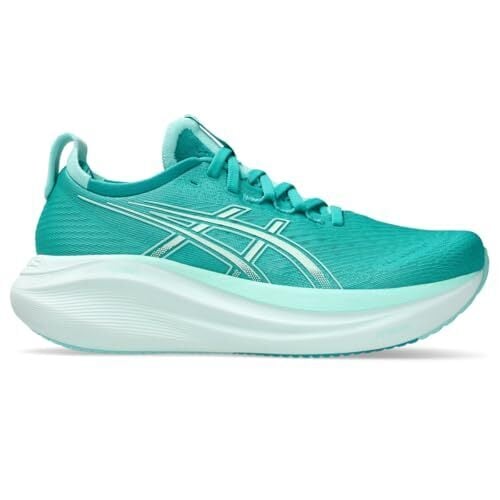
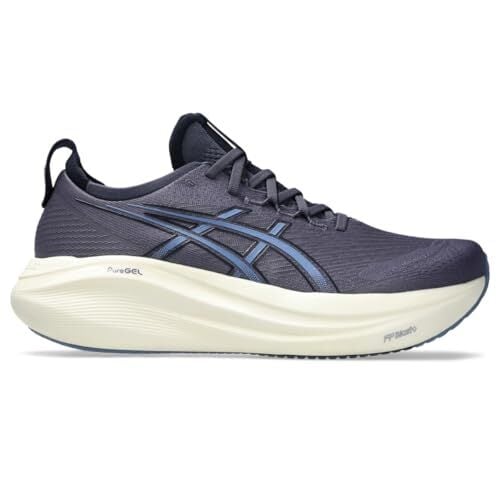
These design elements help protect your joints from the repetitive impact of logging serious mileage. Lyons-Quirk’s go-to recommendation for max cushion is the the ASICS GEL-Nimbus 27: “The softness of both the upper and midsole make this shoe pure magic to run in.” If you’re looking for a deal, since that Asics Gel Nimbus 27 was released this year at $165, you can bet that the Asics Gel Nimbus 26 just got way more affordable.

When doing intervals, tempo runs, or racing, different qualities become important:

  • Lighter weight to reduce energy expenditure

  • Responsive, often firmer cushioning that returns energy more efficiently

  • Lower stack heights for better ground feel and stability

  • Racing-specific features, like carbon plates

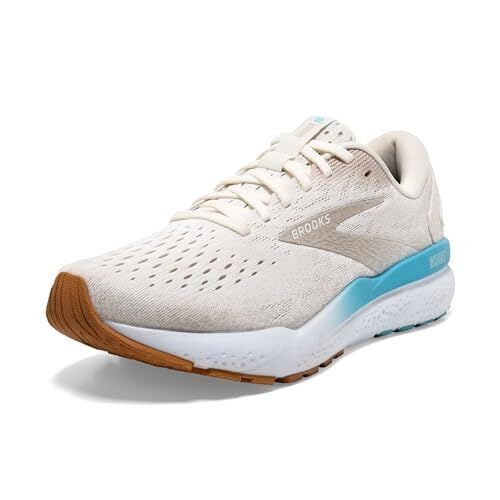
These shoes sacrifice some cushioning and durability, but they’re lightweight so you can feel like you’re flying as fast as you can. Currently, I’m rocking the Brooks Ghost 16—they’re the most worn pair you can see in the photo above.

Is a shoe rotation really necessary?

Despite these benefits, not everyone needs multiple specialized pairs. UESCA certified running coach James Rodgers says if you’re just getting started, you don’t have to invest in multiple pairs. Instead, “having one properly fitted pair to suit you and the majority of your runs would be fine.” A proper fitting at a specialty running store is worth the time investment, even if you eventually purchase elsewhere.

Similarly, ultramarathoner Merili Freear says you simply don’t need dozens of shoes. Even with her ultra-mileage, she typically rotates just three pairs: One pair of trail shoes and two pairs of road shoes. Like a lot of runners, she saves the newer road pair for races and uses the older ones for daily training. “Ultimately, rotating your shoes isn’t about collecting gear—it’s about function, comfort, and protecting your body from overuse.”

However, if you want to get into trail runs and off-road running, a specialized pair could make sense. According to Rodgers, “having slightly different shoes helps because certain shoes for some running gaits may put increased stress on certain muscles, such as your calves and achilles.”

Even if you’re not rotating shoes simultaneously, remember even the best running shoes have a limited lifespan. Most experts recommend replacing shoes every 300-500 miles; some signs that it’s time for new shoes include compressed cushioning, worn outsoles, and new aches and pains.

Finding your perfect shoe balance

For most recreational runners, a two-shoe rotation strikes a good balance:

  1. A well-cushioned, durable daily trainer for most runs.

  2. A lighter, more responsive shoe for workouts and races.

Of course, there are plenty of other factors to consider. Quality running shoes aren’t cheap, and if you mostly do similar runs, the benefits diminish. Generally speaking, higher-mileage runners benefit more from rotation. More serious runners might expand to three or more pairs, adding trail shoes or super-cushioned recovery shoes to the mix.

The bottom line

Many runners successfully train in a single pair of well-chosen, all-purpose running shoes. While specialized shoes can enhance specific types of running, rotating shoes isn’t necessary for the average runner. Here are some of my money-saving strategies that work across all runner types.

Whatever approach you take, remember that the best shoes are the ones that keep you running comfortably. You’re going to constantly be injury-prone if you aren’t in the right shoe, and you’re never going to hit your training goals if you’re constantly resting off an injury. For more, check out my round-up of the best running shoes on the market right now, according to the experts.

Microsoft Layoffs Hit Coders Hardest With AI Costs on the Rise

An anonymous reader shares a report: Microsoft’s recently announced job cuts fell hardest on the people who build the company’s products, showing that even software developers are at risk in the age of artificial intelligence.

In Microsoft’s home state of Washington, software engineering was by far the largest single job category to receive layoff notices, making up more than 40% of the roughly 2,000 positions cut, according to state documents reviewed by Bloomberg. Microsoft on Tuesday said it would cut about 6,000 workers across the company. The Washington state data represents about a third of the total.


Read more of this story at Slashdot.