Google Is Baking Gemini AI Into Chrome

An anonymous reader quotes a report from PCWorld: Microsoft famously brought its Copilot AI to the Edge browser in Windows. Now Google is doing the same with Chrome. In a list of announcements that spanned dozens of pages, Google allocated just a single line to the announcement: “Gemini is coming to Chrome, so you can ask questions while browsing the web.” Google later clarified what Gemini on Chrome can do: “This first version allows you to easily ask Gemini to clarify complex information on any webpage you’re reading or summarize information,” the company said in a blog post. “In the future, Gemini will be able to work across multiple tabs and navigate websites on your behalf.”

Other examples of what Gemini can do involves coming up with personal quizzes based on material in the Web page, or altering what the page suggests, like a recipe. In the future, Google plans to allow Gemini in Chrome to work on multiple tabs, navigate within Web sites, and automate tasks. Google said that you’ll be able to either talk or type commands to Gemini. To access it, you can use the Alt+G shortcut in Windows. […] You’ll see Gemini appear in Chrome as early as this week, Google executives said — on May 21, a representative clarified. However, you’ll need to be a Gemini subscriber to take advantage of its features, a requirement that Microsoft does not apply with Copilot for Edge. Otherwise, Google will let those who participate in the Google Chrome Beta, Dev, and Canary programs test it out.


Read more of this story at Slashdot.

The Battle for the AI Horizon: Google I/O 2025 vs. Microsoft Build 2025 – A Tale of Two Visions (and One Awkward Guest List)

Here in Bend, Oregon, where the digital frontier meets the rugged individualism of the West, the annual tech showcases from the giants often provide a roadmap for the future. This year, Google I/O 2025 and Microsoft Build 2025 offered their respective glimpses into the AI-powered world to come. While both keynotes leaned into the promise of artificial intelligence heavily, the approaches, the emphasis and ultimately the resonance with the audience painted a distinctly different picture. Drawing parallels to the perceived missteps of Microsoft Build that we discussed previously, let’s delve into which tech titan appeared to have its finger more firmly on the pulse of the AI revolution.

AI on Stage: A Matter of Show, Don’t Just Tell

Comparing the two keynotes, Google I/O 2025 undeniably showcased a more pervasive and tangible integration of AI into its present and near-future offerings. The sheer volume of AI-powered features and products unveiled by Google was striking. From the enhanced reasoning of Gemini (“Deep Think”) and its efficiency boost (“Gemini 2.5 Flash“) to the AI-driven enhancements across core services like Search (“AI Mode“) and Gmail (with its increasingly prescient “Smart Replies” and “Inbox Cleanup”), Google made it clear that AI is not just a future aspiration but a current reality woven into the fabric of its ecosystem. The introduction of entirely new AI-centric tools like Veo 3 for AI video generation (complete with audio, no less!), Imagen 4 for image generation that borders on photorealism, and Flow for AI filmmaking demonstrated a commitment to democratizing powerful creative tools. Even the ambitious “Project Astra,” a universal AI assistant aiming for true contextual understanding, and “Project Mariner,” an agentic AI promising web-browsing and task automation, felt like concrete steps towards a future brimming with intelligent assistance. Furthermore, the very presentation style of Google I/O often felt infused with AI, with seamless transitions, dynamic visuals and a flow that suggested an intelligent hand behind the curtain.

Microsoft Build 2025, however, while also heavily focused on AI, particularly the burgeoning concept of “AI agents,” presented a more developer-centric vision. The emphasis on tools and platforms like Copilot Studio and Windows AI Foundry, while crucial for building the next generation of intelligent applications, lacked the immediate, end-user impact that permeated Google’s presentation. The focus on infrastructure and the means for developers to create AI agents, while forward-looking, didn’t showcase the readily available AI advancements in Microsoft’s own products with the same tangible enthusiasm as Google’s product-driven approach. The presentation itself, in contrast to Google’s slick, AI-infused delivery, often felt like a more traditional PowerPoint presentation, relying on static slides rather than dynamic, AI-generated content. It echoed the sentiment from our previous discussion: a lot of talk about the AI engine, but not enough showcasing of the cars it’s already powering.

Gazing into the Crystal Ball: Vision and Forward-Thinking

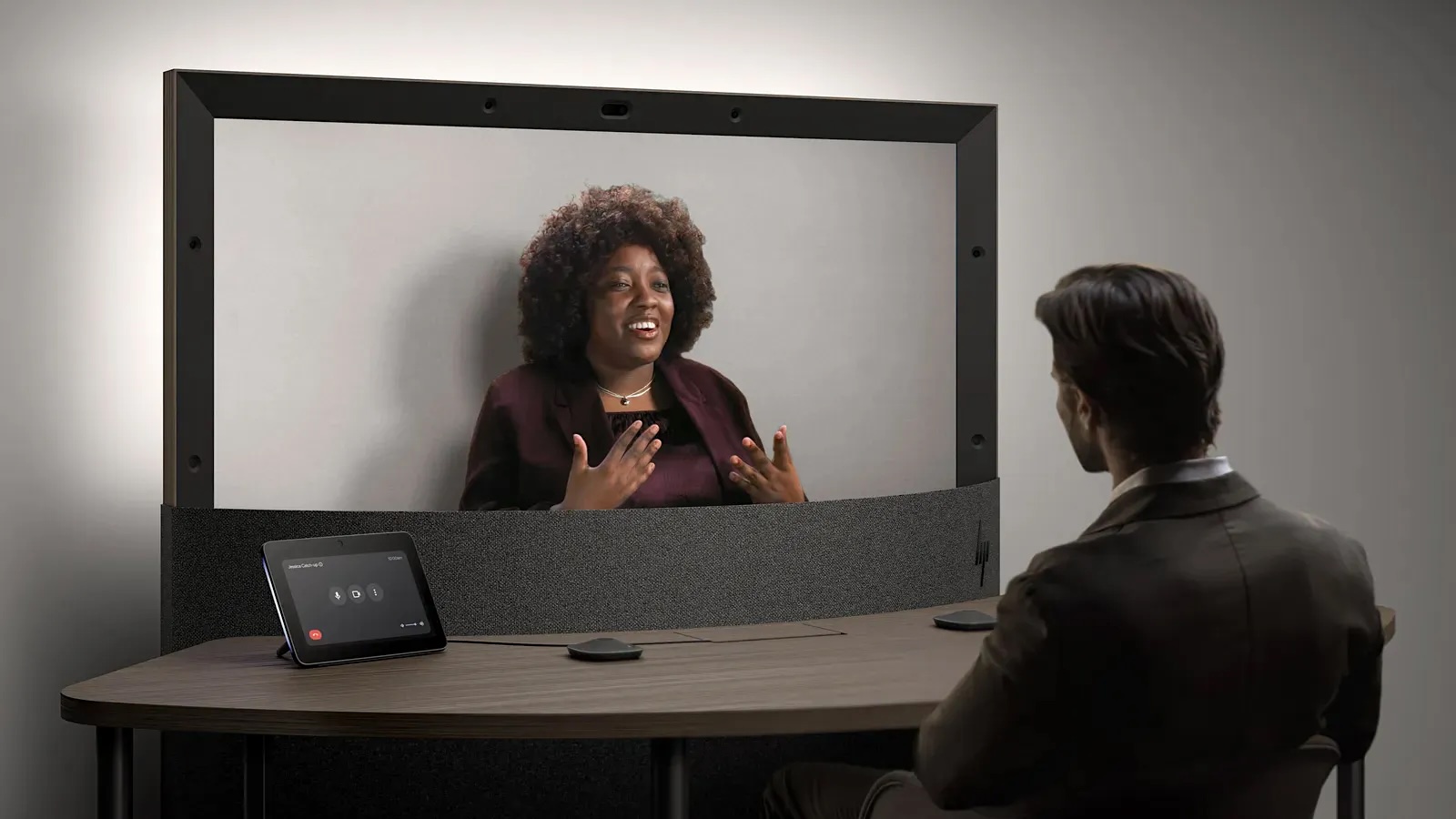
When it came to painting a picture of the future, Google’s I/O 2025 arguably offered a more immediately compelling and, dare I say, visionary outlook. Its exploration of “world models” with Gemini, aiming to create AI with a more human-like understanding of and interaction with the real world, felt like a significant leap toward more intuitive and capable AI. The unveiling of “Google Beam,” a 3D video conferencing platform hinting at a more immersive and perhaps less socially awkward future of remote communication done in partnership with HP, and the advancements in Android XR, envisioning smart glasses with integrated AI capabilities, provided tangible glimpses into near-future technologies that could reshape how we interact with the digital and physical realms.

While Microsoft’s emphasis on the “open agentic web” – a potentially transformative concept centered on interconnected AI agents – certainly held long-term promise, its immediate impact felt less pronounced. The focus on developer tools, while laying the groundwork for future innovation, didn’t quite capture the imagination in the same way as Google’s showcased AI applications poised for near-term integration into everyday life. Microsoft’s vision, while perhaps more foundational for the enterprise space, lacked the broad, consumer-centric appeal that made Google’s presentation feel more immediately forward-looking.

The Tone Test: Reading the Room (and the Internet) in the Age of AI Anxiety

In terms of “tone-deafness,” Google’s I/O 2025 appeared to navigate the complexities of the AI revolution with relative aplomb. The focus on tangible advancements, coupled with the democratization of powerful AI tools, seemed to align with industry trends and a general consumer curiosity and cautious optimism surrounding AI’s potential.

Microsoft Build 2025, however, faced a potentially significant “tone check” moment, amplifying the undercurrent of job security anxieties we discussed previously. The reported disruption of Satya Nadella’s keynote by a Microsoft employee protesting the company’s cloud and AI contracts with the Israeli government highlighted a potential disconnect between the company’s public messaging and the concerns of at least some within its own ranks. But the tonal missteps didn’t end there. Microsoft’s decision to feature Sam Altman, CEO of OpenAI, a company with its own share of ethical and leadership controversies, and Elon Musk, a figure whose relationship with the tech community and governments is increasingly fraught, on stage, while ostensibly promoting open source, felt jarring and out of touch. This contrasted sharply with Google’s keynote, which did not feature such polarizing figures. Microsoft’s featuring individuals whose companies and personas are often seen as antithetical to the collaborative and ethical ideals of open source created a significant credibility gap. It was a stark reminder of the “unholy trinity” discussed earlier, a baffling choice given the anxieties surrounding AI’s impact on employment and the need for responsible innovation. The absence of such potentially alienating figures on Google’s stage further highlighted Microsoft’s misreading of the room. Moreover, while Google’s presentation felt dynamically AI-driven, Microsoft’s reliance on a more traditional format underscored a potential irony: a tech giant pitching the future of AI with a presentation style that felt decidedly…pre-AI.

Wrapping Up: A Fork in the Road for the AI Narrative

In the battle for the AI horizon, Google I/O 2025 and Microsoft Build 2025 presented contrasting visions. Google appeared to lead with tangible, user-facing AI advancements and a more immediate glimpse into an AI-integrated future, delivered with a presentation style that hinted at the very technology being showcased. And the fact that Google used smartphones for many of the presentations rather than PCs looked more convenient and advanced. 

Microsoft, while heavily invested in AI, focused more on the underlying tools and infrastructure for developers, with a potentially less immediately impactful vision for end-users, and a keynote that felt tonally disconnected from the anxieties of its audience and undermined by its choice of controversial guest speakers. As the AI revolution unfolds, the ability to not only innovate but also to connect with and address the real-world concerns of developers and the broader public with a consistent and authentic message will be crucial for long-term success and trust.

Watching both events reminded me of Microsoft and IBM in the early 90s when Microsoft was on the cutting edge and IBM seemed way out of touch. But Microsoft now appears more like IBM, stuck in the past and hampered by its platforms, while Google appears more like the old Microsoft, more forward looking and with a deeper understanding of the pivotal technology. Then it was PCs. Now it’s AI, and this doesn’t bode well for Microsoft. The two companies feel like they are in different centuries, Microsoft living in the 1900s while Google has advanced into the future of AI.  

Syberia VR Brings The Classic Adventure To Quest 3 This Year

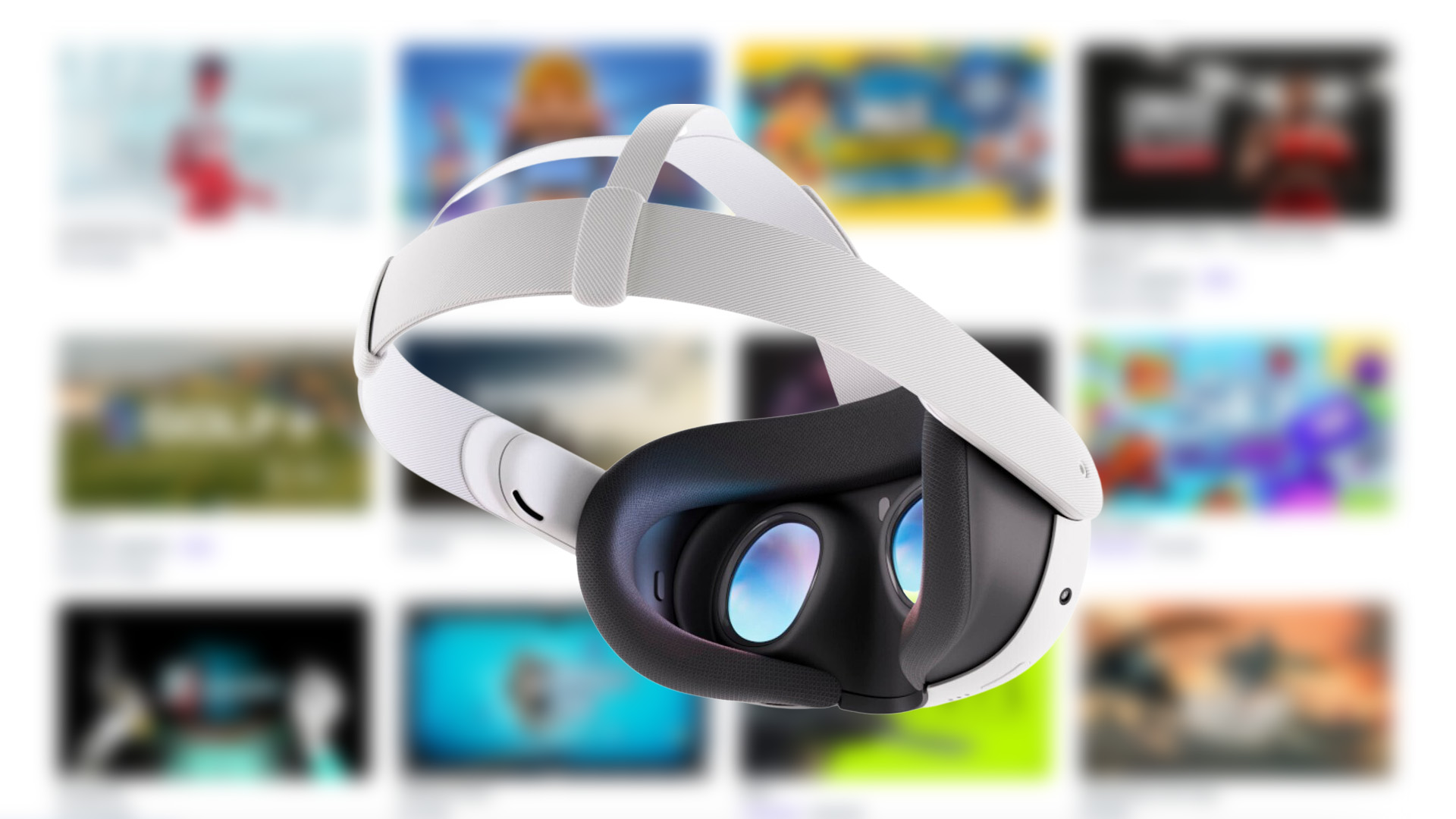
Syberia, the classic point-and-click adventure, is getting a VR edition on Quest 3 later this year.

News emerged during yesterday’s Syberia Remastered reveal for flatscreen platforms, which is remaking the 2002 adventure from Benoît Sokal with a 3D world, reimagined puzzles and further changes. During this announcement, publisher Microids also confirmed it’s developing a VR edition that’s been “specifically designed for Meta Quest 3.”

No screenshots or trailers have been released yet, though Microids states Syberia VR was “conceived from the beginning as an experience in its own right” and remains faithful to the original game. Little else is currently known, and it’s also unclear if Syberia VR is being handled by the Remastered developers, Virtuallyz Gaming and Microids Studio Paris, or a separate team. More information will be revealed “in the coming months.”

Originally released in 2002, Syberia takes place in the same universe as Sokal’s Amerzone, which also received a flatscreen remake. The story follows American lawyer Kate Walker who’s tasked with overseeing a major company’s sale following the owner’s death, only to learn that the owner’s brother still lives. Three sequels have since followed, the most recent being Syberia: The World Before in 2022.

Syberia VR targets a late 2025 release on Quest 3, launching “at the same time” as Syberia Remastered on PS5, Xbox, and PC.

The Top 10 Wheelsets in Zwift

Your choice of virtual wheelset influences your Zwift speed significantly. And Zwift’s Drop Shop gives us access to lots of wheelsets: almost 50 if you include the Gravel and MTB wheels.

At Zwift Insider, we’ve tested every Zwift frame and wheelset using an accurate, repeatable procedure to determine how it performs in game.

Browse our speed test posts >

Based on those speed tests, we’ve chosen the 10 best overall wheelsets in Zwift today. This isn’t just a stack rank of the most aero wheels in the game – we took into account how each set performs across a variety of routes.

Without further ado, let’s get to the list! Drumroll please…

The Best Wheelsets in Zwift

#1: Zipp 454

600,000 Drops, must be level 30+

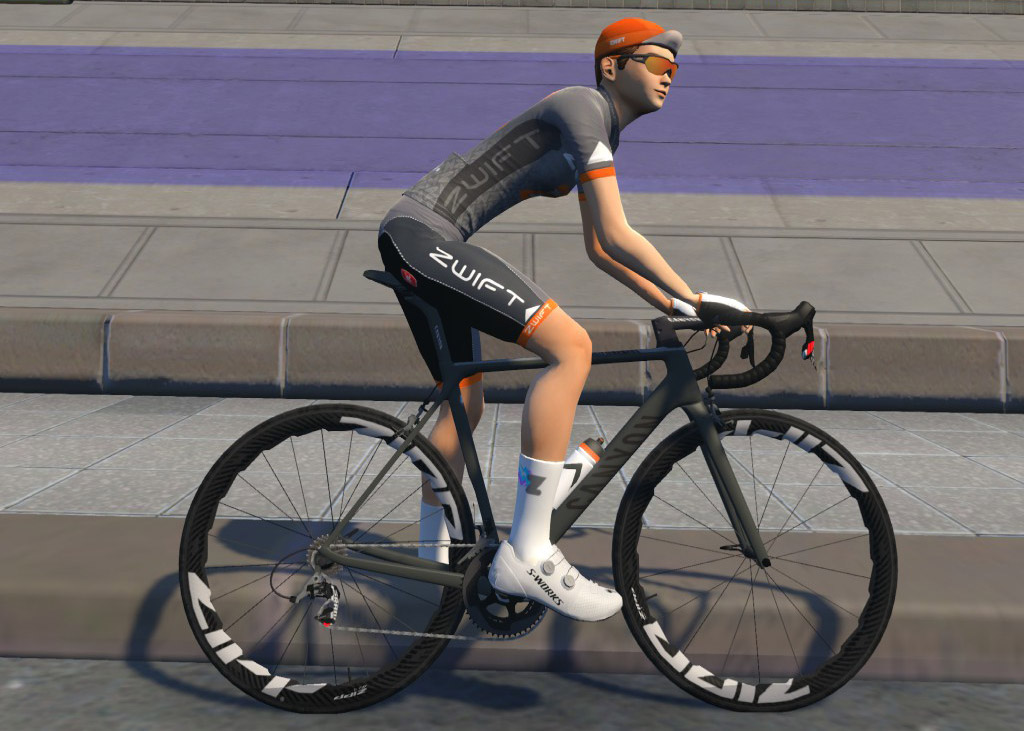
This wheelset is the best on Zwift if you rank all the wheels in terms of combined percentile rank – that is, percentile rank for flat performance combined with percentile rank for climb performance. The 454s are climb-focused all-arounders, and very strong ones at that.

Why they’re winners: best climb-focused all-arounders in Zwift.

#2: ENVE SES 7.8

550,000 Drops, must be level 36+

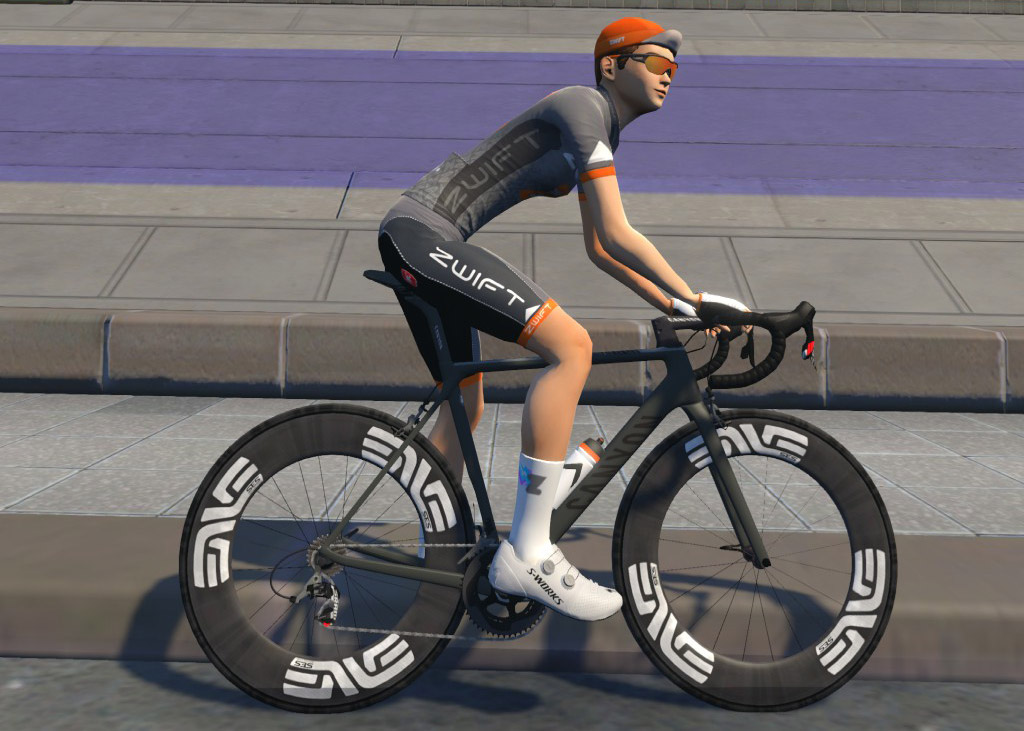
On the other side of the all-arounder spectrum, the popular ENVE 7.8 wheels are more aero than the Zipp 454, but also heavier. They gain around 11s on the flat, but lose around 9s on the climbs. Where do you want your advantage? How much climbing does your race entail?

Why they’re winners: best aero all-arounders in Zwift.

3: Zipp 353 NSW

600,000 Drops, must be level 24+

Another top-ranked wheelset in our stacked percentile ranking, the 353 NSW wheels from Zipp are tied with the Lightweight Meilensteins as the best climbing wheels on Zwift, but hugely outperform them on the flats. These are best seen as pure climbing wheels with solid aero performance.

Why they’re winners: best climbers in Zwift.

#4: ENVE SES 8.9

550,000 Drops, must be level 28+

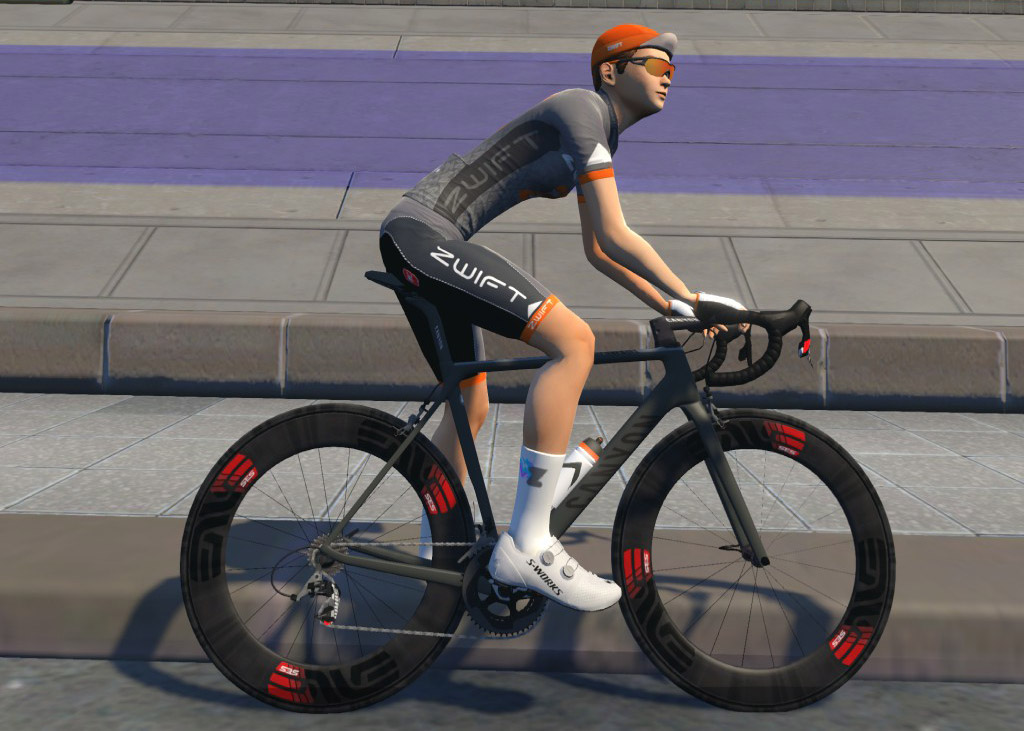
The fastest (most aero) non-disc wheels on Zwift, ENVE’s 8.9 hoops come in just two seconds slower than the fastest disc wheels (Zipp 858/Super9) while outperforming them by 11 seconds on the climbs. That means these are probably the better choice if your race includes any sort of climbing.

Why they’re winners: fastest (most aero) non-disc wheels in Zwift.

#5: Zipp 858/Super9

750,000 Drops, must be Level 37+

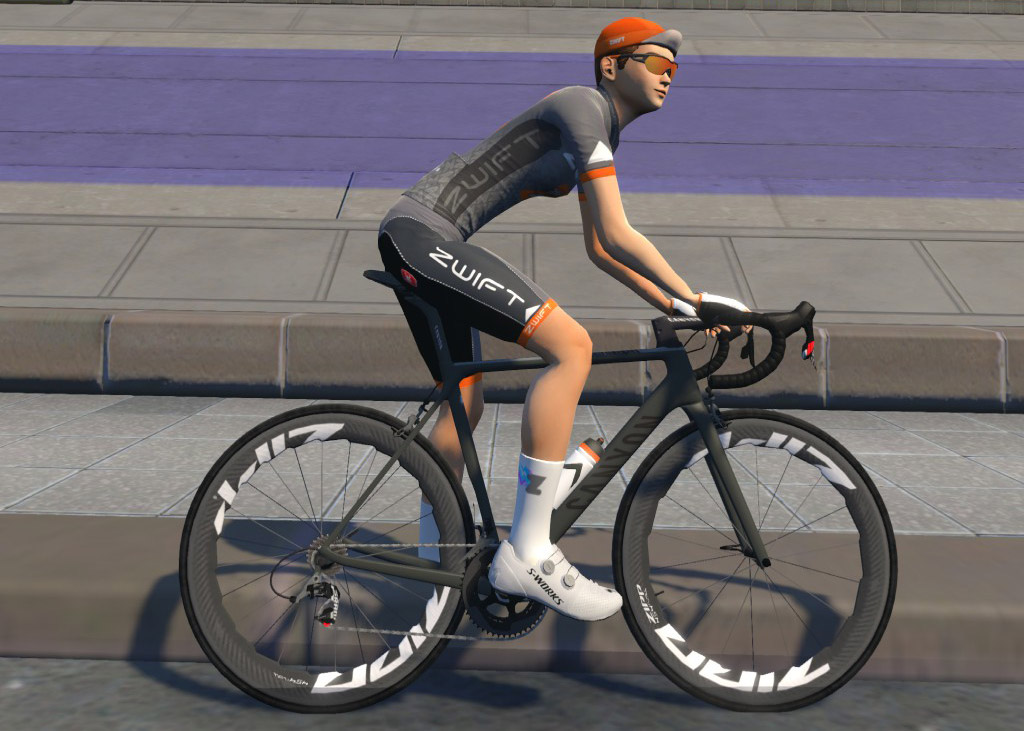
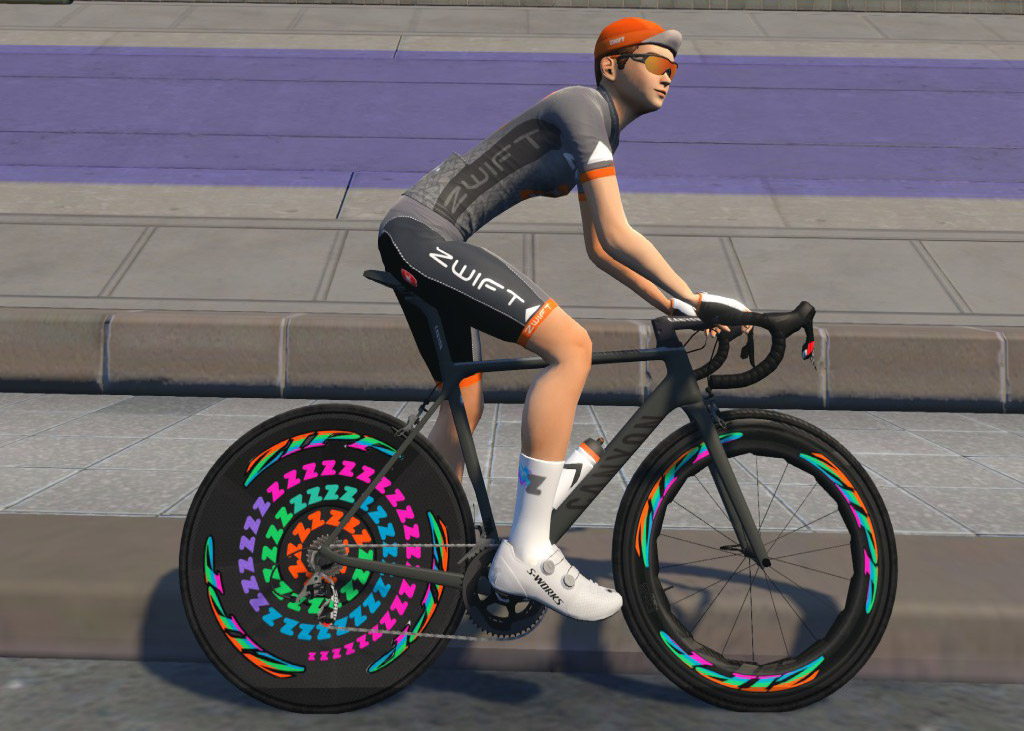
Currently the fastest wheels on Zwift, on road bikes this colorful disc wheelset slightly outperforms the DTSwiss disc (below) on the flats while beating it by ~4 seconds on the climbs. Disc wheels are slowed on road frames, though, so these wheels are only ~2 seconds faster than the most aero non-disc wheels (ENVE 8.9, above).

Note: disc wheels perform more strongly on TT frames than road frames, which means that, if this list was purely for TT racers, we would move these wheels up in the list. But as the vast majority of races on Zwift are road races, these wheels move down the list due to their poor performance on climbs and muted performance on road frames.

Why they’re winners: most aero wheels in Zwift (and extra fast in a time trial).

#6: Zipp 858

600,000 Drops, must be Level 31+

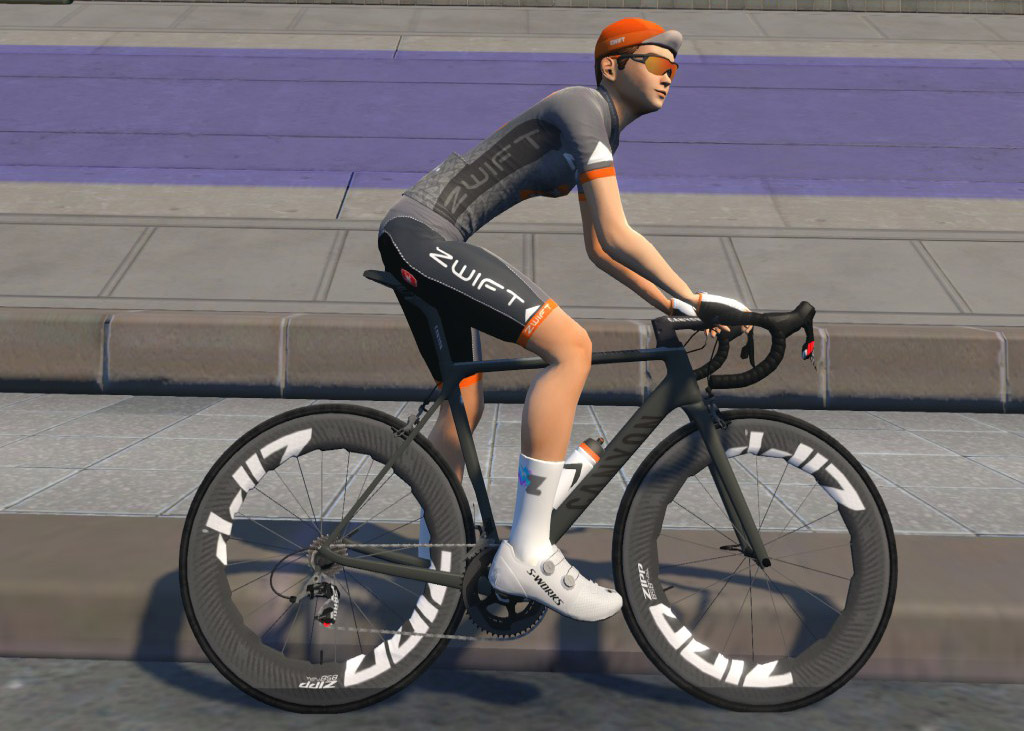
Zipp’s 858 wheelset essentially trades seconds with the top-ranked 454s, gaining ~6 seconds of aero performance while losing the same ~6 seconds on the climbs. Why rank them so low if they’re just trading seconds? Because those lost climbing seconds are precious!

Why they’re winners: strong aero all-arounders.

#7: DTSwiss ARC 1100 DICUT 62

500,000 Drops, must be Level 40+

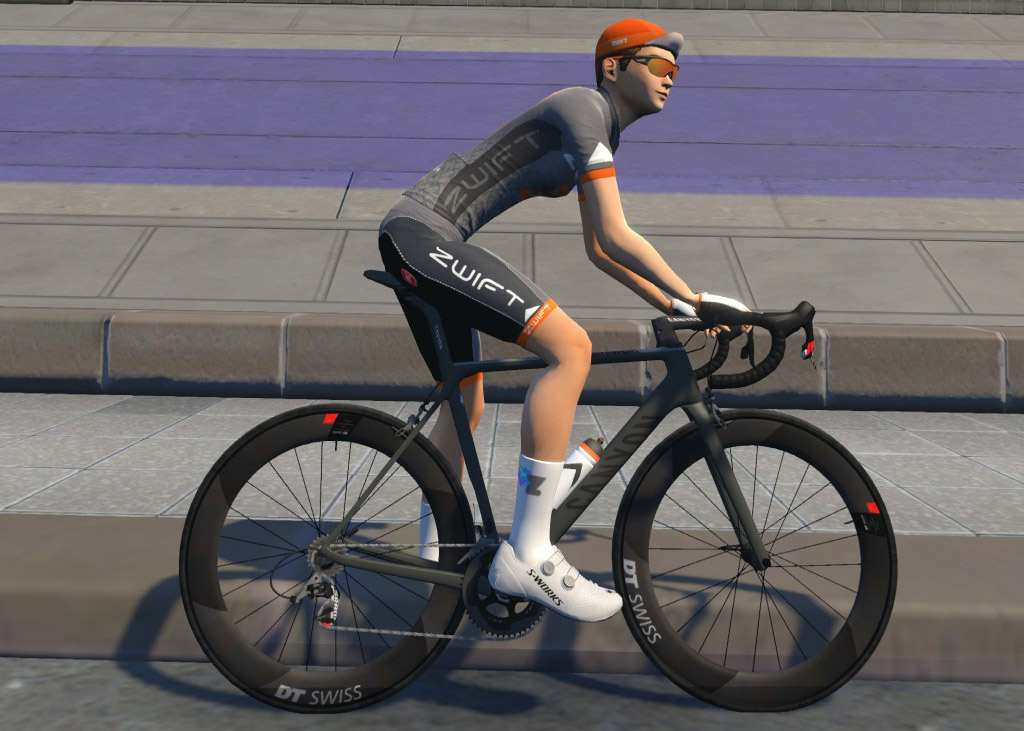
A strong set of all-arounder hoops, the DICUT 62’s from DTSwiss come in just behind the Zipp 858’s in both aero and climb performance, while beating the Zipp 808’s in both metrics by a handful of seconds. So they slot nicely here into the #7 position.

Why they’re winners: strong aero all-arounders.

#8: Zipp 808

425,000 Drops, must be Level 25+

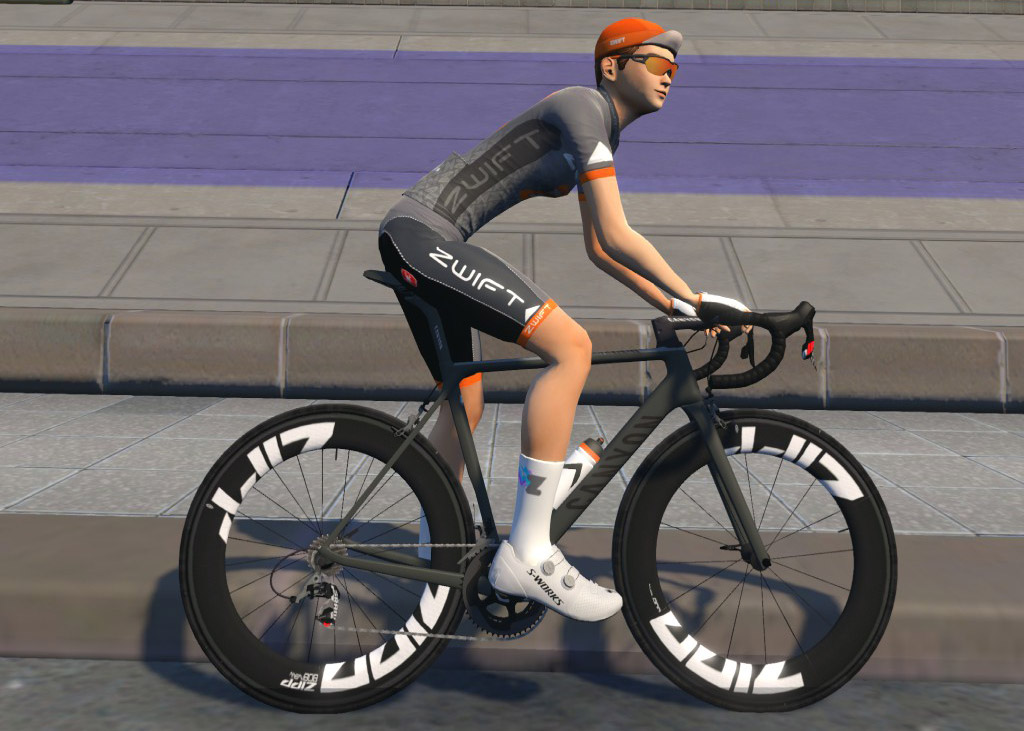
Possibly the most-raced wheelset on Zwift, the Zipp 808’s were the go-to wheels for in the Zwift peloton for years! They still turn in a solid performance, but are definitely a step behind the newer hoops featured above.

Why they’re winners: strong aero performance.

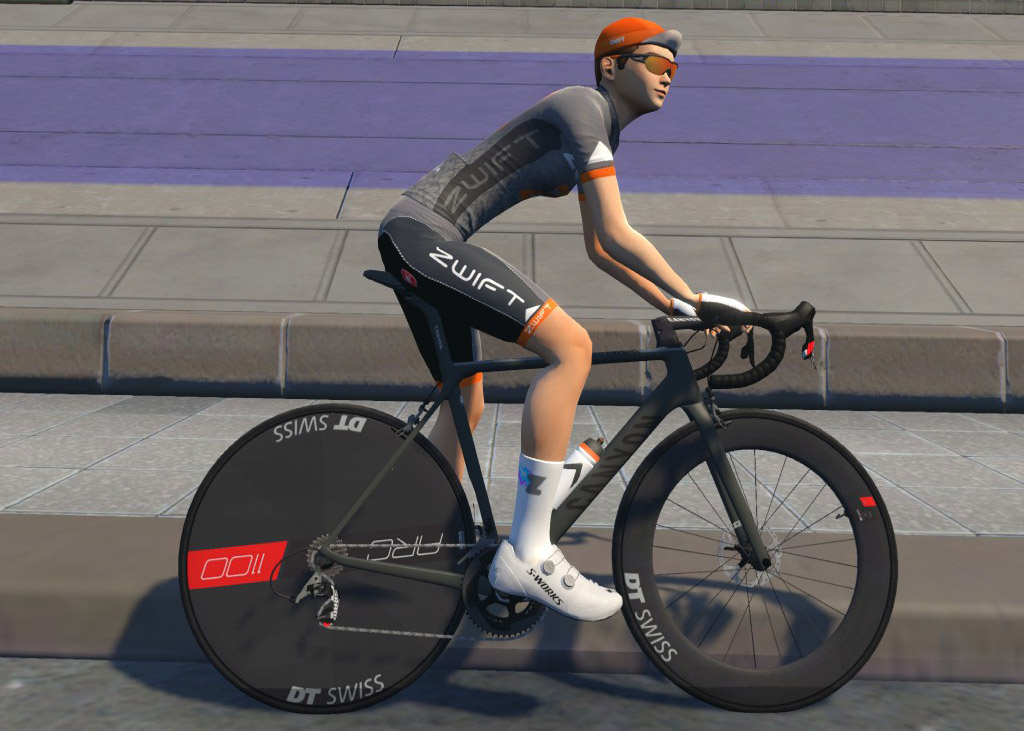
#9: DTSwiss ARC 1100 DICUT DISC

750,000 Drops, must be Level 39+

These wheels were the top disc wheelset on Zwift before the deck was reshuffled in March 2025. They’re still quite fast, essentially tied with the 858/Super9 on flat ground but losing ~4 seconds on the climbs.

Note: disc wheels perform more strongly on TT frames than road frames, which means that, if this list was purely for TT racers, we would move these wheels up in the list. But as the vast majority of races on Zwift are road races, these wheels move down the list due to their poor performance on climbs and muted performance on road frames.

Why they’re winners: second-fastest wheelset in all of Zwift.

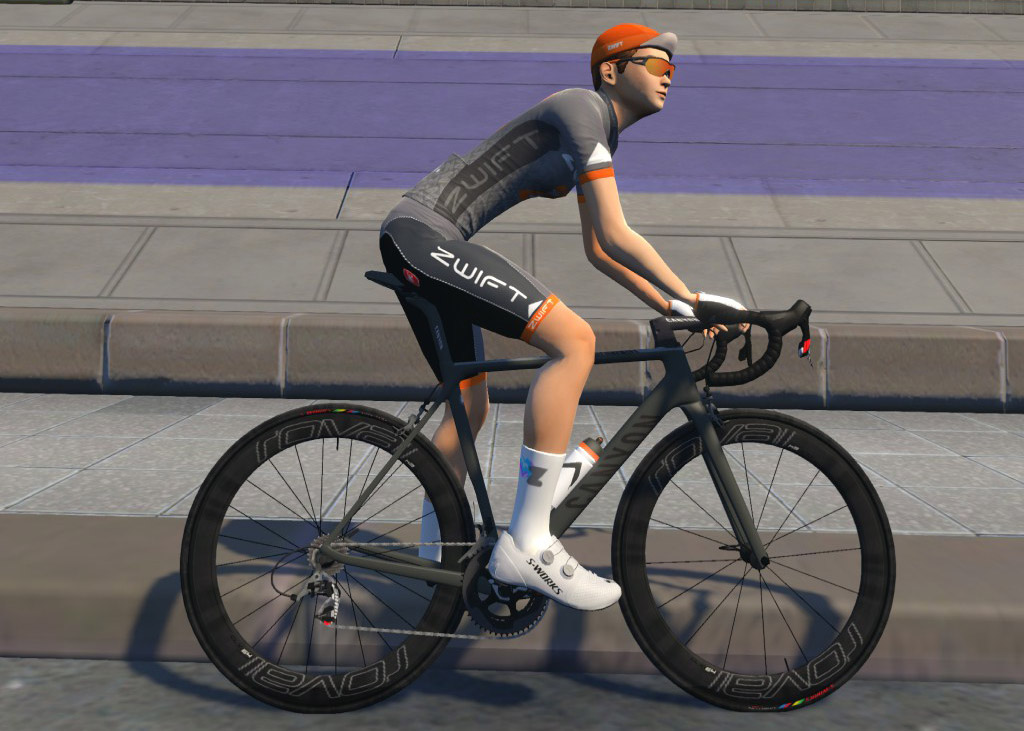
#10: Roval CLX64

500,000 Drops, must be level 15+

The nicest thing about the Roval CLX64s is their low level unlock (15), which is much lower than any of the wheelsets above. There’s another nice thing, though: they’re very strong climbers, outperforming every wheelset on this list apart from the Zipp 454 and 353s.

Why they’re winners: Zwift’s most accessible, climb-focused all-rounder wheelset.

Dig Deeper

Want to dig deeper into the precise speeds of various frames and wheels? Check out our ranking charts and public test data. You may also like our Concept Z1 (Tron) Bike vs Top Performers chart which compares precise times of top frames and wheelsets with the Tron bike.

Share Your Thoughts

We hope all you riders/racers found this post useful. Think there’s a wheelset we should have included in the top 10 but didn’t? Got other questions or comments? Share below!

Important note: this post contains speed test results for Zwift frames or wheels. These results may change over time, and a bike’s performance relative to others may also change. We don’t always revise posts when performance rankings change, but we do keep current, master versions of our speed test results which are always available. See the frame charts, wheel charts, and Tron vs Top Performers for current performance data.

Trek releases its first ebike with a throttle for easy commuting and adventuring

Trek’s new FX+1 is its first electric bike to have a throttle, providing a boost to your ride via pedal assistance or the handlebar-mounted thumb lever. 

The electric hybrid bike is a motorised version of Trek’s FX, and is said to be “equally capable on- or off-road” with wide 2in tyres, an eight-speed Shimano Essa drivetrain and hydraulic disc brakes.

The FX+1 is only available in the USA and Canada. It retails for $1,999.99 / CA$2,849 and is aimed at cyclists looking for a versatile and affordable bike that can be used for errands as well as more adventurous rides. 

An extra boost

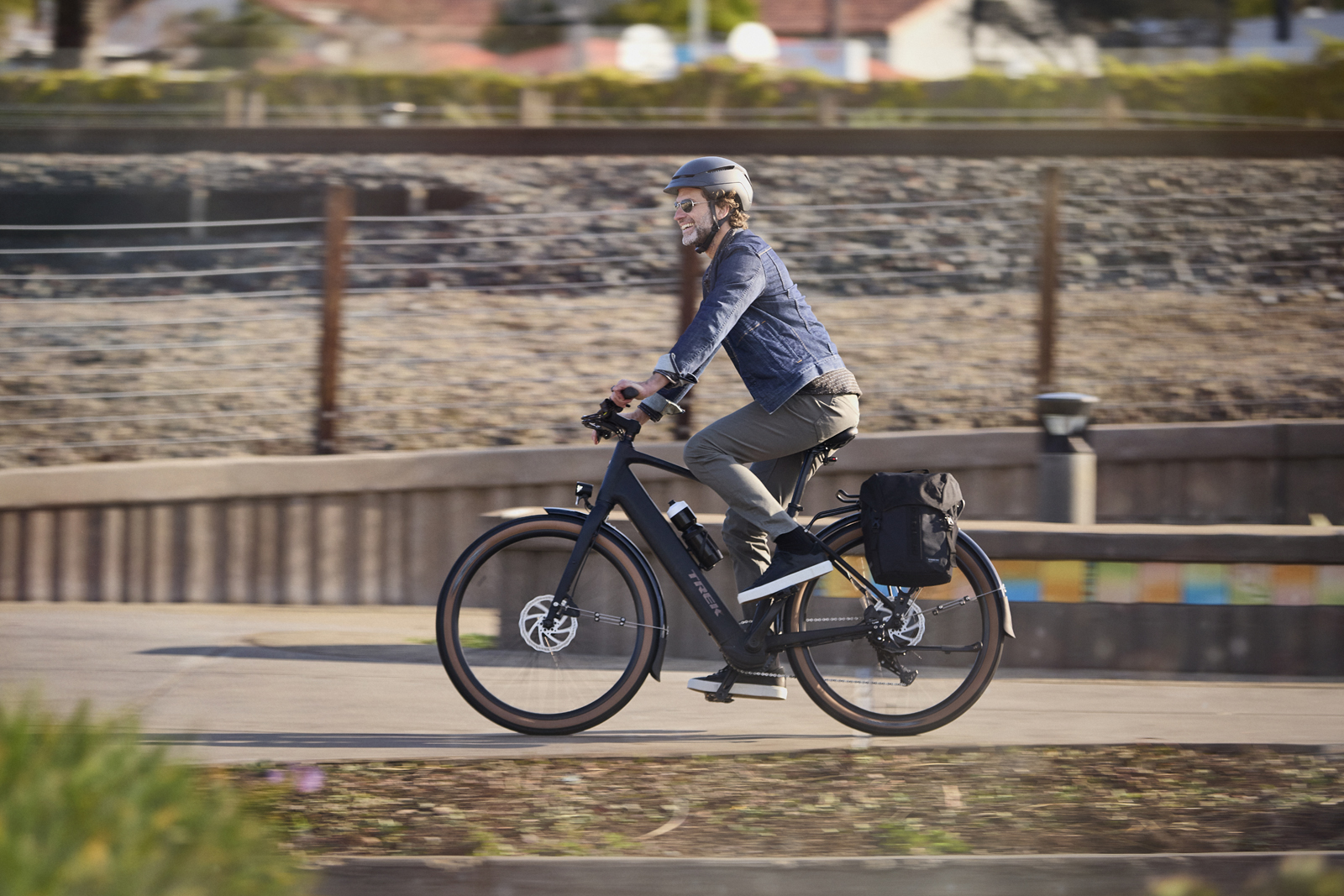
Man riding Trek FX 1.
The Trek FX+1 will provide throttle assistance up to 20mph. Trek

The FX+1 features a 500W Hyena rear-hub motor that provides 60Nm of torque and has a 520Wh battery in the down tube.

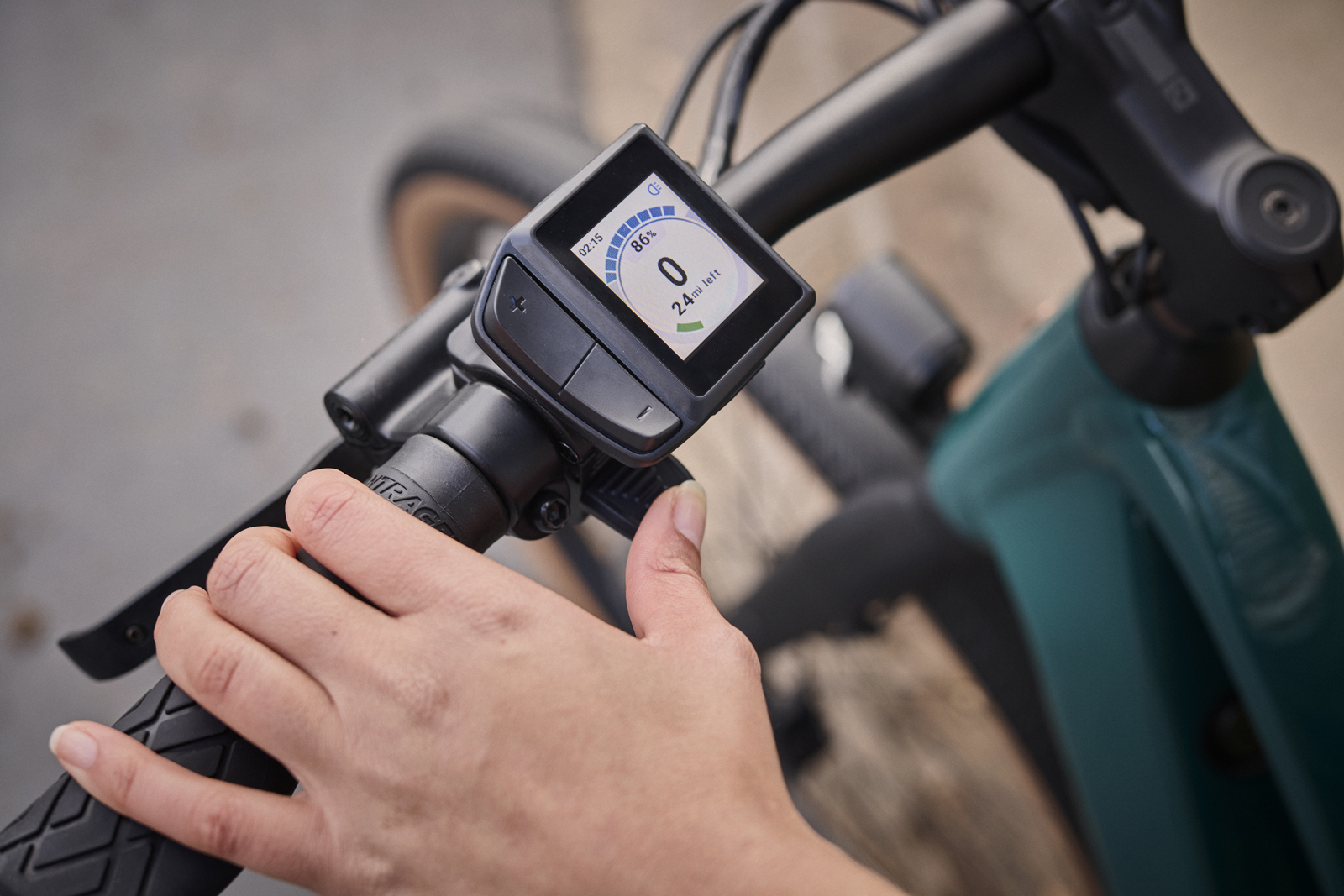
An LED display shows ride data and battery level, and can be used to flick through a range of assistance levels.

Trek says the bike has a range of up to 50 miles (80km), depending on the assistance level and how much you use the throttle. 

Why add a throttle?

Throttle lever on Trek FX 1.
There is ‘consumer demand’ for throttle ebikes, according to a Trek spokesperson. Trek

Trek has added a throttle to the FX+1 due to consumer demand and the popularity of similar bikes in the North American market, according to Taylor Cook, marketing manager for Trek Canada. 

Cook told Canadian MTB: “There are a lot of bikes out there calling themselves ebikes that aren’t really made to be pedalled. This isn’t that. It’s still a Trek bike, built to be ridden, just with an extra bit of help when you need it.”

The FX+1 is available in two models to comply with electric bike laws where you live:

  • The FX+1S is a class 2 and 3 model, which will throttle up to 20mph with pedal assistance up to 28mph. 
  • The FX+1 class 2 model is legal in California and will provide throttle or pedal assistance up to 20mph.

A ‘blank canvas’

Man riding Trek FX 1 electric bike with panniers.
You can fit the FX+1 electric bike with mudguards and a rack. Trek

Trek says the FX+1 is a “blank canvas”, which you can accessorise to your needs.

In other words, the electric bike has mounts to add a rear rack or fenders, which are wise additions for commuting by bike. 

The bike is also available in two frame styles, with a mid-step or step-over top tube.

Rear light on Trek FX 1.
The bike has lights and indicators. Trek

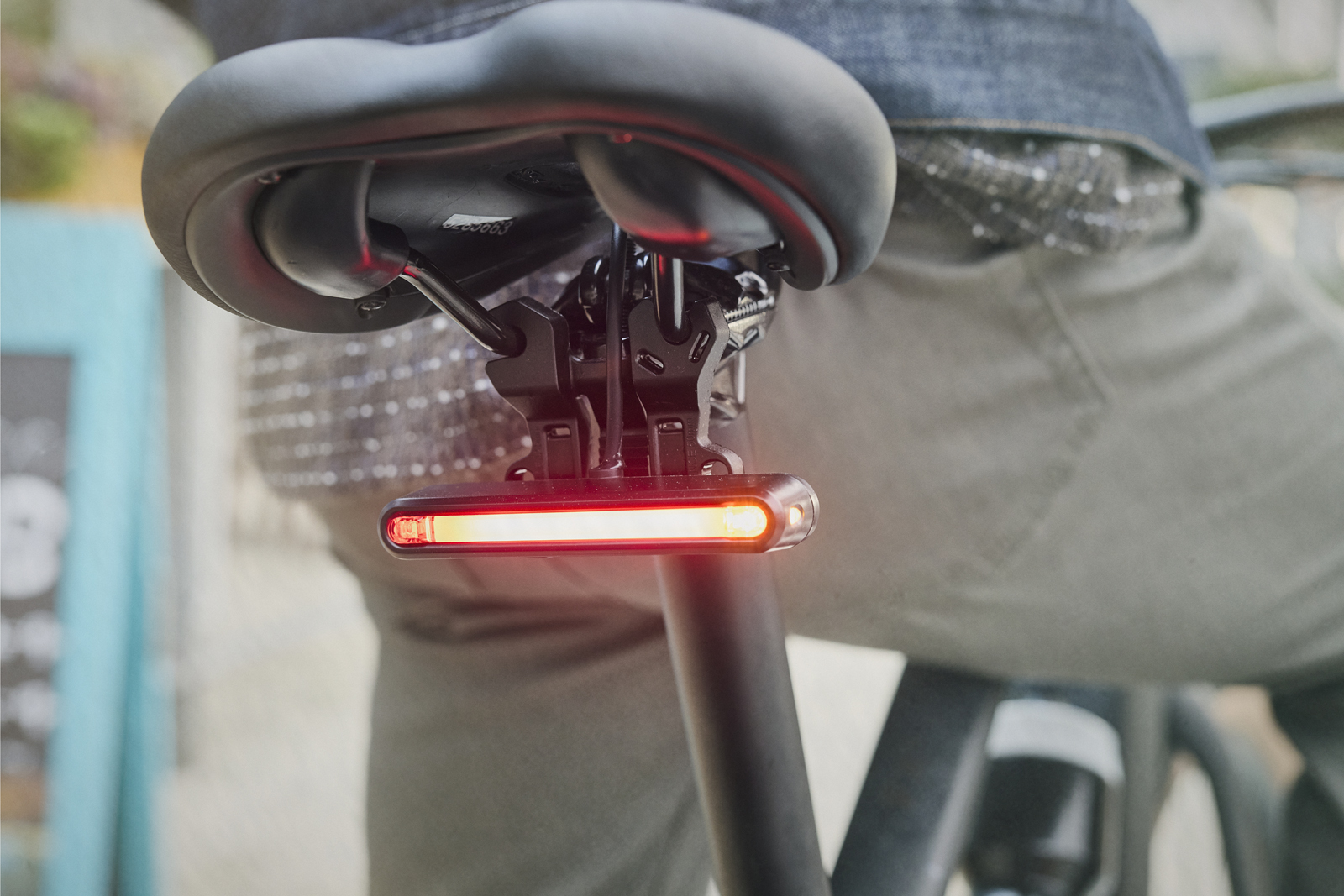
Elsewhere, it has in-built front and rear lights, with indicators you can control from the handlebar.

Trek says the bike lights will continue to function for up to three hours even after the battery reaches 0 per cent. 

Magnetic charging 

The FX+1 uses Trek’s new EasyMag charger, which clips onto the bike and will fully charge it in 5.5 hours.

The device can mount on a wall and attach to the bike at any angle.

Virtual Desktop Is Now Available On Play For Dream MR

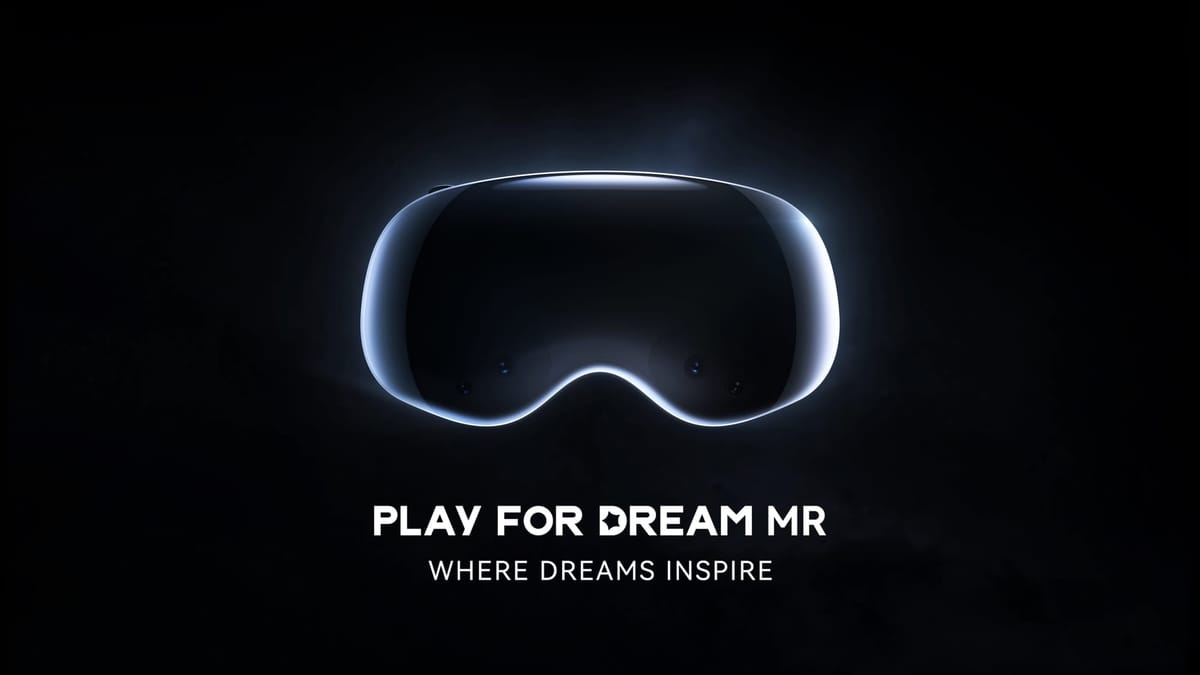
Play For Dream MR, the high-end Android standalone headset, now has Guy Godin’s app Virtual Desktop on its store.

Originally founded in China as YVR in 2020, the headset company renamed itself to Play For Dream and reincorporated in Singapore alongside launching its third headset, called Play For Dream MR, which it started shipping this year.

Play For Dream MR is a high-end standalone headset running the company’s own fork of Android, with the kind of specs you might have expected from a Meta Quest Pro 2. Priced at $2000, it features Qualcomm’s Snapdragon XR2+ Gen 2 chipset, 4K micro-OLED displays, eye tracking with automatic IPD adjustment, and comes with tracked controllers. It has a 1-hour battery, built into the back of the strap, and thus Play For Dream recommends pairing it with an external battery pack.

Play For Dream Bringing Its Apple Vision Pro & Quest Pro Crossover To The West
Chinese company Play for Dream launched a Kickstarter to bring its Apple Vision Pro & Quest Pro crossover to the west, including the US.
UploadVRDavid Heaney

Play For Dream MR already has a free built-in PC VR wireless streaming tool, just like Quest, Pico, and HTC standalone headsets do. But when I briefly tested it recently I found the quality and reliability lacking.

That’s why Virtual Desktop’s arrival on Play For Dream MR is so significant for the headset. Guy Godin’s $20 app is the gold standard for wirelessly streaming from your PC to a standalone headset, whether it be your flatscreen monitors or immersive VR.

Even on Quest, where Meta’s built-in Air Link and Valve’s Steam Link work relatively well and are available for free, many PC VR users purchase Virtual Desktop for a superior experience.

Virtual Desktop Now Supports Multiple PC Monitors
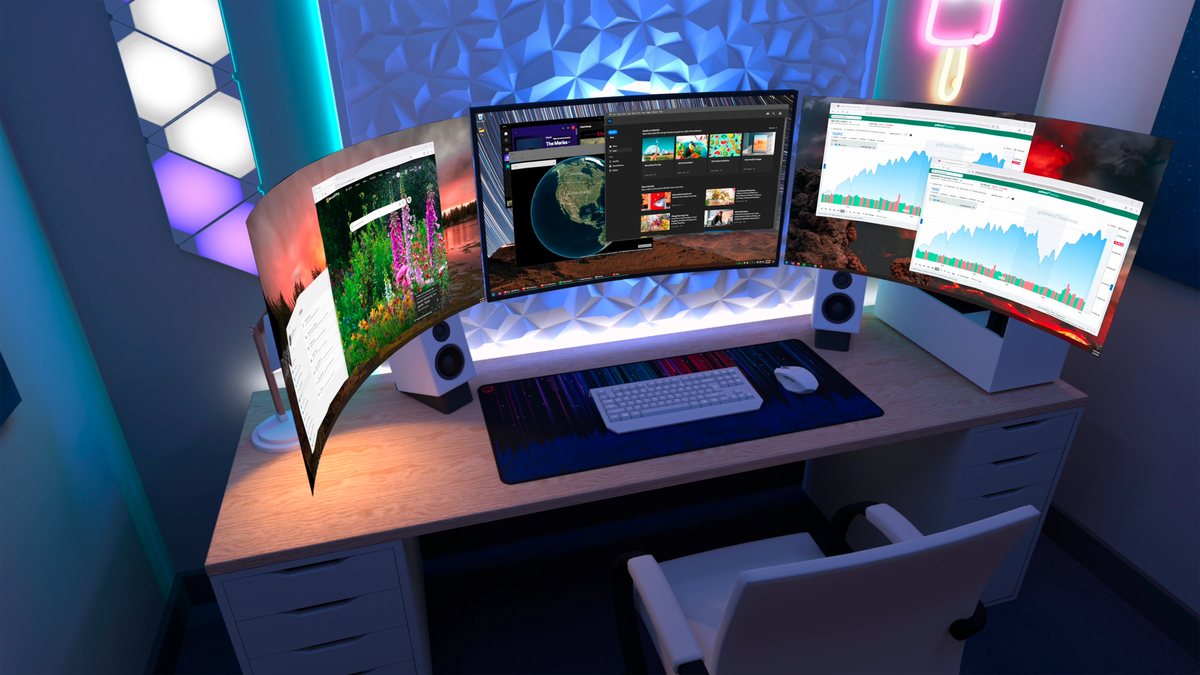
Virtual Desktop now supports multiple monitors, including virtual extra monitors. But how many you can use at once depends on your headset.
UploadVRDavid Heaney

Virtual Desktop supports streaming multiple PC monitors, and even spawning virtual extra monitors, with industry-leading sharpness and latency. For VR streaming, it supports the latest AV1 codec as well as HEVC and H.264, with a range of features like passthrough cutouts and on-device upscaling and motion extrapolation.

The app’s arrival on Play For Dream MR makes the headset a viable high-end option for wireless PC VR for some people, with significantly higher resolution than Quest 3, support for eye tracking, and OLED’s signature infinite contrast with rich colors and true blacks.

However, note that when I tried Play For Dream MR recently, I found its rigid strap with lack of tilt adjustment on the visor to be not suitable for my head, making it difficult to properly align the lenses with my eyes.

We plan to bring you extended impressions of Play For Dream MR soon, and perhaps a review later this year.

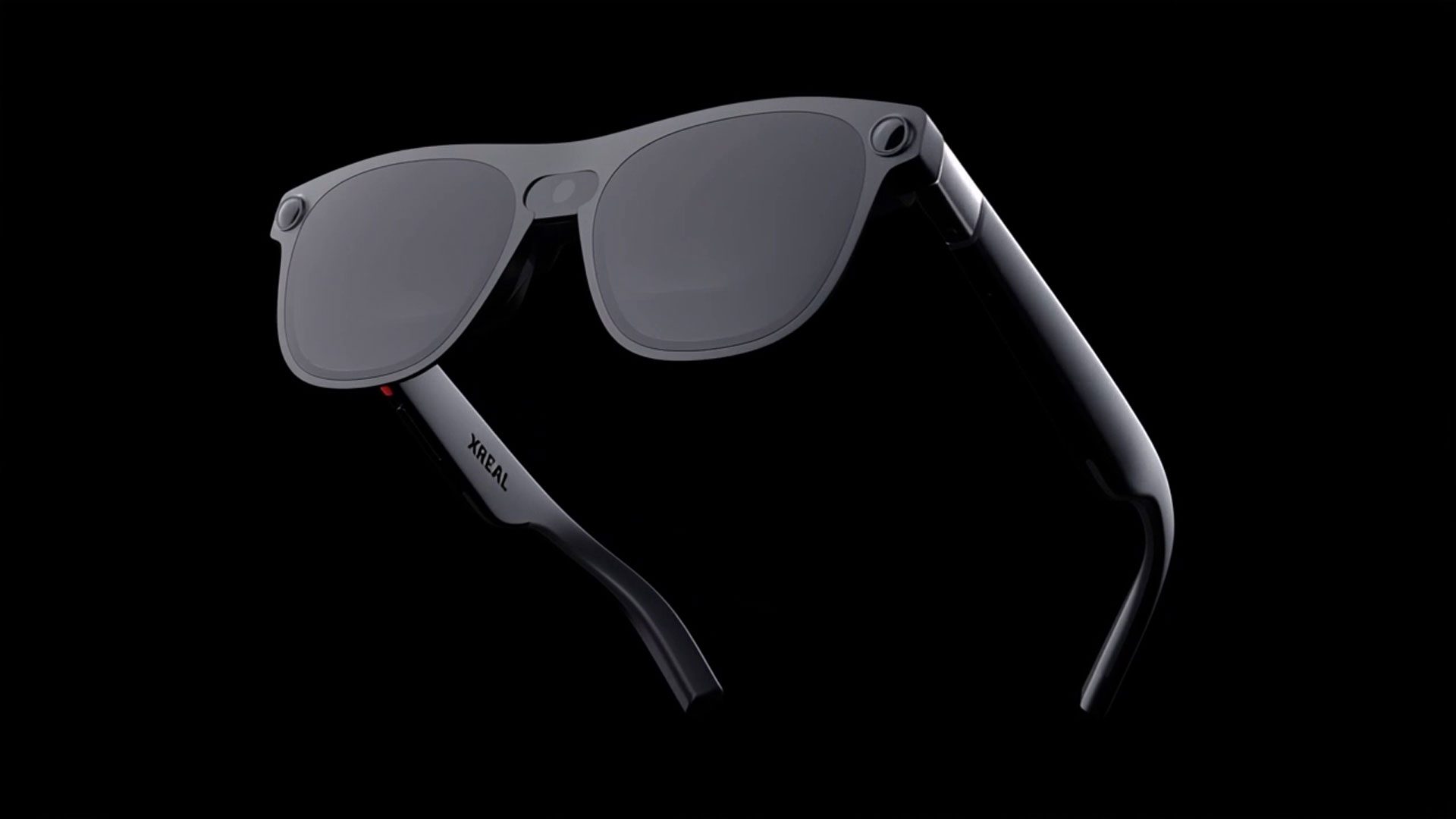
Google Teases Next Android XR Device: XREAL’s Upcoming AR Glasses ‘Project Aura’

When it launches later this year, Android XR is coming first to Samsung’s mixed reality headset, Project Moohan. Now, Google has tapped AR glasses creator XREAL to be the second with its newly unveiled Project Aura.

Google announced at its I/O developer event that China-based XREAL will be the second device officially slated to run Android XR, the company’s forthcoming XR operating system currently in developer preview.

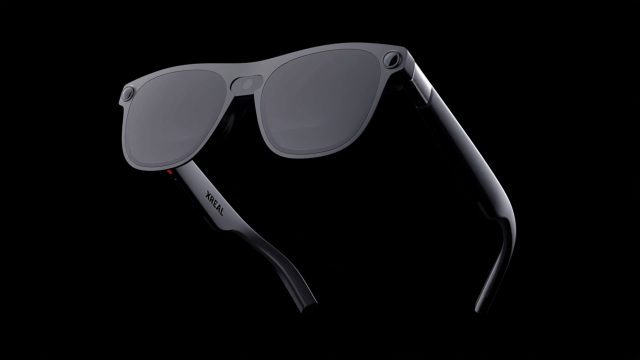
Codenamed Project Aura, the companies describe the optical see-through (OST) device as “a portable and tethered device that gives users access to their favorite Android apps, including those that have been built for XR.”

Information is still thin, however XREAL says Project Aura was created in collaboration with Google and chip-maker Qualcomm, and will be made available to developers “soon after” the launch of Project Moohan, which was recently affirmed to arrive later this year.

Image courtesy XREAL

XREAL hasn’t released specs, although the company has a track record of pairing micro-OLEDs with birdbath optics, which differs from the more expensive waveguide optics seen in devices such as Microsoft HoloLens, Magic Leap One, or Meta’s Orion AR glasses prototype.

Birdbath optics use a curved mirror system for brighter, higher field-of-view (FOV) and lower-cost AR displays, although this typically results in bulkier designs. Waveguides are often thinner and more expensive to manufacture, but provide more wearable form factors with better transparency; waveguides also typically feature a lower FOV, although prototypes like Meta Orion are bucking that trend.

Like the Android XR glasses seen on stage at Google I/O, which are coming from eyewear companies Warby Parker and Gentle Monster, XREAL Project Aura is expected to feature built-in Gemini AI, allowing it do things like real-time translation, AI assistant chats, web searches, object recognition, and displaying contextual info.

Choosing XREAL as its next Android XR hardware partner makes a good deal of sense here. Founded in 2017, XREAL (previously Nreal) has developed a number of AR glasses generations over the years, including its own custom Android launcher, Nebula, to handle native AR experiences on Android devices.

Like previous XREAL devices, Project Aura is meant to be a tethered, and not standalone. It’s uncertain just what external device the device will run Android XR, be it a standard smartphone or dedicated ‘puck’ like XREAL Beam.

That said, XREAL says they’ll be talking more about Project Aura at the Augmented World Expo (AWE) next month, which takes place June 10th – 12th in Long Beach, California. We’re going to present at AWE this year, so check back soon for more on all things XR to come from the event.

The post Google Teases Next Android XR Device: XREAL’s Upcoming AR Glasses ‘Project Aura’ appeared first on Road to VR.

Hide The Corpse Introduces Body-Altering Modifiers In New Update

Hide The Corpse, the VR body-hiding simulator, introduced optional game-complicating effects in its latest update.

Developed by Realcast (Just Hoops), Hide The Corpse is a wacky physics puzzler that challenges players to find and then hide a body (called Gus) within four short minutes. Introduced with the new Modifiers Update, players can now complicate their body-hiding attempts further through three corpse-altering conditions.

These effects include ‘Gas Crisis’, a body rocketing fart effect that sends Gus flying. There’s also ‘Flubber’, a modifier that makes Gus’ body bouncy and unpredictable, while ‘Saturday Slip Fever’ adds a grease effect that makes Gus slippy and difficult to maneuver. These additional complications don’t arrive without reward, and applying them earns more points, providing you can still hide the body in time. You can see each modifier in action in the trailer below:

0:00

/0:42

Today’s latest update also sees Hide The Corpse introduce dedicated doors for each level section. Further improvements are now live to the Wardrobe door, plus various other bug fixes.

Since leaving Early Access last year, Realcast has continued to release updates for the game. That includes the most recent Gus on the Loose Update, which saw the physics puzzler add randomized body spawning and refinements to the progression tracking system.

The Modifiers Update is available now for Quest. Hide The Corpse is also coming to Steam and PlayStation VR2 “soon”, though there’s currently no specified date.

Why does Strava round down distances? The ‘Strava Tax’ explained

Imagine you’ve just finished a ride and your bike computer has recorded a satisfying round number, such as 100 miles. But when you upload the ride to Strava, the app says you rode a mere 99.9 miles. 

This is something many cyclists have experienced, leading to people heading around the block for an extra few metres. 

But however frustrating this is, Strava says it rounds down distances on purpose, calling this feature the ‘Strava Tax’.

What is the Strava Tax and why does it happen?

Man wearing bike helmet looking at phone.
The Strava Tax can be frustrating. Yuricazac / Getty Images

The Strava Tax sees distances rounded down when you upload them, and Strava says this happens for good reason, calling itself the “ledger of record for human activities”.

“We’re the place where the effort gets documented, the work gets acknowledged, and the numbers carry weight, whether it’s for your own personal progress, a weekly challenge, or a world-record attempt,” Strava explains in a blog post. 

“Because of that, we have to record each activity as accurately and authentically as possible. We just show what was recorded, down to the second decimal point.”

Strava explains that your bike computer or smartwatch might read 10 miles, but what it recorded and pushed to Strava might be less. “That means when we round it down for display, you’ll see 9.99,” Strava says. 

Devices and supporting apps sometimes improve the raw data to make it cleaner or smoother. For instance, a device might jump to 1km when you’ve only covered an extra metre. Others may record miles differently, converting them from 1,609m or 1,609.344m. 

Because of this, Strava says it tries to record data fairly and neutrally. “We don’t try to reverse-engineer your tracker’s optimism or correct them on a device-by-device basis. We display the exact number that came in, rounded down, to reflect the most authentic, reliable version of the truth,” it says. 

The Strava Tax goes back a while 

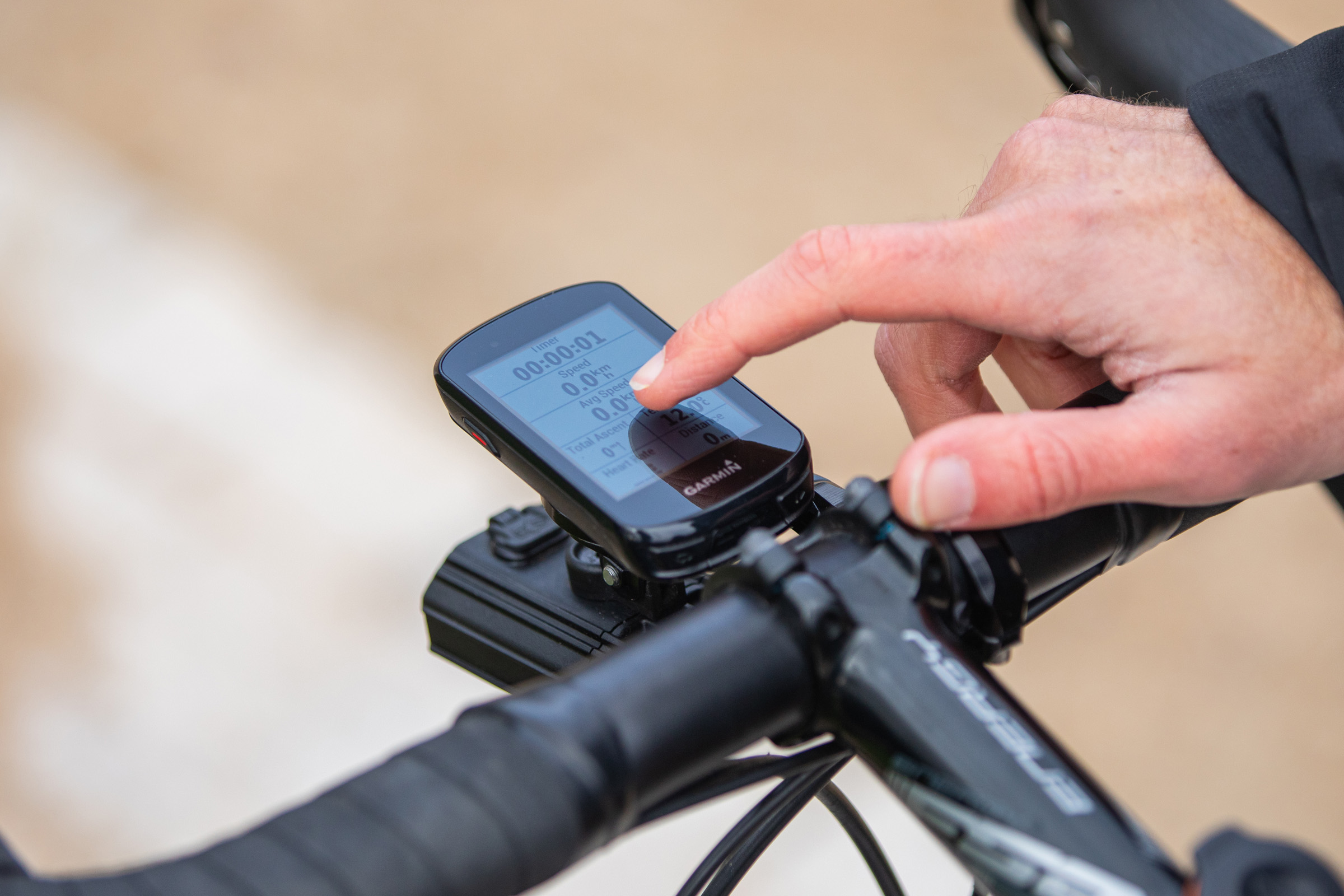
Garmin Edge 830
GPS has improved a lot, but Strava continues to round down. Scott Windsor / Our Media

Strava decided to round down activities way back in 2012, when GPS wasn’t as good as it is today. 

The app says it adopted the same principle you would apply to racing. If you ran a 5k and your watch read 5km before the finish line, you’d keep running. 

GPS is now more accurate and the way distance is calculated is more complicated. Strava says devices now combine inputs – from GPS, pedometers and accelerometers, for instance – which is why you sometimes have distances recorded on activities missing GPS. Considering this complexity, Strava continues to round down.

It’s here to stay 

So GPS is more accurate, but Strava is keeping its tax. This might seem like an odd decision, but Strava says removing the tax could lead to bigger problems, for you and the platform.

If your activities were rounded up, the distance you record over a year – or many years – would become skewed.

Strava says changing the tax would have a big impact on the app: “We’d need to change the display rules for display, storage, Challenges, Best Efforts, and so on. It would be an enormous lift that requires deprioritising other parts of the product.”

What do other apps do?

When BikeRadar spoke to the makers of other ride-recording apps, it was hard to get a clear answer on how they deal with distance data. One app developer passed on commenting, while Ride with GPS explained how its app displays distance when you’re riding and after you save an activity. 

“What riders see while recording an activity using our mobile app is exactly what they will see after saving, as our calculations happen in real-time during the activity. Because we have limited space to display metrics for a user’s ride, we’ve chosen to display distance as accurately as possible by truncating the last digit from view,” a Ride with GPS spokesperson said, adding that this method is a more accurate reflection of distance. 

“Post-processing a recorded distance down from what the rider was seeing the whole time while recording in the mobile app would potentially lead to an unhappy user,” they added.  

So it seems Strava is the clearest on how it deals with this data, and at least its method is one tax we can understand. 

Volvo expands its Google partnership to bring new features like Gemini to cars sooner

Following the announcement that Gemini is coming to cars, Volvo is using I/O 2025 to announce a new expanded partnership with Google. The companies’ new deal makes Volvo’s cars reference hardware for future Android Automotive OS development, and means Volvo drivers will be “among the first to benefit” when Gemini fully replaces Google Assistant in cars.

Volvo describes itself as Google’s “lead development partner for new features and updates,” making the company’s cars the first to receive new updates to the Android Automotive OS. Google offers Android Auto as its CarPlay-like solution for beaming a software interface from your phone to in-car displays, but its Automotive OS is more complete, running on your vehicle locally and connected to car controls for A/C and more. You can already experience Android Automotive OS in Volvo’s EX90, for example.

Google’s current vision for Android in cars is, perhaps unsurprisingly, focused on getting drivers to talk to Gemini. In a car with the assistant, you’ll be able to ask Gemini to send a message, pull up directions, or answer the more open-ended, natural language questions that Gemini Live is designed to handle. If it works as advertised, it seems better than pecking at a screen, and Volvo notes it could “help reduce your cognitive load so that you can stay focused on driving.”

There’s no release date for when you can expect Gemini to show up as your driving copilot, but at the very least this new partnership means it’ll be in Volvos first.

This article originally appeared on Engadget at https://www.engadget.com/transportation/volvo-expands-its-google-partnership-to-bring-new-features-like-gemini-to-cars-sooner-070020853.html?src=rss

Jupiter Was Formerly Twice Its Current Size and Had a Much Stronger Magnetic Field

A new study reveals that about 3.8 million years after the solar system’s first solids formed, Jupiter was twice its current size with a magnetic field 50 times stronger, profoundly influencing the structure of the early solar system. Phys.Org reports: [Konstantin Batygin, professor of planetary science at Caltech] and [Fred C. Adams, professor of physics and astronomy at the University of Michigan] approached this question by studying Jupiter’s tiny moons Amalthea and Thebe, which orbit even closer to Jupiter than Io, the smallest and nearest of the planet’s four large Galilean moons. Because Amalthea and Thebe have slightly tilted orbits, Batygin and Adams analyzed these small orbital discrepancies to calculate Jupiter’s original size: approximately twice its current radius, with a predicted volume that is the equivalent of over 2,000 Earths. The researchers also determined that Jupiter’s magnetic field at that time was approximately 50 times stronger than it is today.

Adams highlights the remarkable imprint the past has left on today’s solar system: “It’s astonishing that even after 4.5 billion years, enough clues remain to let us reconstruct Jupiter’s physical state at the dawn of its existence.” Importantly, these insights were achieved through independent constraints that bypass traditional uncertainties in planetary formation models — which often rely on assumptions about gas opacity, accretion rate, or the mass of the heavy element core. Instead, the team focused on the orbital dynamics of Jupiter’s moons and the conservation of the planet’s angular momentum — quantities that are directly measurable.

Their analysis establishes a clear snapshot of Jupiter at the moment the surrounding solar nebula evaporated, a pivotal transition point when the building materials for planet formation disappeared and the primordial architecture of the solar system was locked in. The results add crucial details to existing planet formation theories, which suggest that Jupiter and other giant planets around other stars formed via core accretion, a process by which a rocky and icy core rapidly gathers gas.
The findings have been published in the journal Nature Astronomy.


Read more of this story at Slashdot.

Make Ubuntu Updates Easier with Nala

Ubuntu systems rely on APT (Advanced Package Tool) for package management. While APT is powerful, its output can be overwhelming and difficult to parse at a glance. Enter Nala, a frontend for the APT package manager that offers a more user-friendly experience with cleaner output, parallel downloads, and useful quality-of-life features. If you’ve ever been frustrated by APT’s verbose and sometimes confusing output, Nala might be the tool you’ve been looking for in Ubuntu 24.04 and newer versions.

Fortnite Returns To Apple US App Store After 5-Year Ban

Fortnite has returned to Apple’s App Store in the United States after a nearly five-year absence, marking a significant victory for Epic Games in its protracted legal battle against Apple’s App Store policies. The return follows an April 30 ruling where a federal judge determined Apple violated a court order requiring the company to allow greater competition for app downloads and payment methods, referring Apple to federal prosecutors for a criminal contempt investigation.

Epic CEO Tim Sweeney celebrated on X with a simple “We back fam” message. The game, which had 116 million users on Apple’s platform before its 2020 removal, was banned after Epic challenged Apple’s practice of charging up to 30% commission on in-app payments as anticompetitive.


Read more of this story at Slashdot.

Japan’s Honda To Scale Back On EVs, Focus On Hybrids

An anonymous reader quotes a report from Reuters: Honda said on Tuesday that it was scaling back its investment in electric vehicles given slowing demand and would be focusing on hybrids, now far more in favor, with a slew of revamped models. Japan’s second-biggest automaker after Toyota also dropped a target for EV sales to account for 30% of its sales by the 2030 financial year. “It’s really hard to read the market, but at the moment we see EVs accounting for about a fifth by then,” CEO Toshihiro Mibe told a press conference.

Honda has slashed its planned investment in electrification and software by that year by 30% to 7 trillion yen ($48.4 billion). It’s one of a number of global car brands dialing back EV investment due to the shift in demand in favor of hybrids and as governments around the world ease timelines to meet emission rules and EV sales targets. Honda plans to launch 13 next-generation hybrid models globally in the four years from 2027. At the moment it sells more than a dozen hybrid models worldwide, though just three in the U.S. — the Civic, which comes in hatchback and sedan versions, the Accord and the CR-V. It will also develop a hybrid system for large-size models that it plans to launch in the second half of the decade.

The automaker is aiming to sell 2.2 million to 2.3 million hybrid vehicles by 2030, a huge jump from 868,000 sold last year. That also compares with a total of 3.8 million vehicles sold overall last year. Earlier this month, Honda announced it had put on hold for about two years a $10.7 billion plan to build an EV production base in Ontario, Canada, due to slowing demand for electric cars. Honda said, however, that it still plans to have battery-powered and fuel-cell vehicles make up all of its new car sales by 2040.


Read more of this story at Slashdot.

AMD’s $299 Radeon RX 9060 XT brings 8GB or 16GB of RAM to fight the RTX 5060

AMD’s Radeon RX 9070 XT and RX 9070 were fairly well received when they were released in March, ably competing with Nvidia’s RTX 5070 and RTX 5070 Ti for the same or a little less money. We were impressed by the cards’ performance and power efficiency, even if they still have some of the same caveats as older Radeon cards (lack of DLSS upscaling and lower relative ray-tracing performance being two).

Today AMD is formally expanding its family of RDNA 4 graphics cards with the Radeon RX 9060 XT, a GPU that will go up against Nvidia’s RTX 5060 and RTX 5060 Ti GPUs. These GPUs have just half the compute units of the RX 9070 XT, but at $299 and $349 for 8GB and 16GB configurations, they ought to be decent options for 1080p or entry-level 1440p gaming PCs (with the eternal “if you can find them” caveat that comes with buying a GPU in 2025).

AMD says the new GPUs will be available starting on June 5th from the typical range of partners—AMD released renders of a reference GPU design, but sometimes these are starting points that manufacturers can take or leave, rather than products AMD intends to manufacture and sell itself.

Read full article

Comments

AMD unveils Radeon RX 9060 XT at Computex 2025

AMD has unveiled its 9060 XT GPU at Computex 2025. The midrange GPU will be the clear competitor to Nvidia’s 5060 Ti and goes toe-to-toe with it on almost every spec. Built on AMD’s 4-nanometer RDNA 4 silicon, the 9060 XT will pack 32 compute units, along with 64 dedicated AI accelerators and 32 ray-tracing cores.

Render of AMD Radeon RX 9060 XT
AMD

Notably, the RX 9060 XT will ship in 8GB and 16GB GDDR6 versions, whereas Nvidia’s RTX 5060 Ti uses faster 28 Gb/s GDDR7, delivering roughly 40 percent more bandwidth (448 GB/s vs. approximately 322 GB/s) on the same 128-bit bus. We’ll have to wait for some side-by-side performance comparisons before drawing any strong conclusions from those specs.

AMD has listed the 9060 XT’s boost clock at speeds up to 3.13 GHz. The GPU boasts 821 TOPS for AI workloads and will draw a modest 150 to 182 watts from the board. The card will connect via PCIe 5.0 x16 and supports the now-standard DisplayPort 2.1a and HDMI 2.1b. Based on these initial specs, the 9060 XT should be a solid entry for games running at 1080p and a decent option for those at 1440p. Those wishing to play at 4K should still opt for the Radeon RX 9070 or 9070 XT.

Pricing and exact release timelines have not yet been announced.

This article originally appeared on Engadget at https://www.engadget.com/gaming/pc/amd-unveils-radeon-rx-9060-xt-at-computex-2025-030021776.html?src=rss