Disney+ will reportedly stream Women’s Champions League soccer matches across much of Europe

Disney has taken another step into the hyper-competitive world of live sports broadcasting. According to The Guardian, the entertainment conglomerate has secured a five-year deal to broadcast live Women’s Champions League soccer matches on Disney+ across multiple European broadcast territories, including the United Kingdom. 

From the NFL on YouTube to the Grammys on Disney+, the broadcast rights to live events have become a hot commodity as streamers look to make inroads into one of cable TV’s biggest selling points. And in recent years, broadcast rights for women’s sports leagues have become more competitive as the category’s growth in viewership accelerates.

Amazon has been streaming WNBA games since 2021, and last year Netflix secured the rights to broadcast the FIFA Women’s World Cup. Disney’s investment in streaming the best in European women’s soccer signals an important continuation of that trend.

According to the same report by The Guardian, Disney made a “hugely competitive offer” for the streaming rights, and is said to be investing not only in the rights themselves, but in extensive coverage with high-caliber production. The deal was entered into in agreement with UC3, the joint venture between UEFA and the European Club Association, which means club representatives were involved in the discussions.

In the United States, the broadcast rights for the Women’s Champions League are held exclusively by DAZN; the platform currently streams 19 matches for free in addition to more for subscribers. YouTube had signed on as a streaming partner in the US for all games from 2021 to 2023, but didn’t renew that deal when it ended.

The deal reportedly includes some free-to-air coverage of the Women’s Champions League in the United Kingdom, though there are no details yet on which games or how many exactly. So if you’re in the UK, don’t forget to renew that TV license.

This article originally appeared on Engadget at https://www.engadget.com/entertainment/streaming/disney-will-reportedly-stream-womens-champions-league-soccer-matches-across-much-of-europe-155854592.html?src=rss

Fedora Council overturns FESCo provenpackager decision

The Fedora Council has ruled on the Fedora Engineering Steering
Council’s (FESCo) decision last year to revoke Peter Robinson’s
provenpackager status. In a statement
published to the fedora-devel-announce mailing list, the council has
announced that it has overturned FESCo’s decision:

FESCo didn’t have a specific policy for dealing with a request to remove
Proven Packager rights. In addition, the FESCo process was handled entirely
in private. The contributor didn’t receive a formal notification or warning
from FESCo, and felt blindsided by the official decision when and how it was
announced. The Fedora Council would like to extend our sincerest apology on
behalf of the Fedora Project to them.

LWN covered the
story in December 2024.

Mario Kart World Devs Answer Your Burning Questions Like, Does Mario Really Eat Mushrooms?

Mario Kart World Devs Answer Your Burning Questions Like, Does Mario Really Eat Mushrooms?
The Nintendo Switch 2 launch date of June 5th is getting closer, and we’re getting more information on one of its biggest launch titles. Mario Kart World, the successor to a long string of successful Mario Kart racing games, is at the top of the list for many gamers. Nintendo developers recently answers various questions about the next installment,

Amazon is testing AI-generated hosts that talk customers through product features

Amazon is testing a new feature that involves AI-generated hosts talking through product summaries. It looks fairly similar to Google’s audio overviews, which also include AI-generated hosts that seem plucked from a middling podcast.

Amazon says that these “AI shopping experts help save time by compiling research and providing product highlights for customers from product pages, reviews and insights.” This leads me to an obvious question. Amazon is notorious for hosting fake reviews. Some studies suggest that fake reviews account for more than 40 percent of the sum total. Do these AI hosts pull from those reviews? We’ve reached out to Amazon and will update this post if we hear back.

Each audio summary will remind you that it was generated by AI, just before an introduction from the “expert” hosts. Amazon says these hosts are “like having helpful friends discuss potential purchases to make your shopping easier.”

You might be able to try this out right now. It’s currently available to some US customers on the mobile app for certain products, like this Ninja Blender, OSEA Undaria Algae Body Oil, SHOKZ OpenRun Pro headphones and a couple of other items. Just tap the “Hear the highlights” button under the product. Amazon has stated it’ll be rolling this out to more customers and more products in the near future.

I can see this being a boon for those with visual impairment issues, but I listened to a couple of summaries and they certainly don’t save any time. I could peruse reviews, look at product information and even conduct a web search of my own in a fraction of the time it took the friendly experts to complete their spiel.

The company says this feature is useful when “multitasking or on the go” but I don’t tend to mindlessly spend money in that way. Do you? This seems like another AI thingamabob that nobody really asked for, but maybe it’ll find a niche somewhere. Again, this could be seriously useful for the visually impaired, but that’s not how Amazon is pitching it.

This article originally appeared on Engadget at https://www.engadget.com/ai/amazon-is-testing-ai-generated-hosts-that-talk-customers-through-product-features-153112886.html?src=rss

COLD VR Gets Campaign Overhaul With Free SUB-ZERO Edition Update Soon

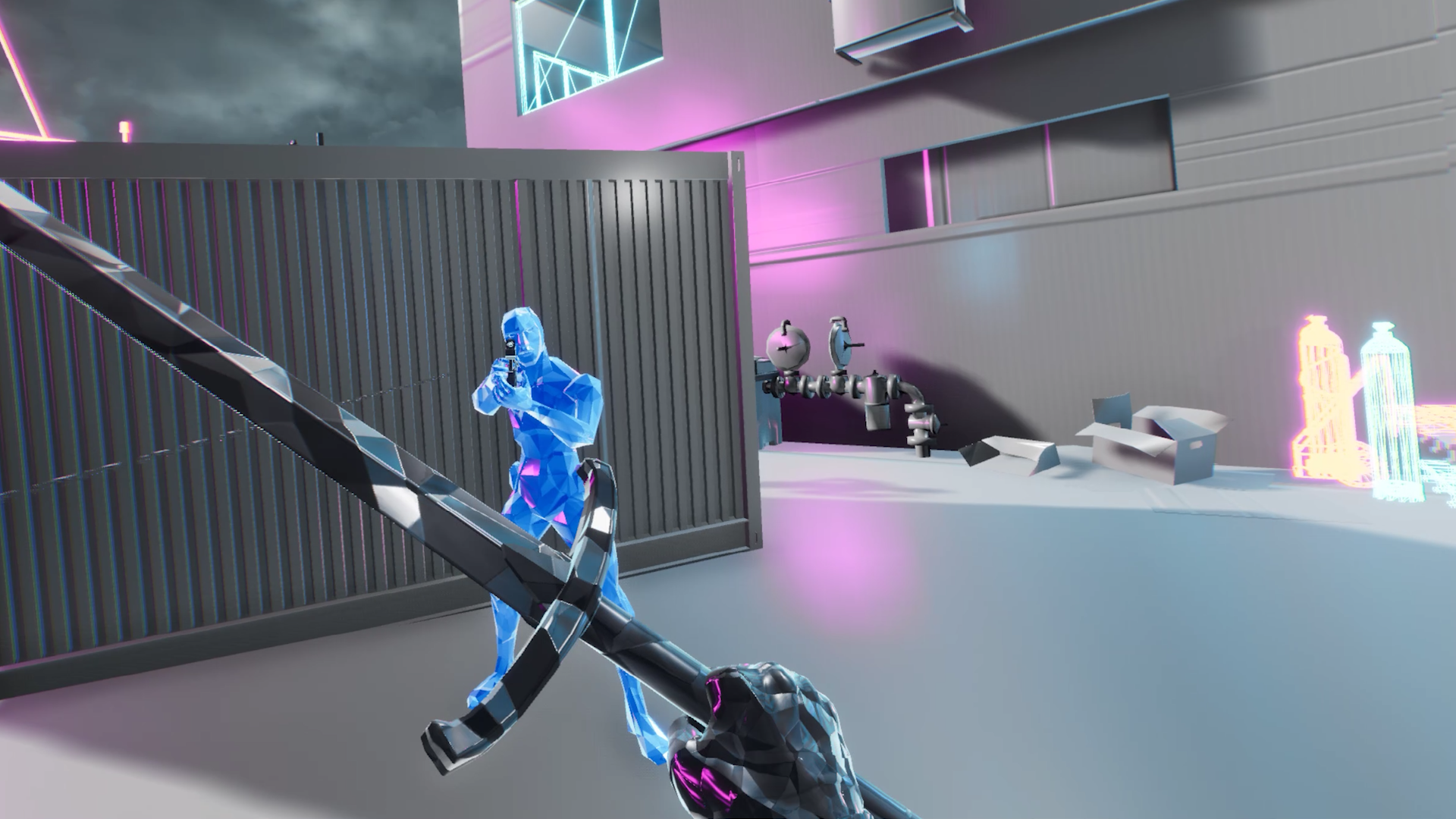
COLD VR: SUB-ZERO Edition overhauls the action shooter with a free update next month, and we interviewed the developer to learn more.

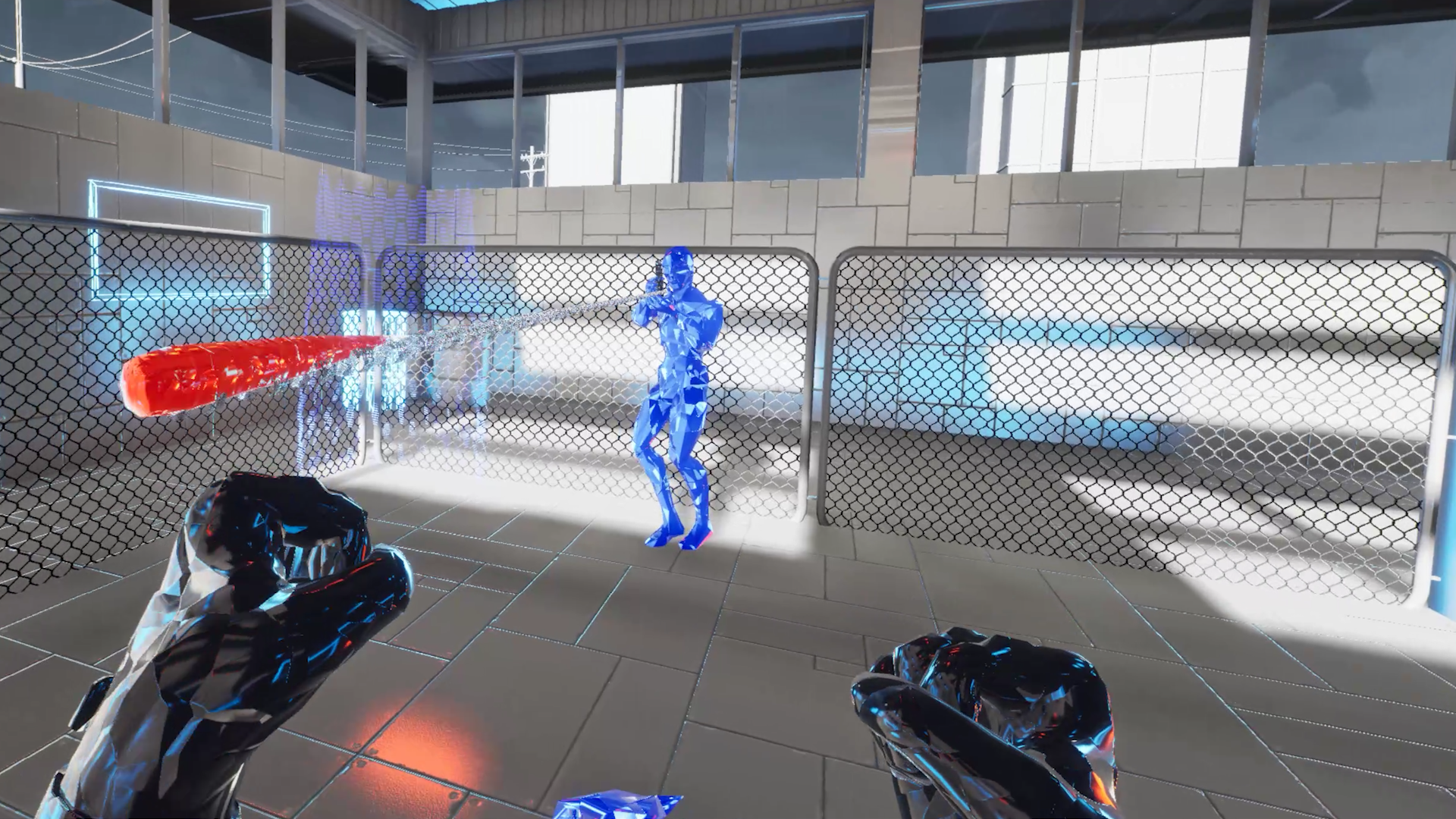
Previously launched in February, COLD VR by Allware LLC is an action game where time slows down as you move. Marking its first major post-launch update, the upcoming SUB-ZERO Edition introduces a campaign overhaul with five new levels, updates to existing levels, visual upgrades across Quest and Steam, and native bHaptics support.

0:00

/0:54

The upcoming changes don’t stop there, either. COLD VR’s horror-themed Backroom levels are now optional, while the game’s introduction scene and main menu have been completely overhauled to get you “into the action more swiftly.” Other tweaks include promised improvements to the enemy AI, alongside the ability to pick up weapons dropped by enemies.

Before today’s announcement, UploadVR interviewed Allware’s CEO and founder, Carlos Alfonso Crespo Ramirez, to learn more via a written Q&A. Beginning by addressing COLD VR’s mixed reception, Ramirez spoke candidly about the launch feedback that ultimately shaped his work on this update.

“I’ll be blunt: the feedback was mixed but absolutely necessary. At launch, we had a mixture of things that I wanted to address. I really listened to the VR
community; what felt clunky, what broke immersion, and what didn’t make you want to throw yourself around the room, and built this update around those needs.”

Ramirez acknowledges comparisons with Superhot VR as another problem, though he understands why this happened due to the slow-motion moments and visual similarities. Calling both titles “practically opposites” in terms of gameplay, he believes the similarities gave some players the wrong impression.

“Superhot is this measured, strategic [slow-motion] ballet, whereas COLD VR is
pure, unfiltered chaos that makes you tear around the room. I channeled the vibe,
but that’s where the similarities end.”

New screenshots for COLD VR

With the thought process behind the campaign’s rework, Ramirez informed me he looked across every level to see what clicked and what “felt flat.” I’m told the responsiveness has been upped to ensure tighter aiming and smoother movement. The Backrooms are now an optional challenge to avoid interrupting the main campaign flow.

“Every existing level was tweaked, enemy waves rebalanced, the pacing was smoothed out, and then we added five brand-new levels to give players a totally new experience.”

Other new additions include grabbing weapons dropped by enemies, something the original release didn’t support. Elsewhere, Ramirez advised the PC VR edition will benefit from better performance and visual enhancements, while the SUB-ZERO Edition will make lighting adjustments and update the “overall look and feel” of the game across all platforms.

Regarding PlayStation VR2, Ramirez states it’s too early to comment on specifics like performance targets or PS5 Pro upgrades. However, when it does launch on Sony’s headset, that will coincide with an additional content update.

“I want the PS VR2 version to release with a new content update that, without
giving away too much, is supposed to take COLD into an even COLDER territory.”

COLD VR: SUB-ZERO Edition launches as a free update on June 2 on Quest and PC VR, and the PlayStation VR2 version will follow “in the near future.”

Apple Has Classified These Two iPhones as ‘Vintage’ (and What That Means)

Every tech product you own has a “lifespan,” and I’m not referring to how long you use it before it stops working, you break it, or decide to buy a new one. Instead, this is how long the device will be officially supported by its maker—a timeframe that could be shorter or longer than how long it will actually last. Apple guarantees it will continue supporting products at least five years after it stops selling them. Once those five years are up, Apple can deem that device “vintage.”

Apple recently classified two more of its products as vintage: the iPhone 7 Plus (2016) and some iPhone 8 models (2017)—while the 64GB and 256GB iPhone 8 models are now vintage, the 128GB is not. The last time Apple did this, it labeled the iPhone XS Max (2018) and the iPhone 6S Plus (2015) as vintage. In addition, Apple now classifies two previously “vintage” iPads as “obsolete,” the iPad Air 2 (2014) and the iPad mini 2 (2013).

So what exactly does it mean for an Apple product to be classified as “vintage,” and what happens when a vintage product becomes “obsolete”?

What it means when Apple classifies a product as “vintage”

“Vintage” in Apple-land doesn’t actually mean a product is “old” or that you should stop using it—nor does it imply you’ll be able to sell it to collectors for a profit. When an Apple device becomes “vintage,” that product is no longer guaranteed by Apple to be repairable at an Apple Store or other authorized service provider. In many cases, Apple will also stop issuing routine software updates for that device.

Apple’s official definition of vintage is a product the company stopped selling more than five years ago, but fewer than seven. Because the company stops selling some devices sooner than others, you end up with some interesting discrepancies when it’s time to mark devices as vintage. Apple sold the 128GB iPhone 8 for longer than the other storage variants, so it isn’t eligible for this vintage label yet. (You can find a full list of all vintage and obsolete devices on Apple’s support site.)

Despite the reduction in support, vintage Apple devices will still work (reclassification isn’t some sort of internal kill switch) and some devices may even continue to receive system updates if they support the latest operating systems or if a major security flaw needs to be patched. (Despite its vintage status, the XS Max supports iOS 18, for example.) It’s even possible you could get one repaired, if the parts are available. Just don’t be surprised if an Apple Genius or an Apple-authorized vendor turns you away.

Once a product is more than seven years old, it graduates from vintage to a different category: “obsolete.”

Apple’s “obsolete” list

Like vintage products, devices listed as “obsolete” will operate as normal as long as the hardware is in working condition. However, obsolete products lose virtually all hardware support. The only exception is MacBooks, which may allow for a battery replacement up to 10 years after the product was last available for sale.

You shouldn’t expect the latest version of iOS to work on an obsolete iPhone, and software updates will also likely be a thing of the past. In rare cases though, Apple may supply security updates to obsolete iPhones: All iPhone 6S models still receive security updates, including the 32GB 6S Plus, which is obsolete.

These shifts in service priority can be frustrating if you’re still rocking older tech and don’t feel like upgrading, but the policy makes sense, given the current market realities: At the rate that both hardware and software iterate, diverting resources to keep outdated devices afloat is difficult and costly. However, even if an Apple Store turns your iPhone 8 away for repair, independent repair shops may still help you out for some time to come—even when the 8 eventually becomes “obsolete.”

Google Has a Big AI Advantage: It Already Knows Everything About You

Google’s expansion of Gemini’s data access through “personal context” represents a fundamental shift in how AI assistants operate. Unlike competitors that start from scratch with each new user, Gemini can immediately tap into years of accumulated user data across Google’s ecosystem. The Verge adds: Google first started letting users opt in to its “Gemini with personalization” feature earlier this year, which lets the AI model tap into your search history “to provide responses that are uniquely insightful and directly address your needs.” But now, Google is taking things a step further by unlocking access to even more of your information — all in the name of providing you with more personalized, AI-generated responses.

During Google I/O on Tuesday, Google introduced something called “personal context,” which will allow Gemini models to pull relevant information from across Google’s apps, as long as it has your permission. One way Google is doing this is through Gmail’s personalized smart replies — the AI-generated messages that you can use to quickly reply to emails.

To make these AI responses sound “authentically like you,” Gemini will pore over your previous emails and even your Google Drive files to craft a reply tailored to your conversation. The response will even incorporate your tone, the greeting you use the most, and even “favorite word choices,” according to Google.


Read more of this story at Slashdot.

Mysteriously Perfect Sphere Spotted In Space Has Astronomers Baffled

Mysteriously Perfect Sphere Spotted In Space Has Astronomers Baffled
In a discovery that has astronomers both captivated and perplexed, a mysterious perfectly-spherical object, dubbed “Teleios,” has been detected in the vast expanse of deep space. Discovered and observed exclusively through its radio emissions by the Australian Square Kilometre Array Pathfinder (ASKAP) radio telescope, this celestial object

GeoGuessr pulls out of the Esports World Cup after a community protest

The team behind GeoGuessr is withdrawing the location-guessing game from the Esports World Cup (EWC) after fans protested its decision to participate in the event. Community members pulled many popular custom maps from the game after it emerged the game’s publisher, GeoGuessr AB, was going to hold a tournament at the EWC, which takes place in Riyadh, Saudi Arabia, in July.

Map creators who removed their community creations from GeoGuessr claimed that the EWC is “a sportswashing tool used by the government of Saudi Arabia to distract from and conceal its horrific human rights record.” Many other prominent game franchises will be featured at the event, including Call of Duty, Overwatch, Rocket League, Street Fighter and EA Sports FC.

In a statement posted on X and Reddit, GeoGuessr AB CEO and co-founder Daniel Antell said the community stated loud and clear that the decision to take part in the EWC “does not align with what GeoGuessr stands for.” As such, the team is pulling out of the event.

Here is Antell’s full statement:

Hi everyone,

I’ve seen your reactions over the past few days regarding our decision to participate in the Esports World Cup in Riyadh. When we made that decision, it was with positive intentions. To engage with our community in the Middle East and to spread GeoGuessr’s core mission of let everyone Explore the World.

Since Erland, Anton, and I founded GeoGuessr in 2013, we’ve always strived to be a community-first game. Everyone here at the Stockholm office is a passionate GeoGuessr fan, doing our best to build something meaningful, with you and for you.

That said, you – our community – have made it clear that this decision does not align with what GeoGuessr stands for.

So, when you tell us we’ve got it wrong we take it seriously. That’s why we’ve made the decision to withdraw from participating in the Esports World Cup in Riyadh.

We will come back with information on how the wildcards will be distributed as soon as possible.

Thank you for speaking up and sharing your thoughts.

/Daniel

This article originally appeared on Engadget at https://www.engadget.com/gaming/geoguessr-pulls-out-of-the-esports-world-cup-after-a-community-protest-151138984.html?src=rss

Infrared contact lenses let you see in the dark

Tired of using bulky night vision goggles for your clandestine nocturnal activities? An interdisciplinary team of Chinese neuroscientists and materials scientists has developed near-infrared contact lenses that enabled both mice and humans to see in the dark, even with their eyes closed, according to a new paper published in the journal Cell.

Humans and other mammals can only perceive a limited range of the electromagnetic spectrum (light), usually in the 400–700 nm range. There are creatures that can see in infrared (snakes, mosquitoes, bullfrogs) or ultraviolet (bees, birds), and goldfish can perceive both. But humans must augment themselves with technology in order to expand our range of vision.

Night vision goggles and similar devices have been around since the 1930s, including infrared-visible converters, but these require external energy sources, and the converters have a multilayer structure that makes them opaque and hence challenging to integrate with a human eye. The authors previously were able to confer near-infrared vision to mice by injecting nanoparticles that bind to photoreceptors into their eyes—basically creating a near-infrared nanoantenna—but realized that most people would be averse to the prospect of sticking needles in their eyes. So they looked for a better alternative. Contact lenses seemed the obvious choice.

Read full article

Comments

Honor’s midrange 400 series pairs a 200-megapixel camera with the usual AI tools

It’s been a while since a company has thrown out a truly silly number of megapixels for a new phone. After all, the double-digit pixels found on most flagship handsets are just used to pixel bin the size down without harming the quality. Rejoice, then, when I tell you Honor’s new midrange 400 series is shipping with a 200 megapixel sensor working hand-in glove with an AI to make use of all that data. 200 megapixels, in this economy? Apparently so.

The 400 series is the latest in Honor’s not-at-all-confusingly-named “N” series of midrange handsets which bear numbers. Naturally, while there’s also a low end version of the 400 to buy, the company’s focus here (as always) was on the 400 Pro 5G and the regular 400 5G. Both models get that 200 megapixel primary camera tied to a Samsung-made 1/1.4-inch sensor with both optical and electronic image stabilization. Both are also equipped with a 12-megapixel macro/wide camera, plus a 50-megapixel front-facer.The Pro, however, also gets an additional 50-megapixel telephoto that the company claims will produce some impressive digital zoom.

Of course, these handsets are less about the raw numbers and more about what they can do when the images are run through the AI. Honor says the phones will capture and enhance portraits, erase passers-by, create videos from still images and can even remove reflective glare when taking pictures through panes of glass. Plus, on-device generative expand will expand the edge of an image if you feel the original was too closely cropped when you shot it. And Honor says the phone will use AI to create film simulation models to annoy all your Fuji-owning frenemies. Honor hasn’t yet been clear about how much of these AI innovations will be part of the phone and how much will require an extra subscription.

As for the rest of the phone, the 400 Pro’s spec list is no slouch: It’s got a Snapdragon 8, Gen 3 processor, 16GB RAM and a 5,300mAh silicon carbon battery. Up front, you’ll be staring into a 6.7-inch 2,800 x 1,280, 120Hz AMOLED display with a peak brightness of 5,000 nits. If you opt for the regular 400, then you’ll get a Snapdragon 7, Gen 3, 8GB RAM and a 6.55-inch, 120Hz AMOLED with a similarly beefy peak brightness. Both handsets will get Honor’s often-ballyhooed AI thread optimization for better sustained performance under load, such as if you’re gaming on the go. And the company has tweaked the graphics engine to better handle people’s massive photo libraries without stuttering.

The Honor 400 series is available to buy in Europe and the UK from today, with the Pro 5G setting you back €800 / £700. The regular 400 5G can be snapped up for €500 / £400 if you want 256GB storage and €550 / £450 if you want 512GB instead. Naturally, if you’re looking for a cheaper alternative, the “Lite” version can be picked up for €300, but the company didn’t share any specs for that particular handset. As usual, there’s no word on if this handset will come to the US unless you import it yourself.

What Honor has been eager to point out, is the company has committed to providing six years of Android support for these handsets. That means buyers should expect to get at least that many OS and security updates, and Android 16 will be coming to the handsets by the end of the year.

This article originally appeared on Engadget at https://www.engadget.com/mobile/smartphones/honors-midrange-400-series-pairs-a-200-megapixel-camera-with-the-usual-ai-tools-150018371.html?src=rss

GeoGuessr Bails On Controversial Saudi Tournament After Map Makers Revolt: ‘When You Tell Us We’ve Got It Wrong We Take It Seriously’

GeoGuessr will not be one of the games participating in Saudi Arabia’s Esports World Cup this year, after criticisms of sportswashing and the country’s poor human rights record. The competitive guessing game that’s popular on Twitch had previously agreed to be part of the event alongside Riot, Blizzard, and other game…

Read more…

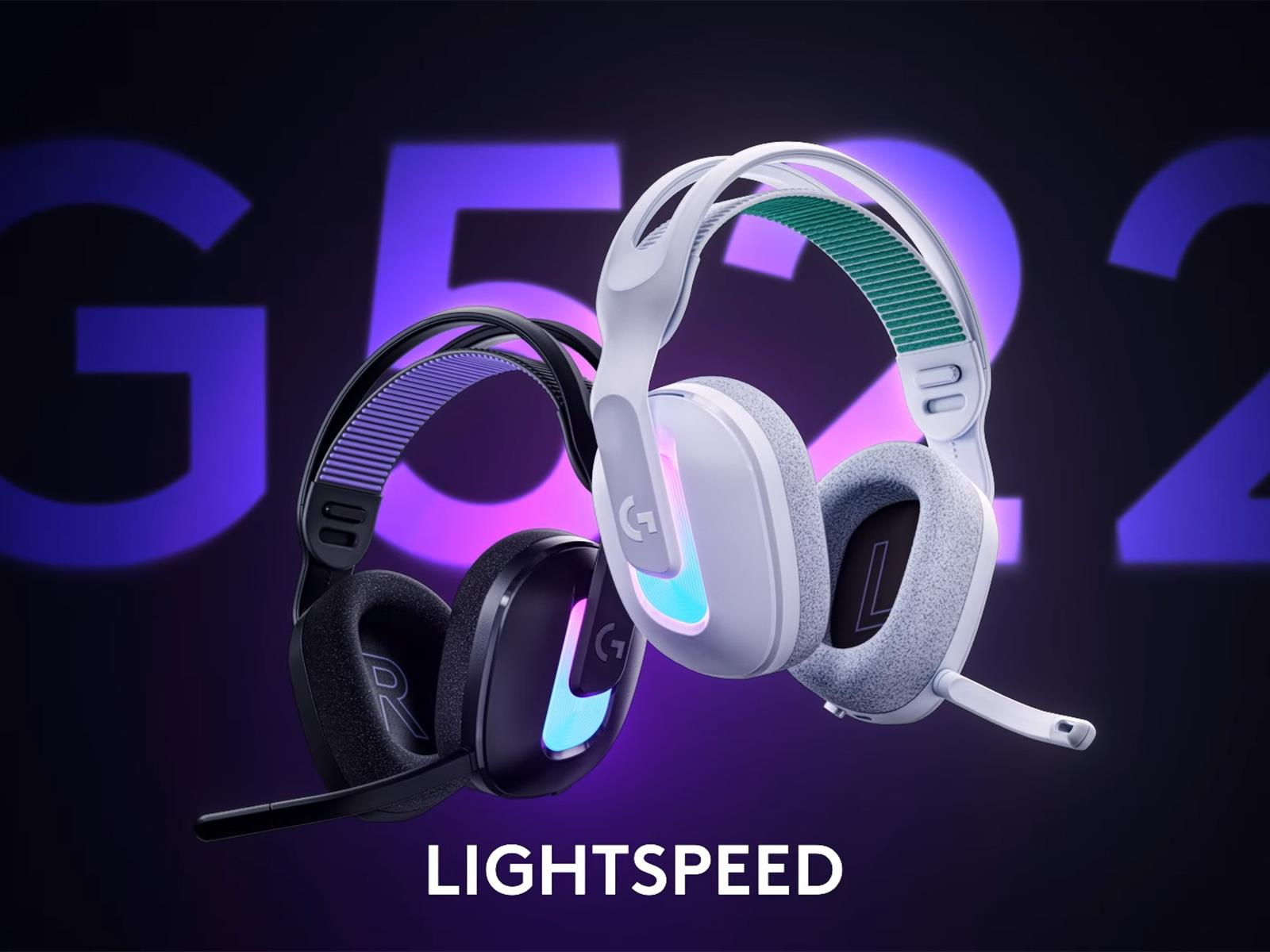
Logitech G522 Headset Touts Comfy Upgrades For All-Night Gaming Sessions

Logitech G522 Headset Touts Comfy Upgrades For All-Night Gaming Sessions
Logitech is expanding its lineup of gaming peripherals with the launch of the G522, a gaming headset that comes with the promise of extended comfort (and no paid DLC shenanigans). According to Logitech, the G522 builds upon the popular G733. While they may look similar, Logitech says the G522 “delivers a significant leap forward in comfort”

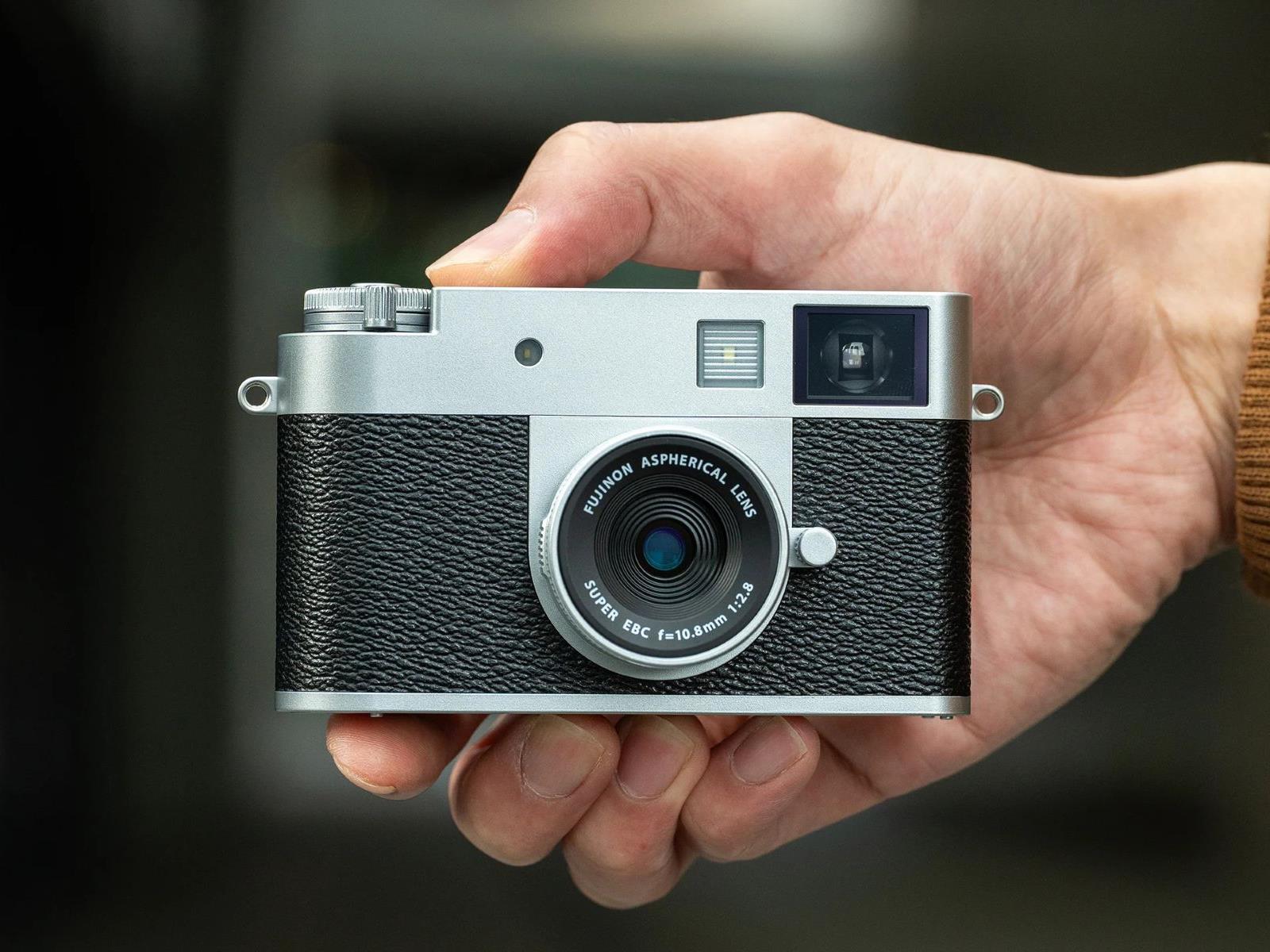
Fujiflim’s New X Half Camera Packs Retro Vibes Into A Capable Compact Shooter

Fujiflim's New X Half Camera Packs Retro Vibes Into A Capable Compact Shooter
Fujifilm has announced the global launch of a compact digital camera, the Fujifilm X-HF1 (a.k.a. X Half). Rocking full-on retro design vibes, the camera has interesting “features,” such as a portrait-oriented sensor, optical viewfinder, AND rear display, plus no RAW support. We can only surmise that the X Half’s target audience are social

Valve Founder’s Neural Interface Company to Release First Brain Chip This Year

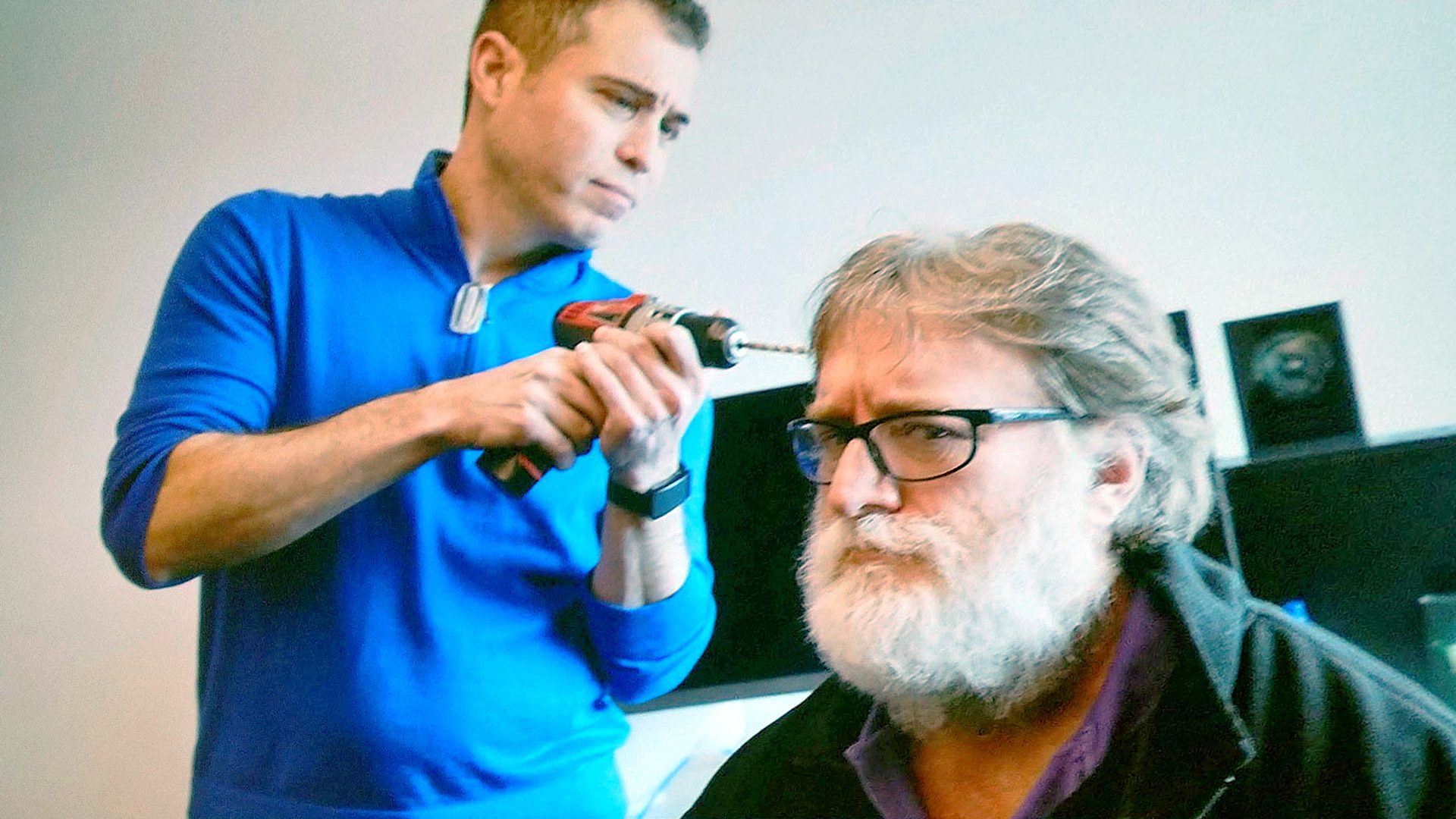
Valve founder Gabe Newell’s neural chip company Starfish Neuroscience announced it’s developing a custom chip designed for next-generation, minimally invasive brain-computer interfaces—and it may be coming sooner than you think.

The company announced in a blog update that it’s creating a custom, ultra-low power neural chip in collaboration with R&D leader imec.

Starfish says the chip is intended for future wireless, battery-free brain implants capable of reading and stimulating neural activity in multiple areas simultaneously—a key requirement for treating complex neurological disorders involving circuit-level dysfunction. That’s the ‘read and write’ functions we’ve heard Newell speak about in previous talks on the subject.

Mike Armbinder (left) and Gabe Newel (right) | Image courtesy Valve

The project aims to overcome current limitations of minimally-invasive neural interface implants, which are often bulky, power-hungry, and difficult to scale across multiple brain regions.

Current clinical technologies, like Elon Musk’s Neuralink (approved by the FDA in 2023), typically focus on single-region intervention in the brain’s motor cortex. In contrast, Starfish hopes to reduce surgical burden through miniaturization, making implants easier to place across multiple sites.

And at just 2 × 4mm, Starfish’s chip is tiny. If you never imaged reading a brain chip spec sheet from a company founded by Valve’s Gabe Newell, well, welcome to the future. Starfish’s first brain chip boasts:

  • Low power: 1.1 mW total power consumption during normal recording 
  • Physically small: 2 x 4mm (0.3mm pitch BGA) 
  • Capable of both recording (spikes and LFP) & stimulation (biphasic pulses) 
  • 32 electrode sites, 16 simultaneous recording channels at 18.75kHz 
  • 1 current source for stimulating on arbitrary pairs of electrodes 
  • Onboard impedance monitoring and stim voltage transient measurement 
  • Digital onboard data processing and spike detection allows the device to operate via low-bandwidth wireless interfaces. 
  • Fabricated in TSMC 55nm process

It’s still early days though. The company is now calling for early-stage collaborators—particularly those working in wireless power delivery, communication, and implantable neural devices—to explore novel applications of this technology ahead of its expected availability in late 2025.

As Newell has long suggested, the real potential lies beyond medicine, noting back in 2023 that “we’re way closer to ‘the Matrix’ than people realize.”

“I think connecting to people’s motor cortex and visual cortex is going to be way easier than people expected and doing things like […] reading and writing to somebody’s motor cortex is way more of a tractable problem than making people feel ‘cold’. And you never would have guessed that,” Newell said in a 2023 interview with IGN. “And I never would have guessed that before going into it. It turns out your brain has really good interfaces for some things and really badly designed, kludgy interfaces for doing other things. And the fact that your immune system gets involved in your perception of temperature means there’s all sorts of weird parts of your brain that participate in the sensation of being cold, whereas your motor cortex [or] your visual cortex are much more tractable problems.”

In 2019, prior to his departure from Valve, the company’s Principal Experimental Psychologist Mike Ambinder also gave some insight into how brain-computer interface might inform immersive games.

“We can measure responses to in-game stimuli. And we’re not always getting [data] reliably, but we’re starting to figure out how. Think about what you’d want to know about your players. There’s a long list of things we can get right now with current technology, current generation analysis, and current generation experimentation,” Armbinder said in his GDC 2019 talk, which was entitled Brain-Computer Interfaces: One Possible Future for How We Play.


Thanks to Brad ‘SadlyItsBradley’ Lynch for pointing us to the news.

The post Valve Founder’s Neural Interface Company to Release First Brain Chip This Year appeared first on Road to VR.