
The many scheduler updates have been merged for the Linux 6.16 kernel which include a wide assortment of different fixes and new improvements…
Monthly Archives: May 2025
Qt Bridges To Take The UI Toolkit To New Programming Languages: Rust, C#, Java & Swift
The open-source Qt toolkit is deeply rooted in C++ code but over the past decade also has enjoyed Python language bindings. Now thanks to new work by the Qt Group on what they are calling Qt Bridging Technology, the toolkit will be enjoying more robust support across different programming languages…
What Do People Want?
Abstract of a paper on NBER: We elicited over a million stated preference choices over 126 dimensions or “aspects” of well-being from a sample of 3,358 respondents on Amazon’s Mechanical Turk (MTurk). Our surveys also collected self-reported well-being (SWB) questions about respondents’ current levels of the aspects of well-being. From the stated preference data, we estimate relative log marginal utilities per point on our 0-100 response scale for each aspect. We validate these estimates by comparing them to alternative methods for estimating preferences. Our findings provide empirical evidence that both complements and challenges philosophical perspectives on human desires and values. Our results support Aristotelian notions of eudaimonia through family relationships and Maslow’s emphasis on basic security needs, yet also suggest that contemporary theories of well-being may overemphasize abstract concepts such as happiness and life satisfaction, while undervaluing concrete aspects such as family well-being, financial security, and health, that respondents place the highest marginal utilities on. We document substantial heterogeneity in preferences across respondents within (but not between) demographic groups, with current SWB levels explaining a significant portion of the variation.


Read more of this story at Slashdot.
Narrative Puzzler Epyka Makes Its PS VR2 Debut Next Week
Epyka launched on Quest earlier this year and is set to arrive on PlayStation VR2 next week.
Developed by Singular Perception, Epyka is a narrative-driven puzzle game where players explore a mysterious island as the titular archaeologist Scott Hudson. With the help of his helpful canine buddy Jack, your job is to uncover the truth of the untouched island before it spells disaster for humankind. The adventure game is already available on Quest, and it’s also coming to PS VR 2 on June 5 with a handful of enhancements.
0:00
/1:09
Quest version trailer
Taking advantage of the PS VR2’s eye-tracking technology, Epyka ‘dynamically adjusts rendering resolution based on where you’re looking,’ to help ensure high-quality performance. Additionally, Epyka runs at a native 120Hz refresh rate while doubling the resolution of its Quest counterpart. Singular Perception also notes ‘advanced haptic feedback,’ HDR support, and a platinum trophy.
In our 3.5/5 stars review of Epyka on Quest, we admired its compelling narrative and challenging but fair puzzles while finding it a little too brief, saying:
Epyka is a beautiful entry point for first-time puzzle-adventure gamers, and a breath of fresh air for adventure game veterans seeking a lighter, well-crafted experience.
Epyka will launch on PlayStation VR2 on June 5 for $10.49, and it’s available on Quest now.
Epyka Review: A Wonderful Journey Cut Too Short
Epyka is a beautiful entry point for VR puzzle-adventure games that’s over all too quickly.
 UploadVRJames Tocchio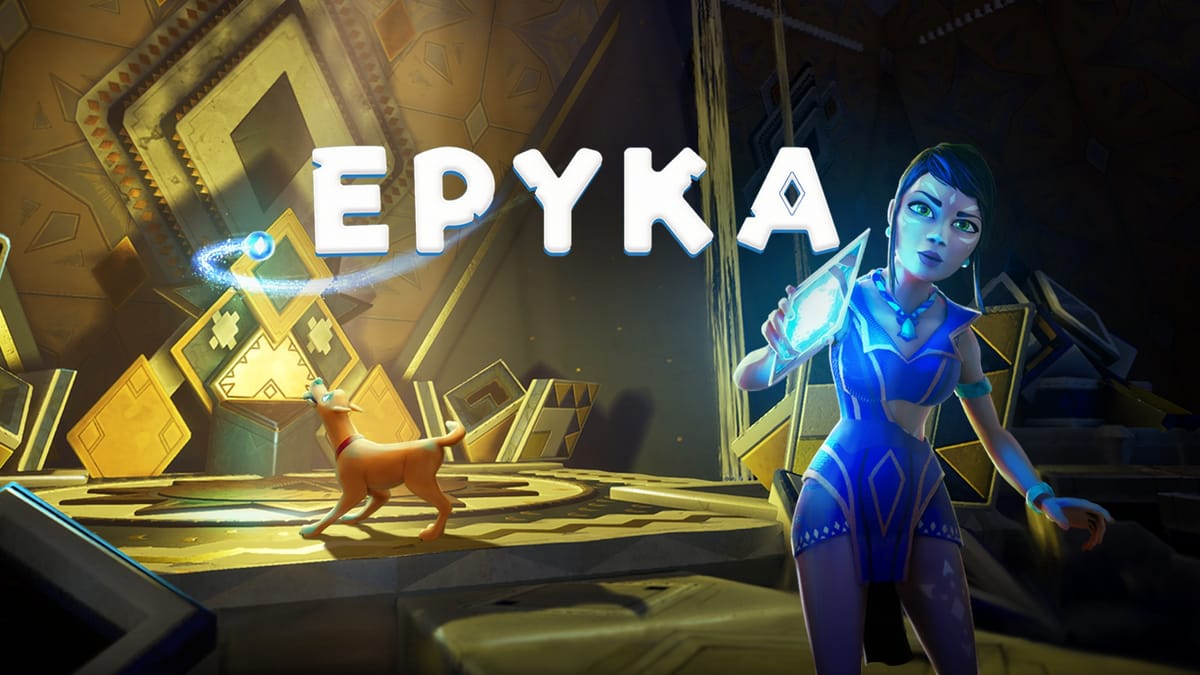
Intel Auto Count Reload & Clearwater Forest PMU Support Merged For Linux 6.16
The Linux kernel Performance Events changes were merged for the newly-opened Linux 6.16 cycle. Most notable are some new additions on the Intel side while AMD also saw a few changes too…
How to Install IDM on Ubuntu (and Other Linux Distros)
Discover how to install the best Internet Download Manager (IDM), a top download manager in the market, on your preferred Linux distribution.
I pushed the new Canyon x DT Swiss F 132 gravel suspension fork to its limit at the Traka 100
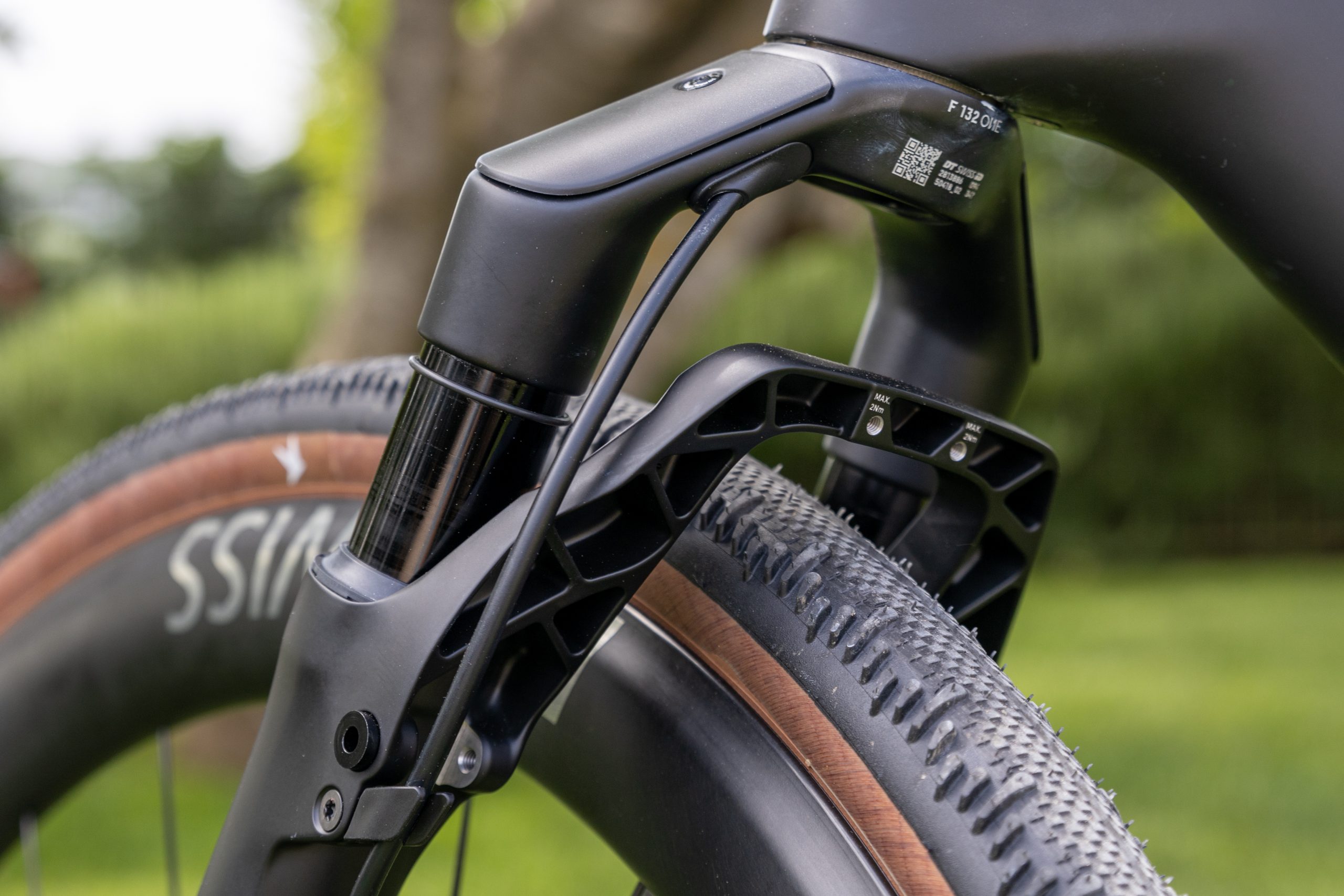
Canyon has partnered with DT Swiss to create a new gravel suspension fork. The F 132 boasts 40mm of travel with nine rebound settings, positive and negative chambers and cable-actuated lockout with a remote lever.
To test the new design, I rode the Traka 100km gravel race. In five hours of gravel goodness, I rode the F 132 over questionably technical rock gardens, down flowing descents and up steep climbs.
The thunderstorm count measured three, waist-deep rivers crossed stood at one, and my finishing position mattered not. Here’s what I learned.
- Best gravel suspension forks 2025 – plus our buyer’s guide
- Gravel bike suspension: the next frontier or costly gimmick?
Climbing with the DT Swiss F 132 – worth the weight?

Climbing with a gravel suspension fork when the lockout is open feels somewhat like a halfway house between a mountain bike and a rigid gravel bike.
On the MTB, such a gravel climb would be a simple act of pointing the bike up and pedalling.
On a rigid gravel bike, you have to pay attention to your line choice in an effort to maintain your momentum.
While the F 132 soaks up smaller roots and rocks, I still had to avoid some of the larger obstacles.
The fork’s 1,340g is quite a significant increase over the Grail’s standard 380g rigid fork, and it would be remiss of me to claim this weight wasn’t noticeable when climbing.
DT Swiss’ design is also 20g heavier than the 50mm travel Fox Tapercast and 90g heavier than the 40mm Cane Creek Invert CS fork.
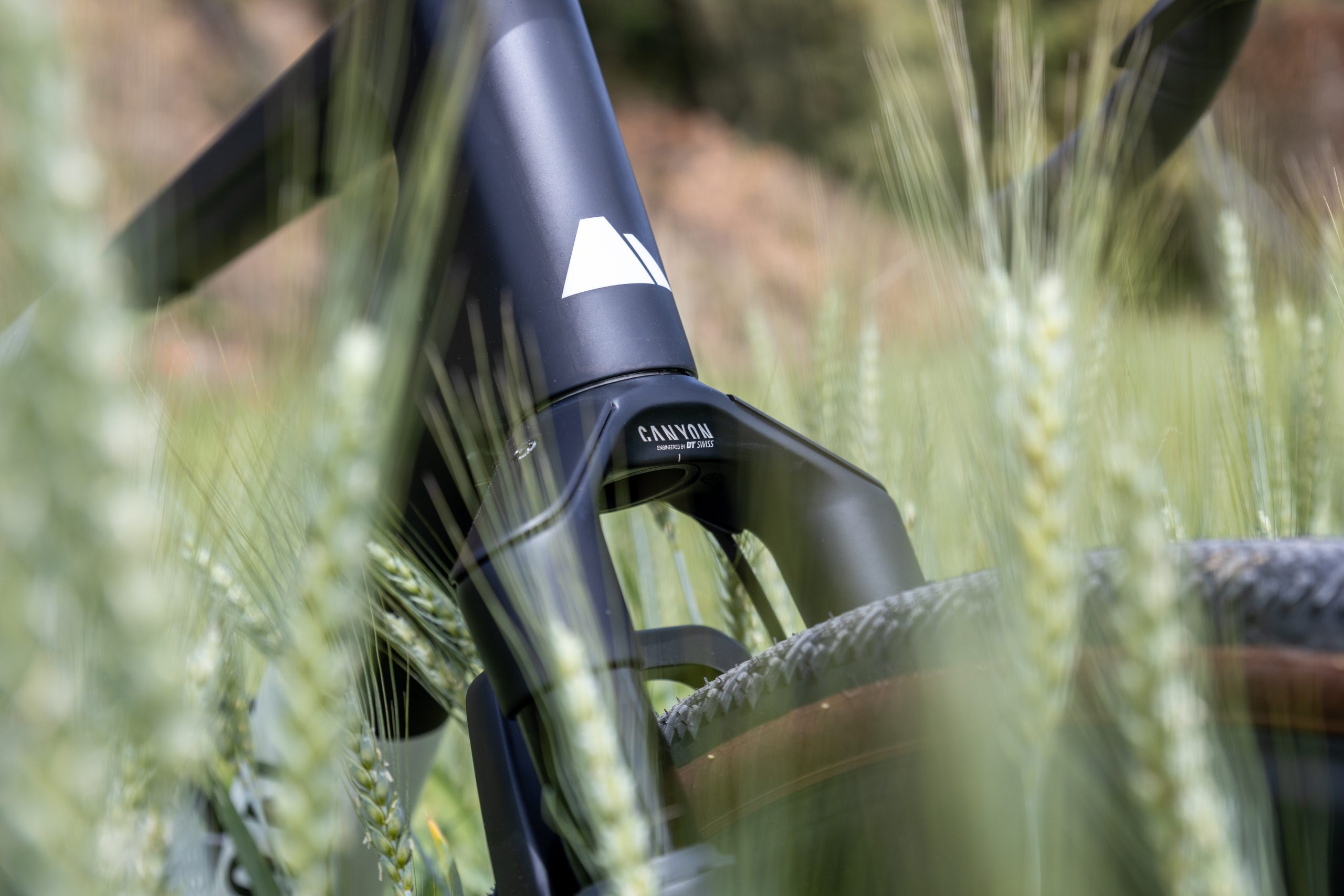
Girona’s gravel climbs are particularly steep in places. If you’re aiming to get up them as quickly as possible, a suspension fork might cost you a little time.
But with the F 132 in the open setting, climbing wasn’t noticeably slower than with the fork locked out.
The latter certainly feels more solid under me, especially out of the saddle, but I’d be very interested to see comparative climbing times for locked vs open and the energy cost of both.
While we’re on the subject of weight, you can add even more to your front end via the mounts for bikepacking bags. This is a first, Canyon claims, for a gravel suspension fork and each side will take a 3kg load.
Descending –
The F 132, and gravel suspension in general, starts making a lot of sense when descending.
I don’t claim to be the best off-road bike handler, but over Girona’s technical terrain with plenty of rocky sections, I felt fully in control.
While lightweight MTB forks often suffered fore/aft flutter, especially under braking, there was no sign of this on the DT Swiss fork. It’s impressive that the engineers have worked such good stiffness levels into the design.
I wasn’t suddenly shredding, but the confidence the fork gave allowed me to push my speeds and line choices beyond where I would usually ride. That is a tangible performance benefit, though more of this could have been exploited.
Two key parts of the fork’s build will influence this.
PlainGain is DT Swiss’ gravel adapted damping cartridge. The LineAir SL spring cartridge features a positive and negative air chamber.
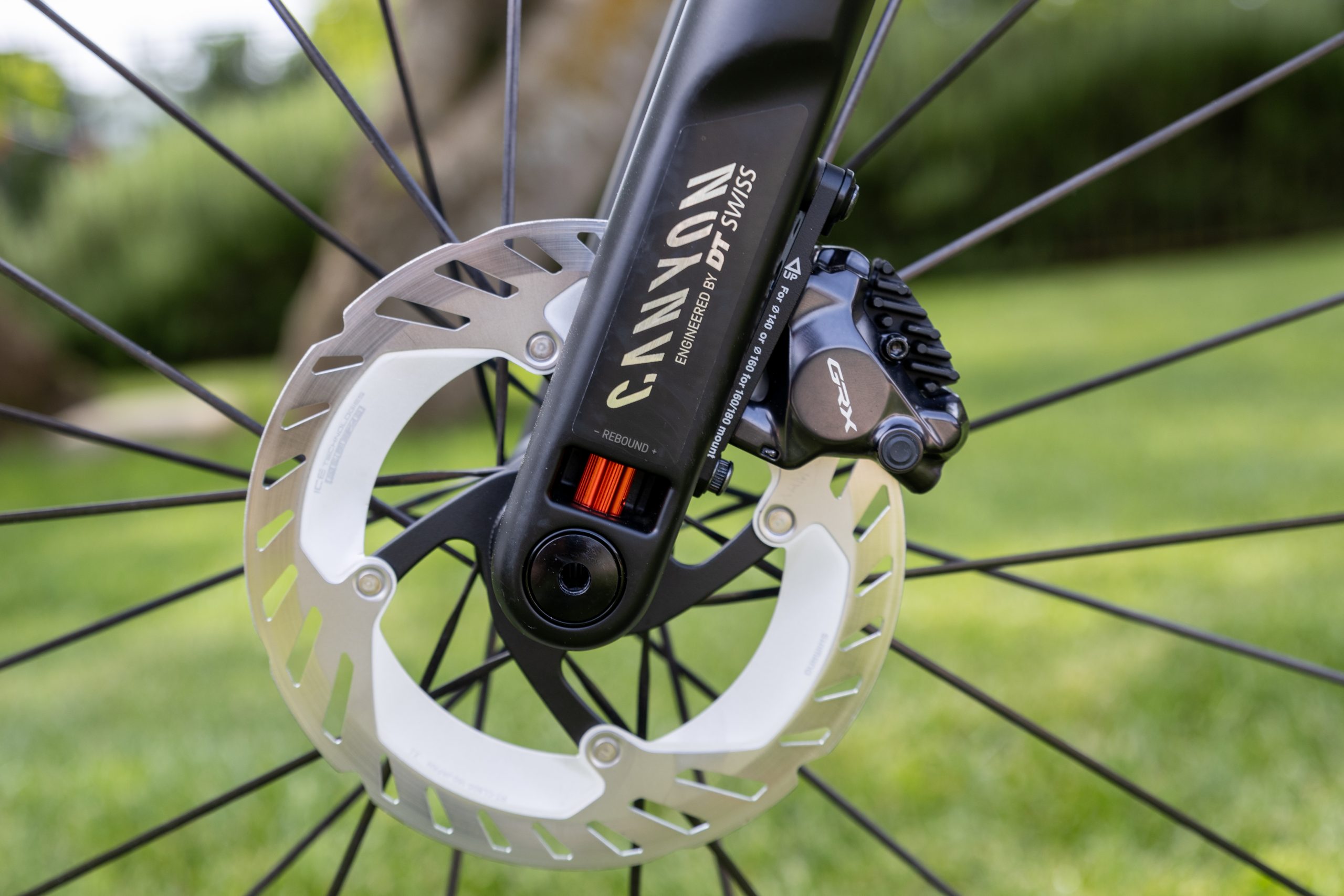
With my fork pumped up to 106psi and the rebound set 6 clicks from open, the F 132 fork delivered just what I wanted on fast, flowing descents and slower technical sections.
The front tyre felt well planted when I found bumpy ground mid-corner. With a rigid fork, I would probably have been knocked off line, which does nothing for my confidence.
When I found some bigger roots to hit, I felt the travel ramped up with a very nice progression and despite charging a little too quickly into some rocky sections, I never bottomed out.
In fact, the assured feeling that the F 132 brought improved my experience of the Traka 100 immeasurably.

My Canyon Grail test bike was set up in consumer-ready spec with 40mm Schwalbe G One RS tyres. Anyone with a weather app knew that a slick tyre was not the choice for such wet conditions, and I had some rather scary moments when hitting slick mud.
The fork enabled me to reduce my tyre pressure just a little more to squeeze out every last drop of grip. That said, I would have loved a wider front tyre.
The fork is also officially rated for 50mm tyres, though I saw pro setups with a 57mm tyre squeezed between the stanchions.
Safe to say, I would have benefited greatly from a wider front tyre with a wet weather tread pattern.
Pushcontrol lockout – work to be done
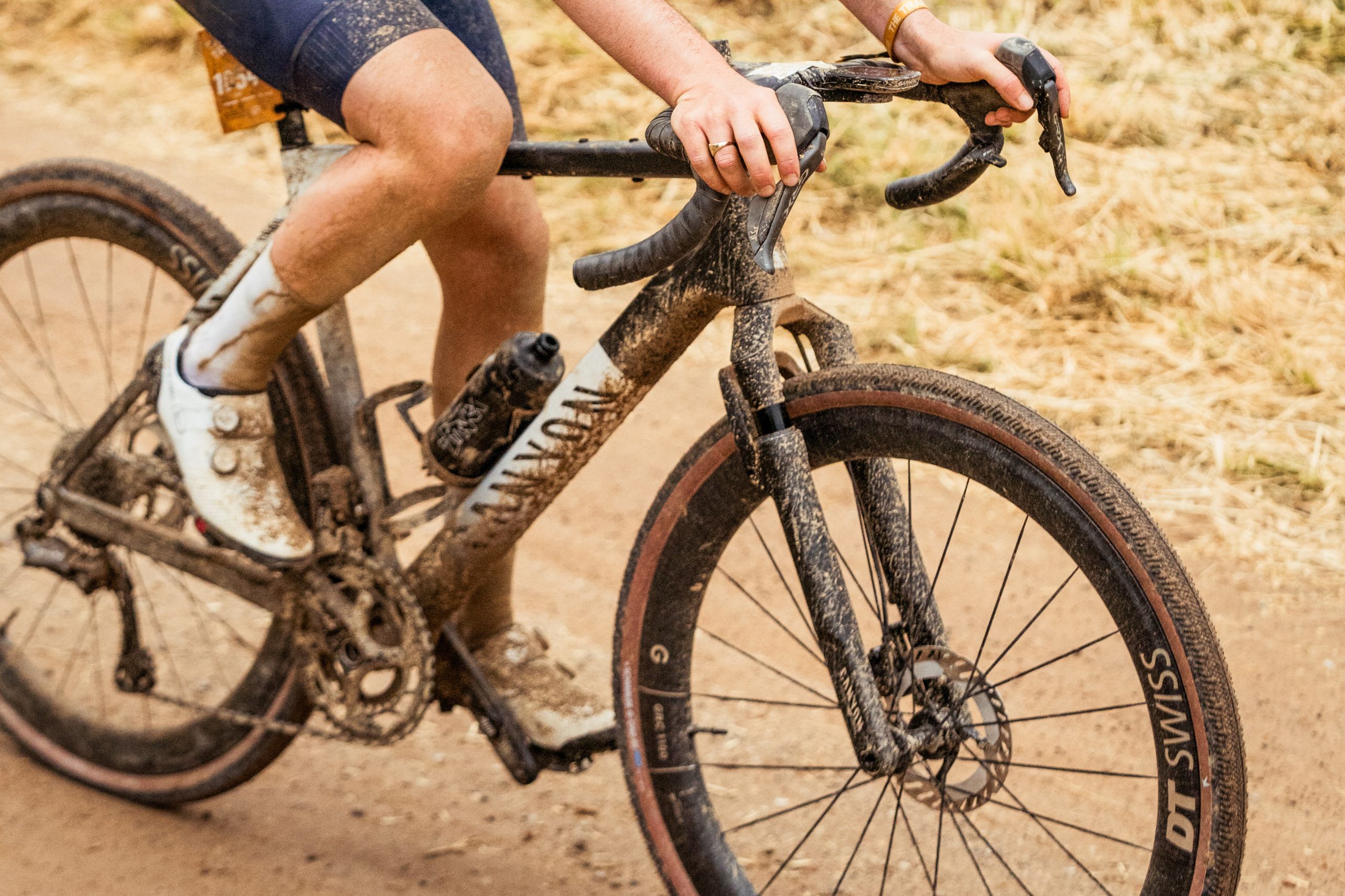
The only fault that I could find with the fork came at the lockout, which simply didn’t function well as the ride progressed.
Granted, the Traka 100km race took place in some of the grottiest conditions imaginable. Torrential rain began in the opening 10 minutes, turning Girona’s gravel roads into a sandy sludge.
It didn’t take many kilometres for the Pushcontrol lever to feel vague. Five hours and two thunderstorms later, and the remote lever had ceased to work at all.
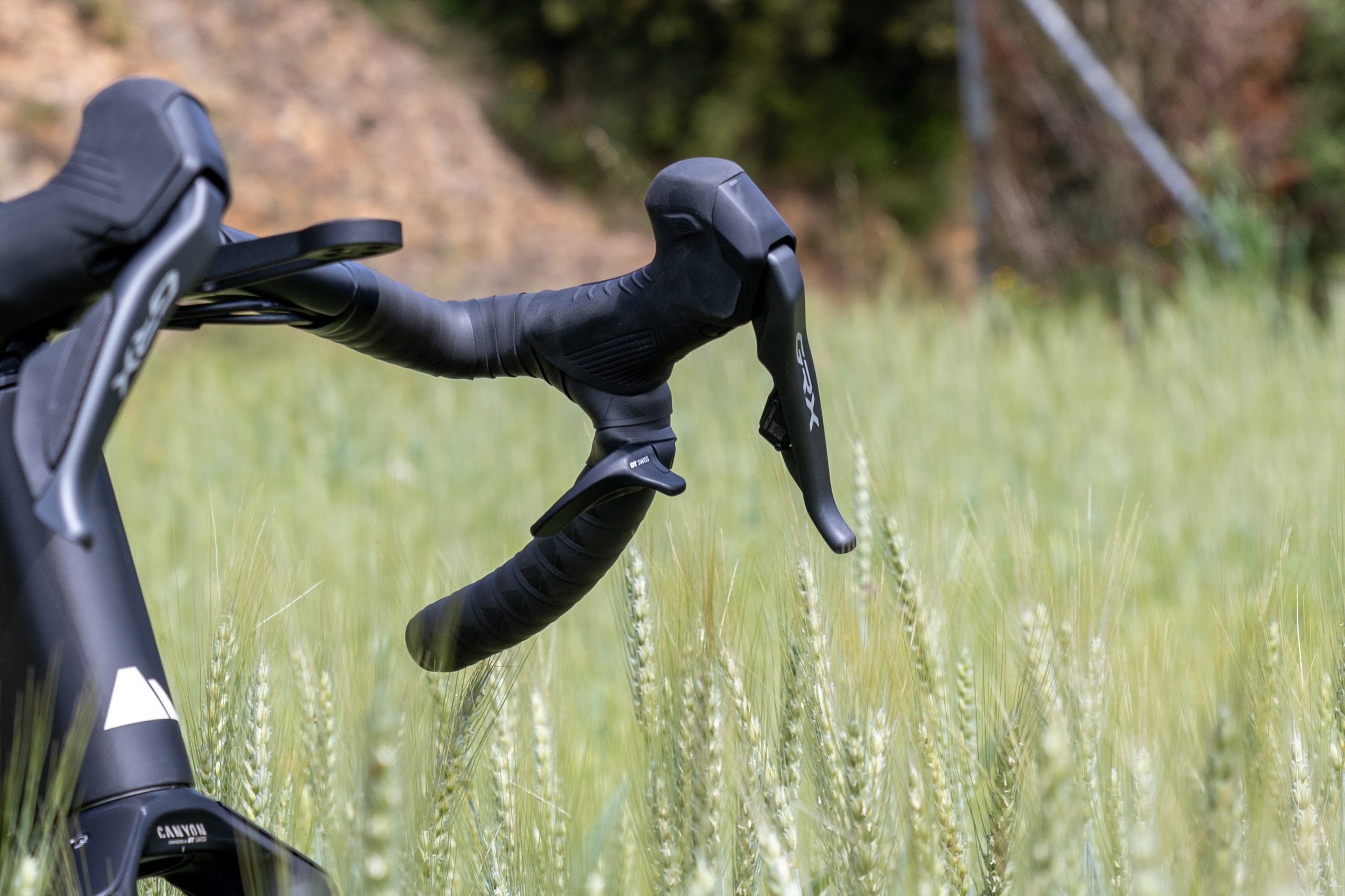
Speaking to the other journalists on Canyon’s Traka press trip, this was a common issue which I hope DT Swiss addresses immediately.
While you may think me harsh for critiquing a component that failed in such conditions, gravel is often raced and ridden in adverse weather, so parts designed for the discipline must be up to scratch.
DT Swiss, however, may already have an answer. The brand suggested that integration into electronic shifters may be possible in the future. But until then, I hope a more robust mechanical system is developed.
Worth the price?

The DT Swiss F 132 is currently a Canyon-only product, though it will become a standalone DT Swiss product in 2026. It is also only available on the Grail CFR Rift at €8,999 (UK and USD pricing TBC). An equivalent rigid Grail CFR, with 2×12 GRX 825 Di2, costs £6,999 / $7,499 / €7,499.
This €1,500 price increase is significant, though I’m not sure how much it factors into the buying decisions of those with such deep pockets.
And given the proprietary design of Canyon’s steerer tube, you’ve no other option to add suspension to an existing Grail CFR.
The fork makes a clear improvement to my technical abilities on a gravel bike. That is worth a lot when it comes to the general enjoyment of a gravel ride.
I also like the sleek aesthetics, which look less jarring on a drop bar bike than most gravel suspension.
Cane Creek has done something similar with its Invert CS fork, but this still has an externally routed brake hose, which doesn’t look as good to my eye.
However, due to the current teething issues with the lockout lever, along with the significant price jump from the rigid Grail CFR, I would struggle to see myself buying the Grizl CFR Rift.
That said, I’ll be keeping a close eye on the 2026 aftermarket prices.
Immich 1.133 Photo and Video Backup Solution Drops with Major Changes
Immich v1.133 adds VectorChord, casting, in-app notifications, locked folder, and more—note the breaking changes before upgrading.
Immigration Is the Only Thing Propping Up California’s Population
California’s population grew 0.6% in 2024, adding nearly 250,000 residents to reach 39.43 million, according to Census Bureau estimates. The growth came entirely from a rebound in international immigration, which surged to over 300,000 people after plunging to 44,000 during the pandemic’s worst year.
Without immigration, the state would have shrunk significantly as domestic migration remained negative. The H-1B visa program alone brought nearly 79,000 skilled workers to California in 2024. Since 2010, California has added 2.7 million immigrants, with half coming from Asia and slightly more than a third from Latin America. The immigration-dependent growth model puts California at particular risk from potential federal policy changes, as more than a quarter of its population is foreign-born — the highest share nationwide.


Read more of this story at Slashdot.
Firefox 139 Web Browser Is Now Available for Download, Here’s What’s New
Mozilla published today the final build of the Firefox 139 open-source web browser ahead of the official announcement on May 27th, 2025.
Nikon To Raise Camera Prices in the US Because of Tariffs
Nikon will raise prices on its cameras and imaging products in the United States starting June 23, citing President Donald Trump’s tariffs on Chinese-made goods as the reason for what the company calls a “necessary price adjustment.” The Japanese camera maker joins a growing list of photography equipment manufacturers implementing price increases, including Canon, Sony, Leica, and lens maker Sigma. Nikon told investors the tariffs could slash its profits by 10 billion yen ($70 million) in the upcoming fiscal year, though the company has not disclosed which specific products will see increases or by how much prices will rise.


Read more of this story at Slashdot.
DietPi May 2025 Update Introduces Security Changes, Kernel Fixes, and Software Cleanups
The latest DietPi release (v9.13) focuses on improving security defaults, enhancing support for specific SBCs, and removing outdated software options. The update also brings kernel upgrades, interface refinements, and dozens of bug fixes for improved stability across platforms. DietPi: DietPi is a lightweight, Debian-based operating system optimized for single-board computers and embedded systems. It emphasizes […]
Remembering John Young, Co-founder of Web Archive Cryptome
New submitter zuki shares an obit published at The Register: John Young, the co-founder of the legendary internet archive Cryptome, died at the age of 89 on March 28. The Register talked to friends and peers who gave tribute to a bright, pugnacious man who was devoted to the public’s right to know.
Before WikiLeaks, OpenLeaks, BayFiles, or Transparency Toolkit, there was Cryptome – an open internet archive that inspired them all, helped ignite the first digital crypto war, and even gave Julian Assange his start before falling out with him on principle.


Read more of this story at Slashdot.
FUTEX2 Improvements Merged For Linux 6.16
On this first day of the Linux 6.16 merge window, Linus Torvalds merged the locking code changes for the kernel that includes some additions to the FUTEX2 interface…
Armbian 25.5 Released with Support for Banana Pi M2+ and BeagleBone AI-64 SBCs
The Armbian team informs 9to5Linux today about the release of Armbian 25.5 as a significant update that enhances performance, security, and hardware compatibility for a variety of ARM-based single-board computers.
The CIA Secretly Ran a Star Wars Fan Site
alternative_right writes: The site looks like an ordinary Star Wars fan website from around 2010. But starwarsweb.net was actually a tool built by the Central Intelligence Agency (CIA) to covertly communicate with its informants in other countries.


Read more of this story at Slashdot.
Armbian 25.5 Adds Support For Newer Single Board Computers
Armbian 25.5 is out today as the newest version of this Debian-based Linux distribution catering primarily to ARM and RISC-V single board computers…
GNU Linux-Libre 6.15 Kernel Is Out for Those Who Seek 100% Freedom for Their PCs
Today, the GNU Linux-libre project announced the release and general availability of the GNU Linux-libre 6.15 kernel for those who seek 100% freedom for their GNU/Linux computers and software freedom lovers.
Nick Clegg Says Asking Artists For Use Permission Would ‘Kill’ the AI Industry
As policy makers in the UK weigh how to regulate the AI industry, Nick Clegg, former UK deputy prime minister and former Meta executive, claimed a push for artist consent would “basically kill” the AI industry. From a report: Speaking at an event promoting his new book, Clegg said the creative community should have the right to opt out of having their work used to train AI models. But he claimed it wasn’t feasible to ask for consent before ingesting their work first.
“I think the creative community wants to go a step further,” Clegg said according to The Times. “Quite a lot of voices say, ‘You can only train on my content, [if you] first ask.’ And I have to say that strikes me as somewhat implausible because these systems train on vast amounts of data.”
“I just don’t know how you go around, asking everyone first. I just don’t see how that would work,” Clegg said. “And by the way if you did it in Britain and no one else did it, you would basically kill the AI industry in this country overnight.”


Read more of this story at Slashdot.
The Newark Airport Crisis is About To Become Everyone’s Problem
Newark Liberty International Airport has suffered six radar and radio outages in nine months, with the most recent occurring May 9th when controllers told pilots “our scopes just went black again” before handing off flights to other facilities. The outages have forced flight cancellations, diversions, and delays lasting over a week as airlines repositioned aircraft and crews.
The Federal Aviation Administration created the problem by relocating Newark’s air traffic control operations from the understaffed N90 facility on Long Island to Philadelphia in 2024. Only 17 of 33 controllers accepted the move despite $100,000 relocation bonuses, leaving operations short-staffed. Rather than build new STARS servers in Philadelphia, the FAA opted to send radar data over 130 miles of commercial copper telephone lines.
The remote feeds have experienced approximately 10 minutes of downtime over 10 months — exceeding the agency’s reliability standards and occurring 200 times more frequently than the FAA’s internal analysis predicted. The agency simultaneously laid off over 100 maintenance technicians and telecommunications specialists in February, further straining an air traffic control system that suffers around 700 outages weekly nationwide while managing 16.8 million annual flights with 1990s-era technology.


Read more of this story at Slashdot.