How to Install SteamOS on Your Windows Gaming Handheld

The Steam Deck changed the game for PC players, opening up a world of portability that was usually reserved for Nintendo fans. Naturally, manufacturers tried to follow suit with Windows-based handhelds and the results are, shall we say, mixed. Now, Valve has released official instructions for installing its SteamOS on devices other than the Steam Deck. Let’s dive into how to do it—and whether you should.

I should note up front: This is going to be a nebulous area when it comes to official support from the company that made your handheld. At time of writing, the Lenovo Legion Go S is the only handheld with the “Powered by SteamOS” branding (besides the Steam Deck itself), meaning it’s officially supported with a final build. You can install SteamOS on devices like the Legion Go and the ROG Ally, but their support isn’t final.

Also, it should go without saying, but we’ll say it anyway: If you wipe Windows from your handheld, you won’t be able to play Windows-based games that aren’t supported via SteamOS. That largely consists of online games that require anti-cheat software, but it’s worth checking sites like ProtonDB to make sure your favorite games will work on SteamOS.

Why should you install SteamOS on your Windows handheld?

So, with the caveats out of the way, what are the upsides? Put (overly) simply, Windows is not designed for handhelds. In fact, under the hood, Windows tends to see your gaming handheld as a laptop. Right down to including things like Microsoft Teams that run in the background, or popping up alert boxes that interrupt your game to inform you of a low battery.

Now that people are able to experiment with SteamOS and Windows on the same hardware, it’s becoming clearer that Windows itself is a massive nerf to both frame rate and battery life. Even gaming laptops, which can often last all day for normal work, can struggle to get even a few hours of gameplay while away from a charger. That’s why it’s so important to tweak your settings for the best battery life.

Gaming handhelds only make this problem worse with a smaller form factor, and thus a smaller battery. In my own experience, I’ve struggled to get two hours of playing a lightweight game like Stardew Valley from a Windows handheld, while the Steam Deck and even the Switch can get upwards of six hours or more.

Since Windows is primarily designed as a desktop (and secondarily as a tablet) computer, it’s also harder to tweak settings using controller inputs. What, exactly, is the controller equivalent of Ctrl+Alt+Delete again? While you can plug in a keyboard to dig around in your handheld’s settings, it’s just easier to do on SteamOS, since its interface has been built from the ground up for controller input.

At this point, Valve has also shown that running Steam games via the Proton compatibility layer works so well that it’s almost seamless. I admit, when the Steam Deck was first announced, I expected games to be broken or perform much worse than their native Windows counterparts. Four hundred hours in Hades II later, though, and it’s clear that many games can actually run better on SteamOS than Windows.

Step 1: Download and prepare a SteamOS recovery image USB stick

With all that out of the way, let’s get started. To install SteamOS on your gaming handheld, you’ll need two things: the SteamOS recovery image and a USB stick (preferably USB-C) with at least 8GB of storage. Make sure anything on that USB stick is properly backed up, because this process will reformat that device.

The Steam Deck recovery image can be found here. It’s a little over 3GB, so it might take a little while to download, depending on your connection. While you wait for that, you’ll also need a utility to create the recovery USB drive. Valve recommends Rufus for Windows users, and Balena Etcher for Mac or Linux users. 

Once the recovery image is downloaded, use whichever tool you chose to write the recovery image to your USB drive. This process should be relatively straightforward. Rufus, for example, will present you with a dropdown to select which drive to write the file to under Device, and under Boot Selection, click Select to pick the recovery image file. Click Start and wait. Reminder: This will wipe the contents of your USB drive.

Step 2: Disable Secure Boot on your handheld

This part can be a bit tricky, and the exact process will vary depending on which handheld you own. Valve has a breakdown of the steps here for a couple specific devices, like the Legion Go and the ROG Ally. However, other devices like those from MSI or Ayaneo will have their own process.

In general, the steps will usually go something like this:

  • Reboot to the bios. Similar to how you can hold Del or F2 on a computer while rebooting to get to the bios, your gaming handheld has a similar process. Often it’s holding a button like Volume + while pressing the power button, but check your specific device’s instructions if that doesn’t work.

  • Navigate to the Secure Boot settings. You may have to poke around for this one. Look for categories like Security, and you may need to switch to an Advanced settings mode or menu to find it. This setting should be called Secure Boot. Change this to Disabled.

  • Save settings and restart your device. Once you’ve changed the Secure Boot setting, make sure to save the changes to your bios and restart.

Depending on the device, you might have to use the touchscreen to navigate the bios, or even plug in a keyboard or mouse. Again, Valve has specifics for a couple of devices in the link above, but if you’re lost, your device’s manufacturer will be your best bet for getting specific instructions.

Step 3: Boot using the SteamOS recovery image

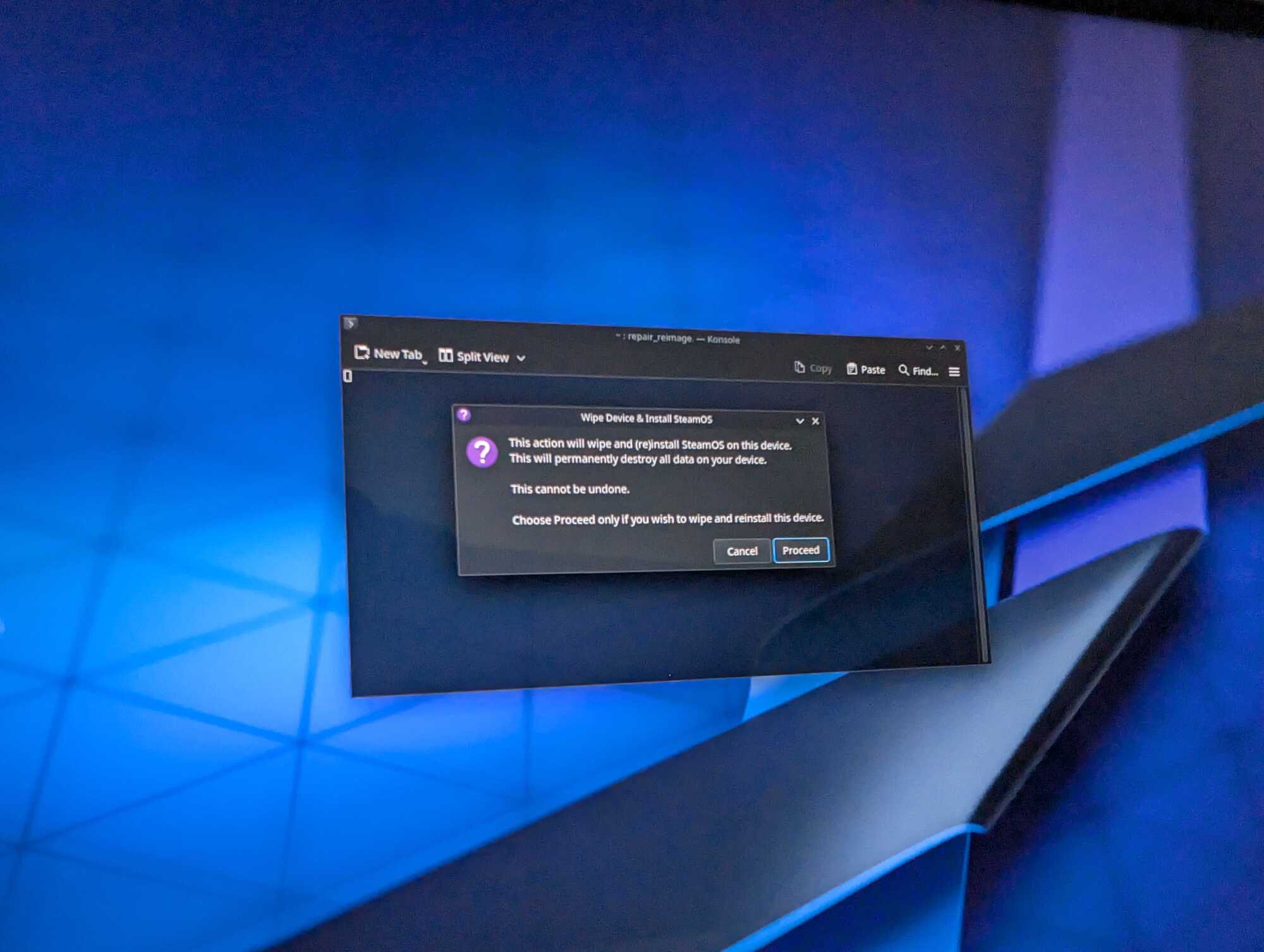
A SteamOS alert warning the user that all their data is about to be deleted.

Credit: Eric Ravenscraft

Once you’ve disabled Secure Boot, you can plug the USB stick into your handheld and restart the device. At this point, you should end up at a boot menu that lets you choose which drive to boot to. Once again, this process will sometimes differ by device, so if you’re not sure how to get to the boot menu, check your device’s documentation.

When you get to the boot menu, select your USB drive with the SteamOS recovery image on it. This will take you to a SteamOS desktop environment. Here, you’ll see four shortcuts on the desktop. The one we care about is labeled “Wipe Device & Install SteamOS”. Give that a single tap (double-tapping will launch it twice, so be careful).

At this point, you should see a warning that proceeding with this step will erase everything on your device. If you had any important game saves, media, or work files (for some reason) on this device that weren’t already backed up, you can still bail on this process and reboot to Windows to save them. This is the point of no return, though. Make sure you’re ready before moving forward.

Step 4: Familiarize yourself with your new handheld’s quirks

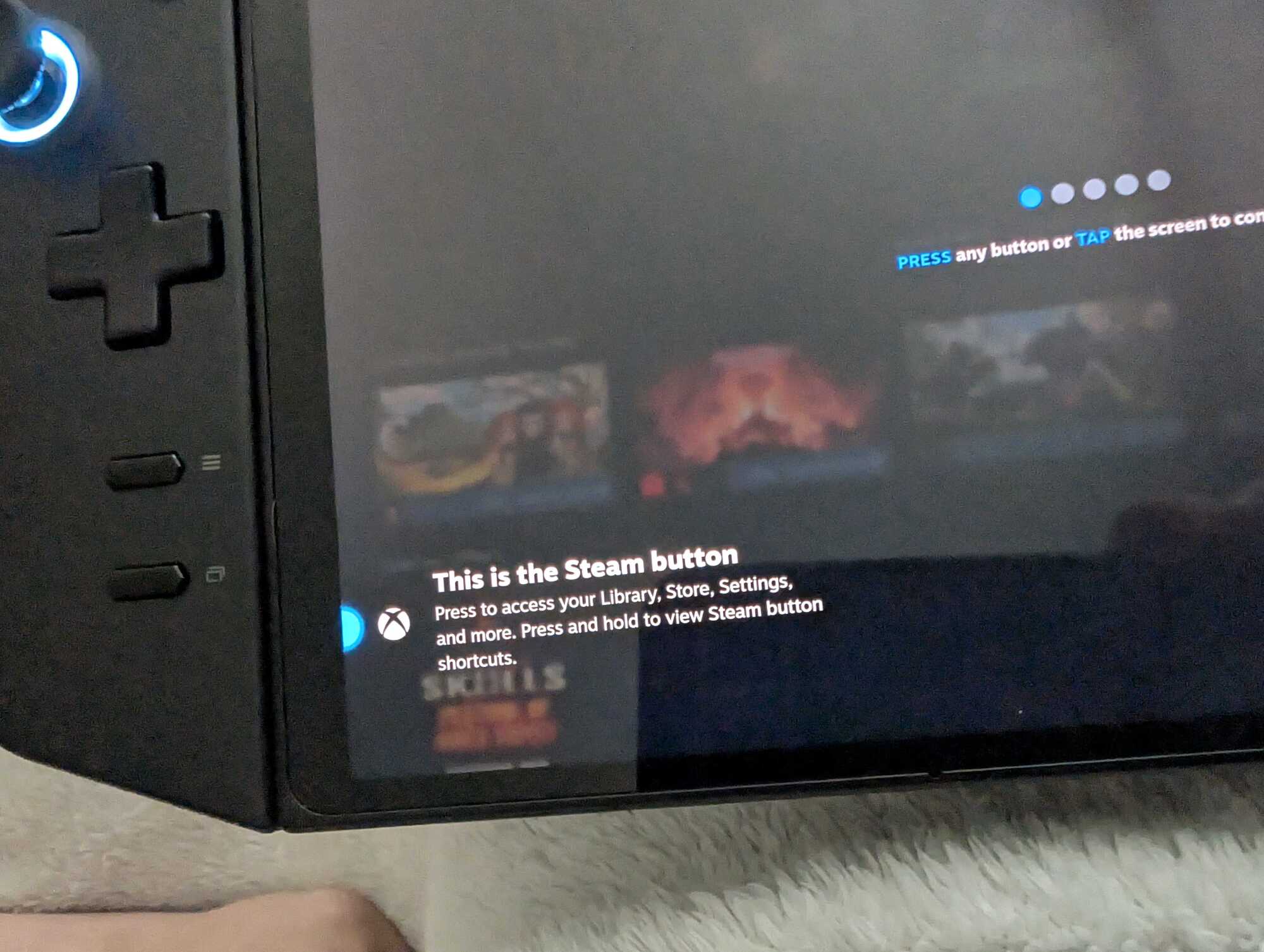
A SteamOS tutorial (incorrectly) identifying a Steam button with an Xbox logo.

Credit: Eric Ravenscraft

The install process won’t take too long, and when it’s done, your handheld will restart and begin setup as though it’s a natural-born Steam Deck. There are a few quirks, though. For example, in my testing on the Legion Go, the device tutorial pointed to the “Steam button” on the bottom-left side, but used the Xbox logo. In reality, the corresponding button was at the top-right, and had a Legion logo. It also pointed to a microSD card slot on the bottom of the device that doesn’t exist.

Unless you’re using an official “Powered by SteamOS” device, prepare for some awkwardness while using the device. Aside from the tutorial, I found some games I wasn’t able to install—pressing “Install” on Doom Eternal simply did nothing, for example—and it took some time to figure out which hardware buttons were mapped to which Steam Deck input.

To my surprise, some things that I expected to be broken worked perfectly when I tested this. The Legion Go is unique in that its controllers can be detached, Joy-Con style, from the handheld. I expected them to be laggy or non-functional when I played with SteamOS, but they worked perfectly during a Hades II run—a game that isn’t very forgiving of input lag.

Your mileage can and will vary depending on what games you want to play and what hardware you want to run SteamOS on. Still, as we wait for manufacturers to more officially support SteamOS—or for Microsoft to make a proper handheld of its own—it’s exciting to finally be able to have a choice in platform for these devices.

[Industry Direct] V-Nova Invites PC VR Users to Experience Next-gen VR Movie Format

Industry Direct by V-Nova

Industry Direct is our program for sponsors who want to speak directly to the Road to VR newsletter audience. Industry Direct posts are written by sponsors with no involvement from the Road to VR editorial team and do not appear in our front-page editorial feed. Industry Direct sponsors help make Road to VR possible.

Anyone with a PC VR headset is invited to experience V-nova PresenZ, our next-gen VR movie format, by downloading the free ImmersiX app on Steam. See for yourself the power of high-quality CGI converted for true six degrees-of-freedom (6DoF) viewing in VR.

Read on to learn more about how it works.

For nearly a century, filmmakers have dreamed of letting audiences step inside movies, from early 3D experiments to today’s 360° VR. Yet these efforts fell short: traditional VR videos let you look around but not move freely, often causing discomfort and motion sickness. Real-time 3D graphics, meanwhile, can’t match the stunning quality of Hollywood cinematic productions like Mufasa: The Lion King (2024).

Today, the dream of truly immersing viewers in a cinematic story finally comes true. With the launch of the ImmersiX app on Steam and the breakthrough V-Nova PresenZ volumetric movie format, viewers can literally walk inside cinematic worlds, exploring them naturally with six degrees of freedom (6DoF).

Cracking the Code of Cinematic 6DoF

V-Nova PresenZ (pronounced “presence”, a nod to the 1999 film eXistenZ) is a hybrid-rendering volumetric technology. It transforms pre-rendered CGI into a smooth, point-cloud format for comfortable, nausea-free VR exploration. Unlike real-time game graphics, V-Nova PresenZ leverages Hollywood-quality pre-rendered visuals (think Pixar, WETA, or DreamWorks), enabling cinematic lighting, reflections, and animation previously impossible in VR without massive computing power. The difference between hours of rendering per frame versus the milliseconds available to game engines can be strikingly clear.

The result is a genuine virtual-camera experience: viewers can lean, peek, and move naturally around objects. Crucially, since the visuals are volumetric rather than flat video, close-up interactions don’t induce nausea. V-Nova PresenZ finally delivers true presence (that feeling of being there) without traditional VR trade-offs.

How is This Possible?

V-Nova PresenZ slots seamlessly into existing CGI pipelines. Studios continue using standard tools (Maya, Arnold, etc.), simply adding V-Nova’s plugins.

“What sets V-Nova PresenZ apart isn’t just technical innovation, but effortless integration with existing production workflows,” notes Jose Antunes of ProVideoCoalition.

Creating V-Nova PresenZ experiences from completed CGI scenes, including beloved films, is as straightforward as adapting films for IMAX 3D or ScreenX. Existing favorite content can be affordably re-released in immersive VR, unlocking unmatched audience experiences.

Historically, data size has been the primary challenge. Early versions of the format produced massive files impossible to distribute. V-Nova, leaders in advanced compression formats (MPEG-5 LCEVC, SMPTE VC-6), acquired the company that developed PresenZ, and empowered the team with its compression IP. After extensive development with Hollywood studios, V-Nova PresenZ is now a mature solution that efficiently streams at manageable data sizes. In the process, the format earned three prestigious Lumiere Awards from Hollywood’s Advanced Imaging Society.

ImmersiX: You Don’t Want To Miss This (Now on Steam)

Today, viewers can experience V-Nova PresenZ through the ImmersiX app, free on Steam for PC VR headsets. A streaming version for standalone devices (Apple Vision Pro, Meta Quest) arrives this summer, powered by NVIDIA’s GDN streaming infrastructure.

ImmersiX currently features three standout experiences:

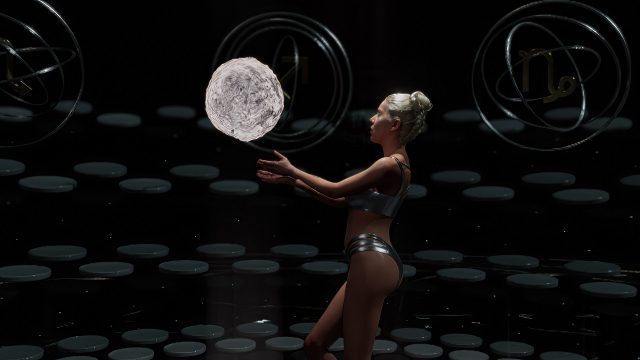
  • Weightless (free): the world’s first 6DoF music show by Grammy-winning songwriter Diane Warren and pop artist Arilena Ara, immerses you in a cosmic performance, with incredible music.
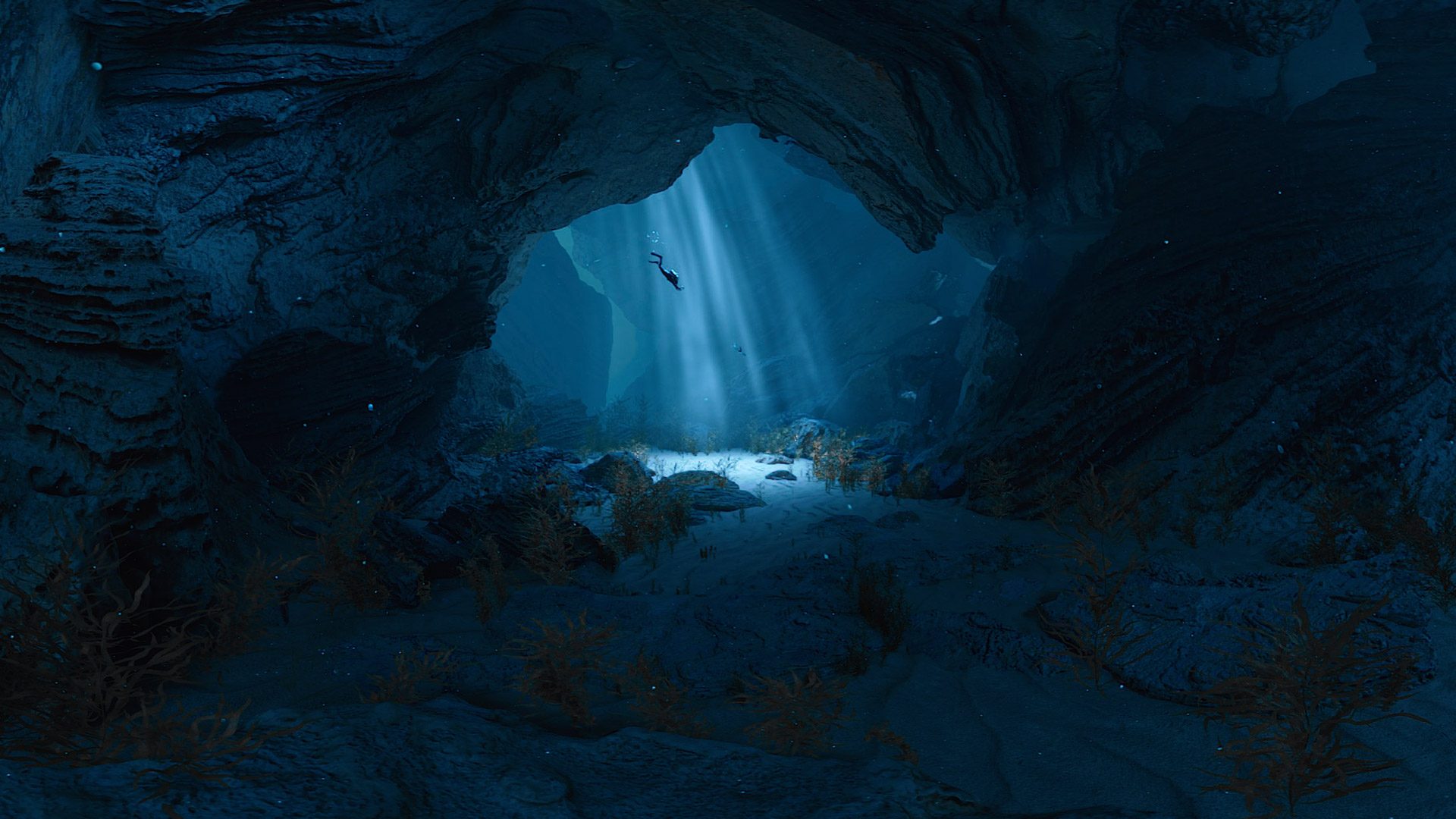
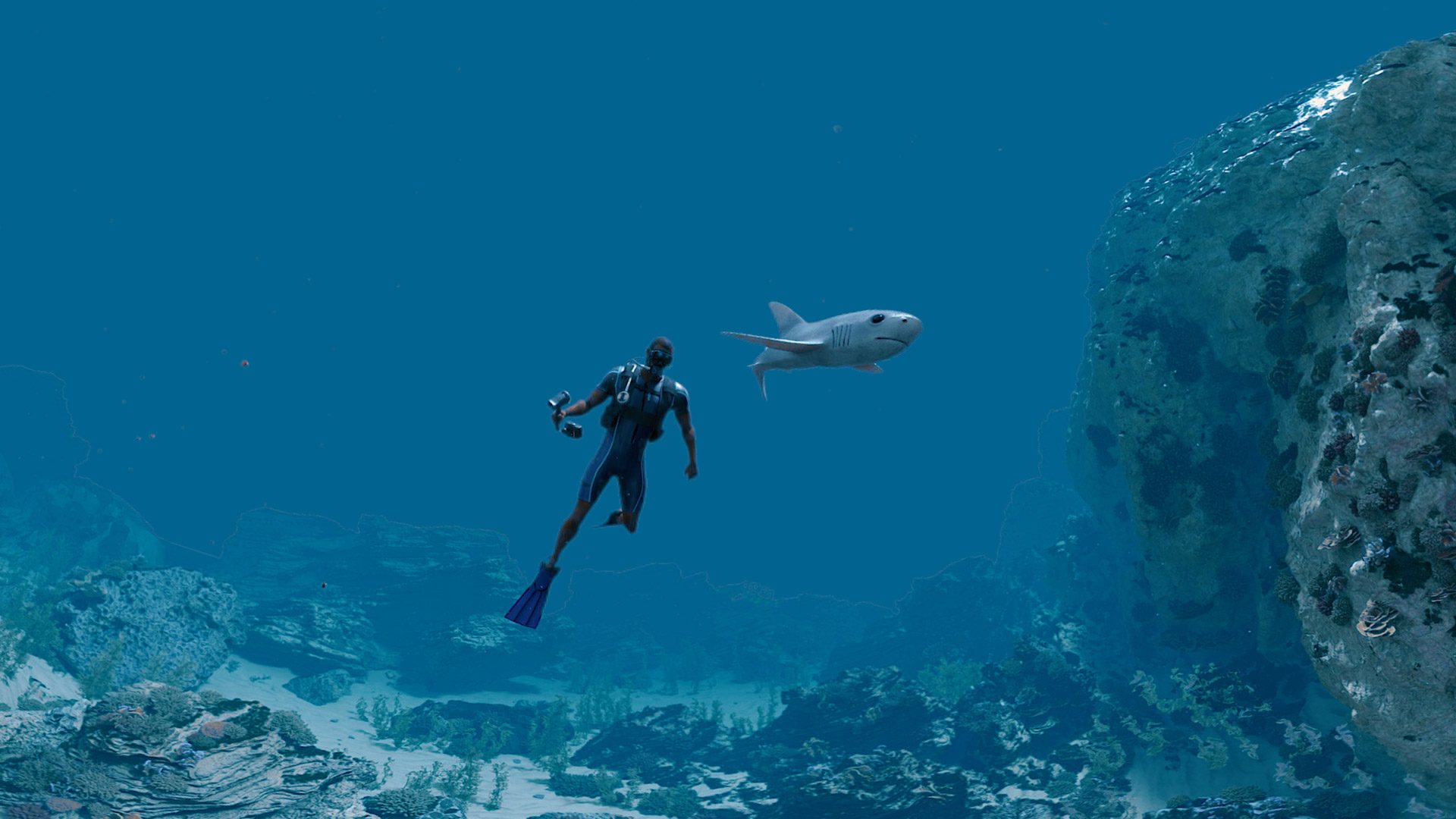
  • Sharkarma: Guardian of the Oceans ($3.99): an interactive underwater thriller directed by veteran animator Cinzia Angelini, places you inside a visually spectacular oceanic survival adventure featuring a massive shark. Sharkarma entertains while informing audiences about the problem of shark finning. Early buyers of Part 1 will receive the full short movie free upon its completion later this year.
  • Construct (free): a robot-fight short and Lumiere Award winner, originally created as traditional 2D animation, now remastered into immersive volumetric format.

Major Hollywood studios, equipped with extensive CG libraries, are already actively evaluating the format. DreamWorks Animation recently showcased V-Nova PresenZ excerpts of beloved titles like How to Train Your Dragon (2010) and Abominable (2019), generating industry excitement for the potential of porting Tier 1 content IP to cinematic 6DoF. Leading Hollywood VFX house Luma Pictures is prominently certified as a V-Nova PresenZ partner.

Audience feedback to ImmersiX is essential. Showing viewer interest will directly inform major studios decisions to bring groundbreaking immersive titles to life. Your feedback can thus influence the future of this new medium.

A Glimpse at the Future

ImmersiX’s launch signals cinematic 6DoF’s arrival as a genuine entertainment medium.

“We’re entering a new era where audiences don’t just watch, they step inside movies and shows,” says Guido Meardi, CEO of V-Nova.

Imagine watching your favorite blockbuster movies from within or joining your favorite artists in surreal VFX shows.

Download ImmersiX today on Steam to get a first glimpse of this future. Explore ‘Weightless’ and ‘Construct’ at no cost, and secure early-access pricing for ‘Sharkarma’ (including a free upgrade to the full short upon release). Your support and feedback now will directly shape the future of cinematic VR storytelling. Step inside the story, and help define the next generation of immersive entertainment.

For more information, visit V-nova.

The post [Industry Direct] V-Nova Invites PC VR Users to Experience Next-gen VR Movie Format appeared first on Road to VR.

Marvel and DC Announce First Comic Crossover in 22 Years with Deadpool-Batman Pairing

Marvel Entertainment and DC Comics have announced their first crossover event since 2003’s JLA/Avengers, featuring Deadpool and Batman in dual one-shot publications launching later this year. Deadpool/Batman one-shot launches September 17 and follows Wade Wilson hired for a Gotham City job that puts him against Batman.

DC’s Batman/Deadpool counterpart launches in November. Both publications will include additional “backup adventures” featuring other character matchups, though creative teams for those remain unannounced. The crossover required extensive coordination between the companies’ editorial schedules, which typically plan two to three years in advance.


Read more of this story at Slashdot.

Musi says evidence shows Apple conspired with music industry on App Store ban

For millions of music fans, the most controversial app ban of the past year was not the brief TikTok outage but the ongoing delisting of Musi from Apple’s App Store.

Those users are holding out hope that Musi can defeat Apple in court and soon be reinstated. However, rather than coming to any sort of resolution, that court fight has intensified over the past month, with both sides now seeking sanctions, TorrentFreak reported.

Musi is a free app that lets users stream music from YouTube without interruptions, only playing ads when the app is initially opened. It was removed from the App Store in September 2024 after a YouTube complaint, but it maintains a deeply loyal fan base who swear it’s better than alternatives like Spotify. Those fans who still have the app installed on their iPhones can continue to use the service, but if they lose access to the app (by updating their phones) or are first-time users, it is currently unavailable for download, to the dismay of many fans who complain daily on Reddit.

Read full article

Comments

Elden Ring Nightreign Launches Thursday For $40, And You Should Buy It

Elden Ring Nightreign Launches Thursday For $40, And You Should Buy It
If you’re a die-hard “Soulsborne” series veteran, you probably already know about this unusual spinoff title’s rather quiet launch. Instead, we’re going to try and pull in some of the folks who may have bounced off of Dark Souls or Elden Ring because of those games’ dense RPG mechanics and long playtime. If you’re just here for the reminder:

What Strava Buying ‘The Breakaway’ App Means for Its Users

We may earn a commission from links on this page.

It looks like Strava is making moves to become more than just a social fitness tracker. The popular fitness app—arguably the best one of its kind—announced Thursday that it has acquired The Breakaway, an AI-powered cycling training app, marking its second major acquisition in just over a month.

This follows Strava’s purchase of Runna back in April. So, what do these acquisitions mean for users of The Breakaway and Strava alike? Will those apps’ specific training plans become available a part of the Strava subscription? Will I have to pay for that whether I like it or not? Here’s what you need to know.

What The Breakaway brings to Strava

The Breakaway uses AI to create customized training plans for cyclists pursuing specific performance goals. The app analyzes individual fitness data and objectives to generate workouts tailored to each user’s needs and schedule.

Similarly, Runna offers AI-generated training plans, but focuses on runners rather than cyclists. As people are speculating on Reddit, these apps could represent Strava’s strategic push into more personalized training and coaching features.

Zooming out, Strava has built its reputation on social fitness tracking. As a loyal Strava user myself, I believe no other running app can beat Strava’s social and mapping features. This ability to tap into a community of fellow runners and cyclists has always differentiated Strava from pure tracking apps.

Strava’s core offering has remained relatively (and refreshingly) basic compared to specialized training apps. That said, these acquisitions sure do suggest the company wants to capture more and more of the fitness ecosystem by offering the kind of structured, goal-oriented training that serious athletes need.

What this means for pricing

Current subscribers don’t need to worry about immediate price hikes. The Breakaway costs $9.99/month, or $69.99/year. (I guess runners are willing to shell out more, since Runna costs $19.99/month, or $119.99/year.) Strava‘s free tier lets you post your runs, interact with other users, and track some basic statistics about your performance. The premium tier, at $11.99/month or $79.99/year, gives you extra performance tracking and mapping tools.

And according to statements from Strava, there are no plans to alter pricing structures or eliminate free access to the acquired apps’ basic features. Whether this pricing structure will hold long-term remains to be seen, especially as Strava integrates these services into its broader platform.

The bottom line

Rather than users needing separate apps for social tracking and structured training, Strava appears to be building an all-in-one fitness ecosystem. Even for the most casual users, this could mean access to more training tools without leaving the Strava ecosystem. But as some disgruntled fans are voicing, it can be frustrating to see Strava scoop up AI-powered training features, rather than fix some of its most basic issues. (Seriously: I should be able to accurately search for for past runs.)

And we can only hope that pricing doesn’t get too crazy. We’ll see whether users are willing to pay more for what has traditionally been a social-first fitness app.

Finally, as Strava continues to expand its feature set, it’s worth remembering that the app defaults to public sharing. Regularly review your privacy settings to ensure you’re not inadvertently sharing location data or personal information more broadly than intended.

How The New 80 Plus Ruby PSU Rating Compares To Titanium, Platinum, And Gold

How The New 80 Plus Ruby PSU Rating Compares To Titanium, Platinum, And Gold
Move over, 80 Plus Titanium, there’s a new boss in town, and her name is Ruby. CLEARresult, the entity handling the well-known 80 Plus power supply certification program, has unveiled 80 Plus Ruby, its top-end badge aimed at super-efficient server power supplies.

80 Plus Titanium already demanded over 90% efficiency at 10% to 100% delivery

The problem with The Last of Us season 2 is that it’s too faithful an adaptation

Season 2 of HBO’s The Last of Us wrapped up on Sunday night, and Ars’ Kyle Orland (who’s played the games) and Andrew Cunningham (who hasn’t) are back to talk about the finale like they’ve talked about every other episode this season. While these recaps don’t delve into every single plot point of the episode, there are obviously heavy spoilers contained within, so go watch the episode first if you want to go in fresh.

Kyle: Coming back from last week’s Joel flashback, it took me a second to remember what was actually going on in “The Present” of The Last of Us as we enter the season 2 finale. Ellie marvels at how easy it was to torture a hated enemy even though the result was just two words indicating Abby’s supposed location: “whale” and “wheel.”

I don’t think Ellie’s turn to “the dark side” is unearned, exactly. But I do think that this single-minded, revenge-obsessed version of Ellie is a lot less interesting than the character we grew to love in season 1. We went into this season in a sort of adolescent family drama, and we are leaving it in post-apocalyptic Breaking Bad.

Andrew: To compare it to Breaking Bad implies some kind of gradual, nuanced transformation has taken place, where my problem with the season so far has been mostly the opposite thing. Everyone’s motivations here make sense and are consistent, to some extent, with who we know these characters to be. Ellie is rash and impulsive; Dina is lovestruck; Jesse is loyal and selfless.

It’s just that trading the first season’s story (an unlikely pairing navigates the breadth of a post-apocalyptic America, driven by the promise of a cure) for the second season’s story (Ellie’s revenge fantasy) is a huge downgrade! And I say this as someone who has been slightly warmer on the season overall than you have. They killed the most interesting character and, with him, the story’s most interesting dynamic. Whatever followed that was probably always going to be a letdown, and I’m sure you can attest to that as a game-player who has already experienced a version of all of this.


The show has spun its wheels a bit in Seattle, even with just seven episodes to fill.
Credit:
HBO

Kyle: Yes, I soured on the second game for pretty much the same reasons. But I also feel the show has been more artlessly blunt with some of its character moments. Like the way Jesse finds out about Dina’s pregnancy, and then similarly declares that he “can’t die” because he’s going to be a father. It felt like an AI trained on the TV Tropes website was writing some of these scenes…

Andrew: Listen, normally I’m all for blaming AI, but to blame AI for this one is to imply that lowest-common-denominator TV storytelling hasn’t existed for as long as the medium has. Everyone is just performing the most-predictable version of their respective character archetypes. It’s an expensive show with a talented cast and an interesting riff on the zombie apocalypse idea, so at a baseline it remains watchable. But I suppose that’s damning with faint praise.

Kyle: Yeah I didn’t mean a literal AI. I meant that as a sick burn on the human writers.

Andrew: I am trying to think of things to say to stop this from just being a litany of complaints, but unfortunately complaints are a lot of what I’ve got about this episode. I liked the visuals of Ellie’s nighttime sojourn to the abandoned Ferris wheel. I feel like there is a slightly more interesting TV show happening off to the side of this one, about the conflict between the militarized WLF types and the cultists. But as far as Ellie has been concerned so far, these factions mostly exist to chase the other faction off at the last minute, saving Ellie’s bacon again.

Kyle: And to set up contrived philosophical discussions. Like when Jesse makes the perfectly reasonable decision not to mount a doomed attempt to save a cultist when they’re outnumbered by WLF members. Then, later, Ellie twists that into Jesse chickening out because the guy “wasn’t a member of your community.” No… I’m pretty sure the 6-to-2 odds had at least as much to do with it. But Ellie needs to turn the conversation back to how Joel represents “my community… beaten to death.” It’s not subtle…


Ellie’s single-minded quest for revenge this season has been less compelling than the first season’s unlikely buddy story.
Credit:
HBO

Andrew: Yeah I found that moment frustrating because Ellie is here in direct contravention of what her community decided! And it is her community, as a group of people who have looked out for her and provided for her for years, whether she wants to admit that or not. She only uses this idea of “community” with Joel selectively, as a cudgel, so she can do what she already wants to do.

By letting her have the last word on it, the show tacitly endorses her read of the situation, and it’s a variety of vigilante justice that TV audiences have been primed to sympathize with, but man it just falls flat for me.

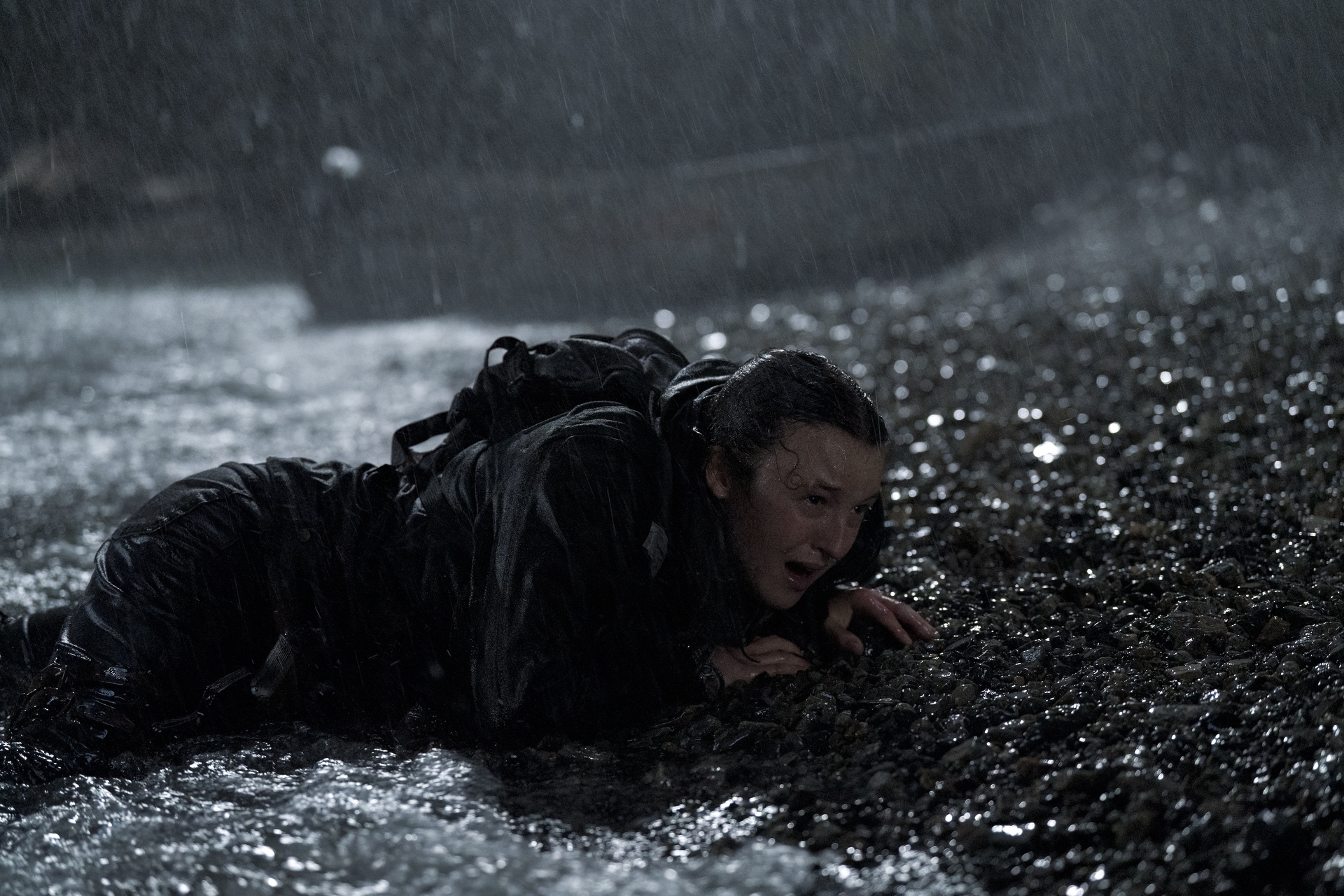
Kyle: I was also perplexed by Ellie’s brief shipwreck storyline, which led to her being put in a noose by angry cultists. Then she gets saved just seconds from death by a deus ex machina problem in “The Village” that requires the cultists to immediately put her execution on hold and run away. And after all that she just… hops in a boat and goes off to the next completely unrelated bit of the story.

I suppose they’re probably setting things up to provide more context for that scene in the next season, but in the context of this episode as it stands it was just a baffling way to use up 10 minutes or so.

Andrew: Yes I am assuming all the time spent setting up these cultists is going to pay off somehow, eventually, but it hasn’t happened yet.

The episode’s other Big Emotional Moment comes when Ellie catches up with a couple of members of Abby’s crew (I imagine a Hells Angels-style leather jacket, emblazoned with ABBY’S CREW on the back) and ends up killing them both, including a heavily pregnant woman whose dying breaths are spent trying to talk Ellie into cutting her baby out of her. There’s some kind of lesson here, about the ultimate futility of revenge, about the sins of the parents, about what perpetuating the cycle of violence ultimately gets you. We’ll see if Ellie ends up absorbing any of this in the end.

In both her response to the underground torture scene and here, Ellie seems continually shocked that her quest for vengeance might involve any kind of collateral damage to anyone other than Abby.

Kyle: Yes, this bit is culled from the game, but there she just discovers the unborn baby after both of Abby’s companions are already dead. The whole “cut my baby out of me before I die” thing was seemingly crafted to make this just that much more emotionally scarring for Ellie. But as you said, she doesn’t really get to spend any time absorbing any of that, because we’re moving right on to the next plot point.

I understand how and why we don’t get to have 23 episode seasons of TV shows anymore, but it feels like some of the 17 side stories they introduce in this episode (and many more throughout this season) could have stood to have some more time to breathe.

Andrew: I was astounded—astounded! That this was our season finale, because it feels like such a transitional piece-moving episode, and because we’re only seven episodes in. I get that we are stretching one game into two seasons here, but the nine-episode first season was already short, and then this one’s even shorter. Can we just agree to return to 13-episode seasons, please?

Anyway, if your main complaint about the Seattle section of the show has been “too much wheel spinning,” this episode’s big, dramatic cliffhanger is bad news for you. Every day Ellie has spent in Seattle has gotten some big Majora’s Mask-esque “DAY ONE, DAY TWO, etc” subtitle, and now we know why. The beginning of next season is going to show us the events of these three days—but from Abby’s perspective!

I guess I caused this by saying “what if Abby were a more fully formed antagonist” to my monkey’s paw at the start of the season. But I can’t say that this has me on the edge of my seat about season 3, this little slip of a teaser at the end of an episode that I didn’t know was the season finale until after the fact.


Abby oversees her empire.
Credit:
HBO

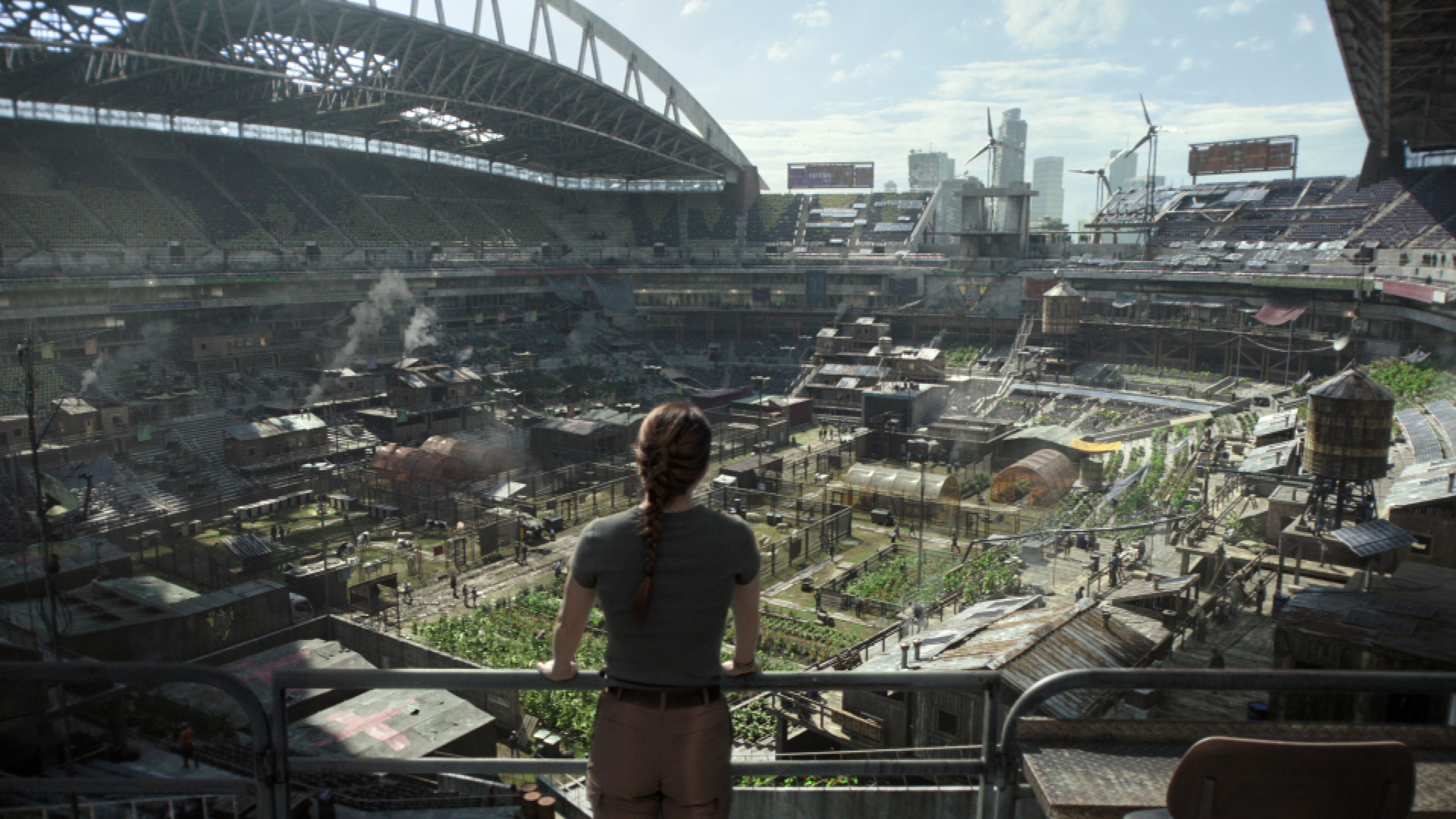
Kyle: Yes, this structure also apes the second game, which switches to Abby’s backstory halfway through (though there’s no “season break” in the middle there). The dramatic reveal of Abby’s community being housed in a football stadium is one of the most memorable moments of the game and was a rare highlight of this episode, I felt.

Before that, though, we get the inevitable and deadly confrontation between Ellie/Jesse/Tommy and Abby. After seeing it in the show, I had to go back and rewatch how it plays out in the game because something just felt off in the translation. Sure enough, the TV show production added Ellie screaming “no no no” and the sound of a gunshot before that dramatic cut to black and transition to Abby’s earlier POV.

As usual, it feels like the show has a need to just crank up the drama at every turn in an effort to make sure people tune in next week (or next season).

Andrew: Let’s return to that divide between me as a show-watcher and you as a game-player as we wrap up.

I find myself with more gripes than praise here at the end of the season. There are still a lot of things I like here—like I said, the fictional universe is compelling enough to keep it watchable, and for all my complaints about Ellie the character, Bella Ramsey as a performer is doing the best work they can with sort of underwhelming material (predictably, some corners of the Internet have decided to harangue Ramsey relentlessly, partly because they’re a non-binary person who has decided to exist in public).

But my impression is that my biggest problems with this season, from the killing of Joel to the single-minded vengeance arc, are all downstream of story decisions made years ago during the development of The Last of Us Part 2. Normally the complaint with an adaptation is that the show or film’s creators are ruining the story somehow by being insufficiently faithful to the source material and losing something in the process. But it feels like the show’s problems are mostly inherited from the game—in other words, that the show is being too faithful to underwhelming source material. Is this a fair assessment, or am I missing something?

Kyle: I’d say that the structural problems of the show are mostly derived from the game’s decision to transition from “buddy adventure” to “revenge saga” as we’ve discussed ad nauseam. But a lot of the nitty-gritty problems of this season—stuff like pacing, flow, character development, etc.—actually come off a little worse because of decisions to add or change things for the show.

After season 1, I was hopeful that some light-touch changes could help redeem a game that I did not enjoy much. Instead, I think they somehow made it worse.

Andrew: Oops!

Well, there’s always next season. Maybe all of our complaints will be substantively addressed and then some. The only thing we can say for sure is: We haven’t seen the last of The Last of Us.

Kyle: In the end, the real Last of Us was all the people we killed along the way.

Read full article

Comments

‘AI Role in College Brings Education Closer To a Crisis Point’

Bloomberg’s editorial board warned Tuesday that AI has created an “untenable situation” in higher education where students routinely outsource homework to chatbots while professors struggle to distinguish computer-generated work from human writing. The editorial described a cycle where assignments that once required days of research can now be completed in minutes through AI prompts, leaving students who still do their own work looking inferior to peers who rely on technology.

The board said that professors have begun using AI tools themselves to evaluate student assignments, creating what it called a scenario of “computers grading papers written by computers, students and professors idly observing, and parents paying tens of thousands of dollars a year for the privilege.”

The editorial argued that widespread AI use in coursework undermines the broader educational mission of developing critical thinking skills and character formation, particularly in humanities subjects. Bloomberg’s board recommended that colleges establish clearer policies on acceptable AI use, increase in-class assessments including oral exams, and implement stronger honor codes with defined consequences for violations.


Read more of this story at Slashdot.

SISU Scramble Races Begin June 3

The race organizers at SISU have just announced the SISU Scramble – a twice-a-week series where the midweek race (on Tuesdays) is an individual time trial while the Saturday event is a road race.

Every scramble is a difficult or hurried clamber up, over, or around something. With three General Classifications (iTT only, Road Race only, and Overall for those racing all scrambles) there is something for everyone.

Race Schedule

Sign up at zwift.com/events/tag/sisu >

More Information

  • Open events using Zwift’s Racing Score with separate results for Men and Women.
  • Each event is a mass start with all riders visible on the course.
  • TT bikes are mandatory for the iTT. Draft will be disabled.
  • ZPower and riders without heart rate data will be excluded from the results.
  • A rider’s best time will count if they race the same discipline in multiple zones.
  • To be included in the GC, riders must have a ZwiftPower profile (learn how to sign up here).
  • Team GC is based on each team’s fastest two riders.
  • Riders who upgrade during the first seven scrambles will be re-classified to their higher grade.

For more information and results, visit sisu.racing/scramble.