Redis, the popular in-memory data store, has returned to open source licensing with Redis 8 now available under the AGPL v3 license. The move reverses last year’s controversial shift to proprietary licensing schemes (RSALv2 and SSPLv1) that aimed to force major cloud providers to pay for offering Redis as a managed service.
The decision follows significant market pressure, including AWS, Google, and Oracle backing the Valkey fork, which gained momentum in the open source community.
Redis believes the AGPL license provides sufficient protection from cloud providers while satisfying open source requirements. Redis 8 will incorporate vector sets and integrate previously separate Redis Stack features including JSON, Time Series, and probabilistic data support.
If you’re a Switch fan, you might know that Nintendo dropped a pretty significant update this week. Version 20.0.0 introduced a number of new features and changes for Nintendo’s consoles, including virtual game cards and GameShare, and set the stage for the launch of the Switch 2. However, the update brought with it something Nintendo did not intend: instability.
It turns out that after updating to version 20.0.0, some Switch users ran into error codes when booting up their consoles—specifically, Error Code: 2206-1015, which caused some Switches to crash. While it doesn’t appear to be affecting most Switches, the problem was bad enough for Nintendo to acknowledge it via their customer support page on X. In the post, the company apologizes for the issue, and reports they are looking into the problem.
It didn’t take long for them to find a solution: Nintendo acknowledged the issue on Thursday, May 1, before rolling out a new update on Friday, May 2. According to the release notes, this update, version 20.0.1, fixes one problem: the issue with Error Code: 2206-1015. If you’re installing this update, don’t expect to see anything new from version 20.0.0—minus, of course, any error codes.
How to update your Switch if it is unresponsive
The issue, however, is if you have an affected Switch, you might not be able to update it normally. (That’s the tricky thing about bugs that cause your system to crash.) Luckily, Nintendo has a solution: update your Switch in Maintenance Mode.
To do so, follow these steps:
Make sure the Switch is totally powered off by pressing down on the power button for 12 seconds.
Hold the volume up and volume down buttons, then press the power button to turn the system on.
Do not let go of the volume buttons until your see the Maintenance Mode menu.
Once you see the Maintenance Mode menu, choose Update System, then follow the on-screen instructions to update.
The Pixel 9a comes with 8GB of RAM (which limits its AI features, but Gemini is still usable), starts with 128GB of memory storage, a maximum 120 HZ refresh rate, and the Android 14 operating system. There is no camera bar on its design anymore, which makes it look different from the other Pixels. The battery can go about 30 hours, depending on use, but keep in mind Google will reduce the battery life. It feels light, and the screen gets an upgrade compared to older budget models.
Like the other budget a-series Pixels, you’ll get a slightly weaker camera and chip, but they’re still good enough for most people. Considering the price is $150 cheaper than the Pixel 9, it can make it a much better value for people who don’t care about certain specs (especially with the extra $100 gift card from Amazon). You can see how it stacks up against the iPhone 16e here.
One of my favorite things about Pixel phones is the ongoing support for many years. My Pixel 6A still gets all of the updates and tons of AI features that make the phone feel fresh many years later, with the latest ones dropping this March and other cool ones like controlling your GoPro with the Pixel. With the Pixel 9a, you’ll be getting a quality phone with software updates for quite a while—as long as seven years.
Almost all new homes in England will be fitted with solar panels during construction within two years, the UK government will announce after Keir Starmer rejected Tony Blair’s criticism of net zero policies. From a report: Housebuilders will be legally required to install solar panels on the roofs of new properties by 2027 under the plans. The policy is estimated to add between $4,000 and $5,320 to building a home but homeowners would save more than $1,331 on their annual energy bills, according to the Times.
Labour has set a target of building 1.5m homes by the end of the parliament. The party has promised to decarbonise the electricity grid by 2030 and cut household energy bills by $400 a year.
Lasertag’s developer implemented continuous scene meshing on Quest 3 & 3S, eliminating the need for the room setup process and avoiding its problems.
Quest 3 and Quest 3S let you scan your room to generate a 3D scene mesh that mixed reality apps can use to allow virtual objects to interact with physical geometry or reskin your environment. But there are two major problems with Meta’s current system.
The first problem is that it requires you to have performed the scan in the first place. This takes anywhere from around 20 seconds to multiple minutes of looking or even walking around, depending on the size and shape of your home, adding significant friction compared to just launching directly into an app.
The other problem is that these scene mesh scans represent only a moment in time, when you performed the scan. If furniture has moved or objects have been added or removed from the room since then, these changes won’t be reflected in mixed reality unless the user manually updates the scan. For example, if someone was standing in the room with you during the scan, their body shape is baked into the scene mesh.
0:00
/1:31
Continuous scene meshing in beta Lasertag build.
Quest 3 and Quest 3S also offer another way for apps to obtain information about the 3D structure of your physical environment, though, the Depth API.
The Depth API provides real-time first person depth frames, generated by the headset by comparing the disparity from the two tracking cameras on the front. It works up to around 5 meters distance, and is typically used to implement dynamic occlusion in mixed reality, since you can determine whether virtual objects should be occluded by physical geometry.
An example of a game that uses the Depth API is Julian Triveri‘s colocated multiplayer mixed reality Quest 3 game Lasertag. As well as for occlusion, the public build of Lasertag uses the Depth API to determine in each frame whether your laser should collide with real geometry or hit your opponent. It doesn’t use Meta’s scene mesh, because Triveri didn’t want to add the friction of the setup process or be limited by what was baked into the mesh.
And the beta release channel of Lasertag goes much further than this.
In the beta release channel, Triveri uses the depth frames to construct, over time, a 3D volume texture on the GPU representing your physical environment. That means that, despite still not needing any kind of initial setup, this version of Lasertag can simulate laser collisions even for real world geometry you’re not currently directly looking at, as long as you’ve looked at it before. In an internal build, Triveri can also convert this into a mesh using an open-source Unity implementation of the marching cubes algorithm.
In earlier builds, Triveri even experimented with networked heightmapping. In these tests, each headset in the session shared their continuously constructed heightmap, derived from the depth frames, with the other headsets as they constructed it, meaning everyone got the sum of what each headset has scanned. This isn’t currently available, and relied on older underlying techniques that Triveri doesn’t currently plan to bring forward. But it’s still an interesting experiment that future multiplayer mixed reality systems could explore.
0:00
/0:43
Previous experimentation of networked continuous heightmapping.
So why doesn’t Meta do continuous meshing instead of its current room scanning system?
On Apple Vision Pro and Pico 4 Ultra, this is already how scene meshing works. On these headsets, there is no specific room setup process, and the headset continuously scans the environment in the background and updates the mesh. But the reason they can do this is that they have hardware-level depth sensors, whereas Quest 3 and Quest 3S use computationally expensive computer vision algorithms to derive depth (in Quest 3’s case, assisted by a projected IR pattern).
Using the Depth API at all has a notable CPU, GPU, and battery life cost, which is why many Quest mixed reality apps still don’t even have dynamic occlusion. And using these depth frames to construct a mesh is even more computationally and energy expensive.
Essentially, Lasertag trades off performance and battery life for the advantage of continuous scene understanding without a setup process. And this is why Quest 3 and 3S don’t do this for the official scene meshing system.
0:00
/3:35
Lasertag beta gameplay.
In January Meta indicated that it plans to eventually make scene meshes automatically update to reflect changes, but the wording given sounds like it will still require the initial setup process as a baseline.
Lasertag is available for free on the Meta Horizon platform for Quest headsets. The live store version uses the current depth frame for laser collisions, while the pre-release beta constructs a 3D volume over time, as described above.
After adding a Voice Assistant feature to the iPhone app, Perplexity is now available in WhatsApp. Working just like any other chat, you can use the Perplexity chatbot without an account or any setup. Simply send it your questions, and the Perplexity AI model will reply to you. It has access to the internet, too, so it can provide the latest information, generate images, and more.
How chatting Perplexity on WhatsApp works
Using Perplexity on WhatsApp doesn’t require a Perplexity account, and as it stands, there isn’t even a way to link your Perplexity account to WhatsApp. This is nice for easy setup, but also, your chats won’t sync to your account.
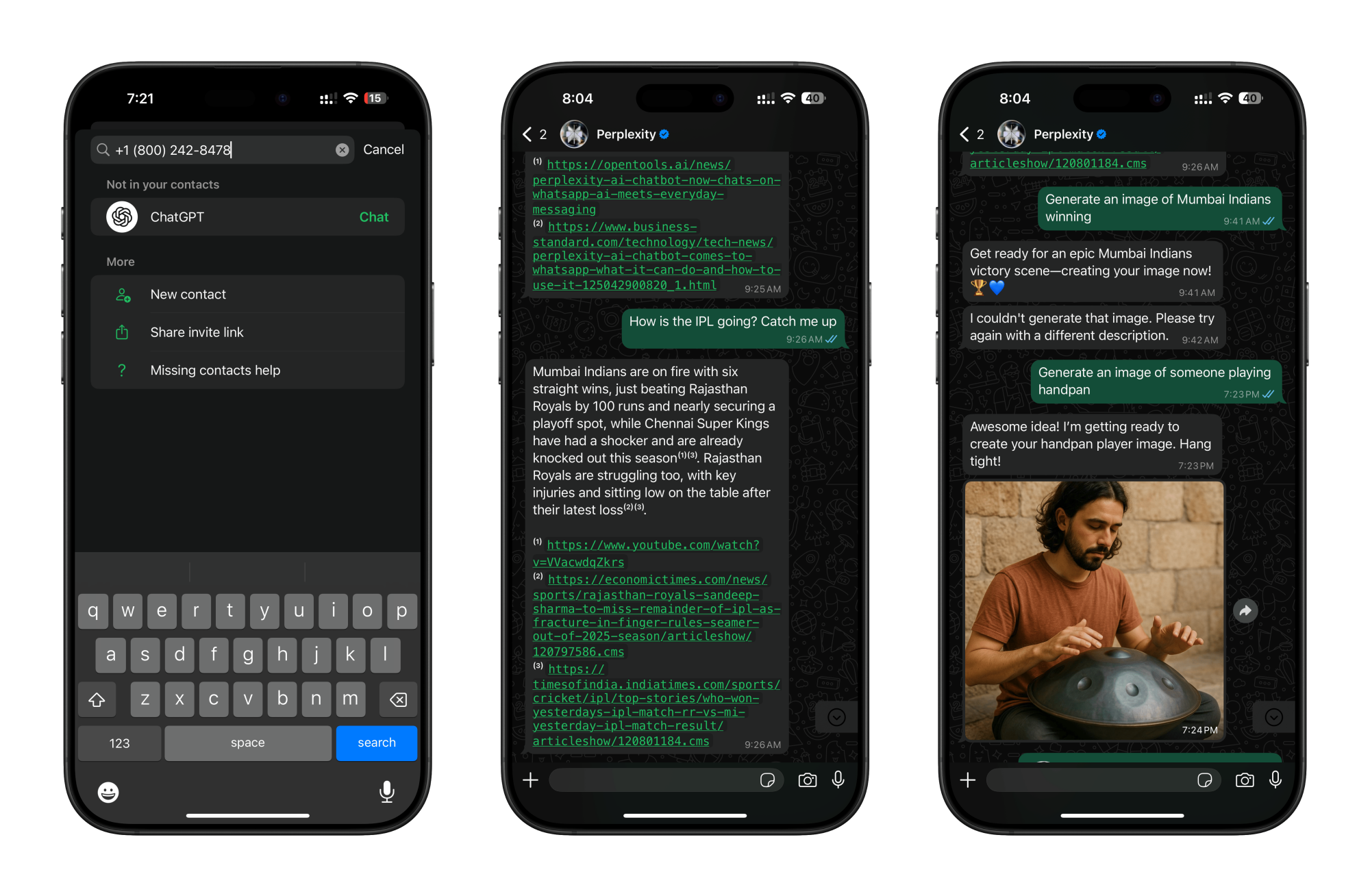
To start talking to Perplexity, start a new chat with the following number: +1 (833) 436-3285. Tap the Plus button to start a new chat, search for this number, and tap the Chat button next to Perplexity to get started.
Perplexity’s WhatsApp replies are quite fast, but they are short and to the point. Don’t expect full functionality, with tools like Deep Research, here.
How to chat with Perplexity and generate images on WhatsApp
Credit: Khamosh Pathak
Once you’ve started your chat with Perplexity, it’s as simple as typing out your questions and waiting for a response. Perplexity’s AI is quite fast, coming back with responses in just a couple of seconds. And it supports voice notes too, so you can record a voice note as a question, it will transcribe it, and then promptly get back to you.
You can even ask it to generate images, or to edit an image. Perplexity is really trying to make the whole “make this person bald” thing happen.
A nice touch here is that Perplexity includes links and sources in its responses, and shares generated images directly in the chat, making them easy to save and forward (ChatGPT, for some weird reason, shares a link to the image instead).
Credit: Khamosh Pathak
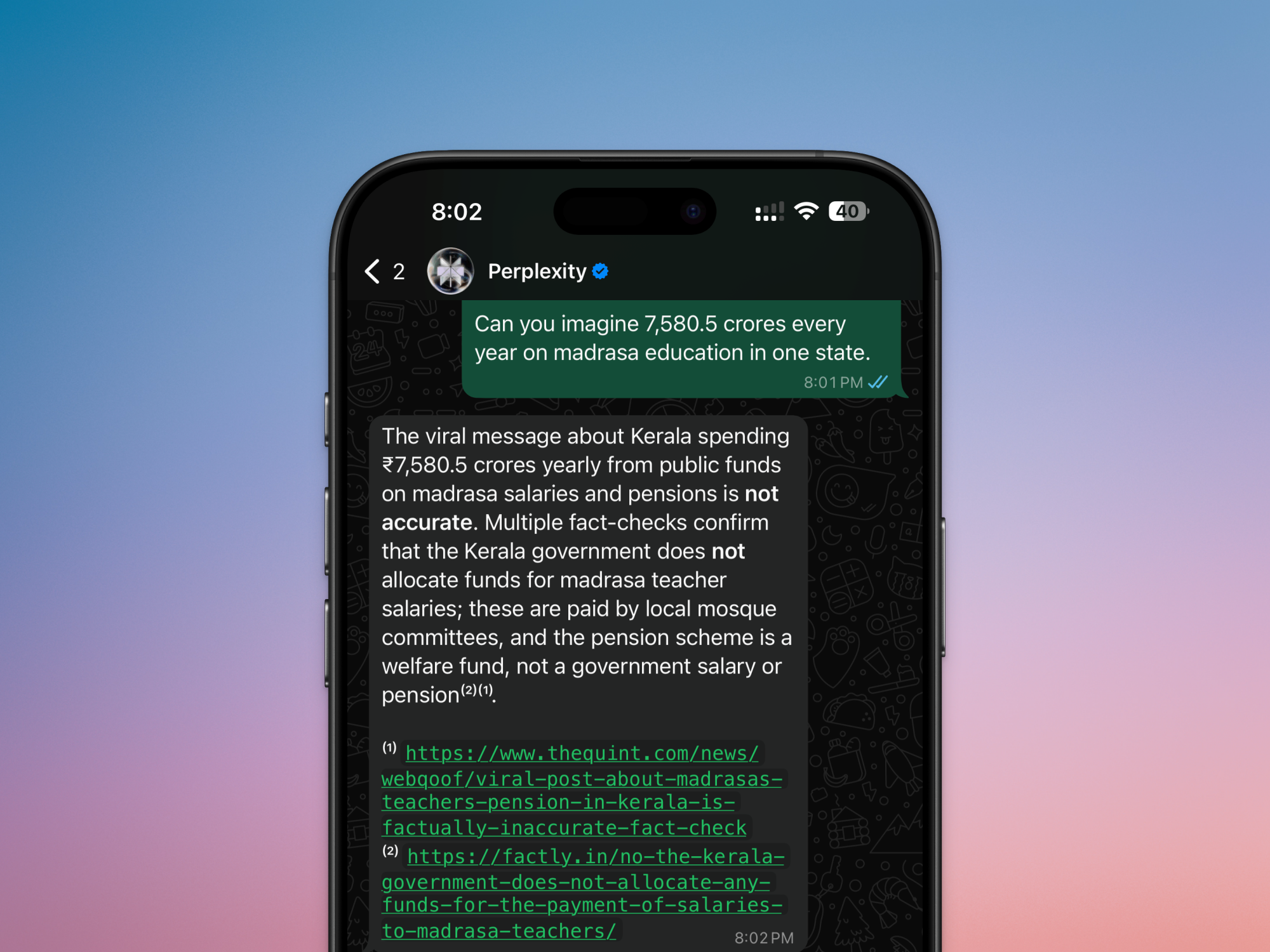
Perplexity can also accept forwarded messages as input, so you can use Perplexity AI to fact-check that weird forward from your uncle that you already know is a scam.
How Perplexity’s WhatsApp integration compares with ChatGPT’s
Credit: Khamosh Pathak
ChatGPT is also available on WhatsApp, for free, and just like Perplexity, it uses the latest available models and is connected to the web. Unlike Perplexity, though, it has an option to link your phone number to your account, so all your chats from WhatsApp can show up in your ChatGPT app as well (something Perplexity doesn’t offer). Its responses can also be a bit more detailed than Perplexity’s, in my experience, including tables and other added context. Still, it’s a shame that you have to click a link to see your images.
Good for quick questions
In my testing, I found Perplexity’s WhatsApp bot to be best at short queries. As it stands right now, Perplexity AI’s responses on WhatsApp are limited to just a couple of sentences, even if you ask a detailed question, so if you want anything deeper, it’s best to switch to the Perplexity app or try texting ChatGPT instead.
Although, these might just be growing pains for Perplexity, which had to take its WhatApp bot down for a couple of hours around launch thanks to unexpected demand.
Bastion’s creations are things of rare beauty, with hand-crafted carbon fibre tubes mated to sculpted titanium lugs. The Australian brand’s bikes are considered by many as masterpieces of bicycle engineering.
It has been a decade since Bastion released a new road bike and the new Archetype brings everything it has learned in the intervening years to the fore.
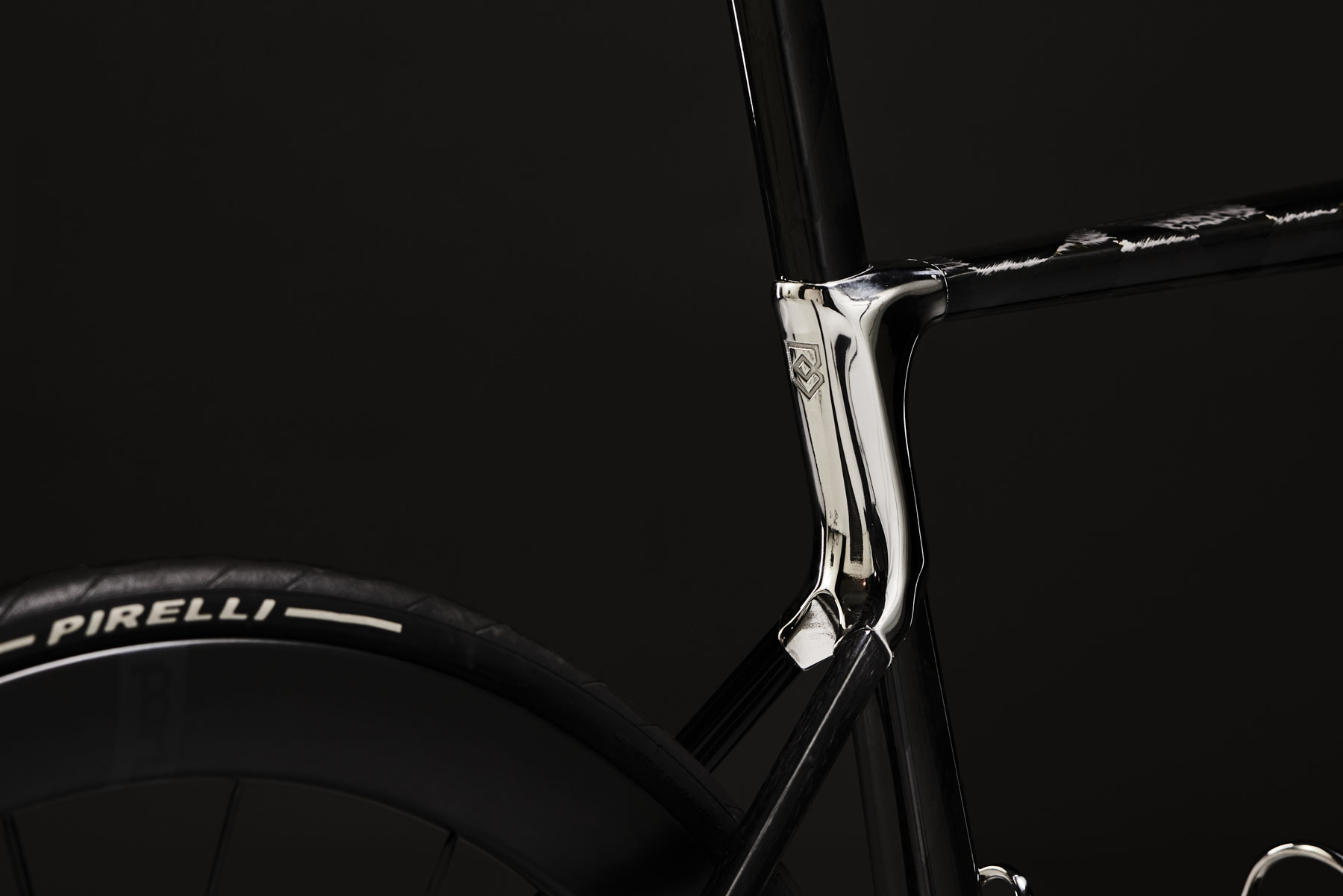
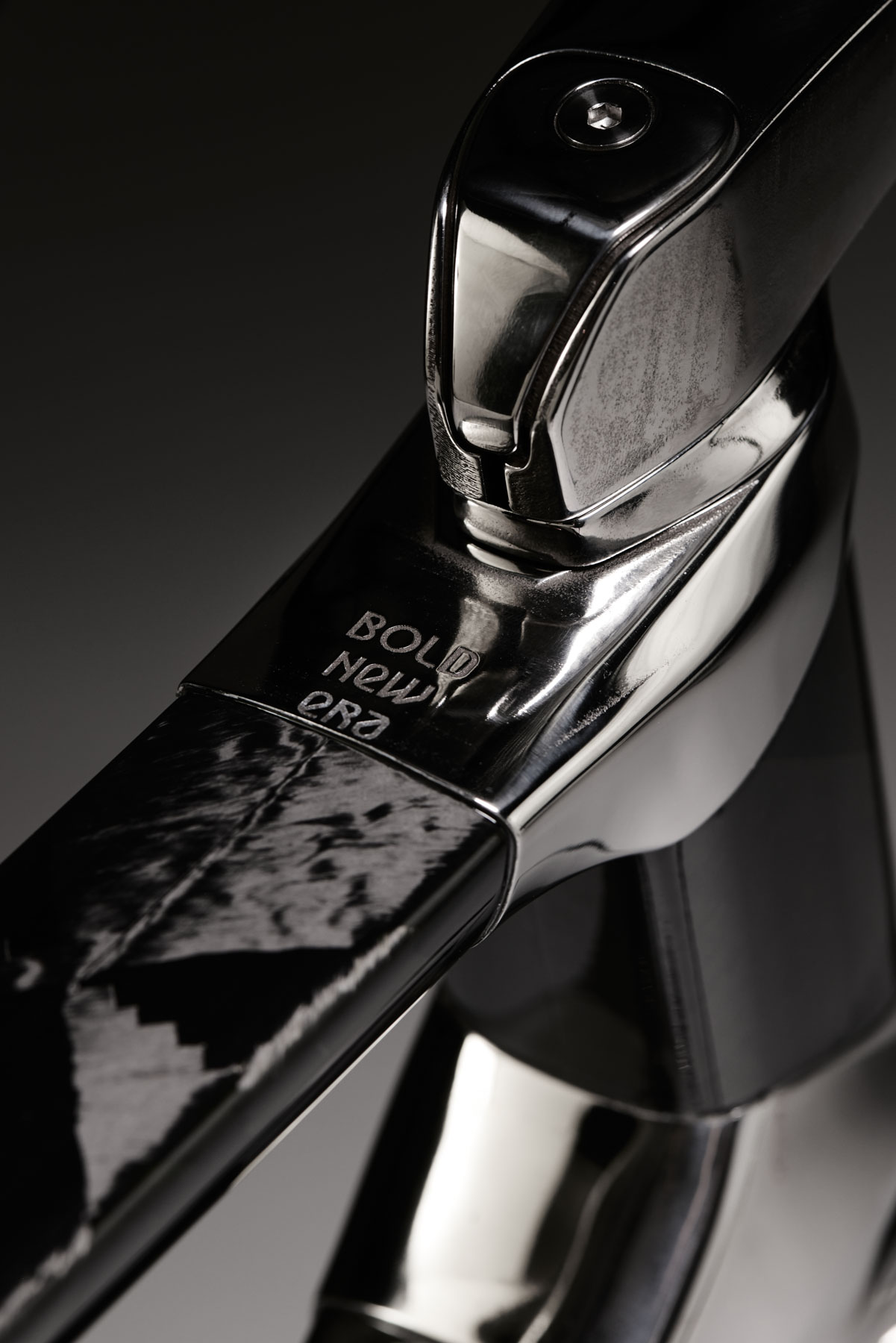
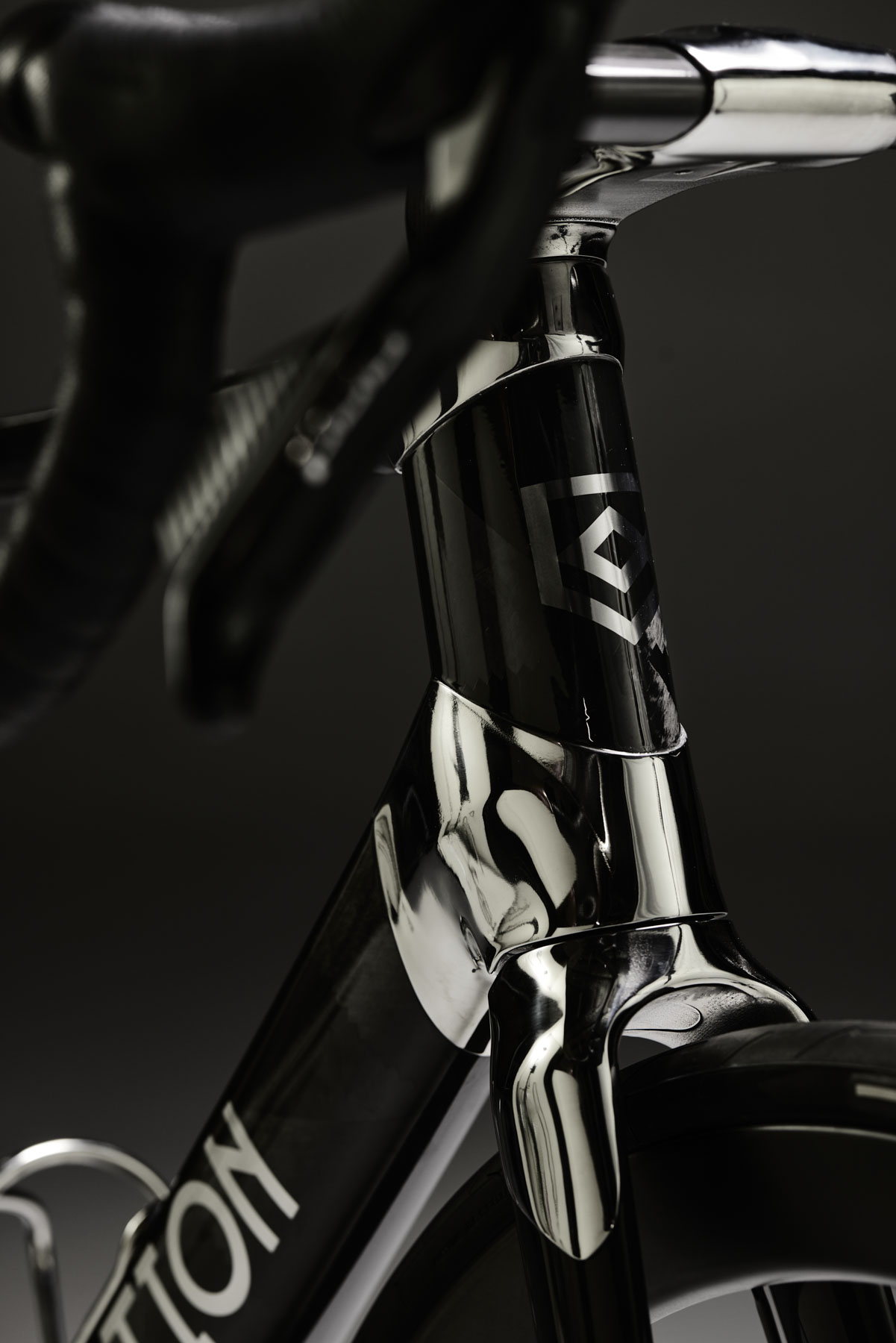
It’s the combination of mirror-polished 3D-printed titanium, raw filament-wound carbon and exquisite attention to detail that makes this custom aero race bike stand out.
Combine all that with a wind-tunnel proven design and, in my opinion, the Archetype is 2025’s best-looking bike.
Filament-wound carbon
The combination of mirror-polished 3D-printed titanium and raw filament-wound carbon looks spectacular. Bastion
Each tube is constructed using filament-wound carbon fibre.
Continuous individual fibre strands are woven around a mandrel to construct high-strength lightweight hollow tubes.
True aero profiles
All of the tubes are based on NACA profiles. Bastion
The Archetype’s tubes are different. For the first time, the tube profiles are based around NACA (National Advisory Committee for Aeronautics) true aerodynamic profiles.
That makes the new Archetype one of the first fully custom aero road bikes available. These tubes are then bonded to aero-optimised 3D-printed titanium lugs.
The new bike has tyre clearances of 34mm and uses a Universal Derailleur Hanger rear dropout for added practicality.
Wind-tunnel tested
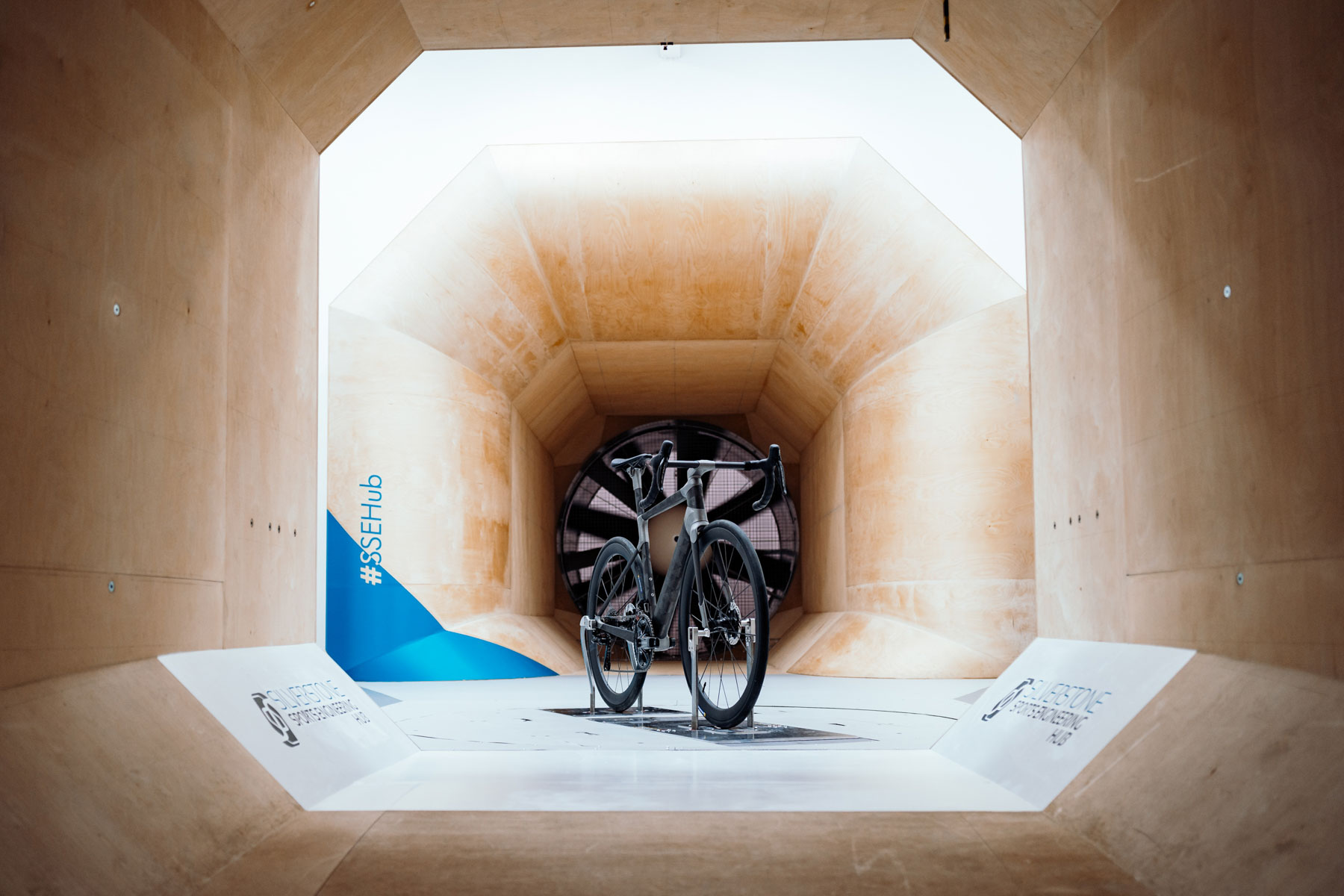
The Archetype was proven in the Silverstone wind tunnel. Bastion
The complete bike, with Shimano Dura-Ace Di2 and Partington’s R39/44 wheelset, was compared to Bastion’s Icon Superleggera. The Archetype reduced drag by 6-8 watts across 0-15° yaw angles at 35 km/h – speeds said to be typical for Bastion’s clientele.
For an ‘average’ rider outputting 200 watts, this represents a significant advantage. At higher speeds, the gains are even more dramatic. At 50 km/h, the Archetype slashed aerodynamic drag by an impressive 18-25 watts, according to Bastion.
10 years in the making
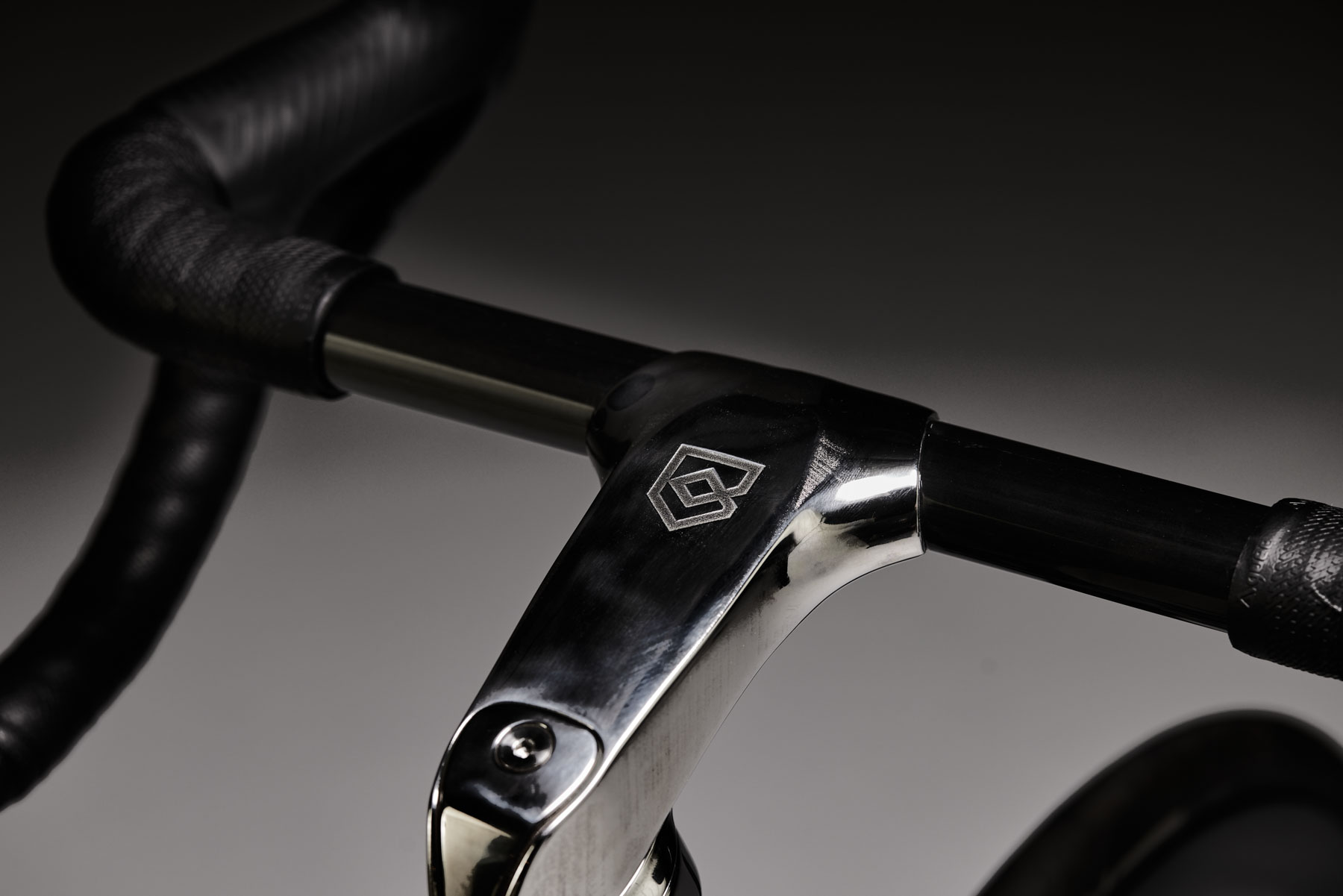
Every element of the Bastion is hand-crafted, even the one-piece cockpit. Bastion
Ethan York, Bastion’s R&D manager, explained the design behind the Archetype: “Our mission was to increase aerodynamic performance without compromising stiffness or weight. The Archetype achieves this with refined tube profiles and an ultra-efficient joining structure.
“We approached the Archetype with the mindset of evolution, not just innovation. We’ve taken the lessons of the past decade – from filament winding to moulded carbon fibre techniques – and redefined their potential in a new aerodynamic context.”
Attention to detail
The head badge is made from a 0.05mm-thick slice of etched stainless steel. Bastion
The head badge hasn’t been spared the aero overhaul. Instead of Bastion’s usual 3D-printed badge, the Archetype’s is etched from a 0.05mm-thick slice of stainless steel. It’s placed under the finished frame’s clear-coat finish.
Pricing hasn’t been announced, but I’d expect it to be somewhat POA.
Even if, like me, you’ve no chance of being able to afford this most exclusive of superbikes, Bastion has made its online configurator open to all. Previously, you could only access it after placing a deposit.
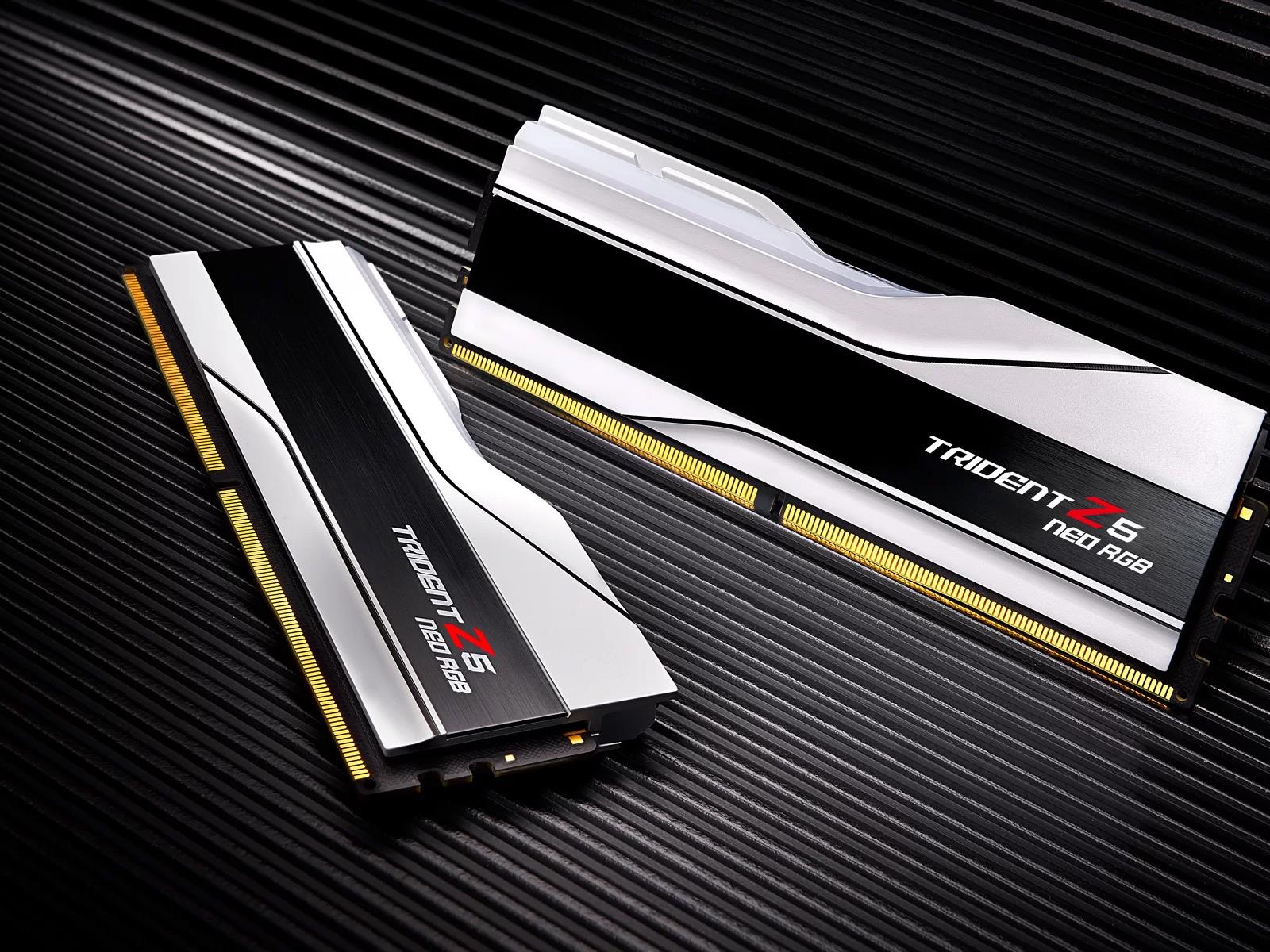
G.Skill continues to push out higher capacity and faster DDR5 memory kits at a frenetic pace. It’s latest offering, which is announced but not yet available at retail, is a large capacity 128GB memory kit comprised of two 64GB modules, which is validated to run at DDR5-8400 on AMD Ryzen builds. We looked around and couldn’t a comparable kit.
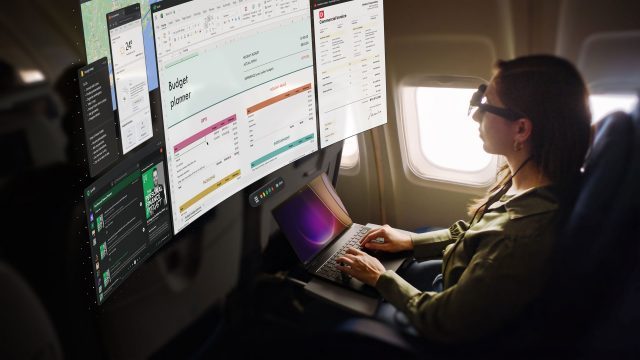
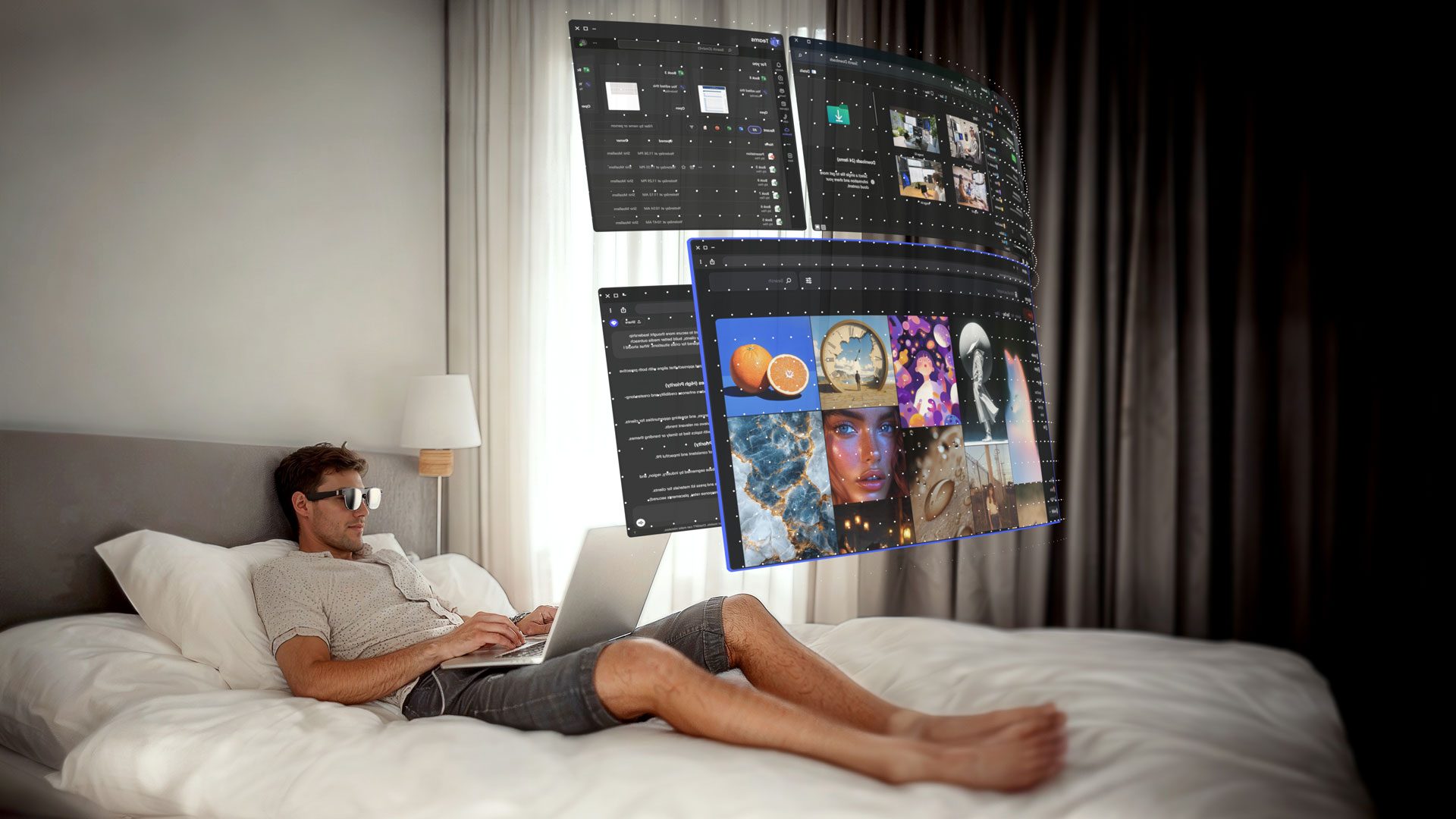
Late last year, Sightful announced it was cancelling its unique laptop with built-in AR glasses, instead pivoting to build a version of its AR workspace software for Windows. Now the company has released Spacetop for Windows, which lets you transform your environment into a private virtual display for productivity on the go.
Like its previous hardware, Spacetop works with XREAL AR glasses, however the new subscription-based app is targeting a much broader set of AI PCs, including the latest hardware from Dell, HP, Lenovo, Asus, Acer and Microsoft.
Previously, the company was working on its own ‘headless’ laptop of sorts, which ran an Android-based operating system called SpaceOS. Sightful however announced in October 2024 it was cancelling and refunding customers for its Spacetop G1 AR workspace device, which was slated to cost $1,900.
At the time, Sightful said the pivot came down to just how much neural processing units (NPU) could improve processing power and battery efficiency when running AR applications.
Image courtesy Sightful
Now, Sightful has released its own Spacetop Bundle at $899, which includes XREAL Air 2 Ultra AR glasses (regularly priced at $699) and 12-month Spacetop subscription (renews annually at $200).
Additionally, Sightful is selling optional optical lenses at an added cost, including prescription single-vision lens inserts for $50, and prescription progressive-vision lens inserts for $150.
Recommended laptops include Dell XPS Core Ultra 7 (32GB), HP Elitebook, Lenovo Yoga Slim, ASUS Zenbook, Acer Swift Go 14, and Microsoft Surface Pro for Business (Ultra 7), however Sightful notes this list isn’t exhaustive, as the cadre of devices which integrate Intel Core Ultra 7/9 processors with Meteor Lake architecture (or newer) is continuously growing.
Key features include:
Seamless access to popular apps: Spacetop works with consumer and business apps that power productivity every day for Windows users
Push, slide, and rotate your workspace with intuitive keystrokes
Travel mode that keeps your workspace with you on the go, whether in a plane, train, coffee shop, Ubering, or on your sofa
Bright, crystal-clear display that adjusts to lighting for use indoors and out
Natural OS experience, designed to feel familiar yet unlock the potential of spatial computing vs. a simple screen extension
All-day comfort with lightweight glasses (83g)
Massive 100” display for a multi-monitor / multi-window expansive workspace
Ergonomic benefits help avoid neck strain, hunching, and squinting at a small display
Backed by over $61M in funding, Sightful was founded in 2020 by veterans from PrimeSense, Magic Leap, and Broadcom. It is headquartered in Tel Aviv with offices in Palo Alto, New York, and Taiwan. You can learn more about Spacetop for Windows here.
Without a doubt, Grand Theft Auto VI is one of the most anticipated games of all time, despite Rockstar Games having (so far) only released a single trailer. A trailer that recently crossed 250 million views and 1 million comments, that is. Unfortunately, gamers will have to wait longer than expected to finally play the next major GTA installment—originally
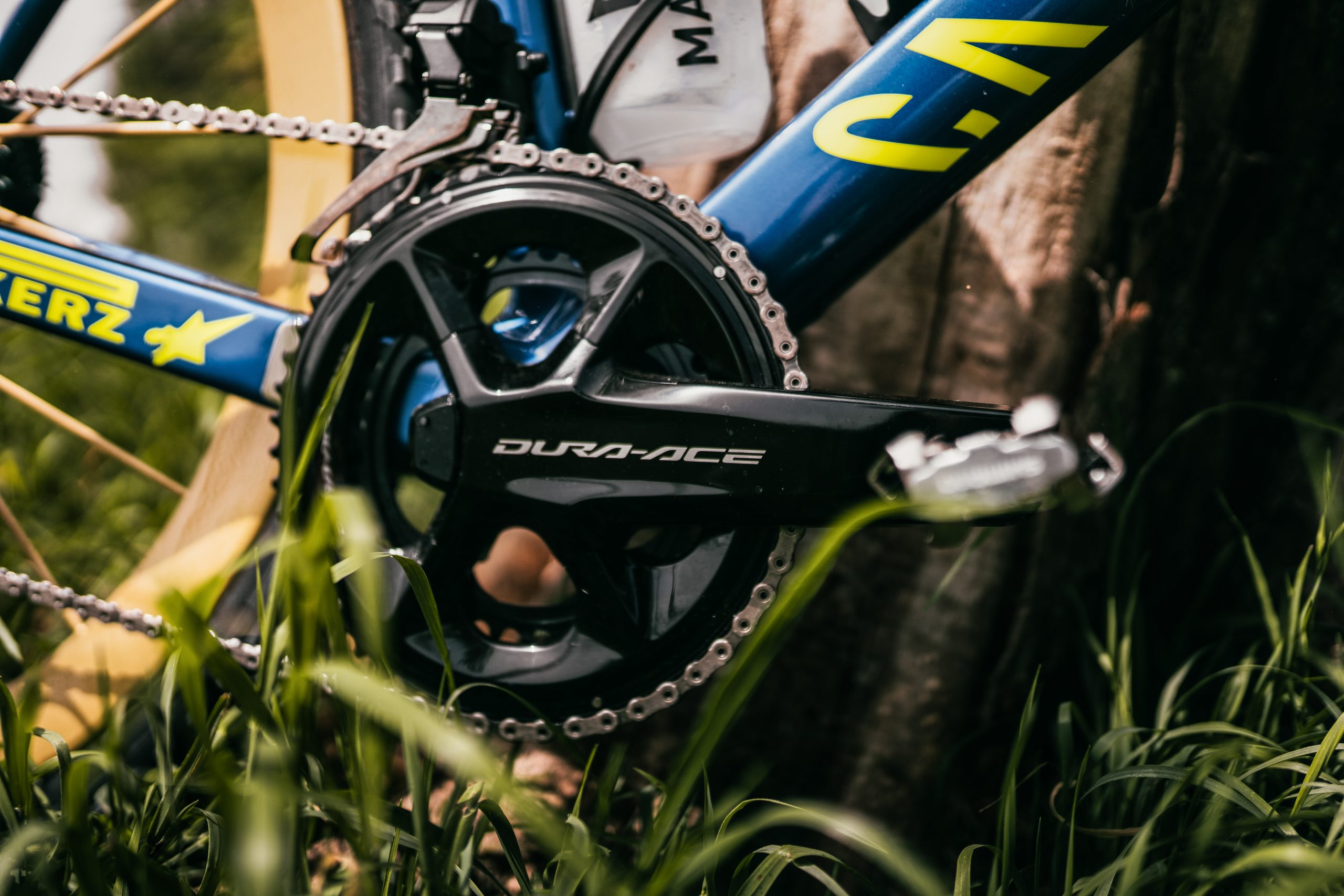
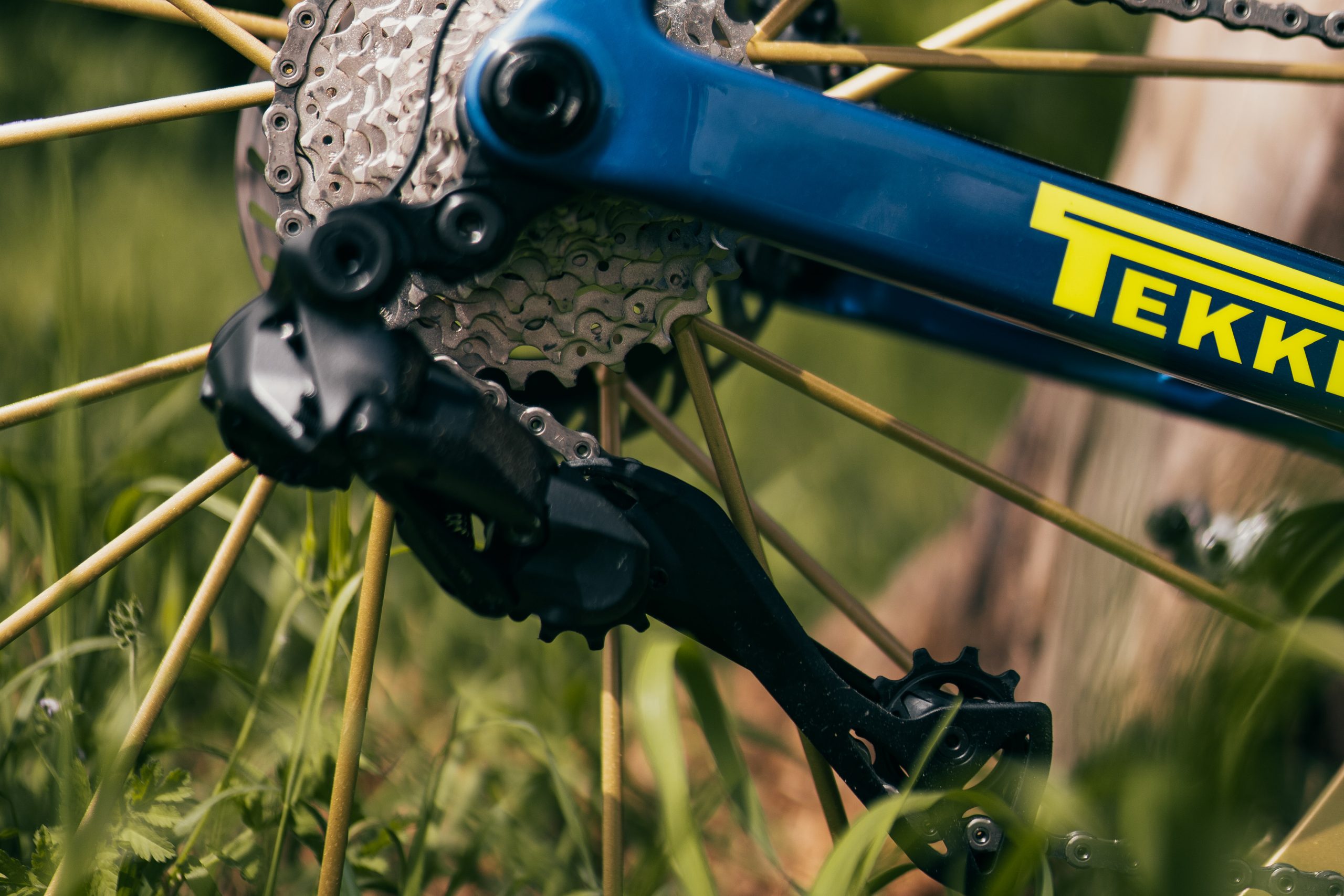
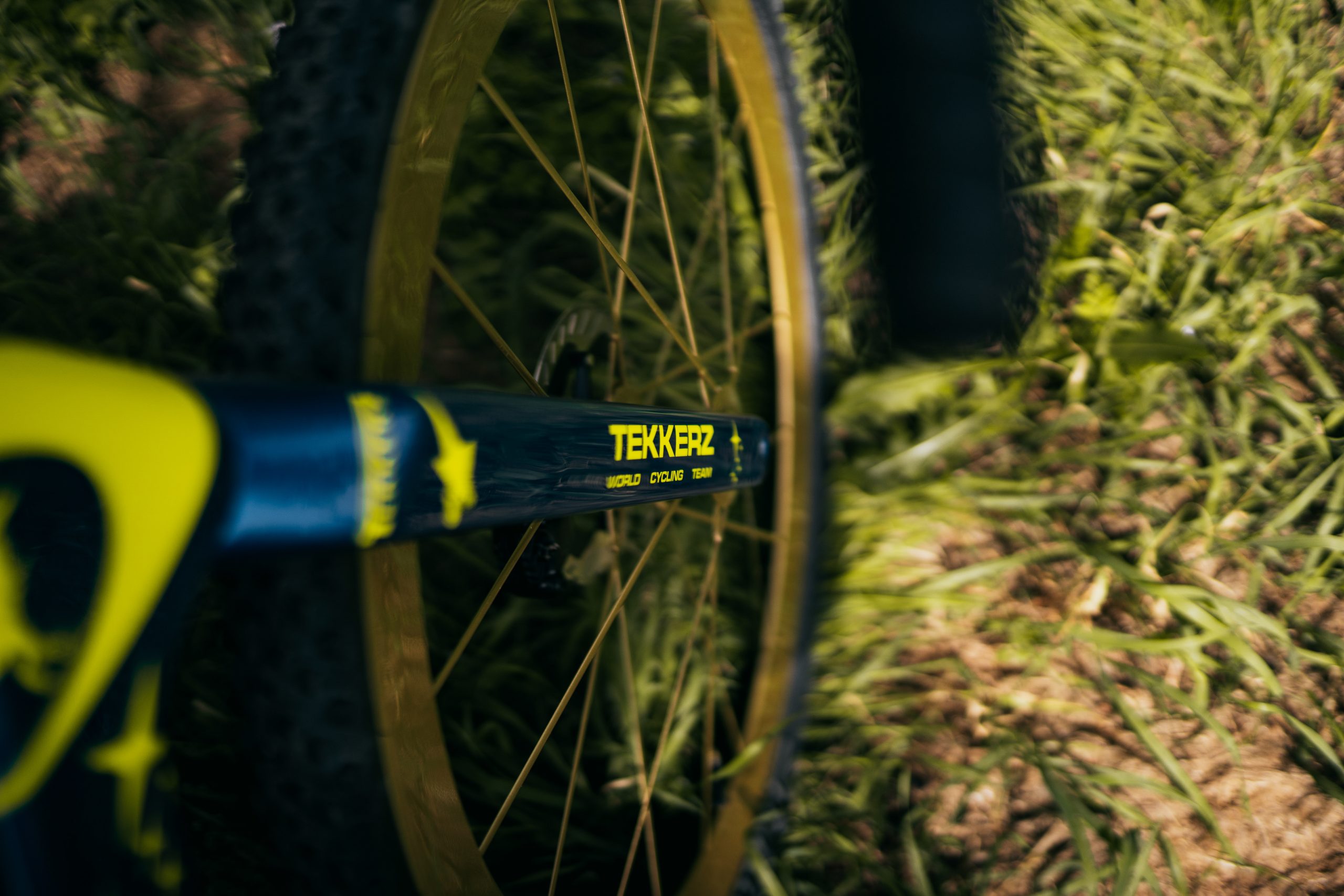
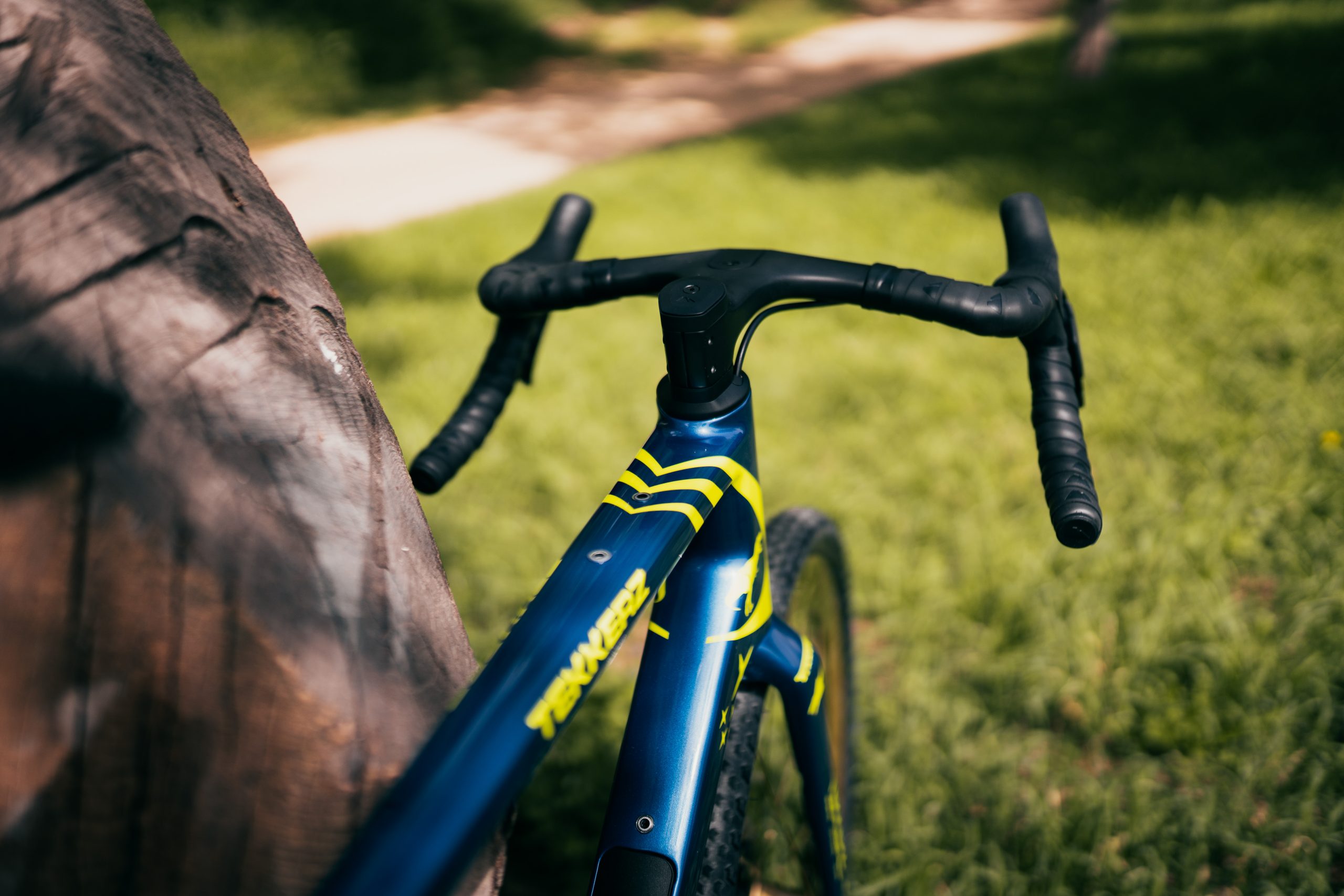
Alec Briggs will line up for the Traka gravel race aboard a very special Canyon Grail CFR. His bike has been heavily customised in the style of Colin McRae’s famous Subaru Impreza rally car.
Briggs, founder of and racer for the Tekkerz CC team, arrived in Girona, Spain, ahead of the Traka with possibly the hottest gravel race bike of 2025.
His Canyon Grail CFR features deep blue paint, bright yellow graphics and gold wheels that all hark back to Colin McRae’s career as a rally driver.
McRae was at the sharp end of World Rally driving in the 90s and his blue and yellow Subaru Impreza became an iconic design. Following McRae’s death in 2007, his race cars became highly sought after, with TopGearreporting his ‘555’ car sold for £230,000 in 2017.
In an Instagram post, Briggs touched on the time he spent playing Colin McRae’s video games, and said he wanted to channel the spirit of “if in doubt, go flat out”.
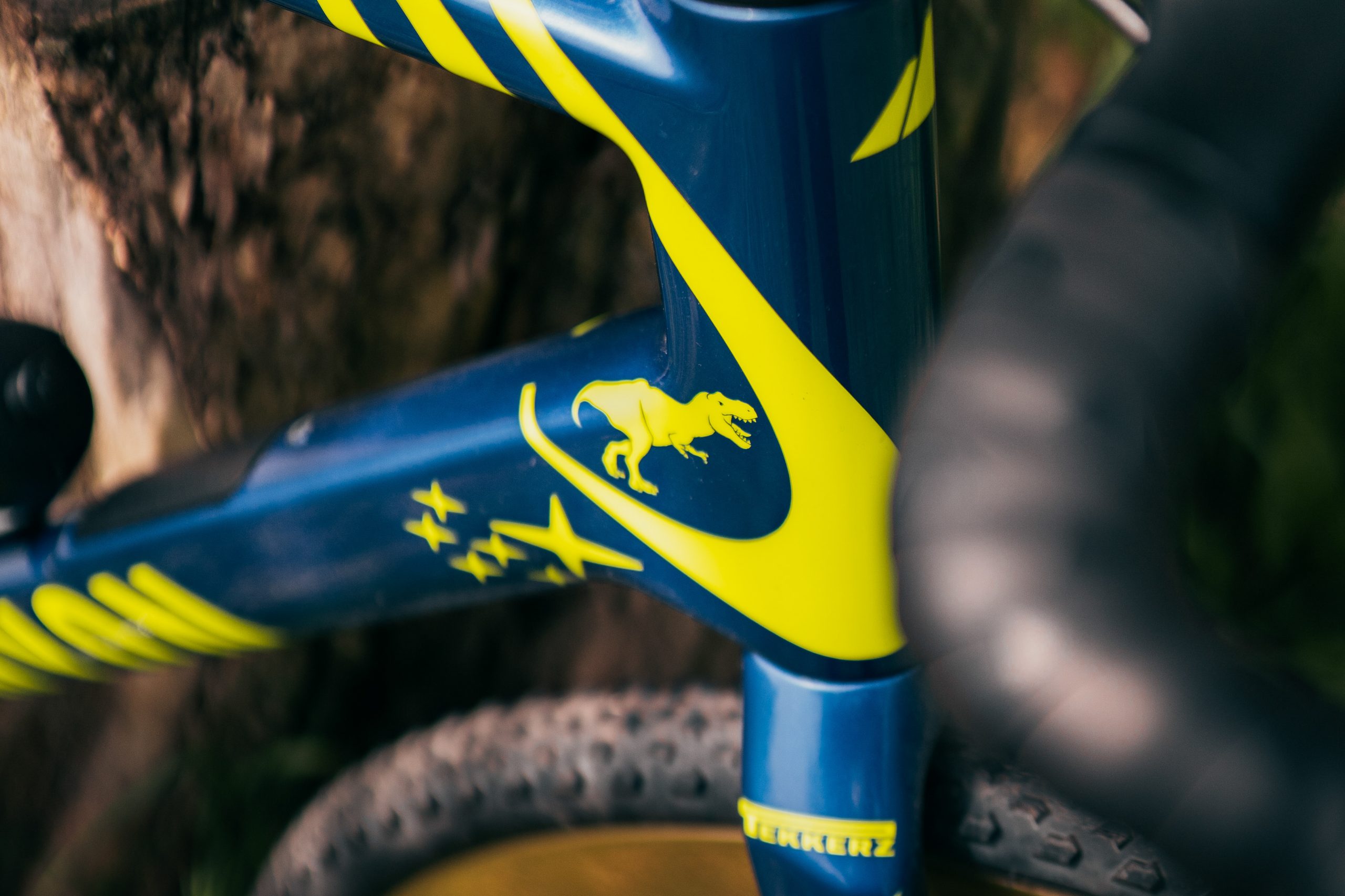
Briggs has opted for a roadie-influenced build, along with some of the coolest wheels we’ve ever seen. But watch out for the Tekkerz dinosaur.
Alec Brigg’s Colin McRae-inspired Canyon Grail CFR
A Shimano Dura-Ace Di2 12-speed groupset is a relatively common sight in the pro gravel ranks. Racers often prefer the road groupset over Shimano’s dedicated GRX gravel groupset for the lower weight and larger chainrings. Canyon But looking at the angle of Briggs’ rear derailleur, he’s pushing the gear range to the limit. Canyon Briggs admits that painting the Lightweight Pfadfinder wheels gold did add a bit of weight. But I’m sure we can all agree that it was worth it? Canyon At the front end, Briggs uses Canyon’s Gear Groove CP0047 cockpit. It measures 400mm at the hoods and flares out at the drops by 16º. Canyon A Tekkerz CC dinosaur finishes what is an exceptionally cool bike. Canyon
Rockstar has announced that GTA 6, the most anticipated game of 2025, has been delayed until May 2026. In a statement posted to its social media, the company has said it needs more time to create the game.
DigiGods is welcoming new cosmetics, maps and more in the Cats and Kaijus update today.
Developed by Squido Studio, DigiGods is a VR/MR social sandbox that allows players to platform and battle through bespoke cartoonish environments. Inspired by Roblox & Garry’s Mod, the physics-based multiplayer is serving up more customizable content with its new Cats and Kaijus update.
This update features two new skins to customize your character with: Evil DigiGod and Action DigiGod. There are also two new turrets to use in battle: the Flamethrower Turret engulfs wide areas in flames, while the Laser Turret hits opponents with sharp damage from afar. This also includes three new Warzone maps, which offer fresh obstacles and terrain varieties to take on with friends.
DigiGods received a sizable weapons overhaul earlier this year with the Warzone update, which aimed to improve ballistics and weapon recoil, among other gameplay tweaks. Developers Squido Studio said the update would provide “an enhanced weapon feel, precision controls, and heightened satisfaction.”
The Cats and Kaijus content will be available for Quest today, and can be purchased in-game with the DigiGods’ premium currency K-OS. The new Warzone maps do not come at any additional cost.
Swytch, the maker of some of the world’s best-selling ebike conversion kits, has launched its most innovative kit to date.
After announcing the Max+ last year, alongside a complete Swytch bike, it’s now finally available to buy – and one has just arrived at BikeRadar for review.
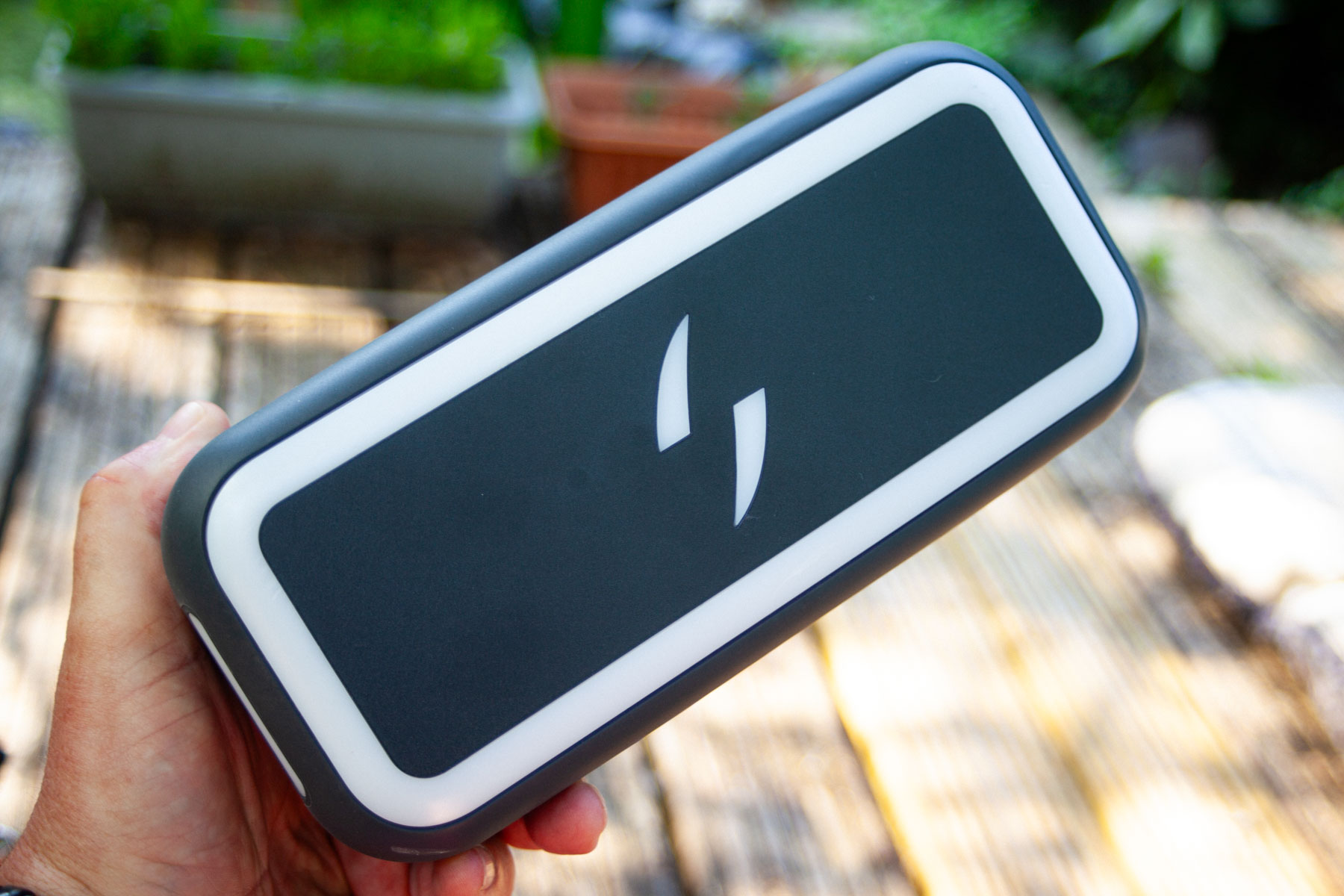
The new Max+ has a large battery capacity, an integrated front light and a USB-C charge point, while Swytch is also emphasising the kit’s battery safety technology.
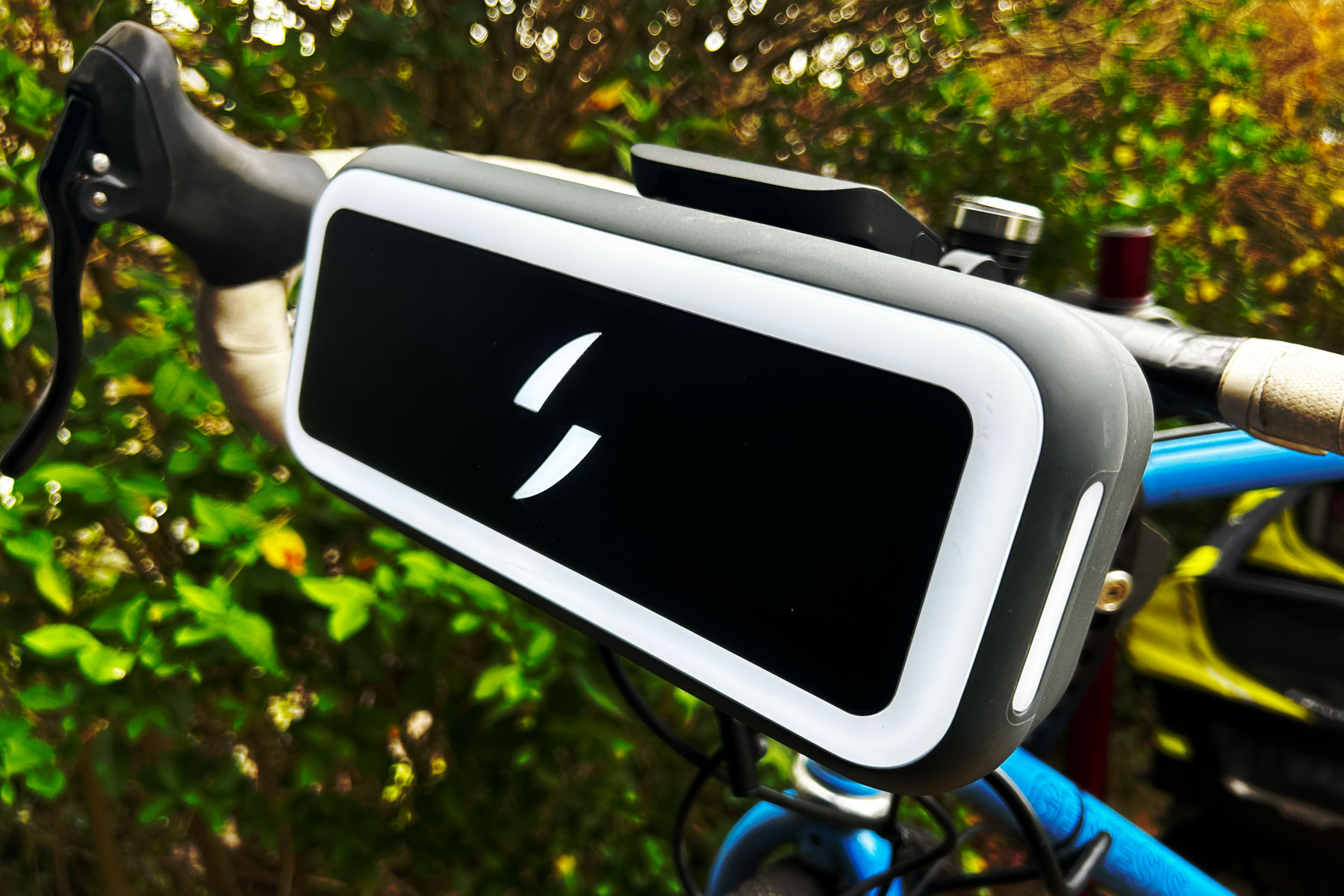
The compact battery is very well designed. Warren Rossiter / OurMedia
Like previous generations, the Swytch Max+ can convert almost any bike into a pedal-assisted electric bike, with a 250-watt motor and a top assisted speed of 15mph.
The Max+ promises an increased range of up to 40 miles from its 274.5Wh-capacity battery.
There’s also a Max++ option, promising a boosted range of 60 miles.
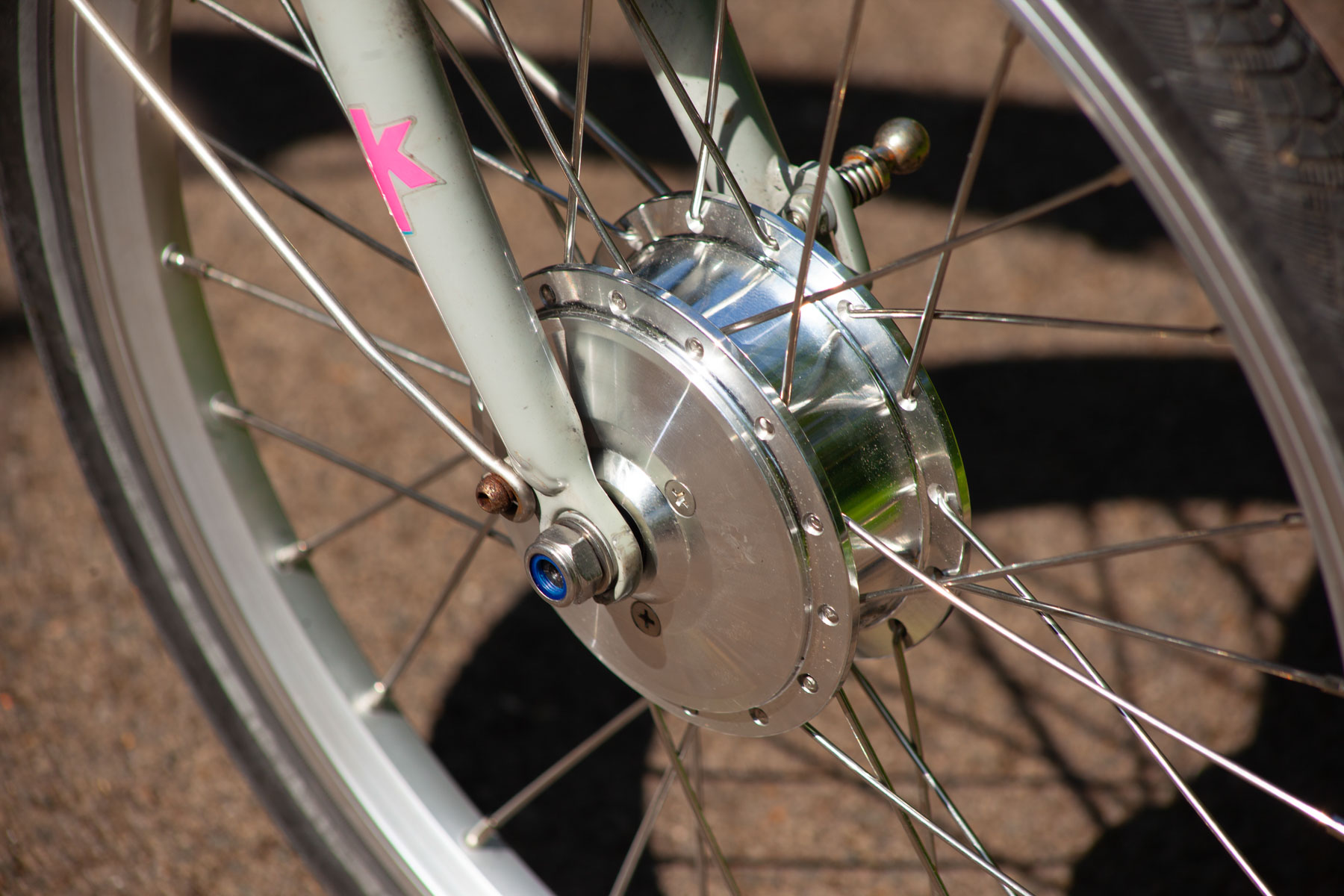
Here’s the Max motor hub built into a 20-inch wheel. Warren Rossiter / OurMedia
The Max+ works by replacing a regular front wheel with a Swytch motor wheel (built at Swytch’s Norwich factory). The quick-release bar-mounted battery can be removed at the flick of a lever. If you remove the battery, your bike becomes a standard bike again.
Swytch’s CEO, Oliver Montague, says this circumvents Transport for London’s recent ban on non-folding ebikes, if a Swytch bike’s battery is removed.
The Max+ is now in stock and on sale at £999.
Swytch Max+ first impressions
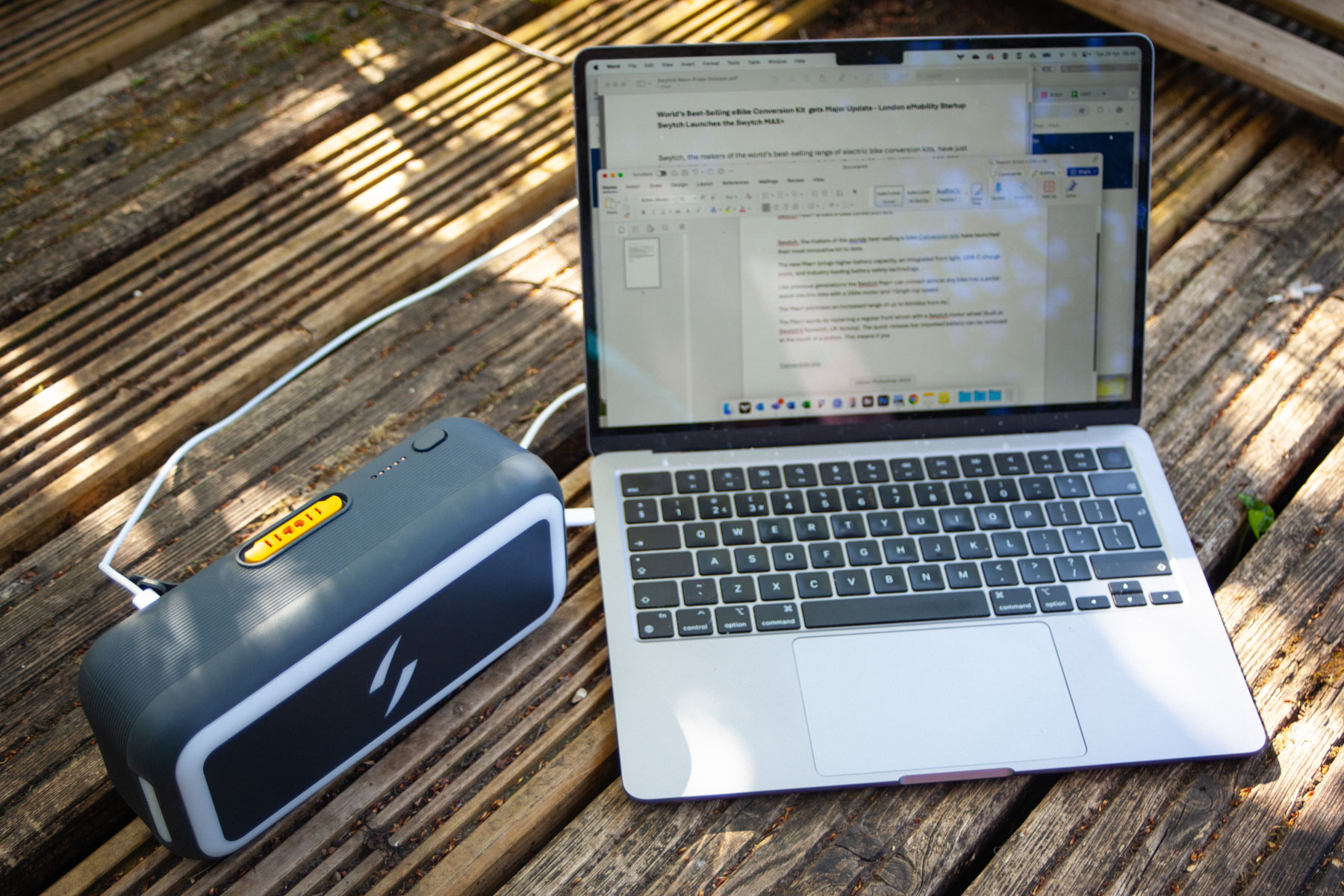
The battery pack’s USB-C port makes it a power source. It powered my laptop to write this article. Warren Rossiter / OurMedia
I’ve received two versions of the new Max+ kits for testing.
The first is built with a 700c disc wheel, which has found its way onto the Genesis Day One used to test the Boost kit.
The second is built around a 20in wheel for a Kansi folding bike. I’ll be following up with full tests of both options soon.
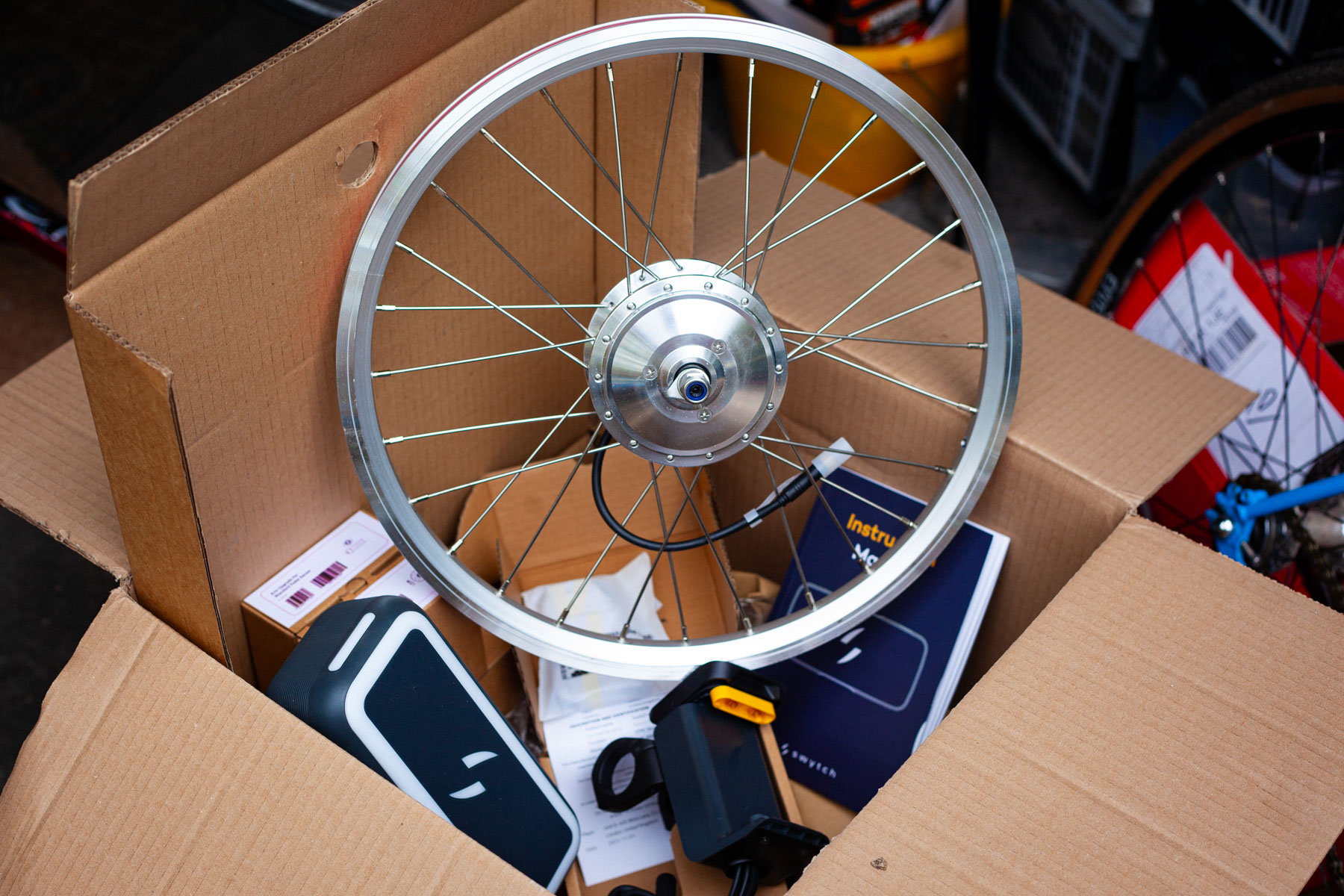
The Max kit arrives in fully recyclable packaging, with a comprehensive instruction manual. Warren Rossiter / OurMedia
It’s a slick-looking system, with a substantial mount for the battery. There are cables to run to the front-hub motor and down to the pedal sensor, which makes your donor bike look somewhat different.
I’d like to see Swytch adopt a wireless pedal sensor, much like Skarper’s strap-on rechargeable unit.
However, I’m impressed by the Swytch kit’s simplicity, along with the presentation, packaging, instructions and overall design.
The fitting of both kits is simple and requires minimal tools: hex keys, snips or scissors for the cable ties, a 17mm spanner for the wheel nuts, and that’s it.
The comprehensive and well-illustrated fitting manual helps things along, and it’s good to see the kit ships in fully recyclable packaging, too.
The battery itself, with its built-in front light and side illumination, is very well thought-out. It’s IPX6 waterproof-rated, which means it’s tested by being sprayed with water at a rate of 100 litres per minute, at a pressure of at least 15psi, for at least three minutes from all directions. This should make it weatherproof for all riding conditions.
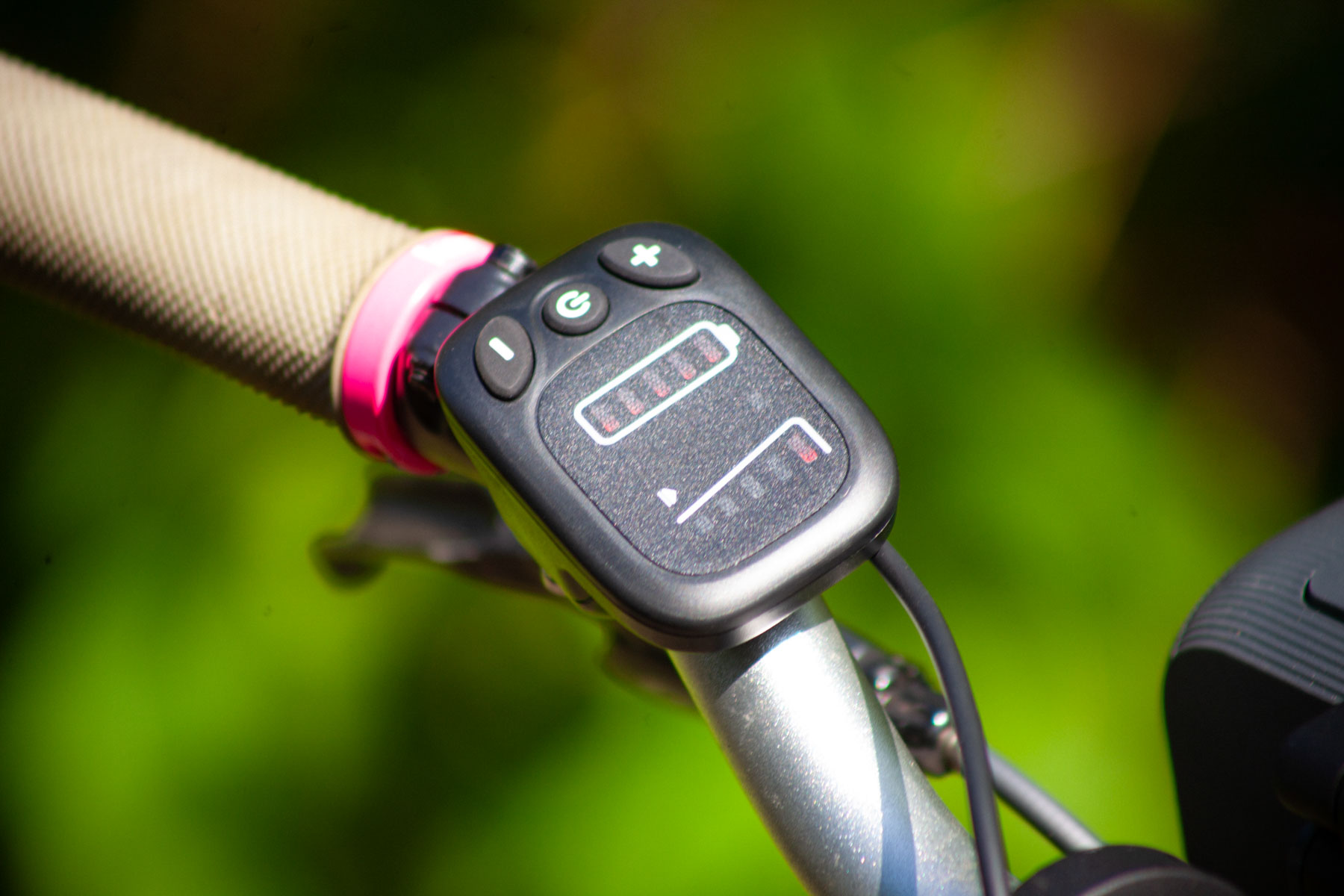
The bar-mounted remote shows the battery level and is home to the mode controls. Warren Rossiter / OurMedia
The inclusion of a USB-C charge port is most welcome, because it means the battery can double-up as a power pack, and its 272Wh capacity is enough to recharge an iPhone approximately 200 times.
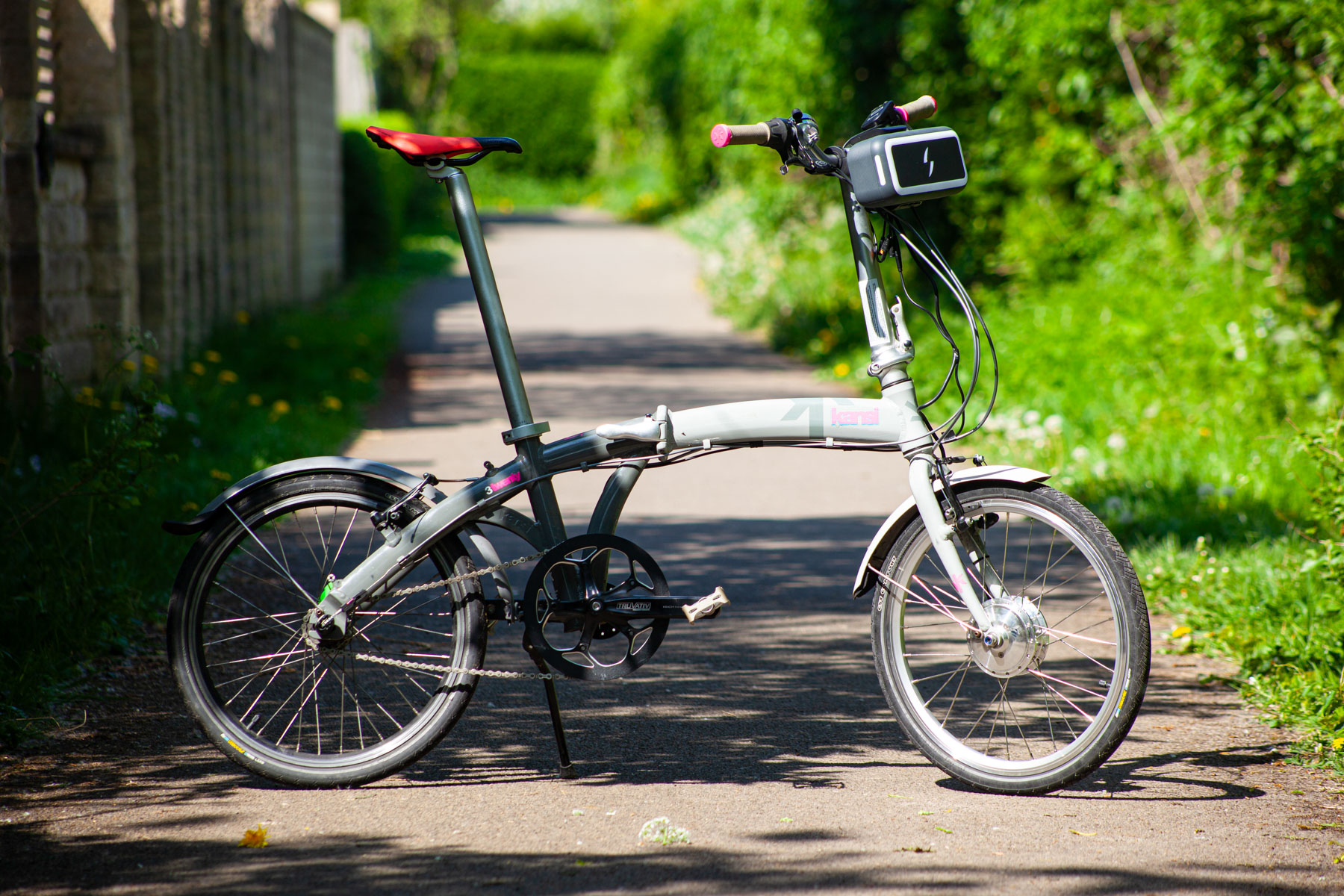
The Swytch Max kit took less than 30 minutes to fit to my folding bike. Warren Rossiter / OurMedia
Fitting-wise, it took 25 minutes to convert the Kansi folder and 35 minutes for the Genesis.
Stay tuned for full reviews of the two kits once testing is complete.
US consumers can now buy Canyon bikes via Amazon. The German direct-to-consumer bike brand has listed a selection of entry-level to mid-range urban, recreational and mountain bikes.
Speaking to Bicycle Retailer and Industry News, a Canyon spokesperson said: “Expanding into this space is intended to meet a new consumer on an established platform, making cycling more accessible and convenient for everyone.”
Just don’t expect to find Canyon’s top-flight Aeroad or Ultimate models on Amazon. The company says selling products through the online retailer is to complement its premium range that’s only found on Canyon.com.
Targeting casual to intermediate riders, Canyon’s Amazon storefront has bikes ranging from just over $1,000 to $5,599.
The Canyon Grand Canyon:ON electric mountain bike. Our Media
If you’re looking for road bikes or gravel bikes, you’ll have to stick to Canyon’s website, for now at least.
The move to Amazon follows a period of change for Canyon. Last year, the brand expanded its service partner network in the US through a partnership with REI, the nation’s largest outdoor retailer, adding 28 locations to buy its bikes.
The direct-to-consumer brand’s network already includes 66 independent bike shops in the US.
Last month, Canyon also announced it had laid off an undisclosed number of employees in the US, in a move that was not tied to changes in tariffs. But it said it was employing a “shifting gears roadmap” to strengthen its direct-to-consumer model and grow new markets.
In the UK, Canyon recently opened two ‘Customer Experience Locations’ in London and Sheffield.
These bricks-and-mortar stores follow four Customer Experience Locations in Europe. Canyon is hoping to expand this number to 15 in 2025 across Europe and the US.
Over the years, Canyon has developed a reputation for value, with its direct-to-consumer model eliminating bike shops and enabling it to keep its margins high.
Expanding onto Amazon and focusing on physical locations to buy its bikes doesn’t mean Canyon has neglected its direct consumers, though. In February, Canyon launched the MyCanyon bike customisation programme, which offers consumers a range of paintjobs and componentry, including different stem lengths and groupsets.