Sending an Emoji in Google Messages Will Now Play a Fun Animation

Full-screen message effects are among the most fun-to-use features in iMessage, and now they’re becoming a lot easier to use in Google Messages for Android, too. In the latest Google Messages beta, these full-screen effects will now automatically play for you (and your texting partner, if they’re also on the beta) when you send them certain emoji in Google Messages for Android. That makes them a bit easier to use than Apple’s version of this feature, which can only be triggered by certain phrases (eg: “Happy New Year”), or by long-pressing the send button and selecting the effect manually. Google had previously rolled out full-screen effects for certain phrases, but this time around, all you need to do is send one emoji to trigger them.

How to use Android’s full-screen message effects

At the moment, Google is still testing this new way to send full-screen message effects, which means you’ll have to become a beta tester for Google Messages in order to try them out. To do that, either follow this link or go to the Play Store page for Google Messages, tap Become a tester, and follow the on-screen instructions. Once you have the beta up and running, just send an applicable emoji to any of your contacts to trigger its corresponding full-screen effect. Message effects aren’t enabled for every single emoji, but they do work with quite a few commonly used ones, such as clap, sleep, party, etc. 

Note that you’ll need to limit your text to just one emoji to see the effect. If you send an emoji along with some text, or more than one emoji, it won’t work (prior versions of the feature required you to send two of the same emoji to trigger an effect, although I couldn’t make that work on the new beta). Personally, I quite like how these effects look. It’s like watching a short, animated video the moment you send an emoji, which makes for some really pleasing feedback.

How to turn off full-screen effects in Google Messages

Google Messages settings, showing how to turn off full-screen effects.

Credit: Khamosh Pathak

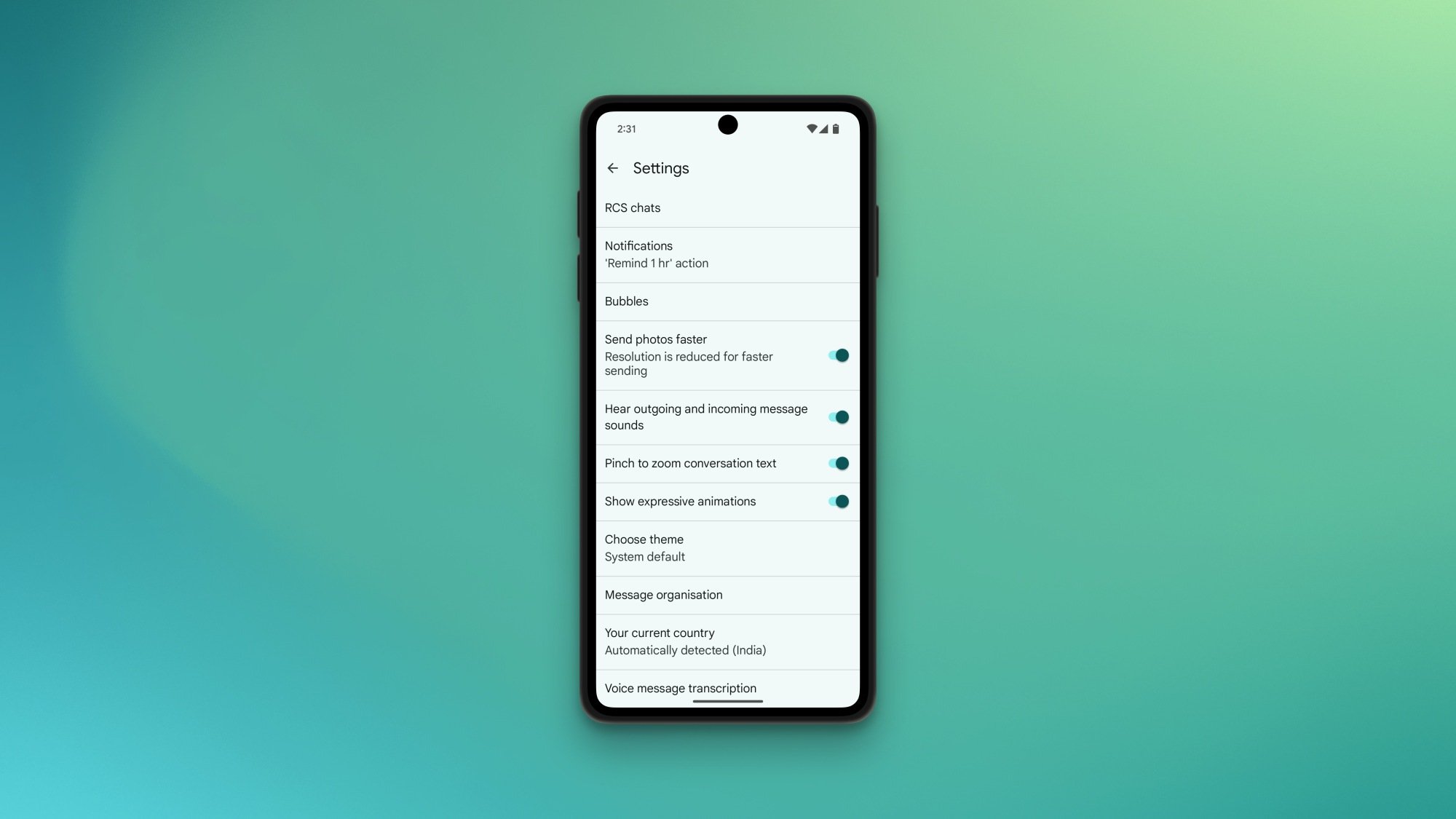
Unless you find yourself frequently sending or receiving texts that only have a single emoji in them, these effects probably won’t pop up so frequently that you’ll need to turn them off. However, if they do start to annoy you, you can easily disable them. In Google Messages, tap the profile icon and select Settings. Disable Show expressive animations to stop seeing full-screen effects. 

Why Google Gemini’s Pokémon success isn’t all it’s cracked up to be

Earlier this year, we took a look at how and why Anthropic’s Claude LLM was struggling to beat Pokémon Red (a game, let’s remember, designed for young children). But while Claude 3.7 is still struggling to make consistent progress at the game weeks later, a similar Twitch-streamed effort using Google’s Gemini 2.5 model managed to finally complete Pokémon Blue this weekend across over 106,000 in-game actions, earning accolades from followers, including Google CEO Sundar Pichai.

Before you start using this achievement as a way to compare the relative performance of these two AI models—or even the advancement of LLM capabilities over time—there are some important caveats to keep in mind. As it happens, Gemini needed some fairly significant outside help on its path to eventual Pokémon victory.

Strap in to the agent harness

Gemini Plays Pokémon developer JoelZ (who’s unaffiliated with Google) will be the first to tell you that Pokémon is ill-suited as a reliable benchmark for LLM models. As he writes on the project’s Twitch FAQ, “please don’t consider this a benchmark for how well an LLM can play Pokémon. You can’t really make direct comparisons—Gemini and Claude have different tools and receive different information. … Claude’s framework has many shortcomings so I wanted to see how far Gemini could get if it were given the right tools.”

Read full article

Comments

Beijing’s ‘Made in China’ Plan Is Narrowing Tech Gap, Study Finds

An industrial plan China rolled out a decade ago that was criticized by the U.S. as protectionist has been highly successful in narrowing China’s technological gap with the West, a new study finds. From a report: The study, commissioned by the U.S. Chamber of Commerce, is set to intensify the debate in Washington and elsewhere over how to counter China’s use of state subsidies and other strategies to bolster its competitiveness. To placate President Trump during his first-term trade war with China, Beijing dropped mentions of the “Made in China 2025” plan, leader Xi Jinping’s signature industrial strategy, from public discourse. But the policy stayed in place.

The study, released Monday, shows that enormous state support unleashed under the strategy has enabled China to eliminate or reduce its dependence on imports such as rail and power equipment, medical devices and renewable-energy products. In addition, Chinese companies have become more competitive globally, gaining market share from foreign companies in sectors including shipbuilding and robotics. The findings in the study, conducted by economic consulting firm Rhodium Group, highlight the stakes for the U.S. and other advanced economies as Beijing continues to advance Xi’s blueprint to make China a leader in high-tech industries.


Read more of this story at Slashdot.

Leading deepfake porn site is shut down for good

In a development that can only be seen as positive, non-consensual deepfake porn site Mr. Deepfakes has shut down for good, reports 404 Media. This news comes due to the site losing one of its service providers. 

“A critical service provider has terminated service permanently. Data loss has made it impossible to continue operation,” a notice on the site reads. “We will not be relaunching. Any website claiming this is fake. This domain will eventually expire and we are not responsible for future use. This message will be removed around one week.” 

As sites continued to crack down on non-consenual deepfake porn, Mr. Deepfakes became an open space for it. Users could upload videos and connect with creators to commission videos. People also used it as a way to collaborate on new techniques, share their methods and provide datasets. All of it was with the goal of creating this non-consensual media, sometimes with a strong likeness to real people. 

The creator of Mr. Deepfakes is still technically anonymous. However, German newspaper Der Spiegel reportedly tracked down one of the individuals behind it, a 36-year-old in Toronto. 

Governments across the world have been taking steps to make sexually explicit deepfakes illegal. Last week, the US Congress passed a bill criminalizing the “publication of non-consensual, sexually exploitative images,” including deepfakes. The UK has made multiple attempts in recent years to make it illegal to create sexually explicit deepfakes. Currently, it’s illegal to share this content, but not to produce it. In early 2024, the European Commission proposed new rules to criminalize sharing non-consensual intimate images, including deepfakes. 

This article originally appeared on Engadget at https://www.engadget.com/ai/leading-deepfake-porn-site-is-shut-down-for-good-120018413.html?src=rss

The Out-of-Touch Adults’ Guide to Kid Culture: 100 Men vs. One Gorilla

This week, the Out-of-Touch Guide grapples with an eternal question of man vs. beast, sees Gen Z throw a hilarious right cross at millennial decorating trends, contemplates whether refusing to wash your face is a skincare routine or a cry for help, and explains why serving booze at weddings has become a generational flashpoint.

What is “100 men vs. 1 Gorilla?”

In a video posted three years ago, TikToker yuri5kpt2 was the first online to ask a seemingly simple question: who would win in a fight between 100 men and a single gorilla? It took some time for the general population to catch on to this intriguing hypothetical, but critical mass was achieved this week, and the debate has spread everywhere online.

My first thought was 100 men are taking it, without a doubt. I mean, it’s a hundred guys! But then I considered the overwhelming power of an enraged gorilla, how it could literally tear off limbs and bite off faces, and the scale started tipping heavily the other way. I mean, look at this thing:

On the other hand, actual primatologist Dr. Tara Stoinski gives it to humans:

But I don’t think she’s considering the panic factor. If the question assumes 100 average dudes with no training, I’m guessing about 99 of them run screaming as soon as the most unlucky of the bunch has his face bitten off. I know I would. But the gorilla is going to panic when it sees a mob of 100 men screaming at the top of their lungs!

Then there’s stamina to consider. According to this (self-proclaimed) animal expert, the gorilla would be gassed after killing 30 or 40 dudes, so the men would ultimately triumph, but only after taking heavy casualties.

Right now, I’m leaning slightly toward humans, based on the combined stamina of 100 people and our natural survival instinct. This is the kind of question that won’t be answered until someone does it for real, and good luck making that happen with all the “laws” we have.

Because this is 2025, the question couldn’t be left to quietly drift away like previous internet imponderables like “what would you do if a super intelligent, deadly snail was following you?” Instead, it’s become a part of the tedious “gender wars” with people hijacking the format to ask questions like, “Can we get 100 women vs. accountability?” Responses include “how about 100 men vs. shutting the fuck up?” Can we just have one fight between a gorilla and 100 men without people ruining it?

What is “caveman skincare?”

Moving up the evolutionary ladder from gorillas, we have “caveman skincare,” a minimalist approach to personal hygiene that involves not washing your face, or at least not using soap. The idea has been kicking around since at least the 1960s, but TikToker Tia Zakher brought it to the world’s attention in April by documenting her experiment of not applying any products to her face, or even washing it at all. The idea is to “reset” your skin to a more natural, and presumably healthier, state. The result is not exactly pretty.

But this is temporary, at least according to Zakher. She says the uneven, bumpy skin on her face is a build-up of dead skin cells that would normally be washed away, and underneath is healthy, clear skin. Most commenters don’t seem to agree, and suggest that it’s actually a fungal infection, or maybe she’s rage-baiting, faking it for the attention, or it’s just gross.

There’s a lot going on here culturally. Widespread interest in the technique seems like a backlash to the elaborate, expensive skincare routines many people feel they need, and the online trashing of Zakher is depressingly predictable, given that she’s a young woman who is doing something other than presenting herself as alluringly as possible. But all that aside, is this actually a good idea? According to dermatologists, not really, but a little, maybe, kind of.

“It could temporarily help some people whose skin is extremely irritated from overuse of products, as it reduces the chances of chemical irritation,” dermatologist Dr. Angela J. Lamb told Teen Vogue, but she added that if you’re still wearing makeup and working out, not washing will likely clog your pores and could make acne worse or lead to fungal infections.

According to another dermatologist quoted by Teen Vogue, Dr. Asmi Berry, the caveman method is not backed by scientific evidence, and there’s a better approach to dealing with strengthening your skin. “Stick to a gentle cleanser, a hydrating moisturizer, and a mineral sunscreen,” Dr. Berry suggests.

What is millennial green and why is it so cringe?

Maybe it’s my inner mean girl, but I can’t get enough of members of Generations Z noticing lame details about millennial culture and savagely roasting them for it. First it was being overly into Harry Potter, then eating at millennial burger joints, and now it’s “millennial green.”

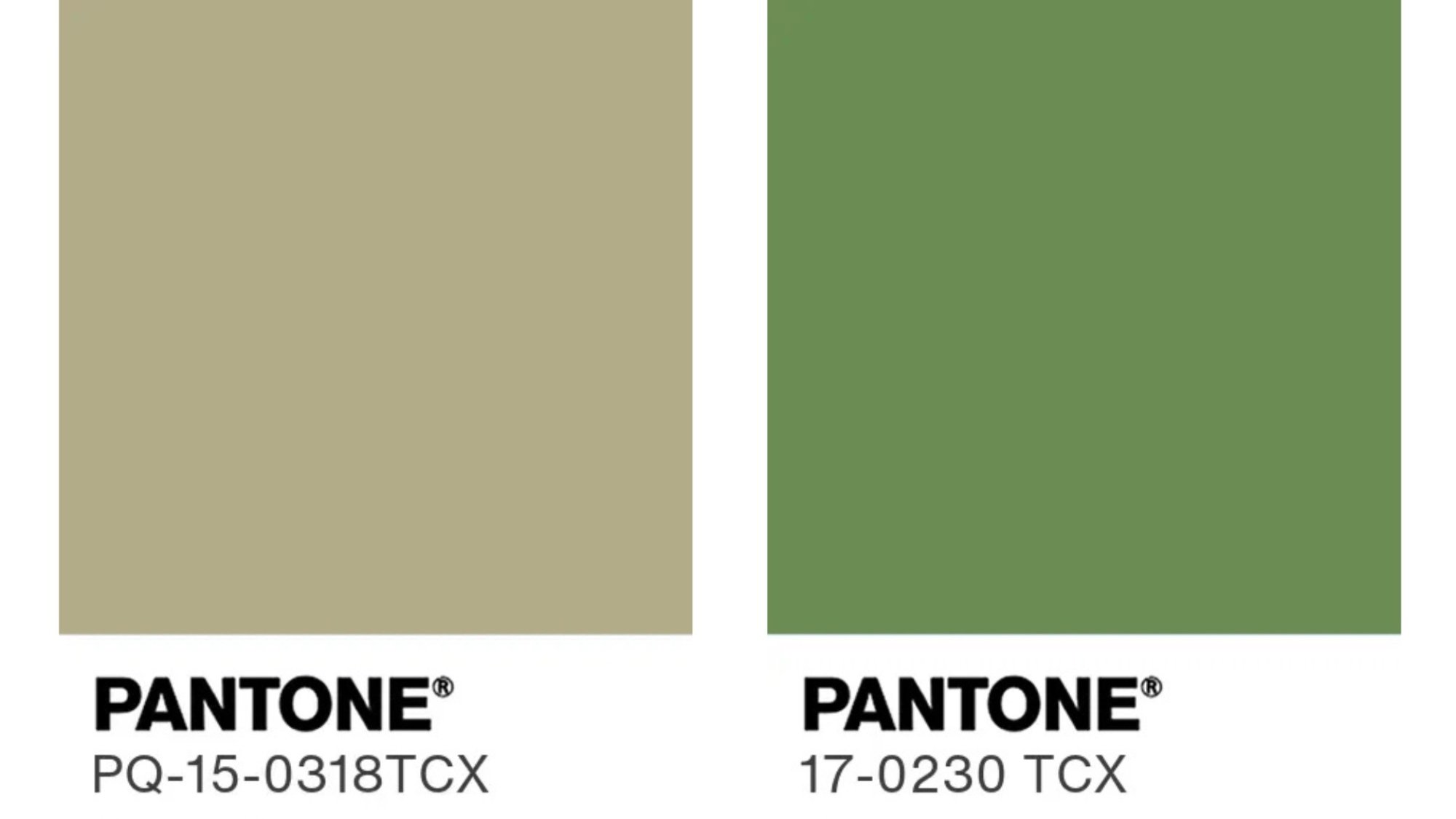
Sometimes called “sage” or “forest green,” Millennial green is an evolution of the “sad beige” aesthetic from a few years ago. It hovers around here on the Pantone scale:

Millenial Green colors

Credit: Pantone

Once you notice it, you notice it everywhere—just as evolution eventually leads to crabs, all decorating eventually leads to millennial green.

I love this trend because millennials are still young enough to care what kids think of their decorating choices, and they’re posting funny/poignant videos about discovering that they’re not cool:

Wait, I just realized that Lifehacker’s color is kind of a millennial green. We’re not super cringe, are we? Oh my god. I’m going to rethink my life now.

Gen Z and cash bars at weddings

OK, I’m back. Our website may be millennial green, but at least Lifehacker understands the importance of free booze at weddings. With June marriage season approaching, many young people are defending the practice of charging their guests for drinks at their weddings. This is against the order of nature and should not be allowed.

Check out the discussion in this X comment section:


This Tweet is currently unavailable. It might be loading or has been removed.

On the other side of the debate are Gen Z members calling people “alcoholics” for expecting free drinks.

Seriously, people should be able to have whatever kind of wedding they’d like, but this debate highlights another cultural divide between Gen Z and We Who Have Come Before: Youngsters aren’t drinking as much as previous generations, proving that the real generation gap isn’t about napkin colors; it’s whether you think vodka should come with a price tag.

Viral video of the week: I Hid in Viral YouTube Videos and Nobody Noticed…

This weeks’ viral video is about viral videos. So meta. YouTuber Airrack has made a name for himself with challenge and prank videos, often involving sneaking into and hiding in unlikely places, like the Superbowl or Disneyland. This week, he decided to sneak into other YouTubers’ videos.

The idea is that Airrack would disguise himself and appear in the background of videos from online celebrities like cooking YouTuber Nick Digiovanni, fitness influencer Jesse James West, filmmaker Darman, gadget-maker Mark Rober, and car destroyer Whistlin’ Diesel. If the commenters spot him, they get a point. If they don’t, Airrack does. I won’t spoil the ending, but Airrack has promised that if he loses, he’ll do whatever the most upvoted comment says. That comment is “Legally change your name to diddy,” which really raises the stakes. Whether the entire project is a delightful sitcom-crossover-style experiment or an annoying influencer stunt depends on your point of view, but the kids, as they say, love it.

After two court losses, DOGE asks Supreme Court for Social Security data access

The Trump administration filed an emergency application on Friday asking the Supreme Court to restore DOGE’s access to Social Security Administration records. A lower-court order that prohibited DOGE’s access is causing “irreparable harm to the executive branch” and thwarting DOGE’s attempts to “eliminate waste and fraud,” US Solicitor General John Sauer wrote in the appeal.

“The government cannot eliminate waste and fraud if district courts bar the very agency personnel with expertise and the designated mission of curtailing such waste and fraud from performing their jobs,” Sauer told the Supreme Court. The preliminary injunction that is currently in place halted “the Executive Branch’s critically important efforts to improve its information-technology infrastructure and eliminate waste,” the brief said.

The appeal was lodged in a case filed by the American Federation of State, County and Municipal Employees; the Alliance for Retired Americans; and American Federation of Teachers. Chief Justice John Roberts asked them to file a response to the US by May 12.

Read full article

Comments

How Much Running Shoes Cost, Depending on the Type of Runner You Are

I’m Lifehacker’s resident marathon runner and senior finance writer—and now, I’m merging my two worlds. While running requires minimal equipment compared to other activities, the right footwear can make or break your experience—and your budget. Let’s break down what various types of runners should expect to spend on shoes, which investments are worth it, and where you can save without compromising your running experience.

The casual beginner ($60-$90)

If you’re just starting out with one or two short runs per week, or mixing running with other forms of exercise, you don’t need to spend a fortune. Marketing will tempt you, but I promise, you shouldn’t have to go over $100.

What to look for: Simple cushioning, basic support, and comfort.

Worth investing in: A proper fitting. Even at discount retailers like DSW or Famous Footwear, find someone who can watch you walk or run to ensure you’re not severely overpronating.

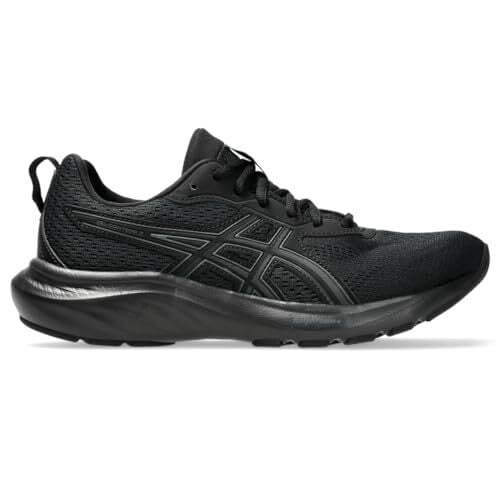
Where to save: Last year’s models from major brands like Nike, Adidas, and Asics often hit the $60-90 range during clearance sales. The Asics Gel-Contend ($59.95) and Nike Revolution ($60-75) offer reliable performance at accessible price points.

What to avoid: Ultra-cheap generic athletic shoes under $40—these often lack the minimal cushioning and support needed even for casual running.

The practical enthusiast ($100-$140)

For those running three to four times weekly, totaling 10-20 miles, you’ll want something more substantial that balances price and performance.

What to look for: Good cushioning, modest stability features, and durability for at least 300-400 miles.

Worth investing in: One “do-everything” shoe from a reputable running brand. Popular options include the Brooks Ghost ($109.95), Saucony Ride ($139.95), or New Balance 880 ($139.99).

Where to save: Shop previous generation models or check running specialty stores’ clearance racks. Running warehouse websites frequently offer last season’s designs at significant discounts.

What to avoid: Premium racing shoes or highly specialized models—you’ll pay more for features you don’t need yet.

The dedicated athlete ($120-$160+)

These days, I find myself in this category. If you’re running 20+ miles weekly, training for half or full marathons, or hitting the track for speedwork, your footwear becomes a crucial training tool.

What to look for: Shoes specific to your running style, gait, and training needs.

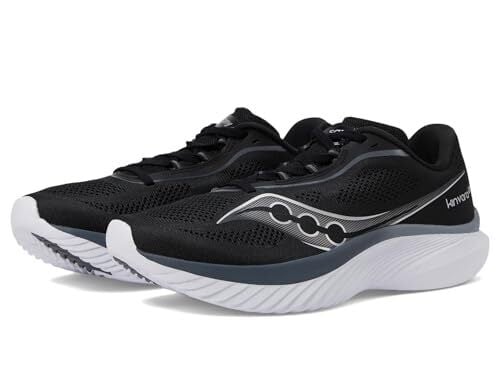
Worth investing in: A professional fitting at a specialty running store. The $10-20 premium you might pay for shoes is offset by expert guidance preventing injury. Consider a rotation of two complementary shoes—a cushioned model for long runs (like the NUCLEO 2 at $160) and a lighter, responsive shoe for faster workouts (like the Saucony Kinvara at $119.95).

Where to save: Look for shoes with high mileage ratings (450-500+) to get more value per dollar. They might cost more upfront, but often outlast cheaper alternatives.

What to avoid: Buying solely based on looks or trends. That Instagram-famous shoe might not work for your specific running style.

The competitive racer ($160-$250+)

For serious competitors focused on performance, shoe technology becomes a legitimate competitive advantage. My word of advice: Don’t spend money like a competitive racer unless you’re confident this is your running identity.

What to look for: Race-specific shoes with carbon plates, specialized foams, and performance-oriented features.

Worth investing in: A proper “super shoe” for race day. The Nike Vaporfly/Alphafly ($250+), Saucony Endorphin Pro ($225), or Adidas Adios Pro ($249.90) can genuinely improve performance through energy return technology. Again: This science only matters once you’re running at true elite paces.

Where to save: Reserve these expensive shoes exclusively for races and key workouts. For daily training, use more durable, less expensive models.

What to avoid: Using these high-tech racing shoes for everyday training—they’ll wear out quickly and you’ll lose the “special” feeling on race day.

The minimalist ($80-$110)

If you prefer natural running with minimal interference between your foot and the ground, you can sometimes spend less—but not always.

What to look for: Low drop (difference between heel and forefoot height), flexible materials, wide toe box.

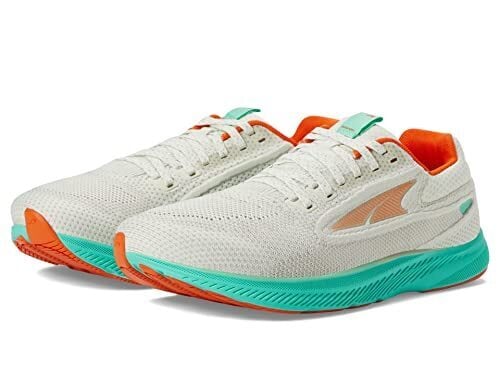
Worth investing in: Proper transition shoes if you’re new to minimalist running. The Altra Escalante ($99.99) or Topo Athletic Phantom 3 ($97.95) offer good value in this category.

Where to save: True minimalist shoes, like Xero Shoes, often cost less than traditional running shoes—but you have to be prepared to train as a borderline barefoot runner.

What to avoid: Ultra-cheap “barefoot-style” knockoffs that don’t actually provide the proper anatomical fit needed for safe minimalist running.

The trail runner ($130-$180)

While I don’t have as much personal experience here, I know off-road enthusiasts face different demands and usually require specialized footwear.

What to look for: Aggressive tread patterns, rock plates, durable uppers, and protective features.

Worth investing in: Good traction and protection. The Salomon Speedcross ($145) or Brooks Men’s Cascadia 18 Mountain Trail ($139.95) are popular for a reason—they prevent slips and protect against rocks and roots.

Where to save: Unless you’re exclusively a trail runner, one pair of trail shoes alongside your road shoes is sufficient. Many road shoes can handle light trails, eliminating the need for multiple specialized trail models.

What to avoid: Waterproof trail shoes unless you run in consistently cold, wet conditions—they’re more expensive and less breathable.

What’s never really worth it

Regardless of your running style, here are some features that I constantly see marketed, but in my opinion never justify a higher price tag:

  1. Fashion collaborations: Designer-branded running shoes typically add $30-50 without performance benefits.

  2. Gimmicky technology: Be skeptical of proprietary features that can’t be explained in simple terms.

  3. “Smart” shoes: Shoes with smart tracking and embedded sensors are neat for about one day, but their value proposition can’t compete with a good running watch or app.

  4. Limited edition designs: While they look cool, they function identically to standard versions. As a runner, I understand the temptation. As a personal finance writer, I cannot endorse this type of spending.

Where everyone can save

The right shoes aren’t just about performance—they’re injury prevention tools. Some money-saving strategies work across all runner types:

  • Rotation to extend life: Using two pairs alternately can give each shoe time to decompress, allowing you to extend how long each pair lasts.

  • Outlet shopping: Factory outlets for major brands often sell shoes at 30-40% below retail.

  • Timing purchases: New models typically release annually, making previous versions excellent values.

  • Running specialty store loyalty programs: Many offer discounts after multiple purchases or will price-match online retailers.

Remember that the most expensive shoe isn’t necessarily the best for you—it’s about finding the right match for your specific needs, gait, and running goals. A proper fitting at a specialty running store is worth the time investment, even if you eventually purchase elsewhere. For more, check out my round-up of the best running shoes on the market right now, according to the experts.

Top 5 Zwift Videos: World Records, Zwift Set Ups, and Brutal Races

One of the coolest things about Zwift is its inspiring and dedicated community. In this week’s top video, one rider sets out to break the Guinness World Record for most distance cycled in 24 hours in an attempt to raise money for breast cancer awareness.

We’ve also selected videos about using Zwift to prep for the Leadville 100, a Zwift race commentary, a fun vlog from Zwift Community Live in Mallorca, and a hack to stay comfortable on indoor rides.

Matthew Lefthand 24hr Virtual Cycling WR

Watch as Matthew Lefthand conquers the 24-hour virtual cycling record, and for a good cause.

Dad Life Meets Leadville Prep – My Indoor Training Setup That Actually Works

Steve Jacobson shares how his indoor cycling setup has helped him train for the Leadville 100 MTB while balancing life, work, and family.

Most Brutal Zwift Race Ever?! – Alpe du Zwift | Dream Bike Race (Cat. A)

Manuel Assl tackles the Dream Bike Race, which features a finish atop Alpe du Zwift. Watch as he battles to the finish.

Zwift Community Live Vlog (in Mallorca!)

LA Triathlete shares a day-by-day vlog of her time in Mallorca for the Zwift Community Live.

Simple Tennis Ball Trick Every Zwift Rider Needs to Know!

Struggling to stay comfortable on those long Zwift rides? Biker Campervan shares how the use of a few tennis balls can improve your ride.

Got a Great Zwift Video?

Share the link below and we may feature it in an upcoming post!

Software update makes HDR content “unwatchable” on Roku TVs

An update to Roku OS has resulted in colors looking washed out in HDR content viewed on Roku apps, like Disney+.

Complaints started surfacing on Roku’s community forum a week ago. On May 1, a company representative posted that Roku was “investigating the Disney Plus HDR content that was washed out after the recent update.” However, based on user feedback, it seems that HDR on additional Roku apps, including Apple TV+ and Netflix, are also affected. Roku’s representative has been asking users to share their experiences so that Roku can dig deeper into the problem.

One user, going by “Squinky” on the forum, reported having a TCL TV with the problem and shared the following photo comparison:

Read full article

Comments

Apple Will Appeal Contempt Ruling in Epic Games Case Over App Store

Apple on Monday lodged an appeal to challenge a U.S. judge’s ruling that ordered the tech company to immediately open its lucrative App Store to more competition. From a report: Apple in a court notice it will ask the San Francisco-based 9th U.S. Circuit Court of Appeals to review the April 30 ruling, which found the company in contempt of an earlier order in a 2020 antitrust lawsuit brought by Epic Games.

U.S. District Judge Yvonne Gonzalez Rogers said in her decision that Apple willfully failed to comply with a 2021 injunction designed to allow developers to more easily steer consumers to potentially cheaper non-Apple payment options. Gonzalez Rogers also referred Apple and one of its executives to federal prosecutors for a possible criminal contempt investigation.


Read more of this story at Slashdot.

How to Get the Most Out of That Third Paycheck This Month

Even if you’re on top of your finances and never miss a payment, in the current economic climate, managing your bills can feel like swimming frantically and just keeping your head above water, with your paycheck evaporating before you even have a chance to appreciate it. If you’re on salary and get paid bi-weekly, however, there are two months out of the year in which you are paid three times instead of two—and May is one of those months.

Because your budget is probably based on getting paid twice per month, that thirdpay day can feel like a bonus—and it actually can serve you very well, if you play it smart. Here’s how to make the most of this month’s “extra” paycheck.

Don’t budget for it

Step one is to live your life like you only get paid 24 times every year. When setting up your budget and planning out your spending for the year (which you totally do…right?), you should pretend those two extra paychecks don’t exist. If you count them in your income, they’ll be absorbed into your everyday spending. That’s not necessarily a bad thing (and you have no choice, if your financial situation calls for it), but the benefit will be diluted. If you want those extra paychecks to feel like a bonus, start by forgetting all about them. Then when they roll in you, have a few smart ways to use them.

Put it into a savings account with interest

The most obvious smart way to use that third paycheck is to stash it in your savings—especially if you have a high-yield savings account (HYSA) you can dump it into. This puts that extra money to work for you, and gives you a little more breathing room during the rest of the year, or it can be put aside for future expenses like holiday shopping, a vacation you’ve planned, or a big purchase you know is coming up.

If you’re saving that third paycheck you need to have a plan for it. If you just leave it in your bank account there’s a risk it will just evaporate over time as you dip into it here and there when your budget gets a little busted. Again, using it to cover overages isn’t exactly a bad use of the money you earned, but it might not be the most impactful.

Invest it

A better option might be to invest the money. If you have retirement accounts, you can look into making extra contributions to help Future You have a more comfortable retirement plan. If you don’t have a retirement account, creating one with that extra paycheck could be the best thing you do all year—setting up an Individual Retirement Account (IRA) is pretty easy, and if you make a habit of stuffing your third paychecks into that IRA every year you’ll be very glad you did. Alternatively, if you already have an investment portfolio you can apply that paycheck there and beef up your holdings.

Invest in yourself

Speaking of investment, don’t forget about investing in yourself. That bonus paycheck could be used to make your future brighter in several ways:

  • Professional development. Using that extra money to earn a credential that can help you get promoted or find a better job can pay off in the long term without impacting your daily life.

  • Deferred healthcare. If you’ve been holding off on dental work or some other form of big-ticket healthcare due to the cost, a third paycheck offers an opportunity to do some very necessary self-care.

  • Lifestyle improvement. You could also use the bonus paycheck to pay for a gym membership or equipment to jump-start an exercise regimen that will pay off handsomely.

Start a business

A little extra cash can be used to launch a lucrative side hustle (many of these little businesses don’t require much—or any—startup cash) or small business. If you’ve had an idea for a service or product that you think could be turned into a money-making endeavor, that third paycheck might be all the startup capital you need to get it off the ground.

Create an emergency fund

Distinct from your general savings, an emergency fund protects you from unexpected disasters that would otherwise wipe out your savings and leave you in a terrible financial position. These include job loss, medical emergencies, and home repairs, any of which could spell doom if you’re not ready for them. Since we live in a world where 42% of Americans don’t have any sort of emergency fund at all, setting that extra paycheck aside specifically for that purpose is a very smart idea.

Pay down debt

You’re living in the world, which means you’re most likely carrying debt—it’s just a fact of modern life. If you have sufficient savings and an emergency fund, chipping away at your debt is a terrific use for an extra paycheck:

  • Pay down credit cards. The interest rates credit cards charge can be insane, and if you’re paying just minimum payments each month it will take you a very, very long time to erase even a modest balance. A balloon payment thrown at the card charging the most interest can be a dramatic improvement in your financial outlook moving forward.

  • Make an extra mortgage payment. If you have a mortgage on your house and the two third paychecks you get every month allows you to make two extra payments, you can literally shave years off your mortgage. For example, if you have a $300,000 30-year fixed-rate mortgage at 6.75% interest, your principal and interest comes out to $1,946 per month. If you can throw 2 extra payments totaling $3,900 per year using your two third paychecks, you can shave 10 years off your mortgage term and save $145,000 in interest.

  • Other debt. Any other kinds of debt you’re carrying can be reduced or eliminated, of course—student loan debt, personal loans, auto loans. As long as there’s no penalty for paying more than the monthly payment, you can whittle these down by applying that third paycheck.

It’s not often we get a break in this world. An extra paycheck is one of those times—but only if you make a plan to take advantage of it.