Merlin’s Chess promises a fantasy-themed twist on the classic tabletop game, and it’s out soon on Quest.
Developed by Teleporter Realities, Merlin’s Chess sees these animated chess pieces coming to life and fighting each other directly on the board. Supporting voice commands, hand tracking controls and the Touch controllers, this tabletop strategy game lets you play solo against AI NPCs with various difficulty settings or through online matchmaking. Here’s the previous trailer.
0:00
/1:35
Multiple game modes will be supported, such as a ‘Casual Mode’ for jumping in and a more competitive ‘Ranked Mode’ with a “pro-grade” rating system. Spectators can also watch ongoing games and socialize with other players. Other features include a series of seasonal themes alongside new match environments, piece sets and command stations. Finally, customizable avatars are supported with voice chat and a friend system included.
While both the official website and listed trailer on the Horizon Store mentions this is an early access release, specifics on what’s coming at full release aren’t fully outlined in the store description. All that’s mentioned is an upcoming ‘Puzzle Mode.’ We’ll revise this article if we learn more about any planned updates.
Merlin’s Chess launches in early access on May 22 on the Meta Quest platform.
Intel has readied a new “qat_6xxx” driver for the Linux kernel for supporting QAT GEN6 devices with QuickAssist Technology. QAT GEN6 will presumably be found with upcoming Xeon 6 Clearwater Forest and Diamond Rapids processors while the Linux kernel driver should be introduced for Linux 6.16…
The Department of Defense is revamping its “outdated” software procurement systems through a new Software Fast Track initiative. The SWFT program aims to reform how software is acquired, tested, and authorized with security as the primary focus. “Widespread use of open source software, with contributions from developers worldwide, presents a significant and ongoing challenge,” DoD CIO Katie Arrington wrote in the initiative memo.
The DoD currently “lacks visibility into the origins and security of software code,” hampering security assurance efforts. The initiative will establish verification procedures for software products and expedite authorization processes. Multiple requests for information are running until late May seeking industry input, including how to leverage AI for software authorization and define effective supply chain risk management requirements.
The push comes amid recent DoD security incidents, from malware campaigns targeting procurement systems to sensitive information leaks.
Going back to last year there have been patches for adapting the Intel P-State Linux driver with support for Energy Aware Scheduling (EAS) as what began as an Arm big.LITTLE feature but since being explored for use by the Intel P-State driver for hybrid CPUs without SMT which for the moment means Lunar Lake SoCs. A new version of the patches were posted on Tuesday and likely to be the last refinement to this patch series…
Frost Survival VR is an icy wilderness challenge coming to Quest and Steam later this year.
Developed by Wenkly Studio, best known for Astro Hunters VR,Survival Nation, and Elven Assassin. Frost Survival VR is a survival sandbox game that pits you against an unforgiving icy landscape after you get separated from the rest of the world. Alongside dynamic weather conditions, resource management and a sanity meter to contend with, there’s crafting and base building to master, and a mysterious story to uncover.
0:00
/1:24
Those who wish to brave the outer wilds with a friend can additionally take advantage of Frost Survival VR’s multiplayer mode, which enables you to link up and forage together. You can check out the gameplay trailer above to see this in action.
Across the trailer, you can see players fashion a log cabin from scratch, hunt for rabbits with a bow and arrow and cook meat on an open flame. While the game appears to feature mostly real-world survival mechanics, a mythical Slenderman-like figure shows up in the final moments, suggesting that it’s not just food and water you’ll have to worry about.
Frost Survival VR will arrive in Q3 2025 for Quest and Steam.
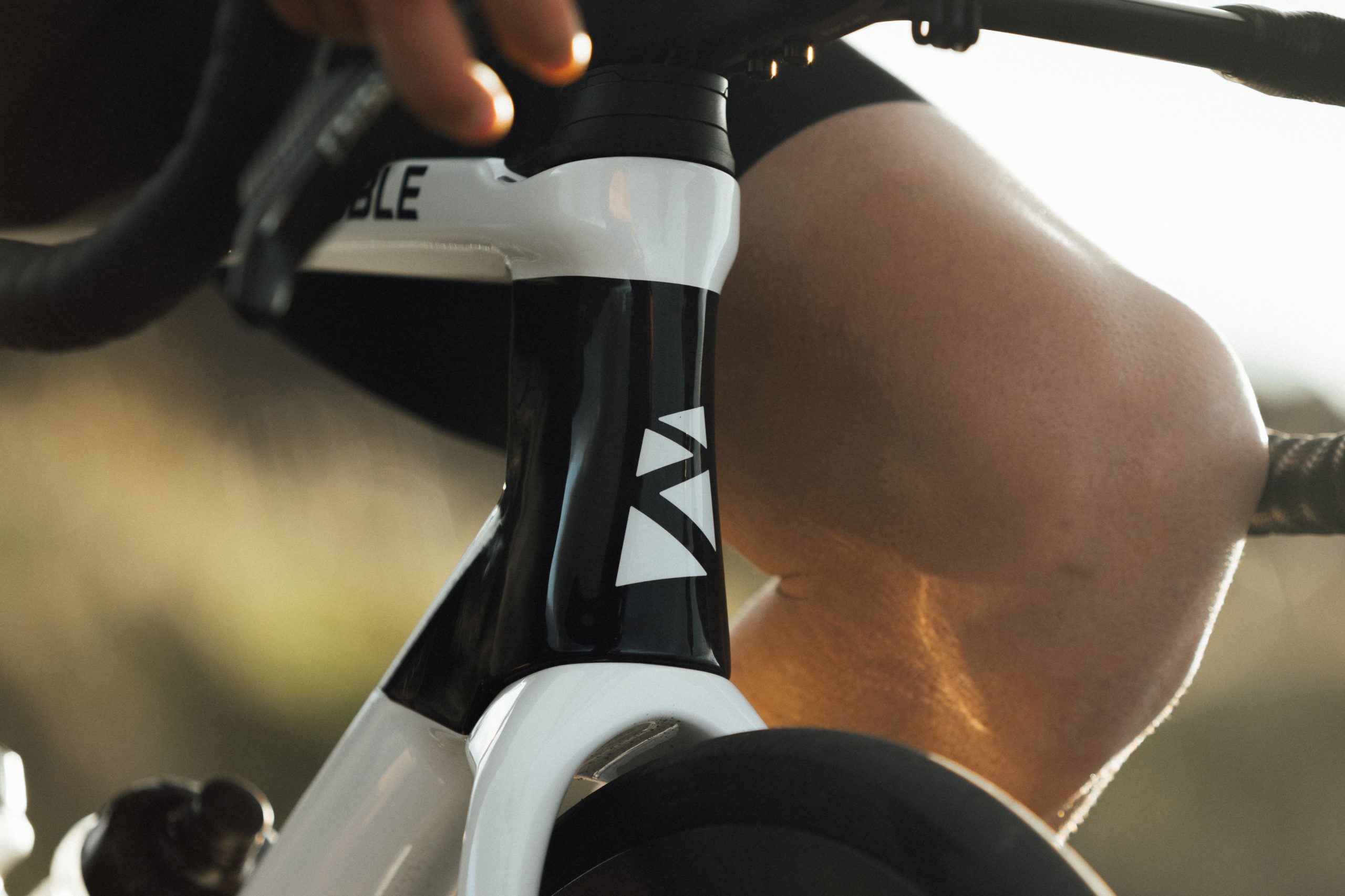
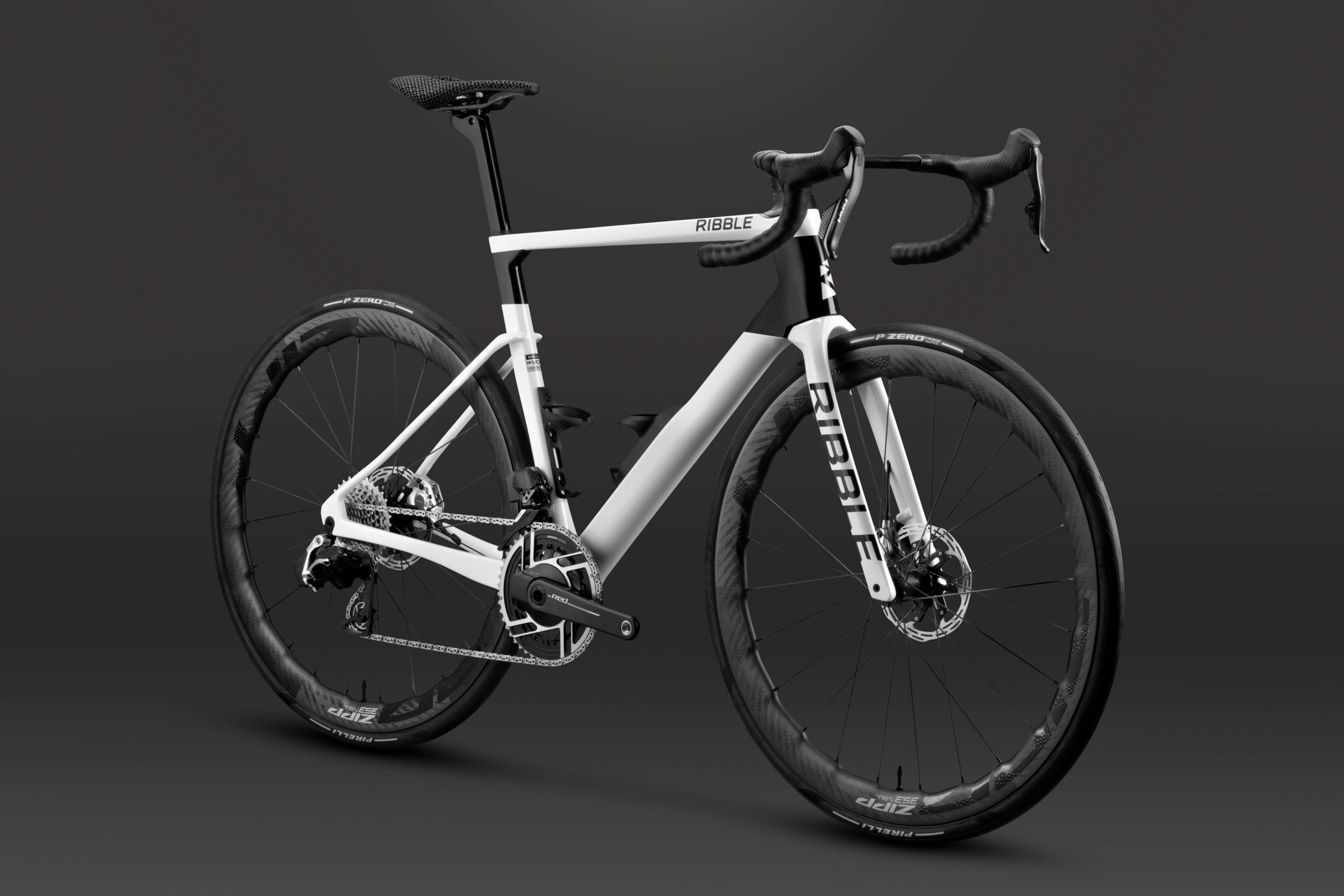
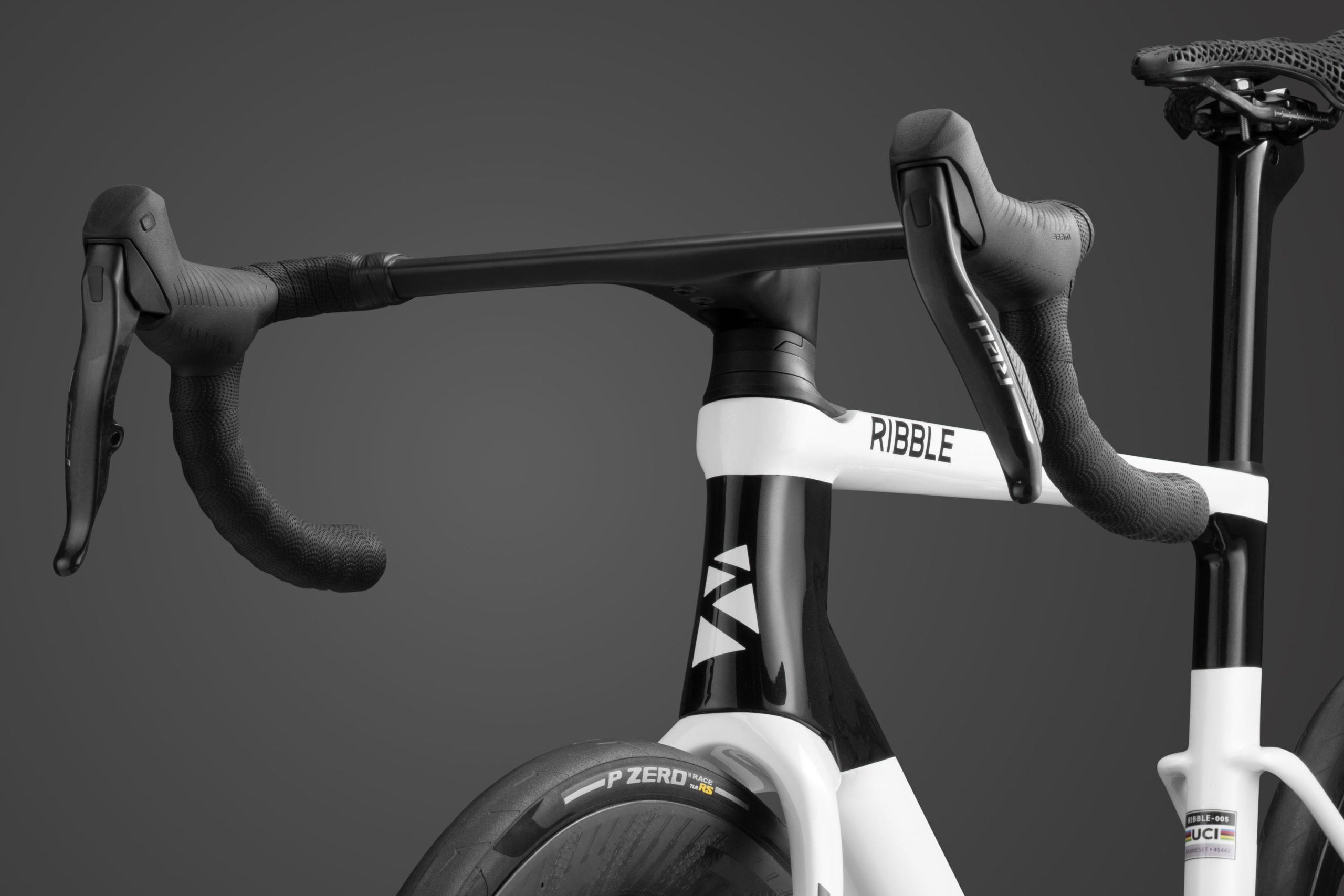
Ribble has revealed the Ultra Race, a new all-rounder race bike constructed using a “revolutionary” MT65 carbon layup.
The British brand claims its use of this new, high-modulus carbon fibre has enabled it to build a stronger, stiffer and lighter bike, without compromising on aerodynamic efficiency.
The Ultra Race replaces the Endurance SL R in Ribble’s range and doubles down on its racing focus, dropping features such as mudguard mounts and paying increased attention to low weight and aerodynamics.
The Ultra Race is Ribble’s latest all-rounder race bike. Ribble
According to Ribble, its use of MT65 carbon fibre is a “world first” within the cycling industry.
Jamie Burrow, Ribble’s head of design and product development, says this high-modulus carbon fibre was selected because the brand wanted to look beyond the types of carbon typically used by the bike industry (such as T800 and T1000).
The MT65 carbon is deployed strategically across the Ultra Race frame, alongside lower-modulus fibres.
Ribble claims it’s the first bike brand in the world to make use of MT65 carbon fibre. Ribble
The brand’s press materials say the use of this carbon fibre is “revolutionary”, although it’s fair to say the results – while impressive on paper – are predictable.
It likely won’t surprise anyone to discover this new carbon layup has enabled Ribble to make the Ultra Race lighter, stiffer and more compliant – all without sacrificing aerodynamic efficiency or durability.
In terms of figures, though, Ribble claims a size-medium frame (which is roughly equivalent to a 55cm) weighs 775g and is 75g lighter than its predecessor.
Ribble says the Ultra Race doesn’t compromise on strength or durability. Ribble
As a point of comparison, Specialized claims its S-Works Tarmac SL8 frame weighs 685g in a size 56cm, while its second-tier Tarmac SL8 Pro frame clocks in at 780g.
If aerodynamics weren’t such a concern, Burrow says Ribble “could have gone easily under 650g” with the Ultra Race. However, given the importance of aerodynamics to modern-day racing, this was deemed not worthwhile.
Likewise, Burrow says Ribble was keen not to compromise on the strength and durability of the frame by going too light, and emphasised it has been tested thoroughly in the real world throughout its three-year development cycle.
Refined aerodynamics
The Ultra Race uses aero features trickled down from Ribble’s aero bike. Ribble
While the overall silhouette of the Ultra Race is similar to its predecessor, the Endurance SL R, Ribble has refined the frame by taking inspiration from its Ultra SL R platform (which is now being rebranded as the Ultra Aero).
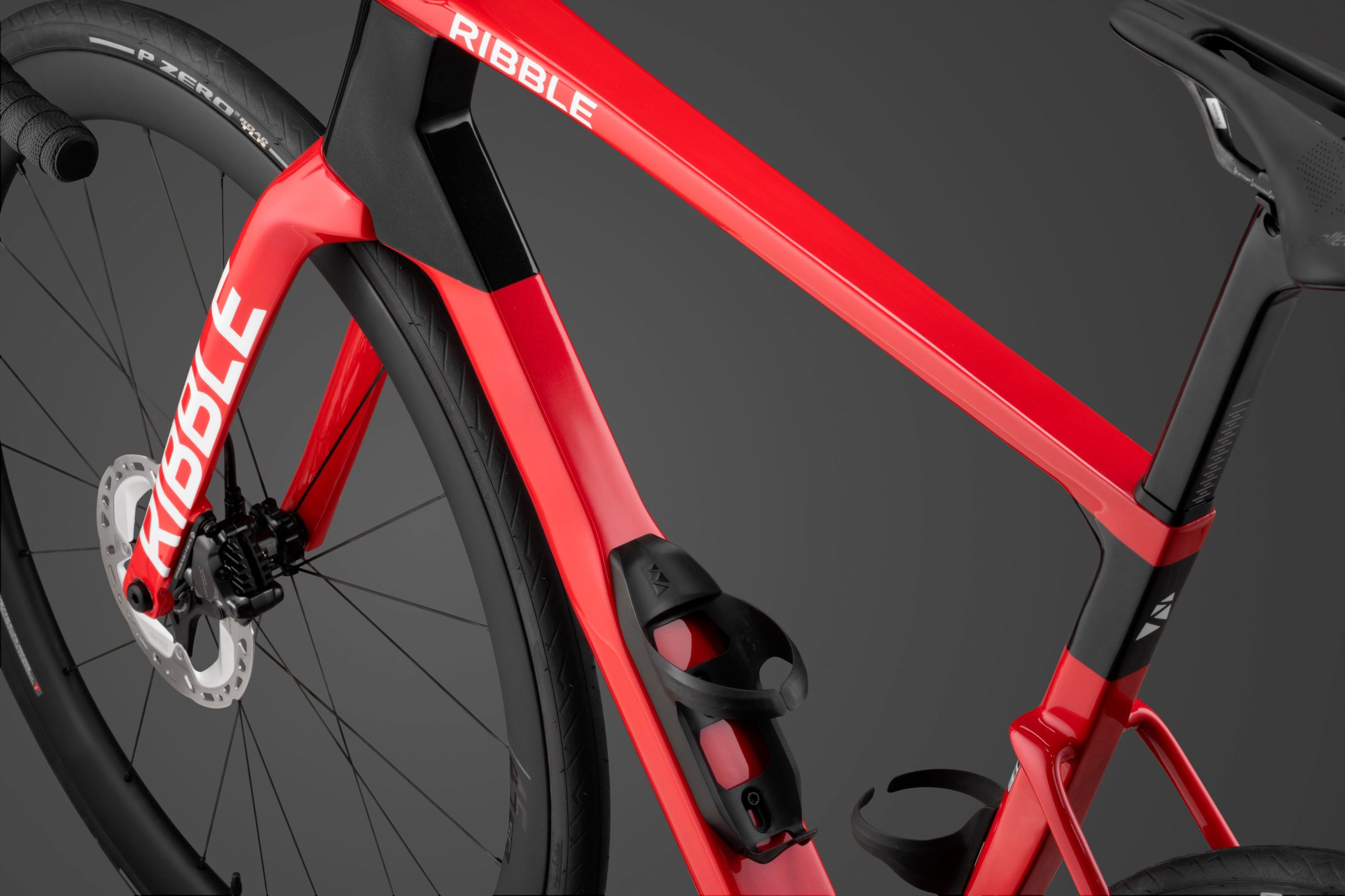
Like that aero road bike, the Ultra Race uses a wide-stance fork, with a profiled head tube and down tube shaped to shield water bottles from the wind.
The down tube on the Ultra Race is profiled to smooth the airflow around water bottles. Ribble
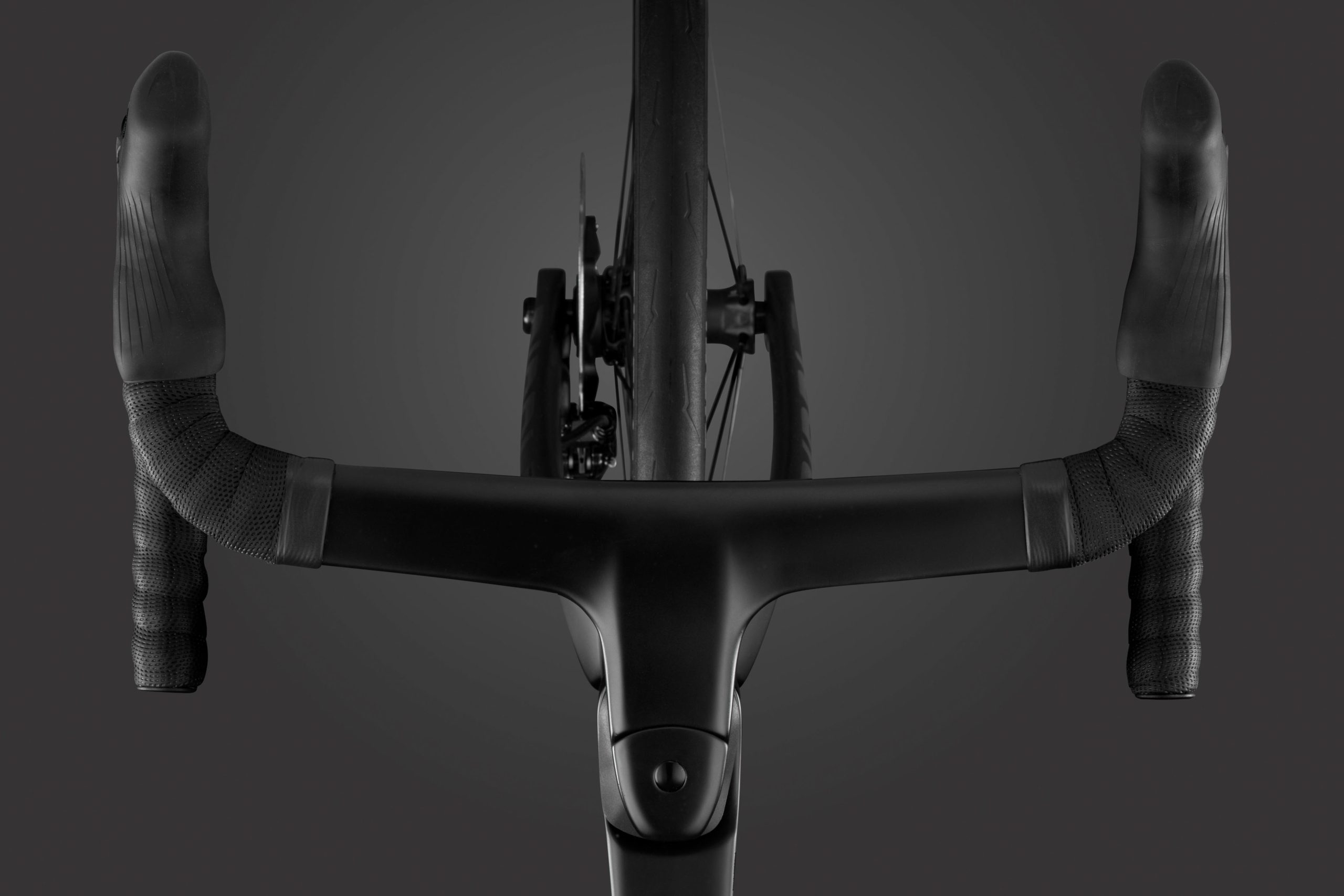
Up-front, Ribble has developed a new one-piece integrated cockpit for the Ultra Race, which is available in five sizes from 80x380mm to 120x420mm.
If that’s not to your taste, a two-piece cockpit, such as the Allroad SL R’s wake-generating UB-2 handlebar – plus a separate aero stem – can also be specced on the Ultra Race if desired.
Ribble’s new integrated handlebar uses a more traditional shape than its Ultra and UB-2 handlebars. Ribble
Overall, Ribble says its testing at the Silverstone Sports Engineering Hub wind tunnel showed the Ultra Race is 0.72 per cent more aerodynamic than its predecessor, across a yaw sweep of -10 to 10 degrees.
Notably, Ribble’s wind tunnel data says the Ultra Race is marginally less aerodynamic into a straight headwind (0 degrees of yaw).
On average, though, the Ultra Race is claimed to save a rider 2.6 watts at 46.8kph (Ribble said its wind tunnel data was gathered at a wind speed of 13 metres per second) or around six seconds over 40km.
Ribble Ultra range, specifications and pricing
Ribble says top-spec builds of the Ultra Race will weigh less than 6.8kg. Ribble
The Ribble Ultra is available in six sizes, from XXS to XL, which Ribble says covers riders from 150 to 196cm in height.
There are four builds in the range, all featuring Shimano Di2 or SRAM AXS electronic groupsets, the new Aero Road Carbon integrated handlebar and Pirelli tyres.
Ribble says the Ultra Race has clearance for 32mm-wide tyres, and that all builds will shop with 30mm tyres.
Optional upgrades include Zipp’s 353 NSW and Scope’s Artech 4 wheelsets, both of which can be specced via Ribble’s Bike Builder customisation programme.
Willy Tarreau and William Lallemand have posted an extensive white
paper examining the landscape of the available SSL implementations.
OpenSSL 3.0 performs significantly worse than alternative SSL
libraries, forcing organizations to provision more hardware just to
maintain existing throughput. This raises important questions about
performance, energy efficiency, and operational costs.
Examining alternatives—BoringSSL, LibreSSL, WolfSSL, and
AWS-LC—reveals a landscape of trade-offs. Each offers different
approaches to API compatibility, performance optimization, and QUIC
support. For developers navigating the modern SSL ecosystem,
understanding these trade-offs is crucial for optimizing
performance, maintaining compatibility, and future-proofing their
infrastructure.
On the 50th anniversary of the USENIX organization, its flagship Annual
Technical Conference (ATC) is coming
to an end.
For the past two decades, as more USENIX conferences have joined
the USENIX calendar by focusing on specific topics that grew out of
ATC itself, attendance at ATC has steadily decreased to the point
where there is no longer a critical mass of researchers and
practitioners joining us. Thus, after many years of experiments to
adapt this conference to the ever-changing tech landscape and
community, the USENIX Board of Directors has made the difficult
decision to sunset USENIX ATC.
Many important technologies first saw the light of day at this event.
From ubiquitous go-to system for early Noughties startups to a legacy like no otherBefore Donald Trump became US president and the UK left the EU – both arguably the result of a new kind of online politics – a rather nervous-looking Mark Zuckerberg shuffled out onto a Harvard University lecture hall floor to offer some insight into the inner workings of a website he had created less than two years earlier.…
Stratolaunch successfully flew its uncrewed Talon-A2 prototype to hypersonic speeds twice — once in December and again in March. “We’ve now demonstrated hypersonic speed, added the complexity of a full runway landing with prompt payload recovery and proven reusability,” Stratolaunch President and CEO Zachary Krevor said in a statement on Monday. “Both flights were great achievements for our country, our company and our partners.” Space.com reports: Microsoft co-founder Paul Allen established Stratolaunch in 2011, with the goal of air-launching satellites from a giant carrier plane called Roc, which has a wingspan of 385 feet (117 meters). That vision changed after Allen’s 2018 death, however; the company is now using Roc as a platform to test hypersonic technology.
Hypersonic vehicles are highly maneuverable craft capable of flying at least five times the speed of sound. Their combination of speed and agility make them much more difficult to track and intercept than traditional ballistic missiles. The United States, China and other countries view hypersonic tech as vital for national security, and are therefore developing and testing such gear at an ever-increasing pace. Stratolaunch, Roc and the winged, rocket-powered Talon-2A are part of this evolving picture, as the two newly announced test flights show. They were both conducted for the U.S. military’s Test Resource Management Center Multi-Service Advanced Capability Hypersonic Test Bed (MACH-TB) program, under a partnership with the Virginia-based company Leidos.
On both occasions, Roc lifted off from California and dropped Talon-2A over the Pacific Ocean. The hypersonic vehicle then powered its way to a landing at Vandenberg Space Force Base, on California’s Central Coast. “These flights were a huge success for our program and for the nation,” Scott Wilson, MACH-TB program manager, said in the same statement. “The data collected from the experiments flown on the initial Talon-A flight has now been analyzed and the results are extremely positive,” he added. “The opportunity for technology testing at a high rate is highly valuable as we push the pace of hypersonic testing. The MACH-TB program is pleased with the multiple flight successes while looking forward to future flight tests with Stratolaunch.”
A jury has awarded WhatsApp $167 million in punitive damages in a case the company brought against Israel-based NSO Group for exploiting a software vulnerability that hijacked the phones of thousands of users.
The verdict, reached Tuesday, comes as a major victory not just for Meta-owned WhatsApp but also for privacy- and security-rights advocates who have long criticized the practices of NSO and other exploit sellers. The jury also awarded WhatsApp $444 million in compensatory damages.
Clickless exploit
WhatsApp sued NSO in 2019 for an attack that targeted roughly 1,400 mobile phones belonging to attorneys, journalists, human-rights activists, political dissidents, diplomats, and senior foreign government officials. NSO, which works on behalf of governments and law enforcement authorities in various countries, exploited a critical WhatsApp vulnerability that allowed it to install NSO’s proprietary spyware Pegasus on iOS and Android devices. The clickless exploit worked by placing a call to a target’s app. A target did not have to answer the call to be infected.
Amazon’s Zoox said it has issued a software recall for 270 of its robotaxis after a crash in Las Vegas last month. CNBC reports: The recall surrounds a defect with the vehicle’s automated driving system that could cause it to inaccurately predict the movement of another car, increasing “the risk of a crash,” according to a report submitted to the National Highway Traffic Safety Administration on May 1. Zoox submitted the recall after an April 8 incident in Las Vegas in which an unoccupied Zoox robotaxi collided with a passenger vehicle, the NHTSA report states. There were no injuries in the crash and only minor damage occurred to both vehicles.
“After analysis and rigorous testing, Zoox identified the root cause,” the company said in a blog post. “We issued a software update that was implemented across all Zoox vehicles. All Zoox vehicles on the road today, including our purpose-built robotaxi and test fleet, have the updated software.” Zoox paused all driverless vehicle operations while it reviewed the incident. It has since resumed operations after rolling out the software update.
According to the Washington Post (paywalled), the Trump administration plans to eliminate the Energy Star program — a long-standing EPA initiative that has saved Americans over $500 billion in energy costs since 1992. “The organization states that the average American saves about $450 per year on energy bills by choosing appliances that have been Energy Star-certified,” adds Engadget. From the report: The EPA hasn’t said when this would go into effect and when consumers would stop seeing Energy Star certifications on home appliances. It’s technically illegal for a presidential administration to end this program without Congress, but the same goes for many of Trump’s pronouncements and executive orders. “Eliminating the Energy Star program would directly contradict this administration’s promise to reduce household energy costs,” Paula Glover, president of the nonprofit coalition Alliance to Save Energy, told CNN. “For just $32 million a year, Energy Star helps American families save over $40 billion in annual energy costs. That’s a return of $350 for every federal dollar invested.”
An anonymous reader quotes a report from Ars Technica: Google’s accelerated Android release cycle will soon deliver a new version of the software, and it might look quite different from what you’d expect. Amid rumors of a major UI overhaul, Google seems to have accidentally published a blog post detailing “Material 3 Expressive,” which we expect to see revealed at I/O later this month. Google quickly removed the post from its design site, but not before the Internet Archive saved it.
It has been a few years since Google introduced any major changes to its Material theming, but the design team wasn’t just sitting idly this whole time. According to the leaked blog post, Google has spent the past three years working on a more emotionally engaging vision for Android design. While the original Material Design did an admirable job of leveraging colors and consistent theming, it could make apps look too similar. The answer to that, apparently, is Material 3 Expressive.
Google says this is “the most-researched update to Google’s design system, ever.” The effort reportedly included 46 separate studies with hundreds of sample designs. The team showed these designs to more than 18,000 study participants to understand how the user experience would work. In these studies, the design team used a variety of metrics, including the following: – Eye tracking: Analyzing where users focus their attention – Surveys and focus groups: Gauging emotional responses to different designs – Experiments: Gathering sentiment and preferences – Usability: Seeing how quickly participants could understand and use an interface
“The result of all this is an interface that appears much more varied than the previous Material Design,” writes Ars.
You can check out 9to5Google’s article, which preserved many of the blog post’s visuals before they were removed.
The Linux boot process is a sequence of events that initializes a Linux system from a powered-off state to a fully operational state. The knowledge of Linux boot process is essential when it comes to technical interviews, but sometimes it becomes difficult to remember or recall the key steps in the process. This article discusses a quick and easy way to remember it – Best Geeks Know It! Yes, you only need to remember that.Best Geeks Know It -[he]gt[/he] B – G – K – I -[he]gt[/he] BIOS – GRUB – KERNEL – INIT
An anonymous reader quotes a report from TechCrunch: Spyware maker NSO Group will have to pay more than $167 million in damages to WhatsApp for a 2019 hacking campaign against more than 1,400 users. On Tuesday, after a five-year legal battle, a jury ruled that NSO Group must pay $167,256,000 in punitive damages and around $444,719 in compensatory damages. This is a huge legal win for WhatsApp, which had asked for more than $400,000 in compensatory damages, based on the time its employees had to dedicate to remediate the attacks, investigate them, and push fixes to patch the vulnerability abused by NSO Group, as well as unspecified punitive damages.
The trial, as well as the whole lawsuit, prompted a series of revelations, such as the location of the victims of the 2019 spyware campaign, as well as the names of some of NSO Group’s customers. The ruling marks the end — pending a potential appeal — of a legal battle that started in more than five years ago, when WhatsApp filed a lawsuit against the spyware maker. The Meta-owned company accused NSO Group of accessing WhatsApp servers and exploiting an audio-calling vulnerability in the chat app to target around 1,400 people, including dissidents, human rights activists, and journalists. NSO Group’s spokesperson Gil Lainer left the door open for an appeal. “We will carefully examine the verdict’s details and pursue appropriate legal remedies, including further proceedings and an appeal,” Lainer said in a statement.