I’ve somehow seen every live-action Star Wars show, all of the movies except Solo, and played many of the video game spin-offs and adaptations, yet I still don’t really consider myself a Star Wars fan. These days it feels like you need a pedantic, encyclopedia-level recall of in-universe minutiae to really call…
VR boxing game Golden Gloves is hosting an official tournament next week.
Released in 2022 through early access, developer Engine Room VR confirmed that the inaugural eGoldenGloves National Championship begins this week alongside the 102nd annual National Golden Gloves Tournament of Champions. Taking place at Tulsa’s Arvest Convention Center on May 16 at 3pm PT, the tournament will be streamed from the game’s YouTube channel.
Detailed in a press release, Engine Room VR describes this as a “first-of-its-kind” event that lets VR boxers compete via Golden Gloves on Quest, and that’s happening alongside amateur boxers. Several events are planned across the year, and more details about this specific tournament can be found on the official website.
While it’s far from the only boxing experience we’ve seen on Quest following games like The Thrill of the Fight 2 and its predecessor, Golden Gloves aims to deliver a more competitive minded experience that’s also focused on fitness. Featuring both solo and multiplayer modes, the game uses various anti-cheat & anti-flail methods to stop players spamming attacks.
Golden Gloves VR is available now in early access on Meta Quest and Steam, and the full launch will follow this fall on Quest.
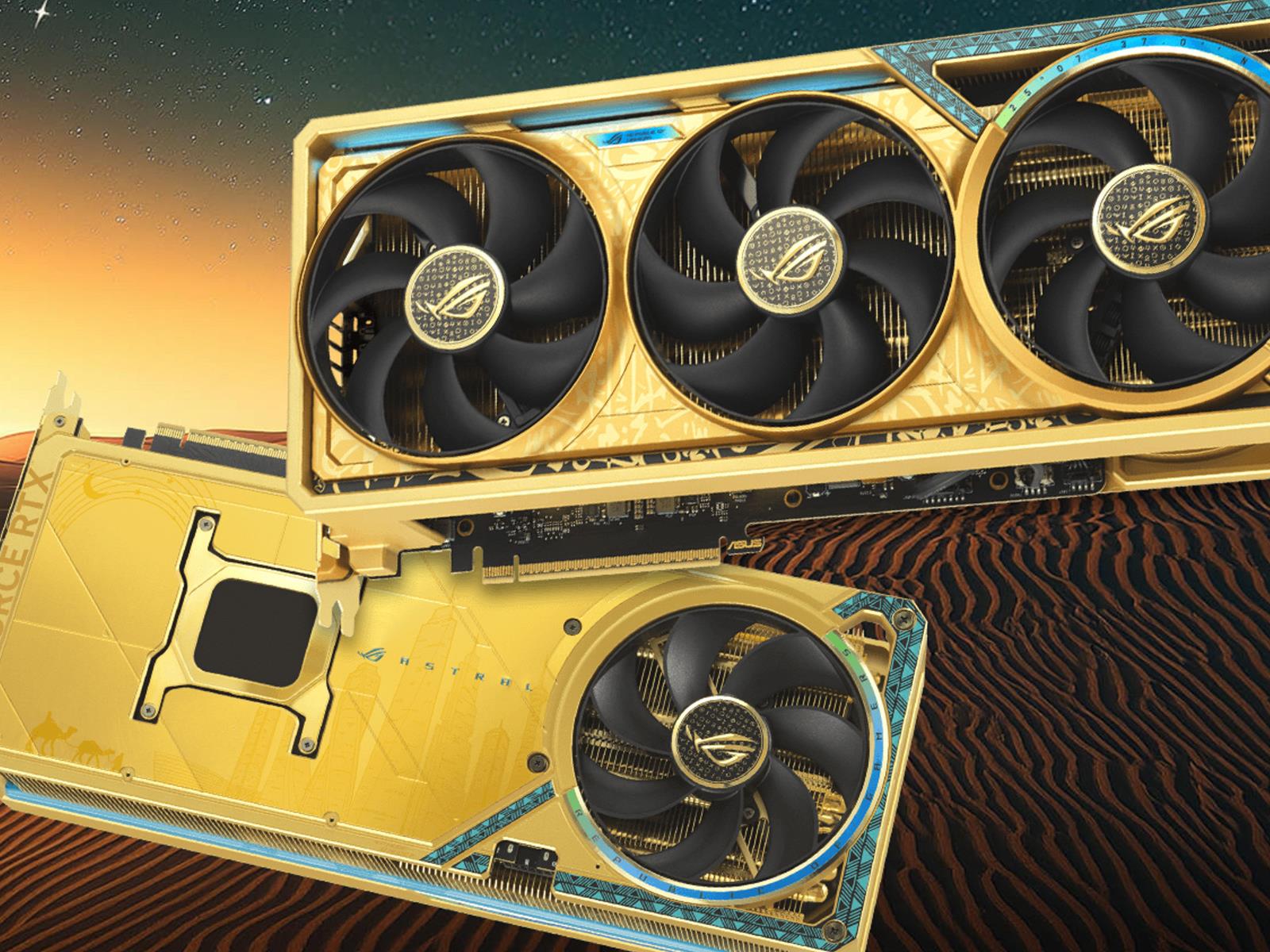
With recent GPU prices experiencing incredible surges, it’s only fitting that at least they be made of solid gold, right? We’re not far from that reality, with the ASUS ROG Astral Dhahab Edition GeForce RTX GeForce 5090 now available. This GPU is made to celebrate how fast the Middle East has advanced, with the theme of going from sand to
If you have a need for blazing-fast speed AND the kind of premium image quality that only OLED displays can deliver, then Samsung has some good news. It’s new Odyssey OLED G6 (G60SF) display with a blistering 500Hz refresh rate has officially arrived, at least in preorder form, with a retail release (and shipments) now less than a week away.
China-America trade war be darned, it looks like Chinese phonemaker Honor has been getting sweet enough with Google that its Honor 400 series will be the first in the world to feature Google’s Veo 2 AI video generation tool baked into MagicOS 9.0. The tool will allow users to generate five-second videos from static photographs and will be
The announcement
of the openSUSE Leap 16.0 beta contained something of a
surprise—along with the usual set of changes and updates, it
informed the community of the retirement of “the traditional YaST
stack” from Leap. The YaST (“Yet another Setup Tool”)
installation and configuration utility has been a core part of the
openSUSE distribution since its inception
in 2005, and part of SUSE Linux since 1996. It will not, immediately,
be removed from the openSUSE Tumbleweed rolling-release
distribution, but its future is uncertain and its fate is up to the larger
community to decide.
Apple is weighing price increases for its fall iPhone lineup, a step it is seeking to couple with new features and design changes, according to WSJ, which cited people familiar with the matter. From the report: The company is determined to avoid any scenario in which it appears to attribute price increases to U.S. tariffs on goods from China, where most Apple devices are assembled, the people said. The U.S. and China agreed Monday to suspend most of the tariffs they had imposed on each other in a tit-for-tat trade war.
A lot happened in this week’s episode of The Last of Us, but one moment that has fans all in their feelings was when Ellie (Bella Ramsey) sang half a line of a Pearl Jam song in an empty Seattle theater. If you’re a fan of the Last of Us games, you know how significant “Future Days” (from the grunge band’s 2013 album L…
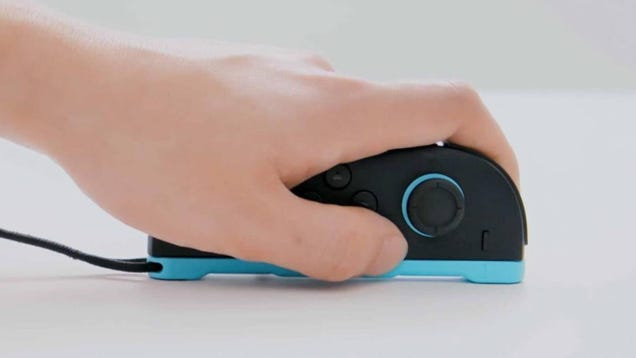
Joy-Con mouse controls are one of the biggest innovations in a next-gen console that otherwise looks to be just a bigger, more powerful version of its predecessor. On Monday Nintendo showed off how Switch 2 owners will be able to navigate the home screen with a cursor and it looks neat, but raises the question of just…
It’s now or never, dear readers—the final so-called “micro” full Moon this year will be culminating tonight. The Moon will technically be furthest away from Earth today at 251,939 miles, but when viewed this evening near the horizon, our little planetary satellite will still appear larger than usual due to a human perception phenomenon called
If you’re wondering what your computer’s BIOS or UEFI is, and whether or not you need to update it, you’ve come to the right place. I’ll explain what these terms mean, what these pieces of software do, and why it might (or might not) be a good idea to install updates for them.
What does BIOS and UEFI mean?
The BIOS (Basic Input/Output System) or UEFI (Unified Extensible Firmware Interface) is something every computer has, though unless you’re running an ancient computer, you’ll have a UEFI installed rather than a BIOS.
And we’re dealing specifically with Windows computers here: Macs take their own custom approach to this, as Apple is in control of the operating system and the underlying motherboard and chipset in a way that Microsoft and PC makers aren’t. On Apple computers, all you need to do is make sure macOS is up to date.
What does BIOS and UEFI do?
Your PC’s BIOS or UEFI represents the lowest level of software, the most fundamental and foundational code running on your machine, often known as firmware. It runs from the motherboard, ensures all the various components of your computer are talking to each other, and makes the necessary preparations for Windows to boot up.
BIOS is the older technology; computers sold today use UEFI instead. In simple terms, UEFI improves on the basics of BIOS, adding support for more modern security standards and internal components. However, both BIOS and UEFI are essentially doing the same job.
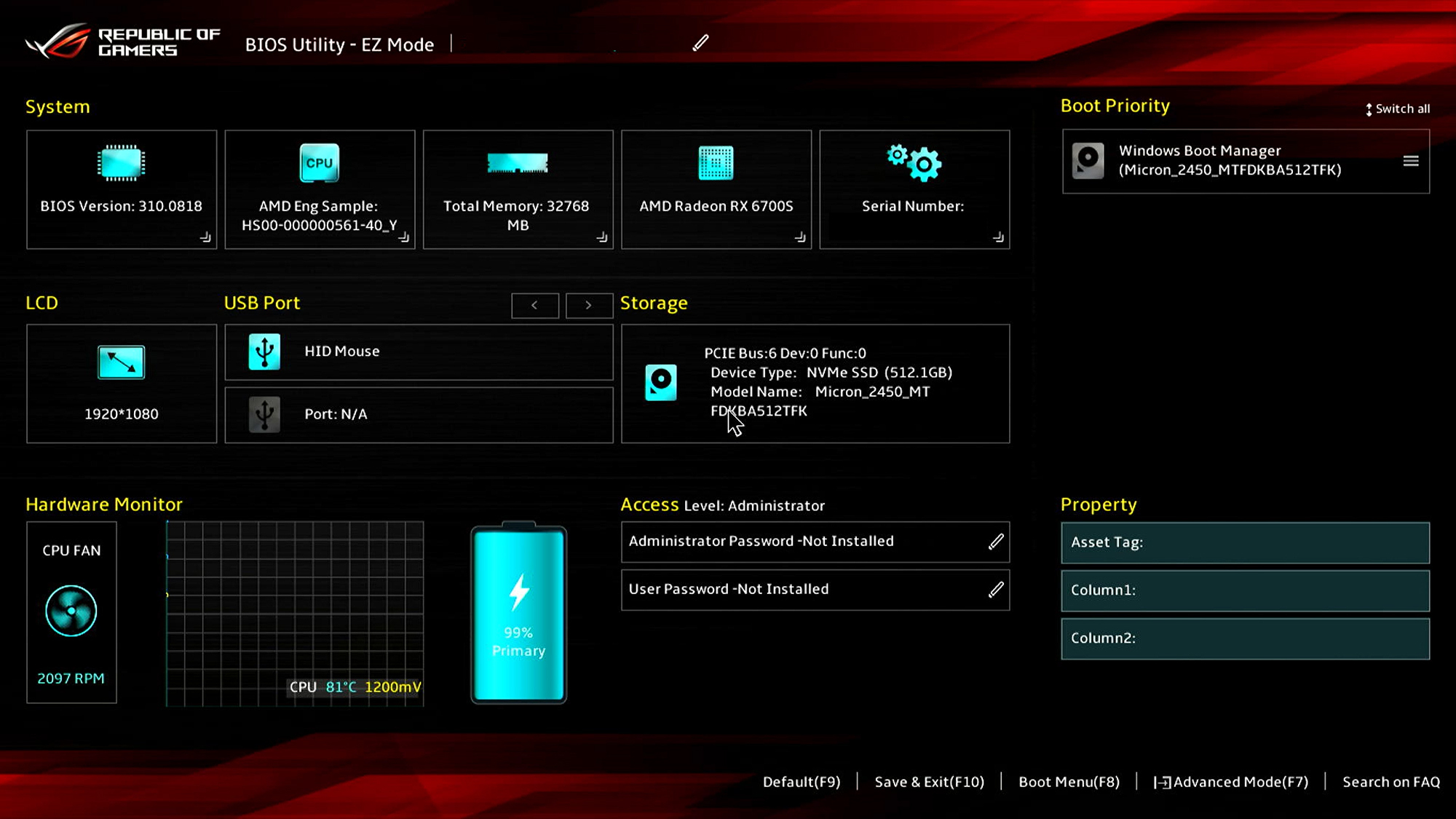
A UEFI screen on an Asus motherboard. Credit: Asus
With the advent of UEFI, we got some helpful upgrades in terms of user interface, too: Nowadays you can access the firmware using a mouse, whereas before you were limited to keyboard operation. There’s now provision for accessing the internet too, before you get into the Windows operating system.
As often happens with computing terms, BIOS and UEFI can sometimes be used interchangeably. If you see talk about a BIOS with a modern computer, it’s almost certainly talking about the UEFI, reflecting that the latter has effectively replaced the former. There are some rather detailed technical differences, too, but most of us don’t need to know about them.
Should you update your BIOS or UEFI?
That’s the big question—and you’ll find a variety of answers online. A good general approach is to not worry too much about BIOS/UEFI updates unless you’re experiencing problems, or you’ve been told to run an update by your PC manufacturer. These updates aren’t quite as crucial as Windows updates for performance and security.
That said, BIOS/UEFI updates can absolutely bring security and performance improvements with them. As Dell puts it, updates can enhance “performance, stability, and compatibility with new software and hardware.” Meanwhile, HP recommends updates if you need to support new hardware or fix known bugs and issues.
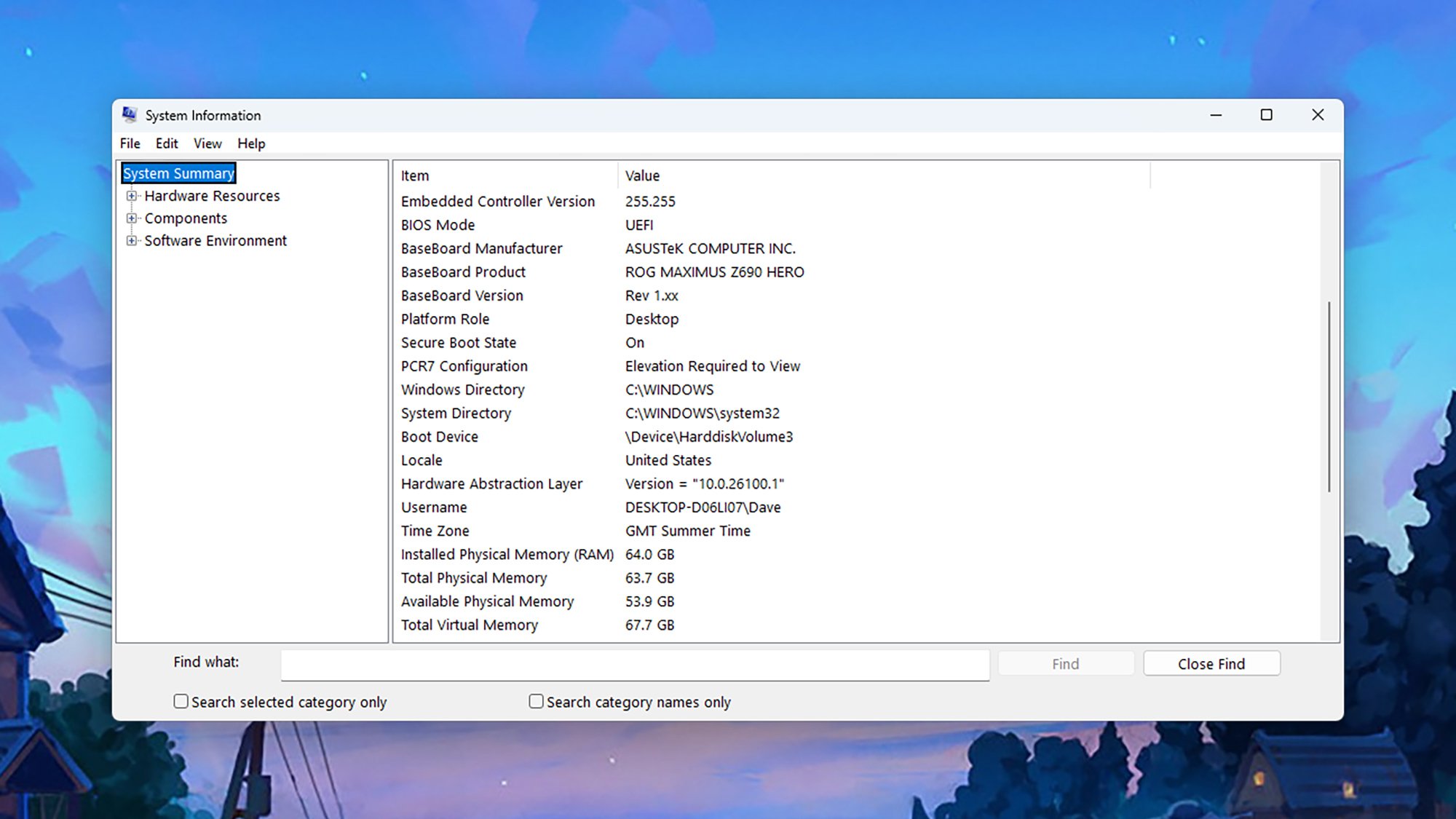
System Information will tell you what your motherboard is. Credit: Lifehacker
There’s no doubt you can completely brick your computer with a firmware upgrade, but then that’s true of a Windows update or a hard drive upgrade. As long as you follow the instructions provided by the maker of your PC or your PC’s motherboard, you shouldn’t run into any problems—though maybe double-check all your backups are current.
I’d recommend keeping an eye open for updates from whichever company made your PC or manufactured the motherboard inside it (find and run System Information from the Start menu to identify your motherboard). If an urgent BIOS/UEFI upgrade is needed, or if an update will add some major new functionality, you should then hear about it.
How to update the BIOS or UEFI
The exact method for updating your PC’s BIOS or UEFI will depend on the make and model of motherboard you have installed. Traditionally, BIOS/UEFI updates have been done by running a utility from a USB drive and rebooting your PC, but nowadays you’ll most likely have a variety of options to pick from.
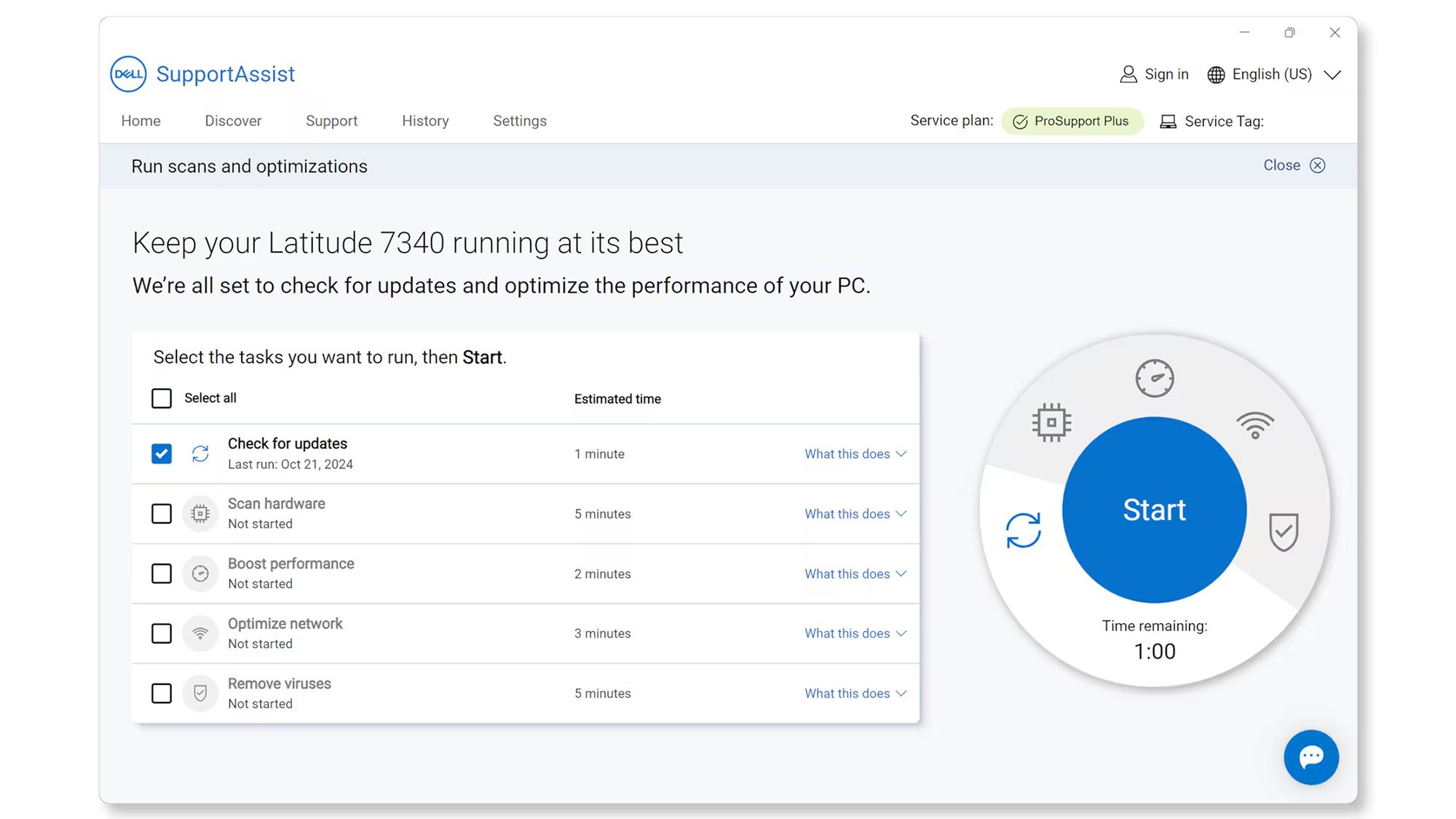
If you’ve got a Dell PC, for example, you’ve got no fewer than seven different update options to pick from. The easiest options are to use Dell’s SupportAssist utility or to look out for firmware patches in Windows Update: In both cases you can take care of everything through Windows, without any extra software.
Dell PCs can be updated via the SupportAssist utility. Credit: Dell
I’ve got an Asus motherboard, which means the MyAsus utility for updating the BIOS/UEFI and the latest updates themselves are available via the Asus Download Center. Other motherboard makers have similar portals, enabling you to search for the model you’ve got and find the most recent utilities for them.
As for getting to the BIOS/UEFI itself, the process for this varies by PC too: Typically, when your PC boots up, it’ll tell you the key you need to press to head to the BIOS/UEFI instead of Windows. From Windows itself, you can open Settings then choose System > Recovery and click Restart now next to Advanced startup. When your PC reboots, pick Troubleshoot > Advanced options > UEFI Firmware Settings.
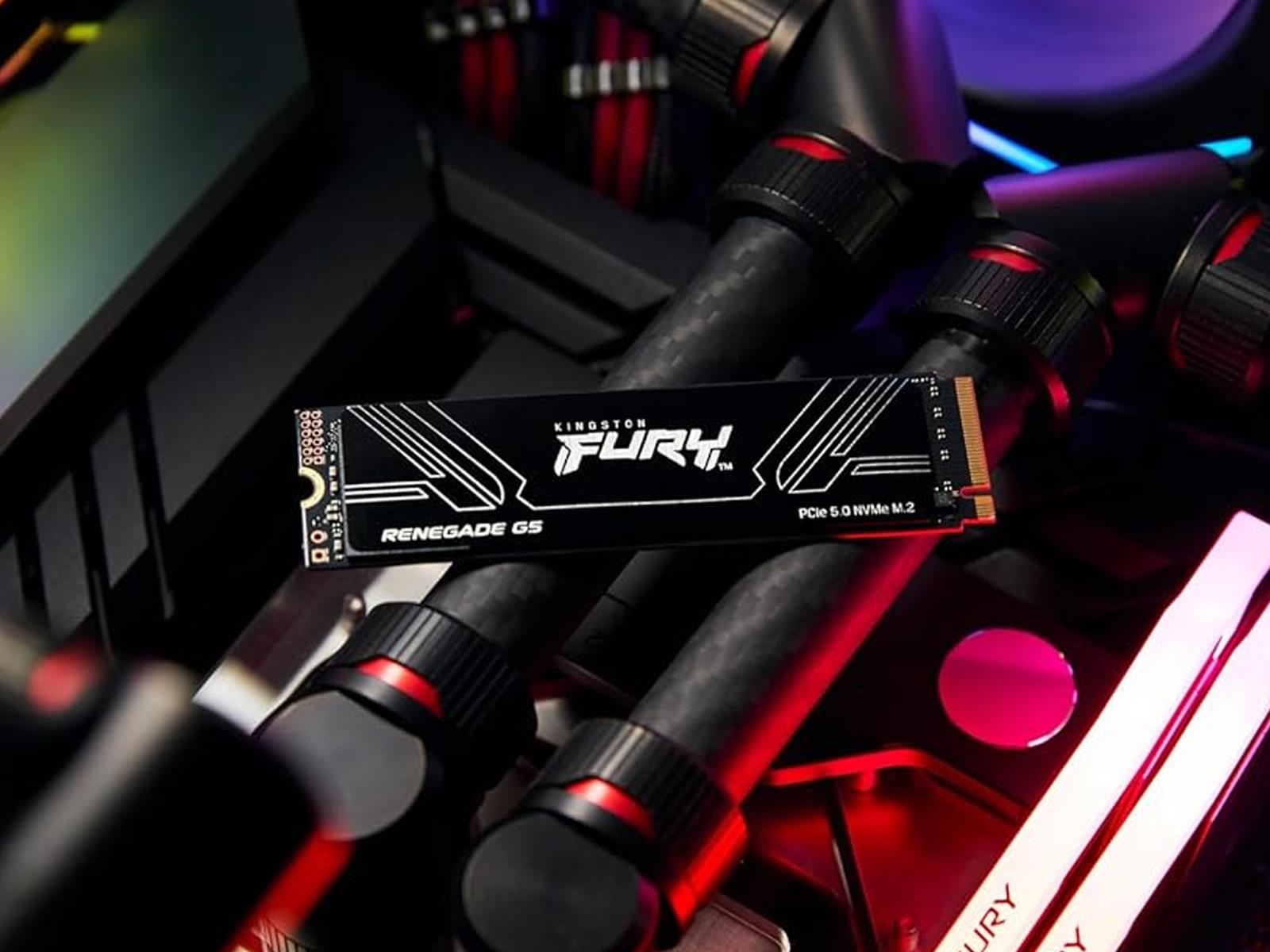
Kingston just rolled out a new flagship solid state drive (SSD) and, at least on paper, it’s an absolute scorcher. Called the Fury Renegade G5, it’s a follow-up model to the original Fury Renegade, but with rated read and write speeds that are up to twice as fast (or more) thanks in big part to leveraging the PCI Express 5.0 bus (versus PCIe
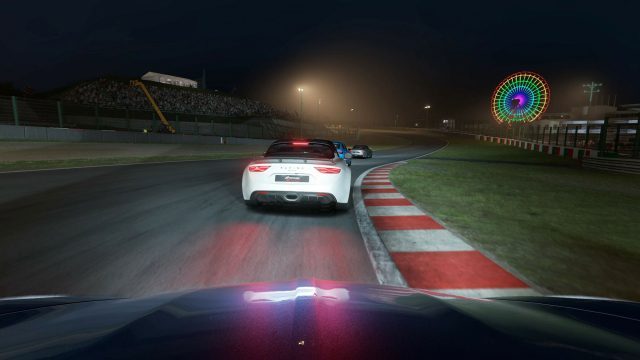
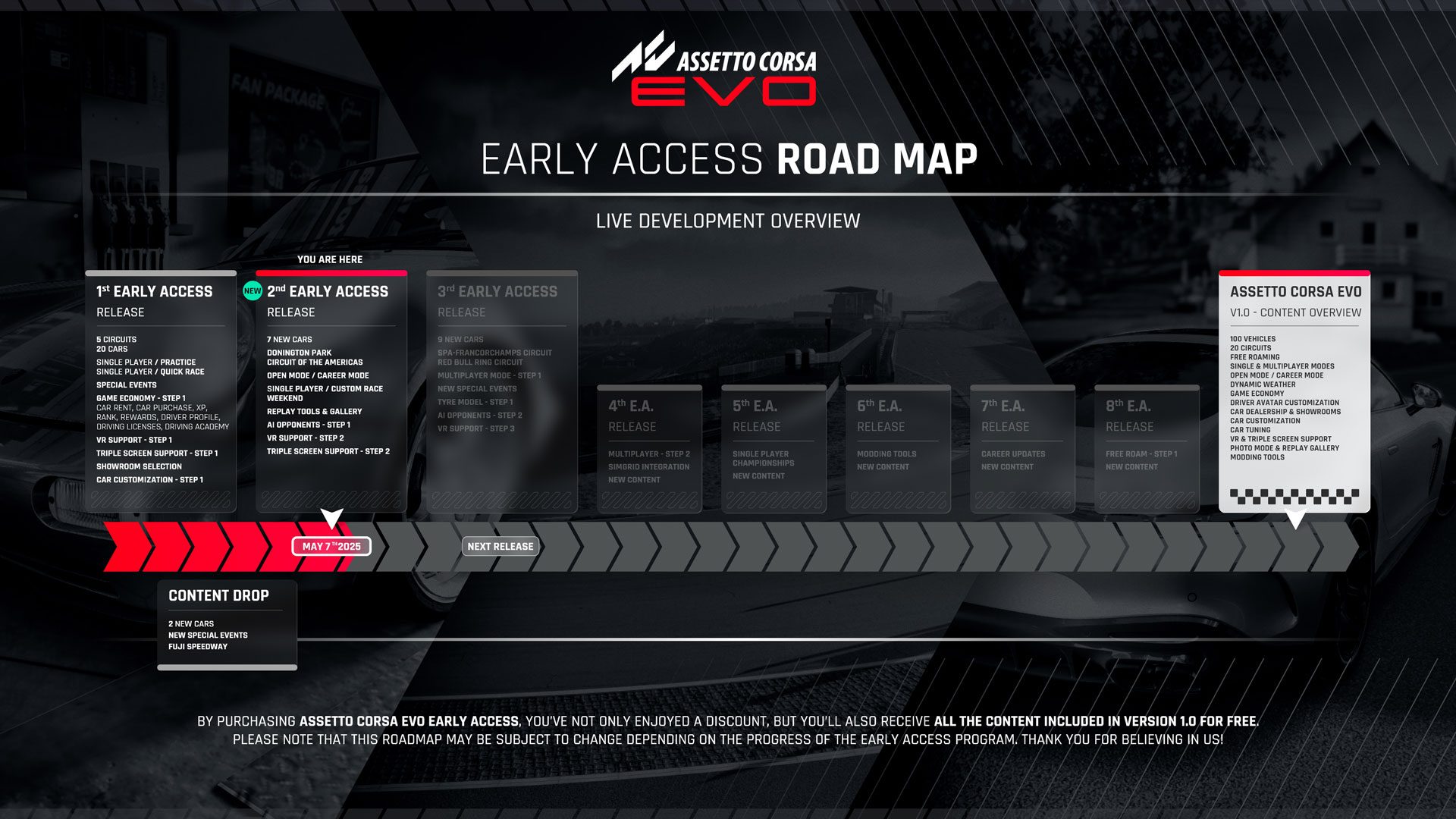
Assetto Corsa EVO launched earlier this year in early access, serving up a PC VR mode that wasn’t exactly a hit due to some pretty questionable overall optimization. Now, developer KUNOS Simulazioni have released the game’s 0.2 update, which also includes some much needed VR performance tweaks.
The 0.2 just dropped for Assetto Corsa EVO, which includes a heap of new content, including seven new cars: Maserati GT2, Lotus Exige V6 Cup, Alfa Romeo Giulia Sprint GTA, Alfa Romeo 75 Turbo Evoluzione, Porsche 911 Turbo 3.6, Mazda MX-5, and Honda NSX-R. There are also two new tracks: Circuit of the Americas (COTA) and Donington Park.
Overall, the game now boasts both single player ‘Open Mode’ as a way to access all game cars without limitations, and a single player ‘Career Mode’, offering game economy and progression mechanics.
The 0.2 update also marks what the studio calls “step two” of VR support, which seems to be making the game more playable on PC VR headsets. Graphics updates for VR users include:
VR TV camera set
mirror capture mode now defaults to “dynamic” in VR
runtime changes of video settings
enhanced reflections
added DLSS
new grass type (global)
fixed black glitch at horizon
idle-screensaver sequence disabled in VR
Additionally, 0.2 patch notes maintain that “switching to VR or triple screen mode no longer disables DLSS,” making it a little less fiddly when moving from flatscreen to VR.
While PC VR Assetto Corsa EVO racers require a serious rig to run the game, things appears to be moving in the right direction, at least when it comes to performance. Check out the graphics comparison above, which shows off the previous 0.16 version and the latest 0.2 build, courtesy of ‘HYPEVR TV’.
KUNOS Simulazioni indicates the game will receive six early access updates coming prior to the launch of its 1.0 release, coming in Fall 2025. That said, we’re hoping these updates can further tighten things up to make VR worth the $32 price tag.
How big of an effect can review bombing have on a game? According to Moon Studios, the people behind Ori and the Blind Forest, the consequences could be so serious that it could lead to the closure of the studio. At least, that’s what studio head Thomas Mahler said. Before he said the opposite.
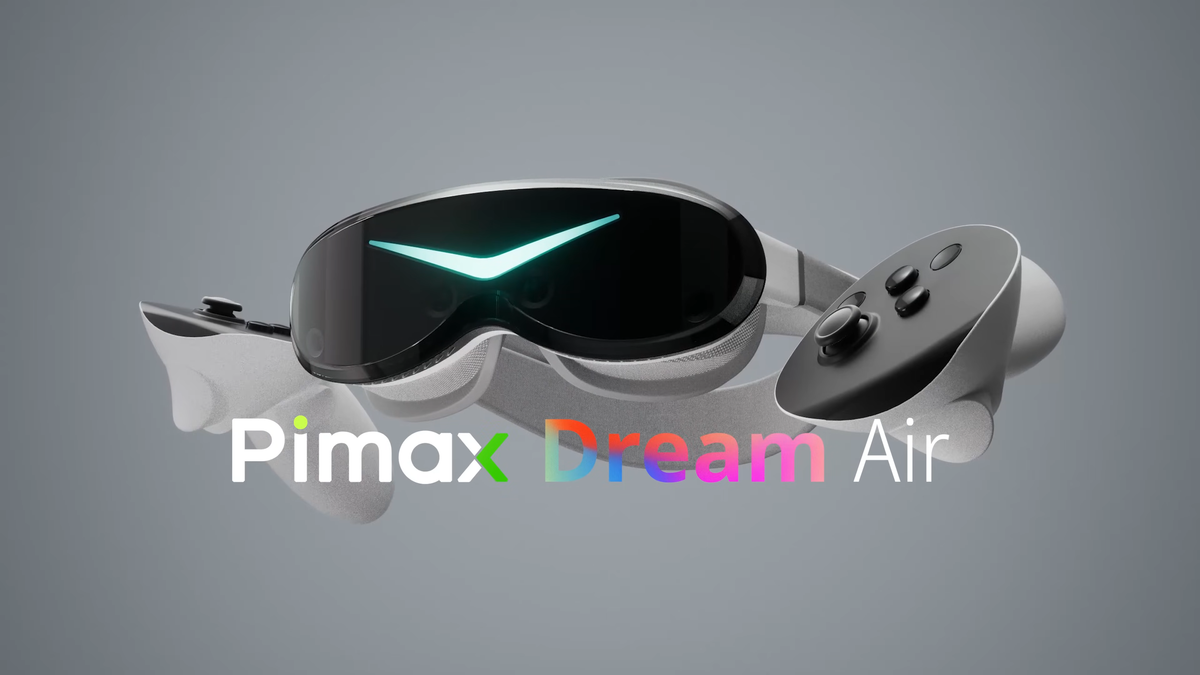
Pimax announced a delay and price increase for Dream Air, alongside a much cheaper Dream Air SE with lower resolution and inferior lenses.
Dream Air and Dream Air SE are both said to be sub-200 gram tethered PC VR headsets with micro-OLED panels, eye tracking, integrated audio, and either inside-out SLAM or SteamVR base station tracking.
The Dream Air lineup is also set to introduce a completely unique feature we haven’t yet seen on another headset: a motorized self-tightening headstrap, similar to Nike’s self-lacing shoes. Combined with automatic IPD adjustment, Pimax claims this will let buyers quickly and easily put on the headsets with no need to manually adjust anything at all.
What Is Pimax?
Pimax is a China-based VR headset company best known for its 2017 Kickstarter for an ultra-wide field of view PC-based headset, but in recent years it has mostly shifted focus from field of view to resolution.
Pimax currently sells two headsets: Crystal Light and Crystal Super, both being tethered PC-only headsets with an optional wireless adapter.
Crystal Light is priced at $700 and offers 2880×2880 QD-LCD displays, while Crystal Super is priced at $1800 and has 3840×3840 QD-LCD displays with local dimming and integrated eye tracking, as well as wider field of view lenses.
Pimax is still using its “Pimax Prime” financing system for both devices, wherein you make an initial payment of roughly two-thirds of the price to try the headset for 14 days, after which, should you choose to keep it, you’ll need to pay the remainder outright or as a subscription over two years.
The premium Pimax Dream Air was announced around five months ago. At the time, Pimax said it would use BOE’s panels, be priced at around $1900 total, and ship in May.
With May here, Pimax now says Dream Air will ship in “August or early September”, and will use Sony’s new micro-OLED panels instead of BOE’s, offering the same resolution with a wider color gamut.
Pimax has also increased the total price of Dream Air to $2100 for the inside-out SLAM tracked version with controllers. It’s also now offering a $1900 version without controllers or SLAM, featuring photodiodes for SteamVR Tracking via base stations instead.
Pimax Dream Air SE
Pimax says Dream Air SE features the same design and features as Dream Air, including eye tracking, the self-tightening strap, integrated audio, and either inside-out SLAM or SteamVR base station tracking.
The difference is in the displays and lenses. Dream Air SE is set to use 2.5K micro-OLED panels and less advanced pancake lenses with a smaller field of view but greater stereo overlap.
Pimax Dream Air SE is priced at $1200 with inside-out SLAM tracking and controllers, or $900 for the version without controllers or SLAM, featuring photodiodes for SteamVR Tracking via base stations instead.
Pimax says it “expects” to ship Dream Air SE in Q3 2025.
As always, we note that Pimax has a long history of repeatedly failing to meet its deadlines, announcing new products before delivering what it already announced, and of shipping products without promised features. For example, Crystal’s eye tracking didn’t work until four months after launch and the company still hasn’t shipped the “Reality 12K QLED” headset it announced in 2021 with impossible-sounding specs like 6K per eye resolution and 200° field of view. We strongly recommend exercising caution by waiting for reviews of the final hardware before placing a preorder for any model of Pimax Dream Air.
It doesn’t mean much to anyone with a job, but summer’s coming in quick, and only grade-grubbers are still paying attention in school. The other kids are wasting their time exactly how you’d expect: watching kitten body horror videos, discovering 20-year-old RPGs, and throwing bowling balls into helicopter blades. Here’s what’s shaping (and warping) young minds this week.
The rise of terrifying AI kittens on YouTube
If you have younger kids, summer can mean more screen time, and I wanted to check out what kids are watching when their guardian hands them that tablet, so I spent some time on YouTube looking at animated videos that seem geared to children. The place is lousy with algorithmically generated kitten torture videos where little cats with big eyes are injured, operated upon, beset by monsters, and otherwise horribly abused in videos like “Cat’s Belly Contains Countless Worms!”
It’s not art made for kids. It’s art made at kids.
But on the other hand—whenever things can be boiled down to “won’t someone, please, think of the children?” it’s time to look a little deeper. Adults tend to view children’s world through rose-colored glasses, but that’s how we want childhood to be. In reality, children are nearly powerless in a world they can’t understand or contextualize, so of course they’re going to deal with their fears through art; that’s why we have art.
Well-meaning adults have spent decades sanitizing children’s media, excising disturbing and horrific elements under the guise of protecting kids, but judging by the 19 million views of “Abusive Cat Father,” kids clearly want it and, more importantly, they’re getting something from it. Death, betrayal evil, horror, and abuse are time-honored staples of children’s literature. Is there any theme more classic than “evil mother (or stepmother) abuses innocent child?”
I only wish it wasn’t all so poorly made. Grimm’s fairy tales and their ilk were written by talented people, not the kind of real-life ghouls who use AI to game YouTube’s kids’ video algorithm. I never had a problem with my own kid watching movies society said were too mature for him, but only if they were good. I draw the line at bad art.
The Elder Scrolls IV: Oblivion: Young gamers play old game
As a greybeard from way back, I love when a new generation of nerds discovers something awesome from the past. On April 22, developer Bethesda surprised the video gaming world by stealth-releasing a 20-year-old role-playing game, Elder Scrolls IV: Oblivion. And the kids are into it; the nerdy ones, anyway. Some quality-of-life issues with the original game have been addressed, but the quirky, buggy, batshit Oblivion fun was left intact. They even left most of the glitches intact. I’ve been playing it since it was released, and it plays differently than modern games in the genre. There’s less handholding and funneling players toward a specific experience. There’s less of a feeling that a corporate board approved every decision and more of a feeling of freedom, and kids are into it. They’re making memes and posting videos of funny glitches. It’s like the old days. As RiceLife659 put it on Reddit, “Finally able to play Oblivion now and I’m in love. More in depth in terms of systems than Skyrim and the jank is hilarious. 20 hours in and every minute I wish I was born earlier.” .
I feel like saying, “gather ’round, young ‘uns, and let me tell you the story of the cursed Oblivion horse armor…”
What does “deriod” mean?
The slang term “deriod” combines “dick” and “period” and is used to refer to a man’s (hypothetical) period. Here’s even more Gen Z and Gen Alpha slang, if you’re interested.
What are “0.5 GPA Activities?”
“0.5 GPA Activities” (or “0.3 GPA Activities, or (WHATEVER) GPA Activities”) refers to videos that show what the kids who aren’t gunning for class salutatorian are doing in school. The genesis was a video called “4.0 GPA Activities” in which supposedly smart band-kids balance things precariously. In response, less, um, accomplished students started posting videos of themselves doing things like making sculptures from the cafeteria food:
stacking soda cans in lockers:
intentionally shorting out their school-issued Chromebooks:
and stealing fire extinquishers:
It’s the kind of trend that went from funny to a little harmful quickly, so check out these videos now, before TikTok bans the entire genre.
Viral video of the week: Bowling Ball Vs 700kmh Helicopter Blades! Who Wins
How can you not click a video called “Bowling Ball Vs 700kmh Helicopter Blades”? It’s the kind of content we all need as summer starts to roll in.
The bowling ball alone would have been enough, but the guys behind YouTube channel How Ridiculous also throw tomatoes, a hardhat, a phone, a baseball bat, a guy (a fake guy, anyway) and more through the spinning blades of a chopper. It’s all presented in super slow motion: exactly how you want to watch things get chopped apart by a helicopter propeller.
As for the video’s dramatic question, you might assume the answer is obvious: Blades win. But life is full of surprises. That’s why we do science.
Despite the long gap between the upcoming release of Grand Theft Auto VI and the previous installment (Grand Theft Auto V), as well as an unexpected delay from a fall 2025 release until May of next year, anticipation for a video game has never been higher. Heck, you could cite the gap and subsequent launch delay as contributing factors. So,
Iron Guard, a VR sci-fi tower defense game, is heading to PlayStation VR2 later this week.
Initially launched in 2021, Iron Guard takes place in the 23rd century and follows 1st officer Graves after his ship, the Avalon, crash lands on the planet Akris. You’re tasked with defending your surviving crew’s lives by fending off hostile enemy waves that emerge from multiple routes, upgrading your weaponry as the mission progresses. Our previous Quest hands-on in 2022 found it enjoyable, though we didn’t believe it took full advantage of VR’s capabilities.
While Iron Guard previously launched on most major VR platforms, it’s the first time we’ve seen it on a PlayStation console. The upcoming PS VR2 port was initially announced back in March by developer Xlab Digital without a release date and now, the PlayStation Store page confirms a May 14 launch. However, it’s unclear if the port uses PS VR2 features like eye-tracking or adaptive triggers.
This PlayStation VR2 launch also times up with the upcoming sequel, Iron Guard: Salvation. In Salvation, we’re tasked with defeating a new threat that’s emerged across the solar system years after defeating Akris. That’s targeting a summer 2025 release window on Quest with a Steam version also coming, but the sequel isn’t currently confirmed for PlayStation VR2.
We may earn a commission from links on this page. Deal pricing and availability subject to change after time of publication.
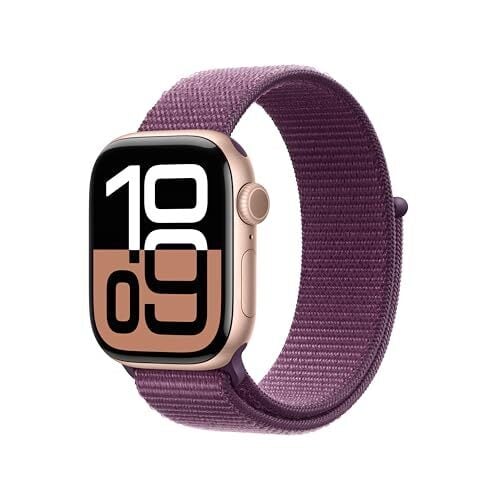
If you’ve been waiting for the right time to upgrade your Apple Watch, the Series 10 has quietly become one of the best-value picks around. It launched in September and has already dropped to $299 on Amazon—that’s $100 off the $399 sticker price.
You’re getting a thinner design and a slightly larger OLED display, which might not sound like a game changer—but does make everything feel roomier and more responsive. Apple also improved audio playback, so now you can actually listen to Spotify or podcasts straight from the watch’s speakers (no AirPods needed in a pinch). The updated sleep tracking also got smarter, with the watch nudging you if it notices signs of sleep apnea. That’s something you didn’t get before unless you were splurging on the Apple Watch Ultra. Same with the new depth and water temperature sensors—they now auto-activate underwater, a nice addition for swimmers or divers, notes this PCMag review. The Vitals app with Watch OS 11 gives you an energy score, too, which is basically a daily report card for your body based on multiple health metrics.
That said, it’s not perfect. The blood oxygen sensor still hasn’t made a return, which might be a letdown for folks who used it regularly on older models. Battery life stays in the 18–36 hour range, depending on how many features you have running. It’s good enough for a day or so, but it’s not exactly a multi-day performer. Still, the Series 10 earned PCMag’s Editor’s Choice and their Best Apple Smartwatch of the Year 2024 award, which says something. If you’re not chasing Ultra-level features but want something smarter, faster, and more capable than the SE, this is worth considering, especially now that it’s hit its lowest price.
A new Campagnolo wireless electronic groupset has broken cover at the 2025 Giro d’Italia.
Adorning the bikes of Stefano Oldani of Cofidis, and Alessandro Pinarello of VF Group – Bardiani CSF – Faizanè, the new groupset appears to make some significant changes compared to Campagnolo’s existing Super Record Wireless groupset.
It seems the legendary Italian brand also looks set to update the shifter button layout, moving away from its current configuration and potentially bringing back its beloved thumb shifter (though not in its classic form).
While Campagnolo is understandably tight-lipped on this development, let’s take a look at what we can glean from the race photos – and what this might mean for the historic brand.
Campagnolo goes 13-speed for road
Campagnolo’s new 13-speed Super Record Wireless rear derailleur looks like a weight-weenie’s dream.
In our electronic age, the rear derailleur is the beating heart of any modern groupset, and it’s here we see some of the most significant changes.
As usual with Campagnolo Super Record, there’s still plenty of carbon fibre, and a Super Record Wireless battery is still located at the rear of the main body, just above the lower pivots.
However, Campagnolo looks to have aggressively cut material (and therefore likely weight, too) from the new rear mech, with a hollow outer parallelogram plate and a new hollow section near the hanger bolt.
From the looks of things, Campagnolo looks keen to challenge SRAM Red AXS’s claim to be the lightest electronic groupset (with disc brakes) available.
The new rear derailleur uses an updated pulley cage. Tim de Waele / Getty Images
The pulley cage has also seen significant reshaping, moving away from the smooth, curved design seen on the current Super Record Wireless rear derailleur, to a more angular design.
The two pulley wheels also appear to use taller teeth. Could this be designed to offer improved chain management when run in a 1x configuration? Oldani’s bike was set up with two chainrings up front, but with 1x on the rise in the WorldTour peloton, we wouldn’t be surprised if Campagnolo was considering this use case.
The carbon fibre crankset appears unchanged.
The derailleur also uses a Shimano-style ‘direct mount’ design, which eliminates the additional plate between the upper knuckle of the derailleur and the hanger, for increased stiffness and improved shifting performance.
At a glance, the carbon fibre crankset looks identical to the existing one, though it’s notable Oldani appears to be using Look Keo Blade power meter pedals, rather than Campagnolo’s recently announced spider-based option (the Campagnolo HPPM power meter).
Return of the thumb shifter
Oldani’s shifters suggest Campagnolo is revising the shifter button layout.
Up on Oldani’s handlebars, we can see another notable change to the new groupset.
On the right-hand shifter, Campagnolo has moved to a single shifter button behind the brake lever, retiring the vertical two-button configuration used on the current Super Record Wireless and Super Record Wireless S groupsets.
Zooming in and enhancing the image – CSI-style – appears to show something suspiciously button-esque on the inside of the left shifter, while images captured by Cyclingnews confirm the Italian manufacturer is indeed bringing back its iconic thumb shifter.
While it might seem a trivial detail, we suspect many Campagnolo fans will be delighted by this U-turn, as the thumb shifter played a key role in helping Campagnolo’s road groupsets stand apart from the crowd.
When asked whether he was excited about the potential return of this iconic control scheme, BikeRadar’s resident Campagnolo expert, Oscar Huckle, gave a firm “Yes.”
What does this mean for Campagnolo?
After some tough years, might Campagnolo finally be on the up again? Tim de Waele / Getty Images
Aside from the specific details of an extra cog, a little less weight and updated shifting layout, it’s also interesting to ponder what this could mean for the renowned Italian brand.
After it lost its place in the UCI WorldTour (road cycling’s elite racing series) for the 2024 season, many felt Campagnolo was diminishing in relevance in an area it once dominated.
However, with Campagnolo back in the elite ranks for this year (with Cofidis), and seemingly with something new and exciting to launch, that narrative is changing.
Excitingly, it looks as if Campagnolo could finally be getting back ahead of the development curve.
Recent firmware release notes for the Garmin Edge 1050 suggest more could be on the way.
While our first ride impressions of Super Record Wireless were broadly positive, it arguably represented Campagnolo catching up with what was already available (from SRAM, at least), and didn’t offer anything substantially new.
If Campagnolo can beat both SRAM and Shimano to the punch with a 13-speed, fully wireless 2x electronic road groupset, that could really be something to shout about – especially as Shimano appears to be working on just that, if patents are anything to go by.
Of course, as with all things carrying the hallowed ‘Super Record’ label, we’re sure this new groupset won’t come cheap.
However, with release notes for a recent Garmin Edge 1050 firmware update noting “Added presets for Campagnolo 13-speed groupsets”, could the plural suggest more – potentially cheaper – options are also on the way? We live in hope.