Chinese companies that sell to US customers on Amazon are reportedly preparing to raise prices or quit the US market because of tariffs imposed by President Trump. Amazon CEO Andy Jassy has meanwhile confirmed that he expects the cost of tariffs to be passed on to US buyers.
Reuters talked to several individual sellers and a Chinese trade association that represents over 3,000 Amazon sellers for an article published today. “It’ll be very hard for anyone to survive in the US market” because “the entire cost structure gets entirely overwhelmed” by the tariffs, Reuters was told by Wang Xin, who leads the Shenzhen Cross-Border E-Commerce Association. Xin also “not[ed] the tariffs could also lead to customs delays and higher logistics costs.”
Trump increased tariffs on China imports to 125 percent yesterday even as he announced a 90-day pause on tariff hikes affecting other countries. The total tariffs are 145 percent because the newly raised tariff “comes on top of a 20 percent fentanyl-related tariff that Trump previously imposed on China,” CNBC wrote today.
Yesterday, OpenAI counter-sued Elon Musk, alleging that Musk’s “sham” bid to buy OpenAI was intentionally timed to maximally disrupt and potentially even frighten off investments from honest bidders.
Slamming Musk for attempting to become an “AGI dictator,” OpenAI said that if Musk’s allegedly “relentless” yearslong campaign of “harassment” isn’t stopped, Musk could end up taking over OpenAI and tanking its revenue the same way he did with Twitter.
In its filing, OpenAI argued that Musk and the other investors who joined his bid completely fabricated the $97.375 billion offer. It was allegedly not based on OpenAI’s projections or historical performance, like Musk claimed, but instead appeared to be “a comedic reference to Musk’s favorite sci-fi” novel, Iain Banks’ Look to Windward. Musk and others also provided “no evidence of financing to pay the nearly $100 billion purchase price,” OpenAI said.
According to the Daily Mail’s sources, the idea of Lara Croft bringing her gun-toting capoeira to Prime Video is “dead,” and we honestly should’ve seen this coming.
Hallelujah, the threat of the (once again delayed) TikTok ban might just get Instagram users the thing they’ve been waiting for since 2010—an iPad app. Over the past couple of years, Instagram repeatedly made it clear that the iPad is just not a priority for the company, but now it seems that might have changed.
According to a new report from The Information, Instagram is planning to take full advantage of TikTok’s uncertain legal status in the US to introduce some new features that would fill the void left by its competitor’s potential exit from the market.
Back in 2022, Instagram head Adam Mosseri replied to a tweet from tech influencer Marques Brownlee, denying requests for an iPad app by saying that “It’s still just not a big enough group of people to be a priority. Hoping to get to it at some point, but right now, we’re very heads down on other things.”
But now, in 2025, The Information says it’s spoken to a Meta employee who reportedly has access to the company’s plans for catching up with TikTok, which finally include (but are not limited to) an iPad app. The move would see the company release a native iPad solution that could better hold up to TikTok’s, which has full-screen video playback in vertical mode, and even a dedicated landscape mode that fills up empty space with comments and other features.
Why we desperately need an Instagram app for iPad
Instagram on a tablet just makes sense. The screen is bigger, and better, and it’s much more enjoyable to watch the new, longer form Reels content on a tablet sized screen. Not to mention the fact that so many creators user the iPad to edit the Reels and photos posted on the network anyway. Having a dedicated Instagram app would do wonders for their workflow.
Then there are people like me, who use Instagram on the Mac and iPad, to curb their iPhone addiction and screen time. I find that it’s just easier to be mindful of your social media when it’s not on your smartphone, and I’d love to not have to fiddle with the web app or iPhone app compatibility to do that.
How to add the Instagram web app to the iPad
Credit: Khamosh Pathak
But just because Meta is working on an Instagram app doesn’t mean that it’s going to be available quickly. The company could also change its plans, too.
For now, your best bet for using Instagram on an iPad is to use the web app. Recently, Instagram’s website experience has gotten much better. It’s no longer just a bare-bones website. There’s the vertical sidebar, and DMs show up in a two-pane interface that’s actually usable.
Plus, if you go to the Reels tab, you get a similar endless feed of scrolling Reels videos like you do on the Instagram app. Of course, the only difference is that it’s not going to be nearly as smooth or responsive as the official app.
You can even separate the web app from Safari. After opening the website, tap the Share button and use the Add to Home Screen option. Then, tap Add. A New Instagram “app” will show up on the home screen.
When you tap on the Instagram “app,” it will now open the Instagram website as its own little app, with no toolbars, tabs, or other websites.
You can also try using the blown up Instagram iPhone app on your iPad
Credit: Khamosh Pathak
Alternatively, you can also just install and use the iPhone Instagram app on your iPad. It works, but by default, it displays in a comically small iPhone sized window in the middle of your screen. You can expand the window size using the Zoom button, and that makes it kind of passable.
The upside to this approach, if you can deal with the blown-up interface, it that it’s more feature rich than using the website. For example, on the web app, you can’t repost to Stories or accept collaborators. Running the Instagram iPhone app, even in the ridiculous blown-up mode, has no such limitations.
OpenAI has expanded ChatGPT’s memory functionality to include references from all past conversations. The system now builds upon existing saved memories by automatically incorporating previous interactions to deliver more contextually relevant responses for writing, learning, and advisory tasks, the startup said Thursday.
Subscribers can disable the feature through settings or request memory modifications directly in chat. Those already opted out of memory features won’t have past-chat references enabled by default. Temporary chats remain available for interactions that users prefer to keep isolated from memory systems. The update is rolling out immediately to Plus and Pro subscribers, excluding users in the EEA, UK, Switzerland, and other European markets.
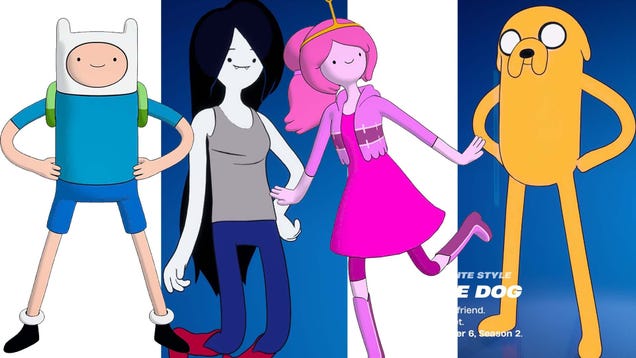
Fortnite dataminers have pulled out our first look at the recently teased Adventure Time skins and cosmetic items coming to the battle royale game later this week. And folks, they look pretty dang cool, and very accurate to the original cartoon versions of these popular characters, like Jake the Dog and Finn the Human.
Yesterday brought the newest update to Microsoft’s in-house Linux distribution, Azure Linux. The Azure Linux 3.0.20250402 brought many package updates mostly in the name of shipping security fixes plus brought new instructions on making use of the AMD graphics driver stack under this Microsoft Linux distribution along with various other updates…
DoorDash has started robot deliveries in Los Angeles and Chicago. This is thanks to a partnership with the company Coco Robotics. Eligible customers will be able to receive sidewalk deliveries sourced from over 600 participating merchants.
Coco robots have been making deliveries for DoorDash in Helsinki since late last year through its international sub-brand Wolt. DoorDash says that Coco robots completed over 100,000 deliveries during this initial pilot phase.
Robots take humans out of the delivery process, which is bad for gig workers, but this method is better for the environment. Coco robots are free from emissions. Harrison Shih, Senior Director of DoorDash Labs, says that “not every delivery needs a two-ton car just to deliver two chicken sandwiches.”
This is part of a larger push by DoorDash towards what it calls “multimodal” deliveries, which combines human workers, drones and autonomous robots to “meet increasing demand while lowering costs and emissions.” To that end, the company has partnered with Wing to provide drone deliveries in the US and Australia.
This article originally appeared on Engadget at https://www.engadget.com/transportation/doordash-starts-robot-deliveries-in-la-and-chicago-172358704.html?src=rss
For its third incarnation, the Mini Countryman now comes in an all-electric variant. The Countryman is Mini’s take on the family car, a compact crossover with bold design both inside and out. At time when far too many automakers are supersizing their vehicles, Mini’s offerings are still right-sized, even if the Countryman is a bit bigger than the model it replaces. But at times, you might be left feeling that style took preference over substance.
The previous Countryman was available with the brand’s only plug-in hybrid powertrain, but Mini now only offers the Countryman with either an internal combustion engine or as a full battery electric vehicle. Consequently, the Countryman SE is a fair bit more expensive now, starting at $45,200 before any tariffs are taken into account.
Much of that money has gone to more lithium-ion—66.5 kWh in total (64.7 kWh useable), coupled to a pair of electric motors with a combined output of 308 hp (230 kW) and 364 lb-ft (494 Nm). That’s sufficient for an EPA range estimate of 212 miles (341 km), although that might be a little on the conservative side. Based on the past few hundred miles, the test car we spent a week with averaged 3.4 miles/kWh (18.3 miles/kWh), which should allow for 220 miles (354 km) on a single charge, at least in good weather.
The real-time strategy genre has long been underserved in VR, despite standout titles like Brass Tactics proving its potential nearly a decade ago.
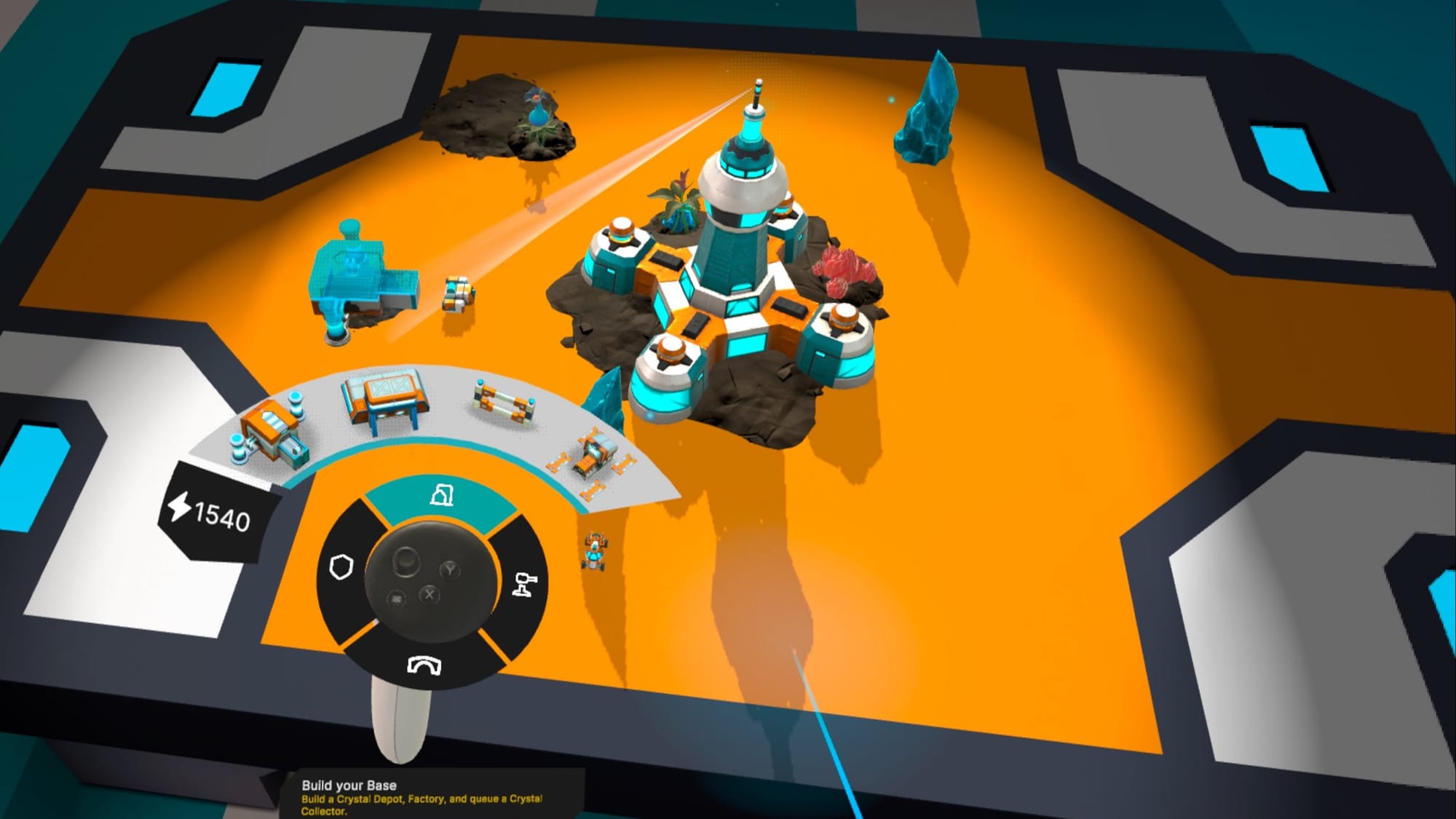
Recent years have seen space-based RTS games like Homeworld: Vast Reaches gain traction on standalone headsets, yet there has been a notable dearth of boots to the ground. Crystal Commanders, a new mixed reality RTS game launching today on the Quest platform by DB Creations, aims to change that with a new approach to immersive strategy.
0:00
/0:35
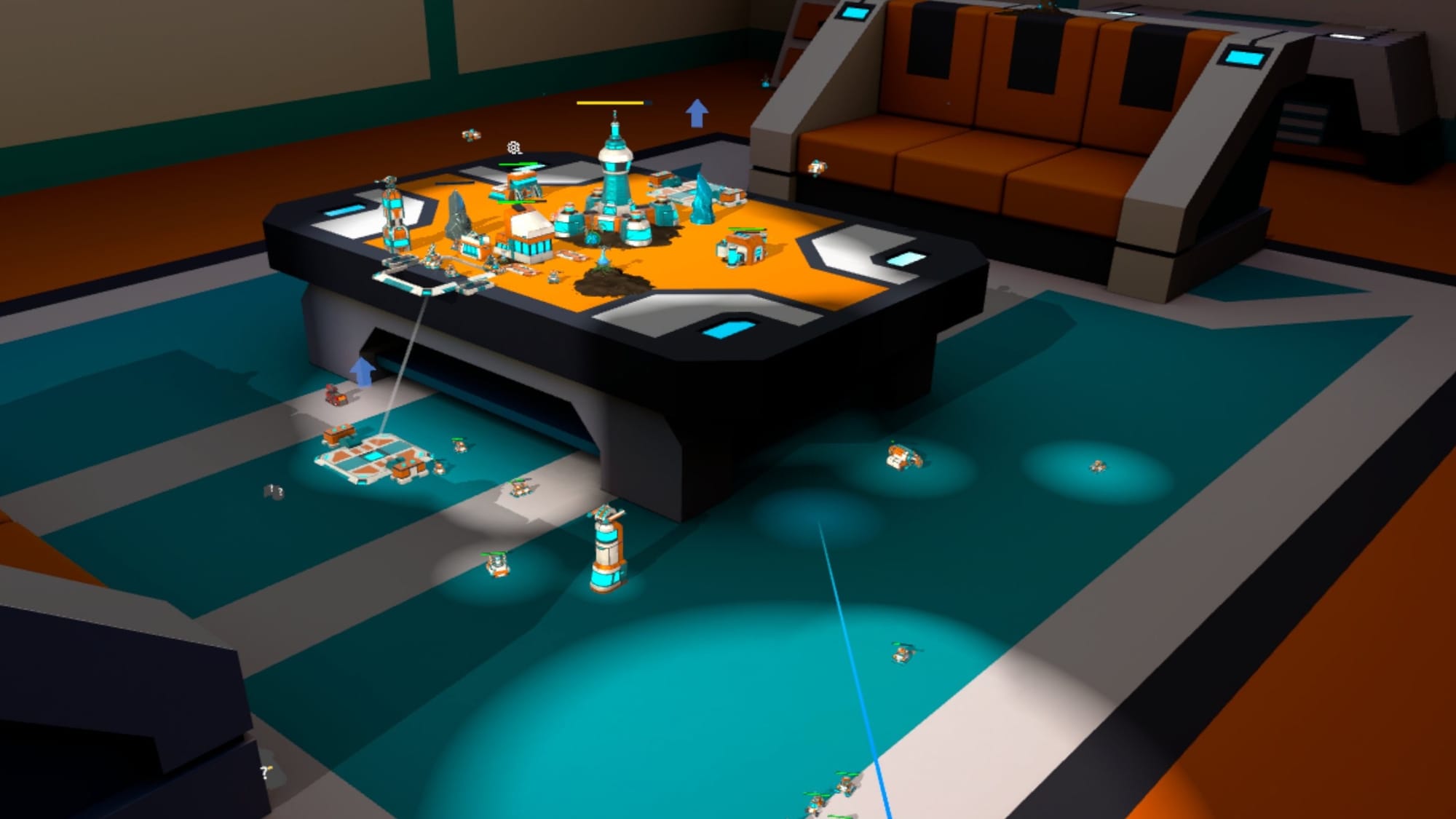
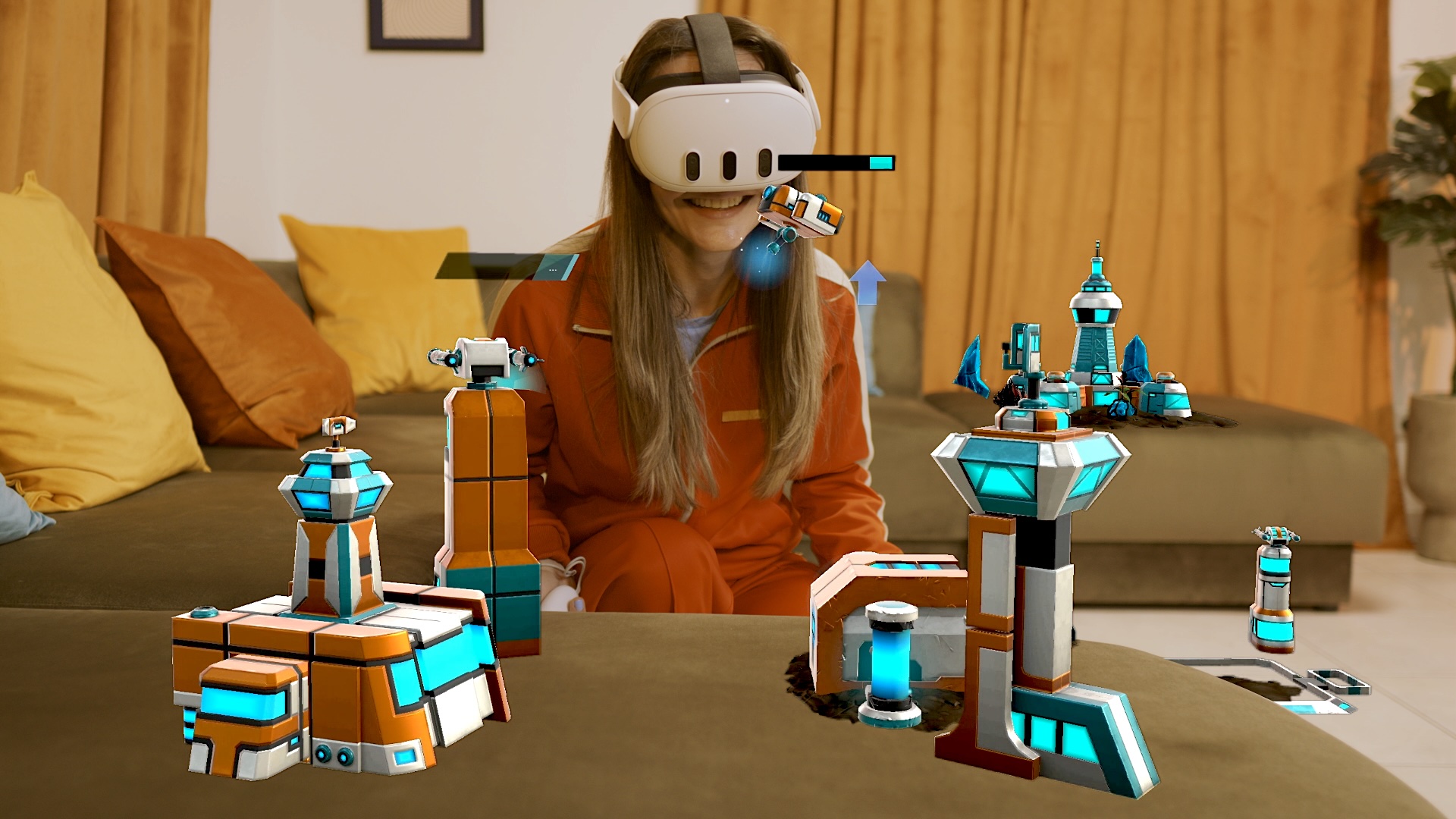
At its core, Crystal Commanders is a simplified RTS game that incorporates your real-world environment into the battlefield. After scanning your room, MR functionality allows players to use furniture like couches, and desks as terrain for their strategic encounters. Clever use of elevators means troops can move to higher surfaces, while Crystal Commanders neatly adapts to any play space by offering a physical, almost toy-like feel to its battles.
For those short on space, fear not. The VR mode provides players with an ample-sized, futuristic living room in which to pitch battles. That can be applied for any of the single-player modes as well as online multiplayer. This simulated living room setting, rather than any sci-fi inspired landscapes that could have been delivered, emphasizes that the developers fully intend for combat to be reminiscent of commanding armies of toys.
The solo campaign consists of 15 missions that will see players spend about two to three hours engaging with the Crimson Blade faction. That said, the first five or six missions really felt more like an extended tutorial than any meaningful entry into the campaign. Difficulty remains fairly light, which may well be by design.
Screenshot captured by UploadVR on Quest 3
Alongside the campaign, there is also a skirmish-style pitched battle against AI, a Creative mode that allows you to build your base free from the threat of attack and online multiplayer. Unfortunately, I had trouble connecting with a friend playing in another region, so I can’t yet speak to the strength of the online community or connectivity—but I’ll be watching this closely post-launch.
You’ll also find a local PvP mode carried out in MR and while I couldn’t play this mode before launch, this could be where the real fun happens. Players with two mixed reality-capable headsets can go head-to-head, turning their shared real-world space into a dynamic battleground. For anyone who ever imagined commanding toy armies in their living room (and crushing their big brother as revenge for him eating the last Mars bar) this may scratch that nostalgic itch.
Veteran fans of real-time strategy be warned though – Crystal Commanders takes a much lighter approach to the genre than you may have been hoping for. If you’re coming in expecting Command & Conquer-level depth, you may need to dial back your expectations a bit. Perhaps targeting a younger audience, Crystal Commanders focuses on the novelty of mixed reality features to deliver its core mechanics.
There are two playable factions, however their unit types are almost identical, so there is no nuanced strategy based on the force you choose to control. Similarly, building types are fairly minimal across the board, with no upgrade options or branching unit production that one might expect to see in a more fleshed out iteration of the genre. With these limitations in play, Crystal Commanders seems more aimed as a gateway strategy game, welcoming younger players to one of gaming’s great genres.
Screenshot captured by UploadVR on Quest 3
While Crystal Commanders is not the most complex RTS, it doesn’t necessarily need to be. If you’re looking to introduce a younger player to the world of real-time strategy—or just want to relive the imaginative battles of your childhood—Crystal Commanders offers a charming, light-hearted entry point.
Crystal Commanders is out now on the Meta Quest platform.
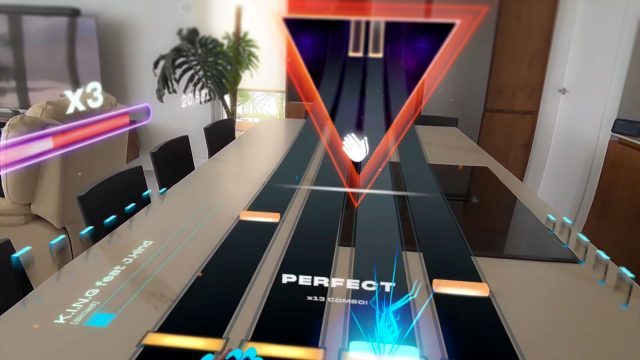
BEATABLE presents an intriguing mixed reality rhythm game with hand tracking controls, and it’s out now in early access on Quest.
Haptic feedback is an essential component to building immersion. You may not always notice its often subtle presence, yet you’ll certainly register when it’s not there. Arken Age is a great recent example where every motion feels responsive, but how do you achieve that with controller-free gameplay? Without additional accessories, that’s a tough ask through hand tracking alone. It’s one reason why BEATABLE caught my interest during its initial reveal last month.
Screenshot taken by UploadVR on Quest 3
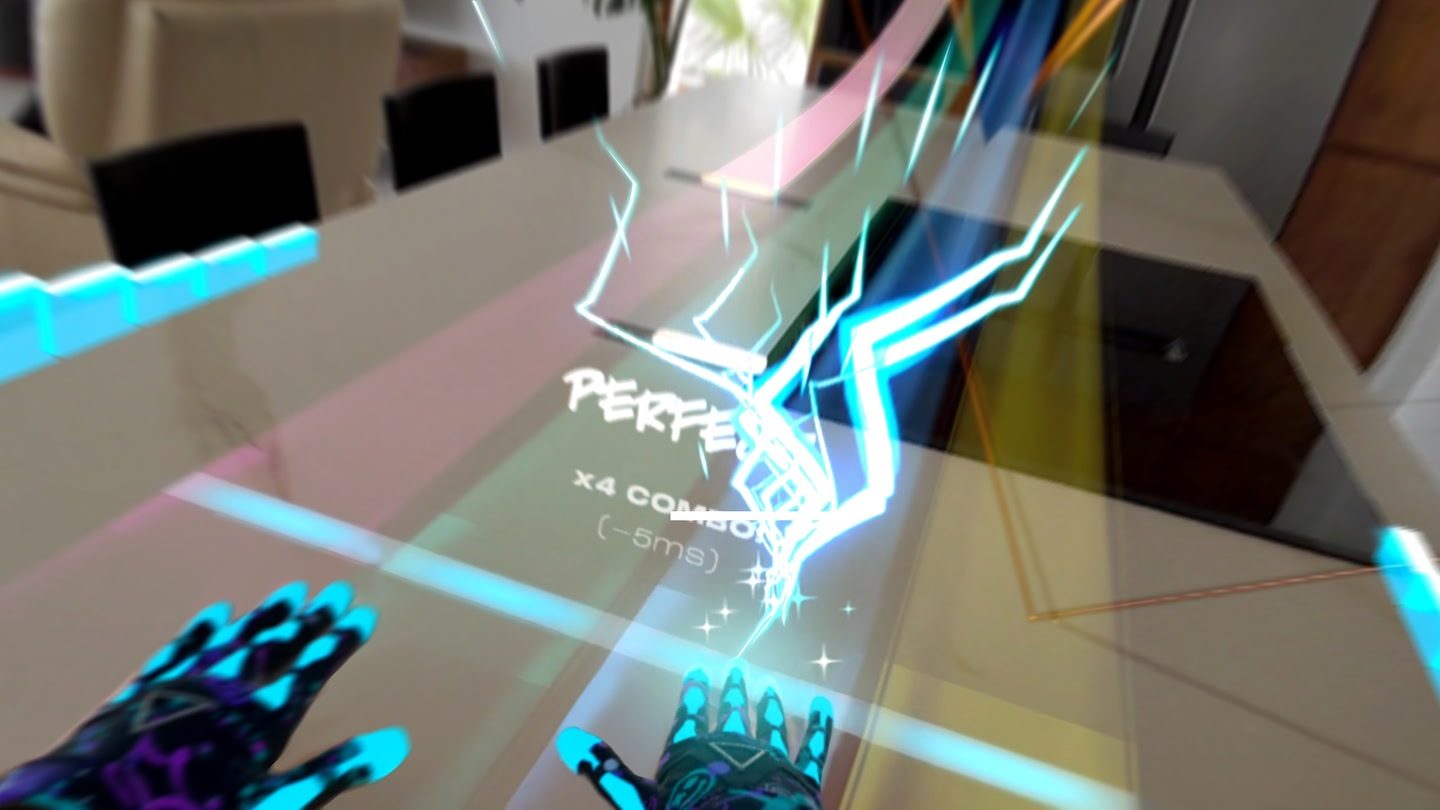
A mixed reality rhythm game that’s hand tracking only and uses your table as an instrument is not what I expected from developer XR Games after Starship Troopers: Continuum and Hitman 3 VR: Reloaded. Getting set up is relatively simple – look straight ahead, put your hands flat on your table with your palms down, and remain still. Choose a song, select one of four difficulty options, and take it from there.
It’s a straightforward and quick process that’s accompanied by some helpful tutorials. I’m reminded of Prope’s somewhat obscure Wii game, Let’s Tap, which isn’t a comparison I ever thought I’d make in my career. Only instead of placing a Wiimote on a cardboard box, you’re using everyday furniture that’s likely already in your home. In my case, I’ve been using the living room coffee table.
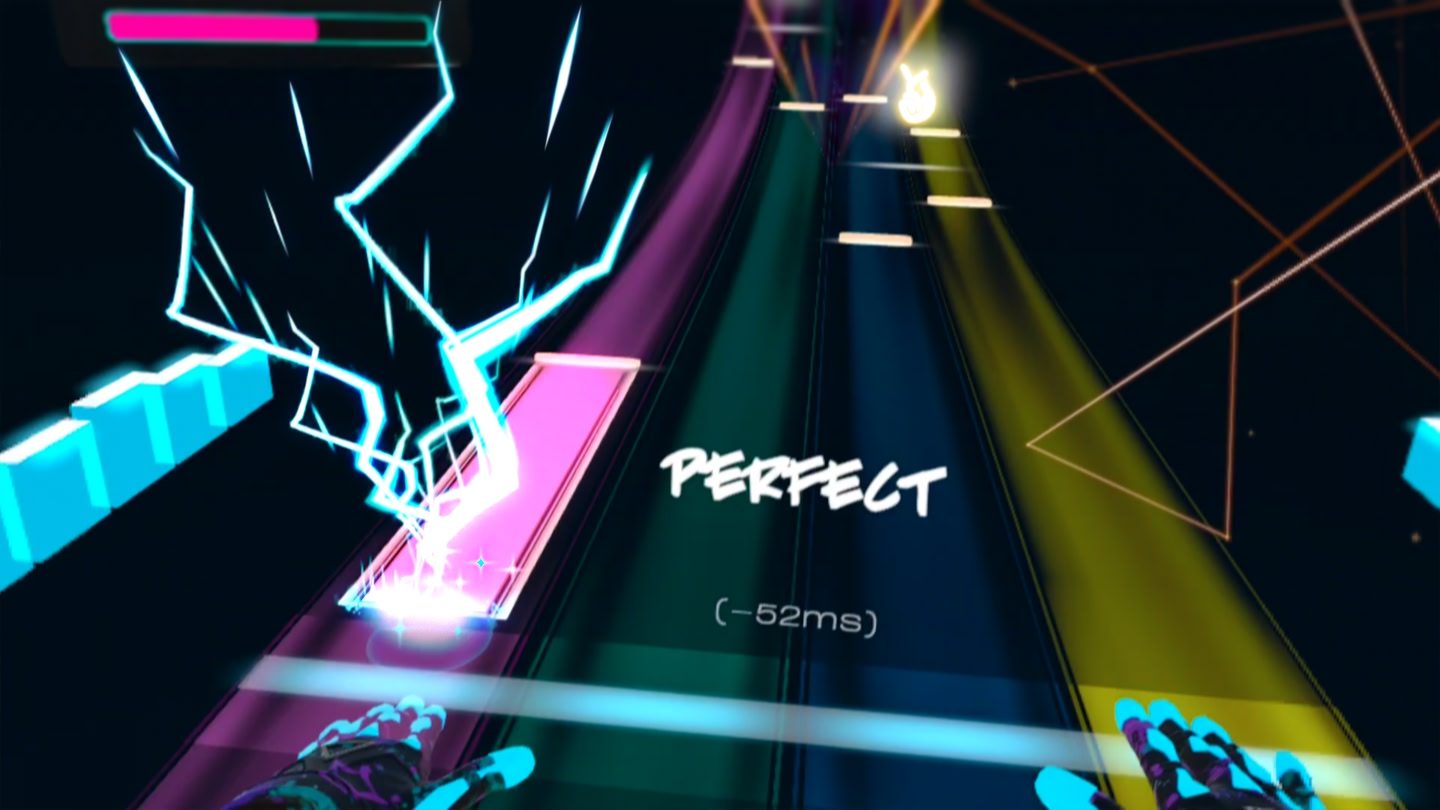
BEATABLE splits the action across four different lanes you need to touch, hitting notes as they reach the line. Between a simple tap, two taps across different lanes simultaneously, or ‘hold notes’ that require holding your finger down for a while – maybe zigzag a little across lanes on harder difficulties – it feels responsive. I couldn’t spot any particularly noticeable latency during my hour-long session, and the physical feedback helps bridge the gap with hand tracking’s lack of haptics.
0:00
/0:35
Gameplay footage captured by UploadVR on Quest 3
Missing notes feels like my failure rather than a tech issue, and several songs had me going “one more try” as I tried beating high scores posted on the leaderboards by XR Games staff or content creators. More points are awarded depending on your timing, gradually building up a multiplier through a combo system. The music selection fits the game well, although there are only 13 songs in early access. Snapping your fingers or clapping your hands also adds some extra, if minimal, variety.
Not everything is completely smooth, though. BEATABLE doesn’t register more gentle tapping across each lane, which remained consistent even after recalibrating about six times. That doesn’t mean you need to thump the table constantly, just that your inputs require a bit more force to register.
I also have an accessibility concern where your mileage may vary, which can be seen in the gameplay footage above. My left hand can snap my fingers with ease, though my right hand physically struggles. Single notes aren’t an issue since either hand is fine, but higher difficulty songs with dual snaps feel awkward.
Turning that off or changing it with a modifier would be welcome, even if that means reduced points. Still, snapping both hands outside of songs to switch between MR and a fully immersive environment is undeniably cool, and that’s enhanced further by great sound design.
0:00
/0:06
This took more attempts than I care to admit due to the reasons listed above
You won’t need long to see everything BEATABLE offers, and I’m encouraged by what I’ve seen so far in early access. By combining mixed reality gaming with everyday furniture, XR Games presents an intriguing solution to hand tracking’s lack of haptics with minimal latency. Some further refinements are needed to truly capitalize on the idea, though BEATABLE is off to a promising start.
BEATABLE is out now on the Meta Quest platform for $9.99.
Framework is opening US preorders for its new Laptop 12 today, a couple of months after announcing the system at an event in February. Framework’s DIY edition of the laptop, which is missing RAM, an SSD, a USB-C charger, and an OS and requires some assembly, will start at $549. A fully assembled pre-built version with 8GB of RAM, a 500GB SSD, a 60 W charger, and Windows 11 Home starts at $799.
All preorders placed on Framework’s site require a $100 deposit, and almost all configurations begin shipping in July. A first batch of systems is slated to ship in June, but this requires a $250 donation to Hack Club; Framework says the donation will be used to buy Framework 12 laptops for high school students.
The Laptop 12 was built to be a more budget-friendly system, which is reflected in its specs, screen size, and its mostly plastic construction. But like the Laptop 13, the Laptop 12 prioritizes upgradeability and repairability and retains the USB-C-based Expansion Card system that was the Laptop 13’s biggest innovation when it was introduced. Each Laptop 12 has four Expansion Card bays plus a headphone jack, allowing the installation of USB-C, USB-A, DisplayPort, and HDMI ports, as well as the other Expansion Cards Framework offers.
Slocap’s next game Rematch will be available on June 19. It’ll cost $30 and will be playable on PC, Xbox Series X/S and PS5. The announcement was made at the The Triple-i Initiative indie showcase.
Rematchis a soccer title, which may seem surprising for the company that made the brawlers Sifu and Absolver. However, it looks to be an arcade-focused affair instead of a serious sim. There are both 5v5 and 4v4 matches and the action looks fast-paced.
There are no fouls, offsides or anything like that, as the title has been “designed for nonstop competitive play.” The game even has a Rocket League-style boundary wall, so the ball never goes out of play. Rematch offers a number of quickplay modes to get started with and a variety of backdrops for matches. There’s even an underwater field.
Preorders are already online and there’s an open beta set to kick off (get it?) on April 18. Players can register for this two-day event right now. There are also a couple of other editions of the game that cost extra. The Pro Edition costs $40, but allows people to play the game a few days early and offers cosmetic and gameplay upgrades. The Elite Edition includes the contents of the Pro Edition, but offers even more upgrades. These include sneakers to “give your footwork the dazzle it deserves.” This version costs $50.
This article originally appeared on Engadget at https://www.engadget.com/gaming/sifu-devs-soccer-game-rematch-arrives-june-19-170031959.html?src=rss
Double Jack Studios is Doom Bound after departing Hogwarts and Fantasia late last year in Secret Sorcery. Players with Quest headsets can leave their controllers behind to conduct iconic themes from The Lord of the Rings and Game of Thrones in VR with hand tracking.
The new 5-song Doom Bound paid DLC is $8.99 and available from Double Jack on the Meta Horizon Store from today.
Here’s the full tracklist:
Ramin Djawadi – Main Theme (Game of Thrones)
Howard Shore – The Bridge of Khazad-dûm (The Lord of the Rings)
Jacques Offenbach – Orpheus in the Underworld
Franz Liszt – Totentanz (up to minute 4)
Dmitri Shostakovich – Symphony No. 10, 2nd Movement
I once again picked up the baton to capture that feeling of standing in front of an audience that judges every errant hand movement while I role-played as a conductor leading an orchestra through some of the most iconic themes in modern music.
Doom Bound: Embodying Ramin Djawadi & Howard Shore
For those not familiar, in Maestro players step into the role of a symphony conductor, directing musicians with natural hand movements. This includes subtle gestures like quickly pointing to activate the choir, or sweeping arm movements that bring thunderous crescendos. In our initial coverage of Maestro, we praised it as a breakthrough in hand tracking, enhancing the VR rhythm genre and providing experiences that feel like an authentic orchestral conducting experience. Maestro excels in blending artistic nuance with intuitive interaction. Conducting an orchestra, it turns out, is as challenging as it is rewarding.
The Doom Bound Pack brings five new tracks, highlighted by Ramin Djawadi’s unforgettable Game of Thrones Main Theme and Howard Shore’s dramatic The Bridge of Khazad-dûm from The Lord of the Rings. The pack also includes classical selections like Franz Liszt’s Totentanz and Dmitri Shostakovich’s fierce Symphony No. 10. The selections inject an extremely satisfying theatrical flair into Maestro’s musical score.
Conducting these memorable themes delivered an emotionally charged experience, conjuring up daydreams of traversing the mines of Moria or the many times watching that intricately crafted opening graphic in HBO’s Game of Thrones.
Here’s a full look at the Game of Thrones Theme by Ramin Djawadi played on easy but still with some frustrating missed notes:
0:00
/2:47
Game of Thrones Main Theme by Ramin Djawadi
And here’s a look at The Bridge of Khazad-dûm played on normal difficulty where, let’s just say, the audience was not pleased with my performance:
0:00
/4:31
The Bridge of Khazad-dûm by Howard Shore
We’ll be showing more gameplay for our audience on YouTube with a short discussion in between tracks about the incredible feelings accessed through Maestro’s breakthrough use of hand tracking. Check back with us in the future as we follow the latest Maestro releases, and participate in the conversation on YouTube at the scheduled time in the video below.
The next time you open WhatsApp, you might notice some changes. As announced in a blog post on Thursday, the app is rolling out a dozen new features, affecting the chats, calls, and even the Updates tab. Here’s what’s new:
Chat updates
Group chats are getting a number of updates this go-around. WhatsApp is adding an online indicator to group messages, so you can see who in the thread has WhatsApp open at any given moment. That change should help you gauge how many people are currently reading the chat. You’ll see the new indicator directly below the group chat name. Similarly, WhatsApp is adding a new “Notify for” section in group chat settings to manage the notifications you receive from these threads. You can use the “Highlights” option to limit when the app pings you, including for “@mentions,” replies, or messages from saved contacts. Of course, you can always choose to accept notifications for all messages in any group chat, as per usual.
The app is now adding the option to create events in one-on-one chats. This feature was previously exclusive to group chats, which makes sense—you’re more likely to want to plan an event with a group than a single contact—but in case you want to formerly plan a hangout, or send a custom invitation to someone who doesn’t have the invite app you’re using, this change could be helpful.
There are two features specific to iPhones here as well: WhatsApp now has a built-in document scanner on iOS, in case you don’t want to use the one in your Notes app. You’ll find the option in the attachment tray, under “Scan document.” WhatsApp says the feature will walk you through how to scan the doc, as well as how to crop and save it. Second, you can now set WhatsApp as your iPhone’s default calling and messaging app, if you spend most of your time chatting on WhatsApp over iOS’ Messages.
The last change to chats affects reactions. Now, you can copy someone else’s reaction to a message without having to dig through the selections yourself.
Updates to calls
You’ll notice three new features when placing calls. On iOS, you can pinch to zoom when on a video call. This works on both your video feed, as well as the feed of the person you’re talking to. For example, your friend might be showing you something on their end, but you can’t tell what it is from the video feed alone. You can then pinch to zoom on the display to get a closer look. Conversely, if you want to see something in your video feed you can’t make out, you can give that a quick zoom as well.
You can now add a friend to a one-on-one call by swiping over to their chat, tapping the call button, and choose “Add to call.” It’s a small change, but one I can imagine being convenient whenever you need to phone a friend into an ongoing call.
Finally, WhatsApp says they’ve upgraded their video call tech, optimizing the routing system and boosting bandwidth detection. Calls should be higher quality, as well as freeze and drop less often—but we’ll have to see if that’s the case with real-world use.
Changes to ‘Updates’
There are also three changes to the Updates tab: Channel admins can record and post videos to their followers directly from the app (though these videos need to be 60 seconds or less). You can also see a transcription of voice messages updates in channels, and channel admins can share QR codes to link to the channel.
Meta says in its Llama 4 release announcement that it’s specifically addressing “left-leaning” political bias in its AI model, distinguishing this effort from traditional bias concerns around race, gender, and nationality that researchers have long documented. “Our goal is to remove bias from our AI models and to make sure that Llama can understand and articulate both sides of a contentious issue,” the company said.
“All leading LLMs have had issues with bias — specifically, they historically have leaned left,” Meta stated, framing AI bias primarily as a political problem. The company claims Llama 4 is “dramatically more balanced” in handling sensitive topics and touts its lack of “strong political lean” compared to competitors.
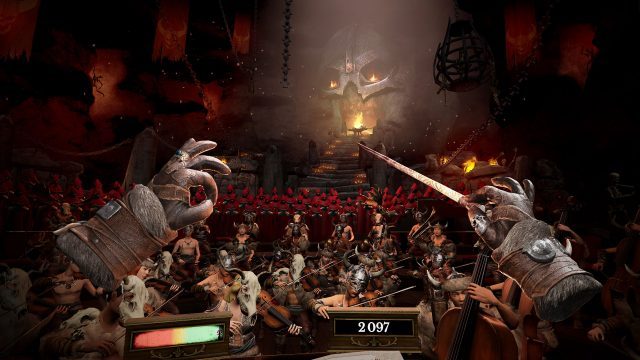
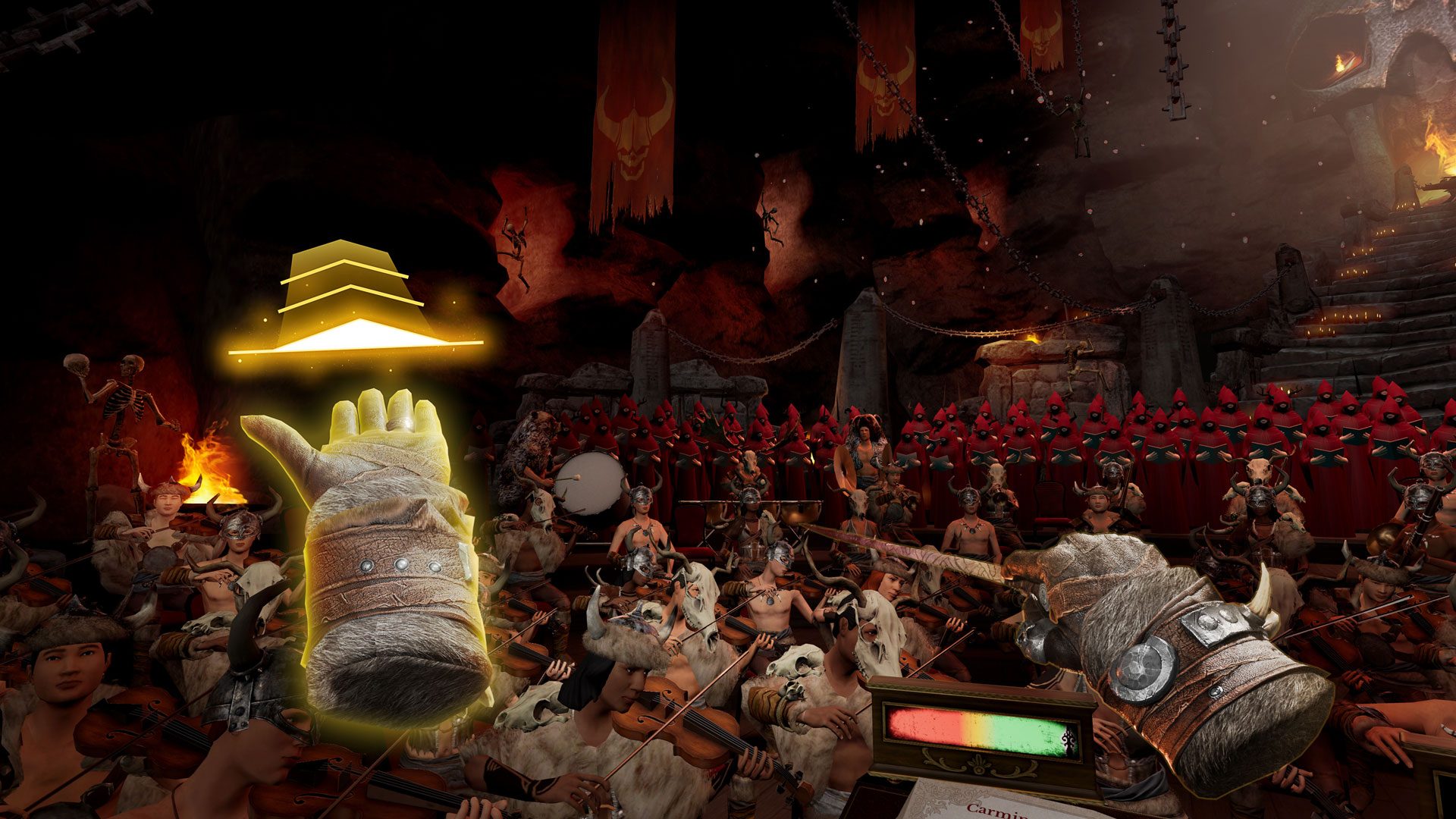
Maestro (2024), the VR rhythm game from indie studio Double Jack, today released a new DLC pack that includes tracks from Peter Jackson’s The Lord of the Rings and HBO’s Game of Thrones, as well as some classical favorites.
Released on Quest, Pico and PC VR headsets last year, Maestro lets you step up to the podium and don the coattails of a true orchestra conductor, letting you play via hand-tracking or motion controllers to command the orchestra in a packed opera house.
Now available on Quest, Maestro’s latest ‘Doombound Pack’ includes five new tracks, a new environment, DLC themed costumes, gloves and a baton.
Image courtesy Double Jack
Check out The Doombound Pack tracklist below:
Ramin Djawadi – Main Theme (Game of Thrones)
Howard Shore – The Bridge of Khazad-dûm (The Lord of the Rings)
Jacques Offenbach – Orpheus in the Underworld
Franz Liszt – Totentanz (up to minute 4)
Dmitri Shostakovich – Symphony No. 10, 2nd Movement
The Doombound DLC also “reinvents Maestro as a theatrical dark fantasy musical experience,” Double Jack says, transforming orchestral conducting into an epic and mystical ritual, far from the traditional classical setting. Colossal temples and barbaric
sacrifices await, we’re told.
Is Quest’s hand-tracking good enough for a rhythm game, which genuinely needs low latency and precise input? After playing the early access version of BEATABLE, which gets you tapping, clapping and snapping to the beat, XR Game’s latest entry is definitely good enough for casual gameplay, although it left me feeling conflicted whether it was actually precise and sticky enough for now.
BEATABLE Details:
Developer: XR Games Available On: Horizon Store (Quest 2 and above) Reviewed On: Quest 3 Release Date: April 10th, 2025 Price: $10
Note: This game is in Early Access which means the developers have deemed it incomplete and likely to see changes over time. This review is an assessment of the game only at its current Early Access state and will not receive a numerical score.
Gameplay
As a seated or standing experience, you only need a relatively small area of your desk, table, or any flat surface to play Beatable, with the game offering up four tapping ‘lanes’ where beats appear from the horizon.
The actual total playspace only takes up about the size of a keyboard, serving up two beat types to smack down (‘note’ and ‘hold note’), and mid-air symbols for clapping and finger snapping. While still an inherently physical game, it’s a welcome change of pace for players who are mostly used to Beat Saber’s calorie-burning, arm-swinging motions. It also comes with in mixed reality mode too, which is cool.
Image courtesy XR Games
And Beatable is just as easy to learn as Beat Saber too. It essentially relies on tapping the table with your open palm, making onboarding significantly faster than something like Guitar Hero, which requires you to mentally map buttons to on-screen colors and positions. While easy to pick up, I don’t know if I’ll ever get really good at Beatable for a few reasons.
Being able to finger-snap with one hand and nail a quick smattering of notes in the other is fun, although my sneaking suspicion is Quest’s hand-tracking latency may still be a little too loose to generate that rock solid, 100% repeatable muscle memory you’ll need at higher levels.
“That ‘aha!’ moment when creativity gifts you something special! —— BEATABLE is that game! Kudos to XR Games for this instant classic!“ Money Mark—Beastie Boys.
Granted, I don’t have any way to precisely gauge how reliably I activate notes, and whether my ‘Perfect’ hit was actually perfect, so your mileage may vary. I can say precision feels ‘good enough’ for casual gameplay right now, although generating expertise may take a lot more fiddling with optimal hand positions. I found myself hovering over notes, hoping to smack them with the least amount of force possible on the beat, which gave me mixed results.
Considering it’s relying totally on hand-tracking, Beatable is compensating when it comes to activating notes. The studio says this tracking delay is mitigated by “applying a small input and audio delay, syncing detection accordingly,” which is a technique console developers use too.
In any case, your best bet is to calibrate your playspace to your table as exactly as possible before starting, otherwise you’ll forever be hitting notes too early, or too late. Also, and this is a big one: make sure to have optimal lighting for the best possible results.
While have that 100% precision is fundamental to creating high-level skill, my main issue with Beatable wasn’t that, or its suitably catchy, if not wholly unrecognizable music currently on offer. For me, it’s the stickiness of gameplay, which I talk more about in the Immersion section below.
Immersion
Honestly, I’m conflicted. I’m used to VR rhythm games making me feel cool, even if I look like absolute dork playing it—I never cared about that last bit anyway, and you shouldn’t either. But feeling cool is one thing Beatable is missing for me.
Tapping on my desk and hitting the beat is engaging, and there are a lot of interesting flow patterns to follow in intermediate and expert-level songs. But besides that, Beatable doesn’t really approximate anything beyond slapping a desk and clapping.
Image courtesy XR Games
While Beat Saber doesn’t make you a great swordsman, and Dance Dance Revolution doesn’t make you a great dancer, they’re designed to make you feel like you are in the moment. In Beatable, I don’t know what I’m doing—I’m just doing it. And maybe that’s okay.
I can’t help but think that maybe if they were bongos, or I had to operate a control panel that was going to blow up if I didn’t hit every button on time—something more than just hitting a note bar on a table with admittedly cool graphical flourishes—I would be a little more in love with Beatable.
That said, XR Games probably didn’t set out with the ‘cool’ factor as its primary goal, but rather how to work around one of the biggest problems with hand-tracking games: the lack of haptic feedback. Beatable has absolutely conquered that in a very clever way, as the table is essentially your ‘button’, although I wish that ‘button’ was just a little more reliable.
Comfort
Beatable is a very comfortable game since you can play it anywhere you have a flat surface, seated or standing, and there’s no artificial locomotion as such.
Pro Tip: if you’re going ham on a surface for too long, or haven’t dialed in the force you think you need to hit notes reliably, you may consider one of those large desktop foam pads to deaden both the force and sound of the hit.
Conclusion
Precision feels all the way there for a casual game, although the ability to create expertise is still pretty questionable to me at this point. Having the table do the heavy lifting for haptic feedback is nothing short of genius though, and I can only hope the studio dials in even further on what it can do to mitigate Quest’s hand-tracking woes. If Beatable can do all that and keep the DLC music drops coming, it feels like one of those foundational games that could lead the way in a new and interesting subgenre of XR gaming.
Note: This game is in Early Access which means the developers have deemed it incomplete and likely to see changes over time. This review is an assessment of the game only at its current Early Access state and will not receive a numerical score.