Tequila Works, the Spanish developer that created games like Rimeand Gylt and published games like The Sexy Brutale, is auctioning off its intellectual property (via VGC). The studio filed for insolvency in 2024 after “prolonged market conditions” made it financially-difficult to stay above water.
The games and IP rights available to bid on at auction site Escrapalia include Tequila Works’ first game Deadlight, Rime and its horror adventure game Gylt. The company is also auctioning off in-development projects, including “The Ancient Mariner,” “Dungeon Tour” and “Brawler Crawler.”
Prior to it filing for insolvency and Tequila Works’ founders stepping down, the studio released Song of Nunu: A League of Legends Story, one of the games on the short-lived Riot Forge publishing label. Riot announced it was shutting down Riot Forge in January 2024. The label published League of Legends spin-off games in variety of different genres, including turn-based RPG Ruined King, 2D action RPGThe Mageseeker, and more.
Back in 2022, Tencent acquired a controlling stake in Tequila Works, a connection that made sense given the Chinese company also owns Riot. Contraction across the games industry, the failure of Riot Forge games to connect with a larger audience and Tequila Work’s Gylt starting life as a Google Stadia-exclusive all likely contributed to the studio’s current position.
This article originally appeared on Engadget at https://www.engadget.com/gaming/the-rights-for-tequila-workss-games-are-up-for-auction-after-insolvency-filing-193627934.html?src=rss
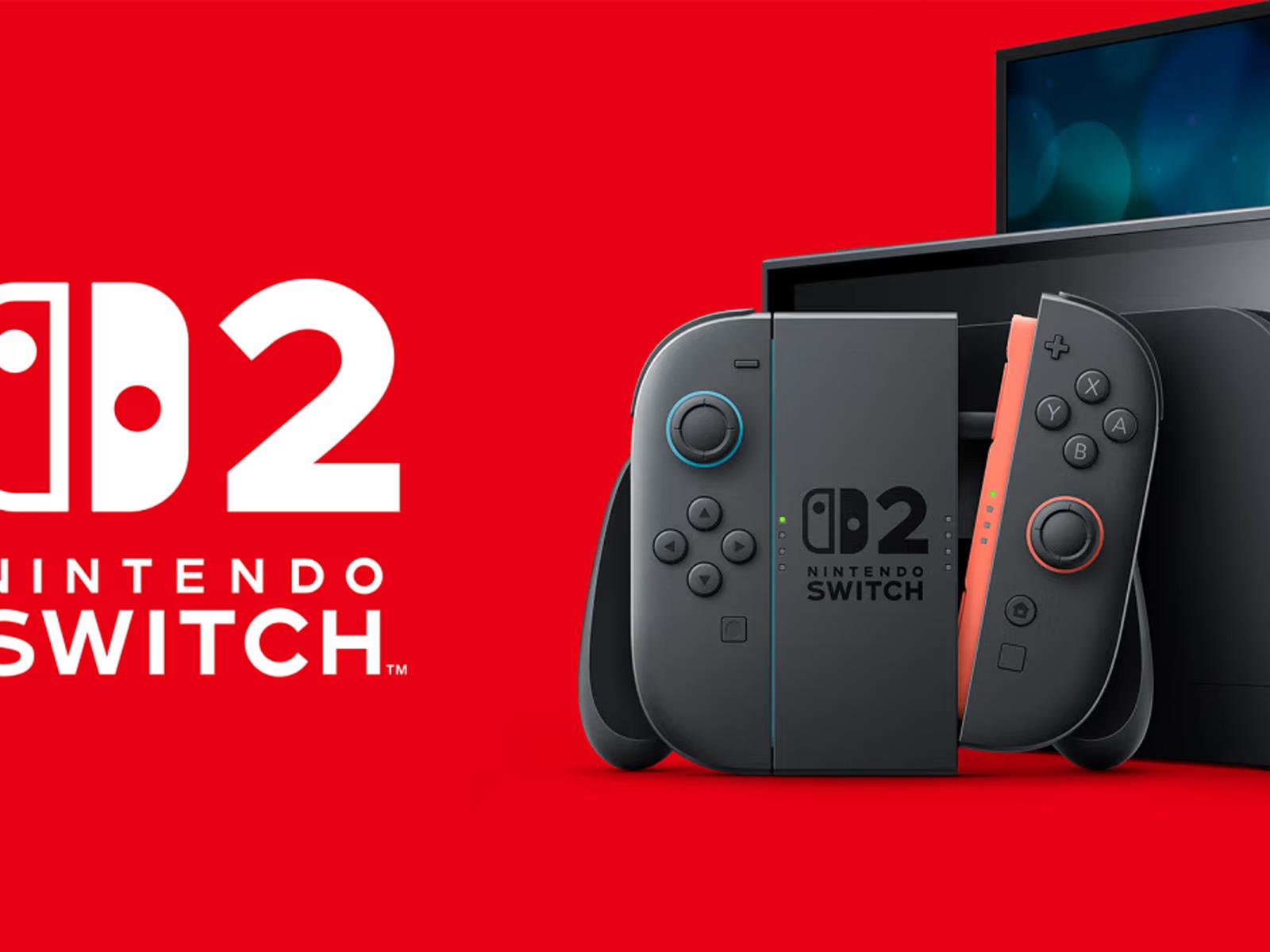
As much as we’d like to tell you that Nintendo and its retail partners have opened up US preorders for the recently-announced Switch 2 and at the originally announced MSRPs ($449 for the Switch 2 and $499 for the Switch 2 + Mario Kart World Bundle), that is not the case. There’s still no word on the situation as Nintendo continues to assess
Wireplumber is the session and policy manager for Pipewire. It has its own systemd user service. It is a separate project, with separate concerns. Current version is 0.5.8 on Fedora Workstation 41. Session managers save the current state of open audio applications along with their connections, allowing sessions to be easily restored without having to […]
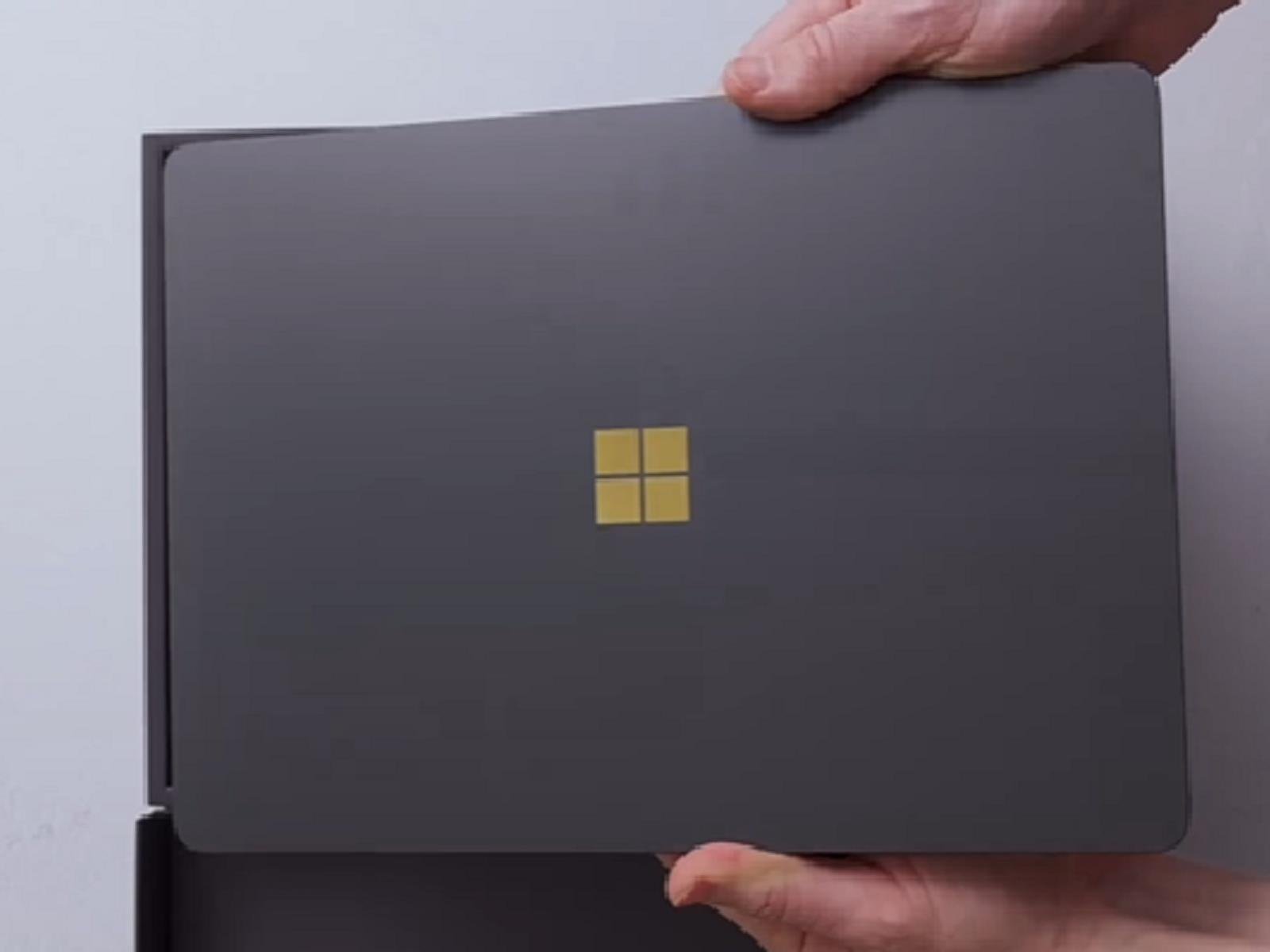
If the prospect of winning a brand-new Microsoft laptop sounds appealing, you might benefit from paying attention to the information we’re giving you now. So the gist is that Microsoft is celebrating its 50th anniversary, and to commemorate this achievement, it’s giving out some Surface laptops for free. Pretty cool, eh?
Monster Hunter Wilds introduces a lot of new mechanics to help you halt the momentum of the beasts you’re hunting. While the easiest way to topple them over is attacking their flashing red wounds, another option is parrying them with Offset Attacks. Mastering these can be a tough challenge, but it looks awesome, and…
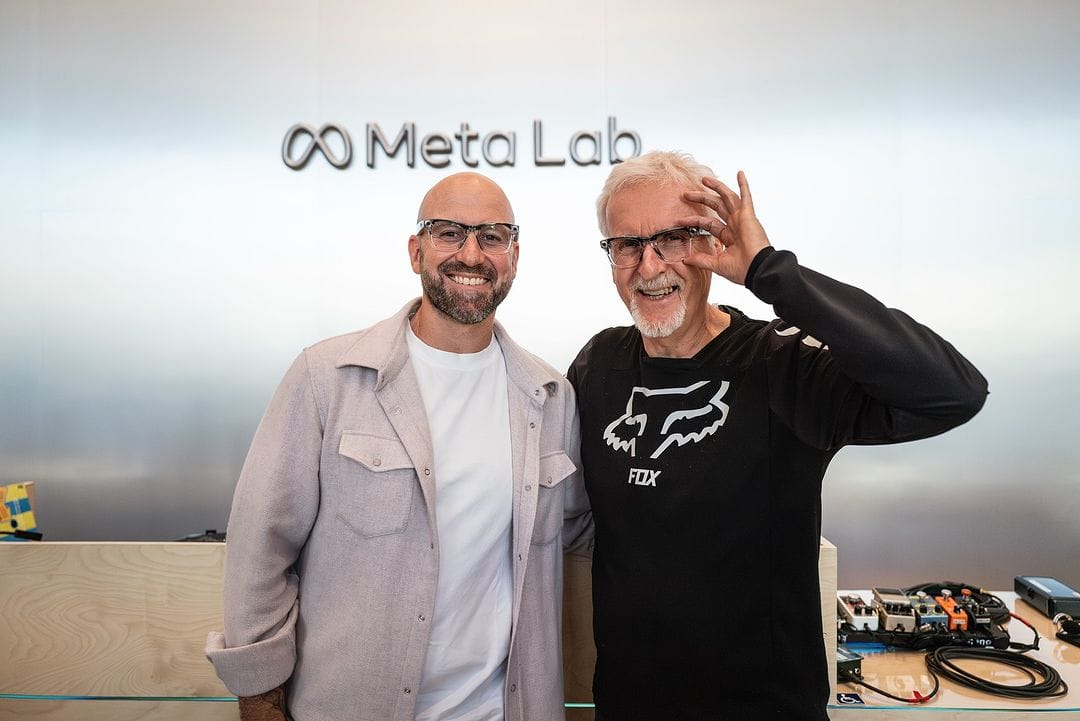
James Cameron is excited by how XR headsets solve the problems of traditional 3D glasses.
In December, Cameron’s new company Lightstorm Vision, which has the goal of “making stereoscopic technology ubiquitous for all visual media by enabling stereoscopic 3D content creation in as seamless a manner as traditional 2D”, announced an exclusive multi-year partnership with Meta to help bring significantly more 3D video content to Quest headsets.
Meta said this partnership will bring “world-class 3D entertainment experiences spanning live sports and concerts, feature films, and TV series featuring big-name IP” to its Horizon OS platform.
Now, in a publicized conversation with Meta’s CTO Andrew Bosworth, Cameron waxed lyrical about the advantages of headsets over traditional 3D viewing technologies like the 3D glasses used in cinemas and 3D TVs.
The polarized glasses you wear in a cinema halve the effective resolution, while the active shutter glasses of 3D TVs exhibited visible flickering which could cause eye strain. And critically, both technologies decimate the brightness of the image you see. TV manufacturers stopped supporting 3D around 2016.
Headsets on the other hand give you a discrete image for each eye, avoiding any flickering issues, and while their brightness and resolution still fall short of modern 2D TVs, it’s markedly superior to 3D TVs.
0:00
/2:45
“So brightness is a big deal in theaters”, Cameron explains. “And the heartbreaking thing for me is, we have a perfectly calibrated theater that we work in for our final authoring steps of grading, brightness, color, dynamic range, all that sort of thing. And it looked great. It was incredible. And we’re just so self-congratulatory. Then we go out into the real world and see how 99% of people are seeing it. Or 99% of theaters, I should say. It’s less than a quarter of the light!”
“So when you lose that amount of brightness, you lose a lot of the perception of dynamic range. It doesn’t matter how good your blacks are, if your highlights are only 50 nits above that. So it just looks dim and dull. And yeah we’re giving you spatial cinema, but we’re taking it away with the other hand.”
After detailing his gripes with the traditional 3D cinema experience, Cameron then went on to describe his experience viewing 3D movies in modern headsets like Apple Vision Pro and Quest 3.
“A door opened for me. It was like the heavens parted, light shone down, there was an angel choir singing. It’s like, ah! This is how people can see the movie the way I created it to be seen!”
“I was just looking at some Avatar 3 material that we’re gonna share with some of the execs later, this morning, thinking ‘wow, this looks great!'”
Meta’s Horizon OS platform for its Quest headsets still doesn’t offer an official way to rent or buy 3D movies, while Apple’s visionOS currently lets Vision Pro owners rent or buy over 250 3D movies. Given the Cameron partnership and his enthusiasm for Quest 3, though, it sounds like this situation will change in the near future.
The most powerful V12 ever fitted to a production car has been revealed. It comes from Danish automaker Zenvo and was developed not by the usual suspect like AMG, Cosworth, or the VW Group, but by Mahle. The 6.6-liter V12 sports four turbos and will be featured in the Zenvo Aurora hypercar, paired with an electric hybrid system. On its own
The Wounds System in Monster Hunter Wilds is certainly a standout among the new mechanics introduced. The most flashy one, however, has to be Power Clash. Going toe-to-toe and counterattacking a giant beast is sure to inject some hype into any hunt. However, this is yet another feature that isn’t entirely spelled out…
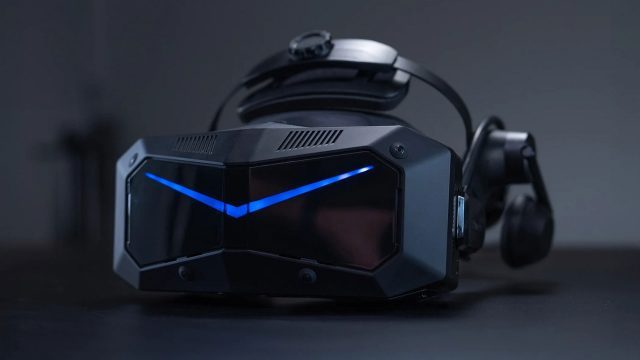
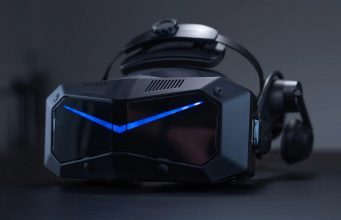
China-based PC VR headset creator Pimax has issued a statement addressing the impact of the recent US–China trade war on its operations, particularly concerning its Crystal Super VR headset. It’s going to be slightly more expensive for US-based customers, but Pimax’s recent subscription-based payment structure seems to be offsetting much of the costs.
Announced back in April 2024, Crystal Super is the company’s next flagship PC VR headset, offering a base 57 PPD version with QLED panels that features a resolution of 3,840 x 3,840 pixels per eye and a 120-degree field-of-view (FOV). It’s still only available in pre-order, although shipping is expected to start soon.
At the time of this writing, the US has levied a 145% tariff on all goods manufactured in China. This is bad news for XR headset creators the world over, as China is by far the segment’s largest manufacturing hub. And Shanghai-based Pimax is seemingly the first of the bunch to announce price changes in response.
Pimax released a blogpost wherein it describes just what’s happening to US-based customers in relation to new tariffs. And it’s not as bad as you’d think.
The company says all US orders of Crystal Super placed before February 4th, 2025 will not include any extra tariff costs, however they may face a delay of about 20 days due to bulk shipments to US-based warehouses.
Pimax Crystal Super | Image courtesy Pimax
Orders placed between February 4th and April 10th will include a $75 ‘Regional Surcharge’ however, which Pimax says partially offsets increased shipping and logistics costs.
Moreover, starting April 10th, all new US orders will carry a $95 surcharge, with shipments expected to begin in June. Pimax says it’s also establishing a factory in Delaware to handle final assembly.
That said, the overall price of Crystal Super isn’t really changing. Pimax has now updated its pricing structure, and although it’s become less straight forward following the rollout of its subscription-based software pricing, it’s actually helping to offset tariff-related costs.
Now, the base price of Pimax Crystal Super has been lowered to $799, with the remaining $885 payable later through Pimax Play with Prime—a total cost $1,684 (excl. US-only $95 surcharge).
For everyone else around the globe, it’s essentially a nominal change. Previously, Crystal Super was priced at $999 with the remaining Prime subscription costing $696—total cost $1,695. You’ll now see that local pricing has be updated to reflect the lower upfront cost.
Notably, the company highlights that its 14-day trial period is still in place. For users outside the US, this could make Crystal Super slightly more attractive than before, as it requires less upfront money down—still refundable if you send it back before the trial period ends and you need Prime to continue using it.
That said, Pimax is in a unique position to rebalance its costs by leveraging its expensive, but now extremely useful subscription model. The same can’t be said for platform holders like Meta, which already subsidize hardware in effort to make software more attractive.
While Meta hasn’t announced any price hikes, the company has actually raised headsets prices in the past, with the COVID-19 pandemic forcing the company to temporarily raise the price of Quest 2 from $300 to $400 back in 2022. So, we’ll just have to wait and see.
– – — – –
We’ll be following the effects of US-China trade war tariffs on XR hardware closely, so check back soon for more.
The Switch 2 should be a slam dunk. Bigger device. Better build quality. More power. New games. But Nintendo can’t seem to get out of its own way when it comes to rolling out the successor to what might eventually end up being the best-selling console of all-time. And charging $90 for the complete version of The…
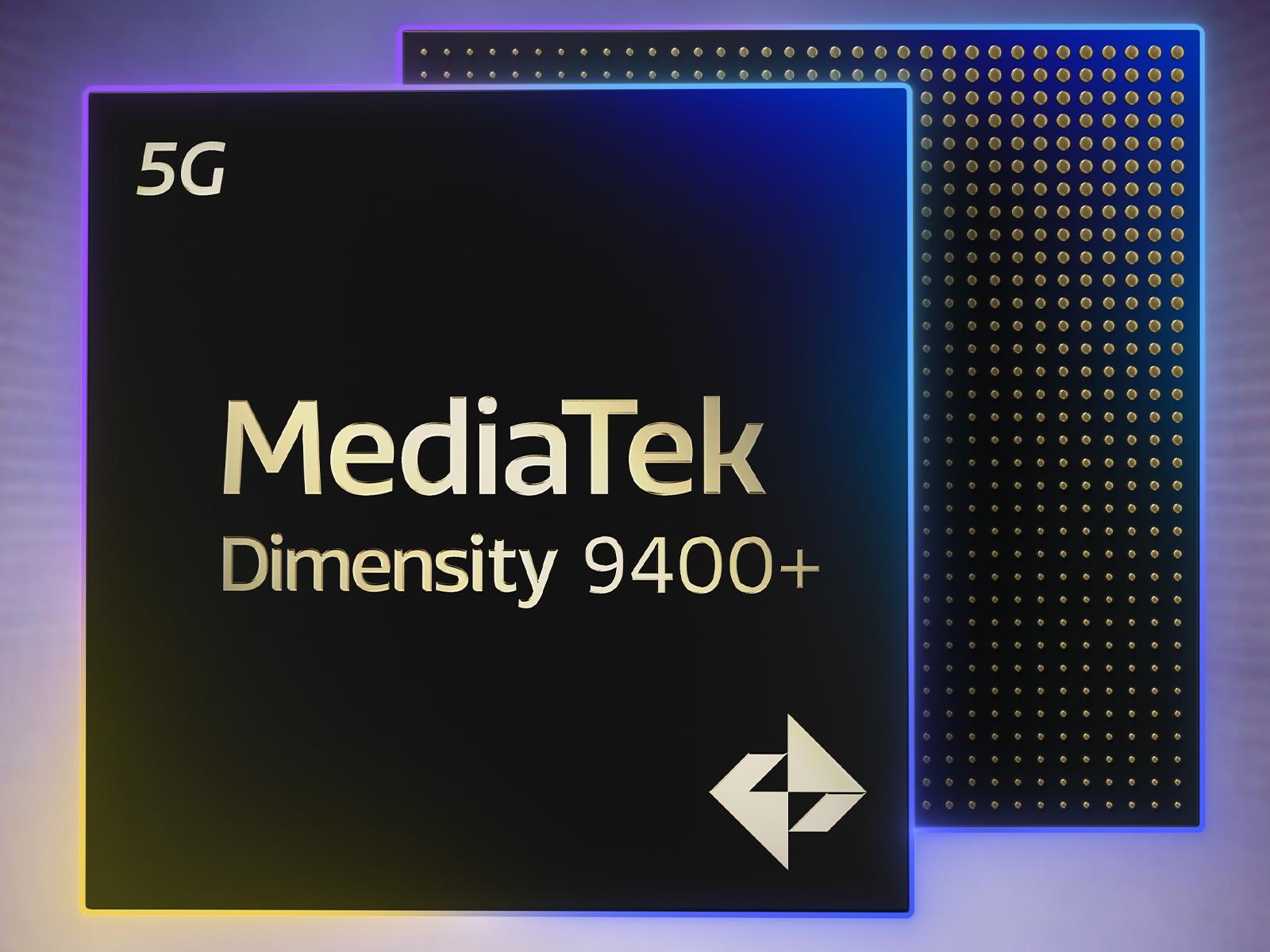
MediaTek has a new flagship chip for Android phones, the Dimensity 9400+. The plus-designated chip arrives six months after MediaTek unveiled its non-plus Dimensity 9400 silicon and is mostly an iterative upgrade with a clock speed boost, though it does also boast a couple of noteworthy features that can purportedly boost AI workloads and
The good folks at Google’s Android Auto (AA) dev team could be prepping (or testing) the ability to run navigation on smart glasses, if a breakdown of the latest AA Beta is anything to go by. The idea is cool in that it gives smart glass drivers navigation information and directional cues directly in their line of sight without the need for
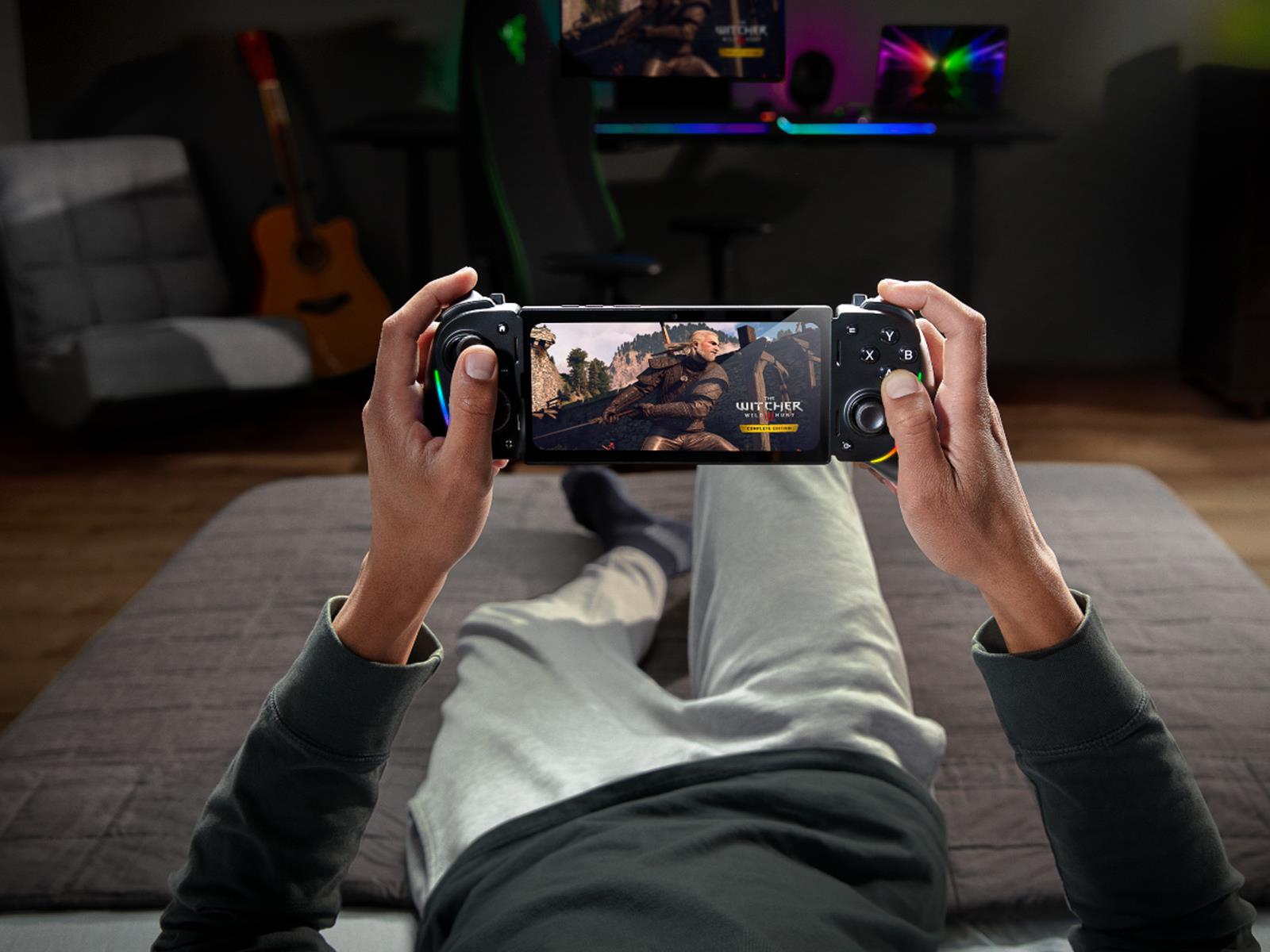
Cloud and remote gaming are gaining in popularity, with Razer joining the fray with its PC Remote Play. It’s the company’s rendition of a platform that allows you to stream PC games to mobile devices from anywhere you have internet access. This will work with devices such as smartphones, tablets, and Windows handhelds, which often have controllers
China responded to President Trump’s tariffs on Friday, raising its own tariffs on American goods to 125%, from 84%. The New York Times: The announcement by China’s State Council came after Trump administration officials clarified on Thursday that China was now facing a minimum tariff rate of 145% on all exports to United States. China said its new tariffs will take effect on Saturday. China said it plans to ignore any further increases announced by Washington from here. Bloomberg: In a statement following China’s retaliatory move, the Commerce Ministry said Washington’s repeated use of excessively high tariffs has become little more than a numbers game — economically meaningless and revealing its use of tariffs as a tool for bullying and coercion. “It’s become a joke,” the ministry said. CNN: The trade war between the world’s two economic superpowers has tanked international markets and fueled fears of a global recession.
“There are no winners in a trade war, and going against the world will only lead to self-isolation,” [Chinese leader] Xi Jinping told Spanish Prime Minister Pedro Sanchez in Beijing on Friday, according to state broadcaster CCTV.
“For over 70 years, China’s development has relied on self-reliance and hard work — never on handouts from others, and it is not afraid of any unjust suppression,” Xi added.
The Food and Drug Administration says it would begin phasing out animal testing requirements for antibody therapies and other drugs and move toward AI-based models and other tools it deems “human-relevant.” Axios: The FDA said it would launch a pilot program over the next year allowing select developers of monoclonal antibodies to use a primarily non-animal-based testing strategy. Commissioner Marty Makary in a statement said the shift would improve drug safety, lower research and development costs and address ethical concerns about animal experimentation.
Some of the best AI models today still struggle to resolve software bugs that wouldn’t trip up experienced devs. TechCrunch: A new study from Microsoft Research, Microsoft’s R&D division, reveals that models, including Anthropic’s Claude 3.7 Sonnet and OpenAI’s o3-mini, fail to debug many issues in a software development benchmark called SWE-bench Lite. The results are a sobering reminder that, despite bold pronouncements from companies like OpenAI, AI is still no match for human experts in domains such as coding.
The study’s co-authors tested nine different models as the backbone for a “single prompt-based agent” that had access to a number of debugging tools, including a Python debugger. They tasked this agent with solving a curated set of 300 software debugging tasks from SWE-bench Lite.
According to the co-authors, even when equipped with stronger and more recent models, their agent rarely completed more than half of the debugging tasks successfully. Claude 3.7 Sonnet had the highest average success rate (48.4%), followed by OpenAI’s o1 (30.2%), and o3-mini (22.1%).
Military chiefs at Nato have been warned of global internet blackouts following a string of suspected Russian attacks on subsea cables. From a report: Telecoms companies including Vodafone, O2 owner Telefonica and Orange have written to UK, EU and Nato officials warning that a rise in sabotage incidents was putting critical services at risk. In an open letter, they wrote: “The repercussions of damage to subsea cables extend far beyond Europe, potentially affecting global internet and power infrastructure, international communications, financial transactions and critical services worldwide.”
It comes after a spike in incidents relating to fibre optic cables on seabeds that carry huge volumes of data, voice and internet traffic between countries. More than 500 cables carry around 95pc of all international data, while their remote location makes them difficult and costly to monitor. At least 11 subsea cables have been damaged in the Baltic Sea since October 2023 and similar outages have been reported in the North Sea.
The incidents have fuelled fears of sabotage by hostile actors, with more than 50 Russian ships observed in areas of high cable density in the Baltic Sea. The UK is monitoring the Russian spy ship Yantar amid concerns that it is mapping critical underwater infrastructure. Concerns have also been raised about Chinese sabotage following a number of incidents around Taiwan.