America’s Justice Department “has shut down its unit that investigates cryptocurrency fraud,” reports USA Today.
A Monday night memo from U.S. Deputy Attorney General Todd Blanche said the shut down was “effective immediately.”
Blanche directed the closure of the National Cryptocurrency Enforcement Team and ordered prosecutors to pivot to investigating transnational criminal organizations and terrorist groups that use crypto to engage in illicit transactions… In his four-page memo, Blanche said the new order was meant to bring the Justice Department in line with Trump’s own Executive Order 14178, which decreed that clarity and certainty regarding enforcement policy “are essential to supporting a vibrant and inclusive digital economy and innovation in digital assets.” Blanche, one of several Trump criminal defense lawyers at the top ranks of DOJ, said the president “has also made clear that ‘[w]e are going to end the regulatory weaponization against digital assets’…”
Consistent with that narrowing of its cryptocurrency enforcement policy, the DOJ Market Integrity and Major Frauds Unit will also cease cryptocurrency enforcement to focus on other administration priorities, including immigration and procurement fraud, Blanche said.
The Washington Post got this assessment from Yesha Yadav, a Vanderbilt University law professor who closely follows cryptocurrency and financial markets. “It’s hard to underestimate the importance this task force has had … in pursuing some really huge crypto hacks and cases.”
More from USA Today:
Public corruption and transnational crime experts warned that shutting down the unit could divert critical resources from efforts to stop criminals and corrupt regimes from using cryptocurrency for illicit gain, even as Trump claims he wants to crack down on them. “Dangerous US adversaries rely on cryptocurrencies to launder money and evade sanctions,” said Nate Sibley, an anti-corruption expert and director of the Kleptocracy Initiative at the conservative Hudson Institute think tank in Washington, D.C., in a post on X. “If this is accurate, hard to see how it squares with — for example-cracking down on cartel finances or maximum pressure sanctions on Iran….”
Trump’s so-called “memecoin” surged from less than $10 on the Saturday before his inauguration to as high as $74.59 before eventually giving up some of its gains. The token, branded $TRUMP, has been criticized by ethics experts as a conflict of interest for the president since the company could likely benefit from his pro-crypto policies…
Last month, Trump signed an order to create a federal Strategic Bitcoin Reserve, signaling new federal support for cryptocurrency in general and Bitcoin in particular.
Since the first-ever White House crypto summit in March, America’s Securities and Exchange Commission “has dropped more than a dozen cases against crypto firms,” notes the Washington Post:
Last month, both the Federal Deposit Insurance Corp. and the Office of the Comptroller of the Currency pledged to stop evaluating banks based on “reputational risk” — a practice that some venture capitalists have claimed unfairly “de-banked” founders of cryptocurrency start-ups.
In other news, executives from cryptocurrency exchange Binance “met with Treasury Department officials last month,” reports the Wall Street Journal, asking them to remove a U.S. monitor overseeing their compliance with anti-money-laundering laws, according to people familiar with the talks.
The article adds that Binance is also concurrently “exploring” a deal with the Trump family to list its new dollar-pegged stablecoin which “could catapult it into a huge market and potentially bring in billions in profit for the family. “
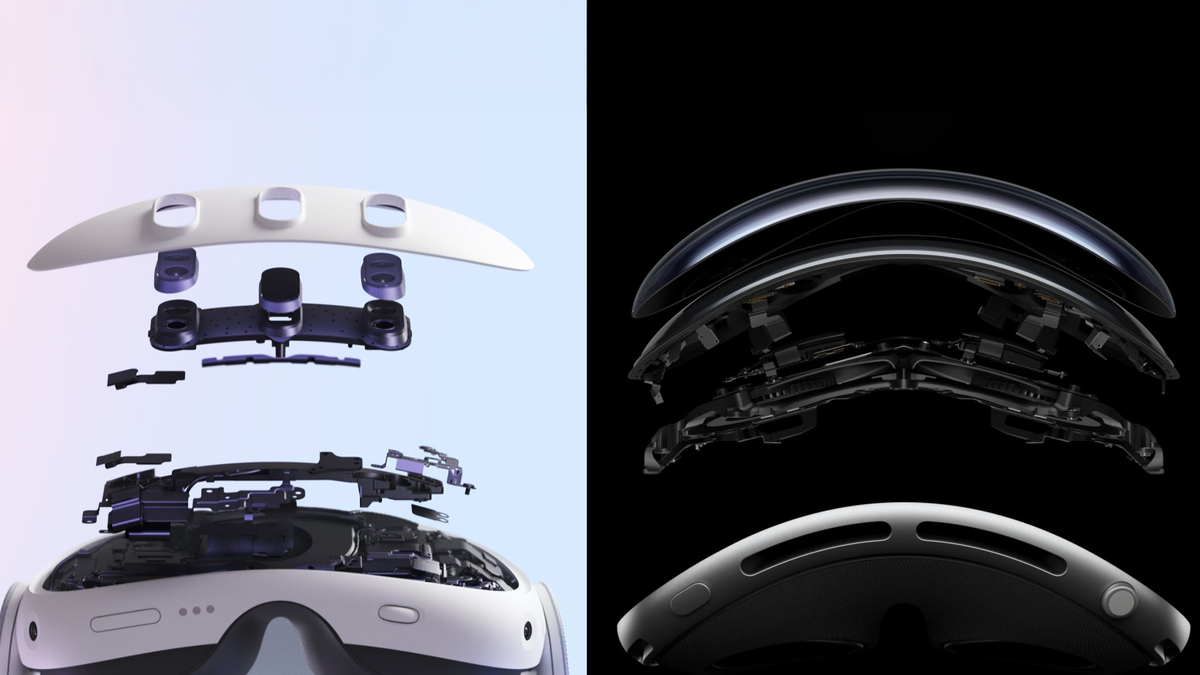
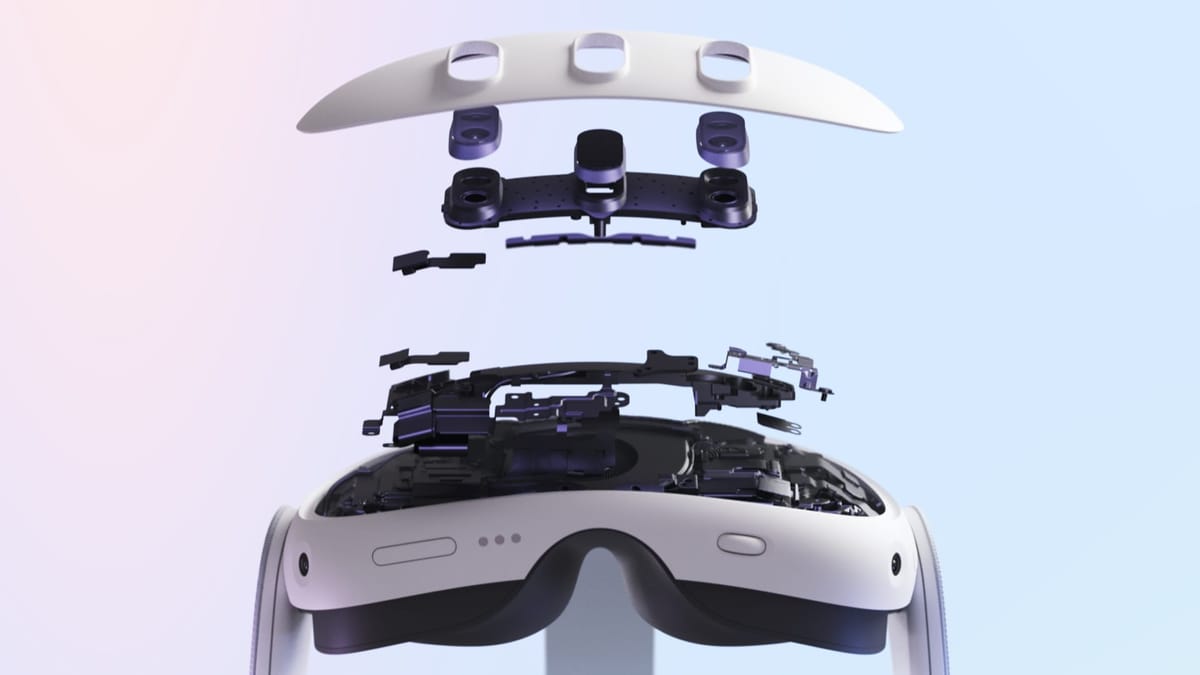
US President Trump has now exempted many electronic devices, including VR headsets, from his “reciprocal” tariffs.
Enacted by executive order last night, the new exemptions apply to a wide range of US HTS (Harmonized Tariff Schedule) covering electronics like smartphones, tablets, laptops, and more. Semiconductor chips were already exempted.
One such newly exempted code is 8528.52.00, “Monitors and projectors, not incorporating television reception apparatus; capable of directly connecting to and designed for use with an automatic data processing machine.” According to an official US customs ruling, and sources familiar with importing VR headsets to the US, this code applies to VR headsets.
This means VR headsets won’t be subjected to Trump’s 125% additional tariff on goods made in China, nor the 10% tariff for countries like Vietnam, rates which kicked in on Wednesday, and the exemptions are retroactive too. Most headsets are made in these two countries.
When first announced at the start of the month, the “reciprocal” tariffs were set to be 34% for China and 46% for Vietnam, and Trump had already enacted a 20% tariff on Chinese imports in recent months, which would have brought the total for China to 54%.
However, when the April 9 date on which the tariffs were set to kick in arrived, Trump announced he would limit the rate for countries to 10% for 90 days, except for China, which would see a 145% minimum rate. Had this held, it likely would have seen Meta produce Quest in Vietnam only, while some other headset companies would have been forced to raise prices.
Electronics that are made in China, including headsets, will still be subject to the 20% tariff Trump imposed earlier in the year, but are now exempt from the later “reciprocal” tariffs that kicked in on Wednesday.
As such, barring an unexpected change in the US president’s mind, headset prices in the US should no longer be forced to increase – a sigh of relief for the industry.
Pinta 3.0 has been released today as a major update to this open-source, free, and cross-platform paint program written in GTK# for GNU/Linux, macOS, and Windows platforms that brings numerous new features.
A former Facebook employee/whistleblower alleges Meta’s AI model Lllama was used to help DeepSeek.
The whistleblower — former Facebook director of global policy Sarah Wynn-Williams — testified before U.S. Senators on Wednesday. CBS News found this earlier response from Meta:
In a statement last year on Llama, Meta spokesperson Andy Stone wrote, “The alleged role of a single and outdated version of an American open-source model is irrelevant when we know China is already investing over 1T to surpass the US technologically, and Chinese tech companies are releasing their own open AI models as fast, or faster, than US ones.”
Wynn-Williams encouraged senators to continue investigating Meta’s role in the development of artificial intelligence in China, as they continue their probe into the social media company founded by Zuckerberg. “The greatest trick Mark Zuckerberg ever pulled was wrapping the American flag around himself and calling himself a patriot and saying he didn’t offer services in China, while he spent the last decade building an $18 billion business there,” she said.
The testimony also left some of the lawmakers skeptical of Zuckerberg’s commitment to free speech after the whistleblower also alleged Facebook worked “hand in glove” with the Chinese government to censor its platforms:
In her almost seven years with the company, Wynn-Williams told the panel she witnessed the company provide “custom built censorship tools” for the Chinese Communist Party. She said a Chinese dissident living in the United States was removed from Facebook in 2017 after pressure from Chinese officials. Facebook said at the time it took action against the regime critic, Guo Wengui, for sharing someone else’s personal information. Wynn-Williams described the use of a “virality counter” that flagged posts with over 10,000 views for review by a “chief editor,” which Democratic Sen. Richard Blumenthal of Connecticut called “an Orwellian censor.” These “virality counters” were used not only in Mainland China, but also in Hong Kong and Taiwan, according to Wynn-Williams’s testimony.
Wynn-Williams also told senators Chinese officials could “potentially access” the data of American users.
This installment of our reviews roundup goes in several different directions. We’ve got an excellent Android phone, some smart glasses and a powerful CPU. Plus, we revisited our old pal the iPhone 16 Pro and offer up a spoiler-free review of The Last of Us season two. There’s plenty to catch up on, so keep scrolling to see what our reviews team has been up to over the last few weeks.
Google Pixel 9a
There’s a lot to like about the Pixel 9a. In fact, senior reviews writer Sam Rutherford argues it’s the best Android phone you can buy right now in terms of pure value. “I would love to see Google add a true telephoto lens and its charging speeds (both wired and wireless) could be better,” he writes. “But for $500, Google’s most budget-friendly phone covers all the bases and then some.”
Even Realities G1
If you’re looking for a pair of smart glasses that are more practical instead of being a content capture device, Even Realities’ G1 might be for you. The device impressed senior editor Daniel Cooper, but the caveats will be dealbreakers for some people. “I really like Even Realities’ G1 for what they can do right now, but I’m also hopeful that it’ll get far more useful in the future,” he explains. “It seems to me there are so many things that could be tweaked, primped and plumped to make these far more appealing.”
AMD Ryzen 9 9950X3D
The latest AMD Ryzen CPU is a powerhouse, but it comes with a steep price tag. “After releasing a pair of excellent midrange GPUs, which showed that the company can genuinely go toe-to-toe with NVIDIA, this CPU and its accompanying 3D V-Cache technology is a reminder of how AMD is far ahead of Intel in many ways,” senior editor Devindra Hardawar says. “While it’s certainly not the best deal around, if you can afford it, the 9950X3D is the best desktop CPU you can buy today.”
An iPhone 16 Pro check-in and S2 of The Last of Us
We’re revisiting big devices about six months after their initial release to see how things are progressing. UK bureau chief Mat Smith recently put the iPhone 16 Pro through its paces again, noting that Apple Intelligence remains a disappointment. Deputy news editor Nathan Ingraham got early access to The Last of Us ahead of the season two premiere this weekend. He explains that the show navigates a rough patch in the source material with relative ease, and his review won’t spoil the new episodes.
This article originally appeared on Engadget at https://www.engadget.com/engadget-review-recap-the-pixel-9a-smart-glasses-and-amds-latest-cpu-141825552.html?src=rss
Black holes “often exhibit long periods of dormancy,” writes Popular Science, adding that astronomers had never witnessed a black hole “wake up” in real time. “Until now…”
In February of 2024 X-ray bursts were spotted coming out of a black hole named Ansky by Lorena Hernández-García at Chile’s Valparaiso University, according to the article. And what astronomers have now seen “challenges prevailing theories about black hole lifecycles.”
Hernández-García and collaborators then determined the black hole was displaying a phenomenon known as a quasiperiodic eruption, or QPE [a short-lived flaring event…] While a black hole inevitably destroys everything it captures, objects behave differently during their impending demise. A star, for example, generally stretches apart into a bright, hot, fast-spinning disc known as an accretion disc. Most astronomers have theorized that black holes generate QPEs when a comparatively small object like a star or even a smaller black hole collides with an accretion disc. In the case of Ansky, however, there isn’t any evidence linking it to the death of a star.
“The bursts of X-rays from Ansky are ten times longer and ten times more luminous than what we see from a typical QPE,” said MIT PhD student and study co-author Joheen Chakraborty. “Each of these eruptions is releasing a hundred times more energy than we have seen elsewhere. Ansky’s eruptions also show the longest cadence ever observed, of about 4.5 days.” Astronomers must now consider other explanations for Ansky’s remarkable behavior. One theory posits that the accretion disc could come from nearby galactic gas pulled in by the black hole instead of a star. If true, then the X-rays may originate from high energy shocks to the disc caused by a small cosmic object repeatedly passing through and disrupting orbital matter.
It’s detailed in a study published on April 11 in Nature Astronomy….
Meanwhile, scientists “have uncovered the strongest evidence yet for the existence of elusive intermediate-mass black holes,” reports SciTechDaily.
And there’s more black hole news from RockDoctor (Slashdot reader #15,477):
Given the recent work on galaxy-centre Super-Massive Black Holes (SMBHs), you may be surprised to learn that the only Stellar-Mass Black Holes (SMBHs … uh, “BHs”) identified to-date have been by their gravitational waves, as they merge with another BH or a neutron star. But the long-running OGLE (Optical Gravitational Lensing Experiment) project (1992 — present) has recently confirmed that it has detected an isolated BH not orbiting another bright object, or “swallowing” much of anything…
In this case, 16 other telescopes performed sensitive astrometry (position measurement) over 11 years including the Hubble Space Telescope (HST). These multiple measurements plot an ellipse on the sky, mirroring the movement of the Earth around it’s orbit — parallax. Which means this is a relatively close object (1520 parsecs / ~5000 light years)…. And there is no sign of a third light emitting body nearby, which means this is an isolated black hole, not orbiting any other body (or, indeed, with any other [small] star orbiting it).
As someone who has tried to convince friends to join me in extraction shooters, only to see too many folks fall away after their first or second loss, I’m all too familiar with how off-putting the genre can be. Death can come fast in this kind of game, and since you lose all the stuff you’re carrying if you can’t make…
The start of any season of Doctor Who is important, doubly so when there’s a new co-star to introduce. “The Robot Revolution” has to get us to fall in love with Belinda Chandra (Varada Sethu), ensnare new fans and keep existing ones hooked. Especially since it’s the second of two series that Disney paid for, meaning it’s got to do well enough to keep the money flowing.
We open “17 years ago” with Belinda Chandra staring at the stars next to her boyfriend, Alan Budd (Jonny Green). It’s an awkward teenage date, with Alan clearly trying to win the heart of his beau by buying her one of those star adoption certificates. In 2025, Belinda is now a nurse at a busy London hospital where, in the background, the Doctor is searching for her.
Belinda goes home to bed, and we see that she’s got the star ownership certificate framed on her wall. But she’s rudely awoken by a squad of retro-futuristic ‘50s robots in a Tintin rocket who have come to abduct both her and the certificate. The Doctor reaches her home just in time to see the rocket take off, and cue the opening credits.
The certificate wasn’t a gag present, and she is actually queen of the planet BelindaChandra, populated by BelindaChandrians (I’m calling them humans from now on). The Doctor gives chase in the TARDIS but both the rocket and TARDIS get caught in a vaguely-defined time fissure. When Belinda arrives, she’s greeted by the human Sasha55, who tells her the robots are in charge, having overthrown and subjugated the people in a bloody uprising a decade prior.
“Oh, this is a bit like Jupiter Ascending,” I wrote in my notes.
Belinda is taken to a throne room where she’s told that she must merge with the planet’s evil ruling supercomputer, the AI Generator. AI Generator, all skull shapes and Tesla coils, intends to bond with Belinda. She is shown an animated demonstration of her fate, as she is wrapped in machine parts and made into an unthinking cyborg.
“Oh, that’s like the scary bit from Superman III,” I wrote in my notes.
Who’s been lurking in the background of the scene all along? The Doctor, who has adopted the title of Planetary Historian. (Thanks to the time fissure, he arrived here six months ahead of the rocket, the Robots seized the TARDIS and he’s been working with the rebellion. He’s even got a new companion, Sasha55, who he’s promised to take to the stars when this is all over.) He tells Belinda the robots can’t, for some reason, hear every ninth word spoken, and gives her a coded message telling her he, and the rebellion, are here to rescue her. In the ensuing fight, Sasha55 is vaporized, much to the Doctor’s admittedly brief horror and grief.
The surviving rebels, along with a little Roomba bot assigned to clean Queen Belinda’s pathway…
“Oh, like the floor-cleaning robot M-O from Wall-E,” I wrote in my notes.
… escape to a teleporter, after which the Doctor disables the Roomba to ensure the robots can’t track them down, then kisses the ‘bot by way of apology. Then comes time for the episode to stop while we see the Doctor and Belinda interact properly for the first time. The Doctor was told about Belinda’s plight by someone from their future, and he can’t say more lest he muddle the timelines.
Alistair Heap / BBC Studios / Disney / Bad Wolf
The time fracture both vessels passed through has caused plenty of time-bending issues, like the fact the robots have their own copy of Belinda’s star certificate. But it’s not a copy, it’s the same object from another point in time, and nobody knows how or why they have it. Belinda, like Ruby Sunday before her, is trope-aware enough to know that two of the same object from different points in time cannot occupy the same space, lest it cause an explosion.
“Oh, like in Timecop!,” I wrote in my notes.
There are wounded at the base, and Belinda instantly kicks into nurse mode, grabbing IVs and treating patients. She’s quick to take charge and has no patience for nonsense, quick to defend herself from any hint of condescension when the Doctor suggests something “timey-wimey” is going on. She refuses to allow anyone to fight her battles for her and is determined to grab the narrative and shape it her way, no matter the cost. So, she sneaks off, reactivates the Roomba and offers herself to the robots in exchange for them sparing the lives of the rebels.
Belinda and the Doctor are taken to meet the AI Generator which turns out to be… the AL Generator. When Belinda was kidnapped by the robots, she mentioned her ex Alan had bought the certificate, and so they went to kidnap him as well. But the time fracture meant Alan arrived a decade earlier, fused with the machine (becoming a creepy cyborg) and started the robot uprising.
Even so, Belinda’s happy to sacrifice herself to him until she spots Alan holding his copy of the star certificate. She opts to Timecop the two pieces of paper together, causing a big timey-wimey explosion that only the Doctor can pull her out of. Belinda is safe, but the Doctor mentions that he’s now intertwined with Belinda’s timestream. Alan, meanwhile, has been regressed to a sperm on the floor that the Roomba bot quickly mops away.
Reunited with the TARDIS, the Doctor scans Belinda and reveals he’s already met her descendant — Mundy Flynn (also Varada Sethu) from last season’s “Boom.” Belinda may be curious as to how someone that far removed from her may be identical, but she’s not embracing the mystery. She’s angry with the Doctor for scanning her without consent and that he’s treating her like a puzzle to be solved.
Having seen Sasha55 die, she knows trekking around with the Doctor is dangerous, and wants to get back to May 24, 2025. But the TARDIS won’t land on present-day Earth, and even the Cloister Bell begins ringing a warning. They open the TARDIS doors to see empty space before the Doctor decides to take her back home “the long way round.”
Once the ship disappears, a series of objects start to float in front of the camera: A smashed up black cab, the twisted wreckage of the Eiffel Tower, Belinda’s star adoption certificate and a calendar with all the days in May but the 25th ticked off. Uh-oh.
It’s a lot to get through in such a short episode
Alistair Heap / BBC Studios / Bad Wolf
Like a lot of Disney-era Who, “The Robot Revolution” feels overstuffed to the point of bursting. On one hand, nothing overstays its welcome. On the other, it feels like the show is burning through a movie’s worth of plot on fast-forward. It’s hard to get a tangible sense of the stakes given how rushed everything is, and there’s a lot of telling, rather than showing. We’re told the planet is under the brutal thumb of an evil overlord but it plays out as little red ships firing at buildings in the digital matte paintings. We’re told Alan is a creep but we never really get any sense of that until after he’s revealed as the villain. We’re told the Doctor is operating on instructions from a figure from his own future, but it’d be nice if some of this was depicted.
Davies was pivotal in reviving Doctor Who and building the cultural juggernaut it became under his leadership. His role in the show’s history is secure but, even so, his Disney-era series seem to be in thrall to the work of his own successor, Steven Moffat. “The Robot Revolution” features a macguffin found inside a mundane trinket, a split narrative and time-bending shenanigans. It’s not that Moffat owns these ideas but you can almost feel Davies trying to bend his less formal, more character-driven style into something else. A cynic might suggest Davies is reacting to the slight of not having a single credited episode in Doctor Who Magazine’s most recent poll of the series’ greatest, while Moffat has five.
In fact, I wouldn’t be surprised if the slightly frantic, gappy nature of this script is a deliberate ploy to lay the framework for the rest of the season. But, even so, you can feel a degree of straining for a storytelling model that doesn’t quite work.
If the script is the weakest part of the episode, then the production design has to take the crown for strongest. The retro-futuristic robots call to mind a bright red Ford Thunderbird or Chevy Bel Air while the cleaning robot is clearly styled on a VW Beetle. It’s a rather humanistic design I wish the robovac makers of today would emulate.
Behind the scenes
James Pardon / BBC Studios / Disney / Bad Wolf
Doctor Who is a regular source of gossip, especially given the permanently tenuous nature of the star role. It’s easy to say the lead is about to quit and for that to sound true, given they leave after three or four years in the role anyway. There are a number of recent reports suggesting Ncuti Gatwa has already quit the show, or is about to. Many of them also suggest the BBC and Disney are refusing to greenlight new episodes until they see how successful this season is. In addition, the BBC says funding cuts and inflation has seen its budget fall by £1 billion (around $1.3 billion) in real terms since 2010. It doesn’t help that, when asked directly about the future of the series in an interview with (the BBC’s youth-orientated news show) Newsround, Russell T. Davies opted to equivocate in a way that suggests the show is about to back on ice.
I mention this because of the sequence where Belinda defeats Alan with the certificate, and the Doctor pulls her out. He says she needed a Time Lord to absorb the enormous amount of energy kicked out when she touched the paper together. The Doctor then clutched at his back as if he was in a lot of pain, but shrugged it off and was fine for the rest of the episode. Fans with long memories, however, know that absorbing a lot of energy from the time vortex is what killed Christopher Eccleston’s Doctor back in 2005. Well, that and Eccleston’s decision to leave.
Mrs. Flood Corner
Lara Cornell / BBC Studios / Disney / Bad Wolf
It seems Mrs. Flood enjoys moving in next door to whoever is winding up as this year’s companion. While being abducted, she calls to her neighbor to call the police and tell her parents she loves them. As the rocket lifts off, she tells the audience that we haven’t seen her, and goes back indoors to avoid encountering the Doctor, who sprints out in pursuit.
This article originally appeared on Engadget at https://www.engadget.com/entertainment/tv-movies/doctor-who-the-robot-revolution-review-meet-belinda-chandra-190054697.html?src=rss
Netflix has started testing a new search feature powered by OpenAI that can help customers find movies and shows to watch, according to Bloomberg. The streaming service has reportedly given select users in Australia and New Zealand the option to use the tool. It will allow users to search for terms other than a specific show’s title, an actor’s name or the genre they want to watch. Bloomberg says it will give them a way to search for content using more specific terms, like their mood. Presumably, that means the service can surface dramatic shows for a search query that says “sad,” and seeing as it’s powered by generative AI, users will most likely be able to use natural language in their search terms.
As the news organization notes, Netflix already uses artificial intelligence for some of its existing features, such as learning user’s preferences based on their viewing history to recommend titles they’re more likely to watch. And it’s looking for more ways to use the technology. At the moment, OpenAI-powered searches are only being tested in the two countries, but Netflix reportedly has plans to expand its testing to more markets, including the United States. The company has history of rolling out features to Android users first before making them available on iOS. This time, however, the feature is currently accessible on iOS devices only, and it’s unclear if the next test markets will be able to access it on Android.
This article originally appeared on Engadget at https://www.engadget.com/apps/netflix-is-reportedly-testing-a-search-function-powered-by-openai-190025983.html?src=rss
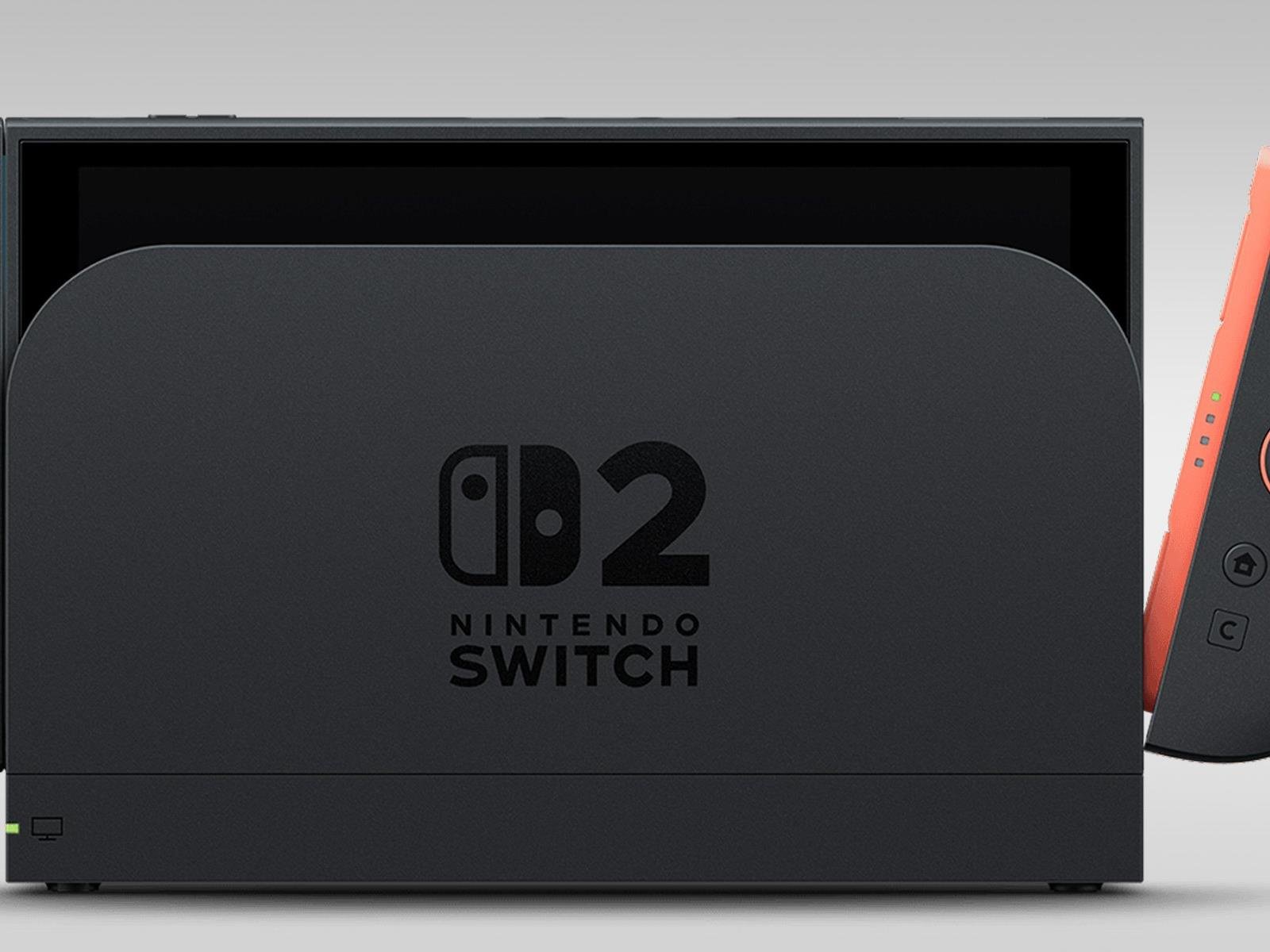
Nintendo’s successor to its unbelievably-popular Switch console is simply known as the Nintendo Switch 2. If you’re in a hurry, here are the most important facts about the new system: it launches on June 5th, and the latest information still says $449.99 for the console with Joy-cons and dock, or $499 with a copy of Mario Kart World. Nintendo
People “are likely to continue working full-time even if they receive no-strings-attached universal basic income payments,” reports CNN, citing results from a recent experiment in Germany (discussed on Slashdot in 2020):
Mein Grundeinkommen (My Basic Income), the Berlin-based non-profit that ran the German study, followed 122 people for three years. From June 2021 to May 2024, this group received an unconditional sum of €1,200 ($1,365) per month. The study focused on people aged between 21 and 40 who lived alone and already earned between 1,100 euros (around $1,250) and 2,600 euros ($2,950) a month. They were free to use the extra money from the study on anything they wanted. Over the course of three years, the only condition was that they had to fill out a questionnaire every six months that asked about different areas of their lives, including their financial situation, work patterns, mental well-being and social engagement.
One concern voiced by critics is that receiving a basic income could make people less inclined to work. But the Grundeinkommen study suggests that may not be the case at all. It found that receiving a basic income was not a reason for people to quit their jobs. On average, study participants worked 40 hours a week and stayed in employment — identical to the study’s control group, which received no payment. “We find no evidence that people love doing nothing,” Susann Fiedler, a professor at the Vienna University of Economics and Business who was involved with the study, said on the study’s website.
Unlike the control group, those receiving a basic income were more likely to change jobs or enroll in further education. They reported greater satisfaction in their working life — and were “significantly” more satisfied with their income…
And can more money buy happiness? According to the study, the recipients of a basic income reported feeling that their lives were “more valuable and meaningful” and felt a clear improvement in their mental health.
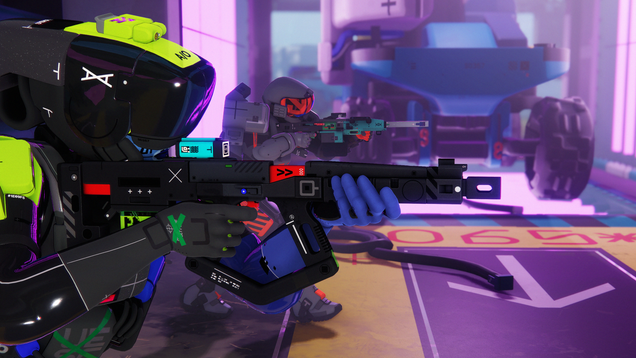
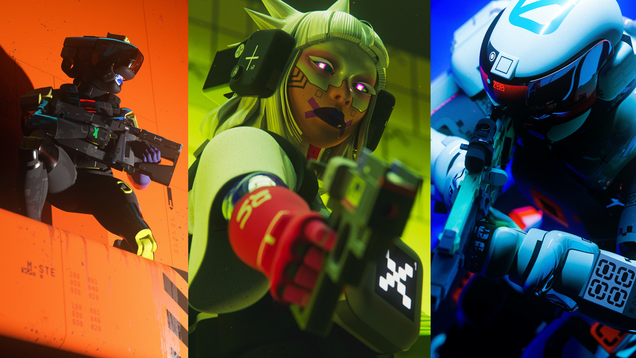
Marathon is Bungie’s next big multiplayer blockbuster and its first live service launch as part of PlayStation. The extraction shooter hails from a genre that’s never been for the faint of heart but from a big-budget studio that doesn’t do anything on the cheap. So how much will Marathon cost when it comes out in the…
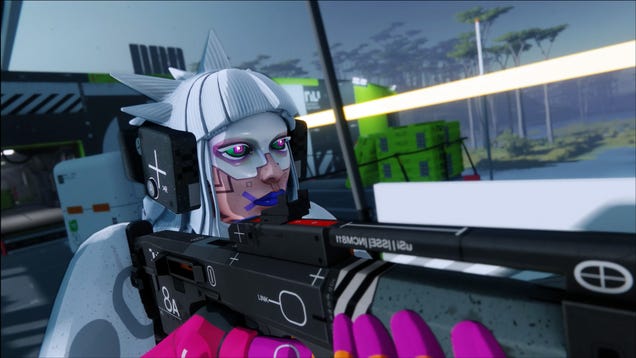
We finally have our first look at Marathon’s gameplay and it looks just as clean and techwear-infused as the game’s original PlayStation teaser suggested. During a showcase for the sci-fi extraction shooter today, Bungie provided an overview of how its PvPvE multiplayer matches will work, as well as the larger story…
Marathon is looking very much like a colorful cybernetic riff on Escape from Tarkov, but with Bungie’s unique spin-on the extraction shooter genre and hopefully some big surprises along the way. The studio behind Halo and Destiny pulled back the curtain today to reveal a bunch of new information about its next big…
The fifth edition of Paris-Roubaix Femmes avec Zwift delivered a brilliant race with more attacks than you could keep track of.
Pauline Ferrand-Prévot (Visma–Lease a Bike) became the first Frenchwoman to win – no less on her very first crack at the race – Paris-Roubaix Femmes, doing it in style with a searing solo attack.
The tech on display was equally impressive, with prototype wheels from Zipp, tyre clearances pushed to – and beyond – the limit, old-school hacks and much more.
Here are our top 2025 Paris-Roubaix Femmes avec Zwift tech picks.
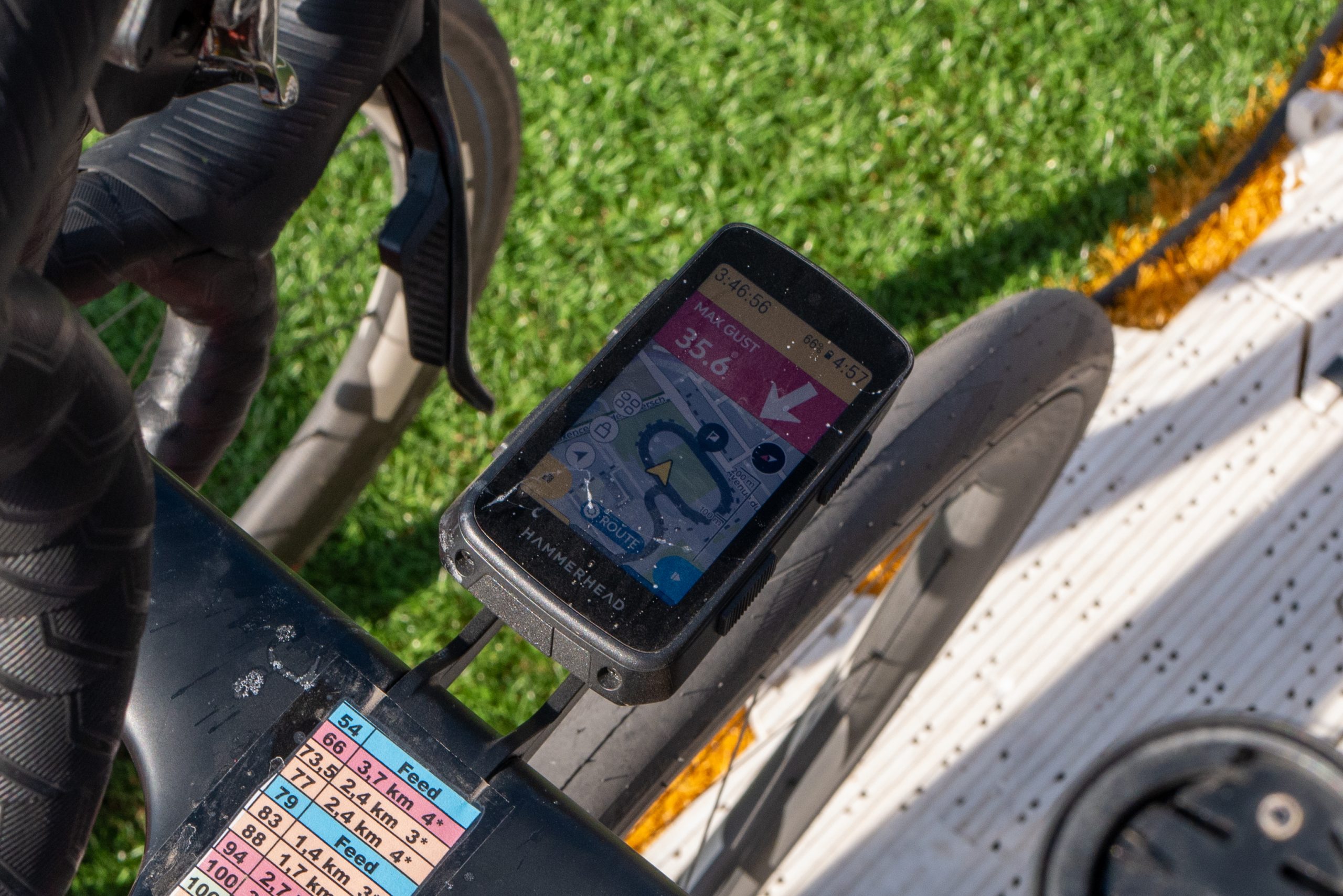
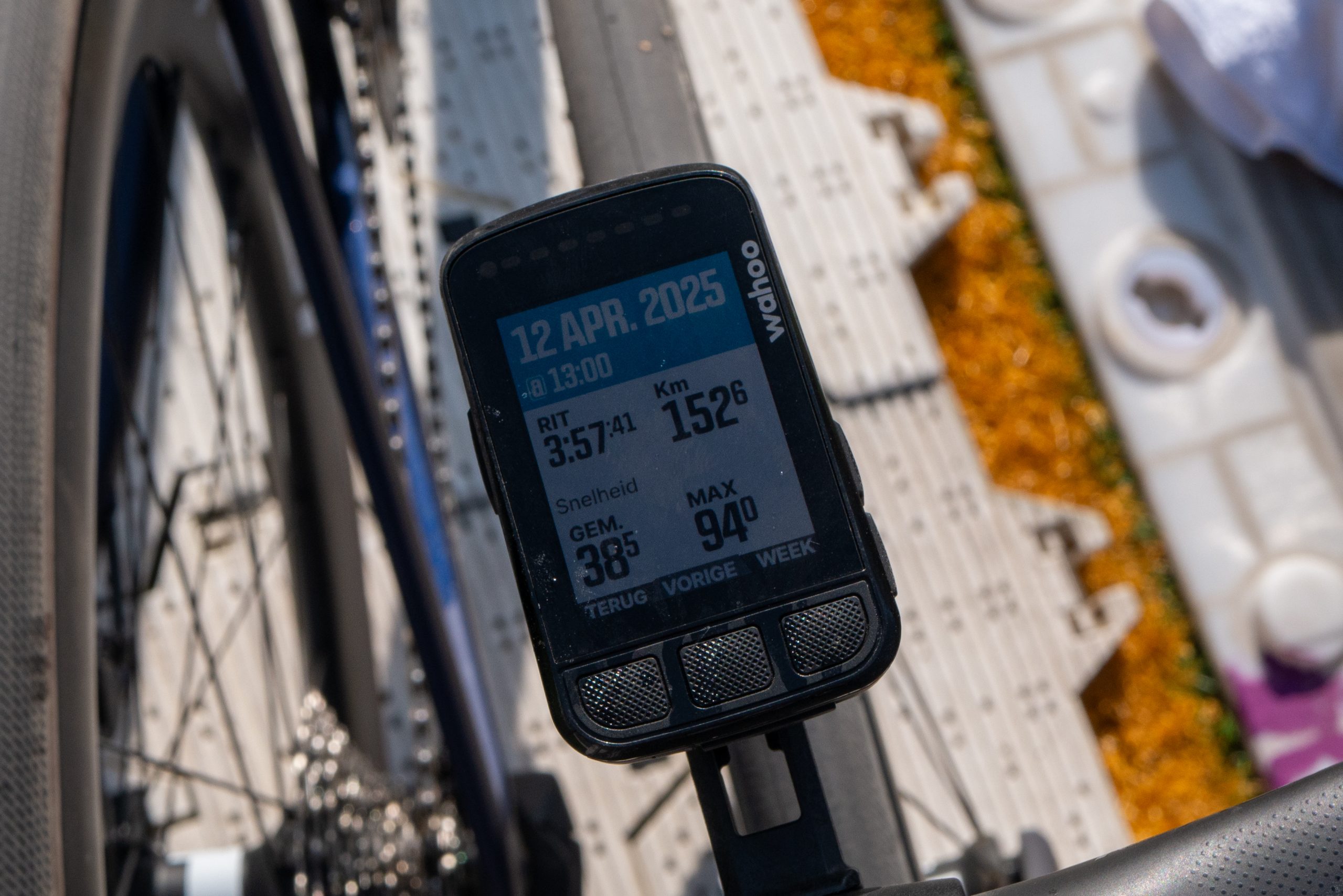
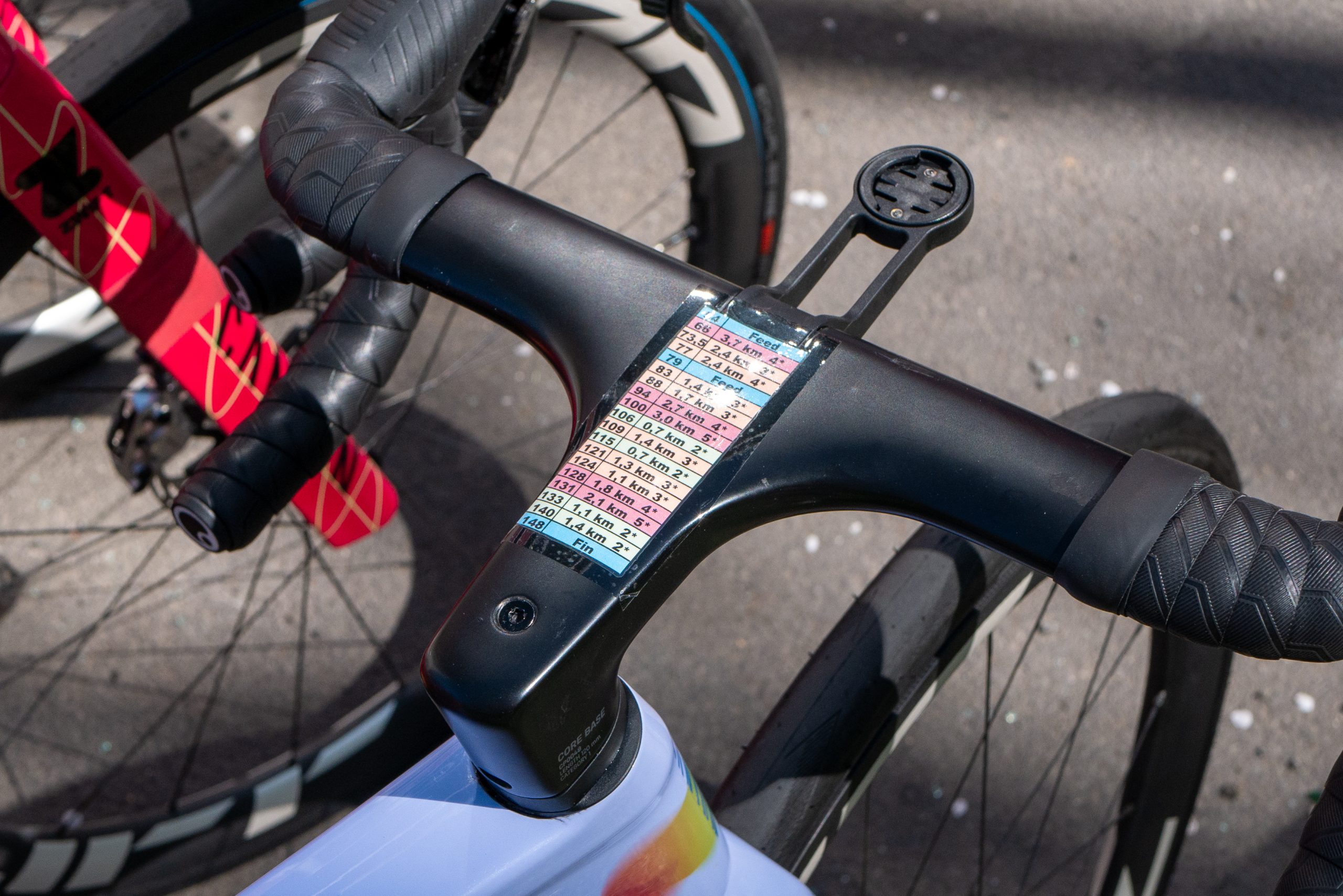
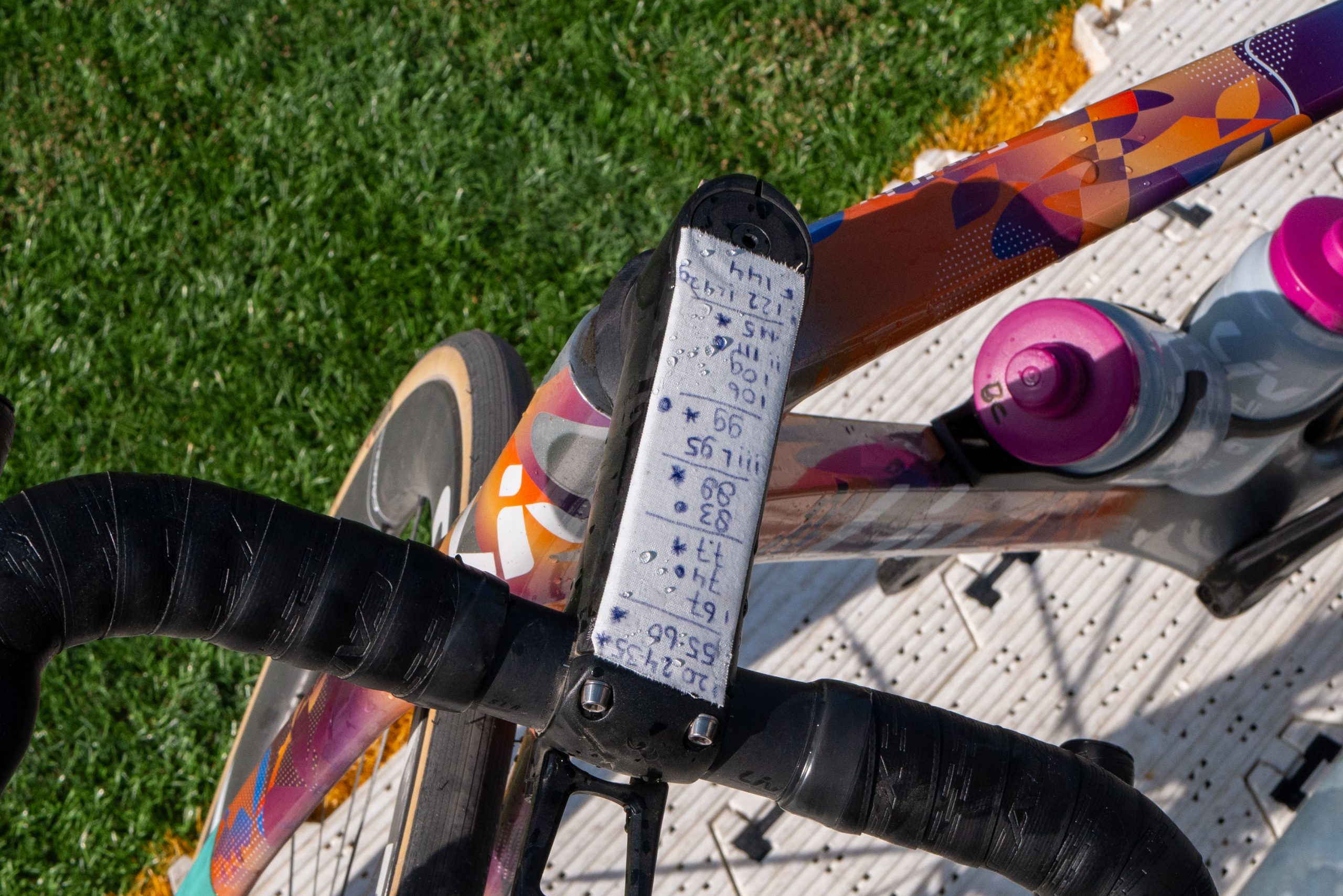
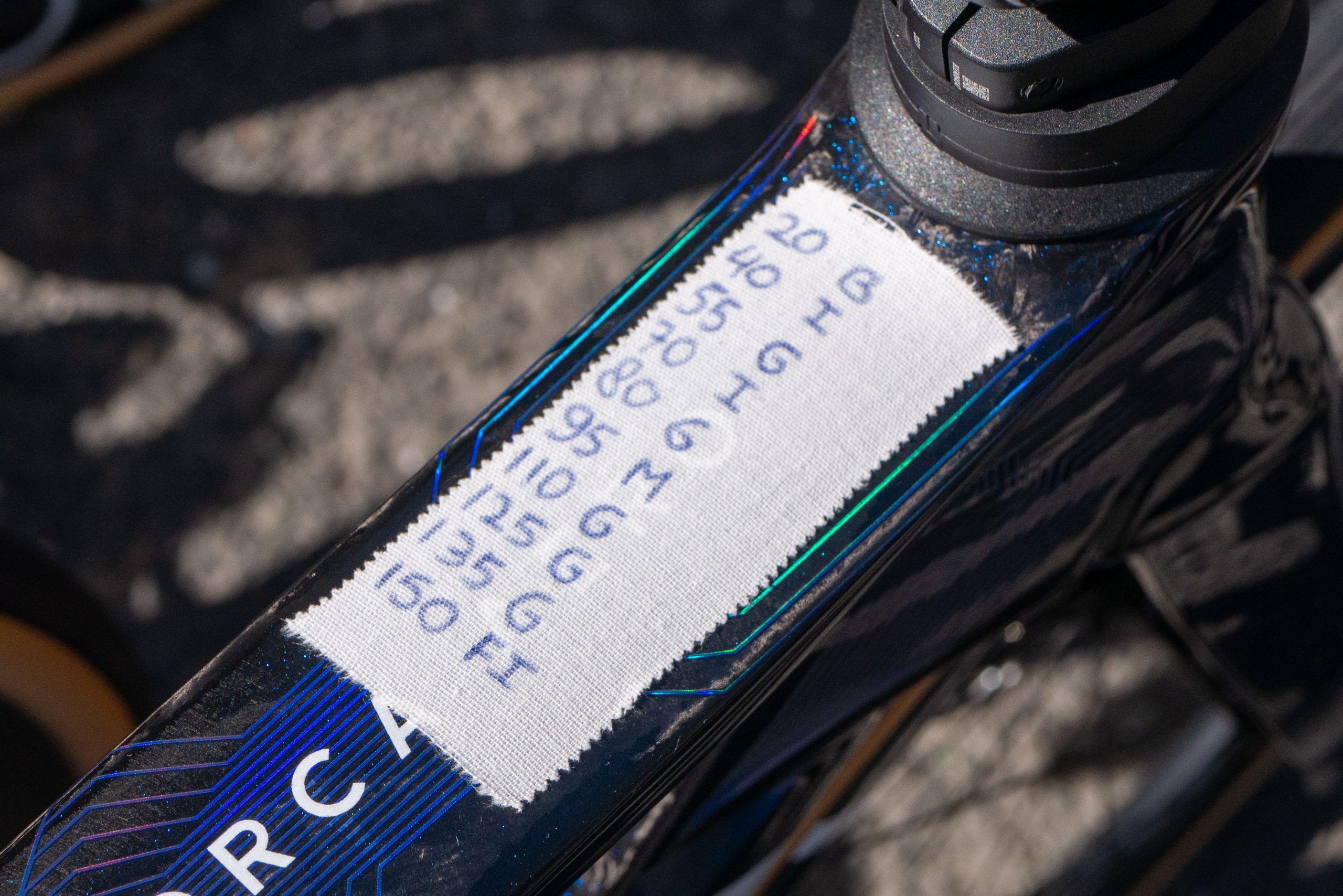
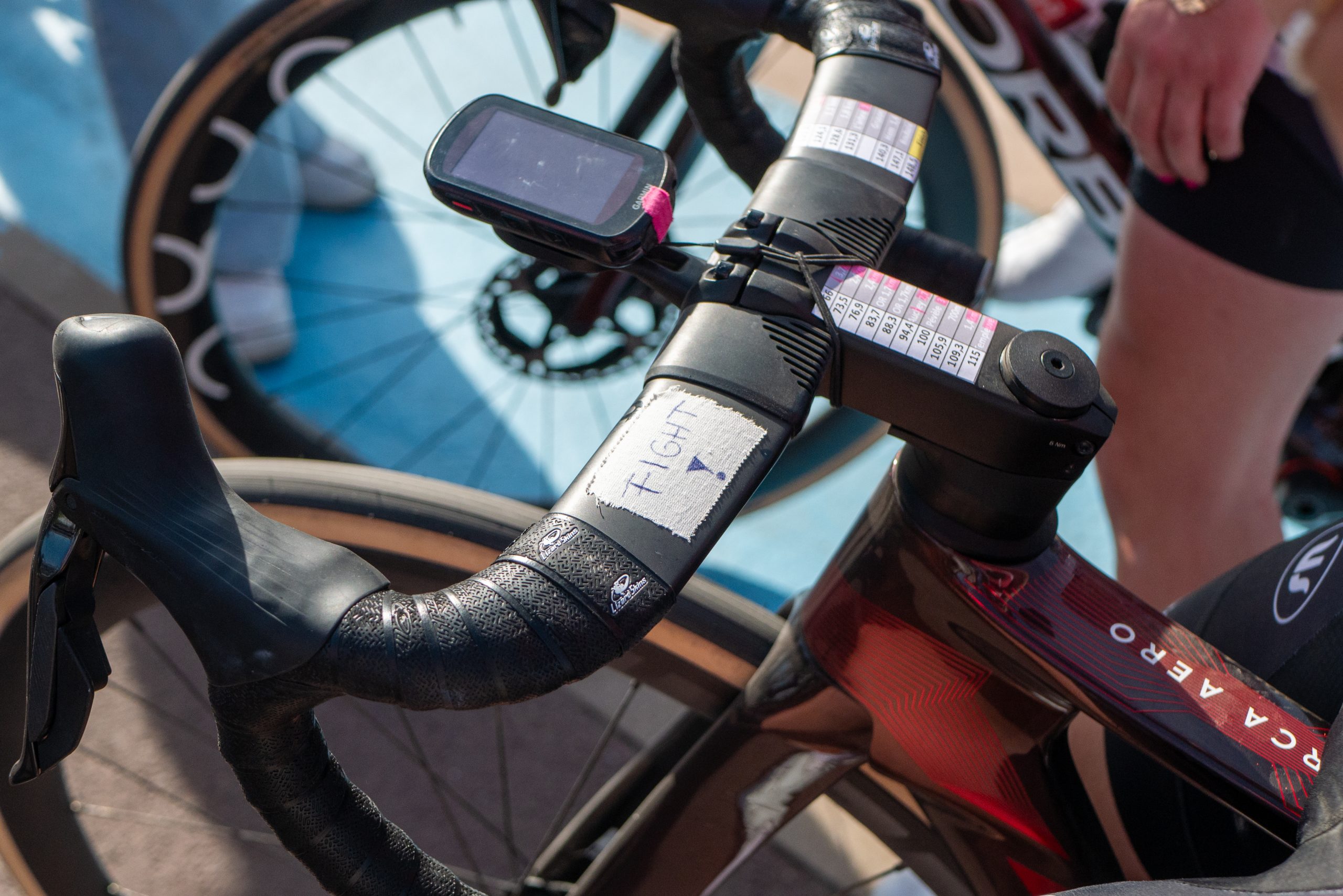
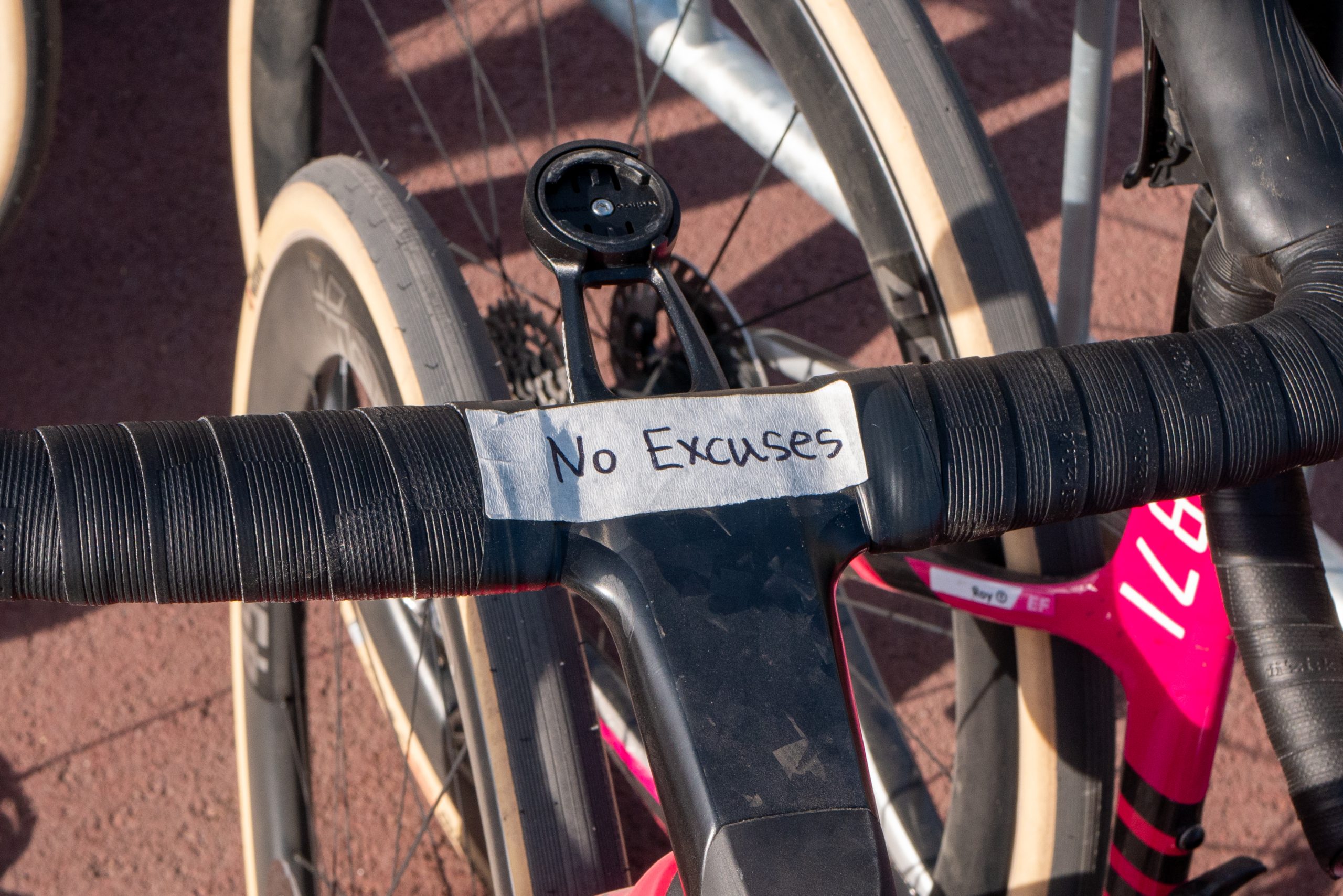
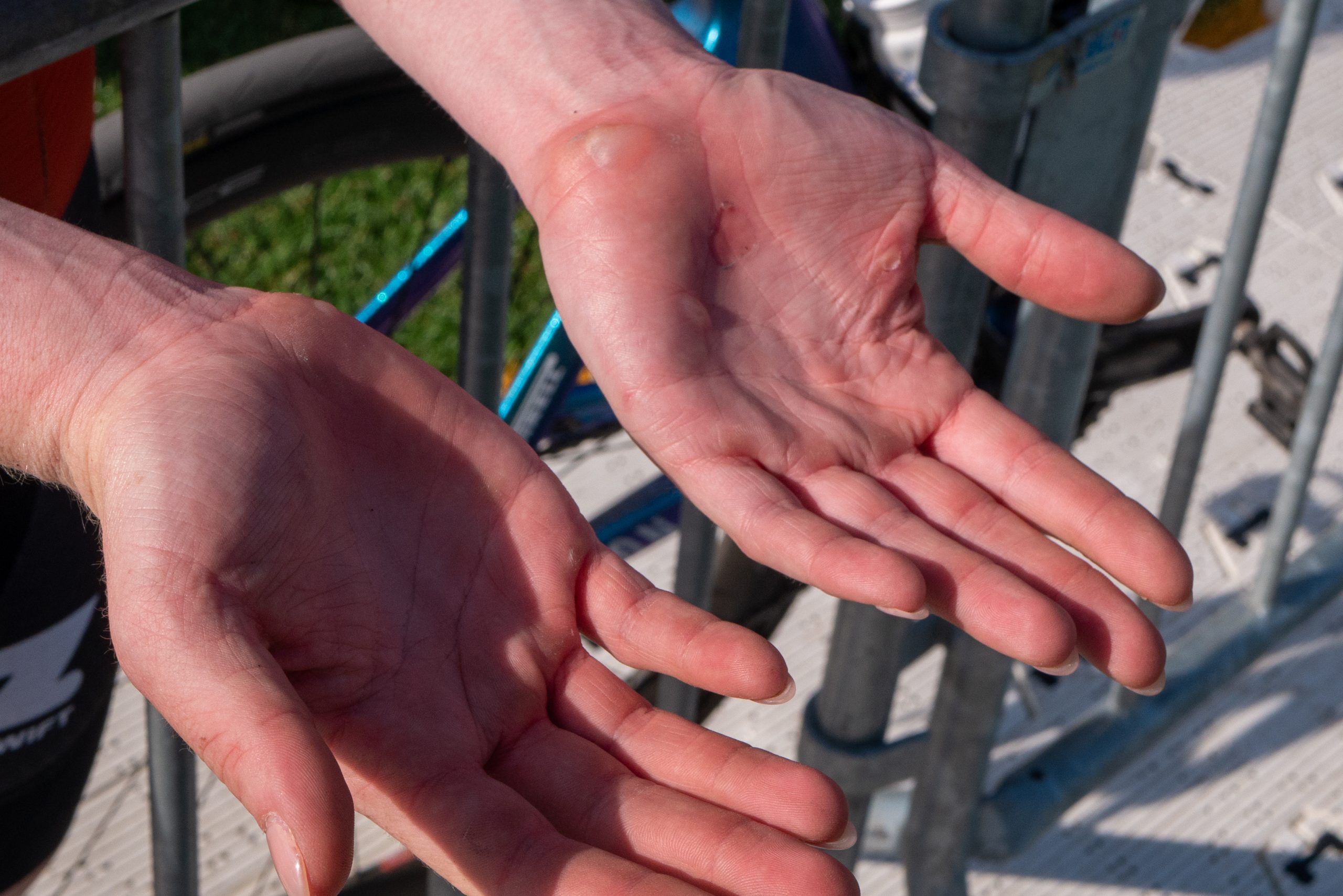
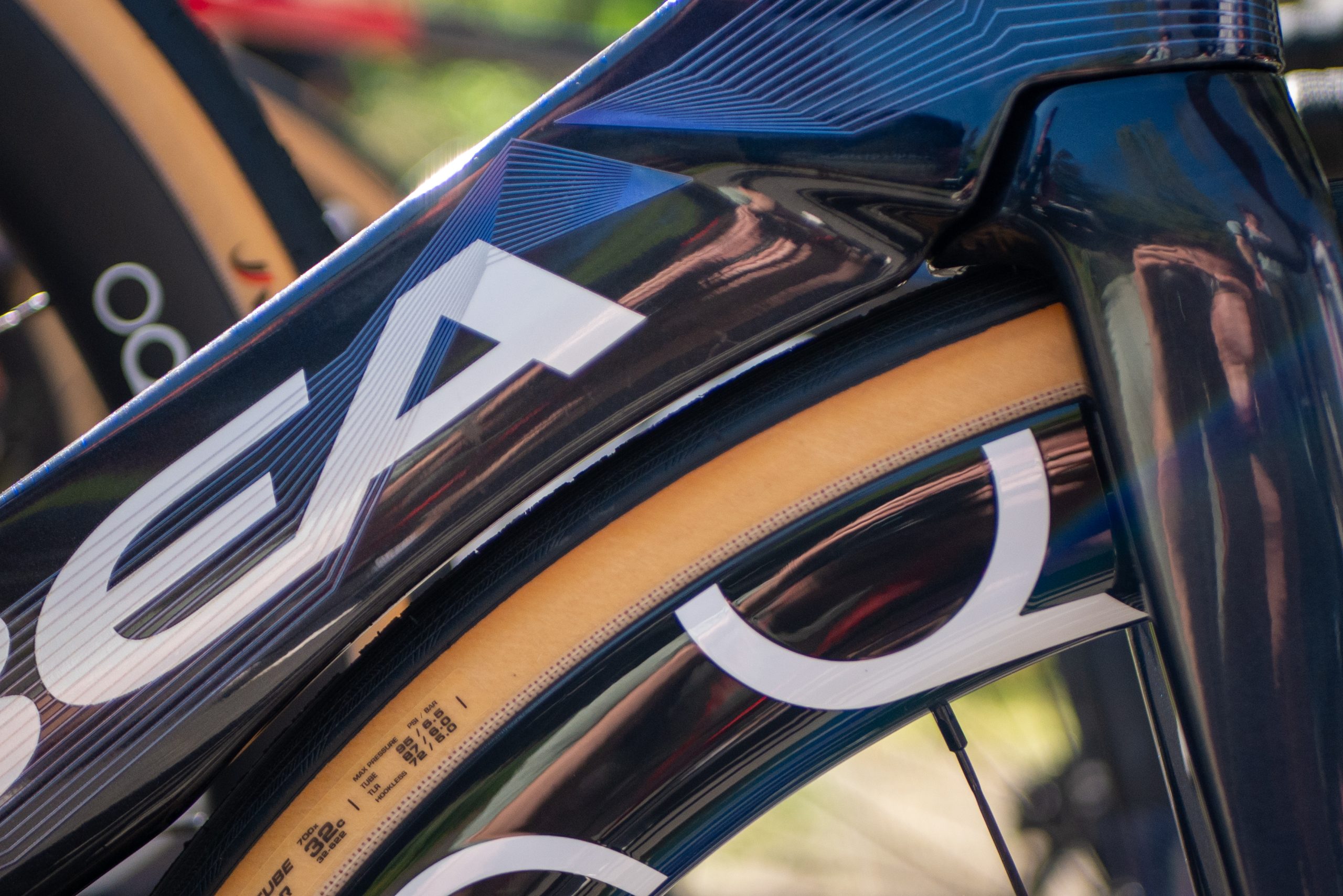
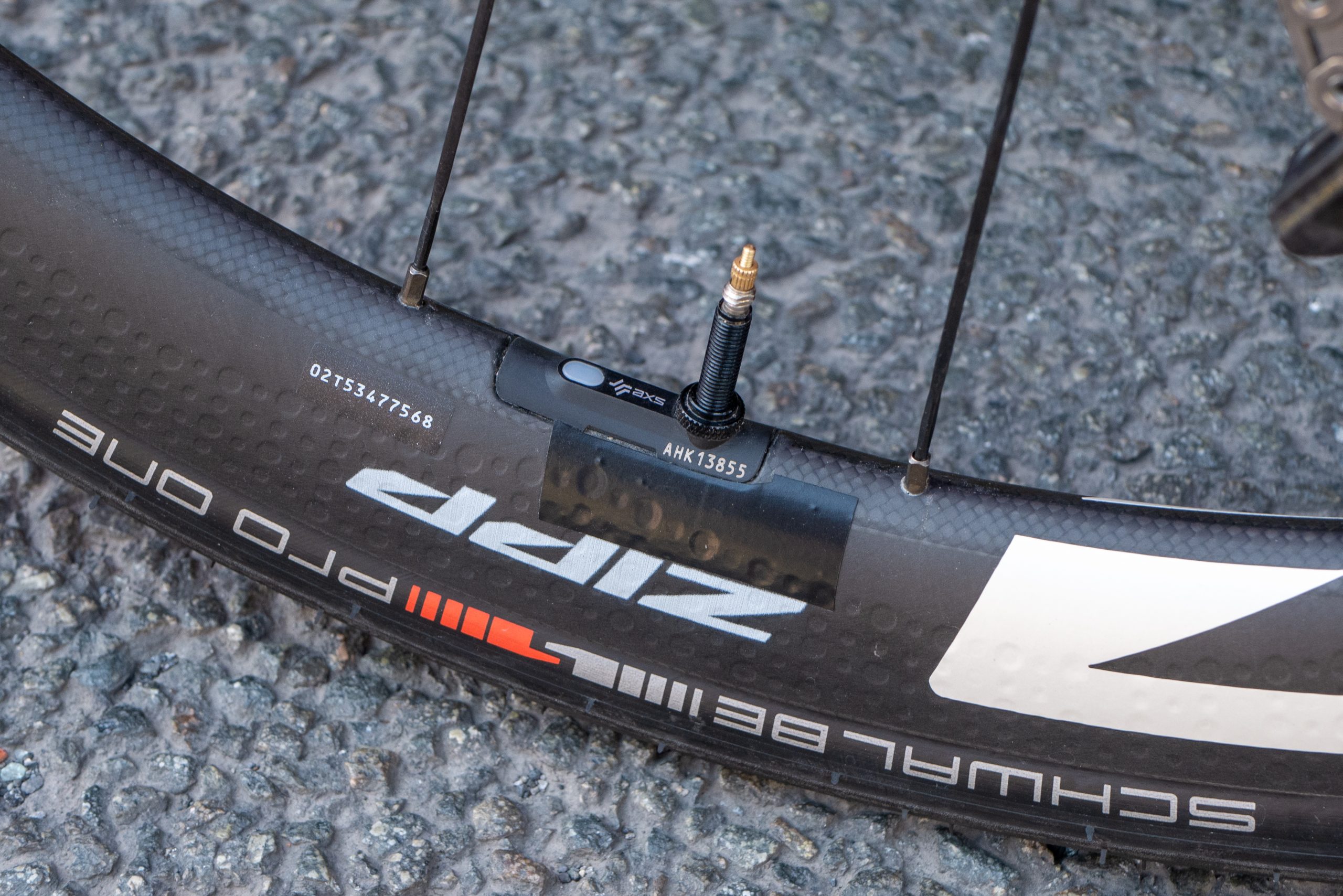
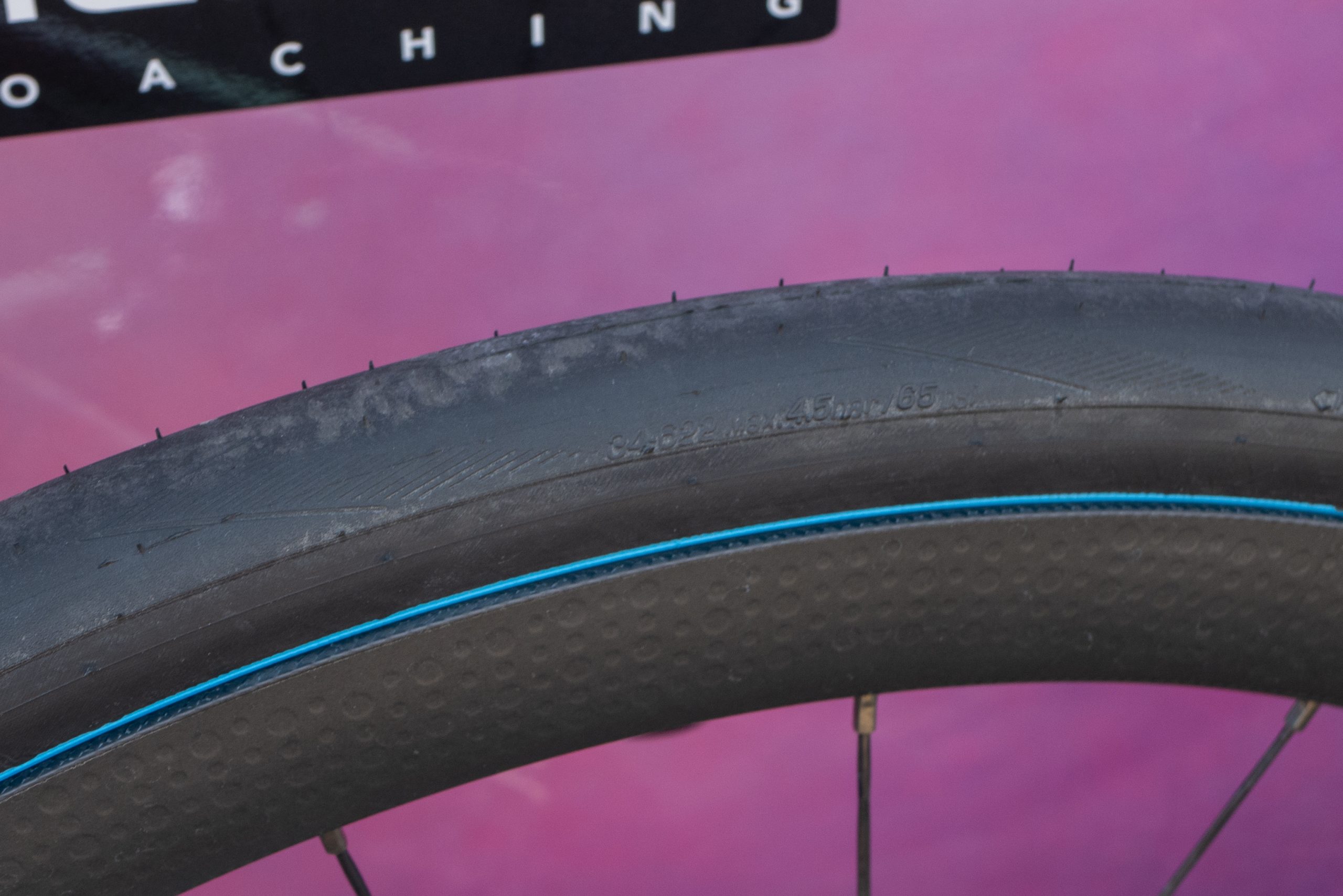
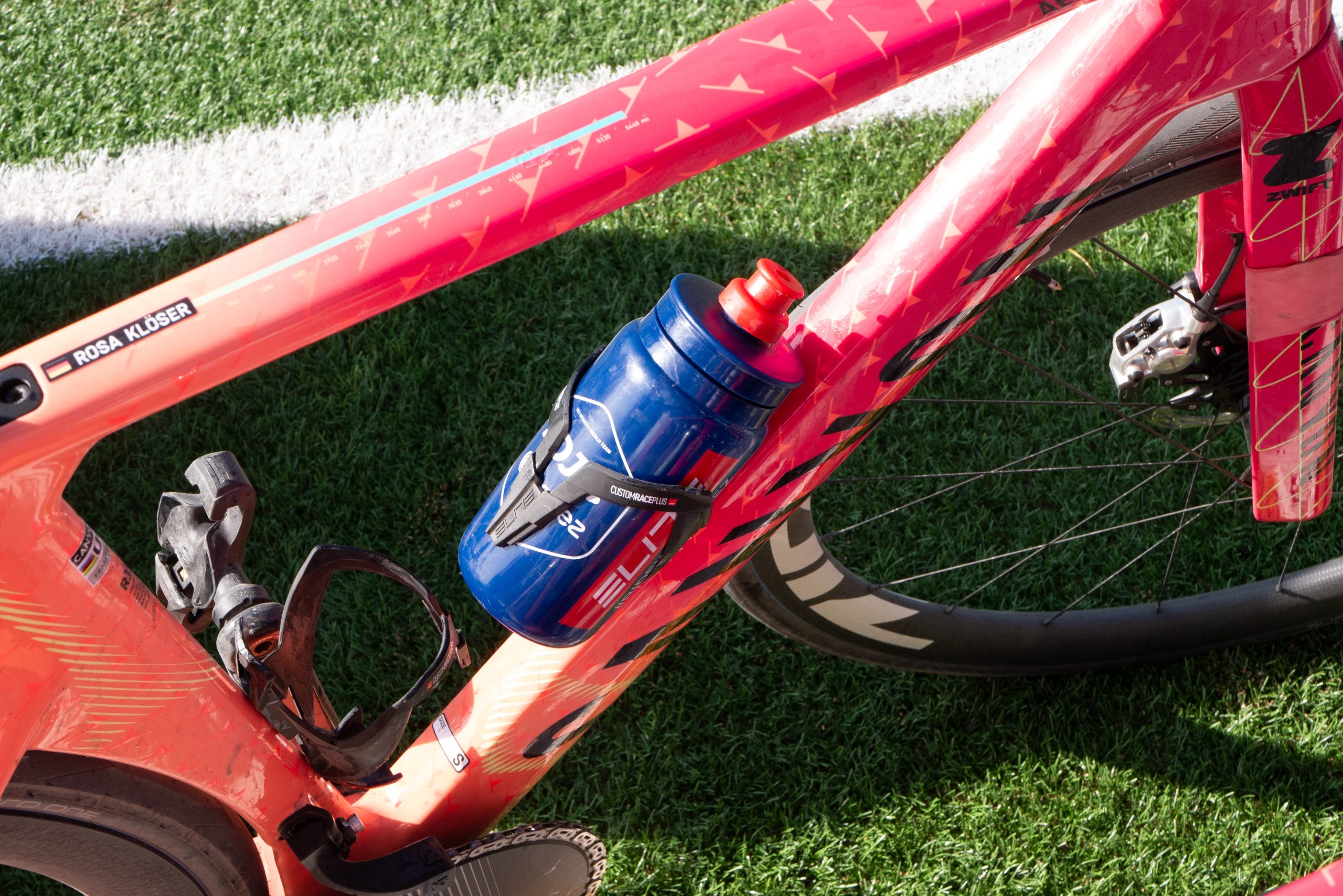
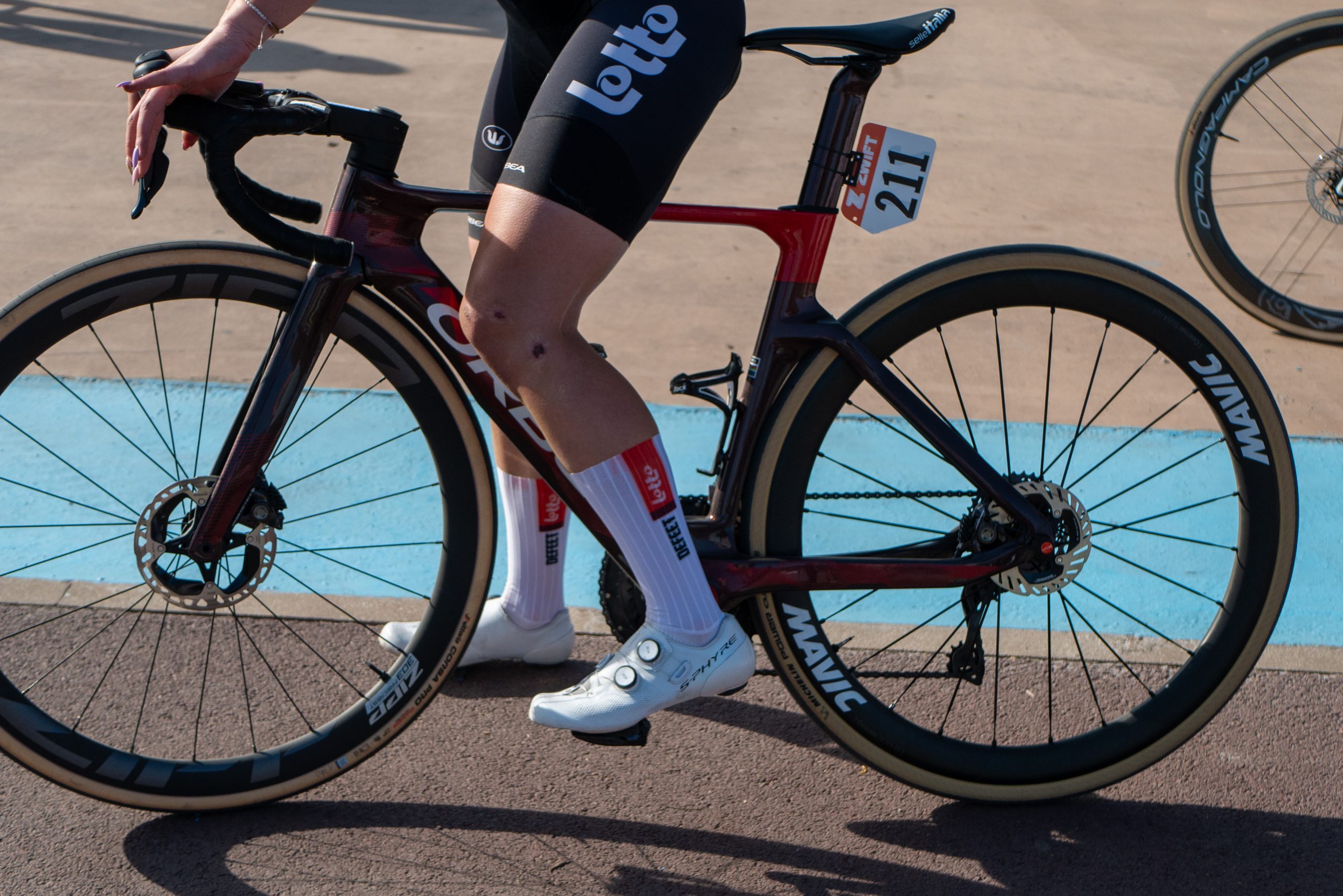
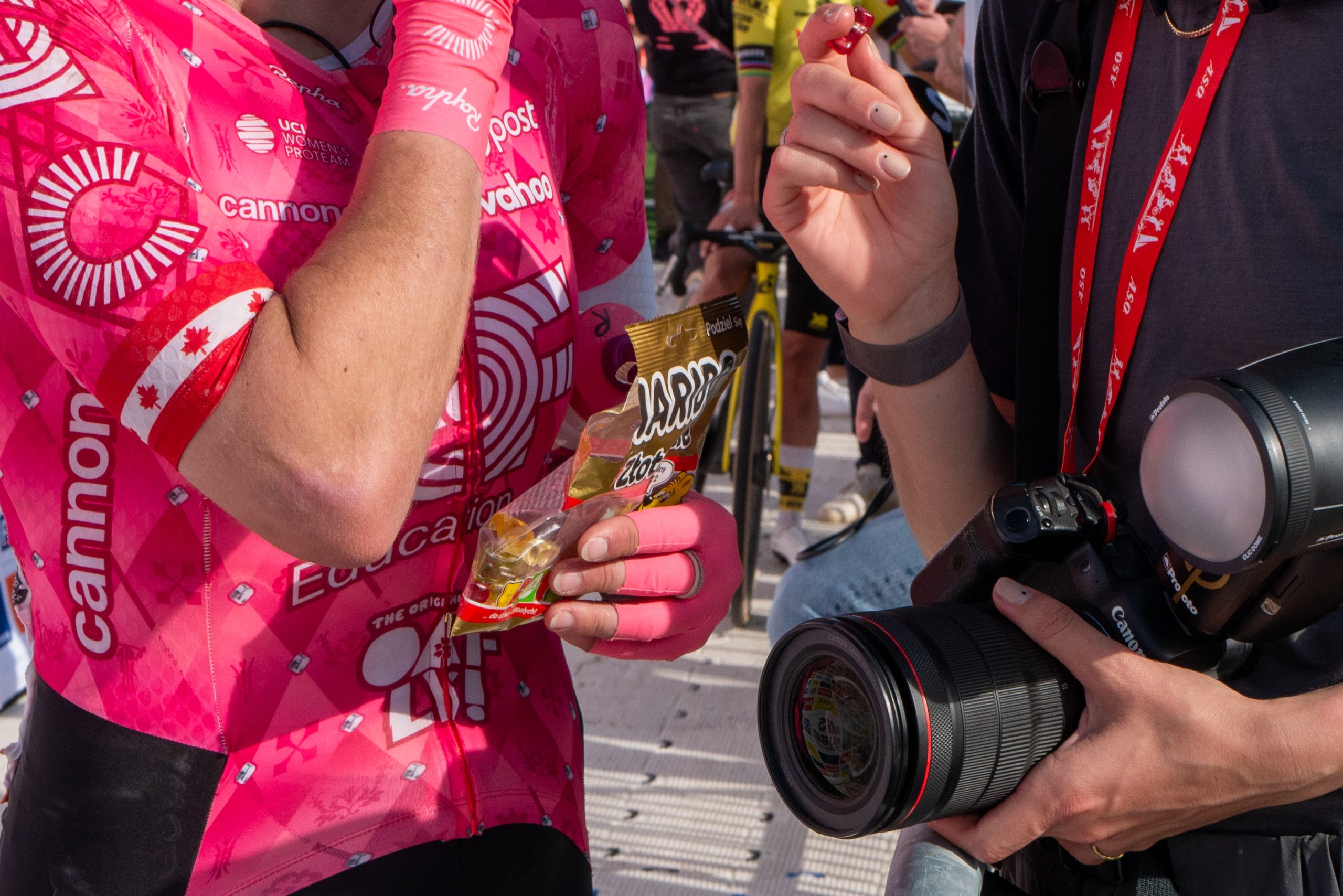
Visma Lease-a-Bike team mechanics have applied a layer of Vittoria Mastik (ie, tubular tyre glue) to the external rim-tyre interface to help hold the tyres in place in the event of a blowout. Given the Mastik is clear, it’s hard to spot. Thankfully, Roubaix dust sticks to everything. Liam Cahill / Our Media The Roubaix course snakes its way through very exposed farmland. This Hammerhead Karoo head unit is set up to show wind direction. Knowing where gusts are coming from without waiting to be hit by them might save you some precious energy. Liam Cahill / Our Media The max speed on this Wahoo suggests this rider finished their day in the team car. Liam Cahill / Our Media Riders often keep details of the cobble sectors and feed zones within easy sight on their stems. Chloe Dygert had colour-coded notes to help identify upcoming critical points. From left to right, her notes show the distance covered when the sector begins, the sector length, and the star rating. Liam Cahill / Our Media This UAE AQD rider even had small icons to show which sectors would have wheels and bottles at the end. Liam Cahill / Our Media Other efforts were a little more basic. But provided the rider understands what is written, that’s all that matters. Liam Cahill / Our Media ‘FI’ means finish, but the rest might as well be double Dutch to us. Liam Cahill / Our Media If in doubt, a motivational message is the way to go. Paris-Roubaix is, after all, about simply getting to the finish for most of the riders. Liam Cahill / Our Media Given EF Education-Oatly came away with an excellent 2nd place finish, this simple message seems to have been very effective. Liam Cahill / Our Media Racing over the cobbles is like holding onto a very aggressive jackhammer while riding at maximum effort. Flora Perkins gave us a far too graphic description of feeling her blisters popping on the cobbles. Funnily enough, riders with these hands seem especially keen on trying 40mm road tyres. Liam Cahill / Our Media Riders will try to avoid ending their day with countless blisters. This VolkerWessels rider opted for a whole lot of tape, and it seemed to do the trick. Liam Cahill / Our Media This Orbea Orca Aero takes tyre clearance to the limit. Orbea states a maximum tyre size of 30mm for this frame, but this rider had fitted 32mm Vittoria Corsa Pros. Liam Cahill / Our Media Chloe Dygert was rolling on Zipp’s as-yet unreleased wheels with some electrical tape hiding what we assume is a new name. More difficult to hide is a new TyreWiz, first spotted by BikeRadar at Omloop. Liam Cahill / Our Media Dygert and the Canyon Sram team opted for 34mm Schwalbe Pro One tyres. They looked as though they ballooned even wider on those new rims, suggesting a very wide internal profile. Liam Cahill / Our Media Riders will grab whatever bottle they can wrap their battered hands around at Roubaix. Rosa Kloser has borrowed this one from FDJ Suez. Liam Cahill / Our Media These mismatched wheels suggest this Lotto rider has visited the Mavic neutral service car. Liam Cahill / Our Media Finally, 2023 winner – and 5th place finisher today – Alison Jackson shared her post-race snacks with a photographer. We’re not on first-name terms yet, so there was no Haribo for BikeRadar. Liam Cahill / Our Media
The United States urgently needs more energy to fuel an artificial intelligence race with China that the country can’t afford to lose, industry leaders told lawmakers at a House hearing on Wednesday. “We need energy in all forms,” said Eric Schmidt, former CEO of Google, who now leads the Special Competitive Studies Project, a think tank focused on technology and security. “Renewable, nonrenewable, whatever. It needs to be there, and it needs to be there quickly.” It was a nearly unanimous sentiment at the four-hour-plus hearing of the House Energy and Commerce Committee, which revealed bipartisan support for ramping up U.S. energy production to meet skyrocketing demand for energy-thirsty AI data centers.
The hearing showed how the country’s AI policy priorities have changed under President Donald Trump. President Joe Biden’s wide-ranging 2023 executive order on AI had sought to balance the technology’s potential rewards with the risks it poses to workers, civil rights and national security. Trump rescinded that order within days of taking office, saying its “onerous” requirements would “threaten American technological leadership….” [Data center power consumption] is already straining power grids, as residential consumers compete with data centers that can use as much electricity as an entire city. And those energy demands are projected to grow dramatically in the coming years… [Former Google CEO Eric] Schmidt, whom the committee’s Republicans called as a witness on Wednesday, told [committee chairman Brett] Guthrie that winning the AI race is too important to let environmental considerations get in the way…
Once the United States beats China to develop superintelligence, Schmidt said, AI will solve the climate crisis. And if it doesn’t, he went on, China will become the world’s sole superpower. (Schmidt’s view that AI will become superintelligent within a decade is controversial among experts, some of whom predict the technology will remain limited by fundamental shortcomings in its ability to plan and reason.)
The industry’s wish list also included “light touch” federal regulation, high-skill immigration and continued subsidies for chip development. Alexandr Wang, the young billionaire CEO of San Francisco-based Scale AI, said a growing patchwork of state privacy laws is hampering AI companies’ access to the data needed to train their models. He called for a federal privacy law that would preempt state regulations and prioritize innovation.
Some committee Democrats argued that cuts to scientific research and renewable energy will actually hamper America’s AI competitiveness, according to the article. ” But few questioned the premise that the U.S. is locked in an existential struggle with China for AI supremacy.
“That stark outlook has nearly coalesced into a consensus on Capitol Hill since China’s DeepSeek chatbot stunned the AI industry with its reasoning skills earlier this year.”
Sony Electronics has introduced the AS-DT1, a miniature LiDAR depth sensor targeting applications with strict space and weight constraints. Measuring 29mm x 29mm x 31mm and weighing 50g, it is described as the world’s smallest and lightest LiDAR sensor in its class. The AS-DT1 is built on Sony’s proprietary Direct Time of Flight LiDAR technology. […]
Skype is shutting down after two decades on May 5th, notes the Washington Post.
But the bigger problem for retired attorney Karen Griffin is that Microsoft won’t refund the money they paid into a Skype account for cheap international phone calls:
“They’re no longer offering this service that I prepaid for, and now they’re not giving me my money back,” Griffin said. “There’s a lot of people out there who are going to lose money….”
To its credit, Microsoft gave Skype users a couple months’ warning about the shutdown coming May 5. People can transfer Skype contacts and chat history to the company’s Microsoft Teams chat-and-calling app or to other companies’ services. (While Microsoft sells Teams to organizations, there’s a free version for personal use.) But Microsoft didn’t explain well what will happen to money that people like Griffin have parked in Skype accounts, in some cases for years…. Unless you bought Skype credits very recently, Microsoft said it won’t refund money in Skype accounts. The company says it will add an option for Skype account holders to keep using their funds for phone calls online or in Teams.
Griffin doesn’t love what Microsoft is doing. She prefers a cash refund or a credit applied to her Microsoft Office subscription, for which she pays about $110 a year. Amit Fulay, vice president of product for Skype and Teams, said it’s not possible to shift funds from a Skype account to Office subscriptions. And he nixed refunds because Microsoft will still offer basic call services for former Skype customers. “Refunds make more sense if you took away something,” Fulay said. “We’re not.” Microsoft declined to say how much money Skype users collectively have sitting in accounts that they might never use.
Stacey Higginbotham, a policy specialist with Consumer Reports’ technology advocacy team, said Griffin is making a reasonable request for a rich company like Microsoft that’s shutting down an internet service. “The best way: Give people their money back. The second-best way, give people a credit to all of your services,” Higginbotham said.
On April 14, Waymo will start testing its robotaxi technology outside the US for the first time. As Yomiuri Shimbun reports, the company will deploy 25 of its electric Jaguar I-PACE vehicles in Tokyo for the initial phase of its testing program. Waymo is taking it slow and will not be operating them without a driver behind the wheel yet, however. Drivers from Tokyo taxi company Nihon Kotsu Co. will be driving the cars around Chiyoda, Minato, Shinjuku and four other wards in the Japanese capital.
The cameras and radars equipped on the I-PACE vehicles will collect data on Tokyo’s roads, which are typically narrower than roads in the US. They’ll provide the company with information on local infrastructure, road conditions and the driving patterns of locals. “It’s important for us to understand the difference in driving environment, what makes the driving here unique,” said Nicole Gavel, Waymo Senior Director, during an event in the city. Waymo will have to adjust its software according to the driving conditions and the capital’s rules, after all. Gavel said that Waymo is focused on the testing for now but “would love to have a business” in Tokyo in the future.
But that’s probably a long ways away: After the initial mapping phase, Waymo will still have to conduct autonomous driving tests with a driver behind the wheel, and then tests without a driver on board.
This article originally appeared on Engadget at https://www.engadget.com/transportation/waymo-will-start-testing-its-self-driving-taxis-in-tokyo-next-week-163016736.html?src=rss