Well, $10 billion is a lot of money. Even when spread over a couple of decades, that’s still a huge chunk of NASA’s annual science budget. (And given the recent Trump administration attack on NASA’s science budget, money is about to get a whole lot tighter.)
However, it is difficult to put a price on advancing our species’ understanding of the natural world and the wide Universe we’re swimming in. And Webb is doing an amazing job of that.
Chipolo has launched a new Bluetooth tracker that works with both Apple Find My and Google Find My Device networks. The Chipolo Pop comes in the same form factor and colors as the Chipolo One, which is one of Engadget’s best Bluetooth trackers for 2025. But unlike One that only works with the Chipolo app, the company’s Spot line that only works with Apple Find My and its Point-branded trackers that only work with Google’s network, Pop is compatible with all three.
The Chipolo Pop has a range of 90 meters or 300 feet, longer than the older Chipolo models’ 200-feet range. It’s dust and water-resistant (IP55) and is powered by a replaceable CR2032 battery that can keep the tracker running for up to a year. Pop works with Apple’s Find My network on iPhones installed with iOS 14.5 or later and iPads with iPadOS 14.5. Android phones and tablets must be running Android 9 or later with Google Play Services if you want to link them with the Pop tracker. Even if you technically don’t need the Chipolo app, installing it will give you access to extra features like the ability to call your phone by double-pressing the tracker, as well as the ability to change its ring volume to up to 120 dB and to change its ring tone.
A single Pop tracker will set you back $29, but you can get a four-pack in various colors for $89 instead of $116. If you order straight from Chipolo’s website, you could get your order as soon as April 20. You can also pre-order the tracker from Amazon, though the model will be released on the e-commerce website on April 30.
This article originally appeared on Engadget at https://www.engadget.com/mobile/chipolos-pop-bluetooth-tracker-works-with-both-apples-and-googles-find-my-networks-120014022.html?src=rss
Just before the weekend, the US Customs and Border Protection published a list of products excluded from Trump’s tariffs, including smartphones, PCs, memory chips and let’s say 80 percent of everything we write about at Engadget.
However, that’s more because they’ll be siloed into a specific product category. Commerce Secretary Howard Lutnick said in an interview on Sunday: “Those products are going to be part of the semiconductor sectoral tariffs, which are coming.”
The new exclusions would exempt many devices and parts from both the 10 percent global tariff and the steeper tariff on China. Lutnick told ABC News’ Jonathan Karl that, in doing this, the president was “just making sure everyone understood that all of these products are outside the reciprocal tariffs and they are going to have their own separate way of being considered.”
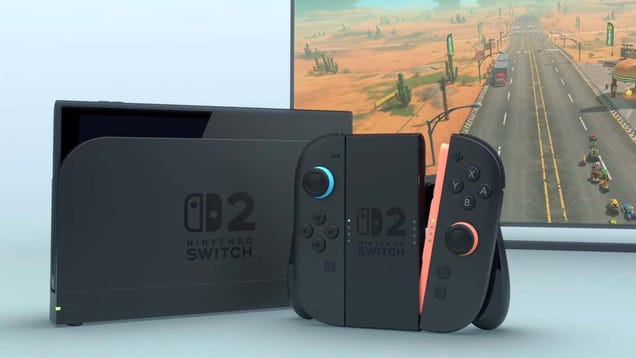
He added that semiconductor tariffs are coming “in probably a month or two.” Maybe reassess that Switch 2 pre-order.
At $699, it’s a bit pricey, but the Espresso 15 Pro has pretty much everything you could want in a travel-friendly 15-inch display. And if you’re regularly wielding two screens on the go, this could be an investment. It’s brighter than predecessors, has a slick design and a stand and can even add touch support to Macs — if you want that.
GPT-4.1 is actually newer and, importantly, cheaper to run.
OpenAI is sunsetting GPT-4.5 from its developer API in favor of its new GPT-4.1 model. (Yeah, confusing. When it launched, OpenAI described GPT-4.5 as its best and most capable model so far, in part because it was a more natural conversationalist. Can’t find it? OpenAI says GPT-4.1 is exclusively for developers using OpenAI’s API. So you won’t find it as an option in the public-facing ChatGPT interface.
Samsung has announced two new rugged devices, the Galaxy XCover 7 Pro and the Galaxy Tab Active 5 Pro, which feature removable backplates and user-replaceable batteries.
It’s an enterprise affair but comes with all of Samsung’s Galaxy AI features and Google’s latest features, like Circle to Search. The toughness credentials include IP68 water and dust resistance, MIL-STD-810H certification for drops, programmable buttons and a battery you can replace yourself.
Longtime Slashdot reader AmiMoJo shares the news that China has halted all rare earth exports globally — including to the U.S., Japan, and Germany. Fortune reports: After Trump unveiled his “Liberation Day” tariffs on April 2, China retaliated on April 4 with its own duties as well as export controls on several rare earth minerals and magnets made from them. So far, those export controls have translated to a halt across the board, cutting off the U.S. and other countries, according to the New York Times. That’s because any exports of the minerals and magnets now require special licenses, but Beijing has yet to fully establish a system for issuing them, the report said.
In the meantime, shipments of rare earths have been halted at many ports, with customs officials blocking exports to any country, including to the U.S. as well as Japan and Germany, sources told theÂTimes. China’s Ministry of Commerce issued export restrictions alongside the General Administration of Customs, prohibiting Chinese businesses from any engagement with U.S. firms, especially defense contractors. While the Trump administration unveiled tariff exemptions on a range of key tech imports late Friday night, China’s magnet exports were still halted through the weekend, industry sources told the Times. Beijing’s export halt is notable because China has a stranglehold on global supplies of rare earths and magnets derived from them. They also represent an asymmetric advantage in that rare earths constitute a small share of China’s exports but have an outsize impact on trade partners like the U.S., which relies on them as critical inputs for the auto, chip, aerospace, and defense industries.
Anthropic announced that its Claude AI can integrate with Google Workspace. This tie-in allows the AI assistant to access any information in Gmail, Google Documents and Google Calendar. Enterprise-level customers even get a special cataloguing option for Documents that aims to offer even better speed and accuracy when retrieving information.
This update could make Claude more helpful when it comes to using the chatbot for scheduling or accessing information within the Google ecosystem. The blog post with the announcement specified that the Enterprise option comes with special security controls for confidentiality, but doesn’t detail if or how other users might be able to keep Claude from accessing sensitive information that might be stored in an email or document. Google Workspace integration is available in beta now for all paid Anthropic customers.
Anthropic is also adding a Research feature. Queries in this mode are intended to offer thorough answers to queries that “explores different angles of your question automatically and works through open questions systematically.” Claude’s responses in Research will include citations for fact-checking. Anthropic says this feature can be combined with the Google integration for analyzing information stored across multiple different locations, such as notes about complicated work or school projects. Research is available in the US, Japan and Brazil as an early beta for users on the Max, Team and Enterprise plans.
This article originally appeared on Engadget at https://www.engadget.com/ai/anthropics-claude-can-now-read-your-emails-181511019.html?src=rss
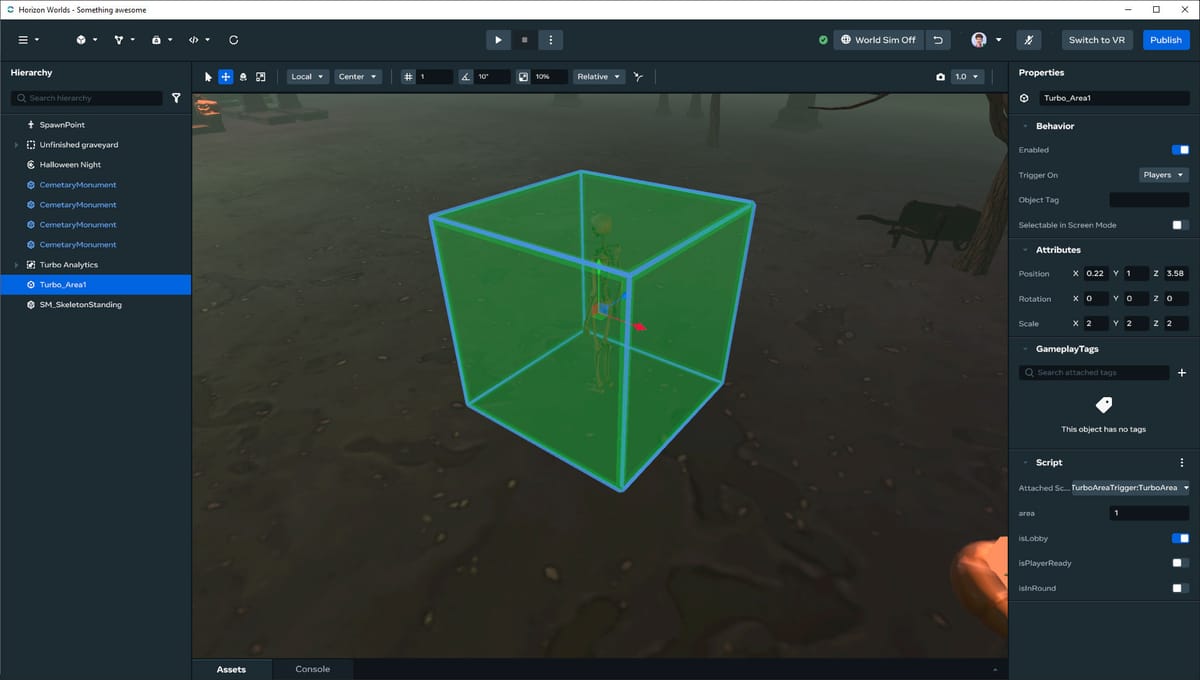
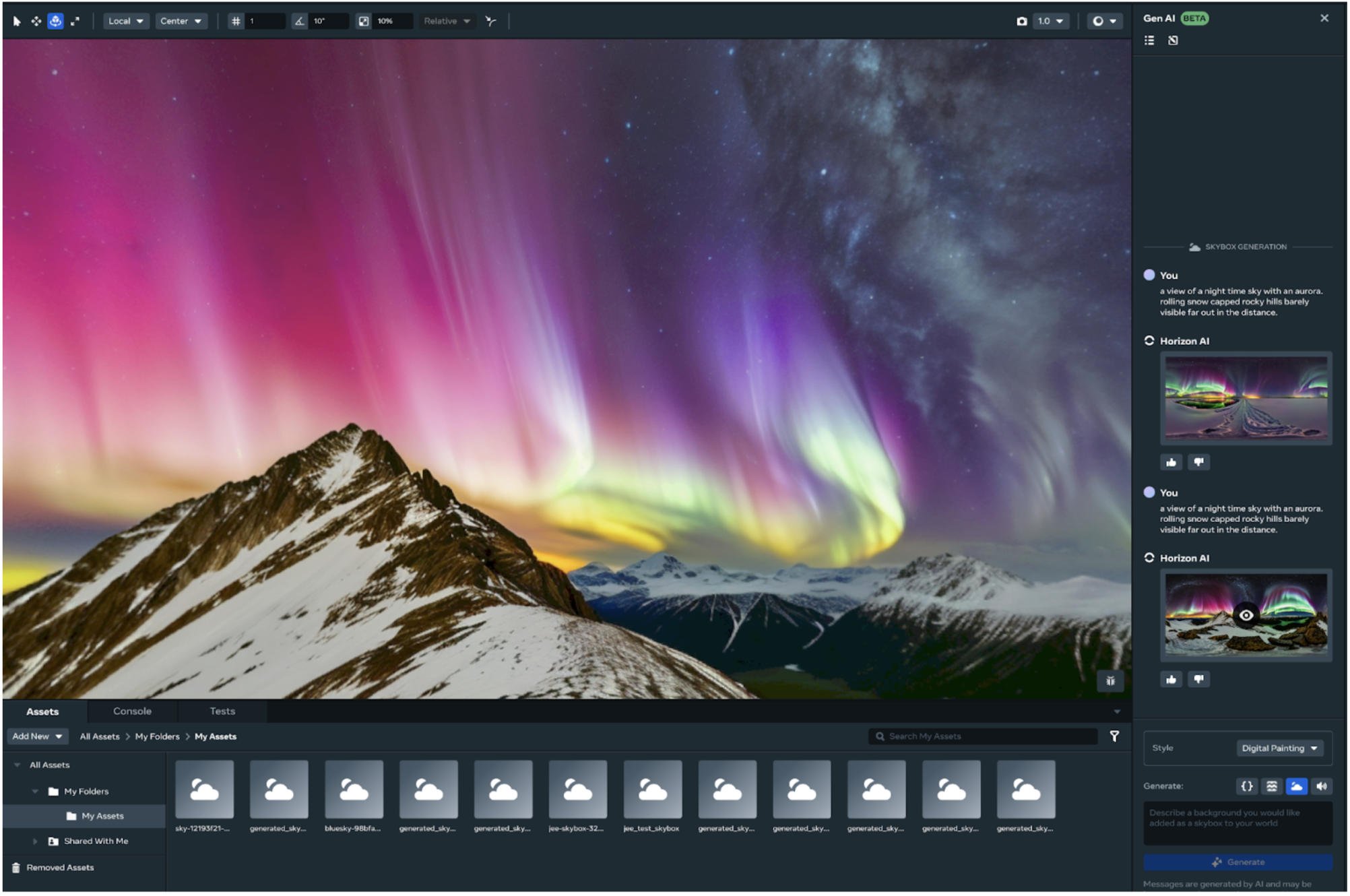
The Horizon Desktop Editor can now AI generate 3D models, textures, and skyboxes, adding to its existing audio and TypeScript AI generation features.
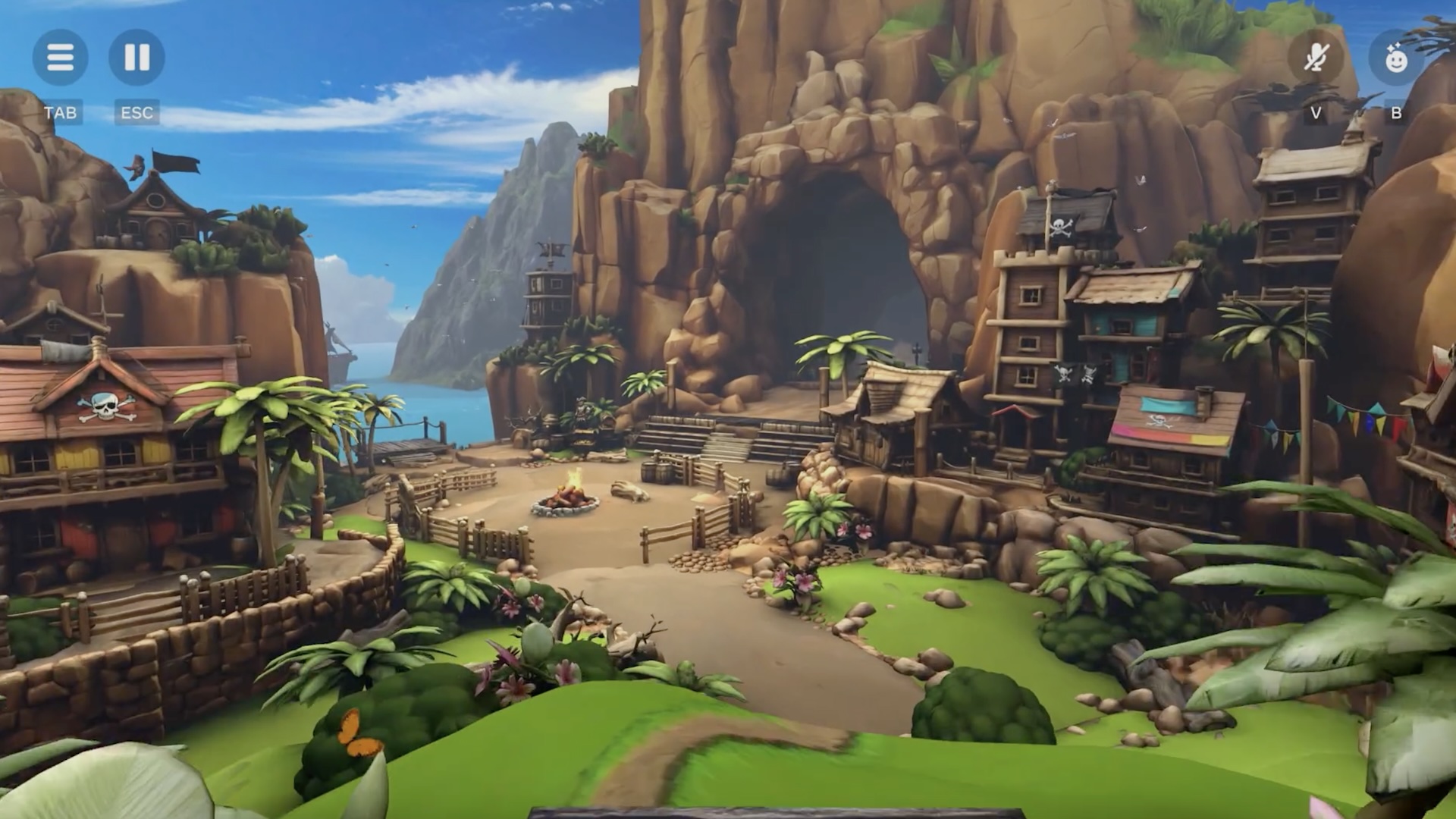
Meta Horizon Desktop Editor is a flatscreen Windows PC application that entered public early access in February, replacing the Horizon Worlds in-VR world creation toolset which had been harshly criticized, and even ridiculed, for its overly simplistic results. Horizon Desktop Editor offers the ability to import 3D assets, images, and sound files, place them in a 3D landscape, and implement game logic and other functionality using TypeScript, a popular offshoot of JavaScript.
This launch also saw in-world monetization features roll out to most of the countries where Horizon Worlds is available, letting creators earn revenue. Creators can offer durable purchases, such as a held item, or consumable purchases, such as power-ups or coins.
Since that early access launch, creators in the US have been able to AI generate sound effects and ambient audio in the Horizon Desktop Editor, as well as AI generate TypeScript to add functionality.
Now, Meta has added the ability to AI generate 3D meshes, textures, and skyboxes. And all these generative AI tools are now available in the UK and Canada too, not just the US.
Meta claims these generative AI tools can “dramatically” reduce the time needed to build virtual worlds “from weeks to as little as hours”.
0:00
/1:27
To generate a 3D model, you just type a description of what you want and wait 3-6 minutes on average. You’ll then be offered four options, and you either accept one or refine the prompt further. When you settle on one you like, you type a description for the texture you want for the model and generate what you want. Now, you can place your textured 3D model wherever you want in the world.
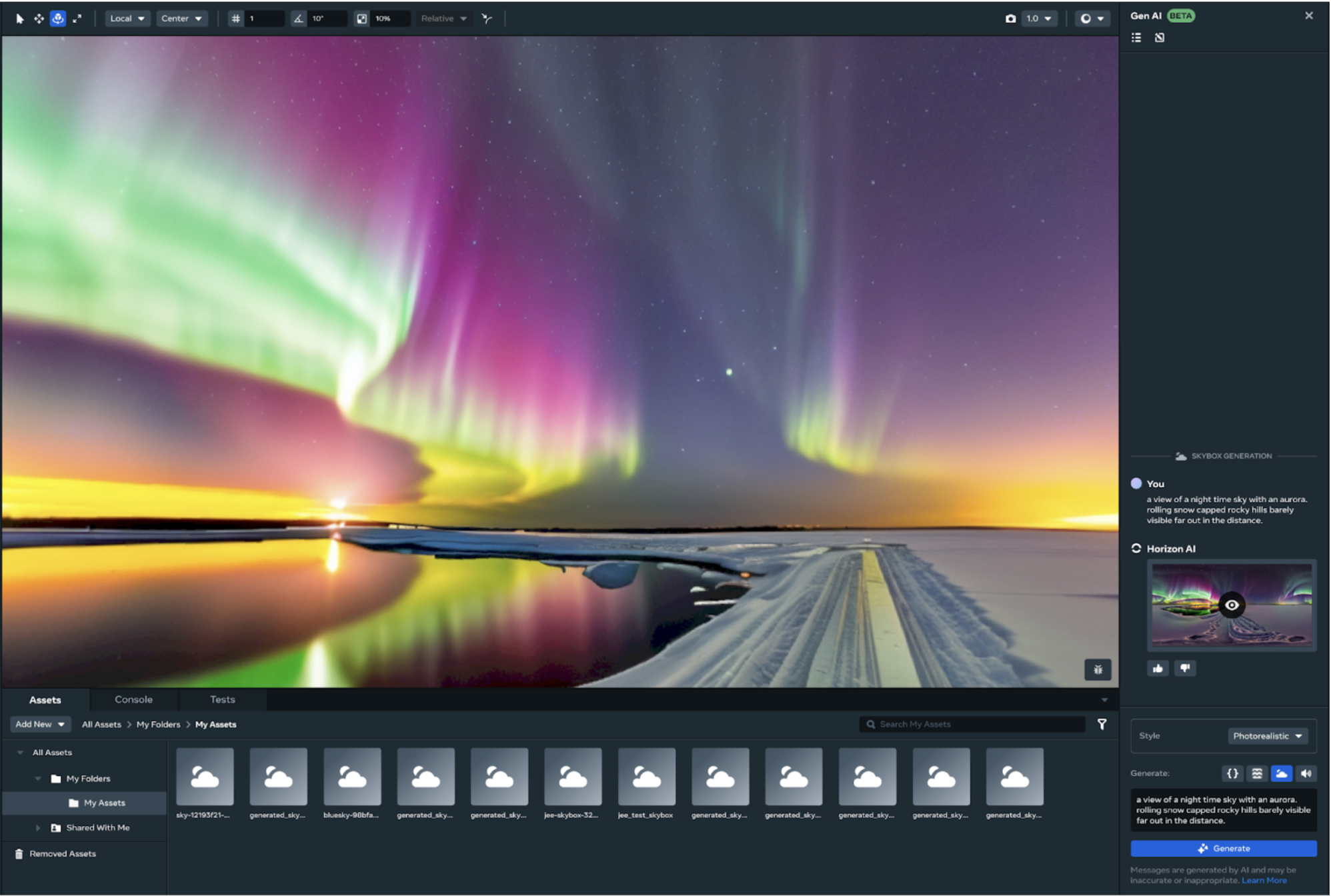
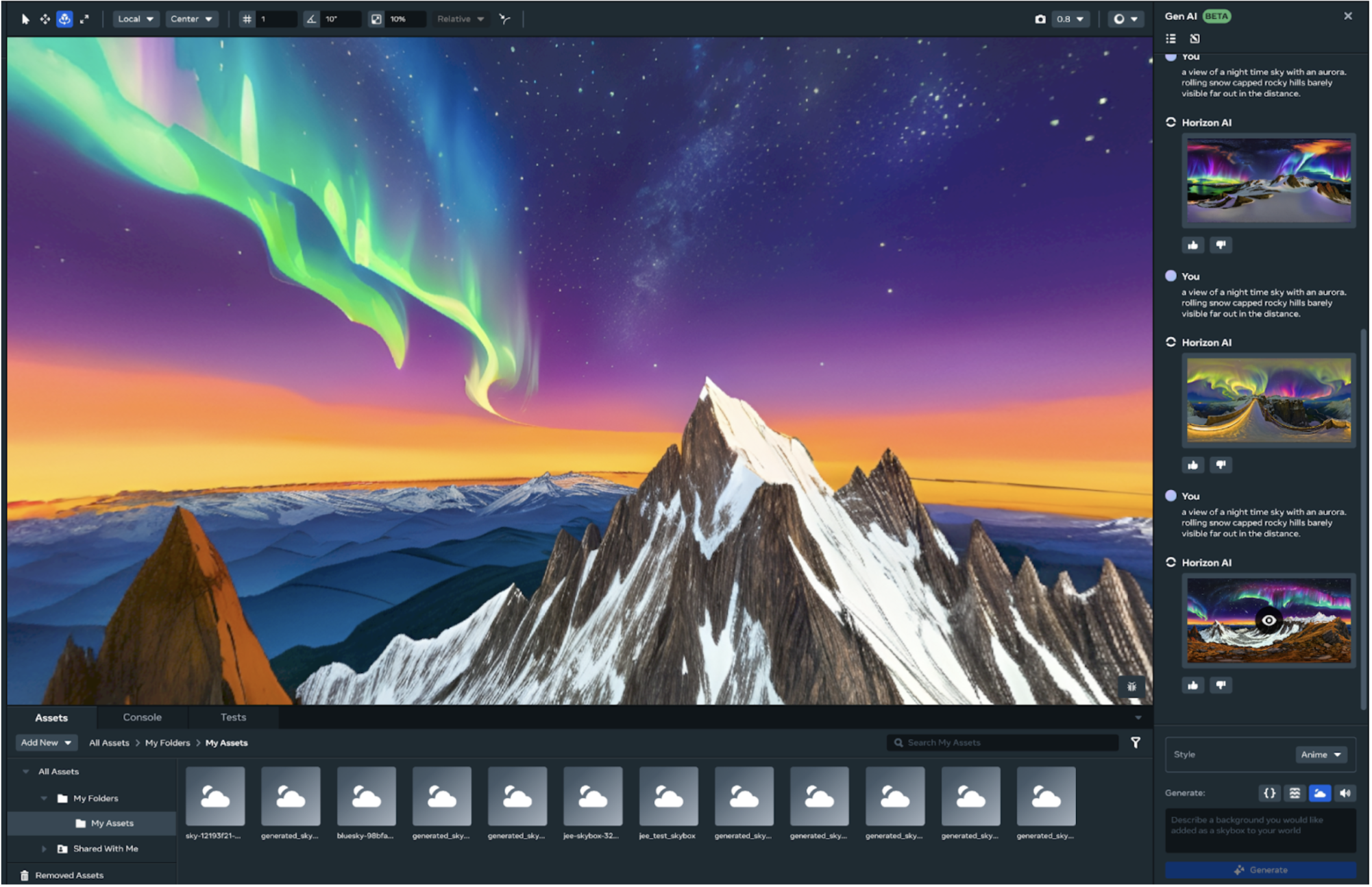
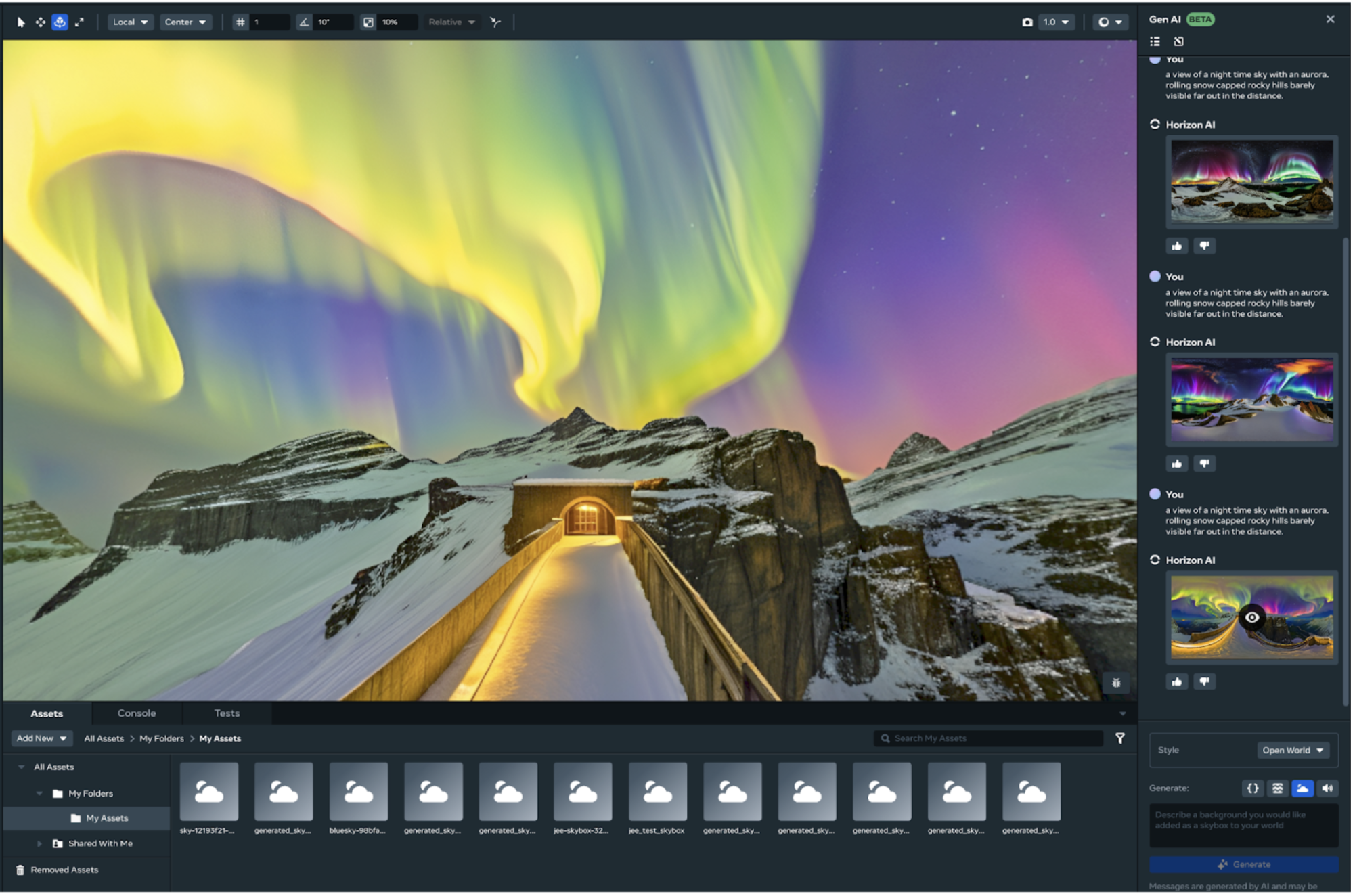
For skybox generation, there are six different “styles” to choose from: skydome, photorealistic, digital painting, open world, anime and comic. These styles flavor the description you type.
Examples of various skybox styles.
AI generation is rate-limited, as it is processed on Meta’s servers, with the following daily limits:
TypeScript: 1000 generations per day
Audio: 200 generations per day
3D Meshes: 100 generations per day
Skyboxes: 50 generations per day
To access the Meta Horizon Desktop Editor, download the Meta Quest Link PC app and install Meta Horizon Desktop Editor in it. Then, in Library, click the three dots below Meta Horizon Desktop Editor and select ‘Start in desktop mode’.
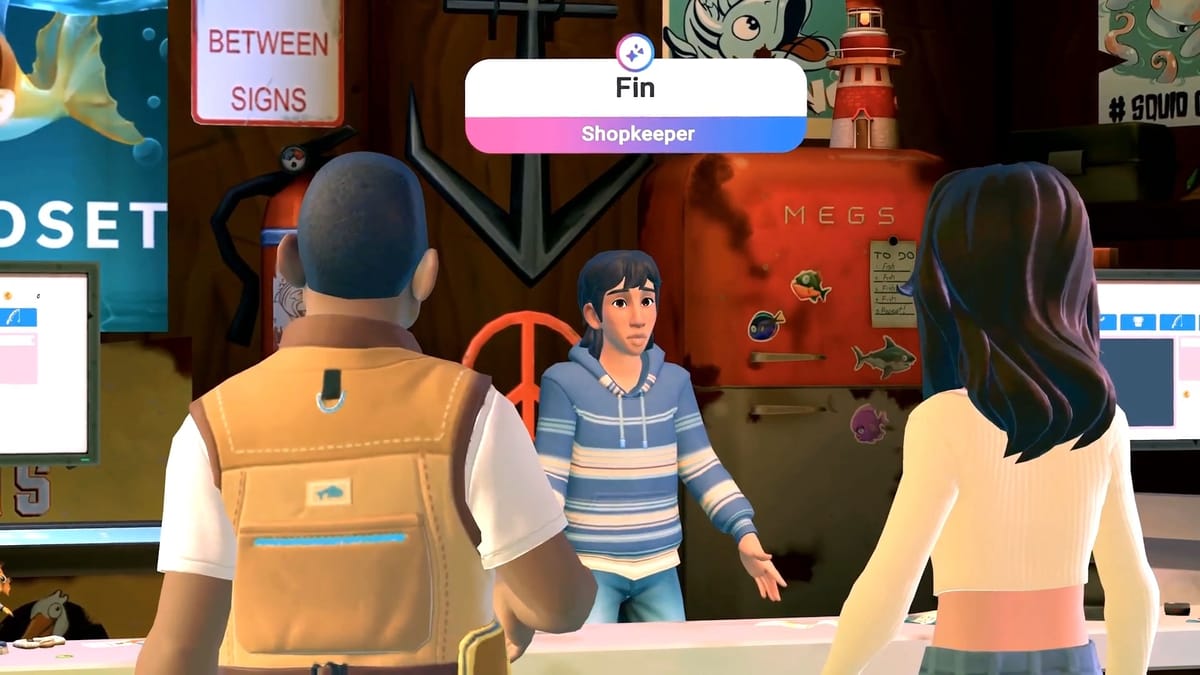
Later this year, Meta plans to let Horizon Worlds creators add AI NPCs that you can talk to with your voice, which can “engage in conversations, help people out, and even compete in games”.
“We’ll also support world understanding and complex action chaining, so NPCs can be a really rich part of the world you created”, Meta claimed at Meta Connect 2024.
Horizon Worlds currently supports simple NPCs that can be driven via TypeScript, but the coming feature would enable much richer virtual characters on the platform.
Meta is still running its $50 million Meta Horizon Creator Fund to pay creators of “fun and engaging” worlds. Here’s the company’s description of how the money is being distributed:
“Each month, we’ll pay out bonuses from the Creator Fund to the makers of fun and engaging mobile and MR worlds. Bonuses will be tied to worlds’ contributions to the overall ecosystem across time spent, retention, and in-world purchases, so there are a variety of different ways for creators to maximize their earnings.”
Note that Meta uses the term “MR” to mean both MR and VR now, so in the above description you should read “MR” as “VR”.
A reliable video game leaker is claiming that Nintendo Switch 2 pre-orders in Canada will go live on April 23. The leaker also shared information that suggested Switch 2 pre-orders in the United States would start on either April 21 or April 30, depending on the retailer.
An anonymous reader shares a report: None of the frontier AI research labs have presented any evidence that they are on the brink of achieving artificial general intelligence, no matter how they define that goal, but Google is already planning for a “Post-AGI” world by hiring a scientist for its DeepMind AI lab to research the “profound impact” that technology will have on society.
“Spearhead research projects exploring the influence of AGI on domains such as economics, law, health/wellbeing, AGI to ASI [artificial superintelligence], machine consciousness, and education,” Google says in the first item on a list of key responsibilities for the job. Artificial superintelligence refers to a hypothetical form of AI that is smarter than the smartest human in all domains. This is self explanatory, but just to be clear, when Google refers to “machine consciousness” it’s referring to the science fiction idea of a sentient machine.
OpenAI CEO Sam Altman, DeepMind CEO Demis Hassabis, Elon Musk, and other major and minor players in the AI industry are all working on AGI and have previously talked about the likelihood of humanity achieving AGI, when that might happen, and what the consequences might be, but the Google job listing shows that companies are now taking concrete steps for what comes after, or are at least are continuing to signal that they believe it can be achieved.
Apple has joined most of the tech world in riding the artificial intelligence wave, though the company is struggling mightily to integrate Apple Intelligence into its products. Embarrassingly, its AI has often failed to even get small features, such as summarizing headlines, working the way most expect it to. According to a new Bloomberg report,
We may earn a commission from links on this page. Deal pricing and availability subject to change after time of publication.
Meta has made virtual reality (VR) accessible to many more people, offering good VR headsets for much cheaper than the competition. Right now, the 128GB Meta Quest 3S Batman: Arkham Shadow Bundle is on sale for $269 (originally $299.99), the lowest price it has been, according to price-tracking tools. You can double the storage for $369 (originally $399.99); that version has dropped to $350 in the past. The bundle includes the Batman game (with a list price of $49.99) and a three-month trial subscription to the Meta Quest+ service that’s normally $7.99 a month. There are also other bundles available with other Meta accessories.
Get Batman: Arkham Shadow and a 3-Month Trial of Meta Quest+ Included — All-in-One Headset
Meta Quest 3S 128GB
$269.00 at Amazon
$299.99 Save $30.99
$269.00 at Amazon
$299.99 Save $30.99
Get Batman: Arkham Shadow and a 3-Month Trial of Meta Quest+ Included — All-in-One Headset
Meta Quest 3S 256GB
$369.00 at Amazon
$399.99 Save $30.99
$369.00 at Amazon
$399.99 Save $30.99
It’s true, the Meta Quest 3 has better graphics, but it costs substantially more (currently $499.99) than the 3S version. Lifehacker staff writer Stephen Johnson tested both VR headsets to decide which of the two is better, and the Meta Quest 3S was his winner—you can read a more in-depth review of the Quest 3S here. There just isn’t enough of a difference between the two models to justify the additional cost, with the Quest 3S’s graphics looking very close to the 3 and running the same games and apps.
The Meta Quest 3S has a Snapdragon XR2 Gen 2 processor, 8GB of RAM, a display resolution of 1,832 by 1,920 (per eye), and a refresh rate of 120Hz. Once you put them on, the horizontal field of view is 96 degrees, and the vertical view is 90 degrees. The audio is stereo, which is nice, and the speakers are compatible with 3D spatial audio. When it comes to battery life, expect up to two and a half hours of juice before having to recharge (expect it to take about two hours for a full charge).
This April saw the launch of Zwift Community Live, an epic four-day event bringing together the Zwift community in Mallorca to connect ambassadors, community leaders, special guests, and passionate riders from around the globe.
Dave Towle joins Rebecca Charlton to talk about the inaugural edition, as well as bringing us interviews with a number of Zwift community members who were in attendance including Sir Mark Cavendish.
Plus we discuss all the latest news, including Zwift outdoors, new roads in France, and much more. Ride on!
It looks like OpenAI is building its own X-like social media network, according to a report by The Verge. We don’t have many specifics, but we do know there’s an internal prototype that adds a social feed to ChatGPT’s image generation tool.
It remains unclear if OpenAI will launch this social network as a standalone app or if it will be integrated within the ChatGPT app, which is what the prototype indicates. The report does suggest that OpenAI CEO Sam Altman has been asking for feedback about the social network from people outside of the company.
One potential reason for this step is that the app would allow OpenAI to gather real-time data from users to train its AI models. It’s also a potentially diversifying move for the company.
Although it’s uncertain if this project will ever see the light of day, one thing is probable — it’ll likely get under the skin of Elon Musk, who owns X. Altman and OpenAI have been at odds with Musk for some time. The company rejected his offer to buy OpenAI, instead offering to “buy Twitter” for just $9.7 billion dollars. It’s worth noting that the offer is four times lower than what Musk paid for the platform and that Altman purposefully used the word Twitter and not X.
no thank you but we will buy twitter for $9.74 billion if you want
OpenAI has also recently countersued Musk, accusing the billionaire of staging press attacks and malicious campaigns against the company on X. The suit also accuses Musk of making “harassing legal claims,” referring to his initial suit, and a “sham bid for OpenAI’s assets.”
The company also published an email from Musk’s time at OpenAI in which he suggested merging with Tesla. Altman and his crew have stated that Musk was present during talks about OpenAI going for-profit and that he suggested he be given majority equity, control of the board and the CEO position. Musk left OpenAI in 2018 and founded xAI, which somehow just bought X in some kind of shady ouroboros of corporate tomfoolery.
This article originally appeared on Engadget at https://www.engadget.com/ai/openai-is-apparently-making-a-social-network-175842370.html?src=rss
Only a few years ago, we had Android phones with a modest amount of internal storage, and loading apps was painful at best. Google seems to understand that low storage capacity ruins the Android user experience. Hence, the company has mandated that Android devices possess at least 32GB of internal storage to run or upgrade to Android 15.
Wonder is a new anthology of mixed reality and VR experiences coming to Quest 3 and 3S.
Developed by Vancouver studio Metanaut, Wonder is a new exploration app that aims to “bring magic and tranquility into your everyday spaces” while offering users an “escape from their busy lives.” It’s the latest project from the Gadgeteer studio, which you may recall added a mixed reality mode to the physics-based puzzle game last November.
0:00
/0:24
Wonder offers three different experiences that last for 20 minutes. Ancient Ruins sees your space turn into a mysterious cave that gets consumed by a black hole. Jellyfish Bloom promises a deep-sea adventure where bioluminescent jellyfish light up the environment. Finally, Parallel Worlds uses reality-bending portals that create alternative versions of your environment through ice, dots, and more.
Each experience uses controller-free hand-tracking interactions in either seated, standing, or roomscale settings only on Quest 3. Metanaut founder Peter Kao advised that the team aims to deliver photorealistic visuals created using scanned room meshes and “advanced rendering techniques.”
A specific release date will be announced “in the coming weeks,” and Wonder reaches the Meta Quest 3 family this spring for $3.99.
Heads up: If you’ve rented a car from Hertz, your data may have been exposed in a data breach. While Hertz itself was not attacked, affected customers had sensitive data leaked—including, in some cases, Social Security numbers.
What happened with Hertz?
This week, Hertz posted a “Notice of Data Incident” on its website, informing customers about a 2024 episode involving Cleo Communications. Cleo operates a file transfer platform that Hertz uses for “limited purposes.” Despite those limited purposes, Hertz confirmed that actors exploited zero-day security flaws in Cleo’s network and accessed Hertz customer data. It appears actors accessed this data in both October and December of last year.
Following an analysis of the affected data on April 2, Hertz now says the following user data was impacted in this breach: customer names, contact information, dates of birth, credit card information, driver’s license information, as well as workers’ compensation claims data. In some cases, actors accessed even more sensitive data, including government identification numbers (including Social Security numbers), passport information, Medicare and Medicaid IDs, and informations about injuries via vehicle accident claims. Hertz says only “a very small number of individuals” are impacted by this latter category of information, but it’s a serious breach nonetheless.
Hertz says it has reported the situation to law enforcement, and is reaching out to regulators as well. The company says Cleo launched an investigation, and patched the security flaws that lead to the breach in the first place—though that will likely not be of much comfort to affected customers.
According to TechCrunch, Hertz contacted several U.S. states, notably California and Maine, about the data incident. The company said that at least 3,400 customers in Maine were impacted by the breach, but stopped short of naming the total number of affected customers. It seems the data breach affects users around the world, too. In addition to the U.S., Hertz posted its announcement on its websites in Australia, Canada, the EU, New Zealand, and the UK.
What should I do if my Hertz data was breached?
Hertz maintains that this user data has not been used to commit fraud, but that doesn’t mean it won’t happen. Bad actors can use the information leaked in this breach to steal your identity, open bank accounts, and take out credit cards and loans in your name. As such, you should take steps to protect your identity.
The company is offering two years of Kroll identity monitoring and dark web monitoring services to impacted customers for free. Accept the offer: A service like Kroll will keep an eye out for any fraud associated with your data, and help protect you from the repercussions.
While Kroll will do a lot of the work for you, there’s more you can do here to keep yourself protected. For starters, you can obtain a free credit report from Equifax, Experian, and TransUnion once a year. Since each is independent, you can stagger your requests to effectively check your full credit once every four months. If you have been involved in this security incident (or any one like it) you can also put a freeze on your credit to ensure no one can access your report for any reason.
If you build it, they will come—especially when what you’re building is the most acclaimed video game adaptation ever. After waiting a little over a year to see the aftermath of Joel’s (Pedro Pascal) controversial decision to save Ellie, The Last of Us’s second season debuted to a larger audience than its predecessor.
Dig deep on Google Earth and you’ll inevitably find a surprise or two. Maybe you’re looking at far-flung islands in the middle of an ocean or checking in on something closer to home.
A few years ago, online sleuths found an image of a B-2 stealth bomber in flight over Missouri. The aircraft is smeared in the image because it was in motion, while the farm fields below appear as crisp as any other view on Google Earth.
There’s something else that now appears on Google Earth. Zoom in over rural North Texas, and you’ll find a satellite. It appears five times in different colors, each projected over wooded bottomlands in a remote wildlife refuge about 60 miles (100 kilometers) north of Dallas.