Subaru’s new Trailseeker EV has solid 4×4 bonafides but mediocre range

Subaru has unveiled its second-ever EV, the 2026 Trailseeker, at the New York International Auto Show. It’s a slightly larger version of the company’s first electric vehicle, the Solterra, and is likely based on the same platform — also used by Toyota with its BZ4X electric SUV. 

The Trailseeker is taller than the Solterra and has more cargo area, but otherwise resembles that model, with similar body creases along the doors and rear fender. It also has the same type of plastic panels around the fenders, which was something of a polarizing feature on the Solterra. 

Range isn’t the Trailseeker’s strong point as it’s equipped with a smallish 74.7-kWh lithium-ion battery and tops out at just 260 miles. Charging won’t be blazingly fast either as it’s limited to 150kW. However, the electric SUV will be able to handle fast charging in cold or warm conditions thanks to a battery preconditioning system, and you’ll be able to pull up to any Supercharger thanks to the NACS port and Subaru’s arrangement with Tesla. 

Subaru's new Trailseeker EV has solid 4x4 bonafides but mediocre range
Subaru

The Trailseeker does seem to have the goods when it comes to performance and offroading, though. It uses a symmetrical all-wheel drive system with dual motors putting out a combined 375 HP that propel it from 0-60 mph in 4.3 seconds. It also comes standard with 8.3 inches of ground clearance and the company’s X-Mode system with settings for snow/dirt, deep snow/mud, grip control and downhill assist control.  

It’s also loaded with driver assist tech powered by the company’s EyeSight system. That includes pre-collision braking, front cross traffic alert, blind spot monitors, lane departure alert, a panoramic view monitor, emergency stop assist, traffic jam assist, lane change assist and adaptive cruise control.

Subaru's new Trailseeker EV has solid 4x4 bonafides but mediocre range
Subaru

The interior looks fairly plain but it does feature a 14-inch touchscreen, the largest on any Subaru to date. In a nod to its techie market, the EV also offers a wide center console that “provides a centralized hub for devices and personal items for easy storage,” the company said. That includes two 15W chargers, two fast USB-C chargers for rear passengers, plus Apple CarPlay and Android Auto support. 

Pricing will be announced in “early 2026,” according to Subaru. However, it’s likely to be more expensive than the company’s Solterra, which currently starts at $38,495 before any tax credits, and ahead of any future tariffs levied on Japanese imports. 

This article originally appeared on Engadget at https://www.engadget.com/transportation/evs/subarus-new-trailseeker-ev-has-solid-4×4-bonafides-but-mediocre-range-132516469.html?src=rss

GeForce RTX 5060 Ti Review: $429 Blackwell For Gamers And Creators

GeForce RTX 5060 Ti Review: $429 Blackwell For Gamers And Creators
NVIDIA GeForce RTX 5060 Ti 16GB: MSRP $429 The new GeForce RTX 5060 Ti brings NVIDIA’s latest Blackwell GPU architecture down below $500, to target mainstream, 1440p gamers. Blackwell Architecture Power Efficient Smaller Form Factors Cool And Quiet Tons Of Overclocking Headroom DLSS4 And RTX Neural Rendering Latest Media Engines Modest Upgrade…

Pick up the Twelve South AirFly Pro while it’s on sale for only $42

Wireless headphones and earbuds are extremely convenient, until they’re not — I’m looking at you in-flight movies with only headphone jack compatibility. One of our favorite solutions for this is Twelve South’s AirFly bluetooth transmitters, which allow you to wirelessly connect with everything from treadmills to TVs.

Well, now, the AirFly Pro is on sale for $42, down from $55, in the white model. The 24 percent discount brings its price to the lowest we’ve seen all year. This specific AirFly transmitter lets you pair up to two headphones and access pretty much anything with a headphone jack — yes, you can finally say no to the flight attendant handing out cheap wired headphones and use the ones you forked out good money for. 

The AirFly Pro works with all types of headphones, including Sony, Bose and Beats. The transmitter is small enough to fit in your pocket, but lasts for up to 25 hours — meaning you don’t have to bother with charging it mid-travel. Plus, it includes a USB-C cable for whenever it does need a juice up. 

Follow @EngadgetDeals on X for the latest tech deals and buying advice.

This article originally appeared on Engadget at https://www.engadget.com/deals/pick-up-the-twelve-south-airfly-pro-while-its-on-sale-for-only-42-131547286.html?src=rss

NVIDIA RTX 5060 Ti (16GB) review: A solid semi-budget GPU for $429 (but good luck scoring that price)

NVIDIA’s GeForce RTX 5060 Ti aims at a very niche group of gamers. Starting at $379 with 8GB of VRAM, or $429 with 16GB, the 5060 Ti is for people who want something a bit more powerful than the base $299 RTX 5060, but aren’t willing to shell out for the midrange $549 RTX 5070. (And it’s worth noting that card is already selling for well beyond that price). 

In terms of raw rendering power, it’s a minor upgrade over the previous RTX 4060 Ti. But thanks to the power of DLSS 4 AI upscaling, as well as 4X frame generation (the ability to create three interpolated frames for every one that’s rendered), the RTX 5060 Ti can reach surprisingly high fps scores in 1080p and even 1440p.

During my testing of PNY’s RTX 5060 Ti 16GB card, I found it to be a solid performer overall, especially for games that can tap into 4X frame generation. But of course, it’s unclear if you’ll actually be able to buy it for $429, given the already volatile nature of the GPU industry and the additional headache of the Trump administration’s unwieldy tariff plans. Would it be worth spending over $500 or even $600 on the RTX 5060 Ti? That’s much harder to tell.

Hardware

Now if you’re wondering why NVIDIA chose to offer 16GB of RAM in the RTX 5060 Ti, while it saddled the RTX 5070 with just 12GB, I don’t really have any answers for you. It’s a confusing move, and it’s another sign that the RTX 5070 was simply a bit too mid. Even more curious, the 5060 Ti also has higher clock speeds than the 5070, reaching between 2.4GHz and 2.57GHz. The 5070 is rated between 2.16GHz and 2.51Ghz.

Otherwise, the 5060 Ti sits right below the 5070: It has 4,608 Blackwell CUDA cores that can reach 24 TFLOPs, 759 AI TOPS and 72 TFLOPS of 4th-gen ray tracing cores. The 5070, meanwhile, has 6,144 CUDA cores for 31 TFLOPS of Blackwell shader power, 988 AI TOPS and 94 ray tracing TLFOPs.

The PNY 5060 Ti I tested seemed like a typical budget GPU. It’s relatively small, features just two fans and has one PSU connection. You won’t be mistaking it for a slick NVIDIA Founder’s Edition card, that’s for sure.

None

3DMark TimeSpy Extreme

Geekbench 6 GPU

Cyberpunk (4K RT Overdrive DLSS)

Blender

NVIDIA RTX 5060 Ti (16GB)

8,100

139,756

90 fps (4X frame gen)

4,220

NVIDIA RTX 5070

10,343

178,795

115 fps (4x frame gen)

6,015

NVIDIA RTX 5070 Ti

12,675

238,417

153 fps (4X frame gen)

7,365

NVIDIA RTX 4060 Ti

6,599

N/A

50 fps (1X frame gen)

4,435

What’s good about the RTX 5060 Ti (16GB)?

For the most part, the RTX 5060 Ti delivered everything I’d want in a sub-$500 video card. And in some cases, it even exceeded my expectations.

  • It offers excellent 1080p performance, especially with the help of DLSS 4. It hit 186 fps in Cyberpunk 2077 in ray tracing overdrive mode with 4X frame generation. But it also performed decently without DLSS, hitting 122 fps with Ultra graphics settings and no ray tracing. Just don’t try to add ray tracing without upscaling, as the 5060 Ti reached a mere 30 fps in RT Overdrive mode and 56 fps in RT Ultra.

  • In Halo Infinite, which doesn’t offer DLSS upscaling at all, it reached 156 fps in 1080p with maxed out graphics settings and ray tracing.

  • 1440p speeds were solid as well: It reached 136 fps in Cyberpunk’s ray tracing overdrive mode with 4X frame generation, and an even higher 189 fps in the slightly less impressive RT ultra mode.

  • In 4K, the 5060 Ti hit 90 fps in Cyberpunk with 4X frame generation. It’s not a card you’d be buying for consistent 4K gameplay, but it’s still interesting to see it hit beyond 60 fps at such a high resolution.

  • Having 16GB of VRAM future-proofs the card a bit, since it will be able to tackle higher resolution textures for newer games. That hefty amount of memory is likely why the 5060 Ti can handle 4K in a pinch.

  • The 5060 Ti was 25 percent faster than the 4060 Ti in the 3DMark Speedway benchmark, as well as the Port Royal ray tracing test.

  • Since it’s running just two fans, the 5060 Ti doesn’t make much noise under load. And it doesn’t really generate much heat either, reaching just 70C under load (and around 32C while idling).

NVIDIA RTX 5060 Ti
Devindra Hardawar for Engadget

What’s bad about the RTX 5060 Ti (16GB)?

At the end of the day, the 5060 Ti is still a slightly souped-up budget card, so there are bound to be compromises. 

  • I wish I could really trust its $429 price. While some lucky shoppers may be able to find launch models at that figure, it won’t be long before retailers start jacking up the price. And that’s not even counting where things may end up in a post-Trump tariff world.

  • Strangely enough, the 5060 Ti scored a few hundred points lower than the 4060 Ti in the Blender benchmark. That could be due to immature drivers, but it was still surprising to see. Given that other benchmark results showed a decent amount of improvement, I wouldn’t count the 5060 Ti out for all 3D rendering software. But if you were in that field, you’d probably be investing in something much more powerful anyway.

Should you buy the RTX 5060 Ti (16GB)?

If you’re still using an RTX 3060 or an older GPU, you’ll see some huge speed boosts from the RTX 5060 Ti. But think twice before spending well over $500. If the GPU market stabilizes in the future, you may be able to snag an AMD Radeon RX 9070 or an NVIDIA RTX 5070 for $549. The Radeon is likely the better alternative, since it scored higher than the 5070 in most of our tests.

NVIDIA RTX 5060 Ti
Devindra Hardawar for Engadget

Wrap-up

On paper, NVIDIA has done a lot right with the 16GB GeForce RTX 5060 Ti. It’ll be more than enough for demanding games in 1080p and 1440p, even if you let loose a bit with ray tracing. But it’s also relying on DLSS 4 upscaling for much of that performance, which may make some wary about the 5060 Ti’s actual power.

This article originally appeared on Engadget at https://www.engadget.com/gaming/pc/nvidia-rtx-5060-ti-16gb-review-a-solid-semi-budget-gpu-for-429-but-good-luck-scoring-that-price-130058124.html?src=rss

Patreon is testing livestreaming with a major rollout planned for summer

Patreon has plenty of tools to help creators connect with audiences and grow those subscription numbers. However, it has never offered the ability to stream live video content. That’s changing soon. The platform is testing livestreaming with a general rollout planned for summer.

It’s called Live Video and will be available to a “limited group of creators” starting next week as part of a testing phase. Patreon says this feature should help “boost real-time fan engagement and provide new experiences to encourage free-to-paid member conversion.”

The platform looks to have put some thought into this functionality. There are no ads during streams, which is great, and it added some built-in tools to help with real-time engagement. There are real-time chats, which is typical for livestreams, but creators are given “enhanced chat moderation tools” to keep things from blowing up into a toxic hellscape.

Patreon says there will be no third-party tools required by creators or fans and that everything will run in the official app. This will also work on multiple platforms, including mobile and PC. Creators will be able to choose to offer streams to everyone or just to paid members.

The company has some plans to improve the experience down the line. It’s prepping an integration with OBS and Streamlabs to allow for adding co-hosts or to support “sophisticated streaming setups.” It will also allow creators to offer VOD downloads of streams as a one-time purchase or as a gift to fans. 

The platform has been busy this past year or two. It recently added a feature to allow fans to purchase access to collections of content without having to pony up for a monthly subscription. It also provided a suite of tools to let creators customize their pages, including the layout, colors and how posts display.

This article originally appeared on Engadget at https://www.engadget.com/entertainment/streaming/patreon-is-testing-livestreaming-with-a-major-rollout-planned-for-summer-130045258.html?src=rss

Don’t Delete This Empty Folder on Windows 11

It can be alarming to find an unknown folder or file on your computer, not least because malware can install temporary files without your knowledge that allow an infection to hide or spread. If you’re a Windows 11 users, the empty “inetpub” that recently appeared on your computer isn’t malicious—and it’s actually critical to patching a security flaw in your system.

The folder, spotted last week by Windows Latest, was created on users’ devices during the most recent Window 11 Patch Tuesday update. It is part of a security fix for an elevation of privilege vulnerability (labeled CVE-2025-21204) in the Windows Update Stack that allows attackers access to modify system files or folders, though Windows Latest reports that Microsoft hasn’t clarified exactly how the folder is related to the patch other than offering “increased protection.”

If you find the inetpub folder on your device, do not delete it. If you already have, do not despair—you can recover it to ensure the vulnerability is patched.

How to recover a deleted “inetpub” folder on Windows 11

If you accidentally deleted the empty inetpub folder on your computer running Windows 11, you need to restore it for the security patch to be effective. While you can normally recover deleted files and folders from the Recycle Bin, File History, or a backup (or using recovery software), there is a specific process to restore the inetpub folder as described by Windows Latest:

  1. Go to Control Panel > Programs > Programs and Features.

  2. Click Turn Windows features on or off to pull up a dialog box.

  3. Check the box next to Internet Information Services and click OK.

This will recreate the deleted folder with the same security protections as the original.

Figma Confidentailly Files For IPO After Adobe Deal Collapses

Figma has confidentially filed for an IPO with the SEC, marking a major move more than a year after scrapping its $20 billion acquisition deal with Adobe due to regulatory pushback. CNBC reports: Figma’s software is popular among designers inside companies who need to collaborate on prototypes for websites and apps. The company was valued at $12.5 billion in a 2024 tender offer. “There are two paths that venture-funded startups go down,” Dylan Field, Figma’s co-founder and CEO, said in an interview with The Verge last year. “You either get acquired or you go public. And we explored thoroughly the acquisition route.”

The announcement lands at a precarious moment for the tech IPO market, which has been largely dormant since late 2021. The Trump presidency was expected to revive new offerings due to promises of less burdensome regulations.


Read more of this story at Slashdot.

Is the definition of an ebike about to change?

EU regulations around ebikes could be set to change, potentially altering their classification as bicycles. 

Several EU ministries announced before the 2024 European Parliament elections that vehicle regulations would be revised, leading to changes in ebike regulations. But the success of electric bikes could be seen as depending on their equal legal status to bicycles. 

This is the view, at least, of ZIV (Zweirad Industrie Verband), the German cycling industry association. Last week, ZIV published a position paper setting out what it believes should be the future ebike regulations.  

Why has ZIV made its recommendations? 

Cooper CG-7e commuter eBike
There are almost 16 million ebikes on the road in Germany. Steve Sayers / Our Media

ZIV’s chief technology officer, Tim Salatzki, says in the position paper that ebikes “are the most important driver of electric mobility with almost 16 million now on the roads in Germany”.

Salatzki says ebikes are a key component of “the mobility transition” and the most popular recreational vehicle, making them decisive to the success of the German bicycle industry.

“The success of ebikes depends on their equal legal status to bicycles. To ensure this equality in the long term, we propose more precise parameters for this type of vehicle,” says Salatzki. 

The equal status of ebikes – which are legally designated Electrically Powered Assisted Cycles (EPACs) – and human-powered bicycles is based on their comparable riding characteristics, where the cyclist’s pedalling has a direct influence on riding behaviour and movement. 

Limiting the assistance power of ebikes would also help ensure that EPACs retain their bicycle-like characteristics and do not become subject to the same regulations that apply to mopeds, according to the position paper. 

So what are ZIV’s recommendations?

The recommendations, which some have suggested will influence future EU policymaking, define ebikes by the following characteristics:

  • Support ratio of 1:4 and
  • Support ratio of 1:6 possible up to max. 15 km/h and
  • Max. assistance power of 750W at the drive wheel and
  • Max. weight of 250kg for single-track EPAC or
  • Max. weight of 300kg for multi-track EPAC

To illustrate its assistance ratio recommendations, ZIV says: “If a cyclist has a power output of 100W, an assistance ratio of 1:4 would mean that the electric motor contributes a maximum of four times this power, i.e. 400W. This would result in a total power output of 500W at the drive wheel.” 

What does this mean for ebikes? 

Pack shot of the Amflow PL Carbon Pro electric mountain bike
Bikes such as the Amflow PL use the powerful DJI Avinox motor. Andy Lloyd / Our Media

ZIV’s recommendations are fairly consistent with current ebike regulations. But there could be consequences for certain ebikes.

For instance, ebikes with motors that provide a greater maximum assistance than 750W would not meet the recommendations. This would include the DJI Avinox motor, used in eMTBs, which has a peak power of 850W and can provide a 30-second boost of 1,000W.

ZIV also says separate framework conditions and parameters must be defined for electric cargo bikes weighing more than 300kg. 

Heavy e-cargo bikes with multi-track (or parallel sets of) wheels are increasingly used by delivery companies. They can fit into cycle lanes, yet behave differently to typical ebikes, posing a potential safety risk, which it appears ZIV is considering.  

The regulation could also prove restrictive for innovation, according to ebike industry expert Hannes Neupert, who addressed the parameters in a LinkedIn post. 

“The 750-watt limit is an attack on people with physical disabilities, children, the elderly, tandem riders, cargo transporters, and families! The ZIV’s stated wishes attempt to preserve the eMTB as a core market for as long as possible! The future of the mobility transition is willingly sacrificed on the altar of quick profit!” Neupert wrote.  

Report: Apple CEO “cares about nothing else” Than Building Breakout AR Glasses Before Meta

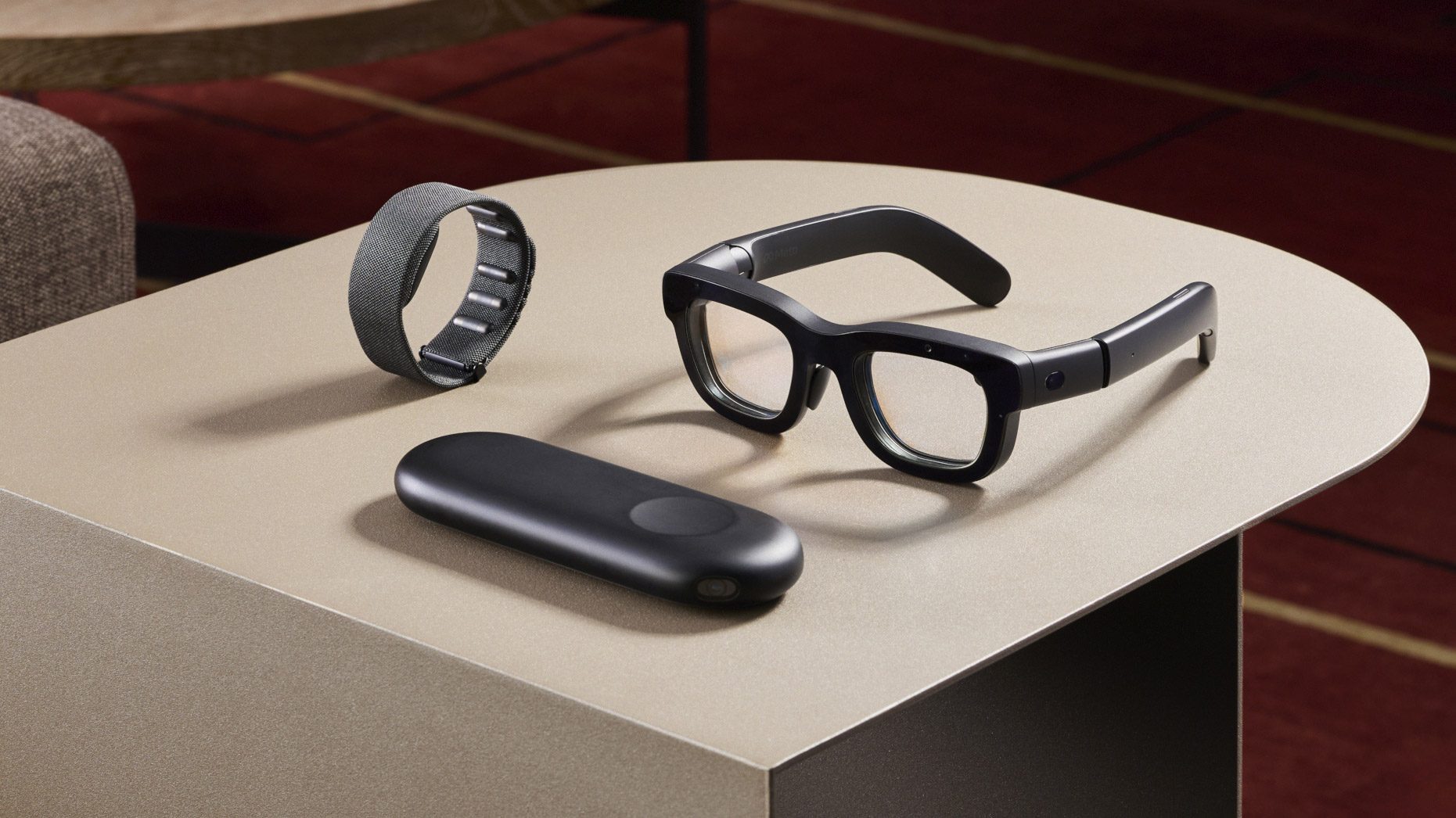
Apple is rumored to be working on two versions of Vision Pro, however a new report from Bloomberg’s Mark Gurman alleges the Cupertino tech giant is aiming to beat Meta to the punch with a pair of AR glasses.

Citing someone with knowledge of the matter, the report maintains Apple CEO Tim Cook has put development of AR glasses as a top priority, as the company plans to release such a device before Meta.

“Tim cares about nothing else,” the source told Bloomberg. “It’s the only thing he’s really spending his time on from a product development standpoint.”

Creating the sort of all-day AR glasses Apple is aiming for is still a multi-year challenge though. Packing in high-resolution displays, a powerful chip and a high-density (but very small) battery for all-day power represents a number of technical challenges. And creating such a device at a consumer price point is arguably the biggest of them all.

Meta’s Orion AR Glasses | Image courtesy Meta

While Apple is reticent to go on record, Meta has been fairly transparent with its XR roadmap. In late 2024, Meta unveiled its Orion AR glasses, which the company hopes will lead to the productization of such a device before 2030, and priced “at least in the space of phone, laptop territory.” For now, Orion costs Meta somewhere in the neighborhood of $10,000 per unit, largely owing to its custom silicon carbide waveguide optics.

And although Orion itself isn’t being productized right away, Meta is well on its way in the XR space, having not only produced multiple generations of Quest standalone headsets, but also its Ray-Ban Meta Glasses, which are laying foundation for its AR glasses of the near future.

The smart glasses, built in partnership with EssilorLuxottica, have been very successful too—so much so that Meta is reportedly preparing a next generation of the device which will include a monoscopic heads-up display. Granted, those aren’t augmented reality glasses, but rather still smart glasses. You can learn more about the differences between the two here.

Ray-Ban Meta Glasses, Image courtesy Meta, EssilorLuxottica

For now, Gurman maintains Apple is working on new versions of Apple Watch and AirPods which will be embedded with AI-enabled cameras, however the Fruit Company is still internally debating whether to counter Meta with a pair of smart glasses of their own.

According to Gurman, Apple has been developing such a device designed to work with Siri and Apple Visual Intelligence, although the company is unsure whether it will allow the glasses to actually capture media, owing to the company’s stance on user privacy.

This follows a wider leadership shakeup at Apple, reported by Bloomberg last month, which also saw Apple’s Vision Products Group (VPG) redistributed across the company.

Tasked with developing Vision Pro, VPG was initially created in 2023, which notably departed from its “functional” management structure introduced by Steve Jobs in the early ’90s. Essentially, this puts Vision Pro’s product development back in line with the company’s other hardware, including iPhone, iPad, etc.

The post Report: Apple CEO “cares about nothing else” Than Building Breakout AR Glasses Before Meta appeared first on Road to VR.

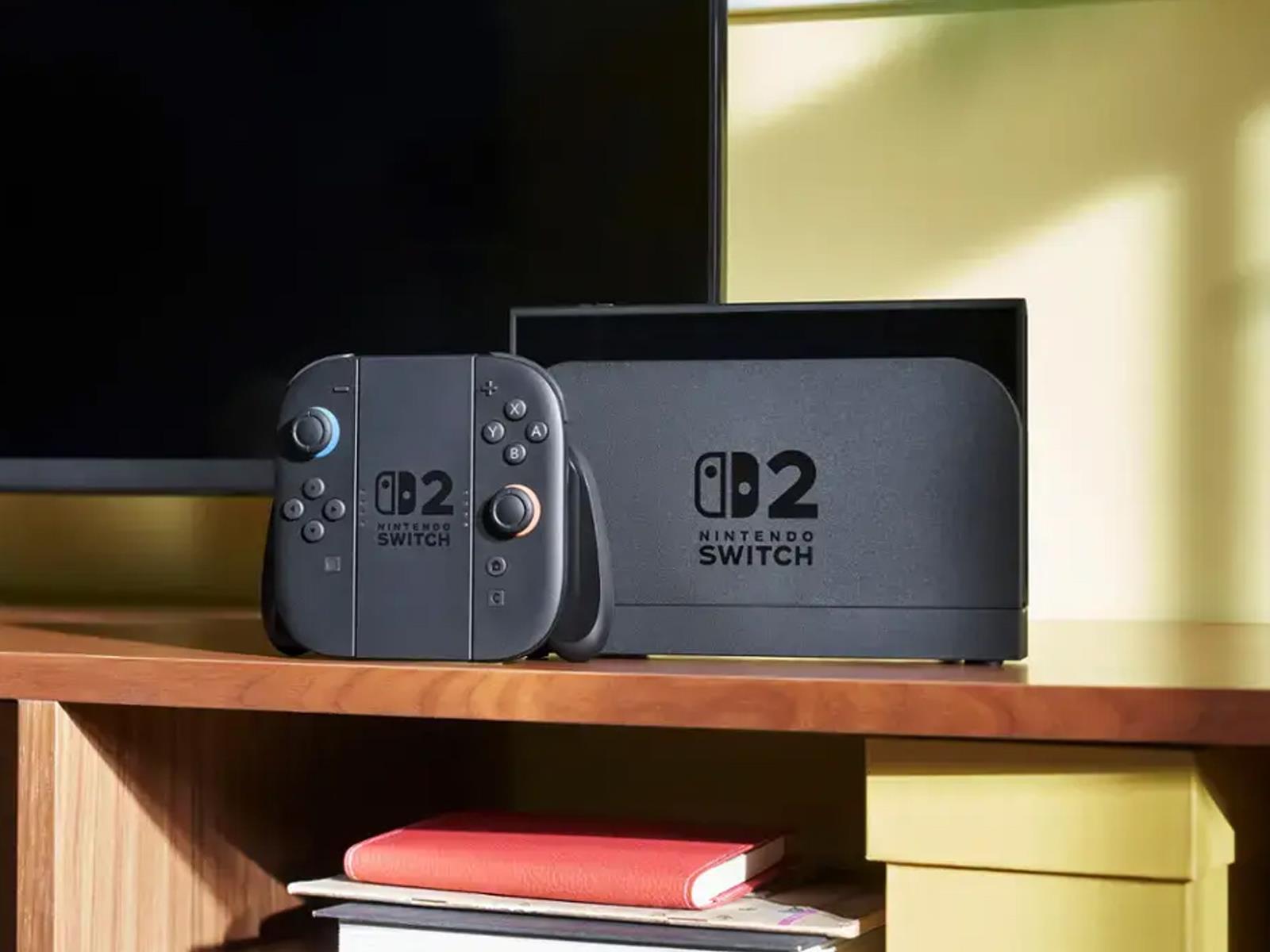
Nintendo Switch 2’s New US Preorder Date Tipped By A Reliable Leaker

Nintendo Switch 2's New US Preorder Date Tipped By A Reliable Leaker
Nintendo still has not announced when exactly it’s upcoming Switch 2 console will be available to preorder in the United States, but according to a leaker with a positive track record, it could happen as soon as next week. With that in mind, we suggest revisiting our Switch 2 preorder guide and preparing yourself for the big day, with tips

The Titanic VR Experience Is Now Available In Early Access On Quest 3 & 3S

The Titanic VR experience, previously only on PC VR and PlayStation VR, is now available in Early Access on Quest 3 & Quest 3S standalone.

Titanic VR originally released on Steam, the Oculus Rift Store, and the original PlayStation VR in 2018, leveraging the power of your gaming PC or PS4. The developer Engage XR, formerly Immersive VR Education, is the same behind the Apollo 11 VR experience, which first released on PC VR in 2015.

0:00

/2:18

But while Engage felt Apollo 11 was suitable for the original Oculus Quest, and delivered it as a launch title, the developer didn’t feel that standalone chipsets were up to the task of rendering the Titanic experience, with its hundreds of NPCs and detailed exterior and interior recreation of the enormous ship – until now.

Engage says it’s “pushing the limits” of the XR2 Gen 2 chipset in Quest 3 and Quest 3S to bring the full Titanic VR experience to standalone VR.

Currently, as an Early Access release, the Quest 3 port only includes the Exploration mode, which lets you pilot a submarine to traverse the Titanic shipwreck in the modern day.

In the coming weeks, Engage plans to add the Experience mode too, intended to help you viscerally understand the ship’s tragic history by reliving the 1912 sinking as a survivor.

Titanic VR Review: A Promising Start For VR Edutainment
When you say the word Titanic you can’t help but think Celine Dion, drawings of French girls and steamy windows. That’s a bit wrong, isn’t it? 1,503 people died when the ‘unsinkable’ vessel hit the ocean bed in 1912, nearly three-quarters of all passengers aboard, and
UploadVRJamie Feltham

Titanic VR is available in Early Access for $15 on the Meta Horizon Store for Quest 3 and Quest 3S.

You can find our review of the PC VR version of Titanic VR here, but keep in mind that the graphics and performance will be different between it and the Quest 3 port.

xAI’s Grok launches Studio interface for documents and code

xAI has launched a new interface for its Grok chatbot that could be compared to ChatGPT’s Canvas. The Elon Musk-helmed AI company has introduced the first version of Studio, which can generate documents, code and even browser games on a separate window. If you ask Grok to write an essay for you, for instance, you’ll find text formatting buttons (Bold, Italics and Underline) at the top of the interface. You’ll also find a a drop-down menu with header options and buttons to create bullet and numbered lists. 

If you ask Grok to write code for you, you’ll immediately see how it runs on a preview tab that you can switch to on the upper part of the interface. In addition to being able to preview HTML, the chatbot can also run and preview Python, C++, Javascript, Typescript and bash scripts. In addition, the company has added Google Drive support for Grok, which now works with documents, spreadsheets and slides. You can upload a spreadsheet and ask it to use information from the file to prepare a report for you, complete with charts and illustrations, open an essay you want to edit, or slides you’d like to jazz up. Grok Studio is available for all premium and free users. You don’t have to type in a prompt or click anything to activate it, but you’ll have to sign up for an account and sign in before you can access its features. 

Code Execution
If you ask Grok to generate code, you can quickly see how it runs in a “preview” tab. You can preview HTML snippets, run Python, C++, Javascript, Typescript and bash scripts. pic.twitter.com/HqVMROSl9N

— Grok (@grok) April 16, 2025

This article originally appeared on Engadget at https://www.engadget.com/ai/xais-grok-launches-studio-interface-for-documents-and-code-123016714.html?src=rss

This M3 MacBook Pro Is $500 Off Right Now

We may earn a commission from links on this page. Deal pricing and availability subject to change after time of publication.

At $1,399 (down from $1,899), this deal on the 14-inch Apple MacBook Pro (2023, M3 Pro chip) brings some high-end specs into a more accessible price range, especially considering it’s still $1,699 on Amazon.

This base M3 MacBook Pro configuration gives you an 11-core CPU, a 14-core GPU, 18GB of unified memory, and a 512GB SSD, which is plenty for handling creative workloads like editing 4K video, code compiling, or juggling multiple apps and browser tabs without hitting thermal limits or draining battery in a couple of hours. It runs on macOS Sonoma, has a backlit keyboard, and supports Wi-Fi 6E and Bluetooth, though those were already around in the 2021 model.

The display is a 14.2-inch Liquid Retina XDR screen with a 3024 x 1964 resolution and up to 1000 nits of sustained brightness (which makes a difference if you work outdoors or with HDR content). Colors look vibrant, and Apple’s ProMotion tech keeps things smooth with a 120Hz refresh rate that adjusts dynamically. This helps during video playback or fast-paced visuals, though it won’t make much of a difference for static office work. And while it’s not a touchscreen (something Windows users might miss), the display clarity more than makes up for it in sharpness and depth. Battery life is solid too, with up to 30 hours unplugged, according to this PCMag review.

You’re also getting a more generous port selection than what you’d get on a MacBook Air (speaking of, read why Apple’s newest MacBook Air is the one to buy) or most laptops in this class. There are three Thunderbolt 4 ports, an HDMI output, an SDXC card reader, a 3.5mm headphone jack, and MagSafe charging—so dongle life doesn’t have to be your default. If you don’t need a powerhouse for 3D rendering or machine-learning tasks, this M3 Pro version is more than capable. It’s a good fit for creative professionals, developers, gamers trying to get more mileage from the Mac ecosystem, and anyone who doesn’t want to compromise on screen quality or build, but also doesn’t need the fully loaded top-tier models.

Renaissance Puzzler The House Of Da Vinci VR Arrives On PlayStation VR2 Next Month

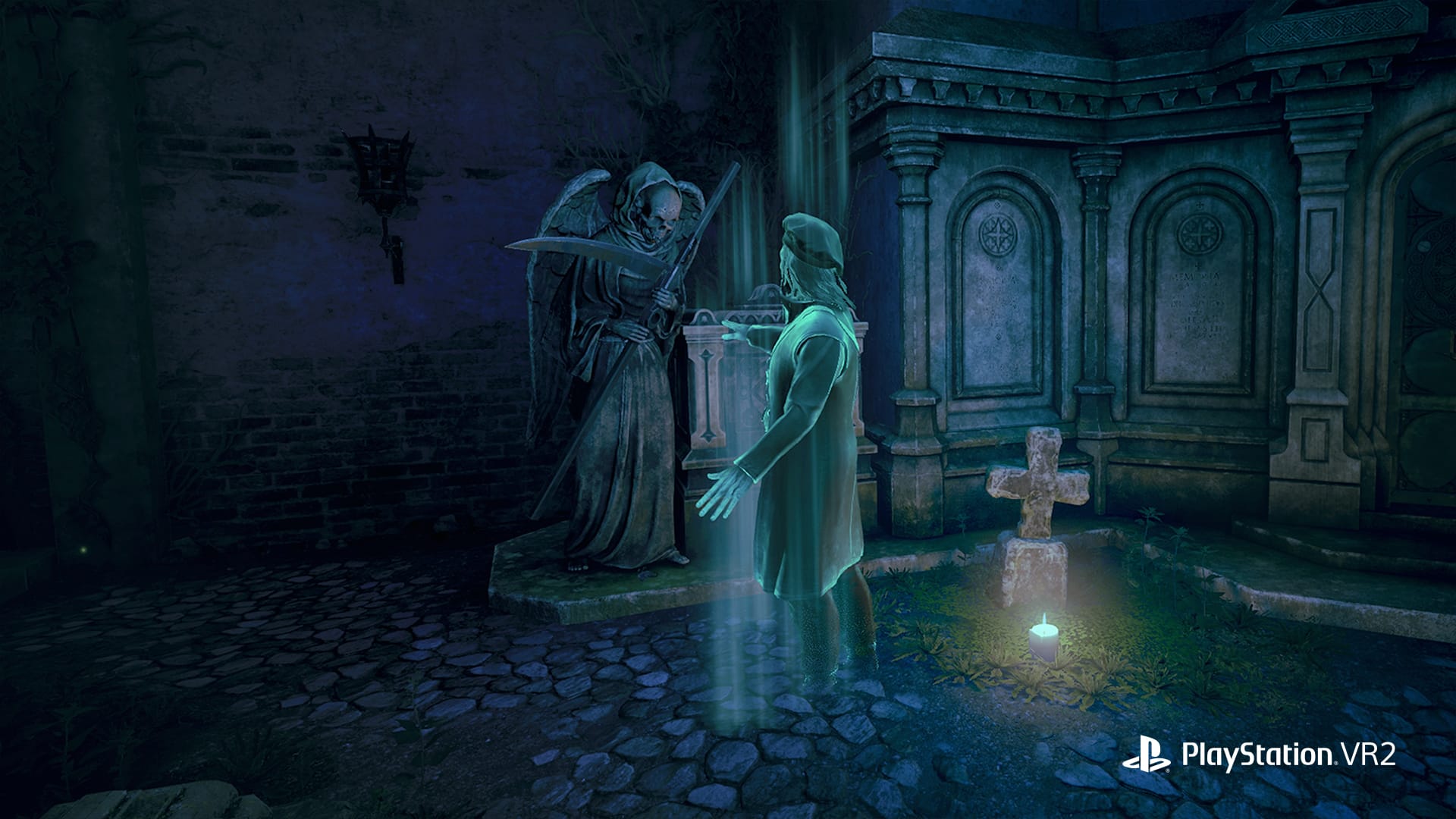
Developer Blue Brain Games is bringing its 16th-century puzzler The House of Da Vinci VR to PlayStation VR2 this May.

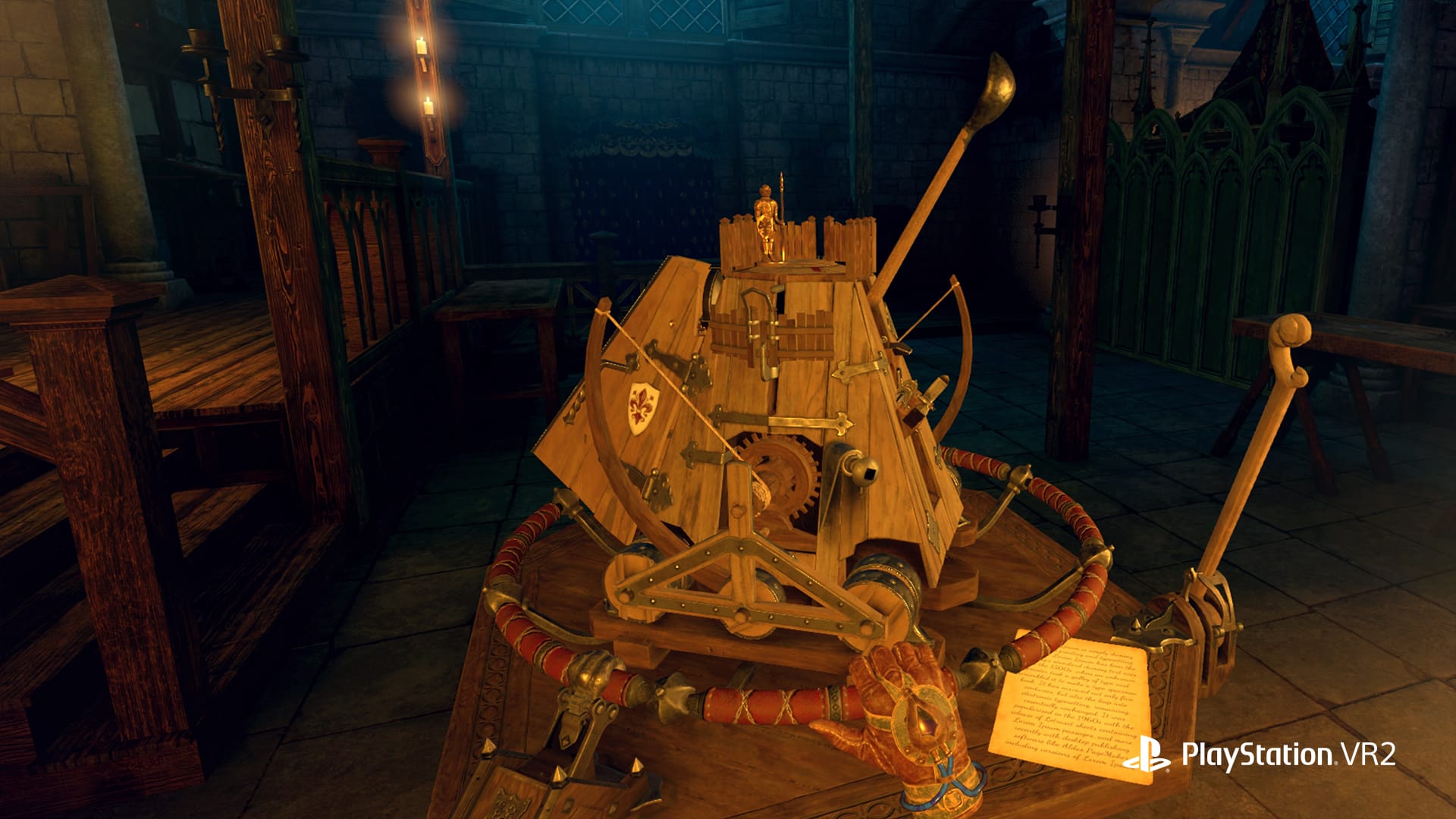
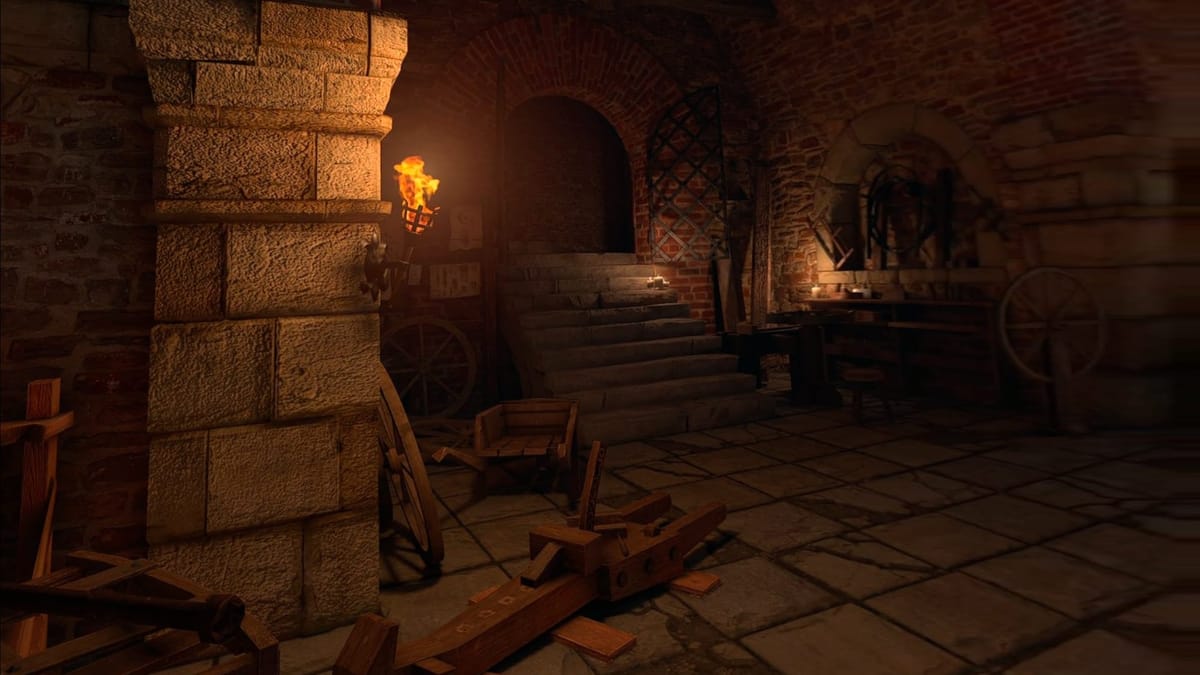
The House of Da Vinci VR is based on the 2017 flatscreen game of the same name but rebuilt from the ground up for virtual reality, which initially launched on SteamVR and Quest late last year. Now, developer Blue Brain Games is bringing the immersive puzzler to PlayStation VR2 on May 1. Throughout The House of Da Vinci VR, players step into the leather poulaines of Leonardo da Vinci’s apprentice, tasked with deciphering curious riddles and fixing perplexing mechanisms across a historical Italian setting.

PlayStation VR2 screenshots provided exclusively to UploadVR.

In our review earlier this year, we were captivated by The House of Da Vinci VR’s mysterious and graphically impressive world-building, saying we’d “love to see the rest of (the series) reach VR in the future,” and awarding the game 4/5 stars.

The House of Da Vinci VR is one of the best VR puzzle games I’ve ever played, delivering an experience that’s been lovingly created with reverence to its historical inspiration. Boosted by impressive visuals on Steam, it’s clear Blue Brain Games has a real talent for creating immersive environments and engaging experiences. If only the movement options could be expanded, then this game would be perfect.

The House of Da Vinci VR is available on Quest and Steam now, with the PlayStation VR2 version arriving on May 1.

The House Of Da Vinci VR Review: A Work Of Art
The House of Da Vinci VR is a captivating puzzle adventure based around the mysterious studios of Leonardo da Vinci.
UploadVRK. Guillory

Researchers claim breakthrough in fight against AI’s frustrating security hole

In the AI world, a vulnerability called “prompt injection” has haunted developers since chatbots went mainstream in 2022. Despite numerous attempts to solve this fundamental vulnerability—the digital equivalent of whispering secret instructions to override a system’s intended behavior—no one has found a reliable solution. Until now, perhaps.

Google DeepMind has unveiled CaMeL (CApabilities for MachinE Learning), a new approach to stopping prompt-injection attacks that abandons the failed strategy of having AI models police themselves. Instead, CaMeL treats language models as fundamentally untrusted components within a secure software framework, creating clear boundaries between user commands and potentially malicious content.

The new paper grounds CaMeL’s design in established software security principles like Control Flow Integrity (CFI), Access Control, and Information Flow Control (IFC), adapting decades of security engineering wisdom to the challenges of LLMs.

Read full article

Comments