Charge Your Phone’s Battery To 100%? Electrochemical Expert Weighs In

Charge Your Phone's Battery To 100%? Electrochemical Expert Weighs In
If you sometimes wonder if regularly charging your battery to100% is a good idea, read on. Although this information should be well-known to tech enthusiasts at this point, according to experts in the electrochemical and industrial engineering field, yes, fully charging your phone will damage and gradually age your battery until it loses its

Google Photos Now Lets You Convert Standard Photos to Ultra HDR

Ultra HDR is a cool image format. Like traditional HDR, this format packs more image data into each media file, which translates into brighter highlights, darker shadows, and more vibrant colors. However, Ultra HDR files also contain the standard dynamic range (SDR) version of the image as well. That way, you can share Ultra HDR files with friends who don’t have HDR-compatible displays, and the image will show up just fine.

But there’s a difference between being able to display an Ultra HDR image on a non-HDR display and converting an SDR image to HDR (or Ultra HDR, for that matter). Traditionally, the latter has been a more complicated endeavor, and not something offered through easy means to consumers. If you wanted your images to have a high dynamic range, you needed to shoot in HDR from the start.

As it happens, Google Photos is changing those rules. Android Authority reported that Google is now rolling out an option to its default photo app to let users upgrade their SDR images to Ultra HDR. Here’s how it works.

How to convert images to Ultra HDR in Google Photos

There are two things that need to happen before you can try out the new option. First, you need to be running Google Photos version 7.24.0.747539053 or newer. Second, Google needs to update your app with the feature itself. This is what’s known as a server-side update, as the feature isn’t something necessarily contained in a specific software version. If you’re running the right version, Google can then update your app on its end, and include the option for you to use. In other words, if your Google Photos app is fully updated and you still don’t see the new option, wait a bit for the update to roll out.

Once the feature does land on your version of Google Photos, open an image, then tap Edit launch the editor. Here, scroll left on the tools along the bottom of the display, then tap Adjust. You’ll find the new “Ultra HDR” option in this menu, replacing the “HDR Effect” option that was previously available in the editor.

In Android Authority’s testing, the image is clearly labeled as “Ultra HDR,” which you can find adjacent to the photo’s resolution and size information. Speaking of file size, Ultra HDR images may end up smaller than the original image you were working with, since the gain map (very simply, the HDR data of the image) is smaller than the original photo. If you want to make sure you preserve the full information of the image, it might be a good idea to save the original photo after applying the effect—even if it does cost you a bit of storage.

Palworld Looks To Monster Hunter And Zelda To Defend Against Nintendo’s Patent Lawsuit

Palworld Looks To Monster Hunter And Zelda To Defend Against Nintendo's Patent Lawsuit
Pocketpair is currently defending itself versus Nintendo and the Pokémon Company in court battles on both sides of the Pacific, in a legal fight that started last year following the explosive popularity of Palworld. Now, there’s more insight as to how Pocketpair will be defending itself in Japanese court, in a case that could have major ramifications

FTC sues Uber over claims the company makes subscriptions hard to cancel

The Federal Trade Commission has decided to take formal action against ride-hailing service Uber over what it describes as “deceptive billing and cancellation practices.” The FTC’s lawsuit, filed on Monday, specifically takes issue with the Uber One service, which lets subscribers earn cash back on rides, get free deliveries and avoid cancellation fees.

According to the FTC, Uber made it easy for subscribers to join Uber One, but much harder to cancel. “Users can be forced to navigate as many as 23 screens and take as many as 32 actions to cancel,” the commission claims. The company also reportedly charged some users before their bill their free trial was up, and misrepresented the savings Uber One offered by not taking its subscription fee into account.

The lawsuit says that Uber’s actions violated the FTC Act and the Restore Online Shoppers’ Confidence Act, which “requires online retailers to clearly disclose the terms of the service they are selling, obtain consumers’ consent before charging them for a service and provide a simple way to cancel a recurring subscription.” 

Uber intends to fight the lawsuit and believes that the FTC has misrepresented the facts in some key ways. The company says that it “does not sign up or charge consumers without their consent” and that subscription cancellations can happen in-app, at any point. Uber does acknowledge that subscriptions previously had to be cancelled 48 hours before a charge through the company’s support team, but that’s apparently no longer the case.

Despite the best efforts of tech executives, the Trump administration has maintained a level of animosity towards tech companies. New FTC chair Andrew Ferguson suggested that censorship would be a major concern for the FTC under President Donald Trump, but the commission is still moving forward with an antitrust case against Meta, for example. The possibility for the (technically) independent organization to be wielded as a weapon by Trump feels a lot more likely without any Democrat members.

This article originally appeared on Engadget at https://www.engadget.com/big-tech/ftc-sues-uber-over-claims-the-company-makes-subscriptions-hard-to-cancel-191552906.html?src=rss

EU Says It Will Enforce Digital Rules Irrespective of CEO and Location

The European Union is determined to enforce its full digital rule book no matter who is in charge of companies such as X, Meta, Apple and Tiktok or where they are based, Commission President Ursula von der Leyen told Politico. From a report: “That’s why we’ve opened cases against TikTok, X, Apple, Meta just to name a few. We apply the rules fairly, proportionally, and without bias. We don’t care where a company’s from and who’s running it. We care about protecting people,” Politico quoted von der Leyen as saying on Sunday. The EU’s Digital Markets Act has been strongly criticised by the administration of U.S. President Donald Trump.


Read more of this story at Slashdot.

White House plagued by Signal controversy as Pentagon in “full-blown meltdown”

It’s possible that the White House may be looking to replace Defense Secretary Pete Hegseth after critics warned that a pair of controversial Signal chats risked compromising US national security.

In March, it was revealed that Hegseth accidentally texted secret bombing plans in a Signal chat that included a reporter, raising alarms about his handling of sensitive military information. And then this weekend, The New York Times revealed that he similarly shared the attack plans, just minutes after learning of them, in a personal Signal chat that included his wife and brother.

That second revelation sparked a “full-blown meltdown” at the Pentagon, The Guardian reported, apparently prompting the Trump administration to begin “the process of looking for a new secretary of defense,” a US official granted anonymity told NPR Monday.

Read full article

Comments

Andor season 2 review: A Star Wars miracle, an ode to rebellion

We know Cassian Andor is doomed. 2016’s Rogue One makes clear he will meet an untimely death in a massive explosion. That sense of inevitable destruction lingered in the background of the first season of Andor, the prequel series that follows his journey from a low-rent criminal to a rebel spy. But his fate is even more crushing in Andor’s second (and final) season, where the cost of fighting against the seemingly all-powerful Empire chips away at his soul.

“Rebellions are built on hope,” was an iconic line from Rogue One, first uttered by Andor and then repeated triumphantly by that film’s lead, Jyn Erso. In the streaming series’ second season, we see how that idea is formed and inspires many people. Rebellions aren’t just about massive space battles, and Death Star trench runs. They don’t rely on an untrained kid hopping into a spaceship and scoring a major victory thanks to the Force and destiny. Rebellions start with small decisions by normal people, and through collective action they evolve into something powerful enough to take down empires. Read into that what you will.

Bix Caleen (Adria Arjona) in Lucasfilm's ANDOR Season 2, exclusively on Disney+. ©2025 Lucasfilm Ltd. & TM. All Rights Reserved.
Lucasfilm Ltd™

Andor always seemed like an odd series for Disney, which spent the last decade milking the Star Wars franchise for all it’s worth. Created by Tony Gilroy, the Bourne Identity screenwriter who reportedly swooped in to save Rogue One at the last minute, Andor has no lightsabers and minimal references to the Force. While it’s filling in the gaps for a storyline that leads to A New Hope, the series also feels refreshingly free of the stifling mythology that has plagued shows like The Mandalorian and Ahsoka (and Boba Fett, and Obi-Wan Kenobi). Andor takes its time, building up its characters and laying out complex ideas, instead of rushing between action set pieces. It’s Star Wars for grownups, something I never thought we’d see for a franchise so devoted to kids.

In season one, we’re introduced to Andor as he’s searching for his sister, who disappeared years ago. After being targeted by two local police officers, he ends up killing them both and is forced to hide out in his home planet of Ferrix. There he meets up with his friend Bix (Adria Arjona), who is working for Luthen Rael, a mysterious man who has devoted his life to taking down the Empire. It doesn’t take long before Luthen sees potential in Andor, and begins to court him for his rebel cause.

(L-R) Cassian Andor (Diego Luna) and K-2SO (Alan Tudyk) in Lucasfilm's ANDOR Season 2, exclusively on Disney+. Photo courtesy of Lucasfilm. ©2025 Lucasfilm Ltd. & TM. All Rights Reserved.
Lucasfilm Ltd™

Minor spoilers ahead for Andor season two.

Taking place over the course of a few years (and counting down to the Battle of Yavin, where the Death Star was destroyed in A New Hope), season two follows Andor and Bix as they delve further into the rebellion. Bix is still recovering from the events of the first season, where she was imprisoned and tortured. And Andor splits his time caring for Bix and going on spy missions to help rebels on other planets.

I won’t say too much about what happens in the season specifically, but in general it builds on everything that made Gilroy’s first stab such a refreshing Star Wars entry. We see how the heartless machinations of the Empire affect real people, and how it can push entire populations to fight against tyranny. Small moments, like a hotel bellhop revealing his true thoughts about the Empire to Andor, can lead to more profound acts of rebellion.

(Second from Left - R) Dedra Meero (Denise Gough) and Grymish (Kurt Egyiawan) in Lucasfilm's ANDOR Season 2, exclusively on Disney+. ©2025 Lucasfilm Ltd. & TM. All Rights Reserved.
Lucasfilm Ltd™

Star Wars has always been about the battle between good and evil. But Andor breaks down what that means for ordinary people, not hyper-powerful space wizards with laser swords. An average citizen could be killed on the spot if they decide to speak up against the Empire. Or, with self-preservation in mind, they could keep their heads down or even volunteer to be a cog in the fascist machine. Not everyone can be Han Solo (though Andor himself is a bit close). But when living under an authoritarian regime, there comes a time for everyone to draw a line. Resist, or lose your soul.

Andor also spends plenty of time on Senator Mon Mothma (Genevieve O’Reilly) before she eventually becomes the leader of the Rebel Alliance. We see her dealing with the difficulty of funding Luthen’s rebel activities, especially as they lead to explosive outcomes. But after the Empire massacres thousands of civilians on the planet Ghorman, an event that’s been referenced in recent Star Wars books, Mothma and other rebel leaders conclude that violent rebellion is the only way to fight back against the fascist Empire.

(L-R) Perrin Fertha (Allistair Mackenzie), Mon Mothma (Genevieve O'Reilly) and Luthen Rael (Stellan Skarsgård) in Lucasfilm's ANDOR Season 2, exclusively on Disney+. Photo courtesy of Lucasfilm. ©2025 Lucasfilm Ltd. & TM. All Rights Reserved.
Lucasfilm Ltd™

“The Empire has been choking us so slowly, we’re starting not to notice. The time has come to force their hand,” Luthen tells Senator Mothma in Andor’s first season. When she notes that people will suffer, he replies “That’s the plan. You’re not angry at me. I’m just saying out loud what you already know. There will be no rules going forward. If you’re not willing to risk your conscience, then surrender and be done with it.”

Even though this is Andor’s final season, I have a feeling this series will live on in viewer’s minds far longer than whatever the hell happened in The Book of Boba Fett. It forces you to think about how the Empire directly affects everyone, from civilians on remote planets to the bureaucratic stooges devoting their lives to fascism. In many ways, it’s practically a blueprint for rebellion. And not to put too much on a Disney TV show, but that feels like something we could use right now.

This article originally appeared on Engadget at https://www.engadget.com/entertainment/tv-movies/andor-season-2-review-a-star-wars-miracle-an-ode-to-rebellion-190057159.html?src=rss

The 15 Best Podcasts About Liars and Scammers

True crime podcasts have been in the zeitgeist for quite some time, but those focusing on scams seem to get less mainstream attention than their bloody, murder-heavy counterparts.

I’ve gathered recommendations for the best, most fascinating scam podcasts on the digital airwaves right now. Catch up, follow along, then pick your jaw off the floor as you learn the shocking ways some truly manipulative people were able to take advantage of the most vulnerable, robbing them of their money, friendship, and trust. From mysterious boys emerging from the wild to con a whole town, to an entrepreneur bilking investors out of millions of dollars for bunk science, each of these true life tales is dripping with lies and deceit.


The Con: Kaitlyn’s Baby

Key art for 'The Con: Kaitlyn's Baby'

Credit: ‘The Con: Kaitlyn’s Baby’

The Con: Kaitlyn’s Baby is a six-part true crime series looking into the case of Kaitlyn Braun, a calculating Canadian woman who pretended to have a series of traumatic events (like pregnancy loss and sexual assault) in order to trick doulas to care for her.

Host Sarah Treleaven tells us the story, focusing on the emotional impact it had on Kaitlyn’s victims to be taken advantage of for supporting others, something that requires such physical and emotional connection and vulnerability. Your eyes will widen, your heart rate will quicken—I even got a little terrified. The story of Kaitlyn’s schemes can start to feel like a horror movie.  


Sea of Lies

'Sea of Lies' podcast art

Credit: ‘Sea of Lies’

From the same host of Wild Boys (one of my favorite shows on this list!) comes Sea of Lies, a show about the prolific swindler Albert Walker, whose list of swindles includes stealing identities, defrauding people of millions of dollars, and murder. It starts with a huge splash (more specifically, a dead body in an ocean) and ends with Walker getting caught thanks to a Rolex watch, taking you on this zig-zagging path that will keep you guessing the whole time. The storytelling is excellent; you won’t be able to get to the next episode fast enough. 


Believable: The Coco Berthmann Story

'Believable: The Coco Berthmann Story' podcast art

Credit: ‘Believable: The Coco Berthmann Story’

Believable: The Coco Berthmann Story introduces us to the life and crimes of Coco Berthmann, who gained internet fame by sharing her harrowing account of surviving child sex trafficking in Germany. When she was arrested for fraudulently raising funds under the guise of a false cancer diagnosis (someone got carried away!) people started wondering if they could believe her at all. This is a complex story well told with meticulous original reporting from Pulitzer Prize-winning journalist Sara Ganim and award-winning showrunner Karen Given, who map out exactly which of Coco’s stories to believe and which to distrust—and why, at the root of everything, Coco lied in the first place.


Believe In Magic

'Believe in Magic' podcast art

Credit: ‘Believe in Magic’

For Believe in Magic, Jamie Bartlett (who also hosts The Missing Cryptoqueen) tells the story of Megan Bhari, a 16-year-old who founded a charity in 2012 to grant wishes to seriously ill children. Things really blew up for Megan when the band One Direction hosted a charity ball and Louis Tomlinson donated money from his own pockets. Eventually people started to notice contradictions in her illness story and the lack of transparency in how donation money was being used. In the end it’s an emotional, fascinating, and well-balanced story about Munchausen syndrome by proxy and what drives people to scams with fake altruism. 


Scamanda

'Scamanda' podcast art

Credit: ‘Scamanda’

Amanda Riley, aka Scamanda, is a California woman who faked a long battle with Hodgkin’s lymphoma and used her blog and social media to solicit more than $100,000 in donations over almost 10 years.

Amanda claimed to undergo chemotherapy, radiation, and even a bone marrow transplant, which brought in sympathy and financial support from her church and community, who saw Amanda as a source of inspiration. It all came to a head when investigative producer Nancy Moscatiello got an anonymous tip about Amanda’s blog, prompting an eight-year investigation that ultimately led to Amanda’s five-year prison sentence. Amanda’s blog posts, read by actor Kendall Horn in the podcast, give us an idea of what she was really thinking.  


Scam Factory

'Scam Factory' podcast art

Credit: ‘Scam Factory’

Scam Factory tells the story of a network of people tangled up in a compound in Myanmar that lures people inside with promises of high salaries and then enslaves them making it nearly impossible to get out. When a guy, they call him “Max,” gets suckered in, his sister Charlie needs to do some dangerous and unethical things to try to get him out—Charlie must play the game and become part of the scam factory herself, luring strangers into the factory for the sake of her family. If you’ve ever heard a story about toxic, cult-y situations and wondered, “no really, how does this happen to someone?” this show explains it perfectly. 


The Binge Cases: Baby Broker

'The Binge Cases' podcast art

Credit: ‘The Binge Cases’

If you’re among one of the many people swept away by the viral story of Kaitlyn’s Baby, you might like the Baby Broker series of The Binge Cases, which tells the story of Tara Lee, a woman who told more than 100 couples across the country that she could help them adopt a baby but was lying the whole time. Peter McDonnell spoke with some of the couples who were impacted, which are all fascinating and often cross paths.


Wild Boys

'Wild Boys' podcast art

Credit: ‘Wild Boys’

It’s the summer of 2003 in the small Canadian town of Vernon, and two teen boys emerge from the wilderness. They claimed to have been raised in the British Columbia wilderness and grown up without exposure to society—no TV, no school, no registered IDs. Journalist Sam Mullins grew up in Vernon and can remember the impact the boys made and how the Vernon community embraced them with open arms, housing them, feeding them, and checking in on them.

But things weren’t adding up—one of the boys was extremely thin and would only eat fruit, and they both had huge gaps in their conflicting stories. Despite all the red flags, everyone was surprised to learn that nothing the wild boys said was true. Sam tells the story of the con that stunned Vernonites in Wild Boys and explores why two young kids would go to such great lengths to run away to establish an incredible identity in another country.


Maintenance Phase

'Maintenance Phase' podcast art

Credit: ‘Maintenance Phase’

Maintenance Phase doesn’t appear, at first glance, to be a show about scams. In each episode, Aubrey Gordon and Michael Hobbes (formerly of You’re Wrong About) examine fads in the wellness and weight loss industry with a fine-toothed comb, and help us splice fact from fiction. The things they cover—fat camps, the BMI, Olestra, and the Keto Diet—do usually end up, upon closer inspection, to be riddled with scams, from the unethical way products are marketed to the bunk science used to support their claims.

Aubry and Michael deliver disturbing insight into the ways we’re all being tricked, but their spark and sense of humor makes the show a total blast to listen to. They are experts at getting angry—and it feels good to get angry along with them.


The Missing Cryptoqueen

'The Missing Cryptoqueen' podcast art

Credit: ‘The Missing Cryptoqueen’

Crypto is mysterious, so it seems only natural that people have fallen prey to one crypto scam after another. The Missing Cryptoqueen tells a whopper of a crypto scam story, perhaps the biggest in the industry’s short history. In 2014, Bulgarian entrepreneur Dr. Ruja Ignatova launched a cryptocurrency that she hoped would out-do BitCoin, called OneCoin. She lured investors from 175 countries into cashing in on the order of a collective $4 billion—and vanished.

Peeling back the curtain, Jamie Bartlett and Georgia Catt of BBC Sounds discovered that OneCoin was a Ponzi scheme—there was no blockchain and no trading exchange, just a bunch of servers in Bulgaria. Ignatova disappeared in October 2017 with all of the loot, and hasn’t been seen since. On The Missing Cryptoqueen, Bartlett and Catt detail how she pulled off her con, and track the ongoing hunt to find her.


The Dream

'The Dream' podcast art

Credit: ‘The Dream’

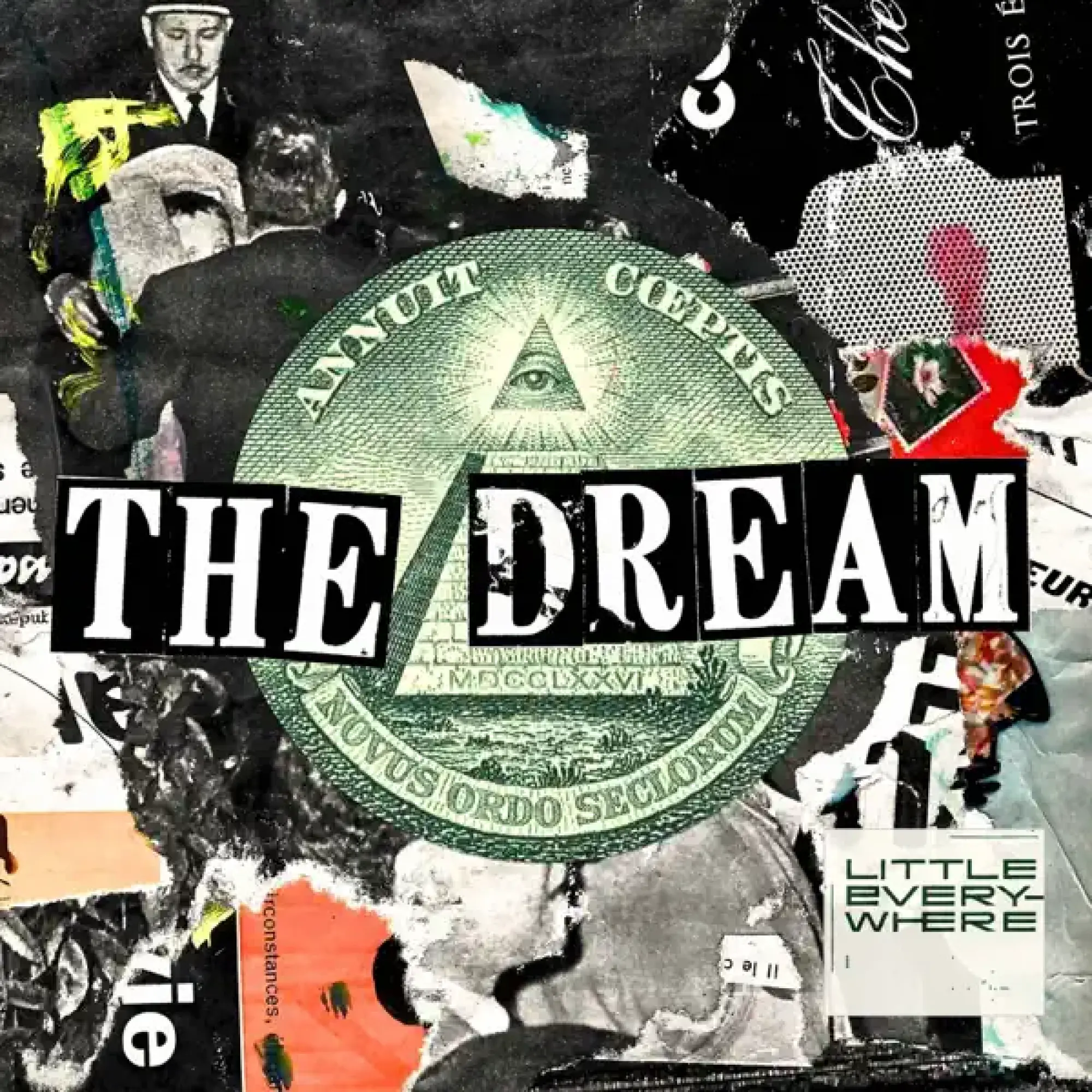
Season one of The Dream was about multilevel marketing schemes, but season two zooms into the world of wellness and the lofty promises made by some of the industry’s shadiest purveyors. This American Life alum Jane Marie, along with producer Dann Gallucci, challenge the ethics of crystals, vitamins, supplements, and more, separating fact from fiction in each episode. Jane Marie adds a personal touch to her research by including personal stories: of how her own childhood brain injury impacted her view on the wellness industry, of an aunt who has been hypnotized by a popular essential oil company, and of a friend who is still trying to sell her Thirty-One bags.


Pretend

'Pretend' podcast art

Credit: ‘Pretend’

Have you heard the one about the woman who became entangled in a con with people who she thought were her cousins, but who all ended up being the same person—her catfishing friend? Or the one about the real-life Truman Show, which left one unsuspecting guy living a lie with a bunch of actors? What about the one about the prank caller who pretended to be a police officer and used his power to get fast food managers to strip-search female employees, forcing them to jog naked, do jumping jacks, and perform other humiliating acts?

These are the stories told on Pretend, as Javier Leiva interviews swindlers, snake oil salesmen, and cult leaders, and tells some of the most unbelievable stories that the other con podcasts aren’t talking about—often in great depth, with investigations spanning several episodes or a whole miniseries.


Sympathy Pains

'Sympathy Pains' podcast art

Credit: ‘Sympathy Pains’

Sympathy Pains is a six-part medical con story hosted by Laura Beil (Dr. Death, Bad Batch) about a woman who faked multiple illnesses—from cancer, to muscular dystrophy, to Ebola—and created a tragic backstory about being the mom to a child who had died. But none of it was true. She didn’t just want her victims’ money, she wanted their friendship and sympathy, and became a master in targeting people who she knew would drop everything for her, even when her stories started to crack. This is one of the most unusual con stories you’ll ever hear, and the best twist comes in the final episode.


The Dropout

'The Dropout' podcast art

Credit: ‘The Dropout’

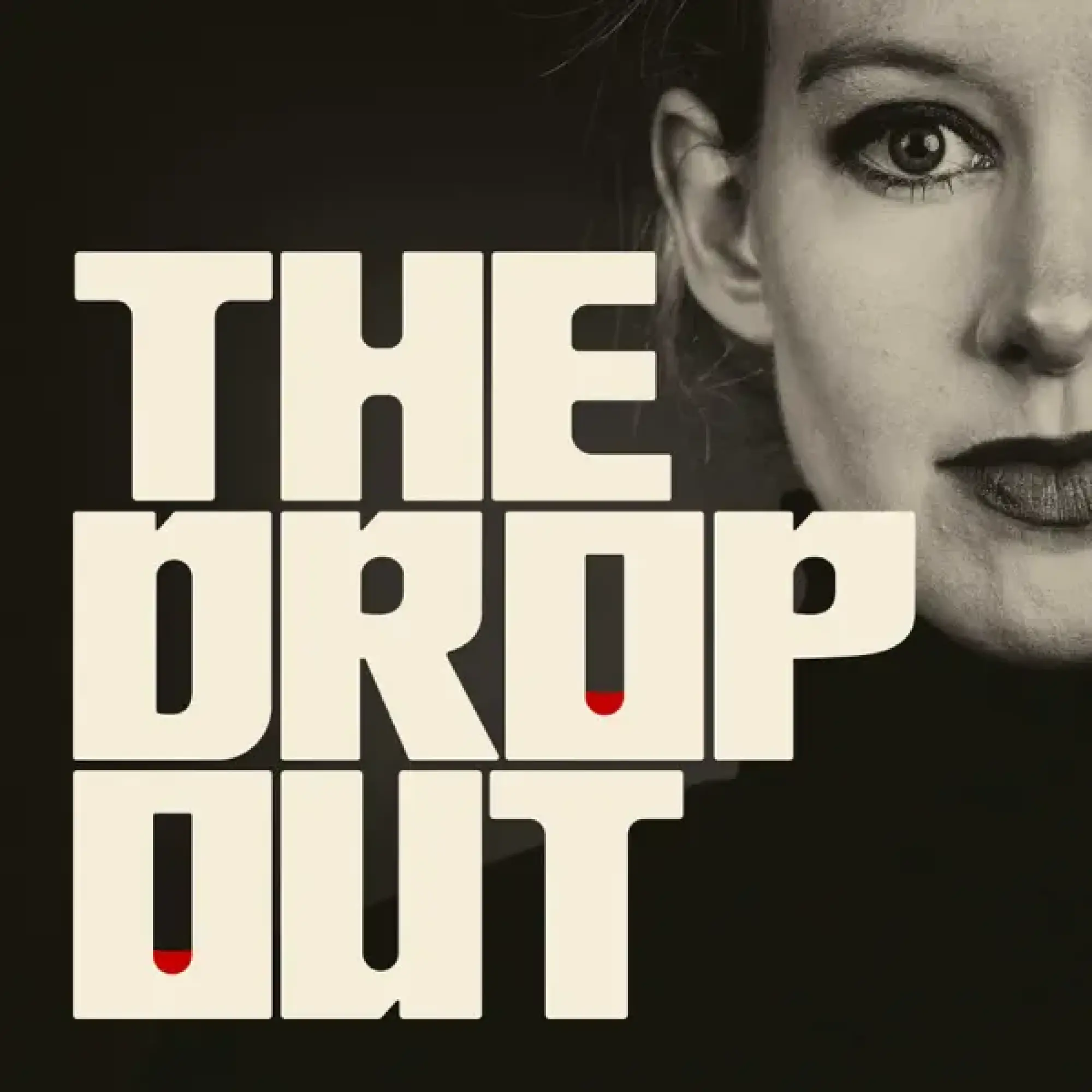
By now, you’ve almost certainly heard of the scheme perpetrated by Elizabeth Holmes (or watched the Hulu docudrama about it). She’s the modern day poster child of scam artists, pulling millions of dollars from investors for her health technology company that promised to have revolutionized blood testing, but was built on faulty science with zero valuation.

You could read the book or watch the show to understand Holmes’ life and her complicated con, but The Dropout, a podcast from ABC News’ Rebecca Jarvis, fleshes out the reporter’s multi-year investigation with never-before-aired deposition testimony from Holmes and those at the center of the story, and includes exclusive interviews with former employees, investors, and patients. The story of how one alluring woman went from being called “The Next Steve Jobs” to finding herself facing criminal charges demands the kind of scrutiny this long form podcasts offers.


California City

'California City' podcast art

Credit: ‘California City’

California City is located deep in the Mojave Desert, 100 miles north of L.A., a place that once held the promise of the American dream—thousands were told that if they bought land there, they would certainly get rich one day. At least 73,000 hopeful people poured hundreds of millions of dollars into California City, only to find out too late that the land was worthless. They would spend years trying to get their money back.

In this series, Emily Guerin travels to California City with a mic and a mission to find the people responsible for the con, and winds up enmeshed in conversations with real estate developers trying to sweep the truth under the rug, as well as the people who share heartbreaking stories of giving everything they had, chasing a dream that would never be realized.

[Industry Direct] Opening a New Chapter in VR Gaming – ‘The ChicKing Dead’ Enters Early Access!

Industry Direct by Quantum Universe Inc.

Industry Direct is our program for sponsors who want to speak directly to the Road to VR newsletter audience. Industry Direct posts are written by sponsors with no involvement from the Road to VR editorial team and do not appear in our front-page editorial feed. Industry Direct sponsors help make Road to VR possible.

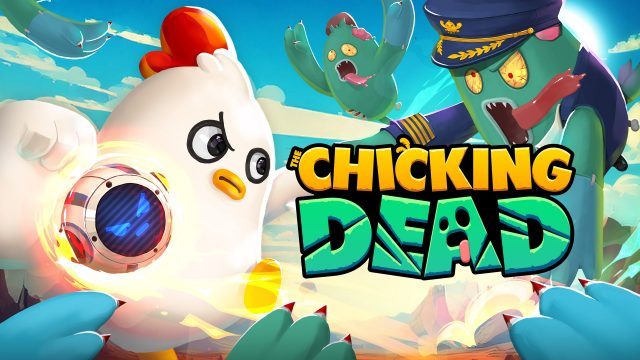
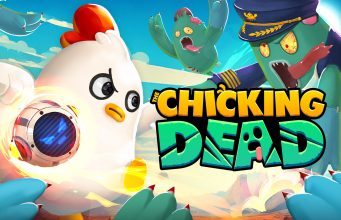
We’re thrilled to announce that our VR game The ChicKing Dead is officially available in Early Access on the Meta Oculus Store! As a South Korea-based studio, Quantum Universe has poured years of XR development experience into creating this Free-to-Play VR multiplayer experience that fuses arm-based locomotion with tag-style chaos.

Who We Are – Q GAMES

We are Quantum Universe, a VR game development studio headquartered in Seoul, South Korea. Our team brings extensive experience across XR technologies—including VR, AR, and MR—from a wide range of past projects. The ChicKing Dead is our first flagship title, designed to blend fun, movement, and madness into one unforgettable VR experience.

What Makes ‘The Chicking Dead’ Special?

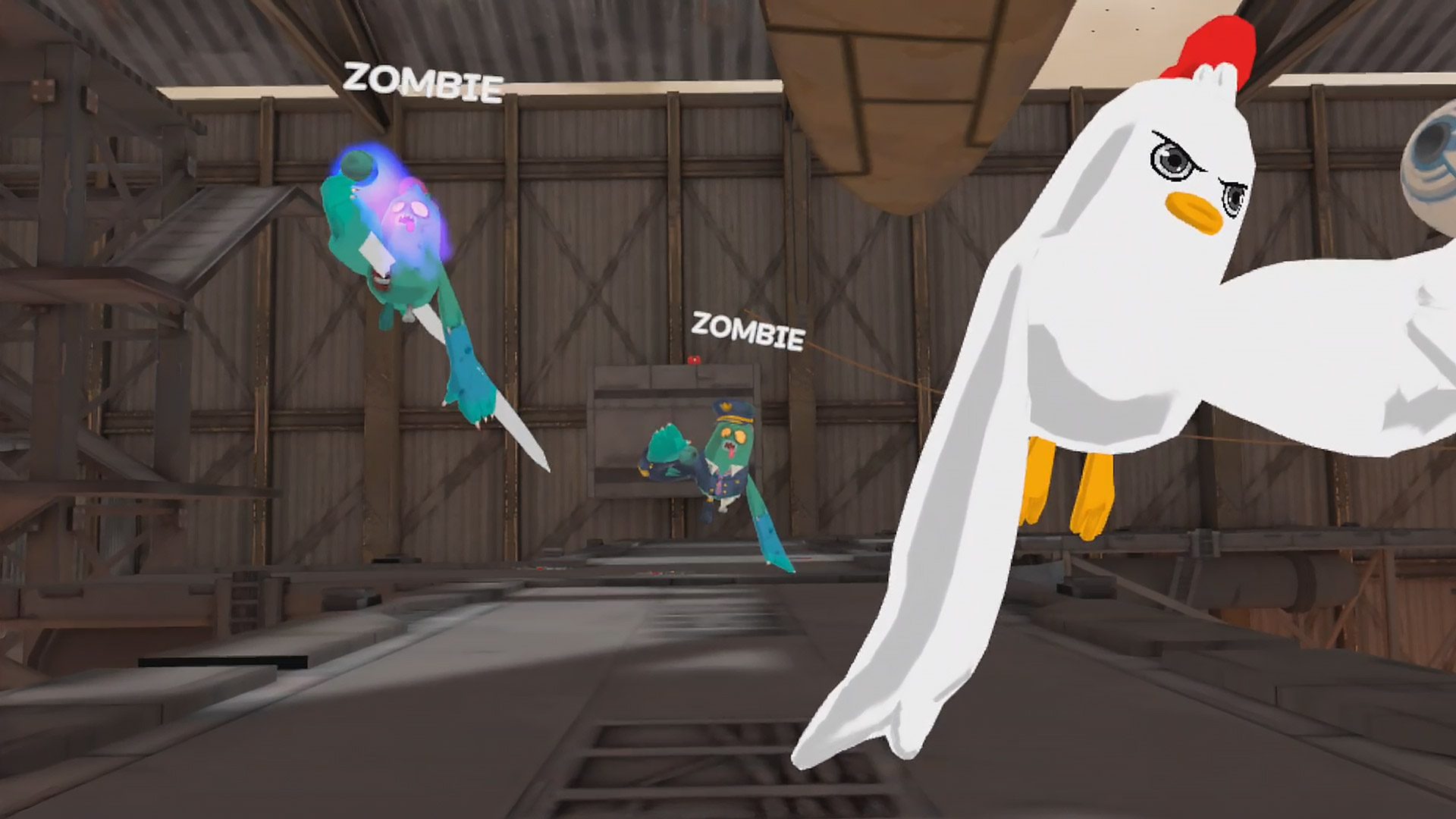
Our game embraces the latest VR trend—arm-based locomotion—where players use real-life arm swings to move, jump, and glide. But we’ve taken it a step further—with the ability to dash, boost, and chain movements together, you can dominate the battlefield in true chaotic style. The result? Fast-paced, fluid gameplay that’s thrilling from start to finish.

Zombies vs. Chickens – Tag Meets Survival

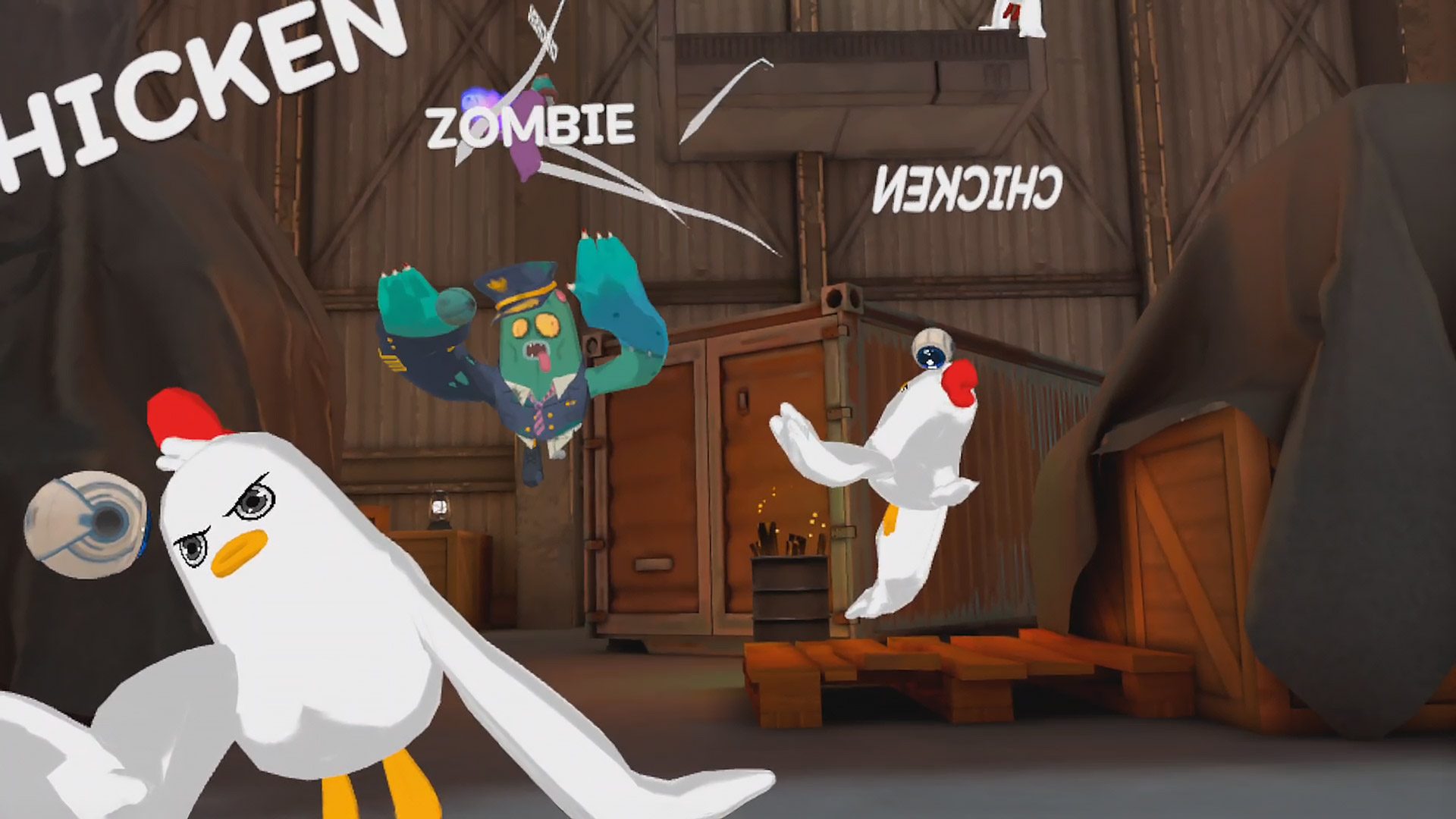
Each match begins with 9 players. One randomly becomes the Alpha Zombie, whose mission is to infect the rest—aka the Normal Chickens. Once infected, chickens switch sides and join the zombie team to hunt down remaining survivors.The round ends when all chickens are infected or time runs out. Whether you’re dodging and gliding to survive or strategically infecting others, every match is unpredictable fun.

LOCOROID System – Mobility Meets Strategy

One of our proudest innovations is the LocoRoid system: robotic companions that unlock powerful movement-based skills. Each LocoRoid brings unique abilities—like targeted dashes or vertical launches—that add customization and tactical depth to every round. Choose the LocoRoid that fits your playstyle and dominate the game your way.

Progression, Cosmetics & Customization

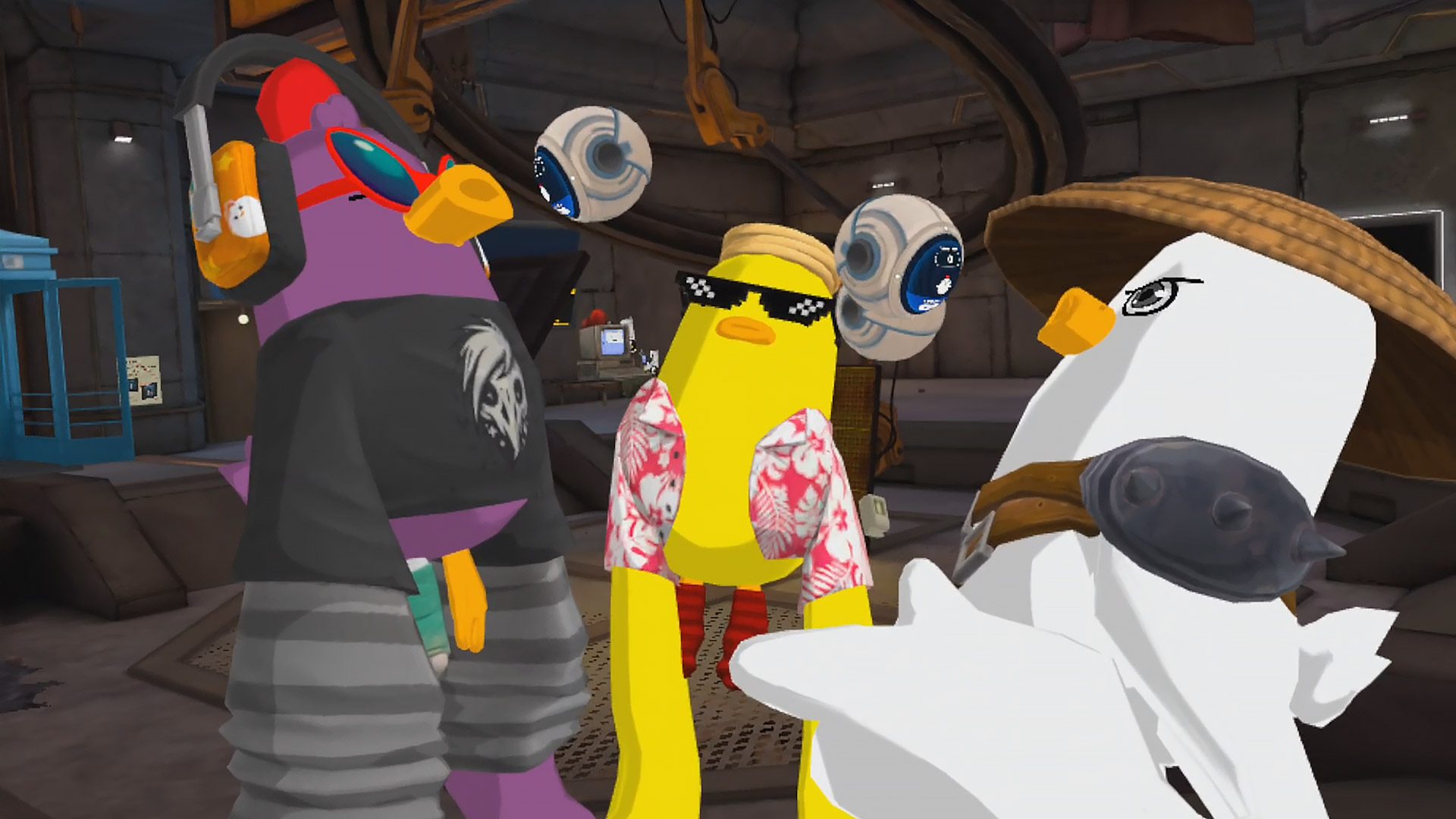
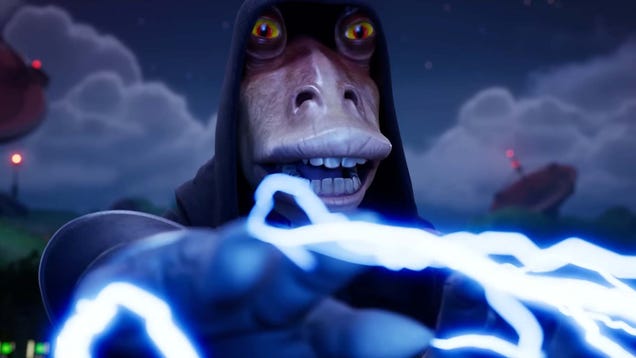
In Early Access, players can level up and earn Coins and Feathers, which can be exchanged for hilarious, stylish, or downright absurd cosmetics—from egg hats to full costumes. Whether you play as a survivor or zombie, your gameplay earns you rewards. It’s all about playing your way—and looking great while doing it.

Now Live – Early Access Celebration Events!

To celebrate our Early Access launch, we’re running a series of special in-game events! From login challenges to holiday-themed cosmetics (including limited-time rewards), players can earn exclusive items just by joining the fun. All event details and updates are available through our official Discord server, come to join us and be part of the chaos!

Exciting Updates and Future Plans

Looking Ahead We’re just getting started. After the Early Access launch, we’ll be using community feedback to refine and expand the game. We plan to introduce leaderboards, seasonal events, and competitive league play as part of our ongoing development. Our goal is to create not just a game, but a vibrant player-driven community.

As our debut VR title, The ChicKing Dead represents our commitment to fun, experimentation, and innovation in virtual reality. We can’t wait for players to experience the madness, the mayhem, and the magic of being a chicken in a zombie apocalypse.

Don’t miss out – meet The Chicking Dead now on Meta Oculus Store!

The post [Industry Direct] Opening a New Chapter in VR Gaming – ‘The ChicKing Dead’ Enters Early Access! appeared first on Road to VR.

ASUS NUC 15 Pro Cyber Canyon Highlights Compact Design and Intel Ultra CPUs

The ASUS NUC 15 Pro, also known as Cyber Canyon, is a compact mini PC built for professional computing needs. Available in Slim and Tall versions, it features Intel Core Ultra processors and Intel Arc Graphics, offering strong performance and flexible connectivity. Cyber Canyon integrates the latest Intel Core Series 2 Ultra processors with hybrid […]

Bethesda Confirms Big Oblivion News Is Coming, Here’s What We Expect

Bethesda Confirms Big Oblivion News Is Coming, Here’s What We Expect
Whatever your feelings are on the Elder Scrolls game franchise, it’s impossible to deny that the series has had a massive lasting impact on the gaming market as a whole. The beloved franchise had been immune to the plague of reboots, remakes, and remasters afflicting the industry so far, but it turns out that was more out of the amount of

Teen coder shuts down open source Mac app Whisky, citing harm to paid apps

Whisky, a gaming-focused front-end for Wine’s Windows compatibility tools on macOS, is no longer receiving updates. As one of the most useful and well-regarded tools in a Mac gamer’s toolkit, it could be seen as a great loss, but its developer hopes you’ll move on with what he considers a better option: supporting CodeWeavers’ CrossOver product.

Also, Whisky’s creator is an 18-year-old college student, and he could use a break.

“I am 18, yes, and attending Northeastern University, so it’s always a balancing act between my school work and dev work,” Isaac Marovitz wrote to Ars. The Whisky project has “been more or less in this state for a few months, I posted the notice mostly to clarify and formally announce it,” Marovitz said, having received “a lot of questions” about the project status.

Read full article

Comments

Belkin’s Apple Vision Pro Travel Bag Provides Must-Have Protection

Belkin’s Apple Vision Pro Travel Bag is a must-have for getting around with the headset.

I’ve used the bag on a trip to San Francisco and for getting around New York, and now I even wear it around the house. When wearing Vision Pro, this is essentially a compact soft-shell wearable case for hiding away Apple’s dangerously heavy swinging metal battery.

0:00

/0:59

At roughly half the size compared with the first official case sold in Apple Stores, the gray Belkin case features enough storage for a folding keyboard, sunglasses, wallet, secondary battery and USB-C charging cord. There’s also an interior pocket for an AirTag.

My favorite aspect is the built-in lens cover, which folds down snugly over the lenses and protects it from Apple’s own thick cord scraping around inside the main compartment.

I’ve dropped the bag with Apple Vision Pro inside onto the hard pavement of a street and didn’t even worry as I picked it up and kept moving. Your mileage might vary of course, and I’d recommend keeping the included Apple-made external glass cover in the case with the headset for an added layer of protection, but my headset has so far survived a couple drops without a scratch.

The bag delivers the protection and storage needed to drive all-day computing and augmentation with a headset. Apple Vision Pro is still a very bulky wearable computer, but this bag starts proposing the idea that headset use is actually restrained by power, portability and protection, moreso than social acceptance. I imagine more people wearing bags roughly the same size as this one will rewire some brains. Perhaps what headsets were missing was simply a nice big soft pouch at your side to help enable VR and mixed reality in public and semi-public spaces.

The VR backpack of the 2010s is reborn in 2025 as Belkin’s Apple Vision Travel Bag. It’s available from the Apple Store for $100.

FTC Sues Uber Over Deceptive Subscription Billing Practices

The Federal Trade Commission filed suit against Uber on Monday, alleging the transportation giant violated federal consumer protection laws through deceptive billing and cancellation practices for its Uber One subscription service. According to the complaint, Uber violated both the FTC Act and the Restore Online Shoppers’ Confidence Act by misleading consumers about subscription terms, charging users without consent, and implementing deliberately complicated cancellation processes.

“Americans are tired of getting signed up for unwanted subscriptions that seem impossible to cancel,” FTC Chair Andrew Ferguson said in announcing the action. The $9.99 monthly service, launched in 2021, offers benefits including fee-free delivery and discounted rides.


Read more of this story at Slashdot.

All About Week Streaks on Zwift

First introduced to Zwifters in December 2023, Week Streaks (sometimes called Ride Streaks) is a game feature designed to encourage consistency in training. Riders build up their streak by logging at least one ride per week, and as your streak grows, you unlock some in-game rewards.

Here’s how it all works…

Week Streak Basics

Your Zwift Week Streak is counted in weeks (not days), and you earn certain rewards each week your streak is extended.

When you save a Zwift ride that extends your streak, you’ll see the Week Streak progress screen:

This once-a-week screen shows lots of streak details, including:

  • Your Streak length (number of weeks)
  • Your current level and how many XP you’ll need to earn to reach the next level
  • How much bonus XP you’ve just earned by extending your streak by another week
  • Total calories burned during your streak
  • Total distance covered during your streak
  • Total elevation climbed during your streak

Starting and Extending Your Streak

Starting your streak is easy: just record a ride at least 2km (1.25 miles) in length! This can take place on Zwift, or outside if you have your Wahoo or Garmin account connected to Zwift.

Extending your streak is just as easy: record a ride at least 2km long, indoors or out, and your streak will be extended for that week.

Streak Savers

Zwift knows that riders may be unable to ride for a week or more, though, due to vacation, injury, or other factors. So in April 2025 they introduced Streak Savers to the game. These are automatically used to extend your streak if you have a week with no qualifying activities.

Streak Savers are displayed in the Companion app, next to your Week Streak score:

You earn a Streak Saver by accumulating 12 consecutive weeks of riding, and you can hold up to two Streak Savers at any given time.

Streak Rewards

Seeing your weekly streak count continue to climb is certainly a reward in itself, which is why so many apps use daily streaks to encourage consistent use (looking at you, Duolingo!)

Zwift sweetens the deal even further, though, by giving us bonus XP every time our streak is extended:

  • Week 1: you’ll earn 300 bonus XP just for starting your streak.
  • Week 2: extended your streak to 2 weeks? You’ll earn 400 bonus XP.
  • Week 3+: every time you extend your streak past week 2, you’ll earn 500 bonus XP.

Related: Read “All About Zwift XP, Levels, and Unlocks for Cyclists” >

Streak Flair

On top of the bonus XP, in April 2025 Zwift introduced the concept of Streak Flair: a visual upgrade to our avatars that changes based on the length of your streak. Right now, Streak Flair is simply different versions of “pocket Scotty”, Zwift’s squirrel mascot. There are three levels of Streak Flair available:

  • Level 1 (4 weeks): a pocket Scotty medal
  • Level 2 (12 weeks): medal is upgraded to a keychain Scotty
  • Level 3 (24 weeks): keychain Scotty is upgraded to a larger, animated Scotty! This Scotty will stay with you as long as you hold onto your streak.

Streak Flair is turned off by default, so if you want your pocket Scotty to be visible to you and others, you’ll need to go into Settings>Audio & Video and set “Streak Flair” to “Fun”:

Checking Your Streak

The easiest way to see your current streak count is via the Zwift Companion app (available on iOS and Android). Your week streak is displayed in the Fitness Tracker at the top right of the homescreen:

You’ll also see your streak count each time you save a ride on Zwift that extends your streak.

A Few More Details

  • Ride only: streaks currently only apply to riding. Running on Zwift does not extend your streak.
  • Time window: Zwift counts a new week from 00:00 Monday through 23.59 on Sunday, local time, as defined on the device you’re using to run Zwift.
  • Earning Streak Savers: you must actually ride 12 weeks in a row to earn a new Streak Saver. Whenever you use a Streak Saver, the 12-week counter resets.
  • Pocket Scotty is weightless: I tested it myself. Having him in your pocket won’t slow you on climbs (or make you less aerodynamic).

Questions or Comments?

Got questions or comments about Week Streaks, Streak Flair, or related topics? Share below!