An anonymous reader quotes a report from Reuters: China’s Xiaomi said on Tuesday that it was actively cooperating with police after a fatal accident involving a SU7 electric vehicle on March 29 and that it had handed over driving and system data. The incident marks the first major accident involving the SU7 sedan, which Xiaomi launched in March last year and since December has outsold Tesla’s Model 3 on a monthly basis. Xiaomi’s shares, which had risen by 34.8% year to date, closed down 5.5% on Wednesday, underperforming a 0.2% gain in the Hang Seng Tech index. Xiaomi did not disclose the number of casualties but said initial information showed the car was in the Navigate on Autopilot intelligent-assisted driving mode before the accident and was moving at 116 kph (72 mph).
A driver inside the car took over and tried to slow it down but then collided with a cement pole at a speed of 97 kph, Xiaomi said. The accident in Tongling in the eastern Chinese province of Anhui killed the driver and two passengers, Chinese financial publication Caixin reported on Tuesday citing friends of the victims. In a rundown of the data submitted to local police posted on a Weibo account of the company, Xiaomi said NOA issued a risk warning of obstacles ahead and its subsequent immediate takeover only happened seconds before the collision. Local media reported that the car caught fire after the collision. Xiaomi did not mention the fire in the statement. The report notes that the car was a “so-called standard version of the SU7, which has the less-advanced smart driving technology without LiDAR.”
Train Sim World is finally here on Quest, bringing its realistic train driving experience to VR for first time.
Called Train Sim World VR: New York, the game lets you become a train driver on New York’s MTA Harlem Line, which includes a Career Mode tasking you to carry out instructions from Rail Traffic Control and complete challenges along the way.
There’s also a Journey Mode, where you can hop out of your train and visit all the stations along the Harlem Line, letting you explore for collectables, and interact with the environment.
And when you’re not busy shuffling commuters around and walking the Harlem Line, there’s also your very own New York apartment, which you can decorate. It’s a little too large and centrally-located to truly believe, but maybe you got lucky and snapped up a rent-stabilized units.
The game was developed by series developer Dovetail Games and VR veteran Just Add Water, known for its work on Dig VR (2024) as well as Rebellion’s Sniper Elite VR (2021). According to user reviews, one of the early gripes with the game is the inability to adjust in-game seat height. The studio says however “in-game height adjustment is coming.”
You can find Train Sim World VR: New York exclusively on the Horizon Store for Quest 2 and above, priced at $32.
We’re back! A long-time reader and subscriber recently mentioned in the Ars Forums that they “kind of” missed the Daily Telescope posts that I used to write in 2023 and 2024. Although I would have preferred that everyone desperately missed the Daily Telescope, I appreciate the sentiment. I really do.
I initially stopped writing these posts about a year ago because it just became too much to commit to writing one thing every day. I mean, I could have done it. But doing so on the daily crossed over the line from enjoyable to drudgery, and one of the best things about working for Ars is that it tends very much toward the enjoyable side. Anyway, writing one of these posts on a weekly basis feels more sustainable. I guess we’ll find out!
Today’s image comes to you all the way from Mars. One of the most powerful tools on NASA’s Perseverance rover is the WATSON camera attached to the end of the rover’s robotic arm. In the fine tradition of tortured acronyms at the space agency, WATSON stands for Wide Angle Topographic Sensor for Operations and eNgineering. And because of course it is, WATSON is located on the SHERLOC (Scanning Habitable Environments with Raman and Luminescence for Organics and Chemicals) instrument. Seriously, NASA must stand for Not Another Screwball Acronym.
ChatGPT’s built-in image generation feature is now available to everyone. OpenAI CEO Sam Altman said last week that the company is delaying its rollout to free tier “for a while,” because the tool was way more popular than they had expected. But the company made the feature available to free users over the weekend, allowing them to generate images from within ChatGPT and without having to switch to OpenAI’s DALL-E generator. Prior to its rollout to the free tier, the tool was only available to Plus, Pro and Team subscribers.
Altman previously said that free users will get a limit of three images per day. Based on our experience trying it out, some accounts are limited to just one a day. Those who find themselves able to generate more than one will still have to wait anywhere between a few minutes and a few hours. One of the tool’s most popular uses that we’ve seen so far is the creation of Ghibli-style images using real-life photos. Users simply have to upload the photo they want to use and then instruct ChatGPT in natural language to create a Ghibli-style version of it. The trend had raised concerns, yet again, about the legality of using copyrighted work as training data for artificial intelligence. It also resurfaced the reaction of Hayao Miyazaki, Studio Ghibli’s founder, upon being shown AI-generated animation years ago. “I strongly feel that this is an insult to life itself,” the director said.
In a tweet, Altman said that the tool could still exhibit erratic behavior and could refuse some generations that should be allowed. OpenAI is still fixing the issue. The company also told TechCrunch that it “takes action” if a generated image violates company guidelines, though it didn’t exactly detail about what those actions are.
Creating and customizing images is as simple as chatting using GPT‑4o—just describe what you need, including any specifics like aspect ratio, exact colors using hex codes, or a transparent background. pic.twitter.com/fnen1aDjNZ
This article originally appeared on Engadget at https://www.engadget.com/ai/openais-built-in-image-generator-for-chatgpt-is-now-available-to-free-users-120003146.html?src=rss
Creatives in the UK are once again speaking out against AI developers accessing copyrighted material. The Society of Authors have published an open letter calling for UK Secretary of State Lisa Nandy to hold Meta accountable for possible copyright infringement regarding its LLM, Llama 3. Signatories of the letter include successful British authors Richard Osman, Kazuo Ishiguro, Val McDermid and Sarah Waters.
A March 20 article in The Atlantic served as the letter’s impetus. It reported that Meta had used LibGen, a pirated collection of over 7.5 million books, to train its AI models. Anyone on the internet over the last few weeks has likely seen videos of distraught authors learning that their work is available on the database (and potentially used by Meta without their permission). A lawsuit in the US alleges Meta CEO Mark Zuckerberg approved the use of LibGen’s data to train its AI. The lawsuit’s plaintiffs include writers Sarah Silverman and Ta-Nehisi Coates.
“These cases are shining a light on the unscrupulous behaviour exhibited by global tech companies which seemingly exploit copyright-protected material, safe in the knowledge that they will not be held to account,” the Society of Authors’ letter stated. “This must change, and global tech companies must now be held accountable and pay for the use they make of authors’ works.”
The authors implore Nandy to bring Meta senior executives before Parliament and make them commit to respecting copyrights and compensating authors for any previous infringements.
“Authors are almost powerless given the enormous cost and complexities of pursuing litigation against corporate defendants with such deep pockets,” the letter continued. “We call upon you and the UK Government to take all action available to ensure that the rights, interests and livelihoods of authors are adequately protected. Failure to act without further delay will unquestionably have a catastrophic and irreversible impact on all UK authors given that from development through to output, creators’ rights are being systematically and repeatedly ignored.”
Artists across the creative industries have also recently protested the UK government’s December 2024 proposal to change copyright law. The shift would provide AI developers with a copyright exemption and require creatives to “opt out” or allow access to their materials.
In February, over 1,000 musicians released an album called Is This What We Want?, with 12 songs spelling out, “The British government must not legalise music theft to benefit AI companies.” It coincided with the UK News Media Association’s Make It Fair campaign calling on the government to support creative industries and compensate those individuals if allowing AI to train on their work.
That same week creatives, from Paul McCartney to Helen Fielding, also shared an open letter against the proposal. Published in The Times, it stated, “There is no moral or economic argument for stealing our copyright. Taking it away will devastate the industry and steal the future of the next generation.”
This article originally appeared on Engadget at https://www.engadget.com/ai/british-authors-want-meta-to-answer-for-alleged-copyright-infringement-114501800.html?src=rss
What does it take to get OpenAI and Anthropic—two competitors in the AI assistant market—to get along? Despite a fundamental difference in direction that led Anthropic’s founders to quit OpenAI in 2020 and later create the Claude AI assistant, a shared technical hurdle has now brought them together: How to easily connect their AI models to external data sources.
The solution comes from Anthropic, which developed and released an open specification called Model Context Protocol (MCP) in November 2024. MCP establishes a royalty-free protocol that allows AI models to connect with outside data sources and services without requiring unique integrations for each service.
“Think of MCP as a USB-C port for AI applications,” wrote Anthropic in MCP’s documentation. The analogy is imperfect, but it represents the idea that, similar to how USB-C unified various cables and ports (with admittedly a debatable level of success), MCP aims to standardize how AI models connect to the infoscape around them.
I’m sidestepping the desperate attempts at April 1 shenanigans and focusing on the imminent Nintendo Direct broadcast, which is likely to confirm rumors and sink others.
The last few Switch 1 games have been revealed, meaning tomorrow’s Nintendo Direct: Switch 2 presentation, kicking off at 9AM ET / 6AM PT will be all about the new console — no distractions. (Although, I’d be cool with a Silksong release date, finally.)
We already know the Switch 2 will be a bigger console, with a bigger screen and Joy-Cons. There also may be some sort-of-mouse functionality baked into the controllers this time, but Nintendo’s focus is on tech specs — and the games. What does the company have cooking?
The company behind several minimalist handsets has just released the Light Phone III. It may be the perfect device for folks who brag about giving up smartphones and have the money to experiment with stripped-down phones that are the ultimate step back from modern convenience. Whoops, sorry, I let my mask slip there. Hey, at least there’s no AI nonsense.
There is a cool, crisp B&W OLED display, new for this third iteration, instead of e-ink paper. There’s still no internet, no apps, no email. There is, however, a place for your podcasts and a simple camera with a physical button. There’s also a Maps app, powered by Here, but it’s private, so there’s no info shared on where you’re trying to get to. Privacy like that, however, costs a heady $799, unless you can get the pre-order price of $599 at launch, with estimated delivery in July.
Yes, xAI has purchased X, according to a post shared by Musk. Besides their owner and similar names, the companies are already connected through xAI’s chatbot, Grok, so it makes some sense. The biggest surprise may be that X is still valued at $33 billion — according to Musk and his companies, at least. X, once Twitter, was acquired by Musk in 2022 for $43 billion. xAI, like many leading AI companies, has been raising money as often and as quickly as possible. Combining the two companies may ease some of the debt Musk took on.
The companies’ futures are “intertwined,” according to Musk. Financially, now, that’s very true.
It adds new emoji, Apple News+ Food and priority notifications.
iOS 18.4, iPadOS 18.4 and macOS 15.4 include a new Apple News+ Food section in the News app that collects recipes and food-oriented articles, including exclusive recipes for Apple News+ subscribers. The updates also introduce new emoji, AI-sorted Priority Notifications in the Notification Center and a new Ambient Music tool in the Control Center.
After a bit of a delay, Apple Intelligence will be available in the European Union for the first time on iPhone and iPad. The suite of AI features will now also work in several new languages “including French, German, Italian, Portuguese (Brazil), Spanish, Japanese, Korean and Chinese (simplified) — as well as localized English for Singapore and India.”
Britain’s flagship AI agency will slash the number of projects it backs and prioritize work on defense, environment and health as it seeks to respond to technological advances and criticism of its record. From a report: The Alan Turing Institute — named after the pioneering British computer scientist — will shut or offload almost a quarter of its 101 current initiatives and is considering job cuts as part of a change programme that led scores of staff to write a letter expressing their loss of confidence in the leadership in December.
Jean Innes, appointed chief executive in July 2023, argued that huge advances in AI meant the Turing needed to modernise after being founded as a national data science institute by David Cameron’s government a decade ago this month. “The Turing has chalked up some really great achievements,” Innes said in an interview. “[But we need] a big strategic shift to a much more focused agenda on a small number of problems that have an impact in the real world.” A review last year by UK Research and Innovation, the government funding body, found “a clear need for the governance and leadership structure of the Institute to evolve.” It called for a move away from the dominance of universities to a structure more representative of AI in UK.
Merged for the Linux 6.15 kernel last week was the big set of hardware monitoring “HWMON” subsystem updates with new hardware support as well as a few new sensor drivers…
Sandbox VR, the location-based VR destination, announced it’s generated $30 million in ticket sales for its official Squid Game VR attraction. Additionally, Sandbox VR says it’s expanding Squid Game with the addition of a new mini-game.
Called ‘Repeat Racers’, the new mini-game was inspired by the games from season two of the series, tasking you with solving puzzles and getting to the finish line. Points are awarded based on finishing position, and players who don’t reach the finish line are eliminated from the game.
“We’re thrilled to expand our Squid Game Virtuals experience with this exciting new minigame that captures the intensity and competitive spirit of the series’ second season,” said Steve Zhao, Sandbox VR CEO. “Repeat Racers offers players another way to immerse themselves in the world of Squid Game and test their skills in a high-pressure, adrenaline-pumping environment.”
Repeat Racers joins a host of other six-player mini-games available in ‘Squid Game Virtuals’, including the series’ iconic ‘Red Light, Green Light’ and ‘Cross the Glass Bridge.’
It’s been so popular, Sandbox VR says the experience has now topped $30 million in ticket sales since its launch in September 2023.
Sandbox VR operates in over 57 locations worldwide, with a majority of locations in North America. It also has locations in the UK, Germany, Ireland, Switzerland, China, Singapore, and Australia.
The company says each of its locations attract over 100k players monthly, where it hosts a number of in-house developed games, including ‘Rebel Moon: The Descent’, ‘Deadwood PHOBIA’, ‘Unbound Fighting League (UFL)’, and ‘Amber Sky 2088’.
You can see if a Sandbox VR location is available near you here, which also includes the ability to reserve your spot in advance.
The new Sarto Raso Gravel is designed as a gravel race bike with aerodynamics at its core, blended with lightweight and class-leading clearances to meet the demands of gravel racers.
You may not have heard of Sarto, but if you’ve ridden a high-end Italian bike over the last decade, the chances are you’ve ridden a frameset Sarto constructed at its Venice HQ.
More recently, Sarto has moved away from building for other brands and into making its own designs, concentrating on custom builds to meet the exacting needs of its customers.
The new Sarto Raso Gravel requires deep pockets, however. A frameset will set you back £8,210 / $8,250 / €7,750, while the bike we have in for testing has a price tag of £14,190 / $17,290 / €13,990.
The new Raso Gravel
The Raso Gravel can be had in two designs, with differing tyre clearances. Warren Rossiter / OurMedia
The Raso Gravel’s frame can be configured to take tyres from 48mm up to a huge 55mm (2.1 inches) on 700c wheels. The 48mm option can run 1x or 2x drivetrains, while the 55mm is 1x only. It can take up to a huge 52-tooth chainring size to meet the needs of the fastest gravel racers.
Sarto’s pro-gravel athlete Skyler Taylor had this to say about the wider option: “Tire size: the simple answer is bigger tires roll much faster on rough terrain and don’t puncture as easily.
“The reason 2.2 (inch) is so important is that all the tire performance tests show that the Continental Race King 2.2 performance has the best combination of rolling resistance, puncture protection, grip, and aerodynamics, and is the fastest tire on most dirt surfaces.
“There has been a huge amount of testing on these topics in the US. The results have been pretty clear. So you will see almost all the US pro gravel racers squeezing the biggest tires they can into their frames.
“Most frame manufacturers don’t understand this and still design around 45mm clearance. So there’s a competitive advantage to bikes like the Raso Gravel from a clearance perspective.”
Raso Gravel frameset
The Raso Gravel’s back end has plenty of tyre clearance. Warren Rossiter / OurMedia
The frame design is inspired by Sarto’s performance road bike, the Raso. It has an integrated front end and tube shapes with similar aerodynamically designed profiles to its road-going cousin.
The rear triangle has the same silhouette on the 48mm and 55mm versions. Only the width changes and the rear dropout is SRAM’s Universal Derailleur Hanger, meaning the custom Raso gravel frame is set for the future.
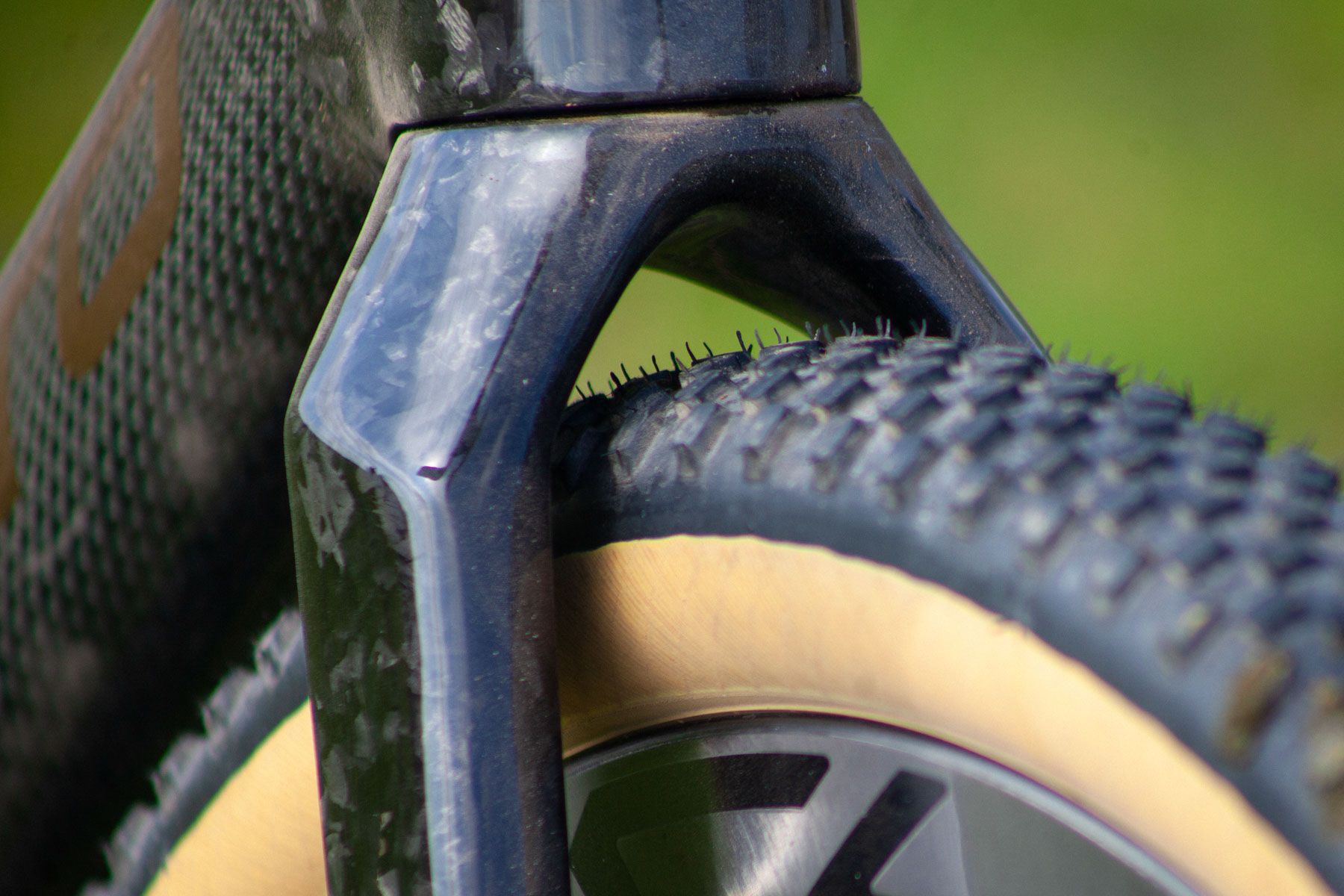
At the front, a broad, torsionally stiff but slender fork has been created to aid vibration-damping control.
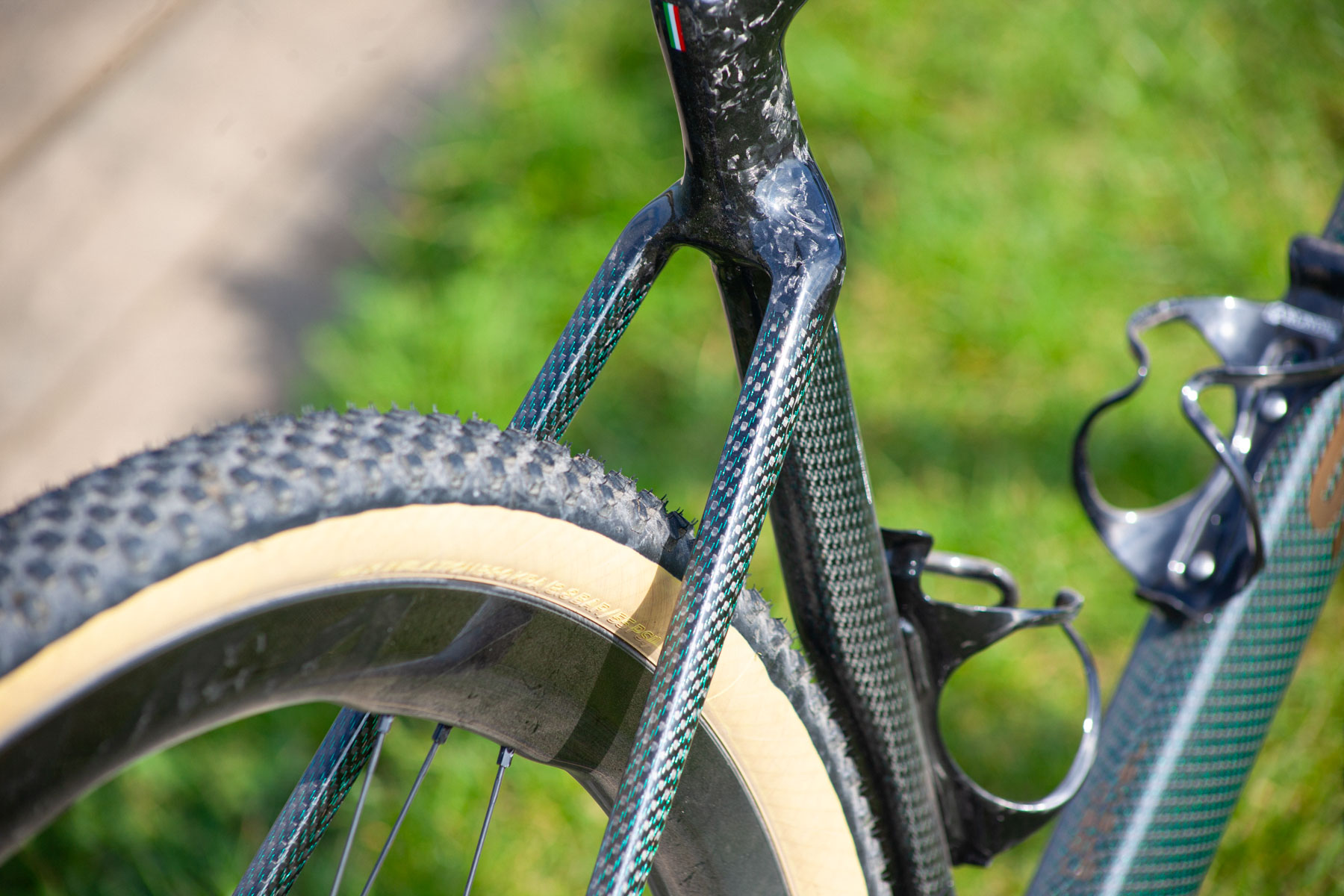
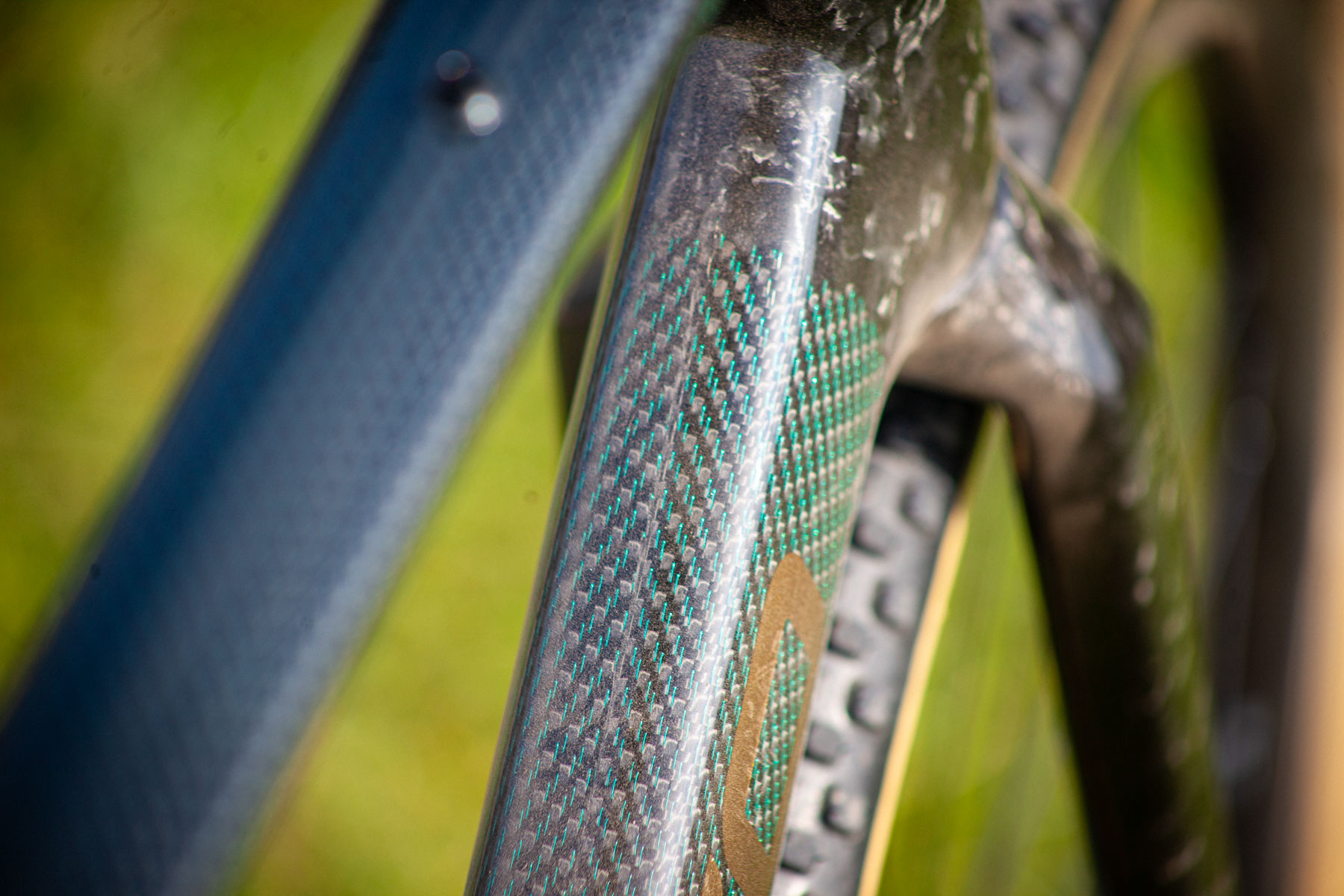
Sarto says the frame is a tri-composite. Each tube section is handmade by the Italian brand using a combination of carbon fibre sheets sourced in Italy and its proprietary lamination process.
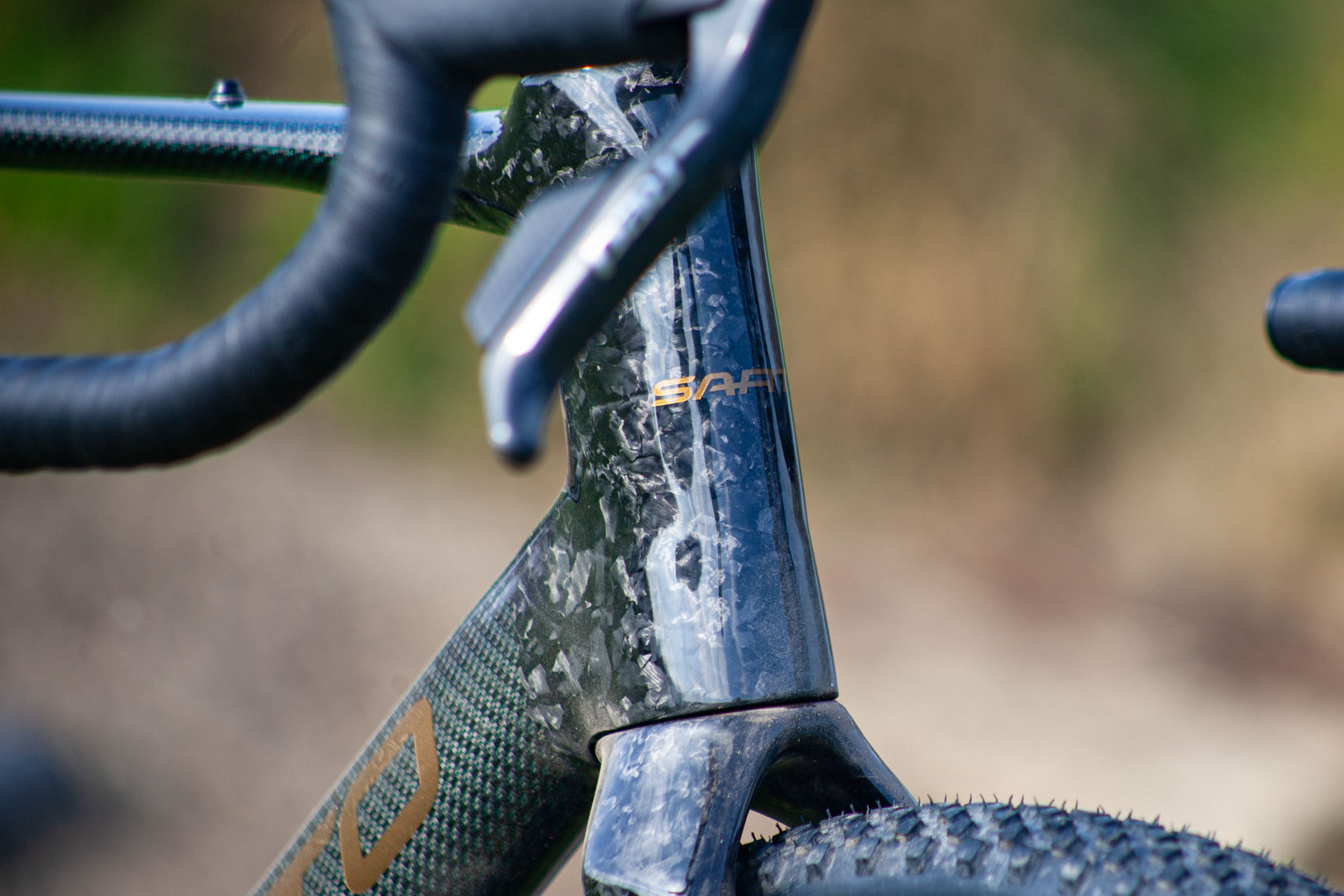
The junctions on the frame are made from forged carbon, which is claimed to provide superior strength, accuracy and that stunning marble-like finish (on our unpainted test bike).
The transition between the forged carbon lugs and unique carbon tubes looks stunning. Warren Rossiter / OurMedia
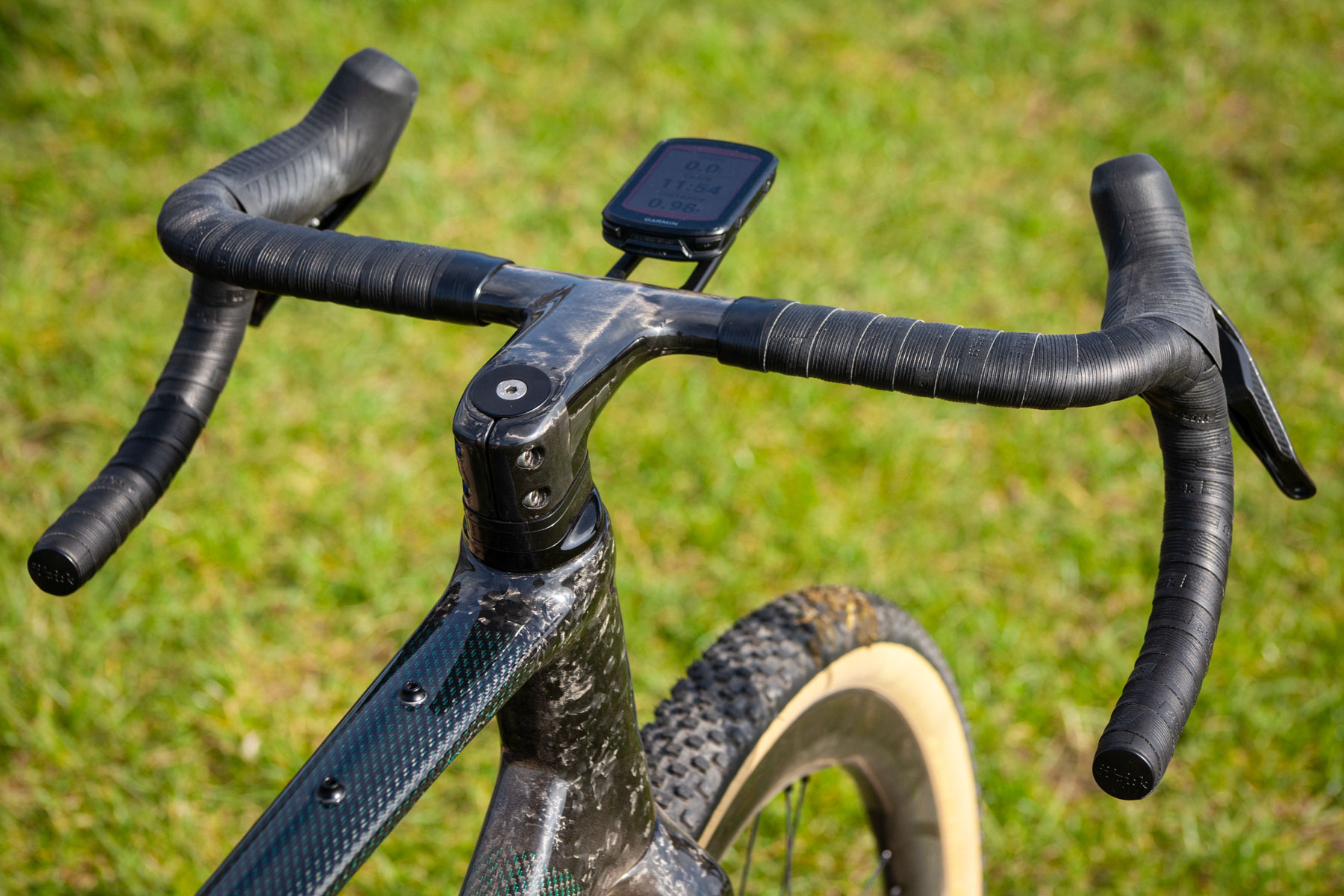
The Raso Gravel’s design mixes aerodynamics with a light weight, with features such as a dedicated aero seatpost, and a one-piece bar and stem.
Fully integrated brake hoses take care of the aero details.
The bike has an impressively low weight of 7.88kg (size 58cm), with two bottle cages and an out-front Garmin mount.
The forged carbon head tube looks stunning. Warren Rossiter / OurMedia
The build
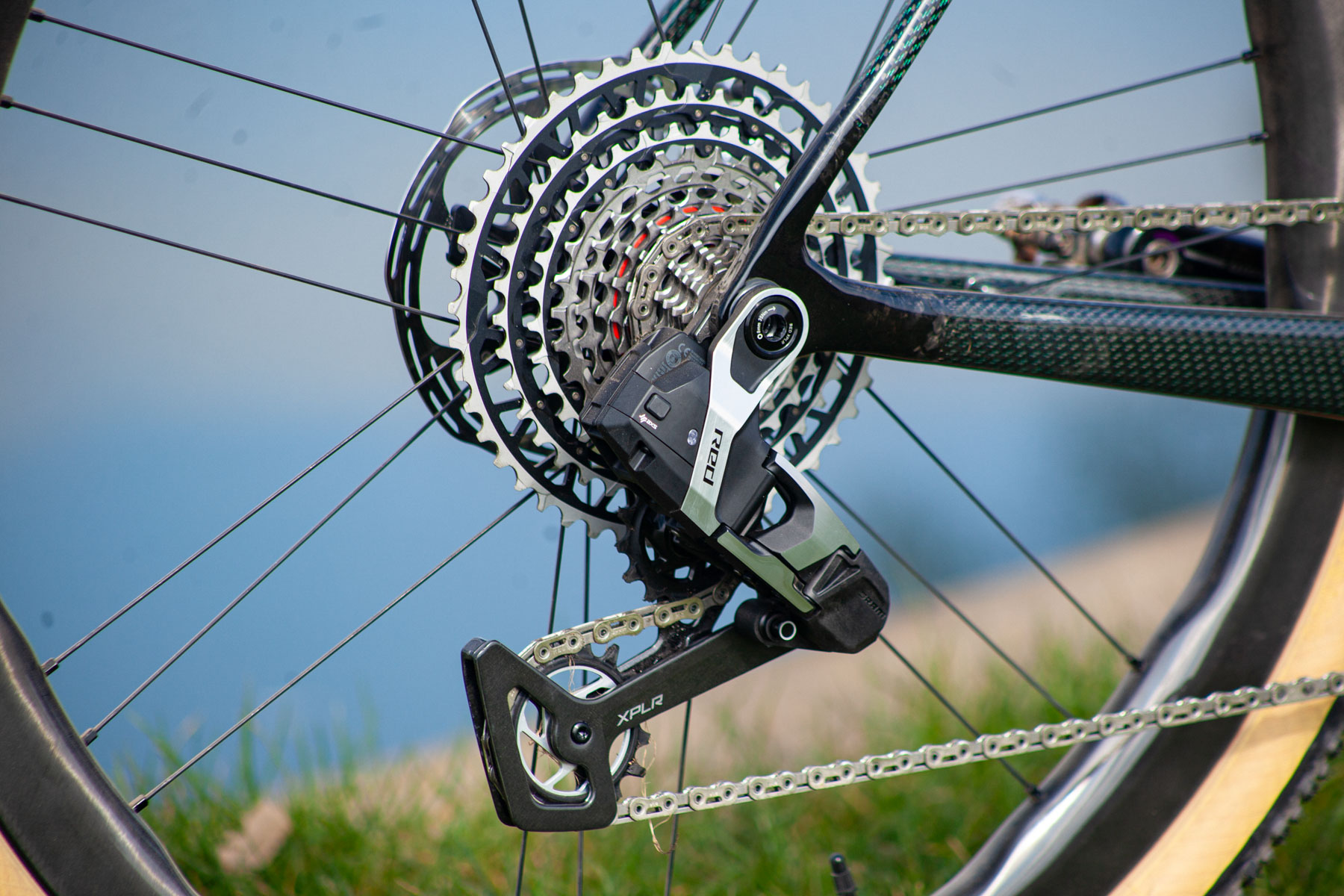
SRAM’s latest 13-speed Red XPLR AXS adorns the Raso Gravel. Warren Rossiter / OurMedia
Being built to order, the Raso Gravel can be had either as a frame kit or built as a complete bike to your specific budget.
It doesn’t come cheap, however, with the frameset kit (fork, headset, spacers, stem, handlebar, seatpost, two bottle cages, thru-axles and computer mount) costing £8,210 / $8,250 / €7,750 in stock geometries. Specifying custom geometry typically involves around a £1,000 / $1,200 / €1,100 upcharge.
Sarto also makes the one-piece UD carbon gravel cockpit. Warren Rossiter / OurMedia
The 233rd installment of the 9to5Linux Weekly Roundup is here for the week ending on March 30th, 2025, keeping you updated with the most important things happening in the Linux world.
Anthropic said it will start sweeping physical offices for hidden devices as part of a ramped-up security effort as the AI race intensifies. From a report: The company, backed by Amazon and Google, published safety and security updates in a blog post on Monday, and said it also plans to establish an executive risk council and build an in-house security team. Anthropic closed its latest funding round earlier this month at a $61.5 billion valuation, which makes it one of the highest-valued AI startups.
In addition to high-growth startups, tech giants including Google, Amazon and Microsoft are racing to announce new products and features. Competition is also coming from China, a risk that became more evident earlier this year when DeepSeek’s AI model went viral in the U.S. Anthropic said in the post that it will introduce “physical” safety processes, such as technical surveillance countermeasures — or the process of finding and identifying surveillance devices that are used to spy on organizations. The sweeps will be conducted “using advanced detection equipment and techniques” and will look for “intruders.”
Nitrux developer Uri Herrera announced today the release and general availability of Nitrux 3.9.1 as the latest ISO snapshot of this Debian-based immutable and systemd-free GNU/Linux distribution using a highly customized KDE Plasma desktop environment by default.
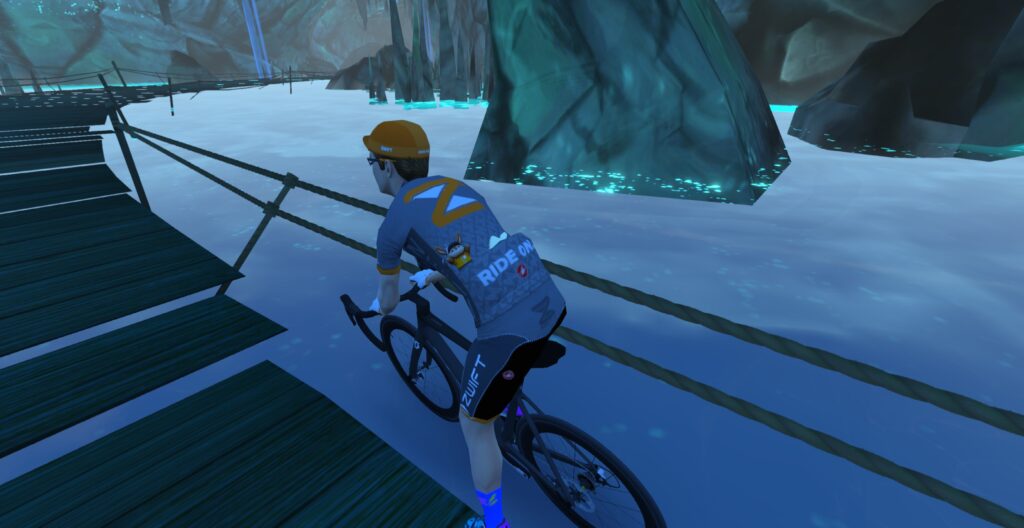
This year Zwift has a new surprise – Scotty the Squirrel in our jersey pockets:
About Scotty
Scotty the Squirrel is Zwift’s official mascot, showing up in game as an actual squirrel but also as various statues, including one with a cone on its head in Glasgow.
Here’s a bit of Zwift trivia: did you know that Scotty is named after Scott Barger, one of Zwift’s four co-founders? (The other three are Jon Mayfield, Eric Min, and Alarik Myrin.) Apparently, Scott carries a bit of infectious energy, and it seemed like the perfect fit…