
Thunderbird launches Thundermail and Pro services to offer an open-source alternative to Gmail and Office365, focused on privacy, freedom, and user control.
Monthly Archives: April 2025
Best Free and Open Source Alternatives to Progress MOVEit
MOVEit is a managed file transfer software product. The software encrypts files and uses file transfer protocols such as FTP(S) or SFTP to transfer data, as well as providing automation services, analytics and failover options.
Linux 6.15-rc1 Released With New Performance Optimizations, Updated Zstd & New Hardware
The Linux 6.15 merge window has been capped off with the Linux 6.15-rc1 test kernel having been just released…
Microsoft Tells Over 200 Million Windows 10 Users To Trash Their PCs

Support for Windows 10 is ending on October 14 for consumers, and Microsoft won’t be backing away from this deadline. Microsoft has reiterated that every Windows user with hardware that doesn’t meet the minimum requirements of Windows 11 should upgrade their PCs or purchase a compatible device. According to Microsoft, this includes an estimated
NVIDIA Makes PhysX & Flow GPU Code Open-Source
As a win for the open-source community from NVIDIA, the company recently announced they are making their PhysX and Flow GPU-accelerated source code open-source…
How To Snag Assassin’s Creed Shadows’ Legendary Weapons And More Of The Week’s Top Tips
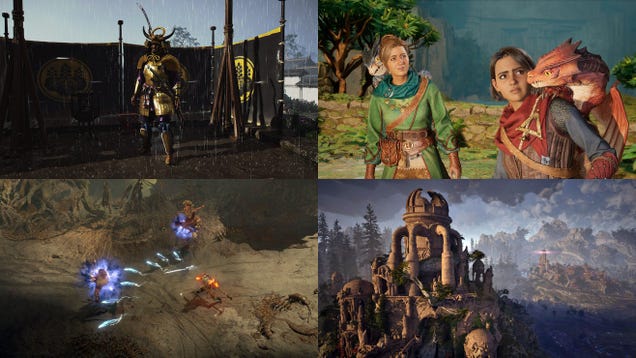
This week, we’re here to point you toward Assassin’s Creed Shadows’ legendary weapons. We’ll also help you find a Split Fiction side story that’s off the beaten path, get ready for Diablo IV’s next season, and score a sweet ring in Avowed. All this and more awaits in the pages ahead.
Contribute at the Fedora Linux 42 GNOME 48 and IoT Test Week
Fedora test days are events where anyone can help make certain that changes in Fedora Linux work well in an upcoming release. Fedora community members often participate, and the general public is also welcome at these events. If you’ve never contributed to Fedora Linux before, this is the perfect way to get started. There are […]
Nintendo Switch 2 Vs Steam Deck Handheld Specs And Features Compared
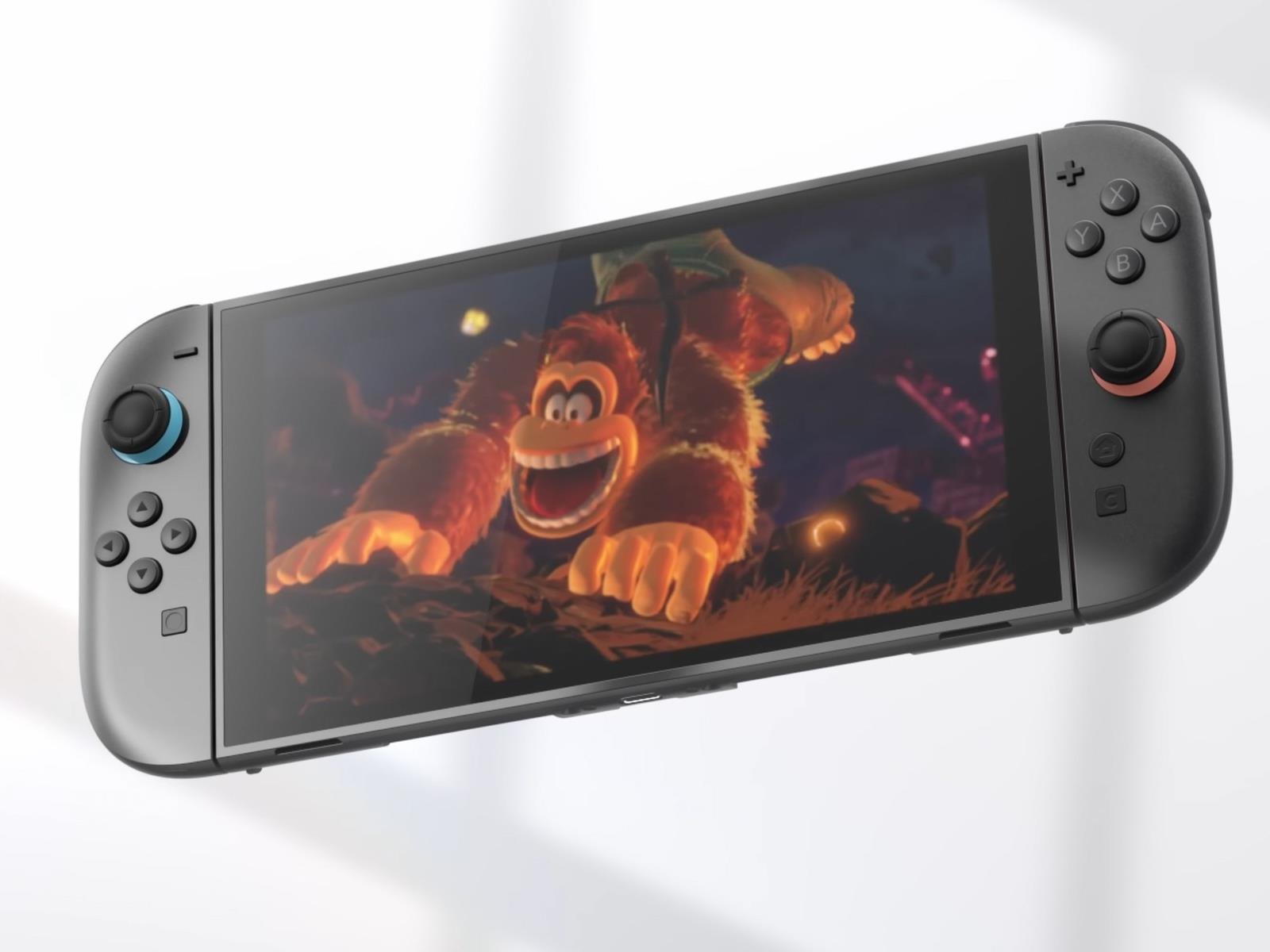
Nintendo’s Switch 2 and its surprising $449 US price point have a lot of people wondering out loud if they shouldn’t simply spend that same money on a Steam Deck or similar handheld. The gaming handheld market is in a radically different place now than it was in 2017 when Nintendo unveiled the original Switch console, and you have a lot of
Wanna Help AlmaLinux Get Ready for V10 by Testing ELevate?
With RHEL 10 likely to be released within the next 60 days or so, users of AlmaLinux, Rocky Linux, and other Red Hat clones are on notice to prepare to upgrade.
Tails 6.14.1 Released with Improved Tor Browser Integration
Tails 6.14.1, a privacy-focused Linux distro, brings better Tor Browser usability, security fixes, and updated components.
The post Tails 6.14.1 Released with Improved Tor Browser Integration appeared first on Linux Today.
Gorgeous OLED Gaming Monitor Deals: Samsung, LG And MSI Up To 40% Off
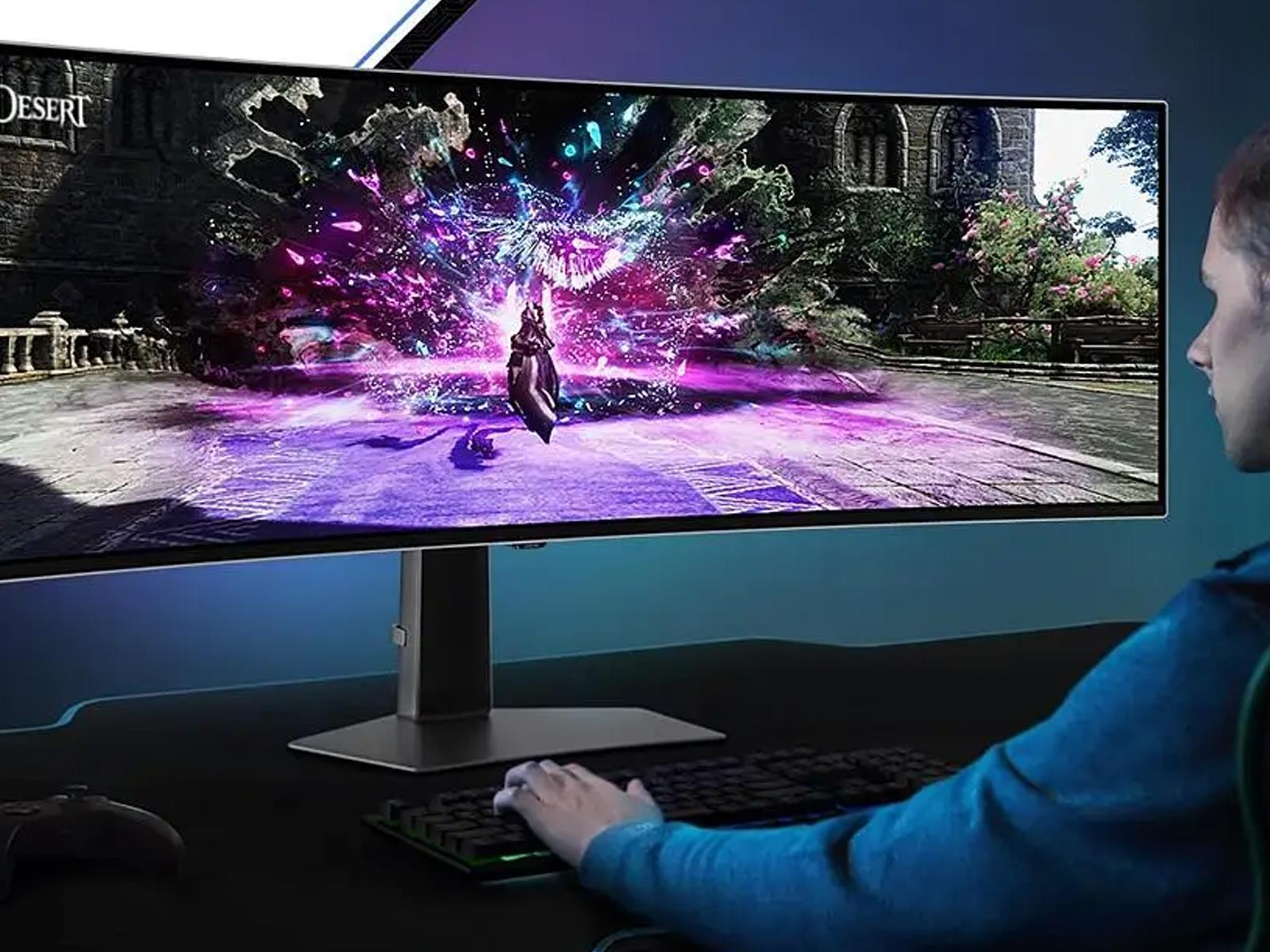
Are you finally ready to ditch that aging LCD monitor that’s on its last leg and jump into the wonderful world of OLED? Well, now is a good time to make the plunge. We took a look on Amazon and found several gorgeous OLED displays on sale, and in a variety of sizes from multiple name brands (Samsung, LG, and others). Let’s have a look.
If
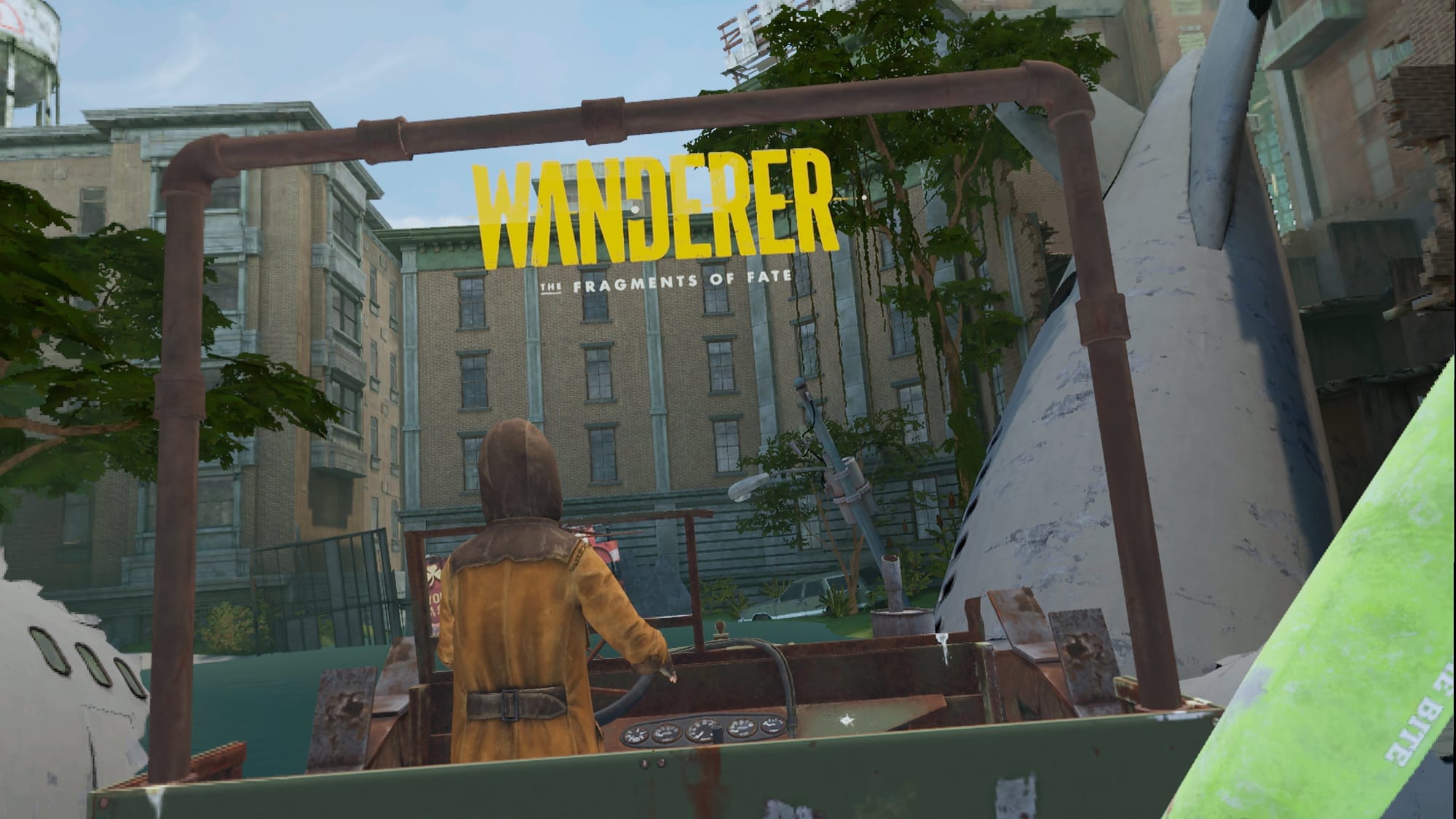
Wanderer: The Fragments Of Fate Review – An Ambitious Puzzle Adventure In Need Of More Time
Wanderer: The Fragments of Fate is an ambitious VR puzzle adventure game developed by New Zealand-based studio Mighty Eyes. After many delays the highly anticipated game has finally made its way to Quest and PS VR2 platforms, but the big question remains: Was it worth the wait?
A Note To The Reader
It’s worth noting a few points on the context in which this review is delivered before we proceed any further.
Following up on the original Wanderer (released on PCVR in 2022), Wanderer: The Fragments of Fate exists in the gray space between a remaster and a pseudo-sequel, insofar as it uses elements of the original game but expands the scope of the adventure.
Having never played the original, I was able to experience the world of Wanderer independently during my playthrough of The Fragments of Fate. As such, this review does not comment as to how much of the content on offer is recycled from the previous iteration.
Also, my playthrough was completed exclusively on Quest 3 and as such does not directly comment on the comparative merits of the PS VR2 iteration of the game. If you’re interested in seeing PlayStation VR2 version, check out Don Hopper’s no commentary livestream showing the first hour of gameplay on that system.
With that out of the way, let’s take a little trip through time, shall we?
Time Travel Is Never Easy
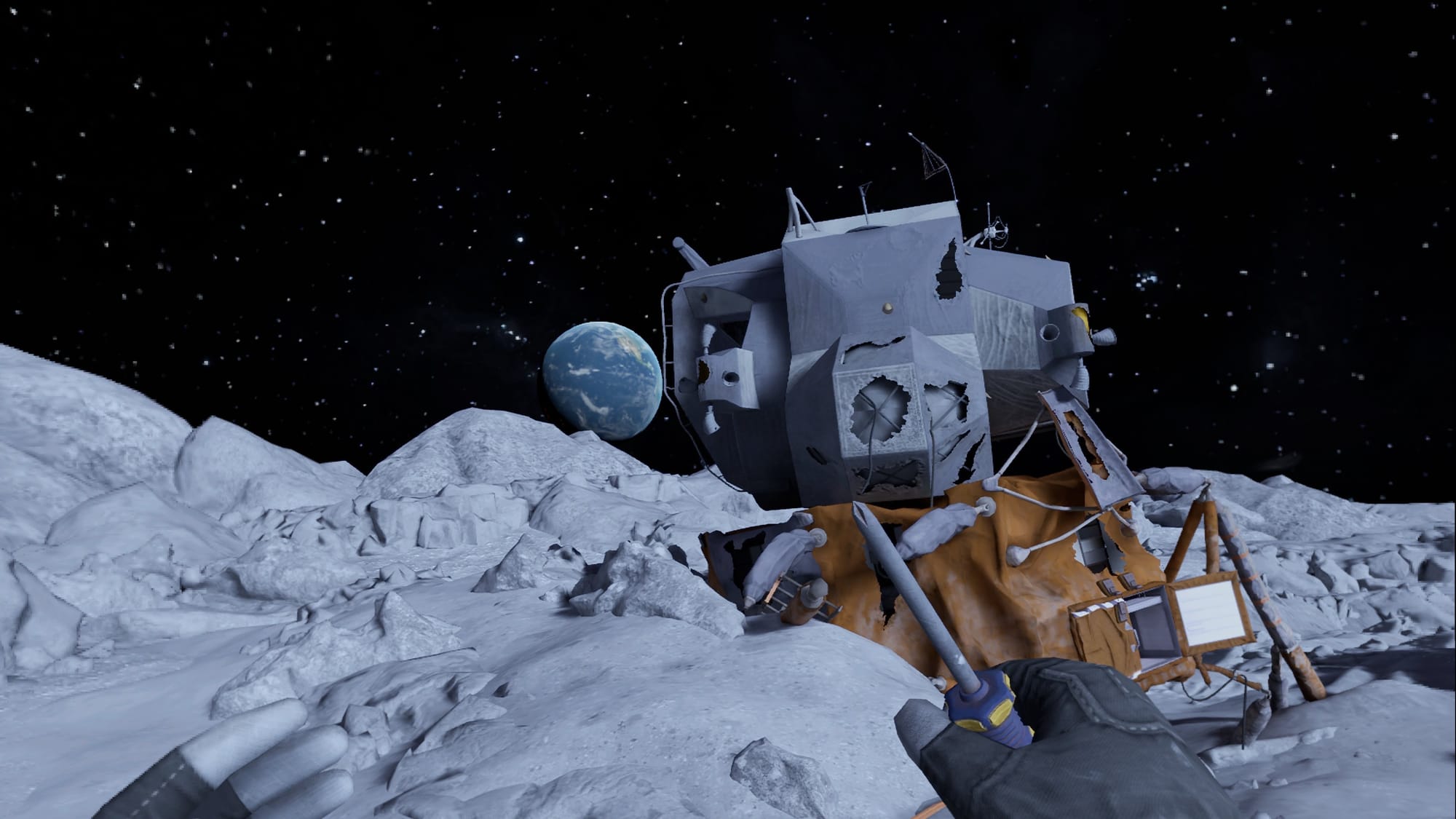
Wanderer: The Fragments of Fate is a narrative-driven, single-player puzzle adventure that takes place across numerous points throughout history. The story sees the player begin among the ruins of Boston in a not-too-distant future, where you are prompted to make a perilous journey to find your grandfather’s apartment. From here, a time-bending tale of mystery and intrigue begins to unfold that sees you traversing throughout history across multiple convergent timelines.
The narrative is both clever and engaging, staying interesting throughout the lengthy 12 – 15 hour campaign (it’s a puzzle game, so your mileage may vary). From an early point you are joined by a guide of sorts (no spoilers) who helps you navigate through what would otherwise be a fairly difficult path to follow.
Despite occasional points where you can choose from a range of objectives to pursue, the adventure is broadly linear. However, that linear pathway is not always obvious. As such, your companion becomes essential to making sure that you’re in the right time and place to continue your adventure.
Time Flies When You’re Having Fun
As far as the puzzle component of this adventure goes, Wanderer: The Fragments of Fate is top tier.
The game offers an impressive variety of puzzle types, all of which are well-integrated into the time-bending mechanics. There is very little sense of repetition or iteration among the puzzles themselves, with most employing fresh techniques to get you scratching your head.
The inevitable backtracking through history (and your grandfather’s apartment) can get tiresome after a while. Despite this, the puzzles remain challenging and each new area will have you taking a moment to mentally reset, shifting your thinking as you figure out how to approach the next sequence.
The puzzles make great use of the physicality of VR and provide players with a real sense of accomplishment upon completion. It’s difficult to portray the sophistication of many of the puzzles without spoiling the narrative, as these mechanics are so neatly interwoven with the story. Broadly speaking though, they are varied, inventive, fair and consistent. Well, for the most part.
Later in the game there were a few puzzles that diverted from previously established game logic, making them more difficult to solve than they should have been. There were also a few puzzles that required the use of seemingly unconnected items gained hours earlier in the campaign, and these felt like a completely improbable solve in retrospect.
For these instances (and a few others where a puzzle just legitimately stumped me), there is an in-game hint system that helps players push on. While I generally loathe to use hints for puzzle games, being provided with a solution that I would never have worked out, allowing me to progress, was a godsend. Used sparingly, this system is great for keeping players of all aptitudes moving through the story, avoiding game-abandoning frustration along the way.
Time To Kill
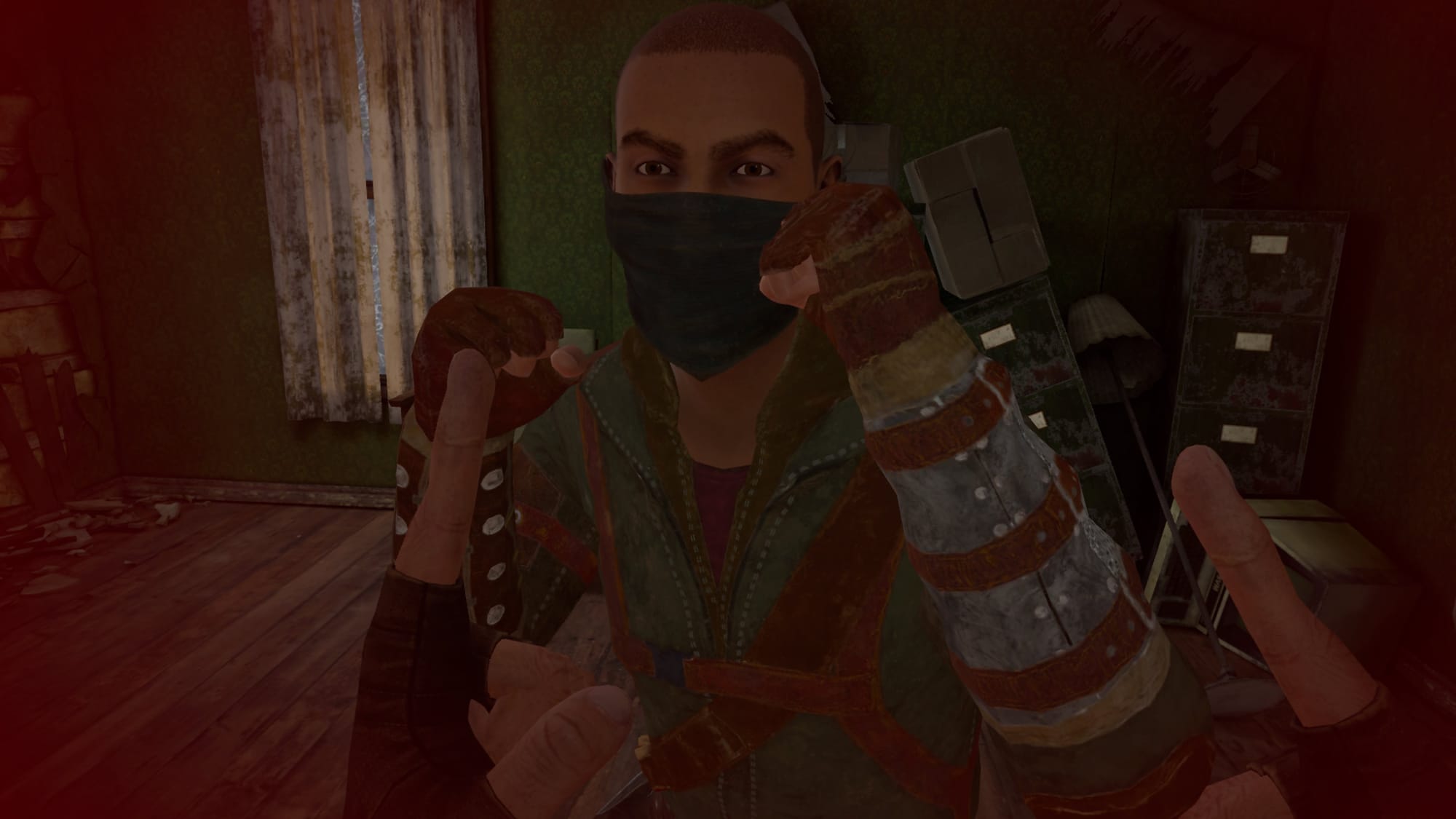
In addition to the puzzle elements, Wanderer: The Fragments of Fate also includes numerous action sequences, ranging from hand-to-hand combat to pitched gun battles. While the concept of an epic, time-spanning action-packed puzzle adventure sounds great in principle, the implementation of these sections falls far short of their potential. Every element of the combat is woefully under-baked and as a result, these sequences end up detracting from everything else that the game does so well.
From the first combat encounter the flaws are painfully obvious. The game instructs you to punch someone, but the controls won’t let you form a fist, so you’re left to aggressively poke your attacker with a single extended finger. Attempts at parrying are clumsy and inconsistent, and opponents’ movements are limited and jerky. Soon enough, any sequences that require close-quarters combat elicit a groan of resentment rather than any sense of tension.
Sadly, ranged combat doesn’t fare much better. Gun handling is needlessly hard due to the physics system. Reloading is finicky and the auto aim is so overactive that it almost negates your participation at all, although this can be turned off. Headshots don’t seem to do anything and despite the large array of historical weaponry on offer, every encounter feels like a rinse and repeat. Simply aim in the general direction of your assailant, shoot once, wait for their recoil animation to play out (hits don’t register while this animation is playing) then make a second shot.
If the combat had been better executed, with even half the depth of Blade and Sorcery or Zero Caliber 2 for their respective combat genres, Wanderer: The Fragments of Fate would have been on track to being one of the all-time greats. In its current state, however, combat feels so cumbersome and unnecessary that the game is lessened by its inclusion.
There’s Always A Paradox
Unfortunately, Wanderer: The Fragments of Fate is absolutely littered with technical issues which seriously impact the overall enjoyment of the game. The Quest version struggles with constant frame drops, glitches, and broken physics interactions that undermine the whole experience. The frame rates chug so laboriously that they eventually caused me headaches and mild nausea.
Several times physics interactions would go haywire and my hand or an item would embed inside an object, which would force me to restart the game in order to progress. In addition to this, I experienced at least a half dozen hard crashes throughout my play through.
These technical difficulties are severe enough to border on game breaking. There were a number of occurrences where I spent 30 – 40 minutes searching for the next step only to discover later that a key item had not loaded in and progress was impossible without reverting to a previous save.
The biggest impact this has on a puzzler, is that it makes you lose faith in the integrity of the puzzle. After the third instance where a glitch held me up for a significant amount of time, whenever I struggled with something I found myself defaulting to “it must be another glitch” as opposed to “maybe I should try this another way”. For a game full of brilliantly challenging puzzles, this mental switch was a death blow and marked the end of my enjoyment.
Comfort
Wanderer: The Fragments of Fate launches with all the comfort options that one would expect. Teleport or artificial stick-based locomotion, smooth or snap turning, vignettes, seated or standing options. It’s all there to make sure the experience is as accessible to everyone as can be possible.
Judging The Book By Its Cover
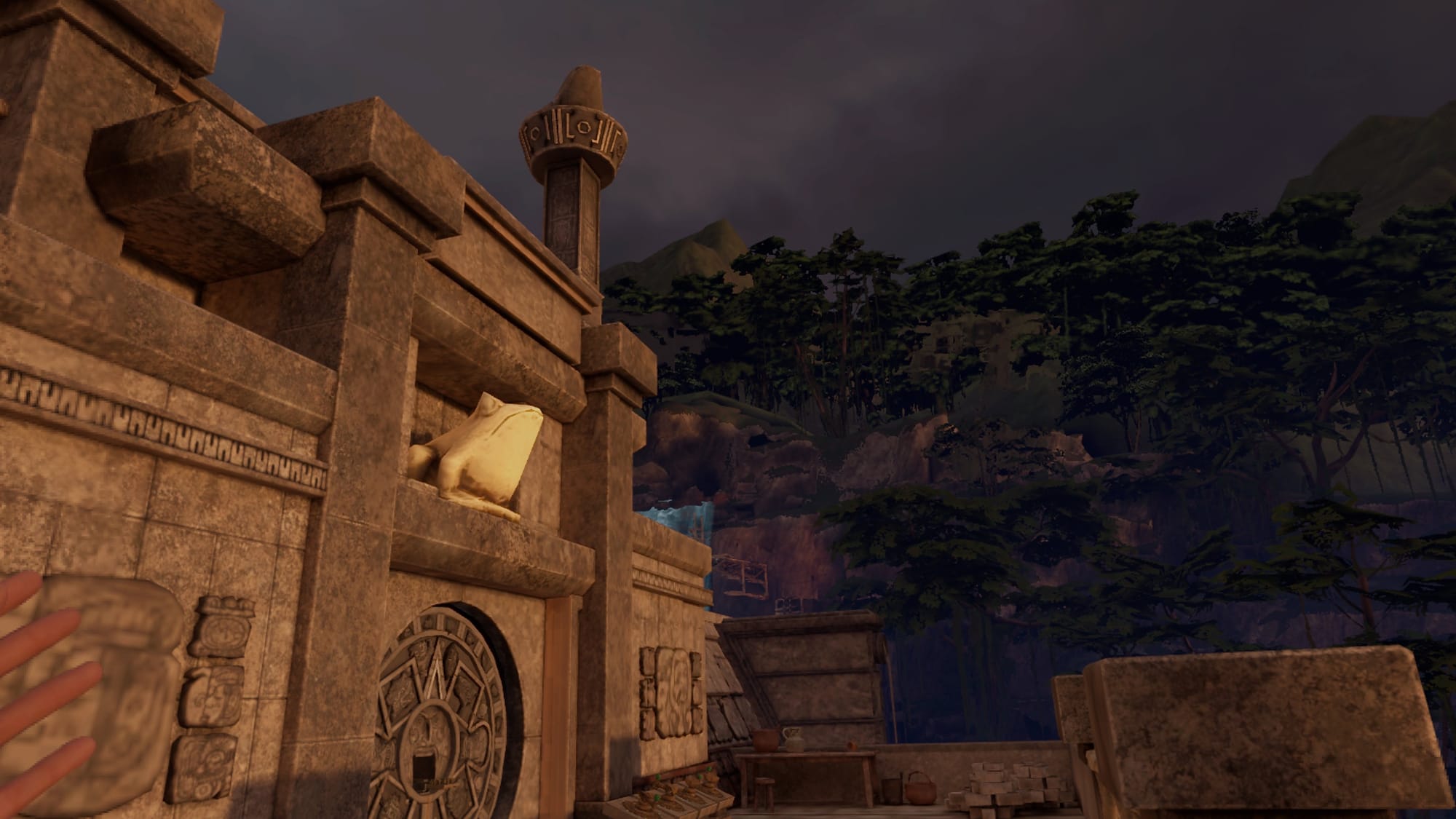
Graphically, the Quest version of Wanderer: The Fragments of Fate is a mixed bag. While the environments are large and beautifully designed, they suffer from grainy textures, constant pop-in, and severe artifacting during object interactions. The physics system, which is impressive in concept, seems to overburden the hardware and creates performance trade-offs that hinder the experience.
In fact, at the end of my time I was ultimately disappointed that my first (and probably only) run through of this intricately designed world had taken place on a version so riddled with compromise. Were I gaming strictly for fun, after the first hour I would have given up and waited for the Steam version. Or at very least, a raft of patches to roll out before heading back into the future.
Is That You, Matthew?
The sound design is the best element of the game’s presentation. The voice acting is excellent, particularly from the timepiece companion, who channels Matthew McConaughey so well that I’m still not one hundred percent convinced that it’s not actually him. The rich, characterful voice acting from the entire cast goes a long way toward bringing the narrative to life.
The soundtrack is well-composed, knowing when to swell and when to fade into the background. In a game where silence is often necessary for puzzle-solving, the score does a great job of disappearing in an unobtrusive way that complements the gameplay perfectly. The selection of in-world music, accessed through cassette tapes hidden throughout the game, is also excellent and really builds the authenticity of this alternate timeline.
Wanderer: The Fragments Of Fate Review – Final Verdict
Wanderer: The Fragments of Fate shows immense potential, offering a uniquely engaging narrative and an outstanding array of creative and satisfying puzzles. In fact, the puzzles are truly wonderful that without the constant technical issues this could easily have been the best game of its genre that I’ve played.
However, the technical issues and poor combat implementation make it difficult to recommend the game in its current state. It is clear that beneath these problems is a truly exceptional game that, with proper patches and improvements, could easily become one of the best VR experiences available to date. For now, however, it might be best to wait.

UploadVR uses a 5-Star rating system for our game reviews – you can read a breakdown of each star rating in our review guidelines.
Large Atomic Write Preparations Land In Linux 6.15
One of the early pull requests for Linux 6.15 that I’ve been meaning to highlight are the VFS iomap updates sent in by Microsoft engineer Christian Brauner. In particular, the VFS iomap pull brings preparations for large atomic writes and its upcoming usage by the XFS and EXT4 file-systems…
Open Source Initiative (OSI) Privacy Fiasco in Detail: What Was Reported to the California Privacy Protection Agency (CPPA)
In the introduction and the previous part we explained why this matters and today we’ll touch the ‘gory’ details. There’s too much to cover in one single part.
Linux 6.15 Performance Events Adds Support For AMD Zen 5 Load Latency Filtering
Merged a few days ago for the Linux 6.15 kernel were all of the performance events updates for which there are a few notable patches on the AMD and Intel side this cycle…
Linux 6.15 Kbuild Adds Support For LoongArch Debian & Faster gendwarfksyms
Among the pull requests coming in at the tail end of the Linux 6.15 merge window with 6.15-rc1 expected tonight are all of the Kbuild updates as the infrastructure for building out the kernel…
World’s ‘Loneliest Whale’ Might Be a Sterile Hybrid—and a Dire Warning

A mysterious whale that has puzzled scientists for decades may not be an anomaly, but a clue to what climate change is doing beneath the waves.
No motion sickness: Kids handle VR better than adults, new study finds

Researchers at Leiden University investigate how young people react to VR technology — with surprising results.
The post No motion sickness: Kids handle VR better than adults, new study finds appeared first on MIXED Reality News.
Wine 10.5 Released with Vulkan H.264 Decoding
Wine 10.5 is out with ARM64 large page support, updated Mono 10.0, Bluetooth pairing, Vulkan H.264 decoding, and more.
Does virtual reality make us better people?

New research shows how XR can influence our behavior. So, does immersive tech have the potential to make us better people?
The post Does virtual reality make us better people? appeared first on MIXED Reality News.