Wahoo’s new Roam and Bolt bike computers wave goodbye to one of their most defining features

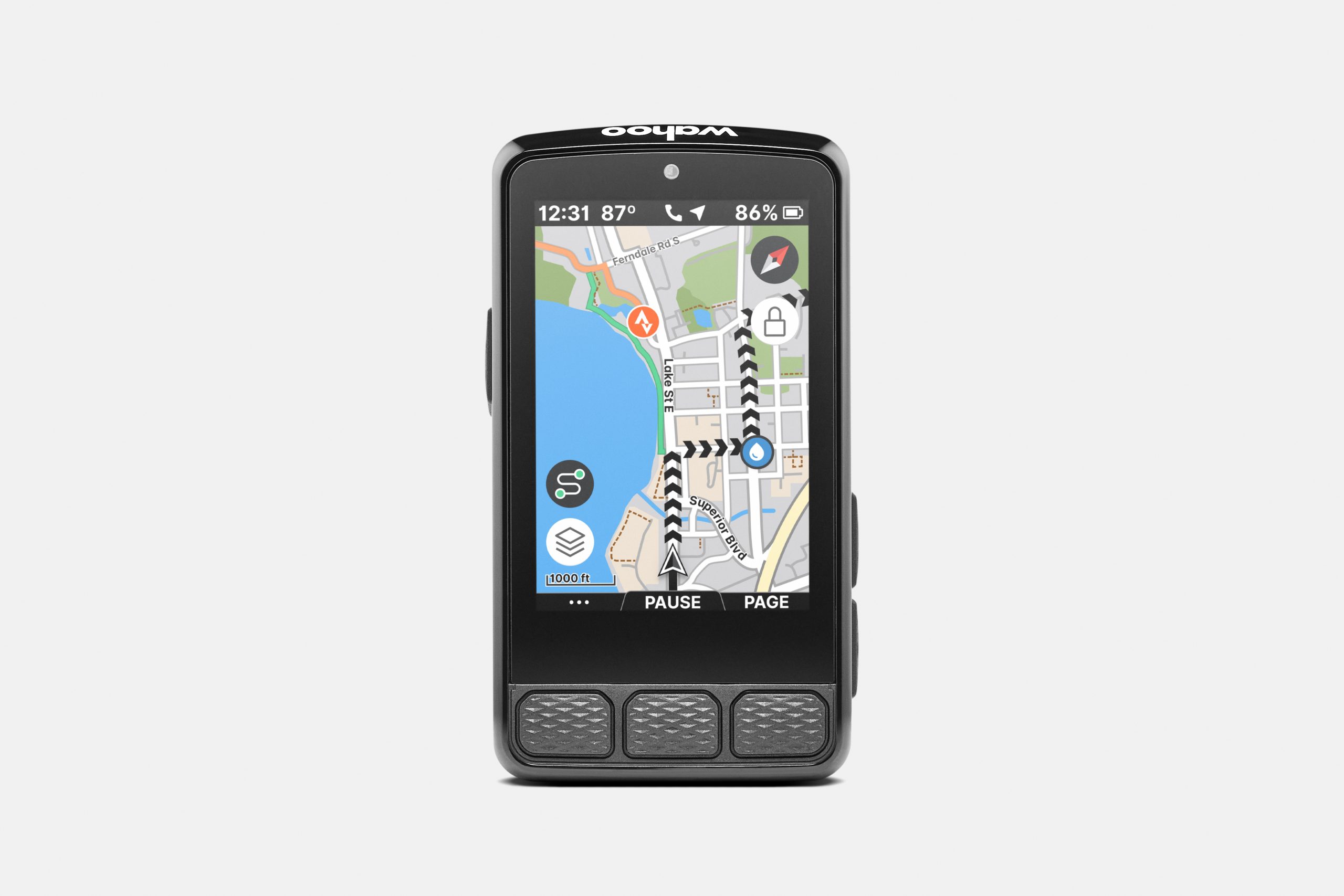
Wahoo has announced updates to its Roam and Bolt bike computers, headlining with improved screens and the integration of the brand’s overhauled user interface which debuted on the Elemnt Ace.

The Elemnt Roam 3 sees a touchscreen installed for the first time, with a small increase in size.

The smaller Elemnt Bolt 3 has received a similar screen update, although this remains non-touchscreen.

But the LED indicators – which ran along the outgoing Bolt and Roam’s bezels – have been dropped from the new bike computers.

Both have seen visible changes to their form factor, but Wahoo hasn’t shared detailed specifications.

The Roam 3 is set to cost £399.99 / $449.99 / € 449.99 / AU$749.95, and the Bolt 3 £299.99 / $329.99 / €329.99 / AU$549.99. Both will be available to buy from Tuesday 6 May.

Wahoo Elemnt Roam 3

Wahoo Elemnt Roam 3
The Wahoo Elemnt Roam 3 features an improved, slightly larger screen. Wahoo

The Wahoo Elemnt Ace, which launched in December 2024, remains at the top of the Wahoo computer tree, so the latest Roam slots in between it and the smaller Bolt. 

The LED indicators – which previously inhabited the top and left-hand edge of the bezel – are no more, dropped in favour of an improved screen.

This has enlarged to 2.8in (measured diagonally) from 2.7in, with thinner side bezels, and which Wahoo claims is anti-reflective. The ambient light sensor has also shifted from the top-left corner to the top-centre.
Wahoo Elemnt Roam 3
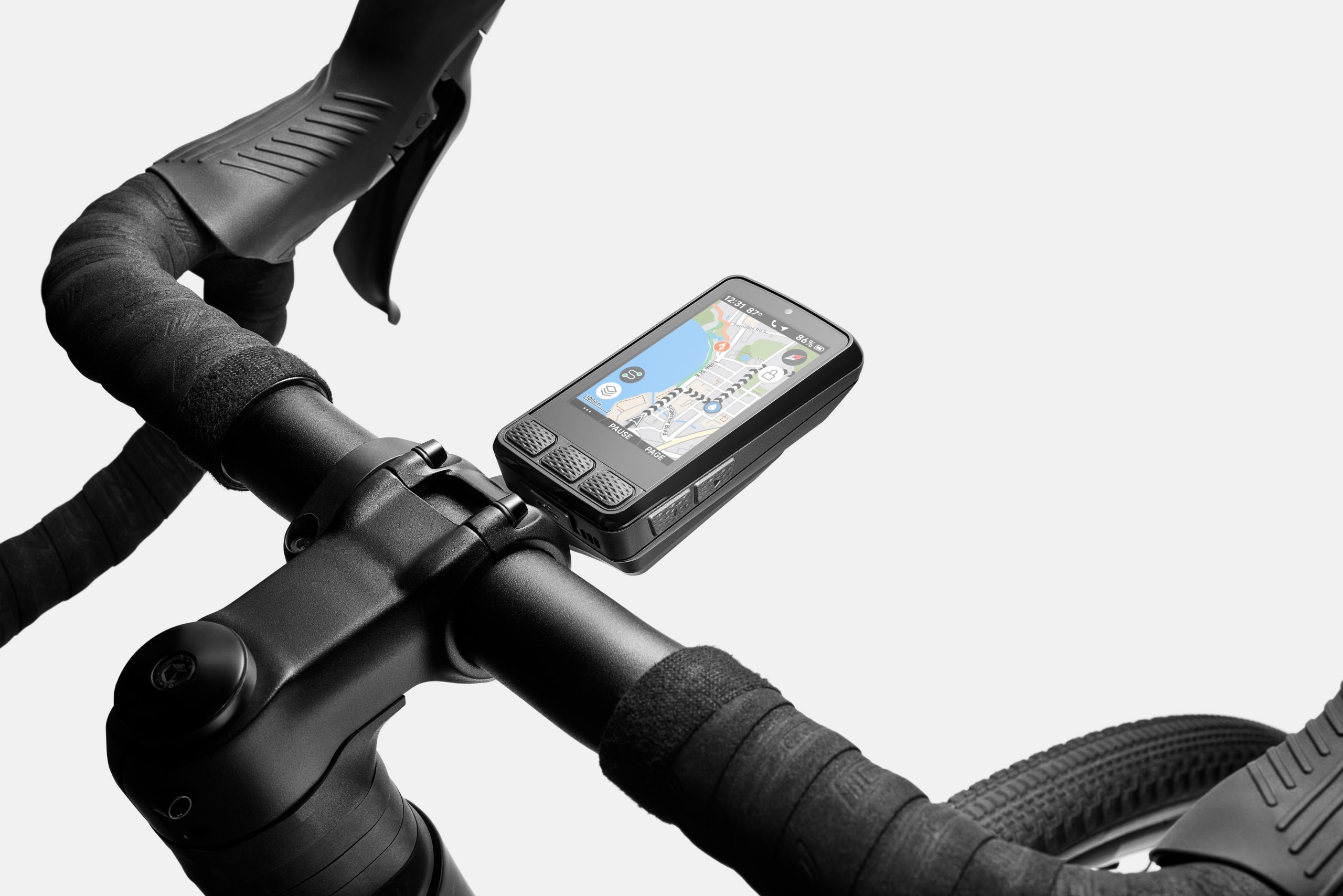
The device occupies a middle-sized ground between the Elemnt Ace and Bolt 3. Wahoo

The screen is now touch-sensitive with pinch, zoom and swipe capability, but Wahoo has retained the three soft-function buttons on the bottom of the device, plus the two toggle buttons and power button. 

When it launched the Elemnt Ace, the brand claimed that this dual functionality gave riders operational choice. Specifically, the buttons were said to be especially useful in the rain, and when wearing winter gloves.

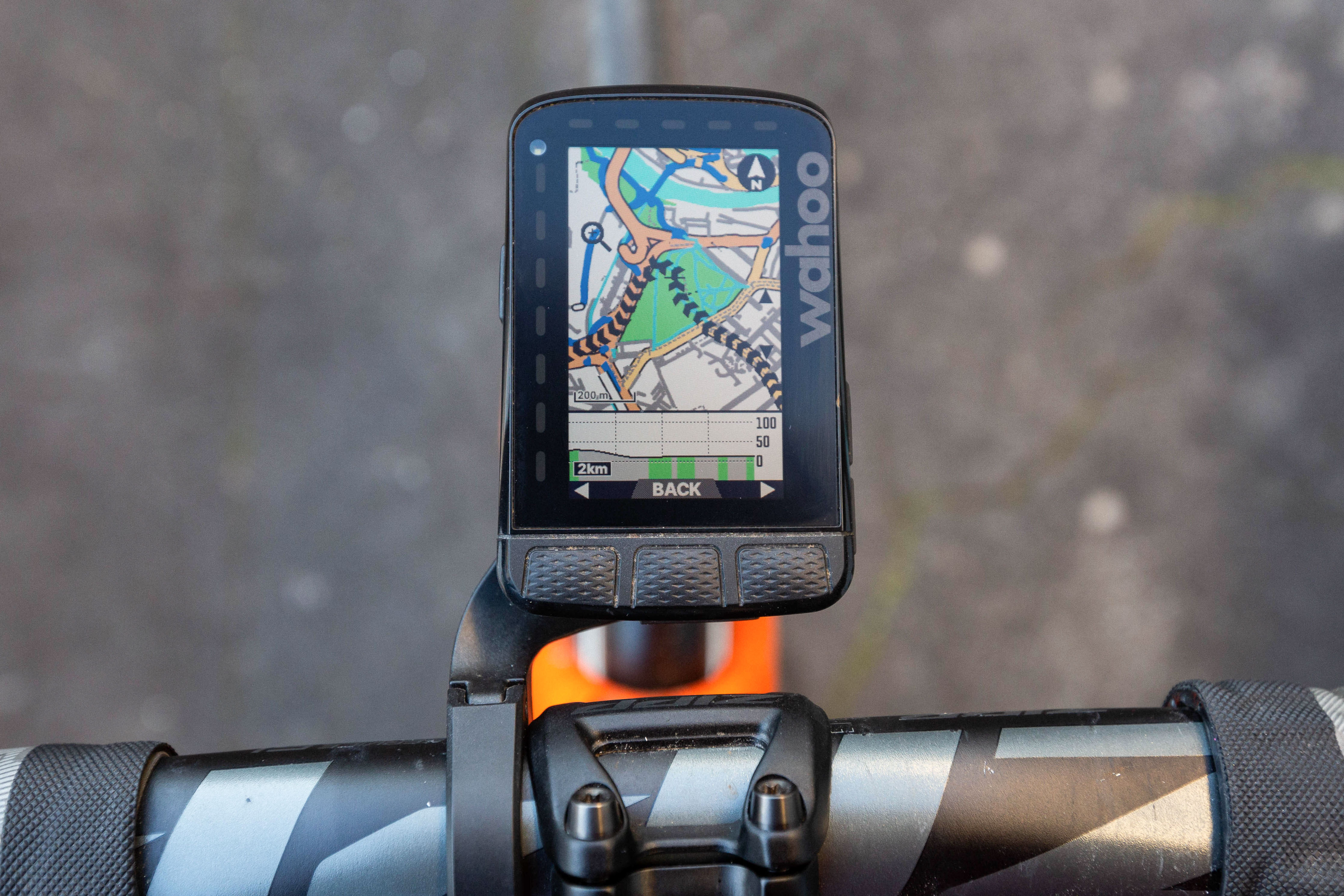
Wahoo’s render images suggest that the screen is also more detailed, possibly with a higher pixel count and more colour range – the previous Roam V2 could only produce 64 colours – although the brand hasn’t confirmed this.
Wahoo Elemnt Roam V2 navigation screen
The Elemnt Bolt V2 had LED indicators on the top and left bezels – these are now consigned to the history books. Felix Smith / Our Media

Navigation and mapping has been improved, and voice prompts are also part of the updated feature set.

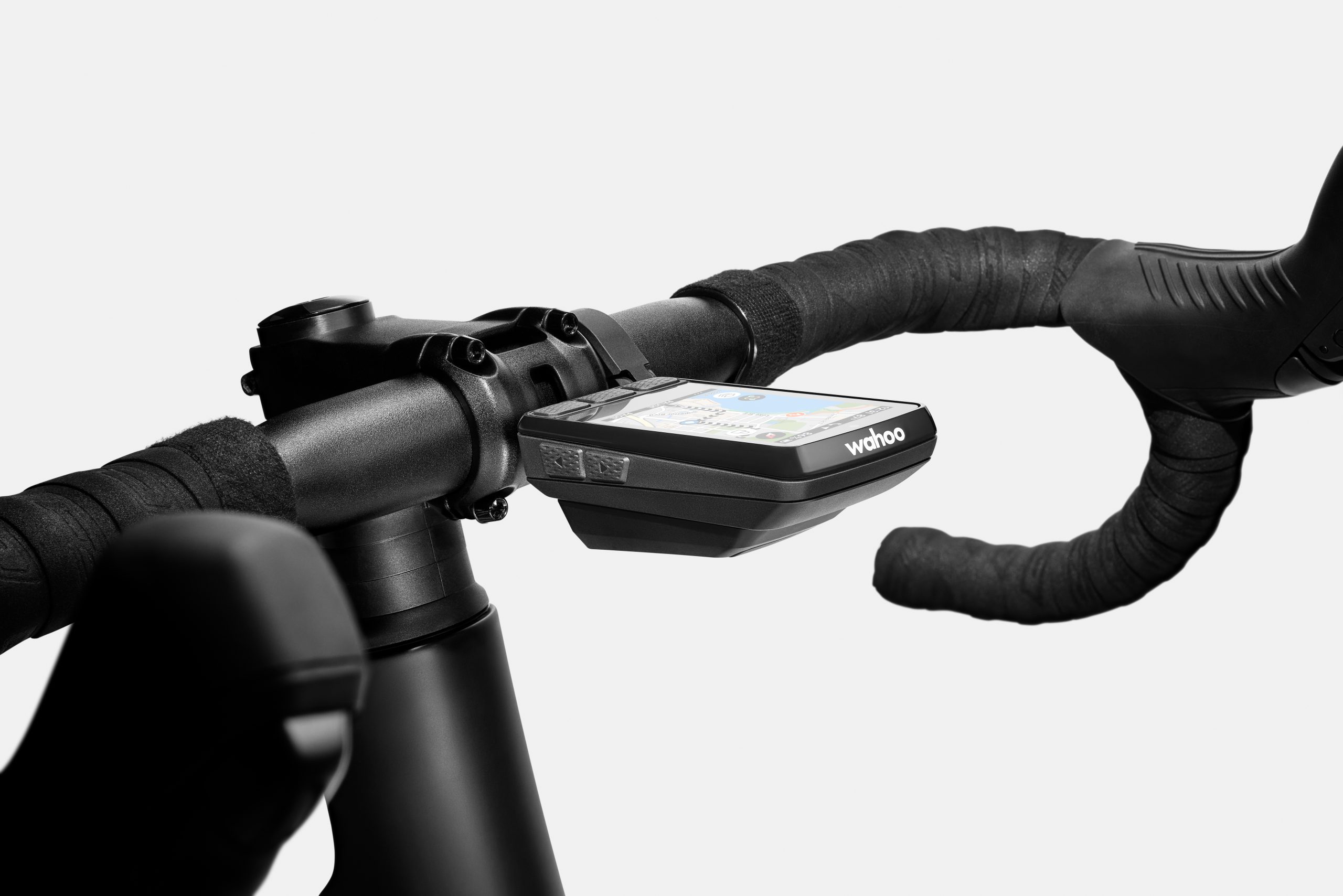
The overall form factor appears slightly longer and narrower (Wahoo hasn’t shared detailed specs), with a similar depth. It uses the same click-mount interface, although it’s unclear yet whether the supplied out front mount (which features a supporting frame) has been modified.
Wahoo Elemnt Roam 3
Internal specifications have yet to be fully confirmed, but the claimed battery life has increased by around seven hours. Wahoo

Wahoo says the Elemnt Roam 3’s battery will last for “up to 25 hours”, a marked improvement on the previous Roam’s 17 hours claim (which we found to be close to the mark in real-world testing). 

This indicates that the battery capacity has been updated, alongside potential improvements to the device’s battery management and internal components – albeit, again, this hasn’t been confirmed. 

This is also linked to the brand’s updated software and Wahoo app, which debuted on the Elemnt Ace, and has now been rolled out across the Roam and Bolt 3.

This sees a refined interface on start-up, as well as full setup and customisation of the screens carried in the app.

Wahoo Elemnt Bolt 3
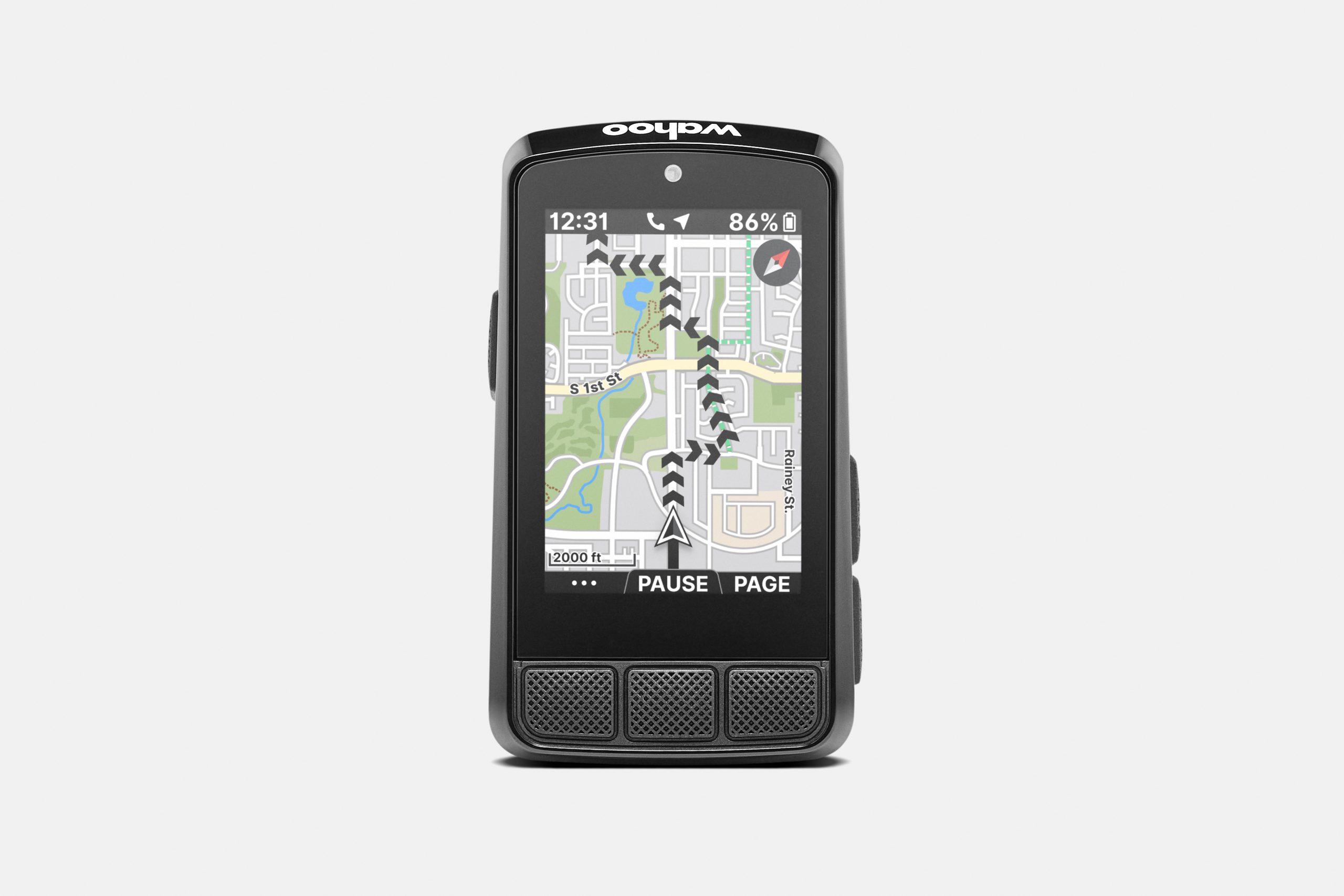
Wahoo Elemnt Bolt 3
The Elemnt Bolt 3 remains the smallest of the three Elemnt computers. Wahoo

The Wahoo Elemnt Bolt 3 has seen similar updates to its screen and design, with a slight bump in screen size (and detail, judging from the brand’s press images). The LED indicators have been dropped from the top bezel.

Like the Roam 3, the ambient light sensor has shifted to the top centre of the device.

The Bolt 3 remains the brand’s smallest and cheapest bike computer, and continues to be pitched as “compact and aerodynamic”.
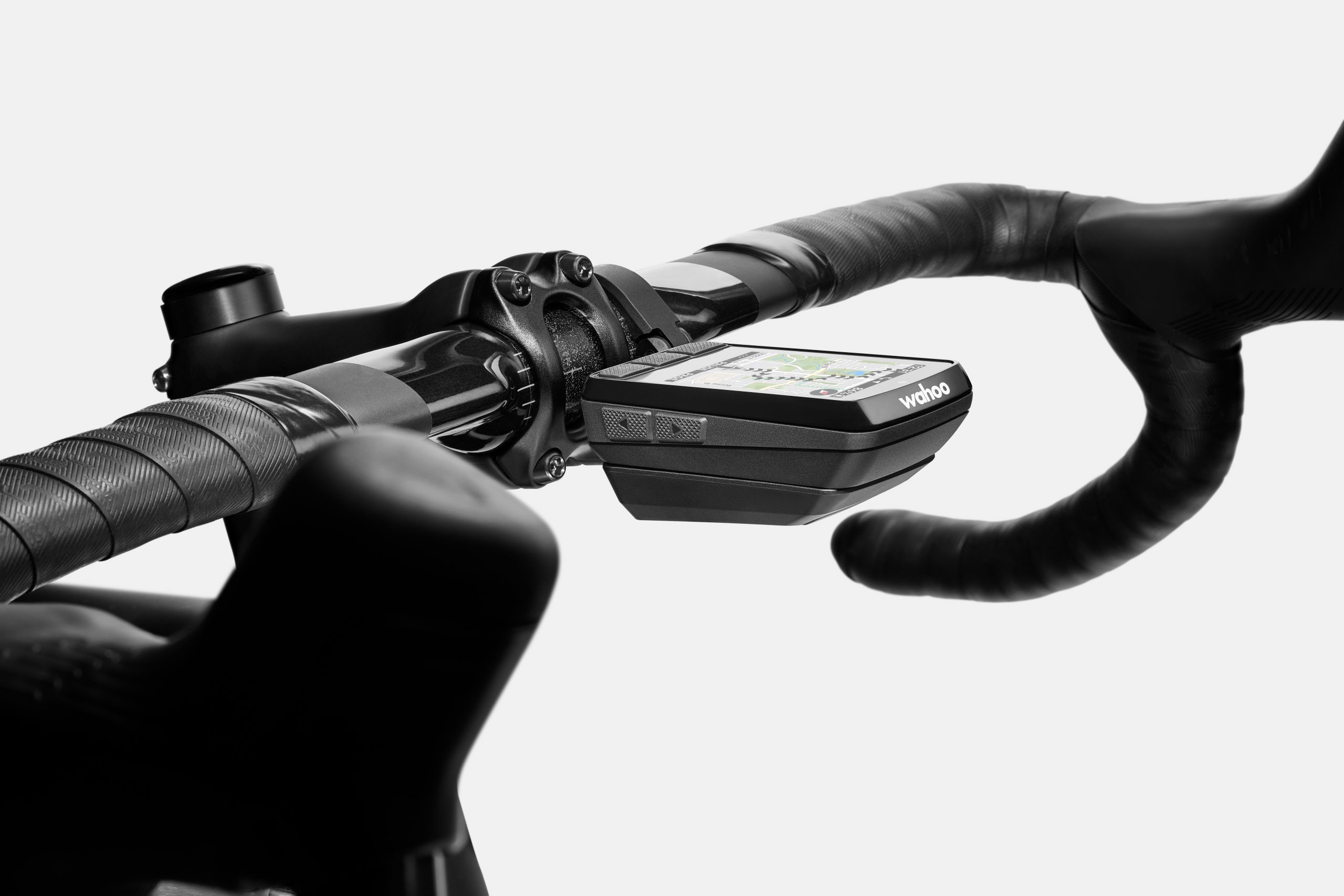
Wahoo Elemnt Bolt 3
Press images show the computer to be substantially thicker than the outgoing model (including the mount). Wahoo

That said, close inspection of the Wahoo’s supplied images reveals that the Bolt 3 is thicker compared to the previous generation, suggesting an overhaul under the hood.
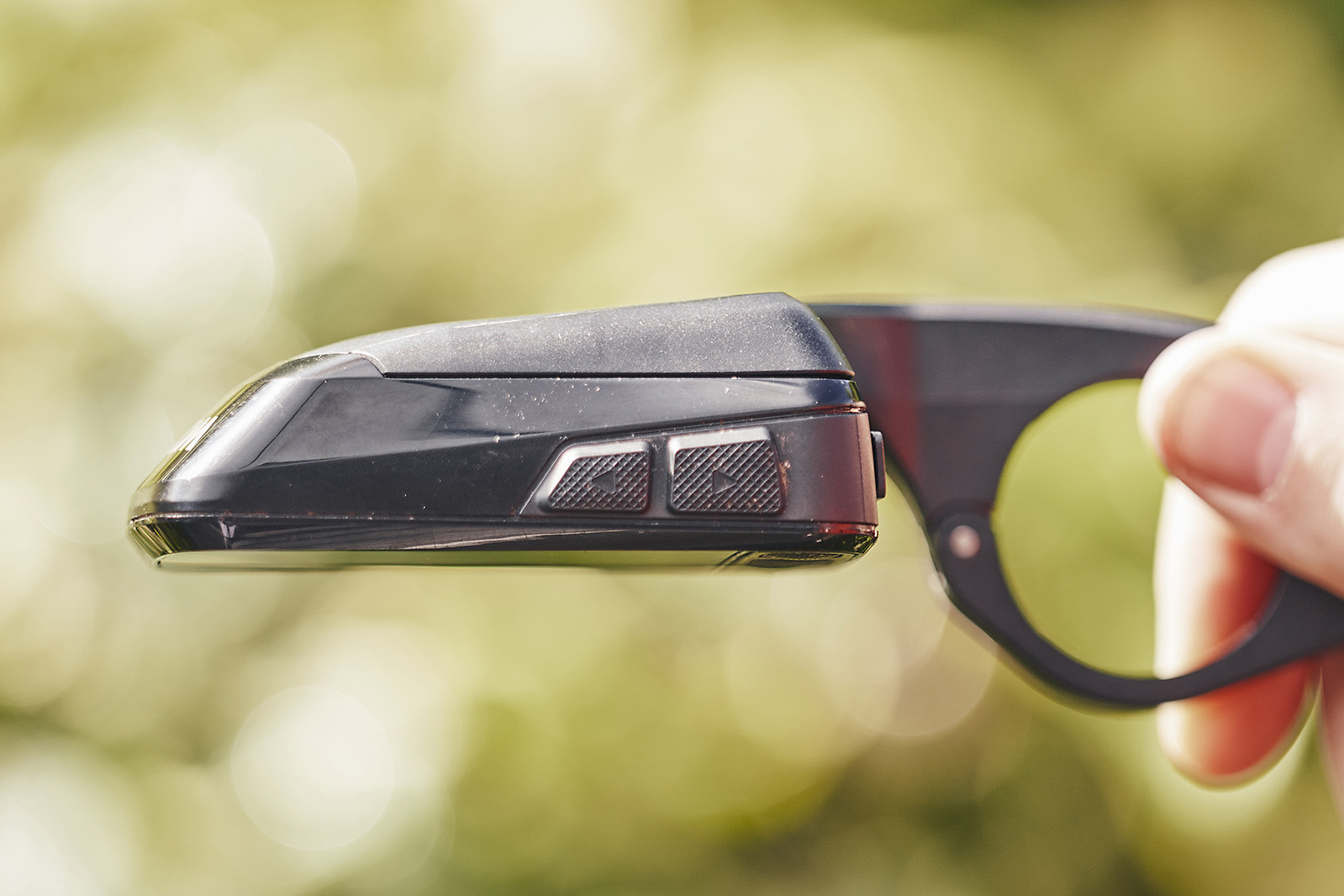
Wahoo Elemnt Bolt V2
The Bolt v2 appears much sleeker, by comparison. Steve Sayers / Our Media

Wahoo’s claimed run time has increased from 15 to “up to 20 hours”, hinting that a larger battery could be the main cause for this.

As with the Roam 3, though, exact hardware specifications have yet to be shared. 

Pricing and availability
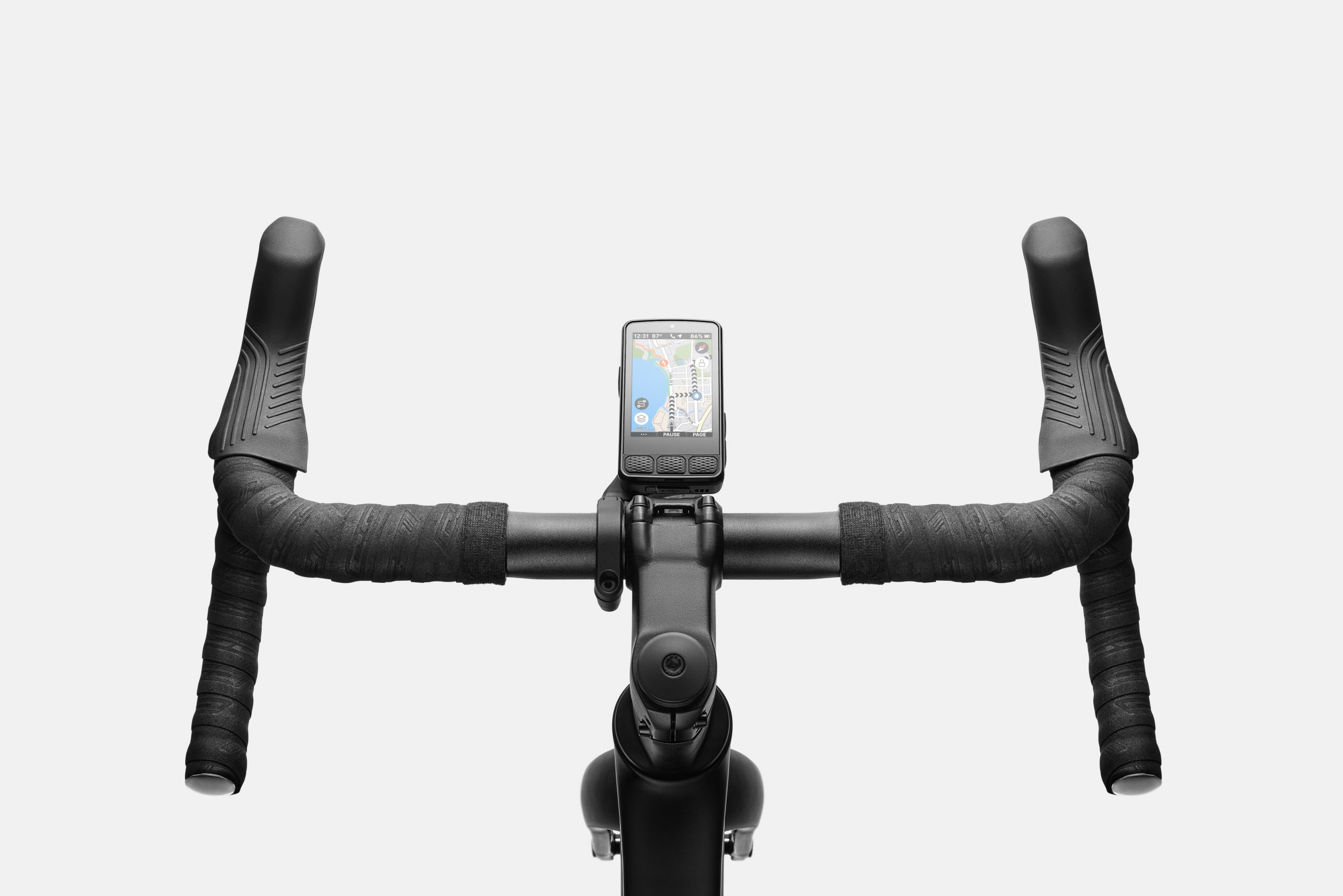
Wahoo Elemnt Roam 3
The new computers aren’t available to buy just yet. Wahoo

Wahoo says the new Elemnt Roam and Bolt 3 computers will be available to buy on Tuesday 6 May. 

  • Roam 3: £399.99 / $449.99 / € 449.99 / AU$749.95
  • Bolt 3: £299.99 / $329.99 / €329.99 / AU$549.99.

Our test units are soon to arrive at BikeRadar HQ, when we’ll get to grips with all the changes and report on whether you should think about upgrading.

[$] An update on pahole

Pahole (originally “Poke-a-hole”) is a Swiss Army knife for exploring and
editing debug information. Pahole is also currently involved
in the kernel’s build process to rearrange the information
produced by various compilers into a form useful to the BPF verifier, although
there are plans to render it unnecessary.
Pahole maintainer Arnaldo Carvalho de Melo shared some status
updates about the project at the 2025 Linux Storage, Filesystem,
Memory-Management, and BPF summit. Interested readers can find his slides
here.

The NSA Sounds Security Alarm For Billions Of iPhone And Android Phones

The NSA Sounds Security Alarm For Billions Of iPhone And Android Phones
End-to-end encryption on messaging apps can offer a degree of protection, that is, if you don’t let down your guard. That’s the essence of the NSA’s latest security warning to iPhone and Android users on the need to manage key settings that might expose them to attacks if not handled properly.

While the warning specifically mentions Signal,

Oh WHAMM, Microsoft Shows Off Gen AI-Built Classic Quake II Shooter

Oh WHAMM, Microsoft Shows Off Gen AI-Built Classic Quake II Shooter
Microsoft believes generative AI is critical for the future of gaming, for both gamers and developers. Earlier this year the company unveiled a World and Human Action Model (WHAM), dubbed Muse. Now, it’s sharing some of the improvements to the model integrated in the last few months. This extension of the current model is what Microsoft is

Bridgestone’s Lunar Rover Tire Concepts Are Totally Metal And Ready To Rock

Bridgestone's Lunar Rover Tire Concepts Are Totally Metal And Ready To Rock
Japanese tire maker Bridgestone is showing off two new lunar rover tire concepts at the 40th Space Symposium in Colorado Springs. Yes, they basically look like airless puncture-proof tires currently found on UTVs (utility task vehicles) and skid steer loaders, except that Bridgestone’s are metal and designed to withstand that harshness of

Ubuntu 25.04 Boosting AMD EPYC 9005 Performance Even Higher: ~14% Faster Than Ubuntu 24.04 LTS

At the end of March with the Ubuntu 25.04 beta release I began running Ubuntu 25.04 benchmarks on desktop hardware and finding some nice performance improvements thanks to the fresh Linux 6.14 kernel and other new software updates found in this next Ubuntu release. While those numbers were positive, the Ubuntu 25.04 beta performance I am seeing on AMD EPYC 5th Gen “Turin” servers is even more exhilarating. As the first of a lot more Ubuntu 25.04 server benchmarks to come, today is a first look at the Ubuntu 25.04 beta performance on AMD EPYC 9005 compared to Ubuntu 24.10 and the Ubuntu 24.04 LTS releases.

Dope Game On Steam Accused Of Copyright Infringement Sparks A Drug Turf War

Dope Game On Steam Accused Of Copyright Infringement Sparks A Drug Turf War
Let me just say right off the bat that for a multitude of reasons, I highly recommend against using Breaking Bad as a blueprint for your own life goals. Yes, Walter White and Jesse Pinkmak made a whole lot of money, but without spoiling the series, it came at many costs. Instead, there are several games on Steam where you can live out fantasy

[$] Three ways to rework the swap subsystem

The kernel’s swap subsystem is complex and highly optimized — though not
always optimized for today’s workloads. In three adjacent sessions during
the memory-management track of the 2025 Linux Storage, Filesystem,
Memory-Management, and BPF Summit, Kairui Song, Nhat Pham, and Usama Arif
all talked about some of the problems that they are trying to solve in the
Linux swap subsystem. In the first two cases, the solutions take the form of
an additional layer of indirection in the kernel’s swap map; the third,
which enables swap-in of large folios, may or may not be worthwhile in the
end.

Fizik’s new helmets look great – but they’ll cost you

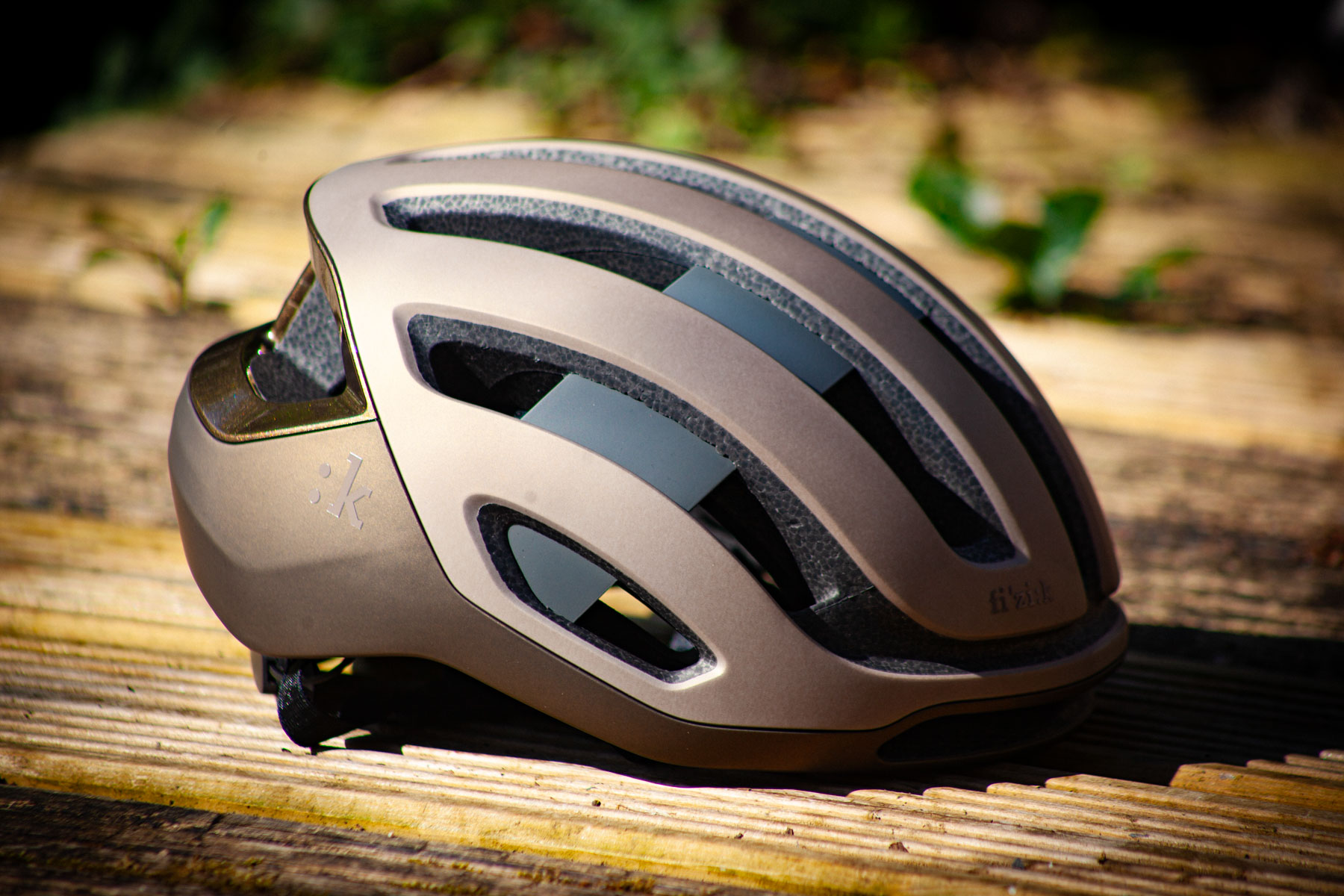
Fizik, the saddle specialists who turned its hand to a successful shoe range, has now branched out into helmets.

Today’s launch sees four models: the Kudo, Kudo Aero, Kassis, and Kunée. Both the Kudo and Kudo Aero are aimed at road, gravel, and XC riding. The Kassis is aimed at off-road trail riders, and the Kunée is a specialist aero helmet for TT and Triathlon.

The helmets, however, don’t come cheap, starting at £189.99 / $199.99 for the trail-focused Kassis, with the road going Kudo and Kudo Aero at £269.99 / $289.99. The TT-specific Kunée tops the price list at £359.99 / $379.99.

That puts Fiziks new helmets at the premium end of the market along with the likes of Kask’s Elemento WG11 (£335), Trek’s Velocis (£230), and Lazer’s Kineticore Z1 (£230) for the road, and Fox’s Crossframe Pro (£190) and Giro’s Merit Spherical (£190) on the mountain bike side.

Air flow

Fizik says its helmets balance cooling with aero considerations. Warren Rossiter / Our Media

Fizik says that all of the helmet designs were guided by CFD (computational fluid dynamics).

The aim is to streamline airflow and minimize wind resistance – not only for aerodynamics, but also to channel air through the helmet vents for comfort and cooling.

Fizik claims the shape of the vents and internal channelling is designed to induce the venturi effect, where airflow velocity increases on entry and is pushed out at the rear, helping to keep a constant flow of a cool draft.

Advanced fit

The rear cradle offers lots of vertical adjustment. The temple anchors can also be adjusted to change the shape of the retention system between round and oval.

Whilst Fiziks’ retention system looks very much like any other premium helmet, it has introduced design tweaks enabling the fit to be adjusted over a wider range with more fine-tuning than competing designs.

The rear cradle has 5 anchor points, offering 5cm of vertical adjustment. Adjusting this also adjusts the tilt of the helmet.

The micro dial rear adjuster works in unison with internal retention anchors at the temples.

These offer three-position adjustment, which alters the shape of the retention system from a round shape in its shortest position to a more oval shape in its longest position.

It should mean that Fizik’s design and fit system will suit more head shapes than most.

The helmet range is available in a broad size range from 52cm up to 61cm

Safety

The road/gravel Kudo and Kudo Aero, along with the trail-focused Kassis, feature MIPS Air Node. The latest multi-impact-protection system, with its anti-rotational design integrated into the pad system and how it anchors into the helmet, is much less intrusive than previous generation designs, and doesn’t hinder airflow.

Fizik helmet light
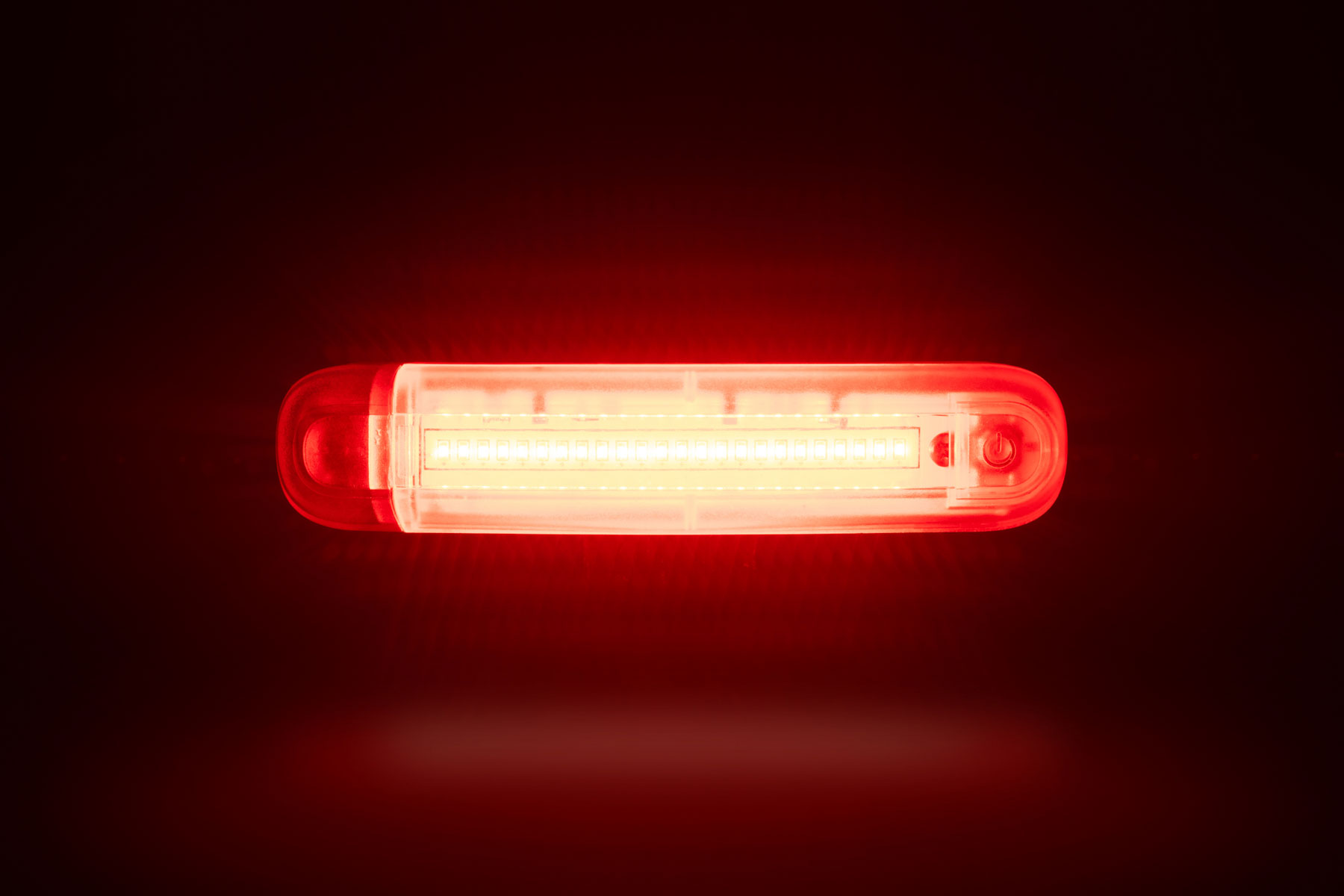
The light offers 90 minutes of run time in solid mode, double that for flashing. Fizik

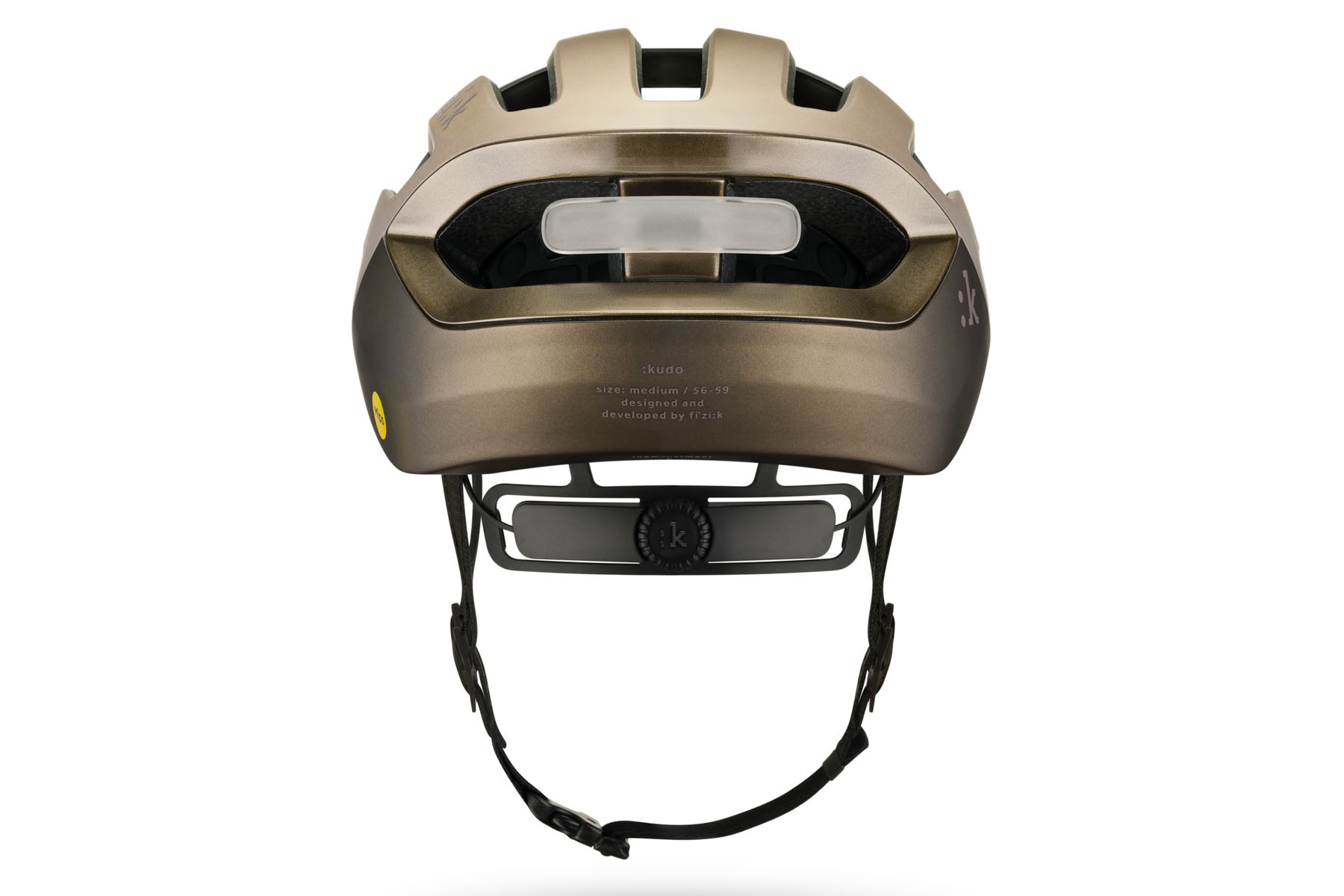
For added safety, the Kudo, Kudo Aero, and Kassis all come with a clip-in rear light with a 35-lumen output and 90-minute run time on solid, or 180 minutes in flash mode. The light is available separately for £29.99 / $29.99 / €29.

All helmets are compliant with CE EN 1078:2012 or CPSC 1203 safety standards, depending on country, and rated 5 stars in the Virginia Tech Helmet Ratings.

Fizik helmet range overview

Kudo

Kudo helmet side
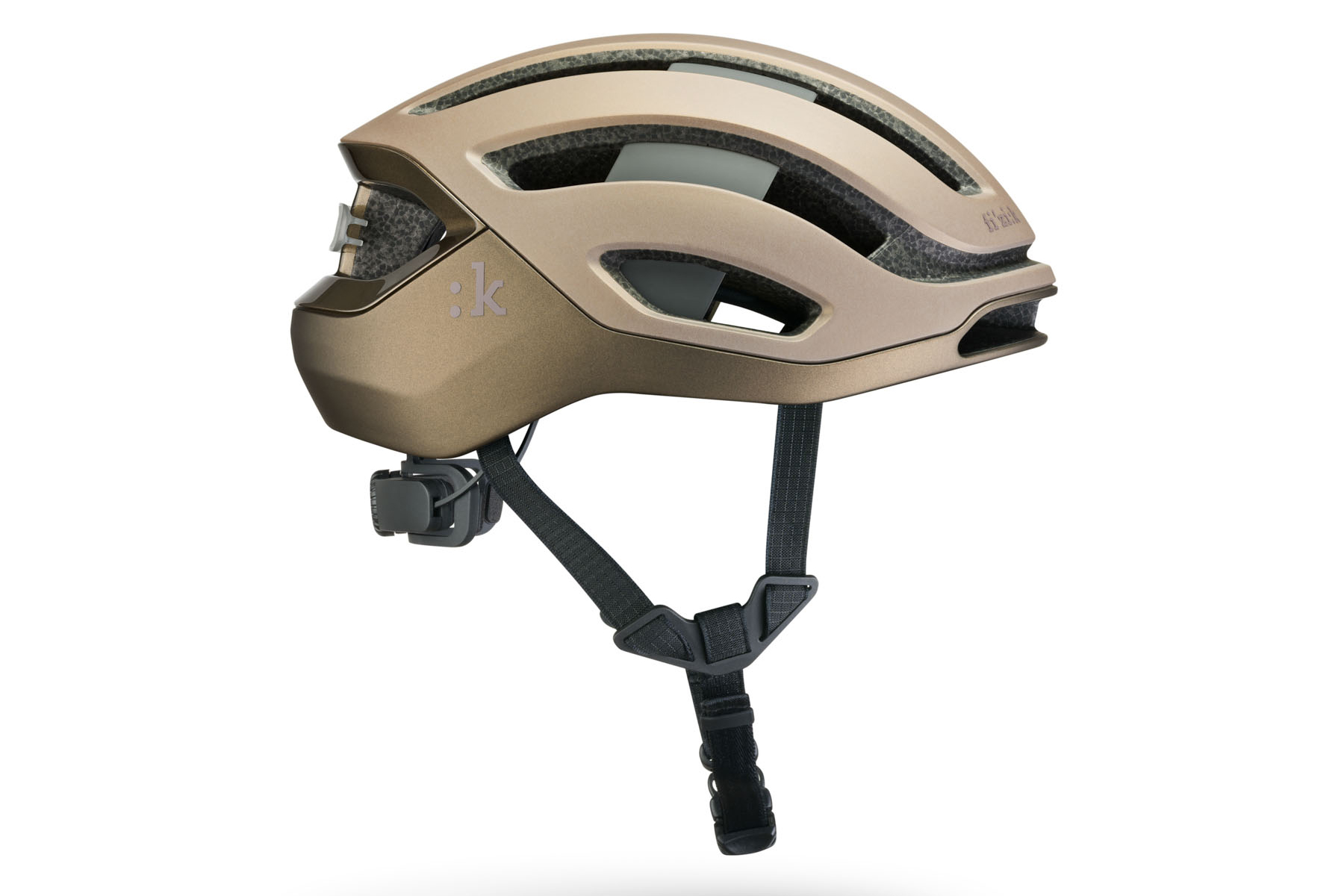
The Kudo’s compact, rounded shape looks good. Fizik

The Kudo is Fiziks’ lightest and coolest design. Fizik claims the rounded low-volume design makes for a helmet that reduces wind resistance whilst providing optimal thermoregulation thanks to the venturi effect created by the brow vents, internal channels, and large exhaust port.

The side vents are designed to also hold sunglasses securely.

Fizik produces different helmets to meet the different global sagety standards. This results in the US (CPSC) helmets weighing slightly more than the European (CE) versions:

  • S: 52-56 (CE 270g/CPSC 310g)
  • M: 56-59 (CE 280g/CPSC 320g)
  • L: 59-61 (CE 310g/CPSC 360g)

The Kudo comes with a soft bag and rear light as standard and in white, black, and bronze.

  • Price: £269.99 / $289.99 / €290

Kudo Aero

Kudo Aero side view
The Kudo Aero uses a Venturi effect design to aid cooling. Fizik

The Kudo Aero looks rather like the Kudo with the vents filled in.

Fizik, however, claims the Kudo Aero’s shape is very aerodynamically efficient with the addition of the clear rear breakaway spoiler working in conjunction with the Venturi effect of the brow vents and large exhaust port to increase airflow for comfort whilst reducing drag.

  • S: 52-56 (CE 270g/CPSC 300g)
  • M: 56-59 (CE 290g/CPSC 320g)
  • L: 59-61 (CE 320g/CPSC 360g)
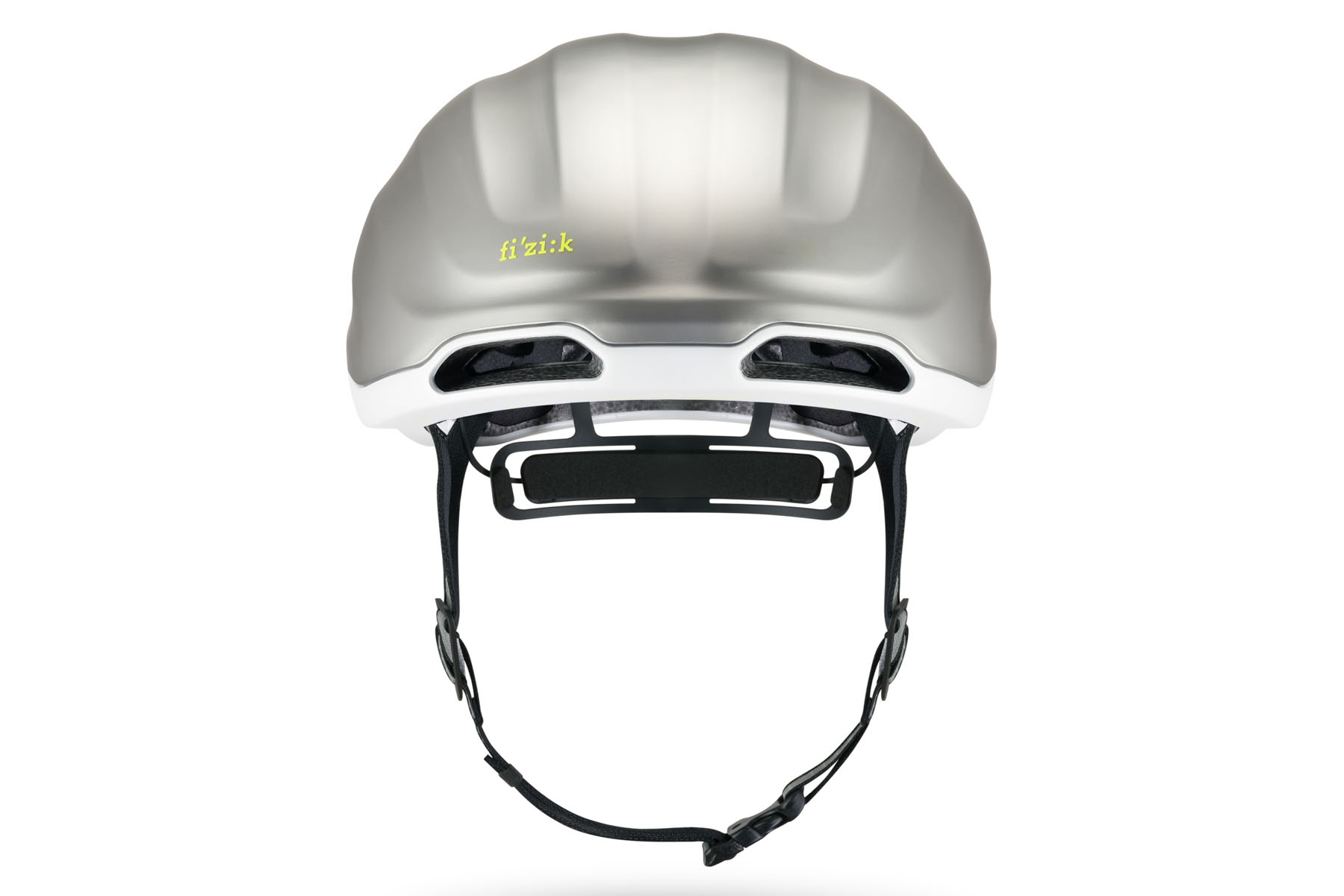
Kudo Aero front
The Kudo Aero’s brow vents force cooling air across the rider’s head.

The Aero comes with a soft bag and rear light as standard and in white, black, and silver.

  • Price: £269.99 / $289.99 / €290

Kassis

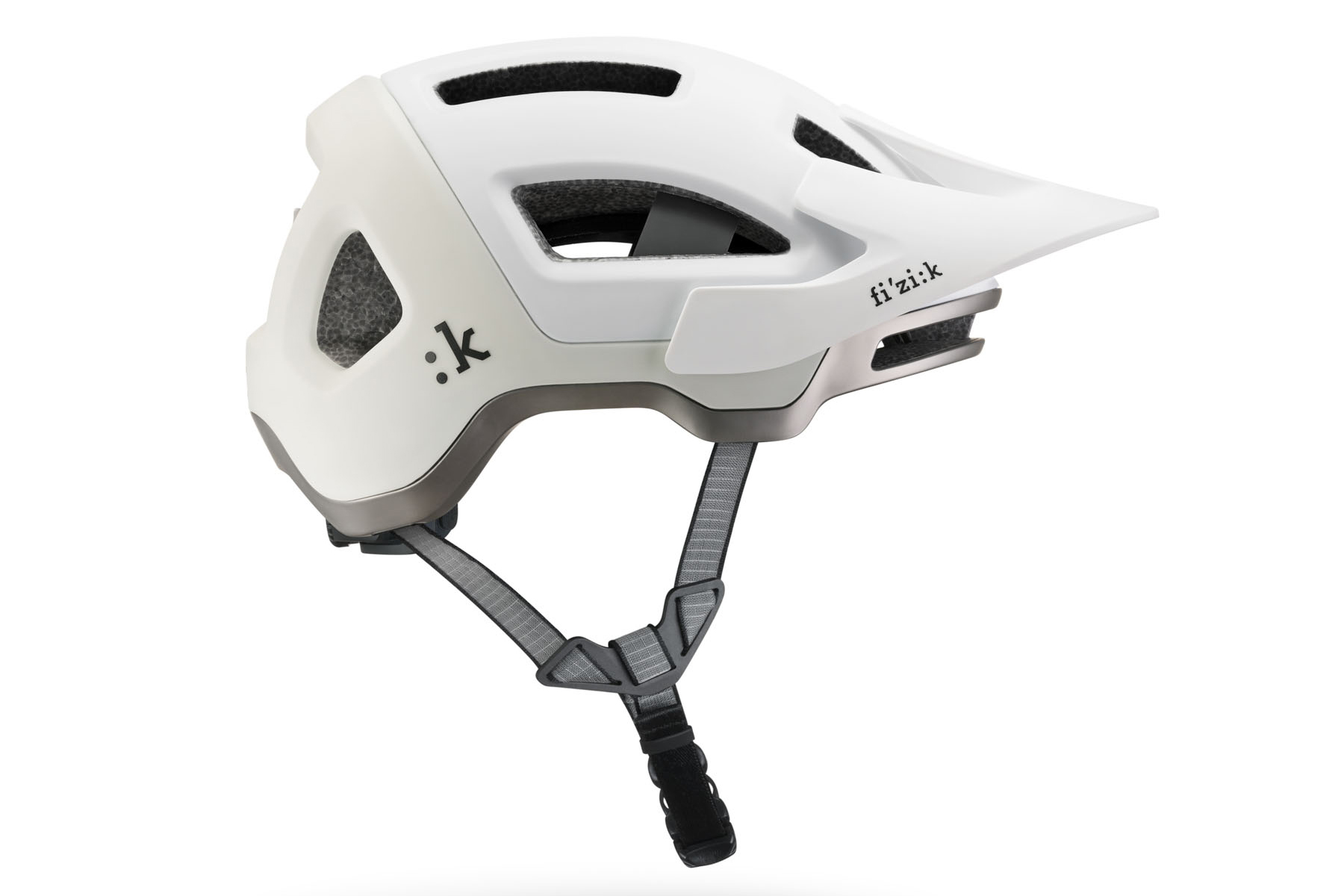
Kassis side view
The Kassis breakaway peak has plenty of adjustment. Fizik

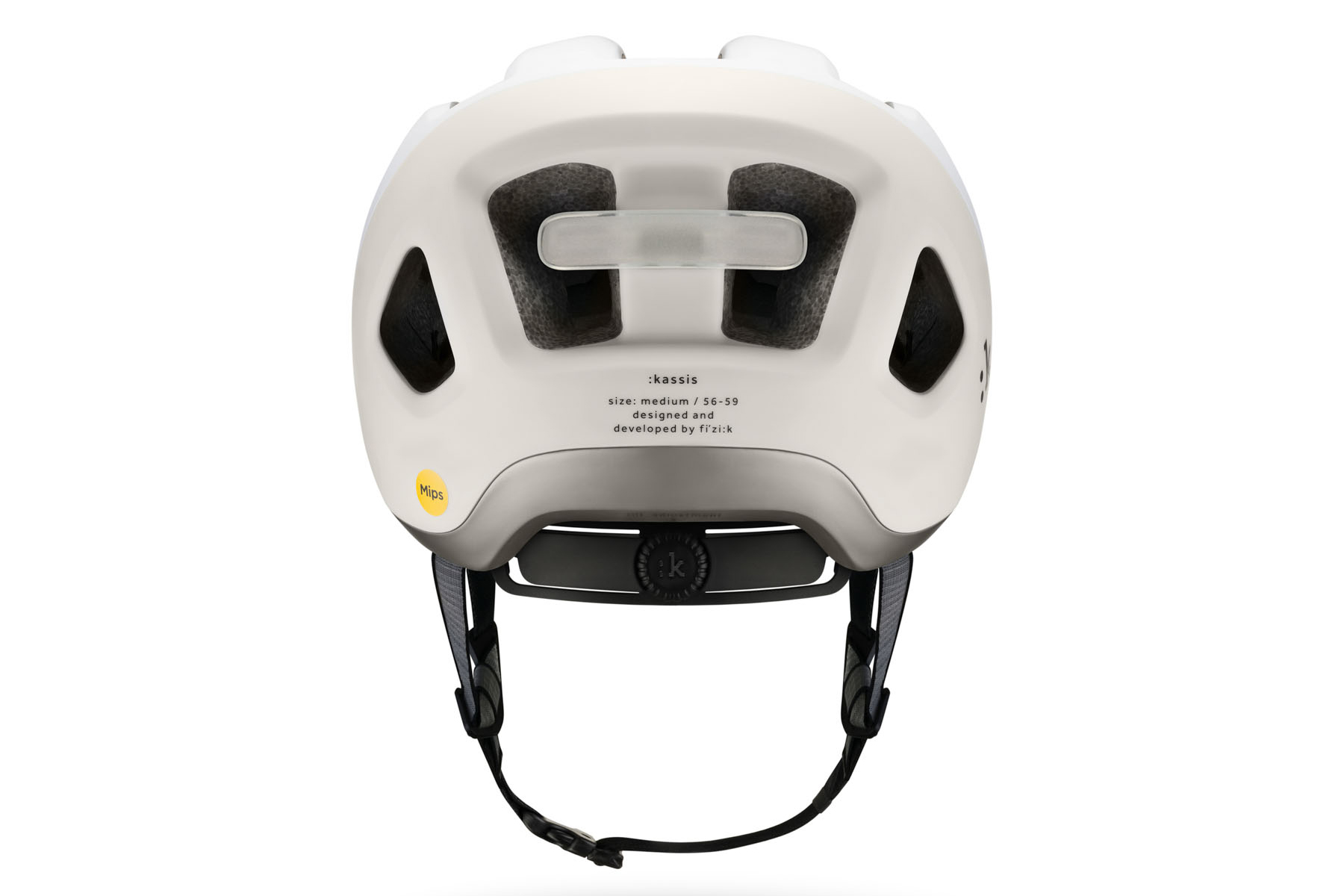
The Kassis follows the same compact rounded design as the road-going helmets but with extended coverage at the temples and the rear.

It comes with a fully adjustable peak with the twin large rear side vents doubling up as sunglass holders.

Kassis rear
The Kassis offers more coverage at the rear for added protection. Fizik

The Kassis is available in white, dark navy, and mud-sand colours, and is compliant with CE EN 1078:2012 and NTA 8776 or CPSC 1203 safety standards.

  • S: 52-56 (CE 330g/CPSC 380g)
  • M: 56-59 (CE 360g/CPSC 420g)
  • L: 59-61 (CE 400g/CPSC 460g)
  • Price: £189.99 / $199.99 / €200

Kunée

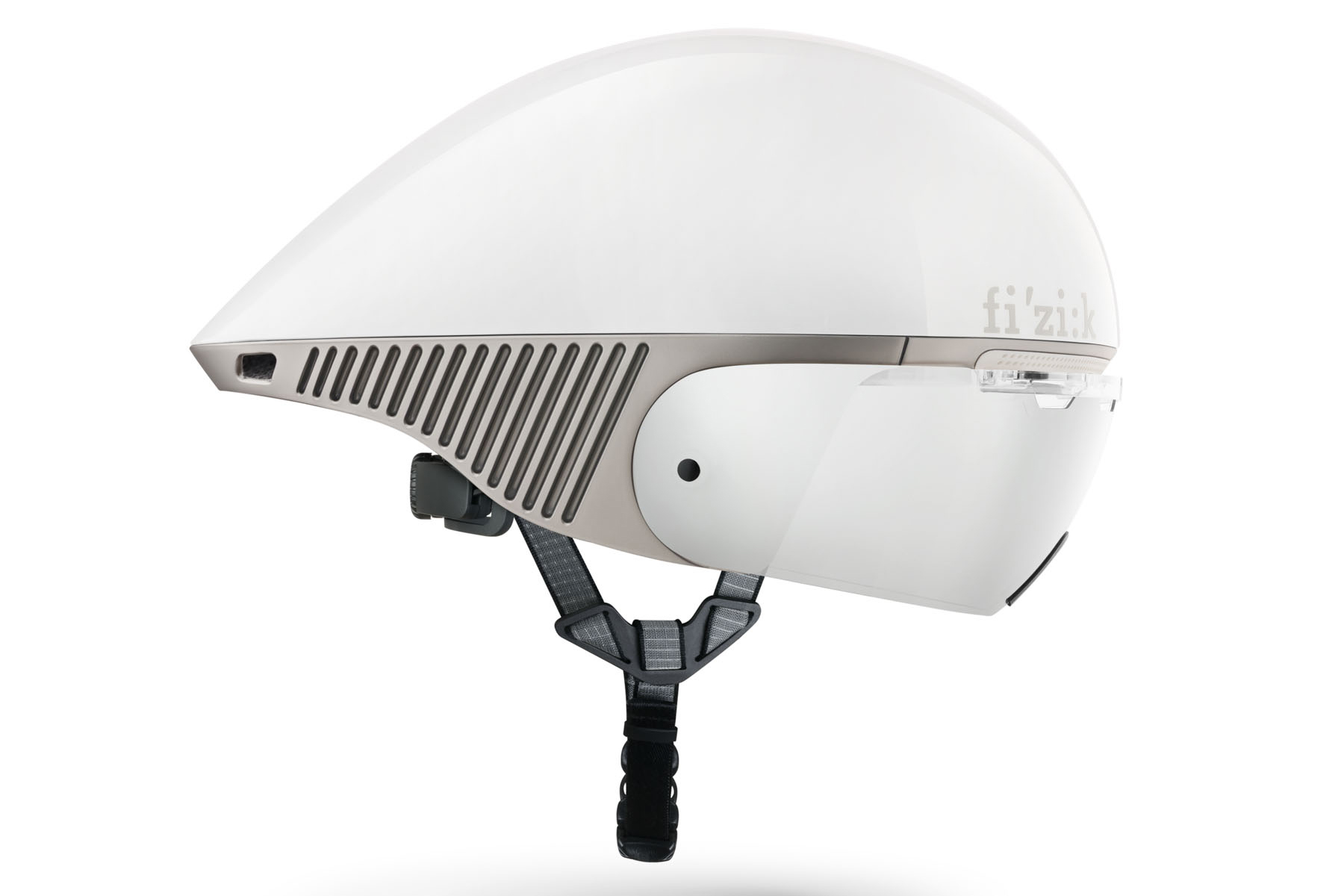
The Kunée's corrugated side panels
The Kunée’s corrugated side panels help condition the air flow over the rider’s shoulders. Fizik

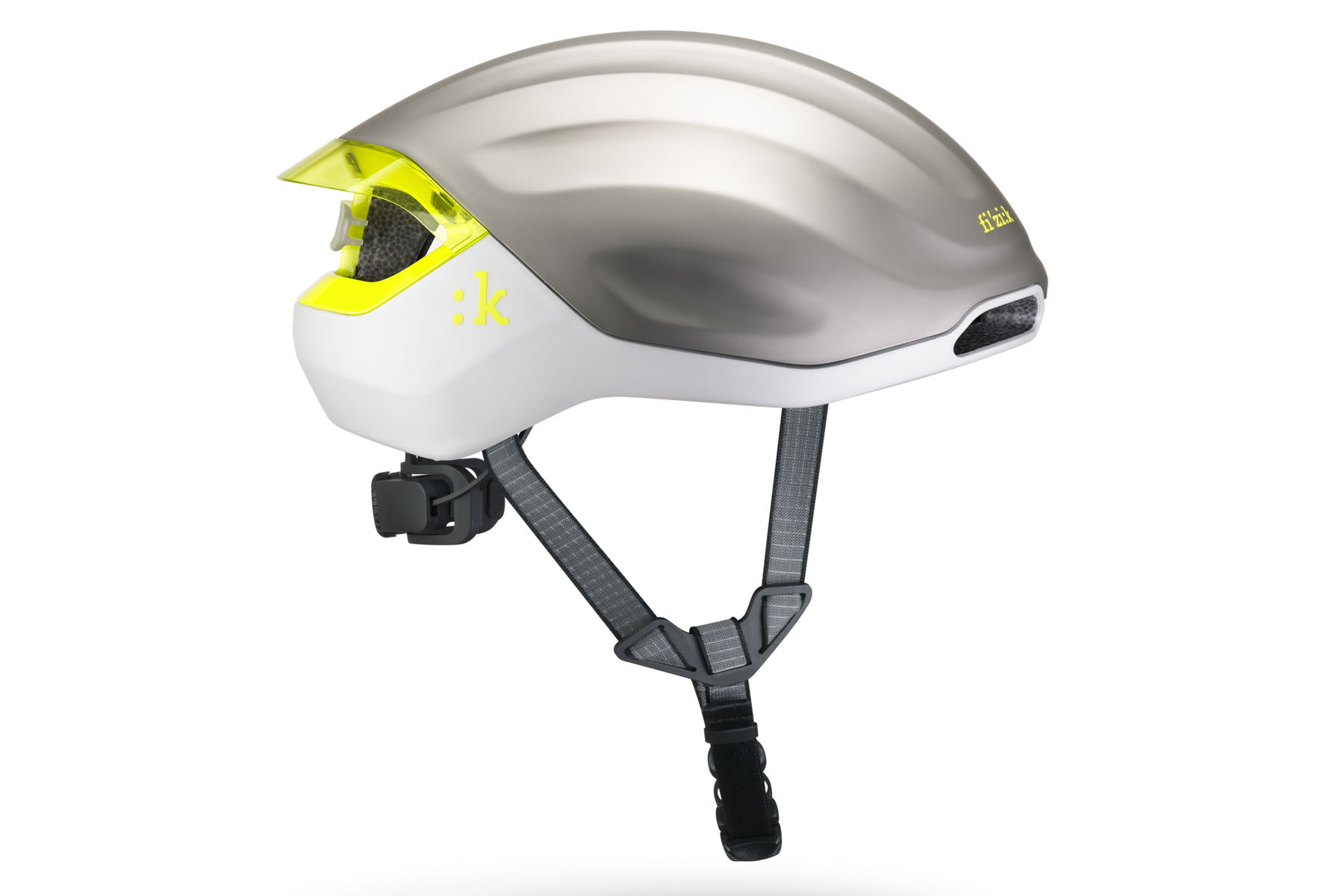
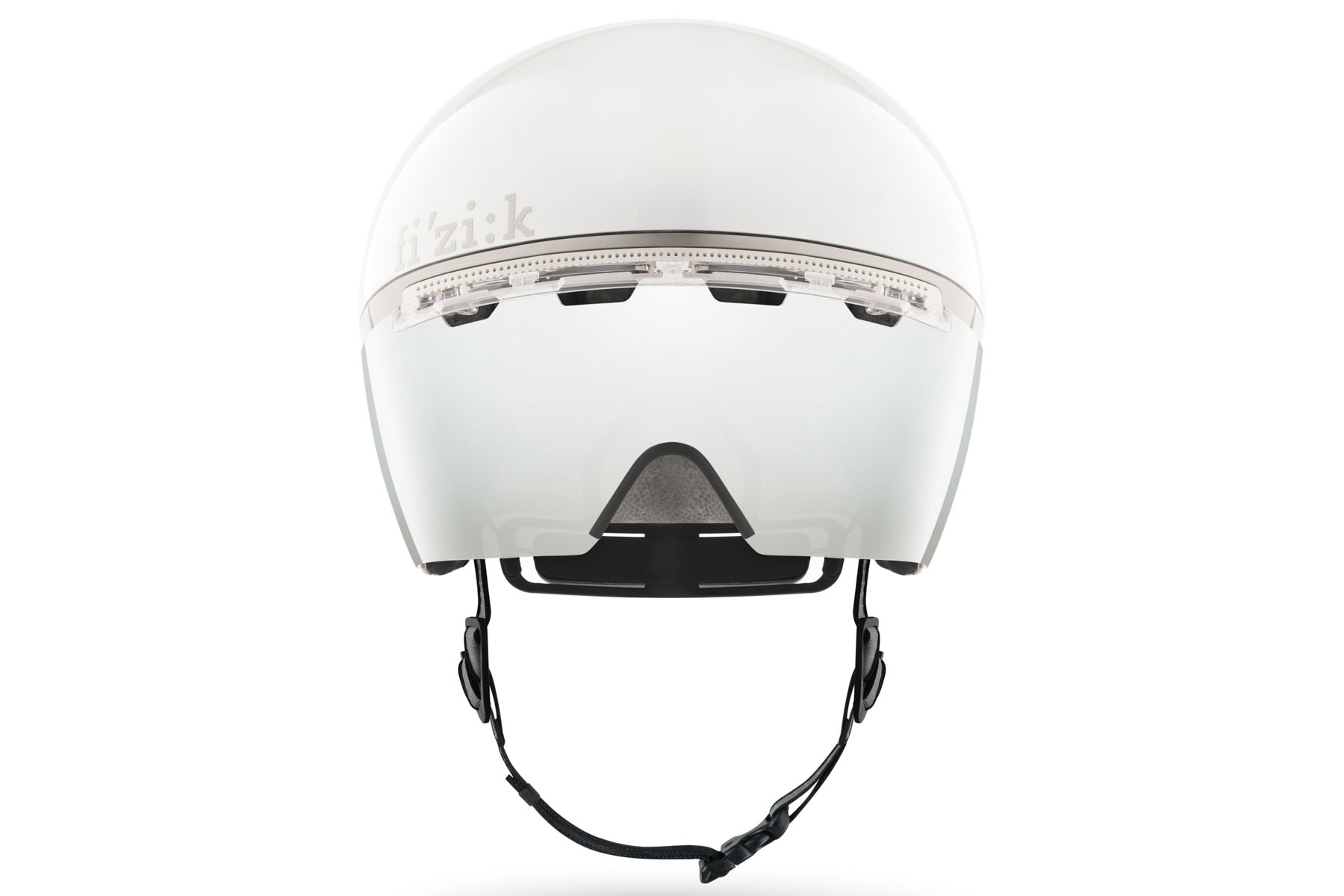
The TT/Triathlon Kunée was designed with a smooth frontal surface and teardrop shape, with a magnetic, wide, seamless visor.

The visor has brow vents that mesh seamlessly with the 3 vents on the helmet.

Using the same Venturi design as the road helmets, Fizik claims the Kunée’s cooling airflow is amongst the best of any TT design, though they haven’t released any performance data yet

Kunée time trial helmet front
The wide visor attaches magnetically. Fizik

On the teardrop’s rear flanks, Fizik has used a corrugated set of side panels designed to keep the disruptive air close for a much smoother transition around the riders’ shoulders.

Fizik says this corrugation has enabled it to keep the size and volume of the Kunée smaller whilst having similar aerodynamic performance to wider helmets designed to shelter the riders’ shoulders.

This more compact and lighter shape makes for a more comfortable helmet.

The helmet was designed in collaboration with athletes, with wind tunnel and real-world testing as part of its development.

It complies with CE EN 1078:2012 and CPSC 1203 safety standards.

The Kunée comes in 2 sizes: S/M and M/L, and in white only

It comes with both a clear and mirrored visor, plus a travel case.

  • S/M: 54-58 (400g)
  • M/L: 58-61 (450g)
  • Price: £359.99 / $379.99 / €380